James Comey’s lawyers face an uphill battle to prove selective or vindictive prosecution in his high-profile case

Source: The Conversation – USA – By Peter A. Joy, Professor of law, Washington University in St. Louis

Patrice Failor, wife of former FBI Director James Comey, departs the courthouse following Comey’s arraignment hearing in Alexandria, Va., on Oct. 8, 2025. Andrew Caballero-Reynold/AFP via Getty Images

Soon after President Donald Trump demanded in a social media post that the Department of Justice prosecute his perceived enemy, former FBI director James Comey, Comey was indicted on Sept. 25, 2025, for lying to a Congressional committee in 2020.

Comey’s lawyers have responded, filing a motion on Oct. 20, 2025, to dismiss the charges against him with prejudice – the “prejudice” being legal jargon for barring a refiling of the charges. Comey’s lawyers allege that the Justice Department’s prosecution is both selective and vindictive.

Despite the existence of a long string of Trump attacks specifically urging that Comey be prosecuted, getting the case dismissed as a prosecution that is selective, vindictive or both will require Comey to overcome a very strong presumption that the charging decision was lawful.
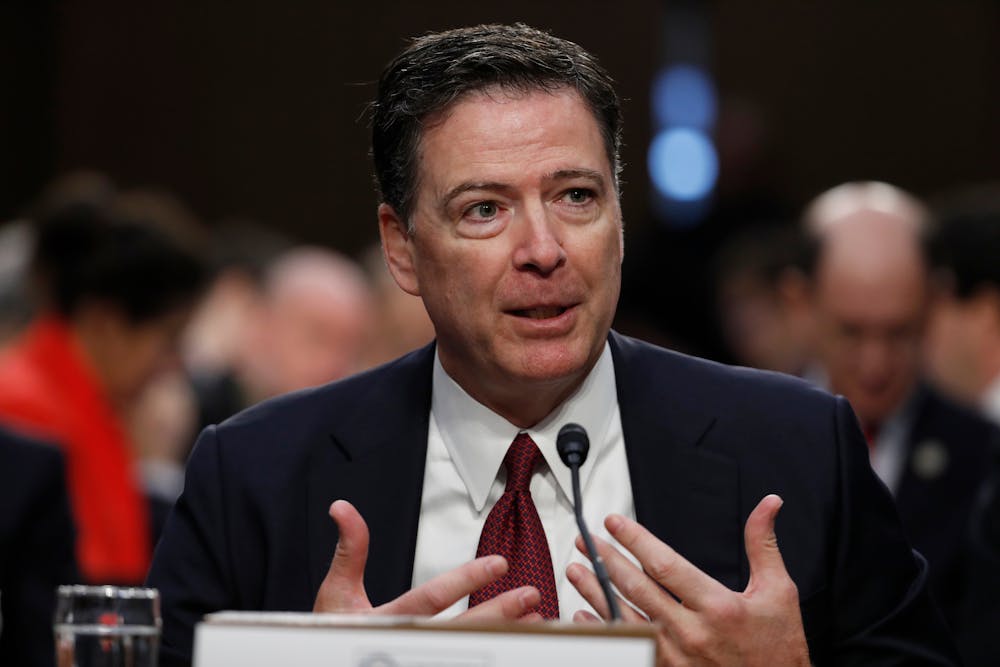
A man in a dark blue blazer, white shirt and red ties speaks in front of a microphone while moving his hands.
Former FBI Director James Comey speaks during a Senate Intelligence Committee hearing on Capitol Hill in Washington on June 8, 2017.
AP Photo/Andrew Harnik

Selective prosecution

For a court to find that there is a selective prosecution, Comey has two hurdles.

First, he has to demonstrate that he was singled out for prosecution for something others have done without being prosecuted.

Second, Comey will have to prove that the government discriminated against him for his constitutionally protected speech of criticizing Trump.

Clearing both of these hurdles seems unlikely. Others, including former Trump fixer Michael Cohen and former Reagan administration Defense Secretary Caspar Weinberger, have been prosecuted for the same type of crimes – allegedly making false statements to Congress or unlawfully seeking to influence or obstruct a Senate investigation.

Vindictive prosecution

Due to Trump’s repeated statements and social media posts that Comey should be charged, proving a vindictive prosecution may be easier.

Indeed, the motion to dismiss starts by laying out the argument for a vindictive prosecution, signaling that Comey’s lawyers think this is the stronger argument by leading with it.

Still, if Comey’s lawyers are to convince the judge, they will have to overcome a heavy burden that the prosecution has exceeded the broad discretion of the prosecutor.

The legal standard requires a court to first find that the prosecutor had animus, hostility, toward Comey, and second, that the charges would not have been brought if there was no animus.

The motion to dismiss based on vindictive prosecution makes a very strong showing of animus, relying on Trump’s several statements and social media posts that Comey should be prosecuted and that Comey was a “Dirty Cop” and “a total SLIMEBALL!

Further evidence involves the fact that no other prosecutor other than Trump’s former personal lawyer, Lindsey Halligan, would seek charges against Comey.

Still, the grand jury found probable cause for the two charges against Comey and issued the indictment. The government will likely argue that demonstrates that the charges could have been brought even if there was animus.

A social media post in which the president urges prosecution of James Comey and others.
A social media post by President Donald Trump urging Attorney General Pam Bondi to prosecute his perceived enemies, including James Comey.
Truth Social Donald Trump account

Fallback position

Comey’s lawyers are leaning heavily on arguments for a dismissal of the charges with prejudice, but they also have a fallback position.

If the judge determines that they have not proved a selective or vindictive prosecution, they are asking for the opportunity to obtain discovery – the record – of the government’s decision to seek charges from the grand jury, and a hearing on their motion to dismiss the indictment.

Given Trump’s public statements and social media posts, and the legal authority on this issue, as a longtime practitioner and teacher of criminal law, I believe the judge is very likely to choose this course of action.

No matter how the trial judge rules on the motion to dismiss, the losing side is certain to appeal. No matter how the federal appeals court rules, the losing side is likely to seek Supreme Court review. Whether the court would take such a case is impossible to predict with any certainty.

The Conversation

Peter A. Joy does not work for, consult, own shares in or receive funding from any company or organization that would benefit from this article, and has disclosed no relevant affiliations beyond their academic appointment.

ref. James Comey’s lawyers face an uphill battle to prove selective or vindictive prosecution in his high-profile case – https://theconversation.com/james-comeys-lawyers-face-an-uphill-battle-to-prove-selective-or-vindictive-prosecution-in-his-high-profile-case-267956

Coal plants emitted more pollution during the last government shutdown, while regulators were furloughed

Source: The Conversation – USA (2) – By Ruohao Zhang, Assistant Professor of Agricultural Economics, Penn State

Coal-fired power plants emit both smoke and steam. Paul Souders/Stone via Getty Images

When the U.S. government shut down in late 2018, it furloughed nearly 600 Environmental Protection Agency pollution inspectors for more than a month. Those workers had to stop their work of monitoring and inspecting industrial sites for pollution, and stopped enforcing environmental-protection laws, including the Clean Air Act.

My colleagues and I analyzed six years’ worth of air quality levels, emissions measurements, power production data and weather reports for more than 200 coal-fired power plants around the country. We found that the coal plants’ operators appeared to take advantage of the lapse in enforcement of environmental regulations.

As soon as the shutdown began, coal-fired power plants started producing about 15% to 20% more particle pollution. And as soon as the government reopened and inspections resumed, pollution levels dropped.

Particulate matter is dangerous

The longest federal government shutdown in U.S. history up until that time began on Dec. 22, 2018, and lasted until Jan. 25, 2019. During that period, about 95% of EPA employees were furloughed, including nearly all the agency’s pollution inspectors, who keep track of whether industrial sites like coal-fired power plants follow rules meant to limit air pollution.

Among those rules are strict limits on a type of pollution called particulate matter, which is sometimes called PM2.5 and PM10. These microscopic particles are smaller than the width of a human hair. When inhaled, they can travel deep into the lungs and even get into the bloodstream. Even short-term exposure to particulates increases the risk of asthma, heart disease and premature death.

An illustration shows a human hair and a grain of beach sand to compare with the size of particulate matter.
Particulate matter pollution is much smaller than a human hair or even a fine grain of sand.
U.S. Environmental Protection Agency

To determine whether coal-fired power plants continued to obey the rules even when environmental inspectors were furloughed and not watching, we examined data on emissions of more than 200 coal-fired power plants across the country. We looked at satellite data from NASA that provides a reliable indicator of particulate pollution in the atmosphere. We also looked at the amounts of several types of chemicals recorded directly from smokestacks and sent to the EPA.

We looked at each plant’s daily emissions before, during and after the 2018-2019 shutdown, and compared them with the plants’ emissions on the same calendar days in the five previous years, when EPA inspectors were not furloughed.

Pollution rose and fell with the shutdown

We found that as soon as the EPA furlough began in 2018, particulate emissions within 1.8 miles (3 kilometers) around the coal-fired power plants rose, according to the NASA data.

The data indicated that, on average, particulate matter during the 2018 and 2019 shutdown was 15% to 20% higher than it had been during the same period in the preceding five years.

And once the EPA inspectors returned to work, the plants’ average particulate pollution dropped back to its pre-shutdown level.

We also found that two other common air pollutants from coal-fired power plants, sulfur dioxide and nitrogen oxides, did not increase during the furlough period. Those gases, unlike particulate matter, are continuously monitored by sensors inside coal plants’ smokestacks, even when the federal government is not operating. Particulate emissions, however, are not continuously monitored: Enforcement of those emissions standards relies on the manual collection of samples from monitors and on-site inspections, both of which halted during the shutdown.

The pattern was clear: When the EPA stopped watching, coal plants increased pollution. And once inspections resumed, emissions dropped back to normal.

Considering various explanations

To confirm that the increase in particulate pollution during the shutdown was due to the lack of inspections and not because of some other factors such as weather fluctuations, we tested a range of alternative explanations and found that they did not fit the data we had collected.

For example, weather records showed that wind, humidity and temperature at and around the coal plants during the shutdown were all within the same ranges as they had been over the previous five years. So the increased particulate pollution during the shutdown was not due to different weather conditions.

Electricity demand – how much power the plants were generating – was also typical, and did not increase significantly during the shutdown. That means the coal plants weren’t polluting more just because they were being asked to produce more electricity.

Our analysis also revealed that the coal plants didn’t shift which particular boilers were operating to less efficient ones that would have produced more particulates. So the increase in pollution during the shutdown wasn’t due to just using different equipment to generate electricity.

The emissions data we collected also included carbon dioxide emissions, which gave us insight into what the coal plants were burning. With similar weather conditions and amounts of electricity generated, different types of coal emit different amounts of carbon dioxide. So if we had found carbon dioxide emissions changed, it could have signaled that the plants had changed to burning another type of coal, which could emit more particulate matter – but we did not. This showed us that the increase in particulate emissions was not from changing the specific types of coal being burned to generate electricity.

All of these tests helped us determine that the spike in particulate matter pollution was unique to the 2018–2019 EPA furlough.

Spewing particulate matter

All of this analysis led us to one final question: Was it, in fact, possible for coal-fired power plants to quickly increase – and then decrease – the amount of particulate matter they emit? The answer is yes. Emissions-control technology does indeed allow that to happen.

Power plants control their particulate emissions with a device called an electrostatic precipitator, which uses static electricity to collect particles from smoke and exhaust before it exits the smokestack. Those devices use electricity to run, which costs money, even for a power plant. Turning them off when the plants are being monitored risks incurring heavy fines. But when oversight disappeared, the power plants could save money by turning those devices off or reducing their operation, with less risk of being caught and fined.

Our findings indicate that air pollution regulations are only as effective as their enforcement, which had already been decreasing before the 2018 shutdown. Between 2007 and 2018, EPA’s enforcement staff declined by more than 20%, and the number of inspections dropped by one-third.

Since the new administration took office in January 2025, EPA staffing has been reduced significantly. We found that without strong and continuous monitoring and enforcement, environmental laws risk becoming hollow promises.

The Conversation

The authors do not work for, consult, own shares in or receive funding from any company or organization that would benefit from this article, and have disclosed no relevant affiliations beyond their academic appointment.

ref. Coal plants emitted more pollution during the last government shutdown, while regulators were furloughed – https://theconversation.com/coal-plants-emitted-more-pollution-during-the-last-government-shutdown-while-regulators-were-furloughed-267696

1 in 3 US nonprofits that serve communities lost government funding in early 2025

Source: The Conversation – USA (2) – By Lewis Faulk, Associate Professor of Public Administration and Policy, American University

The Trump administration’s spending cuts have hit many nonprofits hard. michaelquirk/iStock via Getty Images Plus

About one-third of U.S. nonprofit service providers experienced a disruption in their government funding in the first half of 2025.

That’s what we found when we teamed up with Urban Institute researchers to collect nationally representative survey data from 2,737 nonprofits across the country.

These organizations run food pantries, deliver job training and offer mental health services. They provide independent living assistance, disaster relief and emergency shelter, among other services.

Our team found that 21% lost a grant or contract, 27% faced delays or funding freezes and 6% were hit with stop-work orders. Some of the nonprofits had experienced more than one of these funding problems, which affected nonprofits of all kinds. But they were especially disruptive to larger ones that employ more people and provide key services, such as large social service agencies, food banks and organizations serving people enrolled in Medicaid.

These findings came from the most recent Nonprofit Trends and Impacts survey, which we conducted from April to June 2025 with colleagues at the Urban Institute, including Laura Tomasko, Hannah Martin, Katie Fallon and Elizabeth T. Boris. They follow findings from a prior survey that the project fielded between October 2024 and January 2025.

When funding dries up, nonprofits tend to shrink and scale back their services. About 21% of those hit by funding cuts in the first half of 2025 were already serving fewer people by the time they completed the survey in April, May and June 2025, and 29% had reduced their staff. Many of these nonprofit leaders also told us they expect to have to lay off more of their employees by the end of 2025.

Nonprofits had already been facing financial pressure.

In the prior round of the survey that our team conducted in the fall of 2024, more than half of nonprofit leaders said they were worried about their organization’s finances. Many of them said they had received less money through donations and were facing tougher competition when they applied for grants, largely due to a tougher economic climate and the end of federal funding that had been disbursed during the COVID-19 pandemic.

Why it matters

Nonprofits often partner with the government to deliver essential services. This government support is vital – it makes up about 20% of the revenue that most nonprofits rely on. What’s more, government funding provided more than half of total revenue for about 1 in 5 service-oriented nonprofits in 2023, which is the most recent data available.

That same year, about 2 in 3 nonprofits received at least one federal, state or local government grant or contract.

Government funding made up 42% of total revenue for service-providing nonprofits that experienced government funding disruptions in our 2025 survey. The rest of their funding came from donations, foundation grants and service fees.

Nonprofits get less than half of their total revenue from foundations and individual donations, and total government funding for nonprofits amounts to around three times total foundation funding. That makes it unlikely that philanthropy will replace the government funding that’s being lost.

What still isn’t known

Nonprofits from California to Florida are seeing their funding withheld, and the government shutdown that began Oct. 1, 2025, is compounding the effects of the Trump administration’s longer-term spending cuts. The full extent of the impacts of these federal disruptions on nonprofits’ budgets won’t be known until 2026 or later.

In addition, our survey doesn’t include the leaders of very small nonprofits, or several kinds of nonprofits – including hospitals, colleges, universities, churches and foundations.

What’s next

Our upcoming Nonprofit Trends and Impacts surveys in early 2026 will convey more of the effects of government funding cuts on nonprofits’ budgets and programs.

A more complete picture will not be possible until the Internal Revenue Service publishes data that it collects from the 990 form that most charitable nonprofits must file on an annual basis. Historically, The IRS has taken years to release comprehensive nonprofit financial data, requiring additional research beyond the 990 form.

The Conversation

Lewis Faulk is a Non-Resident Fellow of the Urban Institute. He received funding from the Fidelity Charitable Catalyst Fund and the Barr Foundation to support the research discussed in this article.

Mirae Kim is a Non-Resident Fellow of the Urban Institute. She received funding from the Fidelity Charitable Catalyst Fund and the Barr Foundation to support the research discussed in this article. She is affiliated with the Association for Research on Nonprofit Organizations and Voluntary Action (ARNOVA) as a non-paid, at-large board member.

ref. 1 in 3 US nonprofits that serve communities lost government funding in early 2025 – https://theconversation.com/1-in-3-us-nonprofits-that-serve-communities-lost-government-funding-in-early-2025-267795

Surrealism is better known for its strangeness than the radical politics and revolutionary ambitions of its creators

Source: The Conversation – USA (2) – By Tom McDonough, Professor of Art History, Binghamton University, State University of New York

A visitor looks at ‘Magnetic Mountain’ by Kurt Seligmann at the Centre Pompidou in Paris. Sandrine Marty/Hans Lucas/AFP via Getty Images

A large-scale exhibition of surrealism that first opened in Paris in 2024 will have its sole American iteration, “Dreamworld: Surrealism at 100,” at the Philadelphia Art Museum from Nov. 8, 2025, through Feb. 16, 2026.

In everyday speech, people use “surreal” to refer to anything unbelievable, fantastic, bizarre.

“I found myself in the surreal position of explaining who I am …”

“In the middle of the story, things turned surreal.”

“It was a completely surreal situation!”

As an art historian and critic who has closely studied 20th-century avant-garde movements, I find it remarkable that a word that originated in the arcane jargon of Paris’ modern art circles a century ago has become so familiar. From the cafes and studios of the 1920s, the term has traveled into common parlance – touching a shared nerve for the strangeness and absurdity of modern life.

But surrealism, the movement that coined the term and took it up as its moniker, was about more than ostentatious strangeness. If you think only of Salvador Dalí’s limp watches swarming with ants, or his extravagant moustaches and even more extravagant (mis)behavior, you are missing the better part of what continues to make surrealism one of the most compelling art movements of the 20th century – and the lessons it still holds today.

Black and white photo of man in suit sitting in chair in front of paintings on canvases
Surrealist artist Salvador Dalí poses with his oil paintings at his New York City studio in 1943.
Michael Ochs Archives via Getty Images

Melding dream and reality

Surrealism was founded by a group of young Parisian artists, mostly writers, who gathered around the charismatic figure of poet André Breton.

During World War I, Breton had treated front-line soldiers suffering from what was then termed “shell shock” and today we understand as PTSD. This experience opened him to altered mental states and introduced him to new ideas from the Viennese psychoanalyst Sigmund Freud about the structure of the human mind.

In states of psychosis, but also in daily occurrences such as dreams and slips of the tongue, Freud saw glimpses of an uncharted region of the psyche, the unconscious. Why, Breton asked, shouldn’t life, and art, take these aspects of human experience into account? Shouldn’t the portion of existence spent dreaming also be recognized as having value?

Orange paper with text printed in French and titled 'Manifeste du Surréalisme'
The publication of André Breton’s ‘Manifesto of Surrealism’ in 1924 is considered the birth of the surrealist movement.
Photo12/Universal Images Group via Getty Images

In a manifesto published in 1924, Breton called for “the future resolution of these two states, dream and reality, which are seemingly so contradictory, into a kind of absolute reality, a surreality, if one may so speak.”

Politics of revolution

Freud had coined the term “dreamwork” to describe the activity that transformed residues of the day’s memories into vehicles for the expression of our unconscious desires.

For the surrealists, too, dreaming was no simple realm of idle fantasy. They understood the synthesis of sleeping and waking life as promising a liberation no less sweeping than that of the revolutionary workers’ movement of their time.

Overcoming the contradiction between dream and reality, they believed, would complement the class struggle between the global proletariat and its bourgeois oppressors. Surrealism was much more than a merely artistic project – it was also a means toward a larger political end.

From a century’s distance, these may appear grandiose, even delusional claims. But 1924, the year of surrealism’s founding, was only seven years after the Russian Revolution. The surrealists wagered on the power of both the revolution of modern art and poetry and the political transformation of society.

“‘Transform the world,’ Marx said; ‘change life,’ [French poet Arthur] Rimbaud said. These two watchwords are one for us,” Breton said, speaking to a group of writers in Paris. In other words, the uncompromising project of remaking social existence would not be complete without the artistic reimagining of the human psyche, and vice versa.

But by 1935, when Breton pronounced this succinct formulation, the surrealists’ gamble on revolution had already effectively been lost. With Joseph Stalin’s purges underway in Moscow and Adolf Hitler consolidating power in Germany, the window for radical change that had seemed to open in the years after World War I was definitively closing.

Soon, the surrealists would find themselves dispersed into exile by a new global conflict. All that remained was for the museums and libraries to collect the relics of that heady ideal and to preserve the artworks and ephemera that registered surrealism’s brief quest to unleash the forces of the unconscious in the name of a new, freer world.

Surrealism’s unfinished business

The surrealists aimed to seduce their audiences. That seduction was not undertaken to sell their paintings, or even to provide their audiences a moment’s respite from harried lives. It was done in the name of subversion. They wished – through artworks, films and books – to shatter people’s complacency and move them to change their lives, and the world.

Woman in foreground, blurred, shown passing a colorful painting of tree with human face
A visitor to the Paris exhibition walks past René Magritte’s surrealist ‘Alice in Wonderland,’ painted in 1946.
AP Photo/Christophe Ena

The artwork wasn’t a mere window through which to look onto a distant “dreamworld.” It was more like a revolving door one was invited to walk through. Breton and his colleagues desired a world in which individuals could live poetry, not just read it.

Surrealist works of art, even as they hang peaceably on the museum’s walls or sit quietly on library shelves, retain at least residues of that power.

In my view, the best recent writing on the movement manages to recapture that urgency, that allure, for our own time. These include translator and author Mark Polizzotti’s 2024 book “Why Surrealism Matters” and art historian Abigail Susik’s 2021 volume “Surrealist Sabotage.”

The centenary of surrealism is a reminder of the movement’s unfinished business of revolutionary seduction. After all, as Breton reminded his readers at the close of his 1924 manifesto, life is not bound to the realities of the world as currently given.

“Existence,” he insisted, “is elsewhere.”

Read more of our stories about Philadelphia and Pennsylvania, or sign up for our Philadelphia newsletter on Substack.

The Conversation

Tom McDonough does not work for, consult, own shares in or receive funding from any company or organization that would benefit from this article, and has disclosed no relevant affiliations beyond their academic appointment.

ref. Surrealism is better known for its strangeness than the radical politics and revolutionary ambitions of its creators – https://theconversation.com/surrealism-is-better-known-for-its-strangeness-than-the-radical-politics-and-revolutionary-ambitions-of-its-creators-264961

Why your late teens and early 20s are crucial times for lifelong heart health

Source: The Conversation – USA (3) – By Jewel Scott, Assistant Professor of Nursing Science, University of South Carolina

Many young adults don’t realize that high cholesterol, obesity, high blood pressure and lack of physical activity are early heart disease risk factors. Kmatta/Moment via Getty Images

Emerging adulthood – the life stage that unfolds around ages 18-25 – is full of major transitions, such as starting college or learning a trade, making new friends and romantic connections, and generally becoming more independent.

It’s also a stage where behaviors that diminish heart health, such as spending more time sitting, consuming more fast food and using more tobacco and alcohol, become more common. In fact, only about 1 in 4 youths maintain positive health behavior patterns during the transition to adulthood.

More Americans die of heart disease than of any other condition. People often think of heart disease as an illness that mostly affects older people, but data from electronic health records show that the rate of heart disease in people under 40 has more than doubled since 2010 and tripled among people who use tobacco. Researchers like me are learning a great deal more about how heart health later in life heavily depends on the habits built during late adolescence and early adulthood.

I am a primary care nurse practitioner and researcher studying how early life shapes long-term heart health. In my clinical practice, I frequently care for people in their early 20s who are entering adulthood and are already facing serious cardiovascular risk factors such as elevated blood pressure, high blood sugar or a body mass index in the obesity range.

Just as young people on the cusp of adulthood make important decisions about their education, career and relationships, the health habits they build during this critical time also lay the foundation for lifelong heart health and better quality of life.

Early roots of heart disease

The most common form of heart disease is atherosclerotic cardiovascular disease, which develops when sticky, fatty plaque builds up in the blood vessels and makes it harder for blood to flow.

Heart health doesn’t suddenly decline in middle age. It starts to slip much earlier, often without people realizing it. In fact, research shows that a key turning point is around age 17. That’s when overall heart health scores based on behaviors such as diet, movement and sleep, along with clinical measures such as blood pressure, begin to worsen.

Age 17 is a key turning point when heart health scores can begin to decline in young people.

That means by the time many young people are finishing high school, heart disease risk factors are already emerging. The good news is that most of the risk factors that drive this buildup are modifiable – meaning you can do something about them.

In a report I co-authored in March 2025, my colleagues and I explored the key risk factors for heart disease in emerging adults. One of the most important is nicotine exposure. Use of cigarettes, vapes and other nicotine products has surged among young adults in recent years, from 21% of 18- to 23-year-olds in 2002 to 43% in 2018. Nicotine damages blood vessels and speeds up the plaque formation process, increasing the risk of serious heart problems later in life. While signs such as chest discomfort or shortness of breath tend to show up much later, the groundwork for those symptoms is laid much earlier.

Obesity is another early risk factor. In fact, 1 in 5 young people under age 25 have a BMI of 30 or higher, and projections suggest nearly 3 in 5 will meet that threshold by age 35.

Meanwhile, fewer than half of adults ages 18-34 recognize high cholesterol, obesity, high blood pressure and lack of physical activity as heart disease risk factors. These early warning signs, often uncovered during routine checkups, can set the stage for future heart disease.

Societal factors shape heart health, too

Heart health isn’t shaped by individual choices alone. Broader policies and systems also play a major role.

For example, the Affordable Care Act allows young adults to stay on their parents’ insurance plans until age 26, which can help ensure access to preventive services. These services, such as routine checkups, blood pressure screenings and conversations about family history, are key opportunities for your primary care provider to catch early signs of cardiovascular risk.

While preventive care use among young adults increased after the ACA was passed, overall rates of preventive care visits still remain low. Policies that expand access to health care and that make it easy for young people to take advantage of these services, such as telehealth, can make a real difference. And if a provider doesn’t bring up heart health during a well-check visit, patients can ask questions or start the conversation themselves.

An instructor leads an outdoor exercise class.
Living in a neighborhood with access to outdoor spaces can make it easier to engage in activities that support heart health.
kali9/E+ via Getty Images

Beyond health care access, the conditions of people’s daily lives, such as where they live, their education level and their economic stability, also play important roles in heart health. Neighborhoods can include resources such as parks and green spaces, which make healthy choices more feasible. Education and stable employment are tied to health care access, lower stress and food security, all of which support a healthier heart.

Healthy social connections matter, too. Strong, supportive relationships are linked to better overall well-being, including heart health. Recently, several major health organizations have spotlighted loneliness as a public health issue. However, there is still a lot to learn about exactly how social connections translate to healthier lives, and not enough of this research focuses on young adults.

Pew research shows that 1 in 3 teens report near-constant use of social media, but those connections do not yield the same health benefits as interacting in real life. In my own research, I am investigating how social connection affects heart health in young adults in particular.

Building a foundation for heart health

There is a lot you can do today to make a difference in your heart health. In our recent report, written with the American Heart Association, my colleagues and I highlighted a group of eight risk factors that people can modify to reduce their heart disease risk, called the Essential 8.

Embracing the Essential 8, a set of evidence-based measures developed by the American Heart Association, can help young people establish lifelong habits for a healthy heart.

Four are health behaviors. In addition to avoiding nicotine, young people should prioritize getting 150 minutes of moderate to vigorous activity a week, or around 20 minutes a day, as recommended by the American Heart Association. They should also aim to get seven to nine hours of sleep nightly and to eat a diet rich in fish, berries and vegetables. Even small changes in these four behaviors can have positive effects.

Of these four behaviors, U.S. children score worst on diet – an important area for improvement in the transition to adulthood. Young adults with stronger cooking skills tend to have healthier eating habits in middle age, suggesting that learning how to cook could be a valuable step toward better heart health.

The other four factors are clinical measures: blood pressure, blood sugar, cholesterol and BMI. Since the early 2000s, three of the four – blood pressure, blood sugar and BMI – have all worsened among young adults.

These changes can go unnoticed until much later, but checking in on them early creates an opportunity to take action. The next time you are at a checkup, ask your provider about your heart health – even if you think you’re too young to be worrying about heart disease. A simple conversation today could shape the way you feel years from now, and your future heart will thank you.

The Conversation

Jewel Scott receives funding from the National Institutes of Health. She is a volunteer with the American Heart Association.

ref. Why your late teens and early 20s are crucial times for lifelong heart health – https://theconversation.com/why-your-late-teens-and-early-20s-are-crucial-times-for-lifelong-heart-health-254276

A flexible lens controlled by light-activated artificial muscles promises to let soft machines see

Source: The Conversation – USA – By Corey Zheng, PhD Student in Biomedical Engineering, Georgia Institute of Technology

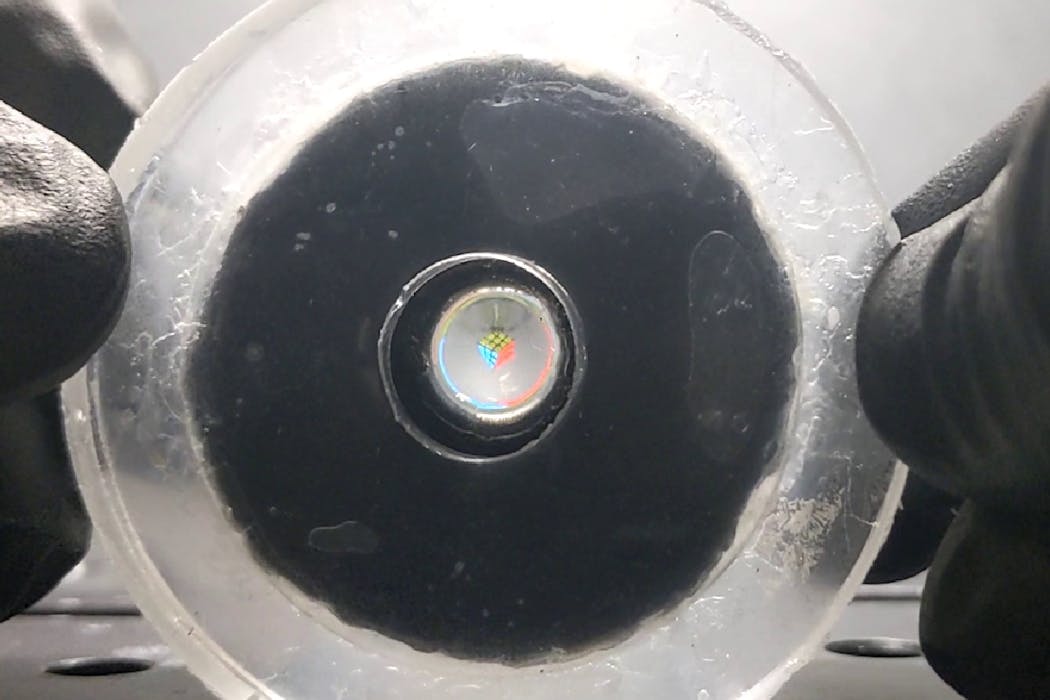
This rubbery disc is an artificial eye that could give soft robots vision. Corey Zheng/Georgia Institute of Technology

Inspired by the human eye, our biomedical engineering lab at Georgia Tech has designed an adaptive lens made of soft, light-responsive, tissuelike materials.

Adjustable camera systems usually require a set of bulky, moving, solid lenses and a pupil in front of a camera chip to adjust focus and intensity. In contrast, human eyes perform these same functions using soft, flexible tissues in a highly compact form.

Our lens, called the photo-responsive hydrogel soft lens, or PHySL, replaces rigid components with soft polymers acting as artificial muscles. The polymers are composed of a hydrogel − a water-based polymer material. This hydrogel muscle changes the shape of a soft lens to alter the lens’s focal length, a mechanism analogous to the ciliary muscles in the human eye.

The hydrogel material contracts in response to light, allowing us to control the lens without touching it by projecting light onto its surface. This property also allows us to finely control the shape of the lens by selectively illuminating different parts of the hydrogel. By eliminating rigid optics and structures, our system is flexible and compliant, making it more durable and safer in contact with the body.

Why it matters

Artificial vision using cameras is commonplace in a variety of technological systems, including robots and medical tools. The optics needed to form a visual system are still typically restricted to rigid materials using electric power. This limitation presents a challenge for emerging fields, including soft robotics and biomedical tools that integrate soft materials into flexible, low-power and autonomous systems. Our soft lens is particularly suitable for this task.

Soft robots are machines made with compliant materials and structures, taking inspiration from animals. This additional flexibility makes them more durable and adaptive. Researchers are using the technology to develop surgical endoscopes, grippers for handling delicate objects and robots for navigating environments that are difficult for rigid robots.

The same principles apply to biomedical tools. Tissuelike materials can soften the interface between body and machine, making biomedical tools safer by making them move with the body. These include skinlike wearable sensors and hydrogel-coated implants.

three photos showing a rubbery disk held between two hands
This variable-focus soft lens, shown viewing a Rubik’s Cube, can flex and twist without being damaged.
Corey Zheng/Georgia Institute of Technology

What other research is being done in this field

This work merges concepts from tunable optics and soft “smart” materials. While these materials are often used to create soft actuators – parts of machines that move – such as grippers or propulsors, their application in optical systems has faced challenges.

Many existing soft lens designs depend on liquid-filled pouches or actuators requiring electronics. These factors can increase complexity or limit their use in delicate or untethered systems. Our light-activated design offers a simpler, electronics-free alternative.

What’s next

We aim to improve the performance of the system using advances in hydrogel materials. New research has yielded several types of stimuli-responsive hydrogels with faster and more powerful contraction abilities. We aim to incorporate the latest material developments to improve the physical capabilities of the photo-responsive hydrogel soft lens.

We also aim to show its practical use in new types of camera systems. In our current work, we developed a proof-of-concept, electronics-free camera using our soft lens and a custom light-activated, microfluidic chip. We plan to incorporate this system into a soft robot to give it electronics-free vision. This system would be a significant demonstration for the potential of our design to enable new types of soft visual sensing.

The Research Brief is a short take on interesting academic work.

The Conversation

Corey Zheng receives funding from the National Science Foundation.

Shu Jia receives funding from the National Science Foundation and the National Institutes of Health.

ref. A flexible lens controlled by light-activated artificial muscles promises to let soft machines see – https://theconversation.com/a-flexible-lens-controlled-by-light-activated-artificial-muscles-promises-to-let-soft-machines-see-268064

COVID-19 mRNA vaccines could unlock the next revolution in cancer treatment – new research

Source: The Conversation – USA (3) – By Adam Grippin, Physician Scientist in Cancer Immunotherapy, The University of Texas MD Anderson Cancer Center

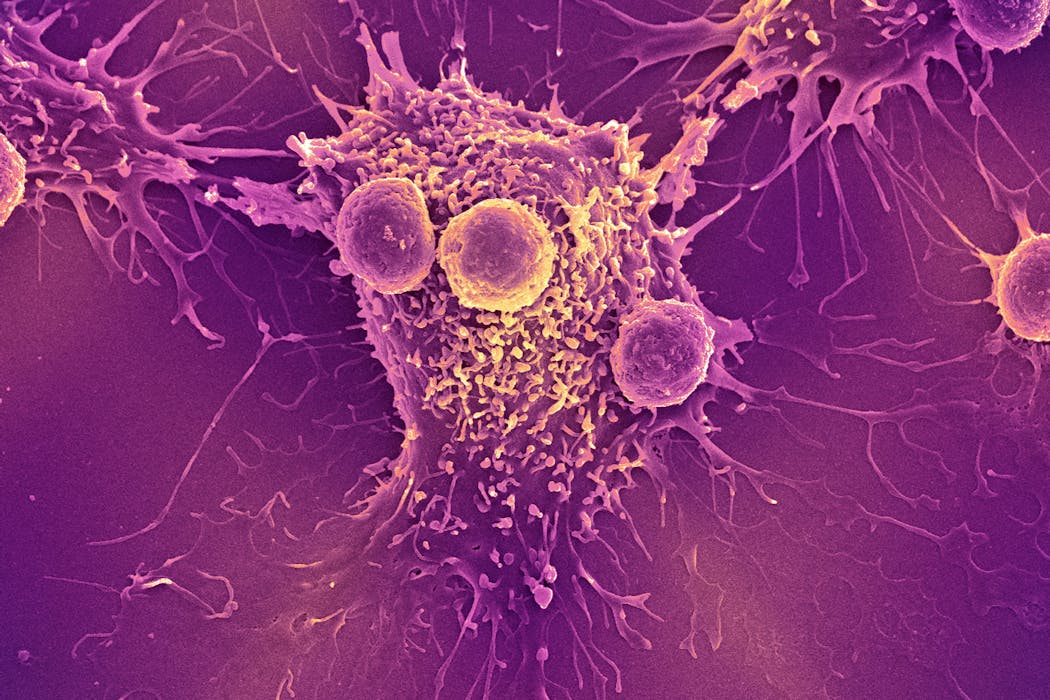
With a little help, your immune cells can be potent tumor killers. Steve Gschmeissner/Science Photo Library via Getty Images

The COVID-19 mRNA-based vaccines that saved 2.5 million lives globally during the pandemic could help spark the immune system to fight cancer. This is the surprising takeaway of a new study that we and our colleagues published in the journal Nature.

While developing mRNA vaccines for patients with brain tumors in 2016, our team, led by pediatric oncologist Elias Sayour, discovered that mRNA can train immune systems to kill tumors – even if the mRNA is not related to cancer.

Based on this finding, we hypothesized that mRNA vaccines designed to target the SARS-CoV-2 virus that causes COVID-19 might also have antitumor effects.

So we looked at clinical outcomes for more than 1,000 late-stage melanoma and lung cancer patients treated with a type of immunotherapy called immune checkpoint inhibitors. This treatment is a common approach doctors use to train the immune system to kill cancer. It does this by blocking a protein that tumor cells make to turn off immune cells, enabling the immune system to continue killing cancer.

Remarkably, patients who received either the Pfizer or Moderna mRNA-based COVID-19 vaccine within 100 days of starting immunotherapy were more than twice as likely to be alive after three years compared with those who didn’t receive either vaccine. Surprisingly, patients with tumors that don’t typically respond well to immunotherapy also saw very strong benefits, with nearly fivefold improvement in three-year overall survival. This link between improved survival and receiving a COVID-19 mRNA vaccine remained strong even after we controlled for factors like disease severity and co-occurring conditions.

To understand the underlying mechanism, we turned to animal models. We found that COVID-19 mRNA vaccines act like an alarm, triggering the body’s immune system to recognize and kill tumor cells and overcome the cancer’s ability to turn off immune cells. When combined, vaccines and immune checkpoint inhibitors coordinate to unleash the full power of the immune system to kill cancer cells.

University of Florida Health pediatric oncologist Elias Sayour, who led the research, explains that mRNA vaccines that are not specific to a patient’s cancer can ‘wake up the sleeping giant that is the immune system to fight cancer.’

Why it matters

Immunotherapy with immune checkpoint inhibitors has revolutionized cancer treatment over the past decade by producing cures in many patients who were previously considered incurable. However, these therapies are ineffective in patients with “cold” tumors that successfully evade immune detection.

Our findings suggest that mRNA vaccines may provide just the spark the immune system needs to turn these “cold” tumors “hot.” If validated in our upcoming clinical trial, our hope is that this widely available, low-cost intervention could extend the benefits of immunotherapy to millions of patients who otherwise would not benefit from this therapy.

Countless clear vials of liquid with labels reading 'CANCER mRNA vaccine 10 ML' on a table
Combining immunotherapy with mRNA vaccines could allow more patients to benefit from this treatment.
Thom Leach/Science Photo Library via Getty Images

What other research is being done

Unlike vaccines for infectious diseases, which are used to prevent an infection, therapeutic cancer vaccines are used to help train the immune systems of cancer patients to better fight tumors.

We and many others are currently working hard to make personalized mRNA vaccines for patients with cancer. This involves taking a small sample of a patient’s tumor and using machine learning algorithms to predict which proteins in the tumor would be the best targets for a vaccine. However, this approach can be costly and difficult to manufacture.

In contrast, COVID-19 mRNA vaccines do not need to be personalized, are already widely available at low or no cost around the globe, and could be administered at any time during a patient’s treatment. Our findings that COVID-19 mRNA vaccines have substantial antitumor effects bring hope that they could help extend the anti-cancer benefits of mRNA vaccines to all.

What’s next

In pursuit of this goal, we are preparing to test this treatment strategy in patients with a nationwide clinical trial in people with lung cancer. People receiving an immune checkpoint inhibitor will be randomized to either receive a COVID-19 mRNA vaccine during treatment or not.

This study will tell us whether COVID-19 mRNA vaccines should be included as part of the standard of care for patients receiving an immune checkpoint inhibitor. Ultimately, we hope that this approach will help many patients who are treated with immune therapy, and especially those who currently lack effective treatment options.

This work exemplifies how a tool born from a global pandemic may provide a new weapon against cancer and rapidly extend the benefits of existing treatments to millions of patients. By harnessing a familiar vaccine in a new way, we hope to extend the lifesaving benefits of immunotherapy to cancer patients who were previously left behind.

The Research Brief is a short take on interesting academic work.

The Conversation

Adam Grippin receives funding from the National Cancer Institute (NCI), the American Brain Tumor Association, and the Radiological Society of North America. He is an inventor on patents related to mRNA therapeutics that are under option to license by iOncology. He is currently employed by the MD Anderson Cancer Center and consults for Sift Biosciences.

Christiano Marconi works for the University of Florida. He receives funding from the UF Health Cancer Center.

ref. COVID-19 mRNA vaccines could unlock the next revolution in cancer treatment – new research – https://theconversation.com/covid-19-mrna-vaccines-could-unlock-the-next-revolution-in-cancer-treatment-new-research-258992

The disgraceful history of erasing Black cemeteries in the United States

Source: The Conversation – USA – By Chip Colwell, Associate Research Professor of Anthropology, University of Colorado Denver

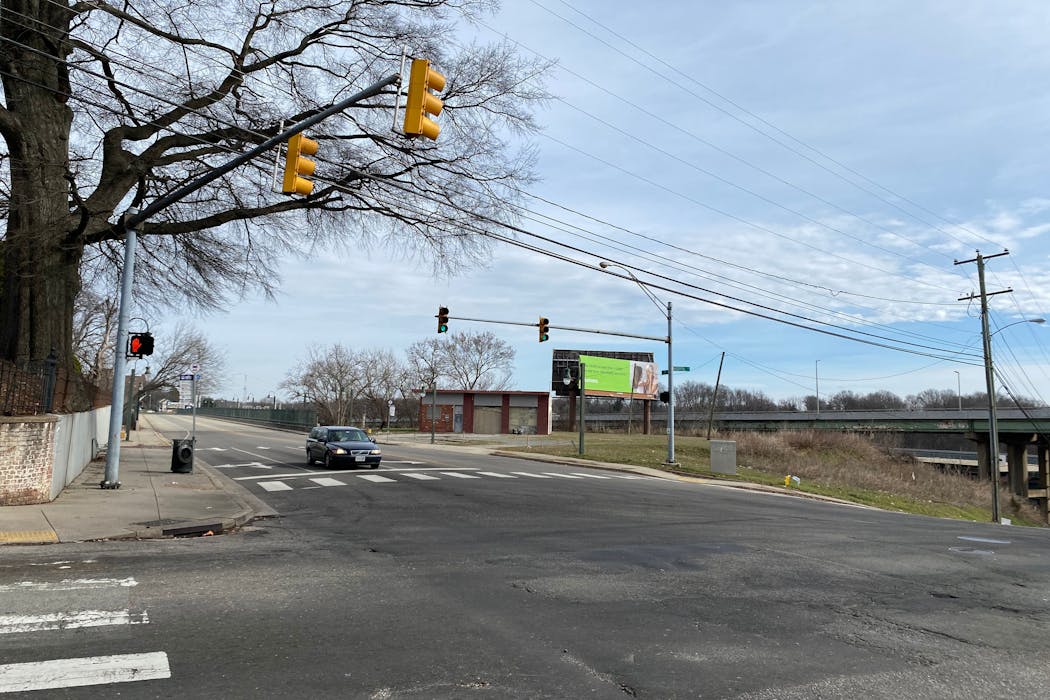
The Shockoe Hill African Burying Ground in Richmond, Va. CC BY-SA 4.0, CC BY

The burying ground looks like an abandoned lot.

Holding the remains of upward of 22,000 enslaved and free people of color, the Shockoe Hill African Burying Ground in Richmond, Virginia, established in 1816, sits amid highways and surface roads. Above the expanse of unmarked graves loom a deserted auto shop, a power substation, a massive billboard. The bare ground of the cemetery is strewn with weeds.

In contrast, across the way sits Shockoe Hill Cemetery. Established in 1822, it remains a peaceful cemetery with grass, large trees and bright marble headstones. This cemetery was created for white Christians.

I am an archaeologist who studies how the past shapes public life. Several years ago, I wrote with colleagues about the legacies of stolen human remains of African Americans in museums. During this time, I learned more about how African Americans often had to bury their dead in unsanctioned spaces that received few protections.

As I dug into this history, what struck me the most was that the different treatment of African Americans in death paralleled their long mistreatment in life. Places like Shockoe have not been accidentally forgotten.

Although its purpose has endured and graves survive, Shockoe Hill African Burying Ground, the largest burial ground for enslaved and free people of color in the United States, has witnessed deliberate acts of violence. As the historian Ryan K. Smith writes, Shockoe “was not, as some would say, abandoned – it was actively destroyed.”

African burying grounds found and lost

This issue of protecting Black cemeteries first came to popular attention in 1991, when the African Burial Ground in downtown New York City was rediscovered and nearly obliterated by a construction project. It was preserved only through the valiant efforts of African American leaders and scientists.

In recent years, similar threats to Black cemeteries and questions about preservation have been reported at the Whitney Plantation in Louisiana, the Morningstar Tabernacle No. 88 in Maryland and a rediscovered graveyard in Florida, among many others.

Like these other cemeteries, the Shockoe Hill African Burying Ground has long faced constant perils, from grave robbing to construction projects.

Lenora McQueen, whose ancestor Kitty Cary was buried there in 1857, has been leading the effort to protect the cemetery. McQueen’s tireless work – like the efforts needed at any disregarded Black cemetery in the country – has ranged from collaborating with city officials to purchase part of the site, establishing a marker and mural, and assembling a team to earn the burying ground the recognition of the National Register of Historic Places.

Smith has detailed how, ever since Richmond’s founding in the 1730s, people of European and African descent in the city lived divided lives. By the early 1800s, officials formalized different cemeteries for Richmond’s different ethnic and racial communities.

A 1-acre cemetery for free Black people and another one for enslaved people were situated near the city poorhouse and gunpowder depot. Yet, these grounds were hallowed to the African American community. Burial rituals included long processions, biblical-inflected homilies, spirituals and public displays of grief.

However, the violations of these graves were easy enough. The cemetery was neither fenced nor formally tended. In the 1830s, medical schools began robbing the burying ground for cadavers. At the close of the Civil War, retreating Confederates exploded the gunpowder magazine, reportedly destroying a section of the cemetery.

City officials formally closed the cemetery in 1879, and the site’s systematic destruction began, despite constant objections of Black residents. Road and construction projects cut through the burial grounds. An African American editor at the time denounced the “people who profited by the desecration of the burial ground … when graves were dug into, bones scattered, coffins exposed and the hearts of the surviving families made to bleed by the desecration of the remains of their loved ones.”

In the years that followed, a railroad track and an elevated highway were built on portions of the cemetery. In 1960, Richmond city officials sold a portion of the burying ground to Shell, and a gas station was built atop the remains of human beings.

The struggle to preserve Shockoe

In 2011, the Virginia Department of Historic Resources conducted a survey to determine the eligibility of the deserted auto shop for the National Register of Historic Places. It did not even consider the history of the Shockoe Hill African Burying Ground beneath and around the building as part of the site’s evaluation.

Six years later, McQueen learned that her ancestor was interred at the burying ground. Horrified by the cemetery’s state of disarray, she became its leading advocate. Eventually, McQueen put together a team of scholars and preservationists to pursue their own study of the site’s eligibility for the national register. They found the cultural landscape – the traces of human activity that give a place its history and meaning – to be highly significant.

Additionally, the site’s history of destruction was a vital record of the unequal treatment shown toward Black burying grounds in the U.S. The team formally pursued its own nomination to the National Register of Historic places.

In 2022, Shockoe Hill Burying Ground Historic District was successfully listed is on the national register.

Even with this success, the threats continue. Being listed on the national register provides prestige, grant opportunities and reviews for federal projects, but few guaranteed protections. In the same year Shockoe was listed on the national register, utility lines were installed in the area without consulting heritage officials.

A high-speed rail project, if implemented as planned, could violate the cemetery’s historical landscape. Designs for a memorial, while well intentioned, might further harm the site and threaten its national register status if it is not treated as a cemetery with graves.

What the Shockoe Hill African Burying Ground reveals is the need for the U.S. to provide dignity to all its citizens, in life and in death. A cemetery does not need famous inhabitants or marble tombstones to be significant.

As McQueen has said of her ancestor’s eternal resting ground, “Burial spaces are sacred.”

The Conversation

I have sat in on some meetings about the burial ground’s preservation as a heritage expert, at the request of the descendant Lenora McQueen.

ref. The disgraceful history of erasing Black cemeteries in the United States – https://theconversation.com/the-disgraceful-history-of-erasing-black-cemeteries-in-the-united-states-264864

Office of Space Commerce faces an uncertain future amid budget cuts and new oversight

Source: The Conversation – USA – By Michael Liemohn, Professor of Climate and Space Sciences and Engineering, University of Michigan

The OSC advocates for commercial activities in space, including commercial satellite launches. AP Photo/John Raoux

When I imagine the future of space commerce, the first image that comes to mind is a farmer’s market on the International Space Station. This doesn’t exist yet, but space commerce is a growing industry. The Space Foundation, a nonprofit organization for education and advocacy of space, estimates that the global space economy rose to US$613 billion in 2024, up nearly 8% from 2023, and 250 times larger than all business at farmer’s markets in the United States. This number includes launch vehicles, satellite hardware, and services provided by these space-based assets, such as satellite phone or internet connection.

Companies involved in spaceflight have been around since the start of the Space Age. By the 1980s, corporate space activity was gaining traction. President Ronald Reagan saw the need for a federal agency to oversee and guide this industry and created the Office of Space Commerce, or OSC.

The logo of the OSC, which is circular and has three stars and nine black and white stripes.
The Office of Space Commerce is under the National Oceanic and Atmospheric Administration.
Office of Space Commerce − National Oceanic and Atmospheric Administration

So, what exactly does this office do and why is it important?

As a space scientist, I am interested in how the U.S. regulates commercial activities in space. In addition, I teach a course on space policy. In class, we talk about the OSC and its role in the wider regulatory landscape affecting commercial use of outer space.

The OSC’s focus areas

The Office of Space Commerce, an office of about 50 people, exists within the Department of Commerce’s National Oceanic and Atmospheric Administration. To paraphrase its mission statement, its chief purpose is to enable a robust U.S. commercial interest in outer space.

OSC has three main focus areas. First, it is the office responsible for licensing and monitoring how private U.S. companies collect and distribute orbit-based images of Earth. There are many companies launching satellites with special cameras to look back down at the Earth these days. Companies offer a variety of data products and services from such imagery – for instance, to improve agricultural land use.

A second primary job of OSC is space advocacy. OSC works with the other U.S. government agencies that also have jurisdiction over commercial use of outer space to make the regulatory environment easier. This includes working with the Federal Aviation Administration on launch licensing, the Federal Communications Commission on radio wavelength usage and the Environmental Protection Agency on rules about the hazardous chemicals in rocket fuel.

This job also includes coordinating with other countries that allow companies to launch satellites, collect data in orbit and offer space-based services.

In 2024, for example, the OSC helped revise the U.S. Export Administration Regulations, one of the main documents restricting the shipping of advanced technologies out of the country. This change removed some limitations, allowing American companies to export certain types of spacecraft to three countries: Australia, Canada and the United Kingdom.

The OSC also coordinates commercial satellites’ flight paths in near-Earth space, which is its third and largest function. The Department of Defense keeps track of thousands of objects in outer space and issues alerts when the probability of a collision gets high. In 2018, President Donald Trump issued Space Policy Directive-3, which included tasking OSC to take this role over for nongovernment satellites – that is, those owned by companies, not NASA or the military. The Department od Defense wants out of the job of traffic management involving privately owned satellites, and Trump’s directive in 2018 started the process of handing off this task to OSC.

A rocket launching from a structure, with a plume of smoke beneath it.
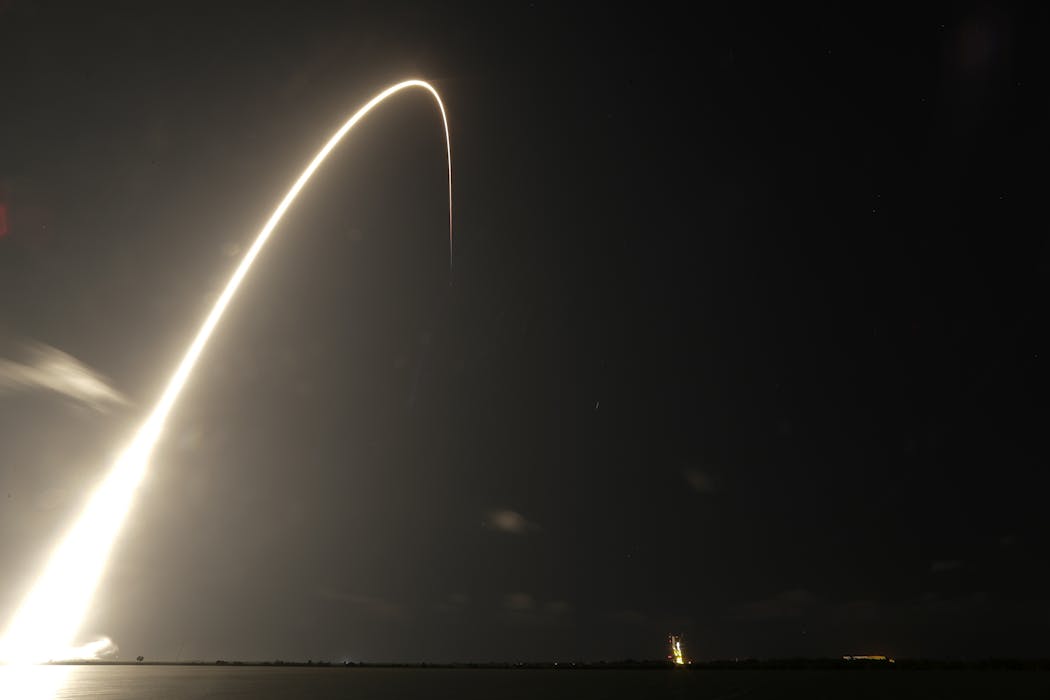
When companies launch satellites into orbit, as on this SpaceX Falcon 9 rocket, the OSC helps manage the satellites’ flight paths in orbit to avoid collisions.
AP Photo/John Raoux

To prevent satellites from colliding, OSC has been developing the traffic coordination system for space, known as TraCSS. It went into beta testing in 2024 and has some of the companies with the largest commercial constellations – such as SpaceX’s Starlink – participating. Progress on this has been slower than anticipated, though, and an audit in 2024 revealed that the plan is way behind schedule and perhaps still years away.

Elevating OSC

Deep in the text of Trump’s Aug. 13, 2025, executive order called Enabling Competition in the Commercial Space Industry, there’s a directive to elevate OSC to report directly to the office of the secretary of commerce. This would make OSC equivalent to its current overseer, NOAA, with respect to importance and priority within the Department of Commerce. It would give OSC higher stature in setting more of the rules regarding commercial use of space, and it would make space commerce more visible across the broader economy.

So, why did Trump include this line about elevating OSC in his Aug. 13 executive order?

An astronaut pointing a camera out a circular window in the International Space Station at a
European Space Agency astronaut Alexander Gerst, Expedition 41 flight engineer, uses a still camera at a window in the cupola of the International Space Station as the SpaceX Dragon commercial cargo craft approaches the station on Sept. 23, 2014.
Alex Gerst/Johnson Space Center

Back in 2018, Trump issued Space Policy Directive-2 during his first term, which included a task to create the Space Policy Advancing Commerce Enterprise Administration, or SPACE. SPACE would have been an entity reporting directly to the secretary of commerce. While it was proposed as a bill in the House of Representatives later that year, it never became law.

The Aug. 13 executive order essentially directs the Department of Commerce to make this move now. Should the secretary of commerce enact the order, it would bypass the role of Congress in promoting OSC. The 60-day window that Trump placed in the executive order for making this change has closed, but with the government shutdown it is unclear whether the elevation of OSC might still occur.

Troubles for OSC

While all of this sounds good for promoting space as a place for commercial activity, OSC has been under stress in 2025. In February, the Department of Government Efficiency targeted NOAA for cuts, including firing eight people from OSC. Because about half of the people working in OSC are contractors, this represented a 30% reduction of force.

The dome of the Congress building in the dark.
Many space industry professionals have urged Congress to restore funding to the OSC, but its future remains uncertain.
AP Photo/J. Scott Applewhite

In March, Trump’s presidential budget request for the 2026 fiscal year proposed a cut of 85% of the $65 million annual budget of OSC. In July, space industry leaders urged Congress to restore funding to OSC.

The Aug. 13 executive order appeared to be good news for OSC. On Sept. 9, however, Bloomberg reported that the Department of Commerce requested a 40% rescission to OSC’s fiscal year 2025 budget.

Rescissions are “clawbacks” of funds already approved and appropriated by Congress. The promised funding is essentially put on hold. Once proposed by the president, rescissions have to be voted on by both chambers of Congress to be enacted. This must occur within 45 days, or before the end of the fiscal year, which was Sept. 30.

This rescission request came so close to that deadline that Congress did not act to stop it. As a result, OSC lost this funding. The loss could mean additional cutbacks to staff and perhaps even a shrinking of its focus areas.

Will OSC be elevated? Will OSC be restructured or even dismantled? The future is still uncertain for this office.

The Conversation

Michael Liemohn receives or has received funding from NASA, NSF, Department of Defense, Department of Energy, and the European Union. He is currently the President-Elect of the Space Physics and Aeronomy section of the American Geophysical Union and has served in other leadership roles with that society.

ref. Office of Space Commerce faces an uncertain future amid budget cuts and new oversight – https://theconversation.com/office-of-space-commerce-faces-an-uncertain-future-amid-budget-cuts-and-new-oversight-265710

College faculty are under pressure to say and do the right thing – the stress also trickles down to students

Source: The Conversation – USA (2) – By Lee Ann Rawlins Williams, Clinical Assistant Professor of Education, Health and Behavior Studies, University of North Dakota

Professors and other faculty were under a lot of strain even before the Trump administration took office. Spiffy J/iStock/Getty Images Plus

Heavy teaching loads, shrinking university budgets and expanding workload expectations have fueled stress and burnout among professors and other university employees in recent years.

Now, an increasingly polarized political climate, as well as emerging concerns around university funding cuts, self-censorship and academic freedom, has created new pressures for university and college employees.

The result is an academic profession caught in the crosscurrents of culture and politics, with implications that extend far beyond the classroom.

What faculty say

Since June 2025, I have spoken with 33 faculty members across disciplines and institutions in the U.S. about how they are managing their careers and day-to-day lives at work and home.

Their accounts reveal common themes: persistent anxiety about job security, uncertainty around how to teach controversial subjects, and frustration that institutional support is often fragmented or short-lived.

“We’re asked to make room for students’ struggles, but are rarely acknowledged when we crack under the same weight,” one professor told me.

A 2024 National Education Association survey found that 33% of 900 public administration faculty are “often” or “always” physically exhausted, while 38% of faculty say they are “often” or “always” emotionally exhausted.

Another 40% of faculty from this survey say they are simply “worn out.”

Other research shows that growing workloads and constant role juggling are taking a toll on faculty members’ well-being and ability to teach effectively.

Burnout among educators can have ripple effects on the university and college students they teach, leading to students feeling less motivated and engaged in school.

As a scholar of education, health and behavior studies, I know that when universities and colleges invest in supporting their faculty’s mental health and well-being, they’re not just helping their employees. They are protecting the quality of education that their students receive.

Several adults stand together and look serious, holding a sign that says 'Academic freedom is not negotiable.'
Faculty members and professors attend a rally outside Columbia University in New York for academic freedom in September 2025.
Mostafa Bassim/Anadolu via Getty Images

When politics enters the classroom

Surveys spanning 2017 through 2021 found that 6,269 faculty members have increasingly self-censored and avoided controversial topics or moderated their language when talking with their students and colleagues in order to avoid backlash from legislators, university boards or school administrators.

The result is a form of burnout, in which protecting one’s mental health and job security can mean speaking more carefully when teaching.

A January 2025 Inside Higher Ed survey published shortly before President Donald Trump’s second inauguration found that over half of 8,460 surveyed U.S. professors have altered what they said or wrote, whether it was course materials or emails, to avoid expressing a possibly controversial opinion.

Nearly half of surveyed professors have also withheld opinions in the classroom entirely, according to the same survey, which was conducted from December 2023 to February 2024.

Scholars call this a “chilling effect” on academic freedom, where self-censorship becomes part of daily decision-making.

In the current political climate, faculty in many institutions continue to express reluctance to speak openly, citing concerns about professional or public repercussions. Even though comprehensive research since January 2025 is still emerging, early findings already suggest a further narrowing of what feels safe to say.

One-third of faculty reported in January that they feel they have less freedom to express their views, reflecting an environment in which faculty members’ voices are increasingly constrained

Faculty I spoke with over the past few months described “navigating sensitive boundaries” in their lectures, avoiding having any discussion about race, gender and religion. They also talked about not using terms like diversity, equity and inclusion.

Watching what you say

For professors on contingent contracts – meaning they are not on a track to receive tenure, a secure work position that typically lasts a lifetime – the fear is heightened. The same is true for other faculty members like adjunct professors, who depend on short-term or renewable contracts.

Without the protection of tenure, even a single complaint or potential controversy can jeopardize a professor’s position – and recent cases of tenured professors suggest that even tenure no longer offers the same level of security it once did.

One adjunct professor put it bluntly: “When your next contract depends on staying in bounds, watching what you say is survival.”

For many instructors, the need to continually reassess how a comment, reading or assignment might be received changes the experience of teaching in subtle but meaningful ways.

Faculty members I spoke with described heightened anxiety, sleepless nights and a persistent fear that a misstep could derail their careers. This psychological strain, compounded by workload and financial stress, leaves little space for creativity, innovation or joy in teaching.

A black-and-white photo of an older man wearing a blazer has different-colored squiggle lines coming out from his head, forming a cloudlike shape above him
Many faculty members report that they are increasingly self-censoring in order to avoid potential controversy.
master1350/iStock via Getty Images Plus

The downstream effects on students

Faculty members’ well-being is inseparable from how students experience college. Burnout and disengagement ripple outward, reducing students’ motivation and eroding the quality of students’ classroom interactions, as noted in a 2025 study.

When professors self-censor, students can also lose exposure to complex or controversial perspectives that might challenge their thinking and deepen discussions.

Restrictions on free expression and debate can also stifle students’ intellectual curiosity, curb engagement and hinder critical-thinking development.

Equally concerning is the long-term impact on innovation.

When academic freedom is restricted or self-censored, there is a greater potential that research questions will become more narrow, classroom discussions will flatten, and students will lose exposure to the breadth of perspectives that higher education promises.

A new kind of academic life

Faculty mental health is a pressing concern across higher education.

Expanding workloads, shifting public expectations and uncertainty around job security have created an environment of sustained strain.

The professors I have spoken with say they feeling caught between professional demands and personal limits, navigating burnout, self-censorship and ongoing attention to what they teach and say.

The cumulative effect is reshaping academic life, altering how faculty teach, communicate and engage with students, with a very careful eye on how others are perceiving them.

The Conversation

Lee Ann Rawlins Williams does not work for, consult, own shares in or receive funding from any company or organization that would benefit from this article, and has disclosed no relevant affiliations beyond their academic appointment.

ref. College faculty are under pressure to say and do the right thing – the stress also trickles down to students – https://theconversation.com/college-faculty-are-under-pressure-to-say-and-do-the-right-thing-the-stress-also-trickles-down-to-students-267400