The biology of body odour, from sweat glands to skin bacteria

Source: The Conversation – UK – By Primrose Freestone, Senior Lecturer in Clinical Microbiology, University of Leicester

PeopleImages/Shutterstock

Sweat rarely smells on its own. Body odour develops when bacteria on the skin break down compounds in sweat and release volatile chemicals that evaporate into the air.

This interaction between sweat and microbes explains why some areas of the body smell more strongly than others, why odour varies between people and how deodorants and antiperspirants reduce it.

Sweat is a clear, salty liquid produced by glands across almost the entire surface of the skin. Its production is controlled by the autonomic nervous system, which regulates automatic bodily functions such as temperature and heart rate. The main function of sweat is cooling. When body temperature rises during exercise, stress or hot weather, sweat evaporates from the skin and carries heat away.

There are three main types of sweat gland, each producing slightly different fluids. Eccrine glands sit across most of the body and release a thin, watery sweat made mostly of water and salt. Apocrine glands, found mainly in the armpits and groin, produce a thicker fluid that contains fats, proteins and sugars. Apoeccrine glands, also concentrated in the armpits, produce sweat that is more similar to the watery type but in larger amounts.


Read more:
Anhidrosis: why some people – apparently like Prince Andrew – just can’t sweat


Odour develops when bacteria on the skin break down the substances in sweat. The skin naturally hosts many kinds of bacteria. Groups with names such as Corynebacteriaceae, Staphylococcaceae and Propionibacteriaceae are commonly involved. As they feed on sweat, they break its ingredients into smaller chemicals that evaporate easily and reach the nose, creating smell.

Different bacteria produce different scents. Staphylococcus hominis, commonly found in the armpits, creates chemicals that smell similar to onions. Corynebacterium and Staphylococcus epidermidis break down a building block of proteins called leucine into isovaleric acid, a compound produced when bacteria break down sweat that has a strong, cheese-like smell.

Some Corynebacterium species produce compounds often described as goat-like. These smell-producing chemicals can stick to clothing, which absorbs both sweat and bacteria, allowing odours to linger. Research confirms that specific bacteria are linked to characteristic odours.

Armpits and feet tend to smell more strongly because they combine dense sweat glands with warmth and moisture, creating favourable conditions for bacterial growth.

Washing removes sweat and reduces bacterial numbers, helping to limit odour. Changing clothes after heavy sweating is also important, as fabrics can trap sweat and microbes. Regular bathing and clean clothing reduce the build-up of odour-causing compounds.

Some people sweat excessively without heat or exercise. This condition, known as hyperhidrosis, affects around 2% of the population and often requires medical treatment rather than improved hygiene alone. Treatment options include prescription-strength antiperspirants, medications that reduce nerve signals to sweat glands, botulinum toxin injections, and iontophoresis, a treatment that uses a mild electrical current passed through water to temporarily reduce activity in sweat glands. In severe cases, surgery may be considered.


Read more:
7 things you can do if you think you sweat too much


Deodorants and antiperspirants tackle odour in different ways. Deodorants mainly target bacteria, using antimicrobial ingredients to slow their growth and fragrances to mask residual smells. Some plant-based products contain substances such as tea tree oil, potassium alum or pentagalloyl glucose, which also have antimicrobial effects.

Antiperspirants reduce the amount of sweat reaching the skin. Aluminium salts, such as aluminium chlorohydrate, form temporary plugs in eccrine sweat gland openings, limiting moisture and reducing the resources bacteria need to produce odour. Many products combine both approaches.

Body odour varies between people and can be influenced by genetics, age, diet, stress and health conditions. Food and drink can also play a role. Compounds from garlic, onions and some spices can circulate in the bloodstream and be released through sweat, altering its smell. Alcohol is partly excreted through breath and skin and can increase sweating, giving bacteria more material to break down.

Medications can affect body odour in similar ways. Some increase sweating, while others alter metabolism or change the balance of bacteria on the skin. Antibiotics, for example, can shift microbial communities, and certain antidepressants and diabetes medications may increase perspiration. These changes are usually temporary.

Men generally have larger sweat glands and tend to produce more sweat, which can support larger bacterial populations and higher levels of volatile fatty acids such as isovaleric acid, a compound produced when bacteria break down sweat that has a strong, cheese-like smell.


Read more:
The dirty truth about what’s in your socks: bacteria, fungi and whatever lives between your toes


Occasionally, changes in body odour signal an underlying condition. Trimethylaminuria is a rare inherited disorder in which the body cannot properly break down trimethylamine, resulting in a strong fish-like smell. There is no cure, but symptoms can often be managed through diet, specialised soaps, antibiotics that reduce certain gut bacteria and supplements that can help limit production of the chemical.

Other medical conditions can also alter body odour. Uncontrolled diabetes can produce a sweet or fruity smell on the breath, liver disease can cause a musty odour, and advanced kidney disease may lead to a urine-like smell. Certain infections and metabolic disorders can also change how the body smells.

For example, researchers have investigated whether analysing volatile chemicals released from the body could help detect infections such as malaria. One study examined whether odour profiles might assist diagnosis through chemical signatures in breath and skin emissions.

Sweat remains essential for regulating body temperature. It does not meaningfully remove toxins, despite common claims. Detoxification is carried out primarily by the liver and kidneys. This means you cannot “sweat off” a hangover or “sweat out” a cold. Alcohol is broken down by the liver, and viral infections are cleared by the immune system, not through sweat.


Read more:
The truth about detoxes – by a liver specialist


However, prolonged sweating during intense exercise or hot weather can lead to fluid and electrolyte loss. To prevent dehydration, it is important to drink enough fluids, and during sustained exertion drinks containing electrolytes may help replace what has been lost.

Body odour is not simply a matter of cleanliness. It reflects the complex interaction between sweat glands, skin bacteria, clothing, diet, medication and individual biology. For most people it is manageable and normal. In some cases, persistent or unusual changes in smell may warrant medical advice.


Strange Health is hosted by Katie Edwards and Dan Baumgardt. The executive producer is Gemma Ware, with video and sound editing for this episode by Anouk Millet. Artwork by Alice Mason.

In this episode, Dan and Katie talk about a social media clip via YouTube from Alexandrasgirly.

Listen to Strange Health via any of the apps listed above, download it directly via our RSS feed or find out how else to listen here. A transcript is available via the Apple Podcasts or Spotify apps.

The Conversation

Primrose Freestone does not work for, consult, own shares in or receive funding from any company or organisation that would benefit from this article, and has disclosed no relevant affiliations beyond their academic appointment.

ref. The biology of body odour, from sweat glands to skin bacteria – https://theconversation.com/the-biology-of-body-odour-from-sweat-glands-to-skin-bacteria-275491

What makes a city beautiful? Here’s what ratings of thousands of urban landscapes reveal

Source: The Conversation – UK – By Eugene Malthouse, Research Fellow, Centre for Decision Research and Experimental Economics, University of Nottingham

Some buildings leave such an impression when you visit them that they can be forever summoned to the mind’s eye. For us, these include the soaring dome of St Paul’s cathedral in London, the Georgian grandeur of Royal Crescent in Bath, and the ascending towers and pinnacles of King’s College Chapel in Cambridge.

As psychologists with a particular focus on wellbeing, we are fascinated by the feelings these buildings instil in us – a sense of being grounded, of momentary stillness, even of awe.

But while the effects of experiencing beautiful surroundings on people’s wellbeing has been extensively researched, these studies have mainly focused on natural landscapes and settings.

We wanted to understand how people value different urban settings – and which types of building they view most positively. In England, 83 out of every 100 people now live in towns and cities, so variations in these urban landscapes can hold important consequences for wellbeing.

Our study, published in Frontiers in Psychology, found a particularly powerful effect when people viewed older buildings, particularly those classified as being of special historic or architectural interest. Indeed, we found these listed buildings are comparable with forests and lakes in terms of how people rated their scenic quality.

How we tested urban scenicness

Our study combined two large datasets – the first from Scenic-Or-Not, a website where people rate the scenicness of photographs taken throughout Britain on a scale from 1 (“not scenic”) to 10 (“very scenic”). For our analysis, we used only photographs taken within English urban areas, giving us 28,547 ratings of 3,843 images.

We combined this with Historic England’s dataset of more than 370,000 listed buildings throughout England and Wales, plus their grade – I (of exceptional interest), II* (particularly important) or II (special interest) – and the century in which the building was constructed.

Scenic-Or-Not website shows a photo of a church
A photo of a Nottinghamshire church on the Scenic-Or-Not website.
B Hilton

This enabled us to compare the ratings of views with and without listed buildings, and to explore other questions such as how the grade or century of construction influences the scenicness rating. Sometimes these buildings featured prominently in the photographs, other times only marginally – we counted them all the same.

We also used Google’s Vision AI tool to detect other features in photographs that might influence scenicness. This allowed us to rule out the possibility that photographs containing historic buildings were judged more scenic because they also tended to contain trees, for example.

In our study, the average scenicness of English urban areas was 2.43 out of 10 – significantly lower than how people rate the scenicness of natural environments. In another study that used the same platform to rate British rural scenes, these averaged 4.16.

But we also found that when a listed building was present in the photograph, this score was on average 0.61 points higher – a 25% increase. As shown in this table, this “historic building effect” was comparable to that of forests and lakes.

Impact of different features on scenicness rating:

Table showing the effect of different elements of a view on how scenic it is rated.
The effect of a listed building is similar to that of a forest or lake.
Eugene Malthouse, CC BY-SA

Photographs in which the most prominent listed building was either grade I or grade II* listed were perceived more scenic than those featuring slightly less historically or architecturally significant (grade II) buildings. Images featuring buildings constructed in earlier centuries were also judged more scenic.

What makes historic buildings so valued?

The scenic quality of urban areas has previously been linked with variations in happiness and health. Our study shows old buildings in particular make important contributions to urban scenicness. This suggests that historic buildings may be worth preserving not only for their architectural significance but for their effect on people’s wellbeing.

But it also raises the question of whether the sheer age of these buildings makes them so impactful – or is it also the nature of their design?

Experts in architecture have speculated on the reasons old buildings continue to be valued so highly. For example, the apparent timeless popularity of certain historic styles, such as the symmetry of Georgian architecture in Bath’s Royal Crescent, has been contrasted with modern architecture that disregards or rejects traditional proportional guidelines.

But there are also psychological reasons why many people value historic buildings so much. These might include their reassuring sense of permanence; their weathered and imperfect nature; the stories of past lives they hold; or their ability to conjure feelings of nostalgia within us.

We hope to learn more about why people feel so strongly about historic buildings, and the effects such buildings can have on their wellbeing, in our future research. In the meantime, please share your thoughts and experiences in the comments below.

The Conversation

Eugene Malthouse received funding from the European Research Council.

Sidney Sherborne received funding from the European Research Council.

ref. What makes a city beautiful? Here’s what ratings of thousands of urban landscapes reveal – https://theconversation.com/what-makes-a-city-beautiful-heres-what-ratings-of-thousands-of-urban-landscapes-reveal-276319

Good maternity care needs good science – but there’s more research on marathon running than giving birth

Source: The Conversation – UK – By Anastasia Topalidou, Associate Professor in Perinatal Biomechanics and Health Technologies, University of Lancashire

Dmitry Naumov/Shutterstock

For years, debates about maternity care have centred on how women give birth. But the more important question has always been safety.

Vaginal birth, assisted birth and caesarean section are different clinical routes, not measures of success. The outcome that matters is the wellbeing of both mother and baby, guided by individual risk and informed decision making.

In the wake of maternity investigations, public debate has focused on staffing levels, organisational culture and accountability. These are essential concerns. But there is another, less visible issue. We still do not fully measure or understand what physically happens during childbirth itself.

Labour is one of the most physically demanding processes the human body experiences. It involves coordinated muscle activity, shifting pressure through the pelvis and spine, and joints adapting under intense physiological stress. Yet there are currently no studies directly measuring how labour positions, movement, hands-on techniques and physical forces affect the mother and baby in real time during active labour.

As a result, many positioning strategies are based largely on tradition and accumulated clinical experience rather than direct measurement.

Guidance sometimes suggests certain positions are better than others. But bodies do not behave in one-size-fits-all ways. Research examining upright birthing positions shows there is no single ideal mechanical pattern. The same position can distribute strain differently depending on flexibility, spinal curvature, previous injury and joint mobility.

Despite this complexity, active labour is still not measured biomechanically in real time, while other demanding physical activities have been studied in great detail. Marathon running, for example, has been analysed extensively. Researchers have mapped muscle activity, joint forces and how the body interacts with the ground. Birth has not received the same level of mechanical study.


Read more:
Why we still don’t understand what happens to women’s bodies during labour


This gap reflects long-standing research priorities. Women were historically excluded from large areas of clinical research, and funding for women’s health remains comparatively limited. In England, a dedicated Women’s Health Strategy was introduced only in 2022.

Foetal movement

One of the most common reasons women seek urgent maternity assessment is reduced or absent foetal movement. Yet foetal movement itself is not directly measured.

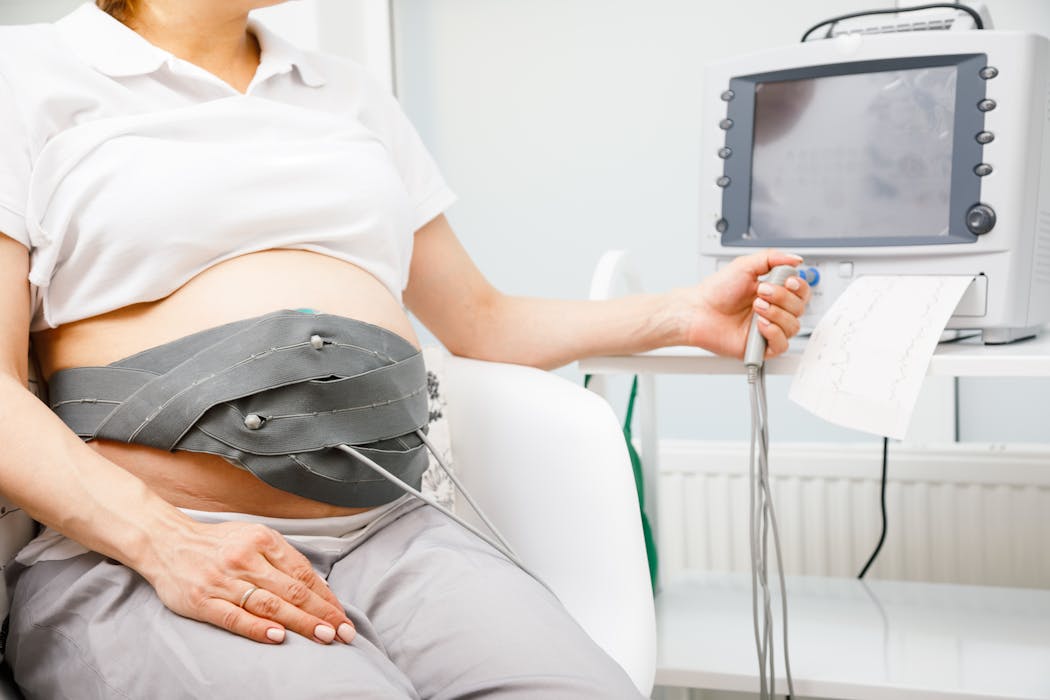
The main monitoring tool used in pregnancy and labour is cardiotocography, often called CTG. It tracks the baby’s heart rate and the mother’s contractions. It does not capture how the baby moves, such as limb activity, rotation or developing movement patterns. In practice, assessment still relies largely on what the pregnant woman feels and reports.

When someone says, “My baby is not moving normally,” she is describing a change we cannot objectively measure in real time. If detecting change early is central to safe care, this gap matters. When reassurance is given, it is based on the measurements we currently have, but not always the ones we need.

The education gap

Midwives, obstetricians and maternity teams support one of the most physically demanding processes the human body undergoes. Yet formal education in biomechanics is limited. Biomechanics is the study of how forces move through the body, how joints interact and how changing one angle affects another.

Understanding how altering hip position affects the pelvis and spine is not abstract theory. It can influence comfort, pressure on tissues and potentially safety.

Embedding biomechanics into maternity education is not about criticising clinicians. It is about giving them more precise tools and knowledge to support decision making.

Improving maternity safety requires care to be guided by evidence rather than shaped mainly by tradition.

The NHS spends substantial sums each year on maternity-related negligence payments. Investing even a fraction of this in rigorous childbirth research, alongside improvements to staffing and systems, could strengthen the scientific foundation of care and support safer, more personalised decisions.

Behind every statistic is a family living with loss, trauma or unanswered questions. Improving maternity safety is not only about accountability or workforce pressures. It is also about understanding what happens during labour, equipping clinicians with better knowledge and ensuring women’s concerns are supported by reliable tools.

Birth is one of the most significant physical events in human life. It deserves to be studied and understood with the same scientific rigour applied to any other complex medical process.

The Conversation

Anastasia Topalidou received funding from the NIHR Applied Research Collaboration North West Coast (NIHR ARC NWC) for the completion of the scoping review referenced in this article.

ref. Good maternity care needs good science – but there’s more research on marathon running than giving birth – https://theconversation.com/good-maternity-care-needs-good-science-but-theres-more-research-on-marathon-running-than-giving-birth-276093

How social media draws vulnerable users back to eating disorder content – new research

Source: The Conversation – UK – By Paula Saukko, Reader in Social Science and Medicine, Loughborough University

myboys.me/Shutterstock

People recovering from eating disorders often use social media for support, seeking out recovery content, body-positive creators and others with similar experiences.

But recent research my colleagues and I have conducted suggests these platforms can also steer users back towards the very content they are trying to avoid.

We carried out in-depth interviews with people who had experienced eating disorders. Participants described how diet, fitness and body-focused posts repeatedly appeared in their social media feeds, even when they were actively trying to follow recovery content. Supportive and potentially harmful material often surfaced side by side during the same scrolling session.

Participants said they used social media to manage their mental health, following recovery accounts and blocking triggering material. At the same time, many felt recommendation systems continued to introduce weight-loss content, fitness imagery and appearance-focused posts.

Some felt this exposure had contributed to setbacks in their recovery or reinforced unhealthy thought patterns, although these are self-reported experiences rather than causal findings.

This qualitative research captures how people experience social media during recovery. It does not show that social media causes eating disorders, or that exposure to specific content leads directly to relapse. It does, however, highlight how users navigate platforms where recovery and diet content coexist, and how recommendation systems shape their feeds.

A growing body of research suggests this wider environment matters. Studies have linked social media use with body dissatisfaction and disordered eating symptoms, particularly among young people and women, though these relationships are complex and cannot establish causation. Exposure to idealised body imagery, “fitspiration” and diet content has been associated with increased concern about weight and appearance in observational research.


Read more:
Mounting research documents the harmful effects of social media use on mental health, including body image and development of eating disorders


Platform dynamics are also part of the picture. One study found that TikTok’s recommendation system delivered substantially more diet content to users who had indicated eating disorder experiences than to those who had not. Recommendation systems determine what appears in a person’s feed based on patterns of viewing and interaction, which can reinforce existing interests and vulnerabilities.

Other work by researchers in this area has shown how users can become caught in cycles of appearance-focused content online. Research on Instagram and other visual platforms suggests that repeated exposure to diet, beauty and fitness posts can narrow what users see, keeping them within loops of body-related material rather than directing them towards a broader range of interests.

Our interviews add depth to this evidence by showing how these patterns are experienced in everyday life. Participants described moving between recovery content and more harmful material, sometimes within minutes. Several said this constant switching made it harder to disengage from weight-focused thinking, even when they were trying to avoid it.

At the same time, many emphasised the positive role social media played in their recovery. Online content offered reassurance and provided access to experiences and perspectives that were difficult to find offline.

The same platforms that exposed users to triggering material also enabled connection and support. This push-pull dynamic is central to understanding social media’s role in eating disorders. Rather than being purely harmful or beneficial, platforms create environments where supportive and risky content coexist, shaped by both user choices and recommendation systems.


Read more:
Those ‘what I eat in a day’ TikTok videos aren’t helpful. They might even be harmful


NHS survey data indicate that around one in five girls aged 17–19 in England has an eating disorder. This underlines how common these conditions are among young people, who also tend to be heavy users of digital platforms.

These findings raise questions about how social media environments are structured, particularly as governments consider age-based restrictions, such as those introduced in Australia and proposals currently debated in the UK.

We argue our research suggests attempts to make online spaces safer need to go beyond a focus on who can access social media. These efforts need to look at how content is curated and amplified, as platform design and recommendation systems appear to play an important role in shaping exposure.

There are already social media literacy initiatives in schools and elsewhere that aim to help young people critically evaluate idealised body images. Strengthening these programmes to include greater understanding of how recommendation systems work could help users better navigate environments where supportive and harmful content can appear side by side.

As Meta, YouTube and TikTok face lawsuits alleging that aspects of their platform design encourage compulsive use, debates about regulation are likely to intensify. The experiences described in our research suggest that, for people vulnerable to eating disorders, what matters is not simply time spent online, but how feeds are structured and how difficult it can be to avoid appearance-focused material once it enters the algorithmic loop.

The Conversation

Paula Saukko does not work for, consult, own shares in or receive funding from any company or organisation that would benefit from this article, and has disclosed no relevant affiliations beyond their academic appointment.

ref. How social media draws vulnerable users back to eating disorder content – new research – https://theconversation.com/how-social-media-draws-vulnerable-users-back-to-eating-disorder-content-new-research-275975

The 5am myth: why waking early won’t make you more successful

Source: The Conversation – UK – By Christoph Randler, Professor, Department of Biology, University of Tübingen

Photoroyalty/Shutterstock

At 5am, social media fills with proof that the early risers have already won the day. Cold plunges. Journals. Sunrise runs. Productivity gurus insist this is the routine that separates high performers from everyone else, reinforced by high-profile early risers such as Apple CEO Tim Cook, entrepreneur Richard Branson and Hollywood actor Jennifer Aniston.

The message is simple: wake earlier, perform better. But the science tells a more complicated story. For many people, a 5am routine clashes with their biology and can undermine both health and productivity. Much depends on your individual biological rhythm, or “chronotype”.

Chronotypes reflect when people naturally feel alert or sleepy, and genetics play a major role in shaping them. Research shows that sleep timing is partly rooted in our genes, and chronotype is heritable. Chronotype also shifts across the lifespan, with adolescents tending toward later sleep pattern and older adults often shifting earlier. Most people are not extreme larks or owls, but fall somewhere in between.

Morning types, often called larks, wake early and feel alert soon after. They tend to rise early even at weekends without needing an alarm. Evening types, or owls, feel more energetic later in the day and may perform best at night. Many people fall somewhere in between as intermediate types.

Chronotypes in daily life

Studies often find differences between chronotypes. Morning types tend to report better academic outcomes, including better school and university performance. They are also less likely to report substance use, including lower rates of smoking, alcohol and drug use, and they are more likely to exercise regularly.

Evening types, on average, show higher rates of burnout and are more likely to report poorer mental and physical health. One explanation is chronic misalignment. Evening types are more likely to live out of sync with work and school schedules, leading to repeated sleep restriction, fatigue and accumulated stress.

Chronotype also appears to relate to broader behavioural tendencies, including differences in political attitudes, conscientiousness, procrastination and adherence to schedules. These patterns reinforce how chronotype shapes daily behaviour, not just sleep.

A common belief is that adopting an early routine will deliver the same benefits seen in natural morning types. However, chronotypes are not easily changed. They are shaped by genetics and circadian biology. For many evening or intermediate types, waking earlier than their natural rhythm can lead to sleep debt, reduced concentration and poorer mood over time.

This is the key point: early rising itself does not create success. People tend to perform best when their daily schedules align with their biological rhythms. Morning-oriented people often thrive in systems structured around early starts, while evening types may struggle not because they are less capable, but because their peak alertness occurs later.

Kris Jenner starts her day at 4.30am.

Early-rising experiments can feel effective at first. The initial boost often reflects motivation and attention rather than lasting biological change, similar to what happens after life changes such as starting a new job. As routines stabilise, the mismatch between biology and schedule can become harder to sustain.

Biological clocks versus social clocks

The gap between a person’s natural rhythm and their social schedule is known as social jetlag. It reflects how far daily life pushes people away from their biological clock.

Social jetlag has been associated with poorer academic performance and wellbeing. Living out of sync with natural sleep patterns has also been linked to higher rates of diseases such as diabetes, high blood pressure and obesity. Forcing early rising may increase this mismatch for some people, particularly evening types.

Some studies suggest that morning types have an advantage in their careers. These findings are often interpreted as evidence that morning routines drive achievement. A more likely explanation is structural. Modern societies are organised around early schedules. When biological rhythms align with work and school timing, performance is easier to sustain. This creates an environment where morning types appear to have an advantage.

Rather than forcing early routines, the more useful question is how to identify your own rhythm and work with it. Chronotype is only one factor shaping performance, alongside environment, opportunity and personal circumstances, but understanding it can help people make more realistic decisions about daily routines.

Owl or lark?

Understanding your chronotype starts with observing your natural sleep patterns.

Keep a sleep log noting bedtimes and wake times across workdays, weekends and holidays. Free days often reveal your natural rhythm. Track mood and energy levels to see when you feel most alert.

Notice how long it takes to fall asleep. Less than 30 minutes suggests your bedtime suits you. More than an hour may indicate a later chronotype.

Observe how you respond to daylight saving time changes in spring. If early mornings still feel natural after the shift, you may lean toward a morning type.

Changing chronotype is difficult, but small adjustments may help. Instead of waking earlier straight away, try going to bed slightly earlier, including at weekends. If sleep comes easily, you may gradually shift toward an earlier rhythm.

Morning daylight exposure and limiting screens in the evening can also support earlier sleep timing. Even so, biology sets limits. The real productivity advantage lies not in waking earlier, but in designing routines that match how the brain and body actually function.

The Conversation

Christoph Randler does not work for, consult, own shares in or receive funding from any company or organisation that would benefit from this article, and has disclosed no relevant affiliations beyond their academic appointment.

ref. The 5am myth: why waking early won’t make you more successful – https://theconversation.com/the-5am-myth-why-waking-early-wont-make-you-more-successful-276031

Major education reforms in England unveiled – here’s what the experts think

Source: The Conversation – UK – By Beng Huat See, Professor of Education Research, School of Education, University of Birmingham

Rawpixel.com/Shutterstock

Our experts have been digging into the detail of the government’s proposed education reforms, published on 23 February, which include measures to improve teacher recruitment, student achievement and belonging at school. Here’s what they thought.


Read more:
Send reform: will the government’s plans work for children, parents and teachers? Experts react


Improving engagement with school

Simon Edwards, Senior Lecturer in Youth Studies, University of Portsmouth

A central tenet of the government’s new education proposals is building confidence in the education system as a pathway to economic and personal wellbeing. As part of this, the proposed policy includes a focus on addressing the persistent and alarming increase in school exclusions and absence of disadvantaged pupils, many of whom have special educational needs and disabilities.

The proposals include taking a broader, multi-agency approach including experts from beyond the school, such as speech and language therapists, educational psychologists and wider professionals to address the many factors that lead to poor behaviour, educational disengagement and subsequent school exclusion. This recognises the complexity of special educational needs and the issues surrounding disadvantage that extend beyond the school gates.

Underpinning these changes though, is an iron fist in a velvet glove approach. Here, inclusion will be supported with “refreshed behaviour resources”. The underlying message is to comply or feel the consequences.

Moreover, the focus on multi-agency working, although taking much pressure from teaching staff and includes parents in discussions, takes a top-down approach to addressing the child’s and their family’s needs. This risks disempowering parents and further alienating them and their children from the very sense of belonging and inclusion that this policy aims to address. I’m not convinced that this approach will reduce behavioural issues and exclusion rates in the way it intends.

Current research identifies and promotes teaching practices that place the relationships between teacher, parent and pupils at the heart of education.

With this in mind, pupil behaviour and exclusions might be more positively addressed by reducing teacher workload. This would allow teachers to spend more time building and maintaining relationships with pupils and parents. Building an understanding of their needs more fully would allow teachers to adapt teaching approaches and build in the right support from the ground up.

Teacher recruitment and retention

Beng Huat See, Professor of Education Research, University of Birmingham

The government’s policy announcements for schools in England are accompanied by a plan for recruiting the 6,500 more teachers promised in Labour’s election manifesto. One of the approaches is to widen routes into teaching. This proposal is not new, and the announcements provide little clarity on how this will be implemented.

My previous research with colleague Stephen Gorard found that some applicants were rejected simply because they applied to programmes that were not appropriate for their qualifications or experience. Expanding routes further, without simplifying or rationalising the system, risks compounding this problem rather than improving recruitment.

To encourage former teachers to return, the government also proposes supplementing current provision with a step-by-step guide offering advice on applications, interviews, classroom experience and updates on changes in the profession. While supportive in principle, it is unclear whether these are the main barriers. Prior research suggests that many returners seek part-time or flexible working arrangements. In practice, schools have often been unable or unwilling to accommodate such flexibility, limiting successful re-entry.


Read more:
Why UK government policies have failed to recruit enough teachers for years


In a bid to bring greater diversity to teaching, the government proposes anonymising applications. This is a positive step, but it is insufficient. Candidates still appear before interview panels, where visible characteristics such as ethnicity or accent may influence perceptions. The policy proposals do not go far enough in addressing structural barriers, including racial stereotyping, where assumptions about capability are shaped by ethnicity rather than performance evidence.

My research with colleagues shows that ethnic minority teachers are more likely to be appointed by leaders of the same background, indicating that unconscious bias continues to shape recruitment and constrain equal opportunity.

Some minority ethnic teachers are more likely to have requests for continued professional development rejected compared to white colleagues. They may also be less likely to be encouraged to apply for promotion than their white colleagues.

Children in uniform looking at laptop
The proposed changes will affect children’s life at school.
Rawpixel.com/Shutterstock

Closing the attainment gap

Stephen Gorard, Professor of Education and Public Policy, Durham University

The government is pledging to halve the poverty attainment gap during its term. The attainment gap is the difference in scores between disadvantaged pupils and the rest, at key stage two (age 11) or key stage four (age 16).

This is both commendable and feasible. However, the government also plans to change the current definition of temporary disadvantage (ever eligible for free school meals in the past six years) to one based on low income over a sustained period of time.

Using the depth and duration and poverty is an improvement to the current situation that I have been advocating for many years. Using household income could also be an improvement on the binary threshold indicator of free school meals.

However, it is not then clear what the halving of the gap refers to. The gap as it stands does not use income but free school meals, so the pledge has not been meaningfully defined.

It is also not clear that the data available on household income is yet good enough quality to sustain real-life policy. The data is better for those families currently claiming benefits, but inaccurate for many others. Using the current data might simply disguise that the binary threshold is still being used.

More support for the youngest children

Cate Carroll, Executive Dean of the Faculty of Education and Social Sciences and Professor of Education and Pedagogy, Liverpool Hope University

Today’s policy announcements recognise the critical period of early years education. The investment of over £200 million in the Best Start Family Hub network, meaning that hubs will have dedicated expertise in Send and a staff member to act as an outreach and support person, is welcome. It begins to rebuild the local hubs formerly known as Sure Start, which made a real difference to children’s lives.

The policy focuses on families as the primary educators of children – they are placed at the centre of the child’s home and school experience. This is important because parents know their children and are the best advocates for their needs.

Sometimes, though, ensuring a fair partnership in the conversation between parents and professionals can be difficult. Parents are experts about their children, while professionals bring expertise aligned with their profession and training.

The funding targeted towards early identification of children who have special educational needs and disabilities is also vital. International research backs early intervention as key to ensuring that children’s learning and development needs are appropriately identified. More often that not, this is identified in nurseries, so it is critical that this funding captures this phase of education in addition to schools.

This comes with the challenge of training staff working with children in the early years foundation stage so they are appropriately qualified to identify additional needs. By the time children start school, sometimes the interventions are too late to enable them to achieve and thrive.

The Conversation

Beng Huat See receives funding from the Economic and Social Research Council.

Cate Carroll is affiliated with OMEP World Organisation for Early Childhood, Vice President for OMEP World, European Region.

Simon Edwards receives funding from Charles Plater Trust / SLN-COP. He is affiliated with OCR Sociology Forum / OCR EDiP Belonging and Stakeholder group.

Stephen Gorard has received funding from the ESRC and DfE for research that might be relevant to this article.

ref. Major education reforms in England unveiled – here’s what the experts think – https://theconversation.com/major-education-reforms-in-england-unveiled-heres-what-the-experts-think-276785

How the AI boom was enabled by a 1970s economic revolution

Source: The Conversation – UK – By Michael Strange, Associate Professor of International Relations, Malmö University

Advertising in New York for Maven AGI, an artificial intelligence company providing customer support services. rblfmr/Shutterstock

Artificial intelligence is accelerating a global economic revolution that began back in the 1970s. Researching the impacts of AI on different sectors of society highlights an important parallel moment in history: the creation of the “service economy” in the US.

In 1972, amid a period of global turmoil, a group of OECD (Organisation for Economic Co-operation and Development) economists sought to reinvent how nations thought not only about wealth but the very purpose of society. They did this by proposing a broad new category of commerce: services.

It seems hard to imagine now, but until then economists had perceived and measured trade largely in terms of goods alone. Money was made by exchanging tangible, physical products (wheat, guns, butter). To become a rich nation, the wisdom went, you needed to add unique value to your raw materials (crops, iron) by turning them into more complex products (processed foods, steel) that gave you a competitive advantage over other countries.

Instead, this new category of services lumped together a diverse range of “intangible” jobs and social goods – from teaching and driving trains to social housing and water – in a huge new economic basket. It suggested there could be common standards by which to trade in them globally, creating metrics that offered a new source of wealth for investors.

While it would be two decades until the General Agreement on Trade in Services became a cornerstone of the newly formed World Trade Organization in 1995, the reimagining of jobs and social goods as tradeable services had an immediate effect on nations around the world. It spurred a new wave of private enterprise, and changed how and why essential societal activities were provided.

It also enabled the rise of the generalist boss and the creation of the “CEO class”. To run complex sectors from public transport to healthcare required accepting a view of management as a skill divorced from the specifics of the activity being managed.

Statistics and benchmarks became more important than the particulars of the task at hand, since they determined how services were valued in the market. Consulting firms supercharged this new era of key performance indicators, audits, rankings and standardised workflows.

While trade unions and the public sometimes resisted these changes through strikes and street protests, they were largely unable to stem the tide. Many governments came to see their role less as providers of public goods, more as managers of services outsourced to the private sector. This dramatic shift in how global trade operates set the scene for how we view and measure AI today.

Services on steroids

At its core, AI technology is about seeing patterns across data that, due to scale and complexity, we humans cannot. Acting on what AI tells us can, for example, save lives through early detection of cancer. Yet within that promise, how AI is sold today looks very much like services on steroids.

The services revolution helped create common standards and means of valuation across different sectors of society. Today, when politicians and CEOs speak of AI, it is usually in terms of universal models that can be applied to almost anything, regardless of context or human values.

This understanding is only possible in a society in which many of the sector-specific challenges of, say, health services and utility companies are ironed out and glossed over by those operating and investing in them. The services approach has enabled this.

Today’s gobsmackingly high share valuations in AI-centric businesses result from global marketeers’ desire to own a piece of whichever system dominates how we create society – from accessing healthcare to finding love.

Amid strategies of mass data capture and subscription services, there is the assumption that only the private sector can be a provider – and that the solutions are largely the same. AI is the lucrative but badly defined tool with which mainly US providers are seeking to drive home their existing competitive advantage.

But this leaves us with an important question from history.

CNBC.

Who benefits?

Looking for parallels between what we see as AI today and the creation of the services economy points to the classic question, cui bono? Who benefits?

The invention of trade-in-services greatly expanded the range of activities in which financiers might speculate. Through pension funds and private shareholding, many people’s personal wealth grew rapidly as a result.

But it has also led to the rise of large multinational corporations, for example in energy and water utilities. Anger over rising prices and exorbitant CEO bonuses in these sectors are in part a consequence of the services revolution.

The present approach to AI is following a similar, but much-accelerated, path. The rollout of AI has not only made a small group of companies extraordinarily rich and powerful, it has created a global sovereignty crisis.

At the same time as governments are extolling the virtues of AI for service delivery, there is growing awareness that not all countries have equal control over a technology seen as critical to how society will be run.

To use and regulate AI wisely requires being clear-eyed about whether we are talking simply about technology, or a broader political project. Given the evidence of the services revolution, we believe it is time to look beyond the hype and examine more rigorously what AI actually means for different sectors of society – and what exactly it is trying to achieve.

The Conversation

Michael Strange does not work for, consult, own shares in or receive funding from any company or organisation that would benefit from this article, and has disclosed no relevant affiliations beyond their academic appointment. He is the author of Writing Global Trade Governance: Discourse and the WTO (Routledge, 2013), among other books.

Marisa Ponti does not work for, consult, own shares in or receive funding from any company or organisation that would benefit from this article, and has disclosed no relevant affiliations beyond their academic appointment.

ref. How the AI boom was enabled by a 1970s economic revolution – https://theconversation.com/how-the-ai-boom-was-enabled-by-a-1970s-economic-revolution-276669

Baftas racial slur controversy: what should the BBC have done?

Source: The Conversation – UK – By Maxwell Modell, Research associate, Cardiff University

At the 2026 Bafta awards, big wins for independent British film I Swear and American horror film Sinners were overshadowed by a regrettable moment. Activist John Davidson said the N-word – arguably the most offensive slur in the English language due to the centuries of violence and oppression it carries – while Sinners’ stars Michael B. Jordan and Delroy Lindo were presenting an award.

Davidson, on whom the film I Swear is based, has Tourette syndrome – including coprolalia which causes the involuntary use of obscene and socially inappropriate words and phrases.

Jordon and Lindo looked shaken and have since expressed their discomfort and disappointment with Baftas’ handling of the situation. In an apology letter to Bafta members, the academy said it was launching a “comprehensive review” into the incident.

Since the incident, Davidson has received extensive online abuse, including accusations that he is a racist – an accusation that fails to consider that this was an involuntary audible compulsion. Davidson has stressed there was no intention behind the word, stating he was “deeply mortified if anyone considers my involuntary tics to be intentional or to carry any meaning”.

Two things can be true at the same time. While this incident was involuntary, that does not lessen the hurt or offence that Jordan, Lindo and members of the viewing public felt. No one could have prevented Davidson’s involuntary compulsion in the moment.

However, it could have been edited out of the delayed broadcast. In fact, a second slur was removed, but this one was missed. Doing so would have spared viewers from hearing the slur and helped protect Davidson and others with Tourette’s from the abuse that followed. It also could have reduced the spread of misinformation about the condition, which directly undermines the mission of I Swear to teach empathy and kindness towards people with Tourette syndrome.

By broadcasting the Baftas on a two-hour delay in a condensed format, the BBC assumes greater editorial responsibility than with live transmission. It must therefore meet higher standards and be able to justify its editing choices. The BBC failed to do that in this instance, causing undue harm to both black and disabled people.

There are two main reasons why the Baftas are broadcast at a delay. The first is engagement. The award ceremony lasts three hours, so to help make it less tedious, the broadcast is edited down to two hours.

The second is political. The BBC’s editorial guidelines require them to prevent harm and offence to viewers. Award shows are considered high-risk because they are live and broadcasters cannot control what winners say.

This is often called “the tyranny of live”. As media and communications scholar Paddy Scannell wrote, in live broadcasting “if something goes wrong, the best you can do is damage limitation, for once the words are out of your mouth they are in the public domain and they cannot be unsaid”.

Yet, by broadcasting at a delay to mitigate “the tyranny of live”, broadcasters open up a new can of editorial worms – “the tyranny of the edit”.

In live broadcasting, when things go wrong, they can often be blamed on live conditions. While this does not necessarily reduce any harm caused, it can reduce culpability. Once a programme has been edited, this no longer applies, raising the editorial standards and making broadcasters accountable for every word spoken and removed.

In other words, broadcasters must be able to justify every editorial choice to their audience, especially when those choices cause harm or censor a political perspective.

Reaction and lessons for the BBC

The BBC has apologised for broadcasting the slur and re-edited the programme for BBC iPlayer. Producers overseeing the coverage told the Guardian that they did not hear the N-word from the broadcast truck due to a technical issue. That would hardly be a reassuring defence of their actions.

Davidson later said that he was assured by Bafta that any swearing would be edited out of the broadcast, and that he felt “a wave of shame” over the incident. He also questioned the decision to seat him so close to a microphone.

The BBC has also offered no explanation for the post-production removal of sections of My Father’s Shadow director Akinola Davies Jr’s acceptance speech, including a statement of solidarity with “the economic migrant, the conflict migrant, those under occupation, dictatorship, persecution and those experiencing genocide” and the remark “free Palestine”.

Labour MP Dawn Butler has written to the BBC seeking a full explanation for these decisions.

Beyond the immediate fallout, this episode carries wider lessons for the BBC about learning from past errors. Last summer, the BBC was found to have broken harm and offence standards after airing “death, death to the IDF” chants in Bob Vylan’s Glastonbury set. After this incident, they promised to review their protocols around the livestreaming of “high-risk” events. Yet a similar misjudgement happened again.

To maintain public trust and support, the BBC must be more responsive in explaining their editorial choices – and more forthcoming when they get things wrong.

The Conversation

Maxwell Modell receives funding from the AHRC for research into broadcasters’ impartiality.

ref. Baftas racial slur controversy: what should the BBC have done? – https://theconversation.com/baftas-racial-slur-controversy-what-should-the-bbc-have-done-276801

Expecting: Birth, Belief and Protection – new exhibition shows pregnancy has always been shaped by faith and fear

Source: The Conversation – UK – By Rachel Delman, Heritage Partnerships Coordinator, University of Oxford

Expecting: Birth, Belief and Protection at London’s Wellcome Collection is a small but quietly powerful exhibition. Spanning five centuries, it explores how the experience of bringing life into the world has been shaped as much by hope and uncertainty as by medicine. Medieval objects sit alongside contemporary artworks, revealing how ideas about reproduction – and the need to safeguard it – have evolved over time.

On entering the exhibition, visitors are immersed in the world of the late medieval birthing chamber. The first exhibit is an exquisitely painted wooden panel dated to the 15th or 16th century. The scene it shows is intimate, both in scale and nature. Within the sumptuously decorated bedchamber of a wealthy Italian home, a new mother sits upright in a canopied bed. Around her, women tend to her and her baby. Each of the nine female attendants has a specialised role, their outstretched arms and gesturing fingers signalling their productivity and authority within the space.

One woman, sleeves rolled up, tests the water being prepared for the baby’s bath. Close by, another cradles the child in her arms. Two others attempt to dry linen by a blazing fire. The space is one of women’s collaboration and knowledge.

The exhibition label draws attention to two women in particular: a horoscope reader, seated by the mother’s bedside and a nun, standing nearby. We are told that their presence demonstrates “the use of both astrological and religious guidance around childbirth”.

The next exhibit is an advice manual on pregnancy and childbirth titled “the birth of mankynde: otherwyse named the womans booke”. Originally printed in German, it was first translated into English in the 16th century and enjoyed considerable commercial success. The book is displayed open at a page with three images: a birthing chair and two visualisations of the foetus in the womb, one head-down and the other in the breech position. The text in the margin of the facing page reads “of byrth nat naturall” (of birth not natural). This language reveals the underlying expectations and anxieties surrounding childbirth, and women’s bodies, at that time.

In the next room, a pocket-sized collection of medical recipes from 15th-century Worcestershire contains a list of remedies for a variety of ailments, from dog bites and gout to sore breasts. Nestled among them is a drawing of a tiny, swaddled baby in a rocking cradle.

Beyond the medieval birthing chamber

The exhibition’s more modern exhibits focus on women’s personal reproductive journeys. Sengalese ceramicist Seyni Awa Camara’s totemic sculpture from 2014 explores the themes of ancestry and maternity.

Just as many hands make up the space of the medieval birthing chamber, so too is her sculpture’s form made up of lots of tiny hands. From them, a female figure emerges. She stands tall, a child in each arm, both clinging to her bare breasts.

The sculpture is one of two by Camara in the exhibition. The other depicts a couple rather than a single figure.

Rising from a base of sculpted animals and figures, the man and woman cradle a child who raises an instinctive hand to the father’s beard. As the exhibition label explains, Camara’s sculptures, built with clay “from the belly of the earth” anchor “her own experiences [of child loss] in ancient spiritual traditions”.

Next to Camara’s second piece are a pair of artworks by contemporary artist, Tabitha Moses. Taken from her 2014 series Investment, they capture the emotional and physical aspects of a woman named Melanie’s journey with IVF.

In a moving photograph, taken by Moses’ collaborator, Jon Barraclough, Melanie stands by a hospital bed in an embroidered surgical gown. She looks towards the light, her anguish, vulnerability and hope palpable as she cradles her hands beneath her belly. Melanie is pictured alone, in marked contrast to the busy, domestic space of the medieval birthing chamber at the exhibition’s start.

Alongside the photograph is the gown Melanie wears in the image. The cycle of imagery embroidered on it is personal to her IVF journey: blood and tears are woven alongside pregnancy tests, medical vials and embryos. The label nearby issues an urgent call for conversations around reproductive health, referencing the continued inequalities in reproductive healthcare and the stark reality that one in four pregnancies still end in miscarriage today.

Themes of loss, fear, faith and hope unite in the exhibition’s main exhibit, a medieval birth scroll, or girdle, from around AD1500.

Birth scrolls were talismanic objects designed to provide spiritual protection and comfort to their users during dangerous and stressful situations, including childbirth. Often made of parchment and inscribed with religious imagery, prayers and charms, they were intended to be held close to or wrapped around the abdomen. The proximity of their words and images to the user’s body was thought to maximise their protective powers. In elite homes, they would have been part of the broader material culture of the birthing chamber.

The Wellcome birth scroll is one of just a handful of surviving examples from medieval England. Visitors to the British Library’s 2025 Medieval Women Exhibition will have encountered another, which was presented on a specially made curved mount to emulate the shape of a pregnant belly.

The Wellcome birth scroll is three metres in length. In the exhibition, it is displayed partially unfurled in a long case at the centre of the main room. Written on it are English and Latin prayers for the protection of its users in dangerous situations, which, in this case includes battle and the plague alongside childbirth. Its imagery includes the Arma Christi, or the instruments of Christ’s Passion. Such visceral imagery was designed to encourage the user to identify with Christ’s pain and suffering during their own.

The birth scroll shows active signs of use during labour. Not only are parts smudged or rubbed; scientific analysis has confirmed the presence of cervicovaginal fluids, along with milk, honey, cereals and legumes. Three further scrolls from 18th-19th century Ethiopia, displayed nearby, include blessings for love, fertility and pregnancy.

Visitors can handle replicas of the medieval birth scroll and explore it digitally through a touch screen and video. They are also invited to spend time reflecting on their own protective rituals. For the expectant visitor, this exhibition delivers.

Expecting: Birth, Belief and Protection is at the Wellcome Collection until April 19.

Looking for something good? Cut through the noise with a carefully curated selection of the latest releases, live events and exhibitions, straight to your inbox every fortnight, on Fridays. Sign up here.


The Conversation

Rachel Delman has received funding from the Arts and Humanities Research Council and the Leverhulme Trust.

ref. Expecting: Birth, Belief and Protection – new exhibition shows pregnancy has always been shaped by faith and fear – https://theconversation.com/expecting-birth-belief-and-protection-new-exhibition-shows-pregnancy-has-always-been-shaped-by-faith-and-fear-276467

How Russia is intercepting communications from European satellites

Source: The Conversation – UK – By Aleix Nadal, Analyst, Defence, Security and Justice team, RAND Europe

Officials recently sounded the alarm over Russia intercepting communications from European satellites. But this isn’t a new problem.

Ever since the initial invasion of Ukraine in 2014, two Russian satellites have been secretly stalking European spacecraft. They have been manoeuvring close enough to raise concerns about more than mere observation.

In 2018, the French defence minister accused Russia of espionage after one of these vehicles was spotted in the vicinity of a Franco-Italian military communications satellite. Two Intelsat satellites were similarly targeted before that.

These so-called proximity and rendezvous operations (RPOs), in which a spacecraft
deliberately manoeuvres to dock or operate near another object in space, are
becoming commonplace in geostationary orbit (GEO), where satellites effectively
stay fixed over the same spot on Earth.

RPOs are not inherently malicious. These operations can sometimes be used to refuel a satellite and extend its lifespan, or to remove defunct satellites and debris, keeping orbits clear for future missions.

Because the technology to improve satellite manoeuvrability is dual use – it has both civilian and military applications – the challenge is then to define intent
and, if required, respond accordingly.

Satellite inspections

Launched in 2014 and 2023, the two highly secretive Russian “inspector” satellites,
Luch/Olymp 1 and 2, are part of Russia’s efforts to identify any technical
vulnerabilities embedded in Nato countries’ satellites.

If this had been their sole purpose, European officials would have had few grounds for serious concern or complaint. Approaching a satellite to characterise its profile is neither a new mission nor exclusive to Russia.

The US Geosynchronous Space Situational Awareness Program (GSSAP) inspection satellites have come as close as ten kilometres of other satellites in the past. Even commercial companies have begun to provide inspection services.

An Australian company called HEO recently flew by a classified Chinese satellite to uncover its technical features. In theory, information like this could be used in the future to disrupt the functioning of satellites.

However, the Russian satellites have often shadowed the same spacecraft for
months, occasionally approaching within five kilometres of their targets. This does not fit the mission profile of satellite inspection, which would involve merely passing by a target, taking pictures and quickly moving on to another trajectory.

GSSAP satellites, for example, typically work in pairs, adopting a pincer-like approach: one satellite orbits above GEO, inspecting the back of a target satellite, while the other moves just below, surveying its front.

Luch satellites by contrast are essentially signals intelligence (Sigint) systems. By positioning them between a target satellite and its ground station, Russia can
intercept the signal and eavesdrop on communications from European satellites such as those operated by Eutelsat, a French company, and Intelsat, a Luxembourgish-American company. Among other customers, these European satellites provide bandwidth to European militaries for secure communications.

Examined in isolation, these Luch vehicles should be viewed as surveillance
satellites rather than counterspace weapons – which are satellites that can actually disrupt or disable another spacecraft. The Russian satellites are simply collecting information. On this basis alone, they do not pose a significant security threat.

However, space as a domain remains entangled with broader geopolitical dynamics
on Earth. Any Russian space operation should be seen as part of a larger campaign
to accrue strategic benefits, whether to gain a military advantage over Ukraine or to coerce European countries into withdrawing their support for Ukraine.

Future threat

From this perspective, the Luch RPOs could be interpreted not only as part of a
Sigint effort, but also as a warning to European countries that their satellites are vulnerable to disruption.

As Major General Michael Traut, commander of Germany’s Space Command has noted, the Luch satellites have also likely intercepted the command links of their targets. The command links are supposedly secure transmissions from ground stations to satellites that convey operational instructions.

If this is true, Russia could potentially replicate the uplink signals used by ground stations to control satellites, allowing them to disrupt European space operations in the future.

Satellite dishes
The Russian satellites may have intercepted transmissions from ground stations that could allow them to disrupt the functioning of European spacecraft.
Trisna.id

If this sounds familiar, it is because the scenario would closely mirror Russia’s hybrid campaign against European undersea cables. This has included years of covertly mapping western infrastructure and, more recently, a sustained effort to sever fibre optic cables.

The RPOs conducted over the last few years by the two Luch satellites could be suggestive of more escalatory moves in the future should Russia continue to fail in deterring Europe from continuing its support for Ukraine.

What can Europe do, in this scenario? A first welcome step has been the release of
public information exposing Russia’s activities in geostationary orbit. In the past, space operations were generally concealed under a veil of secrecy.

More transparency can be leveraged to delegitimise these activities in the eyes of the international community whilst also legitimising the development of Europe’s own counterspace programmes for self defence.

Indeed, European countries including the UK and Germany have been much more vocal about the requirement to deploy their own counterspace systems. Russia has demonstrated other in-orbit capabilities that use RPOs and can be employed as counterspace weapons.

Without a comprehensive toolbox that includes self-defence options, Europe may be
exposed to more escalatory in-space activities for which it is not adequately
prepared.

Safeguarding its dependence on space-enabled services, from military
communications to economic connectivity, therefore requires treating orbital security as an integral component of its broader strategic posture.

The Conversation

Aleix Nadal does not work for, consult, own shares in or receive funding from any company or organisation that would benefit from this article, and has disclosed no relevant affiliations beyond their academic appointment.

ref. How Russia is intercepting communications from European satellites – https://theconversation.com/how-russia-is-intercepting-communications-from-european-satellites-276094