Women’s Euro 2025: what players do to recover between matches — and how they prepare for their next game

Source: The Conversation – UK – By Paul Hough, Lecturer Sport & Exercise Physiology , University of Westminster

Recovery starts for England’s Lionesses as soon as the match ends. Romain Biard/ Shutterstock

As with many competitions, competitors in the UEFA Women’s Euro 2025 tournament face a gruelling match schedule. There are typically only three or four days between matches during the group stage of international tournaments – with some teams even facing tighter turnarounds depending on scheduling.

This congested fixture schedule places a significant physical demand on players, increases injury risk and makes it challenging to sustain peak physical performance. This is why recovery strategies are put into action from the moment the match ends so players are in peak condition for the next match.

The first recovery strategy happens as soon as players arrive in the changing room. There will be a buffet-style food selection with plenty of carbohydrate and protein-based snacks to begin refuelling. Players also typically consume a “recovery” drink. This consists of carbohydrates to restore muscle glycogen (which our body uses for energy), and around 20-30 grams of protein to aid muscle repair.


Get your news from actual experts, straight to your inbox. Sign up to our daily newsletter to receive all The Conversation UK’s latest coverage of news and research, from politics and business to the arts and sciences.


Over the following days, players will follow a meticulously-planned diet with the correct balance of carbohydrates, protein, fats and nutrients (such as the polyphenols found in tart cherry juice) to support muscle repair and adaptation.

Sweat loss during matches – particularly in summer tournaments – leads to significant dehydration. Players typically sweat around 1.5 litres or more during a match. Immediately after a match, players are given isotonic drinks to replace the water and electrolytes (specifically sodium) they’ve lost through sweating.

To estimate fluid loss, players’ post-match weight is recorded to guide how much they should drink. A one kilogram reduction in body weight corresponds to roughly one litre of fluid lost through sweating. To re-hydrate, players drink around 1.5 litres per kilogram of weight lost.

Physical recovery

Some players might perform around 10-15 minutes of low-intensity aerobic activity immediately following the match – such as cycling. This light activity maintains blood flow to the muscles, which might reduce the feeling of muscle soreness in the following days, although the evidence for this is inconclusive.

Players often use cold water immersion (ice baths) to reduce inflammation, swelling and muscle soreness. This involves standing or sitting in cold water (which is between 10–15°C) for around 10–15 minutes. Players may also take ice baths in the days between matches. Although there’s debate over whether ice baths speed up recovery, it remains a widely accepted practice in elite sport where rapid recovery is prioritised.

Another option involves alternating between hot water (around 36°C) and cold water – a practice known as contrast water therapy. Contrast water therapy causes the blood vessels to constrict in the cold water, then dilate in the hot water. This practice may enhance blood flow, reduce swelling and decrease muscle soreness.

Players often wear compression garments for several hours post-match and overnight. These garments enhance blood flow and reduce swelling. They’re also shown to reduce pain and muscle soreness.

Recently, inflatable compression leg sleeves have become popular among athletes. These boots inflate and deflate cyclically to promote blood flow and lymphatic drainage. This works similar to a sports massage or contrast water therapy, helping clear inflammatory proteins from the body. This may reduce swelling and decrease the severity of muscle soreness.

Sleep also plays a crucial role in a player’s physical and mental restoration between tournament matches. Players are encouraged to get eight to ten hours of quality sleep per night. Some players even take a 20-90 minute nap in the early afternoon to increase alertness, improve mood and potentially improve performance.

England footballer Lucy Bronze kicks the ball forward while holding off an opponent.
Recovery will be tailored to each player.
Jose Breton- Pics Action/ Shutterstock

Good sleep hygiene can help players get a good night’s sleep even despite hectic tournament schedules. This involves ensuring their bedroom is cool and dark and minimising screen time before bed.

Preparing for the next match

The day after a match, players will perform a recovery session incorporating some sort of light activity – such as cycling, dynamic movements in the swimming pool and foam rolling (a type of self-massage that uses a foam cylinder to apply pressure to different muscles).

Although light activity does not accelerate muscle recovery, it can offer psychological benefits – such as reducing the feeling of muscle soreness and stiffness. Players may also undergo targeted physiotherapy and massage to reduce muscle soreness, increase mobility and ease pain.

Recovery time varies between players and the level of fatigue they experience. Fatigue will be influenced by the player’s age and their match demands – with players who run a greater distance or perform more sprints and changes of direction typically taking more time to recover between matches.

Players’ fatigue is monitored between matches using various methods – including GPS data, biochemical markers of inflammation and muscle damage, and wellness questionnaires. This data is used to individualise training and recovery.

Players showing elevated fatigue might perform light technical drills, tactical walkthroughs of different plays and strategies the player might use on the field and mobility-focused gym work to maintain sharpness without causing more fatigue. Whereas players whose fatigue levels have returned to close to normal will resume normal training.

Performing on the world stage with the weight of national pride brings intense pressure. Players must contend with media scrutiny coupled with the expectations of coaches and fans. These factors can disrupt sleep and trigger a biological stress response, which may impair recovery.

So to help manage mental stress, teams schedule structured downtime, encouraging players to connect with family or engage in hobbies that promote mental recovery and psychological detachment from football. Sports psychologists may also support players during tournaments, providing mental skills training and helping players develop strategies to cope with stress and pressure.

The Conversation

Paul Hough does not work for, consult, own shares in or receive funding from any company or organisation that would benefit from this article, and has disclosed no relevant affiliations beyond their academic appointment.

ref. Women’s Euro 2025: what players do to recover between matches — and how they prepare for their next game – https://theconversation.com/womens-euro-2025-what-players-do-to-recover-between-matches-and-how-they-prepare-for-their-next-game-260248

Trump’s budget cuts are adding to risk in life-threatening floods and emergencies

Source: The Conversation – UK – By Clodagh Harrington, Lecturer in American Politics, University College Cork

Acclaimed author Michael Lewis wrote a book about the first Trump administration entitled The Fifth Risk, outlining the consequences when people who don’t understand how the government of a vast, complex and multifaceted nation works are put in charge of said government.

The bestseller was more gripping and fascinating than any work of fiction. It outlined the realities that followed Donald Trump’s 2016 campaign promises to shrink the federal bureaucracy. In it, Lewis quotes lawyer Max Stier, who he describes as the American with the greatest understanding of how his nation’s government worked. Stier offers the truism that “the basic role of governments is to keep us safe.”

You might deduce that this means those in charge during, and ahead of, emergencies should know what to do and how to do it. And, they have to want to do it. In the case of Trump term one, there was often evidence that some or all of these three elements were lacking. Evidently, planning for distant risk was not something that Trump and his team were interested in prioritising.

Fast forward to July 2025, and US headlines are filled with images of devastating flash floods in which more than 100 Texans, many of them children, lost their lives. In Kerr County, outside of San Antonio, water levels of the Guadalupe River rose to what was considered a once in a “100-year catastrophe”. Nobody saw it coming, or at least not to the extent that it did. Despite official warnings, the result was one of the worst natural disasters ever faced by the state.


Get your news from actual experts, straight to your inbox. Sign up to our daily newsletter to receive all The Conversation UK’s latest coverage of news and research, from politics and business to the arts and sciences.


Days earlier, Trump’s “big beautiful bill” was passed in the Senate with a tight 51:50 majority. Republican Texas senator Ted Cruz was among the supporters of a bill which will cut funding for the National Weather Service (NWS) by 6.7% in 2026. These come on the back of earlier resource reductions to the NWS and the National Oceanic and Atmospheric Association (NOAA).

Within days of the Texas floods, Democrats were calling for an investigation into whether previous budget cuts might have affected capacity for flood preparedness in Kerr County.


Read more:
How Donald Trump’s economic policies, including uncertainty around tariffs, are damaging the US economy


For the bereaved, talk of culpability will hardly bring solace. And any immediate political blame game presents as unseemly in the middle of so much personal tragedy. But a New York Times article reported that “some experts say that staff shortages might have complicated forecasters’ ability to coordinate response”. Such speculative language does not offer clarity or reassurance, and even the often brash president has thus far refrained from finger pointing.

Nonetheless, uncomfortable conversations are necessary, as it is clear that slashing federal funding does not serve the nation well. Trump already had budget cutting form, as his first-term efforts to slash NOAA and related programme funding demonstrated.

In 2017, the Environmental Protection Agency (EPA) was also targeted for staff and funding reductions. This came along with the appointment of EPA chiefs who appeared uninterested in prioritising the climate crisis. More recently, the controversial spending cuts agency the Department of Government Efficiency (Doge), headed by Elon Musk, included NOAA in its sights.


Read more:
Why Texas Hill Country, where a devastating flood killed dozens, is one of the deadliest places in the US for flash flooding


Yale University’s Center for Environmental Communication said that while there was no clear evidence that budget cuts had affected weather forecasting in the Texas case, Trump’s planned additional cuts would affect some of NOAA’s key flash flood forecast tools. This includes the Flash project, which improves accuracy, timing and specificity of warnings, such as those that occurred in Texas on July 4. It also said that the weather service had lost many of its most senior staff, which would increase the risks associated with weather-related tragedies.

Flood water in Texas rose spectacularly fast causing dozens of deaths.

Cuts and the climate

Across the board, Doge has targeted other agencies that the public rely on in a crisis, including the Federal Emergency Management Agency (Fema), where plans to reduce staffing by about 20% are currently coming into effect. With responsibility for managing natural and climate-fuelled disasters from hurricanes to floods, the agency has become busier in recent years as disasters have evolved from seasonal to perennial.

Rob Moore, the director of flooding solutions at the Natural Resources Defense Council, an influential environmental body, argued that “America’s disaster safety net is unraveling.”

There are likely to be more floods, and other nature-based catastrophes with multiple probable causes and features. While outright prevention may not always be possible, governmental risk and disaster management can help to preclude the devastation seen on July 4 in Texas.

The problem with responding to long-term risk with short-term or inadequate solutions is that one day, an existential threat could arrive for which the US will not be ready. The danger may not even be as overwhelming as a global pandemic or nuclear threat. It could be as mundane as a local river overflowing. For those who lost their loved ones in Texas, there is nothing distant about their anguish.

A country with the world’s largest economy does not have to cut federal bureaucracy corners. Wasting tax dollars is never a vote winner, but funding vital emergency services like Fema and the National Weather Service is a fundamental feature of an advanced democracy. As is investing in the technology and personnel to do all possible to predict flash floods. Trump would do well to remember this as he meets the bereaved in Kerr County.

The Conversation

Clodagh Harrington does not work for, consult, own shares in or receive funding from any company or organisation that would benefit from this article, and has disclosed no relevant affiliations beyond their academic appointment.

ref. Trump’s budget cuts are adding to risk in life-threatening floods and emergencies – https://theconversation.com/trumps-budget-cuts-are-adding-to-risk-in-life-threatening-floods-and-emergencies-260710

Sound recordings can give us an animal-eye view of the war in Ukraine

Source: The Conversation – UK – By Janine Natalya Clark, Professor of Transitional Justice and International Criminal Law, University of Birmingham

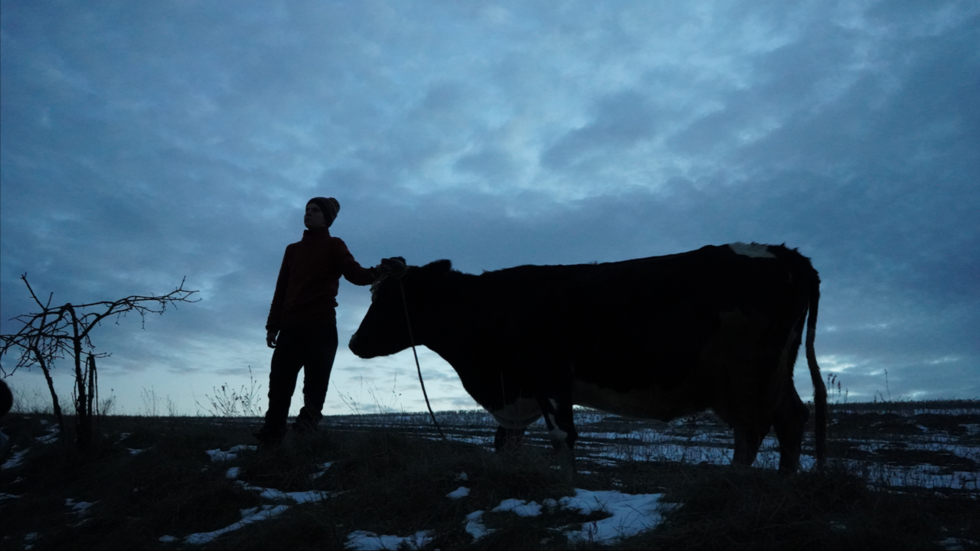
The documentary film, Animals in War, tells the story of Russia’s invasion of Ukraine from the point of view of the animals affected by the conflict. Sota Cinema Group

The 2025 Tribeca Film Festival in New York included a world premiere of War Through the Eyes of Animals (also known as Animals in War). The documentary gives an animal-eye view of Russia’s war against Ukraine and features the wartime experiences of several different species, including a cow, a rabbit and a wolf.

Throughout history, animals have been affected by war and exposed to its many dangers. Despite this, war is usually discussed from human-centred perspectives that marginalise animal experiences.

My own work on the Russia-Ukraine war uses sound as a way of thinking about some of the war’s environmental impacts and the experiences of animals. The idea that sound can provide ecological information is not new. Research has shown how the sounds, for example, of plants and animals can tell us a lot about how their environment is changing. What is new is exploring this in the context of war.

Trailer for War Through the Eyes of Animals.

For my research project I interviewed more than 30 Ukrainians, including botanists, ornithologists, herpetologists (who study reptiles and amphibians) and a marine biologist. I also asked them to make short recordings of their local soundscapes.

A scientist working in Tuzlivski Lymany National Park in the Odesa region of southern Ukraine made a recording of Iranian Shahed drones flying over his office and explained that these “abnormal” sounds greatly affect some species of birds.

Shahed drones.
Interviewee recording879 KB (download)

In 2024, for example, there was a large colony of nesting flamingos in Tuzlivski Lymany. However, noise caused them to abandon their nests, leaving their eggs vulnerable to predators. No chicks were born in the flamingo colony that year. Research in peacetime has found that drones can lead to significant breeding failures among some birds.

A herpetologist, meanwhile, shared his recording of natterjack toads and European tree frogs that he made in the Volyn region of northern Ukraine the year before the start of the full-scale invasion in 2022.

Amphibian chorus.
Interviewee recording985 KB (download)

What he wanted to convey was that he may never hear this particular “amphibian chorus” again. The area is close to the border with Belarus, and it is unclear what impact the construction of Ukrainian defensive fortifications has had on local animal and plant life.

I also asked interviewees whether the war has helped nature in any way. In response, they frequently talked about reduced anthropogenic (human-made) pressures on the environment. An example is the ban on hunting, first imposed at the start of the war in eastern Ukraine in 2014.

Summer meadow.
Interviewee recording281 KB (download)

One interviewee recorded a nighttime summer meadow in Kyiv region and captured the distant sound of a fox calling. The prohibition on hunting has enabled foxes to thrive

Another interviewee made a recording near the Kaniv Nature Reserve in central Ukraine. Alongside birdsong are the barking sounds of roe deer, another species that has benefited from the hunting ban.

Of course, such population increases are not necessarily beneficial to wider ecosystems, as ecologist Aldo Leopold discussed in his classic Thinking like a Mountain (1949). Leopold found that uncontrolled numbers of deer due to the mass killing of wolves in the United States during the first part of the 20th century took a huge toll on the environment. “I have seen every edible bush and seedling browsed”, he wrote”, “first to anaemic desuetude, and then to death”.

The fact that the Russia-Ukraine war has contributed to reducing some anthropogenic pressures does not in any way minimise the enormity of harm done to nature, including forests, soil and marine ecosystems. Yet it is too narrow to think about the environment only in terms of harms done to it.

Nature’s recovery

The Chernobyl Exclusion Zone (CEZ) created following the Chernobyl nuclear disaster in 1986 is often cited as an example of nature’s ability to recover. One of the ornithologists whom I interviewed made a recording of birdsong from within the CEZ, in northern Ukraine.

Chornobyl.
Interviewee recording1.97 MB (download)

When I listen to the recording I am reminded of research which has found that birds have adapted physiologically to radiation exposure within the CEZ.

Another example of recovery relates to the destruction of the Kakhovka dam in June 2023. When Russian aggressors breached the dam, water drained from the Kakhovka reservoir, leaving it dry. Today, there is a young willow forest growing on the site of the former reservoir.

To emphasise the resilience of nature, one of my interviewees made an audio recording from the Yelanets Steppe Nature Reserve in the Mykolaiv region in southern Ukraine. Against the acoustic backdrop of wind gusting through the grasslands are the repeated calls of the common pheasant.

Common Pheasant.
Interviewee recording2.18 MB (download)

These sounds of the wild steppe awakening in early spring, the interviewee stressed, are also the sounds of nature getting on with life.

Birdsong is clearly audible in a recording made by soldiers near the frontline in Kharkiv region.

Near frontline.
Made by Ukrainian soldiers801 KB (download)

Similarly, birds continued to sing over the trenches during the first world war. Some interviewees also pointed out that certain species of birds, including cormorants, herons and white storks, have adapted to the sounds of war, becoming less sensitive to them.

Justice and reparations

I am particularly interested in the significance of nature’s sounds in the context of transitional justice – and especially reparations.

Discourse on environmental reparations focuses on repairing harms done to nature – and sounds can provide useful insights into some of these harms.

But what is missing from existing scholarship on reparations is attention to some of the ways that ecosystems can and do regenerate and recover. Moving forward, therefore, it is essential to think about how reparations can support (and not disturb) these natural ecosystem processes.

The Conversation

Janine Natalya Clark receives funding for this research from the Leverhulme Trust (RF-2024-137)

ref. Sound recordings can give us an animal-eye view of the war in Ukraine – https://theconversation.com/sound-recordings-can-give-us-an-animal-eye-view-of-the-war-in-ukraine-260519

The enduring anti-fascist legacy of places that mark Italy’s wartime resistance – podcast

Source: The Conversation – UK – By Gemma Ware, Host, The Conversation Weekly Podcast, The Conversation

A memorial in the town of Stazzema in Italy, site of a brutal Nazi massacre in 1944. Federico Neri/Shutterstock

 Across Europe, far-right movements are gaining ground. From the Netherlands, to Germany and Italy, they’re winning seats in parliaments and sometimes joining ruling coalitions. By normalising nationalist rhetoric and challenging democratic institutions, these parties raise comparisons with former periods of fascism on the continent.

Between 1943 and 1945, when Nazi forces occupied northern Italy, ordinary people in towns and villages across the country took up arms against fascism in one of Europe’s largest resistance movements. Now, 80 years later, in many of these same towns, anti-fascist sentiment remains unusually strong.

In this episode of The Conversation Weekly podcast, we speak to political scientist Juan Masullo at Leiden University, who’s been finding out about the enduring legacy of these anti-fascist movements.

The town of Sant’Anna di Stazzema, tucked away in the mountains of Tuscany, is a place haunted by its wartime past. The site of a notorious Nazi massacre during the Italian civil war it’s become a memorial to Italian resistance, and what Massulo describes as a “bastion of anti-fascist, left-wing progressive thinking”.

In 2021, the mayor of Stazzema began collecting signatures from around Italy to a petition calling for a ban on every form of fascist or neo-fascist propaganda. It needed 50,000 signatures to be discussed in parliament, and 240,000 signed it.

Masullo saw this as an opportunity to answer a question about political resistance and its legacy: was there an association between places with a lot of anti-fascist resistance during the war, and places that supported the petition? “We did find out that there was an association,” he told us. And when he began interviewing people in places where the correlation was particularly strong to try and find out why, he said “ these people spend a lot of time memorialising what happened”.

Listen to the full episode of The Conversation Weekly to hear our conversation with Juan Masullo about his research.


This episode of The Conversation Weekly was written and produced by Mend Mariwany with mixing and sound design by Eloise Stevens and theme music by Neeta Sarl. Gemma Ware is the executive producer.

Newsclips in this episode from DW News, BBC News, BattleForTelenuovo, Hindustan Times, Look in the Past War Archives, Archivio Luce Cinecittà, Tele Liguria Sud.

Listen to The Conversation Weekly via any of the apps listed above, download it directly via our RSS feed or find out how else to listen here. A transcript of this episode is available on Apple Podcasts or Spotify.

The Conversation

Juan Masullo has received funding for this research from UNUWIDER and Leiden University. He is affiliated with the University of Milan.

ref. The enduring anti-fascist legacy of places that mark Italy’s wartime resistance – podcast – https://theconversation.com/the-enduring-anti-fascist-legacy-of-places-that-mark-italys-wartime-resistance-podcast-260741

Cooling and antioxidants could help prevent hair loss during chemotherapy – new research

Source: The Conversation – UK – By Nik Georgopoulos, Associate Professor in Cell Biology and Transforming Lives Fellow, Sheffield Hallam University

Hair loss is one of the most feared and traumatic side effects of cancer chemotherapy treatment, both for patients themselves and their loved ones, as it can visibly represent the “face of cancer”.

For most patients, maintaining their hair is not just about vanity – it’s about identity, dignity and control. That’s why scalp cooling caps, or (cold caps), often worn during chemotherapy, have become an increasingly common sight in cancer wards.

Chemotherapy drugs work by killing rapidly dividing cancer cells – unfortunately, they cause collateral toxicity to rapidly dividing healthy cells in our body, like those in the roots of our hair. This leads to hair follicle damage and ultimately, hair loss.

Automated scalp cooling devices are used to chill the scalp just before, during and for a short time after chemotherapy treatment. Our previous research showed that cooling works through several mechanisms. It reduces blood flow to the scalp, meaning less of the drug reaches the hair follicles.

It lowers cell activity and metabolism, which makes hair cells less likely to react to chemotherapy. Also, cooling directly stops drugs from entering follicle cells. But despite its potential, scalp cooling doesn’t work for all patients. Until now, we didn’t really know why.

Our new research shows that temperature precision might be fundamental in the ability of scalp cooling to prevent hair loss. We used human hair follicles grown as “mini organs” in the lab to simulate what happens during chemotherapy.

When we treated hair follicles with chemotherapy drugs, we found that cooling, quite remarkably, can prevent the toxic effects of chemotherapy drugs. However, there is a catch: it only works if hair follicles are cooled to the right level. If not, the protection is not adequate to “rescue” them from the toxicity of chemotherapy.

More specifically, when cooled to an optimal temperature of 18°C, hair follicles were completely protected from chemotherapy drug-induced damage. However, when the temperature was higher – say, 26°C – the protection dropped dramatically. This finding may explain why scalp cooling doesn’t work for all patients. In real-world settings, scalp temperature can vary due to differences in equipment, head shape, blood flow, or hair type. Some patients may not reach the “protective threshold”.

But, here’s the exciting part: if the temperature isn’t cold enough, we have found a way to compensate for this by adding antioxidants, and that makes a huge difference. Together, cooling and antioxidant form a strong protective combination – offering hair follicles a powerful, double layer of defence.

So, how do the antioxidants help? Chemotherapy drugs generate harmful molecules called reactive oxygen species, or ROS, which contribute to cell damage. By adding antioxidants like N-Acetylcysteine or Resveratrol – even at sub-optimal cooling temperatures – we saw a remarkable improvement in protection. In fact, the combined effect of antioxidants and moderate cooling mimicked the protection seen with optimal cooling alone.

Although our study was conducted in the lab, it paves the way for improving the outcomes for patients undergoing chemotherapy. The findings suggest that combining antioxidants with existing scalp cooling could make the treatment more reliable and accessible.

We’re now developing a topical antioxidant treatment designed to reach the vulnerable parts of hair follicles in the scalp. The idea is to apply this lotion during scalp cooling, to boost the follicle’s defenses. Clinical trials are being planned to test this combined approach in patients.

Our new research is a milestone, because with the help of antioxidants, we may now be able to offer effective scalp cooling-based hair protection more widely and more consistently – even when conditions aren’t perfect. The combinatorial approach is based on over a decade of research into how chemotherapy damages hair – and how that damage can be stopped.

Hair loss during chemotherapy is deeply distressing. If we can improve the tools we already have, such as scalp cooling, and make them work better for more people, we can help preserve not just hair, but dignity, normality and quality of life during an incredibly difficult time.

The future of supportive cancer care isn’t just about treating the disease. It’s also about helping people feel like themselves and maintain their dignity while they fight it. This new approach has the potential to “change the face of cancer” for patients worldwide.

The Conversation

Nik Georgopoulos is a member of the scientific advisory board of Paxman Coolers Ltd, but receives no consultancy-related income. He holds a research collaboration with and his laboratory receives funding from Paxman Coolers Ltd.

ref. Cooling and antioxidants could help prevent hair loss during chemotherapy – new research – https://theconversation.com/cooling-and-antioxidants-could-help-prevent-hair-loss-during-chemotherapy-new-research-259722

Sound recordings can give us an animals’ eye view of the war in Ukraine

Source: The Conversation – UK – By Janine Natalya Clark, Professor of Transitional Justice and International Criminal Law, University of Birmingham

The documentary film, Animals in War, tells the story of Russia’s invasion of Ukraine from the point of view of the animals affected by the conflict. Sota Cinema Group

The 2025 Tribeca Film Festival in New York included a world premiere of War Through the Eyes of Animals (also known as Animals in War). The documentary gives an animals-eye view of Russia’s war against Ukraine and features the wartime experiences of several different species, including a cow, a rabbit and a wolf.

Throughout history, animals have been affected by war and exposed to its many dangers. Despite this, war is usually discussed from human-centred perspectives that marginalise animal experiences.

My own work on the Russia-Ukraine war uses sound as a way of thinking about some of the war’s environmental impacts and the experiences of animals. The idea that sound can provide ecological information is not new. Research has shown how the sounds, for example, of plants and animals can tell us a lot about how their environment is changing. What is new is exploring this in the context of war.

Trailer for War Through the Eyes of Animals.

For my research project I interviewed more than 30 Ukrainians, including botanists, ornithologists, herpetologists (who study reptiles and amphibians) and a marine biologist. I also asked them to make short recordings of their local soundscapes.

A scientist working in Tuzlivski Lymany National Park in the Odesa region of southern Ukraine made a recording of Iranian Shahed drones flying over his office and explained that these “abnormal” sounds greatly affect some species of birds.

Shahed drones.
Interviewee recording879 KB (download)

In 2024, for example, there was a large colony of nesting flamingos in Tuzlivski Lymany. However, noise caused them to abandon their nests, leaving their eggs vulnerable to predators. No chicks were born in the flamingo colony that year. Research in peacetime has found that drones can lead to significant breeding failures among some birds.

A herpetologist, meanwhile, shared his recording of natterjack toads and European tree frogs that he made in the Volyn region of northern Ukraine the year before the start of the full-scale invasion in 2022.

Amphibian chorus.
Interviewee recording985 KB (download)

What he wanted to convey was that he may never hear this particular “amphibian chorus” again. The area is close to the border with Belarus, and it is unclear what impact the construction of Ukrainian defensive fortifications has had on local animal and plant life.

I also asked interviewees whether the war has helped nature in any way. In response, they frequently talked about reduced anthropogenic (human-made) pressures on the environment. An example is the ban on hunting, first imposed at the start of the war in eastern Ukraine in 2014.

Summer meadow.
Interviewee recording281 KB (download)

One interviewee recorded a nighttime summer meadow in Kyiv region and captured the distant sound of a fox calling. The prohibition on hunting has enabled foxes to thrive

Another interviewee made a recording near the Kaniv Nature Reserve in central Ukraine. Alongside birdsong are the barking sounds of roe deer, another species that has benefited from the hunting ban.

Of course, such population increases are not necessarily beneficial to wider ecosystems, as ecologist Aldo Leopold discussed in his classic Thinking like a Mountain (1949). Leopold found that uncontrolled numbers of deer due to the mass killing of wolves in the United States during the first part of the 20th century took a huge toll on the environment. “I have seen every edible bush and seedling browsed”, he wrote”, “first to anaemic desuetude, and then to death”.

The fact that the Russia-Ukraine war has contributed to reducing some anthropogenic pressures does not in any way minimise the enormity of harm done to nature, including forests, soil and marine ecosystems. Yet it is too narrow to think about the environment only in terms of harms done to it.

Nature’s recovery

The Chernobyl Exclusion Zone (CEZ) created following the Chernobyl nuclear disaster in 1986 is often cited as an example of nature’s ability to recover. One of the ornithologists whom I interviewed made a recording of birdsong from within the CEZ, in northern Ukraine.

Chornobyl.
Interviewee recording1.97 MB (download)

When I listen to the recording I am reminded of research which has found that birds have adapted physiologically to radiation exposure within the CEZ.

Another example of recovery relates to the destruction of the Kakhovka dam in June 2023. When Russian aggressors breached the dam, water drained from the Kakhovka reservoir, leaving it dry. Today, there is a young willow forest growing on the site of the former reservoir.

To emphasise the resilience of nature, one of my interviewees made an audio recording from the Yelanets Steppe Nature Reserve in the Mykolaiv region in southern Ukraine. Against the acoustic backdrop of wind gusting through the grasslands are the repeated calls of the common pheasant.

Common Pheasant.
Interviewee recording2.18 MB (download)

These sounds of the wild steppe awakening in early spring, the interviewee stressed, are also the sounds of nature getting on with life.

Birdsong is clearly audible in a recording made by soldiers near the frontline in Kharkiv region.

Near frontline.
Made by Ukrainian soldiers801 KB (download)

Similarly, birds continued to sing over the trenches during the first world war. Some interviewees also pointed out that certain species of birds, including cormorants, herons and white storks, have adapted to the sounds of war, becoming less sensitive to them.

Justice and reparations

I am particularly interested in the significance of nature’s sounds in the context of transitional justice – and especially reparations.

Discourse on environmental reparations focuses on repairing harms done to nature – and sounds can provide useful insights into some of these harms.

But what is missing from existing scholarship on reparations is attention to some of the ways that ecosystems can and do regenerate and recover. Moving forward, therefore, it is essential to think about how reparations can support (and not disturb) these natural ecosystem processes.

The Conversation

Janine Natalya Clark receives funding for this research from the Leverhulme Trust (RF-2024-137)

ref. Sound recordings can give us an animals’ eye view of the war in Ukraine – https://theconversation.com/sound-recordings-can-give-us-an-animals-eye-view-of-the-war-in-ukraine-260519

From robotic trucks to smart bins: how technology is helping cities sort their waste problem

Source: The Conversation – UK – By Breno Nunes, Associate professor in Sustainable Operations Management, Aston University

Since early January 2025, residents of Birmingham in the UK have been caught in the dispute between the city council and the Unite union over pay, terms and conditions for waste and recycling collectors. The latest attempt at talks broke down in acrimony.

At one point during the crisis, there were 17 tonnes of uncollected rubbish in Birmingham. Businesses and residents face public health and safety risks including pest infestations and the spread of disease and fire hazards.

These have tainted the reputation of the city and hurt its chances of hosting events and attracting visitors. The news of cat-sized rats in Birmingham has made headlines from the US to Australia.


Read more:
Birmingham bin strikes: a threat to public health


Workers’ pay is being negotiated between the union and the council in Birmingham. However, this is a fairly dangerous job and, with an ageing population, it may become more difficult to hire new workers. We argue that a more fair approach would be to use technology to help transition workers (including through training) towards better paid and safer positions.

This would be an opportunity to build more sustainable waste management in the UK’s second largest city and beyond. Advances in robotics and AI are making automated refuse collection a reality, for example. Some cities in the US, Canada and parts of Europe already use robotics-enabled equipment in their refuse collection systems.

A shortage of skilled personnel threatens the transition towards a greener economy. People have to be at the centre of the solution. In this case, skilled workers are needed to keep different types of waste separate and so improve recycling rates.

The recovery value can be high for certain products such as electronics, automotive parts, as well as materials like plastic and metal. This is still difficult for machines to do.

Smart bins and automated trucks

Birmingham city council has already proposed improvements to waste collection. Based on publicly available information, it aims at increasing the number of rubbish trucks, reducing the number of collection days and retraining refuse collectors. But it has yet to take full advantage of existing advanced technologies.

The plan, for instance, proposes improving communication with residents about collection day via text messages. While welcome, this is rather basic. It was only during the pandemic that all recycling centres started using online booking systems. Prior to that, endless queues were common – wasting time and increasing emissions with traffic jams.

We argue that a whole-systems approach is needed to make the most of the opportunities new technology affords. Automated side loader trucks and smart bins are already used in various cities – the latter use sensors to monitor waste volumes and predict when collection is needed. The council could analyse the strengths and weaknesses of each technology in different areas of the city.

Side loader trucks, which can lift up large bins and empty them, automate a dangerous process and are already considered a mature technology, used in cities across the US, Canada and Sweden. These trucks are difficult to drive in narrow streets. But, where appropriate, their benefits include increased productivity, reduced collection costs and greater worker safety.

Sensors embedded in the vehicle, including from cameras, can provide data on the distribution of waste in different areas. This helps to produce a waste map. AI algorithms can analyse the data and provide customised collection schedules that optimise the use of trucks in the collection fleet. The algorithms can learn and be continuously revised to improve the service.

In busy areas of the city, information from smart bins can prevent rubbish accumulating. Advanced machine learning techniques can then be employed to further optimise the collection schedule by detecting, for instance, anomalies such as a sudden increase in some types of waste. Such systems can provide more adaptable solutions and increase the productivity of officers.

Recent improvements in imaging techniques and chemical analysis can help to identify different waste materials and allow automatic sorting, and the identification of hazardous waste.

Other technological solutions, such as the use of smart underground large storage containers as communal bins allow for less frequent collections, but they may require significant changes to both infrastructure and trucks. These already exist in parts of Spain.

Pneumatic waste collection systems have been tested in Wembley, a suburb in northwest London. In this system, waste is sucked through underground pipes by a fan system at speeds approaching 50mph to a central point, where it is stored in airtight containers until further treatment takes place. More than 30 countries adopt this system.

Educating the public is vital too. Reducing waste in the first place is a good way to save money and would reduce pressure on waste collection systems.

As far as Birmingham goes, overlooking advanced technologies won’t make the council’s task of satisfying residents and waste collection teams any easier. We think a lot of people would be happier to see more robotics trucks and smart bins than more rats in the streets.

The Conversation

Breno Nunes receives funding from InnovateUK for a Knowledge Transfer Partnership (KTP) project on sustainable manufacturing strategy.

Roberto Castro Alamino does not work for, consult, own shares in or receive funding from any company or organisation that would benefit from this article, and has disclosed no relevant affiliations beyond their academic appointment.

ref. From robotic trucks to smart bins: how technology is helping cities sort their waste problem – https://theconversation.com/from-robotic-trucks-to-smart-bins-how-technology-is-helping-cities-sort-their-waste-problem-260023

Too Much: Lena Dunham’s love letter to London, romance and the messiness of being a woman

Source: The Conversation – UK – By Jane Steventon, Course Leader, BA (Hons) Screenwriting; Deputy Course Leader & Senior Lecturer, BA (Hons) Film Production, University of Portsmouth

When HBO launched Lena Dunham’s Girls in 2012, it followed shows such as Buffy (1997-2003), Sex and the City (1998-2004) and Gossip Girl (2007-2012), which had all set a standard of shiny, sanitised female representation that was both attractive and palatable to a wide audience.

The grubby realism of Dunham’s New York twentysomethings, on the other hand, offered a surprising authenticity for some. But for others it was too messy, too white, too privileged and too authored around Dunham’s own life.

Although younger characters are often categorised by self-absorption and poor judgment, the “realness” of Girls was still challenging for many viewers. In particular they struggled with Dunham’s own character, Hannah Horvath, an aspiring writer frequently making personal and professional mistakes. She made for an unlikely – and often unlikable – heroine.


Looking for something good? Cut through the noise with a carefully curated selection of the latest releases, live events and exhibitions, straight to your inbox every fortnight, on Fridays. Sign up here.


Much attention was also paid to Hannah’s nudity, which proved to be a talking point each season. Dunham is known for her bold and positive attitude to her body, which clearly does not conform to standard Hollywood beauty types. But this reaction to Hannah’s frequent nakedness was ultimately highlighted as misogynistic by the creative powers behind the series such as producer Judd Apatow and co-writer Jenni Konner, as well as Dunham herself.

The same critics may have similar problems with Too Much. Though fresh 20-something protagonist, Jessica is played with gusto by TikTok star Megan Stalter, not Dunham herself. She’s known for her scene-stealing performance in comedy-drama Hacks (2021-).

Too Much is still clearly written by Dunham. Jess’s relocation from NYC to London echoes her own move to the UK in 2021, where she met and married the Peruvian-British musician Luis Felber and settled in north London.

The pair have co-created this “love letter to London”, with Dunham directing and and Felber providing the original music. The story takes in London pubs, creative agencies, Notting-Hill-the-movie aspirations and council-estate realities.

Growing pains

As Jess starts work in a London media agency, helmed by an excitable Richard E. Grant, she meets cerebral indie musician Felix (played convincingly and charmingly by Will Sharpe). Their instant connection means that Jess is thrust back into the world of dating, with all the Instagram anxiety and breakup PTSD that her last relationship produced.

The tone is at once fresh and frivolous, but episode one feels contrived at times with the creaky set-up of post-relationship life and relocation.

The familial scenes are the most enjoyable, with Dunham calling in all her celebrity cameo favours, including herself as Jessica’s mother (she snaffles some of the show’s best lines), and Rita Wilson playing her own mother. The small but mighty Rhea Pearlman grabs the great-grandmother role with gusto, flirting salaciously with Jess’s paramour while dispensing wicked wisecracks with bone-dry humour.

As the story develops, so does the sophistication and thoroughbred quality of Dunham’s writing and directing. Glorious moments of obsession with skin, taste and touch in the early days of a relationship are convincingly conveyed by credible and well-crafted moments of intimacy, both physical and intellectual.

As Jessica and Felix navigate the inevitable ups-and-downs of togetherness (dinner parties, red-flag paranoia and an unrequited “I love you”), Dunham reflects on love’s tumultuous and terrifying roller-coaster via brilliant dialogue and meaningful visual storytelling.

A particularly thought-provoking moment of direction comes in the form of a long take at the end of episode three, where the duo cosy up together, ready for sleep, in silent closeness. Jess listens to music on headphones, potentially excluding Felix, but the inference is of acceptance and tenderness – a reassuring sign of potential longevity.

The pitfalls on the road to love are frequently revealed in flashback from Jessica’s past relationship with Zev (Michael Zegen), who has moved on with a new partner. We go from the “meet-cute” and early days of infatuation between Jess and Zev, steadily giving way to less and less tolerance and emotional intimacy, until finally the betrayal with the new love becomes clear.

Capitalising on the anxieties induced by social media, Dunham has Jess obsessively watching Zev’s new love Wendy (Emily Ratajkowski) on Instagram, where every desirable detail of her life plays out in perfection. When Wendy broadcasts the inevitable proposal on Instagram Live, Jess is sent spiralling and decides to flee to London.

As the series progresses, Dunham’s goals become clearer and echo those of Girls. Both shows explore what it means to be “too much” – an accusation that many strong, ambitious and focused women have experienced.

Being too much, it turns out, may be not such a bad thing. As Felix remarks at the close of episode four, after one of their first clashes, “too much” is not necessarily an insult – it can be a way of describing someone who is remarkable. It’s something that Dunham clearly believes – and wants us all to believe – about the tumultuous and chaotic experience of growing up.

Too Much is a hopeful paean to womanhood, a declaration that messiness, failure and fear are all part of becoming a woman just as much as joy, love and intimacy. This show inspires and engages the more it reveals of its flawed and fallible protagonist amid the melting pot of London that Dunham so clearly adores.

The Conversation

Jane Steventon does not work for, consult, own shares in or receive funding from any company or organisation that would benefit from this article, and has disclosed no relevant affiliations beyond their academic appointment.

ref. Too Much: Lena Dunham’s love letter to London, romance and the messiness of being a woman – https://theconversation.com/too-much-lena-dunhams-love-letter-to-london-romance-and-the-messiness-of-being-a-woman-260528

Lioness Lucy Bronze uses ‘cycle syncing’ to get an edge on her competition — here’s how the practise works

Source: The Conversation – UK – By Mollie O’Hanlon, PhD Candidate, Exercise Physiology, Nottingham Trent University

Bronze has said ‘cycle syncing’ has been important for her performance. Jose Breton- Pics Action/ Shutterstock

England footballer Lucy Bronze recently said in an interview that “cycle syncing” gives her an edge on the pitch. This practice involves aligning your training schedule to the different phases of your menstrual cycle.

Cycle syncing has become increasingly popular in recent years – especially among athletes who are looking to get an edge over the competition. Even Chelsea women’s football team have put this new approach to use, tailoring training schedules according to each player’s menstrual cycle.

For the average person, tailoring your workouts to your menstrual cycle is probably not going to have much of an impact. But for a professional athlete such as Bronze, cycle syncing could be a gamechanging strategy in shaping her elite performance.


Get your news from actual experts, straight to your inbox. Sign up to our daily newsletter to receive all The Conversation UK’s latest coverage of news and research, from politics and business to the arts and sciences.


The menstrual cycle begins and ends with menstruation (a period). While the length of the menstrual cycle varies for each person, it’s usually around 28 days.

The menstrual cycle is underpinned by fluctuations in levels of the female sex hormones oestrogen and progesterone. This is why the cycle is divided into three key phases: early follicular, late follicular and the luteal phase.

The early follicular phase usually lasts around seven days and begins with the start of your period. This is when hormone levels are at their lowest.

The late follicular phase follows on from the first seven days, and is where ovulation happens – usually around day 14 of the cycle, though this will depend on cycle length. Ovulation is when the egg is released and you’re at your most fertile.

After that comes the luteal phase (lasting around 12-14 days), when progesterone peaks to prepare the body for pregnancy. If pregnancy doesn’t happen, hormones drop and the cycle begins again.

It’s no secret that mood and energy levels can shift – sometimes significantly – throughout the menstrual cycle. This is why some female athletes have begun using cycle syncing. By tailoring training schedules to match hormonal fluctuations, women are gaining a deeper understanding of their bodies and the symptoms they experience throughout each phase – empowering them to train smarter, not harder.

Bronze said the strategy has transformed her performance, saying that during certain phases of her cycle she feels “physically capable of more and can train harder”.

Despite these testimonials, scientists are yet to reach a definitive conclusion on how the menstrual cycle affects athletic performance.

Lucy Bronze smiles during a match.
Bronze is just one of many female athletes putting ‘cycle syncing’ to the test.
Christian Bertrand/ Shutterstock

So far, there’s some suggestion that there may be a slight dip in performance (specifically to strength and endurance) during the early follicular phase. However, these effects are minimal – and highly dependent on the person. It’s also not entirely clear what mechanisms underpin these small performance dips that some women experienced.

Other research suggests that certain aspects of the neuromuscular system (the network of nerves and muscles that make movement possible) – specifically how our muscles generate force – is altered during the luteal phase. Research has also found that certain muscles may fatigue less quickly during this phase as well.

This implies that during the luteal phase, there may be changes in signals from the brain and spinal cord to the skeletal muscles. However, no changes in the neuromuscular function have been observed.

Part of the reason it’s so difficult for researchers to gather enough evidence to draw firm conclusions on the menstrual cycle’s potential effects on athletic performance is because of the huge variability in menstrual cycle characteristics, which makes it difficult to study. Phase length, hormone levels and symptoms can differ widely between women – and even from cycle to cycle.

The small effects seen in these studies will have little effect on how most of us train or exercise. But for an elite athlete, these minuscule differences could have an effect on their training and competition, which may be why so many are willing to give the practice a try.

So while it isn’t entirely clear how much influence certain menstrual cycle phases have on performance, how you feel during different phases could certainly affect your ability to train at your best.

Around 77% of female athletes experience negative symptoms in the days leading up to and during menstruation. Fatigue, feeling less motivated and even experiencing digestive issues such as bloating and nausea, could all affect your ability to train at your best.

Trying cycle syncing

If you’re still interested in giving cycle syncing a try to see if it has any effect for you, the best place to start is by tracking your menstrual cycle. This will help you understand your body, how you feel in each phase of your cycle and what effect certain symptoms have on your training.

It’s recommended you track your cycle for at least three months before making any changes to your training to establish a baseline and spot trends over time.

For example, if you notice you often feel fatigued when training in your luteal phase, it may help to focus on ensuring you fuel well with carbohydrates before and during workouts. Or on days where you feel more energetic and motivated to train, you might be able to push yourself a bit harder in your workouts.

Whether you’re playing for England in the Euros or simply working towards your own fitness goals, understanding your cycle can help you train smarter, manage your symptoms better and stay consistent with your training.

The Conversation

The authors do not work for, consult, own shares in or receive funding from any company or organisation that would benefit from this article, and have disclosed no relevant affiliations beyond their academic appointment.

ref. Lioness Lucy Bronze uses ‘cycle syncing’ to get an edge on her competition — here’s how the practise works – https://theconversation.com/lioness-lucy-bronze-uses-cycle-syncing-to-get-an-edge-on-her-competition-heres-how-the-practise-works-260153

How M&S responds to its cyber-attack could have a serious impact on its future – and its customers

Source: The Conversation – UK – By Aybars Tuncdogan, Reader in Digital Innovation and Information Security, King’s College London

raymond orton/Shutterstock

The cyber-attack on Marks & Spencer will lead to an estimated £300 million hit to the company’s profits this year. It now aims to have online shopping at the store back to normal by August, more than three months after IT systems were compromised.

Fans of M&S clothing and food will be relieved after all of the uncertainty. But that level of uncertainty, as well as the huge cost, is surely a sign that big retailers, which millions of people rely on, need to change how they think about – and invest in – cybersecurity.

It has to be an absolute priority. After all, few marketing strategies or HR initiatives can save a company £300 million in just six weeks. But perhaps a more sophisticated cybersecurity department could have done just that.

To be fair, M&S faced a relatively rare, high-impact ordeal. Most cyber-attacks of this nature don’t affect customers so directly, and much of the recovery typically happens behind the scenes.

But M&S shoppers saw online orders collapse, contactless payments fail and refunds, gift cards and loyalty points not functioning. Disruption in stock-management and warehousing led to empty shelves and food waste.

On June 27, M&S issued a public apology and a £5 digital gift card to affected customers. But research suggests that the most important element of keeping customers onside is the quality of the recovery process, and whether normal service is eventually resumed.

To get back to normal service, it is possible that a ransom was paid to the cyber attackers, but M&S has refused to confirm or deny this. (One survey found that many organisations hit by cyber attacks agreed to pay a ransom – and then suffered a subsequent breach, often from the very same culprits.)

But even when normal service returns, when hackers steal customer data, as they did with M&S, research suggests that this information is often reused by criminals in identity theft and phishing. A study even found that victims of data breaches are more likely to have mortgage applications denied.

From what we know about the breach at M&S, it seems that the cyber-attackers simply used a phishing technique to get the support desk of a third-party contractor to reset the password of an admin-level account. That said, although in this case the main vulnerability was human, the lesson to be learnt here is that sometimes just one vulnerability can shake the whole system to its core.

This is why business owners need to think of cybersecurity not just as a tedious and inconvenient IT issue, but as a core function of the business. Otherwise, as the M&S case illustrates, it is simply not possible for the rest of the corporate structure to operate.

Testing times

So cybersecurity targets must be incorporated into every department to ensure collective defence. And organisations also need to stress-test the different aspects of their systems.

That could be checking on human responses, but it should also include technology (like a vulnerability in the web server), physical barriers (a poorly secured server room door) and HR procedures (failure to revoke ex-employee access).

Laptop in use with with graphic of padlock and security images.
Lock down your laptop.
Thapana_Studio/Shutterstock

These lines of defence have to be stress-tested regularly and from multiple angles, rather than being considered an annual checkbox activity for compliance.

Scenario-based tests – essentially a cyber fire-drill — such as internal threat simulations and response exercises, can provide useful insights into an organisation’s readiness to detect, respond to and recover from cyber-attacks.

It’s also important that organisations learn to communicate clearly once a breach occurs. Research into responses to data breaches suggests that any backlash is sharper when the company seems to be trying to hide the breach, which may later be publicised by the criminals instead.

Consumers should also remember that they are not powerless. We may not be able to prevent a data breach, but all of us can help to stop attackers from infiltrating our online worlds by something as simple as not re-using the same passwords.

By remaining sceptical, we can prevent attackers from using the information they stole to phish us later. And by thinking carefully about what personal data we share with companies, we can reduce the impact of future breaches.

The Conversation

Aybars Tuncdogan does not work for, consult, own shares in or receive funding from any company or organisation that would benefit from this article, and has disclosed no relevant affiliations beyond their academic appointment.

ref. How M&S responds to its cyber-attack could have a serious impact on its future – and its customers – https://theconversation.com/how-mands-responds-to-its-cyber-attack-could-have-a-serious-impact-on-its-future-and-its-customers-260429