The most radical part of Reform’s deportation plans

Source: The Conversation – UK – By Peter William Walsh, Researcher, The Migration Observatory, University of Oxford

Speaking to the press in an airport hangar near Oxford on August 26, the leader of Reform UK, Nigel Farage, unveiled his party’s new policy on mass deportations.

There are many elements to the policy, but at its heart is a decision to abandon the UK’s decades-long commitment not to send people to places where they may face torture or death.

At the heart of the global asylum system is one basic principle: countries must not send people to places where they face serious threats to their life or freedom. This rule – known as the principle of “non-refoulement” – derives from the 1951 Refugee Convention but also appears in other human rights laws and agreements. It is why European countries, including the UK, assess asylum claims even when people have arrived without authorisation.

“Look, I can’t be responsible for despotic regimes all over the world,” said Farage, defending the policy in The Times, adding that his responsibility is to the “safety of women and girls on our streets” rather than to those who have entered the UK without permission.

The UK was instrumental in drafting both the European Convention on Human Rights and the 1951 Refugee Convention. For the UK to effectively remove itself from these treaties raises significant questions about whether other states would follow suit, and what sort of protections would exist for persecuted people around the world in the future.

What is Reform proposing?

The plan is indeed, as Farage described, radical. Its main aim is to “detain and deport all illegal migrants” over one parliament. To make this possible, the plan, branded Operation Restoring Justice, entails leaving the European Convention on Human Rights (ECHR), repealing the UK’s Human Rights Act, and “disapplying” for five years the Refugee Convention and other international agreements that could prevent deportations.

Further, it would greatly expand detention on repurposed military sites, and scale up charter flights for the removal of “up to 600,000” people without the right to be in the UK.

The policy reflects a major departure from the 75-year postwar consensus in Europe that countries should not send people to countries where they could face persecution.

Legal and practical hurdles

Reform’s policy, if implemented, is likely to attract legal challenges. However, as the parliamentary battle over the last government’s Rwanda deportation plan demonstrated, the government has considerable power to prevent the courts from having their say. Leaving the ECHR, repealing the Human Rights Act and removing all references to non-refoulement in domestic law would make the policy possible, from a legal perspective.

This would not happen overnight. It could take more than a year for Reform’s illegal migration (mass deportation) bill to become law, given that Reform will command no majority in the House of Lords, where the policy is liable to attract strong resistance. Leaving the ECHR requires just six months’ notice – but would probably also require the consent of parliament.

The bigger practical hurdles are logistical and diplomatic. Reform proposes to increase detention spaces to 24,000 within 18 months. As of mid-2024, the most recent available data, detention capacity stood at an estimated 2,200.

The UK’s current system for removals operates at a fraction of the scale Reform envisages. In the year ending June 30 2025, there were around 9,000 enforced returns and 27,000 voluntary ones. Removing hundreds of thousands of people over five years would require a huge expansion of interior immigration enforcement. It also remains unclear how Reform would identify hundreds of thousands of people living in the UK without permission.

Consent from receiving countries (the countries to where people would be deported) is a longstanding barrier to deportations. If a country does not recognise their citizens or refuses to take them back, they cannot be returned.

The government’s recent experience shows documentation and country cooperation are the main practical limits on enforced returns. Questions remain over whether, or on what terms, Afghanistan and Iran would agree to take back their citizens.

Reform has anticipated this potential issue by proposing to pay countries to take back their citizens, or impose sanctions on those that don’t.

Should this not work, Reform’s Plan B would be to deport people to “safe third countries”, a la Rwanda. Plan C: sending people to British Overseas Territories like Ascension Island, something the previous Conservative government was reported to have looked at internally and rejected on feasibility and cost grounds.

Reform estimates that the policy would save over £7 billion in five years. In truth, the policy is so radical that it is impossible to cost with any degree of precision.

What is clearer is that any net saving would depend critically on how many people the policy deters from crossing in small boats. Currently, small boat arrivals and a large asylum backlog generate annual government spending of over £4 billion.

Managing the asylum system has become increasingly challenging over the last decade, as numbers of both unauthorised arrivals and asylum claims have risen rapidly, and the cost of the asylum system has skyrocketed.

However, the most significant part of Reform’s announcement is not the detail, but the essence. It proposes ending the principle of refugee protection – accepting that people would be sent to countries where they could be tortured or killed, as a means of reducing unauthorised migration and cutting the costs of the asylum system.

The Conversation

Peter William Walsh receives funding from the Nuffield Foundation.

Rob McNeil receives funding from the Engineering and Physical Sciences Research Council (EPSRC), is the chair of trustees for the Work Rights Centre, and alongside his role at the University of Oxford, undertakes consultancy work for UN bodies and other international organisations.

ref. The most radical part of Reform’s deportation plans – https://theconversation.com/the-most-radical-part-of-reforms-deportation-plans-264162

How Sweden’s ‘secondhand only’ shopping mall is changing retail

Source: The Conversation – UK – By Mary-Ann Ball, Senior Lecturer, Fashion Sustainability and Marketing, Nottingham Trent University

Second-hand books for sale at ReTuna, Sweden’s shopping centre dedicated to only selling preloved items. Mary-Anna Ball, CC BY-NC-ND

As a fashion sustainability researcher, finding the ReTuna shopping mall in Eskilstuna was a delightful surprise. Stepping into this Swedish shopping centre felt refreshingly different – it is the first in the world to sell only secondhand and repurposed items.

During numerous visits to the shopping mall over the last 18 months, I have spoken to customers, managers and employees – all of whom seemed excited by ReTuna’s innovative business model.

The mall instantly feels very different to the cluttered charity shops or vintage boutiques most of us associate with pre-owned retail. There is a wide range of products on sale – fashion, sports equipment, household items, children’s toys, antiques – and even an Ikea secondhand store selling previously used and repaired furniture.

This is not just a retail space. It is a municipality-led experiment in circular consumption, where everything sold has been donated by the public.

ReTuna was established in 2015 as part of Eskilstuna’s climate and waste reduction strategy. Built alongside the city’s recycling centre, it includes a dedicated drop-off point called The Return, where residents donate unwanted items. These are sorted and redistributed to the retailers in the mall, creating a low-cost, low-waste circular system.

The model is only possible because of public funding and local government support – a reminder that circular innovation often requires structural investment, not just consumer goodwill.

However, what makes ReTuna so distinctive is not just its inventory but its atmosphere. Consumers describe it as “accessible”, “curated” and “convenient”. The mall’s layout and product displays mirror conventional retail spaces, making secondhand shopping feel stylish and enjoyable.

second hand clothing in a store
ReTuna sells only secondhand clothing, books, bikes and other items.
Mary-Anne Ball, CC BY-NC-ND

One shop manager told me customers often mistake the secondhand items for new, a testament to how fashionability and design are used to make reuse attractive without increasing cost. At ReTuna, the clean, calm environment helps make ethical consumption feel desirable and emotionally rewarding. As one shopper put it: “It’s not just ethical, it’s beautiful.”

Retailers use low-cost stock and infrastructure to create visually appealing stores. The result is a pleasurable shopping experience that challenges the stigma of secondhand. While affordability and environmental values remain central, ReTuna also reimagines what sustainable retail can look and feel like.

Demand for pre-loved

Consumer interest in “pre-loved” fashion is accelerating, with the secondhand market growing 2.7 times faster than the broader apparel market, according to one recent industry report. Globally, it is projected to reach US$367 billion (£272 billion) by 2029.

And it is not only pre-owned fashion that is growing. Another market research report forecasts the wider secondhand products market will reach US$1.04 trillion by 2035, growing at a compound annual rate of 17.2%.

In a YouGov survey spanning 17 markets, 43% of secondhand buyers favoured instore purchases, compared with 39% who preferred online (19% were undecided). ReTuna is part of this shift – not as an outlier, but a glimpse of what mainstream retail could become.

This pioneering Swedish mall turned ten this year. It has grown from a local government initiative to an internationally recognised model of circular retail. The mall’s success shows that secondhand shopping does not have to feel like a compromise – it can be stylish, convenient and socially meaningful.

Circular retail is not just about what we buy, but how and where we buy it. ReTuna demonstrates that with the right infrastructure, design and public support, sustainable consumption can be embedded into everyday life – not as a chore but a rewarding experience.


Don’t have time to read about climate change as much as you’d like?

Get a weekly roundup in your inbox instead. Every Wednesday, The Conversation’s environment editor writes Imagine, a short email that goes a little deeper into just one climate issue. Join the 45,000+ readers who’ve subscribed so far.


The Conversation

Mary-Ann Ball does not work for, consult, own shares in or receive funding from any company or organisation that would benefit from this article, and has disclosed no relevant affiliations beyond their academic appointment.

ref. How Sweden’s ‘secondhand only’ shopping mall is changing retail – https://theconversation.com/how-swedens-secondhand-only-shopping-mall-is-changing-retail-260459

Nigel Farage and the political power of English grievance

Source: The Conversation – UK – By Ailsa Henderson, Head of Politics and International Relations, University of Edinburgh

One apparent constant in contemporary UK politics is Nigel Farage’s ability to mobilise a sense of grievance among those who regard themselves as English. By doing so, Farage has, on successive occasions, managed to shift the terms of political debate so that the issues he cares about become the key issues of the day. His ability to drag the other parties onto his terrain is a classic success story of what political scientists call issue salience. He identifies a problem, proclaims loudly that it will be our collective undoing and proposes a tantalisingly straightforward solution.

The Brexit narrative was, of course, that the loss of British wealth and influence, as well the crisis of post-austerity public services, could best be explained by the undue influence of and resources willed away to “Europe”.

In England, this frustration correlated not with British but with English national identity. It also correlated with discontent at the internal union of the UK and a sense that Britain’s political class were distributing resources and influence to other foreigners – in this case Scots.

A decade on from the referendum, English-identifying electors are now being successfully mobilised on the basis of a new bogeyman. Social and economic problems in the UK are still being attributed to the way influence and resources are being ceded to foreigners, but this time it’s not bureaucrats in Brussels who are to blame for these ills, or Scots – it’s the people arriving on small boats.

However, even if Farage’s ability to mobilise grievance to political advantage remains unmatched, our 15 years of research into English national identity underlines that the proffered solutions to those grievances – the seemingly simple, quick fixes – simply don’t work. Exiting the EU has not stemmed English grievance. Rather, erstwhile Leavers are not happy at the outcome even while preferring not to have to talk about it. There is precious little reason to believe that five deportation flights a day to Kabul airport will make them any less nostalgic for the past, less aggrieved about the present or more hopeful for the future.

The proposed solutions to English grievances haven’t worked because those solutions were, from their inception, poorly thought-through and unworkable. A hard, “clean break” Brexit was never compatible with the existence of a land border on the island of Ireland. It was never going to be possible to construct a dedicated democratic political space for England through minor tweaks to the legislative procedures of the House of Commons, as was attempted in the introduction of English votes for English laws. Similarly, we’re not going save the NHS or universities by making the UK inhospitable to the skilled migrants it needs.

Moreover, the impact of adopting Farage’s framing of problems and associated bogeymen and simply promising to deal with them more effectively has proved disastrous, first, for the Conservative party, and now Labour. Anyone doubting the impact of issue ownership on electoral success need look no further than Scotland, where years of high constitutional salience rewarded the respective “owners” of the “indy” and pro-union positions at the expense of electoral support for the political centre ground. The dip in SNP and Conservative support in Scotland in the 2024 UK general election can be attributed in part to the weakened salience of constitutional politics. The issues we talk about matter.

None of the solutions offered to assuage English grievances have ever sought to address the real problems. Take, for example, the now longstanding evidence that the English feel aggrieved at the treatment of England following the devolution of power to Belfast, Cardiff and Edinburgh. Despite this, there has yet to be a serious discussion of post-devolution arrangements in a way that affords English voters the same opportunity to shape a government that seeks to be theirs as enjoyed by voters in the rest of the UK.

No doubt that reluctance to do so in part reflects the dual role of a UK government. It serves as both the government for the whole of the state and for England alone on issues that are devolved to Scotland, Wales and Northern Ireland. The distorting impact of this distinctly odd arrangement is compounded by the steadfast refusal of the UK government to explicitly state when it is acting as the UK’s government or when it is responding to English concerns over English policy to make English lives better. Indeed, in the past two decades, no single English MP has referred in the Commons to the “government of England” as something that actually exists.

Invisible England

One of the stranger consequences of the UK’s asymmetrical governance arrangements is that England is rendered invisible, even though it is by far the largest part of the state. If UK governments of various hues are unwilling ever to name England and, indeed, behave as if the very existence of its English electorate is something to be ashamed of, it’s perhaps little wonder that English identifiers don’t feel they matter or have a voice. There is, in short, an English efficacy problem.

Rather than engage seriously with the reality of English sentiment and, yes, resentment, both Conservative and Labour governments have engaged in the serial ad hocery of constitutional change. They’ve played a never-ending game of constitutional Tetris in which plans for so-called English devolution are constantly made and remade. This process has, in turn, become a substitute for serious thinking about political voice and democratic influence within the state.

Successive UK governments have preferred to give England the structures that are least disruptive to the central institutions of the state. Thus, England is carved into a series of Scotland-sized pieces under regional devolution. What is never spoken of is the fact that this is precisely the least popular solution among England’s electorate. They instead doggedly favour an outcome that dare not speak its name – a political space for England as England.

Perhaps, then, the English are aggrieved and angry, not because foreigners have undermined their influence and stolen their resources but, in part at least, because they and their views are a perpetual afterthought in the UK’s governance arrangements. And maybe that’s another constant in UK politics – UK governments find it easier to address Farage’s successive foreigner problems than to look at their own role in stoking English grievance.


Want more politics coverage from academic experts? Every week, we bring you informed analysis of developments in government and fact check the claims being made.

Sign up for our weekly politics newsletter, delivered every Friday.


The Conversation

Ailsa Henderson currently receives funding for the Scottish Election Study from the ESRC and funding for work on research cultures from Wellcome (InFrame). She is Chair of Boundaries Scotland, the independent non-partisan non-departmental public body that sets electoral boundaries in Scotland for local and Holyrood elections.

Richard Wyn Jones receives funding from the ESRC for the Welsh Elections Study.

ref. Nigel Farage and the political power of English grievance – https://theconversation.com/nigel-farage-and-the-political-power-of-english-grievance-264065

Why Donald Trump’s plans to prosecute flag burning divides his supporters

Source: The Conversation – UK – By Clodagh Harrington, Lecturer in American Politics, University College Cork

“If you burn a flag, you get one year in jail. No early exits. No nothing.” This is what US president Donald Trump announced in the Oval Office in the last week in August. Ever the master media manipulator, America’s communicator-in-chief issued this as an executive order.

An executive order is issued by the president and doesn’t need to be passed by Congress. They are, however, expected to relate to existing law. Trump so far has signed 196. His latest directive, which aims to restore “respect, pride and sanctity” to the US flag, instructs the Department of Justice to investigate instances of burning the nation’s insignia under particular circumstances.

While the practice of flag burning as protest has a long history in the US, dating back to the US civil war, it is not a regular occurrence, and has been constitutionally permitted for decades.

The issue is already creating divisions among Republicans. There are three broad categories of GOP reaction. First, the Maga faithful are unlikely to complain. Unconditional support for their leader is a key trait of this group. And the executive order includes language with guaranteed appeal to those for whom terms such as “American patriots” and “foreign nationals” are predictable triggers. The president has long excelled at rallying his supporters on flag-related matters.

Beyond red-meat-for-the-base appeal, both the executive order and GOP support for it get a little more complex. Traditional conservatives, including Senate majority leader Mitch McConnell, are a group that may have strongly negative feelings about flag burning, but their adherence to the first amendment and associated freedom of expression would generally override this.

Those who hold constitutional principles in high regard are increasingly concerned about a president demonstrating his desire for expansive power. And, the US Supreme Court has clearly ruled on more than one occasion that the act, however distasteful, is constitutionally permitted.

Antonin Scalia, the late Supreme Court justice and noted constitutional textualist, famously stated that “if it were up to me, I would put in jail every sandal-wearing, scruffy-bearded weirdo who burns the American flag”. But, he added: “I am not king.” Alongside the more centrist Anthony Kennedy, these justices upheld the right to burn the US flag in the 1989 landmark case of Texas v Johnson, despite Scalia’s personal distaste for the act. In his writings, Scalia differentiated between the form of expression that was flag burning, and an act of insurrection, which, he noted, was “something quite different”. The first amendment, as he understood it, allowed for symbolic political protests, regardless of how offensive such expressions might be to patriotic sensibilities.

Already, analysts have highlighted how the president’s efforts to sidestep the constitution are laden with problems. Executive orders cannot override a Supreme Court ruling. Even Donald Trump should know that.

Getting around current law

What the executive order does attempt to do is to get around the law that allows flag burning. To do so, it focuses on associated crime such as property destruction, open burning violations and disorderly conduct. The attorney general, Pam Bondi, was instructed to pursue cases against those who “incite violence or otherwise violate our laws while desecrating this symbol of our country”. So, when someone is (legally) burning a flag, they may be acting illegally at the same time by, for example, committing a hate crime. And this could trigger prosecution.

Donald Trump signs an executive order on flag burning.

Furthermore, the executive order nods to a key flashpoint of the current climate by leveraging immigration law, and potentially facilitating the deportation of non-citizens who engage in flag-burning. Beyond the smoke-filled headlines, what this ruling does is circumvent the core ruling of Texas v Johnson by focusing on the circumstances surrounding any flag burning, rather than the act itself. A further aspect will involve the extent to which the courts could expand existing first amendment exceptions. This can only make for nervous constitutional conservatives.

The third group who mostly reside on the Trumpian side of the partisan fence are libertarians such as Republican senator Rand Paul. In a similar vein to their conservative counterparts, their worldview would sit uncomfortably with the president’s foray into testing constitutional principles, and not standing up for more wide-ranging free speech.

Flags and freedom

Libertarians tend to feel strongly about freedom of expression. And when their president picks a fight with the first amendment for no apparent reason beyond a mention he made of it on the campaign trail, he may end up aggravating more supporters than he pleases.

Writing on Reason.com, libertarian journalist Robby Soave argued that Trump is the “last person who should confuse protected speech with incitement to violence”. He added: “Any administration that purports to care about freedom of speech should easily reach the conclusion that criminalizing provocative yet nonviolent acts of political expression is a violation of this principle.”

For a president who deliberately and controversially appointed “Scalia-like” judges during his first term, his latest executive order seems at odds with this vision. Such inconsistency, for what may involve more Justice Department smoke than actual fire, may not serve the president well if many conservatives remain uncomfortable with the move.

To misquote a famous phrase attributed to Voltaire, the US Supreme Court has repeatedly ruled that whatever a majority of the justices think of those who actually want to burn the US flag, they will all but defend to the death your right to burn it.

The waters are further muddied now that a self-described combat veteran has set fire to the flag in response to the executive order. It is unlikely he is a “sandal-wearing weirdo”. Hence, the president’s patriotic script may end up somewhat singed around the edges.

The Conversation

Clodagh Harrington does not work for, consult, own shares in or receive funding from any company or organisation that would benefit from this article, and has disclosed no relevant affiliations beyond their academic appointment.

ref. Why Donald Trump’s plans to prosecute flag burning divides his supporters – https://theconversation.com/why-donald-trumps-plans-to-prosecute-flag-burning-divides-his-supporters-264059

Can vitamin D supplements really slow ageing, as a recent study suggests?

Source: The Conversation – UK – By Dervla Kelly, Associate Professor, Pharmacology, University of Limerick

NataschaS/Shutterstock.com

Vitamin D supplements could help protect the caps on our chromosomes that slow ageing, sparking hopes the sunshine vitamin might keep us healthier for longer, a recent study suggests.

The researchers discovered that taking 2,000 IU (international units, a standard measure for vitamins) of vitamin D daily helped maintain telomeres – the tiny structures that act like plastic caps on shoelaces, protecting our DNA from damage every time cells divide.

Telomeres sit at the end of each of our 46 chromosomes, shortening every time a cell copies itself. When they become too short, cells can no longer divide and eventually die.

Scientists have linked shorter telomeres to some of our most feared diseases of ageing, including cancer, heart disease and osteoarthritis. Smoking, chronic stress and depression all appear to speed up telomere shortening, while inflammatory processes in the body also take their toll.

Beyond strong bones

It is well known that vitamin D is essential for bone health, helping our bodies absorb calcium. Children, teenagers and people with darker skin or limited sun exposure particularly need adequate levels to build and maintain strong bones.

But vitamin D also powers our immune system. A review of evidence found that vitamin D supplements can cut respiratory infections, especially in people who are deficient.

Early research even suggests it might help prevent autoimmune diseases like rheumatoid arthritis, lupus and multiple sclerosis, though more trials are needed.

Since inflammation damages telomeres, vitamin D’s anti-inflammatory effects could explain its protective role.

In this recent study, from Augusta University in the US, the researchers followed 1,031 people with an average age of 65 for five years, measuring their telomeres at the start, after two years, and after four years. Half took 2,000 IU of vitamin D daily, while the other half received a placebo.

The results showed that telomeres were preserved by 140 base pairs in the vitamin D group, compared with a placebo. To put this in context, previous research found that telomeres naturally shorten by about 460 base pairs over a decade, suggesting vitamin D’s protective effect could be genuinely meaningful.

This isn’t the first promising finding. Earlier studies have reported similar benefits, while the Mediterranean diet – rich in anti-inflammatory nutrients – has also been linked to longer telomeres.

Telomeres explained.

The catch

But there are some important points to note. Some researchers warn that extremely long telomeres might actually increase disease risk, suggesting there’s a sweet spot we don’t yet understand.

There’s also no agreement on the right dose. The Augusta researchers used 2,000 IU daily – much higher than the current recommended intake of 600 IU for under-70s and 800 IU for older adults. Yet other research suggests just 400 IU might help prevent colds.

Experts say the optimal dose probably depends on individual factors, including existing vitamin D levels, overall nutrition and how the vitamin interacts with other nutrients.

Although these findings are exciting, it’s too early to start popping high-dose vitamin D in the hope of slowing ageing. The strongest evidence for healthy ageing still points to the basics: a balanced diet, regular exercise, quality sleep, not smoking and managing stress, all of which naturally support telomere health.

However, if you’re deficient in vitamin D or at risk of poor bone health, supplements remain a sensible choice backed by decades of research. As scientists continue unravelling the mysteries of ageing, vitamin D’s role in keeping our cellular clocks ticking may prove to be just one piece of a much larger puzzle.

The Conversation

Dervla Kelly does not work for, consult, own shares in or receive funding from any company or organisation that would benefit from this article, and has disclosed no relevant affiliations beyond their academic appointment.

ref. Can vitamin D supplements really slow ageing, as a recent study suggests? – https://theconversation.com/can-vitamin-d-supplements-really-slow-ageing-as-a-recent-study-suggests-263680

Israel’s ‘double-tap’ hospital strike probably breached rules of war

Source: The Conversation – UK – By Sam Phelps, Commissioning Editor, International Affairs, The Conversation

This article was first published in The Conversation UK’s World Affairs Briefing email newsletter. Sign up to receive weekly analysis of the latest developments in international relations, direct to your inbox.


A video broadcast earlier this week captured the horrifying moment rescuers and journalists were killed in a “double-tap” strike on the Nasser hospital in southern Gaza. They had rushed to the scene of an initial Israeli attack, only for the same location to be bombed minutes later. Five journalists and several medical staff were killed by the second strike.

The attack prompted a wave of international condemnation. UK foreign secretary David Lammy wrote on social media: “Horrified by Israel’s attack on Nasser hospital. Civilians, healthcare workers and journalists must be protected. We need an immediate ceasefire”.

Israel’s prime minister, Benjamin Netanyahu, initially called the strikes a “tragic mishap”. He added: “Israel values the work of journalists, medical staff and all civilians”. But the strikes have now been characterised by Israel as a targeted attack on Hamas fighters.

An initial inquiry by Israel’s military says “it appears” its troops “identified a camera that was positioned by Hamas in the area of the Nasser hospital that was being used to observe the activity of IDF troops” in order to direct attacks against them.

Whether or not charges relating to the attacks are ever brought remains to be seen. But James Sweeney of Lancaster University’s School of Law, believes there should be no doubt that the double tap tactic falls into the category of acts of war that are prohibited by the law of armed conflict.

Sweeney examines how international law operates in situations like this, identifying four fundamental rules on methods that govern the conduct of hostilities: humanity, necessity, distinction and proportionality.

He says the Israeli strikes almost certainly breached the rule on distinction, which requires that only lawful objectives should be targeted for attack. He explains that there are very limited circumstances in which a hospital or its medical staff could ever be a lawful target. The same goes for journalists. Both are protected under the Geneva Conventions.

Sweeney also sees Israel’s attack as violating the rule on proportionality, which says expected “collateral damage” should not be excessive to the expected military advantage of the attack. Even if the claim that the hospital was being used by Hamas to stage attacks on Israeli forces stands up, thus possibly making it a lawful target, the collateral damage was likely going to be vast.


Read more:
Was the ‘double tap’ attack on Gaza’s Nasser hospital a war crime? Here’s what the laws of war say


Excessive collateral damage has been a grim theme of the war. Israeli government officials consistently say their military works hard to keep civilian harm to a minimum, for example by making phone calls and sending text messages to those residing in buildings designated for attack.

However, Israel’s own numbers cast doubt on this claim. Figures from a classified Israeli military intelligence database, reported by the Guardian last week, indicate that 83% of the Palestinians killed by Israeli forces in Gaza have been civilians. This is a rate of civilian killing far higher than other modern wars, says Neta Crawford of the University of Oxford.

Crawford, an expert on international relations, reports that western militaries began to take steps to minimise inadvertent harm to civilians after the Vietnam war in 1975. These practices, which include making collateral damage estimates prior to carrying out a strike, have not always been adhered to.

But when they have been followed, the rate of civilian killing has been reduced. In American wars in Iraq and Afghanistan, Crawford reports, civilian casualty rates were 68% and 26% respectively – far lower than in Gaza.

“Given the kind of war Israel is fighting – using large, indiscriminate weapons to destroy buildings and failing to distinguish between combatant and noncombatant – it has unsurprisingly produced high civilian casualty rates,” she says.


Read more:
Gaza: civilian death toll outpaces other modern wars


Peacekeeping in Lebanon

The UN security council, meanwhile, is voting today on whether to extend a long-running peacekeeping mission in Lebanon for one final time. Vanessa Newby and Chiara Ruffa of Monash University and Sciences Po respectively reported earlier this week that the mission, which has patrolled Lebanon’s southern border with Israel since 1978, is at risk of being discontinued.

The Trump administration wants to reduce US financial commitments to UN peacekeeping. It argues that expensive and longstanding missions should be downsized to cut costs. Israel has, at the same time, insisted that the mission has been ineffective in addressing the existential threat posed by Hezbollah.

Newby and Ruffa are critical of this latter assessment. They write that the mission’s mandate has never been to disarm Hezbollah directly. Instead, it is tasked with creating and maintaining a space free of armed groups in southern Lebanon by supporting the Lebanese armed forces.

The council is reportedly expected to adopt a French draft resolution that sees the operation continue until the end of 2026. It will then begin a year-long “orderly and safe drawdown and withdrawal” – a compromise with the US.

This is a welcome outcome. Dismantling the peacekeeping mission would, in Newby and Ruffa’s view, create a dangerous security vacuum along the Israeli-Lebanese border.

Lebanon’s army remains weak, so a sudden withdrawal risks a surge in Hezbollah activity in the south. This would increase the prospect of another direct conflict between Hezbollah and Israel, they say, and another Israeli invasion of Lebanon.


Read more:
US and Israel push to end UN peacekeeping mandate in south Lebanon risks regional chaos


‘Fortress belt’

Russia is continuing to pound Ukrainian towns and cities, most recently launching strikes on Kyiv that killed at least 17 people. Ukraine’s president, Volodymyr Zelensky, has accused Moscow of choosing “ballistics instead of the negotiating table”, while UK prime minister Keir Starmer says Russia’s continuing attacks are “sabotaging hopes of peace”.

Talks on ending the war have been taking place for several weeks, though there has been no breakthrough. Russian leader Vladimir Putin is demanding that Kyiv cede control of the entirety of its Donetsk oblast, a region in eastern Ukraine, to Russia.

The Trump administration, keen for the war to end, seems to back this idea. When asked a question recently about Russia keeping territory it has seized, vice-president J.D. Vance remarked that “every major conflict in human history” has ended “with some kind of negotiation. Chris Smith, a historian at Coventry University, interrogates the truth of this claim here.


Read more:
J.D. Vance is wrong about history – here’s why this matters for Ukraine


Kyiv is unsurprisingly resistant to Putin’s demands. Rod Thornton and Marina Miron, security experts at King’s College London, say this would effectively be tantamount to an acceptance of overall defeat for Ukraine. Kyiv would be giving up its principal defensive barrier against further Russian encroachment into the rest of the country.

Thornton and Miron stress the strategic importance of Ukraine’s so-called “fortress belt” – the name given to the complex series of defensive lines established between towns and cities in the west of the Donetsk region. Russia has largely been unable to break through these lines, so has been prevented from surrounding any major urban area there.

Gaining control of western Donetsk is the key to winning the war, write Thornton and Miron. So Putin, unable to break through the fortress belt, is now trying to acquire it through a peace deal brokered with US assistance. This would settle the war, but in Russia’s favour.


Read more:
Forcing Zelensky to hand Putin Ukraine’s ‘fortress belt’ in Donetsk will lose it the war


Meanwhile a far larger belt of fortifications is taking shape across eastern Europe, as Russia’s neighbours race to protect themselves in light of the war in Ukraine. Natasha Lindstaedt, a specialist in authoritarian regimes at the University of Essex, believes the recent shift in US foreign policy and its telegraphed move away from being Europe’s security guarantor, has prompted countries including Finland, the Baltic states and Poland to take extra precautions.

As Lindstaedt explains, these border defences will be using the latest technology and early warning systems and artillery units. The project is going to require a high level of cooperation between these countries to ensure that there are no loopholes which could be exploited by a Russian offensive.

The hope is that all concerned have learned the lesson of the much-vaunted French Maginot Line, which Germany simply bypassed during the second world war.


Read more:
Why a new ‘iron curtain’ is being built across Europe. This time it’s to keep Russia out


Sign up to receive our weekly World Affairs Briefing newsletter from The Conversation UK. Every Thursday we’ll bring you expert analysis of the big stories in international relations.


The Conversation

ref. Israel’s ‘double-tap’ hospital strike probably breached rules of war – https://theconversation.com/israels-double-tap-hospital-strike-probably-breached-rules-of-war-264142

The harms of low-blow political satire in a polarised climate

Source: The Conversation – UK – By Samuel Clark, PhD Candidate in Politics and International Relations, University of Reading

Who are you laughing at? Khosro/Shutterestock

In a world where politics can often feel demoralising, it’s no surprise that many people are finding comfort and hope in political satire.

Shows like Have I Got News For You and Last Week Tonight With John Oliver use wit and irony to make controversial, distant and uncomfortable issues more approachable while providing moral judgment on them. The idea is that when disheartening topics are dressed humorously – climate change, political corruption, structural injustice – we’re more inclined to pay attention. And, if all goes well, we might be able to poke fun at ourselves and our ignorance along the way.

Done well, satire can benefit democracy. It offers representation: the satirist articulates the grievances of people who might otherwise struggle to advance their views. It can be educational, bringing attention to important issues that are obscured in public discussions. It can hold power to account, pressuring elites to address harms they might be ignoring. And satire can promote social equality: it mocks the powerful, and in so doing asserts that they are not above others.

But in many democracies, and the US in particular, this model isn’t always being subscribed to. Much of the popular satire we see today prioritises affirming the prejudices of its partisan audience over pursuing the democratic benefits it has the potential to deliver.

My ongoing PhD research examines when satire is and isn’t democratically valuable in societies marked by deep divisions. And I’m concerned that some popular modern satire is taking a wrong turn.

Perhaps as a symptom of Donald Trump making satire of elites more and more difficult, some satirists are choosing to make fun of uninformed regular people rather than those in power, particularly when those people have different political views.

One example can be seen in The Daily Show’s recurring segment Jordan Klepper Fingers the Pulse. In the segment, leftwing satirist Klepper interviews attendees at Donald Trump rallies, steering them – through strategically phrased questions – into absurd or contradictory positions. The comedy is bolstered by manipulative editing and laugh tracks that paint Trump supporters as inherently foolish and unreasonable. The clips consistently attract millions of views online.

While the segment is humorous, the primary goal is not to foster public understanding or deliver a substantive critique. Rather, it pursues tribal reinforcement. The viewer is invited to laugh not at elite wrongdoing, but at the perceived ignorance of ordinary people.

This kind of satire fails to deliver, and in some cases undermines, the democratic benefits I’ve outlined above. In relation to the good of social equality, for instance, it vilifies, and so undermines the status of ordinary people. It also doesn’t hold power to account, nor does it educate people on issues of broader public concern.

Satirists wield considerable power. Studies show that many people, particularly those with low political interest, are turning to satirical television programmes as an alternative to traditional news broadcasters for information.

When satirists single out only the most extreme or ill-informed people and hold them up as representative of an entire political movement, they don’t educate or enlighten; they entrench caricature and propagandise. The audience walks away with their prejudices affirmed and their opponents dehumanised.

Punching sideways

Other satirical offerings – such as Inside Edition and Jimmy Kimmel Live, alongside a number of social media creators – are further examples of cheap shots aimed at political opponents. (Examples from the political right are harder to come by. Conservatives tend to dress their consumption of politics in outrage and anger rather than satire and irony.)

Across all these examples, an “interviewer” uses mock sincerity to lull people in and subsequently shame, demean and ridicule them – often without them knowing that they are indeed the subject of ridicule. These performances rarely illuminate complex issues or unsettle power structures. Instead, they deliver punchlines aimed squarely at their citizen adversaries. In so doing, they become partisan theatre, not satire.

While these performances may entertain, research suggests they also have lasting psychological consequences. Humorous stimuli have been shown to increase information recall. Some evidence also points to a “sleeper effect” whereby political messages delivered through comedy can become more persuasive over time, bypassing our critical defences. Humour can, however, make audiences treat messages as less important.

In my view, the danger lies in the broader narrative this kind of satire delivers about political opposition. Critiquing the hypocrisies in hardline Trump supporters’ views is one thing, but when we are encouraged to perceive an entire political group as blindly dogmatic, irrational and unreasonable, we cross a dangerous line. Instead of gaining a deeper understanding of political disagreement, viewers are left with the conviction that their political opponents are not just wrong, but unworthy of being debated. This isn’t civic engagement, it’s ideological arrogance. Democracy can’t function properly under these conditions.

This is not to argue that satire should be politically neutral. Far from it. Some of the greatest satirical work in history – from Jonathan Swift to Ian Hislop – has been fiercely ideological. But good satire challenges its audience as much as its targets. It holds a mirror up to society, forcing us to confront not just the flaws of our adversaries, but also our own ignorance.

With Saturday Night Live set to expand into the UK, British satirists would do well to take heed. There is a risk that the kind of polarising comedy taking root in the US will follow across the Atlantic. Satire is at its best when it exposes deception, discomforts the comfortable, and asks hard questions of those in power – even when they’re on our own side. It should show that no one side holds all the answers. That’s harder, riskier work. But it’s the kind of satire we need now more than ever.

The Conversation

Samuel Clark receives funding from the South East Network for Social Sciences.

ref. The harms of low-blow political satire in a polarised climate – https://theconversation.com/the-harms-of-low-blow-political-satire-in-a-polarised-climate-255750

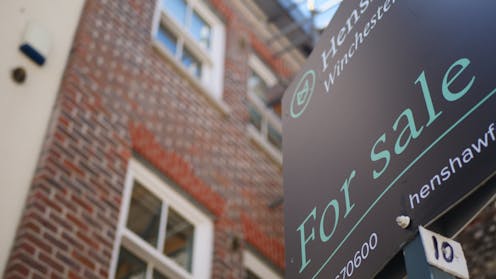
Housebuyers hate stamp duty. Why hasn’t it been reformed before now?

Source: The Conversation – UK – By Paul Cheshire, Professor Emeritus of Economic Geography, London School of Economics and Political Science

David G40/Shutterstock

For years, academic economists have argued that council tax and stamp duty are deeply flawed. Politicians from all corners, as well as various thinktanks, also seem to agree. Back in 1976, the UK even had a royal commission recommending radical reform, but it was never implemented.

But now the UK government is said to be considering a change to stamp duty so that it is only paid on houses selling for more than £500,000. This could be big news, especially since it would be paid by sellers rather than buyers as at present. Due to higher house prices, it would hit people in London and the south-east the hardest.

Stamp duty is one of the UK’s oldest taxes, introduced in 1694, but its rules and rates have changed over time. Particularly since 2010, rates have increased and a range of complex exemptions (for first-time buyers, for example), “holidays” and higher rates for second homes have come and gone. Scotland and Wales now have their own systems.

Phasing these changes in and out has increased cyclical fluctuations in housing markets. For example, when a reduced stamp duty rate (introduced in 2022) was phased out three years later, house prices slumped.

But the main problem with stamp duty is that it is a tax on buying and selling houses – so on moving. It is a barrier to both downsizing for the old, and upsizing for the growing family. As such, it penalises moves to use the UK’s scarce housing stock more efficiently.

It may also act as a barrier to labour market adjustment (and so damage productivity growth) by impeding people’s ability to move for better jobs. A 2017 study concluded that a two percentage point stamp duty increase reduced mobility by 37%. This mobility reduction, however, seems mainly confined to short-distance moves.

Having to pay stamp duty makes it more difficult for people to find houses better suited to their tastes. The lower impact on long-distance moves (typically associated with labour market adjustment), however, does not provide much comfort.

The same 2017 study found that for every £100 in revenue the Treasury gained from a stamp duty increase, given the extra costs and problems encountered in finding a suitable house, households would need £84 to keep them at the same level of wellbeing.

Stamp duty is a progressive tax – the richer you are, the more you are likely to pay because it is related to the price of the house. But the relationship is complicated, with total exemption if the house price is under £125,000. This rises to 12% for all of the price above £1.5 million.

To this is added a further discount for first-time buyers and a premium for second home buyers. In fact, since the regional variation in house prices is much greater than the regional variation in incomes, stamp duty is super-progressive and penalises those living in London and the south-east.

cityscape of newcastle in england
Properties in Newcastle and the north-east of England sell for a fraction of the price of those in London and the surrounding areas.
jan kranendonk/Shutterstock

In September 2024, the median house price in London was, at £525,000, 3.3 times that in the cheapest region, the north-east. But Londoners’ median earnings were only 1.4 times those in the north-east.

Why does stamp duty still exist?

For governments, the attractive aspect of stamp duty is that it is cheap and easy to collect. And, like any property tax, it is difficult to avoid. It may also be the case that it is a politically easier tax to impose than, say, council tax. This is because it is seen to be avoidable or voluntary.

If you do not want to pay it, you can just not buy a house. After all, it is the buyer who is responsible for paying it. But of course, it may not really be as simple as that. The tax burden will in fact be split between buyers and sellers – and everyone has to to live somewhere, so rents will still reflect an element of stamp duty paid by landlords.

Reforming stamp duty surely should be high on the agenda of a good government with a long-term view. But the apparent focus on stamp duty seems to be more the result of the government’s revenue shortfall crisis and the Labour party’s commitment not to increase taxes on “working people”.

Crucially, there is an overwhelming case for a fully thought-through reform of stamp duty and council tax in combination. A strategic vision would add our system of local government finance to that agenda. Many think council tax is a far worse tax than stamp duty. It is the product of another crisis: the need to put something – anything – in place in a hurry after the collapse of the Thatcher government’s poll tax in the early 1990s.

It would be a tragedy if the UK were to get a rushed, short-term change to stamp duty in a bid to raise revenue in an emergency, rather than address the serious, long-term problems of how we tax property and fund local government. If stamp duty is changed, it must not endanger such a real, long-term and valuable reform.

The Conversation

Paul Cheshire is affiliated with the London School of Economics; Centre for Economic Performance; Labour Party member.

ref. Housebuyers hate stamp duty. Why hasn’t it been reformed before now? – https://theconversation.com/housebuyers-hate-stamp-duty-why-hasnt-it-been-reformed-before-now-263747

What your neck size reveals about your health

Source: The Conversation – UK – By Ahmed Elbediwy, Senior Lecturer in Clinical Biochemistry / Cancer Biology, Kingston University

Nick NA/Shutterstock.com

Doctors have long relied on measurements like body mass index (BMI) and waist-to-hip ratios to assess health risks. However, researchers are increasingly focusing their attention on an unexpected indicator: neck circumference.

A thick neck might project strength, like that of heavyweight boxers or rugby players, but studies suggest it could signal a concerning health issue.

BMI, which divides weight by height to estimate body fat, doesn’t always tell the complete story. A competitive bodybuilder might have a high BMI, but clearly isn’t obese. This is where neck circumference offers additional insight.

Research shows that people with larger necks relative to their body size face increased risks of several serious health conditions. The connection lies in what neck size reveals about fat distribution, particularly in the upper body.

This fat around your upper body releases fatty acids into your blood, which can interfere with how your body manages cholesterol, blood sugar and heart rhythm. Essentially, neck circumference serves as a proxy for visceral fat – the harmful fat that wraps around your organs.

The evidence linking neck size to health problems is striking. People with thicker necks show increased rates of several cardiovascular diseases, including hypertension, atrial fibrillation and heart failure.

Atrial fibrillation is particularly concerning. This condition causes irregular heartbeat and blood flow, potentially leading to blood clots and stroke. The electrical imbalance in the heart can eventually progress to heart failure.

Neck circumference also correlates with coronary heart disease, where the main arteries to the heart narrow and restrict oxygen-rich blood flow.

But cardiovascular problems aren’t the only concern. Larger neck circumference increases the risk of developing type 2 diabetes and gestational diabetes. Diabetes can lead to serious long-term complications, including vision loss and limb amputations.

There’s also a connection to sleep disorders. Thick necks have been linked to obstructive sleep apnoea, where breathing repeatedly stops and starts during sleep. This condition causes extreme daytime fatigue and strains the cardiovascular system. People with sleep apnoea face higher risks of car accidents due to their exhaustion.

So what constitutes a risky neck size? For men, 17 inches (43cm) or greater increases health risks. For women, the threshold is 14 inches (35.5cm) or greater.

Perhaps most surprisingly, these risks persist even in people with normal BMI. You could have a healthy weight according to traditional measures, but still face elevated health risks due to neck circumference.

And for each additional centimetre of neck circumference beyond these thresholds, death rates and hospitalisation rates increase.

What this means for you

If your neck measures above these thresholds, it’s not cause for panic – but it is worth taking seriously. Neck size represents just one piece of your overall health picture, but it’s an important one that’s often overlooked.

The good news is that neck circumference can change with lifestyle modifications. Cardiovascular exercise and weight training can help reduce upper-body fat. Quality sleep supports metabolic regulation and recovery. A balanced diet rich in pulses, fruits, and vegetables provides essential nutrients without excess calories.

Measuring your neck takes seconds with a tape measure. Simply wrap it around the narrowest part of your neck, ensuring the tape is snug but not tight.

This simple measurement could provide valuable insight into health risks that traditional metrics might miss. While neck circumference shouldn’t replace other health assessments, it offers another tool for understanding your cardiovascular and metabolic health.

In an era where we’re constantly seeking better ways to predict and prevent disease, sometimes the answers are literally right in front of us. Your neck might be revealing more about your health than you realise – and it’s worth paying attention.

The Conversation

The authors do not work for, consult, own shares in or receive funding from any company or organisation that would benefit from this article, and have disclosed no relevant affiliations beyond their academic appointment.

ref. What your neck size reveals about your health – https://theconversation.com/what-your-neck-size-reveals-about-your-health-263483

What will happen to the legal status of ‘sinking’ nations when their land is gone?

Source: The Conversation – UK – By Avidan Kent, Professor of Law, University of East Anglia

Some small island states, such as Tuvalu, are at risk of losing their land to rising seas. Romaine W / Shutterstock

Small island nations such as Tuvalu, Kiribati, the Maldives and Marshall Islands are particularly vulnerable to climate change. Rising seas, stronger storms, freshwater shortages and damaged infrastructure all threaten their ability to support life.

Some islands even face the grim possibility of being abandoned or sinking beneath the ocean. This raises an unprecedented legal question: can these small island nations still be considered states if their land disappears?

The future status of these nations as “states” matters immensely. Should the worst happen, their populations will lose their homes and sources of income. They will also lose their way of life, identity, culture, heritage and communities.

At the same time, the loss of statehood could strip these nations of control over valuable natural resources and even cost them their place in international organisations such as the UN. Understandably, they are working hard to make sure this outcome is avoided.

Losing land means losing a way of life.

Tuvalu, for example, has signed a treaty with Australia to ensure it will be recognised as a state, regardless of the impact climate change has on the islands.

Beyond affirming that “the statehood and sovereignty of Tuvalu will continue … notwithstanding the impact of climate change-related sea-level rise”, Australia has committed to accepting Tuvaluan citizens who seek to emigrate and start their lives afresh on safer ground.

Facing the threat of physical disappearance, Tuvalu has also begun digitising itself. This has involved moving its government services online, as well as recreating its land and archiving its culture virtually.

The aim is for Tuvalu to continue existing as a state even when climate change has forced its population into exile and rising seas have done away with its land. It says it will be the world’s first digital nation.

Elsewhere, in the Maldives, engineering solutions are being tested. These include raising island heights artificially to withstand the disappearance of territory. Other initiatives, such as the Rising Nations Initiative, are seeking to safeguard the sovereignty of Pacific island nations in the face of climate threats.

But how will the future statehood of small island nations be determined legally?

International law’s position

Traditionally, international law requires four elements for a state to exist. These are the existence of population, territory, an effective and independent government and the capacity to engage in international relations.

With climate change threatening to render the land of small island nations unliveable or rising seas covering them entirely, both population and territory will be lost. Effective and independent government will also become inoperative. On the face of it, all the elements required for statehood would cease to exist.

But international law does recognise that once a state is established it continues to exist even if some of the elements of statehood are compromised. For instance, so-called failed states such as Somalia or Yemen are still regarded as states despite lacking an effective government – one of the core elements required under international law.

However, the threats posed to the statehood of small island nations by climate change are unprecedented and severe. They are also very likely to be permanent. This makes it unclear whether international law can extend this flexibility to sinking island nations.

A man in a yellow rain coat walking across a flooded street.
Flooding in Malé, the capital of the Maldives, in April 2024.
azmeeali / Shutterstock

The International Court of Justice (ICJ) recently issued its advisory opinion on the obligations of states in respect of climate change. The ICJ addressed a wide range of issues concerning the legal obligations of states in the context of climate change. This included the future statehood of small island nations.

In this regard, the ICJ acknowledged that climate change could threaten the existence of small islands and low-lying coastal states. But it concluded its discussion with a single, rather cryptic sentence: “once a state is established, the disappearance of one of its constituent elements would not necessarily entail the loss of its statehood.”

What exactly did the court mean by this remark? Unfortunately, the answer is not entirely clear. On the one hand, the decision seems to confirm the traditional flexible approach of international law to statehood.

In their separate opinions, some of the court’s judges interpreted this sentence as extending the flexibility previously applied in other contexts – such as failed states – also to the situation of sinking island nations. In other words, a state could retain its legal existence even if it disappears beneath rising seas.

At the same time, a closer reading of the decision suggests that the court stopped short of explicitly confirming that the flexibility of the term “statehood” could be stretched so far as to mean a state could exist even if completely submerged under the seas.

The court noted only that the disappearance of “one element … would not necessarily” result in the loss of statehood. But in the case of sinking island nations it is likely that all key elements – population, territory, government and ability to enter into international relations – would disappear.

For now, the ICJ has left the matter open. The decision points to flexibility, but it avoids the definitive statement that many vulnerable nations had hoped for. The legal future of sinking islands remains uncertain.

The Conversation

The authors do not work for, consult, own shares in or receive funding from any company or organisation that would benefit from this article, and have disclosed no relevant affiliations beyond their academic appointment.

ref. What will happen to the legal status of ‘sinking’ nations when their land is gone? – https://theconversation.com/what-will-happen-to-the-legal-status-of-sinking-nations-when-their-land-is-gone-263559