When public money is tight, how do governments put a price on culture?

Source: The Conversation – UK – By Steve Nolan, Senior Lecturer in Economics, Liverpool John Moores University

It’s no secret that public finances are tight in the UK. This spells trouble for many sectors, not least culture. After all, this is an area that often relies on public funding – with many projects facing an uncertain future. But in an era of economic bad news, can it be justifiable to pump money into what some see as “frivolous” projects?

For some politicians, investment in cultural infrastructure is an investment in place and in people. This is the hope behind a £270 million fund that aims to boost the resilience of cultural institutions following an era of restricted public spending. There are limitations, and the culture-led approach – as with regeneration projects in general – remains only partially successful and deeply uneven.

From the role of large-scale cultural events like the European Capital of Culture to the so-called “Bilbao effect” (where a new cultural site is thought to spark revitalisation and economic growth), the same questions arise. Who is it for? What type of value is created – and is it shared in equitably?

But the question is also about how we might better understand and measure the value of a cultural site, collection or (re)development.


Get your news from actual experts, straight to your inbox. Sign up to our daily newsletter to receive all The Conversation UK’s latest coverage of news and research, from politics and business to the arts and sciences.


Pinning down the meaning of “value” is a tricky philosophical question – one that has long plagued economists. The standard evaluation tool of cost-benefit analysis tries to collapse these debates into a number. That is, a price that can measure the multi-faceted benefits a project can provide.

But in the cultural sphere, value often comes without a price tag. Access to many of our museums and galleries is free and the values derived from them transcend the monetary.

Even though economists can estimate this non-monetary value (albeit not without criticism), a more wide-ranging benefit of cultural investment is harder to understand. This is the counter-intuitive notion of “non-use value”.

In other words, this is the benefit that flows to an individual from the existence of a cultural good such as a museum. It can be without that person ever setting foot inside the building or engaging with any of the collections.

Consider a current culture-led redevelopment in the UK: the Waterfront Transformation Project in Liverpool. This ambitious scheme takes in the redevelopment of the International Slavery Museum, Maritime Museum and associated outdoor spaces.

Within this collection of cultural goods, “use” could be a visitor stepping inside the museums. They may derive multiple benefits, from the aesthetics of the building, the creativity of the displays and the histories and stories represented in the collection.

pane detailing slave ship history outside liverpool's museum of slavery
If these stones could speak … through their very existence, cultural sites can bring value to people who will never visit them.
NorthSky Films/Shutterstock

But what about a history lover who either lacks the desire or the ability to visit the collection? Or someone whose memories or heritage intertwines with the history? Despite having no direct contact, they might still benefit from the sites’ continuing existence: the fact, for example, that a place exists where other citizens can visit, challenge and debate.

For some, there is value simply in knowing that there are spaces for this kind of engagement. In this way, public use by others can generate indirect benefits. These benefits cannot be captured by traditional metrics like footfall. But they constitute value to that individual and, in turn, the communities in which they live.

Assessing value

The inclusion of non-use value within the Treasury’s evaluation recommendations recognises this complex public relationship with cultural goods. Correctly capturing these benefits is crucial. If not, funders may misconstrue a project’s total economic value when they make their decisions. Some that could generate significant public value might be overlooked.

However, non-use value can be slippery both to define and measure. Understanding how engagement with publicly funded cultural goods varies across communities and regions is crucial. This current gap in our knowledge means that non-use value is not always fully considered in the design or evaluation of cultural programmes.

Our ongoing project, undertaken along with post-doctoral research fellow Laura Taggart, attempts to improve this understanding in the context of Liverpool’s Waterfront Development Project.

This process raises vital questions. What are the benefits and potential harms of the site? How do relationships with it change over time and across economic and ethnic groups? And how does the public’s historic relationship with the dockside change the nature of the non-use value generated?

Clearly, the answers to these questions cannot easily be calculated from the results of a cost-benefit analysis. Like most economic tools it is a model – a simplification of reality that aims to help policymakers make informed decisions. By engaging locally and regionally, it is easier to understand what drives non-use value – and capture it in a way that is relevant across other projects.

At heart, our project aims to capture the voices that are often excluded or overlooked in decisions about cultural funding. By developing a better understanding of the range of non-use value from these spaces, we hope to support more rounded approaches to cultural policy.

This means improving evaluation tools and funding frameworks. They must better reflect how people relate to cultural goods and how this differs across communities and regions. This will help in the quest for a richer concept of “value for money” — one that supports political choices that recognise the long-term civic, emotional and historical returns of cultural infrastructure.

Ultimately, in an era of tight budgets this allows for better and more targeted decision-making that recognises the often complex value and benefit flows that culture generates. But there is work to be done to help the public articulate the nature of benefits and costs. These are as vital and complex as the cultural goods that generate them.

The Conversation

This article is part of the wider project – Cultural Heritage, People and Place (CHerPP) : Understanding Value via a regional case study. It is funded by the Arts and Humanities Research Council (AHRC) and the UK Government’s Department for Culture, Media and Sport (DCMS). Grant reference AH/Y000242/1

ref. When public money is tight, how do governments put a price on culture? – https://theconversation.com/when-public-money-is-tight-how-do-governments-put-a-price-on-culture-259483
Israel: Netanyahu considering early election but can he convince people he’s winning the war?

Source: The Conversation – UK – By Brian Brivati, Visiting Professor of Contemporary History and Human Rights, Kingston University

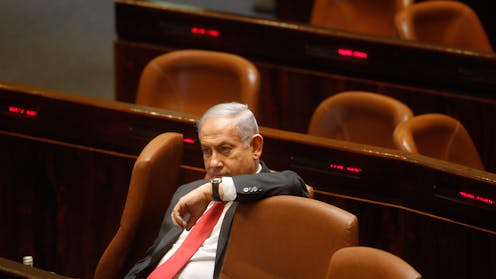
Benjamin Netanyahu’s fragile coalition is fracturing. Gil Cohen Magen / Shutterstock

One of Israel’s ultra-Orthodox Jewish parties, Shas, has announced it will resign from prime minister Benjamin Netanyahu’s government. The party said its decision was made due to the government’s failure to pass a bill exempting ultra-Orthodox students from military service.

Its exit increases the political pressure on Netanyahu. Days earlier, six members of another ultra-Orthodox coalition partner, the United Torah Judaism party, also quit the government citing the same concerns. The moves leave Netanyahu with a minority in parliament, which will make it difficult for his government to function.

Opposition leader Yair Lapid says the government now “has no authority”, and has called for a new round of elections. But even before these developments, Netanyahu was reportedly considering calling an early election in a bid to remain in power despite his unpopularity.

To win another term he would, in my view, have to spin a narrative of victory on three fronts: securing the release of the hostages, defeating Hamas and delivering regional security. It is a tall order.

In his visit to Washington in early July, Netanyahu emphasised his pursuit of a ceasefire in Gaza that facilitates the return of the remaining hostages held by Hamas.

Israelis have grown increasingly weary of the war, with recent surveys showing popular support for ending it if this brings back those still held captive. A ceasefire that sees hostages released would probably help Netanyahu generate support during an election campaign.

But Netanyahu has insisted that, while he wants to reach a hostage-ceasefire deal, he will not agree to one “at any price”. This indicates not only Israel’s refusal to compromise on security but also that any deal Netanyahu does make – whether or not it sees the release of all the hostages – will be presented as a victory to Israeli voters.

To provide the electorate with further hope of an end to the fighting, Netanyahu will also have to claim that the military campaign in Gaza is nearing its goals. Senior military officials stated recently that they have “almost fully achieved” their objectives – namely, defeating Hamas.


Get your news from actual experts, straight to your inbox. Sign up to our daily newsletter to receive all The Conversation UK’s latest coverage of news and research, from politics and business to the arts and sciences.


Netanyahu has, so far, prolonged the war to remain in power. But he will now need to spin the military campaign as a victory if he wants to win votes. This will be especially hard as critics like Yitzhak Brik, a retired Israeli general, claim that the number of Hamas fighters is now back to its pre-war level.

The hard-right members of Netanyahu’s government add another dimension to this equation. His two ultranationalist coalition partners, Jewish Power and Religious Zionism, oppose ending the war entirely. They insist on fighting Hamas to the finish.

Netanyahu will most likely want to keep his options open during an election campaign to then form a coalition with whatever he can pull together at the time. He may calculate that a short-term pause in fighting to free hostages can be spun as a victory to win votes, after which military operations could resume to appease hardliners if he needs them.

A final part of Netanyahu’s electoral strategy will be to push the message that he has delivered regional security. He has declared the war with Iran in June a success, saying “we sent Iran’s nuclear program down the drain”.

And Israel has also continued its campaign of strikes to assert its military dominance in the region, the latest in Syria and Lebanon.

Slim peace prospects

Observers warn that Netanyahu’s approach is about political survival, and will come at the expense of long-term peace prospects for Israelis and Palestinians. According to New York Times, he seems to be “kicking the Palestinian issue once again down the road”.

Indeed, part of Netanyahu’s mooted strategy for claiming victory in Gaza involves supporting a constrained political outcome for the Palestinians that ends the fighting without Israel conceding on core issues.

In this scenario, the Gaza Strip would be carved up and demilitarised under prolonged Israeli security oversight. Some areas would be annexed by Israel. Remaining parts of Gaza, along with fragments of the West Bank, would be handed over to an interim authority to create the appearance of a nascent Palestinian state.

The goal would be to declare that Israel has facilitated Palestinian statehood – but strictly on Israel’s terms – while eliminating Hamas’s rule in Gaza. The reality would probably be a designed chaos to force as many Palestinians as possible to leave.

Such a state, lacking full sovereignty and territorial continuity, would fall far short of the independent state that Palestinians seek. Crucially, this imposed outcome would also bypass substantive negotiation of issues like borders, refugees and Jerusalem, which both Israel and Palestine claim as their capital.

Palestinian leaders would almost certainly reject a curtailed state. And if they did not then ordinary Palestinians – reeling from the war’s devastation – are unlikely to view it as a just peace. A new cycle of violence would probably begin and the Palestinian population will have been heavily concentrated into restricted spaces that would be wide open to Israeli bombardment.


Read more:
Netanyahu’s occupation plan for Gaza means more suffering for Palestinians and less security for Israel


As Netanyahu weighs pulling the election trigger, he is effectively writing the next chapter of the Israel-Palestine conflict. The outcome of this manoeuvring is highly uncertain.

If his three-pronged victory narrative convinces Israeli voters, he could return to power with a fresh mandate and perhaps a retooled coalition. He might seek a broader unity government after an election, sidelining his most hardline partners in favour of centrist voices to navigate post-war diplomacy.

But if the public deems his victories hollow or indeed false, an election could sweep him out of office. This would open the door for opposition leaders who may take a different approach to Gaza and the Palestinians.

The Conversation

Brian Brivati is executive director of the Britain Palestine Project. He is writing this article in a personal capacity.

ref. Israel: Netanyahu considering early election but can he convince people he’s winning the war? – https://theconversation.com/israel-netanyahu-considering-early-election-but-can-he-convince-people-hes-winning-the-war-261141

Reform spent just £5.5m on the 2024 election, while Labour’s majority cost £30m – new data

Source: The Conversation – UK – By Sam Power, Lecturer in Politics, University of Bristol

The 2024 election was the most expensive in British political history, new figures confirm. Across parties, candidates and third parties, a whopping £94.5 million was spent. This compares with £72.6 million in 2019, which was a record high.

Some parties got a fantastic return on their investment. Others, to put it mildly, didn’t. I wouldn’t let those in charge of Conservative party coffers run your household, for example. They spent £23.9 million in 2024 to record their worst electoral showing in recent history.

Given that they won, Labour will consider the £30.1 million they spent on a huge – but shallow – majority money well spent. It is also easily the most they’ve ever spent on an election (although spending limits have recently been increased).

The real winners in 2024 though, certainly in terms of bang for their respective bucks, are Reform and the Lib Dems, both of which only spent around £5.5 million. To put that in direct context, the Lib Dems spent £14.4 million in 2019 for a far poorer result.


Want more politics coverage from academic experts? Every week, we bring you informed analysis of developments in government and fact check the claims being made.

Sign up for our weekly politics newsletter, delivered every Friday.


This also means that Reform entered parliament for the first time, won five seats and came second in 98 others on a relatively shoestring budget. They laid the groundwork for completely upending the British political system while only spending a fraction of what the established parties did.

A striking thing about the Reform spending is quite how much they used traditional media. Although they have a reputation for social media success, they spent £900,000 advertising with the Mail Online, Daily Mail, Mail on Sunday and the Telegraph – and £300,000 advertising with The Sun. In fact, at a time when we talk of the power of data-driven microtargeting on social networks, it seems they spent £2.2 million (40% of their total expenditure) on what we would understand as “traditional” media advertising.

Money does not reflect reality

These elections were fought under different rules and significantly higher spending limits than in previous contests. In 2023, the Conservatives raised how much parties could spend by 80%, to bring it in line with inflation (the prior spending limit was set in the year 2000). This meant parties could spend just over £34m in 2024 – but only Labour came close to this limit.

It’s clear, looking at these figures, that the money spent does not reflect political reality. The two traditional parties continue to spend far more than others, but the results from 2024 make a mockery of the spending limits currently in place.

Spending limits are implemented by those regulating money in politics to prevent money playing an outsize role. It is supposed to level the playing field in the same way that wage caps in certain sports intend to.

But if only two parties can even get close to the spending limit, with others fighting for scraps – albeit much more effectively – what is the need for the limit to be so high? And, as Reform and the Liberal Democrats have shown, a party can get its message out very well without coming anywhere near the spending limit.

Perhaps, given concerns about the rising power of mega-donors in UK politics – especially after Elon Musk’s threat of a £70 million donation to Reform – we should be thinking more carefully about limiting donations in UK politics. The financial story of the 2024 election, at least from a first glance, is one of complete profligacy from Labour and the Conservatives.

The wrong reforms ahead

On the same day as these figures were released, the government announced major reforms for the next election. These include votes at 16 and new rules on donations. My view, however, is that these reforms represent about the least ambitious approach one could take if the stated aim (which it apparently is) is the restoration of public trust. They wouldn’t, for example, prevent Musk from donating £70 million through X if he so pleased.

Spending limits are no longer fit for purpose. Instead, limits on donations are the only game in town. At the very least, corporate donations should be tied to profits in the UK – but above and beyond this, a cap of £1 million to £2 million should be on the table.

Recent experience from the US has shown how quickly an unregulated system can turn into an oligarchy. In 2024, the top 0.01% of donors accounted for over 50% of all money candidates raised. Many donors bankrolled parties to the tune of hundreds of millions of dollars, crowding out everything else. At least one of those donors went on to run a (quasi) government department.

Finally, it should also be noted that it is over a year after the election, and only now is the lid being lifted on what was spent during it. This is a significant (and unnecessary) failure in a system that holds transparency as its foundational ideal.

The Electoral Commission should be empowered to implement semi-automated AI tools of analysis, to move us closer to the ideal of real-time analysis of election spending (and any potential violations therein).

The 2024 figures show how much the landscape has changed. In the forthcoming elections bill, Labour need to meet the challenges where they actually are, not where they want them to be, if they are serious about restoring trust in politics.

The Conversation

Sam Power receives funding from the Engineering and Physical Sciences Research Council and the Economic and Social Research Council.

ref. Reform spent just £5.5m on the 2024 election, while Labour’s majority cost £30m – new data – https://theconversation.com/reform-spent-just-5-5m-on-the-2024-election-while-labours-majority-cost-30m-new-data-261341

Big Roman shoes discovered near Hadrian’s Wall – but they don’t necessarily mean big Roman feet

Source: The Conversation – UK – By Tim Penn, Lecturer in Roman and Late Antique Material Culture, University of Reading

Excavations at the Roman fort of Magna near Hadrian’s Wall in Northumberland in north east England have uncovered some very large leather footwear. Their discovery, according to some news coverage, has “baffled” archaeologists.

The survival of the shoes is not by itself miraculous or unusual. Excellent preservation conditions caused by waterlogged environments with low-oxygen means that leather, and other organic materials, survive in the wet soil of this part of northern England.

Many years of excavations by the Vindolanda Trust at Vindolanda just south of Hadrian’s Wall, and now at Magna, have recovered an enormous collection of Roman shoes. These finds have provided us with an excellent record of the footwear of soldiers and the civilians who lived around them.

The shoes from Magna stand out because many of them are big. Big shoes have also been found at Vindolanda. However, of those whose size can be determined, only 0.4% are big. The average shoe size at Vindolanda is 9.5 to 10.2 inches in length, which is between a modern UK shoe size 7 to 8.

Big shoes make up a much larger share of the shoes at Magna. The biggest shoe is a whopping 12.8 inches long, roughly equivalent to a modern UK size 12 to 14.

This shoe collection raises an immediate and obvious question: why did people at Magna have such large shoes?

The possible answers to this question raise more questions and bring to the fore a central component of archaeological research: a good debate.

Emma Frame, senior archaeologist for the Magna excavations, suggests: “We have to assume it’s something to do with the people living here, having bigger feet, being potentially taller but we don’t know.”

This idea of bigger feet, bigger people makes a good deal of sense, though it would suggest that some of the military community at Magna were very tall indeed. And, as the Roman cemeteries of Hadrian’s Wall have been little excavated or studied, we have little information about how tall people were in this part of the Roman world.


Looking for something good? Cut through the noise with a carefully curated selection of the latest releases, live events and exhibitions, straight to your inbox every fortnight, on Fridays. Sign up here.


Other ideas might be worth entertaining too, however. For example, could these be some kind of snowshoes or winter boots meant to allow extra layers of padding or multiple pairs of socks to be worn?

A letter, preserved by similar conditions to the shoes at Vindolanda, refers to a gift of socks and underpants that was sent to someone stationed there, presumably to keep them warm during the cold winter nights. We also know from other evidence that Syrian archers made up one of the units stationed at Magna. These men would not have been used to the frosty climate of northern England.

Could these large shoes be an attempt to cope with the bitter shock of a British winter? Or instead, could these shoes have a medical purpose, perhaps to allow people with swollen feet or people utilising medical dressings to wear shoes?

It’s important to note, I am not claiming to have the answers. I’m simply putting out some hypotheses which could explain the extra-large shoes based on other evidence we have and potential logical explanations for such large footwear.

These kinds of hypotheses lie right at the heart of the archaeological method. Fresh archaeological discoveries are made everyday, and they often make headlines with phrases about “baffled archaeologists.” While this language can spark public interest, it also risks giving a misleading impression of the discipline. In reality, the work archaeologists like me and thousands of my colleagues around the world do is grounded in careful, evidence-based analysis.

The challenge lies not in our lack of expertise, but in the nature of the evidence itself. Much of the distant past has been lost to time, and what we do recover represents only a small fragment of the original picture.

We’re not so much “baffled” as we are rigorously testing multiple hypotheses to arrive at the most plausible interpretations. Interpreting these fragments is a complex process, like piecing together a thousand-piece jigsaw puzzle with many of the most crucial pieces (like the edges) missing.

Sometimes we have exactly the right pieces to understand the big picture, but other times we have gaps, and we have to put forward a series of different suggestions until more evidence comes to light.

The Conversation

Tim Penn does not work for, consult, own shares in or receive funding from any company or organisation that would benefit from this article, and has disclosed no relevant affiliations beyond their academic appointment.

ref. Big Roman shoes discovered near Hadrian’s Wall – but they don’t necessarily mean big Roman feet – https://theconversation.com/big-roman-shoes-discovered-near-hadrians-wall-but-they-dont-necessarily-mean-big-roman-feet-256369

Incels, misogyny, role models: what England’s new relationships and sex education lessons will cover – and how young people will benefit

Source: The Conversation – UK – By Sophie King-Hill, Associate Professor at the Health Services Management Centre, University of Birmingham

Daniel Hoz/Shutterstock

Sex and relationships education for children at primary and secondary state-funded schools in England will see significant changes following the release of new statutory guidance from the government. There are some stark differences between this and the draft guidance issued by the previous Conservative government in May 2024.

The new guidance also looks different in many ways to the last statutory guidance, released in 2019. It includes many new and valuable topics such as the law around strangulation, sextortion, upskirting, deepfakes, suicide prevention and bereavement. Schools are also required to challenge misogynistic ideas, cover misogynistic influencers and online content, and explore prejudice and pornography.

As a researcher working on sex education and masculinity, I see many positives in how these issues are approached in the government’s new guidance. The new topics are a move in the right direction, meeting the needs of the pupils being taught.


Get your news from actual experts, straight to your inbox. Sign up to our daily newsletter to receive all The Conversation UK’s latest coverage of news and research, from politics and business to the arts and sciences.


Another key change is the removal of the proposal to put age restrictions on the teaching of certain topics. This is welcome news: it aligns with evidence and allows teachers to design sex education that takes context into account. It means they can teach their pupils what they need to know in a proactive and responsive way.

The guidance also explicitly mentions giving pupils the opportunity to discuss incels. Incel, an abbreviation of “involuntary celibate”, refers to those who identify as wanting romantic and sexual partners but find it difficult to achieve this.

Online incel communities are underpinned by hostility towards women, resentment, misogyny and the support of extreme violence against women. They may espouse an ideological position that claims societal structures are set up to unfairly disadvantage them.

Keeping boys in the conversation

One aspect included in the guidance is that it is important for pupils to understand that “most boys and young men are respectful to girls and young women and each other”. It also states that “teachers should avoid language which stigmatises boys, or suggests that boys or men are always perpetrators or that girls or women are always victims”.

These are really important points that need to underpin the teaching of misogyny and online incel culture. A risk is that such teaching may otherwise portray boys, as a group, as perpetrators. This can create a culture of blame that may alienate boys and young men. Instead, seeing boys as valuable contributors to these conversations around misogyny can foster educational progress.

Young people round table in classroom
Boys and girls need opportunities to discuss these issues.
Rawpixel.com/Shutterstock

Another important reference in the guidance is that children and young people should have opportunities to develop “positive conceptions of masculinity and femininity”, and how to “identify and learn from positive male role models”.

This focus on positive examples of masculinity is a welcome way to support boys and young men in developing healthy identities – not only considering gender but other intersecting aspects of their identity, such as class, ethnicity, culture and values.

Good relationships and sex education needs dialogue and understanding between pupils, teachers and parents. For adults, this means knowing the landscape first. Familiarisation with why young people may be attracted to problematic online spaces will be useful.

These online spaces often offer a skewed sense of belonging, and offer simplistic answers to complex emotions and questions. Young people’s thoughts and opinions of misogynist online influencers may be contradictory, rather than simple approval or disapproval. This requires thoughtful unpicking of concepts and ideals, and open conversation rather than blame. It is also important to recognise that teaching these topics is not easy, and that teachers may need support too.

New content

While much of the new guidance is welcome, it’s important that teacher training and professional development keeps pace with these changes. Teachers may not feel confident addressing such a broad range of often-sensitive topics without support.

The guidance also falls short of making relationships and sex education statutory for those aged 16-18 in sixth-form colleges, 16-19 academies or further education colleges, despite evidence that it is very much needed for this age group.

The rights of transgender people and the issues affecting them are dealt with in a limited way, which could affect teachers’ ability to have supportive conversations with trans and non-binary pupils. There is also limited detail for those working in special education for pupils with complex needs.

One of the most important aspects of teaching on sex and relationships is to create a safe space for open discussion.

Young people should be encouraged to provide their own input into how relationships and sex education is taught, and to give their ideas on what they feel they need to learn about – and what they already know. While this approach is often overlooked, meaningful engagement with pupils is highlighted as a key guiding principle in the new guidance.

Young people are the experts on the world they inhabit. It is essential they are listened to to ensure that lessons are relevant and effective.

The Conversation

Sophie King-Hill receives funding from the ESRC.

ref. Incels, misogyny, role models: what England’s new relationships and sex education lessons will cover – and how young people will benefit – https://theconversation.com/incels-misogyny-role-models-what-englands-new-relationships-and-sex-education-lessons-will-cover-and-how-young-people-will-benefit-261217

Sex education in England to include warnings about choking – what parents need to know

Source: The Conversation – UK – By Alexandra Fanghanel, Associate Professor in Criminology, University of Greenwich

UC1Plus/Shutterstock

New government guidance for England will see pupils at secondary schools taught about the risks of choking and suffocation in sex and relationships education. If you’re a parent, the idea of this topic being introduced to your child might sound alarming.

But as an academic expert researching risky sexual practices, I believe this inclusion – and the way it’s presented – is absolutely a good thing. We can’t ignore that choking is becoming a more normalised part of sex for young people. To keep them safe, they need to know about it – and how dangerous it is.

The Department for Education guidance states that by the end of secondary education, schools should cover: “That strangulation and suffocation are criminal offences, and that strangulation (applying pressure to the neck) is an offence, regardless of whether it causes injury. That any activity that involves applying force or pressure to someone’s neck or covering someone’s mouth and nose is dangerous and can lead to serious injury or death.”


Get your news from actual experts, straight to your inbox. Sign up to our daily newsletter to receive all The Conversation UK’s latest coverage of news and research, from politics and business to the arts and sciences.


Though this stipulation does not explicitly link strangulation to sex, it marks a step in the right direction. Add to this acknowledgement that any sexual practice that explores these themes should only occur if participants are informed about the dangers, and we start some of the work of raising awareness of the risks associated with strangulation during sex.

Research from the US which surveyed nearly 5,000 undergraduate students – with an average age of 20 – found that 58% of the women had experienced choking during sex. In the UK, a 2024 survey of 2,344 people found that 16% had taken part in choking during sex. But this rose to over a third of younger people aged 16 to 35.

Distressed teenage girls hugging
Teenagers need to know the risks of rough sex.
WorldStockStudio/Shutterstock

In 2020, I was teaching a postgraduate module on sexuality, gender and crime. In one of the classes about unconventional sexual expression and sexual subcultures, we were talking about bondage and sadomasochism (BDSM) and rough sex, including practices such as choking and strangulation. I remember one of the students was incredulous – not that people enjoy choking for sexual gratification, but that some people weren’t doing it. “Surely everyone does choking during sex,” she declared.

I was really taken aback by her certainty that this practice was normal. I said to her, and the class, that choking is one of the most dangerous things you can do in a sexual encounter – but it struck me that the message of this risk is getting lost in representations of “kinky” sex in the mainstream.

It has become so ordinary, it is even treated as a joke: in episode four of the new season of the BBC comedy Such Brave Girls, Josie, a lesbian, pretends to be hypersexually attracted to her husband, Seb, and goads him into having sex with her. As she recoils under his touch, she cries “choke me” while thrusting his hand on to her neck.

This, according to social psychologist and sexuality expert Nicola Gavey, is the “mythology of everyday kink”: that everyone is doing it, that this is how we have sex now.

Knowing the risk

Choking really is dangerous. According to campaign group We Can’t Consent To This, instances where women have been killed during a sexual encounter in the UK, often as a result of choking, have increased significantly over the past 50 years.

Since 2020, I have been researching rough sex gone wrong, and what happens when these cases go to court: my book on this topic is coming out later this year. My research demonstrates that more education about unconventional sexual expression is needed, so that people who are curious about it can explore it from a risk-aware, empowered vantage point. This includes knowing which aspects of rough sex can not ever be done safely.

The issue is that people, including young people, are curious about being choked during sex. Some people want to do it. Some people find it arousing. Some find it exciting, even if it is also scary. Simply denying that these desires or curiosities exist makes it much more difficult for people to explore rough sex in an informed or risk-aware way.

It’s only by talking about it candidly that young people can learn there is absolutely no safe way to strangle or choke their partner, and that there are other ways to explore these more unconventional desires.

BDSM educator Jay Wiseman has noted that in his experience, the more people know about how unpredictable and risky suffocation and strangulation is, the fewer choose to do it.

This is how we can deal with dangerous, reckless sexual practice and better protect women, who are disproportionately harmed or killed in these cases.

The Conversation

Alexandra Fanghanel does not work for, consult, own shares in or receive funding from any company or organisation that would benefit from this article, and has disclosed no relevant affiliations beyond their academic appointment.

ref. Sex education in England to include warnings about choking – what parents need to know – https://theconversation.com/sex-education-in-england-to-include-warnings-about-choking-what-parents-need-to-know-261224

Bitter melon for diabetes? Fenugreek for cholesterol? The research behind ancient remedies

Source: The Conversation – UK – By Dipa Kamdar, Senior Lecturer in Pharmacy Practice, Kingston University

Woman drinks bitter melon juice Andri wahyudi/Shutterstock

Herbs like ashwagandha and turmeric are now widely recognised as part of the global wellness lexicon. But ayurveda, India’s traditional system of medicine with a history spanning more than 3,000 years, encompasses a much broader range of therapeutic plants.

Grounded in principles of balance between body, mind and spirit, ayurvedic medicine relies on diet, lifestyle and natural substances to prevent and treat disease. Beyond the familiar, a number of lesser known herbs and spices are now gaining attention for their potential health benefits.

Here are three ayurvedic botanicals worth knowing more about:


Get your news from actual experts, straight to your inbox. Sign up to our daily newsletter to receive all The Conversation UK’s latest coverage of news and research, from politics and business to the arts and sciences.


1. Bitter melon (momordica charantia)

Despite its name, bitter melon’s benefits may be surprisingly sweet. Also called bitter gourd, this bumpy green vegetable has long been used in Ayurveda to support blood sugar control, combat infections and address inflammation, high cholesterol and even cancer.

Laboratory studies suggest bitter melon can fight microbes like E. coli, Salmonella, herpes viruses and even malaria parasites. Early research also points to potential anti-cancer properties, particularly in breast cancer, where it may interfere with how cancer cells grow and communicate. However, most of this evidence comes from lab and animal studies; large-scale trials in humans are still lacking.

Where bitter melon shows the strongest promise is in diabetes management. It contains several bioactive compounds – charantin (a plant steroid), polypeptide-p (a plant-derived insulin-like protein) and cucurbitanoids (a group of anti-inflammatory compounds) – which may mimic the effects of insulin, support its production, or improve the body’s use of glucose. In one study, bitter melon extract significantly lowered fasting blood glucose in people with type 2 diabetes after four weeks.

How it works isn’t clear. It may help the pancreas produce insulin, protect insulin producing cells, or increase sugar uptake by the muscles. But the effects can be powerful, and when combined with diabetes medications, may cause blood sugar to drop too low. If you’re taking medication, it’s important to monitor your levels closely.

Animal studies have also linked high doses to miscarriage risk, so pregnant people should eat it in moderation.

2. Fenugreek (trigonella foenum-graecum)

Fenugreek is a botanical multitasker. Depending on the part of the plant used, it can function as a herb, spice, or vegetable. Across various cultures, fenugreek has traditionally been used to relieve menstrual cramps, support breastfeeding and manage blood sugar.

Emerging clinical evidence suggests fenugreek may help regulate cholesterol. It contains several potentially active compounds: sapogenins (plant-based compounds that enhance bile flow), pectin (a type of soluble fibre that binds to cholesterol in the digestive tract) and phytosterols (plant sterols that compete with cholesterol for absorption in the gut). Together, these may reduce fat absorption, block cholesterol uptake and promote cholesterol elimination by the liver. Fenugreek also contains antioxidants that may protect the heart and support healthy fat metabolism.

It’s also gaining attention for blood sugar control. Fenugreek may slow carbohydrate digestion, reduce glucose absorption in the gut and enhance insulin release. Some longer-term studies show it can reduce both post-meal and fasting blood sugar levels, though findings are mixed.

Fenugreek may also support lactation. It’s been classified as a galactagogue – a substance that promotes milk production – possibly by boosting key hormones: insulin (which helps regulate metabolism), prolactin (which stimulates milk production), and oxytocin (which triggers the let-down reflex during breastfeeding). In one study, mothers who drank fenugreek tea produced more breast milk than those in control groups. But as with many natural remedies, evidence is mixed, and placebo effects may play a role. It’s best to consult a healthcare provider before using fenugreek for breastfeeding support.

Some trials suggest fenugreek may help increase testosterone in men – improving libido, reducing body fat and boosting energy – especially when paired with strength training. However, more robust studies are needed.

Side effects are mostly mild and gastrointestinal, such as nausea, bloating or diarrhoea. Most studies have used relatively low doses, so it’s unclear what risks might exist at higher intake levels.

3. Asafoetida (ferula asafoetida)

You might know asafoetida as that strong-smelling spice often used in Indian cooking, but it’s also a respected digestive remedy in Ayurveda. Derived from the dried sap of ferula plant roots, asafoetida is known for easing bloating and gas.

Its active compound, ferulic acid, may help digest complex carbs and reduce flatulence. In a clinical trial, asafoetida supplements significantly improved indigestion symptoms, including bloating, early fullness and heartburn. It appears to stimulate digestive enzymes and bile production, improving fat digestion.

Asafoetida may also support people with irritable bowel syndrome. In one study, two weeks of asafoetida supplements led to improvements in IBS symptoms, though results have been mixed overall.

Early lab studies suggest even more benefits – potential antimicrobial, anti-inflammatory and neuroprotective effects, as well as roles in regulating blood pressure, easing asthma and possibly reducing blood sugar. But again, human trials are needed to confirm these effects.

Caution is warranted if you’re taking blood pressure medications or anticoagulants like warfarin, as asafoetida may lower blood pressure and thin the blood.


Read more:
Ashwagandha: this ancient herb is trending for its potential health benefits – but also comes with risks


Ancient remedies, modern caution

Although research in humans is still developing, these lesser-known ayurvedic botanicals have been trusted in traditional medicine for centuries. They may offer promising support in managing chronic conditions or enhancing overall wellbeing, but they’re not without risk.

Small amounts used in cooking are generally safe. But if you’re considering supplements or therapeutic doses, it’s important to speak with a healthcare professional, especially if you’re pregnant, taking medication, or managing a medical condition.

Used wisely, these ancient ingredients could bridge the gap between holistic healing and modern science, bringing a little balance to both your kitchen and your health.

The Conversation

Dipa Kamdar does not work for, consult, own shares in or receive funding from any company or organisation that would benefit from this article, and has disclosed no relevant affiliations beyond their academic appointment.

ref. Bitter melon for diabetes? Fenugreek for cholesterol? The research behind ancient remedies – https://theconversation.com/bitter-melon-for-diabetes-fenugreek-for-cholesterol-the-research-behind-ancient-remedies-259300

Bosnia and Herzegovina in crisis as Bosnian-Serb president rallies for secession

Source: The Conversation – UK – By Birte Julia Gippert, Reader in International Relations, University of Liverpool

The country of Bosnia and Herzegovina is embroiled in a crisis that may affect its political future and the stability of the western Balkans. Recent events in the bitterly divided country read a little like a spy novel. But the tensions that threaten three decades of tenuous peace since the region was torn apart by ethnic strife in the 1990s are only too real.

On February 26, 300 armed Hungarian police officers in civilian clothes crossed into Republika Srpska without approval from the Sarajevo state government. Republika Srpska is one of the two territorial entities that make up Bosnia and Herzegovina and the Hungarian police were there, ostensibly, to train local police.

But they were reportedly sent to be ready to extract Republika Srpska president, Milorad Dodik, who had the same day been convicted by a Bosnian court for “separatist actions”. These included suspending rulings of the Bosnian constitutional court and refusing to publish decisions by the Bosnian high representative, which prevents them from becoming law in contravention of Bosnia’s constitution.

He was sentenced to 12 months in prison and handed a six-year ban from all political activities. Within days of the verdict, Dodik reacted by banning all Bosnian state prosecutorial, police and court institutions from Republika Srpska, in what the Bosnian constitutional court ruled was a move to “effectively abolish state authority over part of its territory”.

In March, Bosnia’s state court issued an arrest warrant against Dodik for ignoring a court summons over his alleged secessionist activity. In April, the Bosnian state investigation and protection agency, Sipa, attempted to arrest him in East Sarajevo, which is part of Republika Srpska.

An armed stand-off followed between Sipa officers and local police. Eventually the Sipa officers withdrew.

So it came as a surprise for many when Dodik and his lawyer attended a scheduled hearing for his case on July 4. The court duly lifted its arrest warrant pending further proceedings with a requirement that he report in on a periodical basis.

Two days later, despite only being on conditional release, Dodik restated his claim for the unification of Republika Srpska with Serbia, saying: “Bosnia and Herzegovina is not a state of Serbs but only a temporary refuge.”

The burden of history

The state of Bosnia and Herzegovina emerged from the horrors of the Yugoslav wars in the 1990s. The country’s political form was part of the 1995 Dayton peace agreement, which was both a peace deal and a state-building blueprint.

To accommodate, rather than solve, the tensions between the three main ethnic groups – Bosniak Muslims, Serbs and Croats – the state was divided into two entities: the Serb-majority Republika Srpska and the Bosniak-Croat Federation of Bosnia and Herzegovina.

Both parts of the country hold considerable autonomous powers, but are bridged by the weak federal political institutions. Like many power-sharing deals, Dayton ended the fighting but failed to build an integrated state.

The two entities guard their autonomy fiercely. Attempts by the European Union to push for constitutional changes to pave the way to closer relations with the Bosnian state, for example by reforming the country’s police force, have been rebuffed by nationalist politicians.

The Republika Srpska has been vocal in defence of its autonomous rights. And the most prominent voice among them has been Dodik, who consistently portrays Republika Srpska as a bulwark for Serbs against a hostile Bosnian-majority state imposing its will.

Serbs only account for about 30% of the total population of Bosnia, and clearly chafe at the power-sharing arrangement. Ever since the Dayton accords brought a halt to the fighting, Serb nationalist politicians have toyed with the idea of a “Greater Serbia”.

This encompasses Serbs living in Serbia, Republika Srpska and Serbia’s breakaway province in Kosovo. Dodik’s statement from July 6 has stirred up these sentiments once more, almost to the day on the anniversary of the first-ever pan-Serbian assembly held in Belgrade on June 8 2024 and co-hosted by Dodik and and the Serbian president, Aleksandar Vučić.

At a crossroads

Bosnia is at a crossroads. Internally divided in whether populations see their future in their past, retaining a semi-autocratic, ethno-nationalist government, or whether they see their future as a democratic, accountable and multiethnic state. The former, of course, would look to – and remain within the sphere of influence of – Russia. The latter prefer to look westward for their future.

Bosnia, like its neighbours, is an EU candidate country. It began accession negotiations in March 2024, but many of the reforms required to meet EU accession criteria clash with Bosnia’s constitution.

Among other things, this restricts who can join the tripartite federal presidency and the House of Peoples, the upper-chamber of the federal parliament, excluding Jews, Roma and other minorities. This would have to change for Bosnia to join.

But the Bosnian constitution is anchored in the Dayton peace agreement, so nationalist politicians threaten that constitutional reform will endanger Bosnia’s peace and integrity.

Embracing constitutional reforms to fulfil EU entry requirements is risky for nationalist politicians as it undercuts their ethnic powerbase. However, turning fully away from the EU, and possibly towards Russia, carries a hefty price-tag in foregone direct financial support and economic integration. So far, Dodik and Vučić have managed to somewhat balance these seemingly contradictory courses of action. However, they are facing increasing headwinds.

Both the ongoing Serbian protests and recent polls from Bosnia showing that 70% of Bosnians (but only 50% of Bosnian Serbs) want to join the EU, question whether this course remains viable. With increased popular calls for democracy, accountability and fair elections, the recent actions by Dodik and his allies may be a reaction to these demands, rather than a separate agenda.

An old elite desperately clinging to power? Given the political fragility of Bosnia, reform appears inevitable. But the choice is a contested one.

One way the country breaks into its constituent parts along ethnic lines. The other prospect is that Bosnia embraces reform and progresses to become a democratic multi-ethnic state with a European future. Either way may spell turbulent times ahead.

The Conversation

Birte Julia Gippert does not work for, consult, own shares in or receive funding from any company or organisation that would benefit from this article, and has disclosed no relevant affiliations beyond their academic appointment.

ref. Bosnia and Herzegovina in crisis as Bosnian-Serb president rallies for secession – https://theconversation.com/bosnia-and-herzegovina-in-crisis-as-bosnian-serb-president-rallies-for-secession-260618

Trump’s changing stance on Epstein files is testing the loyalty of his Maga base

Source: The Conversation – UK – By Robert Dover, Professor of Intelligence and National Security & Dean of Faculty, University of Hull

During his 2024 US presidential election campaign, Donald Trump repeatedly said he would declassify and release the files related to Jeffrey Epstein, the disgraced financier who died in prison in 2019 while awaiting his sex trafficking trial.

The so-called Epstein files are thought to contain contacts, communications and – perhaps most crucially – flight logs. Epstein’s private aircraft was the means by which to visit what has been later termed “paedophile island”, where he and his associates allegedly trafficked and abused children.

Conspiracy-minded Trump supporters, many of whom believe Epstein was murdered by powerful figures to cover up their roles in his child sex crimes, think the Epstein files will provide them with a who’s who of the supposed elites involved in child-sex exploitation.


Get your news from actual experts, straight to your inbox. Sign up to our daily newsletter to receive all The Conversation UK’s latest coverage of news and research, from politics and business to the arts and sciences.


During his campaign, Trump hinted that the Epstein files would compromise powerful people – suggesting he knew their identities and what they had done. It was simultaneously a warning shot to these individuals and a way to energise his “Make America Great Again” (Maga) support base. It also validated part of the so-called QAnon conspiracy theory around a “deep-state” cover-up of an elite child sex abuse network.

But the justice department recently announced that its review of these papers revealed no client list of politically important men, and also that Epstein had died by suicide. This struck down two of the most important beliefs of Trump’s base. For a large section of the Maga movement, this somewhat dull set of conclusions has felt like a betrayal.

Musk smells opportunity

Trump’s former close ally, funder and adviser, Elon Musk, has used the Epstein files imbroglio to go on the attack via social media. Musk has, without offering evidence, repeatedly insinuated that Trump’s name is in the files. Trump has responded by accusing Musk of “losing his mind” and used evidence from Epstein’s former lawyer, David Schoen, to refute Musk’s accusations.

Musk’s allegations could be toxic for Trump. A good portion of the Maga movement think the QAnon conspiracy has some truth to it. So being potentially tied to a child sex exploitation ring would damage Trump’s reputation with his base on a subject they care about strongly. Musk has caused some Maga activists to wonder if Trump is part of a cover up.

The Maga base largely remains loyal to Trump. But this loyalty has required considerable pragmatism since Trump was reelected. A key position supported by Maga voters, Trump’s opposition to foreign military adventures, was reversed by his attack on Iranian military sites in June.

Maga-aligned spokespeople justified these actions on the grounds they were limited and a response to exceptional provocation. They are portrayed as a counterpoint to the near open-ended commitment of former US president George Bush in Afghanistan and Iraq in the early 2000s.

Further Maga pragmatism has been required over the so-called Big Beautiful Bill Act, which will add trillions of US dollars to national debt, as well as the cuts to healthcare and food stamp funding. These latter actions have removed coverage and aid from a good portion of Maga-aligned voters.

Despite the personal financial pain, Maga loyalists have couched their support in terms of reducing waste and shrinking the size of the government. These loyalists have faith in Trump’s word that they will ultimately not be disadvantaged – though the implementation phase will be the test of this.

Trump has also stretched the patience and loyalty of corn farmers in mid-western states, a natural base for him. He has called for Coca-Cola to use cane sugar rather than corn syrup in the full-sugar version of its drink. Trump and his controversial health secretary, Robert F. Kennedy Jr, have argued that cane sugar is healthier – which is open to question – and will “make America healthy again”.

While the question of which sweetener is used in Coke is marginal, supporting something that damages mid-western farmers will be difficult for Maga loyalists to reconcile. In having to find a way of overcoming the tensions in the policy, they may begin to question Trump’s wisdom.

A Trump supporter sporting a red 'Keep America Great' hat.
A Trump supporter sporting a red ‘Keep America Great’ hat at a rally in Des Moines, Iowa.
Aspects and Angles / Shutterstock

The arguments surrounding the Epstein files might be uniquely dangerous for Trump and his relationship with his Maga base. The QAnon paedophile ring conspiracy is core to a great number of Maga loyalists, and Trump was their man to reveal “the truth”.

But the justice department has now effectively rejected that part of their world view. And the response of some has been to question whether Trump is also part of a cover up.

Worse still, Trump has gone on the attack. He has said the Epstein conspiracy was never real and has described some of his supporters as “gullible weaklings” for continuing to believe in it. For some supporters this has been too much, and they have aired their frustration on Trump’s Truth Social media platform as well as on right-leaning blogs and podcasts.

Trump has begun to soften his critique of those believing in the Epstein conspiracies, saying he would want to release any credible information. He has also returned to a campaigning tactic of whataboutery, pointing at what he says is the unfair treatment he receives compared to his predecessors Barack Obama and Joe Biden.

The Epstein files episode might well pass. But the question of whether Maga is now bigger than Trump will not. For a president who once joked that his support was so strong he “could stand in the middle of Fifth Avenue and shoot somebody” without losing voters, the loyalty and pragmatic flexibility of his supporters is important.

Maga is not a uniform group in belief or action. But if Trump loses either the loyalty of some or they refuse to flex their beliefs as they have done before, it will be politically dangerous for him. From beyond the grave, Epstein might have helped begin a new era in American politics.

The Conversation

Robert Dover does not work for, consult, own shares in or receive funding from any company or organisation that would benefit from this article, and has disclosed no relevant affiliations beyond their academic appointment.

ref. Trump’s changing stance on Epstein files is testing the loyalty of his Maga base – https://theconversation.com/trumps-changing-stance-on-epstein-files-is-testing-the-loyalty-of-his-maga-base-261406

Starmer’s suspension of ‘rebel’ MPs risks alienating his party in a way he can’t afford

Source: The Conversation – UK – By Tony McNulty, Lecturer/Teaching Fellow, British Politics and Public Policy, Queen Mary University of London

Starmer has removed the whip from four ‘persistent rebel’ MPs. Flickr/UK Parliament , CC BY-NC-ND

Political parties with commanding parliamentary majorities are often tempted by the promise of assertive leadership and decisive action. Yet, as the events of the last few weeks reveal, a large majority is no substitute for the subtler arts of political management, party cohesion and narrative discipline.

Missteps like suspending four MPs and sacking three trade envoys are not isolated misjudgements but symptomatic of deeper issues within Labour’s approach to internal governance. These are issues that need to be addressed if this government is to make the difference needed.

At the centre of the week’s controversies sits the leader’s decision to discipline members of his own parliamentary party. On the surface, such acts might be interpreted as “factional authoritarianism” – a heavy-handed display to quell rebellion. But it is more probably rooted in clumsy party management and weakness.


Want more politics coverage from academic experts? Every week, we bring you informed analysis of developments in government and fact check the claims being made.

Sign up for our weekly politics newsletter, delivered every Friday.


This is especially true given Labour’s comfortable majority, which is currently around 160. It is reasonable to expect a majority party to exude a certain confidence and to practise tolerance for internal debate. It knows, after all, that a handful of dissenters pose no existential threat to the government’s legislative agenda. Instead, the government appears brittle, hyper-sensitive to criticism, and more interested in enforcing unity than fostering meaningful dialogue.

The consequences are not trivial. Rather than projecting an image of strength and competence, the government gives the impression of insecurity and control for its own sake. The sacking of trade envoys – posts which previously were barely known or understood by the public – appears to many as petty and vindictive. The broader public takeaway is not about Labour’s policy on trade or any other issue, but about its willingness to punish internal dissent.

Lost narrative and missed opportunities

A parallel failure lies in the government’s continuing inability to control or shape the public narrative. Just days before the prime minister decided to suspend his rebels, the government announced £500m for a “better futures fund” to support vulnerable children and families. This could have been a bold declaration of intent for the new government. It could have been a huge win. Yet, it was disconnected from any overarching narrative and proved yet another missed opportunity to champion a new direction for the party and the country.

Instead, media and public attention shifted immediately to the suspensions and sackings, drowning out any potential positive coverage of the government’s messaging. The chancellor’s Mansion House speech – an annual opportunity to set the agenda – fell similarly flat. Rachel Reeves received only insipid headlines before being entirely overshadowed.

Neil Duncan-Jordan speaking in parliament.
Neil Duncan-Jordan, one of the suspended MPs.
Flickr/UK Parliament, CC BY-NC-ND

The government’s inability to sequence and frame its positive announcements, and to anticipate how punitive actions would dominate the news cycle, requires urgent attention. It is not enough to make policy announcements; there must be a coherent story that MPs and the public alike can follow.

Rebellion, dissent and party discipline

The rebellion that sparked this drama was not led by perennial troublemakers, but a group of select committee chairs who are experienced, respected parliamentarians and not easily dismissed as the “usual subjects.” When the government gutted its own benefits bill to quell the backlash, a majority of rebels indeed relented. Only Rachel Maskell (one of the four MPs now suspended) and 46 others persisted in voting against the bill at third reading.

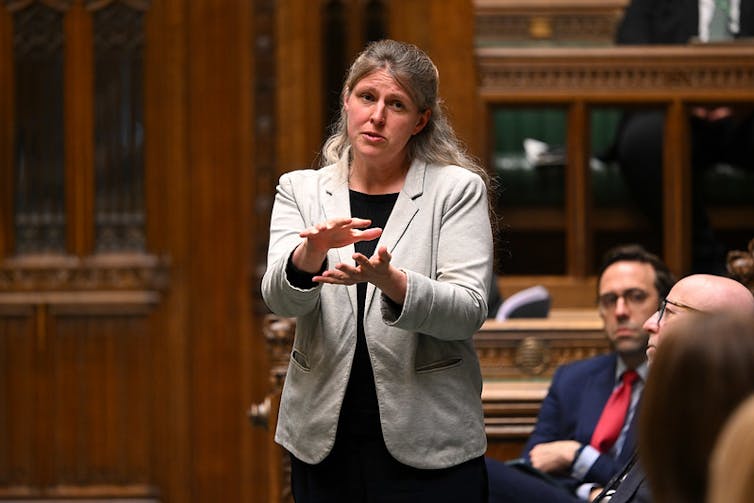
Rachael Maskell in parliament.
Rachael Maskell, now suspended, speaking in parliament in March.
Flickr/UK Parliament, CC BY-NC-ND

Was this really worthy of suspension, especially so early in a new parliamentary session? The government’s justification rests on the need for discipline – that rebels should “play ball” after exacting concessions. But this only works when both government and rebels understand and respect the same rules.

The claim is that the four rebels and three MPs who lost envoy status are persistent rebels, but this is an overreaction. In either case, it is clear the backbenchers felt ignored and undervalued, and that the government failed to take their concerns seriously in the first place.

There is a sense that Labour’s leadership is more interested in enforcing conformity than in building consensus. A true show of strength would be to sit down and discuss with colleagues how differing views can be accommodated, and to have some confidence in your argument and build a narrative around it.

Several warnings about internal unrest were ignored. The Whips Office flagged issues around poverty, pensions, and benefit reform, but these concerns were sidelined by Number 10. Ministers called for a broader anti-poverty strategy but again found themselves ignored. Select committee chairs, who tried for months to initiate constructive dialogue, were only heard in the final days before the bill’s debate.

External threats

Labour’s majority, while impressive, is based on fragile foundations. It won with only a 34% share of the vote. Many of the newly elected MPs are inexperienced and hold wafer thin majorities. A 5% swing against Labour would see more than 100 MPs lose their seats. External threats – an ascendant Reform UK, a possible Corbynista party, and the consolidation of the Liberal Democrats and Greens – compound the sense of fragility.

In this context, disciplining a handful of MPs as some sort of a show of strength to keep putative rebels in line, is not going to work. The government cannot afford to alienate its own MPs.

Labour’s early weeks in government provide a cautionary tale in the risks of prioritising discipline over dialogue, and of losing sight of the narrative that should bind the party and its supporters together. Most Labour MPs want the government to succeed, but early heavy-handedness breeds resentment and undermines unity just when it is most needed.

True political strength lies not in the ability to punish dissent, but in the confidence to accommodate it – building a compelling story that inspires loyalty rather than demands it.

If the government wants its MPs to sing from the same song sheet, it must first establish the melody. The significant achievements of this government – £40 billion more on public services, international trade deals, infrastructure investment, renters’ and workers’ rights, energy initiatives, advances in the living wage, and free school meals – can only resonate if they are woven into a story that MPs and the public can share.

The lesson is clear: discipline without narrative and command without consensus are recipes for internal discord and political decline.

The Conversation

Tony McNulty is a member of the Labour Party.

ref. Starmer’s suspension of ‘rebel’ MPs risks alienating his party in a way he can’t afford – https://theconversation.com/starmers-suspension-of-rebel-mps-risks-alienating-his-party-in-a-way-he-cant-afford-261339