Why do people support or oppose bike lanes? Our research sheds light on public opinion

Source: The Conversation – UK – By Wouter Poortinga, Professor of Environmental Psychology, Cardiff University
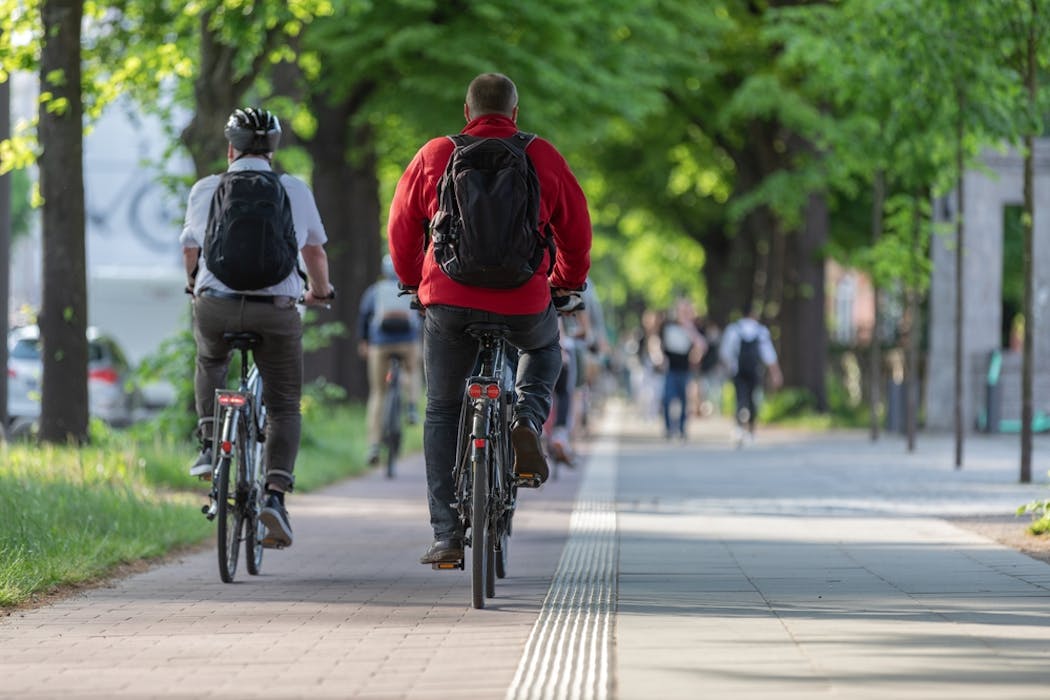
Canetti/Shutterstock

Cities across the UK are investing in new cycle lanes and traffic restrictions to cut congestion, improve air quality and promote active travel for better health. Yet, if recent debates are anything to go by, you might think such measures were deeply unpopular.

The introduction of protected cycle lanes and low traffic neighbourhoods (LTNs) often sparks vocal opposition from local groups, who call for schemes to be delayed or scrapped.

For instance, in London, Kensington and Chelsea council removed cycle lanes from Kensington High Street after a short-term trial in 2020. Meanwhile, in Oxford, there have been calls to reopen residential streets to again allow through traffic during emergencies. Concerns often focus on cycle lanes taking up valuable road space and on LTNs displacing motor traffic onto surrounding boundary roads.

These discussions may give the impression that the public is firmly against cycling initiatives and traffic restrictions. However, our research suggests that strong support for them can be found, but how schemes are designed and introduced is crucial.

Our recent study, which analysed more than 36,000 UK-based tweets about cycle lanes and LTNs between 2018 and 2022, found that most social media posts were positive. There were 10,465 negative, 14,370 positive, and 12,142 neutral tweets.

Sentiment about the measures did shift over time, with a spike in negative reactions in the summer of 2020 when the government announced the emergency active travel fund, a scheme that provided rapid funding to local authorities to deliver walking and cycling infrastructure to support social distancing during the COVID pandemic. However, overall, positive tweets outnumbered negative ones.

The analysis also showed that criticism focused less on the principle of cycling itself and more on the design and implementation of measures. Complaints about poor quality cycle lanes or lack of consultation were far more common than outright rejection of active travel, and were made by both cyclists and drivers.

Our other recent research tells a similar story. We showed more than 500 people images of different street layouts and asked them to choose their most and least preferred elements. The designs varied in how they combined cycle lanes, traffic restrictions, and parking, with different amounts of space reallocated from roads or pavements.

The results were clear. Segregated cycle lanes – those physically separated from cars – were popular with both regular cyclists and regular drivers. Painted lanes on the road were far less liked, while the option of having no cycle lanes at all was the least popular with both groups.

Four of the 27 images shown to 500 people in the study.
Four of the 27 images shown to people in the study.
Author’s image

Where the space came from also mattered. People strongly preferred schemes that took cycling space from the road rather than from pathways. But there was one consistent red line: parking. Even participants who identified as regular cyclists were reluctant to support layouts that involved removing car-parking spaces.

This suggests that resistance is less about cycling infrastructure itself and more about specific design trade-offs. Taking a modest amount of road space is widely accepted but removing parking risks triggering backlash.

Why do some people oppose cycle lanes and traffic restrictions so strongly? Part of the answer lies in identity. Our study found that those who strongly identified as “drivers” were more hesitant about giving up road space to cyclists, while self-identified “cyclists” were more supportive.

But the biggest divide was not between cyclists and drivers. Both groups often preferred the same measures. The strongest opposition came instead from a small group who see new cycling infrastructure as an infringement on their “freedom” to travel the way they want. This group consistently preferred the status quo over all options that would reallocate space to cyclists or restrict vehicle access.

This way of thinking may be rooted in what researchers call motonormativity, a deep-seated assumption that roads exist primarily for cars and that drivers’ needs should come first. Within this context, giving space to cyclists is seen as taking something away from motorists, not expanding people’s freedom to travel as they choose.

Our social media study sheds further light on the themes that shape public debate. Positive posts often focused on community benefits and safer streets. Negative conversations, by contrast, were dominated by concerns about how schemes were put in place. Tweets frequently criticised councils for poor consultation, accused politicians of ignoring local voices, or pointed to schemes being rolled out in confusing or inconsistent ways.

This matters because it shows that frustration is often directed less at cycle lanes or traffic restrictions themselves than at how they are introduced. In other words, there may be opposition not because people reject the idea of safer streets, but because they feel decisions are imposed on them or poorly managed. This underlines the importance of early and meaningful engagement if new infrastructure is to win lasting support.

So what are the key lessons of this research? First, visible opposition is not the whole story. Protests and headlines may give the impression that cycle lanes are deeply unpopular, but most people – including both drivers and cyclists – support new infrastructure and even traffic restrictions, as long as they are well designed and involve only modest changes. Parking is a sensitive point, but overall support for change is broader than the noise suggests.

Second, the strongest opposition comes from those who see new cycle lanes and restrictions as an attack on their freedom to drive. This group is relatively small but may be among the most vocal. Their concerns need to be acknowledged, but also reframed in light of the reality that limited road space must serve everyone: drivers, cyclists, and pedestrians alike.

Finally, it is not just about what gets built, but also how it is introduced. Much of the online debate considered in our social media study focused not on the principle of cycle lanes or low-traffic neighbourhoods, but on whether local people felt they had been consulted properly. Listening to communities can make the difference between a scheme being welcomed as a local improvement or rejected as a top-down imposition. This should involve everyone and not just the loudest.

The Conversation

Wouter Poortinga receives funding from ESRC, NERC, EPSRC, Welsh Government, and European Commission.

Dr. Dimitrios Xenias receives funding from ESRC, UKERC, and the European Commission.

Dimitris Potoglou receives funding from EPSRC and the European Commission.

ref. Why do people support or oppose bike lanes? Our research sheds light on public opinion – https://theconversation.com/why-do-people-support-or-oppose-bike-lanes-our-research-sheds-light-on-public-opinion-271455

Indian townships are rebuilding after landslides – but not everyone will benefit

Source: The Conversation – UK – By Ipshita Basu, Associate professor (Reader) in Global Development and Politics, University of Westminster

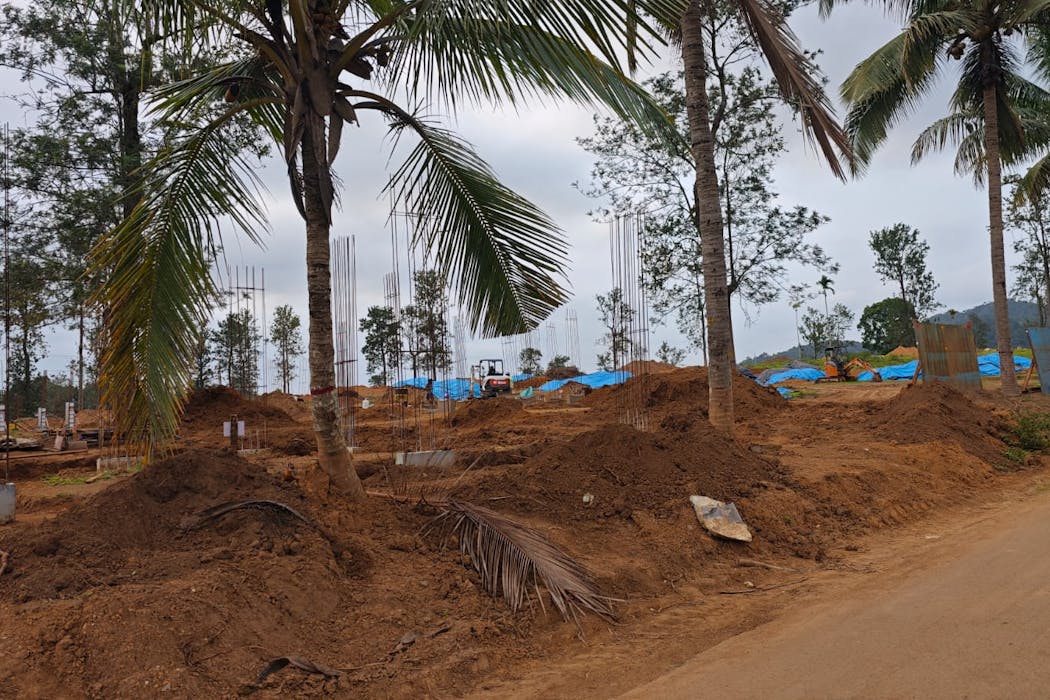
Creating new value on old plantation land in Kerala, India. Sudheesh R.C., CC BY-NC-ND

In the early hours of July 30 2024, a landslide in the Wayanad district of Kerala state, India, killed 400 people. The Punjirimattom, Mundakkai, Vellarimala and Chooralmala villages in the Western Ghats mountain range turned into a dystopian rubble of uprooted trees and debris.

A coalition of scientists that quantifies the links between climate change and extreme weather, known as World Weather Attribution, highlighted that human-induced climate change caused 10% more rainfall than usual in this area, contributing to the landslide.

Known for its welfare achievements such as universal literacy, public health and education, Kerala’s disaster management involved a swift relief response and the announcement of rehabilitation measures. But our research into the consequences of long-term environmental change reveals the crevices in this state-citizen relationship.

The Kerala government’s response to the landslide has focused on two townships – one in Kalpetta and the other in Nedumbala – that are promised to be of high-quality construction, with facilities characteristic of upmarket, private housing projects. Of the total 430 beneficiary families, each will be given a 93m² concrete house in a seven-cent plot (a cent is a hundredth of an acre). There will be marketplaces, playgrounds and community centres at both sites.

An AI-generated video of the Kalpetta township promised a glittering new life for its residents. Construction of the two sites was entrusted to the Uralungal Labour Contract Cooperative Society, a labour union known for building quality infrastructure, to raise credibility.

A building damaged by the 2024 landslide in Wayanad.
Wikimedia Commons/Vis M, CC BY-NC-ND

A man we spoke to as part of our ongoing research in Vellarimala was happy about the money he will make from rising property prices once his household receives a new home. “It is a great deal,” he told us. “We get seven cents of land and a new house. We estimate the property [will] hit a value of 10 million rupees (£85,600) in a few years. Also, since the government provided the house, we just have to protest if there is a complaint.”

We also spoke to two citizen groups that mobilised victims after the landslide, enabling settlers – who came to the area as plantation labourers during colonial rule in the 20th century – to voice their grief, loss and trauma. This highlighted their history of migration from the plains of Kerala. Although they sought optional cash compensation initially, they have largely accepted being given a new home in the township, drawn by its future value.

But while township development seems to be an apt response, Kerala will struggle to cope with recurring cycles of disasters and disaster management without addressing the factors that trigger or amplify these calamities.

The townships are being built on 115 hectares of two tea plantations that have been bought by the Kerala government. With roots in British colonial rule, plantations represent a significant alteration of Wayanad’s ecology. The landslide’s route was full of tea plantations and most affected families were non-Indigenous plantation workers.

Tourism is also booming here, with hundreds of resorts, homestays and hotels, and a glass bridge that welcomes tourists to visit the forests and plantations of Vellarimala.

Less than three miles away, a landslide in 2019 in Puthumala killed 17 people. Although it was a warning, construction of buildings has continued unchecked. A tunnel that connects Wayanad with the plains of Kerala has been proposed, despite a state government committee report highlighting it would pass through areas that are at a moderate-to-high risk of landslides.

Differing values

Resettlement plans that focus on glitzy townships can fail to consider the most marginalised people, especially in societies like India that are marked by social hierarchies. A couple of Indigenous families, referred to as Adivasis in India, were initially offered space in the township. They refused it, citing their separation from the means of livelihood and cultural resources that the nearby forests provide.

For a long time, they have resisted efforts to relocate them from the forests – first in the name of animal conservation, and now because of the threat of climate disasters. This is despite the efforts of the government’s forest department to portray the shifting of these families as a heroic rescue effort.

new house being built out of grey breeze blocks on land recovering from landslide
A ‘model’ house on display at the township under construction.
Sudheesh R.C., CC BY-NC-ND

Two versions of the value attached to land are clashing here. Settlers see land as a commodity, so prize the two townships announced in Wayanad for their increasing land value. But Indigenous families hold deep cultural ties with the lands they are being asked to leave behind.

This is not just a romanticised connection with nature. Indigenous families will have to forgo hard-won forest rights. Leaving means losing access to honey, resins and medicinal plants that they trade for cash when food from the forests is insufficient.

Disasters like the Wayanad landslide expose the faultlines in both crisis management and state-citizen relationships. How a disaster is handled shows the state believes people can be easily moved from one site to another, while extraction and capitalist accumulation must continue.

Disasters also reveal whose loss is valued by the state and whose is not. While settlers’ losses were compensated through townships that hold the possibility of rising property value, Indigenous citizens’ loss of deeper ties with the land and forests remains unaddressed.

We believe this calls for an urgent rethink. Disaster responses demand more than relocation of people from one vulnerable site to another, perpetuating an endless series of calamities and reconstruction. It demands a fundamental change in the model of development.


Don’t have time to read about climate change as much as you’d like?

Get a weekly roundup in your inbox instead. Every Wednesday, The Conversation’s environment editor writes Imagine, a short email that goes a little deeper into just one climate issue. Join the 47,000+ readers who’ve subscribed so far.


The Conversation

Ipshita Basu receives funding from the British Academy Knowledge Frontiers: International Interdisciplinary grant for the project Planetary Health and Relational Wellbeing: Investigating Ecological and Health Dimensions of Adivasi Lifeworlds.

Mary K. Lydia, Reshma K.R., Anusha Joshy and Manikandan C. have provided inputs for the research.

Sudheesh R.C. receives funding from the British Academy Knowledge Frontiers: International Interdisciplinary grant for the project Planetary Health and Relational Wellbeing: Investigating Ecological and Health Dimensions of Adivasi Lifeworlds.

ref. Indian townships are rebuilding after landslides – but not everyone will benefit – https://theconversation.com/indian-townships-are-rebuilding-after-landslides-but-not-everyone-will-benefit-267381

‘We got lazy and complacent’: Swedish pensioners explain how abolishing the wealth tax changed their country

Source: The Conversation – UK – By Miranda Sheild Johansson, Senior Research Fellow in Social Anthropology, UCL

‘A country of rich people’: a superyacht with helicopter on board heads into Stockholm’s harbour. M-Production/Shutterstock

For much of the 20th century, Sweden enjoyed a justifiable reputation as one of Europe’s most egalitarian countries. Yet over the past two decades, it has transformed into what journalist and author Andreas Cervenka calls a “paradise for the super-rich”.

Today, Sweden has one of the world’s highest ratios of dollar billionaires, and is home to numerous “unicorn” startup companies worth at least US$1 billion (£742 million), including the payment platform Klarna and audio streaming service Spotify.

The abolition of the wealth tax (förmögenhetsskatten) 20 years ago is part of this story – along with, in the same year, the introduction of generous tax deductions for housework and home improvement projects. Two decades on, the number of Swedish homes that employ cleaners is one marker of it being an increasingly two-tier country.

As part of my anthropological research into the social relationships that different tax systems produce, I have been working with pensioners in the southern suburbs of Sweden’s capital, Stockholm, to learn how they feel about the decreasing levels of taxation in their later lives.

This trend has been coupled with a gradual shrinking of the welfare state. Many of my interviewees regret that Sweden no longer has a collective project to build a more cohesive society.

“Us pensioners can see the destruction of what we built, what was started when we were small children,” Kjerstin, 74, explained. “I was born after the end of the war and built this society through my life, together with my fellow citizens. [But] with taxes being lowered and the taking away of our social security … we’re not building anything together now.”

Sweden’s gini coefficient, the most common way to measure inequality, has reached 0.3 in recent years (with 0 reflecting total equality and 1 total inequality), up from around 0.2 in the 1980s. The EU as a whole is at 0.29. “There are now 42 billionaires in Sweden – it’s gone up a lot,” Bengt, 70, told me. “Where did they come from? This didn’t used to be a country where people could easily become this rich.”

But like other pensioners I met, Bengt acknowledged his peer group’s role in this shift. “I belong to a generation that remembers how we built Sweden to become a welfare state, but so much has changed. The thing is, we didn’t protest this. We didn’t realise we were becoming this country of rich people.”

Opposite of the American dream

Wealth taxation was introduced in Sweden in 1911, with the amount due based initially on a combination of wealth and income. Around the same time, some of the first moves towards the Swedish welfare state were made – notably, the introduction of the state pension in 1913.

The term used to describe this, folkemmet (“the people’s home”), denoted comfort and security for all in equal measure. It was arguably the ideological opposite of the American dream – its aims not exceptionalism but reasonable living standards and universal services.

After the second world war, the wealth tax – now separated from income – was raised again in several steps up to a historical high of a 4% marginal rate for wealthy individuals in the 1980s, although actual tax burden is is less clear due to complex exemption rules. But total revenues generated from the tax were still relatively low. As a share of Sweden’s annual GDP, it never exceeded 0.4% in the postwar period.

By the end of the 1980s, the political winds were starting to change in Sweden, in line with the shift to privatisation of public services and deregulation of financial markets in several European countries, including the UK under Margaret Thatcher, and the US.

One recurrent criticism of Sweden’s wealth tax was that it was regressive, taxing middle-class wealth (mainly housing and financial assets) while exempting the wealthiest people who owned large firms or held high-up positions in listed companies. Another criticism was that the wealth tax drove tax avoidance, especially in the form of capital flight to offshore tax havens.

While a wealth tax might appear to signal their country’s commitment to socioeconomic equality, my interviewees said it wasn’t something they really thought about much until it was abolished in 2006 by Sweden’s then-rightwing government, following the axing of inheritance tax a year earlier by the previous social democratic government.

“When the wealth tax was abolished,” Marianne, 77, told me, “I wasn’t thinking about millionaires being given a handout, because … we didn’t have lots of rich aristocrats who owned everything. Abolishing the wealth and inheritance tax seemed like a practical thing, not so political.”

Marianne and other pensioners I talked to all told a story of the welfare state having been built through communal effort, as opposed to it being a Robin Hood project – of taking from the rich to give to the poor. This notion of the Swedish welfare state as having been built by equals, by an initial largely rural and poor population, arguably distracted these pensioners from questions of wealth accumulation.

While Sweden still taxes property and various forms of capital income, in hindsight, many of my elderly interviewees now regard the abolition of the wealth tax “on their watch” as a crucial step in reshaping Swedish society away from a social democracy welfare state towards something new – a place of billionaires and increased social disintegration.

“I think about my children, my two daughters who are working and have young families,” Jan, 72, told me. “As children, they were provided for by the welfare state, they went to good schools and had access to football and drama class and the dentist – but now I worry that society is going to get worse for them.”

As with others I spoke to, Jan showed regret at his own role in this change. “I now think that is partly my fault,” he said. “We got lazy and complacent, thought the Swedish welfare state was secure, didn’t worry about abolishing the wealth tax, didn’t think it was going to change anything … but I think it has.”

‘A society that is more humane’

My research suggests the impacts of wealth taxes, or absence of them, are not only about fiscal revenue streams and wealth redistribution. They have wider social ramifications, and can be foundational to people’s vision of society.

Only three European countries currently levy a whole wealth tax: Norway, Spain and Switzerland. In addition, France, Italy, Belgium and the Netherlands impose wealth taxes on selected assets, but not on an person’s overall wealth.

In Sweden at least, the question today isn’t just whether wealth taxes work or not, but about what kind of society they project – one of folkhemmet, or a paradise for the rich.

“Tax was just natural [when] I grew up in the 1950s,” Kjerstin recalled. “I remember thinking when I was in second grade, that I will always be taken care of, that I didn’t ever have to worry.”

Reflecting on how different living in Sweden feels today, she said: “Now people don’t want to pay tax – sometimes even I don’t want to pay tax. Everyone is thinking about what they get back and how to get rich, instead of about building something together.”

“I don’t think you can say: ‘I pay this much in taxes and therefore I should get the same back.’ Instead, you should pay attention to the fact that you live in a society that is more humane, where everyone knows from second grade they’ll be taken care of.”

Names of research participants have been changed.

The Conversation

Miranda Sheild Johansson receives funding from UK Research And Innovation.

ref. ‘We got lazy and complacent’: Swedish pensioners explain how abolishing the wealth tax changed their country – https://theconversation.com/we-got-lazy-and-complacent-swedish-pensioners-explain-how-abolishing-the-wealth-tax-changed-their-country-272041

Why we love literary anniversaries

Source: The Conversation – UK – By Amy Wilcockson, Research Fellow, English Literature, Queen Mary University of London

Last year marked 250 years since the birth of the English novelist Jane Austen. The Conversation celebrated this important literary milestone with a series of articles and a dedicated podcast, Jane Austen’s Paper Trail. This special year saw a variety of high-profile celebratory events across the country, from regency balls and film screenings, to special tours and literary talks.

But literary anniversaries are not just limited to famous and well-loved authors, however significant. Many dates pass us by unmarked, despite the fact that we are in the midst of a golden era of key dates of literary significance.

The 2020s has been a decade of major Romantic-period milestones, including the bicentenaries of the deaths of the poets John Keats (2021), Percy Bysshe Shelley (2022), and Byron (2024). Last year’s Austen anniversary was particularly notable because the writer was so widely and enthusiastically celebrated.

Yet it also was the centenary year of F. Scott Fitzgerald’s jazz-age classic The Great Gatsby, alongside Virginia Woolf’s modernist favourite Mrs Dalloway. Brideshead Revisited by Evelyn Waugh, George Orwell’s Animal Farm and Nancy Mitford’s The Pursuit of Love all turned 80, while children’s classic The Lion, The Witch and the Wardrobe by C.S. Lewis celebrated its 75th birthday.

Celebrating in 2026

In 2026 there is another slew of big anniversaries, marking the tercentenary of Jonathan Swift’s Gulliver’s Travels, and 200 years since the ever-relevant Mary Shelley’s The Last Man (her 1826 novel about the near extinction of humanity after a global plague) was first released.

A.A. Milne’s Winnie-the-Pooh first indulged in his favourite “hunny” in 1926, and it was the start of Agatha Christie’s reign as queen of crime, as the immensely popular The Murder of Roger Ackroyd captured the public imagination.

Fifty years later her last novel, Sleeping Murder, was published posthumously, after her death on January 12 1976. Special re-issues of Christie’s books, new audiobook recordings, lectures, conferences, Netflix adaptations, and even a major British Library exhibition have been organised to celebrate some of these momentous literary milestones.

Anne Rice’s Interview with a Vampire, which reshaped the genre with a more complex, nuanced portrayal of the archetypal character, also celebrates 50 years since its 1976 publication.

But why do we celebrate literary anniversaries? Why do museums, academics and the public rush to commemorate our favourite authors? And why do some authors receive more celebration than others?

First, literary anniversaries are significant as they create a shared sense of heritage and a feeling of unity within communities and cultures. As Shakespeare scholars Monika Smialkowska and Edmund G.C. King observed when considering the Bard’s many anniversary celebrations: “Each event has also been an occasion for the community commemorating him to celebrate itself.”

In 2016, when British and global audiences commemorated the 400th anniversary of Shakespeare’s death, gala concerts, special coins and exhibitions were the tip of the iceberg. Shakespeare represents to many the pinnacle of British culture and many believe his plays are vital as they allow us to examine ourselves and our place in the world.

General historical events don’t seem to capture the public imagination in the same way. And of course, major authors like Shakespeare and Austen become universal. They are not just a symbol of British culture, their fame and embodiment of “Britishness” have gone global. Shakespeare has been recognised by and claimed as a part of American, European, African and wider global contexts.

For instance, the Jane Austen Society of Aotearoa New Zealand celebrated its tenth anniversary last year. Marking anniversaries allow us to build connections not just with the time period or world that the author has built, but with fellow enthusiasts through shared interests in particular genres, texts and authors. We celebrate not just the writers, but our own personal, national and global networks and cultures too.

Nostalgia and literary tourism

Literary anniversaries are also a prime example of nostalgia – of thinking that a place, event or period from the past is preferable to the present. Rituals such as anniversary celebrations are the physical embodiment of this feeling.

This is why enthusiasts dress up in the costumes of the Regency period or in military attire – to transport themselves back to a less complex time, perhaps. By reading an author’s books, visiting their house, and seeing the quills and pens with which they wrote, visitors are similarly invited to step back into the past and into the writer’s world.

It is no surprise then that literary museums put on huge events to mark particularly important author milestones. Literary tourism is growing, with Travel Weekly noting that Austen tourism in particular is – obviously – popular at the moment.

While final visitor figures have not yet been released, a spokesperson for the Jane Austen’s House museum stated that they expected to have surpassed their usual annual 40,000 visitors in 2025.

These anniversaries are of course a global draw, with entire marketing campaigns built around significant dates. For example, 2017 was not only coined by Visit Britain as a Year of Literary Heroes, but an interactive Magical Britain campaign and map were also launched to celebrate 20 years since the the first Harry Potter book.

Anniversaries of popular books and authors boost the local and national economy as visitors flood to visit locations from the author’s writings, as well as their birthplaces, homes and graves.

But why do some authors stick in the public imagination more than others? Author and academic H.J. Jackson notes in her book on Romantic reputations that recognition usually begins with a collected edition of the author’s work, before interest develops into biographies, translations and adaptations. The texts become taught in schools, societies are named in the author’s honour, and then finally anniversary celebrations commence to celebrate their great achievements.

According to Jackson, authors need to win over different audiences to be successful and gain worldwide renown. Given their solid and wide-reaching appeal, I have little doubt we will still be celebrating Keats, Austen, Orwell and Christie in a hundred years’ time.


Looking for something good? Cut through the noise with a carefully curated selection of the latest releases, live events and exhibitions, straight to your inbox every fortnight, on Fridays. Sign up here.


The Conversation

Amy Wilcockson does not work for, consult, own shares in or receive funding from any company or organisation that would benefit from this article, and has disclosed no relevant affiliations beyond their academic appointment.

ref. Why we love literary anniversaries – https://theconversation.com/why-we-love-literary-anniversaries-273375

Humans returned to British Isles earlier than previously thought at the end of the last ice age

Source: The Conversation – UK – By Adrian Palmer, Senior Lecturer, Geography, Royal Holloway, University of London

The return of humans to the British Isles after the end of the last ice sheet, which covered much of the northern hemisphere, happened around 15,200 years ago – nearly 500 years earlier than previous estimates.

This movement of people coincided with a sharp rise in summer temperatures in southern Britain, research by our group shows.

These environmental conditions allowed humans to migrate back up into Britain – then still connected to the European mainland. They were hunting herds of reindeer and horses, which were migrating northwards into ecosystems that supported their preferred food for grazing.

After the end of the last ice age, the climate in north-west Europe shifted from cold to warm conditions on at least two occasions, with changes in temperature thought to have occurred over decades.

Our latest research addresses the first of these transitions in the Late Upper Palaeolithic period (14,000 to 11,000 years ago). In areas such as north-west Europe, including where the British Isles are today, humans successively abandoned and then returned to areas at the abrupt transitions between cold and warm periods.

Broadly, evidence of humans from fossil records showed them migrating to where the environmental conditions supported their survival.

Reasons for repopulation

The repopulation of the British Isles after the last ice age is an excellent period to explore the relationships between climate and environment, and the reappearance of humans in this region.

In previous studies, the evidence has been somewhat difficult to read due to uncertainty of the dating methods and incomplete records of environmental and climate conditions. The traditional view had been that the north-west European climate warmed from ice-age temperatures around 14,700 years ago, and humans reoccupied Britain at that time.

However, revised preparation techniques in the early 2000s for the dating of human remains and associated artefacts showed the earliest appearance of humans occurred prior to the warming of 14,700 years ago.

This finding was difficult to understand, as it coincided with what were then considered cold glacial climates that would have been unlikely to support the resources people needed to survive in Britain.

Summer climate record from Llangorse Lake, Wales

A graphic showing showing summer temperatures in the British Isles after the last Ice Age.
Graph shows the timing of returns to British Isles of reindeer and humans after the last ice age, and related temperatures in Llangrose Lake.
Author’s own illustration

Our study used new calibrations of radiocarbon ages that confirmed the age of those human remains to between 15,200 and 15,000 years ago. So, if humans really were present in the British Isles, could they have survived in cold climates – or was our picture of past environments at this time incorrect?

Clearer insight came from Llangorse Lake (Lake Syffadan) in south Wales, where the lake sediments spanning the last 19,000 years record the abrupt climate change in detail. In addition, the lake’s location lies close to the cave in the Wye Valley where the earliest British evidence for human remains after the ice age were found.

By extracting fossil pollen, chironomids (non-biting midges) and chemical analysis of the lake sediments, an unexpected picture of the climate emerged – one that showed previous climate reconstructions for the region were incorrect.

The chironomids were used to reconstruct summer temperature, and this showed the climate warmed in a different pattern than has been identified in other parts of north-west Europe and Greenland. An abrupt temperature shift from 5–7°C to 10–14°C occurred at 15,200 years in Britain – 500 years earlier than previous evidence had suggested.

Just prior to this climate warming, the presence of human prey, such as reindeer and horses, is more consistently detected in southern Britain around 15,500 years ago. These animals were exploiting the newly available grazing grounds, with people tracking the herds northwards and enduring the moderately warmer summer climatic conditions.

Examining archaeological records along with environmental and climatic archives allows more precise reconstructions of when humans were able to repopulate previously inhospitable regions. This is helped by re-evaluating old radiocarbon dates of human evidence in the landscape, and by generating more precise environmental records from the time – including more precise timings of the transitions from cold to warm periods.

This provided us with a fuller picture of human responses to changes in temperature (and their impact on the environment) in the Late Upper Palaeolithic period. Human survival was the driver of these movements, and following prey into new areas was important. But only a relatively small change in summer temperatures was required to enable this migration.

Our research provides better understanding of human behaviour and resilience to climate change after the last ice age around 15,000 years ago. But understanding these environmental triggers from the past helps create new perspectives on human responses to them even now.

These basic factors have not gone away. The response observed in this study might provide clues on future human behaviour as our polar regions warm and glaciers melt, showing how the potential for human migration could be increased.

The Conversation

Adrian Palmer receives funding from Natural Environment Research Council. He is affiliated with Royal Holloway, University of London and Quaternary Research Association.

ref. Humans returned to British Isles earlier than previously thought at the end of the last ice age – https://theconversation.com/humans-returned-to-british-isles-earlier-than-previously-thought-at-the-end-of-the-last-ice-age-271242

Can you really lose weight by cutting gluten from your diet, as Matt Damon claims?

Source: The Conversation – UK – By Guy Guppy, Lecturer in Performance Nutrition and Exercise Physiology, Kingston University

When Matt Damon recently credited his weight loss to going gluten-free, it reignited a familiar debate about this divisive dietary approach. But while The Odyssey star’s claims have sparked discussion, the science behind weight loss tells a far more nuanced story than simply cutting out a single protein.

Gluten is a naturally occurring protein found in grains such as wheat, barley and rye, which means it’s commonly consumed in everyday foods like bread, pasta and cereal. For most people, gluten doesn’t cause any health problems.

But for those with coeliac disease – which affects about 1% of people – avoiding it is essential. This autoimmune condition triggers an immune response to gluten, damaging the small intestine’s lining, impairing nutrient absorption.

Then there’s gluten intolerance, or non-coeliac gluten sensitivity, a condition associated with symptoms like bloating and reflux. People with this condition also commonly experience problems beyond the digestive system, including headaches and skin rashes.

Despite growing numbers of people reporting such symptoms, gluten intolerance remains hotly debated in terms of its causes and management. Currently, the only recommended approach is to adopt a gluten-free diet.

For everyone else – those without coeliac disease or gluten intolerance – avoiding gluten-rich foods may be unnecessary and potentially problematic.

Foods high in gluten, such as bread, pasta and cereal, don’t just provide carbohydrates, they’re also excellent sources of fibre and B vitamins.

Removing these foods may inadvertently contribute towards nutrient deficiencies. Yet the market for gluten-free products continues to surge, with projections suggesting it will reach US$13.7 billion (£10.2 billion) by 2030.

Given that Damon didn’t disclose any medical condition when discussing his weight loss goals, the likely explanation for his results lies in his overall diet and behaviour rather than gluten itself. Research published in Nutrients found no significant differences between gluten-free and gluten-rich diets in body fat or body weight among healthy adults.

Mechanics, not magic

The weight loss many people experience on gluten-free diets often comes down to mechanics rather than magic. Because gluten is in many energy-dense, carbohydrate-based foods, people eliminating it typically cut out items like pizza, fast food and pasta.

This carbohydrate restriction leads to a reduction in glycogen – the stored form of carbohydrate in the human body. When glycogen is stored, water is stored alongside it.

So when glycogen levels drop, water weight follows, creating the illusion of rapid fat loss. This phenomenon explains why people often see dramatic results in the first week or two of any new diet or exercise programme.

Beyond reduced carbohydrate intake, people following gluten-free diets often shift towards consuming more naturally gluten-free whole foods. This dietary restructuring often results in fewer calories being consumed overall.

A small preliminary study, published in Frontiers of Sports and Active Living, found that adhering to a gluten-free diet for six weeks led to significant reductions in body weight compared to a control diet. But these changes were probably the result of a calorie deficit and fluid loss, rather than any metabolic advantage from removing gluten.

There’s another factor at play. Wheat-based carbohydrates contain fermentable sugars called fructans, which are broken down by bacteria in the large intestine. This fermentation produces gas that can cause bloating, pain and changes in bowel movements. When these foods are removed, symptoms subside and the stomach can appear flatter – an aesthetic change that people may mistake for fat loss.

Gluten may have health benefits

Adopting a gluten-free diet that isn’t medically necessary could actually increase health risks. A large study published in the BMJ found an association between higher gluten intake and reduced heart disease risk.

Similarly, research has revealed a link between low gluten intake and increased type 2 diabetes risk.

The culprit behind these concerning links may well be the gluten-free products lining supermarket shelves. When gluten is removed from a product, it changes the texture and palatability of the food. To compensate, manufacturers add other ingredients to improve taste and consistency.

The result? Gluten-free products have been shown to contain significantly less protein, higher saturated fat, lower fibre and higher sugar than their conventional counterparts. Over time, this nutritional profile may lead to poor diets and hence poor health.

So while people may believe that going gluten-free causes weight loss, the reality is usually different. Subtle changes in diet structure and composition, alongside behavioural modifications, are typically the real reason.

The Conversation

Guy Guppy does not work for, consult, own shares in or receive funding from any company or organisation that would benefit from this article, and has disclosed no relevant affiliations beyond their academic appointment.

ref. Can you really lose weight by cutting gluten from your diet, as Matt Damon claims? – https://theconversation.com/can-you-really-lose-weight-by-cutting-gluten-from-your-diet-as-matt-damon-claims-273392

The Ukraine war has given rise to an ‘exorcism economy’ in Russia

Source: The Conversation – UK – By Santa Kravcenko, Lecturer in Management, University of Lancashire

“Please tell me where to go? A 14-year-old teenager has been possessed by a demon … we tried healers, but they couldn’t help … has anyone encountered this? Moscow region.” This is one of many similar pleas that have been circulating in Russia’s online communities in recent years.

According to reports in Russian media outlets such as Gazeta.ru, thousands of people in Russia are actively discussing exorcisms on social media. This is a spiritual ritual performed by a handful of Russian priests to expel spirits or demons from a person who is believed to be possessed.

Some people are travelling to well-known “exorcism destinations” such as Oryol Oblast about 400km south of Moscow. A priest there called Father Igor, the official exorcist of the local diocese, performs a ritual called otchitka. The ritual involves the priest reciting a set of prayers to help those deemed to be under the influence of spirits.

Other people are turning to the informal “exorcism economy”, which is offered by local mediums. Some have reported paying between 10,000 rubles (£98) and 20,000 rubles (£196) just for an initial consultation to determine whether they are truly possessed. Russia’s Orthodox Church warns that exorcism attempts should be left to members of the clergy.

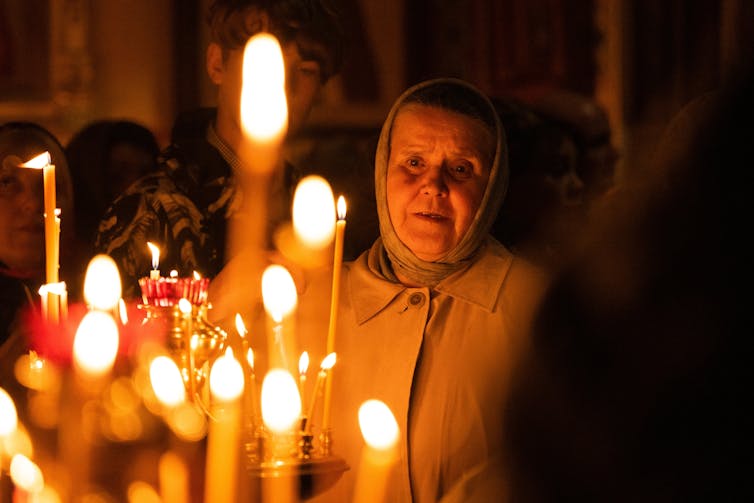
An elderly woman prays in a Russian Orthodox church.
A woman prays in a Russian Orthodox church in Sochi, a city on Russia’s Black Sea coast, in May 2024.
fortton / Shutterstock

Exorcism is embedded in the Orthodox tradition, with exorcism prayers first brought into Russian religious practice in the 17th century by Archbishop Peter Mogila. However, exorcisms remained rare until the late Soviet period.

The most influential modern exorcist in Russia was Father German, a priest who began practising near Moscow in the 1980s. His reputation spread through word of mouth. Igumen Philaret, a man who knew Father German, described witnessing the following scene at one of his exorcisms:

One little boy was screaming terribly. He ripped away all his clothes and was rolling naked on the floor … ‘Mama, mama! Pull the tail out of my mouth!’ … Father sprinkled him with holy water … Then it became clear – as is often the cause of demonic possession in children – his mother had not repented of her abortions.

But what happened in the 1980s to spur the interest in exorcisms in Russia? According to some researchers, such as Pavel Nosachev of HSE University in Moscow, the emotional strain caused by the gradual collapse of the Soviet Union led people to “search for spirituality”.

As communist ideology waned, underground religious groups flourished and the Orthodox Church revived after decades of repression. Hypnotists and self-proclaimed psychic healers, such as Anatoly Kashpirovsky, also became prominent on television. A crisis in shared meaning produced a boom both in religious ritual and occult experimentation. This included exorcism.

Media reporting suggests that the business of “banishing demons” seen in present-day Russia is also reflective of a society under strain – but, in this case, one grappling with the effects of the war in Ukraine.

According to research on how humans cope with awareness of their death, religion works as a shield against existential anxieties. This can intensify during times of crisis, such as war. Following the 9/11 terrorist attacks in New York, for example, church attendance increased worldwide and Bible sales soared.

The Russian Orthodox Church’s appointment of Vladimir Putin as “chief exorcist” in 2022 could also help explain why some Russians have been drawn into a fight with their inner demons. The Russian president’s appointment came after the Kremlin called for Ukraine to be “desatanised”.

‘Exorcism tourism’

The renewed interest in exorcism within Russia may represent a broader cultural response to political and personal instability – echoing the turbulence of the 1980s. But the country has also long nurtured an appetite for the paranormal.

Russian audiences have spent nearly two decades watching the popular television show, Battle of the Psychics. This show showcases the supposed paranormal abilities of self-proclaimed healers, witches and mediums in various competitive challenges. A recent episode even featured a live exorcism.

Just as Battle of Psychics spawned a multimillion-ruble industry of celebrity healers, Russia’s wartime exorcism surge reveals a similar monetisation of fear and uncertainty. What was once a localised ritual appears to be evolving into a structured commercial service – a phenomenon I call “exorcism tourism”.

As Nosachev observed in 2023: “Largely due to the connection with business – tours for otchitkas or donations for an exorcism session – this practice is now perceived as a commodity in a spiritual supermarket, which is characteristic of the consumer culture that has become a basis of the New Age.”

This commercialisation is visible in organised trips. Among the many adverts I have seen in recent years, a tour encouraging people “facing difficult life circumstances or physical and spiritual illnesses” to travel from Belarus to Russia “for exorcism” stands out.

The itinerary includes a consultation and private conversation with well-known “media exorcist” Father Gusev, as well as an application for an exorcism. Father Gusev fronts a rock band called “The Exorcist”, with the tour’s website claiming he has performed more than 15,000 exorcisms in 26 years.

In a country unsettled by war, uncertainty and spiritual volatility, Russia’s exorcism economy looks to be advancing. For some Russians, it seems that exorcisms offer not just a ritual but a sense of control amid everyday chaos.

The Conversation

Santa Kravcenko does not work for, consult, own shares in or receive funding from any company or organisation that would benefit from this article, and has disclosed no relevant affiliations beyond their academic appointment.

ref. The Ukraine war has given rise to an ‘exorcism economy’ in Russia – https://theconversation.com/the-ukraine-war-has-given-rise-to-an-exorcism-economy-in-russia-271037

The UK spends millions on services for people experiencing homelessness. Housing them could make more economic sense

Source: The Conversation – UK – By Anton Roberts, Sociologist and Social Policy Researcher at the Policy Evaluation and Researcher Unit at Manchester Metropolitan University, Manchester Metropolitan University

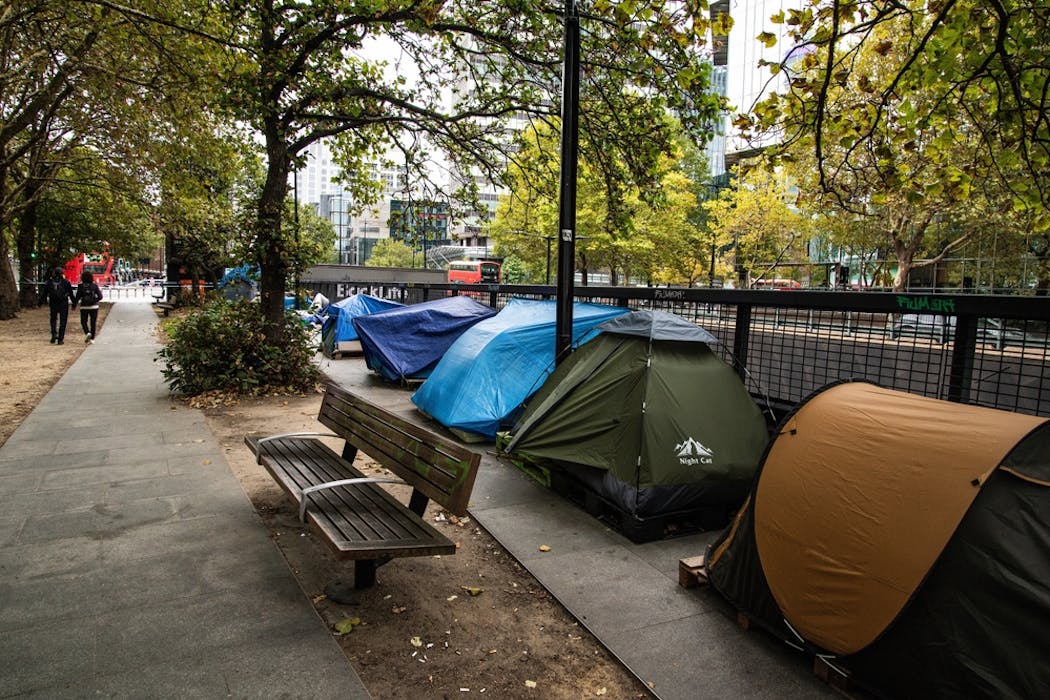
Jon C 303/Shutterstock

The government’s recently announced grand plan to end homelessness in England is the latest instalment in a long line of promises (and failures) by governments across the UK. This latest strategy, published in December, promises billions in investment in rough sleeping services, alongside a previous commitment to build 1.5 million new homes by the end of this parliament.

It’s an attempt to address the UK’s acute housing crisis. On the surface, there is plenty to praise in the plan, and these proposals are already receiving support from the wider sector.

For example, the scrapping of the two-child benefit limit will lift many vulnerable children out of poverty. And the strategy hints at more preventative approaches to the problem of homelessness.

But there’s a problem. Can the government achieve this objective within the narrow political window that this parliament offers? If not, perhaps it should consider whether this is the most effective use of public money.

One striking omission in the strategy is the absence of a commitment to the “housing first” model which, as the name suggests, would provide immediate access to housing for a homeless person. This omission is surprising, given the report’s repeated emphasis on housing as a solution.

Housing first combines an unconditional home with range of wraparound services for things like mental health problems or addiction. It’s distinct in being a genuinely long-term housing intervention, catering to those with multiple and complex needs. It is one of the most robustly evidenced homelessness interventions.

There are some isolated case studies of housing first mentioned in the report, but responsibility once again falls to the third sector. Charitable organisations are already forced to compete for insufficent funding pots, while also working alongside cash-strapped local authorities.

The average cost of housing first support per person is highly economical, according to the government’s own cost-and-benefit analysis data. The expected benefits to society have been calculated at £15,880 per person, which is more than double the £7,737 average cost.

According to a recent report from the charity Crisis evaluating housing first trials, a national roll out would cost £226 million per year. But this would be offset by reductions in provision burdens, equivalent to £280 million per year. This equates to total cost of £17,068 per individual per year, with a related saving surplus of £3,313.

The false economy of ‘business as usual’

Moral and human costs aside, homelessness is astoundingly expensive. Temporary accommodation alone costs billions each year. Although exact data on this is sparse, people experiencing rough sleeping are often referred to as “frequent flyers” through public services such as A&E departments, police and the courts.

The most recent calculation from Crisis, which goes back to 2015, estimated the annual cost of rough sleeping to be around £20,000 per person (or £27,872 when adjusted for inflation). This is due to things like use of NHS services, policing and the courts system. As seen with the government’s own rough sleeping snapshot, it continues to rise in the UK.

Arguably, business as usual isn’t working. There is little point in diverting funding to services that don’t work, or funding housing programmes for people with complex needs who may not be ready for a tenancy. If the aim is to reduce or end homelessness sustainably, the answer is not more short-term funding, but significant structural reform.

mobile phone screen showing universal credit login page alongside some pound coins and notes.
Benefit sanctions can hit people who are already at rock-bottom.
AndrewMcKenna/Shutterstock

In my research with my colleague, Joanne Massey, we explored some of these wider structural constraints facing people in poverty. We framed these constraints as forms of intentional and unintentional harms by the state. They include a welfare system where, despite annual rises, the range of benefits remains out of touch with living costs, alongside things like universal credit sanctions that make already difficult lives even more challenging.

Without confronting these, homelessness cannot be prevented or reduced. As such, the report falls short. For this to be a pragmatic and cost-effective strategy, the system must change from one of economically wasteful short-termism. There is no shortage of impactful and evidence-based examples – including housing first.

However, merely increasing funding will not achieve the necessary changes. The government must also commit to a public health approach. This means prioritising prevention through early intervention, as well as tackling the causes of homelessness at their structural root. Homelessness is a problem for all of society to address.

And merely listing poverty as a cause of homelessness does nothing to address it permanently, nor replace what has been lost from hundreds of billions of pounds of cuts to public services. A public health approach to homelessness would address challenges like these at the individual, community and societal levels simultaneously. It would also be a better use of taxpayer funds.

As an example, efforts in Wales to improve health with a prevention strategy produced a £14 return for every £1 invested using a public health approach. There was an annual saving of £9,266 per person when using preventative homelessness programmes. This approach combines the third sector, council services, education, health and the criminal justice system into one coherent strategy.

The government’s homelessness strategy is a positive start, but it will not replace what has been lost. Nor, as it stands, will it address the complex reasons why homelessness persists.

The Conversation

Anton Roberts does not work for, consult, own shares in or receive funding from any company or organisation that would benefit from this article, and has disclosed no relevant affiliations beyond their academic appointment.

ref. The UK spends millions on services for people experiencing homelessness. Housing them could make more economic sense – https://theconversation.com/the-uk-spends-millions-on-services-for-people-experiencing-homelessness-housing-them-could-make-more-economic-sense-272569

China is becoming more sexually liberal – if you are a man

Source: The Conversation – UK – By Jieyu Liu, Professor of Sociology and China Studies, SOAS, University of London

Sexual attitudes have relaxed significantly in China since the Mao era. Approaching the 50th anniversary of Mao Zedong’s death and the subsequent end of the cultural revolution, there has been a significant de-politicisation of everyday life that some are calling a sexual revolution.

China’s opening up to the outside world has facilitated a gradual relaxation of sexual morality and widespread media discussion of sex and intimacy. But increasingly, it is clear that while sexual behaviour is liberalising in China, it is still closely influenced by traditional views, leaving women less liberated than men.

The American-Chinese documentary Mistress Dispellers (2024) reignited western interest in sex, love and intimacy trends in China – but especially, how men and women experience these developments differently.

It explores the recent phenomenon of professionals who help women remove a lover from their adulterous husband’s life. These paid persuaders deceive their way into the lives of cheating husbands and then, by ousting the extra lover, seek to restore monogamous harmony.

But how did such an extraordinary industry emerge in China? My recently published book, Embedded Generations, offers a comprehensive overview of Chinese family practices, including sexual behaviour seen through the eyes of three generations.

Generational shifts

Sex outside marriage has steadily become more commonplace in China. But for the oldest generation I studied, born in the 1930s and ’40s, courtship was the norm as they entered marriage in the Mao era (1949-76). During these years, the Chinese Communist Party enforced heterosexual marriage throughout the country, with premarital virginity emphasised as a virtue for both men and women.

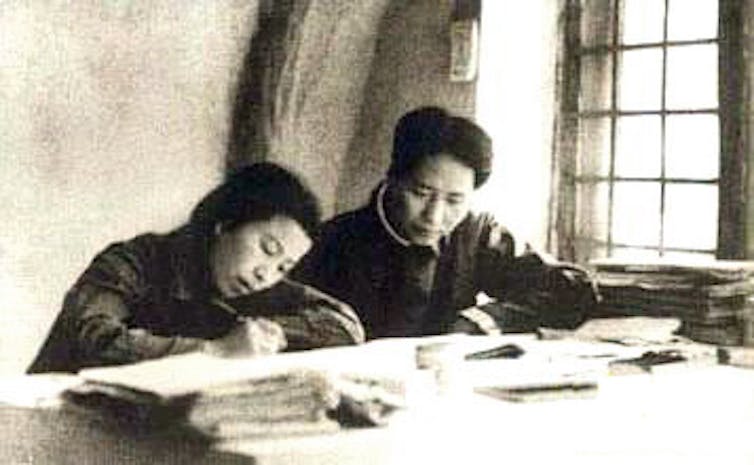
Mao Zedong and his wife Jiang Qing  in 1938 reading and writing.
Mao Zedong and his wife Jiang Qing in 1938: under Mao’s leadership, heterosexual marriage was enforced throughout China.

During the Cultural Revolution (1966-76), the open expression of physical intimacy was forbidden. Social norms, as well as fear of political criticism and attack, meant that almost all men and women of the oldest generation denied any involvement in sex outside marriage.

But after Mao’s death, the modernising reforms under Deng Xiaoping enabled more “liberal” trends for the middle generation, born in the 1960s and ’70s. This was especially true for men, who for the first time could admit to having premarital sex. However, female virginity remained important as a condition of marriage, meaning most women of this generation still denied having pre-marital sex.

A turning point came in the late 1990s, when many barriers to premarital sex were eliminated. Sex outside marriage was legalised after the removal of the potential charge of hooliganism that had acted as a deterrence for so long.

Practical obstacles were overcome, including with the relaxation of university regulations on intimacy restrictions. While dormitories are still single-sex, there is a growing availability of leisure opportunities that include an increasing number of hotels near university campuses.

Most notably of all, the rapid growth of internet use has been hugely influential, helping to spread information about sexual behaviour.

Still a man’s world

The younger generation now regards sex as a key part of a loving relationship. But there is still a lingering cultural emphasis on the value of female virginity, highlighting different social expectations for men and women.

Within this lies a contradiction. Young men expect their girlfriends to be willing to have sex as a demonstration of love and commitment. Yet many also expect their brides to be virgins. This is a considerable source of tension and anxiety for many young women.

This means women who openly embrace feminist principles to assert their sexual agency and pleasure remain in the minority. Most are still conservative in outlook and behaviour. Despite the increased incidence of premarital sex, the number of young women’s sexual partners before marriage (on average, one) is not noticeably different from women of older generations.

Mistress Dispeller trailer.

Reflecting these broad changes, 80% of male and 60% of my female interviewees from the younger generation, born in the 1980s and ’90s, admitted having sex before marriage – but mostly with the person they were planning to marry. The younger generation also shows a growing tolerance towards extramarital affairs. However, in this regard too, women remain more constrained by traditional social norms.

As well as these unequal social norms, the Chinese job market still rewards men more than women. This means in later life, men tend to have accumulated more wealth and status, and so are regarded as still desirable. In contrast, an older woman in a lower-paid job might be regarded as less attractive in the dating market.

As wives have children and grow older, they may need to find ways to prevent their husbands from abandoning their families – which is where the mistress dispeller comes in. Typically, only wealthier and young urban women without children feel able to initiate divorce.

That said, many married men, including those with lovers outside their marriages, have remained cautious in initiating divorce proceedings. The often considerable financial costs of divorce in China, particularly when children are involved, act as a barrier. Under Chinese law, the spouse involved in an extramarital affair is the guilty party and so must carry the financial penalty. These can be so steep that men risk losing their life savings, meaning that divorce in these situations is still less common.

My research helps show that while sex outside marriage has become more normalised in China, sexual attitudes are held in check by deep-rooted traditional views. This has created an environment that disproportionately favours men and a privileged elite, leaving many wives no option but to find help from mistress dispellers when their husbands cheat. Anyone speaking of a sexual revolution in China needs to bear this in mind.

This article refers to a book for editorial reasons, and contains a link to bookshop.org. If you click on the link and go on to buy something from bookshop.org, The Conversation UK may earn a commission.

The Conversation

Jieyu Liu receives funding from European Research Council (grant agreement No. 640488).

ref. China is becoming more sexually liberal – if you are a man – https://theconversation.com/china-is-becoming-more-sexually-liberal-if-you-are-a-man-271010

Why do some people get ‘hangry’ more quickly than others?

Source: The Conversation – UK – By Nils Kroemer, Professor of Medical Psychology, University of Tübingen; University of Bonn

Kues/Shutterstock

“Come on, little fella – we should get going now.” But my son was not listening. The sand in the playground was just right, so he just kept digging with his new toy excavator.

As I drifted back to my list of to-dos, however, the laughter was suddenly replaced by sobs. My son was not hurt, just very upset. When I looked at my phone, I saw it was well past his regular mealtime – and he was feeling very hungry.

However old we are, we all have a tendency to grow irritated if our body lacks enough fuel. But while humans have experienced this for as long as we have been on the planet, a specific word to describe the phenomenon only entered the Oxford English dictionary in 2018. “Hangry: to be bad-tempered or irritable as a result of hunger.”

Perhaps more surprising is the scarcity of research into how hunger affects people’s everyday moods. Most studies on food and mood have focused on patients with metabolic or eating disorders – perhaps because many psychologists have traditionally understood hunger to be such a basic physiological process.

So, with colleagues from the fields of psychology and mental health, I decided to investigate how different people respond to feeling hungry. We wanted to see if (and why) some people are better at reacting calmly when hunger strikes. Perhaps there would be some lessons for those of us with young children, too.

Surprising results

In the animal world, hunger is frequently studied for its role as a key motivator. Hungry rodents, for example, will vigorously press a lever or climb over large walls to get to food rewards. In the wild, hungry animals often roam further to explore their environment, seeming restless as they seek to overcome the threat of low or no energy.

A Pallas’s cat (also known as a manul) gets increasingly hangry as it hunts for food. Video: BBC.

To investigate the relationship between energy levels, hunger and mood in people, we equipped 90 healthy adults with a continuous glucose monitor for a month. Glucose is the primary source of energy for the body and brain, and these monitors – used in clinical practice to help patients with diabetes regulate their blood sugar levels – report values every few minutes. (Participants could actively check their glucose levels using the sensor app, and we could see when they accessed them.)

We also asked our participants to complete mood check-ins on their smartphones up to twice a day. These included questions about how hungry or sated they felt on a scale from 0 to 100, as well as a rating of their current mood.

The results surprised us. First, people were only in a worse mood when they acknowledged feeling hungry – not simply when they had lower blood sugar levels. And second, people who more accurately detected their energy levels in general were less prone to negative mood swings.

This suggests there is a key psychological middle step between a person’s energy and mood levels, which scientists call interoception.

In the brain, hunger is signalled by neurons in the hypothalamus that detect a prolonged energy deficit. Conscious feelings of hunger are then linked to the insula, a part of the cerebral cortex that is folded deep within the brain, and which also processes taste and plays a role in feeling emotions.

In our recent study, people with high interoceptive accuracy experienced fewer mood swings. This does not mean they never felt hungry – they just seemed better at keeping their mood levels stable.

This is important, because a sudden change in mood can have knock-on effects on relationships with family, friends and colleagues. It can lead to bad decision-making and more impulsive behaviour – including buying fast-energy food that can be less good for you.

More generally, paying close attention to our bodies’ needs helps keep our minds at ease too, avoiding unnecessary wear and tear on both. Deviating too much from the body’s ideal state can pose a long-term risk to our health – mental as well as physical.

Caught off-guard

Young children find it hard to interpret all the signals from their rapidly developing body. They are also easily distracted by what is happening around them, and often fail to attend to their hunger or thirst without prompting – leading to a sudden meltdown like my son had in the playground.

Likewise for many adults in today’s fast-paced world full of digital distractions, it can be easy to be caught off-guard by dipping energy levels. One simple life hack is to keep a regular meal schedule, because hunger often kicks in when we skip a meal.

Everyone’s energy levels ebb and flow, of course. But it is possible to improve your interoceptive accuracy by allowing your inner systems to pay closer attention to your energy levels. In addition, exercise and physical activity can sharpen your hunger sensing and improve energy metabolism.

Most of the time, of course, our moods are only modestly affected by hunger, among the many other factors that can come into play. But one of the lessons of my time at the playground has been to take care of my son’s food needs long before they become obvious. Perhaps we all need to be more aware of the risk of getting hangry.

The Conversation

Nils Kroemer receives funding from the German Research Foundation (DFG). He is affiliated with the German Center for Mental Health (partner site Tübingen) and the German Center for Diabetes Research.

ref. Why do some people get ‘hangry’ more quickly than others? – https://theconversation.com/why-do-some-people-get-hangry-more-quickly-than-others-273617