Vaccines: why these young Africans are hesitant about them and what might change their minds

Source: – By Oluwaseyi Dolapo Somefun, Research associate, University of the Western Cape

Vaccines have proved to be one of the most effective tools in fighting infectious diseases, but convincing people to get vaccinated can be tough. Especially young people.

During the global COVID-19 pandemic, declared by the World Health Organization on 11 March 2020, many countries reported high levels of vaccine hesitancy among younger population groups. Negative healthcare experiences and general distrust of government have cultivated vaccine hesitancy across Africa. Misleading information about vaccine side-effects on social media adds to this challenge.

This hesitancy continues today. A 2024 study on adolescents and young adults (aged 10 to 35) in sub-Saharan Africa found a vaccine acceptance rate of just 38.7%.

These concerns were echoed in a recent study we carried out among 165 young adults in Nigeria, South Africa and Zambia, looking at attitudes towards the COVID-19 vaccine. We wanted to know what could be done to help improve future vaccine acceptance, inform campaigns and prepare for future public health responses.

Participants were hesitant to be vaccinated, for various reasons, and suggested what policymakers could do to improve vaccine uptake.

Understanding young people’s perspectives on vaccine hesitancy and what can be done to address this is crucial for improving vaccine acceptance in the future.

What young adults told us

Our research gathered data through focus groups and interviews.

The participants described a fear of injections, uncertainty about side effects, distrust in healthcare systems and rude healthcare workers.

Some participants were worried about the safety of the COVID-19 vaccine, particularly how it might affect those with pre-existing health conditions.

Many believed that the vaccine was developed too quickly without sufficient testing and a lack of accessible information.

Many expressed a strong fear of needles. A young South African woman aged 19 commented:

I am afraid of injections, so for me, it would be better if there was something that could be taken orally, something you can drink.

Getting over the hurdle

We found young people often felt left out of vaccine conversations. They wanted to be part of the solution and make informed choices but needed the right tools and support to do so.

Participants suggested practical ideas to help boost vaccine acceptance among their peers.

Several highlighted the importance of assessing individual health status before administering vaccines, to avoid adverse interactions with existing medical conditions and treatments. They believed that situations where vaccines were mistakenly blamed for pre-existing illnesses or ongoing treatments could be avoided.

Participants suggested innovative strategies to make vaccines more accessibile. Mobile vaccination sites and community-based outreach programmes were some of the suggestions.

They must introduce mobile clinics, so that people don’t find themselves having to travel long distances to vaccinate. – 18-year-old male, South Africa

Young people also suggested household visits to people who were immobile because of age, illness or disability.

Many advocated for non-injectable vaccine options, such as oral medications or microneedle patches, which could improve accessibility and reduce anxiety.

The oral polio vaccine, which has been widely used in global polio eradication efforts, is an example of a non-injectable vaccine.

COVID-19 microneedle patch prototypes are being explored for clinical testing.

The youth urged public figures, including politicians, celebrities and influencers, to publicly endorse the vaccine.

It would be nice if the president could be shown on television receiving a vaccine so that we can see for ourselves whether he is given the same thing that everyone else receives. – 20-year-old male, South Africa

More engaging videos, interactive interviews and testimonials from vaccinated individuals could be shared across social media platforms.

The young people also emphasised the importance of comprehensive training for healthcare providers. They highlighted the need for healthcare professionals to provide respectful and empathetic care. They suggested that, by fostering respectful communication, healthcare providers could create a more welcoming and comfortable environment for their clients.

In addition, providing vaccine education in schools could educate pupils so that they could make decisions on their own.

Way forward

Engaging young people as active participants in shaping public health strategies can help increase vaccine acceptance and ensure a healthier future for all.

We believe that our findings can be applied in two ways.

First, to inform the design of tailored interventions that better resonate with young people’s desires and needs, paving the way for increased vaccine uptake and acceptability.

Second, to highlight areas where young people may need further information and engagement, to better understand some of the broader issues and why some of their recommendations might not be feasible in the short or longer term.

The Conversation

The authors do not work for, consult, own shares in or receive funding from any company or organisation that would benefit from this article, and have disclosed no relevant affiliations beyond their academic appointment.

ref. Vaccines: why these young Africans are hesitant about them and what might change their minds – https://theconversation.com/vaccines-why-these-young-africans-are-hesitant-about-them-and-what-might-change-their-minds-249629
Iran emerged weakened and vulnerable after war with Israel − and that could mean trouble for country’s ethnic minorities

Source: The Conversation – Canada – By Shukriya Bradost, Ph.D. Student of Planning, Governance and Globalization, Virginia Tech

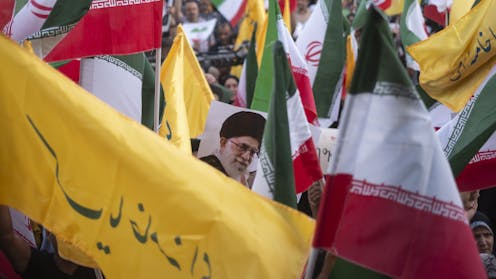
Iranians celebrate the ceasefire in downtown Tehran, but many blame their own leaders for the escalation. Morteza Nikoubazl/NurPhoto via Getty Images

The 12-day confrontation between Iran and Israel in June 2025 may not have escalated into a full-scale regional war, but it marks a potentially critical turning point in Iran’s internal political landscape.

Though the Islamic Republic has entered into direct conflict with a foreign adversary before, it has never done so while so militarily weakened, internally fractured and increasingly alienated from its own population.

And unlike the Iran-Iraq war of the 1980s, when national unity coalesced around the defense of Iranian sovereignty, this time the government appeared to fight without significant public support. While accurate polling from within Iran is hard to come by, the lack of pro-government rallies, the low approval numbers for the government ahead of the war and the government’s subsequent crackdown since tell their own stories.

As a researcher of different ethnic groups within the country, I know that many Iranians – especially those from historically marginalized communities – viewed the conflict with Israel not as a defense of the nation but as a reckless consequence of the government’s ideological adventurism and regional proxy campaigns. It puts the Islamic Republic in its most vulnerable position since its establishment after the Iranian Revolution in 1979.

Hard and soft power diminished

It is worth taking a snapshot of just how diminished the Iranian government is following the recent series of blows.

Its soft power – once built on revolutionary legitimacy, Shiite ideological influence and anti-Western propaganda – has eroded dramatically.

For decades, the Islamic Republic relied on a powerful narrative: that it was the only government bold enough to confront the United States and Israel, defend Muslim causes globally and serve as the spiritual leader of the Islamic world. This image, projected through state media, proxy militias and religious rhetoric, helped the government justify its foreign interventions and massive military spending, particularly on nuclear development and regional militias.

But that narrative no longer resonates the way it once did. The leaders of Iran can no longer claim to inspire unity at home or fear abroad. Even among Shiite populations in Lebanon, Iraq and Yemen, support during the Israel-Iran confrontation was muted. Inside Iran, meanwhile, propaganda portraying Israel as the existential enemy has lost its grip, especially among the youth, who increasingly identify with human rights movements rather than government slogans.

It is also clear that Iran’s hard power is getting weaker. The loss of senior commanders and the destruction of important military infrastructure have shown that the government’s intelligence and security systems are severely compromised.

Even before Israel’s attack, a number of reports showed that Iran’s military was in its weakest state in decades. The real surprise in the recent war came not from the scale of the damage by Israeli and U.S. bombs but from how deeply Israel had penetrated the upper echelons of the Iranian military and intelligence sectors. The recent conflict amounted to a security as well as a military failure.

Externally defeated, internally adrift

As its power across the region appears diminished, so too is the Iranian government’s grip loosening internally. A 2024 survey by Iran’s Ministry of Culture revealed “discontent” among the population, with over 90% of Iranians “dissatisfied” with the country’s current position. Elections in November 2024 saw a turnout of under 40%, further underscoring Iranians’ discontent with the political process.

And reporting from inside Iran suggests many Iranians blame government policies for the war with Israel. “I place the blame on this country’s decision-makers,” one resident of Rasht told Reuters, “their policies have brought war and destruction upon us.”

The government has responded with a tactic it has used before: repression. According to government-aligned media, over 700 people were arrested during and immediately after the conflict, accused of collaborating with the Mossad, the Israeli intelligence agency.

As in past crackdowns, ethnic minority regions – particularly Kurdish areas – have been targeted.

One day after the ceasefire with Israel, the government executed three Kurdish cross-border laborers who rely on smuggling goods to survive in Iran’s underdeveloped Kurdish provinces.

These executions, which were done without a trial or legal counsel, fit a pattern of how the government uses ethnic scapegoating to stay in power. And it echoes a historic pattern: When the government feels threatened, it strikes the Kurds first.

A historical pattern of repression

Kurds are estimated to number 10-12 million in Iran, composing roughly 12% to 15% of the country’s total population – making them the third-largest ethnic group after Persians and Azeris. Iran also includes significant Baluch and Arab minorities.

When the Islamic Republic was established in 1979, many ethnic groups supported the revolution. They hoped for a more inclusive and democratic Iran than what preceded it – the brutal autocracy of the shah that had frequently targeted minorities.

Those hopes were quickly dashed. By rejecting pluralism and promoting a unifying ideology centered on Shiite Islam and Persian identity, Ayatollah Ruhollah Khomeini marginalized non-Persian and non-Shiite groups.

Other ethnic groups were viewed with suspicion, while Shiite Azerbaijanis were mainly co-opted into the system.

Khomeini declared jihad against Kurdish resistance groups, labeling them infidels, separatists and agents of Israel and the United States.

Armed with advanced weaponry inherited from the last Pahlavi shah, the government launched a military campaign in Kurdistan province. Many Kurdish villages and towns were destroyed, and approximately 50,000 Iranian Kurds were killed between 1979 and 1988.

The region was turned into a militarized zone – a status that continues today.

Campaign against Kurds

After the Iran-Iraq war ended in August 1988, the government – economically strained and militarily weakened – feared a domestic uprising.

But instead of embracing political reform, it responded with one of the most brutal crackdowns in Iran’s history. Khomeini issued a fatwa, or religious edict, ordering the execution of political prisoners, including large numbers of Kurdish dissidents.

Between late July and September 1988, thousands of political prisoners were executed – many without trial or any legal process. At least 5,000 people were killed and buried in unmarked mass graves, according to Amnesty International.

Khomeini labeled them “mohareb,” or “warriors against God,” and criticized the Revolutionary Courts for not sentencing them to death sooner. This mass execution campaign signaled the government’s resolve to eliminate all dissent, regardless of legal precedent or human rights norms.

In the years that followed, the government systematically assassinated prominent Kurdish leaders and other opposition leaders, both in Iran and overseas.

This targeted elimination of Kurdish leadership, combined with the mass executions of political prisoners, was a deliberate strategy to decapitate any organized opposition before it could challenge the government’s survival.

A new crisis, the same strategy

The Islamic Republic appears to be using the same playbook now, but under far more fragile conditions.

Given the precarious state of the government, it is fair to ask why there are not more protests now, especially in ethnic minority regions. For many, the answer is fear over what happens next.

Many Kurds have learned from previous uprisings – particularly the 2022 “Women, Life, Freedom” movement – that when they lead protests, they face the harshest crackdown. Over 56% of those killed and persecuted in the subsequent crackdown were Kurds.

Meanwhile, the overall opposition remains fractured and leaderless, both along ethnic lines and in terms of goals. The main opposition groups have traditionally been reluctant to acknowledge ethnic rights, let alone include them in any vision for a future Iran. Rather, they insist on “territorial integrity” as a precondition for any dialogue, echoing the Islamic Republic’s rhetoric.

This is a key legacy of the Islamic Republic: Its propaganda has not only shaped domestic opinion but also influenced the opposition, dividing Iranians at home and abroad. And it has long mobilized the dominant ethnic group against minorities, especially Kurds, by portraying them as internal enemies.

The Conversation

Shukriya Bradost does not work for, consult, own shares in or receive funding from any company or organization that would benefit from this article, and has disclosed no relevant affiliations beyond their academic appointment.

ref. Iran emerged weakened and vulnerable after war with Israel − and that could mean trouble for country’s ethnic minorities – https://theconversation.com/iran-emerged-weakened-and-vulnerable-after-war-with-israel-and-that-could-mean-trouble-for-countrys-ethnic-minorities-259753

Mr Smith or Gary? Why some teachers ask students to call them by their first name

Source: The Conversation – Canada – By Nicole Brownlie, Lecturer in Education, University of Southern Queensland

Johnny Greig/ Getty Images

When you went to school, did you call your teacher Mrs, Ms or Mr, followed by their surname? Perhaps you even called them Sir or Miss.

The tradition of addressing teachers in a formal manner goes back centuries. For many of us, calling a teacher by their first name would have been unthinkable.

But that’s not automatically the case anymore. Some teachers in mainstream schools now ask students to call them by their first name.

Why is this? And what impact can teachers’ names have in the classroom?

There’s no rule

There’s no official rule in Australia on what students should call teachers.
Naming is usually decided by schools or individual teachers. This is no official training on this topic before teachers start in classrooms.

Some primary school teachers now use first names or a less formal name such as “Mr D”. Teachers say this helps break down barriers, especially for young students or those who are learning English as an additional language.

High schools are more likely to stick with tradition, partly to maintain structure and boundaries, especially with teenagers. Using formal titles can also support early-career teachers or those from minority
backgrounds
assert their authority in a classroom.

But even so, some high school teachers are using their first names to foster a sense of trust and encourage students to see them as a partner in learning, rather than simply an authority figure.

What does the research say?

Research – which is mainly from the United States – suggests names have an impact on how students perceive their teachers and feel about school.

In one study of US high school students, teenagers described teachers they addressed with formal titles as more distant and harder to connect with. Teachers who invited students to use their first name were seen as more supportive, approachable and trustworthy.

A secondary school principal in the state of Maryland reported students felt more included and respected when they could use teachers’ first names. It made classrooms feel less hierarchical and more collaborative.

A 2020 US study on teaching students doing practical placements found those who used their first name observed greater student engagement than those who did not. This came as a surprise to the student teachers who expected students would not respect them if they used their first names.

These findings don’t necessarily mean titles are bad. Rather, they show first names can support stronger teacher-student relationships.

It’s important to note society in general has become less formal in recent decades in terms of how we address and refer to each other.

So, what should students call their teachers?

What works in one school, or even one classroom, may not work in another.

For example, for Indigenous students or students from non-English speaking households, name practices that show cultural respect and mutual choice can be vital. They help create a sense of safety and inclusion.

But for other teachers, being called by their title may be a key part of their professional persona.

That’s why it’s important for naming decisions to be thoughtful and based on the needs of the teacher, students and broader school community.

The key is to treat naming as part of the broader relationship, not just a habit or automatic tradition. Whether students say “Mrs Lee” or “Jess” matters less than whether they feel safe, respected and included. It’s about the tone and relationship behind the name, not simply what someone is called.

The Conversation

Nicole Brownlie does not work for, consult, own shares in or receive funding from any company or organisation that would benefit from this article, and has disclosed no relevant affiliations beyond their academic appointment.

ref. Mr Smith or Gary? Why some teachers ask students to call them by their first name – https://theconversation.com/mr-smith-or-gary-why-some-teachers-ask-students-to-call-them-by-their-first-name-259790

Back to the Future at 40: the trilogy has never been remade – let’s hope that doesn’t change

Source: The Conversation – Canada – By Daniel O’Brien, Lecturer, Department of Literature Film and Theatre Studies, University of Essex

It has now been four decades since Marty McFly first hit 88 miles per hour in a time-travelling DeLorean. Robert Zemeckis’s sci-fi adventure blockbuster didn’t just navigate the space-time continuum onscreen (thanks to the flux capacitor). It also found a lasting place in the hearts of its audience.

Personally, I don’t think I’ve ever heard anyone speak badly about the Back to the Future trilogy (aside from certain cast members, which I’ll touch on later). It has thankfully avoided the common traps of remakes and the sprawling expanded universe trend, which has diluted so many other beloved franchises (yes, Star Wars, Indiana Jones and The Lord of the Rings, I’m talking to you).

Naturally, the success of Back to the Future has inspired a range of adaptations, including a computer game, an immersive Secret Cinema event, as well as a more recent West End stage musical. But each version stays true to the spirit of the original, reinforcing what feels like an unspoken rule in Hollywood: Back to the Future is off-limits to a cinematic or televised remake.


Looking for something good? Cut through the noise with a carefully curated selection of the latest releases, live events and exhibitions, straight to your inbox every fortnight, on Fridays. Sign up here.


Zemeckis and Bob Gale, who co-wrote the screenplay for all three films, have repeatedly shut down the idea of a fourth instalment, declaring that the trilogy is complete. In fact, aside from a few delightful Back to the Future references in other shows made by the original stars themselves, the only remake you’re likely to come across is BBTF Project 85. It’s a multi-fan-made, shot-for-shot collaboration and true labour of love, created not for profit but out of pure admiration for the original.

The success of the Back to the Future trilogy can be attributed to several factors, not least the undeniable charisma and chemistry between Michael J. Fox and Christopher Lloyd. The wholesome, inter-generational friendship of their characters is never explicitly explained, but also doesn’t need to be. It simply works. The dynamic between Doc and Marty captures a timeless, heartfelt bond between two generations who respect and learn from each other, much like the relationship between Daniel LaRusso and Mr. Miyagi in The Karate Kid (another trilogy that has since found itself in the rebooted camp).

The original trailer for Back to the Future.

Michael J. Fox was the original choice for Marty McFly but due to scheduling conflicts with his role on sitcom Family Ties, production began with Eric Stoltz in the role. Over half the film was shot before Zemeckis made the difficult decision to recast.

As Stoltz later said in an interview, the change came because he “wasn’t giving the performance [Zemeckis] wanted for his film”. Stoltz, a talented performer, brought a darker, moodier and more intense interpretation to Marty, a version that was replaced by Fox’s lighter, more comedic approach, channelled through his effortless charm.

Stoltz wasn’t the only cast member to leave Back to the Future with a sense of disappointment. Crispin Glover, who played George McFly, also famously fell out with Zemeckis and Gale over creative differences. One of which was Glover’s objection to the film’s ending that presented Marty’s family being financially wealthier in comparison to the start. Glover felt this idea sent a negative message of money equating to happiness. This artistic clash (and ironically, dispute over salary) ultimately led to him being recast in Back to the Future Parts II and III, with actor Jeffrey Weissman stepping in.

In the sequels, Weissman wears a facial prosthetic designed from Glover’s likeness from the first film (where George is made to look older). This enraged Glover further, who responded by filing a lawsuit, arguing that the use of his image without consent was illegal.

He has since been openly critical of Weissman’s “bad performance” and has expressed ongoing frustration that many viewers still mistakenly assume the “bad acting” to be his own. As he notes, this explicitly contrasts with the more obvious recasting of Jennifer Parker (Marty’s girlfriend) performed by Claudia Wells in the first film and later replaced by Elisabeth Shue in the sequels.

The recasting reflects the first film’s unexpected success. Back to the Future was never intended to have a sequel, but the overwhelming popularity of the original prompted the rapid development of two back-to-back follow-ups released in 1989 and 1990.

Once again, the film’s success can be credited to the electric chemistry between its leads and the unforgettable music, from Huey Lewis’s Power of Love to Chuck Berry’s “new sound” in Johnny B. Goode, and Alan Silvestri’s hauntingly triumphant score. Silvestri’s music seems to capture the spirit of wide-eyed adventure, nostalgia and wisdom all at once, like a journey through time, composed entirely for the ears, affording the trilogy a sense of timelessness.

Back to printed media

Another charm of the Back to the Future trilogy (which stood out to me in a more recent viewing) lies in its use of printed media, which inspired me to create my video essay, Back to Printed Media.

Back to Printed Media.

As indicated in the video, Back to the Future begins with the sound and image of clocks before panning to a framed newspaper article, a fitting introduction to how all three instalments use print to convey plot, emotion and shifts across timelines.

Beyond newspapers, the trilogy gives prominence to photographs, handwritten letters, phone books, a sports almanac, transparent receipts of the future, and even printed faxes (in the future of 2015). This tactile world of ink and paper evokes a deep nostalgia, underscoring the emotional weight of physical communication, something that has steadily faded with the rise of digital screens and indeed the loss of physical touch.

Doc even comments in the third instalment (when reading a letter from his future self) that he never knew he could write anything so touching.

In an era where glowing rectangles dominate both our lives and our storytelling, Back to the Future offers a refreshing contrast. It reminds us of the human connection and the need to be with others, packaged in a blockbuster narrative about one of the most universal cinematic themes: finding your way back home.

As a trilogy, Back to the Future has stood the test of time for four decades, and I’m confident it will continue to resonate with both new and nostalgic audiences well into the future.

The Conversation

Daniel O’Brien does not work for, consult, own shares in or receive funding from any company or organisation that would benefit from this article, and has disclosed no relevant affiliations beyond their academic appointment.

ref. Back to the Future at 40: the trilogy has never been remade – let’s hope that doesn’t change – https://theconversation.com/back-to-the-future-at-40-the-trilogy-has-never-been-remade-lets-hope-that-doesnt-change-259725

Why experts expect Russian interference in upcoming election on Ukraine’s borders

Source: The Conversation – Canada – By Stefan Wolff, Professor of International Security, University of Birmingham

When Moldovans go to the polls in parliamentary elections on September 28, it will be the third time in less than a year – after a referendum on future EU membership and presidential elections last autumn.

In both of the recent elections pro-European forces scraped to victory, thanks to a strong turnout among Moldovan diaspora voters, primarily in western Europe and north America. And in both elections, Russian interference was a significant factor. This is unlikely to change in the upcoming parliamentary vote. Moldova is too important a battleground in Russia’s campaign to rebuild a Soviet-style sphere of influence in eastern Europe.

Wedged between EU and Nato member Romania to the west and Ukraine to the east, Moldova has its own aspirations for EU accession. But with a breakaway region in Transnistria, which is host to a Russian military base and “peacekeeping force” and whose population is leaning heavily towards Russia, this will not be a straightforward path to membership.

What’s more, a Euro-sceptic and Moscow-friendly government after the next elections might allow the Kremlin to increase its military presence in the region and thereby pose a threat not only to Ukraine but also to Romania. While not quite equivalent to Russia’s unsinkable aircraft carrier of Kaliningrad, a more Russia-friendly Moldovan government would be a major strategic asset for Moscow.

Unsurprisingly, Moldova’s president, Maia Sandu, and her Ukrainian counterpart, Volodymyr Zelensky have little doubt that further destabilisation is at the top of Russia’s agenda. Fears about a Russian escalation in the months before the elections are neither new nor unfounded.

There were worries that Moldova and Transnistria might be next on the Kremlin’s agenda as far back as the aftermath of Russia’s illegal annexation of Crimea in 2014. These worries resurfaced when Moscow, rather prematurely, announced the beginning of stage two of its war against Ukraine in late April, 2022.

Russia’s hopes of capturing all of southern Ukraine may not have materialised yet, but they are not off the Kremlin’s agenda. And a track record of false-flag operations in Transnistria and a coup attempt in Moldova do not bode well in the run-up to the elections.

Knife-edge elections are nothing new in Moldova. The country is not only physically divided along the river Nistru, but even in the territory controlled by the government, opinions over its future geopolitical orientation remain split.

With no pre-1991 history of independent statehood, parts of Moldova were part of Ukraine, Romania and the Soviet Union. Russian is widely spoken and, while declining in number, Moldovan labour migrants to Russia remain important contributors of remittances, which accounted for over 12 percent of the country’s GDP in 2023.

A large number of Moldovans are, therefore, not keen on severing all ties with Russia. This does not mean they are supporters of Russia’s aggression against Ukraine or opponents of closer relations with the European Union. But as the referendum and presidential elections in October 2024, if pushed to make a choice between Russia and Europe and manipulated by Russian fear-mongering and vote buying, pro-European majorities remain slim.

This is despite the significant support that the EU has provided to Moldova, including €1.9 billion (£1.6 billion) in financial support to facilitate reforms as part of the country’s efforts to join the EU. And there’s also nearly €200 million in military assistance over the past four years, including a €20 million package for improved air defences announced in April.

Russian interference in the 2024 election was well documented.

The EU has also provided several emergency aid packages to assist the country’s population during repeated energy crises triggered by Russia. Since then, the Moldovans and Brussels have agreed on comprehensive energy strategy that will make the country immune to Russian blackmail.

This pattern of competitive influence seeking by Russia and the EU is long-standing and has not produced any decisive, lasting breakthroughs for either side.

When the current president of Moldova, Maia Sandu, won in 2020, she defeated her opponent, Igor Dodon, by a decisive 58% to 42% margin, equivalent to some 250,000 votes that separated the candidates in the second round. Sandu’s Party of Action and Solidarity (PAS) obtained almost 53% of votes in the 2021 parliamentary elections and gained 63 seats in the 101-seat parliament. Not since the 2005 elections, won by the communist party under then-president Vladimir Voronin, had there been a a majority single-party government in Moldova. According to current opinion polls, PAS remains the strongest party with levels of support between 27% and 37%.

In a crowded field of political parties and their leaders in which disappointment and doubt are the prevailing negative emotions among the electorate, Sandu and PAS remain the least unpopular choices. They have weathered the fall-out from the war in Ukraine well so far – managing the influx of refugees, keeping relations with Transnistria stable, and steering Moldova through a near-constant cost-of-living and energy crisis. Anti-government protests in 2022-23 eventually fizzled out.

Russia’s election interference in 2024 was ultimately not successful in cheating pro-European voters out of their victories in the presidential elections and the referendum on future EU membership. But this is unlikely to stop the Kremlin from trying again in the run-up to parliamentary elections in September.

Moscow will try to disrupt and delay Moldova’s already bumpy road to EU membership. A weakened pro-European government after parliamentary elections would be a very useful tool for Russia. Moldova and its European allies are in for an unusually hot summer.

The Conversation

Stefan Wolff is a past recipient of grant funding from the Natural Environment Research Council of the UK, the United States Institute of Peace, the Economic and Social Research Council of the UK, the British Academy, the NATO Science for Peace Programme, the EU Framework Programmes 6 and 7 and Horizon 2020, as well as the EU’s Jean Monnet Programme. He is a Trustee and Honorary Treasurer of the Political Studies Association of the UK and a Senior Research Fellow at the Foreign Policy Centre in London.

ref. Why experts expect Russian interference in upcoming election on Ukraine’s borders – https://theconversation.com/why-experts-expect-russian-interference-in-upcoming-election-on-ukraines-borders-258445

RFK Junior is stoking fears about vaccine safety. Here’s why he’s wrong – and the impact it could have

Source: The Conversation – Canada – By Julie Leask, Professor, School of Public Health, University of Sydney

The United States used to be a leader in vaccine research, development and policymaking. Now US Secretary of Health Robert F. Kennedy Jr is undermining the country’s vaccine program at the highest level and supercharging vaccine skepticism.

Two weeks ago, RFK Jr sacked the entire Advisory Committee on Immunization Practices responsible for reviewing the latest scientific evidence on vaccines. RFK Jr alleged conflicts of interest and hand-picked a replacement panel.

On Wednesday, RFK Jr announced the US would stop funding the global vaccine alliance, Gavi, because he claimed that “when the science was inconvenient today, Gavi ignored the science”. RFK Jr questioned the safety of COVID vaccines for pregnant women, as well as the diphtheria, tetanus and pertussis vaccine.

On Thursday, when the new Advisory Committee on Immunization Practices met, the person who first drew RFK Jr into vaccine scepticism, Lyn Redwood, shared disproved claims about a chemical called thimerosal in flu vaccines being harmful.

The undermining of regulation, advisory processes and funding changes will have global impacts, as debunked claims are given new levels of apparent legitimacy. Some of these impacts will be slow and insidious.

So what should we make of these latest claims and funding cuts?

Thiomersal is a distraction

Thiomersal (thimerosal in the the US) is a safe and effective preservative that prevents bacterial and fungal contamination of the vaccine contained in a multi-dose vial. It’s a salt that contains a tiny amount of mercury in a safe form.

Thiomersal is no longer used as a preservative in any vaccines routinely given in Australia. But it’s still used in the Q fever vaccine.

Other countries use multi-dose vials with thiomersal when single-dose vials are too expensive.

In the US, just 4% of adult influenza vaccines contain thiomersal. So focusing on removing vaccines containing thimerosal is a distraction for the committee.

COVID vaccines in pregnancy prevent severe illness

On Wednesday, RFK criticised Gavi’s encouragement of pregnant women to receive COVID-19 vaccines.

A COVID-19 infection before and during pregnancy can increase the risk of miscarriage two- to four-fold, even if it’s only a mild infection.

Conversely, there is good evidence vaccination during pregnancy is safe and can reduce the chance of hospitalisation of pregnant people and of infants by passing antibodies through the placenta.

In Australia, pregnant people who have never received a primary COVID-19 vaccine are recommended to have one. However, they are not generally recommended to have booster unless they have underlying risk conditions or prefer to have one. This is due to population immunity.

COVID-19 vaccine advice should adapt to changes in disease risk and vaccine benefit. It doesn’t mean previous decisions were wrong, nor that vaccine boosters are unsafe.

RFK’s criticism of COVID-19 vaccines in pregnancy may influence choices individuals make in other countries, even when unvaccinated pregnant women are encouraged to consider vaccination.

The diphtheria, tetanus and pertussis vaccine is safe

RFK Jr also questioned the safety of the combined diphtheria, tetanus and pertussis (DTP) vaccine as he announced the withdrawal of US funding support for Gavi.

In the early 2000s, three community-based observational studies reported a possible association between increased chance of death in infants and use of the DTP vaccine.

A few subsequent studies also reported associations, with higher risk in girls, prompting a World Health Organization (WHO) review of safety.

Real world studies are complicated and the data can be difficult to interpret correctly. Often, the very factors that influence whether someone gets vaccinated can also be associated with other health risks.

When the WHO committee reviewed all the studies on DTP safety in 2014, it did not indicate serious adverse events. It concluded there was substantial evidence against these claims.

What will de-funding Gavi mean for vaccination rates?

Gavi, the vaccine alliance, supports vaccine purchasing in low-income countries.

The US has historically accounted for 13% of all donor funds.

However, RFK Jr said Gavi needed to re-earn the public trust and “consider the best science available” before the US would contribute funding again.

Gavi predicted in March that the impact of US funding cuts could result in one million deaths through missed vaccines.

Could something like this happen in Australia?

Australia is fortunate to be buffered from these impacts.

Our vaccine advisory body, the Australian Technical Advisory Group on Immunisation, has people with deep expertise in vaccination. We have robust decision processes that weigh evidence critically and make careful recommendations to government.

Our governments remain committed to vaccination. The federal government released the National Immunisation Strategy in mid-June with a comprehensive plan to continue to strengthen our program.

The federal government also announced A$386 million to support the work of Gavi from 2026 to 2030.

All of this keeps our vaccine policies strong, preventing disease and increasing life expectancy here and overseas.

But to mitigate the possible influence of the US in Australia, our governments, health professionals and the public need to be ready to rapidly tackle the misinformation, distortions and half-truths RFK Jr cleverly packages – with quality information.

The Conversation

Julie Leask receives research funding from NHMRC, WHO, US CDC, NSW Ministry of Health. She received funding from Sanofi for travel to an overseas meeting in 2024. She has consulting fees from RTI International and the Task Force for Global Health.

Catherine Bennett has received honoraria for contributing to independent advisory panels for Moderna and AstraZeneca, and has received NHMRC, VicHealth and MRFF funding for unrelated projects. She was the health lead on the Independent Inquiry into the Australian Government COVID-19 Response .

ref. RFK Junior is stoking fears about vaccine safety. Here’s why he’s wrong – and the impact it could have – https://theconversation.com/rfk-junior-is-stoking-fears-about-vaccine-safety-heres-why-hes-wrong-and-the-impact-it-could-have-259986

Streaming giants have helped bring Korean dramas to the world – but much is lost in translation

Source: The Conversation – Canada – By Sung-Ae Lee, Lecturer, Macquarie University

In less than a decade, Korean TV dramas (K-dramas) have transmuted from a regional industry to a global phenomenon – partly a consequence of the rise of streaming giants.

But foreign audiences may not realise the K-dramas they’ve seen on Netflix don’t accurately represent the broader Korean TV landscape, which is much wider and richer than these select offerings.

At the same time, there are many challenges in bringing this wide array of content to the rest of the world.

The rise of hallyu

Korean media was transformed during the 1990s. The end of military dictatorship led to the gradual relaxation of censorship.

Satellite media also allowed the export of K-dramas and films to the rest of East Asia, and parts of Southeast Asia. Some of the first K-dramas to become popular overseas included What Is Love (1991–92) and Star in My Heart (1997). They initiated what would later become known as the Korean wave, or hallyu.

The hallyu expansion continued with Winter Sonata (2003), which attracted viewers in Japan, Malaysia and Indonesia. Dae Jang Geum/Jewel in the Palace (2005) resonated strongly in Chinese-speaking regions, and was ultimately exported to more than 80 countries.

A breakthrough occurred in 2016. Netflix entered South Korea and began investing in Korean productions, beginning with Kingdom (2019–21) and Love Alarm (2019–21).

In 2021, the global hit Squid Game was released simultaneously in 190 countries.

But Netflix only scratches the surface

Last year, only 20% of new K-drama releases were available on Western streaming platforms. This means global discussions about K-dramas are based on a limited subgroup of content promoted to viewers outside South Korea.

Moreover, foreign viewers will generally evaluate this content based on Western conceptions of culture and narrative. They may, for instance, have Western preferences for genre and themes, or may disregard locally-specific contexts.

This is partly why Korean and foreign audiences can end up with very different ideas of what “Korean” television is.

Genres

When a K-drama is classified as a sageuk (historical drama) but also incorporates elements of fantasy, mythology, romance, melodrama, crime fiction and/or comedy, foreign audiences may dismiss it as “genre-confused”. Or, they may praise it for its “genre-blending”.

But the drama may not have been created with much attention to genre at all. The highly inventive world-building of pre-Netflix dramas such as Arang and the Magistrate (2012) and Guardian: The Lonely and Great God (2016) prominently feature all the aforementioned genres.

While foreign viewers may think visual media begins with readily identifiable genres, many K-dramas aren’t produced on this premise.

Themes

Western viewers (and other viewers watching through a Western lens) might assume “liberal” themes such as systemic injustice, women’s rights and collusion in politics entered K-dramas as a result of Western influence. But this is a misconception.

The emergence of such themes can be attributed to various changes in Korean society, including the easing of censorship, rapid modernisation, and the imposition of neoliberal economics by the International Monetary Fund in 1997.

Although gender disparities still exist in South Korea, economic uncertainty and modernisation have prompted a deconstruction of patriarchal value systems. Female-centred K-dramas have been around since at least the mid-2000s, with women’s independence as a recurring theme in more recent dramas.

Local contexts

A major barrier to exporting K-dramas is the cultural specificity of certain elements, such as Confucian values, hierarchical family dynamics, gender codes, and Korean speech codes.

The global success of a K-drama comes down to how well its culturally-specific elements can be adapted for different contexts and audiences.

In some cases, these elements may be minimised, or entirely missed, by foreign viewers.

For example, in Squid Game, the words spoken by the killer doll in the first game are subtitled as “green light, red light”. What the doll actually says is “mugunghwa-kkochi pieot-seumnida”, which is also what the game is called in Korean.

This translates to “the mugunghwa (Rose of Saron) has bloomed”, with mugunghwa being South Korea’s national flower.

These words, in this context, are meant to ironically redefine South Korea as a site of hopelessness and death. But the subtitles erase this double meaning.

It’s also difficult for subtitles to reflect nuanced Korean honorific systems of address. As such, foreign viewers remain largely oblivious to the subtle power dynamics at play between characters.

All of this leads to a kind of cultural “flattening”, shifting foreign viewers’ focus to so-called universal themes.

A case study for global success

Nevertheless, foreign viewers can still engage with many culturally-specific elements in K-dramas, which can also serve as cultural literacy.

The hugely successful series Extraordinary Attorney Woo (2022) explores the personal and professional challenges faced by an autistic lawyer.

Director Yoo In-sik described the series as distinctly Korean in both its humour and the legal system it portrays, and said he didn’t anticipate its widespread popularity.

Following success in South Korea, the series was acquired by Netflix and quickly entered the top 10 most popular non-English language shows.

The global appeal can be attributed to its sensitive portrayal of the protagonist, the problem-solving theme across episodes, and what Yoo describes as a kind and considerate tone. Viewers who resonate with these qualities may not even need to engage with the Korean elements.

Many K-dramas that achieve global success also feature elements typically considered “Western”, such as zombies.

While the overall number of zombie-themed productions is low, series and films such as Kingdom (2019–21), All of Us Are Dead (2022), Alive (2020) and Train to Busan (2016) have helped put Korean content on the map.

One potential effect of the zombie popularity may be the displacement of Korean mythological characters, such as fox spirits, or gumiho, which have traditionally held significant narrative space.

Shin Min-ah and Lee Seung-gi star in the acclaimed romantic comedy series My Girlfriend is a Gumiho (2010).
IMDB

Local production under threat

The influence of streaming giants such as Netflix is impacting South Korea’s local production systems.

One consequence has been a substantial increase in production costs, which local companies can’t compete with.

The early vision of low-cost, high-return projects such as Squid Game is rapidly diminishing.

Meanwhile, Netflix is exploring other locations, such as Japan, where dramas can be produced for about half the price of those in Korea. If this continues, the rise of Korean content may slow down.

The Conversation

Sung-Ae Lee does not work for, consult, own shares in or receive funding from any company or organisation that would benefit from this article, and has disclosed no relevant affiliations beyond their academic appointment.

ref. Streaming giants have helped bring Korean dramas to the world – but much is lost in translation – https://theconversation.com/streaming-giants-have-helped-bring-korean-dramas-to-the-world-but-much-is-lost-in-translation-257547

Earth is trapping much more heat than climate models forecast – and the rate has doubled in 20 years

Source: The Conversation – Canada – By Steven Sherwood, Professor of Atmospheric Sciences, Climate Change Research Centre, UNSW Sydney

NASA, CC BY-NC-ND

How do you measure climate change? One way is by recording temperatures in different places over a long period of time. While this works well, natural variation can make it harder to see longer-term trends.

But another approach can give us a very clear sense of what’s going on: track how much heat enters Earth’s atmosphere and how much heat leaves. This is Earth’s energy budget, and it’s now well and truly out of balance.

Our recent research found this imbalance has more than doubled over the last 20 years. Other researchers have come to the same conclusions. This imbalance is now substantially more than climate models have suggested.

In the mid-2000s, the energy imbalance was about 0.6 watts per square metre (W/m2) on average. In recent years, the average was about 1.3 W/m2. This means the rate at which energy is accumulating near the planet’s surface has doubled.

These findings suggest climate change might well accelerate in the coming years. Worse still, this worrying imbalance is emerging even as funding uncertainty in the United States threatens our ability to track the flows of heat.

Energy in, energy out

Earth’s energy budget functions a bit like your bank account, where money comes in and money goes out. If you reduce your spending, you’ll build up cash in your account. Here, energy is the currency.

Life on Earth depends on a balance between heat coming in from the Sun and heat leaving. This balance is tipping to one side.

Solar energy hits Earth and warms it. The atmosphere’s heat-trapping greenhouse gases keep some of this energy.

But the burning of coal, oil and gas has now added more than two trillion tonnes of carbon dioxide and other greenhouse gases to the atmosphere. These trap more and more heat, preventing it from leaving.

Some of this extra heat is warming the land or melting sea ice, glaciers and ice sheets. But this is a tiny fraction. Fully 90% has gone into the oceans due to their huge heat capacity.

Earth naturally sheds heat in several ways. One way is by reflecting incoming heat off of clouds, snow and ice and back out to space. Infrared radiation is also emitted back to space.

From the beginning of human civilisation up until just a century ago, the average surface temperature was about 14°C. The accumulating energy imbalance has now pushed average temperatures 1.3-1.5°C higher.

icebergs from glacier.
Ice and reflective clouds reflect heat back to space. As the Earth heats up, most trapped heat goes into the oceans but some melts ice and heats the land and air. Pictured: Icebergs from the Jacobshavn glacier in Greenland, the largest outside Antarctica.
Ashley Cooper/Getty

Tracking faster than the models

Scientists keep track of the energy budget in two ways.

First, we can directly measure the heat coming from the Sun and going back out to space, using the sensitive radiometers on monitoring satellites. This dataset and its predecessors date back to the late 1980s.

Second, we can accurately track the build-up of heat in the oceans and atmosphere by taking temperature readings. Thousands of robotic floats have monitored temperatures in the world’s oceans since the 1990s.

Both methods show the energy imbalance has grown rapidly.

The doubling of the energy imbalance has come as a shock, because the sophisticated climate models we use largely didn’t predict such a large and rapid change.

Typically, the models forecast less than half of the change we’re seeing in the real world.

Why has it changed so fast?

We don’t yet have a full explanation. But new research suggests changes in clouds is a big factor.

Clouds have a cooling effect overall. But the area covered by highly reflective white clouds has shrunk, while the area of jumbled, less reflective clouds has grown.

It isn’t clear why the clouds are changing. One possible factor could be the consequences of successful efforts to reduce sulfur in shipping fuel from 2020, as burning the dirtier fuel may have had a brightening effect on clouds. However, the accelerating energy budget imbalance began before this change.

Natural fluctuations in the climate system such as the Pacific Decadal Oscillation might also be playing a role. Finally – and most worryingly – the cloud changes might be part of a trend caused by global warming itself, that is, a positive feedback on climate change.

fluffy white clouds.
Dense blankets of white clouds reflect the most heat. But the area covered by these clouds is shrinking.
Adhivaswut/Shutterstock

What does this mean?

These findings suggest recent extremely hot years are not one-offs but may reflect a strengthening of warming over the coming decade or longer.

This will mean a higher chance of more intense climate impacts from searing heatwaves, droughts and extreme rains on land, and more intense and long lasting marine heatwaves.

This imbalance may lead to worse longer-term consequences. New research shows the only climate models coming close to simulating real world measurements are those with a higher “climate sensitivity”. That means these models predict more severe warming beyond the next few decades in scenarios where emissions are not rapidly reduced.

We don’t know yet whether other factors are at play, however. It’s still too early to definitively say we are on a high-sensitivity trajectory.

Our eyes in the sky

We’ve known the solution for a long time: stop the routine burning of fossil fuels and phase out human activities causing emissions such as deforestation.

Keeping accurate records over long periods of time is essential if we are to spot unexpected changes.

Satellites, in particular, are our advance warning system, telling us about heat storage changes roughly a decade before other methods.

But funding cuts and drastic priority shifts in the United States may threaten essential satellite climate monitoring.

The Conversation

Steven Sherwood receives funding from the Australian Research Council and the Mindaroo Foundation.

Benoit Meyssignac receives funding from the European Commission, the European Space Agency and the French National Space Agency.

Thorsten Mauritsen receives funding from the European Research Council, the European Space Agency, the Swedish Research Council, the Swedish National Space Agency and the Bolin Centre for Climate Research.

ref. Earth is trapping much more heat than climate models forecast – and the rate has doubled in 20 years – https://theconversation.com/earth-is-trapping-much-more-heat-than-climate-models-forecast-and-the-rate-has-doubled-in-20-years-258822

A strange bright burst in space baffled astronomers for more than a year. Now, they’ve solved the mystery

Source: The Conversation – Canada – By Clancy William James, Senior Lecturer (astronomy and astroparticle physics), Curtin University

CSIRO’s ASKAP radio telescope on Wajarri Country. © Alex Cherney/CSIRO

Around midday on June 13 last year, my colleagues and I were scanning the skies when we thought we had discovered a strange and exciting new object in space. Using a huge radio telescope, we spotted a blindingly fast flash of radio waves that appeared to be coming from somewhere inside our galaxy.

After a year of research and analysis, we have finally pinned down the source of the signal – and it was even closer to home than we had ever expected.

A surprise in the desert

Our instrument was located at Inyarrimanha Ilgari Bundara, the CSIRO Murchison Radio-astronomy Observatory in remote Western Australia, where the sky above the red desert plains is vast and sublime.

We were using a new detector at the radio telescope known as the Australian Square Kilometre Array Pathfinder – or ASKAP – to search for rare flickering signals from distant galaxies called fast radio bursts.

We detected a burst. Surprisingly, it showed no evidence of a time delay between high and low frequencies – a phenomenon known as “dispersion”.

This meant it must have originated within a few hundred light years of Earth. In other words, it must have come from inside our galaxy – unlike other fast radio bursts which have come from billions of light years away.

A problem emerges

Fast radio bursts are the brightest radio flashes in the Universe, emitting 30 years’ worth of the Sun’s energy in less than a millisecond – and we only have hints of how they are produced.

Some theories suggest they are produced by “magnetars” – the highly magnetised cores of massive, dead stars – or arise from cosmic collisions between these dead stellar remnants. Regardless of how they occur, fast radio bursts are also a precise instrument for mapping out the so-called “missing matter” in our Universe.

When we went back over our recordings to take a closer a look at the radio burst, we had a surprise: the signal seemed to have disappeared. Two months of trial and error went by, until the problem was found.

ASKAP is composed of 36 antennas, which can be combined to act like one gigantic zoom lens six kilometres across. Just like a zoom lens on a camera, if you try to take a picture of something too close, it comes out blurry. Only by removing some of the antennas from the analysis – artificially reducing the size of our “lens” – did we finally make an image of the burst.

We weren’t excited by this – in fact, we were disappointed. No astronomical signal could be close enough to cause this blurring.

This meant it was probably just radio-frequency “interference” – an astronomer’s term for human-made signals that corrupt our data.

It’s the kind of junk data we’d normally throw away.

Yet the burst had us intrigued. For one thing, this burst was fast. The fastest known fast radio burst lasted about 10 millionths of a second. This burst consisted of an extremely bright pulse lasting a few billionths of a second, and two dimmer after-pulses, for a total duration of 30 nanoseconds.

So where did this amazingly short, bright burst come from?

A white graph with a blue line that spikes suddenly.
The radio burst we detected, lasting merely 30 nanoseconds.
Clancy W. James

A zombie in space?

We already knew the direction it came from, and we were able to use the blurriness in the image to estimate a distance of 4,500 km. And there was only one thing in that direction, at that distance, at that time – a derelict 60-year-old satellite called Relay 2.

Relay 2 was one of the first ever telecommunications satellites. Launched by the United States in 1964, it was operated until 1965, and its onboard systems had failed by 1967.

But how could Relay 2 have produced this burst?

Some satellites, presumed dead, have been observed to reawaken. They are known as “zombie satellites”.

But this was no zombie. No system on board Relay 2 had ever been able to produce a nanosecond burst of radio waves, even when it was alive.

We think the most likely cause was an “electrostatic discharge”. As satellites are exposed to electrically charged gases in space known as plasmas, they can become charged – just like when your feet rub on carpet. And that accumulated charge can suddenly discharge, with the resulting spark causing a flash of radio waves.

Electrostatic discharges are common, and are known to cause damage to spacecraft. Yet all known electrostatic discharges last thousands of times longer than our signal, and occur most commonly when the Earth’s magnetosphere is highly active. And our magnetosphere was unusually quiet at the time of the signal.

Another possibility is a strike by a micrometeoroid – a tiny piece of space debris – similar to that experienced by the James Webb Space Telescope in June 2022.

According to our calculations, a 22 micro-gram micrometeoroid travelling at 20km per second or more and hitting Relay 2 would have been able to produce such a strong flash of radio waves. But we estimate the chance the nanosecond burst we detected was caused by such an event to be about 1%.

Plenty more sparks in the sky

Ultimately, we can’t be certain why we saw this signal from Relay 2. What we do know, however, is how to see more of them. When looking at 13.8 millisecond timescales – the equivalent of keeping the camera shutter open for longer – this signal was washed out, and barely detectable even to a powerful radio telescope such as ASKAP.

But if we had searched at 13.8 nanoseconds, any old radio antenna would have easily seen it. It shows us that monitoring satellites for electrostatic discharges with ground-based radio antennas is possible. And with the number of satellites in orbit growing rapidly, finding new ways to monitor them is more important than ever.

But did our team eventually find new astronomical signals? You bet we did. And there are no doubt plenty more to be found.

The Conversation

Clancy William James receives funding from the Australian Research Council.

ref. A strange bright burst in space baffled astronomers for more than a year. Now, they’ve solved the mystery – https://theconversation.com/a-strange-bright-burst-in-space-baffled-astronomers-for-more-than-a-year-now-theyve-solved-the-mystery-259893

Celebrities, blue jeans and couture: how Anna Wintour changed fashion over 37 years at Vogue

Source: The Conversation – Canada – By Jye Marshall, Lecturer, Fashion Design, School of Design and Architecture, Swinburne University of Technology

After 37 years at the helm, fashion industry heavyweight Anna Wintour is stepping down from her position as editor-in-chief of American Vogue.

It’s not a retirement, though, as Wintour will maintain a leadership position at global fashion and lifestyle publisher Condé Nast (the owner of Vogue and other publications, such as Vanity Fair and Glamour).

Nonetheless, Wintour’s departure from the US edition of the magazine is a big moment for the fashion industry – one which she has single-handedly changed forever.

Fashion mag fever

Fashion magazines as we know them today were first formalised in the 19th century. They helped establish the “trickle down theory” of fashion, wherein trends were traditionally dictated by certain industry elites, including major magazine editors.

In Australia, getting your hands on a monthly issue meant rare exposure to the latest European or American fashion trends.

Vogue itself was established in New York in 1892 by businessman Arthur Baldwin Turnure. The magazine targeted the city’s elite class, initially covering various aspects of high-society life. In 1909, Vogue was acquired by Condé Nast. From then, the magazine increasingly cemented itself as a cornerstone of the fashion publishing.

Cover of a 1921 edition of Vogue.
Wikimedia, CC BY

The period following the second world war particularly opened the doors to mass fashion consumerism and an expanding fashion magazine culture.

Wintour came on as editor of Vogue in 1988, at which point the magazine became less conservative, and more culturally significant.

Not afraid to break the mould

Fashion publishing changed as a result of Wintour’s bold editorial choices – especially when it came to the magazine’s covers. Her choices both reflected, and dictated, shifts in fashion culture.

Wintour’s first cover at Vogue, published in 1988, mixed couture garments (Christian Lacroix) with mainstream brands (stonewashed Guess jeans) – something which had never been done before. It was also the first time a Vogue cover had featured jeans at all – perfectly setting the scene for a long career spent pushing the magazine into new domains.

Wintour also pioneered the centring of celebrities (rather than just models) within fashion discourse. And while she leveraged big names such as Beyonce, Madonna, Nicole Kidman, Kate Moss, Michelle Obama and Oprah Winfrey, she also featured rising stars as cover models – often helping propel their careers in the process.

Wintour’s legacy at Vogue involved elevating fashion from a frivolous runway to a powerful industry, which is not scared to make a statement. Nowhere is this truer than at the Met Gala, which is held each year to celebrate the opening of a new fashion exhibit at the Metropolitan Museum of Art’s Costume Institute.

The event started as a simple fundraiser for the Met in 1948, before being linked to a fashion exhibit for the first time in 1974.

Wintour took over its organisation in 1995. Her focus on securing exclusive celebrity guests helped propel it to the prestigious event it is today.

This year’s theme for the event was Superfine: Tailoring Black Style. In a time where the US faces great political instability, Wintour was celebrated for her role in helping elevate Black history through the event.

Not without controversy

However, while her cultural influence can’t be doubted, Wintour’s legacy at American Vogue is not without fault.

Notably, her ongoing feud with animal rights organisation PETA – due to the her unwavering support for fur – has bubbled in the background since the heydays of the anti-fur movement.

Wintour has been targeted directly by anti-fur activists, both physically (she was hit with a tofu cream pie in 2005 while leaving a Chloe show) and through numerous protests.

This issue was never resolved. Vogue has continued to showcase and feature fur clothing, even as the social license for using animal materials starts to run out.

Fashion continues to grow increasingly political. How magazines such as Vogue will engage with this shift remains to be seen.

A changing media landscape

The rise of fashion blogging in recent decades has led to a wave of fashion influencers, with throngs of followers, who are challenging the unidirectional “trickle-down” structure of the fashion industry.

Today, social media platforms have overtaken traditional media influence both within and outside of fashion. And with this, the power of fashion editors such as Wintour is diminishing significantly.

Many words will flow regarding Wintour’s departure as editor-in-chief, but nowhere near as many as what she oversaw at the helm of the world’s biggest fashion magazine.

The Conversation

Rachel Lamarche-Beauchesne has been affiliated with the Animal Justice Party.

Jye Marshall does not work for, consult, own shares in or receive funding from any company or organisation that would benefit from this article, and has disclosed no relevant affiliations beyond their academic appointment.

ref. Celebrities, blue jeans and couture: how Anna Wintour changed fashion over 37 years at Vogue – https://theconversation.com/celebrities-blue-jeans-and-couture-how-anna-wintour-changed-fashion-over-37-years-at-vogue-259989