AI is consuming more power than the grid can handle — nuclear might be the answer

Source: The Conversation – Canada – By Goran Calic, Associate Profesor of Strategy and Entrepreneurship Leadership Chair, McMaster University

New partnerships are forming between tech companies and power operators — ones that could reshape decades of misconceptions about nuclear energy.

Last year, Meta (Facebook’s parent company) put out a call for nuclear proposals, Google agreed to buy new nuclear reactors from Kairos Power, Amazon partnered with Energy Northwest and Dominion Energy to develop nuclear energy and Microsoft committed to a 20-year deal to restart Unit 1 of the Three Mile Island nuclear plant.

At the centre of these partnerships is artificial intelligence’s voracious appetite for electricity. One Google search uses about as much electricity as turning on a household light for 17 seconds. Asking a Generative AI model like ChatGPT a single question is equivalent to leaving that light on for 20 minutes.


Read more:
AI is bad for the environment, and the problem is bigger than energy consumption


Having GenAI generate an image can draw about 6,250 times more electricity, roughly the energy of fully charging a smartphone, or enough to keep the same light bulb on for 87 consecutive days.

The hundreds of millions of people now using AI have effectively added the equivalent of millions of new homes to the power grid. And demand is only growing. The challenge for tech companies is that few sources of electricity are well-suited to AI.

The grid wasn’t ready for AI

AI requires vast amounts of computational power running around the clock, often housed in energy-intensive data centres.

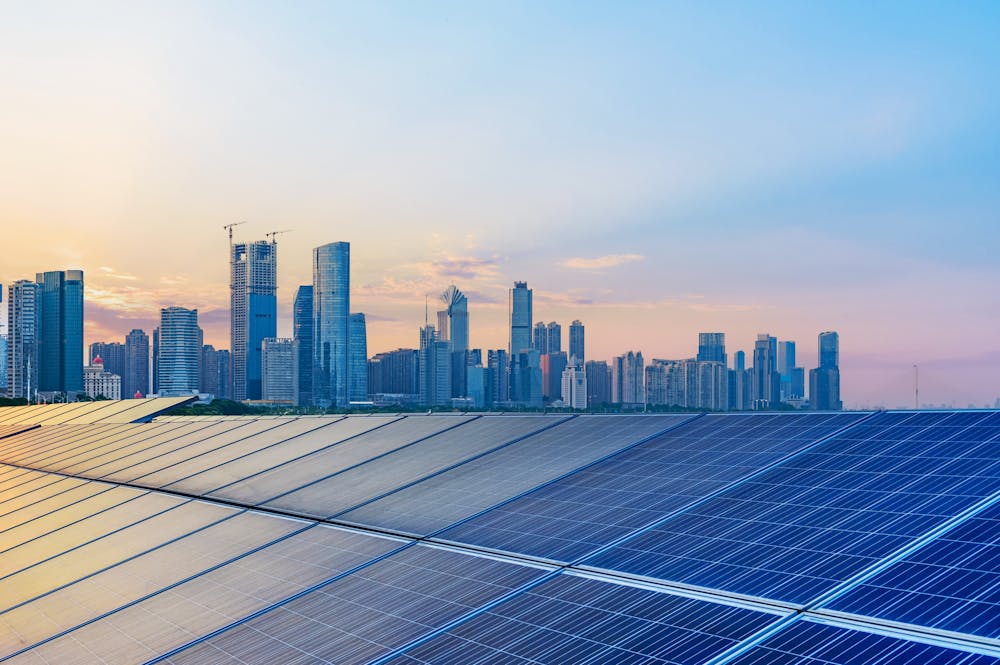
Renewable energy sources such as solar and wind provide intermittent energy, meaning they don’t guarantee the constant power supply these data centres require. These centres must be online 24/7, even when the sun isn’t shining and the wind isn’t blowing.

Fossil fuels can run continuously, but they carry their own risks. They have significant environmental impacts. Fuel prices can be unpredictable, as exemplified by the gas price spikes due to the war in Ukraine, and the long-term availability of fossil fuels is uncertain.

Major tech companies like Google, Amazon and Microsoft say they are committed to eliminating CO2 emissions, making fossil fuels a poor long-term fit for them.

This has pushed nuclear energy back into the conversation. Nuclear energy is a good fit because it provides electricity around the clock, maximizing the use of expensive data centres. It’s also clean, allowing tech companies to meet their low CO2 commitments. Lastly, nuclear energy has very low fuel costs, which allows tech companies to plan their costs far into the future.

However, nuclear energy has its own set of problems that have historically been hard to solve — problems that tech companies may now be uniquely positioned to overcome.

Is nuclear energy making a comeback?

Nuclear power has long been considered too costly and too slow to build. The estimated cost of a 1.1 gigawatt nuclear power facility is about US$7.77 billion, but can run higher. The recently completed Vogtle Units 3 and 4 in the state of Georgia, for example, cost US$36.8 billion combined.

Historically, nuclear energy projects have been hard to justify because of their high upfront costs. Like solar and wind power, nuclear energy has relatively low operating costs once a plant is up and running. The key difference is scale: unlike solar panels, which can be installed on individual rooftops, the kind of nuclear reactors tech companies require can’t be built small.

Yet this cost is now more palatable when compared to the expense of AI data centres, which are both more costly and entirely useless without electricity. The first phase of OpenAI and SoftBank’s Stargate AI project will cost US$100 billion and could be entirely powered by a single nuclear plant.

Nuclear power plants also take a long time to build. A 1.1 gigawatt reactor takes, on average, 7.5 years in the U.S. and 6.3 years globally. Projects with such long timelines require confidence in long-term electricity demand, something traditional utilities struggle to predict.

To solve the problem of long-range forecasting, tech companies are incentivizing power providers by guaranteeing they’ll purchase electricity far into the future.

These companies are also literally and financially moving closer to nuclear power, either by acquiring nuclear energy companies or locating their data centres next to nuclear power plants.

Destigmatizing nuclear energy

One of the biggest challenges facing nuclear energy is the perception that it’s dangerous and dirty. Per gigawatt-hour of electricity, nuclear produces only six tonnes of CO2. In comparison, coal produces 970, natural gas 720 and hydropower 24. Nuclear even has lower emissions than wind and solar, which produce 11 and 53 tonnes of CO2, respectively.

Nuclear energy is also among the safest energy sources. Per gigawatt-hour, it causes 820 times fewer deaths than coal, 43 times fewer than hydropower and roughly the same as wind and solar.

Still, nuclear energy remains stigmatized, largely because of persistent misconceptions and outdated beliefs about nuclear waste and disasters. For instance, while many public concerns remain about nuclear waste, existing storage solutions have been used safely for decades and are supported by a strong track record and scientific consensus.

Similarly, while the Fukushima disaster in Japan displaced thousands of people and was extremely costly (total costs of the disaster are expected at about US$188 billion), not a single person died of radiation exposure after the accident, a United Nations Scientific Committee of 80 international experts found.


Read more:
With nuclear power on the rise, reducing conspiracies and increasing public education is key


For decades, there was little effort to correct public perceptions about nuclear fears because it wasn’t seen as necessary or profitable. Coal, gas and renewables were sufficient to meet the demand required of them. But that’s now changing.

With AI’s energy needs soaring, Big Tech has classified nuclear energy as green and the World Bank has agreed to lift its longstanding ban on financing nuclear projects.

Big Tech’s billion-dollar bet on nuclear

The world has long lived with two nuclear dilemmas. The first is that, despite being one the safest and cleanest form of energy, nuclear was perceived as one the most dangerous and dirtiest.

The second is that upgrading the power grid requires large-scale investments, yet money had been funnelled into small, distributed sources like solar and wind, or dirty ones like coal and natural gas.

Now tech companies are making hundred-billion-dollar strategic bets that they can solve both nuclear dilemmas. They are betting that nuclear can offer the kind of steady, clean power their AI ambitions require.

This could be an unexpected positive consequence of AI: the revitalization of one of the safest and cleanest energy sources available to humankind.

Michael Tadrous, an undergraduate student and research assistant at the DeGroote School of Business at McMaster University, co-authored this article.

The Conversation

Goran Calic does not work for, consult, own shares in or receive funding from any company or organisation that would benefit from this article, and has disclosed no relevant affiliations beyond their academic appointment.

ref. AI is consuming more power than the grid can handle — nuclear might be the answer – https://theconversation.com/ai-is-consuming-more-power-than-the-grid-can-handle-nuclear-might-be-the-answer-258677

The Learning Refuge: How women-led community efforts help refugees resettle in Cyprus

Source: The Conversation – Canada – By Suzan Ilcan, Professor of Sociology & University Research Chair, University of Waterloo

A grassroots organization in Paphos, Cyprus, is bringing women together to address the needs of refugees in the city. (Shutterstock)

Since 2015, the Republic of Cyprus (ROC) has seen a steady rise in migrant arrivals and asylum applications, primarily from people from Middle Eastern and African countries like Syria, the Democratic Republic of Congo and Cameroon.

But many asylum-seekers face significant challenges. Refugees formally in the asylum system are often denied residency permits, which means they face persistent insecurity, poverty and isolation

These conditions are compounded by restrictive and limited services for asylum-seekers. This deepens the precarity and exclusion refugees face within a political and economic system that treats them more like economic burdens than as human beings with rights who need help.

In response to these institutional failures, citizens, volunteers and refugees themselves have begun to build grassroots networks of care and solidarity in the ROC and beyond to support refugee communities.

In 2022 and 2023, we conducted interviews with women volunteers and refugees affiliated with The Learning Refuge, a civil society organization in the city of Paphos in southwest Cyprus that cultivates dialogue and collaboration among these two diverse groups.

Women-led initiatives

Many displaced people first arrive on the island of Cyprus through the Turkish Republic of Northern Cyprus (TRNC). However, the absence of a functioning asylum system or international legal protections leaves them in limbo.

With no viable path to status in the TRNC, most cross the Green Line that bifurcates Cyprus into the ROC, where European Union asylum frameworks exist but remain limited in practice.

Women-led community-building is often a response to the negative effects of inadequate state support and humanitarian aid for refugees. In Cyprus, this situation leaves many refugees without access to sufficient food, satisfactory health care, accommodation, employment, clothing and language training. In this current environment, refugees are increasingly experiencing insecure and fragile situations, especially women.

In Cyprus, as in many other countries, a variety of community-building efforts are important responses to limited or restricted state support and humanitarian aid for refugees.

Women-led efforts offer opportunities to deliver educational activities and establish networks, and to help improve the welfare and social protection of refugee women, however imperfectly.

These and other similar efforts highlight how women refugees and volunteers can mobilize to foster dialogue and collaboration.

The Learning Refuge

Founded in 2015, The Learning Refuge began as community meetings in a city park. The organization then used space from a nearby music venue to conduct support activities, and later, established itself in a dedicated building.

Organizations like The Learning Refuge emerged to address the limited state support and humanitarian assistance services available to refugees.

a sign reading Learning Refuge next to a doorway
The Learning Refuge cultivates dialogue and collaboration among a diverse group of community volunteers.
(Suzan Ilcan)

As Syrian families began arriving in Paphos in 2015, local mothers started working with Syrian children, assisting them with homework, providing skills-training opportunities and language classes.

The Learning Refuge cultivates dialogue and collaboration among a diverse group of community volunteers, including schoolteachers, artists, musicians, local residents, refugees and other migrants.

With the aid of 20 volunteers, the loosely organized groups provide women refugees with material support and resources to enhance collective activities, including art and music projects, while also engaging in educational and friendship activities.

While modest in scale, the organization has formed partnerships with local and international organizations, including Caritas Cyprus, UNHCR-Cyprus and the Cyprus Refugee Council to extend its outreach to various refugee groups.

The organization has also launched creative initiatives aimed at cultivating additional inclusive civic spaces. One such effort, “Moms and Babies Day,” was developed in response to the rising number of single mothers from Africa arriving on the island. These women often face poverty and isolation, and struggle with language barriers.

These efforts highlight how grassroots responses — especially those led by women — can offer partial but vital educational and emotional support to refugees struggling to find their footing in a new country.

Negotiated belonging

Through participation in The Learning Refuge, refugee women in Paphos engage in a dynamic process of negotiated belonging, navigating challenges like language barriers, gendered isolation, domestic violence and poverty while contributing to broader community-building efforts.

For example, Maryam, a Syrian woman and mother of three, told us how The Learning Refuge helped her children establish friendships and learn Greek. She also highlighted that it helped her form close ties with volunteers and other Syrian women living in Cyprus, and find paid work in the city.

The volunteers and women refugees participating in The Learning Refuge’s activities emphasized not only their capacity to develop new forms of belonging and solidarity; they also help reshape communal knowledge and generate supportive spaces for women from various backgrounds.

Our research shows that women-led community-building is an effective, though short-term, response to insufficient state support and humanitarian aid systems that leave many refugees in precarious situations.

In varying degrees, these efforts offer women and their families spaces to learn and cultivate new relationships, and foster collective projects and better visions of resettlement and refuge.

The Conversation

Suzan Ilcan receives funding from the Social Sciences and Humanities Council of Canada.

Seçil Daǧtaș receives funding from Social Sciences and Humanities Research Council of Canada.

ref. The Learning Refuge: How women-led community efforts help refugees resettle in Cyprus – https://theconversation.com/the-learning-refuge-how-women-led-community-efforts-help-refugees-resettle-in-cyprus-252682

Has finance for green industry had an impact in Africa? What’s happened in 41 countries over 20 years

Source: The Conversation – USA – By Nara Monkam, Associate Professor of Public Economics, Chair in Municipal Finance within the Department of Economics, and Head of the Public Policy Hub at the University of Pretoria, University of Pretoria

The African continent finds itself in a predicament. Advanced economies in the rest of the world developed through industrialisation: their economies transformed from mainly agricultural to industrial. This involved burning fossil fuels like coal, generating greenhouse gas emissions that caused global warming.

African economies have trailed behind industrially. They’re now industrialising at a time when the world is moving away from fossil fuels and towards solar power, wind energy and hydropower.

Africa has 60% of the world’s best solar resources but only 1% of the world’s installed solar power systems. Despite renewable energy capacity nearly doubling in the last decade, only 2% of global investments in renewable energy went to Africa.

Green industrialisation could be the answer: achieving long-term economic growth and industrial development that does not harm the environment. But in most African countries, renewable energy is more expensive than fossil fuels, which are readily available in many parts of the continent. Africa is also one of the world’s poorest regions and cannot easily afford green technologies.

So a key issue in economic development is how to stimulate green industrial productivity. Green finance (funding from banks and investors specifically for environmentally friendly projects) can fund green innovations. These include renewable energy technologies, energy-efficient building designs, or electric vehicles.


Read more:
Africa doesn’t have a choice between economic growth and protecting the environment: how they can go hand in hand


I am an economist who worked with a team of researchers to study the impact of green finance on industrialisation in Africa. We also wanted to find out if green innovation influenced the effect that green finance has on industrialisation. (This was measured in this study as the total industrial value added as a percentage of gross domestic product.)

For example, switching to renewable energy like solar power reduces greenhouse gas emissions, and helps mitigate climate change. But the high costs of renewable energy equipment could harm industrial growth.

The research analysed macroeconomic and energy, green finance and industrialisation statistics from 41 African countries between 2000 and 2020.

Our research found that green finance offers funding opportunities for clean and innovative technologies and creating new jobs in green sectors. However, the potential of green financing to drive industrialisation through green innovation (such as renewable energy projects) is not being realised.


Read more:
How green innovation could be the key to growth for the UK’s rural businesses


This is because renewable energy comes with high costs. There also are not enough skilled people available to run green projects. There’s a lack of proper roads, connectivity or transmission lines to connect renewable energy to the main grid. The basic conditions for industrial growth through renewable energy are not in place.

Governments in Africa should find ways to make green innovation work. This will mean that society can enjoy the benefit of new environmentally friendly projects.

How to make green innovation work

African governments should focus on increasing people’s access to renewable energy projects. For this to happen, they need to put more funding and effort into developing renewable energy infrastructure. Renewable energy technologies must be available and affordable.

Education and capacity building is needed, particularly in rural communities. For example, community-owned solar microgrid projects provide people with the skills needed to manage and look after renewable energy systems.

Governments will need to subsidise local manufacturing of renewable energy components. When these are produced locally, this can help harness the potential of green innovation for industrialisation and also create jobs.

Countries must co-operate regionally on green innovation. This means sharing best practices, pooling resources, and making coordinated efforts towards green industrialisation.

Our research found that it would be useful to set up regional centres of excellence for renewable energy research and development. Regional alliances are also needed, so that countries can work together to negotiate better terms for green finance. This could enhance Africa’s journey towards the kind of green industrialisation that is cost effective and sustainable over time.

What needs to happen next

These steps would boost the impact of green finance on industrialisation in Africa:

  • more climate finance, including finance from the private sector

  • environmental taxation – a policy tool to limit activities, goods or services that have negative environmental impacts

  • reform of multilateral development agencies to make it easier for African countries to access to climate funds

  • development bank funding tailored to the needs of African countries. Nations that invest in renewable energy manufacturing should get tax breaks and other incentives. Green bonds that only fund renewable energy projects should be issued to attract private investors

  • vocational training and higher education programmes that focus on training people in green technologies must get government funding.

Africa has a huge problem with trying to build some resilience to the effects of climate change, such as floods and drought. Economic development is also a challenge on the continent. Both could be addressed by green industrialisation. With the right investments in green finance, innovation and infrastructure, the continent can unlock sustainable growth, reduce poverty and help curb climate change.

The Conversation

Nara Monkam receives funding from the University of Pretoria.

ref. Has finance for green industry had an impact in Africa? What’s happened in 41 countries over 20 years – https://theconversation.com/has-finance-for-green-industry-had-an-impact-in-africa-whats-happened-in-41-countries-over-20-years-244567

Flooding incidents in Ghana’s capital are on the rise. Researchers chase the cause

Source: The Conversation – USA – By Stephen Appiah Takyi, Senior Lecturer, Department of Planning, Kwame Nkrumah University of Science and Technology (KNUST)

Urban flooding is a major problem in the global south. In west and central Africa, more than 4 million people were affected by flooding in 2024. In Ghana, cities suffer damage from flooding every year.

Ghana’s president, John Dramani Mahama, has established a task force to find ways of improving flood resilience in the country. This is partly driven by an increase in flooding incidents in cities such as Accra and Kumasi in the last decade.

We are urban planning and sustainability scholars. In a recent paper we analysed whether flooding in Accra, Ghana’s capital, was caused by climate change or poor land use planning.

We conclude from our analysis that flooding is caused by poor and uncoordinated land use planning rather than climate change. We recommend that the physical planning department and other regulatory agencies are equipped to ensure the effective enforcement the relevant land use regulations.

Mixed push factors

The Accra metropolitan area is one of the 29 administrative units of Ghana’s Greater Accra region. It is the most populous region in Ghana, with over five million residents, according to the 2021 Housing and Population Census.

We interviewed 100 households living in areas such as Kaneshie, Adabraka and Kwame Nkrumah Circle. These areas experience a high incidence of floods. Representatives of agencies such as the Physical Planning Department of the Accra Metropolitan Assembly, the National Disaster Management Organisation and the Environmental Protection Agency were interviewed too, about:

  • the nature and areas most prone to flooding in the study area

  • the frequency of flooding

  • land use planning and regulations and their influence on flooding.

About 40% of the people we interviewed attributed flooding to both weak enforcement of land use regulation and changes in rainfall patterns. Most of the households (52%) said floods in Accra were the result of weak enforcement of land use regulations, while 8% blamed changes in land use regulations.

We also analysed recorded data on flood incidence and rainfall. We found no correlation between increased rainfall and flooding. For example in 2017 there was a decrease in rainfall, but an increase in flooding.

This finding points to the fact that rainfall isn’t the only factor contributing to flooding in the city.

The agencies and city residents reported that between 2008 and 2018, they could see that more people were encroaching on the city’s wetlands by building homes and commercial infrastructure. This has changed the natural flow of water bodies. The Greater Accra Metropolitan and its environs has major wetlands such as Densu Delta, Sakumo Lagoon and Songor Lagoon.

Interview respondents noted that the siting of unauthorised buildings and the encroachment on buffer zones of water bodies in the city could have been averted. They blamed political interference in the enforcement of land use regulation. The government makes the situation worse in two ways, they said:

  • planning standards and regulations are neglected in the development process. The processes involved in acquiring development permits are cumbersome and expensive, so people go ahead and develop without permits.

  • regulatory institutions and authorities are ineffective. This is clear from the fact that planning happens chaotically. No attention is given to the ecological infrastructure that’s needed.

The way forward

We conclude that land use malpractices remain the dominant causes of flooding in Accra. They include:

  • poor disposal of solid waste, which eventually blocks drains and results in water overflow during heavy rains

  • building on wetlands as a result of non-compliance or non-enforcement of land use regulations.

There is an urgent need for Ghana’s cities to adopt best practices in waste management. These include recycling of plastic waste and composting for urban agriculture. An environmental excise tax was introduced in 2011 to fund plastic waste recycling and support waste management agencies.

The increasing encroachment on wetlands should be addressed through the strict enforcement of buffer regulations. Planning authorities and the judiciary can collaborate on this. The city must also encourage green infrastructure, like rain gardens, green roofs, permeable pavement, street trees and rain harvesting systems.
Research has shown these to be environmentally sustainable and cost-effective approaches to managing storm water.

Another suggested approach is the introduction of the polluter pays principle in city management. This is a system where city residents who are involved in the pollution of the environment are made to pay for the cost of mitigating the impact. Residents who dispose of waste indiscriminately and encroach on wetlands would be made to pay for the cost of the environmental degradation. Cities such as Barcelona and Helsinki have applied this principle in the management of their industrial discharge and contaminated waste.

Finally, there should be incentives for city residents to promote environmental sustainability. For example, a deposit refund system has been introduced in several states in the US and Australia. In this system, consumers are made to pay a deposit after purchasing items that can be recycled, such as plastic bottles, and the deposit is reimbursed to the consumer after the return of the empty bottles to a retail store.

The Conversation

The authors do not work for, consult, own shares in or receive funding from any company or organisation that would benefit from this article, and have disclosed no relevant affiliations beyond their academic appointment.

ref. Flooding incidents in Ghana’s capital are on the rise. Researchers chase the cause – https://theconversation.com/flooding-incidents-in-ghanas-capital-are-on-the-rise-researchers-chase-the-cause-254000

Sustainable economic growth in South Africa will come from renewables, not coal: what our model shows

Source: The Conversation – USA – By Andrew Phiri, Associate Professor of Economics, Nelson Mandela University

Coal fired power stations produce 85% of South Africa’s electricity, making the country the biggest producer of harmful greenhouse-gas emissions in Africa. To move away from coal and meet its commitment to reaching net zero emissions by 2050, South Africa needs to dramatically increase production of renewable energy. New research by economics associate professor Andrew Phiri looked at the relationship between renewable and non-renewable energy consumption and GDP growth in South Africa to find out which energy source is most compatible with economic development.

Non-renewables, renewables and economic growth: what’s there to know?

We set out to discover whether renewable energy in South Africa, such as wind or solar power, supports sustainable economic growth. We also wanted to find out if renewables can replace non-renewable energy as a source and enabler of economic growth.

Together with student Tsepiso Sesoai, I did research comparing the impact of renewable and non-renewable energy on economic growth in South Africa.

South Africa currently faces a dual challenge when it comes to energy. It is heavily dependent on non-renewable energy (coal), which also worsens global warming and speeds up climate change. But it desperately needs to grow the economy at a faster rate, given very high unemployment, poverty and inequality.

It’s therefore important to find out whether South Africa would be able to make a smooth transition from non-renewable energy to cleaner energy, and grow the economy at the same time.

Past studies have looked into the role of energy in South Africa’s economic growth, but their methods have provided only limited information about whether South Africa can make a smooth transition from dirty to clean energy.


Read more:
African economic expansion need not threaten global carbon targets: study points out the path to green growth


To get a deeper understanding, we conducted a modelling exercise. We used an analytical tool called “continuous complex wavelets” to see how renewable and non-renewable energy influences growth over time.

Our model shows that an increased supply and higher consumption of non-renewable energy causes long-term economic growth over 10-15 year cycles. Renewables, at best, have short-term growth effects over six months to one year.

After 2000, there was a very sharp increase of almost 25% in the use of renewable energy throughout the decade. According to our model, this sharp increase was enough to have an impact on economic growth over the short term but not over the long term.

This is because South African energy regulators have not adopted strong enough measures for renewable energy to enable long-term growth. They have not funded the mass rollout of renewable energy, or connected renewables to the national grid. We found that renewables can only sustain growth over six to 12 month cycles whereas policymakers work towards longer cycles such as the 2030 and 2050 sustainable development goals.

Economic growth and coal consumption: what did you find?

In 2003, the government started taking climate change seriously with the release of the White Paper on Renewable Energy. The government started intentionally trying to increase the use of renewable energy while decreasing the use of dirty energy, such as coal. Before this, South Africa’s economic growth was heavily driven by coal consumption.

Renewable energy saw its biggest surge after the 2010 launch of the Renewable Energy Independent Power Producer Procurement Programme. This opened competitive bidding for renewable energy providers to supply electricity to the grid.

The transition to renewable energy had begun. But coal-fired power, while declining, remained the main source of electricity.

In 2019 carbon taxes were formally introduced. This resulted in a further slowdown in consumption of non-renewable energy. The COVID-19 pandemic in 2020 and 2021 coincided with severe power cuts. These two events combined caused a general slowdown in non-renewable and renewable energy use, and in economic growth.

At this point, the drop in coal consumption was actively dragging down the economy. This in turn reduced society’s income, as measured by the gross national product. And because incomes were constrained, fewer private households purchased renewable energy systems. People didn’t spend on solar panels.

What do your findings mean?

Our research suggests that relying on non-renewable energy, like coal, won’t lead to long-term growth for South Africa. This is because non-renewables are not a reliable source of energy, as shown by loadshedding.

Our research further suggests that renewable energy policies, subsidies and programmes made some positive short-term impacts on economic growth, measured as gross domestic product.

Overall, our findings highlight that policymakers have treated renewables as a “nice-to-have” gesture for humanity, instead of a key driver of long-term economic growth.

This has led to weak policies, poor regulation, and under-investment in renewable energy. These have held the sector back from making a bigger contribution to economic growth.


Read more:
Africa doesn’t have a choice between economic growth and protecting the environment: how they can go hand in hand


For example, the government has not taken renewables seriously enough to include them in the power grid. This has largely limited the use of renewable energy to private homes and businesses. Coal-fired electricity from the country’s power utility, Eskom, is still cheaper for households than leaving the grid and purchasing their own renewable energy infrastructure (solar energy systems). The government has not funded the infrastructure needed to unlock South Africa’s vast renewable energy potential.

The planet is at a critical state with global warming. The government should urgently set up policies and actions to overcome the barriers to using renewable energy. Only then will renewable energy have a permanent, positive influence on economic growth.

South Africa has huge potential in renewables like solar, wind and biomass, thanks to its diverse geography. Yet, when people think about moving away from coal, they worry about job losses in the coal industry. But historically, energy transitions have never been instant. African countries that embraced the change early on reaped the benefits. They became more industrialised and prosperous.

The South African government must act now if it wants to use renewable energy to drive future economic growth and stay ahead in the global shift to clean energy. Climate change affects us deeply. But it also presents a chance for Africa to leap ahead technologically.

The Conversation

Andrew Phiri does not work for, consult, own shares in or receive funding from any company or organisation that would benefit from this article, and has disclosed no relevant affiliations beyond their academic appointment.

ref. Sustainable economic growth in South Africa will come from renewables, not coal: what our model shows – https://theconversation.com/sustainable-economic-growth-in-south-africa-will-come-from-renewables-not-coal-what-our-model-shows-239339

Lake Victoria is turning green – the deadly bacteria behind it

Source: The Conversation – USA – By Lauren Hart, PhD candidate, Michigan Geomicrobiology Lab, University of Michigan

Lakes, natural and man-made, provide water, food and habitats for wildlife, as well as supporting local economies. Around the world, though, there’s a growing threat to lakes: toxic bacteria which turn the water green.

This is the same green as you see on stagnant ponds. It’s caused by tiny organisms called cyanobacteria and can be deadly.

Cyanobacteria thrive in warm, sunny lakes and ponds that contain excess nitrogen and phosphorus nutrients derived from fertiliser, manure and sewage. When conditions are right, cyanobacteria multiply rapidly and form smelly green scums on the water’s surface.

Known to science as cyanoHABs (cyanobacterial harmful algal blooms), the scums are harmful to livestock, wildlife, pets, people and aquatic organisms like fish. Toxins make untreated water unsafe to drink, swim in, or even touch. Sometimes they can become suspended in air and be inhaled. The cyanoHABs also harm ecosystems by depleting oxygen, killing off whatever lives in the water, and disrupting food webs and fisheries.

CyanoHABs are a global threat and receive considerable scientific attention in North America and Europe. Blooms are becoming more widespread worldwide because rising temperatures promote cyanobacterial growth and more intense rainfall delivers nutrients from the landscape. Only effective management of nutrients can reverse this trend.

The problem is understudied in Africa’s main lakes, including its largest – Lake Victoria. Past research on cyanoHABs has mostly used microscopy to study the kinds found there, but microscopy cannot differentiate between toxic and non-toxic cyanobacterial cells.

We are on a large project team of scientists who have been studying the socioeconomic and environmental effects of cyanoHABs in the Winam Gulf region of Lake Victoria in south-western Kenya.

Our latest study identified which cyanobacteria were the most abundant in the gulf and which ones were producing the main toxin of concern.

These findings can improve public safety:

  • local authorities can monitor for specific cyanobacteria and warn residents to stay away when blooms are present

  • cyanoHAB prevention practices (nutrient reduction, land-use practices) can target the cyanobacteria that cause the problem.

Greening of lakes

Lake Victoria now receives large influxes of nutrients because of growing lakeside populations and land-use changes. Nutrients from agriculture, industry and urbanisation fuel the growth of cyanoHABs.

CyanoHABs occur in many basins in Lake Victoria but are highly concentrated in Kenya’s shallow Winam/Nyanza Gulf. Changing nutrient and temperature conditions can also alter which types of cyanobacteria dominate the gulf and the types and levels of toxins in the water. Lakeside communities that rely on the gulf for drinking water and domestic tasks are at risk of exposure to cyanoHAB toxins.

Past research on cyanoHABs has mostly used the oldest of microbiological techniques — microscopy — to classify the types of cyanobacteria in the gulf. This cannot differentiate between toxic and non-toxic cyanobacterial cells.

Modern genome sequencing technologies can identify genes encoding the production of known and novel toxins and other molecules of interest, such as those with medicinal properties. Genomic data from African Great Lakes is scarce, so the chemical capabilities of bacteria in this region are largely unexplored. But this is beginning to change.

Our latest study adds to a growing number of recent studies our team has carried out in and around Lake Victoria. In this study, our research vessel stopped at over 31 sites to collect scientific samples and data. The samples were later analysed for DNA, the biological “instruction manual” inside every living thing. DNA tells an organism how to grow, function, reproduce, and – in the case of cyanobacteria – make deadly toxins. This analysis produced near-complete genome sequences – that is, the set of all genes in the DNA – for organisms at each sampling site.

Past reports identified Microcystis as the dominant cyanobacteria in the Winam Gulf. Our research, however, found Dolichospermum was the most abundant type in major cyanoHAB events there. This finding might be due to recent environmental changes in the region.

But we linked Microcystis to microcystin. This is a liver-damaging toxin that can kill livestock, wildlife and humans, especially those whose immune system isn’t working well. In Winam Gulf, it’s often more abundant than the health limits set by the WHO.

Our study also found that Microcystis occurs mainly in murkier river mouths where green scums are not visible, making scientific monitoring and public alerts even more important.

Local authorities can now monitor for these cyanobacteria and warn residents to stay away when blooms are present.

The findings also mean that authorities know which cyanobacteria to target in prevention efforts like reducing the amount of phosphorus and other nutrients entering the gulf.

Lastly, our genomic study uncovered over 300 uncharacterised genes that may produce novel cyanobacterial molecules. These molecules could have toxic or therapeutic effects, and provide an opportunity for future investigators to explore.

A model for what is to come

Rapid human population growth and settlement around lakes and their watersheds is leading to high levels nutrients in lakes around the world. This results in excessive growth of algae and aquatic plants. This danger is likely to increase with global warming because warm temperatures promote algal blooms.

Our data provides a foundation for remedying this in Lake Victoria – and possibly discovering beneficial properties in cyanoHABs.

The Conversation

Lauren Hart receives funding from National Institute of Health.

George S Bullerjahn receives funding from the National Science Foundation.

Gregory J. Dick receives funding from the National Science Foundation, the National Oceanic and Atmospheric Administration, the National Institutes for Health, and the US Geological Survey.

Kefa M. Otiso receives funding from the US National Science Foundation.

ref. Lake Victoria is turning green – the deadly bacteria behind it – https://theconversation.com/lake-victoria-is-turning-green-the-deadly-bacteria-behind-it-249298

Psychology in democratic South Africa: new book explores a post-apartheid journey

Source: The Conversation – USA – By Liezille Jacobs, Associate Professor, Rhodes University

Dr Liezille Jacobs’ book explores the experiences of South Africa’s first generation of post-apartheid Black psychologists. Photo by Dirk Pieters/cover concept Antonio Erasmus, CC BY-NC-ND

When apartheid ended in 1994, South Africa underwent significant social and political transformation. A key aspect of this shift was the push for greater inclusion and representation of Black South Africans across all sectors – including psychology.

Dr Liezille Jacobs was part of a pioneering generation of Black psychologists who started their training in 1995. Now she has written a book, Rocklands: On becoming the first generation of Black psychologists in post-apartheid South Africa. In it she explores the barriers she and her colleagues faced and unpacks misconceptions around what psychology is and does. She also argues that critical (and African) psychology can both “address the legacies of apartheid and heal the relational traumas caused by systemic oppression”. The Conversation Africa asked her about the book and her work.

What is the book about?

I wrote Rocklands to address the widespread misconceptions that both first-year psychology students and the general public often hold about what it truly means to be a psychologist. It’s common for people to oversimplify the profession. They view it merely as talking to people or offering quick-fix solutions to problems. The reality is far more complex.

I wanted to challenge these superficial ideas and provide a more layered and accurate representation of the field. The process of becoming a psychologist is not just about acquiring theoretical knowledge. It’s also about developing emotional intelligence, critical thinking, and a strong ethical foundation. Psychologists must balance empathy with objectivity, personal insight with professional boundaries, all while navigating the vast complexities of human emotions, relationships, and societal influences.

The goal of the book is to make psychological knowledge and expertise more accessible to the public.

Rocklands is also an account of resilience and personal growth in the face of adversity. The first chapter reflects on my early experiences growing up in Rocklands, Mitchell’s Plain. Rocklands was established during apartheid as part of a government plan to segregate communities. Black South Africans were moved to areas like Mitchell’s Plain under the Group Areas Act. Over time, Rocklands grew into a working-class neighborhood, shaped by its apartheid-era history.

The ensuing chapters provide a detailed account of my unique and often difficult journey. I’ve traversed a path less travelled but it’s ultimately led to personal and professional fulfilment.

Why did you decide to study psychology?

I initially dreamed of becoming a journalist. However, my parents encouraged me to explore other career options. The results of a career assessment suggested I should consider social work, occupational therapy or psychology.

Psychology truly caught my attention. As someone with an introverted personality I was drawn to the idea of understanding human behaviour and thought processes on a deeper level. At the time, I envisioned myself working as a clinical psychologist, helping individuals one-on-one.

Everything shifted when I began my formal studies in 1995. I quickly realised that the field of psychology in South Africa – especially in the context of its history – had much more work to do. I saw the gaps in the system and became acutely aware of how psychology had, in many ways, been complicit in perpetuating social injustices. In 1995, as a first year psychology student, I was made aware of the field’s struggle with its apartheid legacy and psychology’s unfinished business.

Hendrik Verwoerd was the architect of the racist policies and segregation system that became known worldwide as “grand apartheid”. He was also a psychologist by training.

Psychology in South Africa has made efforts to adapt to a diverse society. But there are still challenges. These include a disconnect between academic training and professional practice, and the lingering effects of apartheid-era inequalities.


Read more:
Being black in the world: a tribute to pioneering South African psychologist Chabani Manganyi


South Africa desperately needed (and still does today) Critical Psychologists. Critical psychology challenges traditional psychological theories by examining the social, political, and historical contexts that shape psychological issues. It critiques mainstream psychology for overlooking power structures. And it aims to use psychology as a tool for social change and addressing inequalities.

Critical psychologists challenge the dominant narratives of the past, address the legacies of apartheid, and have access to the tools to heal the relational traumas caused by systemic oppression. I knew I wanted to contribute to the transformation of the profession – to make it more inclusive, socially responsible, and oriented towards healing the wounds left by historical injustices. This shift in perspective has shaped my entire career. It’s guided my studies, research and teaching practice.

Have South Africa’s universities changed how they teach psychology?

The academic transformation project continues and universities are striving to adapt to a more diverse student body. But the pace and extent of this change can vary between institutions.

There has been a growing recognition globally that psychology, as a discipline, needs to move beyond its traditional western-centric, individualistic frameworks. It must engage more deeply with local contexts and diverse ways of knowing and experiencing the world.

I was the head of the Psychology Department at Rhodes University in South Africa’s Eastern Cape province from 2022 to 2024. The department has incorporated indigenous knowledge systems such as African philosophical perspectives and non-western psychological practices into our teaching.

For example, community-based service-learning strategies are emphasised in the undergraduate courses I teach. Community-based service-learning combines community service with academic learning. This gives students the opportunity to engage in real-world problems and contribute to the community while applying psychological theories, concepts and methods. Students learn how to become engaged citizens.

We also use a variety of teaching materials – case studies, texts by African scholars, multimedia – that resonate with students’ lived experiences.


Read more:
Decolonising psychology creates possibilities for social change


In a society as culturally and racially diverse as South Africa it is crucial for people to see themselves reflected in the professionals they turn to for help. This can play a role in lowering barriers to mental health services.

South Africa has a legacy of collective struggle and community resilience. Psychology stands to gain from a greater understanding of collective identities, community dynamics and social justice. Psychologists from diverse backgrounds can offer more nuanced, holistic interventions that address systemic issues rather than focusing solely on individual pathology.

The Conversation

Liezille Jacobs receives funding from the Future Professors Programme for the Book publication.

ref. Psychology in democratic South Africa: new book explores a post-apartheid journey – https://theconversation.com/psychology-in-democratic-south-africa-new-book-explores-a-post-apartheid-journey-247699

Life after school for young South Africans: six insights into what lies ahead

Source: The Conversation – USA – By Gabrielle Wills, Senior researcher at Research on Socio-Economic Policy, Stellenbosch University

Matric exams are a crucial moment in a young person’s educational journey. Fani Mahuntsi/Gallo Images via Getty Images

At the dawn of democracy in 1994, South Africa faced a sobering reality. Fewer than a third of 25- to 34-year-olds had achieved at least a matric (12 years of schooling completed) or equivalent qualification.

Thirty years on, the proportion of individuals in this age group that had completed their schooling had almost doubled to 57%. This figure will be further bolstered by the record-breaking results in the National Senior Certificate (matric) examinations in recent years. South Africa’s school completion rates are now high and comparable to other middle-income countries.

But this good news is tempered by very high youth unemployment and a faltering economy. What are the prospects for young South Africans once they’ve matriculated?

I have aimed to answer this question in my new study. By using the Quarterly Labour Force Survey – a nationally representative, household-based sample survey – and other data sources, I have developed six insights that tell us what the post-matric landscape is like today. For the purposes of the study I defined recent matriculants as 15-24-year-olds with 12 years of completed schooling.

This study highlights how increasingly larger proportions of recent matriculants find they have limited opportunities. The rising number of youth leaving school with a matric, especially in recent years, is not being met with enough opportunities beyond school, whether in work or in post-school education and training.

Conditions in South Africa’s labour market must improve and further expansion in quality post-school education and training is required for the country to realise the benefits of rising educational attainment and progress for national development.

1. Less chance of employment

The graph below illustrates a brutal truth: ten years ago finding a job was easier for matriculants than it will be for the matric class who finished school in 2024. Between 2014 and 2018 about 4 of every 10 recent matriculants who were economically active (including discouraged work seekers) were employed. By the start of 2024 this figure was closer to 3 of every 10.

Two graphs, side by side, that show the percent of South African youth employed by qualification level
Percent of South African youth employed by qualification level.
Dr Gabrielle Wills, CC BY-NC-ND

The likelihood of youth with a matric having a job at the start of 2024 roughly resembled the chances of youth without a matric having a job eight to ten years ago.

With more learners progressing to matric, especially due to more lenient progression policy during and just after the COVID-19 pandemic, changes in the composition of the matric group could be driving some of the declines in this group’s employment prospects. But there has been a deterioration in the labour market for all youth over the past decade. Employment prospects have even declined for youth with a post-school qualification.

2. Not in employment, education or training

Proportionally fewer recent matriculants are going on to work or further study.

Before the COVID-19 pandemic (2014-2019), around 44%-45% of recent matriculants were classified as “not in employment, education or training” (NEET). The NEET rate among recent matriculants peaked at 55% in early 2022 and remained high at 49.8% at the start of 2024.

Stated differently, one of every two recent matriculants was not engaged in work or studies in the first quarter of last year. That’s 1.78 million individuals. Coupled with the rising numbers of youth getting a matric, this implies that the number of recent matriculants who were not working or studying rose by half a million from the start of 2015 to the start of 2024.

Among all 15-24-year-olds, the NEET rate rose from 32% in the first quarter of 2014 to 35% in the first quarter of 2024. Even larger increases in the NEET rate occurred among 25-34-year-olds, rising from 45% to 52% over the same period.

This is a worry. But it doesn’t mean the matric qualification has no value.

3. A matric still provides an advantage

In early 2024, nearly half of matriculants aged 15-24 were classified as not in employment, education or training. Almost 8 out of 10 of their peers who had dropped out of school were NEET. In short, you’re still more likely to get a job or further your studies with a matric certificate than without one.

4. A hard road

The road to opportunity beyond school is harder than it was a decade ago.

Among NEET matriculants aged 15-24 at the start of 2014, 27% searched for work for more than a year. By early 2024, this figure had risen to 32%.

It’s even worse for 25-34-year-old NEETs who hold a matric qualification. The percentage searching for work for over a year rose from 37% at the start of 2014 to 50% in early 2024.

The longer young people remain disconnected from employment, education or training, the greater the toll on their mental health. NEET status is associated with worse mental health, particularly among young men.

5. Post-school education and training

The government has made ambitious plans to expand opportunities for young people to study further. But enrolments in post-school education and training are not growing sufficiently to match the rising tide in school completion or to absorb youth who cannot find jobs. And, with projected declines in real per student spending on post-school education as South Africa tries to address escalating national debt servicing costs, this situation is unlikely to improve anytime soon.

The country is not keeping pace with tertiary enrolment rates in other developing nations like Brazil, Indonesia or China. For instance, 2021 estimates from the World Bank identify South Africa’s tertiary enrolment rate at 25%, compared to 41% in Indonesia, 57% in Brazil and 67% in China.

6. Location matters

Where someone lives in South Africa influences their chances for upward mobility. These inequalities are reflected in varying youth NEET rates across provinces. For instance, a third of recent matriculants in the Western Cape were not in employment, education or training in 2023/2024. That figure more than doubles in the North West province to 67%.

How to help

Two things are needed: improving labour market conditions and expanding post-school education and training opportunities.

This is unlikely without improved economic growth.

All of this may sound hopeless. But there are things that ordinary South Africans can do, too:

  • keep encouraging young people in your orbit to complete their schooling

  • where possible, spur them on to obtain a post-school qualification

  • use your social networks to connect youth to work experience opportunities, and help with CVs, referral letters and references.

Young people must also adopt a practical, pragmatic and entrepreneurial mindset. They need to seize every opportunity available to them, whether in the labour market or post-school education.

The Conversation

Gabrielle Wills is a senior researcher with Research on Socio-Economic Policy at Stellenbosch University. This research for the COVID-Generation project was made possible by financial support from Allan and Gill Gray Philanthropies. The findings and conclusions contained within are those of the authors and do not necessarily reflect positions or policies of Allan & Gill Gray Philanthropies.

ref. Life after school for young South Africans: six insights into what lies ahead – https://theconversation.com/life-after-school-for-young-south-africans-six-insights-into-what-lies-ahead-249031

How good are South African kids at maths? Trends from a global study

Source: The Conversation – USA – By Vijay Reddy, Distinguished Research Specialist, Human Sciences Research Council

School mathematics in South Africa is often seen as a sign of the health of the education system more generally. Under the racial laws of apartheid, until 1994, African people were severely restricted from learning maths. Tracking the changes in maths performance is a measure of how far the country has travelled in overcoming past injustices. Maths is also an essential foundation for meeting the challenges of the future, like artificial intelligence, climate change, energy and sustainable development.

Here, education researcher Vijay Reddy takes stock of South Africa’s mathematical capabilities. She reports on South African maths performance at grades 5 (primary school) and 9 (secondary school) in the Trends in International Mathematics and Science Study (TIMSS) and examines the gender gaps in mathematics achievement.

What was unusual about the latest TIMSS study?

The study is conducted every four years. South Africa has participated in it at the secondary phase since 1995 and at the primary phase since 2015. The period between the 2019 and 2023 cycles was characterised by the onset of the COVID-19 pandemic, social distancing and school closures.

The Department of Basic Education estimated that an average of 152 school contact days were lost in 2020 and 2021. South Africa was among the countries with the highest school closures, along with Colombia, Costa Rica and Brazil. At the other end, European countries lost fewer than 50 days.

Some academics measured the extent of learning losses for 2020 and 2021 school closures, but there were no models to estimate subsequent learning losses. We can get some clues of the effects on learning over four years, by comparing patterns within South Africa against the other countries.


Read more:
COVID learning losses: what South Africa’s education system must focus on to recover


How did South African learners (and others) perform in the maths study?

The South African grade 9 mathematics achievement improved by 8 points from 389 in TIMSS 2019 to 397 in 2023. From the trends to TIMSS 2019, we had predicted a mathematics score of 403 in 2023.

For the 33 countries that participated in both the 2019 and 2023 secondary school TIMSS cycles, the average achievement decreased by 9 points from 491 in 2019 to 482 to 2023. Only three countries showed significant increases (United Arab Emirates, Romania and Sweden). There were no significant changes in 16 countries (including South Africa). There were significant decreases in 14 countries.

Based on these numbers, it would seem, on the face of it at least, that South Africa weathered the COVID-19 losses better than half the other countries.

However, the primary school result patterns were different. For South African children, there was a significant drop in mathematics achievement by 12 points, from 374 in 2019 to 362 in 2023. As expected, the highest decreases were in the poorer, no-fee schools.

Of the 51 countries that participated in both TIMSS 2019 and 2023, the average mathematics achievement score over the two cycles was similar. There were no significant achievement changes in 22 countries, a significant increase in 15 countries, and a significant decrease in 14 countries (including South Africa).

So, it seems that South African primary school learners suffered adverse learning effects over the two cycles.

The increase in achievement in secondary school and decrease in primary school was unexpected. These reasons for the results may be that secondary school learners experienced more school support compared with primary schools, or were more mature and resilient, enabling them to recover from the learning losses experienced during COVID-19. Learners in primary schools, especially poorer schools, may have been more affected by the loss of school contact time and had less support to fully recover during this time.

This pattern may also be due to poor reading and language skills as well as lack of familiarity with this type of test.

Does gender make a difference?

There is an extant literature indicating that globally boys are more likely to outperform girls in maths performance.

But in South African primary schools, girls outscore boys in both mathematics and reading. Girls significantly outscored boys by an average of 29 points for mathematics (TIMSS) and by 49 points for reading in the 2021 Progress in International Reading Study, PIRLS.

These patterns need further exploration. Of the 58 countries participating in TIMSS at primary schools, boys significantly outscored girls in 40 countries, and there were no achievement differences in 17 countries. South Africa was the only country where the girls significantly outscored boys. In Kenya, Zimbabwe, Zambia and Mozambique, the Southern and Eastern Africa Consortium for Monitoring Educational Quality (SEACMEQ) reading scores are similar for girls and boys, while the boys outscore girls in mathematics. In Botswana, girls outscore boys in reading and mathematics, but the gender difference is much smaller.

In secondary schools, girls continue to outscore boys, but the gap drops to 8 points. Of the 42 TIMSS countries, boys significantly outscored girls in maths in 21 countries; there were no significant difference in 17 countries; and girls significantly outscored boys in only four countries (South Africa, Palestine, Oman, Bahrain).

In summary, the South African primary school achievement trend relative to secondary school is unexpected and requires further investigation. It seems that as South African learners get older, they acquire better skills in how to learn, read and take tests to achieve better results. Results from lower grades should be used cautiously to predict subsequent educational outcomes.

Unusually, in primary schools, there is a big gender difference for mathematics achievement favouring girls. The gender difference persists to grade 9, but the extent of the difference decreases. As learners, especially boys, progress through their education system they seem to make up their learning shortcomings and catch up.

The national mathematics picture would look much better if boys and girls performed at the same level from primary school, suggesting the importance of interventions in primary schools, especially focusing on boys.

The Conversation

Vijay Reddy received funding from the Department of Science, Technology and Innovation and Department of Basic Education.

ref. How good are South African kids at maths? Trends from a global study – https://theconversation.com/how-good-are-south-african-kids-at-maths-trends-from-a-global-study-251490

New survey explores what people in South Africa expect of publicly visible scientists – why it matters

Source: The Conversation – USA – By Marina Joubert, Science Communication Researcher, Stellenbosch University

Professor Salim Abdool Karim became one of the most visible scientists in South Africa during the COVID pandemic. Photo by Phill Magakoe/AFP via Getty Images

Whether it’s an astronomical discovery, news of a previously undiscovered disease or a major report about climate change, science is often making headlines.

This means that it’s perhaps more important than ever for scientists to visibly engage with society. By becoming recognisable figures in the media, scientists can share new ideas and influence science policy. They can also shape public opinion, and build public trust in science, offering hope in times of crisis. They’re important players in the fight against misinformation, pseudoscience and anti-science sentiments.

Some scientists have become publicly visible, regularly appearing in the media. Some have become media stars. There are even a few scientific celebrities.

But, as our recently published paper reveals, even these supposedly visible scientists aren’t that recognisable to many. We surveyed 1,000 respondents in South Africa and another 1,000 in Germany, asking people to name up to three living scientists in their own country. More than half in both countries didn’t reply, said they didn’t know or couldn’t remember.

We also asked people to explain what they thought of as a “visible” scientist and what they expected of those scientists.

This kind of research helps to explain the relationship between science and society. It also helps policymakers, science communicators and institutions understand how best to support scientists to play a more prominent role in the public interest.

Not all that visible

When asked to name a living scientist from their own country, more than half of the respondents in both countries did not reply. Or they wrote something like “I don’t know” or “I can’t remember”. Many who did answer listed the names of deceased scientists such as German-born theoretical physicist Albert Einstein, US astronomer Carl Sagan, and South African heart surgeon Christiaan Barnard.

Several South Africans thought of politicians such as former president Jacob Zuma or former health minister Zweli Mkhize as visible scientists. Others named tech entrepreneurs who no longer live in South Africa, like Mark Shuttleworth and Elon Musk. This indicates that whoever publicly talks about science can easily be perceived as a scientist.

Controversial doctor Wouter Basson was mentioned several times. Basson, a cardiologist, headed the apartheid government’s secret chemical and biological warfare project, Project Coast, and was nicknamed “Dr Death” in the media because of his alleged role in the deaths of anti-apartheid activists. (In 2002 he was acquitted of 67 charges related to his involvement in apartheid-era crimes.) A public outcry erupted when it emerged, in 2021, that he had been practising as a cardiologist at a local private hospital since 2005. The fact that he was mentioned by respondents confirms that there’s a link between controversy and perceived public visibility.

Most living scientists mentioned were health researchers who achieved a high media profile during COVID-19, such as the German virologist Christian Drosten and South African HIV/Aids experts Linda-Gail Bekker, Salim Abdool Karim and Glenda Gray.

This demonstrates that, overall, scientists are invisible rather than visible in public. The visible scientist is – and remains – a rare phenomenon despite changing media environments and a recent global pandemic.

Expectations

Echoing other researchers’ earlier findings, the study shows that people expect a visible scientist to have a solid professional reputation. They should also be charismatic leaders who are highly articulate, media-savvy, hard-working and dedicated. Some South Africans emphasised that visible scientists should put the needs of others before their own and that science should serve all citizens equally.

Respondents from Germany and South Africa generally agreed that visible scientists should always base their comments on robust evidence and always tell the truth, even if it was difficult. They should not operate too closely to politics and should serve the public without hidden agendas and vested interests.

Earlier studies have shown that the most visible scientists are usually men in leadership positions. Our survey found that people didn’t mind what a visible scientist looked like, and did not prefer a specific gender or seniority. This suggests that there is scope for younger and female scientists to become more visible in the public sphere.


Read more:
Male voices dominated South African COVID reporting: that has to change


We found only minor differences between South Africa and Germany. Public expectations of scientists are remarkably similar across these two countries from the global north and the global south. The overall similar attitudes towards visible scientists may be explained by a universal public image of science around the world.

Increasing visibility

The study was part of the crowd-sourced Many Labs project “Trust in Science and Science-Related Populism”. The project’s findings on public trust in scientists across 68 countries show that, overall, public trust in science remains high. It also highlighted that people worldwide want scientists to engage more proactively with society and play a more prominent role in evidence-based policymaking.


Read more:
Five golden rules for effective science communication – perspectives from a documentary maker


Scientists who are interested in increasing their media visibility and public profile could start by working with professional communicators in the media or research offices of their universities or similar research organisations. There are also existing resources, like peer-reviewed science communication tips, and even free online courses.

The Conversation

The authors do not work for, consult, own shares in or receive funding from any company or organisation that would benefit from this article, and have disclosed no relevant affiliations beyond their academic appointment.

ref. New survey explores what people in South Africa expect of publicly visible scientists – why it matters – https://theconversation.com/new-survey-explores-what-people-in-south-africa-expect-of-publicly-visible-scientists-why-it-matters-249866