The surprising world of animal penises and what they reveal about humans

Source: The Conversation – UK – By Michelle Spear, Professor of Anatomy, University of Bristol

A revealing appendage. Lukasz Janyst/Shutterstock

In the animal kingdom, penises can be spiked, split, corkscrewed – even detachable. They’re one of the most diverse structures in biology. The human penis is so uniform, it’s an anatomical outlier. Understanding why penises evolved, and why they differ so widely, also helps explain why humans have one at all.

Penises first evolved as a solution to one simple problem: how to achieve internal fertilisation.

The first animals lived in the sea before our ancestors started living on land half a billion years ago. Today, many aquatic animals still simply release sperm and eggs into the water. However, as organisms moved to land, a new mechanism was needed to transfer sperm into the female body – enter the penis.

But here’s the twist: not all land animals use one. Around 97% of bird species have no penis at all. Instead, they reproduce with a “cloacal kiss”. This is a brief contact between a single opening that serves the digestive, urinary and reproductive systems and through which sperm is transferred.

The cloacal kiss demands choreography. For most birds, mating success hinges on split-second timing, elaborate courtship and perfect physical alignment. Animals with penises have an anatomical shortcut. They can deliver sperm straight to the target, even if the encounter is brief or a bit clumsy.

So penises are just one solution among many. But once evolution settles on a penis, the possibilities multiply. It is a prime example of convergent evolution, where different, unrelated, lineages develop similar traits in response to similar pressures.

Sparrowhawk looking surprised.
It’s true – birds don’t have a penis.
mycteria/Shutterstock

In some species, penis size is driven by environmental constraints and access to mates. The barnacle, a crustacean glued to a rock for life, has the longest penis relative to body size of any known animal (up to eight times its own length). This allows it to “fish” for mates in the surrounding water. For those that may be wondering, the largest penis, at 2.5-3 metres, belongs to the blue whale.

The banana slug is a hermaphrodite with a thick penis as long as its body, evolved for deep sperm placement to boost fertilisation chances. Sometimes it gets stuck during withdrawal, and the partner bites it off. But the slug normally heals and survives.

Penile structures are often adapted for sperm competition, which is when multiple males mate with the same female, and their sperm compete internally for fertilisation. In these species, the penis becomes a competitive tool.

The domestic cat, for instance, has backward-facing spines on its penis. These stimulate ovulation in the female, ensuring sperm meets a ready egg, but also discourage mating with other males by making withdrawal painful.

In bedbugs, males take it further. They use a dagger-like penis to stab through the abdominal wall and deposit sperm directly into the body cavity. This “traumatic insemination” gives the male a bypass route – but at significant cost to the female. It’s not typically deadly, but the injuries take time and energy to heal.

Nowhere is this evolutionary struggle more vivid than in ducks. Some species of male ducks have corkscrew-shaped penises that can extend in under half a second. This is a response to female ducks evolving highly convoluted vaginas with dead-end pockets and spirals that twist in the opposite direction. This is a textbook example of sexual antagonistic co-evolution, where male traits that increase fertilisation rates are countered by female traits that limit male control.

In many reptiles, evolution has solved the problem of mating posture, the physical position and alignment of the bodies during copulation, with a pair of reproductive tracts. Snakes and lizards have hemipenes – two separate organs, only one of which is used per copulation. This redundancy probably evolved for flexibility, allowing mating from either side, and may be an adaptation to maximise success in brief mating windows.
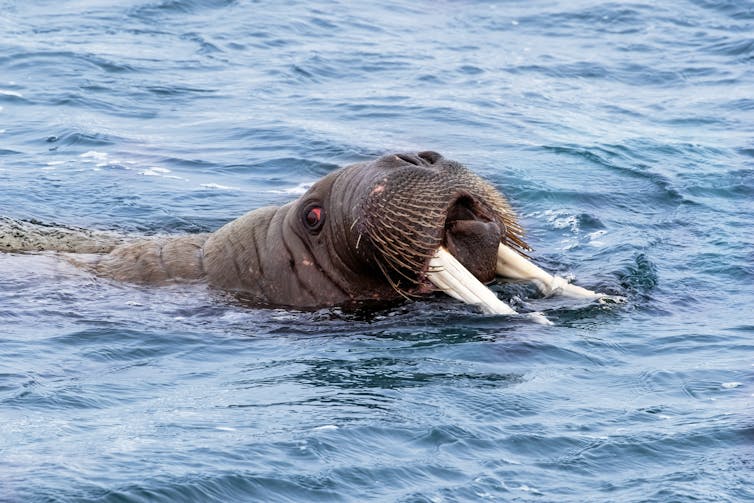
Walrus with head just lifting above water.
Awkward sex? Walruses can tell you all about it.
Jane Rix/Shutterstock

In mammals, the penis can be reinforced by a bone: the baculum. Found in species such as dogs, chimpanzees and walruses, it allows penetration without relying on blood pressure. This structural support is useful in species where mating is prolonged or where mechanical stimulation during copulation is needed to trigger ovulation, in awkward or extended couplings like those of walruses, and when female anatomy or behaviour favours longer copulation.

What do these penises tell us about humans?

Compared to this dazzling variety, the human penis seems almost conservative. But this simplicity is deceptive.

Unlike many other mammals, humans lack a baculum. Instead, erection relies on blood flow. This mechanism may reflect a shift from brief, frequent copulations typical of high-sperm-competition species, to longer, emotionally bonded pairings. In this type of pairing, a visible, hydraulically produced erection serves not only a reproductive function, but also acts as a signal of arousal and health.

Human penile shape may still reflect adaptations to sperm competition. Scientists think the slight flaring of the glans at the corona, a prominent anatomical border between the glans and the shaft, may displace rival sperm during intercourse. This is not unusual among mammals, but in humans it may be especially important because intercourse and ovulation are often not perfectly timed, giving more scope for sperm competition. Human sperm can survive in the female reproductive tract for up to five days.

The glans and the sensitive underside frenulum contain a high concentration of sensory nerve endings that make them particularly sensitive to touch. This heightened sensitivity is thought to provide not only pleasure, but also real-time feedback. It allows the penis to respond to subtle variations in movement, pressure and partner interaction. Such feedback may have played a role in enhancing mutual sexual engagement.


Read more:
Scientists ignored animal clitorises for centuries – now we’re discovering just how varied they are


A 2011 genetic study published in Nature found that humans lost specific DNA sequences that control the development of penile spines – small, keratinised projections on the penis that in chimpanzees and macaques help increase friction and stimulate the female during mating. These spines probably increased stimulation and shortened copulatory duration. Their loss in humans may reflect a shift from competition to cooperation.

This ties into another crucial aspect of human reproductive evolution: concealed ovulation. Unlike many mammals, human females do not advertise their fertility. In response, males evolved a strategy based on sustained sexual access, emotional connection and mate guarding.

The human penis is not just a reproductive organ, but part of a broader behavioural system tied to trust, intimacy and long-term partnership.

The Conversation

Michelle Spear does not work for, consult, own shares in or receive funding from any company or organisation that would benefit from this article, and has disclosed no relevant affiliations beyond their academic appointment.

ref. The surprising world of animal penises and what they reveal about humans – https://theconversation.com/the-surprising-world-of-animal-penises-and-what-they-reveal-about-humans-261690

Minority ethnic women in the UK face economic abuse at twice the rate of white women. These are their experiences

Source: The Conversation – UK – By Punita Chowbey, Senior research fellow, Sheffield Hallam University

Prostock-studio/Shutterstock

Economic abuse may not be as obvious as physical abuse, but for the millions of people it affects in the UK, economic abuse can be totally devastating.

Economic abuse, which is recognised as a form of domestic abuse in law, involves controlling a person’s (often a woman’s) ability to acquire, use and maintain economic resources.

Separating or divorcing does not mean the end of economic abuse in a marriage, particularly when children are involved. Post-separation economic abuse is often related to child maintenance or spousal support payments, which may be manipulated or withheld by abusers.

This harms mothers’ financial independence, mental health and parenting, and has consequences for children’s wellbeing.

A recent national survey found that minority ethnic women face economic abuse at twice the rate of white women (29% vs 13%). Our recently-published research explores why, through the experiences of 28 separated or divorced British south Asian Muslim women. This research is part of our continuing research on divorce and economic abuse.

Two-thirds of our participants had been financially dependent upon their husbands during their marriages, in keeping with broader statistics on the low employment rates of British Pakistani and Bangladeshi women. Further, several participants described their husbands preventing them from working.

UK-born Afsana had to work secretly as a tutor for meagre pay: “This tutoring was undercover with my dad. My working would have looked bad on [my husband].”

After separation or divorce, women were left economically vulnerable. Some struggled to find work, due to lack of recent employment experience as well as labour market discrimination.

“I worked in one school as a volunteer, but the Jobcentre said ‘that’s not enough, we need more evidence of work,’” said one woman. “I said, ‘everywhere you apply, they ask for a qualification, and experience is the main thing.’ I was not going out … how could I have undertaken any work?”

A major theme in our research was how abusers used child maintenance as a means to control women economically. In 18 cases, the father was not paying any child maintenance. Of the rest, only two mothers felt that the amount paid was fair.

Many women described child maintenance mirroring earlier patterns of economic abuse during their marriages. As UK-born Afsana put it: “He didn’t provide when he was with me, so I didn’t expect him to provide when he was not with me.”

Where women had involved the Child Maintenance Service (CMS), they felt it was unresponsive, especially those in transnational marriages involving economic assets overseas.

UK-born Kiran described her experience with CMS after her ex-husband hid assets in Pakistan: “I’ve even given the telephone numbers and addresses in the properties which are in Pakistan. [But] ‘Excuse me. We know that you’re upset. It just takes a bit of time.’ I go, ‘How long does it need?’”

Women felt disbelieved, which undermined their confidence in the system. Although the CMS may face limits in investigating finances held overseas, women felt the evidence they provided was often ignored. Many of the men were in self-employment, which may have made it difficult for the CMS to investigate.

Legal blind spots and immigration abuse

Post-separation economic abuse can also occur through institutions like courts and banks. UK-born Hora described how her husband remarried via an unregistered Islamic marriage, which allowed him to transfer money and assets to his new wife.

She told us: “My barrister said, ‘You’re not divorced from this lady yet, but you’ve remarried.’ He said, ‘Yes judge, in my religion I can have four wives.’ And this is a High Court judge, and he said, ‘Yes, quite!’”

Hora felt that this comment suggested the judge supported her husband’s use of religious justification for re-marrying before divorce, rather than recognising it as part of financial abuse.

Illustration of a man looking through a woman's wallet.
Economic abuse can happen in relationships, or after separation.
BNP Design/Shutterstock

Women with an insecure immigration status might also experience “immigration abuse”. This too can be a form of economic abuse, where, for example, an abuser uses the threat of deportation or immigration enforcement to trap women in financially dependent relationships.

Several women described struggling to open a bank account or obtain credit due to their migration status being exploited by their abusers. Pakistan-born divorcee Fauzia had never had a national insurance number, child benefit or bank account until these were arranged for her by a social worker at the women’s refuge she turned to with her children.

Our research suggests that south Asian women can face severe post-separation economic abuse due to multiple, intersecting disadvantages across the home, labour market and state institutions. Addressing these inequalities requires policies that take women seriously, while also being culturally sensitive and aware of the multiple challenges these women face.

The Conversation

Punita Chowbey receives funding from the NIHR, UKRI and Joseph Rowntree Foundation. Punita works closely with charities working on gender based violence.

Kaveri Qureshi receives funding from the NIHR and the ESRC. Kaveri Qureshi works closely with charities working on gender violence.

ref. Minority ethnic women in the UK face economic abuse at twice the rate of white women. These are their experiences – https://theconversation.com/minority-ethnic-women-in-the-uk-face-economic-abuse-at-twice-the-rate-of-white-women-these-are-their-experiences-267263

Your daily orange juice could be helping your heart

Source: The Conversation – UK – By David C. Gaze, Senior Lecturer in Chemical Pathology, University of Westminster

Ivanko80/Shutterstock

Most of us think of orange juice as a simple breakfast habit, something you pour without much thought. Yet scientists are discovering that this everyday drink may be doing far more in the body than quenching thirst.

A recent study has shown that regular orange juice consumption can influence the activity of thousands of genes inside our immune cells. Many of these genes help control blood pressure, calm inflammation and manage the way the body processes sugar, all of which play an important role in long-term heart health.

The study followed adults who drank 500ml of pure pasteurised orange juice every day for two months. After 60 days, many genes associated with inflammation and higher blood pressure had become less active.

These included NAMPT, IL6, IL1B and NLRP3, which usually switch on when the body is under stress. Another gene known as SGK1, which affects the kidneys’ ability to hold onto sodium (salt), also became less active.

Such changes match previous findings that daily orange juice drinking can reduce blood pressure in young adults.

A regular glass of orange juice could be beneficial for heart health.
retan/Shutterstock

This is noteworthy because it offers a possible explanation for why orange juice has been linked to better heart health in several trials. The new work shows that the drink does not simply raise blood sugar. Instead, it appears to trigger small shifts in the body’s regulatory systems that reduce inflammation and help blood vessels relax.

Natural compounds in oranges, particularly hesperidin, a citrus flavonoid known for its antioxidant and anti-inflammatory effects, seem to influence processes related to high blood pressure, cholesterol balance and the way the body handles sugar.

The response also varies by body size. People carrying more weight tended to show greater changes in genes involved in fat metabolism, while leaner volunteers showed stronger effects on inflammation.

A systematic review of controlled trials involving 639 participants from 15 studies found that regular orange juice consumption lowered insulin resistance and blood cholesterol levels. Insulin resistance is a key feature of pre-diabetes, and high cholesterol is an established risk factor for heart disease.

Another analysis focusing on overweight and obese adults found small reductions in systolic blood pressure and increases in high density lipoprotein (HDL), often called the good cholesterol, after several weeks of daily orange juice consumption. Although these changes are modest, even slight improvements in blood pressure and cholesterol can make a meaningful difference when maintained over many years.

More clues come from studies that examine metabolites, the tiny molecules produced as the body processes food. A recent review found that orange juice influences pathways related to energy use, communication between cells and inflammation. It may also affect the gut microbiome, which is increasingly understood to play a role in heart health.

One study showed that drinking blood orange juice for a month increased the number of gut bacteria that produce short-chain fatty acids. These compounds help maintain healthy blood pressure and reduce inflammation. Volunteers also showed improved blood sugar control and lower levels of inflammatory markers.

People with metabolic syndrome, a cluster of risk factors that includes high blood pressure, raised blood sugar and excess body fat, may see particular benefits.

In one study, daily orange juice consumption improved the function of the lining of blood vessels, known as endothelial function, in 68 obese participants. Endothelial function describes how well blood vessels relax and widen, and better function is associated with a lower risk of heart attacks.

Not all studies report the same outcomes. A broader analysis of blood fat concentrations found that although levels of low density lipoprotein (LDL), often called the bad cholesterol, often fall, other lipid measurements such as triglycerides and HDL may not change much. Even so, people who regularly drink orange juice may still benefit.

A study of 129 workers in an orange juice factory in Brazil reported lower blood concentrations of apolipoprotein B, or apo-B, a marker that reflects the number of cholesterol-carrying particles linked to heart attack risk.

Altogether, the evidence challenges the idea that drinking citrus fruit juice is simply consuming sugar in a glass. Whole fruit remains the better choice because of its fibre, but a modest daily glass of pure orange juice appears to have effects that build up over time.

These include easing inflammation, supporting healthier blood flow and improving several blood markers linked to long-term heart health. It is a reminder that everyday foods can have more influence on the body than we might expect.

The Conversation

David C. Gaze does not work for, consult, own shares in or receive funding from any company or organisation that would benefit from this article, and has disclosed no relevant affiliations beyond their academic appointment.

ref. Your daily orange juice could be helping your heart – https://theconversation.com/your-daily-orange-juice-could-be-helping-your-heart-270492

How UK universities are failing mothers on their staff

Source: The Conversation – UK – By Jonathan Lord, Lecturer in Human Resource Management and Employment Law, University of Salford

Women in the UK face a “motherhood penalty” in the workplace when they have a child. New figures from the Office of National Statistics show that mothers in England lose, on average, more than £65,000 in earnings across the five years after a first child. This gap is driven by reduced hours, stalled progression and job moves to fit around caring for a child.

These dynamics are acute in higher education. Promotion in academia is tightly linked to the uninterrupted production of research papers and grant proposals, as well as the ability to move between institutions and even countries.

Our research has found that patchy implementation of family-friendly policies and unsympathetic managerial cultures push women to work as if nothing has changed. They are required to give birth to the “ideal academic baby”: a child who never disrupts grant deadlines, seminars or student emails.

Universities have various policies in place for new parents: parental leave, flexible working, and accreditation schemes that are intended to help institutions promote gender equality. But what actually happens when an academic gets pregnant, takes leave and returns to work?

We followed that journey across four stages: pregnancy at work, maternity leave, return to work, and career progression. We’ve found that culture regularly defeats policy. Motherhood can feel professionally risky even where formal policies exist.

Viewed as less committed

We conducted in-depth interviews with 26 academic mothers from five different UK universities. During pregnancy, many interviewees described subtle but telling signals that they were now seen as less “able” or less committed.

One was discouraged from attending a career-development programme. Another was told she looked unsuited to lab work “in your condition”. A third reported colleagues simply stopped discussing career plans with her.

These moments matter because they set the tone for what follows. This can include leave arrangements that depend on goodwill rather than process, and returns to work that start with heavier loads than before. As one participant put it: “Motherhood should be renamed guilthood.”

Maternity leave itself often failed the basic test of organisational care. Several women said there was no real cover, so their supervisory and email duties quietly continued while they were supposedly on leave, which is both exhausting and unsustainable. Others returned to find their office moved or their role reorganised without consultation. Such experiences erode trust.

The return to work was frequently the hardest stage. Some departments offered empathy, phased returns and informal mentoring. However, many mothers described an experience of “invisible motherhood”: the sense that parenting should be kept out of sight because colleagues might infer that it meant lower ambition.

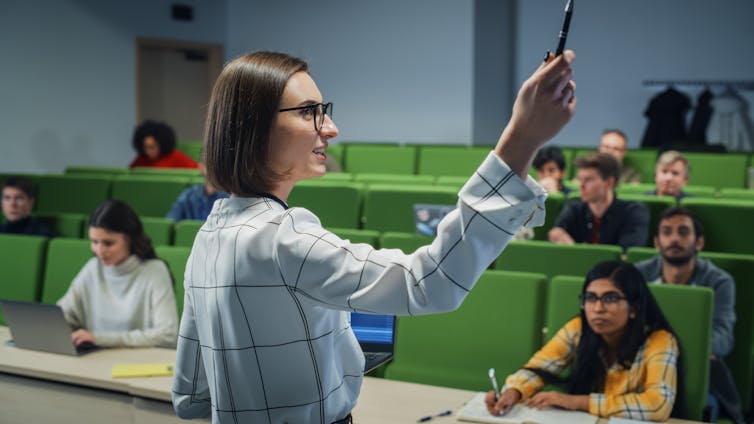
Female academic giving lecture
Mothers felt the pressure to keep their parenting ‘invisible’.
Gorodenkoff/Shutterstock

That norm is amplified by the UK’s university model. High-stakes research metrics, student-as-consumer expectations and stretched staffing narrows tolerance for absence or unpredictability.

Two universities with identical policies can feel radically different. Culture and especially the line manager relationship governs whether support is meaningful and useful.

Parliament’s women and equalities committee has concluded the UK’s parental leave system “does not support working families effectively”, and the government has opened a full review. Shared parental leave, designed to normalise care across genders, continues to see low uptake.

This limits the cultural shift universities say they want. Without more equal leave and stronger childcare infrastructure, mothers will keep carrying the larger career risk.

International comparisons show what better alignment looks like. Nordic countries pair generous, gender-neutral leave with strong childcare provision.

Sweden, for example, offers 480 days of paid parental leave per child. This has recently been expanded to allow transfer of some days to other carers such as grandparents, a policy that explicitly recognises care as a shared social responsibility.

UK universities cannot transplant those national systems, but they can emulate the cultural lesson: treat care as normal, predictable and plan-worthy, not as an individual inconvenience.

There are some reasons for optimism. Where departments were women-led or explicitly feminist in ethos, our research participants reported feeling “seen”, trusted and able to talk about their caring responsibilities without penalty. That points to a cultural truth often missed in compliance-driven equality work: belonging isn’t created by forms, it’s created by norms.

If universities want to keep talented scholars through the caregiving years, they need to retire the fantasy of the ideal academic baby – and the ideal worker who never has one.

The Conversation

The authors do not work for, consult, own shares in or receive funding from any company or organisation that would benefit from this article, and have disclosed no relevant affiliations beyond their academic appointment.

ref. How UK universities are failing mothers on their staff – https://theconversation.com/how-uk-universities-are-failing-mothers-on-their-staff-268261

Rethinking blood test reference ranges could make medicine fairer – and safer

Source: The Conversation – UK – By Stephen Hibbs, HARP Doctoral Research Fellow and Haematology Registrar, Queen Mary University of London

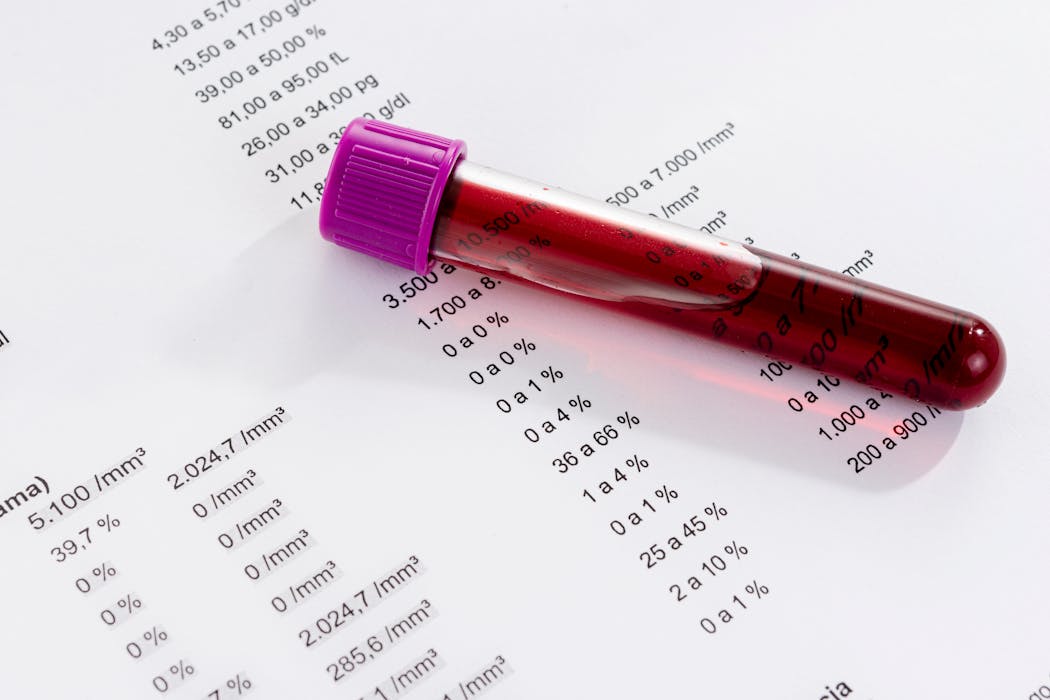
Julio Ricco/Shutterstock

You receive a phone call: the results from routine blood tests show a “low white cell count”. Your doctor explains that more investigations are necessary, perhaps a referral to the haematologists. This might represent something concerning.

But what if this “low white cell count” were completely normal for you, because of a harmless genetic variant shared with millions of people worldwide?

This scenario describes the Duffy null variant: a genetic variation that leads to fewer neutrophils – a type of white blood cell – circulating in the blood. Even though neutrophils fight infections, people with the variant aren’t at higher risk of illness.

The Duffy null variant protects against Plasmodium vivax malaria, a form of the disease that relies on the Duffy antigen to enter red blood cells. In regions of Africa and the Middle East where P. vivax once circulated widely, this variant became common precisely because it blocked the parasite’s entry.

However, when a doctor receives a blood test result, none of this context is present. All they see is a number – often in red – and a reference range which explains what “normal” should be. It is this reference range that guides interpretation of an individual blood test result.

The miscategorisation of neutrophil counts as “low” in people with the Duffy null variant can lead to real-world harms. These include anxiety, as a flagged “low” white cell count can sound like an early warning sign of serious illness.

It also drives avoidable bone marrow biopsies, because clinicians may worry about bone marrow failure or blood cancer and order invasive tests that aren’t actually needed.

People with the variant may be excluded from clinical trials because their neutrophil count appears to fall below strict eligibility cut-offs, despite being completely healthy. And it can even lead to reduced chemotherapy doses, as treatment algorithms automatically lower doses in response to neutrophil numbers, potentially compromising care.

In the past, this pattern was labelled “ethnic neutropenia”, but that term creates its own problems. Race and ethnicity are socially constructed categories, not biological determinants. They’re based on social histories, cultural identities and the ways societies classify people, rather than on precise genetic differences.

Medical practices and technologies can contribute to how socially constructed categories are made and reproduced. People grouped together under the same racial or ethnic label can have very different ancestries and health profiles, so these categories don’t reliably map onto people’s blood counts.

Using them to judge whether a neutrophil level is “normal” risks reinforcing crude groupings and misdiagnosis. What matters is a person’s Duffy status – the genetic factor that actually drives the difference in neutrophil numbers – and blood tests need to be interpreted accordingly.

New research led by Lauren Merz at the University of Michigan and Stephen Hibbs at Queen Mary University of London shows that more than 20% of people with the Duffy null variant are miscategorised as “abnormal” by current reference ranges.

This study created new blood count reference ranges, specific for healthy people with the Duffy null variant. These new Duffy null ranges were consistent for varied participants living in Namibia, Saudi Arabia, the UK and the US, and can be incorporated into clinical practice to support better interpretation and decision making.

What is a reference range?

This isn’t the first time that a reference range – the range of values doctors use to decide whether a test result is “normal” – has worked for some people but not others. Research shows that the HbA1c test, commonly used to diagnose and monitor type 2 diabetes, gives falsely low results in people with a genetic variant widespread among South Asian groups.

These miscategorisations raise a key question: what sort of technology is a reference range? When reference ranges appear in textbooks or on blood test reports, they look like they reveal fixed biological “truths”.

But approaches from science and technology studies encourage us to think differently about what biomedical practices and technologies do. They show how everyday medical practices produce and operationalise racial differences.

To understand this properly, we need to look at what happens in practice. Creating a reference range follows a set process. A laboratory identifies around 120 healthy people from the local population and measures their blood.

The third lowest result (the 2.5th percentile) becomes the “lower limit of normal”, and the third highest (the 97.5th percentile) becomes the “upper limit of normal”. Once a reference range is published, other hospitals can adopt it after checking it against as few as 20 people.

The problem is that these ranges are often built from samples taken mostly from majority groups in a particular region. As a result, they can miss important variation present in minoritised groups and those gaps can translate into mislabelling, misinterpretation and unnecessary worry for patients whose biology simply falls outside the narrow sample used to define “normal”.

While there are sophisticated systems and tools to verify the performance of blood testing machines and assays – the laboratory tests that measure things like cell counts, hormones or chemicals in the blood – there is no standard practice for re-examining reference ranges, even as population demographics change over time and across different locations.

Blood tests that work for everybody

It is time to update “normal” to better encompass the true variety that exists in human populations. This starts with incorporating new blood count reference ranges that adapt to Duffy status.

It also requires us to think carefully and critically about what purportedly neutral technologies and techniques like reference ranges do, and how medicine can work to reproduce racial categories.

This also extends to scrutinising and redesigning other medical practices that normalise one type of blood over another, such as chemotherapy dosing or clinical trial reporting.

We need to examine other everyday tools and practices used by healthcare staff, and ask: What does this technology do? What effects does it create? Does it work well for everybody? These questions illuminate how even routine practices can shape healthcare in ways that benefit some people more than others.

The Conversation

Stephen Hibbs receives funding from the Wellcome Trust through a HARP doctoral research fellowship.

Kari Lancaster has received funding from the Australian Research Council and the National Health and Medical Research Council. She has no disclosures to declare in relation to this work.

Christina Barriteau does not work for, consult, own shares in or receive funding from any company or organisation that would benefit from this article, and has disclosed no relevant affiliations beyond their academic appointment.

ref. Rethinking blood test reference ranges could make medicine fairer – and safer – https://theconversation.com/rethinking-blood-test-reference-ranges-could-make-medicine-fairer-and-safer-269474

Turkey will host the next UN climate summit – here’s how it plans to use its moment in the spotlight

Source: The Conversation – UK – By Ezgi Unsal, Lecturer in Development Economics, SOAS, University of London

The 2,000 year old Hidirlik Tower in Antalya, Turkey, venue of the next year’s UN climate summit. OleksandrO / shutterstock

In a break from tradition, the next major UN climate summit will be hosted by Turkey but chaired by a different country, Australia. This is the first split arrangement in three decades of these summits, known as “Cops”. The unusual deal, devised to avoid diplomatic tension, highlights new alliances to fight climate change globally.

Cop31 will take place late next year in the Mediterranean city of Antalya. While a representative from Turkey will be formally elected as “the president”, Australia will appoint a vice-president to lead the negotiations.

The agreement was reached after almost a full year of stalemate, as both countries had refused to withdraw their bids to host. Turkey had previously stepped back from its bid to host Cop26, which ultimately took place in Glasgow in 2021. For this reason, it was determined to serve as host this time to represent developing nations, as a bridge between Asia and Europe.

Australia, by contrast, aimed to highlight the concerns of endangered Pacific island states through its role in the event. The final agreement between the two countries is unusual, yet it may open the door to greater pluralism and new forms of partnership.

Turkey’s role as host is distinct not only because of the unique arrangement with Australia, but also due to its unique position within the UN’s climate convention. Turkey signed the Paris agreement in 2016 but delayed ratifying it for five years.

As a founding member of the Organisation for Economic Co-operation and Development (OECD) – a group of largely high-income countries – Turkey was formally treated by the Paris agreement as an “industrialised” nation. That meant it was expected to provide financial support for emissions reduction efforts in developing nations – an obligation it disputed.

In 2021, Turkey finally secured a unique recognition as the only developing country among a list of OECD countries (known as annex I), allowing it to finally ratify the treaty.

This status still creates practical challenges. Unlike other developing countries, Turkey has only limited access to international climate finance such as the Green Climate Fund. As Ankara consistently raised the demand to be removed from annex 1, it is likely that the issue will surface during the Cop31 discussions.

Energy politics, climate ambitions

Sitting at the intersection of Europe, the Middle East and central Asia, Turkey also serves as a critical link for major oil and natural gas pipelines from Russia and the Caspian Sea to Europe.

As Europe seeks to reduce its dependence on Russian energy, its growing reliance on alternative routes has increased Turkey’s strategic significance. This geopolitical leverage shapes how Turkey approaches its climate diplomacy – and what it is likely to prioritise at Cop31.

After ratifying the Paris agreement, Turkey announced its target of reaching net zero emissions by 2053. There are credible proposals to phase out coal by 2030, while Turkey passed a “climate law” earlier this year to provide a legal framework for these transitions.

However, the feasibility of these targets remains uncertain. Partly, that’s because Turkey has an inconsistent record on complying with international law. But it’s also because the country’s energy production is booming.

Turkey is the world’s 15th-largest emitter of carbon dioxide, producing around 400 million to 500 million tonnes annually. Emissions are expected to keep rising as energy demand continues to increase in parallel with economic growth.

Although growth slowed after a 2018 currency crisis and the COVID shock, energy use is still projected to increase – just not as sharply as in the 2000s and early 2010s. Turkey’s pledge to cut emissions 40% by 2030 should therefore be understood as a reduction relative to a rising baseline.

As the economy boomed in the 2000s, Turkey more than doubled its energy generation capacity, with growth peaking in 2013. Wind and solar capacity grew rapidly, from virtually zero in the 1990s to around 17% in 2025, but most of the new capacity came from power plants fuelled by natural gas.

As the country pledged to phase out coal by 2030, coal plants were not prioritised during this expansion. Yet, the proliferation of gas power raises significant concerns about sustainability.

Adding to this uncertainty, a 2023 amendment now allows mining in previously protected forest areas, raising questions about whether Turkey’s legal framework can support a reliable and credible transition to net zero emissions.

All this means that when attention shifts to Antalya next year, Turkey will be under pressure to show its ambitious climate targets are more than just words. The world will be watching to see if a country so embedded in the global fossil fuel trade can help broker a deal that accelerates the end of that era.

The Conversation

Ezgi Unsal does not work for, consult, own shares in or receive funding from any company or organisation that would benefit from this article, and has disclosed no relevant affiliations beyond their academic appointment.

ref. Turkey will host the next UN climate summit – here’s how it plans to use its moment in the spotlight – https://theconversation.com/turkey-will-host-the-next-un-climate-summit-heres-how-it-plans-to-use-its-moment-in-the-spotlight-270495

The UK must secure supplies of 34 critical minerals says new report – here’s how

Source: The Conversation – UK – By Michael Kendall, Professor of Geophysics, University of Oxford

Poravute Siriphiroon / Shutterstock

You’re probably reading this article on a phone or laptop containing more than 30 different metals. Some will be common: aluminium casing, copper wires. But other metals are less familiar and much more scarce. Each iPhone contains less than a gram of lithium, for instance, but would not function without it.

We are in the midst of a geopolitically charged race for lithium and other so-called critical minerals. These materials are crucial for renewable energy, transport, data centres, aerospace and defence, among other things, and the transition to net zero will place unprecedented pressure on their supplies.

Accordingly, the UK has just published a new Critical Minerals Strategy, identifying 34 of these raw materials as essential for national security and the economy. Meeting demand for them will be a monumental challenge.

Take copper: even though it is a well-established commodity, in the coming decades the world will need more of it than has ever been mined in human history. Yet opening a new mine takes a decade and costs billions.

Other minerals, such as cobalt or the 17 “rare earth elements”, present a different problem: supplies are concentrated in countries with competing strategic interests or developing nations, and can be hard to access.

For instance, most high-performance magnets – including those in wind turbines – use the rare earth neodymium, and the vast majority currently comes from China. The metal cobalt is used in batteries: about half of the world’s reserves are in the Democratic Republic of Congo.

infographic pie chart of metals in an EV battery
The many different minerals required for electric vehicle batteries.
Dimitrios Karamitros / Shutterstock (data: Transport & Environment)

Historically, mining has caused significant social and environmental harm in host countries – frequently developing nations – while delivering most of the benefits to consumers in wealthier countries.

Wealthier countries could just turn a blind eye to those harms, but there is a growing awareness of the impact of mining. This, combined with the concentration of supplies in certain countries, creates a challenge for places like the UK, which don’t have critical mineral resources.

Disruptive technologies

New extraction technologies are emerging in the UK and elsewhere. While some companies are making progress with “green mining” – using electric vehicles and renewable energy – the most promising solutions are more radical.

One new avenue is recovering geothermal energy alongside critical minerals. The hot fluids beneath ancient volcanoes can be rich in lithium, gold, silver and other critical elements, with each volcanic system offering its own distinct mix of resources.

Tapping into this heat can offer a double benefit: clean energy and useful minerals. In Cornwall, south-west England, there are plans to do this at a reopened lithium mine.

Synthetic biology is another exciting development. This involves scientists modifying microbe DNA to selectively scavenge specific elements from their surroundings, such as battery waste and sewage sludge. These micro-organisms could recover resources even in extreme environments.


Read more:
As mining returns to Cornwall, lithium ambitions tussle with local heritage


Circular resources

Making better use of the resources we already have is essential. This goes beyond traditional recycling to develop new ways to turn by-products and discarded materials into valuable resources, while simultaneously cleaning up legacy pollution.

For example, mining tailings and coal fly ash contain recoverable metals, and innovative “smart” minerals and microbes can be harnessed to extract them.

However, recycling alone won’t meet future demand. Many metals, while highly recyclable, remain in use for decades before re-entering the supply chain. Take nickel, for instance. It’s an important battery metal, but can stay in circulation for 30 years or more, limiting its availability in the short term.

Mining that does not curse the locals

Future mining must avoid the “resource curse” – the paradox where resource-rich countries often fail to benefit fully from their own mineral wealth. Principles for a new approach should include investment in local industries in producer countries so they can make batteries and magnets, not just export ore.

They should also require genuine community engagement, giving mining de facto permission and acceptance from locals. This unwritten set of positive (or at least tolerant) attitudes is sometimes termed the “social licence” to operate – and without it, mining operations can fail.

Mining companies should promote best practices with regard to the environment, health and safety, and workers rights. Regulators need to enforce environmental protection with teeth, including rewilding and ecosystem restoration after a mine has been emptied.

The mining industry has a bad reputation for a reason, with a history of high-profile environmental disasters. The growing emphasis on environmental, social and governance criteria for investors is encouraging, and may help deliver change.

The UK government’s new strategy outlines promising goals on domestic development, the circular economy and supply chain resilience – but its measures of success don’t match the ambition. Its support for innovation is also cautious and focuses on established approaches. What’s needed is an entirely new way of thinking about how to secure these resources.

This means recovering materials from new sources, using them more wisely, ensuring mining communities benefit, and cleaning up environmental damage. It also means building resilient supply chains that can withstand a major change of government, an economic crash, or some other geopolitical shock.

The Conversation

Michael Kendall and co-authors have received historical funding from UKRI to work on critical resources.

Caitlin McElroy and Jon Blundy do not work for, consult, own shares in or receive funding from any company or organisation that would benefit from this article, and have disclosed no relevant affiliations beyond their academic appointment.

ref. The UK must secure supplies of 34 critical minerals says new report – here’s how – https://theconversation.com/the-uk-must-secure-supplies-of-34-critical-minerals-says-new-report-heres-how-269022

The parasitic ant who makes workers kill their own queen

Source: The Conversation – UK – By Matthew Sparks, PhD Candidate in Entomology, Swansea University

Worker Lasius flavus ants are sometimes turned against their own queen by parasites. Holger Kirk/Shutterstock

Scientists have discovered an ant species which uses a technique so devious to start a colony that it could change our understanding of animal social systems.

Beginning a colony can be perilous for a queen ant, as there is a high chance of being eaten by other animals while she is alone and therefore unprotected. Having yet to found a colony and raise her own workers, the lone queen must travel above ground to find a suitable nesting location.

Because of these risks, some ants species have evolved workarounds where, instead of doing the work themselves, they benefit from another ant species’ labour.

A new study has found that newborn queens of Lasius orientalis (found across Eurasia) and L. umbratus (also found across Eurasia and possibly the US) have developed a strategy that has not been observed until now. They attack the queens of other species, L. flavus and L. japonicus, by using the queen’s own workers to kill her.

To do this, the parasitic queen uses a chemical, which has yet to be identified, although based on what we know about ants it is probably a formic acid-based chemical. Formic acid is a defensive chemical created within the bodies of some groups of ants that don’t have a sting (it is found in nettles).

The formic acid can bind with other chemicals produced in various glands within the ant, allowing for a wide range of uses – one of these being as an alert pheromone.

The parasitic queen ant sneaks into a colony of L. flavus or L. japonicus (the hosts) and sprays the queen with this chemical. This changes the scent of the sprayed queen, tricking her workers into believing that she is a threat and causing them to attack and kill her.

This gives room for the parasitic queen ant to take her place as the new queen of the colony, without risking injury by attacking directly. She will then use the old queen’s workers to rear her own young until they eventually take over the colony, replacing the host species with her own.

In other insects, workers can gain direct benefit from matricide. For example in bumblebees, only the queen is allowed to reproduce and worker reproduction is suppressed by aggressive encounters (including egg-eating) and pheromones from the queen along with a select number of specialised workers.

When the colony is large enough and there is sufficient food, the queen stops producing female workers and instead switches to producing male drones and new queens (gynes) to begin the next generation.

At this time the workers are also able to produce male eggs as these can be laid without the need to mate. The workers and queen compete to have their own eggs survive, eating each others’ eggs. To increase the chances of their own (male) eggs surviving and going on to reproduce, a group of workers will sometimes kill their queen.

This matricide, although incredibly complex in its causes, and still not fully understood, clearly benefits the bumblebee workers. In contrast, the matricide caused by the parasitic queen ant provides no benefit to the original colony or its workers.


Read more:
Betting on sporting events may lessen viewing enjoyment


This form of matricide opens up new possibilities for scientists studying the use of chemical communications within “eusocial” (highly organised) insects. This chemical trickery may be more common than scientists think. There’s still much we don’t understand about how ants communicate and the role of different chemicals within this.

Many animals, including humans, benefit from living in social groups, and these social systems can vary widely across animal groups. Matriarchy is a social system in which one female is in charge. It is unusual but appears across animal groups from mammals to insects, and it may have different causes.

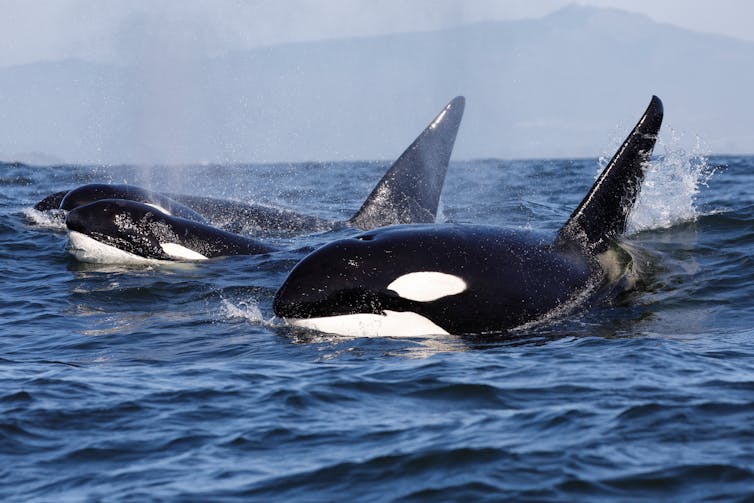
Female orcas and elephants live longer than males, accumulating knowledge and passing on behaviour and traditions to younger group members, increasing their chances of survival. The oldest female dominates the close-knit family group, as she can guide them to food when it is scarce.

In spotted hyenas, the young males are forced to leave their own clans and must join other matriarchal clans as the lowest-ranking individuals in a hierarchy dominated by females.

Orcas breaking the water as a group.
Orcas live in matriarchies.
Tory Kallman/Shutterstock

Naked mole rats only have one reproductive female at a time, the queen. As with bees and ants, the presence of the queen suppresses the other females’ hormones, which prevents them from breeding.

The role of these females centres on the care of young, alongside other specific roles such as tunnellers and food gatherers. These naked mole rat groups are not without competition, however, with evidence from captive populations that female workers may kill and replace the queen.

Most eusocial insect groups are matriarchal, although termites have both a king and queen. Nearly all ants are eusocial. The main castes are the egg-laying queen, short-lived male drones and sterile female workers.

The workers serve the colony by foraging for food, transporting resources and caring for the eggs of the next generation. Being unable to reproduce, a worker’s only route to passing on their genes is through the survival of the colony. This promotes a social structure with high cooperation and low competition, different to the within-colony competition that can happen in naked mole rats.


Read more:
One queen ant, two species: the discovery that reshapes what ‘family’ means in nature


Normally, when queen ants infiltrate other colonies, they use chemicals to disguise themselves as part of their host colony (chemical mimicry) or to remain undetected (chemical camouflage). Some queen ants sneak into other species’ colonies and trick them into rearing her workers, who then go and raid other species’ colonies, bringing back pupae which become slave workers.

Other queens, for example Monomorium inquilinum, become permanent social parasites without killing the original queen. These invaders (who use chemicals to camouflage themselves in the colony) depend on the host workers for food, and trick them into raising the invaders’ eggs, which are often reproductive young.

Finally, some ants such as Acromyrmex insinuator are temporary social parasites, entering a host colony, killing the queen and taking over the colony until their own workers replace those of the host.

As the new study shows, we may only be starting to understand the complexities of matriarchal animal societies.

The Conversation

Matthew Sparks receives funding from a PhD studentship through an EPSRC UKRI Doctoral Training Partnership between Swansea University and Rentokil Initial under the name ‘Characterisation and manipulation of urban light environments for fly control’.

Wendy Harris does not work for, consult, own shares in or receive funding from any company or organisation that would benefit from this article, and has disclosed no relevant affiliations beyond their academic appointment.

ref. The parasitic ant who makes workers kill their own queen – https://theconversation.com/the-parasitic-ant-who-makes-workers-kill-their-own-queen-270101

Tattoos may raise the risk of melanoma skin cancer – new research

Source: The Conversation – UK – By Christel Nielsen, Associate Professor, Epidemiology, Lund University

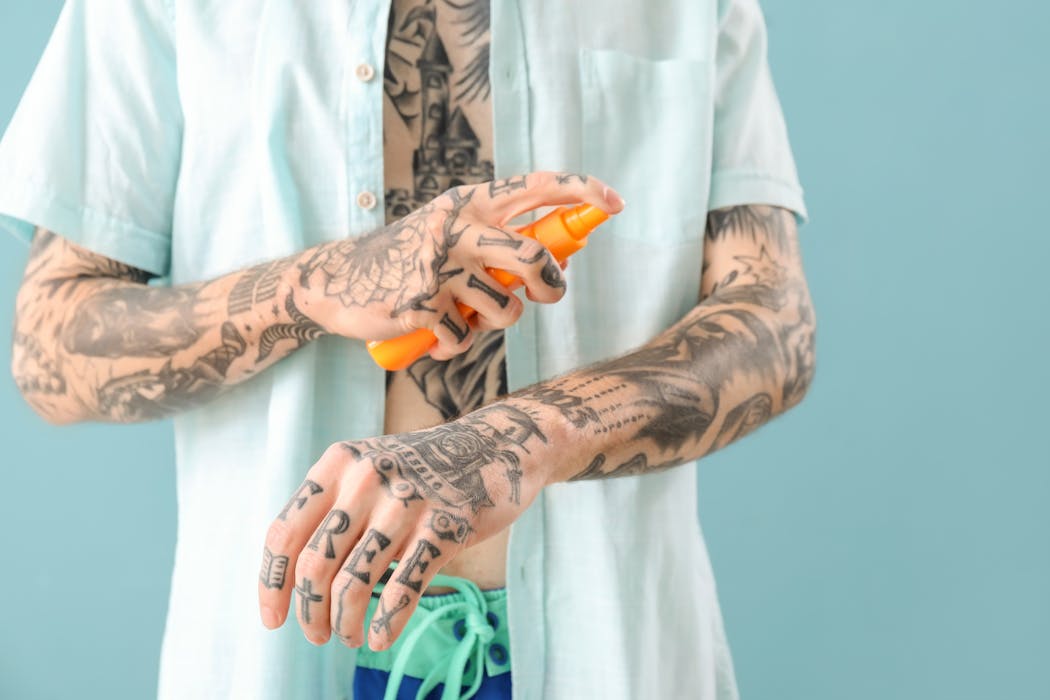
Pixel-Shot/Shutterstock

Can tattoos protect your skin from the sun’s harmful rays, or do they make things worse? A new study I conducted with colleagues suggests there may be cause for concern. We found that people with tattoos had a 29% higher risk of developing melanoma, a serious form of skin cancer often linked to ultraviolet (UV) exposure.

However, tattoos did not appear to increase the risk of squamous cell carcinoma, another type of skin cancer related to UV damage. Although both cancers share a common cause, they arise from different cell types and differ in severity, with melanoma being far more dangerous.

Tattoos are a powerful form of self-expression and a cornerstone of modern identity. In Sweden, around one in three adults is tattooed, showing how body art has moved firmly into the mainstream. Yet despite their popularity, scientists still do not know whether tattoos have any impact on health, or how any potential effects might unfold over time.

Epidemiologists are now trying to answer these questions. The work is challenging because people who choose to get tattoos often differ from those who do not in ways that can influence health outcomes.

Another difficulty is that most health records do not note whether someone is tattooed, which means long-term patterns are hard to study. Without this basic information, it becomes difficult to know whether tattoos themselves play a role in health or whether differences are driven by other factors.

Melanoma and squamous cell carcinoma both develop slowly and are relatively uncommon, which makes long-term research challenging. Following large groups of tattooed and non-tattooed people for many years would be expensive and time-consuming. So our team used a different approach. We started with people who had already been diagnosed with cancer and looked backward to see who had tattoos. This type of research, known as a case-control study, is an efficient way to detect potential associations.

Sweden maintains high-quality national registers that record information on health and demographics. From the National Cancer Register, we identified everyone aged 20 to 60 who was diagnosed with melanoma in 2017 or squamous cell carcinoma between 2014 and 2017.

This included 2,880 melanoma cases and 2,821 squamous cell carcinoma cases. For each case, we selected three comparison people of the same age and sex from the Total Population Register, who had not been diagnosed with skin cancer.

We then sent questionnaires to all participants, asking about tattoos, including decorative tattoos, permanent makeup and medical tattoos, as well as their size, location, and age at first tattoo. This allowed us to establish whether someone had been tattooed before or after developing cancer.

A total of 5,695 people took part in the melanoma study (1,598 with melanoma) and 6,151 in the squamous cell carcinoma study (1,600 with that cancer).

People with tattoos were 29% more likely to develop melanoma compared with those without tattoos. The risk increase seemed to be highest in those who had tattoos for more than ten years, although the numbers were smaller in this group, so results should be interpreted cautiously.

For squamous cell carcinoma, tattoos made no difference. The results were consistent across analyses, suggesting no link between tattoos and this type of skin cancer.

We also found no evidence that larger tattoos increased risk. This was unexpected, since larger tattoos contain more ink and therefore more potentially harmful substances.

One possible explanation is that tattoo ink does not remain confined to the skin. The body’s immune system treats it as a foreign substance and transports some ink particles to the lymph nodes. These particles can stay there long-term. While we do not yet know whether this causes harm, it could potentially lead to chronic inflammation, which has been linked to cancer development.

Another explanation may be measurement error: people tend to overestimate tattoo size. Future studies using more precise measures may help clarify this.

Lifestyle and confounding factors

What makes this study unique is the range of lifestyle factors we could consider. We included data on sun exposure (both occupational and recreational), tanning bed use, smoking, education level, marital status and household income. We also factored in skin type, pigmentation, age and sex.

These details matter because they can influence both who gets tattoos and who develops cancer. For instance, people who spend a lot of time in the sun may be more likely to have tattoos and to develop melanoma. Accounting for these differences reduces bias and strengthens confidence in the results.

In research, this issue is known as confounding. If confounding factors are not properly controlled, they can distort findings and lead to misleading conclusions.

Recent US research suggested that large tattoos might even reduce the risk of melanoma, but that study did not control for key factors such as skin type or UV exposure. The results may therefore reflect behaviour rather than biology. For example, people with large tattoos may avoid sunbathing or tanning beds to protect their body art, which would naturally reduce UV damage.


Read more:
Do multiple tattoos protect against skin cancer, as a recent study suggests?


So, do tattoos cause skin cancer? The simple answer is that we do not know yet. Our results suggest a possible link between tattoos and melanoma, but one study is never enough to prove causation.

More research is needed to explore potential biological mechanisms, such as chronic inflammation, and to examine how different types of ink or colours might interact with UV exposure. The composition of tattoo pigments varies widely, and many contain compounds that can break down into harmful by-products when exposed to sunlight or laser removal treatments.

If you have tattoos, there is no need for panic, but awareness matters. Continue to protect your skin from UV radiation just as you would otherwise: use sunscreen, avoid excessive tanning and check your skin regularly for new or changing moles.

Our findings highlight the need for long-term monitoring and better data collection on tattoos in health records. With tattoos now common worldwide, this is an important public health issue. Continued research into the biology of tattoos and their long-term effects will help ensure that people can make informed choices about their bodies, their art and their health.

The Conversation

Christel Nielsen receives funding from The Swedish Research Council for Sustainable Development, The Crafoord Foundation, and The Magnus Bergvall Foundation.

ref. Tattoos may raise the risk of melanoma skin cancer – new research – https://theconversation.com/tattoos-may-raise-the-risk-of-melanoma-skin-cancer-new-research-266809

Eight ways to resist spending too much on Black Friday bargains

Source: The Conversation – UK – By Cathrine Jansson-Boyd, Professor of Consumer Psychology, Anglia Ruskin University

But how will she feel about it later? Dean Drobot/Shutterstock

It is that time of the year again – Black Friday is almost upon us. What used to be just an American event has now taken over the calendar in many other countries as one of the key shopping events of the year.

However, market research by investment platform Aegon, conducted on 2024’s Black Friday shoppers, found that almost 60% of participants would spend their money differently, if they could go back in time.

Regret is not unusual when consumers buy on impulse. Afterwards, they may ask themselves whether they should have bought the Sony television rather than the Samsung. There is a lot to be said for trying to engage in careful decision making.

But that’s easier said than done. When we come across products that seem cheap or fairly priced, the same part of our brains that deals with pleasure is activated. Couple this feel good factor with an extra sense of urgency around sales like Black Friday and consumers often feel compelled to buy something. Such urgency may be created by stating that the product is only available at a discounted price for 24 hours or that there are only a limited number of products.

There are things you can do to curb your spending and avoid being tempted by clever marketing techniques, though.

1. Never shop when tired

Fatigue tends to lead to less rational decisions and lowers your self-control. Making decisions requires mental energy and that energy is limited.

When you are tired, your emotions tend to take over and you are more likely to be tempted by huge savings and items that look pretty, even if they are not something that you need.

2. Shop in the morning

This is when you have mental sharpness and therefore will probably make better decisions. Try to avoid making major decisions later in the day, as that’s when your willpower and focus start to dip as decision fatigue kicks in.

Decision fatigue is mental and emotional strain that generally occurs when people have been engaging in too many choices. This happens to most people at some point during the day as we make hundreds of decisions everyday.

3. Don’t rush

Always allow yourself enough time so you can think carefully about what you are buying. Adding just one second to the time you take when considering a purchase could help you make better decisions.

Time allows the brain to collect additional information and filter out aspects that are not relevant. For example, imagining that you are conducting a search for an iron online. As you look at the options there are some flashing banners on the side, preventing you from focusing on what you want.

Such a distraction can divert you away from product attributes that may otherwise influence your choice. Adding a second allows you to refocus and helps you to ignore the flashing banner.

4. Do your homework

Not everything on offer is a good deal. Make sure you know what the items cost previously so that you know how much it is reduced by. The easiest way to find this out is by asking an AI tool to tell you previous prices.

It has been reported that in previous years, as little as 2% of all the Black Friday offers were at their cheapest price compared to six months before and six months after. Knowing what the items cost previously can help your brain put the brakes on and stop yourself from making rash decisions.

Woman standing in street looking at shopfront with black Friday promotion signs in the window.
Take a moment before you commit to a purchase.
JEAN-BAPTISTE PREMAT/Shutterstock

5. Make a list and add a budget

It will reduce the temptation to engage in excessive spending.

6. Try not to purchase things using a card

You are likely to spend more when you use a card or your phone to pay. Instead, when possible, use cash. That way you can see how the money in your wallet is disappearing and you are more likely to stop spending when you are out of cash. Think of how aware you are of your budget during a game of Monopoly when your paper money starts to run low.

7. Don’t touch any products

If you like shopping in-store, you should know that research has shown you are more willing to buy products and pay more for them if you touch them. So, try to keep your hands to yourself.

8. Ask yourself why something is reduced

With time pressure hanging over your head, you may not consider why a product is on sale. Perhaps it is as simple as a newer model having been released recently or possibly because previous purchasers have not viewed them favourably. Just to be on the safe side, check out some reviews for the sales item just to make sure you are getting what you really want.

As long as you are sensible, and taking some precautionary steps, you should find that you will be more satisfied with what you bought.

The Conversation

Cathrine Jansson-Boyd does not work for, consult, own shares in or receive funding from any company or organisation that would benefit from this article, and has disclosed no relevant affiliations beyond their academic appointment.

ref. Eight ways to resist spending too much on Black Friday bargains – https://theconversation.com/eight-ways-to-resist-spending-too-much-on-black-friday-bargains-270317