What the 2026 World Cup means for measles risk in Vancouver

Source: The Conversation – Canada – By Jamie Voyles, Professor of Biology, University of Nevada, Reno

With less than five weeks until kickoff, and hundreds of thousands of visitors expected, Vancouver is preparing for the FIFA World Cup 2026 following British Columbia’s worst measles outbreak in years. Unlike Ontario, where public health officials released a detailed Hazard Identification and Risk Assessment flagging measles and other infectious diseases as risks at mass gatherings, B.C. has not yet provided comparable guidance.

Public health experts say preparation is critical for mass gatherings, particularly for contagious diseases such as measles. Vaccination rates in many parts of B.C. have fallen below the approximately 95 per cent coverage needed to prevent sustained transmission of measles, and last year’s outbreaks have exposed pockets of vulnerability.

In crowded settings such as FIFA World Cup venues, where visitors arrive from other provinces and countries with varying vaccination coverage, even a single imported case can spread rapidly beyond stadiums. That risk is not theoretical; past sporting events in Vancouver have shown how quickly measles can take hold.

Lessons from past international sporting events

The 2010 Winter Olympics in B.C. provides precedent. Following the Games, imported measles cases spread after the crowds dispersed.

In preparation, public health surveillance systems were in place, including daily health watch reports.

“At the time, what seemed like the biggest potential threat was actually the pandemic influenza H1N1 virus,” said Jennifer Gardy, PhD, deputy director of disease modelling at the Gates Foundation, who was a lead investigator at the B.C. Centre for Disease Control in 2010, by email.

But measles proved difficult to track, with officials relying largely on clinical case detection. “You had tens of thousands of people congregating indoors at event venues and then mixing with each other out in the community,” Gardy said.

The outbreak was not confirmed until the virus had spread beyond Olympic venues, infecting 82 people across Greater Vancouver as well as in the interior and northern regions of B.C.

Measles is uniquely risky at mass gatherings

Mass gatherings act as biological mixing bowls. The measles virus, one of the most contagious human viruses, can easily spread among unvaccinated individuals. When infected individuals return to schools, day cares and offices, transmission can amplify.
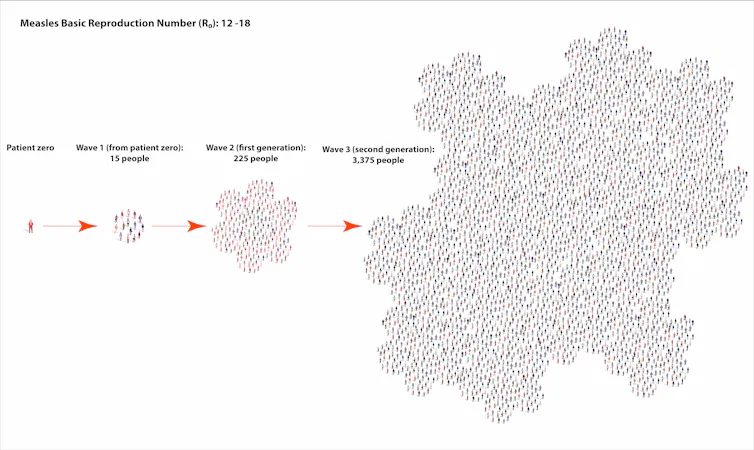
An illustration showing spread of measles from an individual to large number of affected people
The exponential growth potential of measles based on its Basic Reproduction Number (R_0).
(Qurrat Ul Ain), CC BY

The measles virus survives in airborne droplets and only a tiny trace of the virus can start an infection. These characteristics give it a high basic reproduction number (R₀, or “R naught”), referring to the number of people infected after exposure.


Read more:
Measles is highly contagious, but vaccine-preventable: A primer on recent outbreaks, transmission, symptoms and complications, including ‘immune amnesia’


For measles, the R₀ ranges from 12 to 18 (whereas the common cold ranges from two to three). So even modest dips in vaccination rates for measles, mumps and rubella (MMR) — or uneven coverage across communities — means a single case can spread rapidly.

graph with red circles illustrating measles vaccine coverage and cases
MMR vaccine coverage and reported measles cases in British Columbia (2009–2026).
(Qurrat Ul Ain), CC BY

Outbreaks require both an introduction and low vaccination coverage, said Caroline Colijn, PhD, by email. Colijn is chair in mathematics for evolution, infection and public health at Simon Fraser University. She noted that some communities remain vulnerable even when overall coverage is high: “We may, in some communities, have low enough vaccination rates that there could be outbreaks.”

Is Vancouver prepared this time?

Sixteen years after the Winter Olympics, as the province prepares to welcome sports fans again, public health conditions have changed.

Immunization rates among B.C. school-age children have steadily fallen since at least 2016 and B.C. reported more than 400 measles cases in the past year, reflecting uneven vaccination coverage.

Yet the level of preparedness for the World Cup remains unclear.

The B.C. Centre for Disease Control has completed a provincial public health risk assessment with Vancouver Coastal Health and shared it with the host city, according to Dr. Mark Lysyshyn, deputy chief medical health officer for Vancouver Coastal Health, in email correspondence.

A spokesperson for the City of Vancouver Host Committee said a “Know Before You Go” campaign is planned, but the website does not currently include guidance on measles or other infectious diseases.

According to Dr. Lysyshyn, Vancouver Coastal Health will rely on current monitoring systems. It is unclear whether existing systems can detect threats quickly enough, and a recent assessment warns that Canada’s health-care system may lack the capacity to manage a surge in demand during the World Cup.

What ideal preparation looks like

Effective preparation embeds public health into event planning well before visitors arrive. The 2024 Paris Olympics reinforced medical networks, expanded multi-source surveillance and improved diagnostic testing capacity.

Preparation should also involve transparent risk communication and community engagement. Equally important is ongoing public communication and co-ordination to respond to emerging threats quickly and continuously after the event.

“Because measles can take from one to three weeks for symptoms to appear, the critical thing will be to continue monitoring cases well after the final Vancouver match,” said Gardy. “If an outbreak does occur, we might expect transmission to continue for weeks or even months after.”

The experience of the Vancouver 2010 Olympics suggests that even well-planned systems can miss early transmission, reminding us that pathogens do not respect closing ceremonies.

The Conversation

Jamie Voyles receives funding from U.S. National Science Foundation and National Institutes of Health.

Qurrat Ul Ain does not work for, consult, own shares in or receive funding from any company or organisation that would benefit from this article, and has disclosed no relevant affiliations beyond their academic appointment.

– ref. What the 2026 World Cup means for measles risk in Vancouver – https://theconversation.com/what-the-2026-world-cup-means-for-measles-risk-in-vancouver-280806
Hantavirus: A cruise ship, a deer mouse, and the fictional line between human and animal health

Source: The Conversation – Canada – By Prativa Baral, Deputy Director, Pandemic and Emergency Readiness Lab, McGill University

In February 2025, the classical pianist Betsy Arakawa died in her New Mexico home from a virus most people had never heard of. Her husband, the actor Gene Hackman, died a week later of heart disease. The pathogen that killed her was hantavirus, almost certainly picked up from deer mouse droppings on the property.

Fourteen months later, 11 people on the Dutch cruise ship Hondius have been infected with a different hantavirus strain. Three have died, and passengers from more than 20 countries, including several Canadians, are being monitored across four continents.

This is not the next pandemic. But it is a stress test, and a reminder of something we keep relearning the hard way. When humans push into ecosystems they don’t normally inhabit, they are exposed to viruses. Ebola in West Africa in 2014 followed deforestation and closer contact with bats; by the time the outbreak began, more than 80 per cent of the surrounding forest had been cleared.

This hantavirus outbreak is a smaller, slower-moving version of the same lesson: the line between human health, animal health and the places we travel for pleasure is much smaller than we like to think.

A family of related viruses

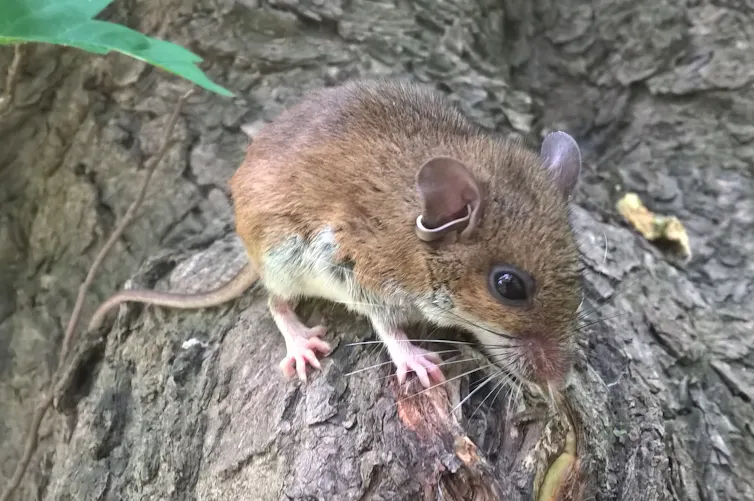
Hantaviruses are not one virus but a family of related viruses, carried by different rodent species in different parts of the world. The strain found in Canada carried by deer mice, Sin Nombre virus, is the same one that killed Betsy Arakawa, and is behind the 168 Canadian cases of hantavirus pulmonary syndrome documented since 1994.

The strain on the Hondius is different. Andes virus, found in South America, is the only hantavirus known to spread between people, and through close, interpersonal contact. A New England Journal of Medicine study of a 2018 Andes outbreak reconstructed how a single zoonotic spillover from a rodent reservoir in Argentina produced 34 human cases and 11 deaths over three months, driven by three symptomatic super-spreaders at crowded social events.

A cruise ship, with confined cabins, shared dining rooms and recirculated air (“a floating petri dish”), is exactly the setting where a virus with limited contagion can find unexpected runway. The first confirmed case on board, likely the index case though not lab-confirmed, had spent four months on a birdwatching trip through South America before boarding, with possible exposure to rodents.

A small brown rodent on tree bark
The strain of hantavirus found in Canada, Sin Nombre virus, is carried by deer mice.
(Nick Green USGS/CERC)

Humans, animals and One Health

Though much of the focus has been to reassure people that this is not the next COVID-19, what this outbreak points to is a real-time One Health story, a framework that recognizes human, animal and environmental health as a single, interconnected system. Hantaviruses do not begin in hospitals or airports. They circulate in animal reservoirs whose ranges are shaped by climate, land use and human encroachment.

Deer mouse populations in North America boomed roughly tenfold following the wet, warm El Niño winter of 1991–1992, triggering the 1993 hantavirus outbreak. The ecology of Andes virus in Patagonia is itself shifting: modelling work suggests the long-tailed rodent that carries the virus may see its range contract and move eastward under continued warming and drying, redistributing rather than eliminating spillover risk.

The same dynamic plays out elsewhere: in Southeast Asia for example, rodent trade networks, deforestation and intensifying agriculture continually create new interfaces between people and pathogens. And these same forces are reshaping disease risk closer to home: Lyme disease has been creeping steadily north into Ontario and Québec as warming winters expand the range of the black-legged tick. The mosquitoes that carry dengue, Zika and chikungunya are doing the same across Europe and North America. Old pathogens now have more opportunities to expand, and interact with humankind.

All of this is being amplified by how we now travel. Antarctic and expedition bookings are up 34 per cent year-on-year. Last-chance tourism into fragile and isolated ecosystems, wildlife photography in remote habitats, cruises that promise experiences into uninhabited shores: this is a growing category of travel despite being potential One Health exposures.

Response in a post-COVID world

The response to this outbreak also revealed how brittle our systems remain. A passenger died on April 11. Hantavirus was not identified until May 2, three weeks during which the ship continued its route, calling at multiple ports.

The World Health Organization’s (WHO) own 2016 handbook for managing public health events on board ships calls for an “all-hazards” precautionary approach when a cause cannot be identified. It was not applied. When the ship later approached land, Cape Verde was deemed unable to handle the emergency, and Spain ultimately accepted it citing a moral obligation.

The International Health Regulations, the legal scaffolding for events like this, give the WHO almost no authority to enforce them. Co-operation runs on goodwill, which is quite thin when an infected vessel needs a port. Meanwhile, social media filled gaps with conspiracy theories about engineered pathogens and “scripted pandemics,” a familiar pattern in which public anxiety fuelled by uncertainty becomes a vector of its own.

What it means for Canadians

For Canadians, the practical message is unchanged. Ventilate closed spaces before entering. Wet contaminated surfaces before cleaning. Never dry-sweep rodent droppings.

But there is a deeper lesson here. Betsy Arakawa died from a deer mouse in her own home. Passengers on the Hondius may have been infected by rodents in a Patagonian dump (investigators are still working it out). But what connects these stories is a world where the boundaries between human health, animal health, climate and travel are largely fictional, and shrinking further every year.

Ultimately, this is a stress-test for us. We have learned from past crises, and our response is faster and more co-ordinated than it would have been a decade ago. But the Hondius shows us how much further we have to go: for stronger international agreements that share information in real time, for the 2025 WHO Pandemic Agreement to actually function, and for better spillover monitoring that catches the “big one” early.

The Conversation

Dr. Prativa Baral is the Deputy Director of the Pandemic and Emergency Readiness Lab, which has received funding from the John Arsenault Trust. She has previously received funding from the Canadian Institutes of Health Research.

Dr. Joanne Liu is the director of Pandemic and Emergency readiness lab which have received funds from John Arsenault Trust.

Dr. Veasna Duong is affiliated with McGill University, Canada and Institut Pasteur du Cambodge, Cambodia.

– ref. Hantavirus: A cruise ship, a deer mouse, and the fictional line between human and animal health – https://theconversation.com/hantavirus-a-cruise-ship-a-deer-mouse-and-the-fictional-line-between-human-and-animal-health-282958

Who are the main contenders to replace Keir Starmer as prime minister?

Source: The Conversation – Global Perspectives – By Charles Lees, Executive Dean, City St George’s, University of London

It has become a given in Westminster circles that Keir Starmer’s tenure as prime minister could be nearing its end. This is because, fairly or unfairly, the UK public have made up their minds – and they do not like him.

Labour MPs know this all too well, having seen the level of animosity on the doorstep during recent election campaigns in England, Wales and Scotland. They just didn’t immediately know what to do about it. But then Wes Streeting quit as health secretary, criticising Starmer in his resignation letter for what he said was a “vacuum” where political vision was required.

Recent UK history is full of precedents when prime ministers found their position untenable. For the Conservatives, Theresa May, Boris Johnson and Liz Truss were all removed eventually. But such a course of action comes with costs: to party unity, to market sentiment, and in terms of how the voters view political shenanigans.

This is why, until now, the more thoughtful voices in the Labour party either kept their counsel or argued for caution. But a significant number of Labour MPs believe that a change at the top is now inevitable.

Streeting, Rayner or Burnham

From the right of the party, Streeting, the combative former health secretary, is the key figure to challenge Starmer. But he still requires the backing of at least 81 fellow Labour MPs.

A Streeting bid for the leadership would be supported by much of the media, but what many regard as his lukewarm re-tread of old Blairite orthodoxies would limit his appeal with the party membership. And members play a significant role in leadership contests.

By contrast, a likely candidate of the so-called “soft left”, former deputy prime minister Angela Rayner, has now cleared up her tax affairs and is more popular with the party rank-and-file. But she would alienate much of the London commentariat.

What neither Streeting nor Rayner possess is genuine cut-through with the wider British public. And this is where the current mayor of Greater Manchester, Andy Burnham, comes in. Burnham does not have a parliamentary seat and, although he intends to contest the Makerfield constituency made vacant by Josh Simons’ decision to step aside, it is not guaranteed that he will win. Given Labour’s current unpopularity, the party cannot assume it would win a by-election anywhere.

And even if Burnham did scale that hurdle, there is a real danger that his replacement as the Labour candidate for the mayoralty would lose to Reform UK. This would allow party opponents to portray Burnham’s move as an indulgence at the expense of the party.

Nevertheless, if the political stars were to align and Burnham navigates his passage back to Westminster in time for a leadership challenge, he would be a formidable opponent. Burnham not only outpolls his main rivals among Labour members, he also enjoys rare net approval ratings with the public (+6, compared with -12 for Rayner and -20 for Streeting). Labour MPs will be paying particular attention to those numbers.

There is strong reason to believe that Rayner will have a crucial role in how this plays out. This could either be by standing for leader herself or through working with Burnham. Either way, she is in an incredibly influential position.

And what would Labour and the country look like under new leadership? The revolving door at the top partly reflects the extent of the challenges (economic, political, cultural) that the country faces. Voters have not seen rises in their real living standards for two decades, are truly angry and deeply polarised.

The UK is divided on how to go forward, and so is the Labour Party. That is why potential challengers to Starmer really should be careful what they wish for. Much of the political instability of recent years is down to the collective obsession with politics as a short-term and personality-based kind of show business.

But this ignores the more worrying long-term developments in financial markets that indicate that there is no faith in the UK’s ability to tackle its structural problems any time soon. The eventual winner of Labour’s leadership drama may inherit the throne just as money markets’ patience with the UK runs out.

The Conversation

Charles Lees does not work for, consult, own shares in or receive funding from any company or organisation that would benefit from this article, and has disclosed no relevant affiliations beyond their academic appointment.

– ref. Who are the main contenders to replace Keir Starmer as prime minister? – https://theconversation.com/who-are-the-main-contenders-to-replace-keir-starmer-as-prime-minister-282880

Who shops at farmers markets in the US?

Source: The Conversation – USA (2) – By Bret R. Shaw, Professor of Life Sciences Communication, University of Wisconsin-Madison

People who shop at the more than 8,700 farmers markets operating in the U.S. either year-round or seasonally generally fall into six distinct groups. Three of them are more interested in farmers markets than the others. I study local food systems as a strategic communications scholar, and that’s the main takeaway from a study that I conducted with several colleagues.

As we explained in the March 2026 edition of British Food Journal, people who fall into those groups have different levels of interest in farmers markets but also have some things in common. Most people who shop at them are motivated to go because they want healthy, fresh food, they support local farmers and they think going to the farmers market is fun.

This is not a niche activity. An earlier study I worked on found that 81% of U.S. adults said that they shop at a farmers market at least once a year.

For both studies, we pulled survey data from a nationally representative sample of 5,141 U.S. consumers that was conducted Aug. 2-11, 2023. It had a margin of error of plus or minus 1.8 percentage points.

Researchers define farmers markets and local food in different ways. So we asked respondents to simply think of farmers markets as places where they can buy food directly from more than one vendor and where all or most of the items are locally grown, raised or made. We defined local food as being grown in their state or 250 miles or less from their homes.

Highly engaged, health-focused and emerging interest

We determined that about 18% of those surveyed are “highly engaged” farmers market shoppers. They care a lot about food and enjoy buying, preparing and eating fresh food. They are excited about many aspects of farmers markets, which are places where this group shops for a variety of reasons, such as supporting local farmers, buying nutritious, delicious food and connecting with community.

Nearly 65% of these shoppers were women. This group was the most diverse, with 27% of respondents identifying as Hispanic, 20% Black and 4% multiracial. They also had significantly lower average annual household incomes than other groups, averaging US$40,000-$50,000.

We found that another 18% of the people surveyed were “health-focused.” Like the highly engaged shoppers, they make buying and eating healthy food a high priority. However, this group doesn’t enjoy cooking as much. The health-focused group tends to avoid genetically modified foods, as well as convenient options like takeout food, frozen dinners and microwave-ready meals.

About 58% of them were women and their average age was 57, making them the oldest of the groups. Roughly 70% of the health-focused group was white, making it less diverse than the highly engaged group but more diverse than some of the other groups.

Finally, about 19% of the respondents were what we called “emerging interest” farmers market shoppers. They value convenience and learning about food. This group was the most likely to see going to the farmers market as a fun activity.

Emerging interest shoppers were nearly evenly split by gender, with 52% women. Their average age was 44 years old, making them the youngest of the groups.

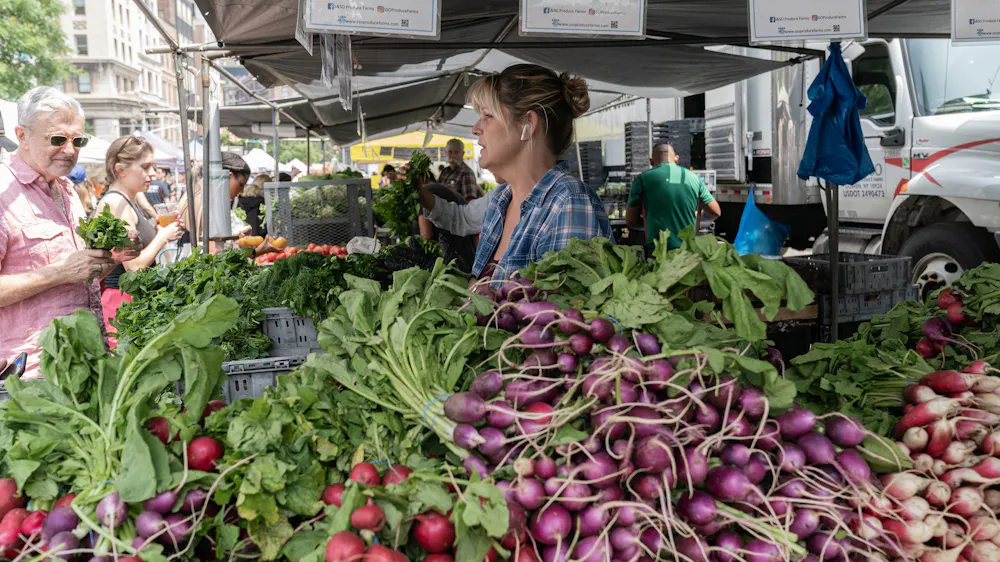
People buy vegetables from a farmers market vendor
It’s not always a love of radishes that draws shoppers to these stalls.
Lev Radin/Pacific Press/LightRocket via Getty Images

Convenience, practicality and happenstance

We also identified three groups of consumers who were less interested in farmers markets than the highly engaged, health-focused and emerging interest shoppers, even if some of them do occasionally shop at the markets anyway.

About 16% of farmers market shoppers are people we identified as “convenience” shoppers. They are more likely to eat frozen dinners and buy takeout. They rarely cook meals from scratch using produce and other fresh ingredients.

About 43% of them say they never or rarely shop at a farmers market. Around 59% of them are men and 37% are people of color.

A vendor sells prepared foods at a market stall.
Tashana Small sells mac and cheese ‘cupcakes’ topped with pulled pork, Buffalo chicken tenders and Cajun shrimp at a farmers market on Long Island in 2023.
Erica Marcus/Newsday RM via Getty Images

Roughly 17% of these shoppers fall into a “practical” category. They methodically plan their grocery shopping and are among the least interested in farmers markets, with more than half saying that they either rarely or never shop at them.

Practical consumers were close to evenly split by gender; 53% were women. Their income tended to be the highest of the groups, typically in the $60,000-$75,000 range.

We called the 12% of the shoppers in the final group we surveyed “uninvolved.” This group showed very little interest in farmers markets or any other food-related activities. About 3 in 4 rarely or never go to farmers markets. Nearly 70% of uninvolved farmers market shoppers were men and 76% were white.

When someone in the uninvolved group goes to a farmers market, they may be going out of happenstance or because someone in their life wants them to go – not due to any personal interest.

If you forget, you’ll miss it

We believe this information could help farmers markets better serve their customers and perhaps attract more shoppers.

People can, of course, go to farmers markets for more than one reason, and not everybody fits neatly into one of these categories. And everyone we surveyed had something in common: Forgetting to go was the biggest reason shoppers of all kinds didn’t make a trip to the farmers market in a given week.

The Conversation

Bret Shaw’s work tied to this article was supported by the U.S. Department of Agriculture National Institute of Food and Agriculture (USDA NIFA, award no. 2023-68006-38984).

– ref. Who shops at farmers markets in the US? – https://theconversation.com/who-shops-at-farmers-markets-in-the-us-279922

This year’s Venice Biennale marks a major shift in European cultural politics

Source: The Conversation – UK – By Clare Carolin, Senior Lecturer, Art and Public Engagement, King’s College London

I was texting a museum director friend in Asia recently. We were discussing whether a trip to this year’s “artworld Olympics”, the Venice Biennale, justified the carbon release.

I felt ambivalent. The main exhibition is curated by Koyo Kouoh, whose 2016 edition of Ireland’s Biennale, EVA International, on the 1916 Easter Rising centennial I had admired. Kouoh died of cancer earlier this year. Her posthumously realised Venice Biennale, titled In Minor Keys, seemed a final opportunity to appreciate the subtle, intelligent work of Africa’s leading curator.

Against the lure of Kouoh’s exhibition, though, was a queasy realisation that the Biennale seemed to be ideologically backsliding. Russia and Israel, both accused of war crimes, were controversially participating.

Alongside the huge guest-curated show of contemporary art, the Biennale invites countries to present exhibitions they curate themselves in national pavilions in the Giardini di Biennale and citywide venues. Following Putin’s full-scale invasion of Ukraine in 2022, Russia was excluded, its pavilion remaining shuttered throughout the 59th and 60th editions. But last year Giorgia Meloni’s government appointed rightwing ideologue Pietro Buttafuoco as Biennale director.

Buttafuoco revoked Russia’s exclusion. He also facilitated the relocation of Israel’s exhibition from its usual Giardini pavilion to a high security cul-de-sac in the Biennale’s second official venue, the massive Arsenale.

“This biennale seems cursed,” texted my friend. Despite feeling hypocritical about the environmental burden, I booked a flight to Venice.

Angry protests and violent reprisals

In the weeks leading up to the exhibition, my friend’s suggestion looked increasingly on point. A complicated choreography of war, state violence and activism began to play out. They culminated during the Bienniale preview in angry protests and violent reprisals.

The Art Not Genocide Alliance (ANGA) gathered 236 curators, artists and art workers to campaign for Israel’s exclusion and improved conditions for cultural workers.

When Kouoh’s international jury refused to consider Israel and Russia for the Biennale’s prestigious Golden Lion awards, artist Belu-Simion Fainaru, who was representing Israel, threatened them with legal action, according to the Italian news agency Adnkronos and arts publication Hyperallergic. The jury resigned. Their subsequent silence has not been explained.

Relieved of the professional all-female expert jury that Kuouh appointed, Buttafuoco instated a Eurovision-style audience prize. At the time of writing, over 70 artists have withdrawn from the awards in protest.

Like an artwork, a curse is a performative utterance at the nexus of ritual symbolism and magic. People like to believe that art, unlike curses, is a force for good. But as I argue in my book The Deployment of Art, there is a long history of state co-option of art and artists in the service of malign agendas of state violence. To me, The 61st Biennale seems one such example.

In a statement on the Biennale website, Buttafuoco amplifies the spiritual dimensions of Kouoh’s vision. “It is an exhibition permeated with spirit, with a sacredness that puts the person, the human being, back at the heart of things … looking to the sky once more.”

Much art in the main exhibition is hard to square with such whimsy. Pio Abad’s precise critical drawings of everyday objects of imperial plunder, like houseplants and chocolate, alongside stolen Benin bronzes. Walid Raad’s series of found photographs of beds slept in by Palestine Liberation Organization leader Yasser Arafat. Joana Hadjithomas and Khalil Joreige’s extraordinary sculptural excavation of the lost ancient city of Orthosia, hidden beneath a buried refugee camp in southern Lebanon.

But other works better serve Buttafuoco’s vague, obfuscating narratives of “sacredness” and “spirituality”.

In the Arsenale, an uprooted olive tree that recalls images of the desecration of Palestinian olive groves rotates on a plinth to the perverse accompaniment of tinkly ballerina music. This work by Theo Eshetu is titled Garden of the Broken Hearted, but the accompanying label doesn’t explain why the tree was uprooted, or from where, only that it “stands as a poetic reflection of impermanence”.

Alfredo Jaar’s “shrine” to base materials, a thrumming scarlet cathedral titled The End of the World meanwhile, so overwhelms the senses that I felt faint. I later saw a young woman collapsed outside it, attended by paramedics. Numerous other works draw on ritual traditions and spiritual practices from “the powerhouse of Africa” (Buttofuocco’s term).

Police presence was pervasive throughout the previews. Armed, helmeted officers held a line around Pussy Riot’s demonstration at the Russian pavilion, where protesters released blue, yellow and pink smoke canisters chanting “bloody Russian art” and “curated by Putin, corpses included”.

On the final preview day, as many pavilions closed early in strike protest, police stomped through the Giardini in heavily armed groups ten or 20 strong. At 4.30pm a peaceful crowd of ANGA protesters, many with young children in pushchairs or carried on shoulders, marched from the Giardini to the Arsenale where riot police used batons to beat them back. Surveillance helicopters hovered over the city until long after midnight.

Visions of hell

When future art historians study the 61st Biennale, they may notice a poster slogan from the ANGA protest: “Palestine is the Future of the World.” Meanwhile, visitors would do well to venture beyond the Giardini and Arsenale to an unofficial collateral exhibition organised by the Museo Moderno Buenos Aires.

Taking its title from John Milton’s description of hell, Darkness Visible: The Long Shadow of the Dictatorship brings together a trans-generational group of artists. Their work has been shaped by a regime of state terror (1976-83) that implemented a systemic policy of kidnappings, torture, murder and the forced disappearance of thousands.

Darkness Visible positions art as a vehicle for understanding history, protecting memory and human rights, and engaging in activism against state violence. One photograph by Marcelo Brodsky documents a demonstration by the Madres de Plaza de Mayo demanding information about their forcibly disappeared children. Brodsky’s mother (whose son was disappeared) appears in the image holding a banner that draws connections between second world war concentration camps in Warsaw and ESMA, a clandestine torture and extermination centre used by the Argentinian junta during the dictatorship.

As I contemplated this image, the exhibition’s curator Victoria Noorthoorn explained: “We wanted to present this show in Venice now because our Argentinian artists have much to say about fear, violence, pain and trauma that remain as scars from Argentina’s repressive regime. Their work reminds us of the need to protect core values: human and civic rights, democracy, freedom of expression and artistic creation.”

The protests I witnessed in Venice were marked by real anger, solidarity but also moments of tenderness and joy. A hopeful sign of how art and artists might imaginatively reinvent future biennales, undo the cursed present and lead us away from the darkness closing in.

The Conversation

Clare Carolin does not work for, consult, own shares in or receive funding from any company or organisation that would benefit from this article, and has disclosed no relevant affiliations beyond their academic appointment.

– ref. This year’s Venice Biennale marks a major shift in European cultural politics – https://theconversation.com/this-years-venice-biennale-marks-a-major-shift-in-european-cultural-politics-282833

Des choix aux lourdes conséquences : la face cachée des technologies vertes

Source: The Conversation – in French – By Rachida Bouhid, Ph.D Scholar, Université du Québec à Montréal (UQAM)

Nucléaire, hydrogène, électrification, capture du carbone : la transition énergétique semble offrir une pluralité de solutions pour décarboner nos économies. Mais derrière cette diversité apparente, un phénomène plus discret est à l’œuvre. Chaque choix technologique oriente durablement les trajectoires possibles, en renforçant certaines options et en en marginalisant d’autres. Loin d’être strictement une affaire d’innovation, la transition énergétique est un processus de sélection et de verrouillage des futurs.


Une transition réduite à un problème technique

Dans les discours politiques et économiques dominants, la transition énergétique est fréquemment pensée comme un problème d’optimisation technologique. Les scénarios de décarbonisation produits par des institutions comme l’Agence internationale de l’énergie ou le Groupe d’experts intergouvernemental sur l’évolution du climat identifient des combinaisons de technologies permettant d’atteindre la neutralité carbone, en fonction de leur coût, leur maturité et leur potentiel de réduction des émissions.

Ainsi, cette approche instrumentale tend à présenter les technologies comme un ensemble de variables ajustables au service d’un objectif global. Il s’agirait d’identifier les solutions jugées les plus performantes pour orienter la transition vers une réduction des émissions de gaz à effet de serre, puis d’en assurer le déploiement à grande échelle.

Or, comme l’ont montré les travaux en études sociales des sciences et des politiques, et comme le soulignent plusieurs rapports de la Banque mondiale et de l’OCDE, les technologies énergétiques ne s’insèrent pas dans des systèmes neutres. Au contraire, elles s’intègrent aux infrastructures existantes, et contribuent à les formuler, à en définir les contours et à structurer les réponses possibles.

Dans le domaine énergétique, cette dimension est particulièrement décisive dans la mesure où les systèmes techniques sont étroitement imbriqués aux institutions en place, aux modèles économiques et aux univers sociaux complexes. Dès lors, la transition énergétique ne se résume pas à une substitution de technologies « brunes » par des technologies « vertes ». Elle constitue plutôt un processus de conditionnement et de développement structurel des systèmes sociotechniques au sein duquel les choix technologiques jouent un rôle structurant.


À lire aussi :
Économie circulaire au Québec : beaucoup d’intentions, peu de transformations


Les technologies comme dispositifs d’orientation des trajectoires

La littérature sur les transitions sociotechniques souligne que les systèmes énergétiques évoluent à l’intérieur de cadres tracés par les modèles antérieurs. Cette dépendance résulte partiellement de contraintes techniques, puisque chaque technologie mobilise des infrastructures spécifiques, des chaînes d’approvisionnement distinctes et des acteurs différents.

Par exemple, le développement de filières hydrogène à grande échelle, fortement promu dans les stratégies canadiennes et européennes, suppose des investissements importants dans les réseaux de transport et de stockage et la mise en place d’infrastructures spécifiques adossées aux réseaux gaziers existants. Ce choix tend à favoriser la continuité avec certains modèles industriels et énergétiques, notamment dans les secteurs difficiles à électrifier. À l’inverse, une stratégie axée sur l’électrification directe des usages implique une transformation plus profonde des infrastructures et des modes de consommation, mais offre des gains d’efficacité énergétique significatifs.


Déjà des milliers d’abonnés à l’infolettre de La Conversation. Et vous ? Abonnez-vous gratuitement à notre infolettre pour mieux comprendre les grands enjeux contemporains.


Ces choix, bien qu’ils s’apparentent à de simples décisions techniques, recèlent une orientation précise des flux financiers et façonnent les compétences industrielles disponibles. Progressivement, chaque nouvelle infrastructure, chaque investissement, chaque standard technique contribue à réduire les alternatives envisageables.

Les trajectoires alternatives sont de moins en moins nombreuses et difficilement réversibles même à court terme. Plus déterminant encore, et comme le souligne le rapport du Programme des Nations unies pour l’environnement, les décisions d’investissement actuelles auront des effets décisifs sur le portrait énergétique des décennies à venir.

La construction du « réalisme technologique »

L’un des effets les plus subtils de ces dynamiques réside dans la manière dont elles redéfinissent ce qui est perçu comme « réaliste » ou « crédible » dans le débat public. À mesure qu’une technologie gagne en visibilité et en soutien institutionnel, elle s’impose comme une évidence, reléguant d’autres options au second plan.

Ce phénomène peut être analysé à travers la notion de « construction sociale des attentes » (sociotechnical expectations). Selon cette notion, les promesses associées à certaines technologiques jouent un rôle central dans l’orientation des investissements et des politiques publiques. Les technologies ne sont donc pas seulement évaluées en fonction de leurs performances actuelles, mais aussi des futurs qu’elles promettent.


À lire aussi :
Accord de Paris : dix ans d’engagements, un écart climatique persistant


Dans ce contexte, certaines solutions, comme la capture du carbone ou l’hydrogène, bénéficient d’une forte visibilité, en partie parce qu’elles s’inscrivent dans des cadres industriels et institutionnels existants. À l’inverse, des approches telles que la sobriété énergétique ou la réduction structurelle de la demande restent marginalisées, non pas en raison de leur inefficacité, mais parce qu’elles ne correspondent pas aux logiques dominantes d’innovation et de croissance.

Pourtant, le rapport Net Zero Lifestyle souligne que les changements de comportement des ménages et, plus largement, des pratiques d’usage de l’énergie pourraient contribuer à près de 40 % des réductions d’émissions nécessaires dans les scénarios compatibles avec 1,5 oC.

Cette asymétrie traduit une hiérarchie implicite entre les solutions, dans laquelle les technologies participant au maintien des structures économiques existantes sont privilégiées. Ainsi, le « réalisme » technologique est construit et contribue à orienter la transition vers certaines trajectoires au détriment d’autres et ainsi réduire progressivement les futurs possibles.

La neutralité technologique et la sélection implicite des futurs

Pris dans leur ensemble, ces mécanismes montrent que chaque choix technologique engage implicitement la configuration du système énergétique correspondant (centralisé ou décentralisé, intensif ou sobre, continu ou transformatif). Une fois ces décisions prises, elles tendent à renforcer et à limiter la capacité à envisager des alternatives.

Dans les sphères politiques publiques, l’idée de neutralité technologique est invoquée comme ne privilégiant aucune technologie particulière et laissant le marché déterminer les solutions les plus efficaces. Dans les faits, cette neutralité est en grande partie illusoire. Les choix technologiques sont toujours orientés, que ce soit par des investissements publics, des incitatifs fiscaux ou des cadres réglementaires. Et ces choix ont des effets durables sur les trajectoires de transition.

Reconnaitre cette dimension n’est pas synonyme d’un abandon de l’innovation, mais nous engage plutôt à rendre explicites les arbitrages qui sous-tendent les politiques énergétiques et à ouvrir le débat sur les futurs que les technologies contribuent à construire ou à exclure. Chaque technologie porte en elle une certaine vision du futur. Nous ne sommes plus face à la question de savoir quelles technologies sont « vertes », mais de comprendre ce qu’elles rendent possible, car la transition énergétique n’est pas une voie vers la transformation de nos sources d’énergie, mais constitue, plus fondamentalement, une occasion d’orienter les futurs accessibles à nos sociétés.

La Conversation Canada

Rachida Bouhid ne travaille pas, ne conseille pas, ne possède pas de parts, ne reçoit pas de fonds d’une organisation qui pourrait tirer profit de cet article, et n’a déclaré aucune autre affiliation que son organisme de recherche.

– ref. Des choix aux lourdes conséquences : la face cachée des technologies vertes – https://theconversation.com/des-choix-aux-lourdes-consequences-la-face-cachee-des-technologies-vertes-281210

Heatwaves are now everyday disasters – governments need to do more to protect people

Source: The Conversation – UK – By Shiv Yucel, DPhil Candidate in Geography and the Environment, University of Oxford

Heatwaves are a growing global threat to human health, wellbeing and livelihoods.

Across 12 major European cities during the summer of 2025, a ten-day period of extreme heat led to 2,300 deaths – 1,500 of them were attributed to climate change amplifying temperatures by 1-4°C. Heatwaves were responsible for nearly half a million global deaths every year from from 2000 to 2019.

In addition to their health risks, European heatwaves in 2025 contributed to regional glaciers melting and wildfires hitting the largest area on record, according to a new report.

And it’s not just Europe, globally 2025 was ranked as one of three hottest years on record. Heatwaves are not going away: even after emissions targets are met, heatwaves will not return to pre-industrial levels for at least 1,000 years.

Governments across at least 47 countries have implemented heat action plans, such as the United Kingdom’s adverse weather and health plan and city-level plans across India.

These plans typically include early-warning systems, coordination between health and social authorities, and public messaging urging people to stay cool. People can try to implement a variety of measures, including staying in a cool environment, avoiding strenuous activity, drinking more water and wearing lighter clothes. These are theoretically simple steps, which is why heatwave deaths are so often called needless and preventable. But the realities of everyday life make adaptation far more complicated.

How people stay cool is closely tied to existing social inequalities, making heatwaves a nuisance for some and a catastrophe for others. Older people, for instance, have reduced abilities to regulate body temperatures, are more likely to have underlying health conditions that amplify risks and may lack networks of social support during disasters. Income divides create other risk factors such as who owns air conditioning and who can afford to run it. Other factors include who can work in a cool office or work from home, versus those doing outdoor or manual labour in the heat.

Unlike hurricanes or wildfires, which force widespread evacuations, life generally does not stop when heatwaves occur. People are forced to adapt while also meeting their ongoing daily obligations. Government advice might be to stay cool during the hottest part of the day which could be in conflict with a person’s rigid workplace schedule.

There are no maximum safe working temperatures in the UK, for instance. Staying at home can be the safest option if you have air conditioning. Yet during the catastrophic 2021 Pacific Northwest heatwave in the US and Canada, the vast majority of deaths in British Columbia happened in people’s own overheated homes, where there was inadequate air conditioning or fans.

A graph showing data from the Global Climate Highlights 2025 report.
Data from the Global Climate Highlights 2025 report.
ECMWF/EU, CC BY-ND

How are people coping?

Recent research examines how people adapt their daily activities when dangerous summer heatwaves occur. Using mobile phone location data across seven countries – Brazil, China, France, India, Nigeria, Turkey and the United States – the study shows that people around the world are changing their daily lives to stay cool, ranging from leisure activities to work obligations.

These adaptations vary widely and reflect existing inequalities. People tend to withdraw into their homes during heatwaves, regardless of whether their country has widespread air conditioning or existing heat plans. In some places, people visit workplaces less (notably in France), though not everyone can afford to do so.

In others, people cut back on food shopping or going to the pharmacy as temperatures rise, essential for maintaining households and health (as the research shows has happened during heatwaves in the United States). Places for shopping and recreation – which may have air conditioning – as well as parks may serve as important refuges for those who cannot cool down at home.

Staying cool requires more than awareness and good decision-making – structural barriers, such as having to stay at work during high heat, severely limit people’s access to cooling.

Our research highlights that governments also need to pay closer attention to the space and time constraints people face, and policy efforts should grant people the flexibility to follow their advice. Research on Mexico, for example, found that those aged 18 to 35 were disproportionately likely to die from extreme heat, despite being physiologically less vulnerable than older people. This may be attributed to greater rates of outdoor work with little flexibility to use cooler spaces.

Setting maximum safe working temperatures, relative to local extremes, or allowances for flexible working hours could limit occupational health risks. Both could give workers the choice of where to spend the hottest hours of the day. There is already a precedent for climate-related leave. Spain introduced paid leave following the 2024 Valencia floods. But flexibility alone is not enough if people have nowhere to go nearby that is cool.

Governments need to focus on making accessible cool spaces available, especially in areas with low air conditioning ownership and in dense urban neighbourhoods. This means opening libraries, community centres and other public buildings as cooling centres, with extended hours and access to water. These provisions are currently absent from the UK’s heat plan, for example. Even as home air conditioning ownership rises, these investments in cool public spaces will remain essential. Air conditioning uptake will be limited by income, leaving many people in a continued state of cooling poverty.

Heatwaves are no longer a distant or occasional threat. They are a recurring feature of modern life in many places that are not used to experiencing them. Alongside early warning systems, public messaging and longer-term measures such as urban greening to reduce temperatures, governments need to do far more to help people stay cool when extreme temperatures hit.

The Conversation

Shiv Yucel receives funding from Social Sciences and Humanities Research Council of Canada, and the Canadian Centennial Scholarship Fund.

– ref. Heatwaves are now everyday disasters – governments need to do more to protect people – https://theconversation.com/heatwaves-are-now-everyday-disasters-governments-need-to-do-more-to-protect-people-281944

Evolución de la visión humana: ver menos para entender más

Source: The Conversation – (in Spanish) – By Ángela Jimeno Martín, Profesora de Bioinformática y Biomedicina, Universidad San Jorge

Ojos compuestos con 30 000 facetas, retinas con 16 tipos de fotorreceptores, pupilas que detectan luz polarizada… Ante la deslumbrante diversidad de sistemas visuales del reino animal, ¿cómo acabamos nosotros con lo que tenemos? La respuesta está en una historia evolutiva larga y accidentada, en la que ganamos y perdimos capacidades según las presiones de cada época.

Nuestra visión no es el resultado de una carrera hacia la perfección, sino el rastro de una serie de compromisos adaptativos. Entender esos compromisos dice tanto sobre nuestra biología como sobre quiénes somos.

Una herencia empobrecida

El punto de partida es sorprendente: los ancestros de todos los vertebrados poseían seis tipos de genes de opsinas –proteínas de membrana sensibles a la luz que forman pigmentos visuales esenciales para la visión en conos y bastones de la retina–, lo que probablemente les confería una visión tetracromática. Este tipo de visión se caracteriza por percibir mayor número de colores (longitudes de onda) gracias a la presencia de cuatro conos en la retina.

Muchos peces, reptiles y aves conservan hoy esa dotación. Los mamíferos placentarios, en cambio, la redujeron a dos: la opsina de onda corta, sensible al azul, y la de onda media-larga, sensible al rojo-verde, quedando así como dicromáticos; esto es, capaces de percibir los colores utilizando solamente dos tipos de conos.

La razón exacta de esa pérdida no se conoce con certeza molecular, pero la hipótesis más aceptada apunta a decenas de millones de años de actividad nocturna: en la oscuridad, los conos aportan poco y la presión selectiva dejó de mantener ese repertorio cromático.

La recuperación: varias soluciones independientes

Como apuntábamos, los conos son los fotorreceptores que detectan los colores (captan longitudes de onda pertenecientes al rango de la luz visible). Pero en condiciones de oscuridad, los fotorreceptores que aportan más señal son los bastones, aquellos que permiten detectar la diferencia entre luz y oscuridad. Funcionan de forma distinta a los conos, que solo se activan cuando incide sobre ellos la luz de determinada frecuencia. Los bastones se inactivan cuando llega cualquier radiación del espectro visible, y eso genera la “señal de visión” en nuestro cerebro.

Al aparecer los primates, estaban dotados con una visión del color comparable a la de un perro. Pero la historia no terminó ahí. Cuando algunos linajes de primates volvieron a la actividad diurna en los bosques tropicales, la selección natural encontró de nuevo razones para invertir en color. Distinguir frutos rojos maduros entre el follaje verde supone una ventaja considerable para la supervivencia.

La solución fue recuperar un tercer tipo de cono, pero lo notable es que esto ocurrió varias veces y por vías distintas en diferentes linajes de primates. En los primates del Viejo Mundo (simios y monos como los macacos, los chimpancés y nosotros mismos) se produjo mediante la duplicación de un gen de opsina en el cromosoma X: una copia del gen original se duplicó y, con el tiempo, cada copia se especializó en detectar longitudes de onda ligeramente diferentes, lo que permitió distinguir el rojo del verde.

En muchas especies de monos del Nuevo Mundo (como los monos ardilla o los titíes) el mecanismo fue distinto: no hubo duplicación del gen, sino que un mismo gen existe en varias versiones o variantes dentro de la población, de forma que distintos individuos tienen distintos tipos de cono según qué variante heredaron.

Que la visión tricromática –capacidad para percibir colores basada en tres tipos de conos en la retina, sensibles a ondas largas (rojo), medias (verde) y cortas (azul)– emergiera de forma independiente en linajes separados, por mecanismos diferentes, es una señal elocuente de cuán fuerte fue la presión selectiva del bosque tropical diurno: la ventaja para la supervivencia de distinguir frutos maduros entre el follaje era tan grande que la evolución encontró más de un camino para conseguirlo.

En definitiva, cuando la evolución tropieza con el mismo problema en contextos similares, suele conducir a soluciones parecidas.

La apuesta por el cerebro

Aquí es donde la historia humana toma su giro más característico. Lo verdaderamente distintivo de nuestra línea evolutiva no está en los ojos, sino en lo que viene después. Mientras otros grupos resolvieron el problema de ver multiplicando tipos de fotorreceptores y procesando la información directamente en la retina, los vertebrados tomaron otro camino: pocos receptores, pero un sistema nervioso central capaz de hacer el trabajo pesado.

Los primates y, especialmente, los humanos, llevamos esa estrategia al extremo. Nuestra corteza visual ocupa una proporción del cerebro sin parangón entre los mamíferos. Construimos representaciones del mundo extraordinariamente detalladas, estables e interpretadas: no vemos luz, vemos objetos, rostros, expresiones, profundidad, movimiento. El ojo recoge, el cerebro elabora.

El precio de la especialización

Sin embargo, toda apuesta evolutiva tiene sus costes. La dependencia de solo tres tipos de conos (más de los que tienen la mayoría de mamíferos, pero menos de lo que tuvieron nuestros ancestros vertebrados) hace que entre un 3 % y un 8 % de los varones humanos presenten alguna forma de daltonismo, que es la dificultad para distinguir ciertos colores, habitualmente el rojo y el verde. Lo llamativo no es solo el porcentaje en sí, sino el contraste con el resto de primates del Viejo Mundo.

En monos cercopitécinos y colobinos, la tricromacia –capacidad de ver el mundo en tres dimensiones de color, como hacemos la mayoría de los humanos– es prácticamente universal, con casos de daltonismo tan infrecuentes que resultan casi anecdóticos, frente a la llamativa prevalencia que encontramos en nuestra especie.

Los humanos constituimos, dentro de los catarrinos, una excepción, probablemente, porque al abandonar el entorno forestal hace millones de años se relajó la presión selectiva que mantenía la tricromacia bien afinada.

A eso se suman otras limitaciones: no vemos luz ultravioleta, que sí perciben abejas, aves y algunos mamíferos; y nuestro campo visual es estrecho y frontal, óptimo para la visión estereoscópica, pero pobre en periferia. Estos no son defectos de diseño, sino el precio visible de haber apostado por la profundidad de procesamiento sobre la amplitud sensorial.

La paradoja final

Es curioso que el animal que ha desarrollado la ciencia de la óptica, que ha construido telescopios y microscopios, que ha descifrado cómo ven una mantis o un águila, es también uno de los vertebrados con un sistema visual más limitado en términos comparativos.

Lo que nos permitió comprender la visión ajena no fue tener mejores ojos, sino tener un cerebro capaz de trascender lo que los ojos nos dan. Nuestra debilidad sensorial y nuestra grandeza cognitiva son dos caras de la misma moneda evolutiva. Ver menos, para entender más.

The Conversation

Ángela Jimeno Martín no recibe salario, ni ejerce labores de consultoría, ni posee acciones, ni recibe financiación de ninguna compañía u organización que pueda obtener beneficio de este artículo, y ha declarado carecer de vínculos relevantes más allá del cargo académico citado.

– ref. Evolución de la visión humana: ver menos para entender más – https://theconversation.com/evolucion-de-la-vision-humana-ver-menos-para-entender-mas-280997

¿Por qué nos atrae más “una hamburguesa sin carne” que una “hamburguesa de guisante”? El curioso efecto de las etiquetas

Source: The Conversation – (in Spanish) – By Arancha Larrañaga, Profesora adjunta de Marketing Estratégico y Retail. Investigadora en temas de sostenibilidad y comportamiento del consumidor, Universidad Pontificia Comillas

Sheila Fitzgerald/Shutterstock

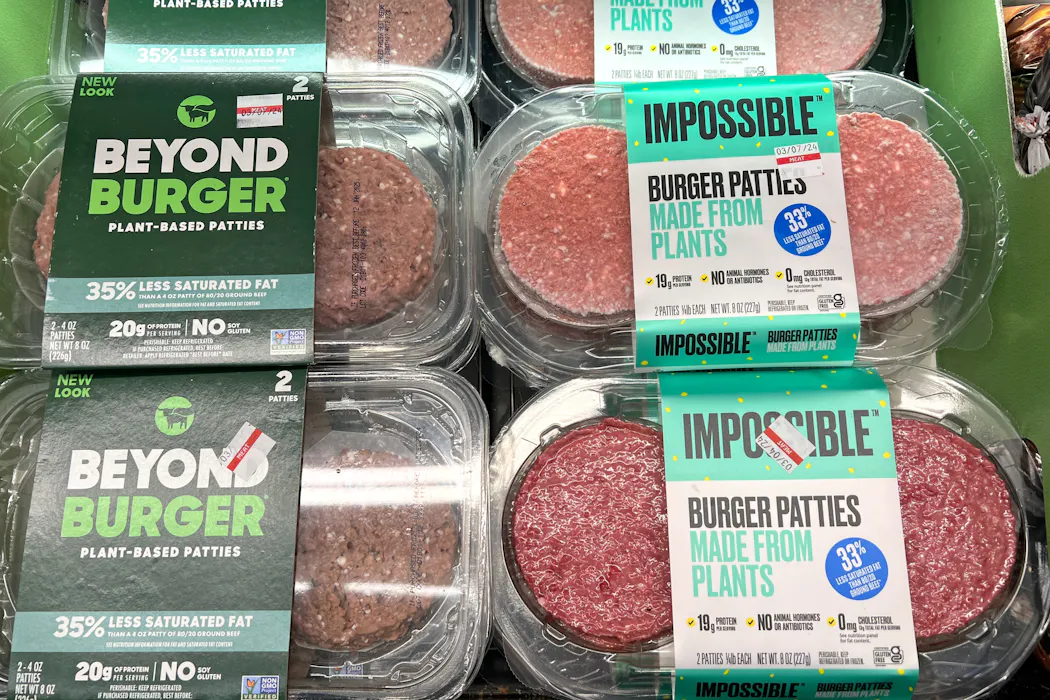
Imagine que está en el supermercado frente al lineal de productos vegetales. Ante usted tiene dos paquetes casi idénticos: uno se anuncia como “hamburguesa sin carne” y el otro como “hamburguesa de soja”. Aunque ambos son productos 100 % vegetales, es muy probable que el primero le resulte más apetecible, especialmente si usted es un consumidor habitual de alimentos cárnicos.

Este fenómeno no es casualidad ni una simple preferencia estética. En una investigación reciente hemos analizado el efecto de la precisión de las etiquetas sobre la percepción del producto. En un momento en el que el mercado plant-based (alimentos a base de plantas) se expande pero encuentra techos de adopción –solo representa el 2,4 % del mercado total de comidas y bebidas en la UE–, entender la psicología detrás del nombre es clave para la transición hacia dietas más sostenibles.

El laberinto del etiquetado: legalidad y salud

El debate sobre cómo llamar a estos productos no es nuevo. Como se analizó en The Conversation, existe una intensa batalla legal sobre si se puede denominar “hamburguesa” a un producto sin carne. Mientras que en el sector lácteo términos como “leche de soja” fueron prohibidos en favor de “bebida vegetal”, en octubre de 2024 el Tribunal de Justicia de la UE dictaminó que los Estados no pueden prohibir términos como “salchicha” o “hamburguesa” para vegetales, siempre que el etiquetado sea claro.

Más allá de la legalidad, el consumidor también se enfrenta al reto nutricional, porque otra cuestión fundamental es si estas alternativas vegetales son realmente más saludables que la carne. Estudios previos comparando casi mil productos muestran que, aunque suelen tener mejor perfil nutricional en el sistema Nutri-Score (más fibra, menos grasas saturadas), a menudo son alimentos ultraprocesados con niveles elevados de sal y azúcar.

Sin embargo, la nueva investigación demuestra que, incluso si el producto es saludable y legal, la forma en que se nombra el ingrediente principal puede activar barreras psicológicas insospechadas.

El experimento: cuando la claridad no ayuda

Para entender este mecanismo, realizamos un experimento con 300 participantes en España, a quienes se presentó cuatro tipos de etiquetas para una misma hamburguesa vegetal, variando su nivel de abstracción:

  1. Abstracta: “Hamburguesa sin carne” (se enfoca en lo que no tiene).

  2. Intermedia: “Hamburguesa vegetal” (término general).

  3. Concreta: “Hamburguesa de soja” o “Hamburguesa de guisante” (identifica el ingrediente específico).

Los resultados fueron reveladores: las etiquetas concretas, especialmente la de guisante, redujeron el atractivo del producto, la percepción de su sabor y la intención de compra. ¿Por qué ser más preciso y transparente sobre los ingredientes genera rechazo? La respuesta está en un concepto llamado “afinidad por la carne”.

Disparadores semánticos

La afinidad por la carne es el vínculo emocional, de placer y satisfacción que muchas personas sienten al comer productos animales. Es el ancla que impide que muchos den el paso hacia una dieta vegetal, incluso conociendo los beneficios ambientales.

Nuestra investigación descubrió que las etiquetas concretas actúan como disparadores semánticos que subrayan la naturaleza “sustitutiva” del producto. Al leer un ingrediente específico, el consumidor recuerda inmediatamente que aquello no es carne real. Y esto activa una resistencia defensiva: el producto se percibe como algo “no natural” o un “engaño industrial”, lo que se conoce como “la paradoja del análogo”.

En cambio, etiquetas más abstractas como “sin carne” facilitan la fluidez de procesamiento; es decir, son más fáciles de entender y permiten al consumidor relacionar el producto con una experiencia familiar de sabor y uso sin activar comparaciones negativas.

Un resultado particularmente interesante es que esta resistencia no afecta a todos por igual: en nuestro estudio, los hombres mostraron una resistencia ligeramente más fuerte a las etiquetas concretas. Para muchos varones, la carne es un pilar de su identidad. Cuando una etiqueta detalla con excesiva claridad que están ante una “hamburguesa de guisante”, se produce una amenaza a su identidad social, provocando una respuesta defensiva que debilita el atractivo del producto.

Lecciones para el futuro: dividir el mensaje

¿Significa esto que debemos ocultar los ingredientes? En absoluto. La transparencia es un derecho del consumidor y una obligación legal. Sin embargo, los resultados sugieren estrategias más inteligentes para fomentar el consumo de proteínas vegetales:

  • En el frontal, la experiencia: las marcas deberían utilizar un lenguaje más abstracto y sugerente en la parte delantera del paquete (“hamburguesa sabrosa sin carne”), apelando al formato culinario y al placer.

  • En el reverso, la precisión: la información técnica y detallada sobre los ingredientes (soja, guisante) debe quedar para la parte posterior, satisfaciendo la necesidad de claridad informativa sin activar la resistencia emocional inicial.

  • Evitar prohibiciones contraproducentes: estos resultados también invitan a reflexionar sobre el papel de la regulación. Limitar el uso de términos tradicionalmente asociados a la carne en productos vegetales podría generar efectos no deseados. Si se fuerza el uso de denominaciones más concretas y menos familiares para el consumidor, podría reforzarse la distancia psicológica hacia este tipo de productos, especialmente entre quienes muestran un mayor apego a la carne.

En conclusión, el lenguaje evoluciona con la sociedad. Si queremos que las alternativas vegetales dejen de ser un nicho y se conviertan en una opción real para la mayoría, debemos entender que una etiqueta es mucho más que una lista de ingredientes. Por eso, a veces avanzar exige no solo informar con claridad, sino también comunicar con inteligencia.

The Conversation

Las personas firmantes no son asalariadas, ni consultoras, ni poseen acciones, ni reciben financiación de ninguna compañía u organización que pueda obtener beneficio de este artículo, y han declarado carecer de vínculos relevantes más allá del cargo académico citado anteriormente.

– ref. ¿Por qué nos atrae más “una hamburguesa sin carne” que una “hamburguesa de guisante”? El curioso efecto de las etiquetas – https://theconversation.com/por-que-nos-atrae-mas-una-hamburguesa-sin-carne-que-una-hamburguesa-de-guisante-el-curioso-efecto-de-las-etiquetas-282318

La ilusión de libertad en internet: 8 maneras en las que la red moldea nuestras decisiones

Source: The Conversation – (in Spanish) – By Víctor Hugo Pérez Gallo, Assistant lecturer, Universidad de Zaragoza

Marko Aliaksandr/Shutterstock

Nos gusta pensar que decidimos por nosotros mismos. Que elegimos qué ver, qué comprar, qué opinar. Que somos, en última instancia, sujetos autónomos navegando en un espacio abierto de posibilidades. Pero esa imagen empieza a resquebrajarse cuando observamos con más detenimiento cómo funcionan los entornos digitales en los que pasamos buena parte de nuestra vida cotidiana.

La sociología lleva tiempo recordándonos que la libertad nunca opera en el vacío. Como planteó el sociólogo francés Pierre Bourdieu, nuestras decisiones están siempre orientadas por estructuras previas que delimitan lo que percibimos como posible. Hoy, esas estructuras no solo son sociales: son también algorítmicas.

Internet no nos quita la capacidad de decidir, sino que hace algo más sofisticado: configura el marco dentro del cual decidimos.

1. Elegimos lo que vemos, pero no lo que aparece

Cuando abrimos una red social o hacemos una búsqueda, no accedemos a “todo lo que hay”, sino a una selección previa. Un filtro invisible ha decidido antes qué merece nuestra atención. No sentimos que eso limite nuestra libertad porque seguimos eligiendo, pero lo hacemos dentro de un menú ya configurado.

Ahí es donde el poder se vuelve sutil, casi imperceptible. Como sugería Michel Foucault, no hace falta imponer conductas si se puede organizar el campo de lo posible.

2. Creemos que algo es importante porque nos lo ponen delante muchas veces

Hay temas que parecen inevitables. Están en todas partes: en titulares, en vídeos, en conversaciones digitales. Poco a poco, empiezan a ocupar más espacio en nuestra mente. No es casualidad, sino el resultado de procesos de selección que deciden qué circula y qué queda relegado.

Como explicaba Niklas Luhmann, los sistemas sociales funcionan reduciendo complejidad. Internet lo hace simplificando el mundo hasta convertirlo en aquello que aparece en pantalla.

Lo que no aparece simplemente deja de existir para nosotros.

3. Formamos opiniones en entornos que ya están inclinados

Muchas veces creemos que nuestras opiniones son el resultado de una reflexión personal. Pero lo cierto es que solemos construirlas en espacios donde ciertas ideas ya están reforzadas.

Leemos, escuchamos y vemos contenidos que apuntan en direcciones similares. Con el tiempo, eso genera la sensación de que “todo el mundo piensa así”.

Eso es hegemonía en el sentido que le confería el intelectual y filósofo italiano Antonio Gramsci: no hace falta obligar a nadie a pensar algo si se logra que determinadas ideas parezcan las más razonables, las más evidentes, las más normales.

4. Sentimos de determinada manera porque el entorno nos empuja a ello

Internet no solo organiza información: también organiza emociones.

Hay contenidos que circulan más porque generan indignación; otros porque producen miedo; y otros porque refuerzan identidades o pertenencias. Sin darnos cuenta, nos movemos emocionalmente dentro de esos marcos. Nos indignamos cuando toca indignarse, nos alarmamos cuando toca alarmarse, e internet lo sabe porque conoce nuestros gustos.

En términos de la profesora de Sociología estadounidense Arlie Russell Hochschild, podríamos decir que hay una especie de “guía emocional” implícita que orienta cómo debemos sentir en cada momento.

5. Compramos lo que creemos querer pero ese deseo ya estaba anticipado

Las recomendaciones parecen adaptarse a nuestros gustos. Y en parte lo hacen, pero también los modelan. Después de ver ciertas cosas, empezamos a interesarnos por otras similares. Poco a poco, nuestras preferencias se vuelven más previsibles… y más dirigidas.

Aquí se cumple, en versión digital, una intuición clásica de Karl Marx: el sistema no solo responde a necesidades, también las produce.

No solo elegimos lo que queremos. Terminamos queriendo lo que aparece disponible.

6. Pensamos rápido, pero cada vez pensamos menos en profundidad

La lógica de internet premia la velocidad. Respuestas rápidas, contenidos breves, explicaciones simples. Eso facilita el acceso, pero tiene un coste: la pérdida de matiz, de duda, de elaboración.

Como advertía el sociólogo y filósofo estadounidense Herbert Marcuse, el riesgo de una sociedad altamente funcional es la reducción del pensamiento a una sola dimensión: lo inmediato, lo útil, lo evidente. Pensar despacio empieza a parecer un lujo innecesario.

7. Hablamos como la plataforma permite que hablemos

No solo cambia lo que decimos, sino cómo lo decimos.

Los formatos digitales –memes, hashtags, frases cortas– condicionan el tipo de lenguaje que utilizamos. Y, con ello, el tipo de ideas que podemos expresar.

Porque, como señalaba Ludwig Wittgenstein, los límites del lenguaje son también los límites del pensamiento.

Si el lenguaje se estrecha, también lo hace nuestra capacidad de imaginar otras formas de ver el mundo.

8. Y, lo más importante: todo esto nos parece completamente normal

Quizá lo más inquietante no es ninguna de las formas anteriores por separado, sino el hecho de que todas ellas han dejado de resultarnos problemáticas.

No sentimos que algo nos esté condicionando, ni percibimos pérdida de autonomía, ni detectamos imposición. Simplemente, vivimos así.

Eso es lo que los filósofos Theodor W. Adorno y Max Horkheimer identificaron como una de las formas más eficaces de dominación: aquella que no se reconoce como tal.

Una pregunta final difícil de esquivar

Si todo lo que ve, lo que le interesa, lo que le emociona, lo que desea –e incluso la forma en que lo nombra– ocurre dentro de entornos previamente organizados por otros, ¿qué parte de su vida seguiría siendo reconocible como “suya” si, de pronto, quedara fuera de esos entornos?

Y, aún más inquietante: si no puede responder con claridad ¿sigue decidiendo o simplemente está habitando decisiones que alguien (o algo) ya tomó por usted?

Puede llevarse esta pregunta a la cama. Pero, cuidado: hay preguntas que, una vez pensadas, ya no nos devuelven la misma vida. Porque algunas preguntas funcionan como aquella pastilla roja de Matrix: no nos dan respuestas, nos obligan a ver lo que ya no podemos dejar de ver.

The Conversation

Víctor Hugo Pérez Gallo no recibe salario, ni ejerce labores de consultoría, ni posee acciones, ni recibe financiación de ninguna compañía u organización que pueda obtener beneficio de este artículo, y ha declarado carecer de vínculos relevantes más allá del cargo académico citado.

– ref. La ilusión de libertad en internet: 8 maneras en las que la red moldea nuestras decisiones – https://theconversation.com/la-ilusion-de-libertad-en-internet-8-maneras-en-las-que-la-red-moldea-nuestras-decisiones-280116