Peut-on encourager le covoiturage avec des subventions locales ?

Source: The Conversation – France (in French) – By Guillaume Monchambert, Maître de conférences en économie, Université Lumière Lyon 2

Les personnes qui bénéficient des subventions locales pour le covoiturage ne sont pas toujours d’anciens automobilistes solos. Cette réalité limite donc les bénéfices de ces aides. Rawpixel.com/Freepik, CC BY

Le covoiturage est souvent perçu comme une des façons les plus simples de baisser les émissions de gaz à effet de serre des transports. Si le premier bilan des subventions locales visant à généraliser cette pratique est encourageant, il masque en vérité plusieurs aspects.


Face à l’urgence climatique et aux embouteillages chroniques des métropoles françaises, les pouvoirs publics cherchent des solutions pour réduire l’usage de la voiture individuelle. Les automobiles des particuliers sont la principale source des émissions de gaz à effet de serre du transport en France. Elles sont également émettrices de particules fines qui dégradent la qualité de l’air et augmentent les risques de maladies respiratoires et cardiovasculaires.

Face à cette réalité, le covoiturage est une piste qui suscite beaucoup d’espoir, car elle ne nécessite pas d’infrastructures lourdes supplémentaires, s’appuyant sur des ressources existantes de véhicules et de conducteurs. Parmi les solutions incitatives, les aides financières locales au covoiturage, notamment via des plateformes numériques, se développent depuis 2019. Mais ces subventions encouragent-elles vraiment plus de covoiturage ? Et quels sont les gains environnementaux dus à ces subventions ?

Des résultats probants, mais variables selon les territoires

La loi d’orientation des mobilités (LOM), promulguée en 2019, autorise les autorités organisatrices de mobilité à verser une incitation financière aux conducteurs et passagers d’un trajet en covoiturage. Le versement de cette subvention s’effectue principalement via des plateformes numériques qui organisent le covoiturage. La subvention moyenne pour un déplacement en covoiturage de 22 kilomètres s’élève à 1,60 euros.

Pour voir si ce levier est efficace, un jeu de données est précieux : celui du registre de preuve de covoiturage. Il centralise les données de trajets transmises par les plateformes partenaires. Notre étude récente utilise ces données pour mesurer la pratique du covoiturage organisé via plateforme dans 1 123 collectivités locales françaises entre 2019 et 2024.

Elle révèle que ce levier est effectivement puissant. En moyenne, l’introduction d’une subvention locale attribuée pour chaque déplacement augmente d’environ 5 trajets mensuels le nombre de trajets de covoiturage à courte distance (inférieurs à 80 kilomètres) sur plateforme pour 1 000 habitants concernés. Chaque euro de subvention supplémentaire par déplacement génère près de 4 trajets mensuels additionnels par 1 000 habitants. Autrement dit, les finances publiques locales, investies dans ce type d’incitation, produisent un effet tangible et mesurable sur le terrain.

Ce résultat masque cependant une forte diversité. L’effet des subventions est nettement plus marqué dans les zones urbaines denses et peuplées. À l’inverse, dans les territoires peu denses et ruraux, la subvention n’a quasiment aucun effet, traduisant les difficultés du covoiturage à s’implanter sans une masse critique d’usagers. Cette disparité met en lumière le rôle central des effets de réseau propres aux plateformes numériques : plus il y a d’utilisateurs, plus elles deviennent utiles, ce qui amplifie l’impact des subventions.

D’autres réalités doivent également être soulevées pour comprendre l’efficacité ou non de ces subventions, notamment du point de vue environnemental.

L’effet d’aubaine : inciter ceux qui viendraient de toute façon

L’effet d’aubaine se produit lorsque des utilisateurs auraient covoituré via la plateforme même en l’absence de toute subvention. Par exemple, un salarié habitué à organiser son covoiturage quotidien sur une application continue simplement à le faire, mais touche désormais une prime financière.

Ici, la dépense publique n’a donc pas changé son choix ni augmenté le nombre total de trajets partagés, ce qui dilue l’efficacité de la politique.

L’effet d’opportunité : attirer les covoitureurs informels sans créer de nouveaux trajets

L’effet d’opportunité correspond lui aux covoitureurs qui, sans subvention, auraient continué à partager leurs trajets en dehors des plateformes numériques (par exemple via le bouche-à-oreille ou des groupes privés). Lorsque la subvention est instaurée, ils transfèrent leur pratique sur la plateforme pour bénéficier des aides. Ainsi, le volume de trajets enregistrés croit artificiellement, sans que la part réelle du covoiturage dans la mobilité globale n’augmente. Par exemple, deux voisins qui organisaient ensemble leur trajet en voiture hors plateforme rejoignent l’application pour percevoir la prime, sans modification de leur habitude de déplacement. Une enquête du Centre d’études et d’expertise sur les risques, l’environnement, la mobilité et l’aménagement (Cerema) montre qu’un tiers des nouveaux covoitureurs attirés par les dispositifs d’incitation financière covoituraient déjà avant la mise en place de l’incitation.

Le report modal : comprendre d’où viennent les nouveaux passagers

Le facteur le plus décisif concerne cependant les sources du report modal : il s’agit d’identifier le mode de transport qu’un passager du covoiturage aurait utilisé si la subvention n’existait pas. Contrairement à l’idée reçue, une grande partie des nouveaux passagers du covoiturage issu de la subvention ne sont pas d’anciens automobilistes solo, mais d’anciens usagers du transport collectif (bus, train) ou parfois des modes actifs (comme le vélo ou la marche).

Prenons l’exemple d’une passagère qui renonce au TER pour un trajet covoituré subventionné : cela ne retire pas une voiture de la circulation, et les bénéfices pour la réduction des émissions sont nettement moindres que si elle avait quitté la voiture solo.

D’après l’enquête nationale sur le covoiturage pilotée par l’Agence de l’environnement et de la maîtrise de l’énergie (Ademe), 35 % des passagers du covoiturage courte distance via plateforme faisaient le déplacement en transports en commun avant de pratiquer le covoiturage, 11 % utilisaient un mode actif et 10 % ne faisaient pas ce trajet. Ce constat est valable tant pour le covoiturage court que longue distance, freinant fortement l’effet net de la politique sur les émissions de gaz à effet de serre.

Combien coûte réellement la tonne de CO₂ évitée ?

Pour obtenir une mesure de l’impact net des subventions, il est donc indispensable de corriger les chiffres bruts du nombre de trajets en tenant compte de ces trois effets. Selon notre étude, ces phénomènes expliquent qu’entre un tiers et la moitié de l’augmentation observée n’est pas associée à une réelle réduction de l’autosolisme ou des émissions.

Une manière de mesurer l’efficacité d’une politique de réduction des émissions de gaz à effet de serre, et de la comparer à d’autres politiques, est de calculer le montant nécessaire pour éviter l’émission d’une tonne de CO2. Dans le cas du covoiturage, chaque tonne de CO2 évitée coûte à la collectivité entre 1 000 et 1 300 euros en subventions.

Ce chiffre se situe dans la fourchette haute des instruments de politique climatique en Europe, ce qui dénote une efficacité très relative. À titre de comparaison, le dispositif d’encouragement de l’adoption de la motorisation électrique a un coût pour les finances publiques de l’ordre de 600 euros par tonne de CO₂ évitée.

Vers une stratégie de long terme, ciblée et combinée

Ces résultats montrent bien la nécessité de concevoir des politiques qui ciblent précisément les changements de comportement les plus à même de réduire les émissions de CO2. Ces politiques seront d’autant plus efficaces qu’elles convainquent des autosolistes d’abandonner leur voiture pour covoiturer en tant que passager. Pour cela, des stratégies combinées seront nécessaires : incitations financières, infrastructures adaptées comme les voies réservées, développement de l’intermodalité…

Enfin, l’effet des subventions croissant dans le temps et le développement de la pratique du covoiturage invitent à une vision de long terme, loin des mesures ponctuelles d’effet d’annonce.

The Conversation

Guillaume Monchambert est membre du conseil scientifique de la Société des Grands Projets (SGP). Il a reçu des financements de la Région Auvergne-Rhône-Alpes (Projet Covoit’AURA) et de la BPI (projet Mobipart). Il a effectué des activités de conseil pour SNCF Réseau et SNCF Voyageurs.

ref. Peut-on encourager le covoiturage avec des subventions locales ? – https://theconversation.com/peut-on-encourager-le-covoiturage-avec-des-subventions-locales-271261

Does running wear out the bodies of professionals and amateurs alike?

Source: The Conversation – France – By Sylvain Durand, Professeur de physiologie humaine au département STAPS, chercheur au laboratoire Motricité, Interactions, Performance, Le Mans Université

Running counts among today’s most popular sports. Sometimes the race is on even before the competition itself has started, as tickets for events sell out within hours. In France, this has got people talking about a “race for the runner’s bib”.

So, while running enjoys the reputation of a wholesome sport, the reality is that some of us feel stress at the simple prospect of donning a bib, while even a greater number of us face exhaustion upon completing a race such as a marathon or trail. So, what exactly is the toll of the sport on our bodies, and does our status as an amateur or a pro make a difference?

Working it out like a pro

It’d be easy to place professional and amateur runners in two separate boxes. Indeed, pros train hard–up to three times a day ahead of certain races. Life at those times is austere, punctuated by meals, runs and sleep, leaving little room for improvisation. And while you might think that the countless events around the world might dilute some of the demand for them, competition in such a universal sport is in fact fierce and professional runners need to push their bodies to the limit to get better at it.

High-level careers are often brief, lasting five or six years. Stories such as that of Eliud Kipchoge, the first man to run a marathon in under two hours (under non-certifiable conditions), sixteen years after becoming world champion in the 5,000 metres on the track, remain exceptions.

The significant mechanical stress inherent in the sport weighs on the muscles, tendons and skeleton. There are times when rest periods are short and it’s increasingly common to see athletes injuring themselves during competitions on live television, a surefire sign of physical and mental exhaustion. Some might consider these factors to be fairly typical: after all, these are top-level athletes.

Similarities between professionals and amateurs

But are world champs, next-door champs and ordinary runners really that different? Considering the tip of the iceberg of this question, the answer seems obvious: they don’t run at the same speed and therefore don’t spend the same time exerting themselves. But what about the submerged part: the pre-race prep, training, the individuals’ investment and self-sacrifice? When you want to break a record–your own record–don’t you give 100% of yourself, both physically and mentally?

Let’s consider the figures for the Paris Marathon in 2025: 56,950 registered for the race, 55,499 finishers. The mass event spells the same challenge for all: 42,195 km (around 26 mi) for the fifty or so athletes who might be considered elite and all the others who have to juggle it with their professional and family lives.

In truth, regardless of your level or speed, there are many similarities in how you prepare for a marathon, with identical training loads. Marathon training typically lasts ten to twelve weeks and includes essential elements such as “long runs”, a training session of around thirty kilometres recommended once a week.

No one escapes it. And there’s a whole range of science-based books on running, designed to guide the general public.

However, as training takes its toll on both body and morale, the risk of injury rises.

Trail or marathon prepping: increased risk of injury for amateurs

In fact, we most often see stress-related injuries among amateurs.

A high-level athlete doesn’t need to see a sports doctor. Why is that? Because they have built their careers over many years and have specific genetic characteristics that allow them to take on heavy training loads. They follow a specific programme that includes dietary measures, recovery phases and processes.

Professional athletes benefit from much better general and medical support than novice or amateur runners who, whether for individual or collective challenges, embark on projects such as marathons or trail running. This is how a runner like Christelle Daunay, after fifteen years of practice and modest beginnings at the national level, patiently built herself up to win the European Marathon Championships in Zurich in 2014.

French athlete Christelle Daunay wins the marathon at the European Athletics Championships in Zurich in 2014
French athlete Christelle Daunay wins the marathon at the European Athletics Championships in Zurich in 2014.
Erik van Leeuwen, CC BY

When physical stress takes its toll on professionals

The issue of physical stress has been raised for a long time. In the 1990s, it was already reported that simply running for 45 minutes rather than 30 minutes a day could double the frequency of injuries. Going from three to five weekly sessions had similar effects.

Christelle Daunay was no exception. She suffered a stress-related fracture in 2018, which prevented her from defending her title as European marathon champion in 2014. It should be noted that a “stress fracture” is a bone injury, similar to a crack, which can be caused by running long distances.

When ultra-trail puts body and mind to the test

The recent development of trail running (i.e. running in the great outdoors) only reinforces these concerns, with not just the wilderness but “ultra” aspect appealing to many.

The extreme sport has its own particularities. Due to the irregular terrain, its practice requires different joint and muscle movements and therefore greater concentration than road running. Add to that the effort’s duration, ranging from a few hours to a full day or more, the issues of nutrition, effort management, and muscle damage that sets in over time, and it’s easy to understand why these events lead to mental and physical fatigue, not only during the event itself, but also in the long term.

The conditions of running-related physical wear depend on many factors and vary from person to person. For example, on whether you jog to hit a speed or mileage goal.

Wearing out the body at a given moment to increase its resistance… to wear and tear

Whatever the focus, people often engage in specific training programmes, with physical and physiological progress relying on the human body’s remarkable adaptive capacity.

Note the paradox here: one of the principles of training is to stimulate the body, to “wear it out” at a given moment in time in order to trigger the physiological processes that will lead to improved capabilities, the fight against fatigue… and, ultimately, increased resistance to physical stress.

This fundamental process is the basis of physical rehabilitation/recovery programmes, which are increasingly used in physiopathological contexts, for example to treat peripheral artery disease or obesity.

However, at its most intense, training can require mental commitment, resistance to weariness, and a strong will to continue the effort over time despite fatigue.

Stress can therefore also be mental. This is perhaps the major difference between amateurs and professionals, who have no choice but to put their bodies under severe strain in order to progress in the high-level hierarchy.

Pros or amateurs, the importance of good coaching

Seeking to push their physical and mental limits can lead any runner to feel “worn out”. All these factors highlight the importance of being well supervised and advised (by coaches, in clubs, etc.) in order to train with a certain progression, both in terms of quantity and intensity, and to adapt one’s lifestyle.

No technical equipment is needed to run – an advantage which allows you to ideally experience your own body, provided you’re aware of races’ risks and limitations. And rest assured, if you still don’t enjoy this sport, there are plenty of other options available so you can find something that suits you and enjoy the health benefits of physical activity. What’s important is to keep moving.

Extract from What I Talk About When I Talk About Running by Haruki Murakami:

“Human beings naturally continue doing things they like, and they don’t continue what they don’t like. That’s why I’ve never recommended running to others. It doesn’t suit everybody. Similarly, not everyone can become a novelist.”


Benoît Holzerny, a health-promoting sports coach, and Cédric Thomas, a top athlete trainer (including the 2014 European marathon champion, Christelle Daunay), contributed to writing this article.

The Conversation

Sylvain Durand ne travaille pas, ne conseille pas, ne possède pas de parts, ne reçoit pas de fonds d’une organisation qui pourrait tirer profit de cet article, et n’a déclaré aucune autre affiliation que son organisme de recherche.

ref. Does running wear out the bodies of professionals and amateurs alike? – https://theconversation.com/does-running-wear-out-the-bodies-of-professionals-and-amateurs-alike-270507

As the US eyes Greenland, Europe must turn a global problem into an opportunity

Source: The Conversation – UK – By Francesco Grillo, Academic Fellow, Department of Social and Political Sciences, Bocconi University

Shutterstock/Bendix M

The so-called world order and the international rule of law are both officially dead in the wake of operation “absolute resolve”, the US infiltration of Venezuela to capture its president Nicolás Maduro.

It is true that both have been sick for some time – and Venezuela is a demonstration of this. Maduro was condemned by foreign leaders for illegally seizing power as long ago as 2013 – years before Donald Trump even became president. No concrete action was ever taken.

Operation “absolute resolve”, however, is a red line crossed.

Even when the US invaded Panama in 1989, there was some attempt to preserve a world order that no longer seems to matter. This invasion (more humbly named “just cause”) was anticipated by a declaration of war that came from Panama. The US Congress was, at least, informed and some countries even tried a mediation.

More importantly, the reaction when the US went ahead was much stronger. Even before the capture of Panamanian president Manuel Noriega, the General Assembly of the United Nations, the Organization of the American States (which includes the US) condemned the invasion as illegal. The European Parliament did the same immediately after.

In the case of Venezuela, the silence is deafening. And seeing that no one has challenged it, the US government has immediately started talking about taking Greenland, hinting that it wouldn’t even need to use force. The world order is dead because nobody is willing to defend it.

However, it is equally evident that the alternative to the defunct world order cannot be no order at all. It’s not feasible that the world should operate according to the law of the jungle. It is too complex and big to be governed by just one empire.

This much was acknowledged even in the controversial US security strategy published at the end of 2025, which says that US elites “badly miscalculated America’s willingness to shoulder forever global burdens” and that “they overestimated America’s ability to fund … a massive military, diplomatic, intelligence, and foreign aid complex”.

“We live in a world in which you can talk all you want about international niceties and everything else,” Stephen Miller, deputy chief of staff to Donald Trump, now says of the US’s changed vision. “But we live in a world, in the real world…that is governed by strength, that is governed by force, that is governed by power.”

But a world governed on these terms is obviously a world heading towards mutual destruction. In such a system, all countries would, legitimately, scramble to defend themselves militarily. For those countries not already equipped, the pursuit of nuclear weapons would be the only obvious route to invulnerability.

Turning crisis into opportunity

So, what should Europe do in the face of this problem? And in the current world order, it’s possible that I do really mean Europe rather than the EU.

This situation requires cooperation with the UK, Norway, and probably Canada and Switzerland. If necessary, it may require moving ahead without Hungary or whichever other EU countries are still doubtful about the need for an urgent, defence-based European integration.

In theory, a world without a world order is a much greater problem for Europe than for any other economy of the world. According to the World Bank, trade with other countries represents more than 60% of the five biggest GDPs in Europe but less than 40% of the GDPs of China, the US and Russia.

However, Europe is also probably the part of the world that is best equipped to try to be the broker a new framework. It has fewer enemies than other contenders and more friends (16 of the 20 countries whose passports enable entry to other states without a visa are European).

It has the strongest tradition of being a global meeting place (the top five host cities for international organisations are all in Europe).

So yes, Europe can, in theory, transform its biggest problem into its biggest opportunity. Indeed, I would even say that the only way to survive the chaos is by being ambitious. Europe must present itself as the only credible broker of a difficult and yet indispensable new world order.

Miller is right that this will take force, strength and power – but it is the force of standing up without double or triple standards over defending those rights that once inspired a “universal declaration” inspired by the United States.

It is about having the strength of ideas for drafting new institutions to reinforce those values. But also, it’s about having the power, even one based on a military deterrence, to defend freedom if somebody wants to impose a different vision of what civilisations are about.

Will Europe find the courage to be strong? It probably needs a trigger to wake up. Greenland could be that trigger.

If Europeans don’t manage to negotiate what they’ve mastered so far – another humiliating compromise that would only serve US interests and reinforce Miller’s worldview – then an incident over Greenland may be the end of an alliance that is already increasingly unstable. But it would also be an opportunity to draft a new vision for governing the world.

The Conversation

Francesco Grillo is affiliated with the think tank Vision which is the convenor of the Siena conference on the Europe of the Future.

ref. As the US eyes Greenland, Europe must turn a global problem into an opportunity – https://theconversation.com/as-the-us-eyes-greenland-europe-must-turn-a-global-problem-into-an-opportunity-272872

Pourquoi reconstruisons-nous les monuments « à l’identique » ?

Source: The Conversation – France (in French) – By Patrice Gourbin, Historien de l’architecture [maître de conférences à l’Ecole nationale supérieure d’architecture de Normandie], Ecole Nationale supérieure d’architecture et de paysage de Bordeaux (ENSAP Bordeaux)

La reconstruction de Notre Dame de Paris, en avril 2024. CC BY

En 2019, la reconstruction de la charpente de Notre-Dame de Paris « à l’identique » des matériaux d’origine et de leur mise œuvre a été présentée comme une nécessité technique, historique et parfois même mystique. Or ce type d’attitude, relativement récente, mérite d’être interrogée en tant que fait culturel qui interroge le rapport de nos sociétés à leur histoire.


Fort de la mission qui lui avait été confiée par l’État dans les années 1830, le service des Monuments historiques fut pendant près de cent cinquante ans l’unique garant du patrimoine national.

Confronté aux dévastations de la Grande Guerre, il mit en place une doctrine de reconstruction des édifices ou parties d’édifices détruits qui fut reprise après la Seconde Guerre mondiale et se maintint inchangée jusqu’au milieu des années 1990. Il ne s’agissait pas de refaire les monuments « à l’identique » de ce qu’ils étaient avant la catastrophe, mais de leur redonner leur apparence originelle tout en les améliorant d’un triple point de vue, technique, archéologique et artistique.

Les charpentes furent par exemple reconstruites en béton armé pour des raisons d’économie, de facilité d’entretien et de résistance au feu. Le matériau pouvait aussi être utilisé pour renforcer des structures instables ou remplacer à moindre coût les maçonneries traditionnelles. À Rouen, la grande voûte en bois de la salle des procureurs du palais de justice, incendiée en mars 1944, fut reconstituée dans son apparence grâce à un voile mince de béton armé supportant à la fois un lambris de bois intérieur et la couverture extérieure en ardoises épaisses. La modification concernait l’ensemble de la structure de l’édifice : du fait de la poussée de la nouvelle voûte, trois fois plus lourde que l’ancienne, il fallut renforcer les fondations en sous-œuvre et forer l’épaisseur des murs pour y installer des tirants métalliques reliant la voûte, le plancher intermédiaire en béton et les fondations.

Retrouver un état de « référence »

Sur le plan archéologique, il était courant de supprimer des éléments considérés comme non pertinents, en particulier ceux du XIXᵉ siècle, une période dévalorisée de l’histoire de l’art. Le but était de retrouver un état de référence, souvent le plus ancien connu. Par exemple pour la reconstruction de l’église de Carignan (Ardennes) détruite en 1940, l’architecte en chef Yves-Marie Froidevaux choisit de revenir à l’état de 1681 en remplaçant la tour-porche du XIXe en pierre par un clocher en charpente de style classique.

Politiques de création

Enfin, la dernière amélioration concernait le domaine de la création. Si les éléments décoratifs répétitifs (corniches, garde-corps, décor géométrique ou végétal, modénature étaient refaits tels qu’ils étaient avant la catastrophe, ce n’était généralement pas le cas des éléments artistiques uniques, tels que tympans sculptés, chapiteaux, vitraux, mobilier. Leur remplacement était alors une occasion de faire appel à des créateurs contemporains.

Lors de la première reconstruction, des commandes furent passées auprès des artistes au cas par cas pour remplacer les éléments mobiliers détruits. Lors de la seconde, le service des Monuments historiques vit dans les destructions une opportunité de développer une politique de création dans les monuments anciens, en particulier dans le domaine du vitrail. L’intervention n’était pas uniquement réparatrice : les objets et vitraux du XIXe siècle, considérés comme inappropriés, étaient souvent supprimés, qu’ils soient endommagés ou non, au profit de créations neuves. La commande reposait sur une conception corporatiste : l’objectif était de créer une classe d’artisans spécialisés dans l’intervention en milieu patrimonial. Ce n’est qu’en 1955 que les commandes commencèrent à s’ouvrir à des artistes qui n’étaient pas aussi des maîtres-verriers, comme Jacques Villon (à Metz) ou Marc Chagall (à Reims).

Les dernières interventions sur les monuments endommagés par la seconde guerre mondiale datent du milieu des années 1980. À Rouen, la flèche de la tour Saint-Romain de la cathédrale fut reconstruite en 1984 avec une charpente en béton armé.

Incontestée, la reconstruction-amélioration s’appliquait à toutes sortes d’interventions, post-catastrophe ou non : la reconstitution des combles du Parlement de Bretagne à Rennes après l’incendie de 1994, la remise en état d’usage du château de Falaise (Calvados) à partir de 1997 ou de celui de Suscinio (Morbihan).

Nouvelles pratiques de reconstruction

Mais le milieu des années 1990 fut aussi celui de l’émergence de nouvelles pratiques de (re)construction, en dehors du champ d’action du service des Monuments historiques. Les interventions s’inspiraient des méthodes de l’archéologie expérimentale qui cherchait, par la reproduction du geste créateur, à mieux comprendre les artefacts originaux. À Saint-Sylvain-d’Anjou, une association initiée par le maire de la commune restitua un château à motte en bois de l’an mil à quelques du site originel afin de l’ouvrir à la visite. À Rochefort la reconstruction de la frégate l’Hermione débuta en 1992 avec un double objectif. Il s’agissait non seulement de refaire un objet à valeur mémorielle et patrimoniale, mais aussi de mettre en scène sa fabrication dans le cadre d’un chantier immersif ouvert au public.

La construction du château (imaginaire) de Guédelon qui débuta en 1997 reposait sur la même stratégie, mais avec une exigence supplémentaire dans le domaine de l’archéologie de la matière et du geste. Il s’agissait de retrouver les savoir-faire et les matériaux correspondant à la période de référence qui avait été choisie. Les interférences avec le présent étaient évacuées pour la science mais aussi pour le spectacle, avec par exemple des ouvriers vêtus de costumes médiévaux.

Le patrimoine-spectacle existait déjà : le premier son et lumière avait eu lieu à Chambord en 1950 avec un succès planétaire et de multiples avatars au fil du temps comme celui du Puy-du-Fou. Guédelon y ajoutait une dimension scientifique et son succès témoignait de la profondeur des attentes du public, qui n’était pas seulement consommateur de divertissement.

Les actuels chantiers de la charpente de la cathédrale de Paris et de la flèche de l’abbatiale de Saint-Denis sont dans la continuité de ce renversement des pratiques engagé dans les années 1990. La triple amélioration qui caractérisait les reconstructions suivant les deux guerre mondiales s’est évaporée. Dévalorisées, les techniques modernes sont considérées comme inappropriées au moment même où leur utilisation plus que centenaire aurait pu en démontrer la pertinence économique et structurelle.

Quant à l’amélioration créative, elle paraît désormais anachronique comme le montre le procès intenté à l’encontre de l’insertion de vitraux contemporains à Notre-Dame de Paris voulue par le président de la République. Appliquant les leçons de Rochefort et Guédelon, les deux chantiers parisiens convoquent science et spectacle. Il s’agit tout autant de retrouver l’apparence ancienne que de s’assurer du geste et de la matière ancienne, sous le regard du public qui est invité à suivre l’avancement des travaux, sur site (à Saint-Denis) ou en différé (à Paris) par médias interposés. Enfin l’équilibre économique est assuré de la même manière, par les dons et les recettes du chantier-spectacle.

La reconstruction de tout ou partie du patrimoine disparu a-t-elle trouvé un nouveau départ ? Le patrimoine-spectacle, qui est aussi patrimoine-science a trouvé son public, mais il ne s’applique qu’à des édifices iconiques de l’histoire nationale. Peut-être marque-t-il la fin de cette expansion patrimoniale dénoncée par les experts dans les années 1990, de l’historienne Françoise Choay, qui y voyait le signe d’un « narcissisme collectif », au directeur de l’architecture et du patrimoine François Barré qui s’inquiétait de l’abus patrimonial. Quoiqu’il en soit, le patrimoine-spectacle-et-science peut dès maintenant être érigé en emblème du champ culturel patrimonial des années 2020.


Cet article est publié dans le cadre de la série « Regards croisés : culture, recherche et société », publiée avec le soutien de la Délégation générale à la transmission, aux territoires et à la démocratie culturelle du ministère de la culture.

The Conversation

Patrice Gourbin ne travaille pas, ne conseille pas, ne possède pas de parts, ne reçoit pas de fonds d’une organisation qui pourrait tirer profit de cet article, et n’a déclaré aucune autre affiliation que son organisme de recherche.

ref. Pourquoi reconstruisons-nous les monuments « à l’identique » ? – https://theconversation.com/pourquoi-reconstruisons-nous-les-monuments-a-lidentique-263672

Les États-Unis arraisonnent un navire battant pavillon russe : que dit le droit de la mer ?

Source: The Conversation – France in French (3) – By Andrew Serdy, Professor of the Public International Law of the Sea, University of Southampton

Les États-Unis affirment avoir agi dans le respect du droit international. La Russie dénonce une violation manifeste du droit de la mer. Entre accusations et contre-accusations, l’arraisonnement d’un navire battant pavillon russe soulève un point de droit de la mer inédit.


Les relations entre les États-Unis et la Russie ont connu un nouvel accroc après que les garde-côtes américains ont abordé un navire naviguant dans les eaux islandaises, affirmant qu’il violait les sanctions visant le Venezuela. L’incident a immédiatement donné lieu à des accusations et contre-accusations entre les États-Unis et la Russie.

Washington a affirmé avoir agi correctement, exécutant un mandat délivré par un tribunal fédéral américain. De leur côté, des responsables russes ont déclaré, selon l’agence de presse russe Tass, que cet arraisonnement constituait une violation manifeste du droit de la mer, affirmant qu’« aucun État n’a le droit d’employer la force contre des navires dûment enregistrés dans les juridictions d’autres États ». Le communiqué précisait que le Bella 1 — récemment rebaptisé Marinera — avait reçu une autorisation temporaire de naviguer sous pavillon russe le 24 décembre.

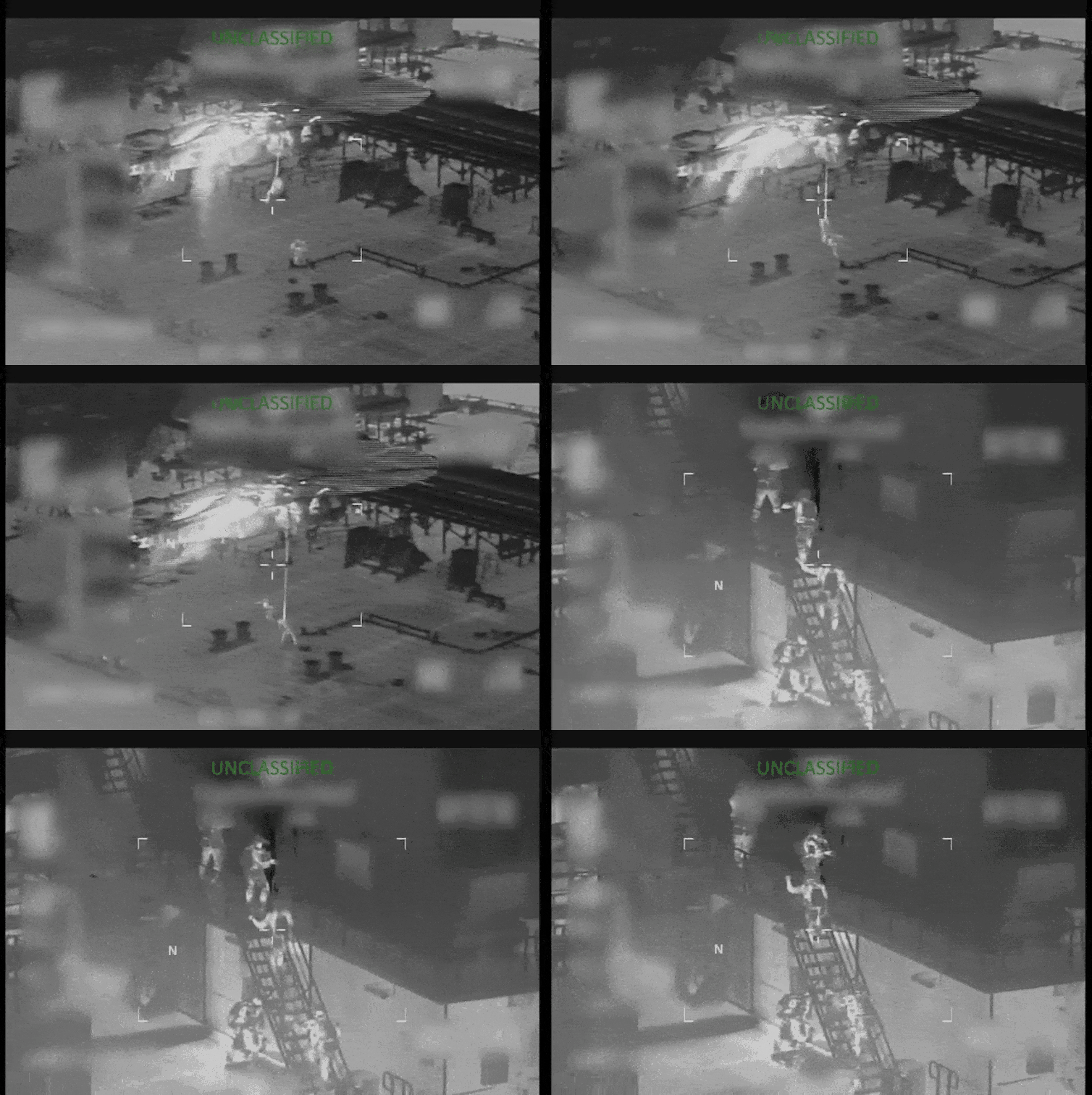
Les garde-côtes américains abordent le pétrolier « Bella I », un tanker, en mer du Nord Atlantique.
US Secretary Kristi Noem/X

Contrairement à l’enlèvement spectaculaire du président vénézuélien, Nicolás Maduro, de son palais de Caracas le 3 janvier — une opération que les États-Unis ne semblent même pas tenter de justifier en droit international — l’interception du Marinera/Bella 1 paraît soulever un point inédit du droit de la mer, susceptible d’offrir au moins une certaine marge à Washington pour se présenter comme étant du côté du droit.

Avant l’enlèvement de Maduro, les États-Unis semblaient choisir avec un certain soin les navires transportant du pétrole vénézuélien qu’ils prenaient pour cibles. Il s’agissait soit de navires sans nationalité, soit de navires soupçonnés d’arborer un faux pavillon, ce qui ne leur confère aucune protection au titre de l’article 92 de la Convention des Nations unies sur le droit de la mer (CNUDM), laquelle constitue également la règle de droit international coutumier applicable aux États non parties comme les États-Unis.

Les navires sans nationalité sont vulnérables

Se trouver sans nationalité, ou adopter une conduite qui offre aux navires de guerre en haute mer un fondement valable pour traiter un bâtiment comme tel, est une position à haut risque que tout navire a tout intérêt à éviter. En effet, un navire sans nationalité n’a, par définition, aucun État sous le pavillon duquel il est enregistré pour faire valoir à son profit la juridiction exclusive et protectrice qui s’exerce en haute mer.

La CNUDM prévoit par ailleurs qu’un navire qui navigue sous les pavillons de deux États ou plus, et les change en fonction des circonstances, « ne peut se prévaloir d’aucune des nationalités en question à l’égard de tout autre État ». Cela signifie qu’il peut être juridiquement considéré comme sans nationalité.

Ainsi, jusqu’au changement de pavillon signalé le 31 décembre, non seulement les États-Unis mais n’importe quel État étaient en droit de considérer le Marinera/Bella 1 comme un navire sans nationalité. Cela le rendait vulnérable à une interception en haute mer et à l’exercice, à son encontre, de la compétence répressive interne de l’État dont relevait le navire de guerre ou le bâtiment des garde-côtes procédant à l’interception.

La situation juridique demeure toutefois incertaine. La question pourrait être de savoir si les États-Unis poursuivaient déjà le Marinera/Bella 1 au moment où celui-ci a changé de pavillon. Si tel était le cas, Washington pourrait être fondé à ne pas tenir compte de la réimmatriculation.

La CNUDM prévoit ce qu’elle appelle le « droit de poursuite » (hot pursuit). Elle précise que « le droit de poursuite cesse dès que le navire poursuivi entre dans la mer territoriale de son propre État ou d’un État tiers ». Aucun autre cas de cessation de ce droit n’étant mentionné — y compris l’hypothèse où le navire cesserait d’être sans nationalité — cela laisse aux États-Unis la possibilité de soutenir qu’ils poursuivaient déjà le Marinera/Bella 1 et qu’ils n’étaient donc pas tenus de mettre fin à cette poursuite.


_(VOUS POUVEZ COURIR, MAIS VOUS NE POUVEZ PAS VOUS CACHER 🔥

Lors d’opérations menées avant l’aube ce matin, les garde-côtes américains ont arraisonné deux pétroliers de la « flotte fantôme » dans l’océan Atlantique Nord et dans les eaux internationales près des Caraïbes. Les deux navires avaient soit fait escale récemment au Venezuela, soit s’y rendaient.)


Mais cet argument reste fragile, car rien ne permet d’affirmer avec certitude qu’il s’agissait d’une véritable « hot pursuit ». En droit de la mer, cette notion s’applique à des poursuites engagées depuis l’une des zones maritimes de l’État concerné — et non en haute mer.

Accusations et contre-accusations

Jusqu’à présent, le ministère russe des Transports a affirmé que l’action des États-Unis contrevenait à la règle énoncée à l’article 92. La Russie soutient que le changement d’immatriculation est intervenu dès le 24 décembre. Face à cet argument, les États-Unis pourraient faire valoir que ce n’est qu’au moment où le pavillon russe a été peint sur la coque du navire — ce qui aurait eu lieu le 31 décembre — que l’article 92 pouvait être invoqué à leur encontre.

Article qui précise également qu’« un navire ne peut changer de pavillon au cours d’un voyage ou lors d’une escale, sauf en cas de transfert réel de propriété ou de changement d’immatriculation ». Cette disposition est souvent mal comprise et interprétée comme interdisant purement et simplement tout changement de pavillon en cours de route — comme cela semble avoir été le cas ici. Une lecture plus attentive montre toutefois que ce n’est pas exact : ce que la règle interdit, c’est un changement de pavillon sans changement d’immatriculation correspondant.

Mais ce n’est pas la situation ici. À supposer qu’il y ait bien eu une immatriculation effective en Russie, c’est cet élément qui fait foi. Le fait de peindre un pavillon sur la coque faute d’en disposer physiquement n’en est qu’un indice matériel.

Le changement de pavillon en cours de poursuite constitue un point inédit du droit international de la mer, dans la mesure où aucun précédent connu n’existe. En l’absence de réponse juridique claire, la manière dont cet incident se réglera est susceptible de faire jurisprudence. Il faudra donc entendre les argumentaires juridiques concurrents des États-Unis et de la Russie pour déterminer lequel se révèle le plus convaincant.

The Conversation

Andrew Serdy ne travaille pas, ne conseille pas, ne possède pas de parts, ne reçoit pas de fonds d’une organisation qui pourrait tirer profit de cet article, et n’a déclaré aucune autre affiliation que son organisme de recherche.

ref. Les États-Unis arraisonnent un navire battant pavillon russe : que dit le droit de la mer ? – https://theconversation.com/les-etats-unis-arraisonnent-un-navire-battant-pavillon-russe-que-dit-le-droit-de-la-mer-273021

Your dog’s dinner could be worse for the planet than your own – new research

Source: The Conversation – UK – By John Harvey, PhD Researcher, Global Agriculture and Food Systems, University of Edinburgh; University of Exeter

Pixel-Shot/Shutterstock

Cutting down the amount of meat we eat helps reduce greenhouse gas emissions associated with agriculture. But what about the meat that our pet dogs eat?

Our new study shows that feeding dogs can have a larger negative effect on the environment than the food their owners eat. For a collie or English springer spaniel-sized dog (weighing 20kg), 40% of tested dog foods have a higher climate impact than a human vegan diet, and 10% exceed emissions from a high-meat human diet.

Dog food comprises a significant part of the global food system. We have calculated that producing ingredients for dog food contributes around 0.9-1.3% of the UK’s total greenhouse gas emissions. Globally, producing enough food for all dogs could create emissions equivalent to 59-99% of those from burning jet fuel in commercial aviation.

The type of animal product used to produce pet food really matters. The environmental footprint of dog food differs for prime cuts and offal or trimmings.

Cuts like chicken breast or beef mince are used in some dog foods but are also commonly eaten by people. Selling these “prime cuts” provides around 93-98% of the money from selling an animal carcass.

By-products like offal and trimmings – which are less sought after for human consumption, much cheaper, but highly nutritious – are widely used in pet food. We assign more of an animal’s environmental footprint to high-value cuts and less to these by-products.

Greenhouse gas emissions for different types of dog foods:

Some previous studies have given by-products the same environmental impact by weight as the highest‑value cuts, directly using figures calculated for human food. This “double counts” livestock impacts and substantially overestimates the footprint of pet food.

A practical problem for pet owners and researchers like us is that it’s difficult to find out which parts of the carcass are in a product. Our study used mathematical models to estimate the composition based on the ingredients list and nutritional composition of each food.


Read more:
Is your pooch better or worse off on a cereal-free diet?


Labelling guidelines allow broad terms such as “meat and animal derivatives”. These give manufacturers flexibility to change recipes but make it hard to distinguish between foods mainly based on low-value cuts and those rich in prime meat. Ingredients listed as chicken may be fresh, dehydrated (made from low value offcuts) or a mixture, and recipes are commercially sensitive.

For this reason, we adjusted our assumptions about nutrient content, environmental consequences of specific ingredients and the comparative values of meat products when estimating feed compositions. After repeating this process 1,000 times, one pattern was consistent: higher shares of prime meat drove up negative environmental effects.

yellow background, jack russell eating meat from table
Higher shares of prime meat in dog food drives negative environmental impacts.
Inna Vlasova/Shutterstock

Improved labelling – for example, indicating the proportion of prime meat v by‑products – would enable owners to make informed choices and allow better scrutiny of “sustainable” claims.

The format of pet food also matters. Some owners see raw and grain-free diets as more natural, although for many dogs these diets may offer no benefits and could introduce health risks, including nutritional imbalances and bacterial risks for dogs and their owners. Studies show that carefully formulated plant-based diets can meet dogs’ nutritional needs with similar health outcomes to meat containing diets, and there is increasing acceptance of this feeding approach from veterinary professionals.

On average, wet foods (for example, tinned or those packed in foil trays) and raw foods had more of a negative environmental effect than dry kibble. Grain-free options also have a greater environmental footprint than foods not marketed in this way. While the few plant-based diets we studied tend to be slightly less environmentally damaging than average meat-based ones, particularly among wet foods, this advantage is small compared to the difference between wet or raw and dry foods.


Read more:
Vegan diet has just 30% of the environmental impact of a high-meat diet, major study finds


There are exceptions. For example, the lowest impact wet foods we studied had lower emissions than the typical dry food. And, the foods with the absolute lowest negative environmental consequences we tested included meat by-products.

There are other protein sources being marketed as sustainable alternatives to feed dogs, the most widely marketed example being insects. We haven’t studied these in detail yet, but plan to in the future, while taking into account ongoing scientific debate about how large the real-world environmental benefits of insect production are.

Wet foods – and probably raw foods requiring refrigeration or freezing – tend to have greater greenhouse gas emissions from packaging and transportation. This further increases the chance that choosing these food types is less environmentally friendly.

Vegan v wolf diets

Pet food choices can provoke strong emotions. One of us should we name them?, a veterinary surgeon working on environmental sustainability, regularly sees owners torn between ideals of dogs as meat‑eating “wolves” and their wish to reduce environmental harm.

Our study shows that it’s not simply a matter of choosing between vegan diets and raw meat. Simple rules like “dry always has a lower environmental footprint than wet” do not hold for every product. The ingredient mix within each product is key.

So, for owners looking to reduce the environmental footprint of their pet food, it’s important to know that choosing grain-free, wet or raw foods can result in higher negative environmental effects compared to standard dry kibble foods. Regardless of food type chosen, selecting foods that use genuine animal by‑products or plant proteins rather than competing directly with meat humans typically eat is also preferable.

Dog foods showed over 65 times more variation in the effect they have on the planet, compared to a 2.5-fold difference between vegan and high-meat human diets. The potential to reduce – or increase – environmental damage by changing dog diets is enormous. By choosing meat products wisely for pet food and making labelling clearer, we can cut this hidden part of our food footprint and have healthy, well-fed dogs.


Don’t have time to read about climate change as much as you’d like?

Get a weekly roundup in your inbox instead. Every Wednesday, The Conversation’s environment editor writes Imagine, a short email that goes a little deeper into just one climate issue. Join the 47,000+ readers who’ve subscribed so far.


The Conversation

John Harvey receives funding from the Biotechnology and Biological Sci­ences Research Council (BBSRC), grant number BB/T00875X/1.

Vera Eory, SRUC, is credited as a co-author of the study and she collaborated with us during writing this article.

Peter Alexander and Sarah Crowley do not work for, consult, own shares in or receive funding from any company or organisation that would benefit from this article, and have disclosed no relevant affiliations beyond their academic appointment.

ref. Your dog’s dinner could be worse for the planet than your own – new research – https://theconversation.com/your-dogs-dinner-could-be-worse-for-the-planet-than-your-own-new-research-271865

Stopping weight-loss jabs leads to much faster rebound than thought – so are they still worth it?

Source: The Conversation – UK – By Sam West, Postdoctoral Researcher, Primary Care Health Sciences, University of Oxford

martenaba/Shutterstock.com

Weight-loss injections, like Wegovy and Mounjaro, have been hailed as gamechangers. In clinical trials, people lost an average of 15%-20% of their body weight – results that seemed almost miraculous compared to traditional diet and exercise programmes.

Today, one in 50 people in the UK are using these treatments. Most of them – around 90% – are paying privately, at a cost of £120-£250 per month. But there’s a catch: more than half of people stop taking the drugs within a year, with cost being the main reason.

Our latest research reveals what happens next, and it’s sobering. On average, in clinical trials, people regain all the weight they lost within just 18 months of stopping the medication.

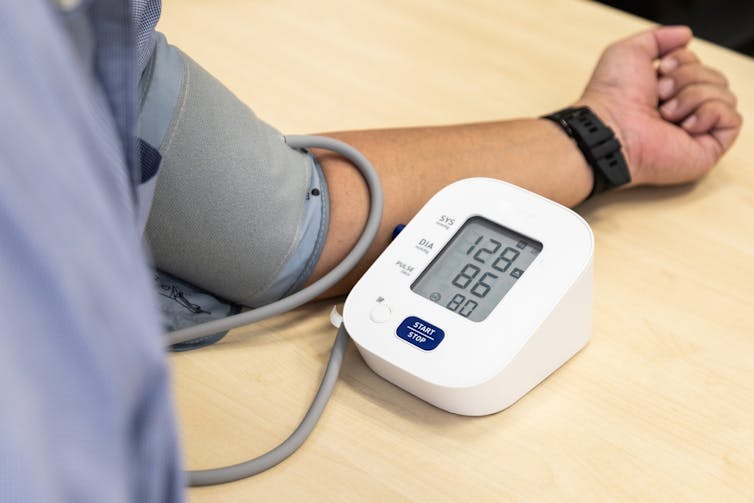
That’s surprisingly quick – almost four times faster than the weight regain seen after stopping weight-loss programmes based on diet and physical activity. The health improvements vanish too, with blood pressure, cholesterol and blood sugar levels returning to where they started.

Person taking their own blood pressure.
Health benefits vanish too.
ThamKC/Shutterstock.com

This matters because it means these drugs may need to be taken long-term – potentially for life – to maintain the benefits. Some private providers offer intensive support alongside the medication, and our review showed this helped people lose on average an extra 4.6kg. But there was no evidence that support during or after stopping the drugs helped to slow weight regain.

The rapid rebound raises serious questions about fairness and whether these treatments represent good value for the NHS. Obesity is far more common among people living in deprived areas, who are also least able to afford private treatment. NHS access is crucial to ensuring everyone gets equal care, regardless of their income.

The NHS is gradually rolling out these medications, but only to people with severe obesity (BMI over 40) and four obesity-related conditions, such as high blood pressure. That means many people who could benefit are effectively excluded unless they can pay privately.

Costs may eventually fall as existing drug patents expire and cheaper oral versions are developed, but that could take years. In the meantime, we need to make sure NHS access to these medications delivers the best possible value so more people can benefit.

Cost v benefits

The National Institute for Health and Care Excellence approved these drugs for NHS use because it judged them cost-effective by its usual standards. But those calculations assumed treatment would last two years, with weight being regained after three years of stopping. Our data shows that if treatment ends, weight comes back surprisingly quickly.

We also found that the improvements in things like blood pressure and cholesterol – the main reasons the NHS treats obesity – disappeared within the same timescale. This means the treatments may need to be continued long term to achieve lasting weight loss and health benefits, which completely changes the cost calculations.

More research is needed to estimate how cost-effective these medications really are, outside carefully controlled clinical trials, and for the actual patients being treated.

For people with obesity who don’t yet qualify for the medication based on the strict NHS criteria, the medication may not be cost-effective for widespread NHS use until the price drops substantially.

For this population, traditional weight management programmes remain the foundation of obesity treatment. Total diet replacement programmes, during which people eat nutritionally balanced soups and shakes instead of regular food for eight to 12 weeks, can achieve similar weight loss to the medications at a fraction of the cost.

Group-based weight-loss programmes, such as WW and Slimming World, achieve smaller average weight losses but can be cost-effective and even save the NHS money.

The new weight-loss medications have shown just how desperately people want help to lose weight. But the question of value for money remains unclear. Making cheaper weight-loss programmes available to anyone with obesity who wants support would allow fairer access to treatment and improve public health, though individual results are likely to be less dramatic than what could be achieved with long-term medication.

The Conversation

Sam West receives funding from the National Institute of Health Research and is a co-investigator on three weight loss trials funded by the Novo Nordisk Foundation.

Dimitrios Koutoukidis receives funding from the National Institute of Health Research and is principal investigator in publicly-funded investigator-led research studies where Oviva and Nestle Health Sciences have contributed to the costs or delivery of weight-loss interventions. He supervised an iCASE PhD studentship where Second Nature was an industry partner.

Susan Jebb receives research grant funding from National Institute of Health Research and is principal investigator in a research programme funded by the Novo Nordisk Foundation

Oviva, Second Nature, Nestle Health Sciences have contributed to the costs or delivery of weight-loss interventions as part of some of research studies funded by the National Institute of Health Research.

ref. Stopping weight-loss jabs leads to much faster rebound than thought – so are they still worth it? – https://theconversation.com/stopping-weight-loss-jabs-leads-to-much-faster-rebound-than-thought-so-are-they-still-worth-it-272314

Cuba’s leaders just lost an ally in Maduro − if starved of Venezuelan oil, they may also lose what remains of their public support

Source: The Conversation – Global Perspectives – By Joseph J. Gonzalez, Associate Professor of Global Studies, Appalachian State University

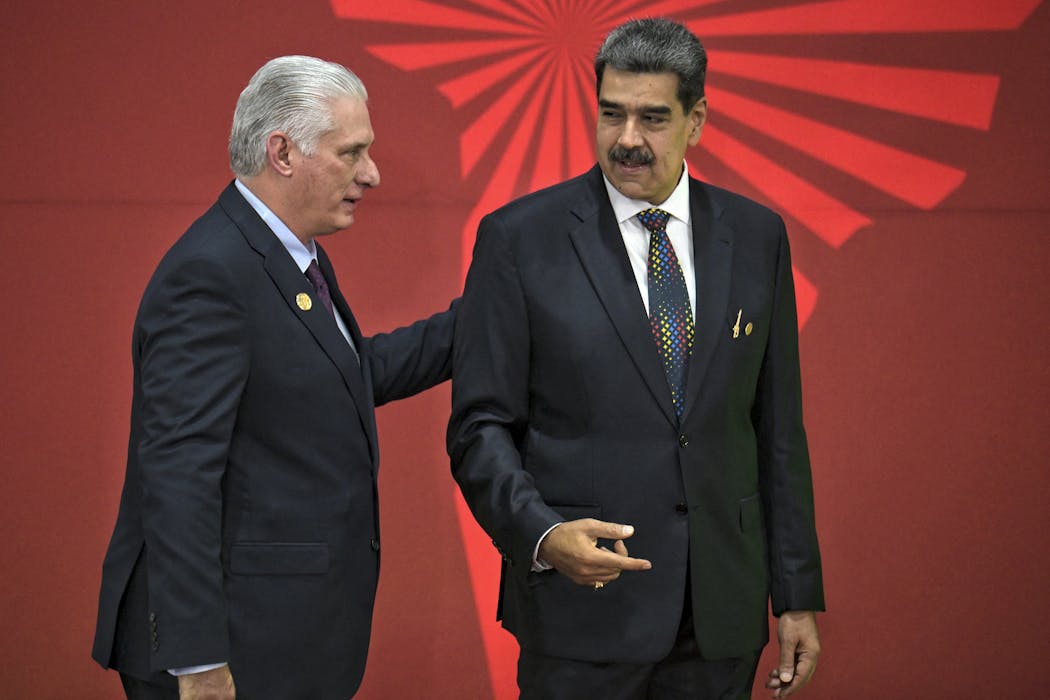
‘After you, President Maduro?’ A worrying phrase for Cuba’s President Miguel Diaz-Canel. Juan Barreto/AFP via Getty Images

Footage of a handcuffed Nicolás Maduro being escorted to a Brooklyn detention center will come as uncomfortable viewing for political leaders in Havana.

“Cuba is going to be something we’ll end up talking about,” said President Donald Trump just hours after the Jan. 3, 2026, operation to seize the Venezuelan president. Secretary of State Marco Rubio echoed Trump’s warning: “If I lived in Havana and I was in the government, I’d be concerned.”

As a historian of the United States and Cuba, I believe that Washington’s relations with Havana have entered a new phase under the Trump administration. Gone is Barack Obama’s “Cuban Thaw” and Joe Biden’s less-restrictive sanctions. In their places, the Trump administration has apparently adopted a policy of regime change through maximum pressure.

If the administration has its way, 2026 will be the final year of communist rule in Cuba – and it intends to achieve this without intervention by U.S. armed forces.

“I don’t think we need (to take) any action,” Trump said on Jan. 4, adding: “Cuba looks like it’s ready to fall.”

Cuba’s friend with benefits

Trump may have a point. Maduro’s capture has effectively taken away Cuba’s closest ally.

Maduro’s predecessor and mentor, Hugo Chávez, was an avowed admirer of Cuban revolutionary leader Fidel Castro.

Shortly after assuming power in 1999, Chávez’s government began supplying oil on favorable terms to Cuba in exchange for doctors and, eventually, the training of Venezuela’s security forces. It was no coincidence that 32 of the security officers killed as they defended Maduro from approaching American forces were Cuban.

Maduro succeeded Chavez as president in 2013 and continued the country’s support for Cuba. In 2022, a member of the Venezuelan opposition claimed that Caracas contributed US$60 billion to the Cuban economy between 2002 and 2022.

A crowd hold aloft flags.
Cubans gather in support of Venezuelan leader Nicolas Maduro in Havana on Jan. 3, 2026.
Adalberto Roque/AFP via Getty Images

Maduro’s largesse proved unsustainable. Beginning in the early 2010s, Venezuela entered a severe economic crisis provoked by economic mismanagement, an overreliance on petroleum and U.S. sanctions.

Venezuela’s support of Cuba slowed to a trickle by 2016. Maduro’s government has nevertheless continued to supply Cuba with oil in secret, while evading U.S. sanctions, at amounts far below Cuba’s needs.

Hard times in Cuba

Venezuela’s penury and U.S. pressure mean Cubans are now experiencing deprivation on a level not seen since the country’s “special period” of economic crisis from 1991 to 1995, brought about by the collapse of the Soviet Union and the end of the bloc’s generous subsidies.

Since 2020, Cuba’s GDP has shrunk by 11%, while the value of the Cuban peso continues to fall.

Cubans no longer have reliable electricity or access to water. Mosquito-borne illnesses, once rare, are now rampant because the government cannot afford to spray pesticides.

The medical system provides only the most rudimentary care, and hospitals have little to no medicine.

Meanwhile, industrial and agricultural production have sharply declined, as have food imports.

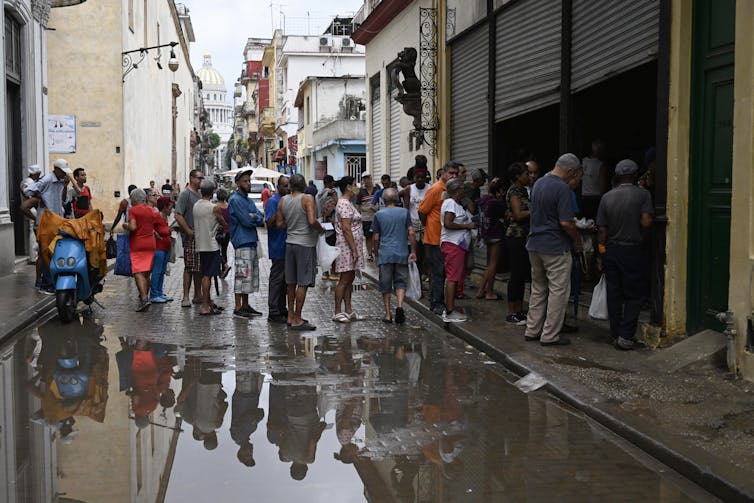
And while famine has not yet emerged, food insecurity has increased, with most Cubans eating a limited diet and skipping meals. Street crime has also become common on Cuba’s once-safe streets.

A group of people stand on the street
Cubans stand in line to buy food during a power outage in Havana on Dec. 3, 2025.
Yamil Lage/AFP via Getty Images

Since seizing Maduro, the U.S. administration has outlined policies that appear aimed at increasing economic pressure on Cuba’s economy and provoking regime change. For example, the U.S. has made it clear it will no longer permit Venezuela to supply oil to Cuba.

Apparently, the administration hopes that without oil, the Cuban government will simply collapse. Or perhaps Trump expects that Cubans, as frustrated as they are, will overthrow their communist masters without help from the U.S.

A regime without popular support

Either way, there is a potential flaw with the administration’s reasoning: Cuba’s communists have survived crises such as these for more than 60 years. Yet, there is evidence that as Cuba’s economy declines, so too does support for the regime.

Since 2020, more than 1 million Cubans have left the country, principally for the U.S. and Spanish-speaking countries. A Cuban colleague of mine with access to government research recently told me the number is closer to 2 million.

Those who stayed are no more satisfied.

In a 2024 public opinion poll, an overwhelming majority of Cubans expressed profound dissatisfaction with the Cuban Communist Party and the leadership of President Miguel Díaz-Canel.

Cubans have also taken their complaints to the streets. In July 2021, protests erupted across Cuba, demanding more freedom and a better standard of living. The government quickly jailed protesters and sentenced them to long prison terms.

Sporadic protests have continued nevertheless, often quickly and without warning, drawing harsh repression. In particular, the San Isidro movement, formed in 2018 to protest restrictions on artistic expression, has strong support among younger Cubans.

Changing attitudes toward America

As Cubans have turned against their government, they have become more receptive to the U.S.

During my first visit in 1996, Cubans blamed the U.S. embargo in place since the early 1960s for the privations they suffered during the Special Period.

In the past decade, however, I have heard Cubans – at least those under 50 – express more anger with their government than with the U.S. embargo.

A large US flag is seen flying above street.
A tricycle used as a taxi is decorated with the U.S. flag in Havana.
Yamil Lage/AFP via Getty Images

Make no mistake: Cubans want the U.S. embargo to end. But they no longer believe their government’s attempt to blame Washington for all of Cuba’s economic and political problems.

Part of this change is due to the extraordinary emigration of Cubans: Every Cuban I know has a family member or a friend in the U.S. The internet has also helped; Cubans can now read foreign news sources on their smartphones.

Welcome liberators?

Since Maduro’s capture, I have messaged friends in Cuba to gauge sentiment. All but one of the six Cuban friends I managed to reach told me they were receptive to U.S. intervention in Cuba, provided that it removed the regime making their lives miserable.

One friend said: “If the Yankees showed up today, most of us would probably greet them as liberators.”

Admittedly, my sample size is small. But such reactions, coming from comparatively elite Cubans working in both the private and public sectors, cannot be good news for what remains of the Castro regime.

The Conversation

Joseph J. Gonzalez does not work for, consult, own shares in or receive funding from any company or organization that would benefit from this article, and has disclosed no relevant affiliations beyond their academic appointment.

ref. Cuba’s leaders just lost an ally in Maduro − if starved of Venezuelan oil, they may also lose what remains of their public support – https://theconversation.com/cubas-leaders-just-lost-an-ally-in-maduro-if-starved-of-venezuelan-oil-they-may-also-lose-what-remains-of-their-public-support-272681

¿Por qué nos gusta tanto Mariana Enriquez (también a los académicos)?

Source: The Conversation – (in Spanish) – By Enrique Ferrari, Vicedecano de investigación de la Facultad de Artes y Ciencias Sociales, UNIR – Universidad Internacional de La Rioja

Mariana Enríquez en la presentación en Madrid de su libro _Un lugar soleado para gente sombría_ en 2024. Casa de América, CC BY-NC-ND

Estos años la escritora argentina Mariana Enriquez (sin tilde) parece estar en todas partes: en las librerías, en los medios de comunicación, en la academia. No es lo habitual que, a un mismo tiempo, se lea y estudie tanto a una escritora que solo tiene 50 años.

Pero su éxito sorprende aún más porque escribe literatura de género, terror fantástico casi siempre, una temática que genera suspicacias en muchos y que ella defiende con uñas y dientes. Y la defiende por su interés personal (como lectora es un género que siempre le ha gustado), pero también como punta de lanza de una reflexión de más calado en torno a su misión en la literatura, que parece tener muy clara.

Por qué gusta a los lectores

Quienes leemos cuentos conocimos a Mariana Enriquez con Los peligros de fumar en la cama (2009) y Las cosas que perdimos en el fuego (2016). Quienes no leen narraciones breves llegaron a ella con Nuestra parte de noche, Premio Herralde de Novela en 2019. En 2024 publicó los relatos Un lugar soleado para gente sombría y también ha escrito crónicas y ensayos, además de lanzar reediciones de sus novelas anteriores.

Nacida en Buenos Aires en 1973, es una de las autoras más leídas y valoradas de la narrativa contemporánea en español pero también tiene éxito en otros países, como Reino Unido o Estados Unidos. Entonces, ¿a qué viene este interés?

Masas de público haciendo cola para una presentación de Mariana Enriquez.
Casa de América, CC BY-SA

En primer lugar, a los lectores les gusta Mariana Enriquez por su destreza técnica para resolver las tramas, esquivando los lugares comunes, y también por su habilidad para construir personajes complejos.

Les atrae mucho su actualización del terror fantástico, en la que usa escrupulosamente los elementos del género para crear historias nuevas, no previsibles. Enriquez renueva cada tópico al hacerlo suyo.

Además, su uso de esas tramas ofrece un enfoque demoledor de los problemas sociales en la actualidad. Cada argumento es parte de un diagnóstico muy bien pensado, que remite siempre al miedo como una de las emociones más insistentes de nuestro tiempo. Se ha estudiado ya, por ejemplo, cómo trata la violencia machista, el maltrato a los niños, la aporofobia, la incomprensión social hacia las víctimas, la enfermedad o el trauma de la dictadura militar en Argentina.

Por qué gusta a los académicos

Con todo, Enriquez no solo tiene éxito entre los lectores. Google Scholar devuelve más de 3 200 resultados con su búsqueda. Scopus y Web of Science recogen ya más de 70 artículos sobre ella (los dos últimos Premios Cervantes, juntos, no llegan a cinco).

¿Qué es lo que ve el mundo académico en su literatura?

Portada de Nuestra parte de noche, premio Herralde de Novela

Anagrama

Valora su poética, su teoría literaria, que es desacomplejada, renovadora, retadora, audaz. También su reconstrucción de su propia genealogía literaria; su propuesta de renovación del canon literario, sin deudas sobrevenidas. Nuestra parte de noche, por ejemplo, es un verso de Emily Dickinson, traducido por la escritora argentina Silvina Ocampo, mientras que “Las cosas que perdimos en el fuego” es el título de una canción de Bastille, la banda indie británica.

Destaca también su papel prescriptor. Enriquez ejerce de introductora y guía de otros autores que le son cercanos o que le gustan, fundamentalmente iberoamericanos y mucho más desconocidos que ella, en un ejercicio que es de proselitismo (por qué no) pero también de crítica literaria y de literatura comparada, aunque sea en primera persona. Es una lectora abrumadora, certera y entusiasta.

Fantasmas de la sociedad

No hemos pasado por alto ni los lectores ni los académicos la ambición de su escritura. Su escritura pretende dar una explicación compleja de la realidad, sobre todo a partir de su comprensión de algo tan difícil de analizar como el miedo como emoción primaria del sujeto al enfrentarse al mundo.

Por ejemplo, muchos de sus cuentos fantásticos, casi todos, son historias de fantasmas. De estos, aproximadamente la mitad narran cómo los personajes son poseídos por espectros que controlan su voluntad, obligándolos a agredirse a sí mismos. En el plano técnico, esto le permite construir la historia con dos niveles –el real y el fantástico– y sostener una ambigüedad bien consistente que habilita ambas lecturas: pensar que el personaje padece un trastorno mental o que realmente está poseído.

Una mujer de melena blanca habla con un micrófono.
Mariana Enríquez en París durante la presentación de su obra Los peligros de fumar en la cama en su edición en francés.
Guillermo Ramos Flamerich/Wikimedia Commons, CC BY-SA

Pero, al mismo tiempo, abre la posibilidad de plantear un tratamiento más complejo de la víctima, centrado en cómo la perciben y atienden los otros personajes. Al confundirse víctima y agresor en un mismo cuerpo, se vuelve más difícil solidarizarse con el poseído: para los testigos solo hay un individuo haciéndose daño. Así, el personaje inicialmente agredido por el fantasma recibe una segunda agresión por la falta de comprensión y el abandono de su entorno, que lo identifica con el atacante. La víctima no es reconocida como tal; incluso se presenta ante los demás como una amenaza.

El terror como marcador social

Lo que hay detrás de estas posesiones es la incomprensión hacia quien sufre, un tema central en su narrativa. En su último libro de cuentos le da otra vuelta de tuerca a esta tesis al proponer también que los fantasmas son sujetos necesitados de cuidado, demandantes de cariño: ellos mismos son víctimas de una estructura social incapaz de ocuparse de los más vulnerables.

Sin embargo, que muchos de sus protagonistas sean espectros no encajona la narrativa de Mariana Enriquez en la literatura fantástica. Ella ha dicho que lo que le interesa es narrar el miedo, en cualquiera de sus formas. Y lo hace con una narrativa decididamente liminar: en la frontera de los géneros, esas zonas tan prometedoras, colmadas de posibilidades pero también de desasosiego; en esa franja de tierra de nadie que queda entre los puestos de control (con la fórmula que toma del escritor inglés de ciencia ficción J. G. Ballard). Eso es lo que nos gusta de su literatura: su capacidad para desquiciar la realidad y mostrárnosla más desprevenida.

The Conversation

Enrique Ferrari no recibe salario, ni ejerce labores de consultoría, ni posee acciones, ni recibe financiación de ninguna compañía u organización que pueda obtener beneficio de este artículo, y ha declarado carecer de vínculos relevantes más allá del cargo académico citado.

ref. ¿Por qué nos gusta tanto Mariana Enriquez (también a los académicos)? – https://theconversation.com/por-que-nos-gusta-tanto-mariana-enriquez-tambien-a-los-academicos-269539

Así podemos activar el “modo antienvejecimiento” para resistir el paso de los años

Source: The Conversation – (in Spanish) – By Antonio Fernando Murillo Cancho, Profesor Asociado, Universidad de Almería

Halfpoint/Shutterstock

¿Por qué se “cuelga el sistema” de nuestro organismo a veces? Envejecer no es otra cosa que acumular pequeños fallos en las células. A medida que pasan los años, se dañan los genes y se acortan los extremos de los cromosomas. Las “centrales de energía” (mitocondrias) de nuestras células se agotan y aparecen errores en cadena. Si no limpiamos esos fallos y reparamos con rapidez, llegan antes las enfermedades.

Limite la corriente: comer menos y practicar ayuno intermitente

Bajar moderadamente las calorías ayuda al ahorro interno y mejora la reparación de piezas gastadas. Esto no implica hacer dietas extremas, sino reducir un poco la energía total o acotar las horas en las que comemos.

Varios estudios en humanos, incluido el ensayo clínico CALERIE, han demostrado que una reducción calórica moderada mejora los marcadores de inflamación, reduce la resistencia a la insulina y favorece un metabolismo más eficiente en adultos sanos. Estas mejoras aparecieron sin necesidad de llegar a un ayuno estricto.

Dejar transcurrir 14 a 16 horas entre cena y desayuno también ayuda. Es lo que se conoce como ayuno intermitente. En este enfoque no se come menos volumen total, sino que se concentra la ingesta en una franja del día de 8 o 10 horas, alargando el tiempo nocturno sin comer. Los estudios en personas con exceso de peso o síndrome metabólico han identificado descensos de glucosa, presión arterial y grasa abdominal, junto con una mejor regulación del apetito, simplemente cambiando el “cuándo” más que el “qué” se come.

¿Por qué? Al parecer, el cuerpo interpreta esa pausa como un reinicio suave. Si la cena es especialmente ligera, el efecto se potencia, ya que una cena temprana y menos copiosa se asocia con mejor control de la glucosa en ayunas y menor acidez nocturna, y favorece que el descanso nocturno se use para reparar tejidos en vez de seguir digiriendo comida pesada.

Actualizar el firmware moviéndonos cada día

El ejercicio funciona como una especie de taller de mantenimiento. Renueva piezas, recicla proteínas y mejora el azúcar en sangre. Además, el músculo activo envía señales antiinflamatorias.

No es preciso correr una maratón: basta con constancia y un plan sencillo. Tres días de fuerza y caminar la mayoría de días ya ayuda. Tanto en adultos de mediana edad como en personas mayores, programas sencillos de fuerza dos o tres veces por semana han conseguido aumentar la masa y la función muscular, reducir la grasa visceral y mejorar el control de la glucosa. La regularidad es el verdadero secreto.

Limpiar la caché: dormir mejor y a horas regulares

Dormir poco equivale a apagar mal el ordenador de nuestro cuerpo: quedan tareas críticas a medias y se acumula basura. El sueño profundo, por el contrario, activa la limpieza interna y la reparación.

Durante el sueño profundo se activa el sistema linfático, un mecanismo que drena desechos del cerebro, incluidos metabolitos asociados al deterioro cognitivo. Asimismo, dormir en horarios regulares ayuda a estabilizar hormonas como la melatonina y el cortisol, que rigen procesos de reparación nocturna, regulación de energía e incluso el estado de ánimo.

Además de fijar horarios, conviene evitar pantallas por la noche, oscurecer el dormitorio y cuidar el silencio. Acostarse y levantarse a la misma hora cada día es gratis y rejuvenece.

El equivalente a instalar un buen antivirus es cuidar la microbiota. El intestino alberga billones de microbios aliados, una comunidad que pierde diversidad con la edad. Si se empobrece, aumenta la inflamación de bajo grado y se debilita la barrera intestinal, lo que provoca que el sistema inmune no pare de trabajar sin encontrar al culpable lo que afecta negativamente a la energía, al estado de ánimo y al metabolismo.

Una microbiota diversa se asocia a longevidad en poblaciones centenarias, mejor digestión, menor inflamación y un perfil metabólico más estable. Esta diversidad mejora en cuestión de semanas cuando se consumen alimentos reales (verdura, fruta, legumbres, frutos secos…), especialmente si son ricos en fibra fermentable, porque alimentan a bacterias beneficiosas como Faecalibacterium prausnitzii o Akkermansia muciniphila. Este patrón alimentario se asocia a mejor salud metabólica en numerosas cohortes modernas. Expulsa el malware: silencia las “células zombi”.

La importancia de eliminar a las “células zombi”

Algunas células viejas (senescentes) no mueren, funcionan mal, consumen recursos y generan ruido inflamatorio. Este consiste en enviar señales inflamatorias al resto del organismo como si fueran un programa defectuoso generando errores en segundo plano.

Los polifenoles de frutas y verduras –compuestos naturales de acción antioxidante– pueden disminuir parte de esa señal inflamatoria según varios estudios celulares y humanos ENLACE. Frutas rojas, cebolla, manzana y té verde aportan estos compuestos y se han asociado a mejores marcadores de inflamación en distintos ensayos nutricionales.

Viendo los avances actuales de la ciencia, podemos pronosticar que pronto sabremos qué palanca necesita accionar cada persona para vivir más gozando de mejor salud. Mientras tanto, la mejor receta es aplicar lo que funciona: comer mejor y en horarios razonables, movernos y dormir bien. Empecemos hoy: cada pequeño cambio, cuenta.

The Conversation

Antonio Fernando Murillo Cancho no recibe salario, ni ejerce labores de consultoría, ni posee acciones, ni recibe financiación de ninguna compañía u organización que pueda obtener beneficio de este artículo, y ha declarado carecer de vínculos relevantes más allá del cargo académico citado.

ref. Así podemos activar el “modo antienvejecimiento” para resistir el paso de los años – https://theconversation.com/asi-podemos-activar-el-modo-antienvejecimiento-para-resistir-el-paso-de-los-anos-267146