Research at Chernobyl and Fukushima shows how radioactive materials move in the environment

Source: The Conversation – USA (2) – By Eduardo B. Farfán, Professor of Nuclear Engineering, Director of the Center for Nuclear Studies, Kennesaw State University

Even decades after the Chernobyl disaster, damage to the containment structures risks radioactivity escaping into the environment. AP Photo/Efrem Lukatsky

When nuclear accidents happen, many people imagine radiation spreading everywhere and lasting forever. The reality is more complex. Radioactive materials move, change and sometimes disappear faster than people expect.

The Chernobyl accident in 1986 and the Fukushima Daiichi accident in 2011 released radioactive materials into the air, soil and water around those two nuclear power plants. The general term for the materials that got released is “radionuclides.”

Some decayed quickly, effectively disappearing without having done much harm. But others, mostly isotopes of iodine, cesium, strontium and plutonium, remained in the environment for many years, damaging human health and the environment. The mechanisms by which they do that damage depends on the material itself, the weather and the local environment. For example, cesium chemically behaves like sodium and potassium, which are accumulated in human tissues. Strontium chemically behaves like calcium, which is accumulated in bones.

As a nuclear engineer and researcher who has worked on tracking radiation levels and exposure in projects related to Chernobyl, Fukushima Daiichi, and U.S. Department of Energy national laboratories and nuclear sites, I have seen how science and engineering help measure, map and manage radiation to keep people safe. I study how radionuclides migrate because this helps predict where radioactive contamination goes, how fast it moves, and who or what might be exposed over time.

The most important lesson is that radiation risk can be understood and controlled. Human senses can’t detect radiation, but scientific instruments can accurately measure the amounts and types of radiation in an area. Once it is measured, scientists and engineers can make informed decisions about how to use well-established methods and modern technology to reduce risk.

How radioactivity travels

Cows graze in a grassy field marked with a bright yellow sign with the international symbol for radiation danger.
After the Chernobyl disaster, farmers in Germany were warned to keep livestock out of contaminated fields. Not all did so.
AP Photo/Frank Rumpenhorst

The major nuclear accidents at Chernobyl and Fukushima Daiichi released radioactive materials into the atmosphere as tiny particles. Winds carried these particles across countries and even between continents. Rain and snow brought them out of the air and down to the ground.

Soil plays a very important role in what happens next. Some radionuclides stick strongly to soil and do not move very much. Others move more easily and travel slowly downward through the soil toward groundwater or get washed into rivers, lakes and oceans.

Radioactivity also moves through water. After the Fukushima Daiichi nuclear disaster, radionuclides entered the ocean through direct releases and runoff. Scientists monitored seawater, fish and seaweed to track how radioactive materials moved and changed over time. Monitoring showed that radionuclides such as cesium spread through coastal waters but became diluted and dispersed over time, with levels in most areas farther out in the ocean decreasing and remaining low and relatively stable after the initial release. Continuous sampling of water and marine life also showed that radioactivity in seafood generally declined over time and distance from Fukushima, remaining within safe limits.

From soil and water, radioactive materials also moved into plants and animals, which posed risks to human health. For instance, grass absorbed radionuclides from soil, cows ate the grass, and radionuclides then appeared in the cows’ milk. The International Atomic Energy Agency, World Health Organization, and Food and Agriculture Organization all have programs that look for radioactivity in foods to keep unsafe food off the market.

An aerial view of a large building damaged by an explosion.
An aerial photo shows the Chernobyl nuclear plant just days after the 1986 disaster.
AP Photo

Measuring and mapping radiation

Though radiation cannot be detected by human senses, there are many proven ways to measure and monitor it in the environment. Scientists use handheld detectors such as Geiger counters, laboratory instruments and fixed environmental monitoring stations. These tools measure radiation in soil, water, air and food, helping assess exposure and guide safety decisions.

Modern technologies go further by combining detector data with imaging and mapping systems. These systems can create three-dimensional maps that show where radiation is located and how it spreads. Such maps have been used, for example, after the Fukushima Daiichi nuclear disaster to visualize contamination patterns and guide cleanup.

Researchers don’t monitor radiation only after accidents. Many countries, such as the U.S. and European countries, also constantly monitor radiation as part of their environmental protection programs. These monitoring systems measure natural background radiation and look for unusual increases. This helps detect problems early and ensures that radiation levels remain safe for the public.

A 3D digital model from the Japan Atomic Energy Agency shows where radiation was highest and lowest at the Fukushima Daiichi reactor site.

Cleaning up radiation

When and where radiation is detected, managing it can take several forms, depending on the type of contamination and how much there is.

One common method is removing contaminated soil and transporting it in sealed, labeled containers to licensed storage or disposal facilities, where it is stored in special buildings that isolate the material from the environment and prevent leaks into soil or groundwater.

Another method involves covering contaminated areas with clean soil, clay or concrete. This approach does not remove the radioactivity but rather acts as a barrier that reduces radiation exposure and helps prevent contaminated particles from being spread by wind, water or human activity.

In some cases, chemicals are added to the soil to reduce the mobility of radionuclides and limit their uptake by plants. After the Chernobyl disaster, for example, national governments and international agencies applied potassium fertilizers to soils to reduce the uptake of radioactive cesium by crops. Following the Fukushima Daiichi nuclear disaster, large areas of farmland were treated similarly, and contaminated topsoil was removed and stored in temporary as well as long-term facilities.

Scientists also use computer models to predict how radiation moves in air, soil and water. These models help estimate radiation risks and help decision-makers choose the best cleanup strategy. The goal is to reduce radiation exposure as much as reasonably achievable.

Workers in protective suits and hard hats stand together.
People working on the cleanup of the Fukushima Daiichi disaster wear protective clothing to reduce their risk of exposure and contamination.
AP Photo/Issei Kato

Lessons learned over time

Long-term studies in the Chernobyl exclusion zone have helped scientists understand how radionuclides behave over decades. Researchers have examined how radionuclides such as cesium and strontium isotopes migrate through forests, lakes, soils and built-up areas, providing critical data for predicting long-term environmental and health effects.

These studies have shown that radionuclide movement is influenced by environmental factors, such as soil composition, moisture and biological activity, and that contamination can remain mobile and biologically relevant for decades.

Some of this work includes my own research and collaborations. For example, I have contributed to studies evaluating radionuclide migration in soils and ecosystems within and around the 18-mile (30-kilometer) exclusion zone, including how these materials move vertically through soil layers and accumulate in vegetation and wildlife. My work has also examined how radionuclides penetrate and persist in concrete structures in contaminated areas such as Pripyat, as well as how radiation doses affect small animals and ecological systems over time.

Overall, this body of research has improved understanding of how radiation moves and how best to monitor it, informing emergency response and long-term remediation strategies around the world.

Research has also found that straightforward communication is also very important after a nuclear accident. The public needs clear, honest and simple explanations about what is happening and what is being done to protect them.

In practice, however, this level of communication is often difficult to achieve during a crisis. In the aftermath of both disasters, investigations later showed that information provided to the public was sometimes delayed, incomplete or inconsistent. These communication gaps contributed to confusion, mistrust and increased anxiety among affected populations.

As a result, one of the key lessons learned from these events is the importance of timely, transparent and accurate communication. Emergency response plans today emphasize clear messaging, regular updates and the use of multiple communication channels to ensure that the public understands both the risks and the protective actions being taken.

The Conversation

Eduardo B. Farfán does not work for, consult, own shares in or receive funding from any company or organization that would benefit from this article, and has disclosed no relevant affiliations beyond their academic appointment.

ref. Research at Chernobyl and Fukushima shows how radioactive materials move in the environment – https://theconversation.com/research-at-chernobyl-and-fukushima-shows-how-radioactive-materials-move-in-the-environment-280007

With talk of closer EU alignment, the UK is signalling to Europe that it’s a partner worthy of trust

Source: The Conversation – UK – By Ursula F Ott, Professor of International Business, Nottingham Trent University

PM Keir Starmer and European Commission President Ursula von der Leyen have reset the UK-EU relationship – but UK alignment would take things a step further. Alexandros Michailidis/Shutterstock

It is now almost a decade since the UK voted for Brexit and since the tariffs of US president Donald Trump’s first term increased global trade frictions. Brexit removed the UK from the European single market for goods and services. Now though, the country is proposing a pivot back towards alignment with EU regulations.

What could have not been widely predicted back in 2016 was the COVID pandemic, nor a war on European soil. The UK has been exposed to these shocks without the EU support system. So what may once have been impossible to imagine is now on the cards: adopting EU single market rules under new UK legislation.

In May 2025, the UK and EU reached a new trade agreement, paving the way for both sides to move closer on their economies and business. This was hastened by unpredictable US trade tariffs and a weakening of the US-UK-EU relationship. In addition, it has been estimated in a comprehensive study that Brexit has reduced the size of the UK economy by 6-8%.

Politically, the approach announced by the UK prime minister, Keir Starmer, is a courageous step. UK legislation would allow the country to adopt new EU laws without the need for parliament to vote each time. But any plan is certain to provoke strong opposition from the Conservatives and Reform UK.

However, it is a signal of the seriousness of the UK’s intentions to move closer to the EU by adapting to its regulations and giving up independence from EU law. That is a costly move for the UK in terms of its credibility, but the U-turn should reinforce its commitment to the EU.

But beyond this, there are three clear benefits to the UK.

  1. The EU is built on rules and regulations that guide the bloc’s labour market, trade and security systems. Alignment would clearly help UK businesses, consumers and individual workers to manoeuvre within these systems.

  2. By breaking from the single market, the UK chose a costlier approach to trading and investing across the EU border. Aligning regulations would reduce cross-border bureaucracy.

  3. The EU is looking for new trading partners after supply chain disruptions from COVID and the Ukraine war – not to mention the current impact on oil and gas supplies. The EU does not need to rely on the UK, but a new direction in the relationship could reduce the threat of supply chain disruption in future.

A better deal for consumers?

So what could this mean for UK businesses and consumers? Food producers trading within the UK-EU zone would have a quicker turnaround of their fresh produce. This would reach shop shelves in the UK and EU more quickly, giving shoppers better-quality fresh foods.

Reducing the amount of complex paperwork and export health certificates at borders would allow a free flow of fresh food even between Great Britain and Northern Ireland (which remained part of the single market). This trade has been disrupted since Brexit and affects both trade between food producers due to paperwork and border delays, and food security.

Border checks, paperwork and adapting to legal requirements are expensive and so increase food prices (and with that, inflation). Bringing trade between the EU and the UK closer could reduce these costs, and should also allow producers to benefit more from global value chains.

US tariffs are at their highest levels since the second world war, and the knock-on cost effects of supply chain disruption in the Middle East make a strong case for strengthening ties between neighbours.

Going forward, it will be resilience rather than efficiency in trade that will be important for both businesses and nations. Both will want to be able to reconfigure networks at speed. If inflation rises due to product shortages, governments have limited fiscal space to offer direct support to citizens (which would mean increased levels of spending), or to cut taxes.

Another benefit could come in the form of foreign direct investment into the UK from overseas. In 2025, this began shifting from low-cost developing countries towards capital-intensive and technologically-driven investments in developed countries – and especially in the EU (Germany, Italy and France).

Alignment with EU regulation could give investors more confidence to commit to the UK. Foreign direct investment in renewable energy and AI products, for example, would benefit both the UK’s workers and its consumers.

This is a time of new geopolitical alliances, cooperation and blocs. Trading and investment options could help secure economic, political and societal stability in a volatile world. So far, this is a relatively small step by the UK – but starting to align to EU regulations could ease a complex relationship.

The Conversation

Ursula F Ott does not work for, consult, own shares in or receive funding from any company or organisation that would benefit from this article, and has disclosed no relevant affiliations beyond their academic appointment.

ref. With talk of closer EU alignment, the UK is signalling to Europe that it’s a partner worthy of trust – https://theconversation.com/with-talk-of-closer-eu-alignment-the-uk-is-signalling-to-europe-that-its-a-partner-worthy-of-trust-280961

Cloud tech outages: how the EU plans to bolster its digital infrastructure

Source: The Conversation – France – By Christine Abdalla Mikhaeil, Assistant professor in information systems, IÉSEG School of Management

When Amazon Web Services (AWS) went down globally in October 2025, millions of users were abruptly reminded how invisible yet indispensable cloud technology has become.

From banks and hospitals to airlines and retail platforms, entire sectors slowed or came to a standstill. The disruption followed a separate catastrophe earlier in July 2024, when CrowdStrike’s software update grounded operations around the world.

Different companies. Different causes. Yet both events exposed the same uncomfortable truth: the world’s digital infrastructure, the networks, servers and software that underpin nearly every modern service, is far more fragile than we like to believe.

Technically, these were very different failures, but the similarity lies in how quickly they cascaded. A single error in a single company rippled across global systems that had no direct relationship to that company at all.

The illusion of resilience

For years, cloud providers have marketed themselves as the answer to such fragility. Distributed computing, automated backup, and redundant systems are supposed to keep data and services online even when local components fail. However, the cloud model depends heavily on network connectivity and can introduce latency and other vulnerabilities, that mitigates certain failures, but does not eliminate fragility entirely.

As both the AWS and CrowdStrike incidents show, redundancy on paper doesn’t always mean resilience in practice. Many organisations that rely on AWS for critical services also use AWS for their backup, monitoring or authentication. When a core network fails, so do the fail-over mechanisms designed to prevent downtime. In other words, “diversification” often exists only within the same provider’s ecosystem, a classic case of putting all eggs in one digital basket.

At the heart of the issue is cloud concentration. A small number of companies, primarily AWS, Microsoft and Google, now host the majority of the world’s digital infrastructure. Even more when, cloud computing has become the backbone of modern AI by relying on large, centralized data centers that offer substantial processing power and scalability.

Governments, universities, hospitals and even competitors run their critical services on these same platforms. The convenience and cost efficiency are undeniable. But this consolidation has created a structural vulnerability. A single misconfiguration or software flaw in one of these providers can have global consequences, similar to how a major bank failure can destabilise the financial system.

The situation is further complicated by opacity: cloud providers rarely disclose full details of their interdependencies or internal resilience practices. Customers often have no clear map of how their services are distributed, where their data resides, or which other systems they rely on indirectly. When outages happen, even identifying who’s responsible can be a challenge.

Europe’s dependence and ‘digital sovereignty’

What makes these incidents particularly concerning is that they involve private companies running public infrastructure. AWS and CrowdStrike aren’t just serving commercial clients, they underpin hospitals, airports, energy grids and government systems. When they fail, entire ecosystems fail, not just their direct customers. Yet oversight of these critical dependencies remains minimal.

For Europe, these outages turned an abstract “digital sovereignty” debate into a very concrete dependency problem.

Digital sovereignty is about the capacity to ensure that critical data, infrastructure, and AI systems operate under EU rules and remain controllable in crises. This sovereignty framing ties outages to broader issues of jurisdiction (US access to data), trade power, and strategic autonomy for critical sectors, like finance, health, and public administration.

Politically, it responds to dependence on a handful of US hyperscalers who hold over 70% of the European cloud market and are also subject to US laws like the CLOUD Act. On the CLOUD Act side, explanations by EU‑focused providers and analysts emphasise that US‑headquartered cloud firms (including AWS, Microsoft, Google) are subject to the Clarifying Lawful Overseas Use of Data Act, which can compel disclosure of data stored in European data centers.

Cloud and AI sovereignty frameworks address where and under which law sensitive data and workloads run, and how easily European users can exit, port, or reconfigure in the face of outages or geopolitical shocks.

Recent European initiatives explicitly treat hyperscalers and major Information and Communication Technology (ICT) providers as systemic infrastructure, not just vendors.

Under the Digital Operational Resilience Act (DORA), in force since 2025, EU financial regulators can designate “critical third party ICT service providers” and subject them to direct oversight to reduce systemic risk.

EU debates on cloud now emphasise exit, portability, and multi‑cloud architectures, arguing that resilience depends less on “more providers” and more on avoiding structural lock‑in that makes switching or redundancy impossible in practice. DORA addresses who runs critical digital infrastructure for finance and how the European Union can oversee and stress test them as systemic actors.

Guaranteeing cybersecurity across Europe

The Cyber Resilience Act (CRA), in force since December 2024, is the EU’s way of hard wiring “resilience by design” into the entire stack of connected hardware and software that underpins Europe’s digital infrastructure.

CRA addresses what characteristics all networked digital products must have so they do not import unmanageable cyber risk or opaque vulnerability handling into the EU.

The NIS2 (Directive (EU) 2022/2555 came into effect in January 2023 and required transposition into national law by October 2024, expanding from NIS1’s narrow scope to cover medium/large entities in energy, transport, health, finance, digital infrastructure (including cloud), public administration, manufacturing, and more. NIS2 operationalises sovereignty at the entity level: critical operators must align their practices with EU standards, even when relying on non-EU providers, creating a harmonised resilience baseline across the single market. It integrates with CRA, DORA, and cloud initiatives by requiring entities to demand equivalent resilience from suppliers, closing gaps in the dependency chain.

Beyond regulations, the Commission is building practical sovereignty tools around cloud and AI.

A “Cloud Sovereignty Framework” tender (up to €180 million for 6 years), launched in 2025 and awarded in April 2026 to Luxembourg’s Post Telecom, Germany’s StackIT, French Iliad’s data centre unit Scaleway and Belgium’s Proximus, sets concrete sovereignty criteria, strategic, legal, operational, environmental, supply chain transparency, openness, security, and EU law compliance, for cloud services procured by EU institutions.


A weekly e-mail in English featuring expertise from scholars and researchers. It provides an introduction to the diversity of research coming out of the continent and considers some of the key issues facing European countries. Get the newsletter!


The Conversation

Christine Abdalla Mikhaeil est membre de l’Association for Information Systems (AIS).

ref. Cloud tech outages: how the EU plans to bolster its digital infrastructure – https://theconversation.com/cloud-tech-outages-how-the-eu-plans-to-bolster-its-digital-infrastructure-280928

East African Community’s expansion has triggered financial troubles: why solutions come with risks

Source: The Conversation – Africa – By Nicodemus Minde, Researcher, United States International University

The East African Community is one of Africa’s oldest regional economic organisations. Its birth in 1967 was the culmination of decades of economic ties forged in the colonial era between Kenya, Uganda and Tanzania. It’s no surprise that the EAC is also the most deeply integrated regional entity.

In its heyday between 1967 and 1977, the bloc shared a common currency, jointly operated a development bank and administered its transport infrastructure as one. There was a common education policy with a single syllabus and examining body as well as the University of East Africa with specialised colleges in the three countries.

Political friction and conflicting priorities, among other factors, led to its collapse in 1977 but it was revived in 1999. Citizens within the bloc currently benefit from free movement of goods, services, labour and capital, along with the rights of establishment and residence. Unmet objectives include the return of a common currency and a political federation.

Meanwhile, the bloc has grown from three to eight – Rwanda and Burundi joined in 2007; South Sudan in 2016, the DR Congo in 2022 and Somalia in 2023. The territory covers stretches from the Indian Ocean to the Atlantic and brings together over 331 million people and a combined GDP of US$313 billion as of 2025.

However, this rapid expansion has triggered financial difficulties, putting the economic integration agenda at risk. While partner states are expected to contribute to fund the bloc’s operations, only Kenya, Tanzania and Uganda regularly meet their quota. The budget shortfall has led to massive staff layoffs and a freeze on new recruitment.

So serious is the crisis that it was top of the agenda at the annual summit of the heads of state in March 2026. The leaders stepped up to reform the funding model and signalled that the bloc was ready to sanction or sideline countries that compromise funding.

I have studied regionalism and integration in eastern Africa, conducted research on the EAC and published on Tanzanian citizens’ sovereignty, popular participation, and the EAC integration and democratisation.

It is my view that the radical proposals will compel non-paying partner states to either shape up or ship out. These reforms will salvage the East African Community but could potentially trigger mistrust and perception of unequal benefits in the long run.

The cost of rapid expansion

Each of the eight partner states is expected to contribute approximately US$7 million to fund the bloc’s operations. In addition, the bloc relies on development partners to fund some activities.

In recent years, six of the eight member states have missed their budget contributions. This resulted in a US$90 million budget shortfall. Regional institutions affected by these include:

  • the East African Legislative Assembly, the regional parliament

  • the East African Court of Justice, responsible for the interpretation and application of the EAC Treaty.

The two have failed to perform their core functions due to resource constraints. The regional assembly, on occasion, has been forced to skip sittings. This has an effect on critical debates and enactment of new laws to foster economic integration. The regional court grapples with case backlogs.

In November 2023, the EAC Summit adopted a new financing model. It shared 65% of the budget equally among partner states and the rest based on each country’s financial capacity. This capacity is assessed using the World Bank’s average nominal GDP per capita metric for the previous five years.

But only Kenya, Tanzania, and Uganda – and occasionally Rwanda – have remitted their contributions on time. Domestic conflicts in South Sudan, the DRC and Somalia may have played a role in the slow contributions of these newer EAC members. In the 2024-2025 financial year, Burundi paid only 19% of its expected contribution, the DRC paid 14%, Somalia paid around half, and South Sudan paid a mere 7%.

Overall compliance stood at roughly 58%, leaving the bloc with arrears exceeding US$55 million. In the 2025-2026 cycle, the picture was even bleaker: compliance slipped to just 36.6%, while outstanding obligations climbed to about US$90 million.

The pattern also hints at something deeper: political ambivalence among non-paying members, and uneasiness among some partner states about the benefits of belonging to the bloc. Despite the funding challenges, inter-regional trade in the EAC has been on the rise due to increased trade facilitation under the customs union and common markets protocols. The EAC has also made advances in peace and security. In 2022 for example, through the Nairobi Process, the EAC facilitated peace talks and deployed the East African Community Regional Force in DRC.

Beyond funding, personal and political differences between the DRC’s President Felix Tshisekedi and Rwanda’s Paul Kagame have contributed to tensions within the bloc.

What did the leaders decide at the March summit?

Kenya, Uganda and Tanzania, in a rather surprising but decisive move, pushed for a new financing formula, replacing the model adopted in 2023.

The highlights of the new financing formula include:

  • 50% of the budget will be shared equally among all partner states, while the remaining 50% will be based on each country’s economic strength. The formula will take effect from 1 July 2026. By factoring in differences in economic capacity, the reform aims to reduce the burden on smaller economies and make the bloc’s funding more sustainable.

  • members of the legislative assembly should be paid by their respective national assemblies with effect from December 2027

  • the council of ministers should finalise the schedule of sanctions considering the new financing formula. The EAC aims to deal with mounting arrears and non-payment through a sanction regime.

A quorum for the meeting of all organs and institutions of the community will be two-thirds of all partner states. Previously, all states had to participate in passing crucial resolutions, and this was frustrated by absenteeism, especially by non-paying countries.

Nominations for the key institutional positions will depend on the sponsor state’s ratification of all community legal instruments, domestication of the treaty, and full implementation of the roadmap for the partner state’s integration.

What’s next

These are radical proposals, with consequences. Take the example of the decision to appoint Stephen Mbundi of Tanzania as the new secretary general. Based on the rotational principles of the EAC, South Sudan was poised to take over the position from Kenya’s Veronica Nduva. But South Sudan is a defaulter.

This decision signalled the bloc’s commitment to financial compliance and commitment to the spirit of regional integration. Uganda’s president, Yoweri Museveni, also took over the chairman’s position, bypassing Somalia and the DRC, which were poised to lead the community for a year. Somalia and the DRC have been behind in their annual payments.

The proposals, which appear to have been orchestrated by the founding members, suggest a pragmatic move to salvage the EAC.

The Conversation

Nicodemus Minde does not work for, consult, own shares in or receive funding from any company or organisation that would benefit from this article, and has disclosed no relevant affiliations beyond their academic appointment.

ref. East African Community’s expansion has triggered financial troubles: why solutions come with risks – https://theconversation.com/east-african-communitys-expansion-has-triggered-financial-troubles-why-solutions-come-with-risks-280632

Ghana’s mining law aims to stop speculation but leaves communities in limbo – insights from a lithium case study

Source: The Conversation – Africa – By Clement Sefa-Nyarko, Lecturer in Security, Development and Leadership in Africa, King’s College London

Ghana’s parliament ratified the country’s first lithium mining agreement in March 2026. This came three years after lithium mining was confirmed as commercially viable in September 2023.

The Ewoyaa Lithium Project, in the Central Region of Ghana, covers an area where farming communities have lived for generations. It spans several communities.

The agreement is between the government and Barari DV Ghana Limited, the local subsidiary of Australia-based Atlantic Lithium. Lithium is a mineral used in batteries that power electric vehicles, renewable energy storage systems and everyday electronics. It’s at the heart of global minerals supply chains to decarbonise energy and transport.

With the deal in place, formal discussions will begin with mining communities about relocation, compensation and restoring livelihoods. Compensation could include payment for land, crops, construction work and other assets that will be affected by mining operations, as required under Ghana’s Minerals and Mining Act.

The ratification of the deal also marks the end of a legal moratorium set out in Ghanaian law. This comes into force once minerals of commercial value are discovered.

The moratorium, which lasted three years in the case of the Ewoyaa Lithium Project, was designed to protect both the state and mining firms from complications such as speculative construction, sudden land claims, and inflated compensation demands that may arise from new developments.

Under Ghana’s mining law, once minerals of commercial value are confirmed, temporary restrictions are placed on new permanent structures, farm expansion and other major land use changes in the affected area. It lasts until there is a mineral agreement and compensation arrangements are clear. The intention is to stabilise land use and ensure fair valuation.

It has profound social consequences.

For people already living in these areas, the moratorium can mean extended periods of uncertainty. During this time, everyday decisions about livelihoods, housing and the future are placed on hold.

Its practical impact is that residents living on or near the mining area can’t build, expand their farms, or make other major decisions about land use.

The affected communities live in a state of suspended time during the moratorium. Farmers are unable to plan their next season confidently. Families delay home improvements. Young people postpone major life decisions because their future access to land remains unclear.

The mining agreement doesn’t end the waiting. Instead, it opens a new phase of negotiations, compensation assessments and administrative back and forth. It could stretch on for months or even years.

This prolonged uncertainty causes real social and economic harm. Yet its effects are often overlooked.

My academic work examines governance, natural resources, politics, and energy transitions. In a recent paper, based on extensive fieldwork in the lithium-rich communities of Ewoyaa, Krampa Krom and Krofu, I investigated how these delays and uncertainty shaped everyday life. I gathered firsthand accounts of how people navigated this period of waiting. All are affected by the project.

The effects were unmistakable. People described the moratorium as a form of “frozen time”, when life could not move forward.

The economic setbacks and emotional strain from long periods of uncertainty often go unrecognised in public policy discussions.

Time on hold

My research identified a number of negative effects of the delays in getting mining operations off the ground.

Firstly, households described how it eroded local opportunities and contributed to young people leaving the area. Young people expressed frustration as their job prospects remained frozen, and they lacked clarity on whether future employment at the mine would be accessible or meaningful.

Many young adults, already frustrated by years of stalled prospects, had left in search of work elsewhere.

The few lower-paid jobs associated with early stage mining activities were not yet available.

Secondly, farmers reported clear losses: they could not expand or invest.

Thirdly, women traders, many of whom sell farm produce and foodstuffs, reported disruptions in household income patterns because farming activities were stalled.

Fourth, community elders, reflecting on years of limited communication, described a growing distrust towards government institutions and the processes governing the mineral agreement.

Across these accounts, what united residents was the feeling that their lives had been interrupted by forces far beyond their control. The moratorium did more than pause development, it suspended decision making, aspirations and the ability to plan even the simplest aspects of the future.

“Time on hold” shaped economic choices, social relationships and the very rhythm of community life.

In my study, I argue that these prolonged delays are a form of “temporal injustice”. This concept emerged directly from listening to residents describe how their aspirations, livelihoods and sense of security were reshaped by bureaucratic time.

Temporal injustice occurs when certain groups bear unfair burdens of waiting, uncertainty and delayed decision-making. These disruptions may seem minor when viewed from the outside. But they have broader implications. They affect project timelines, investor confidence, and the long-term reliability of the supply chains that power the global clean energy transition.

Looking forward

As Ghana and the mining company move into the compensation and community engagement phase, they have an opportunity to address not only material losses but the temporal burdens that communities have endured.

First, compensation frameworks should recognise that the moratorium itself caused harm. Beyond land, crops and structures, policymakers must account for the economic and social costs of years spent waiting.

Second, community engagement must be timely, transparent and genuinely participatory.

Information should flow consistently, especially when people’s livelihoods depend on it.

Third, Ghana should incorporate temporal justice principles into mining governance, including clearer timelines, regular updates and support for communities facing prolonged delays.

Finally, as Ghana deepens its role in the global critical minerals supply chains, local communities should share the benefits rather than being left to carry hidden costs. A just energy transition demands fair distribution not only of mineral wealth, but of time, certainty and opportunity.

The Conversation

Clement Sefa-Nyarko receives funding from UK Research and Innovation (UKRI) for a Future Leaders Fellowship that is researching justice in critical minerals governance and energy transitions. Clement also does occasional consultancy for Participatory Development Associates for research and evaluation in Africa, but not directly related to mining.

ref. Ghana’s mining law aims to stop speculation but leaves communities in limbo – insights from a lithium case study – https://theconversation.com/ghanas-mining-law-aims-to-stop-speculation-but-leaves-communities-in-limbo-insights-from-a-lithium-case-study-279594

Our Freedom: Then and Now explores what freedom means to Brits, 80 years after the second world war

Source: The Conversation – UK – By Mark Rawlinson, Associate Professor History of Art, University of Nottingham

Marking the 80th anniversary of the end of the second world war, Our Freedom: Then and Now is a nationwide photography project exploring how communities understand freedom.

The show opened at London’s Southbank Centre in April and is now touring the UK. This exhibition offers an alternative perspective to the idea that this is currently a nation divided. From the Highlands of Scotland to libraries in southwest England, it asks a simple yet powerful question: what did freedom mean in 1945, and what does it mean now?

The Socially Engaged Photography Network sent 22 photographers to work closely with community projects, ensuring the photographs were created in collaboration with participants. This approach is distinct from traditional photojournalism, which often speaks about rather than with the people photographed.

By spending time in places such as Maesteg Town Hall and libraries in Stornoway, artists including Johannah Churchill, Sam Ivin and Leticia Valverdes have focused on making photographs that portray the viewpoints of the people involved.

Projects marking the 80th anniversary of the end of the second world war can easily lapse into cliche, but Our Freedom: Then and Now avoids sentimentality. In fact, part of its power lies in engaging with the complexities of contemporary society and culture. It avoids simple slogans and instead the photographs foreground thoughtful reflections on conflict and the ongoing importance of finding common ground and sustaining connection.

As Stephanie Peacock, the UK’s minister for sport, tourism, civil society and youth, said at the launch, the project comes at an important time. With fewer people having direct memories of the war, sharing their reminiscences alongside the voices of schoolchildren and young artists creates a conversation between those who remember 1945 and those who will shape 2045.

This exchange fosters two forms of understanding: participants learn about themselves, and viewers learn about others. According to Simon Mellor, Arts Council England’s deputy chief-executive, these works bring local experiences into national conversations, offering a valuable space for dialogue in difficult times.

This was certainly my experience. I left the gallery surprised by the many ways freedom is experienced and understood across the UK. Whether it’s a veteran in Wolverhampton or a student in Hartlepool, the cumulative effect of individuals’ thoughts about freedom and community was fascinating and thought-provoking.

The exhibition is grounded by poet laureate Simon Armitage’s specially commissioned poem, Freedom Road. Echoing the participant photographs, the poem shifts its focus from grand images of liberation to the simple, everyday actions that make up real freedom. He writes:

You can’t dig up freedom like a potato

from the verges of Freedom Way, or pan it

from Freedom Beck like inklings of gold;

it won’t be delivered to Freedom Avenue

gift-wrapped in silver string.

Armitage suggests that freedom is most real when it goes unnoticed, such as the ability to disagree with a neighbour, walk where we want, and live as we choose. This idea aligns with the exhibition’s main goal: to show that freedom is something we live every day – not just a piece of history to remember now and then, but something current and vital.

The exhibition on tour

The exhibition’s tour is as ambitious as the work itself. After starting at the Southbank Centre, it travels to places like Eden Court in Inverness, the McKechnie Institute in South Ayrshire and the Strand Arts Centre in Belfast, bringing the art back to the communities that helped create it.

This return is important because it shows that art doesn’t just happen in big cities; it grows from local libraries and community centres and derives its power from these regional identities. In 2025, more than 530,000 people took part in the events and performances leading up to this exhibition.

By steering clear of easy sentimentality, Our Freedom: Then and Now does something more meaningful. It offers an honest look at how we live together. The exhibition recognises the difficult parts of our shared histories while reminding us of our shared humanity.

In a nation that can feel divided, Our Freedom: Then and Now uses photography to highlight what people have in common and where we might work harder to find those commonalities. It’s a reminder that, even though freedom requires work, it is not only worth it but necessary.

The Conversation

Mark Rawlinson does not work for, consult, own shares in or receive funding from any company or organisation that would benefit from this article, and has disclosed no relevant affiliations beyond their academic appointment.

ref. Our Freedom: Then and Now explores what freedom means to Brits, 80 years after the second world war – https://theconversation.com/our-freedom-then-and-now-explores-what-freedom-means-to-brits-80-years-after-the-second-world-war-280955

Who is calling the shots in Iran?

Source: The Conversation – UK – By Andreas Krieg, Associate Professor, Defence Studies Department, King’s College London

Following the last round of talks between the United States and Iran in Islamabad, Iran’s foreign minister and negotiator Abbas Araghchi declared in a post on X on April 17 that the Strait of Hormuz was “completely open”. This came after he also signalled that his government could be flexible over the issue of nuclear enrichment as well as Iran’s support for its proxies in the region.

Then came an abrupt correction. Mohammad Bagher Zolghadr, a former commander in the Islamic Revolutionary Guards Corps (IRGC) who was recently appointed as secretary of the Supreme National Security Council, is understood to have complained to the IRGC, submitting a report that criticised Araghchi for “deviation from the delegation’s mandate”.

The negotiating team was called back to Tehran. Araghchi was attacked by state-run media which said his post had “provided the best opportunity for Trump to go beyond reality, declare himself the winner of the war and celebrate victory.” And the Strait of Hormuz was declared closed.

This episode demonstrates the new reality in the Islamic Republic, where the IRGC increasingly calls the shots in all matters of statecraft and government. The rest of the state is a façade at most.

Over the six weeks of war, Iran’s former leadership has been decimated: the supreme leader, Ali Khamenei, was killed in a US strike on the first day of US and Israeli attacks. Many of his senior colleagues have also been killed. Iran is no longer best understood as a state with a powerful militia. It has become, more precisely, a powerful militia with a state – a political order with the IRGC at its core.

The other traditional centres of power – the government and the clergy – have effectively been relegated to mere front organisations. Amid the fog of war, even the new supreme leader, Mojtaba Khamenei, appears merely as a legitimising ornament. In any case, Khamenei is reported to have been severely injured in the attack that killed his father and is apparently taking no part in government.

So who is running the country? The answer points unmistakably to the IRGC and its leader, Ahmad Vahidi.

Guardians of the revolution

The IRGC was created after the 1979 revolution, precisely because Ayatollah Ruhollah Khomeini and his allies did not trust the conventional state apparatus to defend the revolution. Over time it grew beyond its role as guardians of the revolution into an all-encompassing, all-channel network. It became a military, an intelligence service, an economic conglomerate and a regional expeditionary network. Its internal security force, the Basij, gave it an arm of mass social control inside Iran. The Quds force was set up to export the revolution across Iran’s proxies in Lebanon, Iraq, Syria, Yemen and beyond.

Far from destroying this architecture, sanctions deepened it. They led to the creation of front companies linked to the IRGC doing illicit deals and operating circuits of patronage that enriched those closest to the centre of power. What emerged was a parallel state that gradually outgrew the formal one.

The IRGC is organised as a network with a core and a periphery. Its central hub decides strategy. This is surrounded by a network of decentralised cells capable of operating with a high degree of autonomy. This is called Iran’s “mosaic defence doctrine”. And it was built to operate precisely the way it is now: to keep fighting amid attempts at decapitation and disruption.

A new leader emerges

After IRGC chief Mohammad Pakpour was killed on the opening day of the conflict, Ahmad Vahidi, a former interior minister and a founding member of the IRGC, has emerged to take his place. After being appointed in an emergency capacity after his predecessor was killed, he has consolidated effective control as the civilian presidency has been hollowed out.

With the new supreme leader apparently incapacitated and the clergy sidelined, Vahidi and his group of allies – IRGC commanders and security council hardliners such as Ali Akbar Ahmadian and Mohammad Bagher Zolghadr – have set the mandate and red lines for the ceasefire talks.

The IRGC’s red lines are clear: it will not surrender uranium enrichment altogether; it wants to preserve its missile program and the axis of resistance; it wants sanctions to lifted and access to Iranian assets overseas that are presently frozen. Room for negotiation only exists on technical details about enrichment levels, timelines for lifting sanctions or the language of any deals that are agreed.

In times of war, states tend to centralise as civilian institutions shrink. Hard men tend to rise, especially after many of the influential political pragmatists, such as Ali Larijani, the former secretary of the security council, were deliberately taken out by Israel.

The IRGC was not suddenly conjured by this war, but prepared by decades of institutional entrenchment, economic capture and delegated coercion. The IRGC’s military dictatorship in the making needed this war to consolidate its influence over competing nodes in the network – most importantly the clergy.

This has profound consequences for the negotiations. Instead of being straightforward bargaining between statesmen, Washington’s real estate moguls turned negotiators are speaking to Iranian counterparts who are on a short lead held by the IRGC. Progress in negotiations should not be judged by what Iran’s diplomats say in public, but by what the guard allows to be implemented in practice.

Trump and Israel’s failed decapitation strategy leaves a potent system in place that feels emboldened by the desperation in the White House to find a diplomatic off-ramp. To think that this war-hardened system of hardliners will capitulate is wishful thinking.

The past few days have made it clear that the IRGC is now a militia with a state using the civic and military institutions of the Islamic Republic as its outer skin. While there is room for negotiation to build a mutually acceptable deal, the US administration needs to be realistic about where the IRGC’s red lines are and what card it actually has to play against a resilient network with a very high threshold for pain.

The Conversation

Andreas Krieg does not work for, consult, own shares in or receive funding from any company or organisation that would benefit from this article, and has disclosed no relevant affiliations beyond their academic appointment.

ref. Who is calling the shots in Iran? – https://theconversation.com/who-is-calling-the-shots-in-iran-281066

Dan Dare is blasting off again: why, as a scientist, I’m excited for the comics’ return

Source: The Conversation – UK – By Elizabeth Stanway, Reader in Astronomy and Astrophysics, University of Warwick

Dan Dare: Pilot of the Future was a groundbreaking science fiction comic serial, first appearing in the UK comic The Eagle in 1950. Now, more than 75 years later, a reinvention of the series is underway, with the first new graphic novel written by Alex de Campi (Bad Girls and Madi) with art by Marc Laming (Marvel’s Star Wars). set for later this year.

As science fiction enthusiast and a scientist, I am excited to see what it will be like. I’m sure I’m not alone, as a number of scientists – including the late astrophysicist and cosmologist
Stephen Hawking and planetary scientist Colin Pillinger – cited Dan Dare’s exciting vision of the future as instrumental in their decision to pursue science.

Daniel McGregor Dare is an officer in the Britain-based Interplanet Space Force (ISF). Faced with overpopulation and starvation on Earth, the ISF is tasked with exploring the possibility of crop production or trade on Venus. After initial problems, Dan Dare and a small group of colleagues are able to reach the surface of the planet. Once there, they find a habitable world with two native species: the friendly Therons, and the inimical Treens, with the latter led by their “super-scientist” the Mekon. Defeating the Mekon, and making arrangements for food supply with the Therons, Dare opens up the solar system, and ultimately the wider galaxy, to humanity.

While the concept of Dan Dare originated with a clergyman, Marcus Morris, its formative years and storylines were shaped by a very different man. Writer and artist Frank Hampson was known for the attention he paid to the science, working from detailed models and reference photographs. He gave thought to plausible design and stayed abreast of developing vehicle technologies and concepts, while also working with a scientific advisor.

In an early story, “The Red Moon Mystery” (serialised in The Eagle in 1952), for instance, he had the character Professor Peabody explain planetary orbits, magnetic fields and spectroscopic biosignatures to a young audience. He also drew a sequence with accurate representations of the Royal Observatory at Herstmonceux in Sussex, and a character closely based on the astronomer royal of the time, Sir Harold Spencer Jones.

This level of precision both added to the verisimilitude of his stories and appealed to an enthusiastic audience that saw a bright future in space exploration, an audience that included budding scientists Hawking and Pillinger.

Sadly, the level of scientific accuracy in the series declined after Hampson’s departure, with writers introducing more bizarre aliens and unexplained interstellar travel. But its engagement, from the very beginning, with technical accuracy and scientific plausibility, continues in many ways and is also part of the reason for its longevity and why it remains relevant.

A new Dan Dare

Despite its many reinventions over the decades, much of this premise has remained unchanged. Dare has always represented humanity’s best, and is typically shown as an optimistic exemplar of bravery, chivalry and honour. The Kickstarter page for the new Dan Dare: First Contact novel makes it clear that the current creative team respects the character’s origins. As the new reboot’s writer Alex de Campi says:

if you are already a Dan Dare fan, there’s a ton of references to the classic stories as well as a sincere respect for Frank Hampson’s legacy from our entire creative team.

But like the 1990s graphic novel written by Scottish comic writer Grant Morrison or the 2010s audio dramas made by B7 Productions, there will be some changes in the story. For instance, these iterations have given more agency to Dare’s female scientist colleague Professor Jocelyn Peabody. They have also typically been darker and more cynical regarding the political or commercial interests funding human spaceflight.

Cover of Dan Dare
Dan Dare is back!
Wikimedia

The new Dan Dare team also acknowledge Hampson would have expected changes in scientific and contextual representation:

In First Contact, the science is updated, making Dan’s world one we can understand from our current point of view: a world of bickering oligarchs, broken nations, and climate disaster. The stakes are immediate: humanity is only just getting faster-than-light travel.

As I’ve discussed in my own work on the relationship between science and science fiction, the stories have always reflected our changing understanding of solar system habitability. Already by 1950, scientific studies were making it clear that Venus was uninhabitable, although popular culture and even school textbooks often retained the older visions. As a result, more recent versions have tended to gloss over issues such as the origin of the Treens, sometimes relocating their civilisation to cloud cities high in the atmosphere of Venus.

The changing science shouldn’t be a surprise: the role of science fiction has always been to mirror and extrapolate as much from the sociopolitical concerns of a time as from its technology and science. Good science fiction has always balanced accurate science with fine storytelling and a critical eye towards social trends and their logical extremes. The new Dan Dare project will do so for a new audience, adding to a remarkable eight-decade long record of popular engagement with space science.

The Conversation

Elizabeth Stanway does not work for, consult, own shares in or receive funding from any company or organisation that would benefit from this article, and has disclosed no relevant affiliations beyond their academic appointment.

ref. Dan Dare is blasting off again: why, as a scientist, I’m excited for the comics’ return – https://theconversation.com/dan-dare-is-blasting-off-again-why-as-a-scientist-im-excited-for-the-comics-return-281053

The way primates parent their young shows how strict labels like parenting styles miss the mark

Source: The Conversation – Canada – By Libby Ware, PhD, Biological Anthropology, Université de Montréal

Whether you’ve sought them out or not, you’ve probably encountered parenting content creators on social media at some point in the last two decades.

In the comments section, you’ve undoubtedly seen parents being celebrated for their child-rearing methods. And you’ve probably also seen a lot of disagreements, “mom-shaming” or criticism of parenting styles.

“Gentle parenting” — an empathy-based approach focused on raising confident children through understanding and respect — has experienced a rise in popularity, for example. And then, predictably, it has been followed by sharp critiques.

More often than not, parenting is framed as a choice between fixed styles, but evidence from primate research suggests effective parenting is flexible and responsive to context.

Parenting is more complex than categories

According to Diana Baumrind, an influential American clinical and developmental psychologist, there are three parenting styles: authoritative, authoritarian and permissive.

The authoritative approach has high parental warmth and discipline, the authoritarian one has low parental warmth and high discipline and permissive parenting has high parental warmth and low discipline.

Humans, however, are far from the only animal to parent. Non-human primates have a variety of parenting approaches, and researchers have looked to our closest relatives to understand how caregiving adapts across environments.

Maternal primate care strategies vary from permissive to protective, much like human parenting styles.

Primate mothers invest more energy and time into feeding, being with and generally caring for their offspring, from infancy to independence, than males do. This mirrors traditional family roles under patriarchal standards in humans.

Similarities also appear in how human and non-human primate mothers sometimes adapt their parenting to best fit their offspring’s needs and environment.

Evolution supports responsive parenting

In a recent study by psychologists and primatologists comparing humans and captive bonobos, gibbons and siamangs, researchers found that, across all study species, mothers adjusted their behaviour to the potential risks facing their offspring.

They also changed their approaches based on age, typically decreasing protective behaviours and increasing some permissive ones as infants grew older. For example, imagine this scenario: your child becomes a teenager and has a later curfew (increased permissiveness) and is allowed sleepovers (decreased protectiveness). This would fit the authoritative approach.

Interestingly, protective care was higher in both humans and bonobos. This similarity may be explained by our shared genetics (about 99 per cent). There may be more risk in permissiveness, depending on the environment.

The flexibility in maternal care across primate species suggests that parenting is not be as simple as choosing one style or approach. Adjusting across the axes of permissiveness and protection, as well as levels of warmth and involvement, seems to be key to effective parenting with the best outcomes.

What works better appears to be the ability to shift based on context. This flexibility extends across caregivers as well, including fathers, whose role has often been underestimated.

What research says about fathers

Paternal care is present in primates but rare in other mammals. This is another reason non-human primates and humans are a more comparable model for parental care than other animals.

Fathers are important to the survival of offspring in marmosets, tamarins, titis and owl monkeys, as well as some lemurs and siamangs. This is often in the form of grooming, support during confrontations and protection from infanticide.

It is common for adults, specifically males, to be aggressive towards young members of the group. In many species, this is a form of socialization, teaching the juveniles their place within the social hierarchy. This is more common in stricter social hierarchies like chimpanzees and may shift male roles toward the authoritarian category.

It’s well documented that parenting styles and involvement have an influence on the social and health outcomes of children. While many mammal studies focus on the influence of the mother, a study on marmosets found that during the first 30 weeks of life, a present father can improve both survival and growth trajectories of offspring.

These results are also consistent for fathers with multiple offspring, and is among the first piece of evidence demonstrating this in wild marmosets. They form long-term pair bonds and are largely monogamous, making their social model additionally comparable to ours.

These results are consistent with studies in humans showing the value of fatherhood in child health outcomes. This is a parallel between primate care and human parenting styles that encourage paternal involvement, which has historically been overlooked.

Male involvement in rearing challenges assumptions about the importance of fathers in non-human animals. Fathers clearly have a role in the success of their offspring through adulthood.

So if parenting is fundamentally adaptive, then debates over what style is right may be less useful than we think. This has implications for parenting advice culture and how we design support systems.

The Conversation

Libby Ware does not work for, consult, own shares in or receive funding from any company or organisation that would benefit from this article, and has disclosed no relevant affiliations beyond their academic appointment.

ref. The way primates parent their young shows how strict labels like parenting styles miss the mark – https://theconversation.com/the-way-primates-parent-their-young-shows-how-strict-labels-like-parenting-styles-miss-the-mark-276516

Hurricanes devastated Florida’s East Coast – then seagrass made an unexpected comeback

Source: The Conversation – USA (2) – By Stephanie Insalaco-Wyner, Assistant Professor of Geographic Information Sciences, Southwestern University

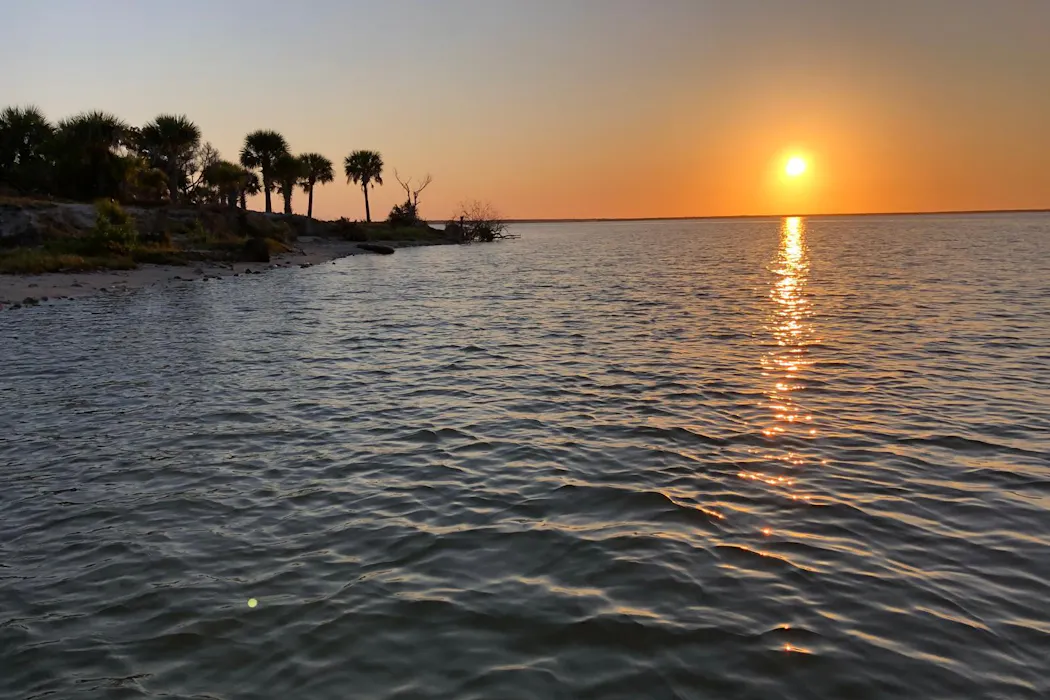
Seagrass has made an unexpected return to Mosquito Lagoon. Captain William B. Wolfson, Grassroots Guide Service, New Smyrna Beach, FL

Florida’s Indian River Lagoon has been an ecosystem in decline going back to 2011, when harmful algal blooms led to a severe decline in seagrass, the foundational component of shallow coastal ecosystems.

Seagrass meadows stabilize sediments, improve water clarity and provide critical habitat and forage for species ranging from invertebrates to sea turtles and manatees. Seagrass also generates a significant amount of economic activity in the state of Florida.

The loss of seagrass in the Indian River Lagoon System undermined fisheries, tourism and wildlife, ultimately leading to the starvation of more than 1,200 manatees from 2020-25, peaking in 2021-22.

Mosquito Lagoon is part of the Indian River Lagoon system that spans 28 miles (45 kilometers), running from Cape Canaveral in the south up to Ponce Inlet in the north. As in the rest of the lagoon system, years of nutrient pollution and recurring algal blooms had diminished seagrass cover to nearly zero by the early 2020s. By most accounts, Mosquito Lagoon had crossed a critical ecological tipping point.

In the fall of 2022, hurricanes Ian and Nicole struck Florida’s east coast within six weeks of one another, bringing intense rainfall, storm surges and coastal erosion. In the immediate aftermath, seagrass declined even further.

But a few months later, in the spring of 2023, seagrass began to return. Satellite imagery revealed rapid and widespread regrowth.

We are geographers who study environmental change. Our research documents this unexpected recovery and examines what it may reveal about ecosystem resilience in heavily degraded coastal systems.

One of us, Hannah Herrero, is a Volusia County native who grew up around the lagoon. She returned to her hometown at the outset of the COVID-19 pandemic. It was there that some local guides and fishermen she’d known for years suggested that our team should use satellite imagery to look at the state of collapse in the lagoon.

The study we designed as a result used satellite imagery and machine learning, a type of artificial intelligence that uses advanced algorithms to learn and predict patterns, to track seagrass dynamics in Mosquito Lagoon before, during and after the storms. This approach allowed us to observe change at a scale and frequency that is difficult to achieve using only traditional field survey methods.

Tracking seagrass from space

Monitoring seagrass coverage “the old-fashioned way” involves going into the lagoon and laying out transects, straight lines that cut through a landscape, so standard observations could be recorded. We would then have to boat or wade all along those lines to measure seagrass extent and locations and create digital maps manually to show where it is present.

As you can imagine, this is a time-intensive process that’s limited by how far you can boat or swim in a day, and by financial resources.

So we decided to use satellite imagery instead. This method is not without its own challenges – water turbidity, or cloudiness, seasonal variability and the patchy nature of vegetation that grows on the bottom of the lagoon all make it difficult to observe seagrass growth directly on the imagery.

To address this challenge, our study used imagery from NASA’s Harmonized Landsat–Sentinel program, which combines data from multiple satellites into a consistent record of photos of the same areas taken frequently over time. We analyzed imagery collected between September 2022 and January 2024, focusing on periods before and immediately after the hurricanes and throughout the subsequent recovery.

We applied a type of machine learning model called Random Forest to classify each image into seagrass and nonseagrass categories.

The machine learning algorithm is informed by training samples collected in the field, but once the model has learned the signature of seagrass, it is able to then apply the classification model to the rest of the lagoon and across time with limited human input. We can then validate this classification.

two women wading in a body of water
The authors wade into Mosquito Lagoon to track seagrass growth as they train their AI model.
Captain William B. Wolfson, Grassroots Guide Service, New Smyrna Beach, FL

Heading into the field

First, we had to train the model using hundreds of GPS points collected in the field over multiple seasons. This step helps to ensure that satellite classifications align with on‑the‑ground conditions and are accurately interpreting the images.

Over several weeks during the summers of 2020 through 2023, our team spent many hours navigating Mosquito Lagoon in a small skiff designed for shallow depths, recording seagrass presence.

It wasn’t always easy – Florida summers are intensely hot and humid, and Mosquito Lagoon definitely lived up to its name. But we got to see a wide variety of wildlife, including manatees, dolphins, sea turtles and alligators. And occasionally, on lucky days, we even spotted a roseate spoonbill or reddish egret.

Our experience in the field highlighted why this system matters: Mosquito Lagoon is a remarkably vibrant place, teeming with wildlife. These long days on the lagoon, surrounded by its biodiversity and immersed in its unique sense of place, are what anchor the remote sensing data to on-the-ground ecological conditions and make the resulting models credible.

timelapse gif of Mosquito Lagoon seagrass coverage
This time-lapse of satellite images shows the three phases of seagrass coverage the authors observed in Mosquito Lagoon between September 2022 and January 2024.
Stephanie Insalaco-Wyner

What we found

Our analysis reveals three distinct phases of seagrass coverage.

First, seagrass declined sharply following hurricanes Ian and Nicole. By December 2022 and early 2023, satellite imagery showed virtually no detectable seagrass across the lagoon.

Then, in March 2023, we identified a statistically significant shift. Seagrass began to reappear, initially in small, scattered patches.

Finally, during late spring and summer 2023, seagrass expanded rapidly. By July 2023, it covered more than 20% of the lagoon – levels not observed in more than a decade. Coverage then declined again during the winter of 2023–24, as expected based on seasonal growth cycles. But even our last observation, completed in January 2024, showed seagrass covering 4.3% of the lagoon, substantially higher than pre-recovery levels during the winter season.

In spring 2026, seagrass in Mosquito Lagoon has remained at stable levels. Although it still experiences fluctuations due to algal blooms, seasonality and other changes in the ecosystem, we have not seen a complete loss of seagrass again like what was occurring for over a decade.

Importantly, this pattern was not random. Regrowth occurred primarily in the central and southern parts of the lagoon, areas historically known to support dense seagrass meadows. The timing also aligned with established seagrass seasonal growth patterns, which strengthens our confidence that the observed changes reflect true ecological recovery.

How storms may have contributed

We cannot prove that hurricanes directly caused the seagrass recovery that we document in our study. Further study beyond the scope of our work is needed to evaluate this possibility. However, we believe the sequence of events suggests that the storms may have altered environmental conditions in ways that enabled regrowth.

Hurricane Ian delivered large volumes of fresh water into the lagoon, potentially suppressing salt‑tolerant macroalgae that compete with seagrass for sunlight and nutrients.

Six weeks later, Hurricane Nicole breached coastal dunes and created several new inlets between the lagoon and the Atlantic Ocean. These openings allowed salt water into the lagoon, likely altering salinity and changing water circulation and conditions.

The hurricanes may also have redistributed seagrass fragments and mobilized dormant seed banks, accelerating regrowth once conditions stabilized. Ecologists have observed similar mechanisms in other coastal systems affected by tropical cyclones.

seagrass underwater in Mosquito Lagoon
The surprising comeback of seagrass in Mosquito Lagoon bodes well for local wildlife and for the people whose livelihood depends on it.
Hannah Herrero

Beyond Mosquito Lagoon

Mosquito Lagoon’s collapse and eventual tentative recovery illustrates both the vulnerability and resilience of coastal ecosystems. Even after years of decline, the Mosquito Lagoon coastal ecosystem demonstrated an ability to recover relatively rapidly when physical conditions shifted.

At the same time, resilience does not guarantee permanence, and we believe this recovery should be viewed cautiously.

From a practical standpoint, our study also highlights the value of satellite imagery and machine learning for ecosystem monitoring. These tools allow scientists, resource managers and local communities to detect change consistently and respond before losses spread.

The Conversation

Hannah V. Herrero is the Director of Science for the Lagoon Watermen Alliance, a Florida-based non-profit. The mission of Lagoon Watermen Alliance is to protect the entire Indian River Lagoon system by advocating for science-based solutions that will lead to improved water quality, protection of imperiled habitats and safeguarding of gamefish populations.

Stephanie Insalaco-Wyner does not work for, consult, own shares in or receive funding from any company or organization that would benefit from this article, and has disclosed no relevant affiliations beyond their academic appointment.

ref. Hurricanes devastated Florida’s East Coast – then seagrass made an unexpected comeback – https://theconversation.com/hurricanes-devastated-floridas-east-coast-then-seagrass-made-an-unexpected-comeback-279177