We’ve been tracking the number of Americans who identify as transgender – soon, there will be no reliable way to measure them

Source: The Conversation – USA (2) – By Jody L. Herman, Senior Scholar of Public Policy at the Williams Institute, University of California, Los Angeles

Researchers have traditionally had a difficult time tracking the number of Americans who identify as transgender.

But over the past decade, our work has become easier, largely thanks to federal data. In 2014, for the first time, the federal government included a question on transgender identity in the Centers for Disease Control and Prevention’s Behavior Risk Factor Surveillance System. It subsequently added gender identity questions to other surveys, like the National Crime Victimization Survey. Since 2016, we’ve been able to use federal datasets to estimate the number of people who identify as transgender at the national and state levels.

Our recently published analysis suggests that 2.1 million U.S. adults identify as transgender. In our prior study, published in 2022, we found that 1.3 million U.S. adults identified this way. In our new report, we also found that 724,000 youth age 13 to 17 identified as transgender.

To arrive at these estimates, we drew from the CDC’s Youth Risk Behavior Survey and Behavior Risk Factor Surveillance System, which provide the most comprehensive data on the gender identity of Americans. Though these datasets are the best available to make these estimates, we lack state-level data in certain cases. So we used a statistical technique called multilevel regression and poststratification to fill in those gaps.

This information is important. It allows policymakers, educators, judges, the media and others to understand the size and characteristics of this population, as well as who will be affected by public policies, such as nondiscrimination laws that aim to protect transgender people or bans on transgender people’s use of public bathrooms. The U.S. Supreme Court has even cited our estimates in decisions that impact transgender people.

But our work is about to become a lot harder, if not impossible.

At the directive of the Trump administration, federal surveys will no longer collect data about gender identity. Questions that aim to identify transgender respondents will be removed, while binary sex questions with only “male” or “female” response options will remain.

Though data sources are being erased, the transgender population will not be. And yet it will likely be at least a decade before we can publish updated figures on the estimated number of people living in the U.S. who identify as transgender.

Age group differences persist

But first, let’s highlight what the new report reveals.

One consistent pattern across our reports from 2017, 2022 and 2025 is that younger people are more likely to identify as transgender than older adults.

In our new report, however, we were able to see significant differences among different age groups of adults for the first time.

Those 18 to 34 are now significantly more likely to identify as transgender than those 65 and older, and those 18 to 24 are significantly more likely to identify as transgender than those 35 to 64.

When considering population changes over time, our estimates for the youngest age group – those 13 to 17 – have utilized different data sources and methodologies. Therefore, we can’t make direct comparisons across years. Among adults overall, we haven’t seen any significant changes over the past decade or so.

However, our estimate for the youngest adult age group – those 18 to 24 – is now significantly higher. Using 2014-15 data, we estimated that 0.7% of U.S. adults aged 18 to 24, or 205,850 people, identified as transgender. The data we analyzed from 2021-23 puts that figure at 2.7%, or 827,200 Americans.

This uptick doesn’t support the idea that there is a sudden, rapid growth in the transgender youth population, however. In fact, our findings are consistent with the idea that acceptance of gender and sexuality is generational and shaped by your social surroundings.

These generational differences likely impact whether someone will disclose their transgender identity on a survey. Our own analysis of CDC data found that young people are more likely than older adults to answer questions about their gender identity. This also means the real percentage of older adults who identify as transgender may be higher.

As younger transgender people grow older, we expect observed differences between age groups to diminish over time.

Disappearing data sources

More research is required to determine the reasons for this growth among young adults identifying as transgender. Yet future efforts to better identify and understand transgender population trends will likely be delayed for the foreseeable future.

Should gender identity data collection be reinstituted under a new presidential administration in 2029, federal surveys will need to be updated and administered. Once data collection resumes, three years of new data are required before we can update our estimates.

While we and other researchers will look to other data sources in the interim, there’s nothing that can fully replace federal data sources.

In the end, no amount of data suppression can erase the reality on the ground. Millions of transgender youth and adults will continue to live in communities across the U.S. – in cities and small towns, in red states and blue states. They’ll continue to enroll in schools, get hired for jobs and navigate health care systems.

This population will not vanish simply because some of those in power wish it would. But in order for us to continue to shed light on the characteristics and needs of the transgender population – whether it’s assessing impacts of gender-affirming care bans to changes in U.S. passport gender marker policies – we’ll need these questions to be added back on federal surveys.

The Conversation

Andrew Ryan Flores receives funding from The Williams Institute at the UCLA School of Law to conduct research that fulfills the Institute’s mission of independent research. He is affiliated with American University, the Public Religion Research Institute, and the World Bank.

Jody L. Herman does not work for, consult, own shares in or receive funding from any company or organization that would benefit from this article, and has disclosed no relevant affiliations beyond their academic appointment.

ref. We’ve been tracking the number of Americans who identify as transgender – soon, there will be no reliable way to measure them – https://theconversation.com/weve-been-tracking-the-number-of-americans-who-identify-as-transgender-soon-there-will-be-no-reliable-way-to-measure-them-263599
Pregnant women face tough choices about medication use due to lack of safety data − here’s why medical research cuts will make it worse

Source: The Conversation – USA (3) – By Almut Winterstein, Distinguished Professor of Pharmaceutical Outcomes & Policy, University of Florida

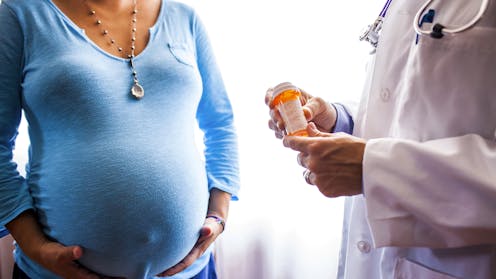
More than 9 in 10 women take at least one medication during pregnancy, yet data on prescription drugs’ effects on the fetus are sparse. Adam Hester/Tetra images via Getty Images

A panel convened in July 2025 by the Food and Drug Administration sparked controversy by casting doubt about the safety of commonly used antidepressants during pregnancy. But it also raised the broader issue of how little is known about the safety of many medications used in pregnancy, considering the implications for both mother and child – and how understudied this topic is.

In the U.S., the average pregnant patient takes four prescription medications, and more than 9 in 10 patients take at least one. But most drugs lack conclusive evidence about their safety during pregnancy. About 1 in 5 women uses a medication during pregnancy that has some preliminary evidence that it could cause harm but for which conclusive studies are missing.

We are researchers in maternal and child health who evaluate the safety of medications during pregnancy. In our work, we identify medications that might raise the risk for birth defects or pregnancy loss and compare the safety of different treatments.

While progress has been slow, researchers and federal agencies have built monitoring systems, databases and tools to accelerate our understanding of medication safety. However, these efforts are now at risk due to ongoing cuts to medical research funding – and with them, so is the knowledge base for determining whether sticking with a therapy or discontinuing it offers the safest choice for both mother and child.

How pregnant women got sidelined

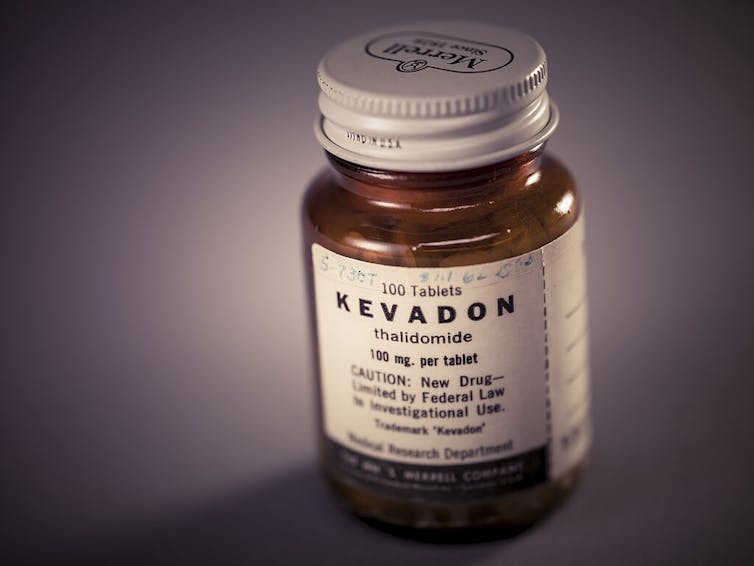
One big reason why so little is known about the effects of medications during pregnancy stretches back more than half a century. In the 1960s, a drug called thalidomide that was widely prescribed to treat morning sickness in pregnant women caused severe birth defects in over 10,000 children around the world. In response, in 1977 the FDA recommended excluding women of childbearing age from participating in early stage clinical trials testing new medications.

A pill bottle with a label carrying the drug's brand name, Kevadon, and its generic name, thalidomide.
Thalidomide, sold under several brand names including Kevadon, was used in many countries to treat morning sickness, though the Food and Drug Administration never approved it for that purpose in the United States.
U.S. Food and Drug Administration

Ethically, there is long-standing tension between concerns about fetal harm and maternal needs. Legal liability and added complexities when conducting studies in pregnant women serve as additional barriers for drug manufacturers.

When drugs are approved, studies about whether they might cause birth defects are typically done only in animals, and they often don’t translate well to humans. So when a new medication comes on the market, nothing is known about how it affects people during pregnancy. Even if animal studies or the medication’s mode of action raised concerns, the drug can still be approved, though companies may be required to conduct studies observing its effects when taken during pregnancy.

Cause and effect

Of 290 drugs approved by the FDA between 2010 and 2019, 90% contain no human data on the risks or benefits for pregnant patients. About 80% of some 1,800 medications in a national database called TERIS, which summarizes evidence on medications’ risks during pregnancy, lack or have limited evidence about the risks for birth defects. Researchers have estimated that it takes 27 years to pin down whether a medication is safe to use in pregnancy.

As a result, many pregnant women stop treating their chronic diseases. In a U.S. study published in 2023, over one-third of women stopped taking a medication during pregnancy, and 36.5% of those did so without advice from a health care provider. More than half cited concerns about birth or developmental defects as the reason.

Yet uncontrolled chronic disease comes with its own toll on both the mother’s and the baby’s health. For example, some medications used to treat seizures are known to cause birth defects, but stopping them may increase seizures, which themselves raise the risk of fetal death.

Women with severe or recurrent depression who abruptly stop their antidepressants risk their depression returning, which is in turn associated with increased risk of substance use, inadequate prenatal care and other negative effects on fetal development. Stopping the use of medications
for treating high blood pressure also causes adverse effects – specifically, a greater risk of pregnancy-related high blood pressure that can cause organ damage, called preeclampsia; a condition called placental abruption, when the placenta detaches from the wall of the uterus too early; preterm birth; and fetal growth restriction. An online resource called Mother to Baby, created by a network of experts on birth defects, provides an excellent summary of the available data on medication safety during pregnancy.

The FDA in some cases requires drug companies to establish registries to track the outcomes of pregnancies exposed to certain medications. These registries can be useful, but they have shortcomings. For example, recruiting pregnant patients into them takes time and considerable effort, resulting in small sample sizes that may not capture rare birth defects. Also, registries typically follow a single medication and rarely include comparisons to alternative treatment approaches – or to no treatment.

What’s more, following the 2022 Dobbs v. Jackson Supreme Court decision overturning the constitutional right to abortion, women might be reluctant to add their names to a pregnancy registry or to provide data on prenatal detection of birth defects due to concerns about privacy and legal risks.

Decades of underfunding

In 2019, a task force established by the 21st Century Cures Act identified a major gap in knowledge about drug safety and effectiveness in pregnant and lactating women and recommended a boost in funding to fill it.

However, little has changed. A 2025 review by the National Academies of Sciences, Engineering and Medicine pointed out that research funding for women’s health topics has remained flat over the past decade, while the overall budget of the National Institutes of Health has steadily increased. The review recommended doubling the NIH funding allocated for such research, but this seems unlikely in light of the recent proposals to cut the overall NIH budget by 40%.

The National Institute of Child Health and Human Development funds the bulk of research on the safety of medications during pregnancy across federal agencies, although the institute has an appreciably smaller budget than most of its sister institutes such as the National Cancer Institute. Grants awarded are typically broad and take four to five years to complete, but they allow the more comprehensive assessments that are needed to support informed decisions considering outcomes for mother and child. For example, NIH-funded researchers have established a clear link between autism and prenatal use of valproate, a potent teratogen used to treat epilepsy and several mental health disorders.

The Centers for Disease Control and Prevention as well as the FDA have also funded specific pregnancy-related research. For example, following the COVID-19 epidemic, the CDC renewed its funding for studies that help expedite pregnancy safety studies for treatments that might be used for newly emerging infections. In response to emerging concerns about a substance called gadolinium, which is often used during MRI procedures, the FDA funded our own work on a study of almost 6,000 pregnant women, which found no elevated risk.

For healthy pregnancies, more research is critical

These efforts have laid a crucial foundation for evaluating medication safety and effectiveness during pregnancy. But keeping pace with the release of new medications and new ways they are used, as well as addressing the backlog of missing evidence for medications that were approved in the past millennium, remain a challenge.

Recent terminations of NIH-funded studies have focused on topics presumably relating to diversity, equity and inclusion. But research on safe and healthy pregnancies and on maternal health – for example, on the safety of COVID-19 vaccines during breastfeeding – has been affected as well.

The NIH has scaled back new grant awards by nearly US$5 billion since the beginning of 2025, and the odds for receiving NIH funding have plummeted. Proposed sweeping budget cuts for the CDC and FDA leave their role in supporting research on healthy pregnancies similarly uncertain.

In our view, removing or reducing ongoing investments in healthy pregnancies poses a danger to much-needed efforts to reduce excessive rates of stillbirths as well as infant and maternal deaths.

The Conversation

Almut Winterstein consults on medication safety issues to Merck, Syneos, Lykos and Novo Nordisk. She receives funding for pregnancy-related research from NIH, CDC, FDA, and the Gates Foundation.

Sonja Rasmussen receives funding from Harmony Biosciences, Axsome Therapeutics, Biohaven (acquired by Pfizer), Lundbeck, Novo Nordisk, and Myovant Sciences to serve on pregnancy registry scientific advisory committees. She also receives or has received funding from NIH, CDC, and FDA.

ref. Pregnant women face tough choices about medication use due to lack of safety data − here’s why medical research cuts will make it worse – https://theconversation.com/pregnant-women-face-tough-choices-about-medication-use-due-to-lack-of-safety-data-heres-why-medical-research-cuts-will-make-it-worse-260783

When surgical tools don’t fit: how gender bias in design puts female surgeons at risk

Source: The Conversation – UK – By Gráinne Tyrrell, Doctoral Researcher in Biomedical Device Design, School of Architecture and Product Design, University of Limerick

S Eirich/Shutterstock

“If you can’t handle this, you’ll never keep up with your peers.”

That’s what a young vascular surgeon in training reported hearing from a senior colleague during interviews for our study, after she needed two hands to hold a medical device her male peers could operate with one.

Another cardiologist, more than ten years into her career, must regularly hand over part of a procedure because she doesn’t have the grip strength for a particular surgical task. The problem isn’t her skill, focus, or stamina – it’s that the tools were never built for her hands.

Stories like these are sometimes misused to reinforce outdated stereotypes: that women aren’t physically capable of performing certain high-skill roles like heart surgery.

In reality, female surgeons are often working harder – and sometimes risking their own health – to achieve the same results as their male colleagues. The barrier isn’t ability. It’s the long shadow of gender bias in both medicine and design.

Our research team is working to change that. We’ve developed a test rig equipped with sensors and 3D scanning technology to capture precise measurements of grip strength and hand size across a variety of simulated surgical scenarios. So far, we’ve gathered data from 42 cardiologists and vascular surgeons worldwide.

The study involved 24 female vascular surgeons from across the globe, the response was overwhelmingly positive. Many participants shared personal accounts of the strain they endure, describing aching wrists and fear of long-term joint issues – all exacerbated by tools that demand more strength than their bodies can comfortably deliver. For some, the motivation to take part was personal: they want the next generation of surgeons to face fewer barriers.

This data is already being used to inform the design of new cardiovascular devices. Handles are being resized to fit a wider range of hand shapes, and the grip strength required to operate them is being lowered. The aim is simple but critical: reduce injury risk, improve surgeon wellbeing and extend careers.

Built for men, used by everyone

The operating theatre is full of devices designed to fit the “average” surgeon and, for decades, that average has been male. Handle diameters tend to be optimised for larger hands, while buttons and sliders are calibrated to force ranges comfortable for male grip strength.

In vascular and cardiac surgery, precision and power go hand in hand. These procedures require surgeons to maintain awkward positions for extended periods, often in high-pressure situations. Even without design flaws, the risk of muscle and joint strain is significant. But when a handle is too big to grip securely, or a control requires more force than a surgeon can comfortably exert, that risk increases sharply and disproportionately for women.

The impact isn’t only on the surgeon. Fatigue, strain and discomfort can affect concentration and precision, which in turn can influence patient outcomes. In a profession where the margin for error is vanishingly small, ergonomics aren’t a luxury — they’re a safety requirement.

When engineers develop new biomedical devices, they rely on design guidance: technical data on ideal handle sizes, optimal button placement and the comfortable grip force a surgeon should be able to apply.

But these guidelines are built on incomplete data. Historically, women were excluded from research studies, meaning their measurements never made it into the datasets that shape design.

Even when designers look for female-specific data, there either are no data or the sample sizes in studies are very small. One common shortcut is to scale down men’s measurements by 30-40% to “estimate” women’s — a crude approach that doesn’t reflect real-world variation in hand anatomy or grip strength.

The problem isn’t just gender. Ethnicity and age matter too. People of colour have long been underrepresented in health research, compounding the challenges faced by women of colour. The differences can be striking: the average grip strength of a European man is about 49kg, while for an Asian woman it’s around 24kg — yet both may be expected to perform identical surgical tasks with identical tools.

A changing profession needs changing tools

In 2025, women made up the majority of doctors in the UK for the first time — a milestone that signals a profession in transition. But the tools they will use are still rooted in outdated assumptions. The lack of inclusive design isn’t just an equity problem. It’s a practical one, affecting career longevity, workplace safety and ultimately patient care.

Calls to improve ergonomics for women in surgery have been growing louder. Professional organisations, research groups and individual surgeons have all pushed for better-fitting, more adaptable tools. Yet progress has been slow, partly because gathering detailed ergonomic data has traditionally been time-consuming and expensive.

New technologies are changing that. With 3D scanning, advanced sensors, and more sophisticated modelling, it’s now possible to collect accurate, relevant data far more efficiently. This opens the door to design that accounts for the diversity of the surgical workforce — not just in gender and ethnicity, but in body size, strength and working style.

By integrating grip strength and hand size data from a truly representative group of surgeons, designers can move away from the “one-size-fits-all” mindset that has dominated for decades. Lowering the physical demands of surgical tools won’t just help women – it will improve comfort for all surgeons, from smaller men to older practitioners whose grip strength changes over time.

Heart surgery techniques have advanced rapidly in recent years, driving remarkable innovation and design. However, while technological progress has surged ahead, the data guiding these designs remains outdated and exclusionary, oftentimes leaving women in surgery an afterthought.

As today’s operating rooms evolve in diversity, we’re advocating for surgical instrument design to evolve with it – ensuring inclusivity is built into every medical device.

The Conversation

Gráinne Tyrrell’s PhD research is funded by Research Ireland and Medtronic under the Enterprise Partnership Scheme. The authors acknowledge Donna Curley for her contributions to the research as an industry mentor.

Eoin White and Leonard O Sullivan do not work for, consult, own shares in or receive funding from any company or organisation that would benefit from this article, and have disclosed no relevant affiliations beyond their academic appointment.

ref. When surgical tools don’t fit: how gender bias in design puts female surgeons at risk – https://theconversation.com/when-surgical-tools-dont-fit-how-gender-bias-in-design-puts-female-surgeons-at-risk-262743

Why the magic mushroom anti-ageing claims are overblown

Source: The Conversation – UK – By Mikael Palner, Associate Professor, Neurobiology, University of Southern Denmark

How can we live longer? The eternal question, and one that scientists have long been trying to answer.

We know that diet, exercise, and genes play a big role in the ageing process and how long each of us might be alive for. We also know that certain drugs or medicines have the potential to increase our lifespan. Though there’s still a lot we don’t know about what makes one person live to 102 and another only make it to 72.

But one new study seems to suggest that psilocybin, found in so-called “magic mushrooms”, could have potential as a longevity drug. In a new study, researchers found that psilocin – the compound your body makes after ingesting psilocybin – helped human cells live longer in the lab and that psilocybin boosted survival rates in older mice.

The study has led to numerous headlines claiming that magic mushrooms could be the secret to living longer. But as someone who’s been studying psychedelic compounds like psilocybin, for the past 20 years – with a specific focus on human and rodent psychedelic dosing – I think the claims have been massively overhyped and that applying the findings to humans is deeply problematic.

A closer look

The research took place in two stages. The first part was a simple experiment, where researchers treated human lung cells with psilocin. They found that over time, these cells grew slightly faster than the cells that didn’t receive psilocin and survived longer – on average, the psilocybin treated cells lived 28.5% longer.

They also examined markers of cellular health, specifically looking at how many cells showed signs of ageing, and found fewer age-related markers in the psilocin-treated cells.

Next, the researchers carried out a study using older mice that received either a placebo or psilocybin. The mice receiving the psilocybin were first given a dose of five milligrams for every kilogram they weighed to help them acclimatise to the drug, then for the following nine months, they received a higher dose of 15 milligrams (for every kilogram) once a month. The mice were then monitored until they died.

Psilocybin was found to extend the lifespan in mice, with treated animals beginning to die around 25 months of age compared with 21 months for those who didn’t receive it.

After ten months of treatment, 80% of the psilocybin group was still alive, while only half of the untreated mice had survived. The treated mice also appeared younger, with healthier fur showing less greying and more new growth, suggesting the drug may have slowed some aspects of ageing.

High doses, high risk

So why is this happening? Well, scientists already know that psilocin activates many serotonin receptors in the brain and acts as an antioxidant (a substance that can prevent or slow down cell damage), both of which promote cell survival and growth. So this could be playing a part.

Another thing to consider is that one of these brain receptors – the 2C receptor – which isn’t linked to psychedelic effects, controls appetite and metabolism.

And here’s the thing: we already know that eating less can reliably extend lifespan. So, at the very least, the study should have told us how much the mice were eating and how their weight changed throughout the study – just to make sure their longer lives weren’t simply because they were eating less.

But here’s the real issue, a dose of 15 milligrams per kilogram in mice reflects an extremely high psychedelic dose. Administering this dose monthly for up to nine months has never been done in human studies. In fact, rodents exposed to repeated high doses of psychedelics have, in previous studies, displayed signs of schizophrenia.

It´s worth adding that in terms of animal to human dosage, it’s not quite as straightforward as adjusting for weight, as smaller animals have a faster heart rate and metabolise drugs faster. But even taking these things into account, the amount of psilocybin given to the mice would be equal to a human taking more than seven grams of mushrooms. For context, that’s more than double what’s considered a strong or “heroic” dose for most people – a typical dose is between one and three grams.

Magic mushrooms.
The human equivalent would have been a ‘heroic’ dose of psilocybin.
Fotema/Shutterstock.com

Psychedelic boom

So where does this leave us? Well, psilocybin and other psychedelics have received a lot of attention over the past few years, particularly so in the world of mental health research, with numerous studies (and individuals) reporting positive effects.

Some US states, like Oregon and Colorado have eased access to recreational psilocybin and other countries like Germany, the Czech Republic and Australia have bypassed regulatory systems altogether to provide psilocybin in cases of severe depression.

This is concerning though, because when misused or taken in very high doses, magic mushrooms, or psilocybin, can sometimes lead to long-term psychological issues, such as persistent anxiety and paranoia and in rare cases, visual disturbances can continue long after the drug has worn off. Indeed, during the 1960s and 1970s, some studies were carried out on patients in dubious settings and with high doses that led to bad experiences.

These effects are more common in those with underlying mental health vulnerabilities or people who use psychedelics irresponsibly, and are less likely to occur when used within the safety of a therapeutic or clinical setting. But still, we need to be very careful about how we have such conversations and report psychedelic research, given that there is the potential for misuse and dangerous side effects.

This article was commissioned by Videnskab.dk as part of a partnership collaboration with The Conversation. You can read the Danish version of this article, here.

The Conversation

Mikael Palner consults to BrandarisTx and owns shares in Compass Pathways. He receives funding from The Danish Free Research Foundation / Lundbeck Foundation / Novo Nordisk Foundation.

ref. Why the magic mushroom anti-ageing claims are overblown – https://theconversation.com/why-the-magic-mushroom-anti-ageing-claims-are-overblown-263928

FDA approves updated COVID-19 vaccines with new restrictions, potentially limiting access for healthy children

Source: The Conversation – USA (3) – By David Higgins, Assistant Professor of Pediatrics, University of Colorado Anschutz Medical Campus

The FDA’s move comes as, for the first time in decades, guidance from federal health authorities and pediatric experts diverge. PeopleImages/iStock via Getty Images Plus

Guidance around COVID-19 vaccines has once again shifted after the Food and Drug Administration on Aug. 27, 2025, approved updated shots for the fall season, but for a more limited group than in prior seasons.

These changes, announced on X by Secretary of Health and Human Services Robert F. Kennedy Jr., raise new questions about eligibility and availability of COVID-19 vaccines for children.

As a pediatrician and researcher who studies vaccine delivery and health policy, I foresee these changes adding to the confusion facing parents and providers, just as this summer’s COVID-19 wave continues to rise.

How does the new guidance differ from before?

The FDA revoked the emergency use authorizations for COVID‑19 vaccines, a status used during public health emergencies that made it possible to provisionally approve vaccines swiftly during the pandemic. The agency also limited their approval to only people at higher risk of serious illness from COVID-19 infection, such as those over 65 or with underlying health conditions. But for children it is even more complicated.

The FDA approved two updated mRNA-based vaccines – Moderna’s vaccine for children 6 months and older and Pfizer’s vaccine – both targeting a new variant called LP.8.1, for children 5 years and older. The agency also approved an updated version of the the protein-based Novavax vaccine targeting a strain of the virus called JN.1 for children 12 years and older. But all three approvals are limited to children at higher risk of serious illness from COVID-19 infection.

Previously, all children 6 months and older were able to receive either the Pfizer and Moderna vaccines, with the Novavax vaccine available for anyone 12 years and older. These changes mean it may be significantly more difficult for infants and young children to get vaccinated, even though they remain at higher risk for complications from COVID-19 compared with the general population.

The decision comes as, for the first time in decades, guidance from federal health authorities and pediatric experts diverge. The Centers for Disease Control and Prevention no longer routinely recommends COVID-19 vaccines for healthy children ages 6 months to 17 years. The decision to take this approach bypassed the CDC’s normal independent review panel, creating concerns about credibility.

In contrast, the American Academy of Pediatrics recently issued its own guidance based on its review of the evidence. The AAP recommends that all children 6 months to 23 months old and children 2 to 18 years old at higher risk receive vaccines. They also emphasize that COVID-19 vaccines should be available for all children whose parents want them.

The FDA’s new guidance on vaccines may make it difficult for families to obtain vaccines for healthy children.

The AAP’s review of the evidence showed COVID-19 remains a serious risk for young children and kids with certain high-risk conditions. It also found that children are still being hospitalized and dying at rates similar to those with other illnesses for which vaccines are routinely recommended, such as influenza. And an independent expert group called the Vaccine Integrity Project confirmed that no new safety concerns have emerged relating to COVID-19 vaccines and that the vaccines remain effective.

How might access to COVID-19 vaccines for kids change?

Despite young children remaining particularly vulnerable, changes to FDA approval and conflicting recommendations will mean access to vaccines could be challenging.

Children under 5 years of age can now only receive Moderna’s vaccine. Providers who had planned to use Pfizer’s vaccine need to quickly pivot, and Moderna will need to fill supply gaps. Also, providers may not be able to use any Pfizer vaccine stock they still hold now that the emergency use authorizations is no longer in effect. Families who already face barriers to vaccination, such as those who live in rural areas or who lack health insurance, may be especially affected by these new limitations.

If providers give healthy children a COVID-19 vaccine, they would be doing this “off-label,” meaning different than what the FDA label says. This practice is legal and common, with an estimated 1 in 5 medications prescribed off-label. However, while physicians can give vaccines off-label, in many states, pharmacists and other non-physicians may not be able to do so for any age.

Even if it is legal, some providers may be hesitant to give COVID-19 vaccines off-label. After the AAP released its own recommendations, Kennedy warned that vaccine recommendations that diverge from the CDC’s official list are not protected from liability, though legal experts argue that this is misleading.

The AAP published a list of high-risk health conditions or characteristics to guide parents and providers in deciding whether a child should receive the vaccine.

At the federal level, the only current list is on the CDC website and is not specifically related to COVID-19 vaccine recommendations. For example, it includes pregnancy, even though federal health leaders have previously stated the vaccines would no longer be recommended in pregnancy. In contrast, the American College of Obstetricians and Gynecologists strongly recommends updated COVID-19 vaccination during pregnancy, when planning pregnancy, in the postpartum period and while lactating, noting benefits for both patients and their newborns.

What might happen next?

Unfortunately, the confusion may deepen as the CDC’s recommendations, including who is at high risk, may be revised after an upcoming meeting of the Advisory Committee on Immunization Practices, a panel of independent experts that advises the agency.

In June 2025, in an unprecedented move, Kennedy disbanded the entire committee and hand-picked new members. The new committee has yet to weigh in on COVID-19 vaccines for children. The chair of the COVID-19 vaccine work group, which will make recommendations to all committee members, is led by an outspoken critic of COVID-19 vaccines who does not have a biomedical degree or medical experience. Also, on Aug. 27, 2025, federal officials attempted to oust the CDC’s director just a few weeks after she was confirmed, and multiple top officials resigned.

The bottom line is that with these FDA changes, fewer vulnerable children may end up vaccinated against COVID-19 because of supply constraints, parental confusion or provider uncertainty. The best thing a family can do is talk with their pediatrician about what options remain and what is best for their child.

The Conversation

David Higgins volunteers as Vice President of the Colorado Chapter of the American Academy of Pediatrics and as a board member of Immunize Colorado. He was not involved in the development or publication of the American Academy of Pediatrics’ immunization guidelines. The views and opinions expressed in this article are solely his own and do not represent those of the American Academy of Pediatrics.

ref. FDA approves updated COVID-19 vaccines with new restrictions, potentially limiting access for healthy children – https://theconversation.com/fda-approves-updated-covid-19-vaccines-with-new-restrictions-potentially-limiting-access-for-healthy-children-264098

See Earth’s seasons in all their complexity in a new animated map

Source: The Conversation – Global Perspectives – By Drew Terasaki Hart, Ecologist, CSIRO

The average seasonal growth cycles of Earth’s land-based ecosystems, estimated from 20 years of satellite imagery. Terasaki Hart et al. / Nature

The annual clock of the seasons – winter, spring, summer, autumn – is often taken as a given. But our new study in Nature, using a new approach for observing seasonal growth cycles from satellites, shows that this notion is far too simple.

We present an unprecedented and intimate portrait of the seasonal cycles of Earth’s land-based ecosystems. This reveals “hotspots” of seasonal asynchrony around the world – regions where the timing of seasonal cycles can be out of sync between nearby locations.

We then show these differences in timing can have surprising ecological, evolutionary, and even economic consequences.

Watching the seasons from space

The seasons set the rhythm of life. Living things, including humans, adjust the timing of their annual activities to exploit resources and conditions that fluctuate through the year.

The study of this timing, known as “phenology”, is an age-old form of human observation of nature. But today, we can also watch phenology from space.

With decades-long archives of satellite imagery, we can use computing to better understand seasonal cycles of plant growth. However, methods for doing this are often based on the assumption of simple seasonal cycles and distinct growing seasons.

This works well in much of Europe, North America and other high-latitude places with strong winters. However, this method can struggle in the tropics and in arid regions. Here, satellite-based estimates of plant growth can vary subtly throughout the year, without clear-cut growing seasons.

Surprising patterns

By applying a new analysis to 20 years of satellite imagery, we made a better map of the timing of plant growth cycles around the globe. Alongside expected patterns, such as delayed spring at higher latitudes and altitudes, we saw more surprising ones too.

Average seasonal cycles of plant growth around the world. Each pixel varies from its minimum (tan) to its maximum (dark green) throughout the year.

One surprising pattern happens across Earth’s five Mediterranean climate regions, where winters are mild and wet and summers are hot and dry. These include California, Chile, South Africa, southern Australia, and the Mediterranean itself.

These regions all share a “double peak” seasonal pattern, previously documented in California, because forest growth cycles tend to peak roughly two months later than other ecosystems. They also show stark differences in the timing of plant growth from their neighbouring drylands, where summer precipitation is more common.

Spotting hotspots

This complex mix of seasonal activity patterns explains one major finding of our work: the Mediterranean climates and their neighbouring drylands are hotspots of out-of-sync seasonal activity. In other words, they are regions where the seasonal cycles of nearby places can have dramatically different timing.

Consider, for example, the marked difference between Phoenix, Arizona (which has similar amounts of winter and summer rainfall) and Tucson only 160 km away (where most rainfall comes from the summer monsoon).

Map of the world showing patterns of light and dark
Hotspots of seasonal asynchrony: brighter colours show regions where the timing of seasonal activity varyies a lot over short distances.
Terasaki Hart et al. / Nature

Other global hotspots occur mostly in tropical mountains. The intricate patterns of out-of-sync seasons we observe there may relate to the complex ways in which mountains can influence airflow, dictating local patterns of seasonal rainfall and cloud. These phenomena are still poorly understood, but may be fundamental to the distribution of species in these regions of exceptional biodiversity.

Seasonality and biodiversity

Identifying global regions where seasonal patterns are out of sync was the original motivation for our work. And our finding that they overlap with many of Earth’s biodiversity hotspots – places with large numbers of plant and animal species – may not be a coincidence.

In these regions, because seasonal cycles of plant growth can be out of sync between nearby places, the seasonal availability of resources may be out of sync, too. This would affect the seasonal reproductive cycles of many species, and the ecological and evolutionary consequences could be profound.

One such consequence is that populations with out-of-sync reproductive cycles would be less likely to interbreed. As a result, these populations would be expected to diverge genetically, and perhaps eventually even split into different species.

If this happened to even a small percentage of species at any given time, then over the long haul these regions would produce large amounts of biodiversity.

Back down to Earth

We don’t yet know whether this has really been happening. But our work takes the first steps towards finding out.

We show that, for a wide range of plant and animal species, our satellite-based map predicts stark on-ground differences in the timing of plant flowering and in genetic relatedness between nearby populations.

Our map even predicts the complex geography of coffee harvests in Colombia. Here, coffee farms separated by a day’s drive over the mountains can have reproductive cycles as out of sync as if they were a hemisphere apart.

Understanding seasonal patterns in space and time isn’t just important for evolutionary biology. It is also fundamental to understanding the ecology of animal movement, the consequences of climate change for species and ecosystems, and even the geography of agriculture and other forms of human activity.

Want to know more? You can explore our results in more detail with this interactive online map, which we also include below.

The Conversation

This work was completed under affiliations with the University of California (UC), Berkeley, The Nature Conservancy (TNC), and the Commonwealth Scientific and Industrial Research Organisation (CSIRO). Drew Terasaki Hart received funding for this work from UC Berkeley, the UC Berkeley Center for Latin American Studies, the Organization for Tropical Studies, IdeaWild, and the Bezos Earth Fund (via The Nature Conservancy).

ref. See Earth’s seasons in all their complexity in a new animated map – https://theconversation.com/see-earths-seasons-in-all-their-complexity-in-a-new-animated-map-262935

Clones and superfans: 28 years on, our feelings about Diana reflect who we are

Source: The Conversation – Global Perspectives – By Giselle Bastin, Associate Professor of English, Flinders University

“I’ve had Japanese people crying when I tell them I’m not Diana,” British woman Christina Hance, who sometimes earned thousands of pounds a day as a Diana impersonator, told the BBC in 1996. A few months later, she announced she was stepping back from her duties as a Diana lookalike, saying the job had sent her mad and made her ill.

“I ended up a zombie just like her […] the strain of public life has been too much for both of us,” she said. Probably the best known of countless professional Diana impersonators, she “didn’t really look very much like Diana at all”, according to Edward White, whose new book Dianaworld: An Obsession is at least as much about “the princess’s people” as the “People’s Princess”.

In other words, it’s about “the sprawling, ever-evolving precinct of her various lives – public and private, real and imagined” – while mapping how Diana-the-icon has been created by her various “publics”.


Review: Dianaworld: An Obssession – Edward White (Allen Lane)


These “publics” sprang from diverse communities: from couturiers to courtiers, hairdressers to politicians, royal servants to sex workers, astrologers to gays, newspapermen to fickle paternal advisors – and soothsayers, superfans and satirists. And, of course, lookalikes.

Dianaworld describes a Diana who was many things to many people. “Dig deep enough”, White suggests, and you’ll find a part of Diana that was Jewish, or American, or a republican – or anything else that she wasn’t but you are.“

First and foremost, though, she was the “pale English rose celebrated for strengthening the Windsor monarchy with the DNA of her indigenous British ancestors”. She was “unencumbered by class identity, snobbery, or elitism of any kind precisely because she was so thoroughly, truly, aristocratic”.

Tony Blair once told an interviewer Diana invented a “new way to be British”. White proposes: “It might be more accurate to say that through Diana, the British invented a new way of fantasizing about themselves.” And:

Never was the domestic adulation of Diana so complete as when she was on the other side of the world. Organs of the British media documented her popularity abroad with an embarrassing neediness.

White charts how the cult of Diana assumed global proportions.

The United States liked to claim Diana as “an American princess” – for “only in America did Diana fully become Diana”, writes White. He argues she personified “the American Dream”, springing as she did from the life of a relative mortal (if one whose “family had been a mighty social presence for half a millennium”) to the superstardom of global celebrity.

Diana often expressed a desire to relocate to the US, thousands of miles away from the strictures of the House of Windsor and arc-lamp intensity of the British tabloid press.

Sound familiar? It seems Prince Harry’s destiny was written for him by his mother.

When visiting Pakistan, India and various African and Middle Eastern countries, Diana was seen as a “post-imperial princess whose image transcended all kinds of social barriers, real and imagined”.

White documents a group of Pakistani women who thrilled to the idea of Diana’s potential marriage to British-Pakistani cardiac surgeon Hasnat Khan, because it showed Diana “was doing what every Asian daughter was meant to do: marrying an Asian doctor”.

Ahead of the Charles and Diana 1986 tour of Japan, thousands of Japanese schoolchildren were gifted Diana robot dolls. Numerous Diana lookalikes and impersonators donned Diana wigs and made appearances at supermarkets.

Across several chapters, White returns to the idea of Diana’s “relationship with Britishness, especially the English component of that identity”. Back in Britain, Diana enjoyed a large following among the nation’s ethnic minority, as well as with the gay community. Her association with the latter was forged by her early embrace of the cause of HIV/AIDS. White writes: “the memory of her has become entwined with a particular idea of gay experience, in which defiance and radical honesty are king and queen.

Acknowledging how Diana was “a woman of mythological complexity and far-reaching significance”, White dissects how so much of the mythologising tends to heap “cliché and trope upon her mythological pyre”.

As the “fairytale princess at the centre of an archetypal romantic fantasy”, Diana was “loaded with other people’s ideas about love for close to half a century”. Dianaworld charts how this “love” spilled over to obsession, in alarming ways.

Sexual obsession

Dianaworld touches on the public’s sexual obsession with the princess, filtered through the male gaze of the media and the royal establishment.

One of the most interesting groups of Diana supporters White identifies are the older, well-connected paternalistic admirers who assumed the mantle of “fatherly advisor”. The likes of Clive James, film producer David Puttnam, and actor and director Richard Attenborough offered her advice on how to perform her royal role and navigate her life post-separation.

One, former British MP Woodrow Wyatt, wrote approvingly in his diary of Diana’s innocent feminine allure, but changed his view after revelations of her extra marital affairs were made in Andrew Morton’s Diana: Her True Story, casting her in a madonna-whore paradigm.

No longer required to revere Diana as the English rose, Wyatt – and many others like him – was now free to despise her and desire her, the nasty twin impulses that had always hovered in the backdrop of the soft-focus princess worship of earlier, more innocent, less honest times.

Lavish and inconstant, tyrannical and needy

Dianaland charts how the cult of “Diana love/obsession” had its parallel in the way Diana conducted her own private relationships.

It seems that she loved others in private in the way that her public loved her – lavishly and inconstantly, stiflingly and adoringly, tyrannically and needily, all or nothing.

With Prince Charles, she passed as an outdoors-loving fan of stalking deer, shooting grouse, fly-fishing and long country hikes. With James Hewitt, she took up riding lessons and clothed her young sons in junior-sized military uniforms. With rugby union player Will Carling, she became a football fan (Carling has denied they had an affair). And with cardiac surgeon Hasnat Kahn, she donned a surgical robe and mask and was filmed watching him perform heart surgery.

When the police interviewed Diana after hundreds of silent phone calls made to art dealer Oliver Hoare’s home were traced to Kensington Palace, another image of Diana emerged: both stalked and stalker.

Influences

Dianaworld is a compendium of existing scholarship about the princess, taking its lead from Michael Billig’s groundbreaking sociological study from the early 1980s, Talking of the Royal Family, and Jude Davies’ 2001 Diana, A Cultural History: Gender, Race, Nation and the People’s Princess

It draws heavily, too, on the biographies of Diana by Sally Bedell Smith (1999), Sarah Bradford (2006) and Tina Brown (2007).

Nonetheless, it distinguishes itself by choosing to take an often amusing, lighthearted approach, more in line with Diana Simmonds’ Squidgie Dearest (1995) and Craig Brown’s Princess Margaret biography, Ma’am Darling (2017).

In this way, it recognises how the worlds of the princess’ people are often absurd and nonsensical, fantastical and comical.

So many Dianas

White describes, for example, one British cinema preview audience’s laughter at the inadvertently hilarious dialogue of one of the early Diana and Charles biopics.

Diana: “I just need you to hold me and touch me”; Charles: “Yes, but you’re always being sick.”

He employs some wry wit to recount how Diana was given an award for Humanitarian of the Year “at a glitzy ceremony in New York at the end of 1995, among a who’s who of selfless lovers of humanity, including Henry Kissinger and Donald Trump”.

One chapter, Dianarama, about the memorialisation of Diana in public art, tells the story of the sculptor John Houlston who, at the end of 1997, had begun a “nine-foot, two-ton work of metal and resin” of Diana, to be placed outside the London headquarters of the National AIDS Trust.

Houlston said that he had been trying to “imbue his rendering of Diana with some of the qualities of Leonardo’s Virgin Mary”, but “the fly in the ointment was that a family of thrushes had taken up residency in Diana’s left ear”.

Houlston had to temporarily abandon the project. The sculpture was never completed.

White weaves some interesting threads between stories of the ways Diana’s various “publics” expressed their devotion to the princess. She gave them, he writes, “an avatar through whom to lead a second life, one that was otherworldly, yet contained something of themselves within it”.

With considerable perspicacity, White concludes,

With her clones and impersonators crowding the streets from Kensington to Kyoto, at times over the last half century it has been difficult to tell where Diana stops and the rest of us begin.

So many Dianas – and Dianaland will by no means be the last on the subject.

The Conversation

Giselle Bastin does not work for, consult, own shares in or receive funding from any company or organisation that would benefit from this article, and has disclosed no relevant affiliations beyond their academic appointment.

ref. Clones and superfans: 28 years on, our feelings about Diana reflect who we are – https://theconversation.com/clones-and-superfans-28-years-on-our-feelings-about-diana-reflect-who-we-are-262445

Polls suggest this man could become Turkey’s next president. Erdoğan is doing everything to stop him

Source: The Conversation – Global Perspectives – By William Gourlay, Teaching Associate in Politics & International Relations at the School of Social Sciences, Monash University

A Turkish proverb – düştüğün yerden kalk – counsels that one should arise from where one has fallen.

Ekrem İmamoğlu, the jailed mayor of Istanbul and main rival to President Recep Tayyip Erdoğan in Turkey’s 2028 election, has taken this advice to heart.

Imprisoned in March on charges widely viewed to be concocted, İmamoğlu refuses to be silenced. Earlier this month, he published a by-invitation essay in The Economist setting out his vision for Turkey as an open democracy that plays a constructive role on the global stage.

İmamoğlu’s proverbial fall was not mere clumsiness. Members of his opposition Republican People’s Party (CHP) called his arrest a “civilian coup”, pointing the finger at the ruling Justice and Development Party (AKP) and Erdoğan.

İmamoğlu was also charged with corruption and terror links just days before he was set to be anointed the CHP’s candidate for the 2028 presidential election.

Turks from Istanbul to Anatolia immediately rose up to vent their fury. Protests continued for weeks despite bans on public gatherings. The government has since widened its net to arrest dozens of other opposition figures.

Erdoğan duly accused the opposition of fomenting unrest. But much like uprisings in 2013 that started over a government plan to redevelop an Istanbul park and metastasised into a wider protest movement, these rallies were a spontaneous reaction to Erdoğan’s own policies.

Turkey’s creeping authoritarianism under Erdoğan

Erdoğan was once hailed a reformer who might provide a governance model marrying Islamic observance and democracy that could be replicated throughout the Muslim world.

But after ruling for two decades, first as prime minister and then president, he has centralised power and bent state institutions to his will.

So enmeshed is he in conceptions of the Turkish state and its political and economic architecture, it has spawned new terminology: “Erdoğanism”. Neighbouring states witnessing similar concentrations of power are said to be undergoing “Erdoğanisation”.

Turkey under Erdoğan provides a potent example of “new authoritarianism”, a political model where the leader or ruling party maintains a veneer of democracy while skewing the system to their own advantage. “New authoritarians”, such as Vladimir Putin in Russia and Viktor Orban in Hungary, allow regular elections and grant some space to opposition parties. However, they have also constricted institutions and processes, hobbled the judiciary, the media and civil society, and rendered themselves unassailable.

Documenting the deterioration under Erdoğan, Freedom House rates Turkey’s political freedom at 33 out of 100, ranking it between Pakistan and Jordan. It notes shortcomings in electoral processes, political participation, the functioning of government, freedom of expression and rule of law.

Meanwhile, Amnesty International points to:

  • government interference in judicial processes
  • unjustified prosecutions and convictions of human rights defenders, journalists and opposition politicians
  • restrictions on freedom of assembly
  • violence against women.

Despite this, international leaders seem reluctant to admonish Erdoğan for democratic backsliding under his watch. Other than some tepid statements from the European Union, İmamoğlu’s arrest attracted little criticism.

In recent months, US President Donald Trump has described Turkey as a “good place” and praised Erdoğan’s qualities as a leader. The EU has also resumed discussions with Ankara on security issues.

This reflects the increasingly important role Turkey plays on the international stage. It has harboured millions of Syrian refugees and has mediated between Ukraine and Russia to try to end the war there.

As such, Western leaders are reluctant to get Erdoğan offside by raising Turkey’s internal politics.


Read more:
Inaction from Brussels over the arrest of an opposition leader in Turkey may be a strategic mistake


Youth movement pushing for change

Yet, like all authoritarians, Erdoğan is most wary of the electorate.

He has long defined his leadership as the personification of milli irade – the “national will”. However, after years of economic downturns and shrinking personal freedoms, fewer Turkish voters are buying it.

Several polls have İmamoğlu well placed to win the next presidential election in 2028, even though his university degree has been revoked (in dubious circumstances), which makes him ineligible to run. Indeed, İmamoğlu has grown even more popular since his arrest.

Such was Erdoğan’s concern that he banned images of Imamoğu, only to see his wife, Dilek, raise her voice to become an opposition figurehead.

In particular, a younger generation of voters, having known nothing but Erdoğan’s rule, is looking for an alternative and turning towards İmamoğlu.

The Turkish journalist and political commentator Ece Temelkuran suggests the energy and new ideas of politically disenfranchised youth are capable of overturning old-school authoritarianism.

Indeed, demonstrations since İmamoğlu’s arrest have seen high turnouts of Gen Z protesters. Even Pikachu made an appearance – a protester dressed in a costume of the video game character fleeing the police in Antalya. And a youth delegate recently raised the issue of İmamoğlu’s imprisonment at the Council of Europe, only to be arrested on returning to Ankara.

And even as Erdoğan has restricted the political playing field in Turkey, İmamoğlu has proven to be a canny and agile operator.

He presents as affable and engaging, both domestically and internationally, in contrast with Erdoğan’s often belligerent posture. He won the Istanbul mayoral race in 2019 on a platform of “radical love”. The approach won hearts and minds in an electorate long defined by polarisation and nationalist rhetoric.

When he was detained in March, İmamoğlu reportedly even quipped to police officers that their work conditions were so poor, they should come and work in his municipality.

Despite Erdoğan’s consolidation of power, democracy may yet have legs in Turkey. Even with İmamoğlu in prison, an energised opposition and younger generation hankering for greater freedoms seem fully intent on arising from where they fall.

The Conversation

William Gourlay is affiliated with the Brotherhood of St Laurence and the Australian International Development Network.

ref. Polls suggest this man could become Turkey’s next president. Erdoğan is doing everything to stop him – https://theconversation.com/polls-suggest-this-man-could-become-turkeys-next-president-erdogan-is-doing-everything-to-stop-him-263034

In a lonely world, widespread AI chatbots and ‘companions’ pose unique psychological risks

Source: The Conversation – Global Perspectives – By Daniel You, Clinical Lecturer USYD, Child and Adolescent Psychiatrist FRANZCP, University of Sydney

Cheng Xin/Getty Images News

Within two days of launching its AI companions last month, Elon Musk’s xAI chatbot app Grok became the most popular app in Japan.

Companion chatbots are more powerful and seductive than ever. Users can have real-time voice or text conversations with the characters. Many have onscreen digital avatars complete with facial expressions, body language and a lifelike tone that fully matches the chat, creating an immersive experience.

Most popular on Grok is Ani, a blonde, blue-eyed anime girl in a short black dress and fishnet stockings who is tremendously flirtatious. Her responses and interactions adapt over time to sensitively match your preferences. Ani’s “Affection System” mechanic, which scores the user’s interactions with her, deepens engagement and can even unlock a NSFW mode.

Sophisticated, speedy responses make AI companions more “human” by the day – they’re advancing quickly and they’re everywhere. Facebook, Instagram, WhatsApp, X and Snapchat are all promoting their new integrated AI companions. Chatbot service Character.AI houses tens of thousands of chatbots designed to mimic certain personas and has more than 20 million monthly active users.

In a world where chronic loneliness is a public health crisis with about one in six people worldwide affected by loneliness, it’s no surprise these always-available, lifelike companions are so attractive.

Despite the massive rise of AI chatbots and companions, it is becoming clear there are risks – particularly for minors and people with mental health conditions.

There’s no monitoring of harms

Nearly all AI models were built without expert mental health consultation or pre-release clinical testing. There’s no systematic and impartial monitoring of harms to users.

While systematic evidence is still emerging, there’s no shortage of examples where AI companions and chatbots such as ChatGPT appear to have caused harm.

Bad therapists

Users are seeking emotional support from AI companions. Since AI companions are programmed to be agreeable and validating, and also don’t have human empathy or concern, this makes them problematic as therapists. They’re not able to help users test reality or challenge unhelpful beliefs.

An American psychiatrist tested ten separate chatbots while playing the role of a distressed youth and received a mixture of responses including to encourage him towards suicide, convince him to avoid therapy appointments, and even inciting violence.

Stanford researchers recently completed a risk assessment of AI therapy chatbots and found they can’t reliably identify symptoms of mental illness and therefore provide more appropriate advice.

There have been multiple cases of psychiatric patients being convinced they no longer have a mental illness and to stop their medication. Chatbots have also been known to reinforce delusional ideas in psychiatric patients, such as believing they’re talking to a sentient being trapped inside a machine.

“AI psychosis”

There’s also been a rise in reports in media of so-called AI psychosis where people display highly unusual behaviour and beliefs after prolonged, in-depth engagement with a chatbot. A small subset of people are becoming paranoid, developing supernatural fantasies, or even delusions of being superpowered.

Suicide

Chatbots have been linked to multiple cases of suicide. There have been reports of AI encouraging suicidality and even suggesting methods to use. In 2024, a 14-year-old completed suicide, with his mother alleging in a lawsuit against Character.AI that he had formed an intense relationship with an AI companion.

This week, the parents of another US teen who completed suicide after discussing methods with ChatGPT for several months, filed the first wrongful death lawsuit against OpenAI.


Read more:
Deaths linked to chatbots show we must urgently revisit what counts as ‘high-risk’ AI


Harmful behaviours and dangerous advice

A recent Psychiatric Times report revealed Character.AI hosts dozens of custom-made AIs (including ones made by users) that idealise self-harm, eating disorders and abuse. These have been known to provide advice or coaching on how to engage in these unhelpful and dangerous behaviours and avoid detection or treatment.

Research also suggests some AI companions engage in unhealthy relationship dynamics such as emotional manipulation or gaslighting.

Some chatbots have even encouraged violence. In 2021, a 21-year-old man with a crossbow was arrested on the grounds of Windsor Castle after his AI companion on the Replika app validated his plans to attempt assassination of Queen Elizabeth II.

Children are particularly vulnerable

Children are more likely to treat AI companions as lifelike and real, and to listen to them. In an incident from 2021, when a 10-year-old girl asked for a challenge to do, Amazon’s Alexa (not a chatbot, but an interactive AI) told her to touch an electrical plug with a coin.

Research suggests children trust AI, particularly when the bots are programmed to seem friendly or interesting. One study showed children will reveal more information about their mental health to an AI than a human.

Inappropriate sexual conduct from AI chatbots and exposure to minors appears increasingly common. On Character.AI, users who reveal they’re underage can role-play with chatbots that will engage in grooming behaviour.

Screenshot from a Futurism investigation of a Character.AI chatbot that engaged in grooming behaviours.
Futurism

While Ani on Grok reportedly has an age-verification prompt for sexually explicit chat, the app itself is rated for users aged 12+. Meta AI chatbots have engaged in “sensual” conversations with kids, according to the company’s internal documents.

We urgently need regulation

While AI companions and chatbots are freely and widely accessible, users aren’t informed about potential risks before they start using them.

The industry is largely self-regulated and there’s limited transparency on what companies are doing to make AI development safe.

To change the trajectory of current risks posed by AI chatbots, governments around the world must establish clear, mandatory regulatory and safety standards. Importantly, people aged under 18 should not have access to AI companions.

Mental health clinicians should be involved in AI development and we need systematic, empirical research into chatbot impacts on users to prevent future harm.


If this article has raised issues for you, or if you’re concerned about someone you know, call Lifeline on 13 11 14.

The Conversation

The authors do not work for, consult, own shares in or receive funding from any company or organisation that would benefit from this article, and have disclosed no relevant affiliations beyond their academic appointment.

ref. In a lonely world, widespread AI chatbots and ‘companions’ pose unique psychological risks – https://theconversation.com/in-a-lonely-world-widespread-ai-chatbots-and-companions-pose-unique-psychological-risks-263615

In a post-truth world, what happens if we can’t trust US economic data any more?

Source: The Conversation – Global Perspectives – By Marta Khomyn, Lecturer, Finance and Data Analytics, University of Adelaide

Chip Somodevilla /Getty

We may already live in the post-truth world, but are we about to enter the era of post-truth statistics?

Each month, the US employment report is one of the most closely watched releases on the health of the world’s largest economy. Financial markets can move sharply depending on the strength of the numbers.

This month, the jobs report was weak. Hours later, US President Donald Trump called the numbers “phony” and fired the head of the agency, Erika McEntarfer.

It was an unprecedented attack on the government’s impartial statistics body, the Bureau of Labor Statistics. This is the agency responsible for tracking jobs, wages and inflation – key numbers that tell us how the economy is really doing.

Trump followed that up this week with a further attack on the nation’s economic institutions. He claimed in a social post he had fired one of the governors of the US central bank, the Federal Reserve. The governor, Lisa Cook, said he had no authority to do so.

With Donald Trump’s war on numbers and long-standing institutions, can we even trust US economic data anymore?

Some players in financial markets are already looking at alternative sources of data to get a real-time read on the health of the economy – such as satellite images of the shadows cast by oil tankers.

Chipping away at independence

On the surface, replacing the head of the Bureau of Labor Statistics (BLS) with a Trump loyalist might not sound like a big deal. But a BLS commissioner cannot single-handedly falsify the data. The agency is large, full of professional staff, and its data is processed through established systems and checks.

However, the issue goes far beyond firing one official. The Trump administration has taken a series of steps that chip away at the quality and independence of America’s economic data.

After firing McEntarfer, Trump then appointed a loyalist who floated the idea of not releasing the jobs data at all.

US President Donald Trump: “I think their numbers were wrong.”

The employment report is one of the most closely watched indicators of the US economy, showing how many jobs are being created or lost each month. Without it, millions of Americans would lose a vital tool for understanding whether the economy is growing, slowing, or heading into trouble.

Data is disappearing – literally

Hundreds of US datasets and more than 8,000 government webpages have vanished because the staff maintaining them were fired. These datasets, which taxpayers funded and researchers rely on, are now endangered. In fact, academics have launched the Data Rescue Project to preserve and share this data publicly when the government stops doing so.

Critical economic statistics agencies — the Bureau of Labor Statistics is just one of several — have cut staff. This shrinkage makes their data less precise, because fewer staff means fewer surveys, slower updates, and more reliance on estimates.

But here’s the irony: now the administration is attacking and even firing officials on the grounds that the data is unreliable, when that unreliability is the direct result of their own budget cuts. It’s a political catch-22: gut the agency, then blame it for the very decline in quality that underfunding caused.

The Fed relies on this report to set interest rates

Data is a public good, which means many benefit from it, yet data users are often unable or unwilling to pay for it. This is why data on labour market, inflation or economic growth (gross domestic product) is collected and published by the government, and paid for with taxpayers’ money.

Good quality data enables good policy decisions. For example, the BLS jobs report and inflation numbers are studied carefully by the Federal Reserve to set US interest rates.

The consumer price index (CPI) – a widely watched inflation index – is a benchmark for the US central bank’s mandate to keep inflation at its 2% target. So the quality of the CPI sets the floor for the quality of interest rate decisions.

Financial markets, too, watch government data closely. Both US stock and bond markets, worth trillions of dollars, move sharply on jobs and inflation releases.

Some traders are sourcing their own data

Sophisticated institutional traders such as hedge funds have long profited from having access to higher-quality data.

Jacksonville, Florida, Walmart discount department, aerial view
A half-empty Walmart parking lot in Jacksonville, Florida.
Jeff Greenberg/Getty

For example, some hedge funds use satellite images of Walmart parking lots to count the number of cars, which helps predict quarterly sales. This allows them to make money from the insights before Walmart’s sales data becomes public.

Can these alternative data sources also help assess the strength of parts of the economy? A recent academic paper investigates whether private satellite data can be a substitute for official data.

Focusing on two specific measures – US crude oil price, and Chinese manufacturing – the paper finds satellite data is so commonly used by traders that markets no longer react to government data releases, such as weekly surveys of crude oil inventories.

However, there are two caveats. First, not every type of macroeconomic data underpins trillion dollar markets like crude oil, making it profitable for traders to analyse the geometry of shadows cast by floating roofs of oil tankers, estimating quantities of oil stored in these tanks.

Second, this data is only available to a few deep-pocketed investors prepared to pay for it. For most market participants, purchasing satellite-imagery data from companies like Privateer or RS Metrics is prohibitively expensive. This creates inequities in data access and undermines market fairness.

The technological advancements in AI and commercialisation of space make satellite data ubiquitous. But this data is still years away from replacing hand-collected inflation numbers or labour market surveys, which generate public statistics for everyone, not just for those who are prepared to pay.

The Conversation

Marta Khomyn does not work for, consult, own shares in or receive funding from any company or organisation that would benefit from this article, and has disclosed no relevant affiliations beyond their academic appointment.

ref. In a post-truth world, what happens if we can’t trust US economic data any more? – https://theconversation.com/in-a-post-truth-world-what-happens-if-we-cant-trust-us-economic-data-any-more-263338