Educators, policymakers and parents were genuinely excited in the late 2010s, when three Southern states – Alabama, Mississippi and Louisiana – appeared to buck the literacy trend. All three of these states, which have long lagged in literacy scores, made notable gains in fourth grade reading scores from 2013 to 2024, as measured by the National Assessment of Educational Progress, or NAEP.
We are researchers in literacy and learning. Two of us are at the University of Alabama and Mercer University, where we educate elementary teachers. The other two work at Temple University, where we research early language and the science of learning. We all study how children develop as readers and how teaching styles and policies shape that development.
A straightforward explanation has taken hold: As more schools spent additional time on phonics and implemented other “science of reading” reforms, students became stronger readers.
This narrative accurately captures some of the available evidence. But it also simplifies a complex set of patterns in literacy data, and it limits the discussion that policymakers should have.
Since the early 2000s, new federal and state policies have placed pressure on schools to improve students’ reading outcomes. The 2001 No Child Left Behind Act required all states to track and report literacy testing results. This law, which the Obama administration replaced in 2015 with the Every Student Succeeds Act, mandated annual testing in reading and math for students in third through eighth grades.
The NAEP found that fourth grade reading scores nationwide increased modestly beginning in 2005. They peaked around 2017 and have declined since.
But there’s a complication in how those scores are interpreted. NAEP’s mid-level score, called “proficient,” does not mean a student is reading at grade level – it reflects a high standard that most students do not reach. In the case of fourth grade readers, it means they can recognize a text’s structure and organization, explain how characters influence others and make other complex observations. Students can also receive a lower “basic” score, or a higher “advanced” one.
Alabama’s example illustrates the gap that can emerge between NAEP test results and a state’s assessments.
Mississippi’s progress predates recent national attention to the science of reading – meaning, the body of research on reading – suggesting its gains cannot be attributed solely to the current wave of related reforms.
In 2013, Mississippi passed the Literacy-Based Promotion Act, which combined early reading screening, teacher training, literacy coaching and additional support. Research shows that the policy could account for roughly five points of reading gains, on average. These gains reflect long-term, system-wide efforts rather than a rapid shift tied to a single policy change.
At the middle school level, however, the pattern in Mississippi looks different.
Improvements in fourth grade reading have not translated into similar gains in eighth grade reading. Early improvements in children’s ability to decode words do not necessarily lead to success with more complex texts that require additional vocabulary and background knowledge.
This gap does not negate Mississippi’s progress, but it does raise questions about what the next decade of work needs to look like.
A 32-point gap between Black and white students’ average fourth grade reading scores persists in 2024 data, nearly unchanged from the late 1990s. In this case, some reading progress happened. Yet the underlying inequities between students did not shift.
Alabama’s results illustrate a third pattern: relative stability in fourth grade reading scores during a period of national decline. The state ranked 35th in fourth grade NAEP reading in 2013 and remains in a similar position in 2024, showing little change.
The state’s average NAEP score for fourth grade students shifted by a single point between 2019 and 2024 – not a surge, but a state holding its ground while others fell.
The same pattern extends nationally to Hispanic students, poor students and other groups. This shows that fourth grade students’ reading gains have not been accompanied by comparable reductions in social, racial and ethnic inequities.
Test score changes reflect a combination of policy decisions, classroom practices and broader conditions, often unfolding over many years. Reading is hard to teach, hard to sustain and not connected to any one policy shift.
The authors do not work for, consult, own shares in or receive funding from any company or organization that would benefit from this article, and have disclosed no relevant affiliations beyond their academic appointment.
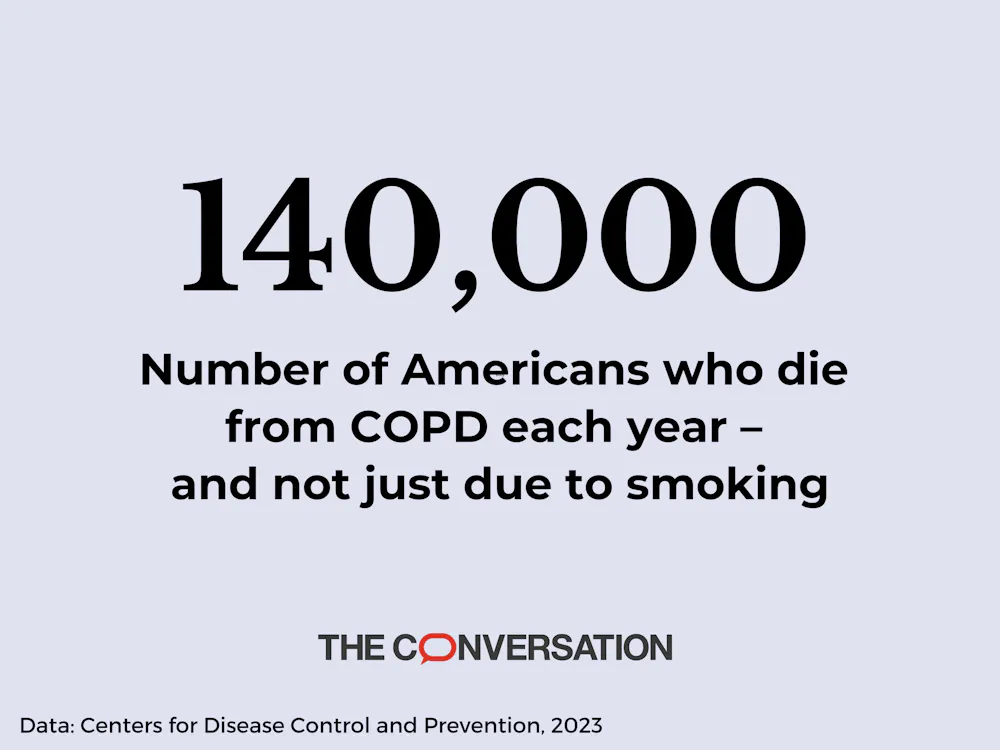
Chronic obstructive pulmonary disease, or COPD, caused 141,733 deaths in the United States in 2023 – the latest data that has been reported. That number reflects not just the effects of smoking, but a broader set of medical and social factors that shape who survives.
I am a physician and doctoral researcher in public health who studies chronic disease outcomes using nationally representative U.S. data. In my research examining long-term mortality among adults living with COPD, one pattern stands out clearly: My colleagues and I found that both current and former smokers had a higher risk of death compared with those who never smoked, highlighting that smoking increases mortality risk – but it does not act alone.
How smoking and COPD are intertwined
Smoking has been recognized for over five decades as the primary cause of COPD. It is a major factor in how the disease develops and progresses, although other factors such as secondhand smoke, air pollution and occupational exposures also play a role. Even after accounting for age and other health conditions, people with COPD who have smoked face a higher risk of death than those who have never smoked.
Quitting smoking, while essential, does not fully erase the damage caused by smoking. This is because long-term exposure to tobacco smoke leads to persistent inflammation and structural damage in the lungs, changes that are not fully reversible. They continue to affect airflow and respiratory function even after a person stops smoking, although quitting significantly slows further decline.
People living with COPD also face a higher risk of other health problems, including lung infections such as flu or pneumonia, lung cancer, heart disease, weak muscles and depression or anxiety, all of which can increase the risk of death.
One of the most noticeable ways COPD affects daily life is through persistent breathlessness, which can make even simple tasks such as walking, cooking or getting dressed more difficult. As activity declines, overall health can worsen, creating a cycle that is hard to break.
A growing body of research shows that social factors play a meaningful role in health outcomes with chronic diseases including COPD. Social isolation has been linked to a higher risk of premature death, with effects comparable to well-known risk factors such as smoking and obesity. This is a major problem because nearly 1 in 6 adults with COPD experience social isolation, and 1 in 5 experience loneliness.
Among people living with COPD who were single or never married, the increase in overall risk of death associated with smoking was substantially higher. In this socially isolated group, current smokers faced roughly a 50% higher risk of death and former smokers faced nearly four times the risk compared with those who never smoked, highlighting how social context can shape survival rates.
Other research has similarly found that social isolation is associated with a higher risk of death among people with COPD, reinforcing the importance of social support. Managing a demanding chronic illness alone can be difficult; without support to monitor symptoms or assist with care, the burden of disease may be grave.
One reason is that social connections influence how people manage chronic illnesses. People who are socially isolated are more likely to engage in unhealthy behaviors such as smoking, poor diet and physical inactivity, and may be less likely to follow treatment plans.
Support from family members, caregivers or community networks can improve peoples’ likelihood of following treatments, reduce their stress and make it easier to quit smoking. For people living with COPD, a condition that requires daily management, these differences can significantly affect their quality of life and how long they live.
What can help reduce COPD deaths?
Reducing deaths from COPD begins with prevention and early intervention. Avoiding or quitting smoking remains the most effective way to lower risk. Reducing exposure to tobacco smoke, air pollution and occupational hazards such as dust from mining and chemical fumes can also help prevent long-term lung damage.
For people already living with COPD, consistent access to care can improve outcomes. Treatments such as inhalers that help open the airways, pulmonary rehabilitation and oxygen therapy, along with vaccinations against respiratory infections, can help manage symptoms and reduce complications.
Improving survival in COPD depends on more than treatment alone – it also requires addressing social factors such as isolation, access to support and living conditions.
One practical step is making screening for social isolation part of routine care.
Olamide Asifat does not work for, consult, own shares in or receive funding from any company or organization that would benefit from this article, and has disclosed no relevant affiliations beyond their academic appointment.
Keeping tabs on blood sugar throughout the day used to be the exclusive domain of people with diabetes. But in 2026, anyone can buy a user-friendly wearable device that provides minute-by-minute readouts on how their glucose levels respond to food and movement.
These glucose numbers are increasingly being tracked by people who are healthy but want to lose weight or optimize their wellness.
I am a behavioral scientist who has spent the past decade studying how real-time data captured through wearable sensors and mobile technologies can help promote a healthier lifestyle. I’ve found that for people who don’t have diabetes, using such a device for a few weeks can bring insight into how their body reacts to their eating patterns and daily habits.
But researchers still don’t know how these fluctuations affect health for people who don’t have diabetes. In the absence of meaningful metrics for interpreting these numbers, monitoring a constant stream of data doesn’t directly help people make health-related decisions and can lead to confusion and needless anxiety.
What are glucose levels – and why track them?
Glucose is a type of sugar that circulates in the bloodstream after being absorbed from food. It is the body’s primary source of energy.
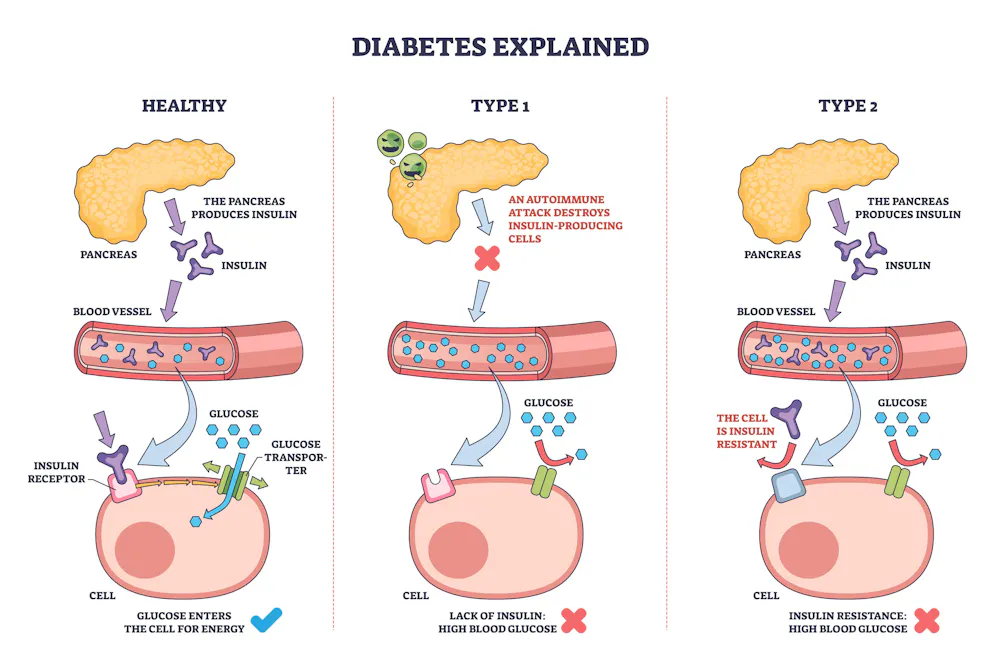
For people without diabetes, glucose levels generally stay in the range of 70-120 milligrams per deciliter (mg/dL) of blood throughout the day. After eating or drinking, levels could exceed 140 mg/dL but should come down to the normal range within a couple of hours. That’s because the pancreas responds to a glucose spike by releasing a hormone called insulin, which brings the glucose number down.
A healthy range for glucose levels is between 70 and 120 milligrams per deciliter. For people with diabetes, glucose levels generally run high. piyaset/iStock via Getty Images Plus
Glucose levels generally run high with diabetes. People with Type 1 diabetes, whose bodies don’t make enough insulin, rely on glucose numbers to tell them when to take a dose of insulin. People with Type 2 diabetes use the numbers to monitor the effect of their medications and lifestyle changes and to get a fuller picture of their glucose control.
From test strips to AI-enabled sensors
Devices that track glucose numbers have been around since the early 1970s. Early versions consisted of test strips that detected glucose levels in urine. Finger prick tests, or glucometers, which were developed in the 1980s, are still used by some people today and measure them more directly by applying a tiny blood drop to a test strip.
To make the technology more convenient, companies in the early 2000s developed continuous monitoring devices that consist of tiny sensors inserted just under the skin that detect glucose in fluid that surrounds cells. Initially, these devices could give readings every 15 minutes for several days at a time, but recent versions sample more frequently.
Today, the technology has evolved even further. The most advanced glucose monitors under development come in the form of watches or rings with noninvasive sensors that use light-based techniques to detect glucose in body fluids. Many also rely on machine learning to provide more accurate readings by detecting each person’s unique physiological patterns over time.
For decades, continuous glucose monitors were available only with a doctor’s prescription. But in March 2024, the Food and Drug Administration approved the first over-the-counter continuous glucose monitor in the U.S., making them widely accessible.
Glucose monitoring for diabetes
There’s no doubt that continuous glucose monitors are a game-changer. People living with diabetes rely on these devices to track what percentage of the day their blood glucose stays within healthy limits – a measure called “time in range.” Patients make decisions about managing their condition – for example, when to take insulin – on guidelines developed by researchers and physicians based on that measure.
According to a 2026 report from the Centers for Disease Control and Prevention, almost 11 million adults who have diabetes – more than 1 in 4 adults with the condition – are undiagnosed. Type 2 diabetes can develop slowly and silently, often with no noticeable symptoms for years except glucose levels that remain elevated for a majority of the day, including when people are sleeping. Tracking glucose levels might offer clues that glucose is elevated.
Tracking glucose levels may also benefit the 115.2 million Americans – 43.5% of all U.S. adults – who have a condition called prediabetes. Prediabetes is when a person’s metabolic system shows early warning signs of diabetes but they don’t have the full-blown disease.
Prediabetes generally has no noticeable symptoms, but it is reversible – meaning, it’s possible to shift your glucose levels back into a healthy range. Tracking your glucose number can reveal how diet and exercise affect it. Observing how a soda spikes your glucose levels, for example, might give you pause before you drink one next time.
Daily glucose rhythms
Increasingly, though, people who use continuous glucose monitor aren’t diabetic – or even prediabetic. Instead, they want to understand how their bodies react to activities in their daily lives.
Diet, exercise and other lifestyle behaviors have long-term effects on health. Weight loss, for example, happens slowly. Changes in blood glucose, on the other hand, are more immediate. Tracking glucose levels thus offers real-time feedback on how your body responds to the food you just ate or the workout you just finished.
In studies I’ve conducted with colleagues, many people have found this information powerful. They were surprised to learn that eating certain foods – sugary soda, or even something healthy like a banana – causes their glucose levels to spike.
Seeing your glucose levels changing in real time can spur insights, but if you don’t have diabetes there are no guidelines for how to respond to those fluctuations.
One study participant told us that seeing their real-time glucose numbers led them to make more intentional dietary choices, such as cutting back on snacking. “I’m more aware and I’m making the changes,” they explained. Another participant also noted behavior changes prompted by continuous glucose monitoring, such as trying to avoid eating so late in the evening and consuming only half a fast-food meal.
That initial wow factor – and its capacity to motivate people to make healthy lifestyle changes – may be valuable. But it’s not clear how long these changes last, or how exactly people should respond to fluctuations in their glucose number to decrease their diabetes risk or to address other health issues.
Researchers like me and my team are exploring exactly these questions.
Building a dynamic picture of how glucose levels fluctuate throughout the day in people without diabetes may point to early indicators for various chronic diseases. For example, my colleague and I recently developed a mathematical model to examine how monitoring glucose levels during sleep might help predict the risk of metabolic diseases – such as Type 2 diabetes, heart disease or fatty liver disease – in people with and without diabetes.
Additionally, continuous glucose data may reveal how people’s bodies might react differently to the same food, workout or other activity. Understanding how each person’s biology responds to the choices they make throughout the day could eventually lead to a more personalized approach to lifestyle changes that can help people maintain their health.
Liao Yue receives funding from the American Institute for Cancer Research, the American Heart Association, the Cancer Prevention & Research Institute of Texas and the Texas Higher Education Coordinating Board.
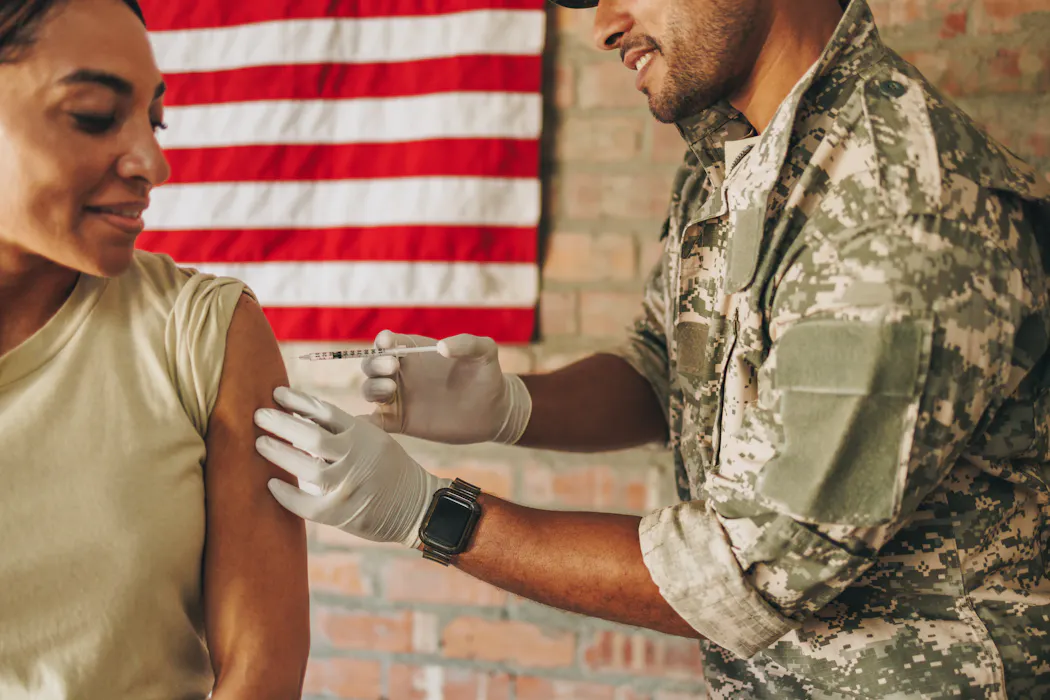
For the first time in almost 80 years, U.S. service members will no longer be mandated to receive the annual influenza vaccine.
Defense Secretary Pete Hegseth announced the change on April 22, 2026. Citing medical autonomy and religious freedom, he described the requirement as “overly broad and not rational,” telling troops that “your body, your faith and your convictions are not negotiable.”
The flu shot requirement that Hegseth ended had been in place since 1945, with one brief pause in 1949. It was part of a tradition of military vaccine mandates nearly as old as the United States itself.
The first American military vaccine mandate predates the Constitution. In the winter of 1777, Gen. George Washington ordered the mass inoculation of the Continental Army against smallpox.
His decision wasn’t ideological – it was strategic. The year before, a smallpox outbreak had torn through American troops outside Quebec, contributing to the collapse of the northern campaign. John Adams famously wrote to his wife, Abigail, that smallpox was killing 10 soldiers for every one felled in battle.
Inoculation in 1777 was itself risky. The procedure, called variolation, involved deliberately infecting a soldier with a small amount of smallpox virus to build immunity. Washington gambled that losing some to inoculation was better than losing a war to the virus. Historians have credited the decision with saving the Continental Army.
The COVID-19 pandemic reframed the politics surrounding vaccine mandates.
The 1918 pandemic made clear that a respiratory virus could cripple an army. In 1941, as the country prepared to enter another world war, the U.S. Army organized an influenza commission that partnered with the University of Michigan to develop the first influenza vaccine. Clinical trials in military recruits showed that the vaccine reduced the incidence of influenza illness by 85%, and in 1945 the military mandated the vaccine. Roughly 7 million service members were vaccinated that year.
The mandate was briefly paused in 1949 after scientists realized the vaccine needed regular updates due to the virus changing. Once formulations could be adjusted seasonally, the mandate returned in the early 1950s and has stayed in place continuously – until Hegseth’s change of policy.
In 2023, Congress passed a law requiring the Pentagon to rescind the military COVID-19 vaccine mandate. This reversal reframed the politics of military vaccine requirements. In January 2025, President Donald Trump ordered the reinstatement, with back pay, of troops discharged over COVID-19 vaccine refusal.
In announcing the end of the flu mandate, Hegseth relied heavily on “medical freedom” language that emerged from the COVID-19 vaccine debate, rather than on any new evidence about influenza or the effectiveness of the flu vaccine.
The medical freedom movement opposes government involvement in what its supporters see as personal health decisions – including public health recommendations such as vaccine mandates, masking and social distancing.
Does the vaccination rationale still hold?
Critics of the military flu vaccine mandate argued that flu is a milder threat than it was in 1918, that service members are healthier than the general population and that personal choice should outweigh public health logic for a seasonal virus.
The epidemiology tells a different story.
Although flu seasons can vary in disease severity, the virus mutates so unpredictably that pandemic flu seasons – like those in 1918, 1957, 1968 and 2009 – are a recurring possibility. Flu still hospitalizes and kills tens of thousands of Americans annually. The Centers for Disease Control and Prevention estimates the influenza vaccine prevented roughly 180,000 hospitalizations and 12,000 deaths during the 2024-2025 season.
The military operates in precisely the conditions that favor the spread of respiratory viruses: recruit training centers, barracks, ships and submarines where people live in close quarters.
The logic that drove Washington in 1777 and the Army surgeon general in 1945 to require vaccination hasn’t really changed. A sick soldier can’t deploy, can’t train and can spread illness through an entire unit.
What has changed is the political weight assigned to individual refusal – and that, more than the biology of the flu or the effectiveness of the vaccine, is what the end of this mandate reflects.
Katrine L. Wallace does not work for, consult, own shares in or receive funding from any company or organization that would benefit from this article, and has disclosed no relevant affiliations beyond their academic appointment.
I recently appeared on the BBC radio show Woman’s Hour to discuss my research on homicides committed by women. Just before my segment, singer-songwriter Katherine Priddy spoke about her song Matches, inspired by the feminist phrase “women, not witches”. It reframes witch trials as the persecution of women rather than the pursuit of the supernatural. One lyric lingered with me: “They weren’t burning witches; it was women on those fires.”
In England, Wales and their former North American colonies, that claim needs nuance. There, women were not burnt for witchcraft; they were hanged. Witchcraft was a felony under English common law, and felons were executed at the gallows. Elsewhere, the story was different. On the continent and in Scotland, witchcraft was heresy, and heretics were burnt at the stake.
In England and its colonies, no one was burnt at the stake during witch hunts: not at Pendle, not at Salem and not under the campaigns of the “witchfinder general”, Matthew Hopkins. The image of the burning witch is powerful, but in this context, it is largely a myth. If we want to understand why women were burnt in England and Wales, we need to look elsewhere – towards a different crime, and a different kind of fear.
Matches by Katherine Priddy.
In 1359 at York Castle, a woman named Alice of Tunstall was brought before the court. She was not accused of witchcraft. There were no whispers of spells or dealings with the devil. Alice stood charged with killing her husband. She was found guilty of petty treason and sentenced to be burned at the stake.
Petty treason applied to those wives and servants who “owed faith and obedience” to a social superior. A wife who killed her husband committed a rebellion against the social order itself; a husband who killed his wife had not. Husbands, and even male servants who killed their master, were hanged; women were burnt.
The logic of the law was explicit. Fire destroyed the body, denied burial and made the crime a public spectacle. It was punishment as both correction and warning. Petty treason made female disobedience visible, violent and unforgettable.
Centuries later, the law’s gendered logic persisted. In 1789, Catherine Murphy and her husband were convicted of the same crime: making counterfeit coins – a type of high treason. He was hanged like other male offenders; she was burnt at the stake.
At Newgate Prison, Catherine was led past the hanging body of her husband. She was strangled until she was dead. Only then were bundles of sticks piled and lit around her body, following the post-1652 custom of ensuring the condemned was no longer alive. Even in this modified execution, Murphy’s punishment was far harsher than that of the men she had worked with, reflecting centuries of legal gender inequality.
The execution of Murphy helped prompt reform. In 1790, the MP Sir Benjamin Hammet raised the issue in the House of Commons, citing her death as evidence that burning women – even after they were dead – was a grotesque and unnecessary punishment. The Treason Act of 1790 abolished burning as a method of execution, substituting hanging, which was the punishment for men. Even then, it was not until 1828 that a wife’s murder of her husband was formally reduced to a felony.
From Alice of Tunstall to Catherine Murphy, these fires were not about magic – they were about control. They remind us that historically, under English law, female defiance of husbands or social hierarchy has been treated far more harshly than men’s crimes. The image of the burning witch obscures this reality. In truth, it was gender, not superstition, that lit the flames.
Stephanie Brown does not work for, consult, own shares in or receive funding from any company or organisation that would benefit from this article, and has disclosed no relevant affiliations beyond their academic appointment.
Source: The Conversation – UK – By Kartikeya Walia, Lecturer, Department of Engineering, Nottingham Trent University
A table tennis robot has outperformed elite players in recent evaluations. The robot, called Ace, marks a significant step toward artificial intelligence (AI) systems that can operate in fast, uncertain, real-world environments.
In the tests, the autonomous robot won three out of five matches against elite players – competitive athletes with over ten years’ experience and an average of 20 hours weekly training. The robot, developed by Sony AI, lost both matches against players in professional Japanese leagues, but did win a game against one of them. The system is described in detail in a recent paper published in Nature.
AI has spent decades mastering games. It has repeatedly outperformed the best humans in everything from complex video games like StarCraft II to chess – where modern programs now far exceed human ratings.
Landmark systems such as Deep Blue and AlphaGo have confirmed that, given clear rules and enough data, AI can achieve superhuman performance. But these victories all shared one key feature: they happened in controlled, digital environments.
At first glance, table tennis might seem like an unusual benchmark for artificial intelligence. In reality, it is one of the most demanding imaginable. The ball can travel faster than 20 metres per second, giving players less than half a second to react.
On top of that, spin introduces enormous complexity. A ball rotating at extreme speeds can curve mid-air and rebound unpredictably off the table. For humans, interpreting spin is largely intuitive. For robots, it has been a longstanding obstacle.
This robot can beat you at table tennis (Nature)
Earlier table tennis robotic systems such as Forpheus, developed by Japanese company Omron, addressed this by simplifying the game – using controlled ball launchers, limiting movement, or ignoring spin altogether. More recent iterations have aimed for interaction, but still operate under constrained conditions.
Ace does none of this. It plays with standard equipment, on a regulation table,
against human opponents who are free to use the full range of shots.
How Ace works
Ace’s performance relies on three key innovations: how it sees the world, how it
decides what to do, and how it carries out those actions. First, let’s deal with how Ace sees the world. Traditional cameras struggle with fast motion, often producing a blur or missing critical details.
Ace instead uses three “event-based” vision sensors, which detect changes in light rather than capturing full images at fixed intervals. These are complemented by nine high-speed cameras that track the environment, including the opponent and their racket.
Together, these systems enable high-speed gaze control (the technology that enables a robot to direct its sensors to focus on specific things) and allow the robot to follow the ball with exceptional real-time precision.
By tracking markings on the ball, where professional players can generate spin approaching 9,000 revolutions per minute (rpm), the system can estimate spin in real time, something that has long challenged robotic systems.
How Ace’s gaze control system works (Sony AI and Nature).
The second important innovation is how Ace decides what to do. Knowing where the ball is going is only half the problem; the robot must also respond instantly. Ace uses deep reinforcement learning, trained in simulation over millions of virtual rallies, including self-play.
It continuously generates movement commands for its multi-jointed robotic arm, recalculating trajectories every few tens of milliseconds while avoiding collisions with the table or itself.
The third innovation is how Ace how it carries out its actions. To match the speed of human elite players, the robot is built around a high-performance arm combining two prismatic (sliding) and six revolute (rotational) joints. This enables rapid sideways motion and precise striking. There is both a table tennis racket and a mechanism for ball handling, allowing one-armed serves.
Crucially, the system is engineered for high-speed interaction: lightweight structures and optimised actuation (the mechanisms in a robot that convert energy into mechanical force) allow Ace to return balls at speeds approaching 20 metres per second. This enables sustained, competitive rallies with skilled human players.
Ace makes a split section change when the ball hits the net (Sony AI and Nature).
What makes this particularly notable is the transition from simulation to reality. Many AI systems perform well in virtual environments but fail when exposed to real-world noise and uncertainty. Ace demonstrates that this “sim-to-real” gap can be
meaningfully reduced.
One moment during a rally with an elite player illustrates the way that Ace has leapt over this gap. When a predicted ball trajectory suddenly changed after clipping the net, Ace reacted almost instantly, returning the shot and winning the point. What makes Ace particularly significant is therefore not just its performance, but its ability to operate reliably under real-world uncertainty.
Why this matters beyond sport
A robot returning high-speed topspin shots may be entertaining, but the implications go far beyond table tennis. In manufacturing, for example, robots are typically confined to highly structured tasks.
The real challenge is adaptability, handling irregular objects, responding to variation. This is particularly relevant for next-generation robots operating in unstructured environments.
To function effectively in homes, hospitals or construction sites, robots must be able to predict, adapt and respond to constantly changing conditions. The same predictive and control capabilities that allow Ace to respond to unpredictable shots could enable more flexible, responsive automation.
Most industrial robots are kept behind safety barriers because they cannot respond to unexpected human behaviour. Zhu Difeng
There are also implications for human–robot interaction. Most industrial robots are
kept behind safety barriers because they cannot react quickly or reliably enough to
unexpected human behaviour. Ace operates at the edge of human reaction time,
suggesting a future where robots can safely collaborate with people in shared
spaces.
More broadly, this work represents a shift in what AI is expected to do. The next
frontier is not just intelligence in abstract problem-solving, but intelligence embedded in the physical world. The gap between simulations and reality needs filling, and this is a big step forward.
Professional players were still able to exploit Ace’s limitations – particularly in reach, speed, and the ability to handle extreme or highly deceptive shots. This highlights that intelligence is not just about prediction and control, but also about physical embodiment. Humans combine perception, movement and strategy in ways that remain difficult to replicate.
Interestingly, systems like Ace may end up enhancing human performance rather
than replacing it. As one former Olympic player observed after facing the robot,
seeing it return seemingly impossible shots suggests humans might be capable of more than previously thought.
Kartikeya Walia receives funding from Innovate UK, UKRI. He does not work for, consult, own shares in or receive funding from any company or organisation that would benefit from this article, and has disclosed no relevant affiliations beyond their academic appointment.
Source: The Conversation – UK – By Stephen Brusatte, Chancellor’s Fellow in Vertebrate Palaeontology, University of Edinburgh
Exactly how did birds evolve from dinosaurs? It’s a mystery that has been with us for more than 150 years, and palaeontologists are still hunting for pieces of the puzzle today.
Among them is the University of Edinburgh’s Professor Steve Brusatte, whose latest book, The Story of Birds, tells the whole fascinating story. We caught up with him recently to find out more.
Of all the great dinosaur subjects, why this story?
I’ve always been fascinated by birds. They are all around us and there’s such a stunning diversity and variety. As a palaeontologist I specialised early in the theropod (two-legged) dinosaurs. This is the group that includes T.rex and Velociraptor – and gave rise to birds.
The more I studied theropods, the more I became more curious about the modern-day animals that descended from them. Back in the early 2010s my PhD was about the origin of birds. Its core involved building a big new family tree of theropod dinosaurs to understand where birds slot in, how they evolved from dinosaurs, and how their body features came together.
I wrote about the dinosaur bird connection in my first book, The Rise and Fall of the Dinosaurs (2018), but that was just one chapter. It made me think it would be really fun to do an entire book on the subject. That was how my new book, The Story of Birds, came together.
Is there still any debate about birds evolving from dinosaurs?
I think people have generally heard that birds descended from dinosaurs. In the newer Jurassic World films you even see feathers on some of them. And yet it hasn’t really broken through to the public consciousness that today’s birds really are dinosaurs. They are part of the dinosaur family tree. They just happen to be a peculiar group of dinosaurs that got small and evolved wings, took to the skies and have survived until today.
It was Charles Darwin’s great disciple, Thomas Henry Huxley, in the 1860s who first noted similarities between the skeletons of some dinosaurs starting to be found in Europe and those of modern birds. This was back before anybody knew what DNA was, for instance.
Huxley’s idea did enter the public consciousness, at least in Victorian Britain. Darwin added it to the later editions of On the Origin of Species. But then it went out of favour. This was the great era of exploration, especially in the US and Canada. The frontier was being pushed westwards, and all these new dinosaurs were being found – Stegosaurus, Brontosaurus and later Brachiosaurus and T.rex.
None look anything like birds. I think dinosaurs obtained this stereotype as giant reptilian monsters, and this still largely dominates the public consciousness today.
Yet there were also a lot of smaller dinosaurs. Many had feathers and wings, and many were very bird-like. It’s really only in the past few decades that the idea that birds evolved from dinosaurs has become scientific consensus. The discovery of feathers on dinosaurs in the 1990s really sealed the deal on that.
What mysteries remain?
There are of course still things we don’t know, like how dinosaurs started to fly. How did they start to move their wings in a way that generated enough lift and thrust to get them airborne? Did they run on the ground and use their wings to defy gravity? Did they do it from the trees down, using these wings as a way to manipulate gravity? That’s one of the biggest mysteries.
Another area of uncertainty is which dinosaurs were the closest relatives of birds. The more fossils we find, especially feathered dinosaurs in China and other places, the more it’s clear there was a whole bunch of small dinosaurs with feathers. A lot had wings, some had wings only on arms, some on arms and legs. Some had wings of feathers. Some had wings of skin like a bat.
There was a huge diversity of them right around that point in the family tree where proper modern-style birds evolved with big arm wings that they flap to keep airborne. Each new fossil gives us more information but also another layer of complexity. It makes it just a little trickier to untangle the knot of exactly which dinosaurs were the closest rivals of birds. You still see new discoveries being made every year.
You say in the book that wings evolved not to fly?
The fossils tell us clearly that feathers evolved long before any of these animals were flying. Many dinosaurs had simple feathers; they looked like little strands of hair. In fact most dinosaurs probably had them – they just don’t normally preserve because they decay away so quickly. It’s in spectacular fossil sites where lots of dinosaurs were buried quickly, usually by volcanic eruptions, where you see a lot of these feathers (Liaoning province in north-eastern China is a good example).
But these feathers were not used for flying. There’s clear evidence from the fossil record that feathers evolved in a simpler form for other reasons. Our best hypothesis is they evolved for insulation, to help them stay warm – just like hair in mammals.
The Insights section is committed to high-quality longform journalism. Our editors work with academics from many different backgrounds who are tackling a wide range of societal and scientific challenges.
Later on, these feathers evolved on some dinosaurs into quills that made up wings. But the fossil record shows that the first wings that show up in dinosaurs between the sizes of sheep and horses. Those wings were only about the size of laptop screens, and by the laws of physics, those could not keep an animal of that size in the air.
That hints that wings probably also evolved for another reason and were only later co-opted for flying. We can tell a lot of these feathers had flamboyant colours and patterns, so one leading idea is that wings first evolved for display, to attract mates; to intimidate rivals. This is still true today, of course.
You can imagine if those wings got bigger over time, more flamboyant, more ornate, at some point the laws of physics would take over and they would generate some of those aerodynamic forces. It’s not like we have fossils of the exact dinosaurs that were the first to flap their wings, but that is at least what the fossil record is telling us.
Did dinosaurs have to get smaller for flying birds to evolve?
This is a big part of the story. Some dinosaurs, such as T.rexes, got bigger over time, but the dinosaurs that evolved into birds had been getting smaller for tens of millions of years. We don’t know why exactly, but there’s all kinds ecological niches where it pays to be small: it’s easier to hide, you can grow more quickly, and so on.
So it seems you had this group, that their bodies were getting smaller, and their wings were getting bigger. At some point you had a wing that was big enough to keep a body that was small enough in the air. At that point, natural selection could take over and start refining these dinosaurs into ever better flyers.
Is it an accident of evolution that flying creatures the size of elephants don’t exist?
Animals that need to flap wings to fly can’t be that big. The biggest flapping flyers today are wandering albatrosses, and their maximum wingspan is about 3.5 metres. We have fossils of birds that were bigger: the Pelagornithids were giant soaring birds that went extinct right before the ice age. They had wingspans that were something like 7 metres long. But beyond that, I think it would be very hard to flap wings to fly.
Largest wingspan today: the wandering albatross. Imogen Warren
It makes total sense to me that it was probably a crow-sized to lapdog-sized raptor dinosaur that first started to flap as opposed to some dinosaur the size of an albatross. It’s just that the stereotype of dinosaurs being huge makes it harder to envision some small dinosaurs flapping and flying.
How did birds survive the asteroid?
That was a big mystery for a long time. There were proper birds at least 150 million years ago, which means they lived alongside their dinosaur cousins for some 80 million years. Then the asteroid comes down around 66 million years ago and all the dinosaurs die except the birds – why is that?
The reality is that lots of birds went extinct at the same time as the other dinosaurs. Many birds were still quite primitive and would have looked a lot like their dinosaur cousins. The only ones to survive were very modern-style birds. They had beaks instead of teeth, big wings and large chest muscles, and could grow really quickly like birds today.
A lot of recent research has clarified why they survived. What it comes down to is: the asteroid was a shot out of the darkness of outer space, a six-mile wide rock that smashed into the Earth one day. It changed everything instantaneously. There were earthquakes and tsunamis and wildfires. There was dust blocking out the sun, giving rise to a nuclear-style winter that lasted several years. Natural selection can’t work on that timeframe, so when the asteroid hit, all the animals had to confront the situation with the features they already had.
Most of the dinosaurs were big, and nothing bigger than a husky dog survived on land. With all these fires and acid rain and storms, simply being outside and exposed to the elements would have been bad. If you were smaller you could hide away more easily.
Also, modern-style birds had a bunch of features that turned out to be beneficial.
They grew to adult within year, so it didn’t take too long for them to nurture the next generation. They could fly away from danger. But crucially they also had beaks, which could have allowed them to eat seeds.
When the Earth went cold for many years, ecosystems collapsed. Plants did not have sunlight to photosynthesise. So plant-eaters died, which meant meat-eaters died. Seeds were probably the last foods that survived. If you could eat them, it could probably have got you through those lean years.
We have gut content of birds from the Cretaceous period (145 to 66 million years ago) and we can tell a lot of them did eat seeds. So the modern-style birds had a good hand of cards just as the world became this fickle casino and survival was a matter of the odds.
Which bird species appeared after the asteroid?
Bird fossils from the Cretaceous (meaning before the asteroid) are limited because it’s hard to fossilise birds. They’re small and their bones are really delicate. But we do know there’s birds like Vegavis and Asteriornis that lived in that period and were respectively members of the modern groups of ducks and chickens.
It doesn’t mean other modern species like owls or falcons weren’t there, but certainly they were not a major component of the ecosystems at the time. Then the asteroid hit and we start to see in the Paleocene (66 to 55 million years ago) fossils of things like penguins, mouse birds and multiple other modern groups.
Hawks are thought to be one of the species that evolved soon after the asteroid. Ram Jagan
Yet the really strong evidence about what happened is from the DNA of modern birds. Researchers are using whole genomes now. They can compare the similarities and back-calculate to predict when two groups would have diverged. When you do this, it predicts there was a big bang of bird evolution right around that time – including species like owls, parakeets, falcons and hawks.
It makes sense that if you have a mass extinction that kills 75% of species, there would have been abundant opportunity for whatever survived. But we’re still waiting for fossils to confirm this directly. It’s a real target for people doing fieldwork to confirm this story by finding the fossils of birds up to 5 to 6 million years after the asteroid.
You write that great birds have come and gone – talk us through some of those
There are more than 10,000 species of birds today, basically double the number of mammal species, so in that sense we’re still in a dinosaur world. But there are even more incredible extinct birds, some of which went extinct quite recently because of us, as we’ve spread around the world and changed the environment very quickly.
A lot of these fantastic birds got their start in the ecological vacuum after the asteroid. There were birds that became basically born-again T.rex and Triceratops – filling the top predator/top plant-eater role in a lot of ecosystems.
In South America were the “terror birds” (Phorusrhacidae). They stood taller than a person, had a head the size of a horse head and a massive hooked gnarly beak. They were the top predators there for tens of millions of years. South America was an island for lot of that time; only later did jaguars and big dogs arrive.
South America’s terror bird, once the apex predator on the continent. Harper Collins, CC BY-SA
In many places, birds were the biggest plant-eaters. Australia had birds called demon ducks (Dromornithidae) that lived for tens of millions of years. Think of the modern duck and super-size it by 100. Some were heavier than cows.
Elsewhere there was New Zealand’s moa and Madagascar’s elephant bird. Elephant birds were maybe the heaviest birds of all time. They laid eggs the size of watermelons. Many of these birds couldn’t fly. They gave up that ability as a trade-off to allow them to become really big.
The Pelagornithids also really fascinate me – the birds that were double the wingspan of an albatross. They lived for tens of millions of years, sailing the world’s thermals like giant kites. They would have been utterly spectacular animals.
Pelagornithids had twice the wingspan of the modern wandering albatross. Harper Collins, CC BY-SA
We only know about most of these birds because of fossils – except for some like the moas and elephant birds and demon ducks, which did meet humans but didn’t last long, unfortunately.
Is it surprising birds never became as intelligent as humans?
When I was growing up in the late 1980s and through the 1990s, it was an insult to say “you’re a bird brain”. It’s such an unfair biological slur, because birds are very smart.
It’s just that they have small brains – I don’t know how many hummingbirds could fit into the head of an elephant. But when it comes to the size of the brain relative to the size of the body, which is largely what matters for cognition, problem-solving and so on, birds are right up there with mammals.
Song birds learn intricate songs. Similar to a human language, they learn them from tutors, they babble when they’re young and make mistakes, then master their avian language later on.
Parrots can mimic human speech. And whereas plenty of animals use tools in a rudimentary way, some crows can make their own tools. It’s really only crows and humans and maybe some close primate relatives that do that. Crows take sticks and branches and twist and turn them. They make hooks out of them and use them to probe for food.
Since the asteroid, there were probably long stretches where it was actually birds that were the cognitive superstars. It was maybe only a few million years ago when some primates eclipsed birds in having the biggest brain relative to body size.
When did birds start singing?
Sound doesn’t fossilise, of course. But we can look at the family tree of modern birds. We can look at the songbird group and use DNA to predict when they would have originated. We can then look at the fossil record of the skeletons of birds, and see if they more or less match up with what the DNA suggests.
This tells us that song birds go back in Australia as long as 50 million years ago. Songbird evolution then probably went into overdrive about 27 million years ago. This was probably triggered by tectonic events such as little microplates, and islands moving around and forming new corridors and environments in South East Asia.
It’s only in the past 20 million years or so where you’ve had songbirds moving around the world. Nowadays, more than half of birds are song birds.
Anything else that is a priority?
The very first birds in the fossil record – proper flapping flight birds like Archaeopteryx – are from about 150 million years ago. Archaeopteryx had big feathered wings that could flap, but also teeth in its jaws, as well as big claws and a long tail. It’s the quintessential evolutionary link in transitional species, and has been known since the 1860s, when Huxley and Darwin wrote about them. Archaeopteryx was integral to their idea that birds evolved from dinosaurs.
We still haven’t discovered anything much older. We have some new fossils from China that are about the same age. Yet these birds must have had ancestors that were a bit more primitive, that could only fly in more of a rudimentary way. That’s one thing we’re waiting for, maybe from the Late Jurassic (162 to 143 million years ago) or even Middle Jurassic (174 to 162 million years). Those fossils would give us proper insight into how flapping flight really originated.
The Story of Birds US edition publishes on April 28, while the UK edition publishes on June 11 and is available for pre-order.
This article features references to books that have been included for editorial reasons, and may contain links to bookshop.org. If you click on one of the links and go on to buy something from bookshop.org The Conversation UK may earn a commission.
To hear about new Insights articles, join the hundreds of thousands of people who value The Conversation’s evidence-based news. Subscribe to our newsletter.
Stephen Brusatte publishes books with HarperCollins and Picador. He receives funding from the Swedish Research Council, European Research Council, National Geographic, and Leverhulme Trust.
Source: The Conversation – UK – By Alice Milner, Associate Professor, Department of Geography, Royal Holloway, University of London
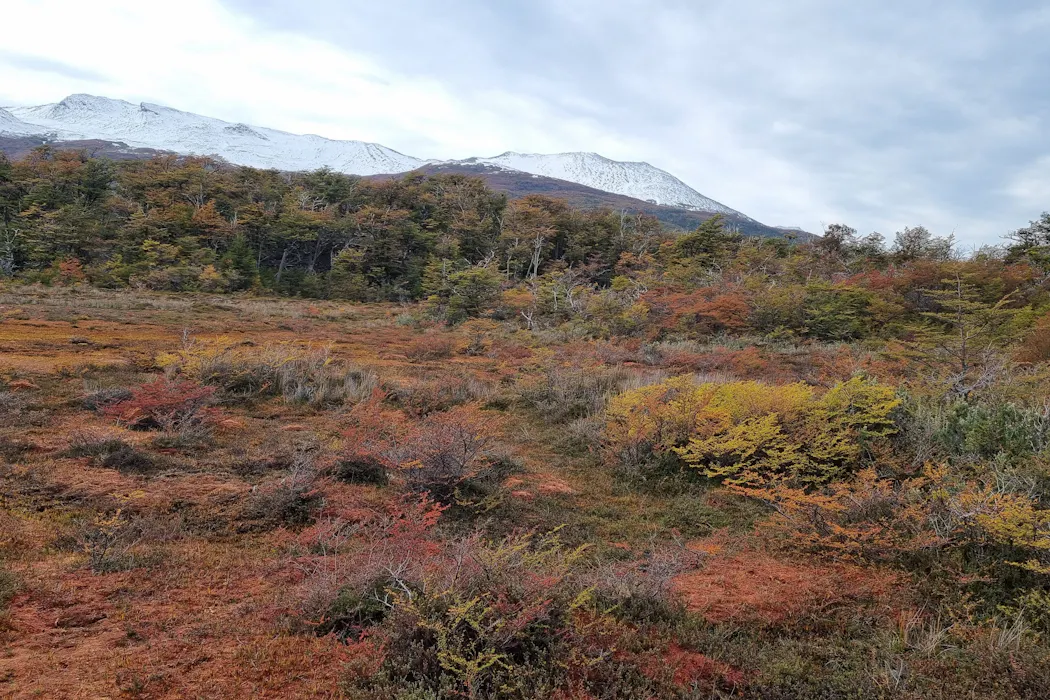
A peat bog in Tierra del Fuego National Park, Argentina. Ororu/Shutterstock
Push a metal corer into a peatland and you pull up something remarkable: a dark, dense, sponge-like material made of partly decomposed plants. This peat is rich in carbon. In some places, that peat has been building up for thousands of years. Peatlands are the ecosystems where this happens.
Peat is often associated with the bogs of Scotland or Ireland, but peatlands occur on every continent, from the Arctic to the tropics. They can sit beneath open moorland, under swamp forest or in remote floodplains. What links them is water: in wet, oxygen-poor ground, dead plant material does not fully rot away, so carbon accumulates over centuries and millennia.
That makes peatlands globally important. Although they cover only about 3–4% of Earth’s land surface, they store nearly a third of the world’s soil carbon. When they remain intact, they can keep locking away carbon over very long timescales. But when they are drained or converted for agriculture, forestry or development, that stored carbon is exposed to air and released back into the atmosphere as greenhouse gases, including carbon dioxide. Thus, peatlands can become major sources of greenhouse gas emissions when degraded. Globally, peatland degradation is estimated to account for around 5–10% of annual human-caused carbon dioxide emissions.
For ecosystems so important to the global carbon cycle, we still know surprisingly little about some basic things.
One of the biggest questions is simply: where are all the world’s peatlands? That may sound like a question scientists should already have answered. But many peatlands are hard to detect from the surface, difficult to access, or lie beneath dense forest. Large areas of the tropics remain poorly mapped.
What may be the world’s largest tropical peatland complex, in the Congo Basin, was only formally confirmed to science in 2017. That discovery was astonishing not just because of its size, but because it showed that globally important carbon stores can still remain effectively hidden in plain sight.
This uncertainty matters. If countries do not know where their peatlands are, they cannot fully account for them in climate plans, biodiversity strategies or national greenhouse gas inventories. And if we are still refining estimates of peatland extent, we are also still refining estimates of how much carbon they store.
That gap was one reason behind a new study I co-authored. Rather than trying to answer a single peatland question, we asked a broader one: what does the peatland community think science most urgently needs to resolve?
Working with a global network of more than 100 co-authors, my team ran an open survey in 21 languages and received responses from over 450 people across 54 countries. Participants included researchers, policymakers and practitioners. An independent panel then prioritised the responses, producing 50 questions for peatland science over the next decade. What emerged was not just a set of narrow technical questions. It showed a discipline that is changing fast.
Some priorities were surprisingly fundamental. Participants highlighted the need to map peatlands better, especially in poorly surveyed tropical regions (the Congo peatland is an excellent illustration of this point), and to improve estimates of global carbon storage and greenhouse gas emissions. Others focused on how peatlands will respond to climate change: whether drought, fire and warming could push some peatlands past tipping points where they release more carbon than they store.
Restoration was another major concern. There is already broad agreement that conserving intact peatlands and rewetting drained ones are essential for climate and biodiversity goals: at least 30 million hectares of degraded peatland need to be rewetted by 2030 as a first step towards meeting climate change targets. But restoration is not one simple recipe. A damaged upland bog in Britain is different to a drained tropical peat swamp forest in Indonesia or a permafrost peatland in the Arctic. What works in one place may not translate neatly to another.
Peat, power and people
Just as striking was how often people raised questions about communities, livelihoods, power and fairness. Peatlands are not empty landscapes waiting to be fixed.
In many places they are lived in, worked and culturally significant. Participants asked how local and Indigenous knowledge can shape restoration, how wet agriculture “paludiculture” (farming crops on rewetted peatlands or wetlands) and other peatland livelihoods might work in practice, and whether the benefits of carbon finance and conservation will actually reach local communities.
So peatland science is no longer just about describing these ecosystems. It is increasingly about decisions: which peatlands are protected, which are restored, how land is used, who bears the costs and who benefits.
Our study has limits. Most respondents were researchers, and some peatland-rich regions and perspectives were less well represented than others. So this is not a final blueprint for what peatland science should look like everywhere. But it does offer a community-informed snapshot of where the biggest gaps now lie.
For a long time, peatlands were treated as marginal, soggy places at the edge of more useful land. Peatlands are now becoming central to climate regulation, water security, biodiversity and the livelihoods of many people who live on and around them.
Pulling peat from the ground means touching material that has been building up for millennia. It is a reminder that these landscapes work on timescales much longer than our own. But the decisions that will shape their future are being made now, and they will help decide not only whether peatlands remain a climate buffer or become another source of instability, but also who gets to benefit from their protection and restoration in the future.
Alice Milner did not receive funding for this work, and does not work for, consult or own shares in any company or organisation that would benefit from this article. Many co-authors on the paper on which this article is based are employed by organisations, including government agencies, intergovernmental organisations, non-governmental organisations, and environmental consultancies, whose mandates include peatland research, management, conservation or policy advice. These institutional affiliations are as stated in that paper.
This article was written in collaboration with Michelle McKeown (University College Cork, Ireland), Monika Ruwaimana (Universitas Atma Jaya Yogyakarta, Indonesia), Angela Gallego-Sala (University of Exeter, UK) and Julie Loisel (University of Nevada, Reno, USA). We are grateful to Johanna Menges (University of Bremen, Germany) and Thomas Roland (University of Exeter, UK) for their invaluable contributions, and all co-authors from around the world who contributed to PeatQuest as translators, regional contacts, and expert prioritisation panel members, as well as the many people who submitted questions anonymously to the survey and helped distribute it.
Plug-in solar panels are expected to officially go on sale in the UK in the next few months for around £500. But there are quite a few obstacles for the government and householders to overcome before this becomes the easy-to-use option that is popular in other European countries.
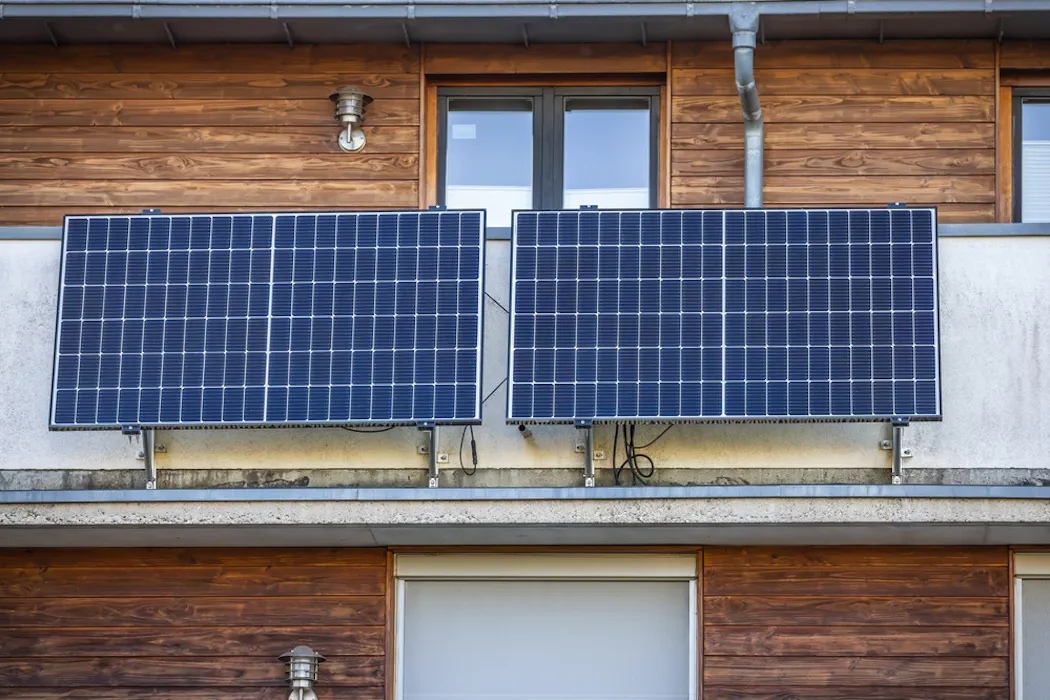
Plug-in solar typically consists of one or more panels, which can be mounted on the sides of a balcony (or in the garden), and then connects to the house via an inverter. The inverter converts the type of electricity that the panels generate to the voltage and frequency used by the grid.
In theory this power can be fed into a home via a standard plug. This has not been possible in the UK for safety and regulatory reasons, but these regulations are now being amended to allow this, provided the panels meet new safety standards.
In Germany, millions of panels like these were in use in 2025. The German-owned supermarket Lidl and British-owned Iceland are already working with the UK government to put them on sale in the UK. These panels could produce around 200–500kWh per year, about 10% of a typical household’s energy, depending on how the system was positioned.
What the government needs to do
The government’s plans will allow plug-in installations of up to 800W, subject to several guidelines. But it’s still not clear if there’s going to be any changes to planning laws which might be needed. Tenants would also need to check with their landlord in a shared development (as balcony solar could affect the building insurance, which is often shared across the block). There may also be restrictions under planning law for people living in a conservation area.
To get optimum power, you would want to tilt the solar panels. But this may also be contrary to existing planning rules. Without this angle, performance could be cut by 30-45%. Do planning rules need to change on this?
The government is promising new safety standards and “anti-islanding” measures for these kits. “Anti-islanding” refers to the danger that the plug prongs are live for a short time after being unplugged or if the grid was to go down and the panels continued to feed power into the house with no way to use the power. Some form of safety mechanism is needed to stop the flow of electricity in these cases.
The professional body, the Institute of Engineering and Technology, and trade association the Electrical Contractors Association have already raised some concerns about use of this type of solar panels. It’s clear that some UK homes have older electrical systems that won’t cope with plug-in solar. Previous UK building standards haven’t factored in power being fed into houses via a plug in this way.
While some of these plug-in devices available online are good quality, others are cheaply made, which is another concern. There needs to be an industry standard and enforcement.
Plug-in solar panels are popular with renters in Germany.
What householders need to think about
For most people living in houses (rather than flats) it’s going to be fairly straightforward, but some (including those in conservation areas) may need planning permission. Most people should also check with their insurers.
Balcony solar is not ideal for everyone. If your balcony is shaded part of the day or north facing you may gain little benefit. It’s worth checking this.
You will still have to notify your local district network operator, who maintain and fix your network. This is different from your energy company. You will also need to fill in a G98 notification. This online form tells your electricity supplier that you have a solar system that will be feeding power into the grid. These forms are usually filled out by electricians. It’s not clear yet if householders or tenants will be able to handle these applications themselves.
You’ll need a weatherised external plug for a unit on your balcony and to connect to your house. If you are calling out an electrician to install that, it might be safer to just have the system wired into the mains directly. But you can’t just run a cable in through an open window as that wouldn’t be safe. Also having an open window would let heat escape, and homes typically use more energy on heating than on electricity, potentially wiping out any benefits from the solar kit.
Another consideration is what to do with the power itself. The price paid by the grid for householders supplying excess energy is often a lot less than the price of buying electricity from the grid, so householders really want to use as much of that power themselves as possible. One solution to this is to buy a battery. While these can cost several hundred pounds, it means you can charge the battery during the day and then use the power at night. So, a battery improves flexibility, but it also increases costs and shortens the payback period.
The government hopes that plug-in solar could encourage more people to start using solar, which might then encourage investment in larger installations such as on rooftops, which can produce far more power. However, it’s worth remembering that in Germany it worked in reverse, first came rooftop solar (supported by government subsidies) and then balcony systems filled in the gaps.
By quickly addressing some of these practical issues, the government can encourage a wider shift to solar power.
Dylan Ryan does not work for, consult, own shares in or receive funding from any company or organisation that would benefit from this article, and has disclosed no relevant affiliations beyond their academic appointment.
Source: The Conversation – UK – By Anne Irfan, Lecturer in Interdisciplinary Race, Gender and Postcolonial Studies, UCL
There was an election, of sorts, in Gaza at the weekend. It was a very limited vote – only people registered to vote in the central Gaza city of Deir al-Balah were able to cast a ballot. This made up a total electorate of 70,000 people, and of them, only 23% actually voted.
Hamas did not field any candidates and the municipal election has been described as a largely symbolic exercise by the Palestinian Authority (PA). The PA, which is dominated by Fatah under Palestinian president, Mahmoud Abbas, wants to link the West Bank and Gaza politically ahead of a possible presidential campaign at some stage in the future.
The low turnout in the Gaza poll was not unexpected given the continuing instability in the Strip. A joint report on Gaza published earlier this month by the UN, EU and World Bank, estimated that the Israeli military has displaced more than 1.9 million Palestinians in the last two-and-a-half years.
Less reported – but no less important – is the fact that this displacement continues, despite the ceasefire agreement announced in October 2025. The situation remains volatile, with the Israeli military having killed more than 738 Palestinians in Gaza since then.
All the signs are that this displacement will last. The Israeli army remains on the ground in more than half of the Gaza Strip, which is now divided by the so-called “yellow line” established shortly after the ceasefire. Although the line was originally announced as a temporary measure ahead of the military’s full withdrawal, there is every sign of it becoming a fixed border. Israel’s military chief of staff, Lieutenant-General Eyal Zamir appeared to confirm this when he visited Gaza in December 2025 and described the yellow line as “a new border line”.
Now virtually the entire Palestinian population of Gaza – the vast majority of whom have been forced to move at least once during the conflict, now widely recognised as a genocide – are confined to its eastern side. Any Palestinian who crosses the line risks being shot by the Israeli army.
More than 200 Palestinians have already lost their lives in this way. Most infamously, the Israeli army killed 11 members of the Abu Shaaban family, including seven children, as they were driving back to their home in the early weeks of the ceasefire.
By forcibly preventing Palestinians from returning to their homes, Israel is making the Palestinian people’s displacement permanent. And as the majority of Gaza’s Palestinians were already refugees before the Israeli assault began in October 2023, many see this policy as continuation of what they call the Nakba_ – or “catastrophe”. This began in 1948, when Zionist militias and the Israeli army displaced and expelled at least 750,000 Palestinians, leading more than 200,000 to seek refuge in Gaza.
Complicating matters further still, the Israeli military has repeatedly moved the yellow line further inward, seizing more territory in a de facto land grab. According to recent estimates, the side of the line occupied by the Israeli military now comprises more than 58% of the territory of the Gaza Strip.
At the same time as this ongoing internal displacement, controversial schemes to transfer Palestinians out of Gaza altogether are continuing. Since 2023, both the Israeli government and the White House have discussed numerous proposals for the Palestinians’ mass relocation from Gaza. Indonesia, Libya, Sudan, Congo and Somalia have all been touted as possible destinations. The Trump administration also proposed offering Palestinians US$5,000 (£3,680) to leave Gaza “voluntarily”.
This operation came to light when 153 Palestinians were forced to spend 12 hours on an airport runway in South Africa after landing there without the required travel documents. Media investigations subsequently found that their journey had been facilitated by an organisation called Al Majd Europe, which calls itself a humanitarian agency working to evacuate Muslims from conflict zones. Palestinians pay US$2,000 upfront to Al Majd Europe which then arranges for their departure from Gaza.
Behind the scenes, the evacuation scheme is orchestrated by the organisation Ad Kan, whose leader Gilad Ach openly backed Trump’s plans for mass transfer from Gaza.
After bussing the Palestinians from Gaza to southern Israel, the organisations arrange for them to fly from Ramon airport to a range of destinations, including Indonesia, Malaysia and South Africa.
Some of the Palestinians who have been relocated in this way report not knowing where they are going. There are striking parallels with the 1970s, when the Israeli authorities tried to illicitly deport thousands of Palestinians from Gaza to Paraguay.
In effect, then, Israel is pushing Gaza’s 2 million Palestinians into a confined part of the Strip while simultaneously working to relocate them out of Palestine altogether. And with international attention largely now turned away from Gaza, there is alarmingly little to stop these plans getting considerably further – before it is too late.
Anne Irfan has received research funding from the British Academy