The UK government is reportedly considering abandoning its goal of removing fossil fuels from the country’s electricity supply by 2030 in an attempt to keep energy bills down.
This is understandable given that the UK is already one of the most expensive places in Europe to use electricity, something that – despite plenty of investment in relatively cheap renewable energy – is unlikely to change any time soon. In fact, bills remain high even when wind farms are spinning at full capacity.
However, neither a drive to decarbonise the grid – which is needed for other reasons – nor abandoning this target is going to make energy significantly cheaper. The reason for this lies in how electricity markets work, and in the geography and policies that shape the UK’s energy system.
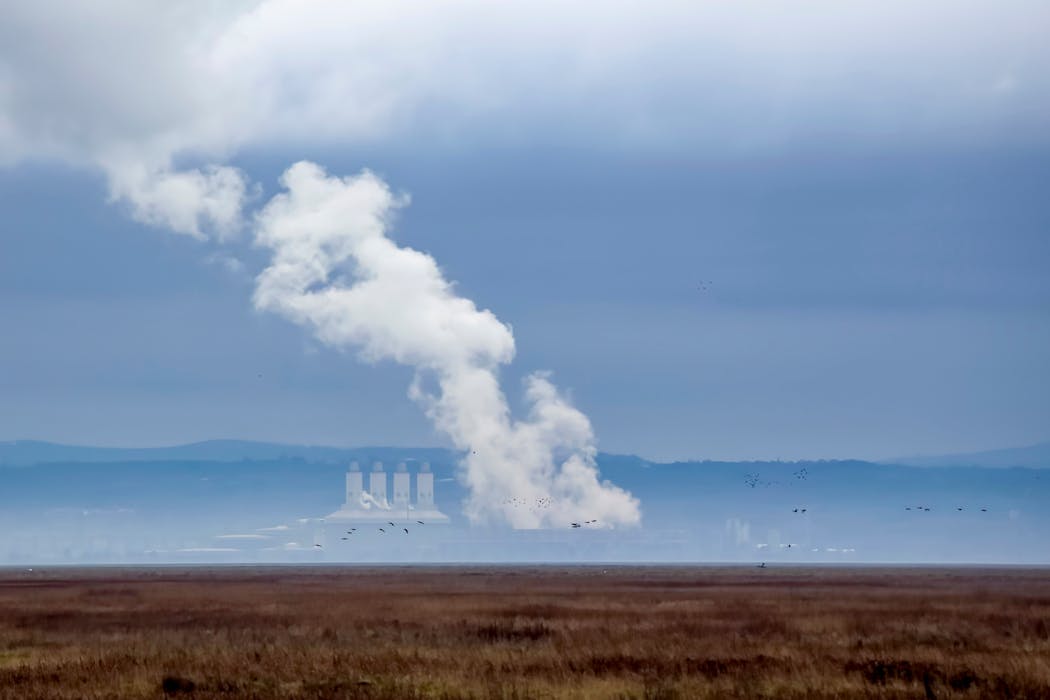
To begin with, wholesale electricity prices are determined in a way that essentially means that everyone has to pay for the most expensive source of electricity used at a given time, which in the UK is mostly gas power plants.
The gas which is burned to power the UK’s lights and kettles has to be liquefied, shipped from the US or Qatar amid global bidding wars, and then converted back into its original state. High gas prices drive high wholesale prices, which directly translate into high electricity bills.
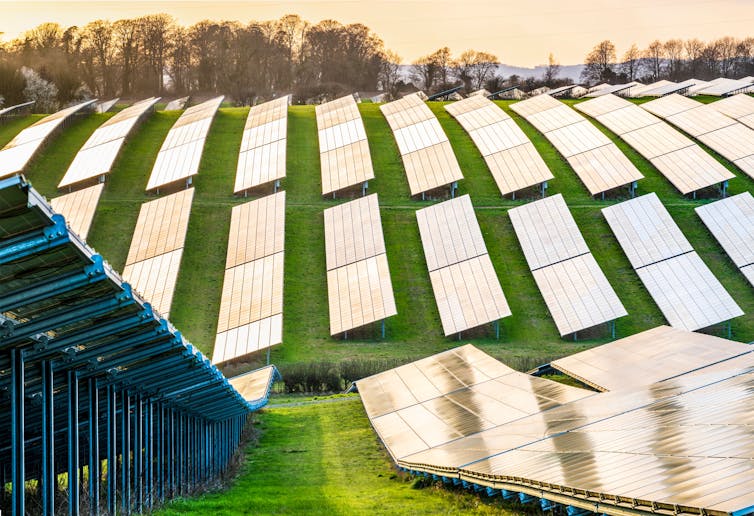
Cheaper renewable energy sources (the cost of producing solar, wind or nuclear electricity is very low) have little effect. This is partly because while the operating cost of renewable electricity is very low, the cost of setting it up is not.
To encourage companies to build new generation capacity, the government must offer them a guaranteed price for the electricity they produce, to compensate for their costs. For a wind farm, this would include money for planning applications, as well as buying and installing turbines and electrical equipment.
Bringing different sources of electricity to consumers also requires expensive infrastructure investment. In the UK for example, grid capacity is not where it needs to be after decades of low investment.
Nearly 40% of the electricity produced by Scottish wind farms has been wasted so far this year, because the grid was not able to move it to other parts of the UK or store it.
Overall then, consumers’ bills will be high, both now and in the future, because of the combined costs of imported gas, infrastructure and the guaranteed prices for producers.
Despite these challenges, successiveUK governments have committed to continuing investment in new technologies, because dependence on imported, polluting and volatile fossil fuels is deemed too risky. Postponing the full transition to renewables, as reported in the Guardian, is effectively a bet that gas prices will decrease in the short term, and that the UK will be able to commission cheaper renewables later on.
But cheaper renewables present their own problems, because they play different roles. Solar and wind are cheaper, but intermittent. Nuclear is the most expensive but works all the time.
But the main factor is simply geography and timing. Partly due to its location, the UK has become a world leader in wind power, a renewable technology that seems to be taking a less important global role than solar. And while the cost of solar production is decreasing steeply, the learning curve is slower for wind.
So for all the frustration over high bills, the UK’s options are limited. Geography gives us wind, not sunshine. Policy has delivered world-class renewables, but also a grid struggling to carry their power.
The future will depend on whether new technologies, including cheaper batteries, tidal power and small modular nuclear reactors can fill the gaps left by weather and planning delays.
None of this will be easy or cheap. But the alternative – continued dependence on imported, volatile fossil fuels that make bills hostage to global crises – is worse. UK consumers face a future where electricity remains more expensive than much of Europe, not only because of policy choices, but because it lacks the sunshine that’s driving costs down elsewhere. Betting on emerging technologies is the only way to close that gap.
Renaud Foucart does not work for, consult, own shares in or receive funding from any company or organisation that would benefit from this article, and has disclosed no relevant affiliations beyond their academic appointment.
Late on an October Monday night, George Springer smashed a three-run homer to send nearly 45,000 fans in Toronto’s Rogers Centre — and a record national television audience — into a frenzy.
It had the feeling of a denouement. Yet, like other famed home runs in Blue Jays history, Springer’s blast was just one step in the long journey through baseball’s three playoff rounds.
A year earlier, Jose Bautista’s then-audacious bat flip followed a dramatic home run — also like Springer’s hit in the seventh inning — that moved the Blue Jays onto the same championship series round that they had not won since 1993. Until this year.
The enduring legacy of 1993
Invoking 1993 holds special resonance for Blue Jays fans. It’s the last time the team won, let alone reached, the World Series.
It is easy to tell the story of the Blue Jays through the lens of dramatic game-winning home runs. However, the context of the team’s championships —and near misses — offers a more nuanced tale.
Following a handful of dire losing seasons, Blue Jays management earned a reputation for talent development. The first crop of stars — Dave Stieb, George Bell and Tony Fernandez — won a division championship in the team’s ninth season. They fell one game short of qualifying for the World Series, losing the only seventh game in a post-season series in franchise history prior to this year.
Modernity came to Toronto in 1989 when the team moved into SkyDome, a then-state-of the-art domed stadium complete with retractable roof (and by then, beer vendors) that was funded and operated by a public-private partnership.
The Blue Jays 2025 success — realizing the promise of a new generation of star prospects headlined by Vladimir Guererro Jr. and Bo Bichette — has rekindled memories of these past glories: the first winning teams of the 1980s, the back-to-back champions in 1992-93 and the bravado of the Bautista-Encarnacion-Josh Donaldson teams from a decade ago.
Lost in this pantheon of star players and dramatic moments, however, is the two decades of mediocrity that followed the heights of the Carter home run.
A more dispassionate, bottom-line ownership led to teams that failed to reap the talents of Hall of Famers like Roy Halladay and major stars like Carlos Delgado and Shawn Green.
Rogers Communications purchased 80 per cent of the Blue Jays in 2000, with Interbrew retaining 20 per cent. The on-field performance changed little, but the business model evolved significantly.
Rogers acquired the remaining 20 per cent of the team in July 2004. Before the year was out, it had gained control of SkyDome for $25 million, a fraction of the $600 million that the stadium has cost to build only 15 years earlier. Now fully privately owned, it was renamed the Rogers Centre.
Today, the Blue Jays reflect the vertical integration of modern commercial sports. The team is the primary tenant in a stadium operated by their owners. Their games are broadcast on television channels, radio stations and streaming services owned and operated by Rogers Communications. These channels market other Rogers-owned content during Blue Jays games.
Meanwhile, fans consume this content on cable subscriptions and internet services that are Rogers’ core businesses. The newest extension of this revenue-generation model is the increasing prominence of sports betting, which is integrated fully into broadcasts by on-screen commentators providing odds as though delivering sports “news,” not paid advertising
Canada’s team
The production and circulation of dominant narratives is a consequence of such a structure, what sociologist David Whitson termed “circuits of promotion.”
One of the most powerful is that the support for the Blue Jays is nationwide. They are Canada’s team. There is an element of truth to this. The Blue Jays’ fan base is considerable, particularly when they are winning.
But this is also a marketing construct — one that benefits from the Blue Jays being the only remaining Canadian-based team in a U.S.-operated professional sports league. This would be a much harder narrative to sell if the Montreal Expos were not now the Washington Nationals, and it is not entirely novel.
Basketball’s Toronto Raptors, themselves the beneficiaries of the relocation of the Vancouver Grizzlies, capitalized on both the team’s appeal as well as its monopoly on Canadian markets with its wildly popular 2019 marketing campaign, “We The North.”
Come Friday night, when Trey Yesavage throws the first pitch of the 2025 World Series, the absence of other Canadian-based teams and the centralization of media outlets in Toronto will ensure there will be a ready (and passionate) audience across the country all ready to chant: “Let’s go, Blue Jays!”
Russell Field does not work for, consult, own shares in or receive funding from any company or organisation that would benefit from this article, and has disclosed no relevant affiliations beyond their academic appointment.
Healthy staghorn coral were crucial builders of Florida’s coral reef. Today, few survive there.Maya Gomez
In early June 2023, the coral reefs in the lower Florida Keys and the Dry Tortugas were stunning. We were in diving gear, checking up on hundreds of corals we had transplanted as part of our experiments. The corals’ classic orange-brown colors showed they were thriving.
Just three weeks later, we got a call – a marine heat wave was building, and water temperatures on the reef were dangerously high. Our transplanted corals were bleaching under the heat stress, turning bone white. Some were already dead.
That was the start of a global mass bleaching event. As ocean temperatures rose, rescuers scrambled to relocate surviving corals to land-based tanks, but the heat wave, extending over 2023 and 2024, was lethal.
In a study published Oct. 23, 2025, in the journal Science, we and colleagues from NOAA, the Shedd Aquarium and other institutions found that two of Florida’s most important and iconic reef-building coral species had become functionally extinct across Florida’s coral reef, meaning too few of them remain to serve their previous ecological role.
No chance to recover
In summer 2023, the average sea-surface temperature across Florida’s reef was above 87 degrees Fahrenheit (31 degrees Celsius) for weeks. We found that the accumulated heat stress on the corals was 2.2 to 4 times higher than it had ever been since modern satellite sea-surface temperature recordings began in the 1980s, a time when those two species – branching staghorn and elkhorn corals – were the dominant reef-builders in the region.
A sea-surface temperature map from mid-July 2023 shows the extraordinary heat around the Florida Keys. NOAA Coral Reef Watch
The temperatures were so high in the middle and lower Florida Keys that some corals died within days from acute heat shock.
Everywhere on the reef, corals were bleaching. That occurs when temperatures rise high enough that the coral expels its symbiotic algae, turning stark white. The corals rely on these algae for food, a solar-powered energy supply that allows them to build their massive calcium carbonate skeletons, which we know as coral reefs.
How coral bleaching occurs. Great Barrier Reef Marine Park Authority
These reefs are valuable. They help protect coastal areas during storms, provide safety for young fish and provide habitat for thousands of species. They generate millions of dollars in tourism revenue in places like the Florida Keys. However, the symbiotic relationship between the coral animal and the algae that supports these incredible ecosystems can be disrupted when temperatures rise about 2 to 3 degrees Fahrenheit (1 to 2 degrees Celsius) above the normal summer maximum.
By the end of summer 2023, only three of the 200 corals we had transplanted in the Lower Keys to study how corals grow survived.
In the Dry Tortugas, corals’ bone-white skeletons were already being grown over by seaweed. That’s a warning sign of a potential phase shift, where reefs change from coral-dominated to macroalgae-dominated systems.
Time lapse of a coral branch bleaching under heat stress over a month. Each tiny polyp is one appendage of the coral animal. The structure turns white as the corals lose their symbiotic algae. Reefscapers Maldives
Our colleagues observed similar patterns across the Florida Keys: Acroporid corals – staghorn and elkhorn – suffered staggering levels of bleaching and death.
Of the more than 50,000 acroporid corals surveyed across nearly 400 individual reefs before and after the heat wave, 97.8% to 100% ultimately died. Those farther north and offshore in cooler water fared somewhat better.
But this pattern of bleaching extended to the rest of the Caribbean and the world, leading NOAA to declare 2023-2024 the fourth global bleaching event. This type of mass bleaching, in which stress and mortality occur almost simultaneously across locations around the world, points to a common environmental driver.
A bleached and dead staghorn coral thicket in the Dry Tortugas, already being overgrown by seaweed in September 2023. The corals had been healthy a few months earlier. Maya Gomez
In the summer of 2023, that environmental driver was clearly soaring water temperatures caused by climate change.
Becoming functionally extinct
Even before the 2023 marine heat wave, staghorn and elkhorn numbers had been dwindling, with punctuated declines accelerated by a diverse array of stressors – hurricane damage, loss of supporting herbivore species, disease and repeated bleaching.
Caribbean acroporids have not entirely disappeared in Florida, but those left are not enough to fulfill their ecological role. When populations become too small, they lose their capacity to rebound – in conservation biology this is known as the “extinction vortex.” With so few individuals, it becomes harder to find a mate, and even when one is found, it’s more likely to be a relative, which has negative genetic consequences.
Live elkhorn coral, Acropora palmata, off Florida before the marine heat wave. NOAA Fisheries A bleached colony of elkhorn coral in Dry Tortugas National Park off Florida on Sept. 11, 2023. Shedd Aquarium/Ross Cunning
For an ecosystem-builder like coral, many individuals are required to build an effective reef. Even if the remaining corals were the healthiest and most thermally tolerant of the bunch – they did survive, after all – there are simply not enough of them left to recover on their own.
Can the corals be saved?
Florida’s acroporids have joined the ranks of the California condor – they cannot recover without help. But unlike the condor, there are still pockets of healthy corals scattered throughout their broader range that could be used to help restore areas with localized extinctions.
The surviving corals in Florida could be bred with other Caribbean populations to boost their numbers and increase genetic diversity, an approach known as assisted gene flow.
Maya Gomez, one of the authors of this article and the study, takes photos of transplanted corals off Florida. Jenna Dilworth
Advancements in microfragmentation, a way to speed up coral propagation by cutting them into smaller pieces, and cryopreservation, which involves deep-freezing coral sperm to preserve their genetic diversity, have made it possible to mass produce, archive and exchange genetic diversity at a scale that would not have been possible just 10 years ago.
Restoration isn’t easy, though. From a policy perspective, coordinating international exchange of endangered species is complex. There is still disagreement about the capacity to scale up reef restoration to recover entire ecosystems. And the question remains: Even if we could succeed in restoring these reefs, would we be planting corals just in time for the next heat wave to knock them down again?
This is a real risk, because ocean temperatures are rising. There is broad consensus that the world must curb the carbon emissions contributing to increased ocean temperatures for restoration to succeed.
Climate change poses an existential threat to coral reefs, but these advancements, in concert with effective and timely action to curb greenhouse gas emissions, could give them a fighting chance.
Carly D. Kenkel has received funding from NSF, NOAA, The Paul G. Allen Frontiers Group, the Mary Gard Jameson Foundation and the Alfred P. Sloan Foundation. She serves on the Genetics Working Group of the Coral Restoration Consortium, the US Acropora Recovery Implementation Team and the Intervention Risk Review Group for Australia’s Great Barrier Reef Restoration and Adaptation Program.
Maya Gomez is affiliated with the Perry Institute for Marine Science.
Jenna Dilworth does not work for, consult, own shares in or receive funding from any company or organization that would benefit from this article, and has disclosed no relevant affiliations beyond their academic appointment.
Source: The Conversation – UK – By Morgane Dujmovic, Chargée de recherche CNRS, Géographe et politiste spécialiste des frontières et migrations, Centre national de la recherche scientifique (CNRS)
This series of articles draws on a year of research conducted on board the Ocean Viking, the civilian search-and-rescue ship operated in the central Mediterranean by the NGO SOS Méditerranée. It explores the perspectives of exiled people based on testimonies from 110 survivors who were picked up while attempting the crossing from North Africa, as well as crew members’ experiences and the researcher’s creative collaborations while onboard the ship.
This is the first of a four-part series. Read part two here, and explore an immersive French-language version of the series here.
‘The journey we’ve undertaken’
“We were ready to jump. We were so afraid the Libyans would arrive!” These words came from a young Syrian man, recorded in the data table as part of my year-long study aboard the Ocean Viking search-and-rescue ship, between the summers of 2023 and 2024.
His words did not reflect an isolated incident. Among the 110 rescued people who took part in the onboard survey, nearly a third described a similar fear at the sight of a ship on the horizon. Not fear of imminent shipwreck or drowning, but of being intercepted by Libyan forces and returned to that country.
Portrait of Shakir. Morgane Dujmovic, Fourni par l’auteur
The words echo those of Shakir, a Bangladeshi man I met on the OV – as the Ocean Viking ship is commonly nicknamed. He told me: “You refreshed our minds with the workshops. Since Libya and the sea, we felt lost. Now, we understand the journey that we’ve undertaken.”
On the OV’s deck and in the containers serving as shelters until disembarkation in Italy, I offered participatory mapping workshops. Around 60 people took part, retracing the steps, places and timelines of their journeys through hand-drawn maps.
I developed this collaborative research method to encourage the expression of knowledge formed through migration. I had not anticipated that these gestures and drawings could also help reclaim points of reference and build valuable understanding about the journey undertaken.
Portrait of Koné. Morgane Dujmovic, Fourni par l’auteur
The words also resonate with those I collected after a disembarkation in Ancona. There, I met Koné, an Ivorian man who had been rescued by another NGO vessel a week earlier. He told me:
“The worst is not the sea, believe me, it’s the desert! When you go out on the water, it’s at night and you don’t see what’s around you – it’s only when daylight comes that you see the waves. In the desert, they put 50 people on a pickup truck made for ten: if you fall, you’re left behind. At sea, you die instantly. In the desert, you die a slow death.”
All these words have led me to rethink my assumptions about borders and their dangers. Why take the risk of crossing the sea, with such uncertain outcomes? How is rescue perceived from a boat in distress? What is life like during the days spent onboard an NGO vessel? What hopes are projected on to arriving in Europe, and beyond?
While rescues and shipwrecks often make headlines, the perceptions of the rescued people themselves are rarely studied; they usually reach us filtered through authorities, journalists or NGOs. Collecting these lived experiences and allowing exiled people to tell their own stories – this was the core purpose of my onboard research mission.
When maps tell stories of exile, with Morgane Dujmovic. French-language video by The Conversation France, 2025.
An improvised, floating laboratory
Onboard the OV, I occupied the “25th seat”, which is usually reserved for special guests. This was the ship’s first search-and-rescue (SAR) mission to host an external researcher.
For SOS Méditerranée, it was an opportunity to open the NGO’s work up to objective observation by a social scientist and to refine its operational response, drawing on the priorities expressed by rescued individuals. Among the crew, several members suggested this work could enhance their practices and deepen their understanding of the migration journeys they had been witnessing for years.
The Ocean Viking docked in the Sicilian port of Syracuse. Morgane Dujmovic, Fourni par l’auteur
This was the case for Charlie, one of the NGO veterans who have spent a decade refining their rescue techniques for boats in distress. As SAR team leader, he coordinates the RHIBs (rigid-hulled inflatable boats) launched from the OV to carry out rescues. “This work is really useful because we are constantly looking to improve,” he told me. “What I’m really curious about is what happens before [the rescue]. I talk with them sometimes, but I want to know more about them.”
As for me, while I have worked for 15 years with exiled people, this was the first time I have written about borders while being physically inside a border zone – a feeling of immersion heightened by the horizon of the sea and the confined daily life onboard the OV.
The study unfolded over the course of five rotations, each a six-week mission in the search-and-rescue zone. It was implemented with the support of the entire OV crew: rescue, medical, protection, logistics and communications teams – all of whom were trained in the survey methodology.
The questionnaire emerged from a dialogue between scientific and operational objectives. It was designed around three themes: the sea rescue itself; care onboard the mothership in the post-rescue phase; and migration projects and pathways – from the country of origin to the imagined destinations in Europe. My presence on board allowed me to refine the initial version as I received feedback from both rescued people and crew members.
A mapping workshop held on the deck of the OV. Morgane Dujmovic, Fourni par l’auteur
This was complemented by qualitative methods I have previously used on land, at the French-Italian and French-Spanish borders or in the Balkans, offering people who cross them participatory and emotional mapping tools to narrate their journeys.
To adapt these methods to the sea, I brought on board the OV maps previously drawn by other exiled people along with creative materials, and arranged a dedicated space. In this improvised, floating laboratory, I sought to create a space-time conducive to reflection, allowing silenced knowledge to emerge and be shared with the wider public – for those who wished to.
The invitation to participate was designed to be reassuring and encouraging. The workshop was guided and required no specific language or graphic skills; the aesthetic result mattered less than the interaction experienced during the mapping process.
When maps tell stories of exile, with Morgane Dujmovic. French-language video by The Conversation France, 2025.
These scientific and ethical concerns closely aligned with operational priorities – during the days of navigation before disembarking at an Italian port, there is a need to fill the waiting time and lift spirits.
On the OV’s deck, mapping gradually found its place among post-rescue activities, some of which had a psychosocial dimension aimed at restoring the dignity of rescued people and preparing them for the next stage of their journey in Europe. The collective mappings – where texts and drawings appeared – became a shared language and gesture, linking crew members and rescued people who joined the workshop.
Morgane Dujmovic does not work for, consult, own shares in or receive funding from any company or organisation that would benefit from this article, and has disclosed no relevant affiliations beyond their academic appointment.
Source: The Conversation – UK – By Morgane Dujmovic, Chargée de recherche CNRS, Géographe et politiste spécialiste des frontières et migrations, Centre national de la recherche scientifique (CNRS)
This series of articles draws on a year of research conducted on board the Ocean Viking, the civilian search-and-rescue ship operated in the central Mediterranean by the NGO SOS Méditerranée. It explores the perspectives of exiled people based on testimonies from 110 survivors who were picked up while attempting the crossing from North Africa, as well as crew members’ experiences and the researcher’s creative collaborations on board the ship.
This is the second of a four-part series – read part one here and part three here, and explore an immersive French-language version of the series here.
Fragments of journeys
In all, 21 sketches were created in the workshops I conducted onboard the Ocean Viking. They tell fragments of journeys – routes that were sometimes smooth but often fraught, starting from Bangladesh, Pakistan, Syria, Palestine and Egypt.
From Dhaka to Zuwara: one of ten sketches describing routes participants had taken from Bangladesh. Morgane Dujmovic, Fourni par l’auteur
Some journeys were very costly but quick and organised, such as those of some Bangladeshi individuals who had travelled from Dhaka to Zuwara via Dubai in just a few days. Others stretched and intertwined over several years, adapting to encounters, resources, dangers and the multiple wars and violence in those countries crossed.
Among 69 people who responded to the questionnaire, 37.6% had left their country of origin the same year. But 21.7% had been travelling for more than five years – and 11.5% for over ten years. The longest journeys began in countries as diverse as Nigeria, Sudan, Eritrea, Ethiopia and, in 60% of the cases studied, Syria. As one respondent explained:
I fled the Syrian army. I spent three years in prison and torture, saw terrible scenes. I was 18, I was not old enough to live or see such things.
From Syria to Zuwara: one of 11 sketches describing routes participants had taken from the Middle East. Morgane Dujmovic, Fourni par l’auteur
2011, 2012, 2013, 2014, 2015: the steady spread of departure dates for these journeys highlights the persistence of the conflicts that drive migration around the world. Motivations to continue these long journeys are often personal ambitions for a better life, such as being able to study or help family left behind – as was explained by a young Egyptian man: “I am the only son in my family. My parents are old and they are worried I won’t make it.”
The survey made it possible to outline the types of support received and the dangers encountered along the way. Alongside financial resources from personal savings or family loans, nearly 60% of respondents mentioned the importance of immaterial resources such as “advice from friends”, “psychological support from my husband”, or “information and emotional support from my niece”.
For some, the information received from loved ones seemed crucial at certain stages of the journey: as one respondent explained, it provided moral support to “survive in Libya”. Conversely, another participant confided it had been essential to hide the realities of their daily life in Libya from their family, in order “to hold on”.
Indeed, it was in this North African country that most difficulties were encountered: among the 136 situations of danger described, half were in Libya – compared with 35.3% at sea, 8.8% in the person’s country of origin, and 5.9% at other borders along their migration routes.
When maps tell stories of exile, with Morgane Dujmovic. French-language video by The Conversation France, 2025.
‘Inhumane acts’ against people in exile
The atrocities targeting people on the move in Libya are now well-documented. They appear in numerous sources including NGO reports and documentary films, as well as direct testimonies from those affected.
The findings of an independent UN Human Rights Council fact-finding mission, published in 2021, qualified these realities as crimes against humanity. The report described “reasonable grounds to believe that acts of murder, enslavement, torture, imprisonment, rape, persecution and other inhumane acts committed against migrants form part of a systematic and widespread attack directed at this population, in furtherance of a State policy. As such, these acts may amount to crimes against humanity.”
Through the study on board the OV, participants were able to define, in their own words, the nature of the dangers they had experienced there. Their quotes conveyed subjective, embodied experiences reshaped by emotions – yet they were numerous and convergent enough to reconstruct what has been happening in Libya. The mechanisms of the reported violence were systemic: punitive detention combined with torture, inhumane and degrading treatment, racial and sexual violence endured or witnessed. And these acts were often cumulative:
During my first period in Libya, I was imprisoned six times, tortured, beaten. I can’t even remember the exact details.
The acts of violence involved perpetrators who were, to a greater or lesser degree, institutionalised, including coast guards, prison guards, mafias, militias and employers. They occurred across the entire country (Benghazi, Misrata, Sabratha, Sirte, Tripoli, Zawiya and Zuwara were the most frequently cited cities), but also in the desert and in detention sites at unknown locations. Omnipresent was the prospect of violent and arbitrary detention, which generated a presumption of widespread racism against foreigners:
The racism I experienced as an Egyptian is just unimaginable: kidnapping, theft, imprisonment.
Black people felt particularly targeted by such attacks. Among those who testified, an Ethiopian man trapped for four years in Libya described his constant sense of terror, linked to the repeated racist arrests he had endured:
People get kidnapped in Libya. They catch us and put us in prison because we don’t have papers. Then we have to pay more than US$1,000 to be released. It happened to me four times: two weeks, then a month, then two months, and finally a year. All because of my skin colour – because I am black. It lasted so long that my mind is too stressed from fear.
Such racial discrimination was confirmed by the UN Human Rights Council report in 2021, which found “evidence that most of the migrants detained are sub-Saharan Africans, and that they are treated in a harsher manner than other nationalities, which suggests discriminatory treatment.”
However, the risks of kidnapping and ransom would appear to spare no one on Libyan soil. Koné described them as a generalised and systemic practice:
There’s a business that many Libyans run. They put you in a taxi which sells you to those who put you in prison. Then they demand a ransom from your family to get you out. If the ransom isn’t paid, you’re made to work for free. In the end, in Libya you’re like merchandise: they let you enter the country only to make you work.
A mapping workshop held aboard the Ocean Viking. Alisha Vaya/SOS Méditerranée, Fourni par l’auteur
Several study participants had been caught in these networks, and their analyses afterwards converged on one point: the Libyan experience amounts to a vast system of exploitation through forced labour.
The facts reported match the International Labour Organization’s definitions of “human trafficking” and “modern slavery”, and were again confirmed by the UN report, which noted: “The only practicable means of escape is by paying large sums of money to the guards or engaging in forced labour or sexual favours inside or outside the detention centre for the benefit of private individuals.”
Ultimately, what Koné remembered most painfully was the feeling of shame:
I pity myself, my story, but I pity the people who went to prison even more. If your family can’t pay the ransom, they must take on debts, so it’s a problem you put on your family. Some people went crazy because of it.
Mapping as testimony
While the accounts of time spent in Libya were always bitter and often horrifying, sometimes beyond words, the study revealed a strong desire to bear witness to what happens there – not only for the general public, but for those who might attempt the same journey:
I want to say that in Libya, there are many women like me who are in a very difficult situation.
I don’t have much to say, except that so many people are suffering even more than I did in Libya.
I don’t advise anyone to come by this route.
To accompany these stories, our mapping workshops aboard the OV served as an invitation – an opportunity to share experiences without having to put traumatic events into words.
At first, the collective mappings organised on the OV’s deck allowed participants to bring out the main themes they wanted to address, according to three sequences: “our past”, “our present”, and “the future we imagine”. My role was to create an appropriate framework for expression, guide participants toward accessible graphic techniques, and enable the sharing of creations through their gradual display on the deck.
A mapping workshop held aboard the OV. Alisha Vaya/SOS Méditerranée, Fourni par l’auteur
Workshops were then offered to small groups or individuals inside containers – spaces that were more conducive to the confidentiality of intimate stories.
One of the tasks suggested by participants was to represent the zones of danger felt throughout the migration journey — where Libya inevitably stood out. From these personal pathways, a second exercise was introduced: describing the experience of danger at the Libyan scale, building on the places already mentioned.
Participants were encouraged to enrich their sketched maps with personal illustrations and narrative legends in their native languages, which were later translated into English.
Ahmed’s experience of Libya
On his map, Ahmed, a Syrian-born participant, depicted “insecurity” in Tripoli, “bad treatment and extortion of money” in Benghazi, and “violation of rights” in Zuwara.
His illustration shows a scene of ordinary, widespread crime: “the Libyan” shooting at “foreigners” evokes the collective violence that Ahmed described as occurring all across Libya. This emotional and participatory method served as a language for sharing stories that were difficult to verbalise, and for mediating them.
Beyond what these drawings facilitated for those sharing their stories, they allowed myself and others observing these violent images to contextualise them within a complex web of factors across time and geographical space.
Now read part three in this four-part series, or explore an immersive French-language version here.
Morgane Dujmovic does not work for, consult, own shares in or receive funding from any company or organisation that would benefit from this article, and has disclosed no relevant affiliations beyond their academic appointment.
Source: The Conversation – UK – By Morgane Dujmovic, Chargée de recherche CNRS, Géographe et politiste spécialiste des frontières et migrations, Centre national de la recherche scientifique (CNRS)
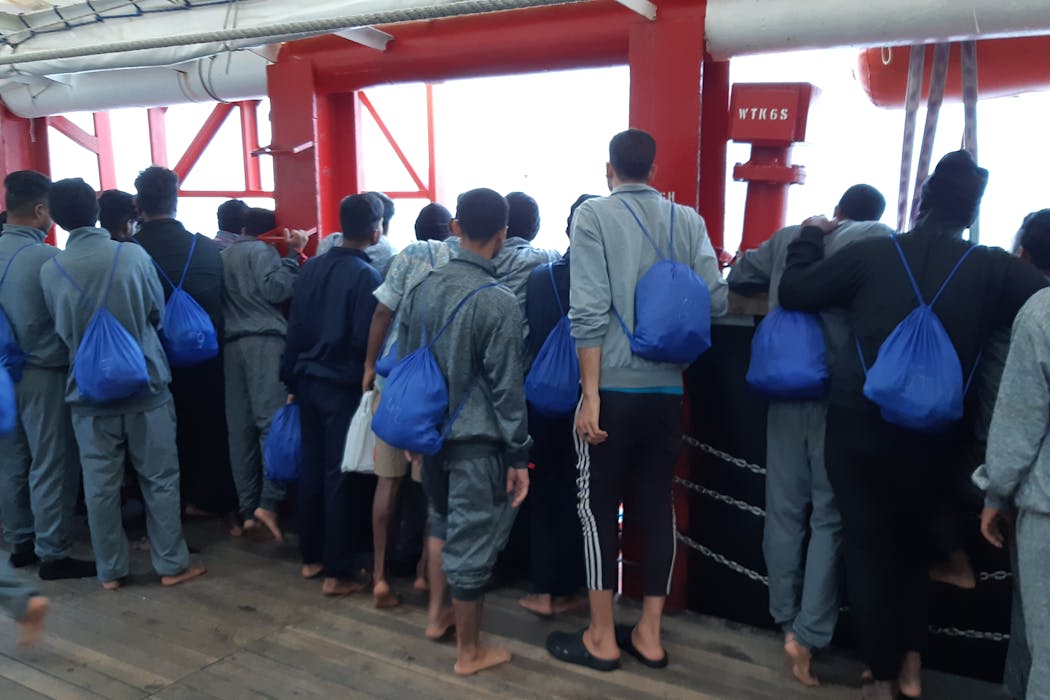
As the Ocean Viking approaches the Italian coast, the prospect of a new life in Europe becomes more concrete. Morgane Dujmovic, Fourni par l’auteur
This is the final part of our series drawing on a year of research conducted on board the Ocean Viking, the civilian search-and-rescue ship operated in the central Mediterranean by the NGO SOS Méditerranée. It explores the perspectives of exiled people based on testimonies from 110 survivors who were picked up while attempting the crossing from North Africa, as well as crew members’ experiences and the researcher’s creative collaborations on board the ship.
Catch up on parts one, two and three, and explore an immersive French-language version of the series here.
Solidarity at sea and autonomy
While my study onboard the Ocean Viking search-and-rescue ship highlighted civil rescue operations by one of the many NGOs now present in the central Mediterranean, it is important to emphasise the significance of autonomous crossings – and the many rescues and acts of solidarity at sea carried out by exiled people themselves.
For example, Ellie, a member of the SOS Méditerranée search-and-rescue (SAR) team, recounted a rescue during which two vessels in distress assisted each other:
There are people I remember very well. They had left through the Tunisian corridor in a fibreglass boat and came across another boat, wooden, which was adrift. When we arrived, we had this fibreglass boat in distress towing a wooden boat in distress, with 30 or 40 people on board. It was like a rescue of a rescue – quite incredible, this solidarity among the people at sea.
Reconstruction of a rescue between distressed boats by Ellie from SOS Méditerranée. Morgane Dujmovic, Fourni par l’auteur
NGO crews thus seek a balance between maintaining the autonomy of exiled people, and the management of large numbers of people onboard boats in sometimes extreme conditions (often referred to as “crowd control”).
Our study on the OV precisely explored the expectations of rescued people in the immediate aftermath of rescue, known as the post-rescue phase. Their opinions made it possible to formulate several operational recommendations for the days of navigation until the rescue ship reaches a safe port in Europe.
One of the most striking findings was the need for direct communication with loved ones – particularly to inform them that the crossing had not ended fatally.
Support and information from family and friends are among the main resources available to people on the move at different stages of migration (mentioned by nearly 60% of respondents). But it is not uncommon for rescued people to lose their phone during the crossing, and even when that’s not the case, connectivity is limited in the middle of the sea.
Psychological and physical impacts
The study also revealed both the physical and psychological impacts of violence in Libya, which affect the mere ability to meet basic needs. Participants mentioned their difficulties eating, as well as finding rest and respite:
In prison we only ate once a day, we could wash only once a month.
My back is very painful, I cannot sleep.
My mind is too stressed and I can’t control it.
These traces are also visible in the countless graffiti drawings left on the Ocean Viking’s walls over the years.
Survivors’ comments and drawings aboard the Ocean Viking. Morgane Dujmovic
In this chain of violent borders, the stay on the rescue ship represented a breathing space, judging by the open-ended comments offered at the end of our questionnaire:
We are treated like your brothers here; it’s so different from Libya!
I don’t have much to say, but I will never forget what happened here.
In the middle of the sea, when the number of people on board allowed it, we would sometimes witness moments of regained intimacy – or, conversely, collective jubilation, most notably when a port assigned by Italy as a landing point for the survivors was announced.
As for the mapping workshops and the questionnaire study I conducted, participant feedback suggests that they were able to engage in a form of empowerment – or at least, in the power to reflect and to narrate their experiences.
It’s the first time in a very long time that someone asked me what I think and what my opinions are about things.“
An explosion of joy after the announcement of a port of disembarkation in Italy. Morgane Dujmovic, Fourni par l’auteur
A sense of regained control over their actions emerged as the prospect of disembarkation and a new life in Europe drew near. As we sailed towards the Italian coast, the drawings and comments gathered from survivors on our collective exercises illustrated their increasingly concrete dreams and imaginings:
I hope to quickly get a residence permit in Germany.
I’m thinking to give back the money I borrowed to its owners, learn the language fast, and see my family safe and healthy.
‘When dreams reach the land’ (from the collective mapping project on board the OV). Alisha Vaya/SOS Méditerranée , Fourni par l’auteur
A new form of violence
One can imagine the emotion of setting foot for the first time in a European port for those who finally make it. But what is less often imagined is that this step can represent a new form of violence. In Ancona, for example, Koné recalled the impression left by the heavy deployment of forces when they arrived:
When I got off the boat, I saw so many sirens that I thought: ‘Are there only ambulances in Italy?’
The welcome committee for people disembarking in Italy after being rescued at sea is composed of national security authorities (police and the carabinieri), Italian health services, the Italian Red Cross and Frontex, the European Border and Coast Guard Agency – whose intervention is systematically oriented around a single question: “Who was driving the boat from Libya?” In other words: “Who could be prosecuted for facilitating unauthorised entry into the territory of the European Union?”
At the level of international search-and-rescue (SAR) conventions, the rescue officially ends once people are disembarked in a “place of safety”. For the SOS Méditerranée crews, it is customary to consider that the work stops there – even if human relationships sometimes continue afterwards.
For civilian search-and-rescue NGOs, disembarkation is quickly followed by many administrative procedures and interrogations that they must undergo to avoid the risk of vessel detention, which would prevent a ship going back out into the operational area to continue its rescue missions.
After several days aboard the Ocean Viking together, the goodbyes are tinged with both joy and anxiety, as we know that for each of these individuals, a new journey of struggle is beginning.
First steps on Italian soil. Alisha Vaya/SOS Méditerranée, Fourni par l’auteur
In this fleeting moment of grace, when dreams touch the ground, I am struck by the profound power of silence.
The silence of the sea that swallowed so many bodies.
The focused silence of rescue teams when RHIBs race toward distressed boats.
The stunned silence aboard the same RHIBs bringing people back to the mothership, still dazed from escaping shipwreck.
The exhausted silence of survivors regaining their strength; the palpable silence as I listen to their stories on the deck of the Ocean Viking.
The tentative silence as the Italian coast appears for the first time.
The silence of European institutions, which conceal and obstruct the efforts to save lives at sea – and on land, by supporting interceptions and forced returns to Libya.
And finally, my own silence, faced with the awareness of my powerlessness toward the exiled people I met at sea:
I know you’re writing – it’s good, people will see it. But the story will go on.
The wake of the Ocean Viking search-and-rescue ship. Morgane Dujmovic, Fourni par l’auteur
Acknowledgements
Heartfelt thanks go to everyone who participated in this onboard study and shared their stories, especially Koné and Shakir, as well as to all the teams at sea and on land who supported my long-term research, in particular Carla Melki and Amine Boudani. I also warmly thank Rafik Arfaoui and Elizabeth Hessek for their assistance with translations from Arabic and into English.
Note: some real first names were used in these articles and others were changed , according to the preferences of the people concerned.
Morgane Dujmovic does not work for, consult, own shares in or receive funding from any company or organisation that would benefit from this article, and has disclosed no relevant affiliations beyond their academic appointment.
The Liberal government has introduced bail reform legislation to expand “reverse-onus” provisions in the Criminal Code, stipulating that someone accused of a crime, rather than the Crown, must demonstrate why they should be released before trial.
Bill C-14 also proposes tougher sentencing laws for serious and violent crimes.
But will these changes effectively address concerns from some politicians, police and the public that bail is too easily granted and contributes to rising crime? Probably not. They are symbolic responses unlikely to satisfy critics or address the root causes of crime.
Bail decisions are challenging
Bail laws are designed to strike a balance between protecting public safety and upholding the rights of people who are supposed to be presumed innocent until proven guilty.
Under the Criminal Code, there is a presumption that an accused person should be released with as few conditions as necessary. But bail can be denied if the person is unlikely to attend trial, poses a threat to public safety or if their release would undermine confidence in the legal system.
Bail decisions are inherently discretionary. Judges and justices of the peace must already weigh factors like risk, criminal history and the nature of the offence to determine if an accused can be safely released. Given the nature of bail decisions, more reverse-onus provisions are unlikely to substantively change bail outcomes.
A dearth of reliable information
Bail reform should be driven by evidence to ensure policy changes are effective and accountable. Yet the biggest barrier to evaluating the bail system is a lack of reliable information. We know little about:
1. How many people are released;
2. Under what conditions they are released;
3. How often accused who are released on bail reoffend.
A review of bail decisions for 2022-23 by the BC Prosecution Service in British Columbia revealed that detention rates were slightly higher than average when there was a violent offence involved (between 10 to 13 per cent) and notably higher where there was a violent offence and breach of conditions (between 17 and 24 per cent).
A 2013 study prepared for Canada’s justice department found that 51 of 291 people from two locations violated the terms of their bail release — and the vast majority were for breaching conditions or failing to attend court rather than new offences.
Balancing enforcement with support
While the scant data available do not support the belief that the current system releases all offenders who then go on to commit serious crime, it’s also clear that some accused released on bail subsequently do in fact reoffend — a fact acknowledged by bail supervisors.
But Canada cannot arrest its way to safer communities. A recent report, Finding Common Ground, found that police, lawyers and service providers are aligned on the need for both better supervision of high-risk individuals and greater investment in social supports as top priorities for improving bail.
A recent poll also suggests many Canadians are open to balanced, long-term solutions that combine accountability with social investment, recognizing that real safety comes not from quick fixes but from a more responsive and supportive system.
The Liberal government has also acknowledged the need to invest in community-based supports as part of broader bail reform efforts.
We offer concrete solutions that will enhance fairness, public safety and democratic accountability:
1. A more detailed set of guidelines in the Criminal Code — passed by elected parliamentarians — to make bail determinations. These changes may largely codify existing considerations but could be used to adjust the bail calculus, including de-emphasizing more minor breaches and emphasizing the need to address repeat offending.
2. More social service provisions are needed, particularly in terms of housing. Allowing people to remain in the community and possibly maintain familial and employment connections is more cost-effective and better for public safety than jail time.
3. Better tracking and monitoring of people on bail — including electronic monitoring and improved information processing and communication — can help ensure compliance with conditions and reduce the risk of reoffending.
4. Better data collection on the bail process and outcomes can inform policy reforms and support more effective judicial decisions.
5. Improving bail court efficiency and decision-making through increased resources, information sharing and a shift in courthouse culture can help reduce delays and support more timely and effective hearings.
To build safer communities, the federal government should follow through on its commitment to invest in support services while also helping provinces better monitor and enforce bail conditions. Doing so will ease pressure on the legal system while improving outcomes for people and communities.
Carolyn Yule receives funding from the Social Sciences and Humanities Research Council (SSHRC).
Laura MacDiarmid receives funding from Social Sciences and Humanities Research Council (SSHRC).
Troy Riddell does not work for, consult, own shares in or receive funding from any company or organisation that would benefit from this article, and has disclosed no relevant affiliations beyond their academic appointment.
Source: The Conversation – UK – By Morgane Dujmovic, Chargée de recherche CNRS, Géographe et politiste spécialiste des frontières et migrations, Centre national de la recherche scientifique (CNRS)
As the Ocean Viking approaches the Italian coast, the prospect of a new life in Europe becomes more concrete. Morgane Dujmovic, Fourni par l’auteur
This is the final part of our series drawing on a year of research conducted on board the Ocean Viking, the civilian search-and-rescue ship operated in the central Mediterranean by the NGO SOS Méditerranée. It explores the perspectives of exiled people based on testimonies from 110 survivors who were picked up while attempting the crossing from North Africa, as well as crew members’ experiences and the researcher’s creative collaborations on board the ship.
Catch up on parts one, two and three, and explore an immersive French-language version of the series here.
Solidarity at sea and autonomy
While my study onboard the Ocean Viking search-and-rescue ship highlighted civil rescue operations by one of the many NGOs now present in the central Mediterranean, it is important to emphasise the significance of autonomous crossings – and the many rescues and acts of solidarity at sea carried out by exiled people themselves.
For example, Ellie, a member of the SOS Méditerranée search-and-rescue (SAR) team, recounted a rescue during which two vessels in distress assisted each other:
There are people I remember very well. They had left through the Tunisian corridor in a fibreglass boat and came across another boat, wooden, which was adrift. When we arrived, we had this fibreglass boat in distress towing a wooden boat in distress, with 30 or 40 people on board. It was like a rescue of a rescue – quite incredible, this solidarity among the people at sea.
Reconstruction of a rescue between distressed boats by Ellie from SOS Méditerranée. Morgane Dujmovic, Fourni par l’auteur
NGO crews thus seek a balance between maintaining the autonomy of exiled people, and the management of large numbers of people onboard boats in sometimes extreme conditions (often referred to as “crowd control”).
Our study on the OV precisely explored the expectations of rescued people in the immediate aftermath of rescue, known as the post-rescue phase. Their opinions made it possible to formulate several operational recommendations for the days of navigation until the rescue ship reaches a safe port in Europe.
One of the most striking findings was the need for direct communication with loved ones – particularly to inform them that the crossing had not ended fatally.
Support and information from family and friends are among the main resources available to people on the move at different stages of migration (mentioned by nearly 60% of respondents). But it is not uncommon for rescued people to lose their phone during the crossing, and even when that’s not the case, connectivity is limited in the middle of the sea.
Psychological and physical impacts
The study also revealed both the physical and psychological impacts of violence in Libya, which affect the mere ability to meet basic needs. Participants mentioned their difficulties eating, as well as finding rest and respite:
In prison we only ate once a day, we could wash only once a month.
My back is very painful, I cannot sleep.
My mind is too stressed and I can’t control it.
These traces are also visible in the countless graffiti drawings left on the Ocean Viking’s walls over the years.
Survivors’ comments and drawings aboard the Ocean Viking. Morgane Dujmovic
In this chain of violent borders, the stay on the rescue ship represented a breathing space, judging by the open-ended comments offered at the end of our questionnaire:
We are treated like your brothers here; it’s so different from Libya!
I don’t have much to say, but I will never forget what happened here.
In the middle of the sea, when the number of people on board allowed it, we would sometimes witness moments of regained intimacy – or, conversely, collective jubilation, most notably when a port assigned by Italy as a landing point for the survivors was announced.
As for the mapping workshops and the questionnaire study I conducted, participant feedback suggests that they were able to engage in a form of empowerment – or at least, in the power to reflect and to narrate their experiences.
It’s the first time in a very long time that someone asked me what I think and what my opinions are about things.“
An explosion of joy after the announcement of a port of disembarkation in Italy. Morgane Dujmovic, Fourni par l’auteur
A sense of regained control over their actions emerged as the prospect of disembarkation and a new life in Europe drew near. As we sailed towards the Italian coast, the drawings and comments gathered from survivors on our collective exercises illustrated their increasingly concrete dreams and imaginings:
I hope to quickly get a residence permit in Germany.
I’m thinking to give back the money I borrowed to its owners, learn the language fast, and see my family safe and healthy.
‘When dreams reach the land’ (from the collective mapping project on board the OV). Alisha Vaya/SOS Méditerranée , Fourni par l’auteur
A new form of violence
One can imagine the emotion of setting foot for the first time in a European port for those who finally make it. But what is less often imagined is that this step can represent a new form of violence. In Ancona, for example, Koné recalled the impression left by the heavy deployment of forces when they arrived:
When I got off the boat, I saw so many sirens that I thought: ‘Are there only ambulances in Italy?’
The welcome committee for people disembarking in Italy after being rescued at sea is composed of national security authorities (police and the carabinieri), Italian health services, the Italian Red Cross and Frontex, the European Border and Coast Guard Agency – whose intervention is systematically oriented around a single question: “Who was driving the boat from Libya?” In other words: “Who could be prosecuted for facilitating unauthorised entry into the territory of the European Union?”
At the level of international search-and-rescue (SAR) conventions, the rescue officially ends once people are disembarked in a “place of safety”. For the SOS Méditerranée crews, it is customary to consider that the work stops there – even if human relationships sometimes continue afterwards.
For civilian search-and-rescue NGOs, disembarkation is quickly followed by many administrative procedures and interrogations that they must undergo to avoid the risk of vessel detention, which would prevent a ship going back out into the operational area to continue its rescue missions.
After several days aboard the Ocean Viking together, the goodbyes are tinged with both joy and anxiety, as we know that for each of these individuals, a new journey of struggle is beginning.
First steps on Italian soil. Alisha Vaya/SOS Méditerranée, Fourni par l’auteur
In this fleeting moment of grace, when dreams touch the ground, I am struck by the profound power of silence.
The silence of the sea that swallowed so many bodies.
The focused silence of rescue teams when RHIBs race toward distressed boats.
The stunned silence aboard the same RHIBs bringing people back to the mothership, still dazed from escaping shipwreck.
The exhausted silence of survivors regaining their strength; the palpable silence as I listen to their stories on the deck of the Ocean Viking.
The tentative silence as the Italian coast appears for the first time.
The silence of European institutions, which conceal and obstruct the efforts to save lives at sea – and on land, by supporting interceptions and forced returns to Libya.
And finally, my own silence, faced with the awareness of my powerlessness toward the exiled people I met at sea:
I know you’re writing – it’s good, people will see it. But the story will go on.
The wake of the Ocean Viking search-and-rescue ship. Morgane Dujmovic, Fourni par l’auteur
Acknowledgements
Heartfelt thanks go to everyone who participated in this onboard study and shared their stories, especially Koné and Shakir, as well as to all the teams at sea and on land who supported my long-term research, in particular Carla Melki and Amine Boudani. I also warmly thank Rafik Arfaoui and Elizabeth Hessek for their assistance with translations from Arabic and into English.
Note: some real first names were used in these articles and others were changed , according to the preferences of the people concerned.
Morgane Dujmovic does not work for, consult, own shares in or receive funding from any company or organisation that would benefit from this article, and has disclosed no relevant affiliations beyond their academic appointment.
Source: The Conversation – UK – By Morgane Dujmovic, Chargée de recherche CNRS, Géographe et politiste spécialiste des frontières et migrations, Centre national de la recherche scientifique (CNRS)
This series of articles draws on a year of research conducted on board the Ocean Viking, the civilian search-and-rescue ship operated in the central Mediterranean by the NGO SOS Méditerranée. It explores the perspectives of exiled people based on testimonies from 110 survivors who were picked up while attempting the crossing from North Africa, as well as crew members’ experiences and the researcher’s creative collaborations while onboard the ship.
This is the first of a four-part series. Read part two here, and explore an immersive French-language version of the series here.
‘The journey we’ve undertaken’
“We were ready to jump. We were so afraid the Libyans would arrive!” These words came from a young Syrian man, recorded in the data table as part of my year-long study aboard the Ocean Viking search-and-rescue ship, between the summers of 2023 and 2024.
His words did not reflect an isolated incident. Among the 110 rescued people who took part in the onboard survey, nearly a third described a similar fear at the sight of a ship on the horizon. Not fear of imminent shipwreck or drowning, but of being intercepted by Libyan forces and returned to that country.
Portrait of Shakir. Morgane Dujmovic, Fourni par l’auteur
The words echo those of Shakir, a Bangladeshi man I met on the OV – as the Ocean Viking ship is commonly nicknamed. He told me: “You refreshed our minds with the workshops. Since Libya and the sea, we felt lost. Now, we understand the journey that we’ve undertaken.”
On the OV’s deck and in the containers serving as shelters until disembarkation in Italy, I offered participatory mapping workshops. Around 60 people took part, retracing the steps, places and timelines of their journeys through hand-drawn maps.
I developed this collaborative research method to encourage the expression of knowledge formed through migration. I had not anticipated that these gestures and drawings could also help reclaim points of reference and build valuable understanding about the journey undertaken.
Portrait of Koné. Morgane Dujmovic, Fourni par l’auteur
The words also resonate with those I collected after a disembarkation in Ancona. There, I met Koné, an Ivorian man who had been rescued by another NGO vessel a week earlier. He told me:
“The worst is not the sea, believe me, it’s the desert! When you go out on the water, it’s at night and you don’t see what’s around you – it’s only when daylight comes that you see the waves. In the desert, they put 50 people on a pickup truck made for ten: if you fall, you’re left behind. At sea, you die instantly. In the desert, you die a slow death.”
All these words have led me to rethink my assumptions about borders and their dangers. Why take the risk of crossing the sea, with such uncertain outcomes? How is rescue perceived from a boat in distress? What is life like during the days spent onboard an NGO vessel? What hopes are projected on to arriving in Europe, and beyond?
While rescues and shipwrecks often make headlines, the perceptions of the rescued people themselves are rarely studied; they usually reach us filtered through authorities, journalists or NGOs. Collecting these lived experiences and allowing exiled people to tell their own stories – this was the core purpose of my onboard research mission.
When maps tell stories of exile, with Morgane Dujmovic. French-language video by The Conversation France, 2025.
An improvised, floating laboratory
Onboard the OV, I occupied the “25th seat”, which is usually reserved for special guests. This was the ship’s first search-and-rescue (SAR) mission to host an external researcher.
For SOS Méditerranée, it was an opportunity to open the NGO’s work up to objective observation by a social scientist and to refine its operational response, drawing on the priorities expressed by rescued individuals. Among the crew, several members suggested this work could enhance their practices and deepen their understanding of the migration journeys they had been witnessing for years.
The Ocean Viking docked in the Sicilian port of Syracuse. Morgane Dujmovic, Fourni par l’auteur
This was the case for Charlie, one of the NGO veterans who have spent a decade refining their rescue techniques for boats in distress. As SAR team leader, he coordinates the RHIBs (rigid-hulled inflatable boats) launched from the OV to carry out rescues. “This work is really useful because we are constantly looking to improve,” he told me. “What I’m really curious about is what happens before [the rescue]. I talk with them sometimes, but I want to know more about them.”
As for me, while I have worked for 15 years with exiled people, this was the first time I have written about borders while being physically inside a border zone – a feeling of immersion heightened by the horizon of the sea and the confined daily life onboard the OV.
The study unfolded over the course of five rotations, each a six-week mission in the search-and-rescue zone. It was implemented with the support of the entire OV crew: rescue, medical, protection, logistics and communications teams – all of whom were trained in the survey methodology.
The questionnaire emerged from a dialogue between scientific and operational objectives. It was designed around three themes: the sea rescue itself; care onboard the mothership in the post-rescue phase; and migration projects and pathways – from the country of origin to the imagined destinations in Europe. My presence on board allowed me to refine the initial version as I received feedback from both rescued people and crew members.
A mapping workshop held on the deck of the OV. Morgane Dujmovic, Fourni par l’auteur
This was complemented by qualitative methods I have previously used on land, at the French-Italian and French-Spanish borders or in the Balkans, offering people who cross them participatory and emotional mapping tools to narrate their journeys.
To adapt these methods to the sea, I brought on board the OV maps previously drawn by other exiled people along with creative materials, and arranged a dedicated space. In this improvised, floating laboratory, I sought to create a space-time conducive to reflection, allowing silenced knowledge to emerge and be shared with the wider public – for those who wished to.
The invitation to participate was designed to be reassuring and encouraging. The workshop was guided and required no specific language or graphic skills; the aesthetic result mattered less than the interaction experienced during the mapping process.
When maps tell stories of exile, with Morgane Dujmovic. French-language video by The Conversation France, 2025.
These scientific and ethical concerns closely aligned with operational priorities – during the days of navigation before disembarking at an Italian port, there is a need to fill the waiting time and lift spirits.
On the OV’s deck, mapping gradually found its place among post-rescue activities, some of which had a psychosocial dimension aimed at restoring the dignity of rescued people and preparing them for the next stage of their journey in Europe. The collective mappings – where texts and drawings appeared – became a shared language and gesture, linking crew members and rescued people who joined the workshop.
Morgane Dujmovic does not work for, consult, own shares in or receive funding from any company or organisation that would benefit from this article, and has disclosed no relevant affiliations beyond their academic appointment.
Source: The Conversation – UK – By Morgane Dujmovic, Chargée de recherche CNRS, Géographe et politiste spécialiste des frontières et migrations, Centre national de la recherche scientifique (CNRS)
This series of articles draws on a year of research conducted on board the Ocean Viking, the civilian search-and-rescue ship operated in the central Mediterranean by the NGO SOS Méditerranée. It explores the perspectives of exiled people based on testimonies from 110 survivors who were picked up while attempting the crossing from North Africa, as well as crew members’ experiences and the researcher’s creative collaborations on board the ship.
This is the second of a four-part series – read part one here and part three here, and explore an immersive French-language version of the series here.
Fragments of journeys
In all, 21 sketches were created in the workshops I conducted onboard the Ocean Viking. They tell fragments of journeys – routes that were sometimes smooth but often fraught, starting from Bangladesh, Pakistan, Syria, Palestine and Egypt.
From Dhaka to Zuwara: one of ten sketches describing routes participants had taken from Bangladesh. Morgane Dujmovic, Fourni par l’auteur
Some journeys were very costly but quick and organised, such as those of some Bangladeshi individuals who had travelled from Dhaka to Zuwara via Dubai in just a few days. Others stretched and intertwined over several years, adapting to encounters, resources, dangers and the multiple wars and violence in those countries crossed.
Among 69 people who responded to the questionnaire, 37.6% had left their country of origin the same year. But 21.7% had been travelling for more than five years – and 11.5% for over ten years. The longest journeys began in countries as diverse as Nigeria, Sudan, Eritrea, Ethiopia and, in 60% of the cases studied, Syria. As one respondent explained:
I fled the Syrian army. I spent three years in prison and torture, saw terrible scenes. I was 18, I was not old enough to live or see such things.
From Syria to Zuwara: one of 11 sketches describing routes participants had taken from the Middle East. Morgane Dujmovic, Fourni par l’auteur
2011, 2012, 2013, 2014, 2015: the steady spread of departure dates for these journeys highlights the persistence of the conflicts that drive migration around the world. Motivations to continue these long journeys are often personal ambitions for a better life, such as being able to study or help family left behind – as was explained by a young Egyptian man: “I am the only son in my family. My parents are old and they are worried I won’t make it.”
The survey made it possible to outline the types of support received and the dangers encountered along the way. Alongside financial resources from personal savings or family loans, nearly 60% of respondents mentioned the importance of immaterial resources such as “advice from friends”, “psychological support from my husband”, or “information and emotional support from my niece”.
For some, the information received from loved ones seemed crucial at certain stages of the journey: as one respondent explained, it provided moral support to “survive in Libya”. Conversely, another participant confided it had been essential to hide the realities of their daily life in Libya from their family, in order “to hold on”.
Indeed, it was in this North African country that most difficulties were encountered: among the 136 situations of danger described, half were in Libya – compared with 35.3% at sea, 8.8% in the person’s country of origin, and 5.9% at other borders along their migration routes.
When maps tell stories of exile, with Morgane Dujmovic. French-language video by The Conversation France, 2025.
‘Inhumane acts’ against people in exile
The atrocities targeting people on the move in Libya are now well-documented. They appear in numerous sources including NGO reports and documentary films, as well as direct testimonies from those affected.
The findings of an independent UN Human Rights Council fact-finding mission, published in 2021, qualified these realities as crimes against humanity. The report described “reasonable grounds to believe that acts of murder, enslavement, torture, imprisonment, rape, persecution and other inhumane acts committed against migrants form part of a systematic and widespread attack directed at this population, in furtherance of a State policy. As such, these acts may amount to crimes against humanity.”
Through the study on board the OV, participants were able to define, in their own words, the nature of the dangers they had experienced there. Their quotes conveyed subjective, embodied experiences reshaped by emotions – yet they were numerous and convergent enough to reconstruct what has been happening in Libya. The mechanisms of the reported violence were systemic: punitive detention combined with torture, inhumane and degrading treatment, racial and sexual violence endured or witnessed. And these acts were often cumulative:
During my first period in Libya, I was imprisoned six times, tortured, beaten. I can’t even remember the exact details.
The acts of violence involved perpetrators who were, to a greater or lesser degree, institutionalised, including coast guards, prison guards, mafias, militias and employers. They occurred across the entire country (Benghazi, Misrata, Sabratha, Sirte, Tripoli, Zawiya and Zuwara were the most frequently cited cities), but also in the desert and in detention sites at unknown locations. Omnipresent was the prospect of violent and arbitrary detention, which generated a presumption of widespread racism against foreigners:
The racism I experienced as an Egyptian is just unimaginable: kidnapping, theft, imprisonment.
Black people felt particularly targeted by such attacks. Among those who testified, an Ethiopian man trapped for four years in Libya described his constant sense of terror, linked to the repeated racist arrests he had endured:
People get kidnapped in Libya. They catch us and put us in prison because we don’t have papers. Then we have to pay more than US$1,000 to be released. It happened to me four times: two weeks, then a month, then two months, and finally a year. All because of my skin colour – because I am black. It lasted so long that my mind is too stressed from fear.
Such racial discrimination was confirmed by the UN Human Rights Council report in 2021, which found “evidence that most of the migrants detained are sub-Saharan Africans, and that they are treated in a harsher manner than other nationalities, which suggests discriminatory treatment.”
However, the risks of kidnapping and ransom would appear to spare no one on Libyan soil. Koné described them as a generalised and systemic practice:
There’s a business that many Libyans run. They put you in a taxi which sells you to those who put you in prison. Then they demand a ransom from your family to get you out. If the ransom isn’t paid, you’re made to work for free. In the end, in Libya you’re like merchandise: they let you enter the country only to make you work.
A mapping workshop held aboard the Ocean Viking. Alisha Vaya/SOS Méditerranée, Fourni par l’auteur
Several study participants had been caught in these networks, and their analyses afterwards converged on one point: the Libyan experience amounts to a vast system of exploitation through forced labour.
The facts reported match the International Labour Organization’s definitions of “human trafficking” and “modern slavery”, and were again confirmed by the UN report, which noted: “The only practicable means of escape is by paying large sums of money to the guards or engaging in forced labour or sexual favours inside or outside the detention centre for the benefit of private individuals.”
Ultimately, what Koné remembered most painfully was the feeling of shame:
I pity myself, my story, but I pity the people who went to prison even more. If your family can’t pay the ransom, they must take on debts, so it’s a problem you put on your family. Some people went crazy because of it.
Mapping as testimony
While the accounts of time spent in Libya were always bitter and often horrifying, sometimes beyond words, the study revealed a strong desire to bear witness to what happens there – not only for the general public, but for those who might attempt the same journey:
I want to say that in Libya, there are many women like me who are in a very difficult situation.
I don’t have much to say, except that so many people are suffering even more than I did in Libya.
I don’t advise anyone to come by this route.
To accompany these stories, our mapping workshops aboard the OV served as an invitation – an opportunity to share experiences without having to put traumatic events into words.
At first, the collective mappings organised on the OV’s deck allowed participants to bring out the main themes they wanted to address, according to three sequences: “our past”, “our present”, and “the future we imagine”. My role was to create an appropriate framework for expression, guide participants toward accessible graphic techniques, and enable the sharing of creations through their gradual display on the deck.
A mapping workshop held aboard the OV. Alisha Vaya/SOS Méditerranée, Fourni par l’auteur
Workshops were then offered to small groups or individuals inside containers – spaces that were more conducive to the confidentiality of intimate stories.
One of the tasks suggested by participants was to represent the zones of danger felt throughout the migration journey — where Libya inevitably stood out. From these personal pathways, a second exercise was introduced: describing the experience of danger at the Libyan scale, building on the places already mentioned.
Participants were encouraged to enrich their sketched maps with personal illustrations and narrative legends in their native languages, which were later translated into English.
Ahmed’s experience of Libya
On his map, Ahmed, a Syrian-born participant, depicted “insecurity” in Tripoli, “bad treatment and extortion of money” in Benghazi, and “violation of rights” in Zuwara.
His illustration shows a scene of ordinary, widespread crime: “the Libyan” shooting at “foreigners” evokes the collective violence that Ahmed described as occurring all across Libya. This emotional and participatory method served as a language for sharing stories that were difficult to verbalise, and for mediating them.
Beyond what these drawings facilitated for those sharing their stories, they allowed myself and others observing these violent images to contextualise them within a complex web of factors across time and geographical space.
Now read part three in this four-part series, or explore an immersive French-language version here.
Morgane Dujmovic does not work for, consult, own shares in or receive funding from any company or organisation that would benefit from this article, and has disclosed no relevant affiliations beyond their academic appointment.