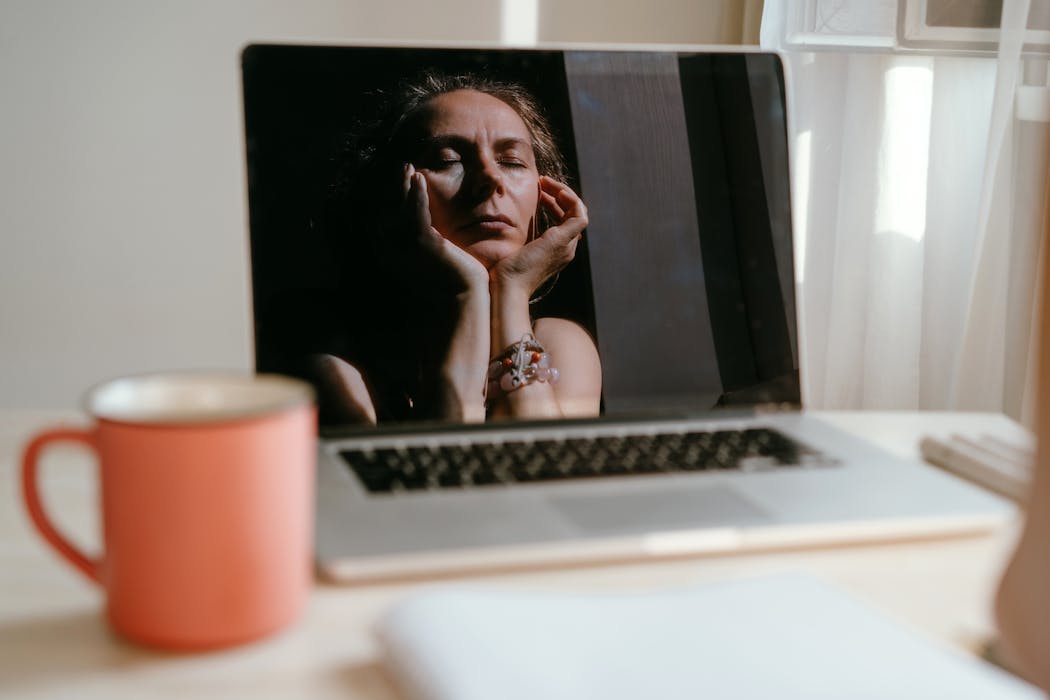
These conditions can have a profound and lasting effect on patients’ lives, including their ability to engage meaningfully and sustainably in the workforce.
I am a medical director and practicing psychiatrist. I work with graduate students, residents, faculty and staff on a health science campus, supporting their mental health – including when it intersects with challenges in the workplace.
I often meet with patients who feel unsure about how to approach conversations with their schools, programs or employers regarding their mental health, especially when it involves taking time off for care. This uncertainty can lead to delays in treatment, even when it’s truly needed.
For those with mental illness, the traditional expectation of maintaining a strict separation between personal and professional life is not only unrealistic, it may even be detrimental. The effect of mental illness on a person’s work varies depending on the type, severity and duration of their symptoms.
For instance, severe depression can affect basic self-care, making it difficult to complete tasks such as bathing, eating or even getting out of bed. Severe anxiety can also be profoundly debilitating and limit a person’s ability to leave the house due to intense fear or panic. The symptoms of such severe mental illness may make it difficult even to show up to work.
On the other hand, someone struggling with mild depression or anxiety may have a hard time initiating or completing tasks that they would typically manage with ease and find it difficult to interact with colleagues. Both depression and anxiety may affect sleep, which can contribute to cognitive lapses and increased fatigue during the work day.
Someone with PTSD may find that certain environments remind them of traumatic experiences, making it difficult to fully engage in their work. And a person experiencing a manic episode related to bipolar disorder might need to take time away from work entirely to focus on their stabilization and recovery.
For instance, it might encourage an employer to consider offering access to free or low-cost mental health care if it’s not already available, or to provide flexible scheduling that makes it easier for employees to get mental health treatment.
It’s also important to be aware of changes in your mental health. The earlier you can recognize signs of decline, the sooner you can get the support that you need, which might prevent symptoms from worsening.
On the other hand, sharing sensitive information with someone who is not equipped to respond appropriately could lead to unintended consequences, such as workplace gossip, unmet expectations and increased frustration due to perceived lack of support. However, even if your supervisor or manager is not understanding, that doesn’t change the fact that you have rights in the workplace.
In 2022, U.S. Surgeon General Vivek Murthy warned that American workplaces needed to change to better support employees’ well-being.
Consider exploring accommodations
The Americans with Disabilities Act provides critical protections for individuals with disabilities in the workplace. Under the act, it is unlawful for employers to discriminate against qualified individuals based on a disability.
The law also requires employers to provide reasonable accommodations so that people who qualify are able to participate fully in the workplace provided that they do not impose undue burden on the place of employment.
There are many reasonable accommodations for workers with mental illness. These can include protected time to attend mental health appointments and flexibility in work schedules and workplace.
For instance, if your job allows for it, working from home can be helpful. If your job requires being on site, a private work space is another reasonable accommodation. Someone with anxiety might find that working in a quiet, private space helps reduce distractions that trigger their symptoms, making it easier for them to stay focused and get things done.
Other possible accommodations include providing sick leave or flexible vacation time to use for mental health days or appointments, or allowing an employee to take breaks according to their individual needs rather than a fixed schedule. Employers can also provide support by offering equipment or technology such as white noise machines or dictation software.
Relying on individual employees to manage their mental health is not a sustainable long-term strategy for employers and may lead to significant workplace disruptions, such as more missed work days and lower productivity.
Studies show that when employers lead targeted initiatives promoting mental health, overall workplace functioning and resilience improve. These initiatives might include educating employees on mental health, providing accessible care, helping employees have better work-life balance and designing supportive workplace policies for those who are struggling. These steps help reduce stigma and signal to employees that it’s safe to seek support.
Julie Wolfe does not work for, consult, own shares in or receive funding from any company or organization that would benefit from this article, and has disclosed no relevant affiliations beyond their academic appointment.
Awaab Ishak, a two-year-old child, died in 2020 after prolonged exposure to mould in his social housing association home. The inquest into his death found that, despite repeated reports by his parents about the property’s uninhabitable conditions, their concerns were dismissed and the housing association failed to take sufficient action.
In response to his tragic death, new legislation known as Awaab’s law now requires social housing associations in the UK to urgently address “all damp and mould hazards that present a significant risk of harm to tenants”.
This is a positive step forward in tackling damp and mould in social housing rented accommodation, which significantly contributes to poor indoor air quality. It also recognises that building occupants cannot always take the necessary actions to improve air quality themselves.
Efforts to maintain good indoor air quality often focus on changing individual behaviour, such as opening windows, using extractor fans and running dehumidifiers or air cleaners. While these measures can help, they are not always affordable or effective on their own. Even when occupants know there is a serious indoor air quality issue, which can have many sources such as mould, heating systems and building materials, they may lack the capability to do anything about it. This was the case for Awaab and his family, as the social housing association refused to act.
Our 2025 research paper explores how people’s ability – or capability – to make changes that improve air quality varies depending on housing tenure (for example, private rental, social housing, owner-occupied). In this context, capability refers to the level of control someone has to alter conditions that affect indoor air, such as fixing damp, improving ventilation, or replacing pollutant-emitting materials.
The figure below, also from our paper, shows the link between housing tenure type and capability. The blue bar represents the proportion of the English population living in each tenure type. The red bar below it shows how much control people have over sources of poor indoor air quality, with the most control on the right and the least on the left. Each box within the red bar represents a different activity or source that impacts air quality indoors.
Only one-third of these activities are accessible to those who do not own their home. Even property owners are often unable to influence major factors, such as the materials their house is built from or the outdoor air quality in their area. The activities that offer the least control, such as upgrading insulation, replacing heating systems, or renovating walls and floors to remove pollutant-emitting materials, usually require significant resources such as money, time and space. This highlights how unreasonable it is to blame household air quality issues on lifestyle choices when so many factors are outside an occupant’s control.
Awaab’s law acknowledges that renters face barriers to preventing and fixing damp and mould. It requires social housing associations to respond promptly to all reports of damp and mould, and it explicitly states that it is unacceptable to assume that these problems are caused by a tenant’s lifestyle. Housing associations are also prohibited from using lifestyle as an excuse for inaction.
In the future, Awaab’s law will expand to cover other hazards that tenants cannot easily control, such as extreme temperatures, falls, explosions, fires and electrical risks. However, it does not yet address other causes of poor indoor air quality, including building and decorating materials, heating systems and cooking practices. These sources can emit pollutants such as volatile organic compounds (VOCs) – gases released from paints, varnishes, cleaning products and furniture – and particulate matter – tiny solid or liquid particles produced by activities such as cooking, heating and burning candles. Both can enter the lungs and bloodstream, contributing to breathing problems, allergies, heart disease and, over time, even cancer. These pollutants, then, can be just as harmful to health as damp and mould.
But, unlike mould, which can usually be identified by sight or smell, these pollutants often go unnoticed. A lack of understanding about these pollutants and their sources limits what occupants can do to improve air quality in their homes. So it is essential that people have access to clear information about potential pollutant sources, such as the products and furniture they buy. If this information is not readily available, the responsibility unfairly falls back on occupants once again.
Awaab’s law is an important recognition that tenants are not solely responsible for damp and mould in their homes. It will help protect some of the most vulnerable people living in uninhabitable conditions, yet it stops short of addressing other contributors to poor indoor air quality.
Understanding and tackling these wider issues would benefit everyone, regardless of housing tenure. These broader structural factors include the age and design of buildings, the quality of construction materials, housing regulations, and the social inequalities that limit tenants’ ability to make improvements. Until these underlying conditions are addressed, indoor air quality in the UK will not truly improve.
Amber Yeoman receives funding from UKRI and Defra.
Douglas Booker is the Co-Founder and CEO of NAQTS Ltd, a business that develops tools and technologies to provide holistic indoor air quality information. He receives funding from UKRI, NIHR, and EPSRC. He is affiliated with the Clean Air Champions team as part of SPF Clean Air Programme.
Faisal Farooq does not work for, consult, own shares in or receive funding from any company or organisation that would benefit from this article, and has disclosed no relevant affiliations beyond their academic appointment.
The UK’s rental market has changed dramatically over recent decades, with the proportion of renters doubling to 30% since 2000. Over the same period, housing costs have increased far faster than wages.
Historically, the rental sector has faced less regulation in the UK than in many other European countries. But now new legislation aims to improve the security of tenancies in England and strengthen tenant protections against environmental hazards.
Many elements of the renters’ rights bill are likely to improve the lives of renters without harming landlords. But some of the improvements for tenants will make being a landlord more difficult or even, for some, undesirable. So far, we feel that the proposed measures fall into three groups – the good, the not-so-good, and the complicated.
The good
A government report from 2023 estimated that 3.6% of private rented properties had serious levels of damp and mould. One section of the bill will extend “Awaab’s law” (named after two-year-old Awaab Ishak, who died as a result of living in a mould-infested home) to the private rental sector, offering protection to tenants in problem properties.
Also, a new private rental sector landlord ombudsman will be able to help tenants resolve disputes without slow and costly legal proceedings. The creation of a private rented sector database will improve transparency for tenant and compliance with pre-existing laws by landlords.
The not-so-good
The bill seeks to end the practice of “rental bidding”, where landlords can effectively maximise the rent they receive. Landlords and letting agents will not be allowed to accept more than the initial rent advertised.
In practice, many landlords may simply raise their initial asking rents so the new rule has little actual effect on the prices tenants face. Additionally, evidence from other markets, such as eBay, suggests that auction-style price setting has in many cases resulted in lower prices relative to simply posting a price.
As such, it is not clear this policy will have the intended effect. But the bill does also seek to regulate rent increases for incumbent tenants.
One of the most important parts of the bill is the abolition of “section 21 evictions” (so-called “no fault” evictions). Abolishing section 21 would leave landlords relying on what’s known as a “section 8 notice”, a written document used when a tenant has broken the rules of their rental agreement.
And while a section 8 does allow landlords to recover costs, it also requires a full court hearing. Yet evidence suggests that landlords are often willing to forego the prospect of reclaiming losses in order to get their property back quickly.
A key reason for this is the stretched court system and the length of time repossession can take (often as long as a year). The bill missed an opportunity to tackle costly court delays by creating a specialist housing court – something that could have been easily funded by a tiny levy on the UK’s annual £55 billion in rental income.
The complicated
Overall, the reforms are likely to increase the cost (and decrease the income) of being a landlord. This may push some landlords to leave the sector and change the composition of landlords active in the market. There is strong evidence of net market exit in the case of rent controls from other countries, including the US and Spain.
UK landlords have seen negative impacts on profits from several recent policies, including the phasing out of mortgage interest tax deductibility, stamp duty on second properties, and the 2019 Tenant Fees Act which banned letting fees in the private sector. Our own research on this found that landlords ended up paying about 25% of the fee previously covered by tenants.
Landlords quitting the sector is not necessarily a major concern, but how it affects the functioning of the market could be.
When landlords sell their properties, a key question is who buys them? Basic economics suggests that landlords exiting the sector reduces prices in the property market, making it possible for some renters to buy.
But the realities of the UK housing market mean things are not so simple. The large deposits required and limited access to mortgages and credit will still prevent many renters from being able to buy a home.
In any case, it would apply only to a small share of renters. If the reform increases the cost of becoming a landlord, it is likely that part of that increase will be passed over to tenants.
The UK letting market is dominated by “mom-and-pop” landlords (those with just a small number of properties), while other countries such as the US have seen a rise in institutional investors. It is possible that the bill could contribute to a similar rise in the UK, which could lead to higher rents as those big players are more able to exert market power.
The immediate effects of the bill may be modest. But a bigger concern lies ahead. Will lower house prices reduce construction activity and ultimately depress housing supply? This is certainly possible, but the government has other levers it can – and should – pull with regard to modernising the planning system and making construction cheaper. These measures could boost supply and improve affordability for both renters and buyers alike.
The authors do not work for, consult, own shares in or receive funding from any company or organisation that would benefit from this article, and have disclosed no relevant affiliations beyond their academic appointment.
Reform UK has positioned itself as the voice of discontent in British politics – a home for voters who feel both Labour and the Conservatives have lost touch with ordinary people.
Following elections in May, Reform is now a significant presence in local government with 921 councillors across England. The party pitched itself as an alternative to the traditional mainstream parties – we wanted to see whether this was actually the case on the local level.
We found Reform councillors to be less in favour of building in their local area and more interested in seeing government money spent on crime and policing than their colleagues from other parties.
This research is based on survey responses from councillors across the four largest parties — the Green party, Labour, Liberal Democrats and Conservatives — which we conducted as part of our report What Do British Politicians Think? A study into the views of MPs, councillors, and the public. The survey was carried out between January and February 2025 and we then conducted a follow-up survey of Reform UK councillors after the May local elections. This ran between August and September.
We rated the councillors’ responses to some questions on a 0-1 scale. When asked about immigration, for example, a rating of 0 suggests the councillor thought immigration too low, and 1 that they thought it too high. On this issue, Reform UK scored 1 – every councillor surveyed thought immigration had been too high.
Conservative councillors were not far off, with a score of 0.97. Labour and Liberal Democrats were roughly equal at 0.6 and 0.59 respectively, leaning towards too high, whereas Green councillors were slightly more likely to say immigration had been too low, with a placement of 0.44. This reflects one of the key dividing lines in British politics today, but also suggests that the more pro-immigration messages pushed by Labour and the Liberal Democrats nationally may not be overly popular among their councillor bases.
Where councillors from different parties sit on various issues. D Jeffery, CC BY-ND
Labour councillors (perhaps reflecting the stated preferences of the party in government) were more in favour of ramping up building works than other parties. Tory and Reform councillors were more likely to oppose investment in large infrastructure projects in the UK if that also meant government borrowing had to increase significantly in order to fund them. Reform councillors were the most strongly opposed to a large increase in new housing in their area. The Conservatives and Greens were also more likely to be opposed while Lib Dems were somewhere in the middle. Labour councillors were, again, most in favour.
NHS, tax and spend, crime and policing
We found that 96% of Reform councillors think concerns over climate change have been exaggerated, compared to no Green councillors believing this (and just 3% of Liberal Democrat and Labour councillors). On whether the courts are too harsh, Reform councillors were most likely to say not harsh enough, followed by the Conservatives. The Greens are the least likely to say they are too harsh, whereas Labour and the Liberal Democrats are more toward the centre. On the issue of NHS provision, only the Conservative councillors leant towards privatisation. Reform followed behind but privatisation was still a minority view. The other parties all skewed towards maintaining public provision.
On tax and spend, the parties cluster more clearly – the Greens, Labour and Liberal Democrats want more tax and spending whereas the Conservatives and Reform both want a smaller state.
Asked in which areas the government should spend more money, the Conservatives and Reform councillors both selected the same top three areas (although not in the same order) – crime and policing, defence and education. Labour and the Liberal Democrats also chose the same three areas (again, not in the same order) – the NHS, local government and education. Green councillors chose the environment as the area most deserving of extra spending, followed by the NHS and with local government and education neck-and-neck.
Our polling suggests that a clear divide exists in local government along overlapping economic and cultural lines. Reform councillors typically take the most rightwing positions (except on the NHS), followed by the Conservatives, including on the tax and spend question. There is often little difference between Labour and the Liberal Democrats on the centre left/left, and then the Greens take the most leftwing position.
The one area where this does not hold up, however, is building. Here, the Greens become somewhat aligned with Reform and the Conservatives in their more sceptical views, whereas Labour and the Lib Dems are more in favour – reflecting tensions between environmental priorities, local preferences and economic growth.
The research presented in this report was made possible by funding from a British Academy/Leverhulme Small Research Grant (SRG24240513).
For more than 60 million years, venomous snakes have slithered across Earth.
These ancient, chemical weapon-wielding reptiles owe their evolutionary success in part to the effectiveness of their bite, which they deliver at an astonishing speed before their prey can escape.
Now, a study I coauthored reveals, in astonishing detail, exactly how these bites work. Published today in the Journal of Experimental Biology, it is the largest study of its kind to-date, and uses advanced video techniques to show how various snake species have evolved very different strategies to deliver their deadly bites.
Thousands of snakes on Earth
There are approximately 4,000 species of snake on Earth – about 600 of which are venomous.
Scientists started visually recording the strikes of these snakes to better understand them in the 1950s, when high-speed photography and cinematography were first developed.
Since then, these technologies have improved dramatically, allowing scientists to capture and study the action of venomous snake bites in much greater detail. For example, past research has shown there are clear differences between strikes to capture prey, versus those used for defence.
But most recent studies that have examined snake bites have been limited by a number of factors.
Firstly, they have captured the bites using only one camera. This means we only get a side-on view, whereas the snakes can slither in all directions. Secondly, the recordings have been of a relatively low resolution – in large part because they were made in the field with low lighting conditions. Thirdly, they have often focused on a single snake species or a limited number of species. This means we miss out on seeing how many other species may behave differently, or strike faster.
Experimental setup for snake strikes. Silke Cleuren
Welcome to Venomworld
For our new study, my colleagues and I studied the bites of 36 different species of venomous snakes. These species were from the three main families of venomous snakes: vipers, elapids and colubrids. They included western diamondback rattlesnakes (Crotalus atrox), blunt-nosed vipers (Macrovipera lebetinus) and the rough-scaled death adder (Acanthophis rugosus).
All the snakes we studied were housed at an institution in Paris, France, called Venomworld. There, we built a small experimental arena consisting of plexiglass panels lined with a cardboard floor, in which we placed the individual snakes.
We presented the snakes with a simulated food source – a cylindrical hunk of medical gel, heated to 38 degrees so it resembled prey for those that can detect heat.
Two high-speed cameras, placed nearby at different angles, automatically captured the snakes striking the gel at 1,000 frames per second.
Using the footage from these two different views, we recreated the strike in 3D to investigate, in detail, its various components such as its duration, acceleration, angle, and how fast the snake’s jaw opened.
In total, we captured 108 videos of successful strikes – three for each of the species included in the study.
Striking and slashing
There were major differences between the strikes of the snakes we studied.
Vipers struck the fastest, moving at speeds of more than 4.5 metres per second before sinking their needle-like fangs into the fake prey. Sometimes they would quickly remove and reinsert their fangs at a better angle. Only when the fangs were comfortably in place did the snakes shut their jaws and inject venom.
Some 84% of the vipers included in the study reached their prey in less than 90 milliseconds. This is faster than the average response time for a startled mammal – the preferred prey of many vipers in the wild.
On the other hand, elapid snakes, such as the Cape coral cobra (Aspidelaps lubricus), crept towards the fake prey before lunging and biting it repeatedly. Their jaw muscles would tense, releasing venom.
Colubrid snakes, such as the mangrove snake (Boiga dendrophila), which have fangs farther back in their mouths, lunged towards the prey from further away. With their jaws clamped over it, they’d make a sweeping motion from side to side. In doing so, they tore a gash in the gel to inject the maximum amount of venom.
Our previous research highlighted how the shape of snakes’ fangs is closely tied to prey preference. We can now show how they use these deadly weapons in the blink of an eye – and why they have been able to survive for so long on Earth.
Alistair Evans receives funding from the Australian Research Council and Monash University, and is an Honorary Research Affiliate with Museums Victoria.
Between the end of a summer that had been going on too long and the beginning of a too-warm autumn that would crank up my climate change anxiety to ten, I joined a tai chi class.
I had noticed a sign when I was out walking. Immediately, I went online, paid some money and put my name down for the first available session. Looking back, I wonder why I thought this evening class, held in a suburban community centre, might soothe the assorted anxieties I was carrying. Signing up was an impulsive act, prompted by some deep, yet inarticulate knowing that the way I was feeling would not be eased by words; something different was needed, something physical.
I’d had two big bereavements: first my mother, then a beloved aunt. They had been the two most important women in my life, and suddenly they were gone. Meanwhile, I was under ongoing surveillance following surgery for cancer, caught in that uneasy post-treatment period that tests one’s nerve – because there is nothing to be done but wait.
Carol Lefevre. Affirm Press
At certain moments, usually in the middle of the night, a niggling voice would whisper that the cancer might be gone but it could return, that even as I lay there in the dark trying to sleep, some small, festering body part might be plotting treason. Sometimes the voice was that of the naturopath I’d consulted, who’d warned since my body had made a cancer, I needed to avoid the conditions that had allowed that to happen. Which, of course, I would – if only I knew what they may have been.
It was a time when at least once a day I would find myself on the verge of crying; sometimes, inconveniently, the tears broke through. It could happen anywhere – when I was out walking, or in the supermarket; sometimes it happened when I was driving, and I’d have to pull over until I was able to quieten my thoughts enough to drive on.
Inconvenient weeping
I’d almost progressed to feeling tearful about being tearful, when I came across the first of Deborah Levy’s trilogy of autobiographical writings, Things I Don’t Want to Know. In it, Levy documents her bouts of inconvenient weeping. It was riding on escalators at train stations that set off Levy’s tears, especially the upward escalator. She writes: “By the time I got to the top and felt the wind rushing in, it took all my effort to stop myself from sobbing.”
I recognised that effortful feeling of trying to control the sobs. Like Levy, I also knew something had to change. Her solution had been to book a flight to Palma, Majorca, where she was met at the airport by a taxi driver with white clouds floating in both his eyes. On arrival, Levy had bought Spanish cigarettes with the intention of taking up smoking again and when the driver abandoned her on the road to her hotel, she sat on a rock and lit the first cigarette.
It was also somewhat comforting to read, in Joan Didion’s essay Goodbye to All That, how as a young woman in New York, she had found herself crying in elevators and taxis and Chinese laundries. There were certain parts of the city she had to avoid, including Times Square in the afternoons, or the New York Public Library at any time, for any reason.
Her solution was to get married. But I was sorry to learn her crying continued even after her marriage to fellow writer John Gregory Dunne. Didion cried, she writes, “until I was not even aware when I was crying and when I was not”. It was a year in which, she tells us, she understood the meaning of the word “despair”. A doctor expressed the opinion she appeared to be depressed. He wrote down the name and number of a psychiatrist for her, but Didion did not go.
A friend had given me the name of a psychologist who she said had helped her, but I had given up on psychology. Or at least, the psychologists I had consulted when things had been going badly in the past had left me poorer without improving matters.
Now, everything was conspiring to cast me low, including that ever since the cancer surgery, my hair had been shedding – hair I had patiently nurtured through the transition from chemical dyes to natural health, hair I had joyously grown halfway down my back for the first time since childhood. My hair was everywhere in the house and in the car; it even migrated into our food. I knew I had been fortunate to have avoided chemotherapy, with its side serve of hair loss, but now it appeared I was to lose it anyway, albeit more slowly.
I read that both surgery and stress can contribute to thinning hair, and concluded although I had been anaesthetised when surgeons re-sectioned my colon, my body had been present and remained deeply shocked.
In signing up for the tai chi class, I was throwing myself upon the mercy of the universe.
A kind of poetry
The only time I had ever actually seen tai chi involved one of those surreal moments that occasionally occur in life. About five years earlier, I had been driving along the southern terrace that borders Adelaide’s parklands and the car radio was playing a piece of classical music by a Japanese composer.
The sound was spare and melancholy, and when I glanced across to the park I saw a tai chi class in progress. That was not in itself unusual – people use the parklands all the time for various fitness activities. What made time swerve to a halt was that the slow movements of the tai chi people were perfectly in time with the music coming out of my radio.
I had stopped the car to watch. The group practising tai chi couldn’t hear the music, of course, but the synchronicity of movement and sound produced a kind of poetry. Perhaps, then, when I saw the sign advertising “tai chi for health and wellbeing” outside my local community centre, it was this memory of the unexpected beauty I’d witnessed that had nudged me over the hump of my inertia to join.
Tai chi is a form of mind-body exercise that originated in China. Its history is somewhat shadowy, with contributions attributed to various monks and masters reaching back as far as the 12th century, and possibly beyond. In T’ai Chi Ch’uan and I Ching: a choreography of body and mind, Da Liu, a tai chi master, credits the most complete foundations of tai chi to a famous Taoist, Chang San-feng, an ardent follower of Confucius who was known as “The Immortal”.
Da Liu writes that Chang San-feng famously observed a fight between a crane and a snake, and from the way the two animals moved he realised “the value of yielding in the face of strength”. He studied the behaviour of wild animals, clouds, water and trees moving in the wind and “codified these natural movements into a system of exercise”. Da Liu concedes: “We owe the present forms of T’ai Chi to numerous masters […] over many centuries.”
Tai chi has been influenced by Confucian thought, and by traditional Chinese medicine, but its roots lie deep in the ancient Chinese philosophy of Taoism, which emphasises the natural balance in all things. In Taoist thinking, everything is composed of two opposite but complementary elements: yin and yang. The Chinese philosopher Lao Tzu wrote eloquently of the principles of yin and yang in his famous work the Tao Te Ching.
In tai chi, the polarities of yin and yang are expressed through the form’s shifts of weight and balance, through hardness yielding to softness, tension releasing to relaxation, and moving the body in ways that expand and contract. Gentler and more meditative than the Chinese martial arts it evolved from, its slow, dance-like postures flow into one another, combining concentration, physical balance, stretching and relaxation, with natural, peaceful breathing.
Chang San-feng codified the natural movements of wild animals, clouds, water and trees moving in the wind into a system of exercise, in the 12th century. Gisling/Wikipedia, CC BY
There are different schools of tai chi. Chen, Yang, Wu and Sun styles are named after the Chinese families who developed them, and the skills are passed orally through the generations.
The form I was learning had been developed by a Taoist monk, Master Moy Lin Shin. The tai chi he brought to the West is a modified version of Yang style’s 108-move set. Its elements are borrowed from the Chinese internal arts of XingYi (a bare-handed fighting form), Bagua (a complex system of eight trigrams, which in tai chi relate to movement and body parts), and Liuhebafa, or “water boxing”, a form characterised by its flowing, fluid movements.
Taoist tai chi has been criticised for these modifications, which are sometimes seen as a dilution of classical tai chi. Criticism focuses on the fact Master Moy removed the “fighting” aspects from his form in favour of emphasising its health benefits. His decision was most likely influenced by the health difficulties of his own early years, as well as by the needs of the people he trained after he emigrated to Canada.
Lou Reed, legendary musician, songwriter and founding member of rock band the Velvet Underground, credits tai chi with saving him after years of self-destructive substance abuse. Reed began a martial arts practice in the 1980s; he came to love the fighting aspect of Chen style, but he was also in awe of tai chi’s power to heal. In a letter published by The New York Times in 2010, Reed wrote:
I wish I could convince you to change your life and save your body and soul. I know it sounds too good. But truly: Tai Chi – why not?“
A lesson in humility
My first class was a lesson in humility. Never a sporty type, never even an adequate dancer, awkward hardly does justice to the feeling of finding myself in the centre of a group of people who, at the instructor’s command, began a series of complex moves they seemed to know by heart. Later, I would learn ushering beginners into the middle is a kindness; it means when they turn, there is someone they can follow.
At the halfway point of that first class, Chinese pu’erh tea was served in tiny porcelain cups. Brewed from the leaves of a variety of tea plant native to Yunnan Province, pu’erh tea goes through a complex fermentation process and is reputed to have many health benefits. After the tea break, it was back to the centre of the floor for more repetitions of the move we’d been working on.
That night, we were practising move 18: Carry Tiger to Mountain. It evolves out of move 17, Cross Hands, which even I could manage. The body turns with the arms bent as if cradling a heavy bundle. Yes, I thought, this sorrow and anxiety I’d been holding was my tiger; a creature burning bright with memories that had become too painful, a body darkly striped with grief.
It felt as wild and dangerous in its way as a real live tiger, but if I could only master the correct way to carry it to the mountain, perhaps I would be able to leave it there and move on.
Tai chi requires complete focus, making it almost impossible to think about anything else. So when I came across American beat poet Alan Ginsberg’s poem about tai chi, it struck me as a somewhat inaccurate portrayal of what happens during tai chi practice. Ginsberg is in his kitchen in New York, the only place in his apartment with enough space to do tai chi, but his moves are interspersed with domestic concerns:
the Crane spreads its wings have I paid the electric bill?
White Crane Spreads its Wings is one of tai chi’s most subtly exhilarating moves. It involves a simultaneous rising and turning, a spine-expanding stretch that, for me, somehow generates a feeling of hope. What it doesn’t do is allow any room for thoughts of “the electric bill”. What was Ginsberg up to, I wonder, as his white crane spread its wings in his kitchen? I can only conclude his electricity bill was a pressing matter in his life at that particular moment.
Studies have shown tai chi can modulate the regions and networks in the brain associated with depression, with mood regulation and processing emotions, and with stress and distress.
A focus on life force
Of the Chinese martial arts, tai chi belongs to the internal arts known collectively as neijia. The focus is on mental, spiritual and “qi” (chi) – or life-force – aspects, rather than the physiological nature of the external martial arts.
The Eight Methods are qi, bone, shape, follow, rise, return, retain, conceal. At this early stage of my study of tai chi, they remain a mystery. But the principles of the Six Harmonies are evident in a muted way in the class teachings, where emphasis is placed on movement with intent, and on developing an awareness of what one is feeling during the moves – internally as well as externally.
For those of us who lose touch with what our bodies are doing and feeling, neglecting to pay attention until they threaten our wellbeing, or even our lives, this fusing of mind and body, spirit and movement, intent and qi, feels like an important survival skill.
For example, every year almost 7,000 women in Australia are diagnosed with a gynaecological cancer. These cancers are characterised by low survival rates and are notoriously difficult to detect. Something like ovarian cancer can show up in many different ways and spread quite widely before being correctly diagnosed.
Increased awareness of our bodies could help us bring the information to our doctors that might assist in earlier diagnoses and better outcomes for these and many other conditions.
In 2020, tai chi was added to UNESCO’s Intangible Cultural Heritage list. There have been claims for the practice’s beneficial effects on people living with Parkinson’s disease and multiple sclerosis: conditions that come with a debilitating loss of coordination and balance.
One year-long study of women with MS, carried out between 2019 and 2020, showed measurable improvements in the areas of their balance, gait, mood, cognition – and also in their quality of life.
Tai chi brings increased awareness of our bodies – which could help us bring important information to our doctors. Khan Do/Unsplash
Cancer as betrayal
My experience of cancer has been that it feels like a betrayal. For decades, my body has carried me through every kind of weather, both actual and emotional. It has reliably bounced back from every health breakdown. No words can adequately describe the sense of loss engendered by a cancer diagnosis, even one that is not yet deemed terminal.
I was fortunate to be diagnosed early, but I was still blindsided by my body’s deceitfulness, its silent treachery; even after surgery, it was a shock to realise the bounce-back appeared provisional. Was this payback for all the times I’d wished for a different physiology – longer legs, straighter hair, slimmer hips? Or for the times I’d just plain hated the way I looked, hated my own clumsiness in the world so much I’d mistreated my closest ally?
Tai chi asks us to turn our awareness to the body with gentleness and precision; to become better at hearing what it has to say. I have felt let down, so when tai chi’s difficult “separations” sequence requires the whole of my weight to be supported by one ankle, one foot, five toes, I ask my body: Will you hold me? Will you keep me from falling? Can I count on you effortlessly as I once did, as a child, as a young woman?
And each time I do not wobble, or have to save myself from falling, it feels like a baby step in a gradual rebuilding of trust, perhaps even of finding forgiveness for the betrayal, a re-bonding with the self at a profound level.
The Taoist Tai Chi logo is the circular yin and yang symbol, with the light and dark sections reversed. It is said to symbolise tai chi’s ability to reverse bad habits and the ageing process, and thus to promote good health. During practice, I hope to reverse the conditions, whatever they may have been, that prompted my body to turn against itself.
But I understand it is a gradual process, as slow and continuous as the movement and pace of tai chi itself, sometimes compared to pulling a silk thread from a cocoon. Pull it too quickly and it breaks; pull it too slowly and it won’t unwind. Slow and gentle doesn’t equate to “weak” or “ineffectual”. Fundamental to tai chi is the concept of “effortless effort”, in which relaxation enables the important inner work to take place.
In tai chi, relaxation helps important inner work to take place. Monica Leonardi/Unsplash
Less inclined to tears
For me, two months into the practice, my emotions felt more under control; I was less inclined to tears. Week by week, I was discovering that grief and loss are not only held in the heart and mind, but also in the body; muscles and tendons, all the complex systems of nerves and blood and lymph that circulate our distress, are open to being soothed by the language of movement.
As winter set in, I began taking extra classes, going two or three times a week. Pitching up at draughty memorial halls in outlying townships where huge stages were framed by crimson curtains, and where in one case, rows of two-bar electric heaters high up on the walls appeared to be the only heating.
Physically, I found the constant shifting of weight, the expansion and contraction of parts of the body, the striving for a sense of flow, the need to focus, all generated a tangible feeling of wellbeing – though I still felt like an awkward beginner.
In Taoist Tai Chi’s 108-move “set”, some moves – like White Crane Spreads Wings, and Hands Like Clouds – occur multiple times. Learning involves sharpening one’s observational skills, as each move is demonstrated three times by the instructor.
Another subtle aspect of the art is being helped by following those around you who are more skilled, and by their patience in “treading water” for a time while beginners settle in. In this way, tai chi becomes both an individual and a communal endeavour: expressing, through effortless effort, the Taoist ideal of service to others.
To practise the set outside class, the moves must be memorised. It requires patience, persistence and possibly years-long commitment, but studies show the benefits are well worth the effort, especially as we age. Even a tai chi practice of only 24 weeks has demonstrated improved cognitive function in older adults with mild cognitive impairment.
‘I don’t want to seem mystical …’
Lou Reed’s book The Art of the Straight Line: My Tai Chi, edited by his wife, artist Laurie Anderson, was published after Reed’s death. It contains his writings on tai chi and conversations with fellow musicians, artists and tai chi practitioners.
“I have often thought of tai chi as some kind of physical unity to the universe itself, some strange ancient methodology that could link us to the basic energy wave of existence,” he writes. “I don’t want to seem mystical, but something does happen to you when you practice this ancient art.”
Lou Reed credits tai chi with saving him.
Reed became a devotee of Master Ren Guangyi, practising Chen style tai chi for up to two hours a day, and for six or seven days a week. He took Ren on a world tour with him, eventually putting him on stage to do a tai chi set while improvising music to complement the form. The two performed together and engaged in tai chi with the public at Sydney’s 2010 Vivid Festival, which was curated by Reed and Anderson.
In The Art of the Straight Line, in a transcribed conversation between Laurie Anderson and Yongey Mingyur Rinpoche (with whom Reed had studied meditation), Anderson movingly recounts how
as Lou died, he was completely conscious. And he was doing Cloud Hands, a tai chi movement, while he died.
Reed had had cancer of the liver and hepatitis, and had undergone a liver transplant six months earlier.
In Things I Do Not Want to Know, Deborah Levy concludes it was the past, specifically her childhood in Africa, that had returned to her when she was sobbing on escalators. After weighing things up in Majorca, she settles down to write. In Goodbye to All That, Joan Didion leaves New York and returns to California. After a time, the moon over the Pacific Ocean and the pervasive scent of jasmine make her tears in New York seem “a long time ago”.
Even so, after the death of her mother, Didion wrote: “There is no real way to deal with everything we lose.” For a long time I had shared that view, but now, as I progressed with tai chi, I was beginning to think there might be ways.
For me, grief for the past has been as much a factor in my tears as my anxiety about the future. Helplessly poised between the two, I found in tai chi a way to manage this position – not by looking back, nor forward, but expanding and contracting into the present moment, shutting out the world’s noise and finding peace within myself through movement and mindfulness. If this sounds too mystical, I can only agree with Lou Reed: “Something does happen to you when you practice this ancient art.”
What is the “something” that happens? It’s difficult to define, and I suspect you feel it almost immediately if you’re going to feel it at all. I’ve noticed that people who’ve never done tai chi come to a first class and they either never return or, like me, embrace it with the zeal of missionaries. In searching for a way to explain the “something”, I can’t find a better place to start than the opening move.
‘I’m confident it’s happening’
The opening to tai chi appears the simplest of movements. The hands, from hanging at the sides with the palms open, rise in front of the body and then slowly float down. It’s the motion one uses when flinging a sheet over a mattress to make a bed, but so much slower. With the upward lifting of the hands, the body contracts; as the hands descend, the body expands and rises.
It is surprising how soothing this motion can be, how almost at once the mind and body calm. The upward lift is driven by pushing up from the floor, with the hands rising as if on puppet strings, but the downward drift comes from dropping the elbows. They are such subtle adjustments, yet the body responds with a palpable quietening.
There is a sense of return in this move, even though it is a beginning. It’s the feeling I get at the end of a long walk when I open the gate from the street and step into our garden. Or when I close the front door behind me and breathe in: home.
In The Art of the Straight Line, Anderson writes that after more than 25 years of practising tai chi, Lou Reed “could actually feel chi. He could pinpoint it, describe it, and trace the way it moved through his body”. She describes how Reed would demonstrate chi by passing one hand over the other.
When I felt that for the first time, I was electrified. I was holding a ball of unbelievably powerful energy and realizing that it could move through me and that this is also what I was made of.
I have not felt the chi moving through me, but it is early days yet. Eight months in, I remember to straighten my spine as I go about my day; I am calmer and have better balance. While I can’t actually see the new neural pathways forming in my brain, I’m confident it is happening.
I continue each week to carry my tiger to the mountain. In the kitchen, while I wait for the kettle or the oven, my white crane spreads its wings. At night, visualising the first 17 moves sends me to sleep. When I practice the difficult cloud hands, I am reminded of Lou Reed: the way he brought his art and his capacity for devotion to tai chi, and was rewarded.
I approach each class with beginner’s mind, and am hopeful of one day experiencing chi’s electrifying energy.
Carol Lefevre does not work for, consult, own shares in or receive funding from any company or organisation that would benefit from this article, and has disclosed no relevant affiliations beyond their academic appointment.
Three frogs, a shark, a unicorn and a Tyrannosaurus rex dance in front of a line of heavily armoured police in riot gear.
Over the past few weeks, activists taking part in protests against Immigration and Customs Enforcement (ICE) across the United States have donned inflatable animal costumes. The aim is to disrupt the Trump administration’s claim that the protests are violent “hate America” rallies.
The result is a sight to behold, with many encounters between police abd protestors going viral.
Whether they know it or not, these costumed activists are contributing to a rich history of using humour and dress to mobilise against and challenge power.
The ICE crackdowns
Since its creation in 2003, ICE has enforced immigration laws on the ground, arresting, detaining and deporting undocumented immigrants convicted of criminal activity.
During Donald Trump’s first term as president (2017–2021), the agency expanded its operations to target and deport many people with no criminal record.
This expansion sparked the June 2018 Occupy ICE protests, inspired by the broader global Occupy movement challenging corporate power and economic inequality.
The first major Occupy ICE action in 2018 occurred in Portland – a city known for its creativity and dissent. It grew from a rally organised by the Direct Action Alliance into what federal officials called a “very, very peaceful” encampment with kitchen tents, kids’ spaces and media hubs.
The protesters forced the temporary closure of the facility for about eight days, before federal officers cleared the site and erected a fence around its perimeter.
Following Trump’s re-election this year, ICE operations have intensified again, with the repealing of policies that prevented enforcement operations in sensitive areas such as schools and hospitals. Protests have followed.
In Portland, tensions escalated again this September, when Trump described the city as “burning to the ground” and “overrun with domestic terrorists,” announcing his plans to deploy the National Guard.
A federal judge has so far blocked Trump from doing so, saying the protests don’t meet the requirements for rebellion. He will likely keep trying.
Operation inflation
Protesters in Portland and across the US have long used humour and costume in their demonstrations. In October, a TikTok video showing an ICE agent spraying pepper spray into the air vent of an activist’s inflatable frog costume amassed more than two million views.
The clip exposes the absurd levels of police force against peaceful demonstrators. The protester, Seth Todd, said his intention was to contradict the “violent extremists” narrative, and “make the president and the feds look dumb”.
The Portland frog has quickly became emblematic of resistance, appearing on shirts, signs and street art, including parodies of artist Shepard Fairey’s iconic OBEY design – the authoritarian face replaced by a cartoon amphibian surrounded by the words DON’T OBEY.
And the frog costume has spawned imitators, with creatures multiplying in protests across the country, including at the recent No Kings rallies. One group of activists launched Operation Inflation, a website that crowdfunds inflatable suits for protesters, aiming to make resistance more visible, playful and safe.
Strategic silliness
One example that echoes Portland’s blow-up menagerie is London’s Clandestine Insurgent Rebel Clown Army (CIRCA). Members of CIRCA dressed as clowns during anti-war protests in the early 2000s. They played tag around police lines, hugged officers, and marched in absurd choreography.
As scholar Eve Kalyva notes, such actions employ “strategic frivolity”: silliness or absurdity in a way that disrupts the scripts between police and protester. By appearing playful rather than menacing, costumed activists directly counter narratives that paint them as violent threats.
The Portland frog and its friends work with the same strategies of silliness. Their dancing and cartoon-like actions make it impossible to frame them as thugs. Their soft forms bounce in contrast to the hard utility of riot gear.
From suffragette sashes to handmaids
Beyond frivolity, activists throughout history have also used dress and costume to more serious effect. In Britain in the early 20th century, suffragettes wore coordinated purple, white and green sashes to project unity in the fight for women’s voting rights.
In the US, dress and costume have played important roles in successive movements for African American liberation. During the 50s and 60s Civil Rights Movements, many marched in their best suits and dresses to assert their dignity against dehumanising racism.
The Black Panther Party had an unofficial uniform of sunglasses, berets and black leather jackets, embodying a more defiant style.
More recently, demonstrators in the US, Northern Ireland and Argentina have donned the red cloaks and white bonnets of The Handmaid’s Tale to protest abortion bans.
Similarly, The Extinction Rebellion–affiliated group Red Rebel Brigade stages actions in flowing red robes to mourn environmental loss.
And the wearing of the fishnet-patterned keffiyeh has now become a global symbol of Palestinian support.
Naked solidarity
On October 12, Portland’s anti-ICE demonstrators – many in their inflatable suits — were joined by thousands of naked cyclists in the Emergency World Naked Bike Ride. As costume designer and historian Camille Benda writes in Dressing The Resistance: The Visual Language of Protest (2021), nakedness in protest lays bare the body’s vulnerability to state violence.
In Portland, the mix of bare skin and soft blow-up animals heightens both the absurdity and tenderness of the scene. These protesters offer new avenues for direct action at a time when many people’s rights and freedoms are at stake.
At the time of writing, ICE was reported to have increased its weapons budget by 700% from last year.
Whether Trump will ultimately deploy the National Guard remains unclear. But across the US, the frogs (and their friends) keep multiplying. Their placards declaring “frogs together strong” remind us of the strength to be forged in unity and laughter.
Blake Lawrence does not work for, consult, own shares in or receive funding from any company or organisation that would benefit from this article, and has disclosed no relevant affiliations beyond their academic appointment.
Taylor Swift’s latest studio album, The Life of a Showgirl, has just enjoyed a second week on top of the Billboard charts, after smashing all-time sales records on its debut.
Swift once again topping charts with her latest album probably comes as little surprise. What has turned heads is the way she did it. In just one week, she released 34 versions of the same album.
This was more than clever marketing. It was economics in action. Swift’s release is a masterclass in pop economics, showing how artists turn attention, scarcity and emotion into revenue – on a record-breaking scale.
Taylor’s version(ing)
The Life of a Showgirl was released in dozens of formats, with physical and digital editions tailored to different levels of commitment.
In total, over the first week, there were 27 physical editions (18 CDs, eight vinyl LPs and one cassette) and seven digital download variants.
A range of covers, coloured vinyl, bonus tracks and signed inserts turned one album into a collectable series rather than a single product. Other artists – such as the Rolling Stones – have used this strategy before, but rarely at this scale or with such an intense response from fans.
Economists call this versioning: offering multiple versions of the same product so customers reveal how much they are willing to pay.
For many casual listeners, one version is enough. But for devoted Swifties, collecting extra editions can feel irresistible.
By tempting these superfans to buy special editions, often at a premium price, Swift captures consumer surplus – the gap between what a fan is willing to pay and what they actually pay.
Instead of leaving that money on the table, the strategy turns passion into profit. The cost of creating extra covers or vinyl colours is small, but the willingness of fans to pay more for them is high. That is exactly where versioning pays off.
The psychology of spending like a Swiftie
Swift’s strategy is not just about pricing. It relies on how people actually make decisions, with emotion, status concerns and social pressure, rather than as perfectly rational consumers in economic theory.
One of the strongest ideas in behavioural economics is loss aversion. People feel the pain of losing something more than the pleasure of gaining it. Swift’s release uses this to full effect.
For many fans, the thought of missing out on having a particular version forever feels worse than the cost of paying for it now.
Scarcity strengthens the pull. When items are available only briefly or in fixed quantities, they become positional goods, valued not only for what they are, but because others might not be able to get them.
Research shows that when something is scarce and uncertain, people act faster and spend more.
When one vinyl beats thousands of streams
These emotional decisions translate into commercial results. In major music markets, every physical purchase counts towards the charts, no matter the format. If one fan buys four editions, that counts as four sales. When thousands do the same, first-week numbers soar.
This strategy makes even more sense in the streaming era, where listening contributes far less to chart rankings than physical sales. On the US Billboard 200 chart, it takes about 1,250 paid streams or 3,750 ad-supported streams to equal one album sale.
Physical sales are once again a major source of revenue for the music industry. In the United States in 2024, physical formats generated around US$2 billion (about A$3 billion), up 5% from the previous year.
Vinyl sales rose for the 18th straight year and made up almost three-quarters of all physical music revenue.
Where the strategy meets its limits
Versioning works, but it has limits. Even the most devoted fans reach a point where excitement fades and cost starts to matter.
Economists call this diminishing marginal utility. The first version of an album brings a lot of satisfaction. The fifth or sixth brings less. Eventually, another version does not add enough enjoyment to justify the price. Fans begin to feel they have had enough.
Some fans are already asking how many versions are too many. That reaction matters. Trust and goodwill function like capital. They take time to build, but they can also be spent. If fans begin to feel taken for granted, loyalty becomes harder to maintain and even harder to win back.
The Life of a Showgirl was a lesson in the monetisation of fan devotion. But every show has a final act. If fans start to feel like customers rather than part of the performance, the applause can fade quickly.
Paul Crosby does not work for, consult, own shares in or receive funding from any company or organisation that would benefit from this article, and has disclosed no relevant affiliations beyond their academic appointment.
By examining decades of research, we found that for most people who think they react to gluten, gluten itself is rarely the cause.
Symptoms but not coeliac
Coeliac disease is when the body’s immune system attacks itself when someone eats gluten, leading to inflammation and damage to the gut.
But people with gut or other symptoms after eating foods containing gluten can test negative for coeliac disease or wheat allergy. They are said to have non-coeliac gluten sensitivity.
We wanted to understand whether gluten itself, or other factors, truly cause their symptoms.
What we did and what we found
Our study combined more than 58 studies covering symptom changes and possible ways they could arise. These included studying the immune system, gut barrier, microbes in the gut, and psychological explanations.
Across studies, gluten-specific reactions were uncommon and, when they occurred, changes in symptoms were usually small. Many participants who believed they were “gluten sensitive” reacted equally – or more strongly – to a placebo.
One landmark trial looked at the role of fermentable carbohydrates (known as FODMAPs) in people who said they were sensitive to gluten (but didn’t have coeliac disease). When people ate a low-FODMAP diet – avoiding foods such as certain fruits, vegetables, legumes and cereals – their symptoms improved, even when gluten was reintroduced.
Another showed fructans – a type of FODMAP in wheat, onion, garlic and other foods – caused more bloating and discomfort than gluten itself.
This suggests most people who feel unwell after eating gluten are sensitive to something else. This could be FODMAPs such as fructans, or other wheat proteins. Another explanation could be that symptoms reflect a disorder in how the gut interacts with the brain, similar to irritable bowel syndrome.
Some people may be truly sensitive to gluten. However, current evidence suggests this is uncommon.
People expected symptoms
A consistent finding is how expecting to have symptoms profoundly shapes people’s symptoms.
Some who expected gluten to make them unwell developed identical discomfort when exposed to a placebo.
This nocebo effect – the negative counterpart of placebo – shows that belief and prior experience influence how the brain processes signals from the gut.
Brain-imaging research supports this, showing that expectation and emotion activate brain regions involved in pain and how we perceive threats. This can heighten sensitivity to normal gut sensations.
These are real physiological responses. What the evidence is telling us is that focusing attention on the gut, coupled with anxiety about symptoms or repeated negative experiences with food, has real effects. This can
sensitise how the gut interacts with the brain (known as the gut–brain axis) so normal digestive sensations are felt as pain or urgency.
Recognising this psychological contribution doesn’t mean symptoms are imagined. When the brain predicts a meal may cause harm, gut sensory pathways amplify every cramp or sensation of discomfort, creating genuine distress.
This helps explain why people remain convinced gluten is to blame even when blinded studies show otherwise. Symptoms are real, but the mechanism is often driven by expectation rather than gluten.
So what else could explain why some people feel better after going gluten-free? Such a change in the diet also reduces high-FODMAP foods and ultra-processed products, encourages mindful eating and offers a sense of control. All these can improve our wellbeing.
People also tend to eat more naturally gluten-free, nutrient-dense foods such as fruits, vegetables, legumes and nuts, which may further support gut health.
But for most who feel better gluten-free, gluten is unlikely to be the true problem.
There’s also a cost to going gluten-free unnecessarily. Gluten-free foods are, on average, 139% more expensive than standard ones. They are also often lower in fibre and key nutrients.
Unlike coeliac disease or a wheat allergy, non-coeliac gluten sensitivity has no biomarker – there’s no blood test or tissue marker that can confirm it.
Diagnosis instead relies on excluding other conditions and structured dietary testing.
Based on our review, we recommend clinicians:
rule out coeliac disease and wheat allergy first
optimise the quality of someone’s overall diet
trial a low-FODMAP diet if symptoms persist
only then, consider a four to six-week dietitian-supervised gluten-free trial, followed by a structured re-introduction of gluten-containing foods to see whether gluten truly causes symptoms.
This approach keeps restriction targeted and temporary, avoiding unnecessary long-term exclusion of gluten.
If gluten doesn’t explain someone’s symptoms, combining dietary guidance with psychological support often works best. That’s because expectation, stress and emotion influence our symptoms. Cognitive-behavioural or exposure-based therapies can reduce food-related fear and help people safely reintroduce foods they once avoided.
This integrated model moves beyond the simplistic “gluten is bad” narrative toward personalised, evidence-based gut–brain care.
Jessica Biesiekierski receives funding from NHMRC, Rome Foundation, Yakult and Australian Eggs. She is affiliated with the Nutrition Society of Australia and the Australiasian Neurogastroenterology & Motility Association.
Source: The Conversation – UK – By Jonathan Este, Senior International Affairs Editor, Associate Editor, The Conversation
Volodymyr Zelensky and Donald Trump at the White House.Press service of the president of Ukraine
This newsletter was first published in The Conversation UK’s World Affairs Briefing email. Sign up to receive weekly analysis of the latest developments in international relations, direct to your inbox.
It appears that Volodymyr Zelensky is fast catching on to the best way to curry favour with Donald Trump. The Ukrainian president has this week backed the US president’s call for a freezing of the conflict in Ukraine along its current frontlines so that negotiations proper can get underway.
“[Trump] proposed ‘Stay where we stay and begin conversation’,” Zelensky told reporters on October 22. “I think that was a good compromise, but I’m not sure that Putin will support it, and I said it to the president.”
And that’s the key. The Ukrainian president knows that Vladimir Putin won’t support Trump’s latest plan. Putin has said as much. So Zelensky gets to pal up with the US president while reminding him who is to blame. It’s statecraft worthy of Putin, the master manipulator, himself.
At the beginning of the week it appeared that it was Putin that had once again played the US president, phoning Trump to persuade him to ditch his idea of supplying Ukraine with the powerful Tomahawk missiles he’d been promising and instead schedule a get together in Budapest sometime in early November.
Reports from the White House were that Trump and Zelensky subsequently had a stormy meeting, during which the US president is said to have thrown maps of Ukraine around the room and ordered the Ukrainian president to surrender the key Donbas region or be “destroyed” by Russia.
Stefan Wolff, professor of international security at the University of Birmingham has discerned something of a pattern to Trump’s relationship with Putin.
“First he expresses anger and frustration with his Russian counterpart, Vladimir Putin,” Wolff observes. “Then he threatens severe consequences. And finally – usually after some contact with the Russian president – he finds some imaginary silver lining that, in his considered view alone, justifies backing down and essentially dancing to the Russian dictator’s tune again.”
Zelensky has clearly caught onto this, but if anything his technique is more Machiavellian – encouraging Trump in a venture he knows that the Russian president will reject and as a result gaining traction from the occupant of the Oval Office.
It’s already bearing fruit. Just one day after the plan for a Trump-Putin summit in Budapest fell through, the US announced it will impose sanctions on Russia’s biggest oil exporters, Rosneft and Lukoil. It is the first sanctions package imposed by the US since Trump returned to the White House in January.
It’s all very well, writes economist Sergey Popov, of Cardiff University. But will the sanctions really have much effect on Russia’s ability to continue fighting? The country’s economy is now fully geared up for war and Putin seems to be able to replenish the admittedly severe casualties his army is taking in Ukraine.
Russia has also proved itself adept at evading sanctions in the past. Popov believes that the west should have hit Russia with severe sanctions years ago – as early as 2008 when Putin sent his troops into Georgia. Everything since has been too little and too late, primarily coming from the EU and UK. And in fact, European countries still buy a great deal of oil from Russia.
But the US has joined the party. There’s hope, Popov concludes.
The cancellation of the Budapest summit, meanwhile, has at least avoided the awkward diplomatic prospect of the Russian leader, the subject of an arrest warrant from the International Criminal Court (ICC), having to fly through EU airspace in order to get there.
Not only that, but Hungary – despite having announced its intention to withdraw from the ICC, has not yet completed the process, so would be formally obliged to detain Putin. The chances of that happening were always going to be remote in the extreme, but it raised an awkward situation when it comes to the delicacy of the country’s relationship with its EU partners.
As Marc Roscoe Loustau notes, Hungary’s prime minister, Victor Orbán, is known to be an admirer of Putin and has often played a role in blocking or delaying the EU’s efforts to help Ukraine. But the Trump-Putin meet-up might have damaged the relationship beyond repair.
Meanwhile, Russia continues to make small but incremental gains on the battlefield. Some bad weather in Ukraine has played to Russia’s advantage, hampering Kyiv’s ability to exploit its much-vaunted expertise in drone warfare.
State of the conflict in Ukraine, October 20 2025. Institute for the Study of War
Russia has been taking advantage of this to push ahead on the ground, confident that the Ukrainian military’s ability to knock out its heavy armour with swarms of drones is weakened by conditions. As Peter Lee says, once again Russia is using its old ally, winter weather, to steal an advantage in conflict.
Last weekend an estimated 7 million people took to the streets of US cities to protest Trump’s increasingly autocratic style of government. The “No Kings” marches were, by all accounts, overwhelmingly peaceful and aimed to ram home a point which is sure to resonate with the majority of people, given recent polling that found 85% of Americans reject the idea of being subjects in a monarchy.
Tom Wright of the University of Sussex, who specialises in political rhetoric, says that America was “built on a rejection – the rejection of being ruled by a monarch”. The charge of wanting to set up as a royal ruler has been levelled against various US presidents over 250 years, he says. This includes – remarkably – Abraham Lincoln, whose sweeping powers during the civil war gave rise to concerns he had become too powerful.
Going back further, the very suggestion by Thomas Jefferson, one of the founding fathers, that the correct styling for a US president should be “His Highness”, resulted in widespread derision. (Incidentally, he was also given the nickname “His Rotundity”, which was dreadfully unfair given that he was reportedly 6’2″ and weighed just 82 kilos.)
Good King Barack. American Spectator
But down the ages, when anyone wants to mock a president they portray them as wearing a crown. It was even done to Barack Obama in 2014 by the American Spectator magazine.
Wright argues that the No Kings protest is something that could unite large sections of the fractured US population: “It has the potential to speak to conservatives alarmed by executive overreach, to progressives wary of authoritarian drift, and to independents nostalgic for civic balance.”
Sign up to receive our weekly World Affairs Briefing newsletter from The Conversation UK. Every Thursday we’ll bring you expert analysis of the big stories in international relations.