The surprising ways Halloween treats can interact with your medications

Source: The Conversation – UK – By Dipa Kamdar, Senior Lecturer in Pharmacy Practice, Kingston University

Yta23/Shutterstock

As Halloween approaches, the air fills with excitement. Costumes are planned, pumpkins are carved, and the promise of sweet treats is everywhere. But while dipping into chocolates and colourful candies may seem harmless, some ingredients in these festive favourites can cause trouble for people taking certain medications or living with specific health conditions.

From artificial sweeteners to liquorice and chocolate, Halloween sweets can interact with medicines or worsen some conditions in ways that may reduce their effectiveness or even trigger harmful side effects. Here’s what the science says, and why you might want to glance in your medicine cabinet before raiding the treat bowl.

1. Chocolate

Chocolate treats are everywhere this time of year, but for people taking monoamine oxidase inhibitors (MAOIs), one of the older types of antidepressant, they can carry unexpected risks. MAOIs are usually prescribed when first line antidepressants have not been effective. These drugs work by blocking an enzyme in the body called monoamine oxidase, which helps control levels of brain chemicals linked to mood. When this enzyme is blocked, it also prevents the breakdown of a natural substance called tyramine, which is found in certain foods such as chocolate, cheese and cured meats.


Read more:
Five scary myths about sugar this Halloween – by a nutritionist


Too much chocolate could interfere with some of your meds.
https://www.shutterstock.com/image-photo/chocolate-ghost-on-black-background-2488169573

When someone on MAOIs eats tyramine-containing foods such as chocolate, tyramine can build up to dangerous levels. This can cause blood vessels to tighten, leading to a sudden and severe spike in blood pressure, which is a medical emergency that can be fatal if untreated.

Exactly how much chocolate is risky depends on the dose and type of MAOI, as well as the kind of chocolate and your individual sensitivity. There’s no universally “safe” amount, but even small portions of dark chocolate, which contains more tyramine, can sometimes cause problems. Milk chocolate usually contains much less tyramine, but doctors generally advise caution or avoidance altogether, especially during the early stages of treatment or at higher doses. If in doubt, it’s safest to check with your pharmacist or prescriber before indulging.

2. Caffeine

Chocolate also contains caffeine, a stimulant that can interact with medicines used to treat attention-deficit hyperactivity disorder (ADHD), anxiety, and heart problems.

Caffeine and ADHD drugs such as methylphenidate (Ritalin) are both nervous system stimulants, although they work in slightly different ways. Together they can intensify each other’s effects, leading to jitteriness, insomnia, and a racing heartbeat. This can make it harder to manage ADHD symptoms effectively.

Caffeine may also reduce the calming effects of antidepressants and anti-anxiety medicines such as selective serotonin reuptake inhibitors (SSRIs). It can raise blood pressure and heart rate, which may cause problems for people taking beta-blockers for heart conditions.

A 50-gram bar of dark chocolate usually contains less than 25 milligrams of caffeine, while milk chocolate contains less than 10. That might not seem much, but when combined with coffee, tea, or energy drinks, caffeine intake can quickly add up. The Food Standards Agency advises that up to 400 milligrams a day is unlikely to cause side effects for most adults.

However, the safe limit during pregnancy is much lower: no more than 200 milligrams a day (about two cups of instant coffee). Exceeding that has been linked to increased risk of miscarriage and low birth weight. Sensitivity to caffeine can also vary depending on health conditions, medications, and individual metabolism, so people taking heart or mental health drugs may need to be especially cautious.

3. Liquorice

Liquorice is the ultimate love-it-or-hate-it treat. But if you’re a fan, it’s best to eat it sparingly. Black liquorice contains glycyrrhizin, a natural compound that acts like the hormone aldosterone. This can cause the body to hold on to sodium and lose potassium, leading to fluid retention, increased blood pressure and electrolyte imbalances.


Read more:
Is Halloween more trick than treat? The dangers of overeating sugar, liquorice and sherbet


These effects can be especially dangerous for people taking diuretics, antiarrhythmic drugs, or blood pressure medication, and for those with kidney disease. Even small amounts of liquorice can make a difference. A 2024 study found that just 100 milligrams of glycyrrhizic acid daily can raise blood pressure. That is the same as the upper limit recommended by the World Health Organization. If you have a heart or kidney condition, it’s safest to avoid large amounts altogether. Liquorice-flavoured sweets that do not contain real liquorice are usually fine.

4. Artificial sweeteners

Sugar-free sweets are often marketed as healthier, but they can come with their own risks. Many contain artificial sweeteners such as aspartame, which can be dangerous for people with phenylketonuria (PKU), a rare genetic disorder. Aspartame breaks down into a chemical called phenylalanine, which people with PKU cannot properly metabolise. This leads to a toxic buildup that can damage brain cells.

Phenylalanine may also be indirectly converted into tyramine, which means that consuming aspartame might contribute to higher tyramine levels. Like chocolate, this could interact with MAOI antidepressants and cause a dangerous rise in blood pressure, although more research is needed to confirm this link.

5. Food colourings

Halloween sweets are known for their bright colours, but those vibrant hues often come from synthetic dyes such as Red 40, Yellow 5, and Blue 1. These dyes have been linked to hypersensitivity reactions including hives, wheezing and itching. One study found that people who are allergic to aspirin may be more likely to react to Yellow 5.

The colourings in sweets could trigger allergies in some people.
Kabachki.photo/Shutterstock

For anyone taking antihistamines, these dyes can make things worse. They don’t clash chemically with the medicine, but they can trigger the body to release histamine – the very substance antihistamines are meant to block – or provoke allergic reactions of their own. To make matters worse, some antihistamines also contain artificial dyes, so the treatment can end up feeding the problem.

Research has also found a connection between artificial food colourings and increased hyperactivity in some children.

A few sweets won’t ruin your night, but if you take medication or have a medical condition, it’s worth being mindful. Read ingredient labels, go easy on chocolate, sugar-free sweets, or liquorice and check with your doctor or pharmacist if you are unsure.

After all, the scariest part of Halloween should be the costumes, not what’s hiding in your sweets.

The Conversation

Dipa Kamdar does not work for, consult, own shares in or receive funding from any company or organisation that would benefit from this article, and has disclosed no relevant affiliations beyond their academic appointment.

ref. The surprising ways Halloween treats can interact with your medications – https://theconversation.com/the-surprising-ways-halloween-treats-can-interact-with-your-medications-268523
The painting that haunts me – seven experts share their favourite scary artwork

Source: The Conversation – UK – By Chloe Ward, Senior Lecturer in the History of British Art, Queen Mary University of London

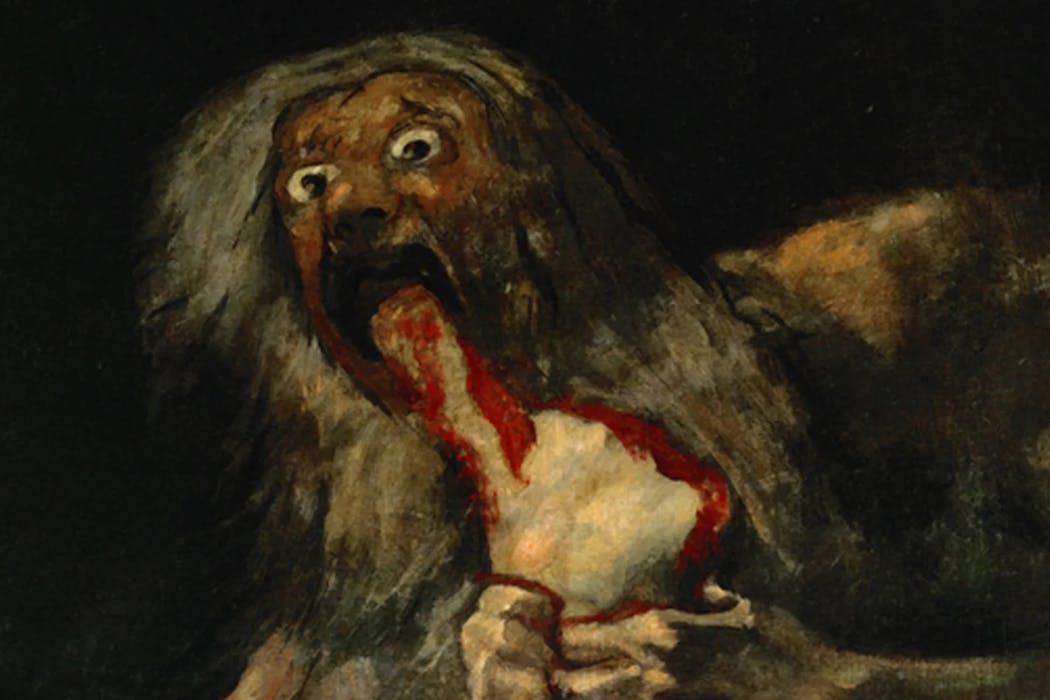
Saturn Devouring His Son by Francisco Goya (1820-1823). Museo del Prado

With Halloween approaching, we asked seven of our academic experts to tell us about the most unsettling artwork they’ve ever encountered. From gruesome portraits to creepy critters, these are the paintings that have stayed with them long after their first glimpse.

L’inhumation Précipitée by Antoine Wiertz (1854)

Hardly anything is more terrifying than the idea of being buried alive. In Antoine Wiertz’s painting, a cholera victim, presumed dead, revives in the crypt. Lifting the coffin lid, he glimpses a human skull through the gloom. A spider scrambles towards the open lid, while a rat slinks into an adjacent coffin. His face contorts with horror at his realisation: he has awakened into a nightmare worse than death.

A man crawls out of his coffin
L’inhumation Précipitée by Antoine Wiertz (1854).
Wiertz Museum

In 18th and 19th century Europe, the fear of premature burial was rife, and, while rarer than people imagined, the anxiety was not entirely unfounded. During epidemics, bodies were buried hastily and there were few accurate techniques for confirming death.

To guard against the grim possibility of being buried alive, some people specified that their arteries be cut or their heads severed before they were buried. Instant death was preferable to the horror of live burial that Wiertz so frighteningly portrayed.

Chloe Ward, senior lecturer in the history of British art, Queen Mary University of London

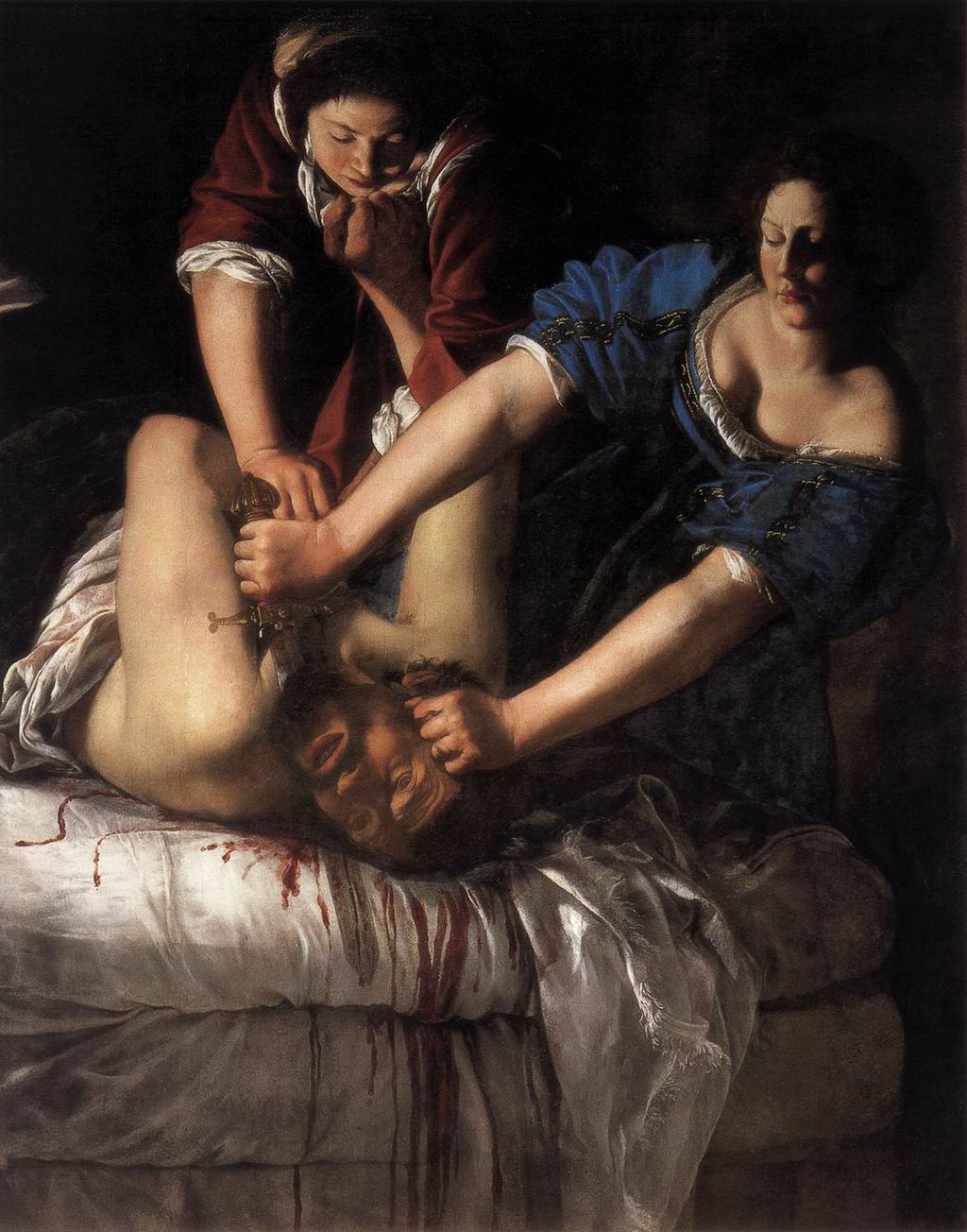
Judith Murdering Holofernes by Artemisia Gentileschi (1620)

The sheer visceral impact of this painting is heightened by its composition. Our eyes are drawn to the partially severed head of the still-struggling Holofernes.

The story comes from the Book of Judith, which is included in Catholic and Eastern Orthodox bibles. To save her city from this Assyrian general, Judith has set forth to seduce and murder him, aided by her servant Abra.

Painting showing two women beheading a man, who lies on a bed
Judith Murdering Holofernes by Artemisia Gentileschi (1620).
Uffizi Gallery

The vivid yellow and blue of the women’s dresses and the red of Holofernes’ bed contrast with the background chiaroscuro (an effect of contrasted light and shadow). This gives the artwork a claustrophobic intensity. Gentileschi painted this subject twice. But it is her 1620 version that is considered the more powerful.

In it she has shown blood spurting parabolically from Holofernes’ wounds, spattering Judith’s arms. Yet it is the grim determination of Judith and the death agonies of her victim that, for me, transports the viewer into the private moment of a gruesome murder.

Pippa Catterall, professor of history and policy, University of Westminster

Saturn Devouring His Son by Francisco Goya (1820-23)

Painted in the aftermath of the Napoleonic wars and during Spain’s revolution of 1820-23, this nightmarish image is the most powerful of Spanish painter Francisco Goya’s 14 “black paintings”.

Said to depict Saturn (or Cronus in Greek myth) eating one of his children to prevent a prophecy that one will usurp him, it gruesomely combines the taboos of cannibalism and filicide (killing your own child). The pure black background forces the viewer to fixate on the dismembered corpse, Saturn’s strangely angular body and the madness in his eyes.

A painting showing Satan eating his infant child
Saturn Devouring His Son by Francisco Goya (1820-23).
Museo del Prado

The title was not Goya’s, and the suggestion that this is a remote mythological scene or an allegory of time destroying youth may be attempts to distance ourselves from its darker meaning.

Beneath such efforts, this painting unflinching depicts the callousness of power, the urge to destroy rivals, the old exploiting the young. Two centuries on, it remains a chilling depiction of raw human instincts when the mask of civilisation is torn away.

Karl Bell, associate professor of cultural and social history, University of Portsmouth

Three Studies for Figures at the Base of a Crucifixion by Francis Bacon (1944)

Fleshy bioforms with outstretched, eel-like necks are writhing in an orange space. They are sightless, but two of them have toothy open mouths: one is snarling, the other is screaming. They are simultaneously human and not human.

These abject creatures are the creation of the Irish-British artist Francis Bacon in his work Three Studies for Figures at the Base of a Crucifixion (1944). The artist completed the triptych over two weeks, fuelled by alcohol and hangovers.

The figures are intended to represent the ancient Greek furies: deities of vengeance from the underworld. The work’s exhibition date is poignant: it was first shown to the public in the final days of the second world war in Europe. Terror leaps out of these paintings: they are at once a visceral reminder of our mortality and bodily materiality, and an expression of the horrors that humans have inflicted upon each other. And we cannot look away.

Daisy Dixon, lecturer in philosophy, Cardiff University


Read more:
Francis Bacon: Human Presence – a compelling look at how the artist redefined portraiture


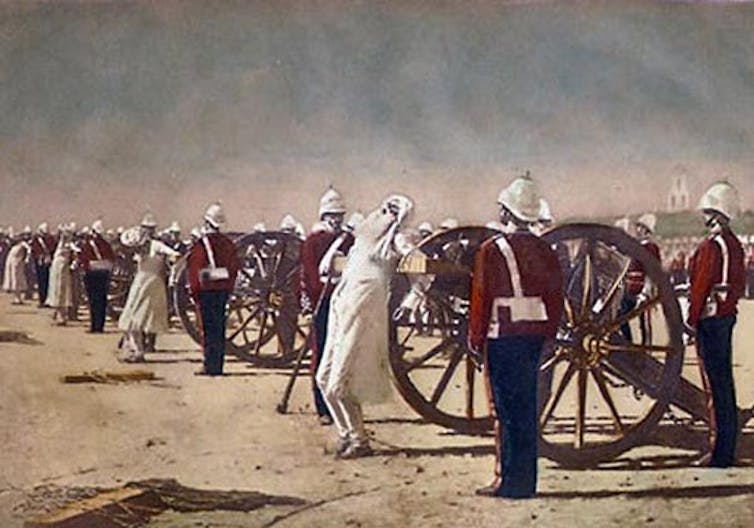
Blowing from Guns in British India by Vassily Vereshchagin (1884)

This painting by the Russian painter Vassily Vereshchagin depicts the execution of a group of rebels, the Kuka, after an uprising in Malerkotla, Punjab, in 1872. The British struck back harshly, executing the Kukas by blowing from guns. The rebels were tied to the mouths of cannons, which were then fired.

Painting showing Indian men and British troops
Blowing from Guns in British India by Vasily Vereshchagin (1884).
Wiki Commons

There is no indication that Vereshchagin witnessed the Kuka event himself. He had probably seen illustrations of the Indian rebellion of 1857, with similar compositions.

This painting was exhibited in London’s Grosvenor Gallery as part of a trilogy showing execution methods in different parts of the world. This framing is disturbing, at least to me – placing the brutal scene in combination with the detached, quasi-ethnographic mission. There is another disturbing dimension: the tension between the painting as a anti-colonial-violence statement or as a piece of political propaganda targeting the rule of the British empire.

The original painting, in storage at University of California, Berkeley, was destroyed due to water damage around 1950. A photogravure in grayscale of the work still exists, as does as a colour sketch, now exhibited at the Russian Museum in St Petersburg.

Åsa Harvard Maare, senior lecturer in visual communication, Malmö University

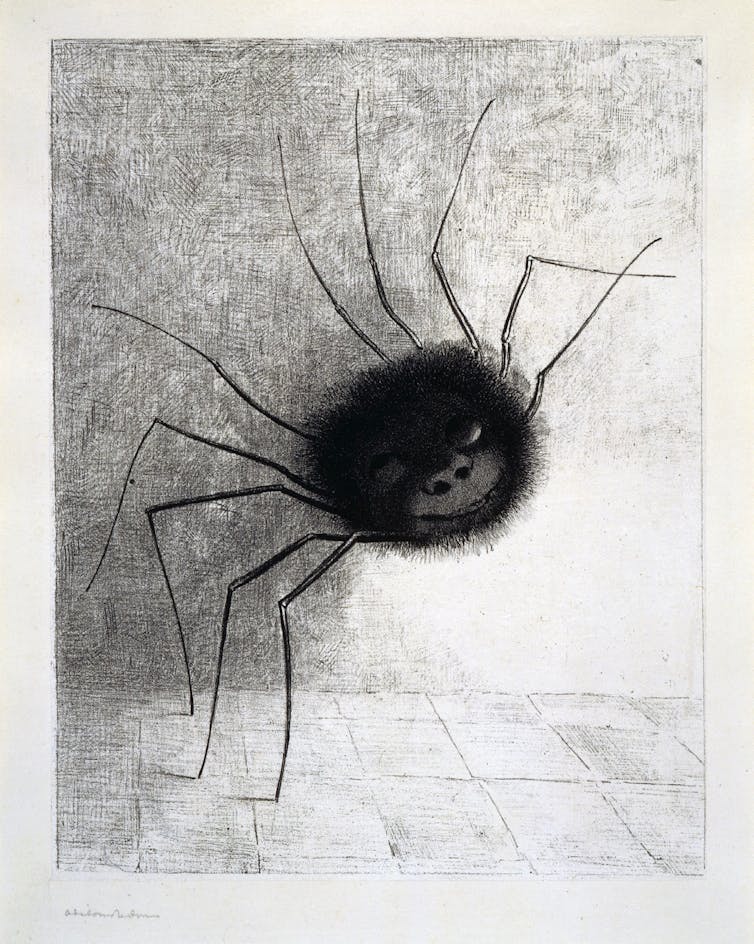
The Spider by Odilon Redon (1881)

Imagine a giant spider with ten legs and a grinning, human face emerging from the shadows in the corner of your room. The French artist Odilon Redon created this nightmarish anthropomorphic creature largely from his imagination, but was also inspired by the experience of viewing nature through a microscope.

Drawing of a smudgey black spider with a smiling face
The Smiling Spider by Odilon Redon (1881).
Musée du Louvre

Melancholic and introspective from childhood, he was introduced to the world of bugs by the botanist Armand Clavaud. Redon’s imagination was also fuelled by decadent literature such as Charles Baudelaire’s The Flowers of Evil (1857) or Edgar Allan Poe’s gothic poem The Raven (1845).

Working mainly in charcoal and lithograph, he was inspired to produce a whole series of black-and-white images – monstrous creatures and giant, floating eyes – that expressed his subconscious fears. Known as his “Noirs” (black pictures), they evoked his obsession with the terrifying, nightmarish visions that are invisible by day. The writer Joris Karl Huysmans defined them as: “A new type of fantasy, born of sickness and delirium.”

Frances Fowle, emeritus professor of 19th-century art, University of Edinburgh

Disasters and Fairy Tales by Cindy Sherman (1980s)

The artist Cindy Sherman uses her own body as the blank canvas for her art: she dresses up in makeup, prosthetics, wigs and disguises and photographs the results against carefully staged backdrops. The resulting images are often deliberately unsettling.

In her series Disasters and Fairy Tales from the 1980s, she played a series of characters from horror films and nightmarish folklore. The image that I find most difficult to look at is not the goriest or most grotesque, but Untitled #165 (1986), in which a hybrid, part-human, part-animal creature in a gingham dress lurks bashfully behind a tree.

What does it want? Is it malevolent, or just lonely? This creature seems to embody the dark things we don’t want to acknowledge in our psyche, that we push away, but which linger on the edges of our consciousness. As Sherman’s self-portraiture implies, these nightmarish things are not monsters from elsewhere, but versions of ourselves.

Catherine Spooner, professor of literature and culture, Lancaster University

Is there a petrifying painting that has stuck in your imagination? Let us know in the comments below.


Looking for something good? Cut through the noise with a carefully curated selection of the latest releases, live events and exhibitions, straight to your inbox every fortnight, on Fridays. Sign up here.


This article features references to books that have been included for editorial reasons, and may contain links to bookshop.org. If you click on one of the links and go on to buy something from bookshop.org The Conversation UK may earn a commission.

The Conversation

The authors do not work for, consult, own shares in or receive funding from any company or organisation that would benefit from this article, and have disclosed no relevant affiliations beyond their academic appointment.

ref. The painting that haunts me – seven experts share their favourite scary artwork – https://theconversation.com/the-painting-that-haunts-me-seven-experts-share-their-favourite-scary-artwork-266288

Some animals are more equal than others: the dark side of researching popular species

Source: The Conversation – Africa (2) – By Laura Tensen, Assistant Professor, University of Greifswald

Biologists often form deep bonds with the species they study. For some, that relationship begins early in their careers and shapes decades of research. The connection can be personal, even affectionate, but it can also create tensions when others set their sights on the same species.

In biology, certain plants and animals are considered “charismatic species” by the general public. They capture the public imagination through beauty, uniqueness, or cultural significance. Think giant pandas, tigers, or orchids.

Many scientists are drawn to these charismatic species, but that does not always mean they have the opportunity to study them. Competition can be fierce in some academic fields.

We conducted research on these charismatic species, to understand how this field may exclude some academics and give the monopoly on research to others.

Research monopolisation can have several negative effects. For instance, samples may be less commonly shared between scientists. It may even impede an academic’s progress. This can be in the form of sabotaging a competitor’s work, stealing creative ideas and performing biased peer review of funding proposals and publications.

This behaviour doesn’t just harm individual researchers. It can weaken scientific integrity, stifle creativity and drive talented people out of academia. And while our study focused on biology, the patterns are likely echoed across competitive academic fields where prestige and resources are limited.

Charismatic species are easy to love and they’re also good for science. Research on these species attracts more funding, more media coverage, and more space in prestigious journals. But popularity comes with a cost. Our new study reveals that working on these species often fuels competition and, in some cases, fosters exclusionary behaviour.

Over 18 months, we examined academic exclusion in the biological sciences: where established researchers try to prevent potential competitors from studying their preferred animal or plant. We surveyed 826 academics across 90 countries and analysed 800 scientific papers.

The results were striking. We found a positive correlation between a species’ charisma and the impact and volume of scientific outputs. That highlights the benefits of studying such species for a researcher’s prestige and career prospects. But studying charismatic species also tended to increase the likelihood of negative workplace experiences. Younger colleagues, women and researchers based in the regions where the species actually live were the ones who suffered.

Competition and monopolies

Nearly half (46%) of survey participants said they had encountered some form of research monopolisation. Respondents linked charismatic species to greater difficulty obtaining permits or samples, strained relationships with colleagues, and cliquey work environments.

We also found a striking imbalance in participation. Researchers from universities in North America and Europe frequently studied species in Africa, South America and Asia – but the reverse was rarely true. For instance, the eastern barred bandicoot (Perameles gunnii) occurs and was only studied in Australia. The striped skunk (Mephitis mephitis) occurs in the US, where it was studied. But the Malayan culogo (Galeopterus variegatus) was commonly studied by institutions outside Malaysia, as was the aye aye (Paradoxurus hermaphroditus) from Madagascar. This pattern was less pronounced for non-charismatic species.

The result is a skewed scientific landscape. Non-charismatic species, despite their ecological importance, are often underfunded and overlooked.


Read more:
Africa’s freshwater ecosystems depend on little creatures like insects and snails: study maps overlooked species


Career advantages and disadvantages

For those who secure access to charismatic species, the career payoffs can be enormous. Working on them tends to result in more publications, higher citation rates and more opportunities for international collaboration.

The largest collaborative effort we found was for the charismatic cheetah (Acinonyx jubatus), with a total of 50 authors, 37 institutions and 21 countries on one paper. This effort was rewarded with a journal impact factor of 11.1 and 193 citations, showing the benefit to be gained from collaborating. These advantages feed into the academic reward system, where prestige and productivity often dictate career progression.

A journal with an impact factor of 2-3 is considered solid in most fields, 5-10 is highly regarded, and 15+ is exceptional, usually limited to big multidisciplinary journals like Nature or Science. Only a small fraction of academics (perhaps the top 5%-10%) regularly publish in those very high impact journals. Citations vary hugely by discipline and career stage. A typical early-career researcher might have 20-100 citations total, whereas established mid-career academics often have a few hundred to a few thousand.

Our study also highlights the darker side of this system. Early-career scientists and women reported higher rates of exclusion, including refusals to collaborate, appropriation of research ideas and even harassment.

Gender inequities are particularly stark, despite the biological sciences having a much more even gender balance than most other science fields. Women were less likely to participate in international collaborations, which are strongly linked to career advancement. And when women did lead studies, their papers received fewer citations than those with male first or last authors.

The first author is usually the person who did most of the hands-on work – designing the study, collecting and analysing data, and writing the first draft. The last author is typically the senior researcher or group leader who supervised the project, secured funding and guided the work conceptually. In total, of all first authors, 69% were men, and of all last authors, 81% were men. Male dominance differed depending on the study species, where charismatic mammal species scored relatively high.

Productivity in academia manifests itself in publication rates, publication visibility and citation patterns. These can have a cumulative advantage and lead to substantial inequality among researchers. In our survey, 51% of female respondents reported gender-based discrimination.


Read more:
We think there’s a better way to assess the research of African academics: here’s how


Editorial boards also play a role. Many biodiversity conservation journals have male-dominated boards and a bias towards publishing studies on charismatic species. Species preference intertwines with gender inequity. For instance, studies on large carnivores are known to be historically male-dominated, and this association may give men a head start in their careers.

Rethinking incentives

What can be done? One solution is to broaden how scientific success is measured. Instead of focusing so heavily on academic output – publications, citations and journal impact factors – institutions and funders could also value contributions such as community engagement, public communication and policy impact.

This may reduce cumulative advantage in science and increase a sense of fairness, hopefully reversing the subtle ways in which organisational logistics serve to perpetuate disparities in academic institutions.

Such measures are becoming increasingly important in biodiversity conservation, where connecting science with society is essential. By shifting incentives, we may reduce the negative side-effects that arise from competition.


Read more:
University ranking systems are being rejected. African institutions should take note


Scientists themselves also have a role to play. Instead of racing to publish first, research groups could coordinate their work, share data and agree on joint publication strategies. Collaboration over competition could benefit everyone, not least the species that need protecting.

Charisma may help a species capture attention, but it shouldn’t determine who gets to study it, or who gets to succeed in science.

The Conversation

Laura Tensen does not work for, consult, own shares in or receive funding from any company or organisation that would benefit from this article, and has disclosed no relevant affiliations beyond their academic appointment.

ref. Some animals are more equal than others: the dark side of researching popular species – https://theconversation.com/some-animals-are-more-equal-than-others-the-dark-side-of-researching-popular-species-266306

Where did the first people come from? The case for a coastal migration from southern Africa

Source: The Conversation – Africa (2) – By Alan Whitfield, Emeritus Chief Scientist, NRF-SAIAB, National Research Foundation

The origins and migrations of modern humans around the world are a hot topic of debate. Genetic analyses have pointed to Africa as the continent from which our ancestors dispersed in the Late Pleistocene epoch, which began about 126,000 years ago. Various dispersal routes have been suggested.

As a group of scientists who have been studying human evolution, we propose in a recently published review paper that the coast of southern Africa was likely where Homo sapiens began this worldwide journey. We suggest that some people started leaving this area about 70,000 years ago, took a route along the east coast and left the continent about 50,000 to 40,000 years ago.

We base this hypothesis on various kinds of evidence, including geography, climate and environment, marine food resources, genetics, trace fossils, and the technical and cultural abilities of people in that region at that time. The reasons for migration and the advantages of a coastal route out of Africa, compared to an inland route, are outlined in our review.

This proposed route is counter to the current belief among most scientists that the Out-of-Africa migration began in eastern Africa and not southern Africa.

A southern Cape origin?

In our review we accepted that modern humans arose in Africa during the Middle Stone Age about 200,000 years ago and then replaced populations of hominins outside the continent between 60,000 and 40,000 years ago.

We suggested that their African origin was in the southern Cape region of what’s now South Africa, and that their migration along the eastern African coastline and onto the Arabian Peninsula may have happened over a period of less than 20,000 years.

In reviewing available evidence, we focused on the possibility that our ancestors in coastal South Africa were ideally placed to colonise the world. They had an enabling culture that allowed them to survive almost anywhere.

The Pinnacle Point cave complex and other sites in this area are a UNESCO World Heritage Site because they provide the most varied and best-preserved record known of the development of modern human behaviour, reaching back as far as 162,000 years.

Food from the sea, like shellfish, set southern Cape Homo sapiens on their evolutionary path to becoming advanced modern humans. They had an advantage over those who relied solely on hunting and food gathering inland, especially during cold and dry periods on the African subcontinent. The harnessing of bow and arrow technology was also key for their success when compared to other hominins during the same period.

Climate and culture

Episodes of global cooling, also known as ice ages, resulted in a global lowering of sea levels, and had two main effects in Africa. One was that the width of the Red Sea between the Horn of Africa and the Arabian Peninsula narrowed. The other was that in the southern Cape, a vast coastal plain was exposed, providing extra habitat and plenty of food.

Increased cognitive capacity to interpret lunar cycles would have allowed ancestral humans to undertake timed excursions to the shore over spring tidal periods. The predictable coastal food sources might also, however, have led to inter-group conflict and territoriality, which could have played a role in the exodus of groups of people from the southern Cape.

In other parts of the world, there was a cold, dry period from 190,000 years to 130,000 years ago. And the dark, long “winter” after the Mount Toba (Indonesia) super-eruption 74,000 years ago would have reduced food resources in tropical regions. Hominins in the southern Cape appear to have survived these major global climate change events and continued to advance both culturally and technologically. We know something about these advances from research at cave sites such as Klasies River, Blombos and Pinnacle Point. Forms of ancient art have been found in these caves, indicating cognitively advanced humans.

Technical advances meant that the tools carried by these people on their journey were “state of the art” for 70,000 years ago – more advanced than those possessed by other humans encountered on their migration northwards.

Evidence mounts

In summary, the idea of a coastal migration out of Africa is based on:

  • the earliest evidence for humans consuming seafood and developing adaptations for living close to the sea shore about 162,000 years ago

  • the first evidence of dedicated coastal foraging for seafood, which may have enhanced our ancestors’ cognitive capacity

  • the first “recipes” in early human food preparation around 82,000 years ago

  • among the earliest reports of bone tool technology from around 100,000 years ago, which may have been used to make complex clothing and shoes

  • the regular use of pigments such as red ochre as early as 162,000 years ago

  • palaeoart in the form of engravings in ochre dated 100,000 to 85,000 years ago, and a drawing using an ochre crayon dated to 73,000 years ago

  • the earliest evidence for making small stone blades around 71,000 years ago

  • the earliest evidence for heat treatment of stone to produce advanced tools and weapons

  • use of jewellery for adornment

  • survival during a period of climate change following the Mount Toba eruption

  • complementary evidence from the trace fossil (ichnology) record from the same region and time period. This includes the oldest reported use of sticks by humans, and the oldest reported evidence of humans jogging or running.

When the era of global cooling ended about 18,000 years ago and sea levels rose again, almost all of this Pleistocene landscape would have been covered by water. So it’s remarkable that so much evidence still exists.

There is no equivalent evidence of an advanced modern human presence from eastern Africa or anywhere else in the world.

Why migrate?

Why would some people choose to move and migrate? It is likely that increasing pressure from successful, growing, competing bands of humans, combined with climatic and environmental changes and a limited number of suitable cave occupation sites, provided a trigger for an initial eastward and then north-eastward migration.

At the same time, advanced cognition skills would have permitted increasing intra-group co-operation, enabling these humans to make their remarkable journey.

We think a coastal migration up and out of Africa was more likely to succeed than an overland migration. The reasons include the availability of seafood, fresh water, level ground, warm temperatures and fewer big, dangerous animals along the intertidal coastline. It seems there weren’t other people in the way either: for example, there is no evidence of an equivalent culture associated with the sea on the eastern coast of Africa.

The lack of suitable coastal caves to live in north of South Africa may have encouraged human clans to keep moving up the coast.

Out of Africa

The exit from the Horn of Africa into the Arabian Peninsula was distinctly feasible from 60,000 years ago onwards. Records from the Red Sea indicate that sea levels in the region were about 100 metres below present levels 65,000 years ago.

Our examination of the available evidence points to the southern Cape coast as a cradle of modern human development. The people of this region were ideally placed 70,000 years ago to undertake a quick and effective migration out of Africa, and then around the world.

The Conversation

Francis Thackeray has received funding from the National Research Foundation.

Nothing to disclose.

Alan Whitfield, Charles Helm, and Renee Rust do not work for, consult, own shares in or receive funding from any company or organisation that would benefit from this article, and have disclosed no relevant affiliations beyond their academic appointment.

ref. Where did the first people come from? The case for a coastal migration from southern Africa – https://theconversation.com/where-did-the-first-people-come-from-the-case-for-a-coastal-migration-from-southern-africa-267299

Trump and Putin didn’t hold new peace talks after all — but that was likely Putin’s plan all along

Source: The Conversation – Canada – By Oleksa Drachewych, Assistant Professor in History, Western University

Donald Trump’s administration recently announced a forthcoming meeting between the American president and Russian leader Vladimir Putin to take place in Hungary. High-level talks from representatives of both the United States and Russia were to set up such a meeting in the near future.

Within a few days, such a meeting was no more. The Kremlin announced it had never agreed to it. Trump, on the other hand, implied Russia had cancelled the meeting. Since then, Trump has argued any meeting with Putin would be a “waste of time” without a peace agreement in hand.

While tempting to see this as a brief “what could have been,” it really highlights how Putin manages his relationship with Trump — to the detriment of Ukraine.


Read more:
How Trump’s separate meetings with Putin and Zelenskyy have advanced Russian interests


Personalized politics

Putin and Ukrainian President Volodymyr Zelenskyy each see the U.S. as playing a critical role in the eventual outcome of Russia’s war against Ukraine.

Putin wants Russia to again be perceived as a great power, equal in stature to the United States. To meet these ends, Putin has used personalized politics with Trump, recognizing that Trump seems to admire him.

Putin plays to Trump’s ego; after he met Trump in Alaska in August, Trump shared in follow-up interviews how Putin agreed with Trump’s concerns about mail-in ballots in American elections.

In October, he praised Trump’s supposed peacemaking capabilities after he was not named the recipient of the 2025 Nobel Peace Prize. Putin, privately and publicly, praises Trump or supports him on political issues important to the president, ensuring he remains in Trump’s good graces.

Putin then uses his discussions with Trump to share Russian talking points about why Russia launched a full-scale invasion of Ukraine in 2022, to share Russia’s weaponization of history to justify its claims on Ukraine or to explain “the root causes of the conflict” in Russia’s eyes.

In the aftermath of these direct calls and meetings, Trump tends to parrot these Russian talking points publicly and in meetings with other leaders, as he did in February and August. He did so again on Oct. 17, 2025, when Trump met with Zelenskyy and reportedly argued with him, claiming Ukraine would be destroyed by Russia if it did not agree to Putin’s demands.

Putin’s 3 aims

Putin does all this for three purposes.

First, it strains the American relationship with Ukraine. Recall the infamous meeting between Zelenskyy, Trump and U.S. Vice-President JD Vance in the Oval Office in February, which took place after Trump first spoke with Putin.

Second, it often delays or ends certain supports Ukraine hopes to obtain from its American allies. Take the now-aborted Hungarian summit — it was announced the day before Zelenskyy was going to meet Trump to discuss the Ukrainian purchase of Tomahawk missiles. After their meeting, there was no such agreement.

With this new potential long-range threat off the table, the Kremlin apparently saw no reason to continue the charade.

Third, Putin aims to strain the American-European alliance. Since February 2022, generally speaking, Europe and the United States have been united in their support for Ukraine. But Trump’s pronouncements criticizing European nations for their defence spending — along with Trump’s perceived closer ties to Putin — have caused alarm.

When Trump met with Putin in Alaska, Ukraine and its allies feared peace terms favourable to Russia would be forced upon Ukrainians. When Zelenskyy met with Trump just days later, European leaders joined him, hoping to avoid catastrophe.

Instead, the meeting went well, and the U.S. seemed to be in alignment with European leaders, including even, albeit briefly, offering American security guarantees in developing a possible peace plan.

This episode also highlights how Zelenskyy too has capitalized on personal meetings with Trump to his benefit. Ukraine still sees the U.S. as an important ally and has tried to manage Trump’s transactional nature, signing a raw mineral deal and agreeing to purchase American weapons with NATO support.

Zelenskyy has also relied on personal meetings to mend the relationship. In April, he met privately with Trump at Pope Francis’s funeral, moving on from the aforementioned contentious Oval Office meeting.

In August, Zelenskyy aimed to make a positive impression to counter a potential pro-Russian meeting with Trump. He even wore a suit, a nod to one of the notable criticisms against him during the Oval Office meeting, as he showcased his willingness to play to Trump’s ego.

Because Trump has emphasized a desire to negotiate peace between Russia and Ukraine, both Putin and Zelenskyy have used this focus to manage their relationship with the American leader.


Read more:
Why justice for Ukraine must be at the forefront of peace negotiations


Another chapter in the Trump saga

Since the Hungarian meeting was postponed — or cancelled, depending on who you believe — the U.S. has since implemented harsher sanctions on Russian oil companies and those who purchase Russian oil. Trump has also said he’s done “wasting his time” until Putin is serious about peace.

He’ll likely be waiting a long time. Putin has not seriously altered his demands in Ukraine at any point since Russia began its full-scale invasion of the country more than three years ago.

There will likely be an actual meeting between Trump and Putin again in the future. While many are hopeful for peace, these episodes are more reflective of Putin’s ability to manage Trump when needed than any real desire for ending Russia’s war in Ukraine.

The Conversation

Oleksa Drachewych does not work for, consult, own shares in or receive funding from any company or organisation that would benefit from this article, and has disclosed no relevant affiliations beyond their academic appointment.

ref. Trump and Putin didn’t hold new peace talks after all — but that was likely Putin’s plan all along – https://theconversation.com/trump-and-putin-didnt-hold-new-peace-talks-after-all-but-that-was-likely-putins-plan-all-along-267717

Atorvastatin recall may affect hundreds of thousands of patients – and reflects FDA’s troubles inspecting medicines manufactured overseas

Source: The Conversation – USA (3) – By C. Michael White, Distinguished Professor of Pharmacy Practice, University of Connecticut

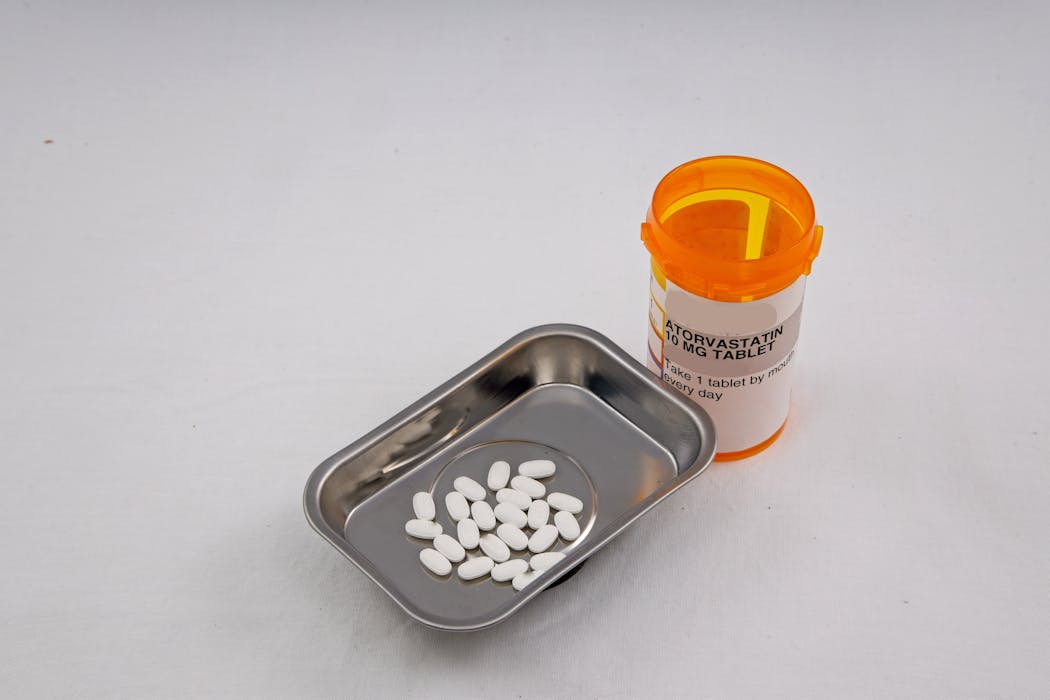
Several batches of the drug did not dissolve properly, which means the person taking them would receive a lower dose. Chimperil59/iStock via Getty Images

If you take cholesterol-lowering drugs called statins, you may have noticed a flurry of news coverage since late October 2025 about an extensive recall of thousands of bottles of atorvastatin, the generic version of Lipitor.

Both generic atorvastatin and brand-name Lipitor contain the same active ingredient, atorvastatin calcium, and are considered bioequivalent by the Food and Drug Administration. This medication is the No. 1-selling drug in the U.S., with over 115 million prescriptions going to more than 29 million Americans.

I am a clinical pharmacologist and pharmacist who has assessed the manufacturing quality of prescription, over-the-counter and illicit drugs, as well as dietary supplements.

This atorvastatin recall is large, potentially affecting hundreds of thousands of patients. But it’s only the latest in a series of concerning manufacturing issues that have come to light since 2019.

What pills are being recalled, and why?

Ascend Laboratories, based in New Jersey, originally issued the recall for about 142,000 bottles of its generic atorvastatin on Sept. 19. Each bottle contained 90, 500 or 1,000 tablets, enough to fill prescriptions for three, 17 or 33 patients, respectively, for one month.

About three weeks later, on Oct. 10, the FDA quantified the risk of using these poor-quality tablets and gave the recall a Class II status, which means that the medication could cause “temporary or medically reversible adverse health consequences.”

Manufacturers must conduct quality tests on random samples of tablets from every batch they make. These tests make sure the pills contain the correct dosage of the active ingredient, are made to the proper physical specifications and are not contaminated with heavy metals or microbes. If the samples test “out of specification” for any feature, the company must conduct further testing and destroy defective batches, losing the cost of manufacturing them.

In this case, sample pills failed to dissolve properly when they were tested. Batches manufactured from November 2024 through September 2025 all had this defect.

Two people operating a tablet production line at a pharmaceutical manufacturing facility
As pharmaceutical production moved overseas, the FDA has struggled to test drugs for quality.
Sergii Kolesnikov/iStock via Getty Images Plus

As with other drugs, when you swallow atorvastatin, it must dissolve before the active ingredient can be absorbed by the body. It then goes to the liver, where it reduces the blood concentrations of low-density lipoproteins – also called LDL, or “bad cholesterol.”

If the drug doesn’t dissolve properly, the amount absorbed by the body is substantially reduced.

Lowering LDL with atorvastatin has been shown to reduce cardiovascular events like heart attacks and strokes after a few years by 22%. When almost 30,000 people in a 2021 study stopped taking their atorvastatin or other statin for six months, the risk of cardiovascular events, deaths and emergency room visits increased between 12% to 15%.

So, while patients wouldn’t immediately feel a difference if their atorvastatin tablets didn’t dissolve properly, their risk of cardiovascular events would significantly rise.

What should patients on generic atorvastatin do?

First, don’t stop taking the medication without talking with your pharmacist or prescriber. Even if you have the recalled pills, taking them is still better than not taking the medicine at all.

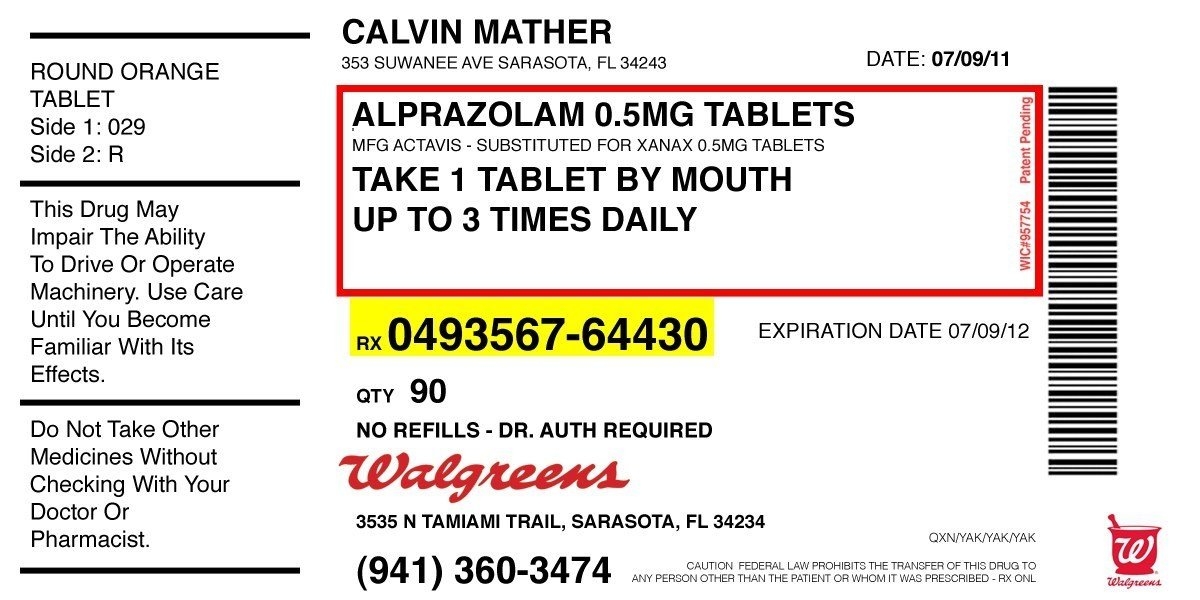
You can determine whether your medication came from Ascend Laboratories by looking at your prescription label.

Search for the abbreviations MFG or MFR, which stand for “manufacturing” or “manufacturer.” If it says “MFG Ascend” or “MFR Ascend,” that means that Ascend Laboratories supplied the medication.

The first five letters of a National Drug Code, abbreviated as NDC on the prescription label, also reveal the manufacturer or distributor. Ascend products have the number 67877.

If Ascend Laboratories is the distributor, a pharmacist can cross-reference your prescription number to obtain the lot number and compare it with the posted lot numbers on the FDA website for recalled atorvastatin. If your product has been recalled, your pharmacy may have other generic versions of atorvastatin in stock that are not part of this recall.

Woman examining a medicine bottle
You should be able to tell from the prescription label whether your atorvastatin comes from the manufacturer that announced the recall.
benixs/Moment via Getty Images

Alternatively, the pharmacist can get a new prescription from your health care provider for another generic statin drug, such as rosuvastatin, which works similarly.

A pattern of lapses for overseas manufacturers

While the defective atorvastatin is distributed by a U.S. company, it is actually manufactured by Alkem Laboratories in India.

In fact, many aspects of pharmaceutical drug manufacturing are now occurring overseas, primarily in China and India. This has limited the FDA’s ability to provide the oversight required for drugs sold in the U.S.

In the 1990s and early 2000s, the FDA performed routine surveillance inspections of U.S. manufacturing plants every three years, but seldom conducted them overseas. In the wake of several high-profile manufacturing quality lapses, including at the Indian generic drug giant Ranbaxy Laboratories, Congress established a funding mechanism and the FDA established a universal standard for inspecting both U.S. and overseas manufacturers every five years.

However, the U.S. fell behind with international inspections after COVID-19 shut down international travel, and it has yet to catch up. Additionally, overseas manufacturers generally get warning of an upcoming inspection, making the process potentially less rigorous than in the U.S.

A lack of inspections for eye drop manufacturers, especially in India, led to massive recalls in 2023 after a wave of rare eye infections caused some people to lose their eyesight. The problem was traced to widespread unsanitary manufacturing conditions and improper testing for sterility at overseas facilities.

In 2024, eight deaths and multiple hospitalizations led an Indian manufacturer, Glenmark Pharmaceuticals, to recall 47 million potassium chloride extended-release capsules that did not dissolve properly. In February 2025, inspectors found that the company had falsified quality results.

The FDA recently started laboratory spot testing of prescription and over-the-counter drugs arriving in the U.S. to compensate for these limitations. Outside laboratories such as Valisure also do independent testing. Independent testing has caught several dangerous products, but due to limited resources, only a few products can be tested each year.

In 2023, Alkem Laboratories, which manufactured the currently recalled atorvastatin, had to recall 58,000 bottles of the blood pressure drug metoprolol XL because the pills also did not properly dissolve. Spot testing also led to widespread recalls after FDA and Valisure laboratories found cancer-causing chemicals called nitrosamines in some blood pressure, diabetes and indigestion drugs tested between 2019 and 2020, as well as benzene in numerous sunscreen and antibacterial gel products tested between 2020 and early 2025.

Raising consumer vigilance

With these growing gaps in oversight, it’s reasonable to be mindful of changes in how a particular medication affects you. If your prescription drug suddenly stops working, it might be because that particular batch of the medication was not manufactured properly. Alerting the FDA about sudden loss of drug effectiveness could help the agency more quickly identify manufacturing issues.

In 2024, the FDA started sharing the inspection burden with other regulatory agencies like the European Medicines Agency for the European Union. Such coordinated efforts could lead to less duplication and a bump in inspections of overseas manufacturers.

In the meantime, however, consumers are largely at the mercy of spotty inspections and testing, and rarely hear about problems unless poorly manufactured drugs cause widespread adverse events.

The Conversation

C. Michael White does not work for, consult, own shares in or receive funding from any company or organization that would benefit from this article, and has disclosed no relevant affiliations beyond their academic appointment.

ref. Atorvastatin recall may affect hundreds of thousands of patients – and reflects FDA’s troubles inspecting medicines manufactured overseas – https://theconversation.com/atorvastatin-recall-may-affect-hundreds-of-thousands-of-patients-and-reflects-fdas-troubles-inspecting-medicines-manufactured-overseas-268364

Where does human thinking end and AI begin? An AI authorship protocol aims to show the difference

Source: The Conversation – USA (2) – By Eli Alshanetsky, Assistant Professor of Philosophy, Temple University

If students can’t demonstrate their thinking, how can professors know whether they are learning? SDI Productions via Getty Images

The latest generation of artificial intelligence models is sharper and smoother, producing polished text with fewer errors and hallucinations. As a philosophy professor, I have a growing fear: When a polished essay no longer shows that a student did the thinking, the grade above it becomes hollow – and so does the diploma.

The problem doesn’t stop in the classroom. In fields such as law, medicine and journalism, trust depends on knowing that human judgment guided the work. A patient, for instance, expects a doctor’s prescription to reflect an expert’s thought and training.

AI products can now be used to support people’s decisions. But even when AI’s role in doing that type of work is small, you can’t be sure whether the professional drove the process or merely wrote a few prompts to do the job. What dissolves in this situation is accountability – the sense that institutions and individuals can answer for what they certify. And this comes at a time when public trust in civic institutions is already fraying.

I see education as the proving ground for a new challenge: learning to work with AI while preserving the integrity and visibility of human thinking. Crack the problem here, and a blueprint could emerge for other fields where trust depends on knowing that decisions still come from people. In my own classes, we’re testing an authorship protocol to ensure student writing stays connected to their thinking, even with AI in the loop.

When learning breaks down

The core exchange between teacher and student is under strain. A recent MIT study found that students using large language models to help with essays felt less ownership of their work and did worse on key writing‑related measures.

Students still want to learn, but many feel defeated. They may ask: “Why think through it myself when AI can just tell me?” Teachers worry their feedback no longer lands. As one Columbia University sophomore told The New Yorker after turning in her AI-assisted essay: “If they don’t like it, it wasn’t me who wrote it, you know?”

Universities are scrambling. Some instructors are trying to make assignments “AI-proof,” switching to personal reflections or requiring students to include their prompts and process. Over the past two years, I’ve tried versions of these in my own classes, even asking students to invent new formats. But AI can mimic almost any task or style.

College student working in class
In-class assignments on paper can get around student dependence on AI chatbots. But ‘blue book’ exams emphasize performance under pressure and may not be good for scenarios where students need to develop their own original thinking.
Robert Gauthier/Los Angeles Times via Getty Images

Understandably, others now call for a return to what are being dubbed “medieval standards”: in-class test-taking with “blue books” and oral exams. Yet those mostly reward speed under pressure, not reflection. And if students use AI outside class for assignments, teachers will simply lower the bar for quality, much as they did when smartphones and social media began to erode sustained reading and attention.

Many institutions resort to sweeping bans or hand the problem to ed-tech firms, whose detectors log every keystroke and replay drafts like movies. Teachers sift through forensic timelines; students feel surveilled. Too useful to ban, AI slips underground like contraband.

The challenge isn’t that AI makes strong arguments available; books and peers do that, too. What’s different is that AI seeps into the environment, constantly whispering suggestions into the student’s ear. Whether the student merely echoes these or works them into their own reasoning is crucial, but teachers cannot assess that after the fact. A strong paper may hide dependence, while a weak one may reflect real struggle.

Meanwhile, other signatures of a students’ reasoning – awkward phrasings that improve over the course of a paper, the quality of citations, general fluency of the writing – are obscured by AI as well.

Restoring the link between process and product

Though many would happily skip the effort of thinking for themselves, it’s what makes learning durable and prepares students to become responsible professionals and leaders. Even if handing control to AI were desirable, it can’t be held accountable, and its makers don’t want that role. The only option as I see it is to protect the link between a student’s reasoning and the work that builds it.

Imagine a classroom platform where teachers set the rules for each assignment, choosing how AI can be used. A philosophy essay might run in AI-free mode – students write in a window that disables copy-paste and external AI calls but still lets them save drafts. A coding project might allow AI assistance but pause before submission to ask the student brief questions about how their code works. When the work is sent to the teacher, the system issues a secure receipt – a digital tag, like a sealed exam envelope – confirming that it was produced under those specified conditions.

This isn’t detection: no algorithm scanning for AI markers. And it isn’t surveillance: no keystroke logging or draft spying. The assignment’s AI terms are built into the submission process. Work that doesn’t meet those conditions simply won’t go through, like when a platform rejects an unsupported file type.

In my lab at Temple University, we’re piloting this approach by using the authorship protocol I’ve developed. In the main authorship check mode, an AI assistant poses brief, conversational questions that draw students back into their thinking: “Could you restate your main point more clearly?” or “Is there a better example that shows the same idea?” Their short, in-the-moment responses and edits allow the system to measure how well their reasoning and final draft align.

The prompts adapt in real time to each student’s writing, with the intent of making the cost of cheating higher than the effort of thinking. The goal isn’t to grade or replace teachers but to reconnect the work students turn in with the reasoning that produced it. For teachers, this restores confidence that their feedback lands on a student’s actual reasoning. For students, it builds metacognitive awareness, helping them see when they’re genuinely thinking and when they’re merely offloading.

I believe teachers and researchers should be able to design their own authorship checks, each issuing a secure tag that certifies the work passed through their chosen process, one that institutions can then decide to trust and adopt.

How humans and intelligent machines interact

There are related efforts underway outside education. In publishing, certification efforts already experiment with “human-written” stamps. Yet without reliable verification, such labels collapse into marketing claims. What needs to be verified isn’t keystrokes but how people engage with their work.

That shifts the question to cognitive authorship: not whether or how much AI was used, but how its integration affects ownership and reflection. As one doctor recently observed, learning how to deploy AI in the medical field will require a science of its own. The same holds for any field that depends on human judgment.

I see this protocol acting as an interaction layer with verification tags that travel with the work wherever it goes, like email moving between providers. It would complement technical standards for verifying digital identity and content provenance that already exist. The key difference is existing protocols certify the artifact, not the human judgment behind it.

Without giving professions control over how AI is used and ensuring the place of human judgment in AI-assisted work, AI technology risks dissolving the trust on which professions and civic institutions depend. AI is not just a tool; it is a cognitive environment reshaping how we think. To inhabit this environment on our own terms, we must build open systems that keep human judgment at the center.

The Conversation

Eli Alshanetsky does not work for, consult, own shares in or receive funding from any company or organization that would benefit from this article, and has disclosed no relevant affiliations beyond their academic appointment.

ref. Where does human thinking end and AI begin? An AI authorship protocol aims to show the difference – https://theconversation.com/where-does-human-thinking-end-and-ai-begin-an-ai-authorship-protocol-aims-to-show-the-difference-266132

Beware the Anglo-Saxons! Why Russia likes to invoke a medieval tribe when talking about the West

Source: The Conversation – Global Perspectives – By Peter Rutland, Professor of Government, Wesleyan University

A new, old specter is haunting the world: the bloodthirsty Anglo-Saxons.

Well, that is what the Kremlin wants the world to believe.

Take the new Russian state-backed film “Tolerance.” Released in September 2025 to a less than enthusiastic public response, the dystopian tale of moral decay in the West opens with a warning of an “omnipresent Anglo-Saxon liberalism” that will “cause the ultimate degradation and extinction of once-prosperous countries and peoples.”

Scary stuff. But the film isn’t the first time that Anglo-Saxons have been cited as a threat to the Russian way of life.

Since the full-scale invasion of Ukraine in February 2022, Russian officials and their colleagues in the Kremlin-controlled media have taken to referring to their Western adversaries as “Anglo-Saxons.” Foreign Minister Sergey Lavrov even stated that the “Anglo-Saxons” in question are bent on defeating Russia “with the hands of the Kyiv regime.”

Indeed, analysis one of us conducted with Adrian Rogstad at the University of Groningen looking at statements posted on the Russian foreign ministry website found a marked increase in “Anglo-Saxon” references after the invasion of Ukraine – 86 of them in the course of 2022, compared to just 27 in the previous 20 years. Foreign ministry spokeswoman Maria Zakharova’s March 2022 comment that the “Anglo-Saxon world will never stop … It’s like an insatiable monster,” is typical of the way “Anglo-Saxon” is used. The term even made it into the official Russian foreign policy concept published a year later, where in the section titled “The U.S. and other Anglo-Saxon states,” the United States is referred to as “the main inspirer, organizer and executor of the aggressive anti-Russian policy of the collective West”.

The term is a particular favorite of Putin’s press secretary, Dmitry Peskov. In February 2024, Peskov explained that Putin agreed to be interviewed by the right-wing commentator Tucker Carlson because he “stands in clear contrast to the position of the traditional Anglo-Saxon media.”

This creeping use of “Anglo-Saxon” as a slur hasn’t gone unnoticed in the West. Former U.S. ambassador to Moscow Lynne Tracy said in 2023 that the use of the term was “very strange” given the multiethnic character of American society.

Reports suggest that with the election of a more Russia-friendly president in Donald Trump, the word from the Kremlin was not to use the term for Americans, specifically. But it appears not everyone got the memo – pro-Putin State Duma Deputy Viktor Vodolatsky recently warned against “Anglo-Saxons” creating a “point of tension” in the South Caucasus through the U.S.-led peace efforts between Azerbaijan and Armenia.

As experts in Russian discourse and post-Soviet nations, we see the increased use of “Anglo-Saxons” as reflecting deeper trends that tap into Putin’s use of history to justify the invasion of Ukraine and smear his perceived enemies, while exploiting political divisions in Europe and America.

Who were the Anglo-Saxons?

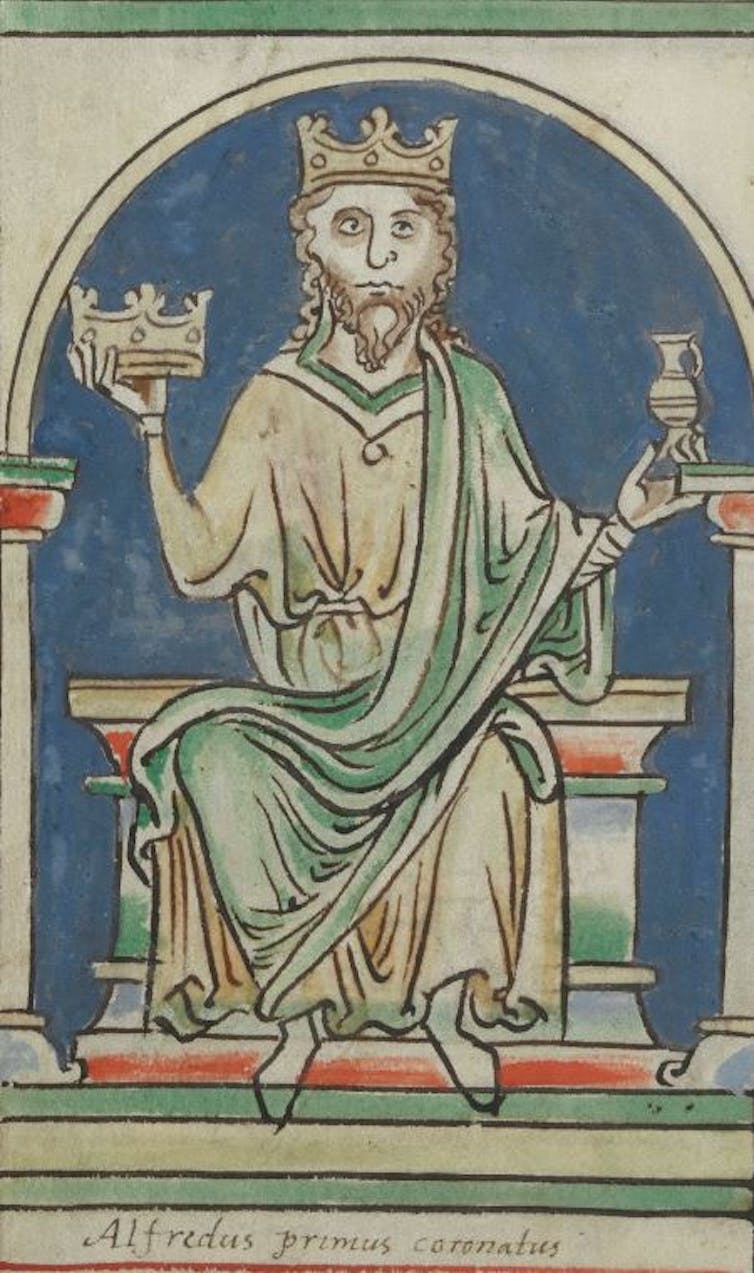
The original Anglo-Saxons comprised the waves of conquerors from Germanic tribes in Europe that flooded into England – Jutes as well as Angles and Saxons – in the fifth and sixth centuries. Alfred the Great united the warring fiefdoms of southern England in the ninth century and declared himself king of the Anglo-Saxon realm.

A drawing of a man with a crown
An 11th-century depiction of Alfred the Great.
Wikimedia Commons

But the term did not enter wider usage until long after the “Anglo-Saxon period” ended with the invasion of England by French-speaking Normans in 1066.

In fact, it wasn’t until the reign of Henry VIII in the 16th century that scholars started to refer to the Anglo-Saxon origins of the English, in a bid to differentiate the country from Catholic Europe – another use of history for political aims.

But the term really took off in the 19th century, when it was folded into pseudoscientific racist justification for the British Empire. That came to an end in World War I, when Britain and America found themselves fighting against Germany – the location of Saxony. In 1917, the British royal family changed their name from Saxe-Coburg-Gotha to Windsor. Even U.S. President Woodrow Wilson – an acknowledged racist – insisted that Americans were not Anglo-Saxons.

There things stood until 1964, when American professor E. Digby Baltzell published “The Protestant Establishment,” which popularized the term “White Anglo Saxon Protestant,” or WASP, to refer to middle-class Americans of European descent.

By the 2000s, it was mostly white supremacists who were using the term Anglo-Saxon as a synonym for a modern-day demographic. Academic journals and groups dedicated to studying the Middle Ages dropped references to “Anglo-Saxons” due to the racist connotations.

Make Moscow medieval again!

It is against this background of Anglo-Saxon as a term appropriated by white supremacists that modern Russian usage should be seen.

Russian propaganda has long sought to talk up the far right in Europe and America, with whom Putin’s “national conservatism” has a close affinity. It does so to sow division in Western democracies and fracture the liberal international order. The aim is to portray the U.S. and U.K. as warmongering Anglo-Saxon nations, thereby encouraging the French, Germans and other Europeans to avoid following their lead.

More broadly, the references to Anglo-Saxons reflects Russia’s view that global politics is driven by a “clash of civilizations,” in which Russia represents the values of traditional Europe, and it taps into a centuries-old fear of perfidious Western encroachment on the Russian state.

It also fits a pattern of Putin referencing Russia’s medieval past to explain the country’s current policies, even if he needs the invasion of Turkic tribes in the 11th century to justify COVID-19 measures.

Putin has tried to justify the invasion of Ukraine by claiming that modern Russia is the direct descendant of ninth-century Kyivan Rus, and that Ukrainians are therefore really Russians.

The Russian government has invested heavily in trying to persuade its citizens that they can trace their identity all the way back to a distant past in medieval times – at a time when Anglo-Saxons ruled England.

But in leaning on outdated terminology popular with white supremacist groups in a bid to sow division and antagonism in the West, Putin seems to be retreating into an imaginary world of the medieval past.

The Conversation

The authors do not work for, consult, own shares in or receive funding from any company or organization that would benefit from this article, and have disclosed no relevant affiliations beyond their academic appointment.

ref. Beware the Anglo-Saxons! Why Russia likes to invoke a medieval tribe when talking about the West – https://theconversation.com/beware-the-anglo-saxons-why-russia-likes-to-invoke-a-medieval-tribe-when-talking-about-the-west-264822

Water bears survive cosmic radiation with one DNA-protecting protein – learning how could boost human resilience, too

Source: The Conversation – USA – By Tyler J. Woodward, Graduate Research Assistant, University of Iowa

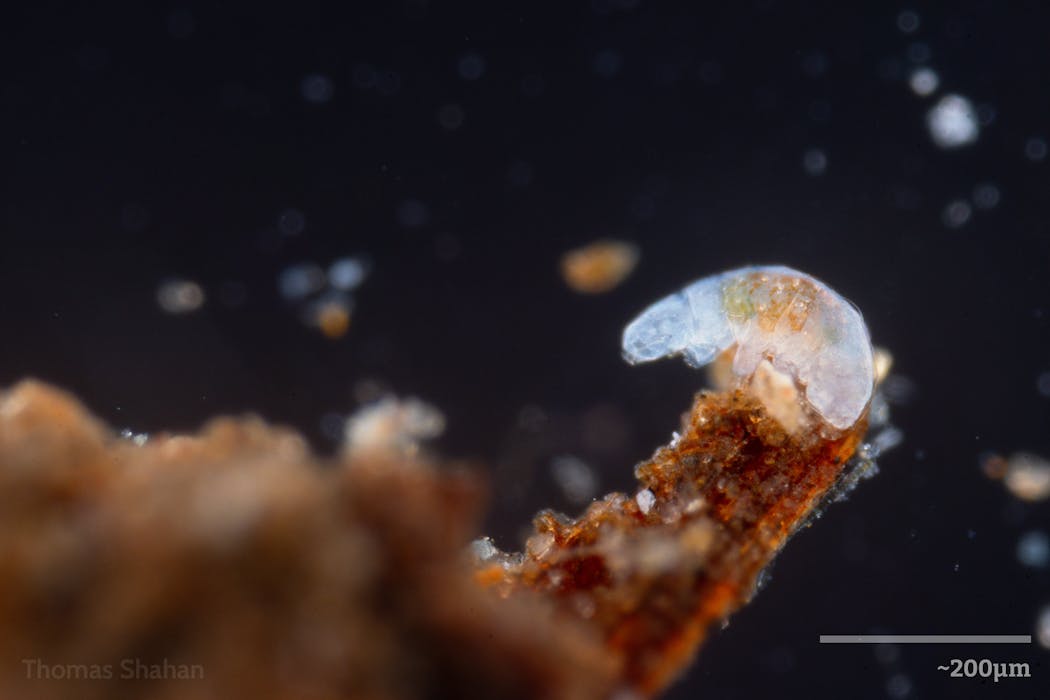
Tardigrades – also known as moss piglets – prefer damp environments, but they can survive just about anywhere. Thomas Shahan/Flickr, CC BY-SA

A newly discovered protein from Earth’s toughest animal is inspiring breakthrough therapies for cancer and cardiovascular disease.

Tardigrades, often called water bears or moss piglets, are microscopic creatures that can survive just about anything: boiling heat, freezing cold and crushing pressure. In fact, tardigrades are the only known animal to survive in outer space. They can also endure radiation levels up to 2,000 times higher than what human cells can tolerate. Naturally, scientists have long wondered: How do they do it?

In 2016, researchers uncovered one of the tardigrade’s secrets: a gene with a sequence unlike any other known to exist in nature that makes a protein found only in tardigrades. When they introduced this protein into human cells, those cells also became more resistant to radiation. The protein was named damage suppressor, or Dsup, because it helps protect DNA – the blueprint for life – from damage.

Since then, researchers around the world have been trying to figure out exactly how Dsup works. As a biochemist studying Dsup, my goal is to uncover how this protein functions and one day use these insights to design new therapies that protect human cells from DNA damage.

How Dsup protects tardigrade DNA

Scientists have proposed several explanations for Dsup’s remarkable ability to protect DNA from radiation. However, these models have varying levels of experimental support, and no single explanation has gained broad consensus from the field.

In my recent work, I found that Dsup interacts strongly with DNA. It clings tightly to DNA – not just at one spot of the molecule but along its entirety. Dsup doesn’t have a fixed shape. Instead, it behaves more like a spaghetti noodle in water, constantly shifting, bending and adopting many different shapes. When it binds to DNA, it causes the strands to slightly unwind, like a zipper being loosened. This gentle unwinding may make DNA less susceptible to damage when exposed to radiation.

Long kinked molecule, colored rainbow
Structural snapshot of Dsup.
Tyler Woodward, CC BY-SA

Some scientists instead believe Dsup acts like a shield. In this model, Dsup coats and physically blocks radiation from striking DNA. Others think it boosts the cell’s repair machinery, fixing damage before it causes detrimental effects.

In fact, it’s possible many of these models could be true at the same time. Since Dsup protects against many types of radiation – as well as the toxic byproducts created from radiation damage – it’s likely this mysterious protein has multiple functions.

Understanding Dsup could one day help people better protect their own cells – bringing a bit of the tardigrade’s extraordinary resilience to human health.

Using Dsup to advance medicine

Scientists are exploring whether Dsup could be used in medicine, especially in diseases where DNA damage plays a major role.

Because nearly all cancers involve DNA damage, some researchers think Dsup – or treatments inspired by it – could one day help prevent cells from turning cancerous. It might also protect healthy tissue during cancer treatments such as radiation or chemotherapy, which work by damaging DNA but often harm healthy cells in the process.

Dsup’s potential in human health extends much further. For instance, during heart attacks or strokes, organ tissues experience bursts of oxidative stress – chemical reactions that lead to extensive DNA damage. This oxidative stress can worsen disease severity and long-term outcomes for patients suffering from cardiovascular diseases. If Dsup can protect DNA during these stressful events, it might be able to reduce the cellular damage they cause.

Early animal studies are already showing promising results, demonstrating that mammals can produce Dsup, eliciting similar effects. In one study, scientists used an injection of mRNA – similar to the technology behind COVID-19 mRNA vaccines – to deliver the genetic instructions to produce Dsup in mice. When the mice were later exposed to high doses of radiation, those producing Dsup had far less DNA damage than untreated mice, suggesting real protective power in living organisms.

Microscopy image of a translucent creature with a rounded head and oval body
Tardigrades are the epitome of small yet mighty.
Frank Fox/Wikimedia Commons, CC BY-SA

Dsup in agriculture, space and more

Beyond medicine, Dsup could make an impact in agriculture, space exploration and even data storage.

When researchers engineered rice and tobacco plants to produce Dsup, the plants became more resistant to radiation – an exciting sign for Dsup’s potential to mitigate crop damage.

In space biology, Dsup could help astronauts withstand the intense cosmic radiation that limits long-term missions.

And in a futuristic twist, some scientists are investigating how creatures like tardigrades could be used for ultrastable data storage. Current digital media is susceptible to damage from environmental conditions such as high temperatures or high levels of radiation. Digital media could be converted into a DNA sequence and genetically engineered into the tardigrade genome. Dsup could then aid in protecting the data from extreme conditions.

What’s next for Dsup?

Since its discovery nearly a decade ago, the scientific community has been excited about the potential technological advancements that Dsup could enable. However, significant research is still required to fully understand exactly how this mysterious protein functions in living organisms. Several scientific groups around the world are actively studying the unique properties of this protein.

Despite the work ahead, the story of Dsup demonstrates how scientists can learn lessons from tiny animals such as tardigrades. By studying the molecular mysteries of these remarkably resilient creatures, researchers are creating breakthrough tools to combat human disease and advance biotechnology.

The Conversation

Tyler J. Woodward receives support through the National Institute of General Medical Sciences.

ref. Water bears survive cosmic radiation with one DNA-protecting protein – learning how could boost human resilience, too – https://theconversation.com/water-bears-survive-cosmic-radiation-with-one-dna-protecting-protein-learning-how-could-boost-human-resilience-too-268057

What both sides of America’s polarized divide share: Deep anxieties about the meaning of life and existence itself

Source: The Conversation – USA – By Carl F. Weems, Professor of Human Development and Family Studies, Iowa State University

Whatever your beliefs, existential anxiety is likely the fear at the root of why certain issues trigger you. francescoch/iStock via Getty Images Plus

Opening my social media feed, I’m often confronted with a jarring contrast: intense, diametrically opposed perspectives from different friends. The comments can be laced with insult, character attack and invective.

I’m certainly not the only one noticing this kind of vitriolic polarization. Recent polling suggests a majority of Americans believe that the country cannot overcome its current divisions.

As a professor of human development and family studies, I’ve researched and written about traumatic and adverse childhood experiences and existential anxiety for over 20 years. Scrolling through my feed, I was struck by the recognition that both sides had something in common: a profound sense of existential fear.

While political polarization has many potential causes, existential anxiety is one that has received less attention.

What is existential anxiety?

Philosophers have written about the concept of existential anxiety for centuries. My own empirical research is based on the writings of the mid-20th century philosopher Paul Tillich, who outlines three facets of this fundamental human fear:

  • Fate and death – fears of nonexistence and uncertainty about one’s ultimate destiny.
  • Emptiness and meaninglessness – fears about life’s deeper purpose or ultimate concern.
  • Guilt and condemnation – fears of moral failure or threats to one’s ethical self.

Existential anxiety is humanity’s inherent confrontation with mortality, moral responsibility and search for meaning.

My colleagues and I have found that these fears are very common – between 75% and 86% of participants in our research endorsing at least one concern. Higher levels of existential anxiety are associated with indicators of poor mental health, such as symptoms of depression and suicidal ideation. Existential anxiety levels are also elevated among those who have experienced a life-threatening event. For instance, after surviving a natural disaster, up to 94% of research participants reported at least one dimension of this fear.

Importantly, our research suggests that existential anxiety is associated with aggression. In one study of teens, we found that more extreme existential anxiety as measured with the existential anxiety questionnaire was associated with two kinds of aggression: proactive and reactive. Proactive aggression is goal driven, deliberate and unprovoked, while reactive aggression comes in response to a real or perceived provocation or threat.

blue and red figurines lean toward each other with spiky matching speech bubbles
Even the most extreme opposite positions likely share a common root: a threat that triggers existential anxiety.
PM Images/DigitalVision via Getty Images

Underlying theme in existential anxiety

Existential fears have their roots in things that pretty much everyone worries about, at least from time to time. But what specifically triggers this anxiety can be different depending on your worldview.

For instance, as I scroll social media, I see friends expressing anxiety about fundamental safety issues, the fate of the nation, cultural erosion and the loss of traditional values. These concerns are mirrored by other friends’ posts expressing concern that the environment is being destroyed, democracy is failing and equality is lost.

Though the content of these expressions can be ideologically opposed, each reflects deeper concerns about societal fate, death or the end of a meaningful way of life. Unspoken but underlying is the fear that the “other side” represents a real and impending threat to one’s very existence.

Though the triggering circumstances can differ based on personal beliefs, both sides’ perspectives reflect existential concerns about meaning, moral direction and survival.

But existential anxiety isn’t just the likely root of some of this distress. Research suggests that underlying fear can increase aggression. Left unchecked, fears may spiral into potential violence.

a hand reaches out of the water with circular ripples around
While existential fears are a part of life, there are ways to pull yourself out of their spiral.
mrs/Moment via Getty Images

Where do we go?

The good news is that while core existential fears may never fully abate, you can identify them, alleviate them and possibly even channel them toward adaptive action.

The techniques of cognitive behavior therapy and acceptance and commitment therapy provide a path toward finding common ground and preventing existential fears from escalating into violence.

Core to these techniques is recognizing and facing the fear. They both help participants overcome common tendencies such as seeing only one side of the evidence or catastrophizing that things are much worse than they really are. Acceptance and commitment therapy, for example, teaches participants how to cultivate psychological flexibility, learn to tolerate uncomfortable thoughts or emotions, and practice acting in alignment with one’s core values. Together, these skills foster positive action as opposed to destructive reaction.

As disturbing as my social media feed can be, I’ve also seen real-world instances of people figuring out how to connect across a divide. For instance, one poster appreciated another’s comment for helping her realize the existential value his perspective represented to him. Following that exchange, the second poster acknowledged he’d been seeing only one side. In other words, they each recognized the other person’s existential fear – accepting it as such helped them de-escalate the confrontation and move forward more constructively.

The critical point is that people on all sides of every issue yearn for safety, purpose and belonging. Recognizing that the core existential concerns we all share underlie polarized fears might be an important step toward bridging divides and reducing the risk of fear-driven aggression.

The Conversation

Carl F. Weems receives or has received funding from the state of Iowa, Youth Shelter Services of Iowa, Environmental Protection Agency, US National Science Foundation, and US National Institutes of Health. He is a fellow of the American Psychological Association, Association for Psychological Science, a member of the Iowa Academy of Education, and American Association for the Advancement of Science.

ref. What both sides of America’s polarized divide share: Deep anxieties about the meaning of life and existence itself – https://theconversation.com/what-both-sides-of-americas-polarized-divide-share-deep-anxieties-about-the-meaning-of-life-and-existence-itself-266551