Making RE part of the national curriculum will promote tolerance – but only if it’s taught in the right way

Source: The Conversation – UK – By Daniel Moulin, Associate Professor in Philosophy and World Religions, University of Cambridge

Rawpixel.com/Shutterstock

An independent review of the national curriculum in England, commissioned by the government, has published its final report. One of the key recommendations is to work towards the addition of religious education (RE) to the curriculum. This would mean RE would have the same status as other humanities subjects for the first time.

The review recommends the creation of a “task and finish group” to devise a religious education curriculum. This would then potentially become part of the national curriculum.

In England, religious education is currently a “basic curriculum subject”. This means it is technically mandatory but not part of the national curriculum. This status has long been considered a source of problems. With no centrally determined curriculum, the quality of RE teaching is patchy. Many schools do not comply with the law in how they offer it.

But overall, the current “multi-faith” approach to RE teaching, enshrined in law in the 1988 Education Act, allows pupils to confront the big questions of life. They can develop an understanding of the diverse beliefs and practices of many different communities represented in Britain.

I am an academic expert who leads the training of teachers in how to deliver religious education. I believe any national curriculum content should embrace as fully as possible the principle of teaching religious education pluralistically. This means not adopting anyone’s or any particular understanding of religion as the only approach to learning, or the only approach to determining the curriculum.

Freedom of belief is one of the foundational principles of democracy. It is precisely because, and for, this principle that pluralistic religious education is essential.

Religious education in England

When state-administered education systems were first universalised in the 19th century, western nations either supported the religious education offered by the prevailing church of a given jurisdiction. There were some exceptions. France and the US, for instance, instigated a secular system with no official religion. To no small degree, though, these systems have been arguably culturally Christian.

The result is a map of religious education that strikingly resembles a map of the Christian reformation. For example, in Germany, students choose between secular ethics, Catholic, or Protestant instruction, or recently in some states, Islamic education.

The teacher is of that designated faith, trained and authorised by that religious authority. In predominantly Catholic countries, such as Poland, the Catholic church has a major stake in determining religious education in the state system.

In England, religious education has evolved differently. The state funds schools of a designated religion which can teach religious education to their own creeds. But most state-funded schools must teach about all the major religions represented in Great Britain.

There is very little data available on the impact of this form of religious education on individuals and society. But it is symbolic at least of a liberal, cosmopolitan and inclusive society that promotes tolerance.

Group of diverse school pupils
A multi-faith approach to RE lets students confront big questions.
Rawpixel.com/Shutterstock

The educational and social issues arising from teaching religious education in a religiously diverse and secular context have engaged English religious educators for the past 50 years. In response, they have advanced a fascinating array of ideas and methods of teaching about religions. These have drawn inspiration from postmodern philosophy, anthropology and sociology.

The latest iteration of these approaches is the “religion and worldviews” approach, advanced by many religious educators. It is based on the assumption that regardless of whether somebody practices or identifies with a religion, they still live life based on a personal construction of the world. The idea is that this can be studied just like any formalised religious or philosophical system.

On the face of it, the study of worldviews suggests a way to teach religious education pluralistically. It assumes everyone has their own worldview, which is potentially different from another’s. However, many people believe there is just one reality and the foundations of morality are more or less obvious.

This is particularly true of most religious believers. They may not see their religion as a human construct, but rather a source of God’s revelation to humankind. It is also true of many non-religious people who believe in science as the objective foundation of human knowledge.

Teaching religious education pluralistically is more radical and exciting than setting one or other parameters on each other’s beliefs in order to approach them educationally. It has to be open to completely opposing accounts of reality and the possibility of our knowledge of it. This allows for something of much value in education – the development of minds that can hold and weigh up contradictory accounts at once.

However, it can only be achieved by a curriculum that assumes no overarching narrative itself. Instead, it must fairly represent and interrogate the deep differences that actually characterise religious diversity in the real world.

The Conversation

Daniel Moulin does not work for, consult, own shares in or receive funding from any company or organisation that would benefit from this article, and has disclosed no relevant affiliations beyond their academic appointment.

ref. Making RE part of the national curriculum will promote tolerance – but only if it’s taught in the right way – https://theconversation.com/making-re-part-of-the-national-curriculum-will-promote-tolerance-but-only-if-its-taught-in-the-right-way-266964


Could pain medication be causing your headaches?

Source: The Conversation – UK – By Dan Baumgardt, Senior Lecturer, School of Psychology and Neuroscience, University of Bristol

Krakenimages.com/Shutterstock.com

It seems contradictory: the pills you’re taking for headaches might actually be perpetuating them. Medication-overuse headache is a well-documented medical phenomenon, but the good news is it’s often reversible once identified.

Over 10 million people in the UK regularly get headaches, making up about one in every 25 visits to a GP. Most headaches are harmless and not a sign of a serious problem. Although many people worry they might have a brain tumour, less than 1% of those with headaches actually do.


Read more:
What Davina McCall’s colloid cyst removal can tell us about brain tumours


Because there are so many possible causes of headaches, GPs must play detective. A detailed medical history and examination are essential, sometimes followed by specialist referral.

The challenge lies in determining whether a headache signals a serious underlying cause, or is benign. Even benign headaches, however, can greatly affect a person’s daily life and still need proper care.

Treatment depends on the type of headache. For example, migraines may be treated with anti-sickness medicine or beta blockers, while headaches related to anxiety or depression might improve with mental health support. Lifestyle changes, such as dietary changes and exercise, can also help manage many types of long-term headache.

However, doctors often see another type of persistent headache that has a clear pattern. Patients report getting repeated headaches that started or got worse after taking painkillers regularly for three months or longer.

This can happen in people with migraines, tension headache, or other painful conditions like back or joint pain. Some may take several types of medication, often more and more frequently, and end up stuck in a frustrating cycle that doesn’t seem to make sense at first.

The probable diagnosis is medication-overuse headaches. This condition is thought to affect about 1–2% of people and is three-to-four times more common in women.

The culprit is often the painkillers themselves. Opiates like codeine, used to treat moderate pain from injuries or after surgery, come with a long list of side-effects including constipation, drowsiness, nausea, hallucinations – and headaches.

It’s not just strong opiate-based medications that can cause headaches. Common painkillers like paracetamol and NSAIDs (non-steroidal anti-inflammatories, such as ibuprofen) can also play a role. Some medications even combine paracetamol with an opiate, such as co-codamol.

Paracetamol has a simpler side-effect profile compared with drugs like codeine. When taken within the recommended daily limits – which depend on age and weight – it is generally a safe and effective painkiller. This has contributed to its widespread use and easy availability.

However, taking more than the recommended dose or using it too often can be very dangerous. This can lead to serious – sometimes fatal – complications, such as liver failure.

Even though side-effects are less common, studies have shown that regular use of paracetamol alone can also trigger chronic headaches in some people.

Other drugs besides painkillers can also cause problems. Using triptans too often – medications to stop migraine attacks – can also lead to medication-overuse headaches.

The term “overuse” might make it sound like patients are taking more than the recommended daily dose, which can happen and brings its own serious risks. However, in many cases of medication-overuse headaches, patients are neither exceeding dose limits nor taking the medication every single day.

For paracetamol or NSAIDs, medication-overuse headaches may develop if they are taken on 15 or more days per month. With opiates, headaches can appear with even less frequent use – sometimes after just ten days a month.

A pack of co-codamol.
The very drugs used to treat your headaches could be making them worse.
Eddie Jordan Photos/Shutterstock.com

That’s why it’s important to talk to a doctor if you need to use any painkiller, even over-the-counter ones, for a long time. Not everyone will develop medication-overuse headaches, and the risk seems to differ from person to person, meaning individual susceptibility plays a big role.

Treatment

Treating these headaches can be challenging. It’s often hard for patients to recognise on their own that their medication is causing the problem. The usual approach involves gradually stopping the medication under guidance, eventually stopping it completely.

This can seem unfathomable to patients, especially since they expect painkillers like paracetamol to relieve their headaches. Some worry their pain will get worse as they cut back. That’s why working closely with a doctor is essential – to confirm the diagnosis, monitor progress and plan the next steps in treatment.

If you’re having headaches on more than 15 days a month, it’s important to see your GP. Talking it through can help identify underlying causes and explain these often debilitating symptom patterns. Keeping a headache diary – noting symptoms and daily details – can also support the diagnosis.

Why some medicines, especially painkillers, can make headaches worse isn’t fully understood. However, it’s important to be aware of this now well-established link and seek medical advice.

Only when some patients stop taking certain medications altogether do they discover the uncomfortable truth: that their pain was being fuelled by the very drugs they depended on.

The Conversation

Dan Baumgardt does not work for, consult, own shares in or receive funding from any company or organisation that would benefit from this article, and has disclosed no relevant affiliations beyond their academic appointment.

ref. Could pain medication be causing your headaches? – https://theconversation.com/could-pain-medication-be-causing-your-headaches-266912

As the Paris climate agreement turns ten, it’s showing its age

Source: The Conversation – UK – By Lisa Vanhala, Professor of Political Science, UCL

Ten years after the world agreed on an historic framework for climate action, the very features that made the Paris agreement possible are now holding it back. Designed to foster cooperation, it has instead become a system for forging agreement rather than delivering change.

As world leaders head to Belém, Brazil, for “Cop30” – the 30th session of the international climate negotiations – here’s how the system broke, and how we can begin to fix it.

Back in 2015, the Paris agreement was not a foregone conclusion. Climate change isn’t one problem but many overlapping thorny issues, from the enormity of the challenge of trying to stop global warming to the huge disparities in states’ capacities to respond and the escalating intensity of catastrophic floods, wildfires and rising seas.

The Paris agreement was designed to achieve cooperation – which it admirably did. Through the UN, it brought all 195 countries together to establish a global policy framework, a triumph of multilateralism in a period where international cooperation was fraying on most other issues.

But reaching cooperation is supposed to be the beginning, not the end, of global climate governance.

Better than nothing – but not enough

Supporters rightly argue that the world is on a better path than it would be without the treaty. Before 2015, the world was on track for a catastrophic 4°C to 5°C of warming. Now, thanks to national pledges, we are on course for around 2.5°C to 3°C. That’s still unsafe but better than where we would have been without the agreement.

For the first time in history, renewables generate more electricity than coal. A new “loss and damage” fund will soon start helping vulnerable countries cope with climate change.

What is ‘loss and damage’? A climate scientist explains.

Yet, progress is slowing down and has even stagnated according to some measures. Global warming projections for 2100 are flatlining, with little improvement over the past few years. Emissions continue to increase. Carbon dioxide in the atmosphere reached the highest level ever recorded last year. The fact that no UN climate summit agreement mentioned the idea of transitioning away from fossil fuels until 2023 suggests that movement on this front is likely to be very slow at best.

The seeds of its undoing

So what’s not working? One core feature of Paris is its flexible, bottom-up approach, where countries get to decide on their own targets and timelines. In theory, this allows for a diversity of approaches. In practice, it has allowed some countries to do the bare minimum or even try to obstruct the process.

The Paris agreement also hasn’t meaningfully changed some of the core practices that drive warming, including the financing, producing and consumption of fossil fuels. When it comes to fossil fuels, ironically, building in this level of flexibility into the agreement has resulted in a trenchant inflexibility among some countries to phase down.

line of nodding donkey oil pumps
Some countries don’t really want to cut their fossil fuels – and Paris can’t make them.
Nattawit Khomsanit / shutterstock

Another problem with Paris system is the continued dominance of sovereign states and the exclusion of other key players such as businesses and citizen groups. The voices of those communities, for example Indigenous peoples, most impacted by climate change are often left out of the conversation. The biggest oil companies are responsible for far more greenhouse gases than most countries yet have no binding emissions limits under the Paris agreement.

Responding to climate change requires buy in from across all of society. Yet, recent climate summits have seen disproportionate representation of fossil fuel interests and negotiation leadership from countries who do not support the transition away from fossil energy. At the same time, most of the affected communities and innovators who are driving solutions and developing new technologies are left standing outside the negotiating rooms. Unless leaders take the interests of a wide array of groups seriously, the agreements they reach won’t be implemented.

The illusion of progress

The current system also falls short in terms of embedding the changes that are agreed at the annual summits. The case of the new loss and damage fund is illustrative. Despite celebratory headlines, progress has been slow. Delays are rife. Rich states overload under-resourced international bureaucrats, and attempt to outsource their responsibilities. Even the US$250 million (£192m) it is set to disburse is a drop in the ocean compared to the US$200 to US$400 billion a year that developing countries may need by 2030 to cope with storms, droughts, extreme heat and rising seas.

As I document in my recent book, Governing the End: The Making of Climate Change Loss and Damage, these big announcements often unravel in implementation. All of this activity and pledge-making gives the illusion of progress with relatively little meaningful action down the line.

Empowering implementors and innovators

There is now widespread recognition that climate multilateralism is falling short. Brazil’s President Lula has proposed creating a UN climate change council to speed up implementation. He wants this body to enhance accountability and coordination and to be linked to the UN General Assembly.

Others want “climate clubs” – smaller coalitions of like-minded governments, businesses and people focused on specific climate policy objectives like food security or protecting children from the consequences of climate change.

The huge growth in climate change litigation is in some ways the most promising avenue for holding governments to account. For example, a recent International Court of Justice advisory opinion on climate change has played an important role in clarifying 1.5°C as the “primary temperature goal” of the Paris agreement and was clear that national governments have a legal duty to actively prevent further climate breakdown.

But litigation is slow and expensive. Relying on courts to enforce existing commitments is a second-best solution in many cases. An improved system of accountability to ensure that national action plans align with the latest scientific evidence is needed.

With Cop30 approaching, one lesson is clear: cooperation was only the beginning. What the world needs now is concrete action and accountability rather than more delay and diversion. Without that, the Paris system risks becoming a symbol of good intentions rather than a driver of real change.


Don’t have time to read about climate change as much as you’d like?

Get a weekly roundup in your inbox instead. Every Wednesday, The Conversation’s environment editor writes Imagine, a short email that goes a little deeper into just one climate issue. Join the 45,000+ readers who’ve subscribed so far.


The Conversation

Lisa Vanhala has received funding from the European Research Council and she has consulted for the United Nations Environment Program Copenhagen Climate Center, 3IE and the Adaptation Fund Technical Expert Reference Group.

ref. As the Paris climate agreement turns ten, it’s showing its age – https://theconversation.com/as-the-paris-climate-agreement-turns-ten-its-showing-its-age-268147

Agriculture in Brazil: how land-use choices affect biodiversity and the global climate

Source: The Conversation – France – By Thomas M. R. Gérard, PhD candidate, Copernicus Institute of Sustainable Development, Utrecht University

Over the past 50 years, Brazil has emerged as one of the world’s agricultural giants. Becoming a leading global exporter of soybeans, beef, coffee and sugar has significantly boosted its economy and placed the country at the centre of the global food system. This agricultural development, however, has come at a cost.

The expansion of agriculture has driven the widespread conversion of natural vegetation into pastures, croplands, and forest plantations. Much of this expansion has occurred in areas that are critical for biodiversity conservation and terrestrial carbon storage. In the past 40 years alone, agricultural land has expanded by approximately 109 million hectares, an area nearly twice the size of metropolitan France. Brazil includes some of the world’s most important biodiversity hotspots. At the same time, its ecosystems are critical carbon sinks, storing vast amounts of carbon that are essential for mitigating climate change. The continuing pressure from agricultural expansion underscores the urgent need to reconcile production with biodiversity conservation and carbon sequestration.

Our new study explores how future changes in land use in Brazil could affect biodiversity, the global climate, and the agricultural economy by 2050. We consider two Shared Socioeconomic Pathways (SSPs), each outlining a distinct potential future for the world and Brazil. Among these, SSP3 depicts a scenario characterised by regional rivalry, heavy reliance on fossil fuels, strong nationalism, and significant challenges to both climate mitigation and adaptation. Under this scenario, agricultural land in Brazil is expected to expand further due to rising food demand and only modest improvements in crop yields. In contrast, SSP1 represents a sustainable future, emphasising proactive climate mitigation and adaptation, clean energy adoption, and the protection of natural ecosystems. Under SSP1, agricultural land in Brazil is projected to contract, thanks to reduced food demand and substantial yield improvements.

Where agriculture expands matters

Under the SSP3 scenario, around 52 million hectares of natural land are converted for agricultural use to meet rising food demand, affecting all of Brazil’s biomes, regions that encompass large ecosystems with similar climatic or ecological conditions and a specific type of vegetation. This expansion drives a projected 28% increase in agricultural revenue between 2025 and 2050, but it comes with significant environmental trade-offs. The loss of natural vegetation is expected to release a total of 12 gigatonnes of CO2 over this period. On average, this would result in 0.5 gigatonnes per year, which is higher than Brazil’s annual emission rate from land use during the 2010s. Biodiversity would also be affected, with about 70% of the mammal species we studied, including the maned wolf and howler monkey, losing habitat over the same period.

Our results show that the environmental impacts depend not only on the extent of agricultural expansion, but also on where it takes place. Deforestation should be avoided in the Amazon and Atlantic Forest, as both biomes are rich in carbon and biodiversity, and clearing them has a major impact on both. In these biomes, whether deforestation occurs at forest edge or deep within the interior, it releases substantial amounts of CO2. For biodiversity, however, location is decisive: deforestation within highly biodiverse areas (including Indigenous Lands and Conservation Units, officially designated areas in Brazil that receive legal protection) disproportionately threatens species with restricted habitats. For instance, Saguinus bicolor, a primate species with one of the smallest habitats in the Amazon, is projected to lose more than 7% of its remaining range, further constricting an area that is already limited.

Restoration of ecosystems with low economic loss

Under the SSP1 scenario, declining food demand is projected to lead to the abandonment of agricultural land, freeing vast areas for restoration to their natural state. Between 2025 and 2050, revenue from agriculture is projected to fall by 31%, but this comes with positive environmental trade-offs. More than 12.4 gigatonnes of additional CO2 – roughly five years’ worth of EU emissions from fossil fuels and industry – are expected to be sequestered, a major contribution to climate change mitigation. In addition, the habitats of two thirds of the mammal species we studied are projected to expand.

Interestingly, these results indicate that restoring land around remaining biodiversity- and carbon-rich areas could deliver substantial environmental benefits with relatively modest agro-economic losses. In these areas, restoration would result in an agricultural revenue loss of only $5 to $10 per tonne of carbon gained. By comparison, the European Union Emissions Trading System currently prices carbon at around $70 per tonne, suggesting that strategic reforestation in Brazil could be a highly cost-effective climate change mitigation strategy. This is particularly relevant, as Brazil has recently launched its own Greenhouse Gas Emissions Trading System (SBCE). In addition to increasing carbon sequestration, reforesting these areas would generate substantial co-benefits for biodiversity, creating a synergistic opportunity to advance both.

Lesson learned for a more sustainable future

Reconciling agriculture with biodiversity and climate is critical in Brazil’s sustainable transition. Future global developments in food demand and agricultural yields will determine how much land the country dedicates to agriculture, and, by extension, how much pressure is on its ecosystems. The more land required for production, the greater the impacts on biodiversity and carbon storage.

If expansion is unavoidable, several strategies can help reduce the environmental consequences. Agricultural expansion should be carefully planned, avoiding carbon- and biodiversity-rich areas, and should not include deforestation deep within forests. At the same time, restoration efforts focused on biodiversity- and carbon-rich areas can deliver substantial environmental benefits at a relatively low economic cost.

Brazil’s path toward sustainable land use ultimately depends on two essential questions: how much land is required, and which land should be used.


A weekly e-mail in English featuring expertise from scholars and researchers. It provides an introduction to the diversity of research coming out of the continent and considers some of the key issues facing European countries. Get the newsletter!


Created in 2007 to help accelerate and share scientific knowledge on key societal issues, the Axa Research Fund – now part of the Axa Foundation for Human Progress – has supported over 750 projects around the world on key environment, health & socioeconomic risks. To learn more, visit the website of the AXA Research Fund or follow @ AXAResearchFund on LinkedIn.

The Conversation

Les auteurs ne travaillent pas, ne conseillent pas, ne possèdent pas de parts, ne reçoivent pas de fonds d’une organisation qui pourrait tirer profit de cet article, et n’ont déclaré aucune autre affiliation que leur organisme de recherche.

ref. Agriculture in Brazil: how land-use choices affect biodiversity and the global climate – https://theconversation.com/agriculture-in-brazil-how-land-use-choices-affect-biodiversity-and-the-global-climate-268823

‘America’s big case’: the US Supreme Court raises doubts about Trump’s tariff regime

Source: The Conversation – Global Perspectives – By Catherine Gascoigne, Macquarie Research Fellow in International Economic Law, Macquarie University

The US Supreme Court has heard arguments overnight on the legality of President Donald Trump’s “liberation day” tariffs on most countries around the world.

The number of sceptical questions posed by the justices in the hearings was striking for a court that is dominated by conservative appointees by six to three.

At stake is not only whether the sweeping tariffs will be upheld, but the extent to which the Supreme Court is willing to extend the limits of presidential power.

So, what will the the court have to consider?

Where’s the emergency?

Trump issued these tariffs in April claiming an economic emergency, using the International Emergency Economic Powers Act (IEEPA) of 1977. So, the two primary legal questions for the court to consider are:

  1. whether the IEEPA authorises Trump to issue widespread tariffs; and

  2. if the IEEPA does authorise tariffs, whether it delegates authority to the president in an unconstitutional manner.

These questions have already been considered by three lower US courts, including the United States Court of International Trade. All three courts found that Trump’s tariffs were illegal.

Trump claims his power to impose tariffs is derived from the words “regulate … importation” in the IEEPA. However, justices from both sides of politics expressed scepticism about how much authority that implied. The majority in one of the lower courts described the phrase as “a wafer-thin reed”.

Supreme Court Justice Brett Kavanaugh, a Trump appointee, said:

Figuring out what ‘regulate importation’ means is – is obviously central here […] One problem you have is that presidents since IEEPA have not done this.

Chief Justice John Roberts and Justice Amy Coney Barrett, both conservatives, expressed doubt about that phrase authorising tariffs of the scale of the “liberation day” tariffs. Justice Roberts said:

The justification is being used for a power to impose tariffs on any product from any country for – in any amount for any length of time. […] that’s major authority, and the basis for the claim seems to be a misfit.

Justice Elena Kagan, a Democratic appointee, seemed to sum up the case when she quipped that the IEEPA “has a lot of verbs … It just doesn’t have the one you want”.

In short, whether such an ambiguous phrase could confer such sweeping powers was sharply questioned by justices on both sides of politics.

Discussion of refunds on tariffs already paid

The fact the Supreme Court went on to consider the question of remedies for potentially striking down the tariffs is also a telling sign.

Specifically, Justice Barrett asked how the process for issuing refunds for the potentially illegally collected tariffs would work.

Counsel for the plaintiffs explained the five businesses that brought the action against Trump’s tariffs would be reimbursed first.

As to the imports from the rest of the world, given the case was not a class action, the process would be “a very complicated thing”. As the lawyers for the businesses elaborated on what the refund process might look like, Justice Barrett interjected with the summation: “So, a mess”.

Counsel for the businesses noted there may be legal precedent for the court to limit its decision to “prospective relief”. This means the Supreme Court’s decision would only affect tariffs collected after the court’s judgement, with no effect on tariffs collected before it.

If this legal precedent were to be followed, refunds would not be issued for tariffs collected before the Supreme Court decision (except for the five businesses that brought the case). The court did not pass any comment on the likelihood of following such a precedent.

Regardless of how the refunds might be issued, it is clear they would result in economic and political upheaval, both for the US and exporters from around the world.

Nonetheless, counsel for the businesses noted the Supreme Court had previously said in a case from 1990, “a serious economic dislocation” was not a reason not to do something. In other words, the fact the reimbursement process would be difficult to administer should not be a block to the Supreme Court ruling the tariffs are illegal.

When will the justices rule?

The court agreed to hear the case on an “expedited” basis, but has not set a date for when it will rule. Betting markets were swift to react, though, with traders marking down the chances of the court ruling in Trump’s favour to 30% after the hearing, from nearly 50% before.

Never one for understatement, Trump has said, “I think it’s the most important decision … in the history of our country”.

Despite Trump’s hyperbole, the case currently before the US Supreme Court is not just about the “liberation day” tariffs. It is also about the role of the judiciary in limiting ever-expanding presidential power. This role is so important that it transcends political lines.

The Conversation

Catherine Gascoigne does not work for, consult, own shares in or receive funding from any company or organisation that would benefit from this article, and has disclosed no relevant affiliations beyond their academic appointment.

ref. ‘America’s big case’: the US Supreme Court raises doubts about Trump’s tariff regime – https://theconversation.com/americas-big-case-the-us-supreme-court-raises-doubts-about-trumps-tariff-regime-269178

We studied 217 tropical cyclones globally to see how people died. Our findings might surprise you

Source: The Conversation – Global Perspectives – By Wenzhong Huang, Postdoctoral Research Fellow, School of Public Health and Preventive Medicine, Monash University

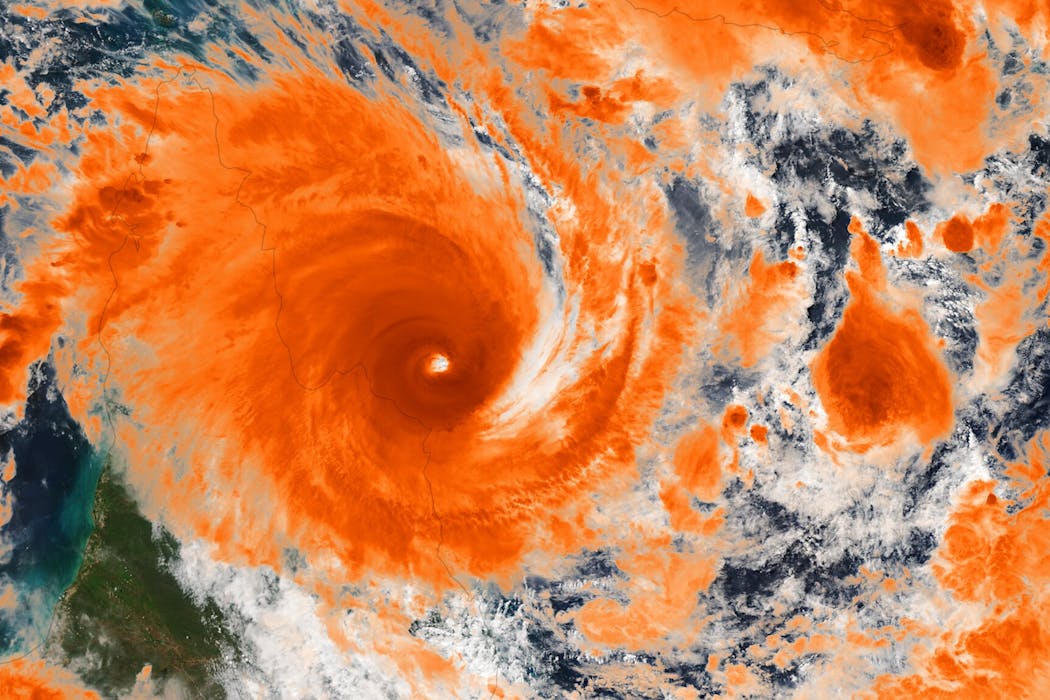
Tropical Cyclone Ita off the shore of Queensland, Australia, 2014. NASA/NOAA via NOAA Environmental Visualization Laboratory/Flickr, CC BY

Tropical cyclones – also known as hurricanes, typhoons or storms, depending on their location and intensity – are among the world’s most destructive and costly climate disasters.

Their direct physical impacts, such as injuries and drowning, are well known.

But what about the wider health effects in the days and weeks after a cyclone? As health systems are disrupted and other issues arise, what happens next?

We analysed 14.8 million deaths in 1,356 communities around the world that had 217 tropical cyclones between them.

In our paper published today in the BMJ, we show what, and who, we should be focusing on if we are to prevent more people dying after these devastating events.

Why we’re interested in this

Each year, tropical cylones affect more than 20 million people and rack up around US$51.5 billion in damage globally.

In recent years, these cyclones have been getting stronger and lasting longer. They are expected to become more intense as our climate warms.

As well as wanting to know the wider health effects of tropical cyclones, we wanted to find out how these differ between countries and territories.

For instance, how do the wider health effects differ in countries such as Australia, which usually see fewer cyclones, compared to cyclone “hot zones”, such as those in East and Southeast Asia, or the eastern coast of the United States?

Understanding these differences is important given the shifting behaviour of tropical cyclones in a changing climate. This may include a greater risk in historically less-affected regions.

What we did

Our research team collected data from 1,356 communities across Australia, Brazil, Canada, South Korea, Mexico, New Zealand, the Philippines, Taiwan and Thailand between 2000 and 2019.

We combined death records with modelling of wind and rainfall patterns for each cyclone. This allowed us to assess relationships of cyclone windspeed and rainfall with the risk of dying from various causes afterwards. We also accounted for seasonal variations in mortality, and other factors.

What we found and what could explain it

The results were striking. Risks of dying from various causes consistently increased after a tropical cyclone. Generally, the risk peaked within the first two weeks of the cyclone, followed by a rapid decline.

Over the first two weeks, the largest increases were seen in deaths from kidney disease (up 92%) and injuries (up 21%) per cyclone-day in the first week. The more cyclone-days, the greater the cumulative risk.

We found more modest increases for deaths from diabetes (15%), neuropsychiatric disorders (such as epilepsy) (12%), infectious diseases (11%), gut diseases (6%), respiratory diseases (4%), cardiovascular diseases (2%) and cancer (2%).

So why is this happening? A combination of disrupted essential health care, limited access to medications, and increased physical and psychological stress likely explain our findings.

For example, power outages, flooding, or transportation disruptions caused by cyclones might stop the regular dialysis for people with kidney disease, creating life-threatening complications.

Rain may be even more deadly

We also found that rainfall from tropical cyclones is more strongly associated with deaths than wind, especially for cardiovascular, respiratory and infectious diseases.

This may be because the hazards associated with heavy rainfall, such as flooding and water contamination, can be more deadly than the direct impacts of strong winds, particularly for certain diseases.

So early warning systems for tropical cyclones may need to place greater emphasis on cyclone-related rainfall as well as windspeed.

Poorer countries were worse off

A similar study in 2022 focused on deaths after cyclones in the US. But when we studied more countries, we found higher risks of cyclone-related deaths.

We also found people living in poorer communities are substantially more likely to die from various causes after tropical cyclones.

These health gaps appeared to be most pronounced for kidney, infectious and gut diseases, as well as diabetes, reflecting existing health inequities.

Notably, countries and communities that rarely experienced cyclones but were now exposed to them were at greater risk of cyclone-related deaths. This may reflect a lack of effective response systems in areas with historically fewer cyclones.

The findings also highlight that many areas in the world that have had few cyclones historically, including Australia and higher-latitude regions, cannot afford to be complacent. With climate change, cyclone tracks and intensity are shifting, and these places may be especially vulnerable.

Where to next?

To reduce the health impacts of tropical cyclones, health departments’ disaster planning must look beyond immediate injuries and infrastructure damage. They need to prepare for a surge in medical needs across a range of diseases.

Emergency management agencies need to invest in poorer communities to reduce the persistent and significant health inequities they face during disasters such as cyclones.

Meteorological departments should also integrate more health data and epidemiological evidence into cyclone early warning and management systems to better protect vulnerable populations.

The Conversation

Wenzhong Huang receives funding from the China Scholarship Council.

Shandy (Shanshan) Li receives funding from the NHMRC.

Yuming Guo receives funding from the NHMRC and ARC.

ref. We studied 217 tropical cyclones globally to see how people died. Our findings might surprise you – https://theconversation.com/we-studied-217-tropical-cyclones-globally-to-see-how-people-died-our-findings-might-surprise-you-268983

Hundreds of genes act differently in the brains of men and women

Source: The Conversation – Global Perspectives – By Jenny Graves, Distinguished Professor of Genetics and Vice Chancellor’s Fellow, La Trobe University

GettyImages Tek Image / Science Photo Library via Getty Images

Differences between men and women in intelligence and behaviour have been proposed and disputed for decades.

Now, a growing body of scientific evidence shows hundreds of genes act differently in the brains of biologically male or female humans. What this means isn’t yet clear, though some of the genes may be linked to sex-biased brain disorders such as Alheizmer’s and Parkinson’s diseases.

These sex differences between male and female brains are established early in development, so they may have a role in shaping brain development. And they are found not only in humans but also in other primates, implying they are ancient.

Gene activity in male and female brains

Decades of research have confirmed differences between men and women in brain structure, function and susceptibility to mental disorders.

What has been less clear is how much of this is due to genes and how much to environment.

We can measure the influence of genetics by looking directly at the activity of genes in the brains of men and women. Now that we have the full DNA sequence of the human genome, it is comparatively easy to detect activity of any or all of the roughly 20,000 genes it contains.

Genes are lengths of DNA, and to be expressed their sequence must be copied (“transcribed”) into messenger RNA molecules (mRNA), which are then translated into proteins – the molecules that actually do the work that underpins the structure and function of the body.

So by sequencing all of this RNA (called the “transcriptome”) and lining up the base sequences to the known genes, we can measure the activity of every gene in a particular tissue – even an individual cell.

When scientists compared the transcriptomes in postmortem tissue samples from hundreds of men and women in 2017, they found surprisingly different patterns of gene activity. A third of our 20,000 genes were expressed more in one sex than the other in one or several tissues.

The strongest sex differences were in the testes and other reproductive tissues, but, surprisingly, most other tissues also showed sex biases. For instance, a subsequent paper showed very different RNA profiles in muscle samples from men and women, which correspond to sex differences in muscle physiology.

A study of brain transcriptomes published earlier this year revealed 610 genes more active in male brains, and 316 more active in female brains.

What genes show sex bias in the brain?

Genes on the sex chromosomes would be expected to show different activity between men (with an X chromosome and a Y chromosome) and women (with two X chromosomes). However, most (90%) sex-biased genes lie on ordinary chromosomes, of which both males and females have two copies (one from mum, one from dad).

This means some sex-specific signal must control their activity. Sex hormones such as testosterone and oestrogen are likely candidates, and, indeed, many sex-biased genes in the brain respond to sex hormones.

How are sex differences established in the brain?

Sex differences in brain gene activity appear early in the development of the foetus, long before puberty or even the formation of testes and ovaries.

Another 2025 study examined 266 post mortem fetal brains and found more than 1,800 genes were more active in males and 1,300 in females. These sets of sex-biased genes overlapped with those seen in adult brains.

This points to direct genetic effects from genes on the sex chromosomes, rather than hormone-driven differences.

Do these differences mean male and female brains work differently?

It would be remarkable if sex differences in the activity of so many genes were not reflected in some major differences in brain function between men and women. But we don’t know to what extent, or which functions.

Some patterns are emerging. Many female-biased genes have been found to encode neuron-associated processes, whereas male-biased genes are more often related to traits such as membranes and nuclear structures.

Many genes are sex-biased only in particular sub-regions of the brain, which suggests they have a sex-specific function only in those regions.

However, differences in RNA levels don’t always produce differences in proteins. Cells can compensate to maintain protein balance, meaning that not all RNA differences have functional outcomes. Sometimes, developmental processes differ between sexes but lead to the same end result.

Brain health

Of particular interest is the finding of a relationship between sex biases and sex differences in the susceptibility to some brain disorders.

Many genes implicated in Alzheimer’s disease are female-biased, perhaps accounting for the doubled incidence of this disease in women. Studies on rodents imply that expression of the male-only SRY gene in the brain exacerbates Parkinson’s disease.

Evolution of sex differences in brain gene function

These sex-biased gene expression patterns are by no means unique to humans.
They have also been found in the brains of rats and mice as well as in monkeys.

The suites of male- and female-biased genes in monkeys overlap significantly with those of humans, implying that sex biases were established in a common ancestor 70 million years ago.

This suggests that natural selection favoured gene actions that promoted slightly different behaviours in our male and female primate ancestors – or perhaps even further back, in the ancestor of all mammals, or even all vertebrates.

In fact, sex differences in the expression of genes in the developing brain look to be ubiquitous in animals. They have been observed even in the humble nematode worm.

The Conversation

Jenny Graves receives funding from the Australian Research Council.

ref. Hundreds of genes act differently in the brains of men and women – https://theconversation.com/hundreds-of-genes-act-differently-in-the-brains-of-men-and-women-266352

Taking prescription opioids for too long can be harmful. Here’s how to cut back and stop

Source: The Conversation – Global Perspectives – By Aili Langford, Pharmacist, Lecturer, NHMRC Emerging Leadership Fellow, Sydney Pharmacy School, The University of Sydney, University of Sydney

Maskot/Getty Images

Opioids, such as oxycodone, morphine, codeine, tramadol and fentanyl, are commonly prescribed to manage pain. You might be given a prescription when experiencing pain, or after surgery or an injury.

But while opioids may relieve pain in the short term, they provide little to no lasting improvement in pain or function beyond a few weeks for people whose pain isn’t caused by cancer.

Opioids can also cause side effects such as nausea, constipation and drowsiness, as well as serious risks such as dependence and overdose.

Over the past decade, Australia has introduced initiatives to reduce opioid use and related harm. This includes new guidelines that recommend reducing the dose or stopping opioids when the risks of continuing outweigh the benefits.

Many people can reduce or stop opioids without their pain worsening. Some people even experience less pain. However, for some people, reducing or stopping opioids can result in worse pain, mental health crises and even suicide.

Our new research, published today in the New England Journal of Medicine, explains how to safely reduce and stop taking prescription opioids.

How do you know when it’s time to stop? Then what?

Determining whether it is appropriate to reduce or stop opioids depends on several factors unique to each person. These include:

  • why opioids were prescribed
  • how long they’ve been used
  • what other treatments you’ve tried
  • how the medication affects your pain, function and quality of life
  • your life circumstances.

If it’s appropriate to trial reducing or stopping opioids, guidelines from Australia, the United Kingdom and the United States emphasise the following principles:

1) Shared decision-making

Shared decision-making is where health-care professionals and patients work together to set goals, weigh risks and benefits, and make informed choices.

This means collaboratively designing an opioid reduction plan that reflects the person’s needs, preferences and circumstances, rather than imposing a one-size-fits-all approach.

Research shows shared decision-making may lead to better outcomes, and patients value this process.

2) Reduce gradually

Stopping opioids suddenly can cause withdrawal symptoms such as anxiety, insomnia, and stomach upset. Rapid dose reductions can also increase the risk of overdose, mental distress and suicide.

To avoid these risks, opioids should be reduced gradually over weeks, months or even longer. The process should be flexible, allowing for pauses or adjustments to the reduction plan if needed.

When someone takes lower doses of opioids over time, their body’s tolerance decreases. If they return to a higher dose, there is a risk of overdose. For this reason, health-care professionals may recommend having naloxone available. This is a medication that can reverse an opioid overdose.


Read more:
Naloxone can reverse opioid overdose. Here’s why you might need some at home or in your bag


3) Set up other supports

Supportive strategies should be used before, during and after reducing opioids. These can include:

  • physical therapies such as physiotherapy
  • psychological approaches such as mindfulness
  • non-opioid medications
  • mental health support from health-care professionals, friends and family
  • education about pain self-management.

The evidence supporting specific interventions is often limited or uncertain. Choosing a strategy will depend on your individual preferences and access. The best approach is likely a combination of several different supports.

4) See your health-care provider for ongoing monitoring

Regular monitoring from a health-care professional is recommended during and after opioid reduction to assess pain, function, withdrawal symptoms and wellbeing.

This can help to ensure that any issues are identified early and are addressed.

If someone experiences a clear decline in their quality of life, for example, it may be necessary to pause or stop the taper and revisit it later, provide extra supports or implement strategies to manage withdrawal symptoms.

We need a health system that supports this process

Making opioid reduction safer and more effective requires putting these principles into practice. But many patients and health-care professionals still face challenges when doing so.

It’s best practice to access a team-based pain management program with support from a doctor, physiotherapist and psychologist, among other providers, to manage pain and reduce the use of opioids. But access to these services remains limited in many parts of Australia.

Physio works with patient in a clinic
Not everyone has access to team-based pain management.
Hispanolistic/Getty Images

Consumer organisations and professional bodies have called for greater access to team-based pain services so more people, especially those living in rural and under-served areas, can access support.

Australian health-care professionals have also requested more education and training in pain management, prescribing and opioid reduction, as well as stronger evidence about what works, for whom and why. This is so they’re better able to tailor their care to each person’s needs.

Other strategies such as reducing the amount of opioids prescribed – including after surgery – have also been proposed to help prevent long-term opioid use and the need for reduction plans later on.

The Conversation

Aili Langford receives funding from the Australian National Health and Medical Research Council through an Investigator Grant Fellowship. She sits on the Executive Committee of the Australian Deprescribing Network (ADeN). This is an unpaid volunteer role.

Christine Lin receives funding from the National Health and Medical Council and the Medical Research Future Fund. She is a member of the Australian Physiotherapy Association and Fellow of the Australian College of Physiotherapy.

ref. Taking prescription opioids for too long can be harmful. Here’s how to cut back and stop – https://theconversation.com/taking-prescription-opioids-for-too-long-can-be-harmful-heres-how-to-cut-back-and-stop-265874

Do you speak cat? Take this quiz to find out

Source: The Conversation – Global Perspectives – By Julia Henning, PhD Candidate in Feline Behaviour, School of Animal and Veterinary Science, University of Adelaide

Katelyn G/Unsplash

While often miscast as mysterious or hard to understand, cats are actually excellent communicators. In fact, in free-ranging cat colonies, physical fights are kept to a minimum through clever use of body posturing, scent exchange and vocalisations.

Cats have also adapted their communication for humans. For instance, adult cats don’t usually meow at each other. But when around people, cats meow a lot, suggesting they have adapted this vocalisation for communicating with humans.

And it’s not just the meow. Cats have a wide vocal repertoire for conveying different meanings, even for specific people. Bonded cats and humans often develop their own communication repertoires, similar to having a unique dialect.

Cats can understand human communication too. Studies show cats know their own names and the names of their companions, and can recognise human emotions, even changing their own behaviour in response.

Despite all this, humans still routinely misunderstand cats. Our new study, published in Frontiers in Ethology, shows just how little people understand the cues cats give. Try the quiz below to see how well you speak cat.

What we did

We asked 368 Australian participants to watch videos of human–cat play interactions. But not all the videos were “play” for the cat. Only half of the cats were playing, while the other half were actually showing signs they didn’t want to play, or were feeling stressed by the interaction.

After each video, participants were asked if they thought the interaction was overall positive or negative for the cat, based only on the cat’s behaviour. They were then asked how they would interact with the cat in the video they had just seen.

How well do you speak cat?

Watch the short videos below and decide: is the cat feeling positive or negative about the interaction? Remember to base your answers only on the cat’s behaviour.

What did our study find?

Results showed that participants struggled to recognise negative cues indicating discomfort or stress in cats.

For videos of cats who weren’t playing and were showing subtle negative cues (such as sudden tension in the body or avoiding touch), participants only recognised the negative cues about as well as chance (48.7%).

Even when participants watched videos of cats showing overt negative cues like hissing, biting or trying to escape, they still incorrectly categorised these as positive 25% of the time.

Recognising when a cat is stressed is only the first step. We also need to know how to respond to these cues.

Even when participants did successfully recognise negative cues, they often chose to engage with the cat in ways that would cause more stress and increase the risk of human injury, such as stroking, belly rubbing and playing with hands.

A man in a summer outfit on a street pats a friendly cat who is wearing a collar.
Cats are excellent communicators – you just need to know the signs.
Micky White/Unsplash

Stress is unhealthy

Stress can have serious consequences. Cats who experience regular or prolonged stress (including from unwanted interactions like those in the negative videos) are at higher risk of heath issues such as bladder inflamation.

They’re also more likely to develop behaviours people find problematic, such as increased aggression or urinating outside of the litter tray. In turn, these behaviours increase risk of the cat being euthanised or rehomed.

Cat stress is bad for humans, too. If a person doesn’t heed early warning signs, the cat may bite or scratch, depositing bacteria and microorganisms deep into the skin. Rapid infection follows 30%–50% of cat bites. If not treated promptly, it can lead to serious complications including sepsis, chronic health issues and even death. Cat bites and scratches can also transmit zoonotic diseases such as cat scratch disease.

A calico cat getting hugs and pats.
Cats are less stressed when they’re not having to deal with unwanted interactions.
Fuzzy Rescue/Unsplash

How to play safely with cats

Watch for early warning signs a cat isn’t enjoying themselves and stop if you notice any. By the time cues are obvious, cats are already experiencing distress.

Early warnings include turning away, dodging or blocking attempts to touch, flinching, body tension, ears back or to the side, lip/nose licking and tail thrashing, slapping or tucking.

Touch

Avoid sensitive areas such as the belly, paws or the base of the tail. Cats prefer to be touched on the head and neck.

Avoid using hands to play. It teaches cats that hands are toys, and increases the risk of accidental injury. Instead, use toys that keep your face and hands away, such as a wand toy with a long handle.

Tail

Tail movements aren’t always a negative sign – they just mean the cat is emotionally stimulated and that could be from stress or excitement. Cats also use their tails for balance. So it’s best to consider the tail in combination with the whole body and the context.

Changes in tail movements can also give important clues to the cat’s mood. Generally, the bigger the movement, the more intense the feeling. So, if the movements start to get bigger or faster during play, or if a tail goes from relaxed to swishing when you touch, that might be a sign to back off.

Ears

Cats’ ears are like antennas that swivel and adjust to pinpoint sound, but they can also give us a clue to how they are feeling. If the ears move for a moment and then return to a relaxed position, that usually means they’re listening to the world around them. If the ears remain flattened and back, that’s a sign of distress.

Vocalisations

Trilling and chirruping both suggest a playful cat, while hissing, growling and yowling all indicate stress. Purring might seem positive but may indicate a cat is stressed and trying to self soothe.

Let them be

When early warnings don’t work, cats may show overt signs such as hissing, growling, trembling, hiding and, ultimately, biting or scratching.

If you notice warning signs, give the cat plenty of space. When stressed, cats don’t like being touched or having people too close. If the cat comes back and re-initiates contact, that’s a good sign they’re comfortable, but keep watch for warning signs returning.

If you pay attention to your cat’s behaviour and give them space when they need it, with a bit of practice you might just become fluent in cat.

The Conversation

Julia Henning does not work for, consult, own shares in or receive funding from any company or organisation that would benefit from this article, and has disclosed no relevant affiliations beyond their academic appointment.

ref. Do you speak cat? Take this quiz to find out – https://theconversation.com/do-you-speak-cat-take-this-quiz-to-find-out-268217

How Zohran Mamdani’s ‘talent for listening’ spurred him to victory in the New York mayoral election

Source: The Conversation – UK – By Daniel Hutton Ferris, Lecturer in Political Theory and Philosophy, Newcastle University

Zohran Mamdani, a 34-year-old democratic socialist, has been elected as New York City’s mayor. He became the first New York mayoral candidate to win more than 1 million votes since 1969, and looks set to secure over 50% of the total vote.

With almost all of the votes counted, independent candidate Andrew Cuomo seems to have been backed by 41.6% of voters. Republican Curtis Sliwa has secured just 7%.

Mamdani, who has become New York City’s first Muslim mayor, swept to victory on what was characterised as a radical left-wing platform. He has promised to tax millionaires more in order to fund free buses and childcare for all.

He has also vowed to honour an International Criminal Court arrest warrant for the Israeli prime minister, Benjamin Netanyahu, over alleged war crimes in Gaza if he visits New York. The Israeli foreign ministry has previously called Mamdani a “mouthpiece for Hamas propaganda”.

How did a figure on the far left of American politics, who is also a staunch critic of Israel, win in a city that is full of millionaires and home to a sizeable Jewish population?

The corruption and sexual harassment scandals affecting his main rival certainly helped, as did the focus of his campaign on making life more affordable for New Yorkers. Mamdani’s presence on social media raised his profile and attracted voters, too.

He posted slick videos on TikTok and Instagram throughout his campaign, including one where he criticised the rent increases seen under outgoing mayor Eric Adams while running the New York City marathon.

But journalists and commentators have noticed something else that has helped boost Mamdani’s appeal among New Yorkers. He has what the New York Times called in July “a rare talent for listening”.

Mamdani is unusually reflective in interviews, often thinking silently for more than 20 seconds before responding to questions. And after his successful primary earlier in 2025, Mamdani contacted every business and cultural leader in the city he could get hold of to hear about why they opposed him.

The viral campaign videos that made his name also see him walking the streets of New York, asking voters questions and listening to their answers at length without interruption. Mamdani may be a radical, but he really listens.

Talking to voters

Democratic theorists are likely to celebrate Mamdani’s approach. Many philosophers embrace what is known as the “deliberative theory of democracy”, which argues that talking – as opposed to voting – is the central democratic institution.

These people suggest that politicians should talk to a diverse range of voters respectfully about their decisions. Listening to diverse perspectives improves policy because it requires leaders to consider a range of ideas and arguments, relying less on their own gut intuitions.

As a respectful and inclusive political style, it can also help citizens feel heard and challenge the idea that politicians are interested only in power and will say whatever it takes to win. A more deliberative kind of responsiveness to voters can therefore increase political legitimacy and trust.

Political scientists are likely to point out that Mamdani has an important strategic reason for his deliberative political style. New York City uses a system of ranked choice voting, or “the alternative vote”, which asks voters to rank candidates in order of their preference rather than choosing just one.

This encourages politicians to find policy proposals that are supported by large majorities, such as taxing millionaires to pay for free childcare, and to communicate respectfully with people of all political persuasions in the hope they might win their second-preference votes.

Larry Diamond, a leading American democracy expert, has called ranked choice voting the “Archimedean lever of change” for solving the deep polarisation currently affecting US politics. This is because it penalises candidates who rely on divisive rhetoric to appeal to a passionate base of supporters.

They are unlikely to win second-preference votes from people whose first preference is for one of their rivals. Conversely, ranked choice voting rewards politicians who try to bridge political divides with respectful and inclusive campaigning.

Depolarising US politics

There are many lessons that the political left in the US and beyond can learn from Mamdani’s victory. Most obviously, it shows that a socialist and pro-Palestine candidate can win in a major US electoral contest by combining a lively digital campaign with a strong focus on the cost of living.

It also suggests that candidates perceived as being radical are more likely to succeed in elections when they are visibly willing to listen to and deliberate with voters from all sorts of backgrounds.

Mamdani’s rise should also encourage a wider embrace of ranked choice voting. The system has been used to elect members of Australia’s House of Representatives for more than a century and it is now used in the US states of Maine and Alaska, as well as in the San Francisco Bay Area.

It should be adopted elsewhere too, as an antidote to political polarisation. The UK held a referendum on changing the electoral system to the alternative vote in 2011. However, UK voters unfortunately rejected the proposal.

Finally, Mamdani’s victory shows that radicalism and reflectiveness can come together, especially when the electoral system promotes it. Ranked choice voting is so good at encouraging a politics of respect and listening that it is sometimes accused of creating boring centrist candidates.

But Mamdani has reminded us that this does not have to be the case. Reforming US election systems could encourage deliberative responsiveness and depolarise American politics, without taking radical options off the menu.

The Conversation

Daniel Hutton Ferris does not work for, consult, own shares in or receive funding from any company or organisation that would benefit from this article, and has disclosed no relevant affiliations beyond their academic appointment.

ref. How Zohran Mamdani’s ‘talent for listening’ spurred him to victory in the New York mayoral election – https://theconversation.com/how-zohran-mamdanis-talent-for-listening-spurred-him-to-victory-in-the-new-york-mayoral-election-268950