So-called ‘clutch’ athletes might be more hype than nerveless match-winners

Source: The Conversation – Global Perspectives – By Ger Post, Lecturer Neuroscience, PhD student collaborative reasoning, The University of Melbourne

With the AFL finals approaching, discussions about the league’s clutch players – those who excel under pressure – will soon appear in the media and be debated among fans.

Last year, Gold Coast captain Noah Anderson was ranked highest in a list of AFL clutch players, followed by more established names including the Western Bulldogs’ Tom Liberatore and Geelong’s Patrick Dangerfield.

But what does clutch really mean and is it possible for athletes to be “clutch”?

Noah Anderson enhanced his reputation as a so-called clutch player with a match-winning effort against Collingwood.

The power of labels and narratives

While most people struggle when the pressure rises – they may even “choke”, where they lose the ability to perform a skill in front of an audience – clutch players seem to excel in these circumstances.

They thrive when the heat is on and seem to save something special for these moments.

The label of being a clutch player is often shaped by stereotypical narratives of, as some media commentary has put it, “hardened, stubborn men” who will “take themselves to the next level through sheer guts and an iron will”.

In 2018, former Port Adelaide great and outspoken media pundit Kane Cornes earmarked Bulldogs champion Marcus Bontempelli as a clutch player:

The one player who I want with the ball in their hands, when the game is on the line is “The Bont”. For me, Marcus Bontempelli, is right now the best clutch performer in the competition.

More recently, Carlton’s Blake Acres was described as “intense, desperate and completely unwilling to give an inch” in the finals:

Acres was the big moment player, full of desperation, intensity and a relentless attack on the ball.

But are these players really clutch?

Blindspots and biases

These character sketches and rankings of clutch players mask many blind spots and biases in how the data are compiled and interpreted.

For example, the data tend to favour players who generate impact with eye-catching and easily measurable actions (such as Bontempelli, who often brilliantly takes marks and kicks goals) while undervaluing those who do the less glamorous grunt work that helps the rest of the team (such as Liberatore, who plays a more selfless role).

More importantly, the data don’t reflect whether a player actually improves under pressure (the definition of clutch).

In the case of Anderson, is he indeed performing better than others in the final quarters of tight games? Or is he just more talented than others and ranks higher in all quarters of games?

Or maybe he is better in the first three quarters of the game and then declines in the fourth quarter – yet he is he still better than the rest?

We don’t know solely from assessing his performances in final quarters.

Studies from other team sports including basketball, soccer and baseball cannot definitely prove players excel under pressure.

No one saves something special for when it’s needed most.

It seems more likely that clutch performances simply stick in our memories: game-deciding moments are more memorable than efforts that fail to seal victory.

There could be other reasons, too.

The power of opportunity

Statistics from many sports show even if athletes are involved in more goals or baskets when the game is on the line, it doesn’t necessarily mean they excel in these moments.

When late-game performances by basketball legends including LeBron James and Kobe Bryant were analysed, another option surfaced: clutch performers seem to be doing more instead of better in the last minutes of tight games.

Their scoring accuracy doesn’t improve in these moments (they miss, on average, just as much as most players) but they do get more scoring opportunities.

These opportunities are created by many involved, not in the least the teammates who pass the ball to the clutch player.

These teammates often follow the instructions from their coaches to get the clutch player in scoring position in the dying seconds.

Opponents can, unintentionally, assist by making more fouls on clutch players when the heat is on, giving them more free throws to seal the victory.

Finally, there are fans and pundits who label these players as the ones who should decide the game.

So to get more opportunities to decide a match, an athlete needs to build a reputation that they will take themselves “to the next level” when it matters most. Tattooing “CHOSEN1” on your back might help build these reputations, as LeBron James did.

Even better is when others talk about your confidence, hunger for victories, or hardened, stubborn competitiveness. This signals to fans, teammates and coaches that you are the one who should be getting the ball to decide the game.

More opportunities means more game-winning shots, which reinforces the idea you are a clutch player.

Being listed as one of the most clutch players of the competition might be the best assist an athlete can get to decide a final.

The Conversation

Ger Post does not work for, consult, own shares in or receive funding from any company or organisation that would benefit from this article, and has disclosed no relevant affiliations beyond their academic appointment.

ref. So-called ‘clutch’ athletes might be more hype than nerveless match-winners – https://theconversation.com/so-called-clutch-athletes-might-be-more-hype-than-nerveless-match-winners-263111

Not all processed foods are bad for you. Here’s what you can tell from reading the label

Source: The Conversation – Global Perspectives – By Clare Collins, Laureate Professor in Nutrition and Dietetics, University of Newcastle

If you follow wellness content on social media or in the news, you’ve probably heard that processed food is not just unhealthy, but can cause serious harm.

Eating a diet dominated by highly processed foods means you’re likely to consume more kilojoules than you need, and greater amounts of salt, sugar – as well as food additives.

But not all processed foods are equal, nor bad for you. Here’s what to look out for on food labels if you want to buy processed, but convenient, foods.

What do the processing categories mean?

Researchers use the Nova processed food classification system to group foods into four processing levels.

Group 1: Unprocessed or minimally processed foods are either in their natural state or have minimal processing. They’re basic foods you could eat straight away, such as vegetables and fruit, or foods that only need minimal processing to make them safe and palatable, such as eggs, meat, poultry, fish, oats, other grains, plain pasta, legumes, milk, plain yoghurt, ground herbs and spices, or nuts with shells.

Group 2: Processed culinary ingredients are derived from group 1. These are used in cooking to enhance flavour and texture, and include oils, sugar and honey.

Group 3: Processed foods are treated using traditional processing methods such as canning, bottling, fermenting, or salting to extend shelf life. These include canned fruits, tomato paste, cheese, salted fish, and breads with minimal ingredients. You could make these foods in a home kitchen.

Group 4: Ultra-processed foods are industrially produced with ingredients and additives not normally found in home kitchens, and have little, if any, group 1 items left intact. These foods are engineered to be hyper-palatable, meaning you can’t stop eating them, and have long shelf lives. Products include factory-made biscuits, snack foods, instant meals, frozen desserts, preserved meats, instant noodles, margarine, some breakfast cereals and sugar-sweetened drinks.

However, group 4 products vary greatly in their nutritional quality and the number and type of food additives used to manufacture them.

What’s the concern about eating lots of ultra-processed foods?

About 42% of Australians’ total energy intake comes from ultra-processed foods. These are relatively cheap and are energy-dense, but nutrient-poor. This means they can contain a lot of kilojules, salt and added sugars but are poor sources of nutrients the body needs such as vitamins, minerals and dietary fibre.

Studies have linked higher intakes of ultra-processed foods with poorer diet quality and worse health outcomes. A review of 122 observational studies found people with the highest intakes (compared with the lowest) were about 25% more likely to have had a decline in kidney function. They were 20% more likely to be overweight, or have obesity or diabetes, and were 40% more likely to have common mental health conditions such as depression.

However, a recent review highlighted that the health impact of these foods and drinks varies depending on their category. Products such as sugar-sweetened drinks can negatively affect health, while others – such as cereals with added vitamins and minerals and some dairy products – can be neutral or even protective.

Some level of food processing can improve food safety, extend shelf life and reduce food waste. This is likely to include the use of additives, such as emulsifiers, flavour enhancers, preservatives, food acids, colours and raising agents. Additives need to be approved by Food Standards Australia and New Zealand (FSANZ) after a safety assessment, with the lowest amount added to achieve the specific purpose in the food product.

A cheese board
Processed foods have different health risks and benefits.
Kyle Roxas/Getty Images

However, some adults and children eat a lot of ultra-processed foods. This means they have high intakes of food additives, in terms of total amount and different types.

Researchers have raised concerns about a potential link between high intakes and increased risks of some health conditions, ranging from mental health disorders to heart disease and metabolic disorders such as diabetes. The researchers called for transparent use of evidence to ensure public health messaging is kept up to date.

An observational study in more than 100,000 French adults also raised concerns about potential “cocktail” effects of food additive combinations. Although more research is needed, they found some additive combinations were associated with a higher risk for developing type 2 diabetes.

Finally, a recent review highlighted the potential for additives, particularly emulsifiers, to damage the gut lining and alter the balance of healthy versus unhealthy gut microbes. This could potentially increase the risk of developing inflammatory bowel conditions.

What processed foods should you choose?

It depends on how they’re made, the additives used, how often you eat them, and how much you have.

When choosing processed foods:

  1. Read the ingredient list on the food label. It tells you a lot about the level of processing and additives used. Look for products that contain minimal to no additives, and ingredients that could be found in a home kitchen. Note that additives could be listed by name or number.

  2. If there are a number of products in the same category, choose the one with more Health Stars as it will contain less salt, saturated fat and added sugars, compared to products with fewer Health Stars.

  3. Think about how often you eat the product. If you do eat it weekly or more often, spend more time comparing products before making a final choice.

While you might expect all Nova 3 processed foods to be healthier than Nova group 4 (ultra-processed), this isn’t always the case. Nova group 3 items don’t necessarily meet the nutrient criteria that deems them “healthy”. They could still contain excessive amounts of added salt, saturated fat or sugars.

For help to review the level of processing alongside the nutrient criteria, consider using an app such as Open Food Facts. This assigns food products a Nova group score, a nutrition score, and another to rate its impact on the environment.


Read more:
Ultra-processed foods might not be the real villain in our diets – here’s what our research found


The Conversation

Clare Collins AO is a Laureate Professor in Nutrition and Dietetics at the University of Newcastle, NSW and a Hunter Medical Research Institute (HMRI) affiliated researcher. She is a National Health and Medical Research Council (NHMRC) Leadership Fellow and has received research grants from NHMRC, ARC, MRFF, HMRI, Diabetes Australia, Heart Foundation, Bill and Melinda Gates Foundation, nib foundation, Rijk Zwaan Australia, WA Dept. Health, Meat and Livestock Australia, and Greater Charitable Foundation. She has consulted to SHINE Australia, Novo Nordisk, Quality Bakers, the Sax Institute, Dietitians Australia and the ABC. She was a team member conducting systematic reviews to inform the 2013 Australian Dietary Guidelines update, the Heart Foundation evidence reviews on meat and dietary patterns and was Co-Chair of the Guidelines Development Advisory Committee for Clinical Practice Guidelines for Treatment of Obesity 2025.

ref. Not all processed foods are bad for you. Here’s what you can tell from reading the label – https://theconversation.com/not-all-processed-foods-are-bad-for-you-heres-what-you-can-tell-from-reading-the-label-260818

Russia’s GPS interference: do I need to worry when flying?

Source: The Conversation – Global Perspectives – By Lucia McCallum, Senior Scientist in Geodesy, University of Tasmania

Gints Ivuskans / AFP via Getty Images

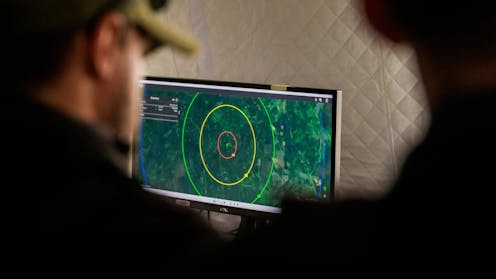
On Sunday, a plane carrying European Union chief Ursula von der Leyen was reportedly forced to land in Bulgaria using paper maps after its GPS navigation systems were jammed. Bulgarian authorities claim the jamming was deliberate Russian interference, though a Kremlin spokesperson told the Financial Times this was “incorrect”.

GPS interference is on the rise, so you might be wondering how it works. And can anything be done about it? And – perhaps most importantly – do you need to worry?

How does GPS jamming work?

The Global Positioning System (GPS) and other satellite navigation systems use radio signals from satellites to calculate position. To determine position, a GPS needs a direct line of sight to at least four satellites.

There are two ways to disrupt satellite navigation.

The first is jamming. This works by simply broadcasting high-intensity radio noise in the same frequency band used by the navigation satellites.

Jamming drowns out the satellite signal, like a person shouting loudly in your ear stops you hearing what someone is saying on the other side of the room. This appears to be what happened in Bulgaria.

The second way to interfere with satellite navigation is called spoofing, and it’s a little more elegant. Spoofing involves sending radio signals that pretend to be coming from the navigation satellites.

Where jamming stops the satellite navigation system from producing any location, spoofing tricks it into giving a false location – with potentially catastrophic results.

Are jamming and spoofing becoming more common?

Jamming and spoofing do appear to be growing more common, especially in conflict zones in the Middle East and Eastern Europe.

A clandestine Russian base near the Polish border is reportedly responsible for satnav interference in the Baltic region.

Ships in the Red Sea report frequent interference, likely from Houthi rebels in Yemen.

These increasingly common incidents highlight how vulnerable our reliance on satellite navigation makes us.

What can be done about interference?

The best response to interference is to have backup navigation options in place. The US-run GPS is the best known and most commonly used satellite navigation system, but there are others.

The EU runs a parallel system called Galileo, while Russia has one called GLONASS and China operates its own BeiDou satellites.

Each of these systems operates using slightly different radio frequencies. Some navigation systems can tune in to more than one set of satellites – so even if one is jammed, others may be available.

Galileo also has a “safety of life” feature, which allows users to detect spoofing. Australia’s in-development SouthPAN system will also offer a similar feature.

Another common feature of navigation systems is inertial sensing. This relies on sensors such as gyroscopes and barometers to directly detect movement and calculate position.

Most car navigation systems use inertial sensors to track location in cities or tunnels where there is no direct line of sight to satellites. Inertial sensing works well for short periods of time, but quickly becomes inaccurate and needs to be recalibrated by checking in with satellite systems.

Many researchers around the world are trying to develop new alternatives to satellite navigation using extremely precise sensors. One recent development uses tiny fluctuations in Earth’s magnetic field to detect position, for example.


Read more:
Quantum navigation could transform how we travel. So what is it, and how does it work?


Should you be worried about flying?

Everyday air passengers have no need to worry about jamming or spoofing. For one thing, it’s very rare – especially outside conflict zones.

For another, the aviation industry is highly regulated and extremely safe. Even where satellite navigation doesn’t work, there are backup options.

What all of us can take away from this latest incident is how dependent we have become on satellite navigation. What matters is that we have a diverse range of systems so we are not dependent on just one.

The Conversation

Lucia McCallum does not work for, consult, own shares in or receive funding from any company or organisation that would benefit from this article, and has disclosed no relevant affiliations beyond their academic appointment.

ref. Russia’s GPS interference: do I need to worry when flying? – https://theconversation.com/russias-gps-interference-do-i-need-to-worry-when-flying-264334

How Australia’s anti-immigration rallies were amplified online by the global far right

Source: The Conversation – Global Perspectives – By Callum Jones, Associate research fellow, Deakin University

Over the weekend, rallies were staged across various Australian cities under the branding “March for Australia”. The rallies, which were attended by avowed neo-Nazis and elected politicians alike, called for an end to mass migration.

These protests are not unique to Australia. Recently, the United Kingdom has seen its own wave of anti-migrant demonstrations in cities such as London, Bristol and Birmingham.

Despite claims by some that the Australian rallies were “hijacked” by the neo-Nazi National Socialist Network (NSN), they were deeply rooted in the far-right, white nationalist ideas of “remigration” and the Great Replacement theory.

An ABC investigation in the lead-up to the rallies found that “remigration” was listed on the organisers’ website as a key reason for marching, before later being deleted.

Significantly, the March for Australia rallies also received high-profile, online support from far-right figures overseas, including Alex Jones, Tommy Robinson, Jack Posobiec and Elon Musk.

Musk retweeted a post erroneously claiming 150,000 people took part in the rallies, while Jones retweeted a post claiming a crowd size of half a million.

For the rally organisers, public support from figures such as these greatly expands the reach of their message, and repositions them from isolated fringe events to vital parts of a global anti-immigration movement.

This is not the first time Musk has inserted himself in the domestic politics of a foreign country to bolster the far right. The tech billionaire notably gave his support to Germany’s far-right Alternative for Germany party in recent elections, describing it as the “best hope”“ for the country.

In recent days, he also posted the phrase ”remigration is the only way“ in response to a post about foreigners in the UK.

Remigration refers to the mass deportation of non-white immigrants to their so-called countries of origin.

It is an ideological cornerstone of ”identitarianism“, a European far-right movement centred on preserving white European identities. These are perceived to be under attack by immigration, globalisation and multiculturalism.

Global growth of the far right

This online support for March for Australia underscores the growing transnational links among far-right movements.

These movements increasingly see themselves as united by shared concerns over the defence of so-called “Western Civilisation”, opposition to mass immigration, the preservation of white identity, and beliefs in conspiratorial narratives such as the Great Replacement theory.

And this transnational growth wouldn’t be possible without the proliferation of social media in recent years.

In Australia, for example, research shows how “indispensable” mainstream social media platforms have been in the development of anti-Islamic far-right movements such as the United Patriots Front, going back to the 2010s.

The far right also capitalises on virality and humour to extend the dissemination of their ideology online. In particular, this is done through memes.

Research has found, for example, that one particularly prominent transnational far-right meme, Pepe the Frog, has been localised for an Australian audience through the addition of a Ned Kelly mask.

Research also shows how international slogans travel across borders. US President Donald Trump’s “Make America Great Again” mantra, for instance, has been adapted into a distinctly local form for Australians: “Make Australia Grouse Again”.

The online space makes it easier for extreme views and rhetoric to permeate into mainstream political discourse, as well.

When elements of the far right get removed from mainstream social media platforms— a process known as “deplatforming” — they often find a new home on alternative platforms such as Telegram. Research shows they now host a range of Australian neo-Nazi groups.

It’s noteworthy that many of the key figures lending support for March for Australia, including Robinson and Jones, were previously deplatformed from Twitter before Musk acquired the company and reinstated them.

Social media has also allowed neo-Nazis such as Tom Sewell, who is essentially persona non grata in Australian mainstream media, to build a large and highly influential profile among international far-right audiences.

With Musk’s vows to defend “free speech” on X, and Mark Zuckerberg’s dramatic shift in Meta’s approach to content moderation, the mainstream social media environment is becoming even more hospitable to far-right movements. This is a worrying trend.

For the Australian far right, the support of figures such as Musk and Robinson signals an opportunity to increase their mobilising potential. It could also lead to the transnational exchange of information, resources and tactical support.

As the far right becomes increasingly emboldened, mainstreamed and normalised, we should expect to see more public and increasingly violent demonstrations across Australian cities – and support for these among a global audience online.

The Conversation

Kurt Sengul has received funding from the NSW Government’s Countering Violent Extremism (CVE) and Social Cohesion Research Program.

Callum Jones does not work for, consult, own shares in or receive funding from any company or organisation that would benefit from this article, and has disclosed no relevant affiliations beyond their academic appointment.

ref. How Australia’s anti-immigration rallies were amplified online by the global far right – https://theconversation.com/how-australias-anti-immigration-rallies-were-amplified-online-by-the-global-far-right-264269

What are ShinyHunters, the hackers that attacked Google? Should we all be worried?

Source: The Conversation – Global Perspectives – By Jennifer Medbury, Lecturer in Intelligence and Security, Edith Cowan University

Cyber crime group ShinyHunters has received global attention after Google urged 2.5 billion users to tighten their security following a data breach via Salesforce, a customer management platform.

Unlike data breaches where hackers directly break into databases holding valuable information, ShinyHunters – and several other groups – have recently targeted major companies through voice-based social engineering (also known as “vishing”, short for voice phishing).

Social engineering is when a person is tricked or manipulated into providing information or performing actions that they wouldn’t normally do.

In this case, to get access to protected systems, a criminal would pose as a member of the target company’s IT helpdesk and convince an employee to share passwords and/or multi-factor authentication codes. Although vishing is not a new tactic, the use of deepfakes and generative artificial intelligence to clone voices is making this type of social engineering harder to detect.

Just this year, companies such as Qantas, Pandora, Adidas, Chanel, Tiffany & Co. and Cisco have all been targeted using similar tactics, with millions of users affected.

Who, or what, are ShinyHunters?

ShinyHunters first emerged in 2020 and claims to have successfully attacked 91 victims so far. The group is primarily after money, but has also been willing to cause reputational damage to their victims. In 2021, ShinyHunters announced they were selling data stolen from 73 million AT&T customers.

ShinyHunters has previously targeted companies through vulnerabilities within cloud applications and website databases. By targeting customer management providers such as Salesforce, cyber criminals can gain access to rich data sets from multiple clients in one attack.

The use of social engineering techniques is considered a relatively new tactic for ShinyHunters. This change in approach has been attributed to their links with other similar groups.

In mid-August, ShinyHunters posted on Telegram they have been working with known threat actors Scattered Spider and Lapsus$ to target companies such as Salesforce and Allianz Life. The channel was taken down by Telegram within days of being launched. The group publicly released Allianz Life’s Salesforce data, which included 2.8 million data records relating to individual customers and corporate partners.

Scattered Lapsus$ Hunters, the newly rebranded group, recently advertised they had started providing ransomware as a service. This means they will launch ransomware attacks on behalf of other groups willing to pay them.

They claim their service is better than what’s being offered by other cyber crime groups such as LockBit and Dragonforce. Rather than negotiating directly with victims, the group often publishes public extortion messages.

Who are all these cyber criminals? There’s likely a significant overlap of membership between ShinyHunters, Scattered Spider and Lapsus$. All these groups are international, with members operating on the dark web from various parts of the world.

Adding to the confusion, each group is known by multiple names. For example, Scattered Spider has been known as UNC3944, Scatter Swine, Oktapus, Octo Tempest, Storm-0875 and Muddled Libra.

How can we protect ourselves from vishing?

As everyday users and customers of large tech companies, there’s little we can do in the face of organised cyber crime groups. Keeping yourself personally safe from scams means staying constantly vigilant.

Social engineering tactics can be highly effective because they prey on human emotions and the desire to trust and to be helpful.

But companies can also be proactive about reducing the risk of being targeted by vishing tactics.

Organisations can build awareness of these tactics and build scenario-based training into employee education programs. They can also use additional verification methods, such as on-camera checks where an employee shows a corporate badge or government-issued ID, or by asking questions that cannot easily be answered with information found online.

Finally, organisations can strengthen security by using authenticator apps that require phishing-resistant multi-factor authentication such as number matching or geo-verification. Number matching requires a person to enter numbers from the identity platform into the authenticator app to
approve the authentication request. Geo-verification uses a person’s physical location as an additional authentication factor.

The Conversation

Jennifer Medbury does not work for, consult, own shares in or receive funding from any company or organisation that would benefit from this article, and has disclosed no relevant affiliations beyond their academic appointment.

ref. What are ShinyHunters, the hackers that attacked Google? Should we all be worried? – https://theconversation.com/what-are-shinyhunters-the-hackers-that-attacked-google-should-we-all-be-worried-264271

What happens if I eat too much protein?

Source: The Conversation – Global Perspectives – By Margaret Murray, Senior Lecturer, Nutrition, Swinburne University of Technology

lakshmiprasad S/Getty Images

The hype around protein intake doesn’t seem to be going away.

Social media is full of people urging you to eat more protein, including via supplements such as protein shakes. Food companies have also started highlighting protein content on food packages to promote sales.

But is all the extra protein giving us any benefit – and can you have too much protein?

Protein’s important – but many eat more than they need

Eating enough protein is important. It helps form muscle tissue, enzymes and hormones and it plays a role in immune function. It can also give you energy.

Australia’s healthy eating guidelines, penned by experts and backed by government, recommend we get 15–25% of our daily energy needs from protein.

The recommended daily intake of protein for adults is 0.84 grams per kilogram of body weight for men and 0.75 grams per kilogram of body weight for women

This is about 76 grams per day for a 90 kilogram man or 53 grams per day for a 70 kilogram woman. (It’s a bit more if you’re over 70 or a child, though).

Most Australian adults are already eating plenty of protein.

Even so, many people still go out of their way to add even more protein to their diet.

For people working to increase muscle mass through resistance training, such as lifting weights, a protein intake up to 1.6 grams per kilogram of body weight per day (that’s 144 grams a day for a 90 kilogram person) can help with increasing muscle strength and size.

But research shows there is no additional muscle gain benefit from eating any more than that.

For most of us, there’s no benefit in consuming protein above the recommended level.

In fact, having too much protein can cause problems.

A family eats prawns and poultry at dinner.
For most of us, there’s no benefit in consuming protein above the recommended level.
Photo by Angela Roma/Pexels

What happens when I eat too much protein?

Excess protein is not all simply excreted from the body in urine or faeces. It stays in the body and has various effects.

Protein is a source of energy, so eating more protein means taking in more energy.

When we consume more energy than we need, our body converts any excess into fatty tissue for storage.

There are some health conditions where excess protein intake should be avoided. For example, people with chronic kidney disease should closely monitor their protein intake, under the supervision of a dietitian, to avoid damage to the kidneys.

There is also a condition called protein poisoning, which is where you eat too many proteins without getting enough fats, carbohydrates and other nutrients.

It’s also known as “rabbit starvation”, a term often linked to early 20th century explorer Vilhjalmur Stefansson, in reference to the fact that those who subsisted on a diet of mainly rabbits (which are famously lean) quickly fell dangerously ill.

Where you get your protein from matters

We can get protein in our diets from plant sources (such as beans, lentils, wholegrains) and animal sources (such as eggs, dairy, meat or fish).

A high intake of protein from animal sources has been associated with an increased risk of premature death among older Australians (especially death from cancer).

High animal protein intake is also associated with increased risk of type 2 diabetes.

On the other hand, consuming more plant sources of protein is associated with:

Many animal sources of protein are also relatively high in fat, particularly saturated fat.

A high intake of saturated fat contributes to increased risk of chronic diseases such as heart disease. Many Australians already eat more saturated fat than we need.

Many plant sources of protein, however, are also sources of dietary fibre, which most Australians don’t get enough of.

Having more dietary fibre helps reduce the risk of chronic diseases (such as heart disease) and supports gut health.

Striking a balance

Overall, where you get protein from – and having a balance between animal and plant sources – is more important than simply just trying to add ever more protein to your diet.

Protein, fats and carbohydrates all work together to keep your body healthy and the engine running smoothly.

We need all of these macro nutrients, along with vitamins and minerals, in the right proportions to support our health.

The Conversation

Margaret Murray does not work for, consult, own shares in or receive funding from any company or organisation that would benefit from this article, and has disclosed no relevant affiliations beyond their academic appointment.

ref. What happens if I eat too much protein? – https://theconversation.com/what-happens-if-i-eat-too-much-protein-261849

What’s behind the rioting in Indonesia? And will the much-loathed political elite back down?

Source: The Conversation – Global Perspectives – By Tim Lindsey, Malcolm Smith Professor of Asian Law and Director of the Centre for Indonesian Law, Islam and Society, The University of Melbourne

For many Indonesians, the violent riots currently wracking Jakarta and other cities across the archipelago are eerily reminiscent of the riots of 1998 that accompanied the fall of former dictator Soeharto and his New Order regime after three decades in power.

As in 1998, demonstrators have targeted the legislative complex and “fat cat” politicians they see as neglecting and even impoverishing them. Rioters are also vandalising the homes of politicians and stripping them of luxury goods.

Also striking is the behaviour of the security forces. While there are widespread reports of violence by police, some members of the military are said to have been standing by and not stopping the looting. In one case, they even handed out drinks and cash to rioters.

Again, this reminds many of the involvement of the military in the 1998 riots, when soldiers harshly cracked down on protesters, but were also accused of facilitating rioting and looting. Current President Prabowo Subianto, then a senior army general, was dismissed after being allegedly implicated in these events, particularly in the forced disappearances of democracy activists.

The situation in Jakarta is not yet as serious as it was in 1998, but the presence of thousands of violent rioters targeting the rich and powerful is still a nightmare for Indonesia’s oligarchic elite. Mass protests are one of the few things that give them pause – and sometimes even force them to back down.

This is why those protests can also be vulnerable to manipulation by members of that same elite: they hope to weaponise public fury against each other.

But there is much more to these events than just elite rivalry.

Political perks and public pain

In recent years, huge protests calling on legislators to abandon plans to pass a repressive new criminal code or gut the once-respected Anti-Corruption Commission have failed. But this has only added to a backlog of grievances against politicians. On Independence Day on August 17, some protesters even flew pirate flags below the national flag. Officials called this act “treason”.

The current street protests began spontaneously a week later on August 25, with people calling for the dissolution of the national legislature (known by the acronym DPR). Protesters were enraged that legislators had granted themselves lavish new monthly housing allowances of approximately A$4,700, which the deputy speaker claimed was still not enough, even though many politicians already earn more than $9,000 per month (and some more than $21,000), tax free.

The angry public response was understandable, given the minimum wage in Jakarta is just $500 per month. There is deep resentment in Indonesia of politicians, who are seen as corrupt, lazy and out of touch.

The growing budget hole created by Prabowo’s costly signature projects means many basic social services have been slashed since he was sworn in last October, including health, education and local government funding. The ranks of the poor are growing and the middle class is shrinking. Both segments of society are hurting.

Unsurprisingly, the demonstrators demanded the legislators’ new housing allowances be cancelled, along with other perks such as overseas junkets. Lawmakers responded arrogantly, with one even calling the protesters “the dumbest people in the world”.

The demonstrations were relatively calm at first. Then, on August 28, a 21-year-old motorcycle taxi driver, Affan Kurniawan, who happened to be making a delivery near the protests, was run over and killed by a police vehicle.

The symbolism could hardly be starker. A precarious gig economy worker struggling to support his parents on a pittance crushed by an armoured vehicle driven by the police, popularly seen as corrupt and oppressive agents of the political elite. It seemed to encapsulate the issue at the heart of the demonstrations – elite greed and lack of concern for the “little people”.

Motorbike taxi associations and many other community groups quickly organised, demanding police be held accountable. The protests then grew outside Jakarta police headquarters and spread rapidly across Indonesia. Rioters targeted police stations, government buildings, and bus and train stations.

Looting and even arson attacks followed, resulting in numerous regional legislatures being destroyed. There have been at least seven deaths so far.

Prabowo now says he is listening to protesters’ grievances and the DPR will cancel the legislator allowances. It remains to be seen if that ever happens and whether it will last, given it’s in Prabowo’s interests to keep lawmakers’ pockets full.

Reflecting his military past and “strongman” self-image, the president has also said the protesters are committing treason and terrorism. He has called on police to act against them with “determination”.

Conspiracy theories running wild

These events are clearly a threat to some members of the elite, but there is no doubt they offer opportunities to others.

Some protesters believe the different responses of the police and the army – longstanding rivals for status, funds and influence – reflect their competing political allegiances.

Prabowo, a former Special Forces commander, is said to be backed by the army, while the police chief, Listyo Sigit Prabowo (no relation), is loyal to former president Joko “Jokowi” Widodo, who appointed him. Jokowi also presided over huge growth in police budgets and numbers while in office.

While Prabowo won last year’s presidential election thanks to an alliance he formed with Jokowi, the two now seem locked in a struggle for power.

Some critics suggest it would suit Prabowo for the police to be the villains in the current protests, as that would weaken Jokowi. Army inaction (or even provocation or support for the rioting) helps achieve that. The ultimate aim, they suggest, might even be to disband the national police and make it a subordinate branch of the military, as it was under Soeharto.

In 1998, Prabowo was allegedly involved in manipulating the rioting in Jakarta in a failed effort to win power. Many Indonesians believe a similar high-stakes scheme today is not beyond him.

Whether or not this is true, conspiracy theories are running wild. It’s certainly possible the elite would try to meddle in events in the streets, even if details are likely to remain murky.

But it’s equally apparent the protests are a genuine outburst of long-simmering grievances against the political elite, guided by grassroots civil society organisations. Unfortunately, these groups have not yet been able to articulate the clear set of political demands that could create a more unified movement out of the street protests, as happened in 1998.

How will Prabowo respond?

Will the elite back down? They did in 1998. Then, the rioting forced the New Order elite to purge themselves of their more toxic members (such as Soeharto and, for a while, his then son-in-law, Prabowo) and reconfigure as nominal Reformasi democrats.

But that does not look likely this time – at least not yet. Although Indonesia has been a constitutional democracy since 1999, real political authority is still firmly in the hands of a relatively small, entrenched, oligarchic elite.

They have learned to win elections and control the political process so effectively there is no meaningful political party opposition at all. This has created an increasingly undemocratic ruling coalition that has its own savage internal fights (such as those between Jokowi and Prabowo), but has proved extraordinarily resilient and resistant to external pressure.

While many rich and powerful oligarchs fear Prabowo’s innate authoritarianism, the current crisis is probably not enough to force a split with him.

Indeed, Prabowo may even be able to use his response to the riots to further consolidate his power. Some suggest he may even impose martial law if they continue.

And this means that once the current unrest dies down (and that may take a while), and Prabowo and his inner circle feel sufficiently in control again, a harsh crackdown on civil society critics and protest leaders is a very real possibility.

The Conversation

Tim Lindsey receives funding from the Australian Research Council.

ref. What’s behind the rioting in Indonesia? And will the much-loathed political elite back down? – https://theconversation.com/whats-behind-the-rioting-in-indonesia-and-will-the-much-loathed-political-elite-back-down-264470

Reluctance to reach out to old friends is a common experience, but reconnecting can pay off

Source: The Conversation – Canada – By Kristina K. Castaneto, Ph.D. Candidate in Social Psychology, Simon Fraser University

Picture this: One day while drinking your morning coffee, you are reminded of a friend from your past. You have not spoken to this person in some time, but you remember them fondly and wonder how they are doing. You pick up your phone and start typing a message to say “hello!” only to delete the message before hitting send. Has something like this ever happened to you? If so, you are not alone.

Past research in our lab found that up to 90 per cent of people report having an “old friend” — a friend they care about but with whom they have lost touch. And while most people say they would like to reconnect with an old friend, only about 30 per cent are willing to send a message, even with favourable circumstances, such as when the relationship did not end on bad terms, people think their friend wants to hear from them or people have their old friend’s contact information.

This reluctance to reach out to old friends is puzzling because a large body of research demonstrates that social relationships are a strong predictor of health and happiness. Indeed, having a larger and more diverse social network is associated with greater well-being.

Writing notes

So what makes it more likely for someone to reach out to an old friend?

In our new research, we investigated this question in two ways. First, we examined what people express in a “reaching out” note to an old friend, and whether some content can predict which notes are sent. For instance, are people more likely to send a note with a greater focus on the past, present or future?

To find out, we analyzed more than 850 reaching-out notes that we had collected in prior studies. Importantly, all participants wrote their note with a specific old friend in mind and were given the opportunity to send their note, but participants could choose to opt out. This allowed us to investigate whether notes that were sent included different types of content compared to the notes that were not sent.

Each note was coded on over 20 theoretically relevant dimensions such as the length of the note, emotion and the presence or absence of personal memories. Specifically, 12 of these dimensions were analyzed by a computer software called Linguistic Inquiry Word Count (LIWC) that can easily and objectively capture information like word count, time-orientation (past, present or future) and the amount of positive and negative emotion.

In addition, a team of trained human coders evaluated each note. The human coding team focused on 13 more subjective and complex topics which can sometimes be hard for computers to grasp, including whether the author shared specific memories involving their old friend or whether the author took responsibility for the fading friendship.

a man looks at his smartphone
Reaching out to an old friend may help strengthen social networks.
(Sarah Brown/Unsplash), CC BY

Revealing information

After all of this, we still weren’t able to predict which notes were more likely to be sent. But our substantial coding efforts revealed many interesting things about the content of reaching out notes. For instance, messages to old friends were often positive and focused on the present.

We used statistical regression analyses to look at the relationships between the various note features and reaching out behaviour — only six were statistically significant. However, these significant relationships were were small and inconsistent across our two participant samples.

This suggests that the content of a reaching-out note may not predict who chooses to send their message and who does not.

Who reaches out

With little insight gleaned from the content of the reaching-out notes, we pivoted our focus to ask: Who is most likely to reach out to an old friend?

To explore this question, we recruited 312 participants on campus and in public spaces around the city to complete a survey. The questionnaire began by asking participants to identify an old friend. This old friend was someone who the participants cared about but had not spoken to for a long time, who they believed would want to hear from them and someone for whom they had contact information.

Then, participants answered a number of questions about themselves, including items about their happiness, loneliness, personality, friendship satisfaction and friendship beliefs.

Near the end of the survey, we asked participants if they were willing to reach out to their old friend, and then we gave them two minutes to draft a short note to the friend they previously identified. After the two minutes had ended, we asked participants if they sent their message to their old friend.

Similar to past research, 34.2 per cent of participants chose to reach out. And while some of the personality dimensions and other variables predicted how willing participants said they would be to reach out to an old friend, only one variable — “friendship resiliency” — predicted whether people sent their message to their old friend.

The concept of friendship resiliency refers to the belief that friendships can remain even after long periods of low interaction and is now something we are studying in our lab.

two older men hug
Friendship resiliency is the belief that friendships can remain, even after long periods of low interaction.
(Erika Giraud/Unsplash), CC BY

Take the leap

If the thought of an old friend crosses your mind again, don’t get too caught up on crafting the perfect message — just reach out!

For example, you could reach out when a cafe is playing a song that you both used to enjoy or you see a meme that reminds you of them, or just to say a simple “Hey, it’s been too long! How are you?”

Our findings illustrate that reluctance to reach out to old friends is not experienced by one type of person, nor do reaching-out notes that are sent follow one type of script.

Hesitancy to reach out to an old friend is a common experience, suggesting that most people may be capable of reaching out if they are willing to take the leap to do so. Realizing this could encourage people to feel like they are capable of making the first move to reconnect.

The Conversation

The authors do not work for, consult, own shares in or receive funding from any company or organisation that would benefit from this article, and have disclosed no relevant affiliations beyond their academic appointment.

ref. Reluctance to reach out to old friends is a common experience, but reconnecting can pay off – https://theconversation.com/reluctance-to-reach-out-to-old-friends-is-a-common-experience-but-reconnecting-can-pay-off-263079

New gun law protections target domestic violence, but real prevention must start earlier

Source: The Conversation – Canada – By Eden Hoffer, PhD Candidate, Faculty of Information and Media Studies & Faculty of Health Sciences, Western University

In Canada, having a gun in the home is one of the strongest predictors that intimate partner violence (IPV) will turn fatal.

Among intimate partner homicides, 62 per cent of cases involved shotguns and rifles, many of which were legally owned.

It’s clear that reforms to Canadian firearm laws are much needed. Victims of IPV are five times more likely to be killed in cases where a violent partner has access to a gun. Those numbers are even higher when the victim is a racialized woman or lives in a rural area.


Read more:
The latest mass shooting in Sault Ste. Marie highlights Ontario’s epidemic of gender-based violence


Bill C-21

Recognizing the lethal role firearms can play in IPV cases, the Canadian government has included specific measures in Bill C-21, its 2023 overhaul of firearm legislation, to expand restrictions and prohibitions related to IPV, family violence, gender-based violence and domestic violence.

These measures include “red flag” emergency prohibition orders, which allow courts to immediately remove firearms from anyone who may be a danger to themselves or others. Initial orders last up to 30 days, though courts can extend them if needed.

Additionally, since March 2025, officials known as chief firearms officers have been authorized to issue temporary licence suspensions for up to 30 days if an individual is considered a potential risk of harm, including in cases of domestic violence. During this suspension, they can keep their firearms, but cannot use, buy or import them.

While these amendments are a step in the right direction, they must be part of a broader, systemic shift in policy, practice and societal attitudes. Without comprehensive legislative and societal reforms to address IPV, the measures in Bill C-21 risk being little more than a bandage on a gaping wound.

Here are three reasons why Bill C-21’s firearm measures are necessary but will not be sufficient in ending the scourge of IPV:

1. IPV is already a crime

In Canada, IPV has long been criminalized under existing Criminal Code provisions, such as assault and assault with a weapon. Since the mid- to late 1980s, these offences have been primarily addressed through mandatory charging and “no-drop” prosecution policies, which aim to ensure IPV cases are pushed through the legal system — from charging to prosecution — so that perpetrators are brought to justice.

Nevertheless, IPV remains widespread in Canada, with police-reported incidents rising slightly in recent years and evidence indicating that criminalization alone has limited effectiveness in preventing abuse.

This suggests that simply adding new criminal consequences for IPV may have a little impact, because criminalization alone does not address the underlying causes or contributors to violence.

To truly tackle IPV, it must be recognized not only as a crime, but as a human rights violation, public health issue and deeply embedded societal problem.

2. IPV is significantly under-reported

It’s estimated about 80 per cent of spousal violence incidents in Canada are never reported to police.

This is often due to survivors’ fears of increased abuse from their partners if they report it, concerns about not being believed, awareness of the stigma IPV survivors often face, feelings of shame or a lack of trust in police.

As a result, many instances of IPV may never come to the attention of authorities, meaning the legal safeguards provided by Bill C-21 wouldn’t be triggered.

3. Other weapons will likely be used

Without broader reforms and supports, removing a perpetrator’s firearm or restricting access may not prevent fatal violence.

Proactive, systemic interventions that help survivors safely escape abuse before it escalates. Otherwise, even with firearm restrictions in place, perpetrators may obtain firearms illegally or resort to other lethal methods, such as strangulation, using blunt force or stabbing.

What to do?

Proactive policy and practice responses to IPV must reflect its severity and systemic nature, including the cyclical and escalating patterns that often characterize relationships marked by patterns of violence and control.

These reforms should include recognizing femicide as a distinct offence under the Criminal Code rather than treating it as murder or manslaughter.

Canada’s response should also be strengthened by formally acknowledging IPV as a national crisis, reflecting the urgency of the issue. Some provinces, such as Nova Scotia and New Brunswick, along with dozens of municipalities in Ontario, have taken the additional necessary step of declaring IPV an epidemic.

Additionally, survivors require trauma- and violence-informed supports, along with increased public awareness and sustained funding for critical services.

These include assistance navigating the legal system, access to safe and affordable housing, and financial support that enables survivors to leave abusive relationships before the violence escalates to a fatal level.

Crucially, policy reform and the creation of new policies in response to IPV must also address the heightened risk period following separation when women who have experienced IPV are especially vulnerable.

Research shows that women face a 75 per cent increase in violence when attempting to leave an abusive relationship — and remain at elevated risk for up to two years afterward.

This underscores the urgent need for long-term, adequately resourced social support systems that consistently prioritize survivor safety and well-being — not only at the point where violence may claim lives.

The Conversation

Eden Hoffer does not work for, consult, own shares in or receive funding from any company or organisation that would benefit from this article, and has disclosed no relevant affiliations beyond their academic appointment.

ref. New gun law protections target domestic violence, but real prevention must start earlier – https://theconversation.com/new-gun-law-protections-target-domestic-violence-but-real-prevention-must-start-earlier-263390

Baltic states have torn down their Soviet past following Ukraine war – a photo essay

Source: The Conversation – UK – By Kristina van Kuyck, PhD Candidate in the School of History and Geography, Dublin City University

As I was photographing Soviet-era monuments in the Lithuanian port city of Klaipėda in May 2022, I heard a woman shout at me: “You are a young Nazi who wants to remove and destroy everything”. She was triggered by my presence, taking notes around the monuments and carrying a couple of professional-looking cameras.

I was in the middle of a research trip to document Soviet monuments in the Baltic states. The past few years had seen some former Soviet bloc countries debate the future of these monuments, many of which were originally erected to mark the role of Soviet forces in the second world war.

Russia’s full-scale invasion of Ukraine, which began earlier in 2022, had accelerated these debates in Lithuania, Latvia and Estonia. The debates were not new – questions about the presence of Soviet-era monuments had surfaced for decades. But concrete actions to remove them had been rare due to divided opinions over their meaning.

For many people in the Baltic states, Soviet-era monuments embodied occupation and served as reminders of repression imposed by a foreign regime. Yet for others, especially within ethnic Russian communities, they continued to represent Soviet wartime victories and functioned as sites of commemoration. Legal restrictions also prevented their removal, as many monuments were formally protected by law.

These monuments, once largely unquestioned features of the public space, were now being reevaluated against the backdrop of a new war and growing geopolitical tensions. And, as Russia’s aggression in Ukraine continued, the debates over the fate of these monuments intensified. This culminated in direct action.

The first actions often began with acts of vandalism. Monuments, including one in Ukmergė, Lithuania, which had been unveiled in 1982 to mark the 60th anniversary of the Soviet Union, were defaced. They were frequently covered in blue and yellow paint, reflecting the scale of public anger at the war and solidarity with Ukraine.

These spontaneous interventions were soon followed by more formal, centralised action. Local municipalities held meetings to discuss relocating monuments, while some took steps to remove them altogether.

Lithuania’s parliament passed a so-called desovietisation law in late 2022. This banned the commemoration or representation of people, symbols and information promoting totalitarian or authoritarian regimes and their ideologies. Latvia’s parliament also passed a law providing for the dismantling of sites glorifying Soviet and Nazi regimes.

Where decision-making stalled and legal restrictions prevented official action, local communities often took matters into their own hands. In some cases, such as in the Lituanian city of Telšiai, Soviet war memorials were covered with garbage bags. This deprived them of their symbolic presence without physically removing them.

Public opinion on the removal of monuments was far from uniform. A 2022 survey revealed that 50% of the Lithuanian population supported the removal of Soviet monuments (21% “fully support” and 29% “rather agree”), while 35% opposed it. Nevertheless, Soviet monuments rapidly disappeared from public spaces in the Baltic states following Russia’s invasion, leaving a visible mark on the urban landscape.

Documenting these monuments in 2022 proved challenging as removals were progressing at a rapid pace. In some cases, monuments were taken down without prior public notice to avoid disruption. Sometimes, I arrived at sites just too late. One of the first memorials to fall in Latvia was located in the south-eastern city of Jēkabpils, which I reached when dismantling was already underway.

In a few of the more high-profile cases, such as the monument in the Latvian capital Riga – to the Liberators of Soviet Latvia and Riga from German Fascist Invaders – sites were fenced off and monitored by police.

Three years on

Visiting the same sites in the summer of 2025, I observed several patterns in the changing urban landscape. Some former monument sites still bore traces of the Soviet legacy, leaving noticeable voids in the public space. In Ukmergė, for example, the monument itself had been removed, but the surrounding site remained largely untouched. In Narva, an Estonian border city, the obelisk topped with a five-pointed star had been taken down. This left only an empty plinth as a silent reminder of what once stood there.

Such cases are common in peripheral towns, where removals often occurred without follow-up plans or allocated funds for redevelopment.

Even after removal, some former sites continued to serve as places of memory for local Russian-speaking communities. In Vilnius, the capital of Lithuania, a monument comprised of six granite statues of Soviet soldiers was taken down in late December 2022.

Yet the site still provides space for commemorations, with a lit candle and a wreath placed where the monument once stood. The statues have been relocated to Grūtas Park, a Soviet sculpture park in Lithuania, where they are placed in the parking lot with a lantern symbolising an eternal flame.

Other former Soviet-era monument sites reveal striking transformations. A park in Pärnu, south-western Estonia, and a public square in Daugavpils, south-eastern Latvia, now show no visible traces of the monuments that once occupied a space in the urban landscape there.

I had to return twice, circling the park in Pärnu, before I could recognise the spot where I had photographed the monument three years earlier. These monuments have slipped into a silent oblivion.

Many of the Soviet-era monuments were originally placed within military cemeteries where Soviet soldiers were buried. Usually, these cemeteries were maintained by Russian embassies. However, with the monuments gone – and their role as visual propaganda erased – many of the sites have been left neglected. Their upkeep is faltering alongside their symbolic power.

The war in Ukraine has triggered striking changes in the urban landscape across the Baltic states. These changes reveal not a uniform story of erasure but rather a fragmented landscape of memory.

My photographs show how some places are marked by absences, others are inscribed with different meanings, and many have fallen into neglect.

The Conversation

Kristina van Kuyck receives funding from the Irish Research Council Government of Ireland Postgraduate Scholarship
Project ID: GOIPG/2023/3686

ref. Baltic states have torn down their Soviet past following Ukraine war – a photo essay – https://theconversation.com/baltic-states-have-torn-down-their-soviet-past-following-ukraine-war-a-photo-essay-263468