Why it’s impossible for the Olympics to be politically neutral

Source: The Conversation – UK – By Gregory Krippa, PhD Candidate in Diplomacy & International Affairs, Loughborough University

As the 2026 Milano Cortina Winter Olympics in Italy play out, the International Olympic Committee (IOC) is once again insisting that any sport under its flag must remain politically neutral. The Olympic charter grounds this position in its fifth “fundamental principle of Olympism”, which states that sports organisations within the Olympic movement “shall apply political neutrality”.

Yet in recent years, athletes from Russia and Belarus have been excluded or tightly restricted, and calls have also been made to ban Israelis, Americans, and others. This raises the question: what, exactly, does “political neutrality” mean in today’s Olympic Games – and what purpose does it serve?

To start with, it’s obvious to most that the IOC cannot be “neutral” in the everyday sense of never getting involved. In 1992, athletes from the Federal Republic of Yugoslavia were not allowed to compete as Yugoslavia because of UN sanctions, and those who did compete did so under the Olympic flag as independent Olympic participants.

But the US faced no Olympic-wide ban after the 2003 invasion of Iraq, widely argued to be illegal under international law. If political neutrality means never making political decisions, then the IOC couldn’t work by definition, because deciding which countries are recognised and eligible to compete is inherently political.

The real question is not whether the IOC makes political decisions, but why it keeps insisting it does not take sides in political conflicts when, to many observers, its actions suggest otherwise.

Countries and organisations sometimes claim neutrality on principled grounds. In the 1980 Moscow Olympic Games, for example, 65 countries boycotted in response to the Soviet invasion of Afghanistan. Four years later, the Soviet Union and most of the Eastern bloc retaliated by boycotting the 1984 Los Angeles Games, citing political hostility and security concerns.

In both of these cases, the Games still went ahead. The IOC presidents at the time, Lord Killanin in 1980 and Juan Antonio Samaranch in 1984, appeared willing to bear the costs of lower attendance, prestige and fanfare in order to uphold the organisation’s claim to political neutrality, amongst other things.

Today, political neutrality increasingly serves a different role. Rather than expressing a clear position that the organisation is prepared to defend, neutrality is used to keep decisions deliberately vague. Instead of clear criteria that say what neutrality is, when it is required, and when it should be abandoned, the IOC responds to each crisis case by case, without explaining why similar conflicts produce different outcomes.

Sport and politics in the real world

This vagueness reduces the need to justify decisions, accountability and responsibility, all while arguing that it takes a principled position of neutrality. Ironically, “political neutrality” is so loosely defined that it is flexible enough to take sides in political conflicts, a strategic ambiguity not uncommon in international politics.

Admittedly, this may be a smart strategy from an organisational point of view. In early March 2022, the International Paralympic Committee (IPC), within 24 hours of saying Russian and Belarusian athletes would be allowed to compete at Beijing 2022 as neutrals, reversed course after several countries warned they would not compete.

The IPC probably lost some authority, and perhaps even legitimacy, from this reversal. Yet it begs the question where this leaves the concept of political neutrality and values in general, today.

Sport is often seen as a microcosm of society. Whatever happens in sport reflects society at large – and these Winter Olympic Games are no different. In this sense, neutrality in the IOC reflects a broader pattern we see in daily life – one law for the few, and another for the many, with “political neutrality” a convenient mask for taking sides while claiming not to. It appears to be “neutrality” when it benefits the right countries, and “politics” when it does not.

In these Winter Games, the IOC will speak the words of neutrality but think in terms of politics. Neutrality will be invoked to justify restrictions on some delegations or athletes, like Russia and Belarus, while resisting restrictions on others, like Israel and the US, and deflecting responsibility for explaining the difference.

After a week of competition, this double standard is evident. Russian and Belarusian athletes compete only as vetted “individual neutral athletes” without flags or anthems. Meanwhile, athletes from countries facing well-documented accusations of violating international law and human rights, like Iran, Israel, China, the US and others, participate under full national symbols.

The result is that these Winter Games, like many before them, are a stage where political conflict is managed in practice. Political neutrality today does not remove politics from sport; it is simply another way of reinforcing it.

The Conversation

Gregory Krippa does not work for, consult, own shares in or receive funding from any company or organisation that would benefit from this article, and has disclosed no relevant affiliations beyond their academic appointment.

ref. Why it’s impossible for the Olympics to be politically neutral – https://theconversation.com/why-its-impossible-for-the-olympics-to-be-politically-neutral-275336

The next cancer breakthrough may be stopping it before it starts

Source: The Conversation – UK – By Ahmed Elbediwy, Senior Lecturer in Cancer Biology & Clinical Biochemistry, Kingston University

PeopleImages/Shutterstock.com

Cancer treatment follows a familiar pattern: doctors spot symptoms, diagnose the disease and start treatment. But scientists are now exploring a radical shift in how we tackle cancer. Instead of waiting for tumours to appear, they want to catch the disease decades before it develops.

This approach is called “cancer interception”. The idea is simple: target the biological processes that cause cancer long before a tumour ever forms.

Researchers are hunting for subtle early warning signs. These include genetic mutations that quietly build up in our cells, giving them advantages against our immune defences.

They’re also looking at precancerous lesions like moles or polyps, and early visible changes in tissue. All of these appear long before cancer becomes obvious.

Large genetic studies reveal that as people age, their bodies accumulate small groups of mutated cells called clones that grow silently. Scientists have studied this particularly well in blood. These clones can help predict who might develop blood cancers like leukaemia, and the genetics, inflammation and environmental factors strongly influence them.

Crucially, doctors can measure and track these changes over time. This opens up possibilities for early intervention.

A 16-year study followed around 7,000 women and uncovered how these mutations work. Some mutations helped clones multiply faster, while others made them particularly sensitive to inflammation.

When there was inflammation, these sensitive clones expanded. Breaking down these patterns helps researchers identify people with a higher chance of developing cancer later.

Not a sudden event

The research reveals something fundamental about cancer. It’s not a sudden event that instantly produces a tumour.

Instead, cancer develops through a slow, multi-step process with detectable warning signs along the way. These early signs could become powerful targets for stopping cancer before it starts.

Scientists are developing blood tests to spot cancer long before symptoms appear. These tests, called multi-cancer early detection tests (MCEDs for short), search for tiny fragments of DNA in the blood.

MCEDs work by looking for circulating tumour DNA, or ctDNA – DNA fragments that cancerous or precancerous cells release into the bloodstream. Even very early cancers shed this DNA, so the tests might detect disease long before it shows up on a scan.

The results so far look promising. MCEDs can boost survival rates through early detection, especially for colorectal cancer. When doctors diagnose colorectal cancer at stage one, 92% of patients survive five years. But when they catch it at stage four, only 18% survive that long.

Older man holding his stomach in agony.
If colon cancer is caught at stage one, most patients are still alive after five years.
sebra/Shutterstock.com

The tests aren’t perfect, though. They miss some cancers entirely, and positive results still need follow-up tests to confirm.

Even so, research suggests MCEDs could become crucial for catching cancers that usually go unnoticed until much later. The potential to save lives is significant.

Heart doctors already use a similar approach. They calculate a person’s risk using age, blood pressure, cholesterol and family history, then prescribe drugs like statins years before a heart attack happens.

Cancer researchers want to copy this model. They envision combining genetic mutations, environmental factors and MCED results to guide early cancer prevention.

But cancer differs from heart disease in important ways. Cancer doesn’t follow a predictable path, and some early lesions shrink or never progress.

There’s also the risk of over-diagnosis. Being told you’re at higher risk when you feel perfectly healthy creates anxiety.

Cancer prevention tools also vary widely in their effectiveness, unlike statins that work broadly across different cardiovascular risk groups. The risk-based model shows promise, but needs careful handling.

Treating cancer risk instead of cancer itself raises difficult ethical questions. When someone feels completely healthy, judging whether intervention will truly help them becomes harder.

There’s a danger of causing unnecessary worry or harm. Scientists warn that doctors sometimes overestimate benefits and underestimate risks, particularly for older adults.

MCED tests bring their own ethical concerns. Accuracy isn’t the only issue that matters.

The tests sometimes flag cancer when none exists, leading to follow-up scans and biopsies that patients don’t actually need. The anxiety from all of this carries a high cost, both for patients and the healthcare system.

If these tests are expensive or only available privately, they could make health inequalities worse. This concern hits hardest in low-income countries.

In the US, the medicines regulator is investigating how MCED blood tests should work. They’re examining how reliable the tests need to be and what follow-ups doctors should require to keep patients safe.

The UK is following suit. The National Cancer Plan for England, published on February 4, 2026, commits to providing 9.5 million extra diagnostic tests through the NHS each year by March 2029.

The plan also states that ctDNA biomarker testing will continue in lung and breast cancer. It will extend to other cancers if proven to be cost effective.

What all this shows is clear. Cancer doesn’t suddenly appear; it’s a steady process that begins decades earlier. Catching it before it grows could save countless lives. The question now is how to do that safely, fairly and effectively.

The Conversation

The authors do not work for, consult, own shares in or receive funding from any company or organisation that would benefit from this article, and have disclosed no relevant affiliations beyond their academic appointment.

ref. The next cancer breakthrough may be stopping it before it starts – https://theconversation.com/the-next-cancer-breakthrough-may-be-stopping-it-before-it-starts-275453

Critical mineral mining faces risks if local communities aren’t consulted enough: the case of lithium in Ghana

Source: The Conversation – Africa – By Clement Sefa-Nyarko, Lecturer in Security, Development and Leadership in Africa, King’s College London

Clean technologies depend on critical minerals such as lithium and cobalt. Over 65% of the world’s cobalt is mined in the Democratic Republic of Congo. Nearly 40% of the world’s manganese is mined in South Africa. Substantial deposits of lithium are found in Zimbabwe. Ghana is emerging as a miner of that mineral of lithium too.

What’s less well understood is how the supply chains of these minerals are assessed and managed. The dominant view is that only three players matter: the mineral-mining industry, the host state where the minerals are found, and the wider geopolitical equation.

But there’s a fourth piece of the puzzle: the role of communities.

I am an academic researching justice and equity in critical minerals governance and energy transitions. In a recent paper, I examined the role of communities and the presence or absence of a social licence to operate. In other words, community “approval” that allows a project to proceed.

I focused on Ghana’s emerging lithium sector. Communities here are already feeling livelihood and social pressures following the commercial discovery. My research shows that weak and opaque governance around critical-mineral projects create early friction between communities, companies and the state. I found that delays in legal and regulatory processes, exclusion from decision making, and inadequate compensation routinely disrupt livelihoods in lithium rich communities.

These governance failures heighten local tensions. When communities feel sidelined or harmed, the risk of social conflict rises sharply. It can result in project delays, shutdowns and higher costs for both states and companies. These pressures are not incidental. They directly affect the stability of global supply chains.

I argue that effective risk governance must move beyond geopolitics. It must embed the fundamentals of social legitimacy. These include:

  • free, prior and informed consent

  • fair and transparent benefit-sharing

  • sustained, meaningful engagement with affected communities.

Without these basics, no amount of technological innovation or diplomatic negotiation can secure the minerals needed for the energy transition.

As global competition intensifies over access to strategic minerals, the governance of mining sites in the global south becomes important for supply chain assurance.

Why local participation matters

My argument is that local participation is one of the strongest predictors of whether mining projects gain or lose legitimacy, and therefore whether supply chains remain stable or face disruption.

When communities are involved early and meaningfully in decisions about land access, water use, environmental safeguards and compensation, they are more likely to see mining not as an imposed threat but as a negotiated partnership. This reduces uncertainty, builds trust and lowers the likelihood of conflict. Those conditions are essential for predictable mineral flows.

Research in sustainable mining consistently shows that communities are not passive recipients of mining impacts. They are active agents whose consent, cooperation or resistance can determine the lifespan of entire supply chains. Participation creates the space for communities to articulate their needs. It shapes benefit‑sharing mechanisms and ensures that mining does not undermine local livelihoods. When people have no voice in decisions that affect their land, water or social well-being, grievances accumulate and protests, legal challenges or operational blockages become far more likely.

Findings from my research further demonstrate that participation is a practical risk-management tool. It is not a symbolic gesture. In mining communities, weak engagement and unclear communication about land restrictions and compensation create perceptions of dispossession. They intensify tensions that threaten project timelines. Conversely, when engagement is consistent and meaningful, concerns are addressed early. This reduces the likelihood of costly shutdowns and strengthens the long‑term security of mineral supply chains.

Participation anchors mining projects in social legitimacy. It shifts extraction from something done to communities towards something negotiated with them. It turns potential flashpoints into points of cooperation. In a world where a single protest can disrupt global supply chains, community participation is no longer optional. It is a fundamental safeguard for the energy transition.

Way forward

Reducing the risk of supply-chain disruptions is not easy, but there is a clear path to it.

First, future global meetings like the COP climate summits and UN processes should explicitly include critical minerals, sustainable mining and community protections as formal agenda items. This will close the long-standing governance gap that leaves mineral supply chains exposed.

Second, international bodies should develop shared indicators for meaningful participation, benefit-sharing and community legitimacy. Social licence must be treated as a material risk factor that can halt mines and disrupt global markets.

Instead of resisting regulation, mineral-producing countries should help shape global environmental, social and governance expectations. They should reflect local priorities, environmental conditions and value-addition goals, while ensuring stable, responsible mineral flows.

Governments and companies should establish shared governance arrangements covering water use, land access, benefit-sharing and grievance processes. This will build trust early and prevent local conflict.

Also, mineral-rich countries should align on minimum social and environmental standards, free, prior and informed consent requirements, and value-addition policies. These will ensure diversification does not encourage weak oversight or exploitation.

The Conversation

Clement Sefa-Nyarko receives funding from UK Research and Innovation (UKRI) through a Future Leaders Fellowship for a project on justice in critical minerals governance and energy transitions. He also occasionally consults for Participatory Development Associates on international development in Africa, but this work is not related to mining.

ref. Critical mineral mining faces risks if local communities aren’t consulted enough: the case of lithium in Ghana – https://theconversation.com/critical-mineral-mining-faces-risks-if-local-communities-arent-consulted-enough-the-case-of-lithium-in-ghana-275723

Young Tanzanians are fed up with not getting a slice of the economic action – research

Source: The Conversation – Africa (2) – By Genevieve Sekumbo, PhD Candidate- Anthropology and Sociology, Graduate Institute – Institut de hautes études internationales et du développement (IHEID)

When young Tanzanians poured into the streets on 29 October 2025, most observers saw an election protest. Protests in Dar es Salaam, Arusha, Mwanza and other cities were met with live ammunition and internet blackouts. There were hundreds of casualties, according to human rights organisations.

My research suggests a deeper dynamic: a generation asserting their right to become adults.

As a PhD candidate, I set out in 2020 to understand how Tanzania’s natural gas industry was shaping young people’s transitions to adulthood. My research examined two interconnected questions. How does the gas industry shape youth transitions and experiences in Mtwara, a resource rich region, particularly in the context of unmet development promises? And how do young people themselves navigate and shape development narratives tied to natural gas extraction?

I found that youth transitions to adulthood are closely tied to commodity cycles: while the gas boom of 2010 briefly expanded pathways to employment, independence and social recognition, the subsequent downturn left many young people in prolonged “waithood”.

This broader pattern of blocked transitions helps explain why youth-led protests such as those on 29 October resonate so deeply.

Blocked transitions to adulthood

My research lasted 15 months between 2020 and 2022. I conducted ethnographic fieldwork focused on young people aged 20-35. I began fieldwork in Mtwara region just as the gas sector entered a “gas bust”. This was a dramatic reversal from the earlier “gas rush” of 2010-2015. The 2010 discovery of offshore natural gas had generated enormous expectations. Then president Jakaya Kikwete promised “Mtwara will be the new Dubai”.

Young people saw prospects for industrialisation, jobs and economic independence. These were necessary to marry, build homes and establish themselves as adults. But by 2015, contractual disputes between the Tanzanian government and international oil companies, combined with falling global commodity prices, halted exploration. The promised transformation never materialised.

I documented how the gas sector’s boom-bust cycle shaped young people’s economic strategies and life trajectories.


Read more:
Tanzania’s gas boom that never was – when local hopes are dashed by global realities


Understanding what adulthood means in Tanzania requires recognising it as more than just age. It requires overcoming structural barriers to employment, housing and family formation, and being able to marry, start a family, and establish an independent household. Achieving these milestones enables the social and cultural responsibilities of adulthood. These include gaining respect, supporting extended family and participating meaningfully in community life. Tanzania’s National Youth Development Policy defines youth as those up to age 35. That is over one-third of the population and nearly two-thirds of the labour force. For many young Tanzanians, the markers of adulthood remain perpetually out of reach.


Read more:
What does it mean to become an adult? In Namibia, it’s caring for others


My fieldwork revealed three interconnected dynamics that help explain both the everyday crisis young people face and the mobilisation on 29 October.

First, the crisis is not only about unemployment. It is about blocked adulthood. Young people I worked with understood clearly that Tanzania is not a poor country. They see natural resources extracted, infrastructure projects announced, and political elites displaying wealth on social media. From their perspective, their stalled transitions are not the result of national scarcity. They are born from a system in which political and social connections shape who benefits from public investment.

The economic reality reinforces this perception. Street vending, casual labour, motorcycle taxi driving and short-term contracts provide survival income. This is rarely enough to save, secure housing, or plan for family life. In Mtwara, young people watched offshore gas extraction generate capital flows with minimal local employment. Beyond the initial construction phase, the highly technical nature of operations excluded many from core jobs and from ancillary sectors operating in their own region.

Second, educational credentials have proved insufficient to overcome structural barriers. Many young people in their late twenties and thirties held secondary diplomas or tertiary certificates. They were unable to secure stable employment that would enable them to attain recognised markers of adulthood. What emerged was a prolonged phase of waithood: a social limbo in which young people cannot fully claim adult status or access the respect and authority associated with it.

Thirdly, prolonged exclusion generates political consciousness, not only frustration. When young people cannot meet the economic and social criteria for adulthood, their claims to full citizenship are weakened. Their voices carry less weight, their grievances are dismissed, and their participation is treated as peripheral. Economic precarity, in this sense, translates into civic marginalisation.

During my study young people frequently referred to the 2013 and 2014 gas protests. These followed the government’s decision to pipe newly discovered gas to Dar es Salaam rather than process it locally. The demonstrations became a defining political moment in the region. In conversations, they were described as about more than employment. They were framed as claims to recognition and inclusion in national development.

The 29 October protests follow a similar pattern: blocked economic futures translating into collective mobilisation for political recognition.

Why October 2025 became a breaking point

October 2025 brought together the structural conditions I documented between 2020 and 2022 with a tightening of political controls. In the months preceding the election, opposition leaders were jailed or barred from contesting, and reports of abductions and targeted violence circulated widely. President Samia Suluhu Hassan was declared the winner with 97.66% of the vote.


Read more:
Tanzania’s ruling party has crushed the opposition – the elections are a mere formality


In my fieldwork, economic and political exclusion were consistently discussed as intertwined. Conversations about employment and income were frequently accompanied by concerns about voice and representation – perceptions of not being heard by authorities. These discussions reflected a broader sense that both economic mobility and political participation were constrained.

Seen in this context, the October protests reflected longer-term frustrations rooted in stalled transitions to adulthood and limited access to stable employment. They were linked not only to electoral developments but to perceptions of unequal access to opportunity and national resources.

The state’s response followed patterns observed in earlier episodes of unrest in Mtwara. Security operations were concentrated in neighbourhoods where protests had taken place. Reports suggested an uneven use of force, with young men disproportionately affected. When further demonstrations were called for 9 December, they did not materialise.

The structural conditions shaping prolonged waithood and youth disillusionment, however, remain in place.

From this perspective, youth protest is tied to how young people attempt to secure economic independence, social recognition and meaningful inclusion under constrained conditions. Where pathways to adulthood remain uncertain, mobilisation becomes one of the few visible ways to assert presence and claim belonging.

The Conversation

Genevieve Sekumbo received funding from the Emslie Horniman Scholarship Fund (Royal Anthropological Institute, UK) in 2021 to support fieldwork.

ref. Young Tanzanians are fed up with not getting a slice of the economic action – research – https://theconversation.com/young-tanzanians-are-fed-up-with-not-getting-a-slice-of-the-economic-action-research-273818

Ecowas without the Sahel states: how the split is testing free movement and regional legitimacy

Source: The Conversation – Africa (2) – By Amanda Bisong, Policy Leader Fellow, School of Transnational Governance, European University Institute

New governments in Niger, Mali and Burkina Faso formally left the Economic Community of West African States (Ecowas) a year ago, having created the Alliance of Sahel States (AES). The move happened as a consequence of diplomatic tensions related to military coups in the three countries, after which the regional body suspended them and imposed harsh sanctions.

The repercussions of the breakup of Ecowas are still unfolding, but one area that will likely be affected is migration and free movement in the region.

Ecowas has several free movement protocols that allow visa-free travel and, in theory, give citizens in the region the rights of residence and establishment.

Our work on migration governance in west Africa, at the regional level and in particular contexts like Niger, informs our views on the impact of the breakaway.

We argue that though free movement is still technically possible at the moment, it is rapidly changing. Considering the recent changes from the vantage point of mobility also reveals the wider institutional fragility of Ecowas, which was established to enhance cooperation between the states in the region.

Ecowas without the Sahel alliance states

At a regional level, leaders have shown continued commitment to safeguarding free movement. According to the president of the Ecowas Commission, Omar Touray, speaking on the day that the AES withdrawal came into force, “We remain a community, a family.”

National IDs and passports with the Ecowas logo from citizens of Burkina Faso, Mali and Niger will continue to be recognised. Until further notice, so will all the protocol rights related to the right of movement, residence and establishment. The Sahel alliance states, for their part, have offered visa-free access to Ecowas for the time being. But this is just a temporary fix.

In December 2025, Burkina Faso’s military leader Ibrahim Traoré launched the first AES biometric ID card in Burkina Faso. It is set to replace Ecowas documents within five years.

Movement on the ground is already changing. From stricter entry requirements to new passport designs and identity systems, citizens crossing borders face growing uncertainty and rising costs. At the same time, cross border movements remain a necessity for livelihoods and survival.

Despite the changes induced by AES countries leaving Ecowas, the threat to free movement caused by the European Union’s (EU) externalisation interests also continue to affect Ecowas.

Within the wider region, EU funding for border externalisation continues, with a detrimental effect on free movement. Efforts include the EU funding top-ups for migration and border control infrastructure, in Senegal for instance, and various ongoing border capacity building projects.

Notably, this trend has partially been reversed by AES states. One striking example is the repeal of the infamous law 2015-36 on migrant smuggling in Niger. Though a Nigerien law, its implementation was strongly supported by the EU capacity building projects, and effectively criminalised a longstanding mobility industry. Through repeal of the law, the new Nigerien government effectively stopped the law’s detrimental effects on the economy, migrant rights and free movement in the region.

Overall, the Sahel alliance withdrawal already affects regional mobility. Beyond the rights to free movement, the Sahel alliance withdrawal also has very real effects on the Ecowas institutional framework, in terms of its legitimacy, institutional strength and migrant rights protection.

Legitimacy and funding challenges

Ecowas struggles with a growing legitimacy crisis. The withdrawal of the Alliance of Sahel States countries exposed Ecowas’ weakness in responding to unconstitutional changes in government. Responses were often delayed and selective, and sanctions, when they were imposed, had detrimental effects for local populations. The exit of these countries, which all had coups, confirmed the widespread perception of selective enforcement of norms by the organisation, contributing to public scepticism.

Further, inefficient processes, weak utilisation of existing capacities and poor communication of outcomes have resulted in low implementation rates for Ecowas projects and programmes since the beginning. For example, several member states have not abolished the 90 day stay requirement as agreed in 2014.

Consequently, citizens don’t see tangible benefits of regional integration. Many west Africans continue to view it as little more than a “club of heads of state”.

The disconnect between the organisation and its citizens is also driven by Ecowas’ heavy dependence on external donors. Reduced contributions from member states, often due to non-payment of the Ecowas levy, have left the commission facing shortages of basic resources. It’s forced to cut back on meetings and engagements essential for policy implementation. As a result, regional priorities are frequently shaped by donor interests rather than by the needs of citizens.

Although there have been recent improvements, including increased payments from countries such as Nigeria, the levy collection system remains weak and easily exploited by member states. This has always affected the implementation of free movement protocols in the past, but is set to further weaken their position.

Lastly, the breakup of Ecowas also affects access to justice, including migrant rights. A group of migrant rights groups brought a collective case to the Ecowas Court of Justice in 2022, claiming that, among other issues, migrant rights to free movement were being violated in Niger. In March 2025, the court dismissed all cases pertaining to Niger, Mali and Burkina Faso.

What does the future hold?

Movement within the region will continue as an economic necessity. As we have shown in our previous research, no matter what the law says, people will continue to migrate, and policymakers accept this.

But at what cost to ordinary migrants and citizens if these institutional weaknesses persist? Ecowas needs to confront its legitimacy crisis, implement meaningful reforms and reconnect with the realities of everyday life in west Africa. It can then provide a strong framework for protection of migrants and people on the move in the region.

Without decisive change, the gap between the organisation’s rhetoric of an “Ecowas of the peoples: peace and prosperity for all” and its impact will continue to widen.

The Conversation

Franzisca Zanker receives funding from the European Union (ERC, PolMig, 101161856). Views and opinions expressed are however those of the author only and do not necessarily reflect those of the European Union or the European Research Council. Neither the European Union nor the granting authority can be held responsible for them.

Leonie Jegen received funding from the Rosa Luxemburg Foundation.

Amanda Bisong does not work for, consult, own shares in or receive funding from any company or organisation that would benefit from this article, and has disclosed no relevant affiliations beyond their academic appointment.

ref. Ecowas without the Sahel states: how the split is testing free movement and regional legitimacy – https://theconversation.com/ecowas-without-the-sahel-states-how-the-split-is-testing-free-movement-and-regional-legitimacy-274501

Your gut microbes can be anti-aging – scientists are uncovering how to keep your microbiome youthful

Source: The Conversation – USA – By Bill Sullivan, Professor of Microbiology and Immunology, Indiana University

A diet high in fiber can diversify your gut microbiome – and potentially improve your health and longevity. Mint Images/Mint Images RF via Getty Images

People have long given up on the search for the Fountain of Youth, a mythical spring that could reverse aging. But for some scientists, the hunt has not ended – it’s just moved to a different place. These modern-day Ponce de Leóns are investigating whether gut microbes hold the secret to aging well.

The gut microbiome refers to the vast collection of microscopic organisms – bacteria, fungi and viruses – that largely inhabit the colon. These microbes aid in digestion and produce molecules that affect your physiology and psychology. The composition of the microbiome is influenced by a combination of factors, including genetics, diet, the environment, medications and age.

I’m a microbiology professor and author of “Pleased to Meet Me: Genes, Germs and the Curious Forces That Make Us Who We Are,” which describes how the gut microbiome contributes to physical and mental health. The discovery that the gut microbiome changes with age has ignited studies to determine whether the Fountain of Youth might be right under your nose, down inside your gut.

You’re only as old as your gut microbes

People are most familiar with outward signs of aging, such as wrinkles and graying hair, but there are also microscopic changes taking place deep inside. The gut microbes of older people tend to be less diverse, with more bacteria that promote inflammation and other hallmarks of aging. Changes to the microbiome across age are so consistent that algorithms can reliably predict a person’s age based on their microbiome composition.

There are exceptions to this rule. Older adults and supercentenarians who age well have a gut microbiome that looks more like those of younger people. These findings support the idea that maintaining a youthful microbiome fosters healthy aging and longevity.

Researchers are studying the body’s hidden markers of biological age.

To confirm that the microbes of youth influence aging, scientists use a technique called fecal microbiota transplantation. This procedure involves obliterating a person’s current gut microbiome and replacing it with microbes harvested from a donor’s feces. Transplanting microbiota from a young mouse into an elderly mouse reverses age-associated inflammation in the gut, brain and eyes. Conversely, transplanting microbiota from an old mouse into a young one accelerates these aging parameters. Other studies suggest that microbiota from young mice alter metabolism in ways that reduce inflammation that accelerates aging.

The evidence that aging is linked with the microbiome is compelling. However, fecal transplantation is not without risk and is approved only as a last resort to treat severe C. difficile infections. These shortcomings have prompted researchers to search for safer and more refined ways to cultivate an age-friendly microbiome.

Diet and exercise may slow aging

Proper diet and exercise have long been tied to better aging and longevity. One way these lifestyle habits may be beneficial is through their influence on gut microbes.

What people eat – or fail to eat – has a demonstrable effect on their gut microbiomes. The standard American diet, enriched with ultraprocessed foods that are high in sugar, fat and salt and low in nutrients and fiber, depletes microbiome diversity within days. Moving from a non-Western country to the U.S. is also associated with loss of gut microbiome diversity, partly due to dietary changes.

Lack of fiber is a major reason the microbiome adopts a configuration associated with poor aging. Studies in roundworms, mice and rats found that fiber supplements improved overall health and extended lifespan by 20% to 35%. A 2025 study showed that increasing the amount of fiber in your diet is linked to as much as a 37% greater likelihood of healthy aging in women.

Fiber functions as a prebiotic, a nondigestible food component that nourishes the microbiome. Gut bacteria process fiber into compounds such as short-chain fatty acids that promote better aging by improving metabolic, brain and immune function while reducing chronic inflammation. Good sources of prebiotics include most fruits and vegetables, whole grains, legumes, nuts and seeds.

Two people picking vegetables in a garden, smiling
Regular exercise and a balanced diet are cornerstones to aging well.
MoMo Productions/DigitalVision via Getty Images

Certain foods, such as yogurt and kefir, or dietary supplements contain probiotics – living microbes that may benefit the gut microbiome. Research on probiotic foods and supplements is mixed, complicated by the variation in bacterial species and dosage in these products. The health benefits that different types of probiotics may confer is still under study.

Physical activity is also linked to a youthful microbiome. Regular exercise can reshape the microbiome of older adults to resemble those seen in younger adults. One study showed that when people ages 50 to 75 underwent 24 weeks of cardiovascular and resistance exercise, their microbiomes became populated by healthier bacteria and their blood had elevated levels of aging-friendly, short-chain fatty acids.

Treatments to manipulate the microbiome

Making healthy lifestyle changes is a noninvasive way to cultivate a youthful microbiome that may slow aging. Scientists are also exploring treatments to tailor the gut microbiome for better health outcomes.

One option may be postbiotics, nonliving but active compounds that probiotic microbes produce. For example, mouse studies have found that short-chain fatty acid supplements can improve age-related heart and lung problems. Similarly, elderly mice given heat-killed bacteria from a human infant saw reduced metabolic dysfunction and inflammation, as well as improved cognitive function.

The microbiome can also be modified with drugs, particularly antibiotics. A low-dose oral antibiotic can trigger gut bacteria to release factors that may promote good health and aging by, for example, strengthening the intestinal barrier or reducing inflammation. One such antibiotic, cephaloridine, extends the lifespan of roundworms and mice by triggering gut bacteria to make colanic acid, an anti-aging compound.

Bacteriophages, or phages, offer yet another potential way to manipulate the microbiome for health. Phages are highly selective viruses that infect and kill specific species of bacteria. Phages have been used to treat severe infections from bacteria resistant to antibiotics. Given that phages can alter the gut microbiome of mice, researchers are studying whether they could be used to eliminate gut bacteria associated with unhealthy aging.

Aging is a natural process that can bring many rewards. Cultivating a healthy microbiome could help people enjoy their golden years more fully.

The Conversation

Bill Sullivan receives funding from the National Institutes of Health.

ref. Your gut microbes can be anti-aging – scientists are uncovering how to keep your microbiome youthful – https://theconversation.com/your-gut-microbes-can-be-anti-aging-scientists-are-uncovering-how-to-keep-your-microbiome-youthful-275380

From Gettysburg to Minneapolis: How the American Civil War continues to shape how we understand contemporary political conflicts and their dangers

Source: The Conversation – USA – By John M. Kinder, Professor of History and American Studies, Oklahoma State University

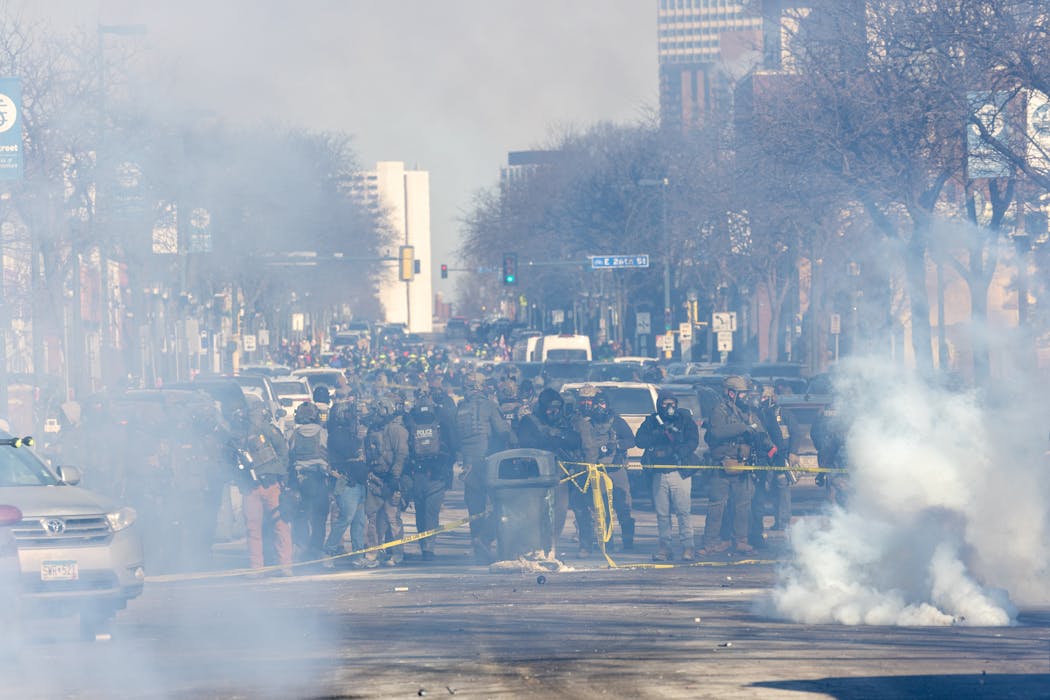
Protesters clash with law enforcement after federal agents shot and killed Alex Pretti on Jan. 24, 2026, in Minneapolis. Arthur Maiorella/Anadolu via Getty Images

The negative public reaction to Operation Metro Surge – the violent immigration dragnet in Minnesota – was “MAGA’s Gettysburg,” wrote New York Times columnist Jamelle Bouie on Jan. 28.

Bouie, of course, was comparing ICE’s setbacks to the Confederate defeat at Gettysburg, the battle often credited with turning the tide of the American Civil War. Fresh off a string of victories, Robert E. Lee, commander of the Army of Northern Virginia, believed his men were “invincible” and launched an invasion into the North.

But Gen. George G. Meade and the Army of the Potomac won the battle of Gettysburg, and the Confederates would fight on the defensive for the rest of the war.

Since early 2026, growing numbers of commentators have turned to the Civil War of 1861 to 1865 to make sense of America’s fractured political climate.

After a masked federal agent shot and killed a 37-year-old mother of three, Renée Good, in Minneapolis, novelist Thane Rosenbaum wondered whether the city might become a “new Antietam.” The battle of Antietam, fought on Sept. 17, 1862, remains the bloodiest day in all of American history, leaving more than 3,600 soldiers dead.

The bodies of dead soldiers strewn across a field.
Dead soldiers on a field after the battle of Gettysburg.
Timothy H. O’Sullivan, The J. Paul Getty Museum

Later in January 2026, Minnesota Gov. Tim Walz speculated that ICE violence in the Twin Cities could spark a national conflict. “I mean, is this a Fort Sumter?” he asked an interviewer, alluding to the South Carolina harbor fortress where, in 1861, the opening shots of the Civil War were fired.

In response, defenders of Donald Trump, including CNN commentator Scott Jennings and House Majority Whip Tom Emmer, compared Walz to Jefferson Davis, the president of the Confederate States of America. On Fox News, Washington Examiner columnist Tiana Lowe Doescher said: “News flash, Tim Walz. In this case, you’re the Confederacy,” accusing him of conspiring to defy federal immigration policy.

At a time of deepening national division, the recent spate of Civil War analogies should come as no surprise.

Unprecedented political fracture

The Civil War remains the nation’s most divisive and defining epoch. The secession of 11 states propelled a democratic nation into unprecedented political fracture. After four years of bloodshed, the Union was preserved and 4 million enslaved people were granted their freedom.

Preservation of the Union came at a heavy price. More than 700,000 people were dead, about 2% of the 1860 population, or a number roughly equivalent to the current population of the state of Maryland.

But the Civil War’s staggering death toll cannot fully explain the references to “Gettysburg” and “Jeff Davis” in media coverage of ICE operations in Minnesota and elsewhere.

As we argue in our book, “They Are Dead and Yet They Live: Civil War Memories in a Polarized America,” the impulse to connect the American Civil War to contemporary crises can be traced to the politics of memory, the ways interest groups, politicians and ordinary people shape the past to meet the needs of the present.

Likening Walz to Jefferson Davis or Minneapolis to Gettysburg or Fort Sumter are clear examples of how Americans appropriate the Civil War for our contemporary political needs.

Competing memories

In the Civil War’s aftermath, the conflict’s participants quickly crafted competing versions of the Civil War.

Some Union veterans labeled their former adversaries as traitors. Clinton Spencer, a captain in the 1st Michigan Infantry, declared, “disloyalty to the old flag was is and shall always be TREASON, deep, dark, and damnable.”

Yet the Union memory soon became subsumed by the dominance of the “Lost Cause,” an intentional and distorted narrative crafted by white Southerners. That version of the Civil War ignored slavery and celebrated Confederate soldiers in a war to defend states’ rights from federal tyranny.

By the early 1900s, Lost Cause ideology had taken root across the nation. The United Daughters of the Confederacy and other Southern apologists erected hundreds of Confederate monuments throughout the United States, and blockbuster movies like “The Birth of a Nation,” from 1915, and “Gone with the Wind,” from 1939, turned Lost Cause nostalgia into big-screen spectacle.

Over the past few decades, however, communities around the United States have made great strides to disentangle the Lost Cause from public memories of the Civil War.

After Dylann Roof massacred nine African American worshippers at Charleston’s Emmanuel AME Church in 2015, he was found to have espoused white supremacist ideas and posted a photo of the Confederate battle flag on his website. In the killings’ aftermath, cities across the South removed more than 300 Confederate flags, monuments and symbols from public view.

“The Confederacy was on the wrong side of history and humanity,” declared New Orleans Mayor Mitch Landrieu in a 2017 speech about the removal of four Confederate statues in the city. “It sought to tear apart our nation and subjugate our fellow Americans to slavery. This is a history we should never forget and one that we should never, ever again put on a pedestal to be revered.”

Homegrown analogy

In 1961, poet Robert Penn Warren famously observed, “Many clear and objective facts about America are best understood by reference to the Civil War.”

That remains the case today.

For many Americans, the Civil War is the prime example of the danger of allowing political division to spiral into organized violence.

Minnesota’s governor, Walz, could have used the sinking of the USS Maine in 1898 or the bombing at Pearl Harbor in 1941 for his historical analogy, but the references to the start of the Spanish-American War or World War II would not have been as powerful. Using the Civil War as a reference point underscores the danger when Americans decide to abandon their shared history and values and engage in fratricidal war.

Many of the recent Civil War analogies do not hold up to scrutiny. The events going on in Minneapolis bear little to no resemblance to the years of tumult leading to the assault on Fort Sumter, and the violence on the streets of Minneapolis can hardly compare to the horrors on the fields along the Antietam Creek.

But that’s beside the point.

More than 160 years after the defeat of Confederate forces at Gettysburg, the Civil War continues to have an enduring hold on the American political consciousness – shaping the way we view the past and offering a vocabulary for understanding the political conflicts of the present.

The Conversation

The authors do not work for, consult, own shares in or receive funding from any company or organization that would benefit from this article, and have disclosed no relevant affiliations beyond their academic appointment.

ref. From Gettysburg to Minneapolis: How the American Civil War continues to shape how we understand contemporary political conflicts and their dangers – https://theconversation.com/from-gettysburg-to-minneapolis-how-the-american-civil-war-continues-to-shape-how-we-understand-contemporary-political-conflicts-and-their-dangers-275015

TrumpRx, Trump Kennedy Center, Trump National Parks passes − government free speech allows the president to name things after himself

Source: The Conversation – USA – By Jason Zenor, Associate Professor of Mass Communication, State University of New York Oswego

Donald Trump’s name has been added to the Kennedy Center, but the institution’s name change is not yet official. AP Photo/Jacquelyn Martin

In November 2025 the Trump administration announced a special park pass commemorating the nation’s 250th anniversary that featured images of two presidents: George Washington and Donald Trump.

Featuring the current president – in place of the National Park Service’s usual landscape pictures – triggered both a lawsuit and a social media movement to put stickers over Trump’s face.

As a businessman, Trump has frequently emblazoned buildings and consumer productsshoelaces, an airline, an edition of the Bible, among many others – with his own name.

During his current presidential term, his administration has put his name on numerous government properties – perhaps most famously the Kennedy Center, but also money, monuments and military equipment. In January 2026, Trump floated the idea Congress would rename both New York’s Penn Station and Washington’s Dulles International Airport after him.

With Florida lawmakers considering renaming the airport near Mar-a-Lago after the president, the Trump Organization has filed an application to trademark his name for use in airports and ancillary activities, although the company said it would not charge a fee in the case of the Palm Beach airport.

As a communication professor who studies the First Amendment, I was intrigued by the federal actions and the protests they’ve triggered.

Citizens certainly have the right to protest these decisions, like any government action. The First Amendment prevents the government from making laws that abridge freedom of speech.

But does the federal government itself have freedom of speech? And can a president put his name and image wherever he wants?

Free speech for government

The answer to the first question has already been answered. In a series of rulings, the Supreme Court has upheld the government speech doctrine, which allows the government as speaker to say whatever it wants.

Moreover, if the forum is governmental, the government may even be able to compel people to express its messages – for example, with public employee speech that is part of job duties. The 2006 Supreme Court decision establishing that principle involved a deputy district attorney who’d questioned the validity of a warrant, but the rule applies to other employees, such as teachers who have to offer instruction in state-mandated curricula.

The National Park Service annual resident pass, which features George Washington and Donald Trump.
National Park Service passes now feature the faces of George Washington and Donald Trump.
Department of the Interior

The court’s decisions in government speech cases imply that if people do not like the government speech, they should change the government with their votes.

However, some scholars and advocates argue that this relatively new constitutional doctrine gives the government too much power to drown out other viewpoints in the marketplace of ideas.

In most instances, the government cannot compel speech or force citizens to express a certain message. Compelled speech is not allowed when the government is forcing a citizen to endorse an ideological message.

For example, the Supreme Court allowed a Jehovah’s Witness to cover the words “or Die” on his license plate, which included the New Hampshire state motto, “Live Free or Die.”

The First Amendment is not absolute, and some government regulations will infringe on speech.

The federal government has strict regulations on how the American flag should be disposed of, but it cannot punish someone who is burning a flag as a form of political protest.

Government control of its own products

What happens when the government itself hosts forums for citizen speech, such as placing monuments in a park or flying flags on government property? Can the government deny certain speech based on the speaker or message?

Donald Trump stands at a lectern in front of signage advertising the site Trump Rx.gov.
The Trump administration has named money, monuments, military equipment and government programs after the president.
AFP Photo/Saul Loeb via Getty Images

In such cases, courts have had to decipher whether the forum was purely governmental. To do so, they examine the history of the forum in which the contested speech takes place, who controls the forum, and the public perception of who controls it.

This brings us back to the question of Trump’s name and likeness. As a constitutional matter, the Trump administration can express itself as it sees fit under the government speech doctrine. But in some cases, the administration may be bound by statute or formal contracts, as with the legal battle over the naming of the Kennedy Center, which was named by an act of Congress. The lawsuit over the National Park passes claims that the administration is violating a federal law requiring that the winning entry in a public lands photo contest be used for the passes.

Still, I believe it would be difficult to win a lawsuit claiming that the new passes are a form of compelled speech, with bearers of the pass arguing they are being forced, in effect, to endorse Trump. Most people would likely see the park passes’ artwork as being controlled by the government and therefore a form of government expression, not a form of private expression.

Can people cover up Trump?

But the Trump administration may not be able to defend its policy of declaring passes null and void if the president’s image is covered by a sticker. Citizens protesting Trump’s appearance by covering up the president’s image is protected speech, in my view. The government’s action to void the passes is likely a violation of the First Amendment.

On the face of it, placing stickers on passes would appear to violate the long-standing Interior Department rule that passes are “void if altered.” Those regulations were content neutral and incidental to any particular message or cardholder.

However, the updated policy, voiding the pass if Trump’s image is covered or marred, is more suspect. The new rules seem to be a direct response to the protesters’ political speech and, as applied, primarily aim to affect these stickers and speakers.

With an administration known for its social media savviness, it may not be convincing for officials to argue they did not know about the protest or that the policy was not a direct attempt to chill such speech.

The government will have the right to put Trump’s name and images on more government property in many cases, but most resulting political protests, in my view, will also be protected speech.

The Conversation

Jason Zenor does not work for, consult, own shares in or receive funding from any company or organization that would benefit from this article, and has disclosed no relevant affiliations beyond their academic appointment.

ref. TrumpRx, Trump Kennedy Center, Trump National Parks passes − government free speech allows the president to name things after himself – https://theconversation.com/trumprx-trump-kennedy-center-trump-national-parks-passes-government-free-speech-allows-the-president-to-name-things-after-himself-274484

How deregulation made electricity more expensive, not cheaper

Source: The Conversation – USA (2) – By Noah Dormady, Associate Professor of Public Policy, The Ohio State University

Plugging in costs more these days. Devonyu/iStock / Getty Images Plus

American families are feeling the pinch of rising electricity prices. In the past five years alone, the generation portion of the standard service residential electric bill in Columbus, Ohio, has increased by 110%. This is one data point in a national trend.

Energy affordability is quickly shaping up to be a key election issue at all levels of American politics. And more than half of U.S. adults surveyed in January 2026 reported being very concerned about the price of electricity.

Experts in the energy industry are fiercely conflicted on what, or who, is to blame. People have sought to blame geopolitical events like the war in Ukraine, dramatic changes in U.S. energy policies, power grid operators, regulators and artificial intelligence and data centers.

But new research from The Ohio State University’s Energy Markets and Policy Group, where I serve as principal investigator, provides new insights about another factor you were probably not thinking about – middlemen introduced by deregulation.

How deregulation brought middlemen instead of competition

Between the late 1990s and early 2000s, several state legislatures deregulated their electricity systems. Deregulation was originally sold as a way to replace inefficient regulation and reduce bureaucracy. People were told that competition would deliver lower prices.

Under the old system, a state regulatory commission set prices for all electricity services – generation, transmission and distribution – which were supplied by the same monopoly utility company. Each state commission was required by federal law to ensure that rates were “just and reasonable.” Under deregulation, that same commission rate-setting process still holds for transmission and distribution, but the generation part was split off.

Deregulation created competitive wholesale markets for generation, but price competition did not spread widely at the retail level. In states with active retail deregulation, there are two ways the retail generation price can be set. Consumers get to pick which one – buy from a marketer on the open market, or do nothing. Most people choose to do nothing.

Rather than introducing efficiency, this system of retail deregulation created a new complexity: middlemen marketers. In most cases, no matter which choice people make, it’s hard for them to understand how their electricity rates are set. That’s where our research comes in.

Door-to-door electricity sales efforts cause problems for residents.

Option A: The open market

Electricity customers in deregulated retail markets can choose a company that buys the electricity on their behalf. People who live in these states may be familiar with energy salespeople who come to their homes, approach them in a convenience store, or use telemarketers.

For example, people who live in the Cincinnati area can contract with one of more than 50 suppliers to buy electricity on their behalf from the wholesale market. Their monthly bill would still come from Duke Energy, a regulated distribution utility, and would still include regulated charges for distribution and transmission set by state and federal officials. But it would also include charges from an unregulated retail supplier, for the generation part of their bill – their electric supply.

Some locations also have community choice aggregation, in which their municipality participates in the open market on their behalf unless they opt out.

Our research has found that these markets are not working as intended.

Option B: Do nothing – default service

For people who choose not to shop on the open market, by doing nothing they remain on what is called the “standard offer” or “default service.” Sometimes it is also called “provider of last resort” service because it is not meant to be the best option.

For these people, state law generally requires each distribution utility to hold auctions or use a procurement process like a request for proposals to determine which middlemen companies get to be their supplier, and of course, at what price.

People in this category still buy from middleman marketers. But rather than choosing their own middleman, they get the middleman the utility company selects for them.

Two men in suits sit at a table, with another man in the background.
Two former FirstEnergy executives, Michael Dowling, center left, and Chuck Jones, right, listen to proceedings during their February 2026 trial on charges they bribed a state official to be able to keep electricity rates high.
Mike Cardew/Akron Beacon Journal via AP, Pool

Problems in the open market

People who live in states with deregulated electricity markets know that these open markets have many problems. There have been investigations into unfair trade practices, lawsuits and regulatory penalties for misleading sales practices.

Other problems include deceptive marketing, a process called “slamming” in which companies change customers’ suppliers without their knowledge, contract loopholes that increase prices, and outright fraud.

Help for consumers usually comes after problems have arisen, rather than preventing them in the first place.

Our research team sought to determine whether, and how much, electricity consumers would save money if they used the supposedly competitive open market, rather than going with the default rate. To answer this question, we developed a detailed database of every daily retail choice offer filed by every supplier in all service territories in Ohio for a decade – which meant compiling millions of records.

We found that 72.1% of the open-market offers exceeded the utility’s default rate. In some years, there was not even one single cost-saving offer for the entire year, or longer. The vast majority of these supposedly competitive electricity prices were higher than customers would get by doing nothing. Taking the time to research the market and compare prices was often not worth consumers’ time.

Importantly, the study found that suppliers in the open market were not setting their prices based on market fundamentals – like the underlying wholesale price of electricity. Instead, they were setting prices based on the results of the utility’s default supply selection. In a competitive market, that is not supposed to happen.

A large building with pipes and exhaust towers.
The actual cost of generating power doesn’t often clearly figure into the prices customers pay for their electricity.
Jim West/UCG/Universal Images Group via Getty Images

Is default service really competitive?

In a separate study, our team evaluated every default service auction in every utility service territory in Ohio since 2011, nearly 15 years. We found that the number of companies competing with one another in these auctions is a key determinant of the retail markup consumers have to pay.

In some of the default-option rate auctions, as few as five suppliers placed bids. In others, there were as many as 15 companies vying to provide default-option electricity. Our analysis found that in situations when the underlying costs of generating electricity were the same, default supply auctions with fewer bidders delivered significantly higher prices for consumers than auctions with more bidders.

The study included numerous statistical controls for other factors that could otherwise help explain the prices, including natural gas prices and market volatility. The number of bidders was the key factor. Having just three additional bidders could reduce consumers’ default-option rates by 18% to 23%. Nine additional bidders, the analysis found, could deliver savings of as much as 60%.

It’s important to note that Ohio’s process for setting default service rates is more robust than many other states. In some states, it is not uncommon for even fewer companies to bid. So Ohio’s situation is not actually a worst-case scenario for consumers. Rather, it’s probably better than many other states with deregulated electricity markets.

Putting it all together

A circular piece of metal with a digital number readout.
A meter keeps track of how much electricity customers use – but the price is a separate question.
AP Photo/Jenny Kane

The first study showed that the open market is not setting efficient retail rates and is not working as intended. Most of the offers made available to consumers are not worth their time, and the suppliers in those markets are not setting their prices based upon market fundamentals. Instead, these companies are taking their cues from the local distribution utility’s default supply auctions. That is not how deregulation was envisioned.

The second study showed that the process which sets the default supply rate is also not very competitive. Less competition means the middleman companies bidding in those auctions can bid, and win, higher prices – raising electric bills and increasing their profit margin.

Energy deregulation promised lower prices through competition. But instead, consumers got an army of middleman marketers. And, those middlemen have been taking their cues from a bidding process that often has too few participants to keep prices low.

The Conversation

Noah Dormady receives funding from The Alfred P. Sloan Foundation, the Defense Advanced Research Projects Agency (DARPA), the US National Science Foundation (NSF), and the US Department of Energy (DOE).

ref. How deregulation made electricity more expensive, not cheaper – https://theconversation.com/how-deregulation-made-electricity-more-expensive-not-cheaper-272780

I asked students whether they’d want to be teachers? They quickly responded, ‘Why would I?’

Source: The Conversation – USA (2) – By Lee Ann Rawlins Williams, Clinical Assistant Professor of Education, Health and Behavior Studies, University of North Dakota

Teachers are often expected to juggle many competing responsibilities, fueling a sense of burnout. www.andrerucker.com/Getty Images

I spoke in January 2026 with 150 high school students about career options. After explaining my own career as a professor of education, health and behavior, I asked the students a simple question: Would you want to be a teacher?

“Why in the world would I want to be a teacher?” one female student said.

“My aunt is a teacher and she works all the time … no thanks,” a male student added.

Several students said it felt like teachers were doing everything: from teaching lessons and helping students through personal struggles to managing class disruptions and constantly adjusting to whatever else the day brought. Students also mentioned hearing teachers talk openly about low pay or feeling a lack of respect from students and others.

These students’ observations align with national trends. While nearly 20% of college freshmen said in 1970 that they were interested in a teaching career, less than 5% said the same in 2020, according to the National Bureau of Economic Research.

Many teachers report low levels of job satisfaction, and 52% polled by Pew in 2024 said they would not advise young adults to become teachers.

A woman sits in front of a group of young children in a classroom.
A teacher works with first grade students at Rosita Elementary School in Santa Ana, Calif., on Feb. 12, 2026.
Paul Bersebach/MediaNews Group/Orange County Register via Getty Images

Teacher pay penalty

Education researchers and labor analysts have documented that teachers earn less than other people who also have college degrees.

This difference in pay is sometimes called the teacher pay penalty. This gap has widened over the past few decades.

In 2024 the teacher pay penalty reached its highest recorded level, with teachers earning roughly 73 cents for every dollar earned by other college graduates.

Average annual public teacher salaries recently have ranged from about US$53,507 in Mississippi and $53,098 in Florida to more than $95,160 in California and $95,615 in New York.

Nationwide, teachers on average earn about $72,030 per year.

National analyses show that teaching has steadily lost ground in wage competitiveness compared with other college-educated professionals over the past few decades.

Even as some states have enacted modest teacher salary increases year over year, these wide disparities persist.

Expanding expectations, rising strain

Teaching once centered primarily on academic instruction. Particularly through much of the 20th century, teachers’ roles were largely defined by planning lessons, instructing on different subjects and assessing student learning.

In addition to teaching core subjects, many teachers are now often expected to help support students’ social and emotional development, address complex behavioral challenges, respond to crises that spill into classrooms, such as students physically fighting, and manage substantial paperwork and administrative tasks.

The COVID-19 pandemic intensified many of these responsibilities, as teachers navigated remote instruction and students’ heightened mental health needs.

At the same time, concerns about school safety, including the reality of school shootings and other kinds of violence, have added another layer to teachers’ emotional strain and required vigilance.

Teachers are far more likely than other college-educated professionals to report frequent job-related stress and burnout.

Job available

Approximately 50% of all public school leaders reported in October 2024 that they feel their school is understaffed. And 20% of public school leaders reported teacher vacancies during that same time period.

In January 2022, shortly after the pandemic, more than 20% of public schools reported at least 5% of their teaching positions were vacant that month. Approximately 51% of schools reported that resignations were the cause of these vacancies.

A 2025 national teacher shortage overview estimates that roughly 1 in 8 teaching positions nationwide are either unfilled or staffed by someone not fully certified for the assignment, meaning a teacher working outside their licensed subject area or grade level, for example.

When positions are filled this way, the classroom will still have a teacher present, but not necessarily one formally prepared to teach a specific subject or group of students. This can result in greater reliance on substitutes or increased class sizes for remaining staff.

A black and white photo shows children dressed formally and standing around a table and a chalkboard with a woman standing near them.
Students and their teacher are seen in 1899 in a Washington, D.C., public school classroom.
Heritage Art/Heritage Images via Getty Images

When teaching became women’s work

History helps explain why teaching looks – and pays – the way it does today.

In the early 1800s, teaching was a predominantly male profession.

But as the U.S. industrialized in the late 1800s and early 1900s, higher-paying jobs in business and manufacturing drew many men away from classrooms.

For many women at the time, teaching offered one of the few respectable professional careers available. It provided steady income and a measure of independence when many other professions were closed to them.

Labor force participation for women expanded significantly during the 1960s, ’70s, and ’80s, as legal and social barriers began to fall. Yet the pay and public standing of teaching does not seem to have risen at the same pace.

By the early 1900s, women made up about 70% of teachers. In 2024, 77% of teachers were women.

Nationwide, the gender wage gap has narrowed in the past few decades. Still, women in the U.S. earn an average 85% of what men make.

Who will teach the next generation?

Each year, more than 80,000 new teachers step into classrooms. But the overall pipeline has narrowed since the early 2010s, with enrollment at teacher preparation programs declining sharply and only partially rebounding in recent years.

Today’s students are coming of age in a landscape where teaching competes with many other college-degree professions that may offer higher pay, more predictable hours or clearer career advancement.

College students are often weighing financial security, mental health and long-term sustainability as they imagine their future.

Research consistently shows that compensation, working conditions and professional support play a central role in job retention. When those elements erode, so too does workforce stability.

Stability is the key as students are evaluating teaching – not as a calling, but as a potential career within a competitive labor market.

The Conversation

Lee Ann Rawlins Williams does not work for, consult, own shares in or receive funding from any company or organization that would benefit from this article, and has disclosed no relevant affiliations beyond their academic appointment.

ref. I asked students whether they’d want to be teachers? They quickly responded, ‘Why would I?’ – https://theconversation.com/i-asked-students-whether-theyd-want-to-be-teachers-they-quickly-responded-why-would-i-275904