Fewer new moms are dying in Colorado – naloxone might be one reason why

Source: The Conversation – USA (3) – By Kaylin Klie, Associate Professor of Family Medicine, University of Colorado Anschutz Medical Campus
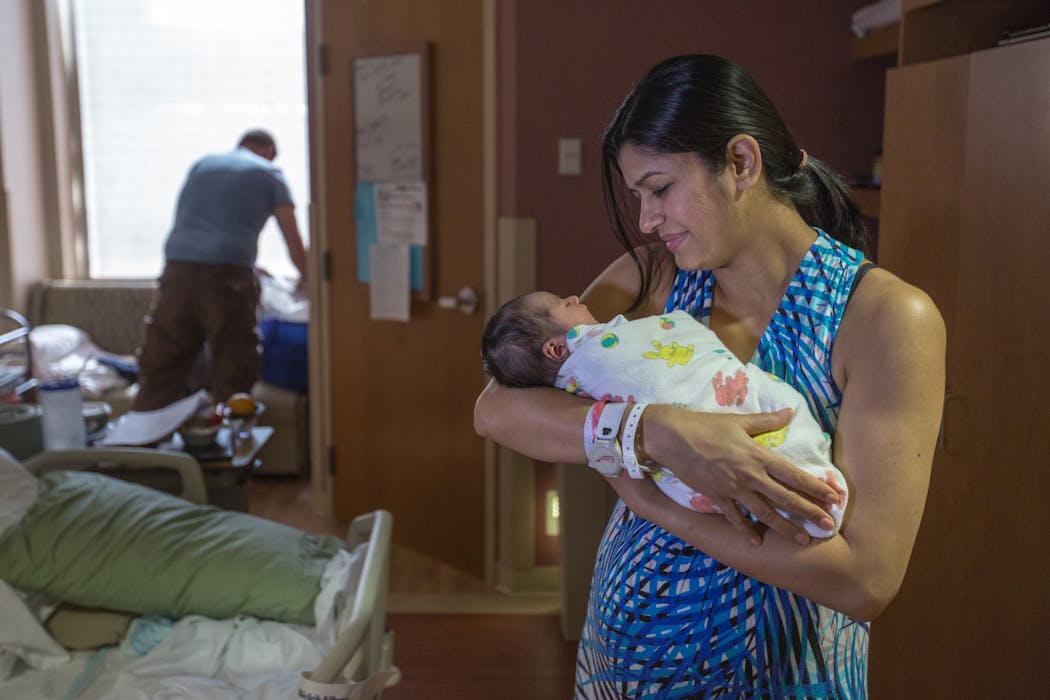
Overdose is the leading cause of death in postpartum women in Colorado and nationally. Evelyn Hockstein/For The Washington Post via Getty Images

In Colorado, from 2016 to 2020, 33 women who were pregnant or had recently given birth died from accidental overdoses. That’s more than died from traditional obstetric complications like infection, high blood pressure or bleeding combined.

More recent data shows an encouraging turnaround. The number of maternal overdose deaths dropped 60%, from 20 in 2022 to eight in 2023. I think one contributing factor might be increased access to naloxone for moms and families across the state.

As a perinatal addiction medicine physician, I specialize in taking care of pregnant people and families impacted by substance use disorder. Part of the care I provide is prescribing or distributing naloxone directly to patients and their family members. Naloxone is an over-the-counter medication that reverses the effects of opioid overdose.

In this video, the Substance Abuse and Mental Health Services Administration explains how naloxone, an opioid overdose-reversal medication, works in the body.

I served as a member and then co-chair of the Colorado Maternal Mortality Review Committee from 2017 to 2023. The committee reviews every death of a person in Colorado that occurs during a pregnancy or within 12 months of the end of a pregnancy. I personally reviewed the records of Colorado mothers who died from overdoses.

In Colorado, unintentional overdose and suicide have been the top two causes of maternal mortality each year since 2016. Nationally, the leading cause of maternal mortality is overdose, followed by homicide and then suicide.

Almost all overdose deaths occur in the community, outside of a medical center: in homes, cars and public places. In almost all circumstances, the review committee determined that if naloxone had been present, there was a good chance the mother would have survived.

Giving naloxone directly to patients and families

In 2023, The Naloxone Project, a nonprofit, started distributing naloxone directly to pregnant and postpartum moms and their families before leaving one of the 48 birthing hospitals in Colorado. The distribution is through a program called the Maternal Overdose Matters Initiative, also known as MOMs. The initiative was in direct response to the number of women dying from overdose during pregnancy or within a year after pregnancy.

The Naloxone Project was started in Colorado in 2021 by an emergency and addiction medicine physician. The project distributes naloxone directly to patients in Colorado hospital emergency rooms at risk for opioid overdose.

To date, The Naloxone Project has distributed more than 2,500 naloxone kits to 107 hospitals to give to patients across the state. The project also works to normalize the conversation about opioid overdose and prevention in health care settings. It’s grown, and now it has chapters in 16 states.

Naloxone can make recovery possible

The American Society of Addiction Medicine defines substance use disorder as “a treatable, chronic medical disease involving complex interactions among brain circuits, genetics, the environment and an individual’s life experiences.” People with the disease of addiction can, and do, recover – but only if they can stay alive to receive the support and treatment they need.

A woman in a blue shirt holds up a clear tube in a demonstration.
Rachel Lambert, a recovering heroin user, demonstrates how to administer naloxone.
Michael S. Williamson/The Washington Post via Getty Images

Research shows direct distribution of naloxone to people, families and communities saves lives. Access to naloxone gives people, including Colorado moms, a literal second chance at life.

Naloxone for more than substance use disorder

While people with substance use disorder are at the highest risk for overdose, they’re not the only ones. In 2024 alone, 1,603 people died of accidental opioid overdoses in Colorado.

Prescription opioids, such as oxycodone, hydrocodone and morphine, are commonly prescribed after a surgery, including C-sections. Opioids like these taken at home, even with a prescription, can be a source of accidental overdose. For example, a person prescribed these medicines may take too much at once or have an unexpected interaction with other medications or alcohol.

Accidental overdose also occurs in people the prescription was not intended for. That includes children who find medications in their homes. In Colorado, 17 children died from opioid overdoses in 2024.

Today, parents leaving the hospital with their new baby are given naloxone and education. They learn about safe storage and disposal of medications, how to recognize an opioid overdose, and how to give naloxone in case of emergency. Nasal-spray naloxone, the most common form provided by The Naloxone Project, is safe for all ages, including infants and toddlers.

Naloxone as a standard of care

Caring for people impacted by substance use disorder has convinced me that naloxone has a place in every home, school and workplace in our community.

Recognizing and responding to opioid overdose, including giving naloxone, is now a standard part of Basic Life Support training. Opioid overdose reversal is now seen as a critical, lifesaving skill comparable to CPR. Including this skill in training empowers bystanders to intervene.

A man with tattooed arms holds a small plastic device to the nose of a man lying on the floor.
Justin, a participant in a class on opioid overdose prevention, practices with naloxone on teacher Keith Allen.
Spencer Platt/Getty Images

For some of my patients, receiving naloxone during an overdose event gave them a chance to seek treatment and enter long-term recovery from substance use. Opioid use disorder treatment includes evidence-based medication for opioid use disorder, such as methadone, buprenorphine or naltrexone, residential or intensive outpatient treatment, individual therapy and peer support services, especially programs designed for pregnant and parenting moms.

How these facets of treatment come together in an individual person’s journey is unique. As much as I seek to individualize treatment plans, naloxone is for everyone. It can build a bridge between despair and hope — life and death — and as the data shows, it might be a part of saving Colorado moms’ lives.

The Conversation

Kaylin Klie receives funding from Colorado State Opioid Response funding. She is affiliated with The Naloxone Project as the Physician Lead for MOMS Plus.

ref. Fewer new moms are dying in Colorado – naloxone might be one reason why – https://theconversation.com/fewer-new-moms-are-dying-in-colorado-naloxone-might-be-one-reason-why-273761
The apocrypha, Christianity’s ‘hidden’ texts, may not be in the Bible – but they have shaped tradition for centuries

Source: The Conversation – USA (3) – By Christy Cobb, Associate Professor of Christianity, University of Denver

Not all versions of the Bible contain the same texts. oneclearvision/iStock via Getty Images Plus

Of Jesus’ 12 disciples, Saint Peter is one of the most important. In the Book of Matthew, Jesus declares that Peter is the “rock” on which “I will build my church,” and Catholic tradition considers him the first pope. Martyred in Rome in the first century, Peter asked to be crucified upside down so that he would not die in the same way as Christ.

However, that famous story is not in the Bible. It appears in a text called “Acts of Peter,” an “apocryphal” writing.

In ancient Greek, “apocrypha” means “hidden.” The word is used for texts that are not part of an approved set of religious books, especially Christian texts outside the official biblical canon.

Yet these books are not so hidden. Some of them, like Acts of Peter, have shaped Christian tradition for centuries and are read by many people today. These stories are not only fun to read, but also provide valuable information about ideas that interested early Christians.

In my research as a scholar of early Christianity, I read and interpret apocryphal texts to explore the ways that early Jews and Christians understood and practiced their religion.

Capital-A ‘Apocrypha’

When the word is capitalized, “Apocrypha” refers to a set of Jewish texts that are found in Roman Catholic Bibles, but they are not included in most Protestant Bibles.

These texts were valued within ancient Judaism, yet are not included in the Jewish sacred text the Tanakh. The Tanakh is similar to what Christians call the “Old Testament” or the “Hebrew Bible,” but there are many important differences, including the order of texts and the books that are emphasized.

Examples of these Apocryphal books include Judith, Sirach and the First and Second Books of Maccabees. The story of Hanukkah comes from the Books of Maccabees when Jewish rebels overcame an oppressive ruler and rededicated the temple in Jerusalem – a reminder of the Apocryphal books’ significance.

Nine lit candles against a dark background.
The story of Hanukkah is rooted in the Books of the Maccabees.
Breslevmeir/Wikimedia Commons, CC BY-SA

Most Christians viewed the Apocrypha as scripture until the Protestant Reformation of the 16th century. During this period, Protestant reformers such as Martin Luther argued that these texts were valuable to Christians but should not be viewed as scripture.

Today, Roman Catholicism and Orthodox Christianity affirm these texts as a part of their canon. Thus, not all Christian Bibles include the same number of books.

Lower-case ‘apocrypha’

The word apocrypha is also used to reference a second set of texts: Christian books that are not included in the New Testament, the faith’s officially recognized set of texts.

The New Testament canon usually includes 27 books, including the four gospels that describe Jesus’ life – Matthew, Mark, Luke and John – and Acts, which describes the works of the apostles who continued Jesus’ ministry after his death. The New Testament also contains many books of letters, or Epistles, written by early Christian leaders, and Revelation, a vision of the end of the world.

Yet early Christians wrote more than just these books. These additional texts are often grouped together and referred to as “Christian apocrypha.” They include a number of different genres.

For example, apocryphal gospels tell of the life, ministry and death of Jesus. One of the earliest is the Gospel of Thomas, probably written in the mid-second century. Unlike the New Testament gospels, Thomas does not include the death of Jesus. Instead, it is a collection of sayings, many of which are also found in the New Testament gospels.

There are other apocryphal gospels named after important people in Jesus’ life and ministry, such as the Gospel of Mary. Named after one of Jesus’ female followers, Mary Magdalene, it notes that Jesus loved her more than any other woman.

A small, painted statue of crowned woman clutching a pillar in one arm and a small lion in the other.
A reliquary of St. Thecla dating to the 15th or 16th century shows her with the lioness who defended her from persecution.
Daderot/Princeton University Art Museum/Wikimedia Commons

Another genre is “apocryphal acts” – books that expand upon stories of the apostles who followed Jesus. One example is the Acts of Thecla, a story about a female follower of Jesus who was called to preach and teach the gospel. There are also apocryphal letters, apocalyptic texts and passion narratives that add details to the death and resurrection of Jesus.

One way to think about Christian apocryphal texts is as fan fiction written about the stories found in the New Testament. The New Testament gospels do not provide information about Jesus’ experience as a child. Yet there are apocryphal texts called “infancy gospels” that fill in the gaps, saying more about Jesus’ birth and how he navigated his perceived divine powers. In the “Infancy Gospel of Thomas,” the young Jesus brings a set of clay birds to life, rebukes his teacher and even kills his playmates.

Creating the canon

So why were these interesting texts not included in the New Testament?

The process of canonization was a slow one. Contrary to popular belief, there was not one early meeting of Christians to vote on which books should be in the New Testament. Instead, much of the canon developed slowly, as widely read texts circulated among the people and were read aloud.

Theology seems to have been a primary factor behind how the canon took shape. Early Christians fiercely debated things like Jesus’ nature: whether he was divine, human or both. Bishops and priests often challenged texts that did not conform with what became orthodox doctrine. Early Christians tended to read, copy, share and preserve the texts whose contents they already agreed with.

Even still, some Christians continued to read and value apocryphal texts. One of the oldest complete versions of the New Testament, the Codex Sinaiticus, dates to the fourth century and includes two apocryphal texts: the Shepherd of Hermas and the Epistle of Barnabas.

Christians throughout the years have continued to read and value the texts of the apocrypha. Medieval artwork illustrates this, as many stories only found within apocryphal texts are depicted on the ceilings of basilicas, on altarpieces and in paintings. Today, many Christians remain enthralled by these stories, which fill in gaps from the New Testament and provide intriguing details of the lives and ministries of biblical figures.

The Conversation

Christy Cobb does not work for, consult, own shares in or receive funding from any company or organization that would benefit from this article, and has disclosed no relevant affiliations beyond their academic appointment.

ref. The apocrypha, Christianity’s ‘hidden’ texts, may not be in the Bible – but they have shaped tradition for centuries – https://theconversation.com/the-apocrypha-christianitys-hidden-texts-may-not-be-in-the-bible-but-they-have-shaped-tradition-for-centuries-274103

Minneapolis united when federal immigration operations surged – reflecting a long tradition of mutual aid

Source: The Conversation – USA (3) – By Daniel Cueto-Villalobos, PhD Candidate, Sociology, University of Minnesota

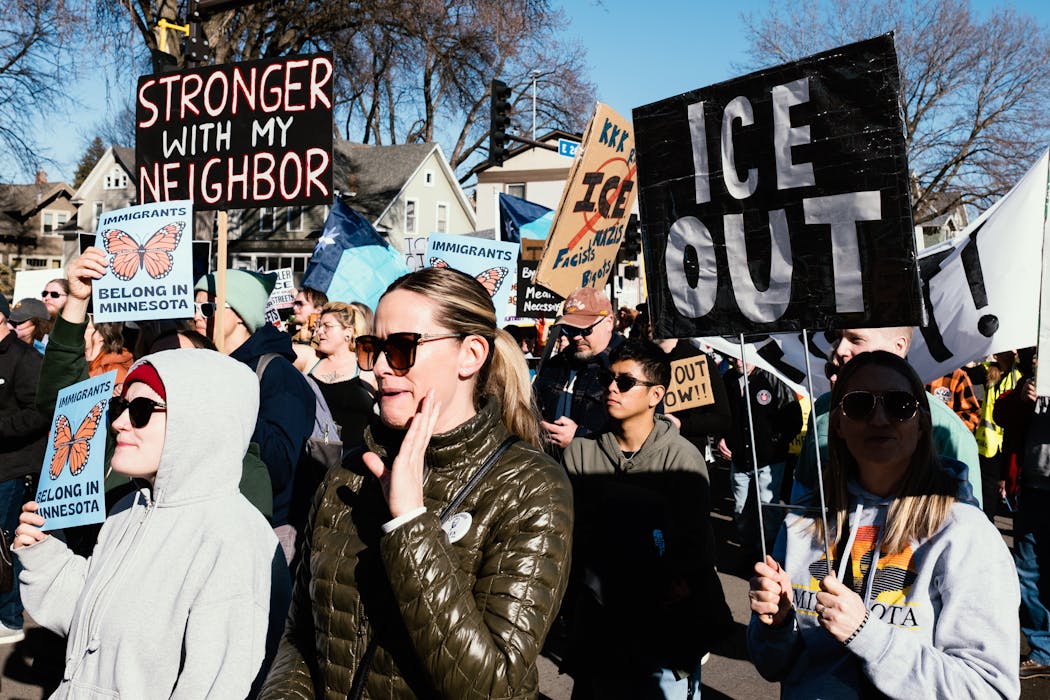
Several thousand people took part in an anti-ICE demonstration in Minneapolis on Feb. 16, 2026.
Jerome Gilles/NurPhoto via Getty Images

I’ve been living in Minneapolis and working on my doctoral dissertation about local religious communities since 2019.

It’s given me a chance to personally witness how the COVID-19 pandemic, the aftermath of the killing of George Floyd by police officers, and the surge in federal law enforcement presence have fostered grassroots networks of what’s known broadly as “mutual aid.”

Simply put, mutual aid is when communities work together to distribute resources people need to survive, whether it’s food, shelter, clothing or help paying bills. Unlike charity or government assistance, mutual aid is decentralized, grassroots-led and not channeled through nonprofits or government agencies.

One reason why mutual aid flourishes in Minnesota is that it has deep roots in the state.

Enduring ‘Operation Metro Surge’

Citing an already prosecuted case of fraud in which some of the perpetrators were Somali American citizens residing in Minnesota, the Trump administration dispatched Immigration and Customs Enforcement and Customs and Border Protection agents to the Twin Cities in late 2025.

Within weeks, the number of federal agents in what the Department of Homeland Security dubbed “Operation Metro Surge” had topped 3,000, outnumbering those in local police forces and ushering in widespread fear and uncertainty.

Local mutual aid networks quickly mobilized in response to these federal operations. Immigrant advocacy organizations have organized constitutional observer trainings and distributed “know your rights” information on flyers.

As in other cities, including Los Angeles and Chicago, “ICE Watch” volunteers in Minneapolis sound 3D-printed whistles and car horns to alert neighbors during ongoing raids. Constitutional observers document key details and provide support to neighbors.

The participants come from every walk of life.

Churches and sex shops alike have pivoted away from their routines to distribute food, diapers, cash and other household items that immigrant households need. Residents with disposable income have organized targeted “cash mobs” to support struggling local businesses.

Crowd-sourced campaigns have directed rent money to families whose breadwinners are afraid to go to work.

Federal agents have targeted schools and bus stops, apprehending adults and children. Parents and neighbors across the region have begun patrolling school drop-off zones to shield students from federal immigration actions.


Read more:
How anti-ICE organising in Minnesota reactivated mutual aid networks started after George Floyd’s murder


The North Star State’s heritage

The local grassroots resistance to Operation Metro Surge came as no surprise to me. Mutual aid has deep roots in Minnesota, and this history is closely connected to the violence of European settlement and American expansion.

Minnesota’s harsh winters have always demanded cooperation and neighborliness, not merely as an expression of “Minnesota Nice” – the state’s reputation for a warm, if guarded, way of interacting – but as a survival strategy that predated the first European arrivals in the 17th century.

Generosity, respect and compassion are central values among Dakota and Ojibwe people, Minnesota’s original inhabitants.

From when French fur trappers and Catholic missionaries first made their way to the Great Lakes in the 17th century until the onset of a population boom in the mid-19th century, Indigenous inhabitants sustained relatively stable and mutually beneficial relations with colonial powers.

The North Star State’s Minnesota Nice reputation has long encompassed progressive politics; a polite, if guarded, interpersonal demeanor; and a hearty neighborliness formed out of necessity during frigid winters.

Many people in Minnesota trace their heritage back to a 19th-century northern European immigration wave.

Undergoing demographic changes

After Minnesota gained statehood in 1858, a series of broken treaties, armed conflicts and several laws forced Indigenous people onto reservations, opening up large swathes of land for white settlement. Immigrants from countries like Sweden, Norway and Germany settled in Minnesota in hopes of better opportunities than they had back home. Catholic and Lutheran churches and mutual benefit societies preserved cultural heritage, combated isolation and shaped the new state’s religious culture for generations.

In 1850, 6,100 people lived in the Minnesota Territory. By 1900, the state’s population had reached more than 1.75 million residents, 37% of whom were foreign-born.

Beginning in the 1970s, Minnesota welcomed Somali and Hmong refugees, as well as immigrants from Latin America. Robust social services and Catholic and Lutheran refugee settlement agencies have helped to integrate new arrivals, many of whom fled their countries of origin in response to economic crises and geopolitical instability.

While more than 4 in 5 Minnesotans today are white, the Minneapolis-St. Paul region remains far more diverse in terms of race, religion and national origin.

The seven-county region is 72% white, 10% Black or African American, 8% Asian or Pacific Islander, 7% Latino and just under 1% Native American, according to the 2022 American Community Survey. White people make up just over 50% of the population in both Minneapolis and St. Paul. At just under 20%, Black people constitute a higher share of population in Minneapolis. In St. Paul, about 1 in 5 people are Asian, mainly Hmong and other people of Southeast Asian descent.

Minnesota’s religious landscape is changing too. Since 2000, for example, the share of Muslim Minnesotans has grown from 1% to 3%.

Hmong and Somali Minnesotans play an increasingly prominent role in Twin Cities politics. The Trump administration has harangued the region’s Somali American elected officials, including Rep. Ilhan Omar of Minneapolis, especially during its immigration crackdown.

Welcoming donations

The fatal shooting of Minneapolis resident Renee Good on Jan. 7, 2026, by ICE agent Jonathan Ross further galvanized the local resistance. While it is unclear if Good was acting as part of a local ICE Watch group, attendance at observer trainings increased in the following weeks.

A few weeks after Good died, on Jan. 23, more than 50,000 people marched in frigid weather through downtown Minneapolis to demand “ICE out!”

In what organizers billed “A Day of Truth and Freedom,” over 700 local businesses closed in solidarity. An estimated 100 clergy were arrested outside the city’s airport, where they decried daily deportation flights to detention facilities.

The outrage increased when, the next morning, border patrol officers shot and killed Alex Pretti, a South Minneapolis Veterans Administration nurse who was documenting ICE actions at the intersection of 26th Street and Nicollet Avenue.

In response, local businesses sheltered people from the chemical that agents deployed. Residents of the neighborhood opened warming stations and distributed granola bars, hot water and hand warmers to mourners.

One organizer insisted they were not accepting payments for these goods and services, although donations were welcome.

People pay respects to Alex Pretti and Renee Good.
Protesters demanding that federal immigration agents leave Minnesota also seek accountability for Renee Good, Alex Pretti and other victims of immigration operations in the Twin Cities.
Jerome Gilles/NurPhoto via Getty Images

Lasting harm

The federal government said it had detained over 4,000 people as of Feb. 4. With public pressure welling up, Tom Homan, Trump’s border czar, announced on Feb. 12 that Operation Metro Surge would come to an end.

As of Feb. 25, ICE is less visible in South Minneapolis. But locals across the region are well aware of the ongoing presence in suburban areas, where agents are reportedly using new tactics.

Even if the immigration agents do completely clear out, the damage caused will surely be long-lasting.

Children like 5-year-old Liam Conejo Ramos, who was taken from his suburban Twin Cities home and flown to a detention facility in Dilley, Texas, have received inadequate food and limited access to recreation while held there, according to ProPublica’s investigative reporters. The American Academy of Pediatrics has called attention to the lasting harms of juvenile detention.

South Minneapolis’ Lake Street corridor, home to over 1,000 immigrant-owned small businesses, has lost over US$46 million in revenue since December. Local leaders estimate that the citywide economic damage exceeds $200 million.

But Minneapolis residents are carrying on the state’s long-standing tradition of solidarity through mutual aid.

The Conversation

Daniel Cueto-Villalobos receives funding from the Lilly Endowment.

ref. Minneapolis united when federal immigration operations surged – reflecting a long tradition of mutual aid – https://theconversation.com/minneapolis-united-when-federal-immigration-operations-surged-reflecting-a-long-tradition-of-mutual-aid-275987

La Jefa: the wife of slain drug kingpin El Mencho and the women at the heart of the cartels

Source: The Conversation – UK – By Adriana Marin, Lecturer in International Relations, Coventry University

Women often play a central role in the business activities of organised crime. Krakenimages.com/Shutterstock

The death of Nemesio “El Mencho” Oseguera Cervantes, the leader of the Cártel Jalisco Nueva Generación (CJNG), on February 22 was immediately framed as the fall of a narco kingpin. Images of gun battles, torched vehicles and retaliatory violence dominated headlines. Commentators spoke of a power vacuum, of fragmentation, of the possible weakening of one of Mexico’s biggest cartels.

It was presented as the removal of a singular, hyper-violent male figure at the apex of a criminal empire. But this framing tells us more about how we imagine organised crime than about how it actually works.

The obsession with kingpins rests on a dramatic understanding of cartel power: a gun in one hand, territory in the other, masculinity performed through brutality. El Mencho embodied that image.

Yet cartels are not sustained by spectacle alone. They endure because someone moves the money, launders the profits, manages the assets, cultivates legitimate fronts and binds networks of loyalty through family. In the case of CJNG, that figure was not only El Mencho. It was also, allegedly, his wife Rosalinda González Valencia.

González has often been described as La Jefa (the Spanish feminine form of “the boss”). It’s a label that gestures toward authority while still situating her in relation to her husband. But she was not simply the spouse of a drug lord. She came from the Valencia family, historically linked to Los Cuinis, a network deeply embedded in CJNG’s financial operations.

Authorities have alleged that she oversaw dozens of businesses, property holdings and shell companies tied to the cartel’s laundering apparatus. Arrested multiple times and jailed for five year for money laundering in 2021 (she was released last yearfor good behaviour), she occupied the grey zone where criminal capital bleeds into the legal economy. If El Mencho represented the cartel’s violent face, González represented its economic spine.

This is where gender matters. Organised crime is routinely portrayed as an arena of exaggerated masculinity. Women appear in these stories as victims, girlfriends, trafficked bodies or glamorous accessories.

Even when they are prosecuted, they are often framed as appendages: “the wife of”, “the daughter of”, “the partner of”. Such language, while often difficult to avoid, obscures the structural reality that many cartels operate through kinship capitalism, where family is not sentimental but strategic.

Within these systems, wives are not incidental. They help keep the business secrets in environments where betrayal is fatal. In patriarchal criminal orders, loyalty is policed through blood ties.

A spouse managing accounts is not a deviation from power but an extension of it. Gender does not exclude women from authority, but rather reshapes how that authority is exercised and perceived.

The sensational truth is this: violence may conquer territory, but finance governs it. And, as the International Crisis Group – a western non-government organisation which aims to prevent conflict – spelled out in a 2023 report, finance in many cartels is deeply gendered.

This does not mean romanticising women’s roles within organised crime. Nor does it suggest emancipation through criminality.

The power reportedly exercised by figures like González tends to be situated within male-dominated hierarchies and violent systems that are also responsible for extreme forms of violence against women, including femicide and sexual exploitation. The same structures that allow elite women to wield financial authority simultaneously reproduce brutal patriarchal control elsewhere. That contradiction is not accidental – it is the way things work.

El Mencho’s death exposes that contradiction. When the state removes a male leader, the assumption is that the organisation will collapse or descend into chaos. But cartels are not merely built around a single dominant figure. They are hybrid enterprises combining coercion, corporate structures and family governance. The removal of the public face does not automatically dismantle the private architecture.

Hidden power structure

The question, then, is not simply who will pick up the gun, but who keeps the books. Who maintains the corporate fronts? Who sustains cross-border financial channels? Who negotiates the transformation of illicit profits into legitimate capital? These are not secondary concerns. They determine whether an organisation fragments or adapts to a leader’s death or imprisonment.

By centring El Mencho alone, media narratives are perpetuating a blindness to the role of women in cartels. They equate power with violence and masculinity with control, leaving the economic and relational dimensions of authority under-analysed.

Yet organised crime studies increasingly demonstrate that durability lies in governance, not gunfire. Governance depends on management, financial oversight, logistical coordination, and embedded social networks. These functions are often feminised – not because women are naturally suited to them, but because patriarchal systems allocate them in ways that render them less conspicuous and therefore less targeted.

There is something unsettling about recognising the strategic authority of cartel wives. It complicates comfortable binaries of victim and perpetrator. It challenges the idea that women in violent systems are either coerced or just marginal figures.

But in Italy, Rafaella D’Alterio reportedly maintained the operational and financial coherence of her Camorra clan following her husband’s death. She did this – not through spectacular violence – but through administrative control, alliance-building, and family networks. Her case, as many others, underscores that durability often lies in governance rather than gunfire.

Decapitation strategies – killing a cartel’s leader – are politically dramatic and symbolically powerful. But they rest on the assumption that criminal organisations are vertically dependent on a single male. If financial governance and kinship networks remain intact, the system may regenerate.

El Mencho’s death is therefore both a rupture and a revelation. It is a rupture in the sense that the figurehead of one of the world’s most powerful cartels has fallen. But it is also a revelation of how narrow our understanding of organised crime remains.

We fixate on the spectacle of masculine violence while overlooking the quieter, gendered infrastructures that sustain it. To understand cartels solely through their kingpins is to misunderstand them. Power in organised crime does not reside only in the man with the gun, but also in the women who, whether publicly acknowledged or not, often stand at the centre of that architecture.

The Conversation

Adriana Marin does not work for, consult, own shares in or receive funding from any company or organisation that would benefit from this article, and has disclosed no relevant affiliations beyond their academic appointment.

ref. La Jefa: the wife of slain drug kingpin El Mencho and the women at the heart of the cartels – https://theconversation.com/la-jefa-the-wife-of-slain-drug-kingpin-el-mencho-and-the-women-at-the-heart-of-the-cartels-276912

How natural hydrogen, hiding deep in the Earth, could serve as a new energy source

Source: The Conversation – USA (2) – By Promise Longe, Ph.D. Candidate in Chemical and Petroleum Engineering, University of Kansas

A drilling site in northeastern France is part of an effort to measure and collect natural hydrogen. Jean-Christophe Verhaegen/AFP via Getty Images

In the search for more, new and cleaner sources of energy, a largely untapped resource is emerging: natural hydrogen.

Unlike hydrogen produced from industrial processes, natural hydrogen forms through geological reactions that occur normally within the Earth’s crust, meaning it costs nothing to make – though it costs some amount to extract – and does not emit any carbon dioxide or other human‑caused pollutants.

Today, hydrogen is used mainly in oil refining, production of ammonia for fertilizer and to make methanol, which can be a fuel and an ingredient in plastics. Emerging technologies are making hydrogen a viable fuel for cars, planes, ships and factories. Hydrogen demand around the world is projected to grow from around 90 million metric tons in 2022 to more than 500 million metric tons by 2050. Some of that supply could come from nature itself, as well.

To describe each source of hydrogen, energy researchers like me, and the energy industry as a whole, use a range of colors. In general, “gray” and “blue” hydrogen are made by burning fossil fuels, with blue hydrogen incorporating technology that captures the carbon dioxide produced in the process to reduce emissions. “Green” hydrogen comes from renewable‑energy‑powered electrolysis, using electricity to split water into hydrogen and oxygen. “White” or “gold” hydrogen occurs naturally underground and can be extracted directly with minimal processing.

How natural hydrogen forms

Natural hydrogen originates from several geological processes. The most well‑studied mechanism is serpentinization, a reaction where water interacts with iron‑rich rocks known as ultramafics, releasing hydrogen gas.

Serpentinization occurs in diverse settings around the world, including ocean ridges and continental formations such as the Midcontinent Rift in North America, a band of mostly igneous rocks with some sedimentary rocks mixed in, which extends from Minnesota through the Lake Superior region and southward toward Kansas.

Another process, thermogenic hydrogen formation, occurs in deep sedimentary basins when organic material decomposes under high temperatures, roughly 480 to 930 degrees Fahrenheit (250 to 500 degrees Celsius). These reactions can also produce hydrogen alongside other gases, such as methane or nitrogen.

Because these processes happen over millions of years, using natural hydrogen generally requires far less energy than human‑made methods such as electrolysis, which consumes roughly 50 kilowatt-hours of electricity per kilogram of hydrogen produced – enough to power an average home for a day or two, and more than the energy that kilogram of hydrogen can provide. Natural hydrogen is already made – it just has to be collected.

The science and the search

Researchers and exploration companies are developing methods similar to those used in oil and gas exploration to locate potential hydrogen accumulations. They are looking at three types of geological formations:

  1. Focused seepage, where hydrogen seeps naturally through cracks and faults. It tends to reach the surface and disperse quickly, making large-scale capture difficult.

  2. Coal beds, where hydrogen binds to coal layers, offer higher potential density but pose difficulties for extraction. The hydrogen must first be separated from the coal and then flow through tight rock layers to the extraction point.

  3. Reservoir‑trap‑seal systems, comparable to the rock formations that trap natural gas underground, are considered the most promising for commercial production because they can concentrate large volumes of hydrogen in well‑defined, drillable structures. However, they remain largely unproven in practice: The basic idea is well established, and geologists have a good sense of where those formations might occur, but they still lack detailed data on how much hydrogen these formations actually contain and how easy it would be to extract.

A large drill rig sits on open ground.
A drill site in eastern Kansas is one of several places companies are looking for natural hydrogen.
HyTerra

Massive reserves – somewhere

The U.S. Geological Survey estimates there could be more than 5 trillion metric tons of geological hydrogen underground around the world. But only a small fraction of that is estimated to be recoverable, both technically and in terms of reasonable costs.

However, even 2% of that total would be more than all proven natural gas reserves on the planetand enough to meet projected demand for the next 200 years, even accounting for increased consumption.

All of that reserve has built up over billions of years. The Earth naturally produces between 15 million and 31 million metric tons of natural hydrogen each year – less than 1% of the amount expected to be needed each year by 2050. But only a fraction of that is likely to be efficiently captured.

So geologic hydrogen is likely best viewed as a very large but ultimately finite source of low‑carbon energy that can substantially complement, but not replace, other energy sources, including various methods of producing hydrogen.

Global hot spots

Currently, only one hydrogen field, at Mali’s Bourakébougou village, produces natural hydrogen commercially, supplying tens of tons of hydrogen per year to power the village.

However, the number of companies exploring for natural hydrogen has increased rapidly, from roughly 10 in 2020 to about 40 by the end of 2023, according to Rystad Energy and related government and research‑lab reports.

Apart from that one field in Mali, exploration is concentrated in the United States, Australia, Canada and several European countries.

In the U.S., HyTerra’s Nemaha Project in Kansas has confirmed subsurface hydrogen concentrations reaching more than 90% hydrogen and 3% helium. The higher the concentration of hydrogen, the more efficient and cost‑effective it is to recover. HyTerra is also exploring elsewhere in the Midwest and Rocky Mountain regions.

A close-up image of a rock that is mottled in shades of green and gray.
The geologic process of forming serpentinite can produce hydrogen.
James St. John via Flickr, CC BY

Technical barriers

Transforming geological hydrogen into a commercial energy source presents tough scientific and technical challenges. Detecting and measuring hydrogen underground is difficult because of its small molecular size and reactivity with other elements in the rocks.

And if what’s found is low concentrations of hydrogen mixed with large amounts of other gases, it can be costly, even prohibitively so, to separate and purify the hydrogen before it can be used.

Economics and efficiency

The economic promise of natural hydrogen lies in its simplicity.

Because geological processes already performed the production work, early estimates suggest that extraction costs could be one‑tenth the production costs for other traditional hydrogen generation techniques – or possibly even less than that.

But those figures are based on the small amounts of hydrogen found so far and may not represent future large‑scale performance. Producing enough to serve commercial demand will require discovering large, high-quality accumulations.

As one leading research group noted, “This is not a gold rush.” It’s a careful exploration for scientific evidence that could lead, in time, to an abundant, carbon‑free and continuous energy source that complements other renewable energy sources.

The Conversation

Promise Longe does not work for, consult, own shares in or receive funding from any company or organization that would benefit from this article, and has disclosed no relevant affiliations beyond their academic appointment.

ref. How natural hydrogen, hiding deep in the Earth, could serve as a new energy source – https://theconversation.com/how-natural-hydrogen-hiding-deep-in-the-earth-could-serve-as-a-new-energy-source-273174

How to prevent elections from being stolen − lessons from around the world for the US

Source: The Conversation – USA – By Shelley Inglis, Senior Visiting Scholar with the Center for the Study of Genocide and Human Rights, Rutgers University

Research has found that voter fraud is rare in the United States. AP Photo/Bryon Houlgrave

President Donald Trump in his State of the Union address on Feb. 24, 2026, doubled down on his false claims that the U.S. elections system is compromised. He asserted that “the cheating is rampant in our elections. It’s rampant.”

These pronouncements follow the January 2026 FBI seizure of 2020 ballots from Fulton County, Georgia, and the president’s recent call for the Republican Party to nationalize elections. The Trump administration is also suing 24 states and Washington, D.C., for voter lists to monitor voter registrations.

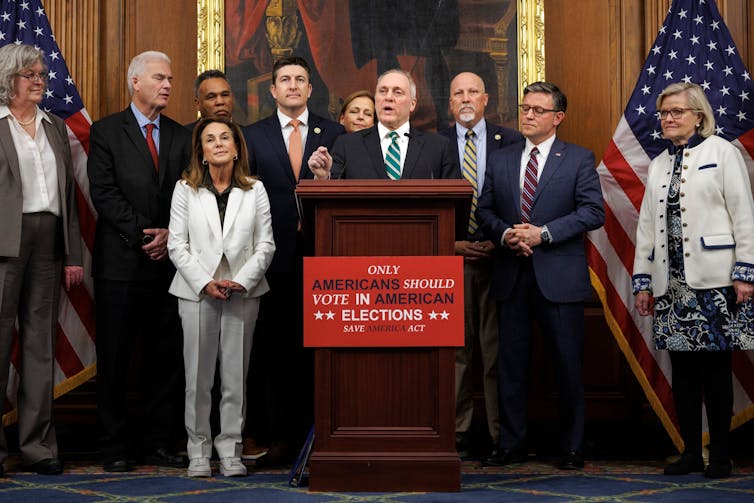
In his speech, Trump asked Republicans to pass the SAVE America Act. Approved by the House on Feb. 11, 2026, the measure would require that voters provide documentary proof of U.S. citizenship, effectively ending all online voter registration. “They want to cheat. They have cheated,” he said of Democrats.

These calls spread distrust in the U.S. electoral process, despite extensive evidence showing that voter fraud is rare, especially by noncitizens.

All this has led to speculation about how much further the Trump administration and Republican Party might go to tilt the 2026 midterm and 2028 presidential elections in their favor.

After decades of working internationally on democracy and peace-building, I know that efforts to undermine elections are not uncommon. Citizens of many affected countries have learned various techniques to help protect the integrity of their elections and democracy that may be helpful to Americans today.

International electoral assistance

Leaders, even in established democracies such as India, have used increasingly sophisticated and wide-ranging means to manipulate elections in their favor. Those means vary from legal changes that suppress votes to harassment and prosecution of the opposition, to promoting widespread disinformation campaigns.

These methods have evolved despite international efforts to counter rigged elections and improve election integrity. These countering efforts are called electoral assistance, and they support societies to develop electoral systems that reflect the will of the people and adhere to democratic principles.

Electoral assistance has been shown to strengthen transparency and election administration in countries such as Armenia and Mexico. It has also improved voter registration and education in countries such as Ghana and Colombia.

It’s mostly provided by international nonprofits, such as the National Democratic Institute and The Carter Center in the U.S. Multilateral organizations such as the United Nations also provide electoral assistance.

a group of men and women in formal wear stand around a podium that says ‘only americans should vote in american elections’
House Majority Leader Steve Scalise, R-La., speaks to reporters about the SAVE America Act alongside Republican leadership and supporters on Capitol Hill in Washington, D.C., on Feb. 11, 2026.
AP Photo/Tom Brenner

Five international responses to electoral manipulation

Here are five areas of electoral assistance that have shown some success internationally.

Early warning and community resilience: Early warning efforts track threats of violence and intimidation against election officials, candidates and voters. They seek to mitigate risks and prepare for crises. This happens from the early stages of an election through election day in countries such as Sri Lanka and Liberia.

Law enforcement, civic groups and election officials usually undertake these efforts together. But where such direct cooperation with government authorities is not feasible, civic groups can help by undertaking risk assessments and tracking coercion and threats. They can also raise alarms with officials and the media.

Indicators, or established metrics, can track sophisticated coercion tactics such as the misuse of government funds for campaign purposes. They also can track vote buying, like civic groups in North Macedonia did during 2024 parliamentary and 2025 local elections.

For these efforts to be successful, it’s critical that networks of trusted leaders urge early action to put in place greater safeguards long before election day. Raising alarms and urging action was done successfully by religious leaders in Kenya during general elections in 2022.

Real-time disinformation and local media reaction: Real-time fact-checking and debunking of false or manipulative information has proven critical to election integrity in countries such as Mexico and South Africa.

A highly organized and fast-moving approach involving media, technology companies and authorities successfully countered disinformation to ensure a competitive democratic election in Brazil in 2022. A coalition of Brazilian media outlets, for example, fact-checked political claims and viral rumors during the election period, using innovative tools such as online apps.

Robust local media play a particularly important role. In the 2024 presidential election of Maia Sandu in Moldova, a new investigative newspaper uncovered a Russia-backed network that paid people to attend anti-Sandu rallies and to vote against the president. That outlet had received training by an expert nonprofit group. It also received free legal advice and human resource management that were critical to its effectiveness.

Neutrality, transparency and systems reform: Amid efforts to sow doubt in elections, increasing transparency and ethical standards can help build awareness and deepen trust.

Various tools, such as codes of conduct that detail ethical standards, can be formulated for candidates, media and businesses. This has been done in Nigeria and the Philippines.

International groups, including the the International Foundation for Electoral Systems, published model commitments for advancing genuine and credible elections in 2024, which have been used for preelection assessments in Bangladesh.

Additionally, major technology companies such as Google and Meta in 2024 helped draft the international Voluntary Election Guidelines for Technology Companies. Meta also helped target false content and deepfakes during Australia’s 2025 election.

The neutrality of election officials is critical to tackle distrust. In New Zealand, high levels of public trust in elections align with robust neutrality rules for public officials. The key is to develop public awareness of such commitments and how they can be useful to hold election officials, media and businesses accountable.

More profoundly, the design of the electoral system can also be linked to levels of public trust and polarization. New Zealand, South Africa and Northern Ireland, for example, reformed from winner-take-all elections to proportional representation elections to address deep internal divisions and dissatisfaction with unrepresentative results.

Broad-based mobilization and civic campaigns: Significant voter turnout that delivers large winning margins make efforts to manipulate results more difficult.

In Zambia, for example, a landslide victory for the opposition candidate in the 2021 presidential elections was driven by high youth turnout and people switching parties in urban areas.

Mobilization efforts can span from public campaigns to digital tools and voter registration and education. These efforts can motivate key groups, such as youth, minority or overseas voters. Participation of diaspora groups in Poland’s 2023 parliamentary elections was a key factor in the opposition’s win.

Proactively building public awareness of election security measures, called prebunking campaigns, has demonstrated results in increasing trust in elections in Brazil and the U.S. Additionally, civic education has shown to have positive impact on voter choice of pro-democracy candidates over their preferred party.

Strategic coalitions and nonpartisan monitoring: Nonpartisan monitoring and observation of an electoral process is a key tool in the electoral assistance tool kit. Effective monitoring often involves coalitions of nonpartisan civic groups, which Senegal has used, and faith-based organizations, as in the Philippines, to ensure adequate coverage of polling stations and consistent application of standards.

Key tools, such as parallel vote tabulation, or “quick counts,” which provide independent and statistically accurate reports on the quality of voting and counting process, have helped verify official election results in Ukraine, Ghana and Paraguay.

International observation by entities such as the Organization for Security and Cooperation in Europe assesses whether elections meet global standards. Where it identifies serious flaws or fraud, such scrutiny can help justify mass protests or mobilization, such as in Serbia’s parliamentary and local elections in 2023, trigger new elections, such as in Bolivia’s general elections in 2019, or support international condemnation, such as in Georgia’s 2024 parliamentary elections. They also make recommendations on reforms, such as changes to elections laws and systems, to strengthen integrity and align with democratic principles.

The Conversation

From May 2023 until July 1, 2025, the author served in the Bureau for Democracy, Human Rights, and Governance at the United States Agency for International Development (U.S.A.I.D.).

ref. How to prevent elections from being stolen − lessons from around the world for the US – https://theconversation.com/how-to-prevent-elections-from-being-stolen-lessons-from-around-the-world-for-the-us-275390

We need to talk about how Black women educators experience burnout and care

Source: The Conversation – Canada – By Nadia Clarke Cordick, PhD Student, Educational Studies, Lakehead University

When I began teaching, I was the only Black educator on staff at my Ontario school.

In addition to my official responsibilities, I was often called on to translate cultural dynamics, support students experiencing racism and provide emotional labour for colleagues — for instance by serving as a shoulder to cry on.

As research related to Ontario and elsewhere in Canada shows, both these situations — of finding myself the sole Black educator on a staff, and being expected to provide emotional labour — are common for Black teachers.

No one named the cultural translation and emotional labour tasks, they were simply expected. While professional development days offered “wellness” sessions on mindfulness and stress reduction, they never addressed the racialized stress I was experiencing or named a systemic problem to be solved.

While often well-intentioned, as researchers across sectors have examined, “wellness” focused on individual responsibility can often be interpreted as asking individuals to cope better, rather than asking institutions, cultures or social structures to change.

Now, in my doctoral studies, I am developing a research plan to conduct a qualitative study with Black women educators in Ontario, where I explore how they experience burnout and care in predominantly white school systems — and how they re-imagine those systems as places of dignity, rest and belonging.


Read more:
Being the ‘only one’ at work and the decades long fight against anti-Black racism


Wellness focused on the individual

Teacher wellness strategies comprise things like short-term initiatives and professional development focused on stress management. These may be offered by school boards, teacher unions or third-party organizations.

Approaches to teacher wellness often ignore deeper contexts, including around racialized and gendered inequities: for example, that Black women educators face disproportionate stress due to systemic racism, isolation and exploitative emotional labour.

Research shows that generic self-care programming fails to acknowledge how race and gender shape the experience of burnout in education. Without addressing institutional conditions, these “solutions” become bandages on a structural wound.

The weight Black women carry in schools

Black women are often positioned as caretakers, expected to support students, serve on equity committees and manage diversity work, all while navigating workplace bias and surveillance. These added burdens are rarely acknowledged or compensated.

A 2023 doctoral dissertation called this out directly: “wellness” for Black women educators often becomes a form of resistance, not just recovery, in the face of institutional neglect. Emotional exhaustion is not a personal failure, but a predictable outcome of systems that extract care without offering care in return.

Many Black women educators also report experiencing “racial battle fatigue,” a term describing the cumulative toll of daily microaggressions, stereotype threats and constant self-monitoring in predominantly white environments.


Read more:
Addressing anti-Black racism is key to improving well-being of Black Canadians


In exploratory conversations conducted as part of developing my research,
I am hearing that Black women educators are experiencing harm in the very systems that claim to support their well-being — that we are being asked to survive conditions that need to change. One educator in Durham Region shared the following:

“In 2011 and again in 2019, I had white colleagues reach out and touch my hair, one of them during an introduction by my administrator. I had to tell them it made me uncomfortable, and that conversation was hard. But it’s the kind of emotional labour we carry, quietly.”

During the COVID-19 pandemic, emotional labour became even more visible. The same educator recalled that after George Floyd’s murder:

“Our admin opened a staff meeting by asking how we were feeling. There was no prep. No follow-up. It felt like emotional voyeurism. What were they offering in return for that vulnerability?”


Read more:
How to deal with the pain of racism — and become a better advocate: Don’t Call Me Resilient EP 2


Afrofuturism offers a liberatory framework

To truly support Black women educators, we need frameworks that centre justice, imagination and collective care, not just resilience.

One such approach is Afrofuturism: a Black radical tradition that blends memory, imagination and the envisioning of liberated futures and new worlds beyond racial violence.

In educational contexts, Afrofuturism has been used to disrupt deficit narratives and imagine liberatory possibilities for Black learners and educators alike.

Informed by Afrofuturist and Black feminist thought, my emerging research identifies four recurring principles that reframe well-being as political, collective and embodied:

  • Speculative imagination: Dreaming of educational spaces that don’t yet exist.

  • Embodiment: Honouring the body as a site of knowledge and resistance.

  • Fugitivity: Refusing harmful systems and finding joy outside their boundaries.

  • World-making: Creating new models of care, rest and belonging.

‘Affinity spaces’

These Afrofuturist and Black feminist principles partly emerged in practice during my earlier research in social justice studies, when I collaborated with Hill Run Club, a Toronto-based Black women’s running and wellness collective.

Working alongside 12 Black women over the course of a year, I engaged as both a researcher and a run coach through movement, reflective journaling and vision boarding. This community-rooted project was co-created with participants and explored how Black women experience wellness, safety, body politics and belonging in predominantly white fitness spaces.

This work countered dominant wellness narratives by engaging in speculative reimagining and centring community-rooted care as acts of resistance.
It also laid the methodological and theoretical foundation for my current research.

In a narrative interview, Aaries Clarke Cordick, a teacher candidate in Ontario, shared what Afrofuturist wellness means to her:

“Affinity spaces make a difference. Being around colleagues with similar philosophies of inclusion, or even just seeing teachers who reflect the diversity of our students matters. We need PD [professional development] that speaks directly to racial battle fatigue and burnout, especially for those working with marginalized students but in staff cultures that aren’t Black.”

How we can actually do better

So what would it mean to take Black women educators’ well-being seriously?

My work will continue to engage three approaches that shift the focus from individualized “self-care” toward structural, community-rooted change:

Institutionalize sister circles: These peer-led spaces are already being used informally for mutual support, mentorship and storytelling. Schools should recognize and resource them as formal professional learning structures.

Build radical rest into policy: Instead of encouraging teachers to “unplug” after work, school boards can conduct equity audits and provide protected wellness time during the school day.

Co-create wellness initiatives: Black women educators must be at the centre of designing wellness policies that reflect their lived realities, not treated as afterthoughts in generic programming.

These changes require commitment, but they are not impossible. They ask school systems to shift from extractive relationships to reciprocal ones, where care is not just encouraged but embedded.

Afrofuturism invites us to envision education as a site of liberation, not just endurance. In doing so, it reminds us that the well-being of Black women educators is not a luxury. It is a political imperative, and a blueprint for better schools for everyone.

The Conversation

Nadia Clarke Cordick does not work for, consult, own shares in or receive funding from any company or organisation that would benefit from this article, and has disclosed no relevant affiliations beyond their academic appointment.

ref. We need to talk about how Black women educators experience burnout and care – https://theconversation.com/we-need-to-talk-about-how-black-women-educators-experience-burnout-and-care-274400

Ukraine: after four years of war, exhaustion on both sides is the main hope for peace

Source: The Conversation – UK – By Alexander Titov, Lecturer in Modern European History, Queen’s University Belfast

As Ukrainian officials meet with US negotiators in Geneva with the possibility of full three-way talks involving Moscow, Kyiv and Washington in early March, there’s a glimmer of hope that an end to the conflict may be in sight. But the fact that after four years this remains a glimmer speaks volumes about the difficulties in ending the war.

Even Donald Trump, who promised to end the war in one day, has now stopped issuing ultimatums and deadlines to the warring parties.

In what has become a war of attrition, discussions about vulnerabilities and losses are only meaningful when compared with those of the opposing side. Reflecting on how each side’s theories of victory changed over the four years helps to grasp the war’s overall trajectory.

Russia’s initial plan for a swift knockout of Ukraine was foiled within the first few days of the invasion. Instead, it settled into a conflict of grinding the enemy down through slow advances on the battlefield and debilitating attacks on the energy infrastructure in the rear, with the expectation in Moscow that at some point Ukraine would throw in the towel.

But the question is whether Russia has enough manpower and economic resources for this strategy.

Russia is finally experiencing economic difficulties due to a combination of western sanctions and falling oil prices, which fell from over US$100 (£74) per barrel in 2022 to approximately $60 in 2025. In 2026, the Kremlin had to raise taxes and reduce its reliance on oil, whose share of Russia’s budget fell from 40% in 2019 to 25% in 2025. Perhaps the Kremlin is beginning to realise that this cannot continue forever.

But Russia’s weakness is relative to that of Ukraine. This applies to war losses: Putin believes that Ukraine’s manpower losses are higher than Russia’s (which flies in the face of what some western researchers estimate) and that Ukraine, with a much smaller population than Russia, has much less staying power.

Ukraine’s theory of victory, meanwhile, has evolved from a belief in an outright military victory in 2022–23, to just trying to exhaust Russia’s military in 2025 by using the “wall of drones”. But as the Russian army had captured some key strongholds, such as Siversk, Pokrovsk and Hulyaipole, Kyiv’s new defence minister, Mykhailo Fedorov (the fourth since the start of the war), declared that Ukraine’s path to victory now was to kill 50,000 Russian soldiers per month. That’s more than most estimates of Russia’s recruitment, which is believed to be around 30,000 per month.

Western politicians and analysts have embraced this theory, arguing that Russia’s unsustainable losses justify Ukraine continuing with the war with their support.

But after four years, Kyiv’s position is hampered by the loss of the full support of what was once its key ally: Washington. The Ukraine frontline is being slowly but steadily forced back and in 2025 for the first time in the war there was no major Ukrainian offensive.

Kyiv’s best hope is to freeze the conflict along the current line of contact, get security guarantees from the west, join the EU, and maintain pressure on Russia through western sanctions. Unfortunately for Ukraine, there are issues with every item on this list.

The situation at home is challenging and funding from the west is declining, thanks to the US. Meanwhile, its energy infrastructure has been severely damaged, there are ongoing issues with unpopular mobilisations, and the country’s president, Volodymyr Zelensky, has suffered a significant blow from a major corruption scandal involving his closest aides.

However, crucially, Ukraine is still fighting and its best hope now is an economic collapse in Russia. Attacks on Russia’s oil industry were intended to hasten that collapse, but Moscow’s destruction of Ukraine’s energy grid has demonstrated its greater capacity for escalation. This year will not be easy for Ukraine.

Europe’s position

Since the start of the invasion, Europe’s ideal plan for helping Ukraine win has not changed. It is believed that a combination of economic sanctions and military aid to Ukraine will eventually cause Russia’s economic collapse and military defeat.

Other than this there is no European plan to end the war, except to try to prevent Trump from striking a deal which would favour Russia and gut Ukraine. For the best part of a year, the so-called coalition of the willing (Kyiv’s European allies led by France, the UK and Germany) has been talking about post-war plans with itself.

But the irony is that – despite being Ukraine’s biggest donor – coalition countries have been excluded from negotiating with Russia, whose consent to any western military deployment as a security guarantee for Kyiv will be essential.

Whatever happens, the EU will have to pay Ukraine’s bills, either to continue the war or to cover its post-war reconstruction. The EU’s promise to accept Ukraine as a member would also require increased funding over an indefinite period.

Whose side is the US on?

Under the Biden presidency, the US and Europe had the same theory of victory. However, since returning to power in January 2025, Trump has forced Europe to finance the supply of US military equipment to Ukraine. Meanwhile, it has opened negotiations with Russia to end the war.

The US push for peace remains a mystery. After all, if the Ukrainians are willing to fight and the Europeans are willing to pay for it, it is unclear why the US is so eager to end a war that is exhausting one of its geopolitical rivals in Russia.

Perhaps Trump genuinely wants to stop the killing. Or perhaps he believes that if the war is not stopped now, the eventual peace deal will be much worse for Ukraine and the west. Or maybe it’s simply a matter of stopping “Biden’s war”. A war that Trump has no interest in and that he clearly feels is hampering his plans to do business with Putin.

As with Gaza, a deal can be reached only when the parties involved in the conflict are exhausted and ready to stop fighting. In these circumstances, Trump’s mediation could succeed. For now, however, each side is still clinging to its vision of victory.

On its fourth anniversary, there is hope that this may be the last year of the war. While all sides are growing increasingly exhausted, it will be the “last mile” that matters most — who can muster the willpower and resources in the final stretch to end the war on their terms.

The Conversation

Alexander Titov does not work for, consult, own shares in or receive funding from any company or organisation that would benefit from this article, and has disclosed no relevant affiliations beyond their academic appointment.

ref. Ukraine: after four years of war, exhaustion on both sides is the main hope for peace – https://theconversation.com/ukraine-after-four-years-of-war-exhaustion-on-both-sides-is-the-main-hope-for-peace-276783

Trump tariff ruling shows top courts serve as last line of defence against strongman rule

Source: The Conversation – UK – By Andrea Loux Jarman, Senior Lecturer in Law, Bournemouth University

The US Supreme Court told Donald Trump on February 20 that the tariffs he has used to try and bend the world to his will are unlawful. Tariffs are taxes and it is not for the president to impose them. According to the US constitution, Congress holds the power of the purse.

Trump relied on the terms of a 1977 law designed to address national emergencies, the International Emergency Economic Powers Act, to impose the majority of his tariffs. The court held that this law did not provide Trump with the legal authority to impose them.

In a post on social media following the court’s decision, Trump called the justices who ruled against him a “Disgrace to our Nation”. And he has subsequently announced that he will rely on another law, section 122 of the 1974 Trade Act, to impose worldwide tariffs of 15%.

But even if Trump’s use of that law survives legal challenge, these tariffs would be time limited. The act says that after 150 days the tariffs would continue only if Congress says so. Trump disagrees, saying in his State of the Union address on February 25 that “congressional action will not be necessary”.

Trump is a would-be “strongman” leader. Like all strongmen, his aim is to concentrate political power in himself and those closest to him. Since returning to the White House in January 2025, Trump has preferred to rule by way of executive order rather than through the legislative process. He has done so despite his Republican party controlling both houses of Congress.

Strongmen want to rule without the interference or oversight of legislatures and courts. But Trump has discovered that, in a constitutional democracy that is governed by the rule of law, the Supreme Court will not allow that to happen.

Resisting strongman rule

Trump is not the only western leader to experience push back from a top court when seeking to bypass the legislature. In 2019, Britain’s then-prime minister Boris Johnson wanted to fulfil his political promise to “get Brexit done” unfettered by parliament.

He advised the queen to suspend parliament for five weeks in the lead up to the UK’s “exit day” from the EU. The UK’s Supreme Court ruled unanimously that this advice was unlawful because, in the UK, parliament is sovereign. Parliament has two constitutional roles: to pass legislation and to hold the government to account.

The court held that Johnson and his ministers were constitutionally required to explain and justify their policies, decisions and actions to parliament and to answer parliament’s questions. Parliament must be free to exercise its constitutional functions, the court said, especially in times of great change.

The UK and the US have vastly different constitutions. But when faced with strongmen tactics, the supreme courts in both countries have stepped in to uphold the constitutional role of the legislature.

The function of legislatures in a democracy, US Supreme Court Justice Neil Gorsuch declared on February 21 after invalidating Trump’s tariffs, is “to tap the combined wisdom of the people’s elected representatives, not just that of one faction or man”.

In Israel, Prime Minister Benjamin Netanyahu (another would-be strongman leader) and his justice minister, Yariv Levin, have embarked on a programme of judicial reform in recent years to strengthen the power of the executive in relation to the judiciary.

The Israeli parliament passed amendments to the country’s quasi-constitutional Basic Laws in 2023, which aimed to limit the power of the courts to review ministerial decisions. These reforms have caused a constitutional crisis.

Protests were staged against the reforms across Israel in 2023, and military reservists threatened to not report for service. The protests ended abruptly with the October 7 terrorist attacks in southern Israel later that year.

Israel’s Supreme Court struck down one amendment to the Basic Laws in early 2024, with all 15 justices convening for the first time in Israeli history. The court held that it had the power to review the Basic Laws and declared an amendment – that would have limited the court’s ability to review ministerial decisions – unlawful.

However, the ruling has not derailed Netanyahu’s plans to reform the Israeli legal system. In 2025, the Israeli parliament passed a law that introduces more political control over judicial appointments. A case challenging this law will be heard by the full bench of the Israeli Supreme Court in summer 2026.

Meanwhile, Levin is refusing to cooperate with the president of the supreme court, Yitzhak Amit, to make judicial appointments. The Israeli government is also seeking to dismiss the independent attorney-general, Gali Baharav-Miara, who has argued against the reform.

In his response to the recent decision in the US to strike down Trump’s tariffs, French president Emmanuel Macron said: “It is not bad to have a supreme court and, therefore, the rule of law. It is good to have power and counterweights to power in democracies.”

At a time when strongman tactics appear to be on the rise, the courts are providing the last line of defence against authoritarian rule.

The Conversation

Andrea Loux Jarman does not work for, consult, own shares in or receive funding from any company or organisation that would benefit from this article, and has disclosed no relevant affiliations beyond their academic appointment.

ref. Trump tariff ruling shows top courts serve as last line of defence against strongman rule – https://theconversation.com/trump-tariff-ruling-shows-top-courts-serve-as-last-line-of-defence-against-strongman-rule-276571

Could global tensions finally see Sweden warming towards the euro?

Source: The Conversation – UK – By Fredrik NG Andersson, Associate Professor, Department of Economics, Lund University

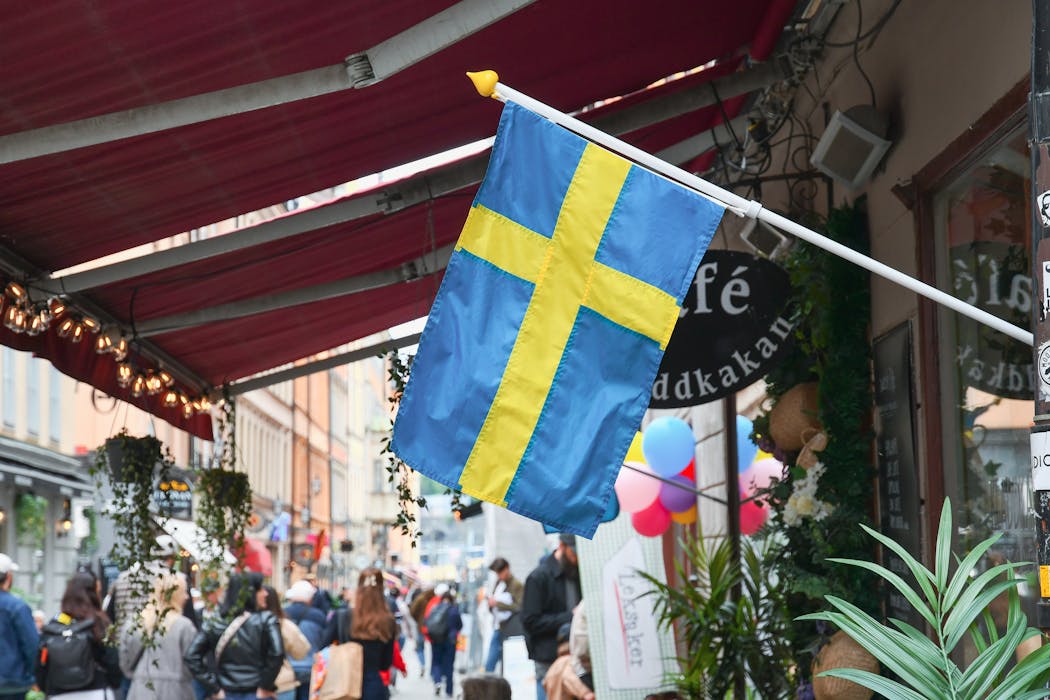
Vitaliy Kyrychuk/Shutterstock

Sweden has been part of the European Union for 30 years, yet it is one of the few EU countries that has kept its own currency, the krona. Legally, Sweden is expected to join the euro one day but in reality, that day keeps being pushed into the future.

This makes Sweden something of an outlier in Europe. In a referendum in 2003, 56% of voters said no to the euro, and no government since then has felt confident enough to revisit the question.

Now however, as Europe faces new economic and geopolitical pressures, there have been reports that the mood in Sweden is beginning to shift. The country’s central bank (Riksbank) recently acknowledged that the economic uncertainty caused by US president Donald Trump’s erratic tariff policies had “widened the range of potential outcomes”. But despite the headlines, any move would represent a major change in direction for Swedes.

Sweden’s relationship with European integration has always been pragmatic. Cooperation has been viewed primarily through an economic lens rather than as a political project.

During the cold war, the country’s policy of neutrality kept it outside the European Economic Community (the original European free trade area). When Sweden finally joined the EU in 1995, it did so largely because the creation of the single market in 1993 had reshaped trade across Europe. For a small, export-orientated economy, access to that market was essential.


Read more:
How Canada and Sweden are redefining northern security and co-operation


From the beginning, Swedish debate about EU membership centred on growth, jobs and stability rather than on questions of shared political identity. That economic focus would later shape attitudes towards the euro as well.

A second formative experience came from Sweden’s own financial and currency crisis in the early 1990s. After a period of currency turmoil, the Riksbank hiked interest rates to an astonishing 500% in a bid to prevent devaluation.

When this failed, the krona was allowed to float (meaning it could be traded on currency markets, which would determine its value) after being pegged to other currencies for more than half a century. Sweden then entered a deep recession.

The crisis marked a turning point. Sweden had moved to a floating exchange rate, the Riksbank was granted independence, and strict rules to prevent unsustainable budget deficits were introduced.

Over time these reforms restored credibility and stability. They also left a lasting imprint on public opinion: monetary independence and flexible exchange rates came to be seen by citizens as beneficial.

When the euro was being designed in the 1990s, Sweden was still recovering from its economic crisis. Public finances were strained and unemployment was high. A government-appointed commission concluded in 1996 that Sweden was not yet ready to join a monetary union. As a result, the country stayed out when the euro was launched in 1999.

Stronger on the outside?

When the 2003 referendum was called, memories of the 1990s crisis and the risks associated with fixed exchange rates were still vivid. So voters chose to remain outside.

Since then, Sweden’s economic performance has often been better than that of the euro area. Output has grown at a consistently faster pace, and the economy has weathered major shocks, including the global financial crisis, the European sovereign debt crisis and the COVID pandemic, with relative resilience.

Stronger growth has bolstered the public finances, and Sweden’s public debt ratio today stands at less than half the average level in the euro area.

As Swedish public opinion tends to evaluate European cooperation in economic terms, these comparisons matter. Support for the euro fell sharply during the euro debt crisis. Although it has recovered in recent years, roughly half of Swedes say they would vote no to joining while around one third would vote yes.

At the political level, the picture remains divided. Some parties continue to favour eventual membership, while others oppose it. The Social Democrats, Sweden’s largest party, are open to discussion but have made no commitment. The Moderate party is traditionally more pro-European and has signalled interest in reviewing the issue. The Sweden Democrats are firmly against adopting the euro.

But rising geopolitical tensions have nudged the tone of the debate. Sweden’s swift decision to join Nato in 2024 demonstrated that long-standing positions can change quickly. Some argue that deeper integration within the EU, including euro membership, would strengthen Sweden’s influence and reduce vulnerability in a more uncertain world.

If Sweden were to join, the formal process is relatively clear. It would need to participate in the EU’s exchange rate mechanism, align its legislation with euro area rules and meet the convergence criteria, such as limits on inflation and government deficits. It largely already satisfies these. In political terms, however, a new referendum would almost certainly be required.

For now, continuity appears more likely than change. Political parties remain divided. The updated review of the 1996 euro commission, chaired by the same economist, Lars Calmfors, did not agree on whether the benefits of adopting the euro would outweigh the costs.

Sweden’s approach to European integration has long been cautious and grounded in economic analysis. Unless Swedes become convinced that membership would clearly strengthen stability and long-term prosperity, the krona will probably remain as their national currency.

The Conversation

Fredrik NG Andersson does not work for, consult, own shares in or receive funding from any company or organisation that would benefit from this article, and has disclosed no relevant affiliations beyond their academic appointment.

ref. Could global tensions finally see Sweden warming towards the euro? – https://theconversation.com/could-global-tensions-finally-see-sweden-warming-towards-the-euro-276906