HIV in Malawi: digital filing system saved lives and boosted care – research

Source: The Conversation – Africa (2) – By Laura Derksen, senior researcher at the Ragnar Frisch Centre for Economic Research, University of Oslo

In the global fight against HIV/Aids, one of the most exciting innovations is not a new drug, but a better filing system.

This is what we’re seeing in Malawi, one of the most HIV-affected countries in the world. About 7% of the population there live with the virus.

The country is one of the few meeting the United Nations 95-95-95 targets (95% of people living with HIV are diagnosed, 95% of those diagnosed are treated, and 95% of those on treatment have a viral load below 200 copies per millilitre). Sustaining this progress is a massive challenge in large clinics, and requires not only medical staff and supplies but efficient management of patient data.

Effective HIV treatment requires lifelong consistency. Patients must visit clinics every few months to refill prescriptions for antiretroviral therapy, a combination of drugs that prolongs life and prevents HIV transmission. In high-volume, under-resourced clinics, tracking who has missed an appointment is difficult.

As a team of management and global health economists, we wanted to know whether better data management could help explain Malawi’s success. Our recent research used an event study to analyse a gradual rollout of an electronic medical record system, to replace paper-based records, in 106 Malawian HIV clinics between 2007 and 2019. Event study analysis, which involves comparing outcomes before and after a policy change while accounting for clinic and year fixed effects, is a method for causal inference widely used by health economists.

At the time of electronic records adoption, roughly half of patients had stopped coming for treatment. The switch to electronic medical records allowed clinics to track patients more efficiently and support return to care among lapsed patients. Five years after the system was adopted, the annual number of patients who died was estimated to have fallen by 28%.

As with any study, there are important caveats to keep in mind. The findings are based on 106 clinics in Malawi, and while HIV clinics face common challenges across sub-Saharan Africa, results may not translate directly. The study also relies on administrative data, which means patient deaths could be slightly under-counted, and some patients who lapsed from care and returned under new identifiers may not have been accurately identified. Finally, it is not possible to directly observe whether clinic staff used the system to trace lapsed patients; instead, we infer this mechanism from the increase in the total number of patients actively returning to care after electronic records were introduced.

Paper records in a digital age

HIV care in Malawi is managed by the Ministry of Health, in collaboration with local and international organisations. HIV patient clinics are typically situated within larger hospitals or health centres. The 106 clinics in the study were responsible for treating 358,843 active patients as of 2018.

Under the traditional paper-based system, identifying a patient who missed a crucial appointment meant that staff had to manually sift through thousands of physical files. In an understaffed clinic, this often simply did not happen.

To address this, the Ministry of Health collaborated with Baobab Health Trust, a local NGO, to develop and implement a new electronic medical record system. The system involves touchscreen workstations designed for durability and ease of use. Because the system was designed to be user-friendly, it did not require hiring new, specialised personnel. Existing clinic staff were trained to operate the system in sessions as short as half a day.

How the system saves lives

The electronic system did not change the medication patients received, nor did it increase the number of doctors. Instead, it improved managerial efficiency. The system automatically generates a list of patients who have missed their appointments by a specific margin. This allows clinic staff to quickly identify who needs help and use their limited time to trace these patients. They could then call them or visit their homes to encourage them to return to care. According to the clinic staff we interviewed, patients often view this outreach as a form of social support and a sign that the clinic cares about their well-being.

The effects were immediate. In clinics equipped with electronic medical records, the probability of a patient being lapsed from care dropped significantly. In the year following its adoption, clinics saw a 17% increase in the number of patients actively in care.

The benefits were most profound for the most vulnerable patients: children. Children under the age of 10 are uniquely dependent on caregivers and are at the highest risk of dropping out of treatment. Before the electronic medical records were introduced, 57% of children had lapsed from care.

These lapses result in many child deaths, as HIV/Aids is fatal without treatment. Within five years of the adoption of electronic medical records, the number of children in this age group dying fell by 44%. The electronic system acts as a safety net, ensuring that when a child misses a visit, the clinic notices and acts before it is too late.

A cost-effective solution

The electronic medical system played an important role in Malawi’s success in the fight against HIV/Aids. By 2019, the rollout of this system across the 106 clinics in our study had prevented an estimated 5,050 deaths. The system helped clinics identify patients who had stopped receiving lifesaving care and encourage them to return.

The total cost for an average clinic to adopt the system, including hardware, installation and training, was approximately US$34,050. This was funded by the government with support from international donors.

Based on the number of deaths prevented within the first five years, we estimate the cost to be US$448 per life saved.

To put this in perspective, some of the world’s most highly rated charitable life-saving programmes are estimated to cost around US$4,500 per life saved. In the US, implementing electronic medical records to monitor the health of newborn babies costs roughly $531,000 per life saved.

The future of digital health in Africa

While the study focused on the transition from paper to electronic records up to 2019, the system has continued to evolve and scale. The 106 study facilities represent only a fraction of the more than 700 HIV clinics in Malawi. Scaling and sustaining this system across the remaining facilities represents a challenge and opportunity.

Our findings prove that digital health tools are not a luxury, and should not be reserved for rich countries. In low-resource settings, where staff are overburdened and patient volumes are high, managerial technologies like electronic medical records are a frontline, life-saving intervention. They allow health workers to shift their focus away from managing thousands of paper files and towards addressing patient needs.

As international aid dwindles, these kinds of efficiency gains will be key to delivering lifesaving care and maintaining progress in the fight against HIV/Aids.

The Conversation

Laura Derksen received funding from the Connaught Global Challenge Award.

Anita McGahan receives funding from Canada’s Social Sciences and Humanities Research Council, the University of Toronto, a Connaught Global Challenge Award, and the Burnes Center for Social Change at Northeastern University.

Leandro Pongeluppe receives funding from the Wharton Impact, and the Wharton AI & Analytics Initiative.

ref. HIV in Malawi: digital filing system saved lives and boosted care – research – https://theconversation.com/hiv-in-malawi-digital-filing-system-saved-lives-and-boosted-care-research-274646

Why cloud service outages ripple across the internet – and the economy

Source: The Conversation – USA – By Doug Jacobson, University Professor of Electrical and Computer Engineering, Iowa State University

A cloud outage in 2024 disrupted air travel around the world. AP Photo/Ross D. Franklin

When most people think about the internet, they likely picture websites and apps. What they rarely see are the invisible services that make those experiences possible: systems that translate names into numbers, verify who you are, deliver messages and block malicious traffic.

For example, DNS, the Domain Name System, has quietly become a single point of failure. DNS is the internet’s phone book. When it fails, large parts of the internet effectively disappear, even if servers are still running.

DNS is not alone. Over the past decade, four core internet services – DNS, authentication, email and security infrastructure – have consolidated into a small number of global platforms. As a cybersecurity researcher, I see that this concentration has fundamentally changed how outages unfold. What would once have been a local failure is now often a systemic event, affecting thousands of organizations simultaneously.

The internet was designed to assume failure. Mail servers, DNS resolvers, authentication systems and security monitors were meant to be distributed and locally controlled. Today, for reasons that make economic sense, many companies and organizations outsource all four to the same handful of providers. One cloud service monitoring organization referred to 2025 as the year of the global cloud outage.

An Amazon Web Services outage on Oct. 20, 2025, took down many popular websites and apps for several hours.

DNS, authentication, email and security

Outages are no longer rare exceptions, but a predictable byproduct of efficiency at a global scale. That pattern becomes apparent when you look at a few major outages that have affected each of the four services.

DNS outages are a prime example of systemic risk. If DNS cannot resolve a name, a website may as well not exist. A growing share of global DNS resolution now depends on a small number of providers. That concentration means that a single configuration error, routing issue or attack can ripple across much of the web.

Authentication outages are less visible to the public but often more disruptive inside organizations.

For example, on Oct. 29, 2025, Microsoft Azure experienced a major outage that disrupted authentication and access for millions of users worldwide for over five hours. Another authentication provider, Okta, suffered an outage on Oct. 3.

Authentication has become a universal gatekeeper. When identity services fail, modern organizations don’t degrade gracefully; they come to a halt.

Despite decades of predictions about its decline, email remains a central component of how employers function. Password resets, invoices, legal notices, emergency notifications and incident response coordination all depend on it. When large cloud email providers experience outages, companies and organizations not only lose communication but also struggle to recover accounts and coordinate recovery efforts effectively. In 2025, both Yahoo and Microsoft email services suffered outages.

Since many companies and organizations no longer operate independent mail systems, email outages are increasingly affecting entire industries simultaneously. In an emergency, the system that people rely on to respond may be unavailable.

Security as a service is a rapidly growing market. Cybersecurity infrastructure, including distributed denial-of-service mitigation, firewalls and bot protection, is designed to keep services online. When this infrastructure fails, it can have the opposite effect.

Misconfigured security rules and routing errors at global security providers have repeatedly blocked legitimate traffic on a massive scale. In one well-documented incident in 2024, a routine configuration change by cybersecurity company CrowdStrike caused widespread outages across thousands of unrelated websites.

Why outages are getting more expensive

Industry data suggests that while outages may be becoming less frequent, they are becoming far more costly.

The professional services organization Uptime Institute reports that more than half of major outages now cost over US$100,000, and roughly 1 in 5 exceeds $1 million. These estimated costs reflect lost revenue, stalled operations, reputational damage and, in some cases, risks to health and public safety.

A cloud services outage on July 19, 2024, is estimated to have caused billions of dollars in economic losses.

Centralization magnifies these costs. A single failure now affects a greater number of users, employers and critical services simultaneously. What was once an IT problem has evolved into a multifaceted economic and societal issue.

Concentration is the real risk.

Regulators are beginning to recognize this pattern. In the United States, federal guidance now emphasizes the importance of inventorying cloud dependencies and reducing reliance on a single provider. These efforts reflect a growing realization: The greatest risk is not any one outage, but the structure of dependency that makes those outages unavoidable and wide-reaching.

Accounting for inevitable failures

The internet was designed to route around damage. In the pursuit of convenience and scale, the tech industry has rebuilt key parts of it around a small number of global trust brokers for names, identity, messaging and security. The result is a byproduct of the cloud services business model, where routine failures become systemic events.

Companies and organizations don’t need to abandon the cloud to address this issue. But I believe that it’s important to measure concentration, design for diversity, and rehearse what happens when shared services fail. Resilience does not come from perfection. It stems from choice, redundancy and the ability to fail locally rather than everywhere at once.

The Conversation

Doug Jacobson does not work for, consult, own shares in or receive funding from any company or organization that would benefit from this article, and has disclosed no relevant affiliations beyond their academic appointment.

ref. Why cloud service outages ripple across the internet – and the economy – https://theconversation.com/why-cloud-service-outages-ripple-across-the-internet-and-the-economy-272241

47 years of deep mistrust and misperception paved the way to war between Iran and the US − and complicate any negotiations

Source: The Conversation – USA – By Mehrzad Boroujerdi, Vice Provost and Dean of College of Arts, Sciences, and Education, Missouri University of Science and Technology

Trust between Iran and the United States was shattered long ago. Sean Gladwell, Moment/Getty Images

It has been said that trust is like glass: Once it is shattered, nothing will ever be the same. In the case of the enduring hostility between the Islamic Republic of Iran and the United States over the past 47 years, even this metaphor may be an understatement.

The tone of the relationship is indicative of this fact.

In 2020, Iran’s supreme leader denounced President Donald Trump as a “clown” who only pretends to support the Iranian people while ultimately plunging a “poisonous dagger” into their backs.

And in a U.S. version of this hostility, Trump’s special envoy Steve Witkoff said on Feb. 23, 2026, about the president’s approach to Iran: “I don’t want to use the word ‘frustrated,’ because he understands he has plenty of alternatives, but he’s curious as to why they haven’t … I don’t want to use the word ‘capitulated,’ but why they haven’t capitulated.”

The war that began on Feb. 28, 2026, hews to a familiar but dangerous pattern. Deep, historical mistrust, incompatible strategic interests, domestic political constraints on both sides, miscommunication and misperception, zero-sum thinking and repeated diplomatic overreach gradually pushed the relationship between Iran and the U.S. toward open conflict.

Rhetoric, not reality

When Tehran refused to yield to Trump’s demands, he described Iranian leaders in blunt terms: “They’re sick people. They’re mentally ill. Sick people. They are angry. They are crazy. They are sick.”

For a deeper understanding of Iran, policymakers in Washington could have looked to the insights of John W. Limbert, a distinguished diplomat with four decades of experience in Iranian affairs and a hostage during the Iran hostage crisis.

In 2008, as part of a U.S. Institute of Peace study of Iranian negotiating style, Limbert outlined 15 principles for Americans seeking successful negotiations with Iranian counterparts. Among his most important observations was that each side tends to assume the worst about the other, viewing its adversary as “infinitely devious, hostile, and duplicitous.”

Little evidence suggests that such hard-earned wisdom has informed recent rhetoric.

Instead, American leaders’ and media’s discussions of Iran over the past few decades have often relied on a familiar narrative: the portrayal of Middle Eastern leaders as irrational orlunatic” figures − first, revolutionary leader Ayatollah Ruhollah Khomeini, then Saddam Hussein, followed by Moammar Gadhafi, Bashar Assad, and now Ali Khamenei.

This narrative conveniently overlooks inconvenient facts.

Getting to breakdown

It was Trump who withdrew the United States from the 2015 nuclear agreement with Iran during his first term. It was also the United States that during renewed negotiations in 2025 and 2026 chose to bomb Iranian targets twice while talks were still underway.

Nor were the negotiations ever strictly bilateral. There was always an unoccupied chair at the table metaphorically reserved for a ghost participant: Israel. In my view, Prime Minister Benjamin Netanyahu skillfully used political leverage and diplomatic pressure to shape the process publicly and privately.

When it came to Iran, Trump often violated a basic principle of diplomacy: asking Iran to concede without any reciprocity. Meanwhile, Netanyahu would repeatedly move the goal posts − asserting that Iran was on the verge of acquiring a nuclear weapon, insisting it had no right to enrich uranium on its own soil, demanding the dismantling of its nuclear infrastructure, calling for the elimination of its ballistic missile capability, and ultimately advocating regime change.

The extent to which Israeli pressure shaped successive American policies is a question historians and investigative journalists will continue to debate.

A bearded cleric in a black turban, talking in front of a framed photo of a different cleric.
Iranian Supreme Leader Ayatollah Ali Khamenei delivers his Friday prayer sermon in Tehran, Iran, on Nov. 5, 2004, in front of a picture of the late revolutionary founder Ayatollah Khomeini.
AP Photo/Vahid Salemi, File

Yet responsibility for the breakdown cannot be placed on Washington and Jerusalem alone. Iranian leaders contributed significantly to making the conflict with the United States so intractable.

A corrupt, repressive and economically struggling regime relied heavily on performative anti-American politics for domestic legitimacy. Tehran matched American and Israeli rigidity with intransigence and strategic overreach of its own.

Limiting inspections by the International Atomic Energy Agency, failing to provide credible answers about past nuclear activities, constructing secret facilities and attempting to negotiate from a position of weakness ultimately proved disastrous when dealing with an impatient and impulsive American president.

The unknown unknowns

What comes next?

If regime change does not occur in Tehran, the two sides will almost certainly find themselves negotiating again once the fog of war dissipates.

The hostility between them will not disappear, and diplomatic niceties may become rarer. Yet diplomacy rarely requires trust; it requires interests.

I believe that future talks are therefore likely to be transactional rather than transformational. Technical and legal parameters will still need to be negotiated. Hawks and doves will continue to compete for influence in both capitals.

And the oldest rule of bargaining will remain unchanged: When you lack leverage, acquire it – then negotiate.

The Conversation

Mehrzad Boroujerdi does not work for, consult, own shares in or receive funding from any company or organization that would benefit from this article, and has disclosed no relevant affiliations beyond their academic appointment.

ref. 47 years of deep mistrust and misperception paved the way to war between Iran and the US − and complicate any negotiations – https://theconversation.com/47-years-of-deep-mistrust-and-misperception-paved-the-way-to-war-between-iran-and-the-us-and-complicate-any-negotiations-277789

Iran war: 4 big questions that help clarify the future of the Middle East

Source: The Conversation – USA – By David Mednicoff, Associate Professor of Middle Eastern Studies and Public Policy, UMass Amherst

A plume of smoke rises from a warehouse in the industrial area of Sharjah City in the United Arab Emirates, following reports of Iranian strikes elsewhere in the region on March 1, 2026. AP Photo/Altaf Qadri

The war that the U.S. and Israeli governments launched against Iran on Feb. 28, 2026, is unprecedented in its scope across the Middle East. With the Arab Gulf states under Iranian attack, and Israel targeting Iran’s militia ally Hezbollah, even experts on the Middle East like me cannot predict the war’s course and especially its likely political consequences.

Still, to better understand this complex situation, I am paying particular attention to four major questions. How these specific issues play out will shed light on how this war might end and what it will mean for Iran, the rest of the Middle East and the world.

What does the US hope to accomplish?

One leader who began the war, Israeli Prime Minister Benjamin Netanyahu, has been dead set for decades on crippling, and ideally toppling, Iran’s Islamic Republic. Iran has a long track record of sponsoring militant threats to Israel and American Arab allies.

Yet U.S. President Donald Trump has not been clear on what the goals of this war are and has said even less about what conditions would lead the U.S. to cease hostilities.

Early signs are that Iran’s capacity to project force across the Middle East is now diminished. What amount of damage to Iran’s military might be enough for the White House to believe that its mission was accomplished? Or does Trump expect Iran’s current authoritarian, theocratic political system to be removed, and for Iranians to establish a government more favorable toward American interests?

Any clarity from Washington on the true aims of this war will help observers understand under what circumstances it can end and what future Iranian-American relations might look like.

The Trump administration’s stated aims for the war have shifted constantly.

How will the war affect Gulf states’ short-term or long-term relations with Washington?

The U.S. has long prioritized deep economic and strategic relationships with the Gulf Arab states, especially Kuwait, Qatar, Saudi Arabia and the United Arab Emirates. These relationships have grown closer under Trump’s presidency.

So far, Iranian attacks have not caused significant casualties or damage to oil or commercial infrastructure in Gulf Arab states, collectively the source of 10% of the oil used in the U.S.

Indeed, some Gulf Arab states, including the United Arab Emirates, already collaborate enough with Israel that being subjected to attacks from Iran has solidified their current alliance with it and the U.S.

At the same time, Gulf Arab states value long-term political stability to preserve their status as major exporters of oil and natural gas, centers of global commerce and trade and global travel hubs. While each country has its own geopolitical priorities, none wants conflicts that leave it vulnerable.

Iran’s military strategy seems designed to raise the economic and human costs for Gulf Arabs who support the U.S. and Israel.

Greater pain for citizens of the Arab Gulf could fuel leaders there to pressure Washington to stop the war. It’s also possible that Gulf leaders will rethink or rebalance their relations with the United States or Israel should the end state of the war undermine their sense of security.

Such a rethink is more likely if the war continues for weeks and creates major shocks to the global economy. Even if the war ends well for Gulf leaders, by ending concerns about Iranian regional aggression, Washington’s willingness to put Gulf states in the path of destabilizing conflict may lead them to seek less alignment with the U.S.

Who will likely rule Iran?

Mojtaba Khamenei, the hard-line son of the previous supreme leader, Ayatollah Ali Khamenei, has just been named his father’s replacement. This is a clear signal that Iran is not yet moving toward the more cooperative government that the Trump administration wants. But with the fluid state of the war and its effects in Iran, perhaps the most important question is who will ultimately govern the country. Given Iran’s large size, predicting a long-term political outcome at this point makes little sense.

However, several factors do not bode well for a democratically representative government that could benefit ordinary Iranians. First, the Islamic Republic has been in power for decades, going to great lengths to prevent unified political opposition. Iranians’ recent waves of protests have not meant consensus on a future political order.

Second, Iran’s political system may still have support, including among members of the clergy and army. Third, the Trump administration may hope that Iranian ethnic minorities, such as the Kurds, may attack or dislodge the remnants of the government. Yet such groups lack the level of military force to ensure success.

For these reasons, the current government or a similarly authoritarian one may well remain in place after this war.

A woman in a black headcovering holding a large photo of a man with a white beard, glasses and wearing a black turban.
In Tehran on March 1, 2026, a woman mourns the death of Iranian leader Ayatollah Ali Khamenei.
Negar/Middle East Images/AFP via Getty Images

How do Iranians and people throughout the region view the war?

The Islamic holy month of Ramadan runs this year from Feb. 18 to mid-March. It changes the basic rhythm of life for most Muslims to one in which they fast from dawn to dusk and enjoy family and communal festivity late into the night. Throughout Iran and the Arab Gulf countries, these longtime practices have been disrupted by war and nighttime bombings.

Religion is not the primary driver of this war. Still, that war began during a sacred time is one example of an issue that might influence how the people in the middle of this conflict experience it. A less militaristic, more democratic Iranian government is a desirable outcome from a devastating war launched in violation of international law.

How popular attitudes in the region unfold will matter both to Iran’s political outcome and to whether Iran has better relations with Washington in the future.

For now, it is hard to know whether Iranians’ support for the government is growing during a major foreign attack, as it did when Iraq’s Saddam Hussein began a war against Iran in 1980. Certainly, a large swath of Iranians are content with the end of decades of Ayatollah Khamenei’s stifling rule.

Gulf Arabs may be frustrated with Washington and Tel Aviv for starting the war but also want Iran to end up with a less militant government. Most Lebanese have no love for Israel. Yet many also blame their local Iran-backed Hezbollah faction for dragging their country into the current war.

The experiences and views of these diverse populations matter. Trump has launched a war that is different from earlier American wars in the Middle East, both in the number of countries directly experiencing attacks and in the degree of direct coordination with Israel.

In addition to this war’s illegitimacy under international law, Washington has a long record of failing to achieve political results favorable to American interests after using military force in the Middle East. Given this, it is hard to believe that Operation Epic Fury will be an epic success in the long run.

However, how these four questions come to be answered in the weeks ahead will provide better indication of what this new war’s political consequences will actually be.

The Conversation

David Mednicoff does not work for, consult, own shares in or receive funding from any company or organization that would benefit from this article, and has disclosed no relevant affiliations beyond their academic appointment.

ref. Iran war: 4 big questions that help clarify the future of the Middle East – https://theconversation.com/iran-war-4-big-questions-that-help-clarify-the-future-of-the-middle-east-277473

This Sunshine Week, Florida reflects an alarming national trend of blocking the public’s access to information

Source: The Conversation – USA – By David Cuillier, Director of the Brechner Freedom of Information Project, College of Journalism and Communications, University of Florida

By all measures, the ability to see what the government is up to in the United States has plummeted to new depths since the beginning of the second Trump administration.

For National Sunshine Week in 2025, I wrote about secrecy creep, the adoption of federal secrecy protections implemented by state and local authorities. In Florida and throughout the United States, this threatens the public’s right to be informed about its government.

A year later, this creep toward secrecy has become an all-out slide.

As director of the Joseph L. Brechner Freedom of Information Project at the University of Florida, I track the state of government transparency in the U.S. What has changed since January 2025 is unprecedented.

Clouds in the Sunshine State

Florida is a good example of this slide. Once viewed as a leader in transparency, the Sunshine State now charges exorbitant copy fees that discourage average people from requesting public records.

According to the nonprofit MuckRock, 24% of public records requests in Florida come with a copy fee, averaging US$1,623. Only Oregon charges fees more often, at 28% of the time. Fees are intended to help agencies cover the cost of large requests, but they tend to be arbitrary and are often used as a way to get pesky people to go away.

And that’s assuming you even get the information you want. One of my own studies from 2019 indicated that, on average, if you requested a public record in Florida, you would receive it about 39% of the time, placing the state 31st in the nation.

In 2025, MuckRock put the percentage dipping lower, at 35%. In March 2026, it was at 34%.

In Florida, more and more government agencies are thwarting the public’s right to know, including attempts to hide the details behind Alligator Alcatraz, the temporary immigrant detention center built in the Florida Everglades in June 2025. The state’s Department of Government Efficiency, or DOGE, office has pushed cities to be more transparent while withholding its own records.

Members of the state Legislature are attempting to strengthen the public records law. This would improve transparency in Florida’s state government, but I’d argue it doesn’t go far enough. Other states, such as Ohio, Pennsylvania and Connecticut, have implemented stronger laws, including independent enforcement of their sunshine laws, to ensure their governments comply.

It starts at the top

State and local governments appear to be taking their cues from the federal government.

President Donald Trump’s administration heralds itself as the most transparent in history, pointing to the president’s willingness to talk informally to the press or directly to the public through social media.

While that may be one definition of transparency, the federal government’s willingness to provide documents that show what the government is doing – not just what it says it is doing – has been eviscerated under the second Trump administration. Examples include:

US Capitol pictured through the bars of a fence
As the federal government has taken steps to become less transparent, many state and local governments have followed.
Anadolu/Anadolu via Getty Images

Typically, the Department of Justice releases annual statistics on FOIA requests every March. When I examined initial reports posted in January, when just 11 agencies had provided their reports, backlogs – that is, requests that remain unresolved after a year – had increased 67% from the previous fiscal year. The time to process simple requests nearly doubled.

Plummeting to historical depths

In order to understand how secrecy in the United States now compares to historical precedent, I reached out to people who have researched freedom of information for decades, some going back to the 1970s.

I asked them a simple question: How does the current state of affairs in freedom of information compare historically?

Here is what they told me:

Jane Kirtley is a longtime FOIA scholar from the University of Minnesota who wrote in 2006, “The Bush administration’s contempt for the public’s right to know amounts to an organized assault on freedom of information that is unprecedented since the enactment of the Freedom of Information Act 40 years ago.”

Today, in comparison? “Abysmal,” she wrote to me via email. “It was abundantly clear from the moment Elon Musk and his ‘musketeers’ invaded and pillaged government electronic records that we have entered a new era of deletion, obfuscation, fabrication and utter contempt for the concept of data integrity and the public’s right to know.”

Thomas Susman, who helped craft the 1974 FOIA amendments and currently assists the American Bar Association, wrote in 2005 that increasing delays and backlogs threatened FOIA’s intended purpose.

In February 2026, he wrote to me that the “arc of the FOIA universe has for six decades bent toward greater public access to government information − until now. If ‘democracy dies in darkness’ (according to The Washington Post’s official slogan), America’s democracy is threatened with becoming dead meat. We’ve survived the Civil War, the Great Depression, Vietnam, Watergate and more. If we fight back hard enough, this too shall pass, though not quickly, and likely with lasting scars.”

Patrice McDermott directed Open the Government from 2006 to 2017 and pointed in 2007 to an underlying tension throughout government: “the ability – and willingness – to harness the promise of digital information for public access and accountability while not abusing its potential for control of that information.”

Today, she writes that, as Benjamin Franklin put it, we “have a Republic … if (we) can keep it” and are committed to the fight for our constitutional form of government.

Perhaps advances can be made to reverse the secrecy trend and carry out the intentions of the Freedom of Information Act, as expressed by Lyndon B. Johnson upon its adoption nearly 60 years ago: “I signed this measure with a deep sense of pride that the United States is an open society in which the people’s right to know is cherished and guarded.”

The Conversation

David Cuillier has received funding from the Democracy Fund and John S. and James L. Knight Foundation to study the state of freedom of information. He is a board member of the National Freedom of Information Coalition and he coordinates national Sunshine Week.

ref. This Sunshine Week, Florida reflects an alarming national trend of blocking the public’s access to information – https://theconversation.com/this-sunshine-week-florida-reflects-an-alarming-national-trend-of-blocking-the-publics-access-to-information-274108

Mining the ocean floor: 5 deep-sea sources of critical minerals essential to technology, and the fragile marine life at risk

Source: The Conversation – USA (2) – By Leonardo Macelloni, Director of the Mississippi Mineral Resources Institute and Center for Marine Resources and Environmental Technology, University of Mississippi

A mechanical claw holds a polymetallic nodule, one of several seafloor sources of critical minerals. ROV-Team/GEOMAR via Wikimedia, CC BY

You may be hearing a lot lately about critical minerals and rare earth elements. These natural materials are essential to industry and modern technology – everything from cellphones to fighter jets.

They include lithium and cobalt used in batteries, neodymium for magnets in motors and hard drives, and rare earths that are essential in defense systems, lasers and medical imaging. Critical minerals are also indispensable for renewable energy systems, energy storage and digital infrastructure. Without them, modern society – and any realistic path to a world with net-zero emissions – would not be possible.

Critical minerals get their name because they’re also highly vulnerable to supply chain disruptions from global events, trade tensions or economic instability. And, today, one country dominates many critical mineral supply chains: China.

With that in mind, many governments are looking for alternative sources of critical minerals, and several companies are eyeing the ocean floor as a potential new frontier for mining them.

A map shows seafloor areas being considered for exploration and critical minerals mining. International Seabed Authority

As a marine geologist, I know the potential for seafloor minerals is vast. But that doesn’t mean those minerals are easy to harvest. They come in several forms, from potato-size rocks scattered on the seafloor to seafloor crusts at hydrothermal vents and underwater brine pools. And they are often found in sensitive locations that are home to fragile marine life, raising questions about damage to some of the least explored and least understood parts of our planet.

Polymetallic nodules on the seafloor

When you picture seafloor mining, polymetallic or manganese nodules are probably what come to mind.

Rock-like nodules are about the size of potatoes and are found scattered on vast deep-water plains, typically 3,000 to 6,000 meters deep, in several regions, including a large area of the Pacific Ocean southeast of Hawaii.

They primarily consist of manganese and iron, though they can contain significant amounts of other metals, including valuable nickel, cobalt, copper and small amounts of rare earth elements and platinum.

A seafloor covered with potato-sized nodules sitting on the surface
Polymetallic nodules spotted during a survey of the Blake Plateau, roughly 80 to 200 miles off the southeastern U.S. coast in the Atlantic Ocean.
NOAA Office of Ocean Exploration and Research, 2019 Southeastern U.S. Deep-sea Exploration

Nodules form from metals that get into the ocean through erosion or from seafloor hydrothermal vents in volcanically active areas. The metal ions attach to a nucleus, such as a rock or shell fragment. Over time, layers form around that core. The growth is very slow – only a few millimeters in a million years – so larger nodules can be several million years old.

More than 17 exploration licenses exist, primarily in the Pacific’s Clarion-Clipperton Zone. Tests there have involved suctioning nodules from the seafloor to ships above. But, as of early 2026, full-scale, commercial mining has not yet begun.

A map of areas rich in polymetalic modules.
A map shows mining targets in the Clarion-Clipperton Zone, southeast of Hawaii. Areas in red have the highest-known abundance of polymetalic nodules.
McQuaid KA, Attrill MJ, Clark MR, Cobley A, Glover AG, Smith CR and Howell KL, 2020, CC BY

Seafloor massive sulfides at hydrothermal vents

Another source of critical minerals is seafloor massive sulfides, which form near hydrothermal vents along oceanic ridges. Volcanic activity reacts with seawater, fueling bursts of marine life at these vents, and also forming rocks rich in copper, gold, zinc, lead, barium and silver.

These hot springs form where water rises through the oceanic crust at high temperatures, up to about 750 degrees Fahrenheit (400 degrees Celsius). The metals contained in these solutions precipitate on contact with the cold, oxygen-rich seawater, forming the ventlike structures known as “black smokers” because they look like factory chimneys.

A pinnacle with red creatures all along its sides and warm water that gives the appearance of smoke.
Tube worms cover a ‘black smoker,’ where warm, mineral-rich water emerges.
Ocean Networks Canada, CC BY-NC-SA

The technology for mining these deposits is currently being built. The first deep-sea tests were performed by Japanese miners in their coastal waters.

Cobalt-rich crusts at seamounts

Ferromanganese crusts are another source. They form on the slopes and summits of underwater mountains known as seamounts and contain manganese, iron and a wide array of trace metals such as cobalt, copper, nickel and platinum.

Over millions of years, metals in the surrounding seawater form coatings of iron and manganese oxides, with thicknesses ranging from a few millimeters to a few decimeters, depending on the age of the seamounts.

An underwater view shows corals and sponges.
Corals and sponges found at Northeast Canyons and Seamounts Marine National Monument.
NOAA

Crust mining is technically much more difficult than nodule mining. Nodules sit on soft sediment. Crusts, in contrast, are attached to substrate rock. For successful crust mining, it would be essential to recover the crusts without collecting too much substrate, which would dilute the ore quality.

However, little is known about the marine life found on seamounts, particularly those in the most likely regions for crust exploration and mining.

Underwater brine pools

Another possible ocean source of lithium and potentially rare earth elements may lie in unusual underwater lakes called hypersaline brine pools. These salty pools are found on the seafloor in several parts of the world, but they are especially common in the Gulf of Mexico.

Brine is already the source of much of the lithium used today. Companies extract it from salty water produced during oil and geothermal operations.

Lithium becomes concentrated in brines over millions of years. As water moves through deep rocks, minerals dissolve along the way and elements like lithium can accumulate.

Extracting lithium from deep-sea brines, if it is confirmed to be there, could be more straightforward than traditional seabed mining. Technologies already exist to separate lithium from salty water.

In the Gulf, this approach could potentially use existing offshore oil and gas infrastructure, reducing the need for new construction. The brine could be pumped up, processed to remove lithium, and then returned to the subsurface.

Deep-sea mud

In the Central Pacific Ocean and off Japan, deep-sea mud enriched with rare earth elements and yttrium has been recognized as another new resource.

These deposits form from the very slow accumulation of fish debris, composed of biogenic calcium phosphate, in the deepest parts of the ocean. In 2026, a Japanese research vessel successfully drilled and retrieved deep-sea sediment containing rare earth minerals from the seabed near the island of Minamitorishima, and the Japanese government announced a deep-sea mud extraction trial would begin in 2027.

The drawbacks for marine life

While these regions likely hold vast resources, scientists know very little about the ecological conditions at the boundary between deep-sea water and seafloor sediments, especially about the microbial communities that live there.

Microorganisms are the most widespread and fundamental forms of life on Earth. They play central roles in ecosystems, nutrient cycles, and the long-term stability of the planet. The potential impacts of mechanically removing nodules from the seafloor – through cutting, scraping or lifting – on these microscopic ecosystems remain largely unknown.

A visualization of deep-sea mining for polymetallic nodules. MIT Mechanical Engineering

In the Pacific Ocean, an experimental mining test carried out in 1978 was revisited more than two decades later. Even after 26 years, tracks left by mining vehicles were still visible on the seafloor. The disturbed areas had fewer bottom-dwelling organisms and less diversity compared to nearby undisturbed regions. Notably, no detailed assessment of microbial communities was conducted, leaving a significant gap in understanding.

An illustration shows a potentail. method for mining sufides from the sea floor. A pipe from a ship goes down to equipment at the seafloor.
An example of a sea-floor massive sulfide mining system and its potential environmental impacts.
GRID-Arendal via Wikimedia Commons, CC BY-NC-SA

Complicating the issue further, many prospective deep-sea mining areas lie in international waters, beyond the jurisdiction of individual nations.

The International Seabed Authority is responsible for regulating mineral activities in the deep ocean, but there is no global consensus on the rules, safeguards or acceptable risks associated with seabed mining. Some countries, including the United States, are discussing creating their own licenses to mine in international areas, while about 40 others are calling for a mining moratorium until the risks are better understood.

Critical minerals are the invisible foundation of modern life. As interest in deep-sea mining grows, these scientific uncertainties and governance challenges will be central to the debate.

The Conversation

Nothing to disclose.

ref. Mining the ocean floor: 5 deep-sea sources of critical minerals essential to technology, and the fragile marine life at risk – https://theconversation.com/mining-the-ocean-floor-5-deep-sea-sources-of-critical-minerals-essential-to-technology-and-the-fragile-marine-life-at-risk-275804

From bodice rippers to romantasy, romance novels are dominating the book market – and rewriting women’s sexual power

Source: The Conversation – USA (2) – By Diane Winston, Professor and Knight Center Chair in Media & Religion, USC Annenberg School for Communication and Journalism

The Bible may be the bestselling book of all time, but annual sales of romance novels now outpace the Scriptures. drante/iStock via Getty Images

The compulsion started soon after my marriage.

Long before e-books and audiobooks, I furtively read paperbacks whose covers of bosomy maidens and bare-chested men would have outed my obsession. Then, on a family car trip, my husband told my young stepdaughters why I liked sitting alone in the back seat.

“Diane is reading bodice rippers,” he said, citing the old-fashioned name for sexually explicit romance novels. Back then, they were my guilty pleasure.

More than 30 years later, I remain a fan of romance novels, but it’s no longer a craving I feel compelled to hide. In fact, I value the window it opens to my research interests in pop culture, religion and gender.

I’m not alone. Romantic fiction makes up almost 25% of books sold in the U.S., and the genre earned US$1.44 billion globally in 2022-23. The Bible may be the bestselling book of all time, but annual sales of romance novels even outpace the Scriptures.

Written by women, for women

Among scholars, there’s a range of opinions on the genre’s enduring popularity.

Some describe romantic fiction as the literary equivalent of Marx’s “opium of the masses.” They argue that these books are perennial bestsellers because they offer escapism and the promise of “happily ever after” – a quick sugar high to distract from the struggles of everyday life.

Other scholars cite the genre’s pedigree. Though they’re canonized as literary classics, 19th-century novels such as “Pride and Prejudice,” “Jane Eyre” and “Wuthering Heights” can also be read as romances – stories written by women and centered on women’s emotional lives, courtship and desires. In a world circumscribed by the era’s narrow gender roles, these books featured clever, often headstrong women who exercised some agency over their love lives and their fates.

In my view, this explains their popularity: 19th-century readers may have found vicarious pleasure in Jane Eyre’s journey from timid governess to independent heiress and happy wife. Likewise, Catherine Earnshaw’s decision to marry the wealthy Edgar Linton, thus abandoning the penniless Heathcliff, may have struck the female fans of “Wuthering Heights” as an understandable choice.

Nineteenth-century women had limited pastimes. Books that reflected on their own circumstances, albeit with more intrigue and drama, were catnip. But as readership grew, male authors wanted to cash in on the expanding market.

As men penned their own novels, their perspectives dominated, pushing women’s fiction to the side. Changing social mores also made the once popular “woman’s novel” seem dated.

The romance genre was revived in the 20th century when authors added more oomph to their plots and edgier characters. Daphne Du Maurier’s 1938 classic, “Rebecca,” breathed new life into gothic romances – love stories set in dreary, desolate places, intermingled with horror and suspense. And Georgette Heyer revitalized historical romance with smoldering stories such as “The Grand Sophy,” set in England’s Regency period (1811–1820).

Bodice rippers debuted in the 1970s. The name came, in part, from the covers, which often depicted a woman in a half-torn dress being embraced by a buff male. A racier take on the romance genre, they were often set in early 19th-century England and ended in happily-ever-afters. But the characters were sexually active in ways that would have shocked and scandalized Jane Austen’s heroines.

Three book covers featuring illustrations of hunky men wooing beautiful women.
Bodice rippers were all the rage in the 1970s and ’80s.
Nick Lehr/The Conversation

Kathleen E. Woodiwiss’ “The Flame and The Flower” (1972) is widely credited with launching the modern bodice ripper: The first romance novel published in paperback, it became a huge bestseller, despite its graphic rape scenes.

These novels, which debuted in the midst of the sexual revolution, were more explicit than their precursors, and heroines enjoyed more agency in their life choices. That said, the sex was male-driven and often implied that a “throbbing member” could send the heroine into paroxysms of ecstasy.

Lovestruck mafiosos and bull breeders

The digital revolution further transformed romance novels.

Self-publishing, digital publishing and BookTok brought new and younger readers into the mix. Anyone could become a romance novelist, leading to an array of new characters, plots and sexual adventures.

A genre that once mainly featured straight, British aristocrats now embraced Black, Latino and Asian protagonists. There were wanton witches, voracious werewolves and vampire lotharios. Some stories explored alien pairings and lovestruck mafiosos, while in others, LGBTQ characters and professional athletes took center stage. Readers drawn to bawdier fare could dive into erotic fiction, with plotlines featuring women mating with bulls, reverse harems – one woman with several men – and women consorting with multi-limbed aliens.

Many of these innovations have something in common. Rather than sticking to the male-driven plotlines of 20th-century bodice rippers, most contemporary romance writers focus on the female orgasm. Men are far less likely to rush penetration because, before seeking their release, they want their partners to experience multiple climaxes.

But contemporary female characters are not just sexually satisfied. They also enjoy successful careers and close female friends. True to real life, some are plus size or have disabilities. Others were burned in past encounters. They need suitors to scale their emotional walls before blowing their minds in the bedroom.

Women in control

Put together, the genre has undergone a 180-degree turn from the books I hid in the 1990s.

Today’s romantic fiction is less about horny couplings and happy endings and more about exploring emotional connections and power dynamics. Stories also play out the impact of race, class, gender and sexuality on relationships.

Consider the bestselling book and breakout hit HBO series “Heated Rivalry,” which explores the complicated romance between two gay hockey players. It’s beloved by straight and gay female fans for depicting a blossoming relationship characterized by emotional vulnerability rather than toxic masculinity. And it reveals a trend previously underreported: Women like watching gay men enjoying sex.

A blurry hand-in-motion removes a book from a display featuring the same title, 'Heated Rivalry.'
The queer ice hockey love story ‘Heated Rivalry’ became a huge hit after it was turned into a TV show.
Michael Reichel/Picture Alliance via Getty Images

While the “Heated Rivalry” phenomenon is intriguing, readership also has skyrocketed for romantasy.

Romantasy features unconventional women navigating make-believe worlds populated by magic, faeries and dragons. Some heroines are timid, others are brazen, but they share a drive to succeed on their terms.

The genre took off in 2015 with Sarah Maas’ “A Court of Thorns and Roses,” the saga of a beautiful but impoverished teen who finds herself in the faerie court. Eleven years and two series later, Maas’ books have sold more than 75 million copies. Each novel is kinkier than the last, and they’ve even inspired some readers to spice up things in their own bedrooms.

The success of these new romance subgenres reflects a striking societal shift: Women are no longer shy about being on top. As writers and readers increasingly see powerful women in C-suites and boardrooms, they expect similar strength in the bedroom.

Although what women want has not changed over time, our ability to achieve it has. That’s why the popularity of books by, for and about women is as fervent today as when Elizabeth Bennet, the heroine in “Pride and Prejudice,” fell for Mr. Darcy. But Lizzie Bennet lived in a world where she could do only so much, hemmed in like her real-life counterparts.

Thankfully, women today enjoy more power, agency and pleasure. And thankfully, too, we have a lot more books by, for and about women as we contemplate what lies ahead.

The Conversation

Diane Winston does not work for, consult, own shares in or receive funding from any company or organization that would benefit from this article, and has disclosed no relevant affiliations beyond their academic appointment.

ref. From bodice rippers to romantasy, romance novels are dominating the book market – and rewriting women’s sexual power – https://theconversation.com/from-bodice-rippers-to-romantasy-romance-novels-are-dominating-the-book-market-and-rewriting-womens-sexual-power-273765

Just thinking about tequila, whiskey or wine shifts your mindset – new research

Source: The Conversation – USA (3) – By Logan Pant, Assistant Professor of Marketing, University of Evansville

Most celebrations in the U.S. involve alcohol, in large part due to marketing and advertising. Arturo Peña Romano Medina/E+ via Getty Images

Thinking about certain types of alcohol can alter your mood and trigger certain mindsets, especially among young consumers. For instance, tequila calls up a party mindset, whiskey activates a masculine mindset, and wine primes a sophistication mindset.

Those are the key takeaways of a new study my team and I published in the journal Young Consumers.

We carried out four studies with 429 total participants to examine the cultural themes and moods people associate with different types of alcohol.

We conducted two preliminary studies to understand how people think about different types of alcohol. In the first study, participants answered open-ended questions, and in the second they completed a word-association task. These studies helped us identify common cultural associations, which we call “learned associations,” or ideas people develop through experience and cultural exposure.

We used these associations to create questions about alcohol-related mindsets. Participants rated how much they felt different qualities when thinking about a randomly assigned type of alcohol in response to the prompt, “I feel ___ when thinking about this type of alcohol.” For example, the sophisticated mindset included sophisticated, elegant, classy, formal and fancy; the masculinity mindset included masculine, tough, confident, manly and strong; and the party mindset included energetic, outgoing, fun, like partying and like celebrating.

Then we conducted two experiments where participants were randomly assigned to think about either wine, whiskey or tequila and respond to the mindset questions, allowing us to test whether different types of alcohol evoke different associations.

Importantly, participants did not consume alcohol, allowing us to isolate the learned associations these drinks evoke, separate from alcohol’s physiological effects.

Clear patterns emerged. Tequila was frequently associated with words like fun, wild, celebration and party. Whiskey elicited terms such as strong, rugged, confident and masculine. Wine, by contrast, was associated with elegance, class, refinement and sophistication.

These findings show that alcohol can function as a “symbolic cue.” In other words, the mindsets people associate with different drinks appear to originate from learned associations rather than from intoxication itself.

Alcohol brands spend millions of dollars to create a feeling of ‘lifestyle.’

Why it matters

More than half of the U.S. adult population consumes alcohol: 54% in 2025. This is the lowest level recorded since Gallup began tracking the drinking habits of adults in the U.S. in 1939, and it marks a decline from 1997-2023, when over 60% of adults reported drinking.

Some drink to enhance experiences, while others drink for enjoyment, socializing or even escapism. For others, drinking may become compulsive or difficult to control, defined as an alcohol use disorder.

Research increasingly shows that even moderate drinking can carry health risks, including higher risks of several cancers.

A considerable amount of research on alcohol has explored what happens as a result of drinking. Studies have found that people become uninhibited and make risky decisions when they drink. Other researchers have found that people pick up ideas and habits about drinking from the world around them and that advertising can influence what, when and how young people drink.

Fans of the popular sitcom “How I Met Your Mother” might recall an episode titled ‘The Perfect Cocktail.“ In this episode, different alcoholic beverages reflect the personalities of Marshall (Jason Segel) and Barney (Neil Patrick Harris). It’s funny and engaging, but what if there’s a real psychological basis for these associations?

Such learned associations have not been thoroughly studied – in particular, it’s unknown whether they can activate distinct drinking mindsets even without actual consumption.

One reason why this is important is that even though Gen Zers drink less alcohol than previous generations, they are still exposed to alcohol-related media and cultural cues. Understanding these psychological cues may help explain how alcohol-related social norms and expectations develop and influence drinking decisions.

What’s next

Learned associations for different alcoholic drinks can influence how people feel, which in turn might shape their intentions, choices and social expectations. For example, if thinking about tequila prompts a “party” mindset, it could influence how a person plans their evening and what choices they make.

A better understanding of these associations could help public health campaigns promote moderation and responsible drinking, such as pacing drinks, staying hydrated and avoiding overconsumption. Future research could examine how these associations form in different social contexts, how they vary across age groups or cultures, and how interventions might shift them to further reduce risky behaviors and encourage safer, more responsible alcohol consumption.

The Research Brief is a short take on interesting academic work.

The Conversation

This research was funded by the Department of Marketing at the University of North Texas.

ref. Just thinking about tequila, whiskey or wine shifts your mindset – new research – https://theconversation.com/just-thinking-about-tequila-whiskey-or-wine-shifts-your-mindset-new-research-277160

Higher buprenorphine doses help patients stay in opioid use disorder treatment, new study finds

Source: The Conversation – USA (3) – By Rachel French, Assistant Professor of Family and Community Health, University of Pennsylvania

Patients who received 17 to 24 milligrams per day of buprenorphine stayed in treatment significantly longer than those who received 16 milligrams or less, researchers found.
AP Photo/Julio Cortez

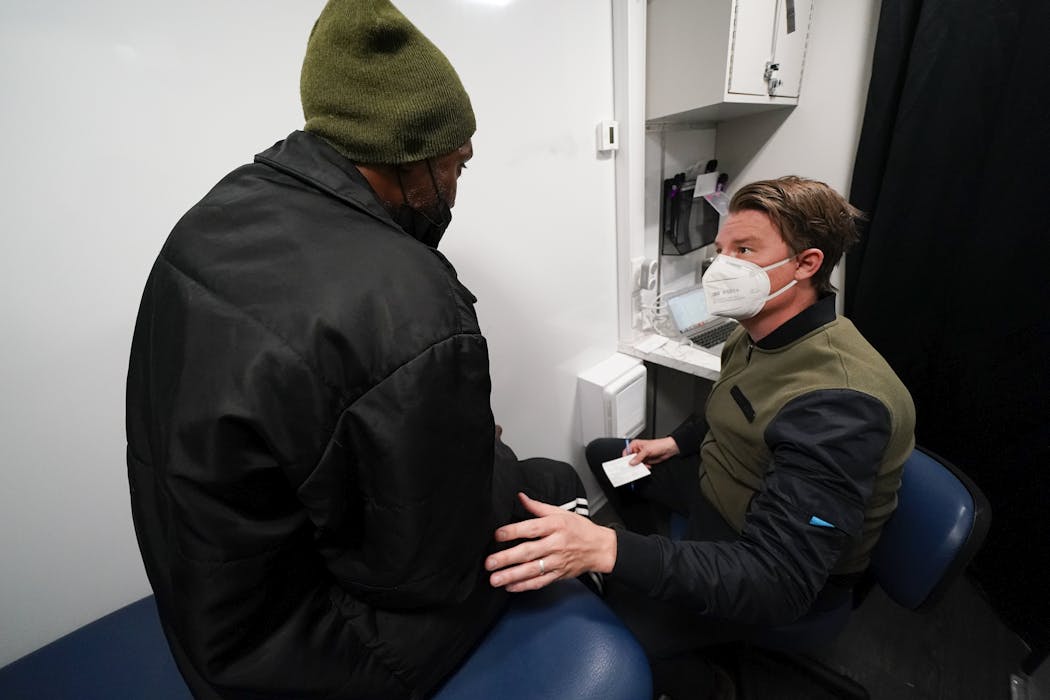
Patients who are prescribed higher daily doses of the medication buprenorphine for opioid use disorder are significantly more likely to stay in treatment. Those on 17 to 24 milligrams averaged 190 days in care compared to 90 days for those on 8 milligrams or less. Yet Black patients are less likely than white patients to receive the higher doses.

Those are the key findings of a study my colleagues and I conducted with 5,000 adults enrolled in Medicaid in Philadelphia who are prescribed buprenorphine to treat their opioid use disorder.

I am an assistant professor at University of Pennsylvania’s School of Nursing, and my research focuses on improving care and outcomes for people with opioid use disorder.

Why it matters

Buprenorphine is one of the most effective treatments for opioid use disorder. Unlike most opioids, buprenorphine only partially activates opioid receptors, providing enough stimulation to prevent withdrawal and cravings while not causing euphoria. This lowers the risk of overdose.

Buprenorphine also blocks other opioids from binding to opioid receptors and causing euphoric effects. This deters patients from using other opioids while on the medication.

Across the board, patients who received higher doses of buprenorphine – usually 17 to 24 milligrams per day, but sometimes more – stayed in treatment significantly longer than those who started on medium doses of 9 to 16 milligrams, or lower doses of 8 milligrams.

Staying in treatment for opioid use disorder is important because it reduces overdose risk and provides a foundation for recovery.

Our study also revealed racial disparities.

Black patients were less likely than white patients to receive the 17 to 24 milligram prescriptions. These differences may reflect prescriber preferences, inequities in health care or misconceptions among both patients and clinicians about safe dosing.

Other groups were more likely to receive higher buprenorphine doses. Over half of our sample was diagnosed with a musculoskeletal condition – such as osteoarthritis, rheumatoid arthritis and gout – alongside opioid use disorder. These patients were more likely to receive higher doses.

White bottles of prescription medicine
Buprenorphine reduces opioid cravings and withdrawal symptoms.
Joe Raedle/Getty Images

Why it matters

Over the past decade, the unregulated street opioid supply across the U.S. – and notably in Philadelphia – has become much more potent and unpredictable. The powerful synthetic opioid fentanyl as well as the animal tranquilizers xylazine and medetomidine are pervasive in Philadelphia. With these changes, standard buprenorphine doses may not be enough to stabilize withdrawal symptoms and prevent patients from using again.

Identifying disparities in buprenorphine dosing also sets up a number of interventions that insurers can use to address them.

For example, Community Behavioral Health, Philadelphia’s Medicaid behavioral health managed-care organization, has provided education about buprenorphine at faith‑based conferences, convened focus groups with Medicaid members to understand barriers to buprenorphine treatment, and allowed us to present our findings in a forum with local prescribers and pharmacists.

In December 2024, the U.S. Food and Drug Administration updated its recommendations about buprenorphine dosing. Previously, it supported a target dose of 16 milligrams and said that doses over 24 milligrams showed no clinical advantage.

Now, the FDA has removed the phrase “target dose” from the drug label. It also added that although doses over 24 milligrams have not been investigated in randomized clinical trials, they “may be appropriate for some patients.”

This clarification rolls back outdated language that many clinicians and insurers took to mean that 16 milligrams was the maximum for treating opioid use disorder.

What still isn’t known

Clinicians still do not fully understand patient preferences around buprenorphine dosing. Some patients may want higher doses to better manage withdrawal or cravings. Others may prefer lower doses due to concerns about not being able to discontinue buprenophrine if they are on a high dose.

The dosing patterns that we observed suggest that Black patients do not have equal access to higher doses of buprenorphine they may need. Understanding why these differences occur, and how to address them, is essential to equitable treatment.

The Research Brief is a short take on interesting academic work.

Read more of our stories about Philadelphia and Pennsylvania, or sign up for our Philadelphia newsletter on Substack.

The Conversation

Rachel French does not work for, consult, own shares in or receive funding from any company or organization that would benefit from this article, and has disclosed no relevant affiliations beyond their academic appointment.

ref. Higher buprenorphine doses help patients stay in opioid use disorder treatment, new study finds – https://theconversation.com/higher-buprenorphine-doses-help-patients-stay-in-opioid-use-disorder-treatment-new-study-finds-274804

Making good choices when life gets messy – practical wisdom relies on human judgment, not rules

Source: The Conversation – USA (3) – By Tim Hulsey, Associate Professor of Psychology, University of Tennessee

This virtue helps you figure out when and how to apply the other virtues in real, varying situations. Cavan Images/Cavan via Getty Images

A few semesters into my teaching career as a psychology professor, I uncovered a cheating ring. I determined who the ringleader was and called him to my office.

He admitted that he had illicitly obtained a copy of the exam and shared it with other students. He began to cry, telling me he was from a single parent family, the first in his family to go to college, and that his mother would be crushed if he was dismissed from the university for academic dishonesty.

I did not know what to do. I was angry at what he had done, but I also felt sorry for his situation. For reasons I still don’t fully understand, I decided to call his mother. When I told her what he had done, she apologized repeatedly, then said coldly, “Let me speak to him.”

I don’t know what she said, but as the color drained from his face and he was reduced to repeatedly saying, “Yes, ma’am,” I assumed he was being read the riot act. After he hung up, he headed home to, I suspect, more severe punishment than the university could have given. He received a “0” on the exam and an official reprimand in his student file, but I’m willing to bet that the most important lesson he learned didn’t come from the university or me.

Though I didn’t yet know the word, the decision to call his mother was an example of phronesis, an ancient Greek word usually translated as “practical wisdom.” It refers to the ability to make good decisions in real-life situations, especially when there are no clear rules or easy answers.

black-and-white engraving of an ancient Roman man standing in chariot holding reigns of four horses
Like a charioteer steering the horses, phronesis guides you in how to apply the other virtues, like courage, justice and generosity.
pictore/DigitalVision Vectors via Getty Images

Charioteer of the virtues, guiding them all

Phronesis provides you with the ability to deliberate well about what is good and bad in specific circumstances. Unlike theoretical knowledge (sophia) or technical skill (techne), phronesis is about judgment – how to choose the right action at the right time for the right reasons.

When you think about wisdom, maybe you imagine a philosopher pondering big questions or a scientist unlocking the secrets of the universe. But phronesis is a different kind of wisdom, one that is less about abstract ideas and more about navigating the messy, unpredictable realities of everyday life. Phronesis helps you live well, not by following rules, but by making wise choices in the face of complexity. It’s what allows you to turn knowledge into action that is then beneficial.

Phronesis is a central component of the virtue approach to character development and morality first described by Aristotle. Virtues like courage, generosity, justice and temperance tell you what goals you should aim for, but they don’t tell you how much, when or in what way you should act in a specific situation. Phronesis helps you think through and decide the right means to achieve the right ends in the moment.

Aristotle called phronesis “the charioteer of the virtues” because it provides the guidance system that ensures the other virtues are applied correctly in real life. As he put it, “It is impossible to be good in the strict sense without practical wisdom.”

Let’s take the example of courage. Everyone wants to be brave and stand up for their values. However, without phronesis, too much courage may become recklessness, or too little courage could result in cowardice. Phronesis allows you to know when to take a risk and when to hold back.

Or consider justice, the virtue of treating others fairly. Phronesis allows you to choose what is fair in a specific situation. Virtues set the goals – for instance, “be courageous” or “be just” – but phronesis determines the right way to achieve them.

Practice phronesis in the face of complexity

Developing phronesis takes time and effort. It requires experience, reflection and careful reasoning. Because phronesis is social, it thrives in environments where people share their perspectives and challenge each other’s assumptions.

You don’t have to be a philosopher or a scientist to practice phronesis. Modern life is full of complexity. We are regularly faced with questions that don’t have clear answers.

child, woman and man in pajamas seated on couch looking out of frame
Staying up past bedtime to watch a big game as a family has value that a strict adherence to rules would overlook.
AzmanL/E+ via Getty Images

Picture a parent who must decide whether to enforce bedtime or allow a child to stay up for a special family occasion. The rule says bedtime is nonnegotiable, but practical wisdom reminds us of the value of shared family experiences.

Or consider a manager who notices an employee missing deadlines. Instead of simply reprimanding them, they might ask what’s going on and discover a family emergency. They could adjust expectations and offer support, balancing fairness with compassion.

These kinds of decisions reflect practical wisdom because they anticipate future needs, not just rules or consequences.

In a world obsessed with data and efficiency, phronesis reminds us that human judgment still matters. Algorithms can optimize processes, but they can’t weigh moral values or capture the subtleties of human relationships. Whether in education, health care, business or politics, decisions that affect lives require more than technical expertise. They require wisdom.

Phronesis counters the illusion that life’s problems have simple, one-size-fits-all solutions. It helps us realize that good judgment takes time, empathy and reflection. So, the next time you face a tough decision, pause and ask: What’s the wise thing to do?

The Conversation

Tim Hulsey does not work for, consult, own shares in or receive funding from any company or organization that would benefit from this article, and has disclosed no relevant affiliations beyond their academic appointment.

ref. Making good choices when life gets messy – practical wisdom relies on human judgment, not rules – https://theconversation.com/making-good-choices-when-life-gets-messy-practical-wisdom-relies-on-human-judgment-not-rules-271928