Human traffickers are using football dreams to lure young Ghanaian men to Nigeria – how to stop it?

Source: The Conversation – Africa – By Suleman Lazarus, Visiting Fellow, Mannheim Centre for Criminology, London School of Economics and Political Science

For a young man growing up in Ghana or Nigeria, few dreams burn brighter than becoming a professional footballer. Icons like Michael Essien (Ghana), Jay-Jay Okocha (Nigeria) and Nwankwo Kanu (Nigeria) didn’t just win trophies. They escaped poverty, provided for their families, and earned the respect of entire communities.

Football, in much of west Africa, isn’t just a sport. It is a promise.

This promise has led to an elaborate trafficking scheme that claims many young, African victims every year. Victims are lured with promises of football trials, academy placements or opportunities in Europe, only to end up in exploitative conditions in Nigeria. They may be confined, stripped of their documents, and forced to solicit money from relatives, while their devices are used in further fraud schemes run by traffickers.

I am a criminologist who has also researched the socio-cultural dynamics of online offending and victimisation for over a decade. In a recently published paper I examined how deceptive football recruitment can be a form of trafficking.

The paper focused on the case of 76 young Ghanaian footballers who were trafficked to Nigeria for fake trials in 2025 (before being rescued). I examined how digital tools, legal loopholes and emotional appeals were used to entrap the victims.

I concluded that this case was unlikely to be exceptional but part of a wider, emerging form of exploitation in which traffickers weaponise young people’s sporting ambitions through digital deception. That conclusion draws not from this case alone, but from a wider body of research showing how football ambitions can be channelled through exploitative recruitment networks, deceptive intermediaries, and precarious migration pathways.

The key argument is that football migration, cyber-enabled fraud, and human trafficking cannot be treated as separate domains of research. Treating them in isolation has harmful consequences, because this fragmentation creates the very blind spots traffickers exploit. I suggest that prevention requires coordinated regulation, athlete protection, digital monitoring, and stronger oversight from sport and regional bodies.

I also challenge the policy framework that treats sport aspiration and cybercrime in west Africa as separate domains.

Hijacked dreams

The 76 young Ghanaian men were trafficked to Nigeria under the guise of football trials and academy placements.

Recruiters used Facebook posts, WhatsApp messages and targeted digital ads to present themselves as legitimate scouts, complete with the language, branding and rituals of real sports agencies.

When the victims arrived, the reality was very different. Their phones and identity documents were confiscated. They were confined to overcrowded compounds and cut off from the outside world. They were then coerced into contacting their own relatives and fabricating stories about training fees and travel costs to extract money from families back home. Their phones – and the trust embedded in their contact lists – were turned into instruments of fraud.

Some were pressured to recruit their peers, turning the scheme into something resembling a coercive multi-level marketing operation. Eventually, authorities intervened and the victims were rescued.

But the damage – financial, psychological and social – had already been done.

Why football makes such effective bait

To understand why this works, you have to understand what football means in this context. For young men with limited access to education or formal employment, football represents a socially sanctioned path out of precarity. Families invest emotionally and financially in these dreams. To be offered a trial with a club in another country is not just an opportunity. It is a validation of everything a family has hoped for.

Traffickers understand this intimately. They don’t need to drag victims across borders by force. They simply need to make an offer that feels too real, and too meaningful, to question. The coercion comes later, once victims are far from home, stripped of documents and dependent on their captors.

This is a shift from more familiar trafficking patterns. Unlike the well-documented trafficking of women and girls for sexual exploitation, this case involved young men trafficked between two African countries for what researchers call “forced criminality” – being made to commit fraud against their own communities.

Blind spot in policy and research

Sport-enabled trafficking barely registers in anti-trafficking policy or academic research. Most frameworks still focus on sexual exploitation, domestic servitude and irregular migration to Europe.

Intra-African trafficking, particularly through digital deception and aspirational manipulation, remains largely invisible.

There is also a structural problem. In both Ghana and Nigeria, cybercrime enforcement and anti-trafficking responses operate in separate silos. But this case shows how those two worlds overlap: digital recruitment, physical confinement and coerced online fraud are all part of the same operation.

Treating them as distinct policy problems means traffickers can exploit the gaps between them.

Research shows that some Nigerian cybercriminals move to Ghana to expand and protect their operations. The free-movement protocols of the Economic Community of West African States, designed to promote regional integration, also play an inadvertent role. With minimal border checks between Ghana and Nigeria, traffickers can move victims across borders with ease and near impunity.

What needs to change

Policymakers have been cautious about linking football to trafficking, partly because football is widely seen as a source of hope, prestige and opportunity in many communities. But that reluctance is itself a vulnerability.

Several things need to happen.

Firstly, Ghana and Nigeria must improve cross-border intelligence sharing and coordinate enforcement, specifically around sports-linked fraud.

Secondly, awareness campaigns need to reach not just young men, but their families – the people who unwittingly provide the emotional and financial fuel that traffickers exploit.

Thirdly, digital platforms like Facebook and WhatsApp, which serve as the primary recruitment channels, must take more responsibility for flagging fraudulent sports content.

Fourth, broader institutional reforms are also necessary. Ecowas, Fédération Internationale de Football Association (Fifa) and national sports ministries must strengthen agent licensing, regulate intermediaries more rigorously, and embed athlete-protection measures into football governance.

The 76 Ghanaians trafficked to Nigeria are not an anomaly. They are a warning. Where football dreams are powerful, they will be exploited, unless the systems around sport, migration and digital life are brought into alignment.

Football has lifted many young men out of poverty across west Africa. That possibility is worth protecting. But protecting it means being honest about how the dream itself can be turned against the dreamers.

The Conversation

Dr Suleman Lazarus is affiliated with the Police Foundation. This article was written in an independent academic capacity and does not represent the views of the author’s institutional affiliation.

ref. Human traffickers are using football dreams to lure young Ghanaian men to Nigeria – how to stop it? – https://theconversation.com/human-traffickers-are-using-football-dreams-to-lure-young-ghanaian-men-to-nigeria-how-to-stop-it-277536

Memory is not to be trusted: a South African memoir traces the search for a family secret

Source: The Conversation – Africa – By Miki Flockemann, Extraordinary Professor of literature, University of the Western Cape

South African-born literary scholar Dennis Walder recently published an evocative life story called Amid the Alien Corn: A Son’s Memoir. In it, he tracks how, even as a child, he became aware that his mother Ruth was withholding something of herself, and her past, from him. This disquiet comes to a head after her death.

The book paints a rich and entertaining description of Walder’s childhood and young adulthood. He grew up near Cape Town in the 1940s and 1950s with his Namibian-born, German-speaking mother and estranged Swiss-born father. But, as you read, this shifts to a single-minded quest to get to the bottom of the contradictory accounts Ruth has given of her past.

After completing a degree at the University of Cape Town in the early 1960s, Walder decided to leave apartheid South Africa, vowing never to return. In 1981, he was nevertheless drawn back to interview renowned playwright Athol Fugard for a book, and to take stock of what was happening in the country.

In fact, Amid the Alien Corn is patterned by departures and returns between South Africa, the UK, Namibia and Germany. It offers fascinating glimpses into the social and political landscapes Walder moved between. In South Africa, there were interactions with members of the almost forgotten African Resistance Movement. There are also vividly described encounters with cultural figures, among them Gibson Kente and Nadine Gordimer.

But it’s his mother that’s at the heart of much of this beautifully written book. As a scholar of South African literature, I was impressed by the complexity it achieves. The reader is drawn into Walder’s search for the truth about Ruth’s life, but he also warns us:

Nostalgia poisons your ability to understand your place in your own narrative, therefore in history too, while drawing you in.

This idea, that emotion-laden memories might hide the truth about one’s life story and its place in history, is what I consider one of the most rewarding aspects of the memoir.

Beyond a memoir

The book’s prologue begins with Walder’s journey to Cape Town in 1992 when he was 50, to bury Ruth. He moves between his own coming-of-age experiences and his attempts to uncover information about Ruth and her parents, who moved to Namibia in the early 1900s from Germany. In the process, Walder makes us aware of how personal histories are connected with wider events.

The cover is dominated by a striking black and white photo of Ruth, who appears to exude self-sufficiency, even determination. She has an enigmatic not-quite smile and holds the viewer’s gaze. This easy first impression is soon unsettled by references to her fragility, her often contradictory accounts of past events. Her “tight smile” indicates a determination to keep words unspoken.


Read more:
Darker Shade of Pale: why I wrote a book about my grandfather and how it changed my view of him


As Walder later reminds us, the French philosopher and scholar Roland Barthes describes family photographs as offering only “fugitive knowledge”. Our interpretations of what we see depicted are unreliable.

At the same time, the title (from English poet John KeatsOde to a Nightingale), invokes the biblical Ruth, a figure of exile, loss, displacement and unbelonging.

This sense of unbelonging is shared by an intellectually precocious and sensitive young Walder. He’s uncomfortable in his own skin while growing up in apartheid South Africa and its oppressive race laws.

Family secrets

Walder’s quest to know more about Ruth’s past leads him and his wife Mary MacLeod to the archives and to genealogy researchers who trace family origins in Windhoek, Cape Town, Bad Liebenstein and Berlin.

Without compromising, he grapples with the possibility that his search might uncover his family’s complicity with colonial history.

His task is made all the more difficult by Ruth’s evasiveness. She recalls the family history selectively. She falsely claims her father Albert Liebenstein was an only child, as was she. Like the Stolperstein monuments (literally stones that you stumble across) in German cities to commemorate the places where holocaust victims and survivors last lived, Walder’s pursuit leads to unexpected discoveries and living relatives he hadn’t been aware of.

He notes his unease at the growing sense that Ruth’s memories, as told to him or imagined, are becoming his own, uninvited. Taking on Ruth’s memories is a way of mourning a mother he felt he did not really know or understand.


Read more:
Learning from the story of pioneering South African writer Sindiwe Magona


Ruth’s presence after death lingers in places like the grand Villa Lanwers in Windhoek, owned by her father when he was a successful tradesman. Now listed as a heritage house, it becomes a site of memory he feels it is “a duty not to forget” on her behalf.

His grandmother Margarethe’s grave in Windhoek becomes the site of another burial. The couple place a headstone there in memory of Ruth and her mother and father.

Yet there are also bitter realities here, given that the mass graves of the indigenous Herero and Nama inhabitants executed by German colonisers during the century’s first genocide were not dignified with burial rites.


Read more:
5 great reads by South African writers from 30 years of real-life stories


It would be a spoiler to tell what Walder discovers. But the reason Ruth kept her secret remains unclear by the end. One could speculate that it was to protect her family, or herself, or that she simply tried to erase a personal history that felt too difficult – or even too shameful – to live with.

Whatever the “truth” of her silence may be, the son’s memoir is, if not a record, a memorial to Ruth’s life. But the book’s dedication, “For the Forgotten”, takes in a much wider sweep of humanity, across time and place. It prompts readers to reflect on similar silences within their own and other families.

The Conversation

Miki Flockemann does not work for, consult, own shares in or receive funding from any company or organisation that would benefit from this article, and has disclosed no relevant affiliations beyond their academic appointment.

ref. Memory is not to be trusted: a South African memoir traces the search for a family secret – https://theconversation.com/memory-is-not-to-be-trusted-a-south-african-memoir-traces-the-search-for-a-family-secret-276198

Electric vehicles could soon be cheaper than petrol cars in Africa – if financing barriers fall

Source: The Conversation – Africa – By Christian Moretti, Senior Researcher, Paul Scherrer Institute PSI, Swiss Federal Institute of Technology Zurich

The cost of electric vehicles (EVs) has long looked like a barrier to adoption in Africa. Most researchers didn’t expect battery power to become affordable enough to replace petrol or diesel on the continent before 2040.

But falling battery costs, surging global EV production and abundant solar resources are changing that view.

Our new research shows that EVs, particularly when paired with off-grid solar charging, may be cheaper than petrol- or diesel-powered cars in many African countries in the not-so-distant future. However, several factors are still limiting up-take. We argue that financing is a big one.

We are researchers working on energy policy, life-cycle assessment and low-carbon technologies at ETH Zürich and the Paul Scherrer Institute PSI. With African university partners, we’ve spent the past two years examining whether African countries can proceed directly to electric mobility, bypassing older technology. This study came out of the need for context-specific evidence to assess whether EVs can play a meaningful role in the region’s transport future. This could improve local air quality and also transform the emissions trajectory of one of the world’s fastest-growing transport sectors.

The main challenge is not whether electric mobility makes sense technically for the African context – it does – but rather, how to make financing work at scale.

High interest rates, risk premiums and limited access to long-term credit still make electric vehicles unaffordable for most Africans. But in lower-risk countries such as Botswana, Mauritius and South Africa, the financing conditions today are already close to making costs the same for electric and fossil fuel cars.

Our research shows that if an EV is purchased with cash upfront, excluding taxes, in certain scenarios it would be cost-competitive already today.

There is a need for focused research into scalable financing solutions to unlock accelerated growth of EVs in Africa. We outline four potentially relevant points for researchers, African policymakers and international finance institutions.

Financial de-risking alongside indirect public subsidies

Africa’s EV market is growing fast, reaching US$17.4 billion in 2025 and expected to hit US$28 billion by 2030, despite currently being less than 1% of the total on-road vehicle fleet.

Our research looks at the total cost of ownership competitiveness of EVs across 52 African countries in six passenger vehicle segments: small and medium two-wheelers; small, medium, and large four-wheelers; and a minibus segment. We also looked at three timeframes: 2025, 2030 and 2040.

We found that, for more than half the countries examined, financing costs would need to fall by 7-15 percentage points for EVs to reach cost parity with conventional vehicles by 2030. That drop can reduce lifetime financing expenses by thousands of dollars, often enough to shift a vehicle from being unaffordable to firmly within reach.

Technology risk is no longer the problem: EVs are now commercially mature and widely used around the world and increasingly in Africa.

Country-specific risk is more the problem. It reflects several perceived or actual investment risks such as macroeconomic or institutional instability, currency volatility, or unfamiliarity with EV business models among lenders, which results in elevated purchase prices.

Indirect subsidies such as tax or import duty exemptions for EVs are helpful and popular in many African countries.

But to accelerate and sustain EV adoption, countries may also need tools that transfer financial risk from private lenders to public actors. This could lower the overall price of the vehicle.

Among these tools could be credit guarantees, concessional loans and blended finance structures. In practice, this means governments or other public financial institutions would absorb part of the risk associated with EV loans. This would make lenders feel more comfortable to finance EVs. By absorbing some risk, these instruments could lower interest rates to levels that make EVs more affordable – speeding up adoption and shortening the window where public subsidies are needed.

EVs as financial assets

EVs are well suited to de-risking. Cars and charging systems are standardised assets with predictable cash flows. Loans can be bundled and securitised, meaning individual vehicle loans are pooled together and converted into tradable financial products. A similar thing happens with mortgages, but not with most infrastructure projects. In this sense, EV financing could be simpler and more scalable than traditional development finance.

Packaging thousands of small EV loans into investable products could attract pension funds, insurers and impact investors – capital pools far larger than traditional development aid.

Multilateral development banks play a critical role here, not as primary lenders but as market makers. By helping structure financial products, setting standards and offering partial guarantees, they can crowd in private capital at scale.

Public financing to reinforce private sector momentum

Private companies are already proving that electric mobility can work in lower-risk African markets.

In Kenya and Rwanda, firms offering battery-swapping, leasing and pay-as-you-go models for electric two- and three-wheelers are expanding rapidly. These business models reduce up-front costs for consumers and generate operating data that builds confidence among investors.

The opportunity now is to secure public funding to build on these early successes. Private firms can bundle vehicle loans and charging assets into regional portfolios, spreading risk across countries and customer segments. Once these portfolios are established, public actors, like development banks or climate funds, could scale them, particularly in higher-risk markets. They could help to, for example, build pan-African EV financing platforms that channel capital smartly across high and low risk environments.

EV policies and country-specific financing conditions

Financial de-risking efforts for EVs in Africa must be developed along with broader EV policy. Clear, predictable national policy frameworks can reduce investment uncertainty and directly lower financing costs.

Kenya’s National Electric Mobility Policy is a leading example. In addition to offering incentives to increase EV adoption, the policy strengthens regulatory frameworks and supports expansion of charging infrastructure. It encourages local EV manufacturing and assembly too, potentially helping to create opportunities for green economic growth.

This does not mean every country needs aggressive EV mandates tomorrow. Within the continent, there are strong cross-country differences in both financing needs and policy environments for e-mobility. Some countries may require more public intervention than others.

Effective policy measures may include:

  • temporary import duty exemptions

  • targeted purchase incentives for lower-income buyers

  • fuel tax reforms

  • clear strategies for phasing out high-polluting used vehicles.

Policies should be time-bound and regularly reviewed, avoiding long-term fiscal burdens as EV prices fall naturally.

Targeting incentives towards smaller, mass-market vehicles can also improve equity. This would ensure that public support benefits first-time buyers rather than wealthier households.

The evidence is clear, Africa does not need a technological breakthrough to electrify passenger transport. What it needs is cheaper capital and supportive policy environments for accelerated EV adoption.

The Conversation

Christian Moretti acknowledges funding from the ETH Mobility Initiative.

Bessie Noll acknowledges funding from the ETH Mobility Initiative.

ref. Electric vehicles could soon be cheaper than petrol cars in Africa – if financing barriers fall – https://theconversation.com/electric-vehicles-could-soon-be-cheaper-than-petrol-cars-in-africa-if-financing-barriers-fall-275732

Iran war and other tough topics give K-12 teachers chance to teach students how, not what, to think

Source: The Conversation – USA (2) – By Boaz Dvir, Associate Professor of Journalism, Penn State

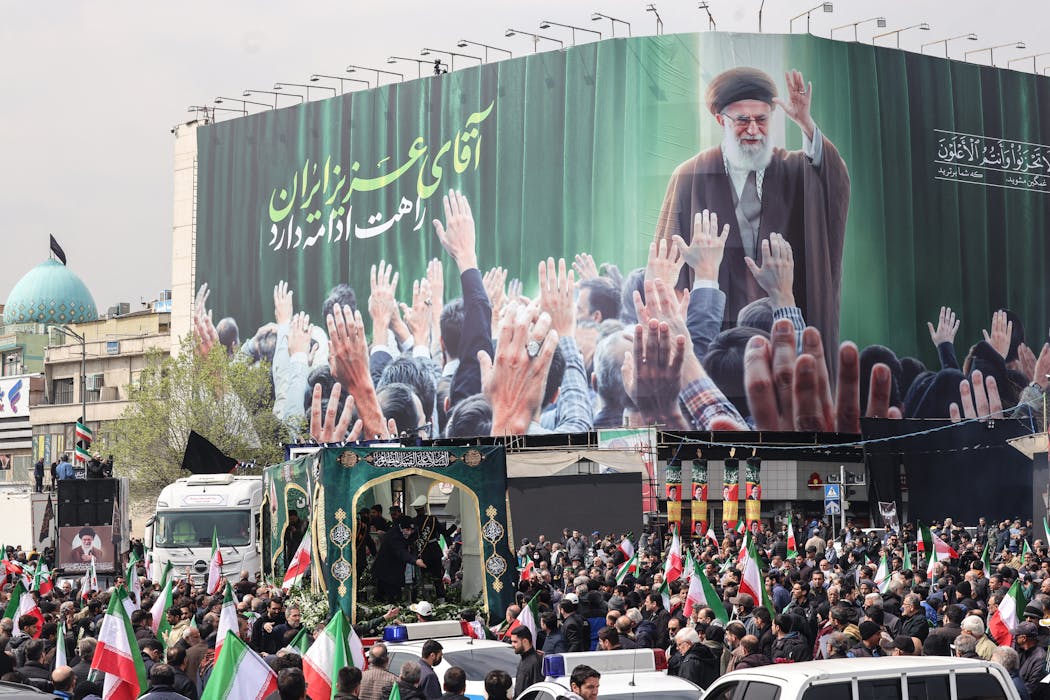
Many teachers are missing the opportunity to use events like the Iran war as teachable moments. Atta Kenare/AFP via Getty Images

It’s a scene that’s played out in K-12 schools around the country in recent years. Unprompted, a student expresses her thoughts or feelings about a difficult issue, such as the Iran war. A murmur spreads through the classroom. Other students prepare to jump into a heated discussion. But the teacher nips the conversation in the bud, redirecting everyone’s attention to the lesson of the day.

This approach, while perhaps well-meaning, can silence students, curtail their growth and rob them of learning opportunities.

Elementary, middle and high school teachers generally act with their students’ best interests in mind. Many simply lack the training to manage student concerns over distressing current events, according to research I’ve conducted with colleagues at Penn State and the University of North Dakota.

In 2019, I founded Penn State’s Holocaust, Genocide and Human Rights Education Initiative. The program trains K-12 educators in six states to effectively teach difficult issues that pop up in the news but are not part of the curriculum. This includes fighting in the Middle East, Ukraine and Sudan. It also offers tips for talking about thorny issues like immigration, school shootings, Islamophobia, antisemitism and LGBTQ+ rights.

We also train teachers to better discuss complex topics that are often embedded in students’ curricula, like indigenous history, slavery, the American Civil War, gender and evolution.

When a difficult issue arises, our research shows that educators in all grade levels and subject matters often freeze, punt to buy time or forgo the teachable moment altogether.

By using certain teaching strategies, educators can responsibly and safely encourage students to participate in respectful, constructive conversations about difficult topics, such as the Iran war. This ongoing conflict has triggered strong reactions among many K-12 students who have families in the Middle East or worry about a widening conflict reaching American shores.

Three people sit on a bench and look over a city that has dark smoke rising from it.
Smoke rises from an oil depot after U.S. and Israeli attacks in Tehran, Iran, on March 8, 2026.
Hassan Ghaedi/Anadolu via Getty Images

A path toward critical thinking

Our initiative has developed a teaching approach for tackling controversial issues. This work can help students develop crucial skills, such as critical thinking, primary and secondary research, active listening, civic discourse and empathy for others.

Rather than having teachers announce their point of view on a particular issue, we instruct them to let the students do the research and explore various perspectives. We also emphasize the importance of teachers taking a nonpartisan stance.

So, instead of sharing their own opinion about the Israeli-Palestinian conflict, a teacher would task her students with researching and presenting viewpoints that differ from what they personally believe.

Teachers learn strategies on how to help students connect lessons to local conditions and experiences. For instance, a teacher may ask a student with relatives in the Middle East to describe how the Iran war has affected their daily routines and mental health.

We also teach educators to recognize the psychological wounds that many children and adolescents carry.

Ultimately, the more than 3,000 elementary, middle and high school educators who have participated in our initiative’s professional development programs learn to teach students how, not what, to think.

These educators encourage students to channel their curiosities into inquiries. When children and adolescents come up with and pursue their own questions, they gain ownership over their education. In the process, they learn to identify credible sources, tell facts from fiction, cross-reference, find documents, conduct interviews, gather data and review findings.

Exposure to a range of viewpoints helps broaden students’ horizons. It allows them to realize that people draw different conclusions from the same set of facts. They start feeling comfortable revealing their opinions and stop feeling threatened by what others think. They grow to see difficult issues as multilayered.

Teachers can also encourage students to become aware of misinformation, disinformation, conspiracy theories, propaganda, deepfakes and whatever other cognitive junk foods algorithms feed them.

This work offers various benefits. Teachers may no longer resort to sharing upsetting content to shock students into paying attention. Research shows disturbing visuals and recordings can traumatize or retraumatize some students. They can also dull others’ sensitivity to violence and hatred.

Crafting compelling inquiries

In classrooms where such interactions have yet to take shape, it’s understandable why many educators shy away from unplanned discussions about difficult issues. The teachers who allow such moments tend to use traditional methods like lectures, which can backfire. For instance, even the most well-meaning, fact-based lecture about, let’s say, the Iran war can be misinterpreted by students and parents as an attempt at indoctrination. Students might go home and tell their parents, “My teacher told me …”

By focusing on helping students craft compelling questions rather than handing them answers, teachers can send children and adolescents home with a message such as, “I’m interested in hearing what Iranian Americans think about the war. Can I interview our neighbor?”

Parents, legal guardians, youth group leaders, ministers, priests, imams, rabbis and other adults working with children and adolescents can also use this approach to promote critical thinking.

A group of people wearing uniforms gather near a large steel, collapsed structure that appears to be part of a bridge
Security forces inspect the scene of an Iranian retaliatory missile strike near Tel Aviv, Israel, on March 9, 2026.
Mostafa Alkharouf/Anadolu via Getty Images

Trusting students

The Iran war is the latest difficult issue to challenge educators in schools across the country.

I believe it’s essential that teachers avoid suppressing spontaneous discussions and revamp how they approach difficult discussions about current events and other topics. Rather than insulating students from complexity or dictating what conclusions they should reach, educators should trust students of all ages to develop skills to navigate current affairs.

When students are granted that trust, they tend to thrive. Over time, such experiences cultivate intellectual habits that extend beyond the classroom.

As the U.S., Israel, Iran and other countries trade precision-guided bombs, ballistic warheads, air-to-surface missiles, suicide drones and laser beams, educators fight a different battle: helping students make sense of a fast-changing, increasingly shaky world.

The Conversation

Boaz Dvir does not work for, consult, own shares in or receive funding from any company or organization that would benefit from this article, and has disclosed no relevant affiliations beyond their academic appointment.

ref. Iran war and other tough topics give K-12 teachers chance to teach students how, not what, to think – https://theconversation.com/iran-war-and-other-tough-topics-give-k-12-teachers-chance-to-teach-students-how-not-what-to-think-278067

How the Emerald Isle shaped the Steel City – Pittsburgh’s rich Irish history

Source: The Conversation – USA (3) – By Paula Kane, Professor of Religious Studies, University of Pittsburgh

Tens of thousands of locals will line Grant Street in downtown Pittsburgh for the annual St. Patrick’s Day Parade on March 14, 2026. AP Photo/Erin Hooley

Downtown Pittsburgh will turn green on Saturday, March 14. Tens of thousands will line Grant Street for the annual St. Patrick’s Day Parade, one of the largest celebrations of its kind in the country.

In Pittsburgh, one of the nation’s most Irish cities, the holiday is less a performance of ethnic nostalgia than a genuine sense of homecoming for many residents. The story of how so many Irish came to call this corner of Pennsylvania their own stretches back nearly three centuries, shaped by famine and faith, hard labor and hard politics, and a tenacity that left its mark on nearly every institution the city holds dear.

As professor of religious studies and chair of Catholic studies at the University of Pittsburgh, my work focuses on American religious history and the history of Catholicism.

Irish foundation

Some Scotch-Irish Protestants and Irish Catholics came to the Pittsburgh region in the 18th century, drawn by economic opportunity and the desire to escape British Anglican religious tyranny. In the first U.S. census of 1790, the population of Pittsburgh was already 19% Irish, with over 250,000 having emigrated from Ulster alone in the previous century. Both Presbyterians and Catholics made the journey across the Atlantic.

A black and white painting with a long line of people coming off a ship.
In the first U.S. census of 1790, the population of Pittsburgh was already 19% Irish.
Bettman Collection via Getty Images

An even larger wave of Irish immigration, however, came with the Catholic exodus during the potato blight that triggered the Great Famine of 1845-51, in which an estimated 1 million people died. Irish Catholics were disproportionately affected by the blight, having been forced onto marginal land where they relied mostly on potatoes for survival. Centuries of penal laws had left Catholics as impoverished tenant farmers, while Protestants – wealthier and less reliant on the crop – had greater resources to survive. By 1900, more Irish lived in the United States than in Ireland itself. Today, between 11% and 16% of Pittsburgh’s population claims Irish ancestry.

Neighborhoods and parish life

The Irish settled throughout Pittsburgh’s neighborhoods. The Hill District, Lawrenceville, Homewood and Hazelwood all had significant Irish populations. On the South Side of the Monongahela River, one neighborhood was called Limerick, named after the county in Ireland. From the 1840s through the 1880s, the Point – today’s downtown area – was so densely populated with Irish immigrants it was known as Little Ireland.

On the city’s North Side, then called Allegheny City, the immigrant community was similarly Irish. Women worked as domestics; men served as unskilled laborers, canal diggers and later as mill workers across the river. As in eastern Pennsylvania and New Jersey, they dug canals and fell victim to cholera in large numbers, many buried in mass graves along the canal routes.

Parish life formed the backbone of the community. The first Catholic church in Pittsburgh was St. Patrick’s in the Strip District, built in 1808. It houses a replica of the Holy Stairs, 28 white marble steps in Rome that many Christians believe Jesus Christ climbed in Jerusalem before his crucifixion, and a piece of the Blarney Stone, a famous block of limestone built into the battlements of Blarney Castle in County Cork, Ireland. In Allegheny City, St. Peter’s was established in 1848 to serve the Irish, while Germans, Italians, Poles and Eastern Europeans attended their own parishes.

As was typical of the national pattern in the United States, the diocesan bishops and local clergy in Pittsburgh were dominated by the Irish. From Michael O’Connor, born in County Cork and named the first bishop in 1843, to subsequent bishops, clergy and sisters – primarily the Sisters of Mercy, who founded Mercy Hospital in 1847 – Irish roots ran deep in the church. The Sisters of St. Joseph also maintained a strong presence. Notable clergy included the Rev. Charles Owen Rice, a prominent labor activist.

Orders of nursing sisters treated the sick during fierce outbreaks of epidemic disease, often for free at Mercy Hospital. Irish fraternal organizations, including the Ancient Order of Hibernians and the Catholic Sacred Heart Society, also contributed to community welfare in an era of high child mortality from cholera, diphtheria, measles and smallpox.

From the mill to the mayor’s office and more

As Pittsburgh grew into the nation’s steel capital in the late 19th century, Irish immigrants and their families became an integral part of its working-class communities and labor movements. A majority of Irish immigrants worked as unskilled laborers during this time, though many advanced into skilled metal trades in iron mills. Irish workers also labored in rail yards and mines in the area.

Three men wearing scally caps operate an old welding machine.
Irish immigrants were vital to Pittsburgh’s iron and steel mills.
Rykoff Collection/Corbis Historical via Getty Images

Construction of the Pennsylvania Canal system, which connected Philadelphia to Pittsburgh in the 1830s, relied on Irish laborers to perform grueling excavation work. Many of them transitioned into industrial employment as the city’s iron and steel industries expanded.

The Irish were also central to Pittsburgh’s labor movement. Philip Murray, who came from a coal mining background, rose to become president of both the United Steelworkers of America and the Congress of Industrial Organizations. The Homestead Strike of 1892 drew in members of the Irish community as workers pushed back against the industrial order that had built the city’s wealth on their labor.

Several Irish mayors were elected in the 20th century, including David Lawrence, Pete Flaherty, Tom Murphy and Bob O’Connor, whose son Corey O’Connor is mayor today.

Lawrence served as mayor from 1946 until 1959, when he became the only Pittsburgh mayor ever elected governor of Pennsylvania.

And a more modern Pittsburgh professional, Dan Rooney, served the Obama administration as ambassador to Ireland. Locally, he is better known as the owner of the Pittsburgh Steelers and son of the Steelers’ founder, Art Rooney.

Pittsburgh Irish today

The Irish cultural presence in Pittsburgh remains vibrant. The city hosts a very large St. Patrick’s Day Parade each March, drawing 200,000 to 350,000 spectators from across the region. In September, there’s an annual Irish festival where roughly 25,000 attendees gather to celebrate their Irish heritage through music, dance and food.

A group of bag pipers march down the street in a parade.
Irish step dancers, marching bands, military members, community organizations and even Punxsutawney Phil join in St. Patrick’s Day festivities.
Charly Triballeau/AFP via Getty Images

Year-round, the community sustains Pittsburgh Irish Classical Theater, the Irish Rowing Club, the Gaelic Arts Society and the Ceili Club.

Each June, Bloomsday is celebrated with readings from James Joyce’s fiction at locations across the city. Numerous Irish pubs and at least one Irish import shop keep the connection to the old country alive for generations that have never left Pennsylvania. Three major Irish dancing companies operate around the Pittsburgh area and perform at the annual St. Patrick’s Day Parade.

The industries that once drew Irish immigrants to Pittsburgh may have largely disappeared, but their legacy remains visible in the city’s Irish culture and celebrations.

The Conversation

Paula Kane does not work for, consult, own shares in or receive funding from any company or organization that would benefit from this article, and has disclosed no relevant affiliations beyond their academic appointment.

ref. How the Emerald Isle shaped the Steel City – Pittsburgh’s rich Irish history – https://theconversation.com/how-the-emerald-isle-shaped-the-steel-city-pittsburghs-rich-irish-history-278027

Iran and the Arabian Peninsula depend on desalination plants to survive – why water has become a target

Source: The Conversation – UK – By Sanam Mahoozi, Research Associate, City St George’s, University of London

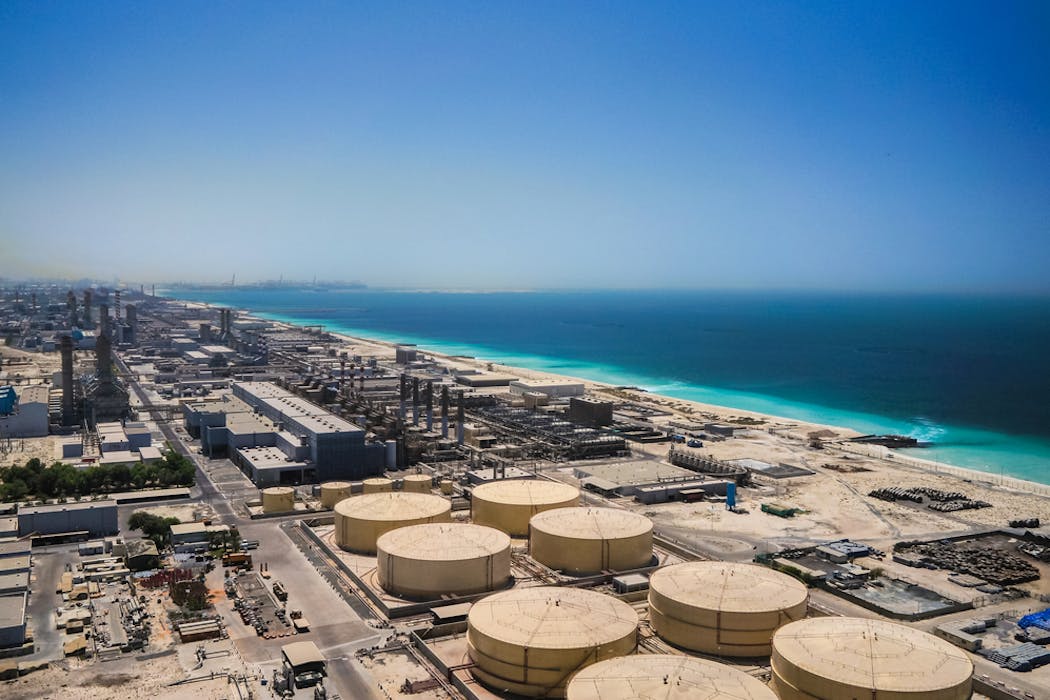
Around 70% of Saudi Arabia’s drinking water comes from desalination plants. In Kuwait and Oman the figure is 90%. Stanislav71/Shutterstock

The Gulf region has been defined by oil for decades. Tankers, pipelines and refineries have long been seen as the region’s most critical – and vulnerable – assets.

In the past few days, US-Israeli strikes hit oil depots in Tehran, with reports emerging of black rain falling for hours afterwards, which has been described in the media as acid rain.

But it is the networks and connections that support access to water and the desalination plants that now sustain daily life.

When oil supplies are restricted and prices escalate, oil “shocks” damage economies. But a water crisis can destabilise societies.

Across the Arabian Peninsula, seawater desalination, which turns saltwater into drinking water, has transformed some of the driest landscapes on Earth into thriving urban societies. Cities such as Dubai, Doha, Kuwait City and Abu Dhabi rely overwhelmingly are massively dependent on desalination plants.

For instance, 70% of Saudi Arabia’s drinking water comes from desalination plants. In Kuwait and Oman the figure is 90%. Without desalination plants, large parts of the region’s modern urban systems would struggle to exist.

Yet this technological achievement has quietly produced a new form of strategic vulnerability. The Gulf‘s water security depends on a relatively small number of massive coastal plants – industrial complexes that operate as the lifelines of entire cities.

The current military conflict has begun to expose this. Missile strikes and drone interceptions have occurred at, or near to, major desalination and water and power complexes in the Gulf. Both Iran and the US have been accused of having targeted these facilities. Even when damage is limited, the proximity of attacks highlights how exposed these facilities are to modern warfare.

Unlike oil pipelines or storage terminals, desalination plants cannot easily be bypassed or replaced. They are fixed, highly complex installations requiring large energy inputs, specialised membranes or thermal systems, and continuous chemical and mechanical treatment processes. Repairing serious damage to a major plant could take months or longer.


Read more:
Persian Gulf desalination plants could become military targets in regional war


The consequences of disruption would be immediate. Most cities in the region have limited water storage capacity. If a major desalination plant was out of action, governments could face the prospect of emergency water rationing for millions of residents within a matter of days. Hospitals, sanitation systems, food production and industry would all be affected simultaneously.

This risk is amplified by the region’s underlying water scarcity. The Middle East is among the most water-stressed regions in the world. Rainfall is low and highly variable, while rising temperatures increase evaporation and water demand. Groundwater aquifers have been heavily depleted across much of the region.

In Iran, declining river flows, prolonged drought and over extraction of groundwater have already left dams running dry. Similar pressures exist across other countries where renewable freshwater resources are extremely limited. Desalination has, therefore, evolved from a supplementary technology into the backbone of urban water systems. This shift has produced what might be called “desalination dependency”: a condition in which entire societies rely on a small number of centralised facilities to maintain their basic water supply.

The scale of this dependency is striking. Roughly 100 million people in the wider region depend directly on desalinated water. The Arabian Peninsula alone accounts for a substantial share of global desalination capacity, and the ten of the largest plants in the world are concentrated along the shores of the Gulf and the Red Sea. As water scarcity intensifies in the region, this dependence is likely to grow. But greater reliance also means greater exposure.

Bahrain says Iran damaged a water desalination plant.

Water infrastructure has historically been vulnerable during conflicts. From Iraq to Syria to Yemen, water treatment plants, pumping stations and reservoirs have been damaged or targeted during conflicts. International humanitarian law recognises this danger. Article 54(2) of protocol additional to the Geneva conventions of August 12 1949, and relating to the protection of victims of international armed conflicts (protocol I), states that:

It is prohibited to attack, destroy, remove, or render useless objects indispensable to the survival of the civilian population, such as foodstuffs, agricultural areas for the production of foodstuffs, crops, livestock, drinking water installations and supplies and irrigation works for the specific purpose of denying them for their sustenance value to the civilian population or to the adverse Party, whatever the motive, whether in order to starve out civilians, to cause them to move away, or for any other motive.

These protections apply to both international and non-international armed conflicts.

Big risks

The humanitarian consequences of disabling these huge desalination plants would be severe. Unlike oil infrastructure, which can sometimes be bypassed through global markets or emergency reserves, urban water supply systems are highly localised. If a desalination plant serving a large metropolitan area was hit and damaged in an attack, there would be few immediate alternatives. Water imports by tanker or emergency desalination units could provide temporary relief, but they could not fully replace the daily output of a large facility.

The ripple effects would extend far beyond drinking water. Sanitation systems would begin to fail, public health risks would rise, and economic activity could slow dramatically. Tourism, industry and services – all pillars of Gulf states’ economies – depend on stable water supplies.

The broader geopolitical implications are equally important. The Gulf is increasingly becoming a testing ground for a new form of infrastructure vulnerability in the age of climate stress: the weaponisation of water production systems. As desalination expands globally – from California and Australia to North Africa and southern Europe – similar vulnerabilities may emerge elsewhere. Coastal megacities facing drought are investing heavily in large desalination facilities to secure future water supplies. The expectations of protection of such infrastructure during conflict will therefore have consequences far beyond the Middle East.

Protecting desalination plants is not merely a regional concern. It is part of a broader challenge of safeguarding the technological systems that sustain modern societies under conditions of environmental scarcity.

Several strategies could reduce risk. Expanding wastewater recycling and replenishing natural water storage areas could diversify water sources. Distributed desalination systems — smaller plants spread across multiple locations — could reduce reliance on single large facilities. Increasing strategic water storage capacity would also provide cities with a buffer against sudden disruptions.

But technical solutions alone cannot address the core issue. The real challenge lies in recognising desalination plants for what they have become: critical humanitarian infrastructure on which entire populations depend.

For much of the 20th century, oil defined the cities of the Gulf. In the 21st century, desalinated water keeps them alive.

The Conversation

Sanam Mahoozi does not work for, consult, own shares in or receive funding from any company or organisation that would benefit from this article, and has disclosed no relevant affiliations beyond their academic appointment.

ref. Iran and the Arabian Peninsula depend on desalination plants to survive – why water has become a target – https://theconversation.com/iran-and-the-arabian-peninsula-depend-on-desalination-plants-to-survive-why-water-has-become-a-target-278142

Kharg Island: Iran’s energy lifeline that has so far escaped attack

Source: The Conversation – UK – By Christian Emery, Associate Professor in International Politics, UCL School of Slavonic and East European Studies, UCL

As the US and Israel’s assault on Iran grinds on, the Trump administration has issued increasingly bellicose claims that American and Israeli forces are delivering ferocious blows to the Iranian regime.

The US secretary of defense, Pete Hegseth, warned of the “most intense” day of strikes yet on March 10. And Donald Trump followed with a claim that the war will end soon because there is “practically nothing left” in Iran for the US military to target.

This is all part of a campaign that the White House has declared is aimed at “systematically dismantling the Iranian regime’s ability to ever again threaten America, our allies, and global security.”

So far, this campaign has largely targeted Iran’s military and nuclear facilities. But some critical non-military infrastructure has also come under attack. Israel struck two oil refineries and two oil storage facilities near Tehran on March 8, with Iran accusing the US of attacking a desalination plant the same day.

Yet one target vital to Iran’s economic survival, its largest export terminal for sending oil to international markets, remains unscathed. That terminal sits on Kharg, a small coral island off Iran’s south-western coast. This is where oil pumped across Iranian oil fields arrives via subsea pipelines to be loaded on to tankers, mostly bound for China.

At peak capacity, the terminal’s vast storage facilities and multiple jetties can handle millions of barrels of oil per day. Kharg accounts for an extraordinary 90% of Iranian crude exports and tens of billions of US dollars of annual government revenue.

No other major oil-producing country is so reliant on just one facility. Saudi Arabia, Kuwait and the United Arab Emirates in the Gulf, and massive producers elsewhere such as Russia, Mexico and Venezuela, do not concentrate almost all their export capacity in a single location.

Kharg Island located on a map of the Persian Gulf.
Kharg is a five mile long island located off the south-west coast of Iran.
Uwe Dedering / Wikimedia Commons, CC BY-SA

Iran’s energy lifeline

Kharg Island became the linchpin of Iran’s oil industry due to a convergence of history and geography. Nowadays, Kharg is widely known among Iranians as the “forbidden island” because of the tight military restrictions and secrecy that surround it.

Yet behind its modern geoeconomic significance lies an ancient history, from early human settlements dating back more than 4,000 years to occupation by various empires that understood its strategic maritime importance as a trading post. The island also housed political prisoners in the mid-20th century, before the construction of Kharg’s modern terminal began in 1958.

The island quickly became Iran’s dominant export port for two reasons. First, it could be connected by pipeline to the major oil fields in south-western Iran. And second, its deep water location made it one of the only places on Iran’s western coast that could accommodate the new supertankers that were at the time dramatically reducing the cost of transporting oil.

Once the gigantic storage facilities, jetties and subsea pipelines feeding the terminal had been constructed, centralising exports there created significant efficiencies. Oil from multiple fields could share the same storage and loading infrastructure, thereby reducing overall operating costs.

Kharg’s dominance in the national oil export system was further reinforced after the Islamic revolution in 1979. This was because regional tensions and Iran’s emphasis on self-reliance discouraged it from using pipelines that pass through neighbouring countries.

At first glance, Iran’s reliance on one terminal for nearly all its oil exports seems like a major strategic vulnerability. There are also no significant operational challenges preventing the US and Israel from destroying it. Yet, paradoxically, this is precisely why it has not been targeted thus far.

Crippling Iran’s entire oil industry for months – if not years – would shatter the already fragile confidence in financial markets that Trump can achieve his vague war aims without long-term disruption to the global economy. Some analysts predict that oil prices could soar to US$150 (£112) a barrel if Kharg is hit.

To put that figure into context, Russia’s 2022 full-scale invasion of Ukraine caused Brent crude to rise to well over US$100 a barrel for four months. This was not the only cause of the roughly 9% surge in inflation seen at the time, but it was an important factor in the ensuing cost of living crisis.

Launching an attack on Kharg would likely expose Trump’s gamble in launching a war against Iran while simultaneously promising US consumers that virtually everything would become more affordable as a catastrophic error. American voters are indicating that inflation and the cost of living are their biggest concerns ahead of the upcoming midterm elections in November.

Of course, Trump’s intervention in Iran may lead to rising prices even if the US does not attack Kharg Island. The wider disruption to Gulf shipping in the strait of Hormuz has already caused oil prices to rise to around US$100 per barrel. And in his first statement since becoming Iran’s supreme leader, Mojtaba Khamenei vowed to keep blocking the waterway.

But at least for the moment, Trump seems to realise that Kharg Island needs to be left intact if he is to preserve the already shaky notion that he can end this war in a manner he can present as a success – which increasingly looks like degrading Iran but not forcing it to capitulate – without causing long-term economic pain for Americans.

One other factor preventing the US from destroying Kharg is that it would cause long-lasting damage to the Iranian economy. This would undermine any pretence that Trump is acting in the interests of the Iranian people, as he has claimed, since any new government would be financially crippled if the regime did collapse.

So Kharg Island survives intact for now. This is, in large part, due to the fundamental contradiction between Trump’s objectives in Iran and the political and economic costs he is willing to incur in pursuit of them.

The Conversation

Christian Emery does not work for, consult, own shares in or receive funding from any company or organisation that would benefit from this article, and has disclosed no relevant affiliations beyond their academic appointment.

ref. Kharg Island: Iran’s energy lifeline that has so far escaped attack – https://theconversation.com/kharg-island-irans-energy-lifeline-that-has-so-far-escaped-attack-278139

Iran and the Arabian Penisula depend on desalination plants to survive – why water has become a target

Source: The Conversation – UK – By Sanam Mahoozi, Research Associate, City St George’s, University of London

Around 70% of Saudi Arabia’s drinking water comes from desalination plants. In Kuwait and Oman the figure is 90%. Stanislav71/Shutterstock

The Gulf region has been defined by oil for decades. Tankers, pipelines and refineries have long been seen as the region’s most critical – and vulnerable – assets.

In the past few days, US-Israeli strikes hit oil depots in Tehran, with reports emerging of black rain falling for hours afterwards, which has been described in the media as acid rain.

But it is the networks and connections that support access to water and the desalination plants that now sustain daily life.

When oil supplies are restricted and prices escalate, oil “shocks” damage economies. But a water crisis can destabilise societies.

Across the Arabian Peninsula, seawater desalination, which turns saltwater into drinking water, has transformed some of the driest landscapes on Earth into thriving urban societies. Cities such as Dubai, Doha, Kuwait City and Abu Dhabi rely overwhelmingly are massively dependent on desalination plants.

For instance, 70% of Saudi Arabia’s drinking water comes from desalination plants. In Kuwait and Oman the figure is 90%. Without desalination plants, large parts of the region’s modern urban systems would struggle to exist.

Yet this technological achievement has quietly produced a new form of strategic vulnerability. The Gulf‘s water security depends on a relatively small number of massive coastal plants – industrial complexes that operate as the lifelines of entire cities.

The current military conflict has begun to expose this. Missile strikes and drone interceptions have occurred at, or near to, major desalination and water and power complexes in the Gulf. Both Iran and the US have been accused of having targeted these facilities. Even when damage is limited, the proximity of attacks highlights how exposed these facilities are to modern warfare.

Unlike oil pipelines or storage terminals, desalination plants cannot easily be bypassed or replaced. They are fixed, highly complex installations requiring large energy inputs, specialised membranes or thermal systems, and continuous chemical and mechanical treatment processes. Repairing serious damage to a major plant could take months or longer.


Read more:
Persian Gulf desalination plants could become military targets in regional war


The consequences of disruption would be immediate. Most cities in the region have limited water storage capacity. If a major desalination plant was out of action, governments could face the prospect of emergency water rationing for millions of residents within a matter of days. Hospitals, sanitation systems, food production and industry would all be affected simultaneously.

This risk is amplified by the region’s underlying water scarcity. The Middle East is among the most water-stressed regions in the world. Rainfall is low and highly variable, while rising temperatures increase evaporation and water demand. Groundwater aquifers have been heavily depleted across much of the region.

In Iran, declining river flows, prolonged drought and over extraction of groundwater have already left dams running dry. Similar pressures exist across other countries where renewable freshwater resources are extremely limited. Desalination has, therefore, evolved from a supplementary technology into the backbone of urban water systems. This shift has produced what might be called “desalination dependency”: a condition in which entire societies rely on a small number of centralised facilities to maintain their basic water supply.

The scale of this dependency is striking. Roughly 100 million people in the wider region depend directly on desalinated water. The Arabian Peninsula alone accounts for a substantial share of global desalination capacity, and the ten of the largest plants in the world are concentrated along the shores of the Gulf and the Red Sea. As water scarcity intensifies in the region, this dependence is likely to grow. But greater reliance also means greater exposure.

Bahrain says Iran damaged a water desalination plant.

Water infrastructure has historically been vulnerable during conflicts. From Iraq to Syria to Yemen, water treatment plants, pumping stations and reservoirs have been damaged or targeted during conflicts. International humanitarian law recognises this danger. Article 54(2) of protocol additional to the Geneva conventions of August 12 1949, and relating to the protection of victims of international armed conflicts (protocol I), states that:

It is prohibited to attack, destroy, remove, or render useless objects indispensable to the survival of the civilian population, such as foodstuffs, agricultural areas for the production of foodstuffs, crops, livestock, drinking water installations and supplies and irrigation works for the specific purpose of denying them for their sustenance value to the civilian population or to the adverse Party, whatever the motive, whether in order to starve out civilians, to cause them to move away, or for any other motive.

These protections apply to both international and non-international armed conflicts.

Big risks

The humanitarian consequences of disabling these huge desalination plants would be severe. Unlike oil infrastructure, which can sometimes be bypassed through global markets or emergency reserves, urban water supply systems are highly localised. If a desalination plant serving a large metropolitan area was hit and damaged in an attack, there would be few immediate alternatives. Water imports by tanker or emergency desalination units could provide temporary relief, but they could not fully replace the daily output of a large facility.

The ripple effects would extend far beyond drinking water. Sanitation systems would begin to fail, public health risks would rise, and economic activity could slow dramatically. Tourism, industry and services – all pillars of Gulf states’ economies – depend on stable water supplies.

The broader geopolitical implications are equally important. The Gulf is increasingly becoming a testing ground for a new form of infrastructure vulnerability in the age of climate stress: the weaponisation of water production systems. As desalination expands globally – from California and Australia to North Africa and southern Europe – similar vulnerabilities may emerge elsewhere. Coastal megacities facing drought are investing heavily in large desalination facilities to secure future water supplies. The expectations of protection of such infrastructure during conflict will therefore have consequences far beyond the Middle East.

Protecting desalination plants is not merely a regional concern. It is part of a broader challenge of safeguarding the technological systems that sustain modern societies under conditions of environmental scarcity.

Several strategies could reduce risk. Expanding wastewater recycling and replenishing natural water storage areas could diversify water sources. Distributed desalination systems — smaller plants spread across multiple locations — could reduce reliance on single large facilities. Increasing strategic water storage capacity would also provide cities with a buffer against sudden disruptions.

But technical solutions alone cannot address the core issue. The real challenge lies in recognising desalination plants for what they have become: critical humanitarian infrastructure on which entire populations depend.

For much of the 20th century, oil defined the cities of the Gulf. In the 21st century, desalinated water keeps them alive.

The Conversation

Sanam Mahoozi does not work for, consult, own shares in or receive funding from any company or organisation that would benefit from this article, and has disclosed no relevant affiliations beyond their academic appointment.

ref. Iran and the Arabian Penisula depend on desalination plants to survive – why water has become a target – https://theconversation.com/iran-and-the-arabian-penisula-depend-on-desalination-plants-to-survive-why-water-has-become-a-target-278142

Is Labour in ‘deep trouble’ with Black voters? What the evidence tells us

Source: The Conversation – UK – By Maria Sobolewska, Professor of Politics, University of Manchester

Before each general election in the late 1990s and early 2000s, campaign group Operation Black Vote used to publish a list of the most ethnically diverse constituencies in the UK. These were the areas in which the size of the non-white population exceeded the size of the incumbent party’s majority. The idea was to persuade political parties to campaign in these places and to think about what they were offering to ethnic minority voters.

Operation Black Vote, which was founded in 1996 to empower voters from ethnic minority backgrounds, had good reason to worry. Both anecdotal and academic research shows that ethnic minority voters had been largely taken for granted by the Labour party.

As an example, the prominent Labour politician Roy Hattersley wrote candidly about the minority vote contributing to his 1974 re-election as an MP for Birmingham Sparkbrook: “I won with an increased majority, the well-organised and invariably loyal Kashmiris had cast their disciplined vote early in the day.”

Unsurprisingly, this “invariably loyal” vote led to minority voters reporting less contact from parties during election campaigns.

With support for Labour almost always in the region of 70% to 80% across most Asian and Black voter groups, the fact that David Weaver, the chairman of Operation Black Vote, has now said that Labour is in “deep trouble” with Black voters is therefore remarkable.

Indian and Muslim voters are already leaving

Historically, different ethnic groups had differing levels of support for Labour but even in the fragmented 2024 general election, it remained the most popular choice for British Black and Asian voters. However, this is a far cry from Labour being able to take this vote for granted. Two recent developments should give the party particular pause.

First, Indian-origin Britons have already started drifting away from Labour. Their movement towards the Conservatives has been slow but steady since 2010. The continuous nature of this defection suggests that there is little Labour could do to reverse it. While in 2024 a plurality of British Indians still chose Labour, this is the lowest vote share the party has received from this group in any recorded general election.

Second, and perhaps more alarming, is a break in the traditional loyalty among British Muslims that characterised the 2024 general election. Labour voting among this group collapsed by almost 30% and delivered a handful of independent MPs to parliament. Some took Labour’s historically safe seats, mostly on pro-Gaza tickets.

More recently, these voters moved towards the Green party in the 2026 byelection in Gorton and Denton. It is this choice that represents a new and particularly threatening issue for Labour. As a result of the general fragmentation of the party system, ethnic minority voters now seem to have alternative choices, and feel freer to opt for them.

Muslim voters defected from Labour in 2005 over the Iraq war but the resulting protest vote for the Liberal Democrats was short-lived. By 2010 the Muslim vote for Labour had recovered.

The contrast with today’s vote switching and record support for small parties is stark. With more viable options on the ballot, it is not inconceivable that many Muslim voters may not return to Labour.

Could Black voters follow?

While Black voters remained the most loyal group in 2024, they too might feel a little freer to go. Even the historically no-go option for Black voters, the Conservative party, might seem like a possibility. In a significant departure from their traditional approach, the Tories have been making an effort to tackle race and inequality. They commissioned a major review of racial disparities, increased their ethnic diversity in Parliament and delivered the historically most ethnically diverse cabinet to date. It is worth noting that the current leader Kemi Badenoch and her predecessor Rishi Sunak are both of ethnic minority origin.

Labour is yet to appoint a non-white leader. And its record in government is certainly doing very little to dissuade minority voters from looking elsewhere.

Among the failures that could count against them with Black voters are a continuation of the unpopular “hostile environment” immigration policy and an aggressive curtailment of settlement policies. These are unlikely to play well with a group that had already fallen victim to the previous government’s similar policies via the Windrush scandal. Labour’s ineffective implementation of the compensation scheme for the victims of this scandal, who were most likely to identify as British Black Caribbean, only compounds this issue.

More recently, the issue of justice has emerged as a major divide between Labour and its Black supporters. The history of racial inequalities in the justice system is long and trust in judicial institutions among Black Britons is deservedly low. Given this, the current proposals to abolish jury trials could be seen as a betrayal of trust. The proposal is intended to deal with the backlog in the courts but the evidence shows juries reduce discrimination in trials. Black voters report law and order as the most important issue – far more than the other ethnic minority voters – so this is clearly not going to go unnoticed.

Given the lack of action and progress on other important issues for the Black community, such as child poverty and the cost-of-living crisis, Labour should really worry about losing not just their Muslim voters, and the Indian origin minority, but also its most loyal Black voters too. They truly cannot and should not take any of these groups for granted.

The Conversation

Maria Sobolewska received funding from the Economic and Social Research Council.

ref. Is Labour in ‘deep trouble’ with Black voters? What the evidence tells us – https://theconversation.com/is-labour-in-deep-trouble-with-black-voters-what-the-evidence-tells-us-278334

Why the next escalation in the Iran conflict could be between the US and Turkey

Source: The Conversation – UK – By Ben Seymour, PhD Candidate in International Relations, Nottingham Trent University

In the two weeks since the US and Israeli strikes on Iran began, Donald Trump’s war aims have fluctuated between crippling Iranian military capabilities and toppling the regime that has ruled there since 1979. But despite the success of the initial strikes, which killed the supreme leader, Ali Khamenei, many analysts believe that air power alone will not be sufficient to bring about regime change.

They say this objective would be impossible to achieve without combat troops on the ground, a move that most US military and political leaders have long opposed. Instead, one idea that seems to be circulating in Washington is to support an invasion by armed Kurdish groups in Iraq and western Iran to destabilise the Islamic Republic from within.

Trump publicly backed away from this idea on March 6, telling reporters: “I don’t want the Kurds to go into Iran … The war is complicated enough as it is.” But, given Trump’s trademark inconsistency and the unpredictable nature of this conflict, an armed Kurdish uprising remains a distinct possibility. Such a scenario could have consequences that extend far beyond Iran.

The Kurds are an ethnic group with their own language and culture who have lived in a mountainous area of the Middle East for centuries. Nowadays, they number around 30 million and live in a region that spans parts of Turkey, Iran, Iraq and Syria. The Kurds are widely considered to be the world’s largest stateless people because they do not have a country of their own.

This situation dates to the end of the first world war, when the Ottoman empire collapsed. Kurdish leaders at that time hoped to establish their own state, having lived for 400 years under Ottoman rule. But instead their homeland was divided between several new countries that emerged from the defeated Ottoman state. This left Kurdish communities split across international borders.

A map showing the spread of Kurds throughout the Middle East.
The Kurdish population is spread across areas Iran, Iraq, Syria and Turkey.
Peter Hermes Furian / Shutterstock

Around 10% of Iran’s population is Kurdish and many live in the country’s north-west near the borders of Iraq and Turkey. The Kurdish region of Iran has long been the least economically developed part of the country and Kurdish political parties are outlawed. Armed Kurdish groups have periodically clashed with the Iranian state, demanding greater autonomy or independence.

The Kurdish question is even more sensitive in Turkey, which is home to the largest population of Kurds in the world. Since 1984, the Turkish state has been locked in conflict with the Kurdistan Workers’ party (PKK), an armed group that has fought to establish an independent Kurdish state. This conflict has killed more than 40,000 people in the past four decades.

For the Turkish government, the possibility that the US may support Kurdish fighters in neighbouring Iran is therefore not just a foreign policy issue. Turkish leaders worry that strengthening Kurdish armed groups elsewhere in the region could embolden similar movements inside Turkey itself.

In the recent past, Turkey has launched military incursions into the Kurdish regions of Iraq and Syria. It has also fought a brutal counterinsurgency against PKK fighters inside its own borders. These actions show how strongly Turkish leaders oppose any notion of Kurdish independence anywhere in the region.

American support for Kurdish fighters has caused tension between the US and Turkey in the past. Turkey strongly opposed the partnership between Washington and Syrian Kurdish forces during the fight against the Islamic State militant group in Syria in the late 2010s. It argued that some of these Kurdish groups were linked to the PKK.

Turkey’s relations with Israel have also been strained by the Kurdish question. The Turkish president, Recep Tayyip Erdoğan, has accused the Israeli prime minister, Benjamin Netanyahu, of undermining the transitional Syrian government by aiding Kurdish groups there. The Kurdish issue has clearly become a major source of tension between Turkey, a key member of the Nato alliance, and the west.

So far, Turkey has largely remained neutral in the Iran war. Despite their regional rivalry, Turkish and Iranian leaders share concerns about Kurdish separatist movements and have sometimes cooperated to contain them. In the past, security forces from both countries have coordinated efforts against Kurdish militant groups operating along their shared border.

Turkish and Iranian officials have also exchanged intelligence and carried out military operations against Kurdish fighters moving between the two countries. And both governments strongly opposed the 2017 referendum on independence that was held by the Kurds in northern Iraq. Over 92% of votes were cast in favour of independence.

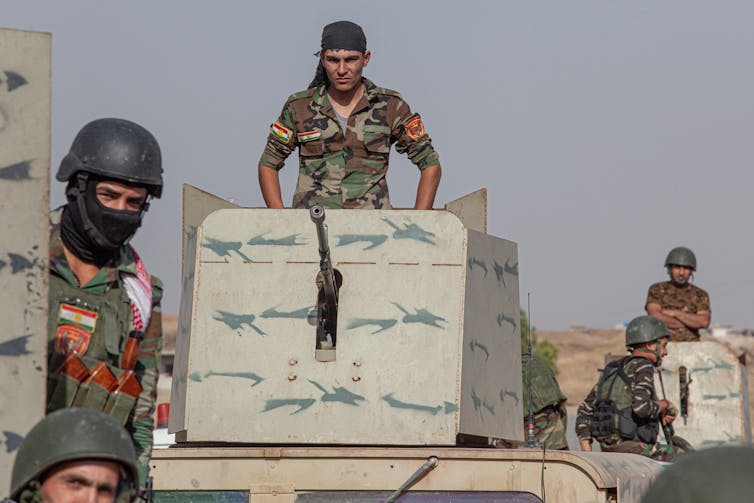
Kurdish fighters travel on the back of an armoured vehicle.
Turkey sees Kurdish militancy as a core national security concern.
Sebastian Castelier / Shutterstock

Iranian regime change

For Turkey, the collapse or fragmentation of the Iranian state would be deeply worrying. It could create exactly the conditions Turkish leaders fear most: armed Kurdish groups operating across a much longer and more unstable border.

Another concern is the possibility of a new refugee crisis. Turkey already hosts nearly 4 million Syrians following the civil war that began there in 2011 – the largest refugee population in the world. This has become a major political issue inside Turkey.

If conflict or state collapse in Iran – a larger and even more politically complex state than Syria – triggers large-scale displacement, many more refugees could head west towards Turkey. Such a scenario would place considerable political and economic pressure on the government.

Washington may see the Kurds as a useful way to confront the Iranian regime without deploying American troops. But such a strategy could create new tensions elsewhere in the region. For Turkey, Kurdish militancy is not simply a foreign policy issue but a core national security concern.

If the Iran war ends up empowering Kurdish armed groups or destabilising Turkey’s border, Erdoğan may yet feel compelled to respond. This could open up another front in an already expanding regional conflict.

The Conversation

The authors do not work for, consult, own shares in or receive funding from any company or organisation that would benefit from this article, and have disclosed no relevant affiliations beyond their academic appointment.

ref. Why the next escalation in the Iran conflict could be between the US and Turkey – https://theconversation.com/why-the-next-escalation-in-the-iran-conflict-could-be-between-the-us-and-turkey-278341