The first modern rocket launched 100 years ago, beginning a century of both innovations and challenges for spaceflight

Source: The Conversation – USA – By Michael Carrafiello, Professor of History, Miami University
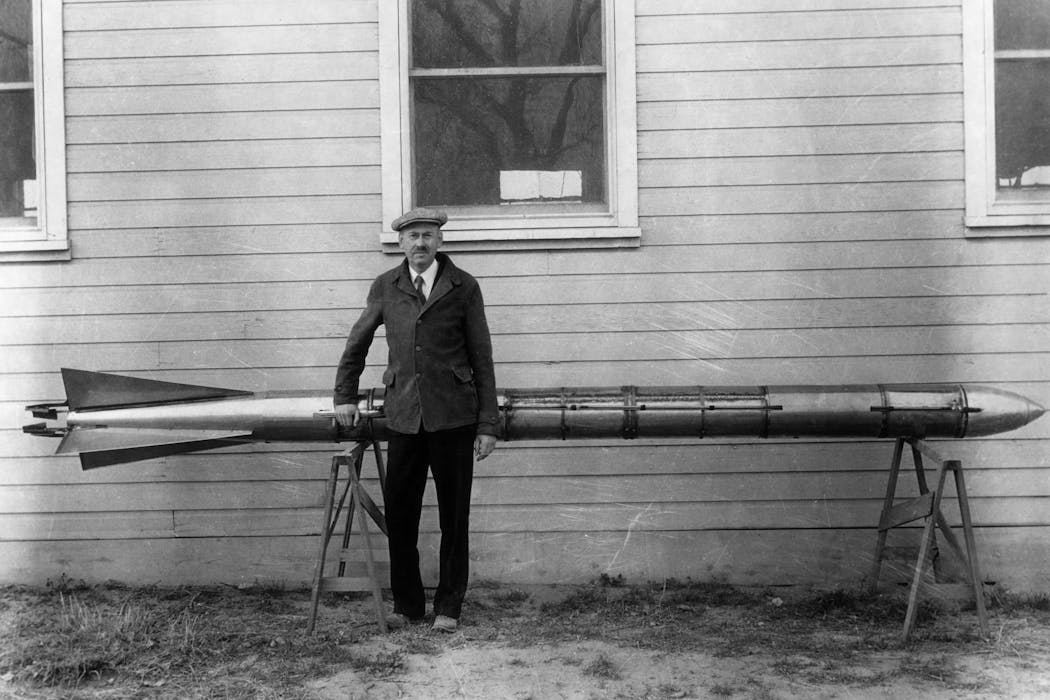
Robert Goddard, considered the father of modern rocketry, standing with a rocket in 1935. Esther Goddard/Hulton Archive/Getty Images

Apollo 11 first landed astronauts on the Moon in 1969, but the journey to the lunar surface actually began 43 years before, in snowy Massachusetts.

Exactly 100 years ago, on March 16, 1926, Robert H. Goddard launched the first liquid-fueled rocket. Liquid-fueled rockets would eventually provide the power to send humans to the Moon. Still, Goddard’s vehicle was small, flew for only 42 seconds, reached a height of a mere 184 feet and sustained damage that created more doubters than believers in the prospects for human space flight.

Despite this less-than-spectacular start to the space age, Goddard’s rocket was the beginning of a century of innovation. Today, hundreds of rockets launch each year. Giant liquid-fueled rockets combine liquid oxidizer – a substance that releases oxygen – and liquid fuel. These create chemical reactions that produce the explosive thrust necessary to propel humans to the Moon.

As a historian, I’ve spent 40 years studying the winding path that led to the development of modern rocketry. I’ve also seen how, over the past few years, private companies have played a much larger role in spaceflight than they did throughout most of its history.

Early days of spaceflight

After Goddard’s first liquid-fueled rocket launch, the development of American rocketry crept along at a snail’s pace until World War II. Nazi Germany’s invention of the V-2 missile proved that rockets could provide immense strategic and scientific value during both war and peace.

In war, the V-2 terrorized Britain and its allies. In peace, scientists looked at launching artificial satellites, or “moons” as they were originally called, to survey weather and boost intercontinental communication.

The United States government did not invest heavily in rocketry throughout most of the 1950s. Then, on Oct. 4, 1957, the Soviet Union shocked the world by launching the world’s first artificial satellite, Sputnik I. Millions of Americans feared that the USSR would soon rain nuclear missiles on them.

President Dwight D. Eisenhower and his advisers, however, displayed little anxiety at this prospect. They believed that America’s problems down on Earth were more urgent than those that might emanate from space.

Political pressure from the Senate majority leader, Lyndon B. Johnson, caused Eisenhower to reconsider. Late in 1958, the Republican president gave his consent for Congress’ establishment of the National Aeronautics and Space Administration. This new agency then went about selecting America’s first seven astronauts, introducing them to the nation in 1959.

Americans to the Moon

The arrival of a new, young chief executive, John F. Kennedy, sharpened the United States’ commitment to space. In September 1962, the president publicly challenged the nation to land an astronaut on the Moon before 1970. To Kennedy, the enormity of such a scientific and public achievement would provide unimpeachable proof to the world that the American way was superior to life behind the Iron Curtain.

JFK’s untimely death in the autumn of 1963 only served to strengthen the nation’s commitment to the late president’s lofty goal.

A mere five-and-a-half years later, astronauts Neil Armstrong and Buzz Aldrin walked on the lunar surface during the Apollo 11 mission. To get them there, NASA had spent nearly US$26 billion – $338 billion today. They had employed hundreds of scientists and engineers, and hired thousands of workers from dozens of contractors.

Yet, at almost the very moment the supreme triumph of Apollo 11 unfolded, public support for the manned space program evaporated. Preoccupation with the Vietnam War, economic inflation and nagging social and political inequality, as well as boredom with moonshots, led most Americans to turn away from the cosmos.

Richard Nixon, who followed Johnson into the Oval Office, slashed NASA’s budget. Three of the remaining lunar missions were abruptly and unceremoniously canceled. NASA had to abandon spectacular yet wasteful rockets like the Saturn V in favor of cheaper and more versatile launch vehicles.

Enter the Space Shuttle

Unlike earlier rockets, the next generation of rockets had to become almost completely reusable. The result: development of the Space Shuttle. NASA promised that the shuttle would launch no later than 1977 and that, when fully operational, it would rocket into orbit every two weeks.

Two large spacecraft sitting on launchpads.
The space shuttle Atlantis on pad 39A, left, and space shuttle Endeavour on pad 39B, right, stand ready at Kennedy Space Center in Cape Canaveral, Fla., in 2008.
AP Photo/John Raoux

That vision never materialized. By the time the first shuttle finally took off in 1981, it was grossly over budget. Problems with the heat tiles necessary for reentry persisted. Ultimately, the shuttles never came close to launching biweekly. Instead, only six to eight missions per year proved feasible. Worst of all, the program would eventually sustain two heartbreaking tragedies.

In 1986, the space shuttle Challenger exploded 73 seconds after takeoff. In 2003, Columbia – the first shuttle to ever reach space – disintegrated as it reentered the atmosphere over Texas. The following year, President George W. Bush announced that the remaining shuttle fleet would retire no later than 2011.

NASA’s air of invincibility and inexhaustible stream of funding had long vanished. The final shuttle flight served as a coda to the heady days of the 1960s and ‘70s.

Subsequent presidents talked of missions to Mars and created a Space Force, but the old Apollo launchpads at Cape Canaveral were abandoned, or “mothballed,” as NASA termed it. Thousands of workers were laid off. Leadership in space passed to private corporations like Elon Musk’s SpaceX and Jeff Bezos’ Blue Origin.

Enter private companies

As early as 2006, NASA began contracting with SpaceX to launch its payloads and astronauts to the International Space Station. By 2024, SpaceX had realized the unfulfilled vision of NASA, launching on a nearly biweekly basis.

Meanwhile, while NASA’s Artemis program plans to send a crewed mission around the Moon using a launch system developed by the agency, the program remains years behind schedule. To date, it has cost at least three times more than originally budgeted.

A large rocket launching into the sky, surrounded by plumes of smoke.
SpaceX’s Starship rocket launching in October 2025.
AP Photo/Eric Gay

Across the Pacific, China has announced that it will place astronauts on the Moon by 2030, with missions to Mars planned after that. For America’s rival on the world stage, government, industry and science all move in concert. Compared with China, the United States’ future in space appears far less unified, coordinated and purposeful.

A dynamic president once galvanized the U.S. government and its people to produce a “giant leap for mankind.” But since that July day in 1969, leadership in space has steadily passed from government to private hands, with the future of American space flight appearing murky.

The Conversation

Michael Carrafiello does not work for, consult, own shares in or receive funding from any company or organization that would benefit from this article, and has disclosed no relevant affiliations beyond their academic appointment.

ref. The first modern rocket launched 100 years ago, beginning a century of both innovations and challenges for spaceflight – https://theconversation.com/the-first-modern-rocket-launched-100-years-ago-beginning-a-century-of-both-innovations-and-challenges-for-spaceflight-269061

A writing professor’s new task in the age of AI: Teaching students when to struggle

Source: The Conversation – USA (2) – By Kristi Girdharry, Associate Teaching Professor of Arts and Humanities, Babson College

If you aren’t working at it, you’re not learning it − something college students need to understand as AI makes producing work easier. Sam Edwards via Getty Images

I was early to the generative AI wave in higher education: I was among the first professors who teach writing to publish in an academic journal about generative AI and critical thinking, and I am now part of an interdisciplinary team at Babson College thinking about how AI is impacting education, industry and society.

But that does not mean I am all in on AI – nor am I anti-AI. I am pro-learning. As my co-authors and I argue in a forthcoming book on realizing the promise of higher education, even the most powerful tools are only as good as the learning environments we build around them.

So what does “getting learning right” look like in the age of generative AI? It involves a lot of experimentation and leaning in with students as a co-learner when I don’t have all of the answers, while remaining staunchly committed to sharing my expertise in writing, critical thinking and learning. I also hope that they trust me enough to follow my lead and persevere when the work becomes difficult.

From hope to grief

Navigating the rise of generative AI seemed easier to me in the earlier days. In spring 2023, for example, soon after ChatGPT went public, I asked students to use it to research their favorite musical artist and then fact-check the results as part of a unit in my senior-level social media class. The responses sounded polished and confident, but they were often wrong. Album dates were scrambled. Tours were invented. At one point, a student threw up her hands and shouted, “It lies!” The room erupted. The “lies” were especially apparent with less popular artists, about whom less had been written. “How might that translate to other knowledge areas?” I asked. They were pretty quick to thinking about whose voices might not make the cut in a different scenario.

While this was a promising start, by fall 2023 I found myself starting to grieve the passing of the pre-AI-everywhere world. Once again, I leaned in with my students, now in a sophomore-level research writing class. In their proposals, I included a new required section called “Be Better Than a Robot” – the gist being that if ChatGPT could write your research paper, what was the point of us spending weeks on it?

I asked: Where would your own work – your own human thinking – need to come in to create a tiny piece of new knowledge in the world? We practiced primary research, we used time during class for reading and annotating, and I extended deadlines to account for the rigor we were undertaking.

AI usage was discouraged but not outright banned: If used, careful and explicit descriptions of exactly how were required, and I even gave examples of things like brainstorming academic titles as a potential option. While not all of the final research projects seemed completely AI-generated, the few that did caused me to spiral – like it was my fault that I didn’t come down harder on not using AI when I was trying to be neutral and understand how we could use it as a tool and not as a replacement.

Cognitive blind spots

Since those early days in 2023, discussions around college students’ use of AI have only become more fraught and complicated. There are no easy answers, and there are a lot of fears about overreliance, loss of learning and even the value of a college degree. There are also plenty of ethical concerns that go beyond academic integrity, such as the environmental impact of AI and concerns over data and privacy. But AI usage is not slowing down.

Recent data from the Pew Research Center shows that more than half of teenagers are turning to AI for help with finding information and getting help with schoolwork. By the time these students arrive in my classes, many have already developed habits around these tools, and these habits may or may not serve their learning. For me, that’s not an argument for banning AI in the classroom, but rather an argument for taking it seriously.

But here’s the honest difficulty: When students use AI, they often can’t tell when they’re shortcutting their own thinking. A study published from late 2024 in the British Journal of Educational Technology found that students using ChatGPT improved their essay scores in the short term but showed no meaningful gains in knowledge. Moreover, they were prone to what the researchers called “metacognitive laziness,” meaning a dependence on the tool that undermined their ability to self-regulate and engage deeply in learning. This is a result of cognitive offloading.

Teaching discernment

At this point, I feel my role is shifting from neutral observer or co-learner to something more like a guide with a point of view. I know what rigorous thinking looks like in my discipline. I know the difference between a paper that has moved through genuine intellectual struggle and one that has been assembled. My job is to make that difference visible to students who may not yet have the experience to see it themselves.

So, yes, there are moments in my writing courses where I ask students to write without AI. Not as a purity test, although I could see it used that way, and not because I believe they’ll go on to spend their careers avoiding it, but because understanding what AI does to your thinking first requires knowing what your thinking can do without it.

This matters especially now as many college students I meet arrive already anxious, already performing, already optimizing for the grade rather than the learning. Many have spent years learning to produce the right answer rather than to wrestle with hard questions. Before they can develop discernment about any tool, they need something more foundational: a sense of their own thinking as worth trusting.

In practice, this looks like drafting with AI and without it, comparing versions, and being asked to justify choices out loud. It looks like noticing when the tool accelerates routine work and when it flattens complexity.

Like many faculty navigating this moment, I find myself in what Auburn University professors Christopher Basgier and Lydia Wilkes describe as an “unsettled middle,” neither fully embracing nor refusing the technology, but doing the uncomfortable work of engaging with it critically. My students, I’ve found, often end up in a version of that same uncertain space. Learning to sit with that uncertainty – to tolerate the slowness and mess of thinking things through rather than reaching for the frictionless answer – is where discernment begins.

If students are going to continue encountering these tools throughout their lives, then ignoring that reality does them no favors. My responsibility is to help them develop the judgment to decide when a shortcut is strategic and when it undermines their own thinking. That is pro-learning.

The Conversation

Kristi Girdharry does not work for, consult, own shares in or receive funding from any company or organization that would benefit from this article, and has disclosed no relevant affiliations beyond their academic appointment.

ref. A writing professor’s new task in the age of AI: Teaching students when to struggle – https://theconversation.com/a-writing-professors-new-task-in-the-age-of-ai-teaching-students-when-to-struggle-276590

Controversy over Reese’s ingredients reveals standard food industry practices most consumers never notice

Source: The Conversation – USA (2) – By Jonathan Deutsch, Professor of Food and Hospitality Management, Drexel University

A ‘triangle test’ involves mixing up two of the original products with one of the new reformulation — or vice versa — to see whether taste testers notice the difference. Garrett Aitken/iStock/Getty Images Plus via Getty Images

Springtime in Pennsylvania is peanut butter egg season. This year some consumers may taste the eggs a bit more critically and scrutinize the ingredients and label more carefully.

Reese’s, a Hershey brand, is known for combining chocolate and peanut butter in delicious and iconic ways. Reese’s products come in a variety of formats, called “line extensions.” These include everything from peanut butter chips for baking and chocolate peanut butter popcorn for snacking to limited-time offers for holidays – such as the popular Reese’s Peanut Butter Eggs for Easter.

Package of Reese's peanut butter eggs
Reese’s Peanut Butter Eggs are a limited-time offering released each year before Easter. They are currently made with real peanut butter.
Business Wire/AP

On Feb. 14, 2026, Brad Reese, grandson of the founder, issued an open letter criticizing the Hershey Company for introducing line extensions – in this case, mini hearts for Valentine’s Day, with the flavors familiar to Reese’s lovers but made with cheaper ingredients, such as “chocolate candy” and “peanut butter creme.”

Ingredients like these seem similar but do not meet the FDA standards of identity for milk chocolate and peanut butter, the key components of the original Reese’s cups. For example, the FDA standard for milk chocolate requires at least 10% chocolate liquor.

Hershey responded in a statement: “As we’ve grown and expanded the Reese’s product line, we make product recipe adjustments that allow us to make new shapes, sizes and innovations that Reese’s fans have come to love and ask for, while always protecting the essence of what makes Reese’s unique and special: the perfect combination of chocolate and peanut butter.”

I am a certified research chef and food and hospitality professor in Philadelphia, where I founded the Drexel Food Lab, a culinary innovation and food product development lab. I am also a huge fan of Reese’s Peanut Butter Cups. When my older daughter was a toddler, learning her colors and shapes, I trained her to organize her trick-or-treat loot by separating the orange squares for dad.

As someone with decades of experience in product formulation, I am not surprised that the ingredients for some Reese’s products have changed over the years. One of my first jobs as an intern in corporate R&D was formulating cost reductions for existing products and later developing cost-effective line extensions building on the brand equity of the original product. What Hershey is doing with the Reese’s brand is Consumer Packaged Goods Marketing 101.

Three wrapped packages of Reese's peanut butter cups
Reese’s recently introduced some variations of its classic peanut butter cups that use ‘chocolate candy’ compound coatings and ‘peanut butter creme’ instead of real chocolate and peanut butter.
AP Photo/Gene J. Puskar

How food manufacturers deal with rising costs

Much has changed in the marketplace since Reese’s Peanut Butter Cups were developed by H.B. Reese in 1928 in Hershey, Pennsylvania, about two hours northwest of Philadelphia.

Inflation, tariffs, labor costs, fuel costs, employee benefits, competition and the vulnerability of climate-threatened crops, such as cacao, vanilla and sugar – none of which are produced anywhere near Pennsylvania – have made the confectionery business increasingly challenging.

When faced with rising costs, food manufacturers have three options:

1. Shrink the product. Reese’s Peanut Butter Cups have gradually shrunk from 0.9 ounce in the 1980s to 0.75 ounce today. That’s a 17% reduction. This phenomenon has been dubbed “shrinkflation.”

2. Raise prices. There is certainly a market for premium peanut butter cups, but how much will a consumer pay for the Reese’s brand? $5? $10? I suspect most consumers expect a single serving to be a couple of bucks at most.

3. Lower costs. While the company can improve operational efficiencies, changing the formula to reduce or eliminate high-cost ingredients is a standard industry practice to keep prices consistent for consumers in the midst of a dynamic supply chain. This phenomenon has been dubbed “skimpflation” and is Brad Reese’s main complaint.

Reformulations are common in the food industry. In addition to prices rising in general, a supplier could go out of business or have a shortage. A regulatory change or shift in consumer sentiment might prohibit the use of an ingredient. Wars, tariffs or climate change can raise costs temporarily or permanently.

Reformulations can be done well

Sensory and food science tools that we teach in our Drexel culinary and food science programs help ensure little market disruption and a consumer mostly unaware of the changes.

For example, a consumer discrimination test that food product developers love is a called the triangle test. Two samples from the original formula and one sample from the new formula – or vice versa – are presented to the consumer. If the consumer can identify the different one, the product developer did a poor job in preserving the beloved brand through the reformulation. But if consumers can’t tell the difference, the reformulation may be able to move forward.

Three bags of chips -- Lay's potato chips, Doritos and Ruffles potato chips
In 1998, Frito-Lay reformulated some of its signature products using a synthetic fat called olestra – with the brand name Olean – that could cause unpleasant side effects, including anal oil leakage.
John T. Barr/Hulton Archive via Getty Images

Sometimes product developers get it wrong in introducing a new formulation. Some of us are old enough to remember Crystal Pepsi, the McLean Deluxe burger or Doritos made with olestra. These products failed, respectively, due to lack of defined consumer benefit, misalignment with the brand, and bad press due to digestive side effects.

But most reformulations go unnoticed – the good work of food technologists who strive to keep food safe, affordable and delicious for consumers.

So, are these new Reese’s products inferior to the original? Maybe. Like with taste in art or wine, if it tastes good to you, it’s good. If not, send the company a note like Brad Reese did.

Read more of our stories about Philadelphia and Pennsylvania, or sign up for our Philadelphia newsletter on Substack.

The Conversation

Jonathan Deutsch has previously consulted with The Hershey Company. The Drexel Food Lab has conducted multiple projects with The Hershey Company.

ref. Controversy over Reese’s ingredients reveals standard food industry practices most consumers never notice – https://theconversation.com/controversy-over-reeses-ingredients-reveals-standard-food-industry-practices-most-consumers-never-notice-276808

A pet-friendly homeless shelter pilot reduced the rate of homelessness among the people it helped in California

Source: The Conversation – USA (2) – By Benjamin F. Henwood, Professor of Social Policy and Health, University of Southern California

A homeless woman in Los Angeles holds her dog after a free veterinary visit in 2024. Mario Tama/Getty Images

When homeless shelters allow people to stay with their dogs and other pets, more unhoused people become more willing to stay in a shelter.

That’s what my team at the University of Southern California’s Homelessness Policy Research Institute learned when we evaluated California’s Pet Assistance and Support Program.

California’s Department of Housing and Community Development established this pilot program in 2019. Its goals were straightforward: to make homeless shelters more accommodating to people with pets – mostly dogs – so that people living on the streets don’t have to choose between staying in shelters or abandoning their pets.

The program disbursed US$15.75 million between 2020 and 2024 to 37 organizations across the state. The funding allowed shelters to build kennels or other pet-friendly spaces, provide pet food and supplies, and offer basic veterinary care. It also covered the costs of staffing and maintaining insurance required to operate pet-friendly shelters.

Evaluating the program

We did this evaluation in collaboration with My Dog Is My Home, a nonprofit that supports pet-inclusive housing and services for the homeless, and the American Society for the Prevention of Cruelty to Animals.

By all accounts, the program was a success.

We found that the program helped 4,407 people experiencing homelessness keep their pets while getting support. Many were able to enter shelters, and their animals received needed veterinary care. A total of 886 people ultimately moved into permanent housing with their pets – a higher success rate than the statewide average for homeless people in California.

Theoretically, this funding should have reduced the number of pet owners living on the streets. Yet since 2019, the year the program began, the number of homeless people in Los Angeles with dogs and other pets has increased.

A homeless man walks a dog toward a group of tents lining a sidewalk.
A homeless man walks a dog toward a group of tents lining a Los Angeles sidewalk in 2026.
Qian Weizhong/VCG via Getty Images

I’ve seen this change firsthand.

Since 2017, I’ve led the USC research team that produces the annual homeless count estimates for Los Angeles. The U.S. Department of Housing and Urban Development requires this exercise for any city seeking federal funding for homelessness services.

One of the questions my team asks when interviewing thousands of homeless people each year is whether they have any pets.

Before the pandemic, we generally found that roughly 1 in 8 people did. We also found that nearly half of homeless pet owners had been turned away from a homeless shelter because it couldn’t accommodate their animal.

Despite programs like California’s Pet Assistance and Support program, my research team has found that the share of people living on the streets of Los Angeles who say they have a pet increased to roughly 1 in 5 by 2025.

Need for more pet-friendly programs

We still don’t know why the share of homeless people with pets has gotten so much larger.

It could be that rising housing costs, which is the main driver of homelessness, is pushing more pet owners into homelessness. Or, perhaps more homeless are adopting pets to deal with their social isolation and loneliness, two common conditions for people with nowhere to go.

An apartment building with a rectangular green space is shown.
The Weingart Tower, where some of Los Angeles’ formerly homeless people reside and receive social services, has a small dog park.
Grace Hie Yoon/Anadolu via Getty Images

Either way, proposed cuts by the federal government to affordable housing and homeless services will only make matters worse.

The number of homeless people in Los Angeles has fallen by more than 4% since 2023 to just over 72,000 people in 2025. But based on my research findings, I would expect the number of people living on the city’s streets – with and without pets – to rise over time unless more affordable housing becomes available.

And growth in the homeless population may be hard to avoid without more efforts like California’s Pet Assistance and Support Program – on a larger scale than the pilot we studied.

The Conversation

Benjamin F. Henwood receives funding from National Institutes of Health, National Science Foundation, Hilton Foundation, Los Angeles Homelessness Services Authority, LA Care.

ref. A pet-friendly homeless shelter pilot reduced the rate of homelessness among the people it helped in California – https://theconversation.com/a-pet-friendly-homeless-shelter-pilot-reduced-the-rate-of-homelessness-among-the-people-it-helped-in-california-276255

What ‘gooning’ reveals about intimacy in a world cordoned off by screens

Source: The Conversation – USA (2) – By Jennifer Pollitt, Assistant Professor of Gender, Sexuality and Women’s Studies, Temple University

Gooning usually involves streaming online pornography across multiple screens and browsers for hours at a time. Tero Vesalainen/iStock via Getty Images

Four years ago, I started a class at Temple University titled, “Social Perspectives of Digital Pornography: The Other Sex Ed,” centered on porn literacy, or what young people learn – or don’t learn – from digital porn.

I wanted to create a space to examine these issues, not from the assumption that pornography is entirely good or entirely bad, but that avoiding the conversation altogether only does harm.

Teaching this semester-long course to college students has given me a unique window into the virtual spaces young people turn to not, only when they want to be turned on, but also when they want to learn about sex.

Only recently did AI porn start to crop up in our class discussions. And this semester marked the first time that “gooning” and “gooners” entered our class’s collective consciousness.

If you’re unfamiliar with gooning, you’re not alone. Until recently, so was I. Then I began noticing it written on Post-its in the elevator on the way to my office – “gooner forever,” “goon life” and “welcome to the goonverse.” Soon I started seeing the term on social platforms and elsewhere: in Reddit threads, on TikTok, in video titles uploaded to porn sites and in memes circulating on X.

Gooning is a form of prolonged masturbation. The goal is not orgasm but staying in a sustained state of arousal for an extended period of time. Self-proclaimed “gooners” may deliberately delay or avoid climax to experience what they describe as a “goon state” – a trancelike condition characterized by reduced self-awareness and a sense of time distortion.

It draws on familiar sex techniques such as edging – the practice of delayed orgasm – and prolonged arousal.

But unlike edging, gooning usually involves streaming online pornography across multiple screens and browsers for hours at a time; frenetically edited videos, which are often called porn music videos, or PVMs; and, in some cases, real-time interaction with other gooners through online platforms.

Gooning isn’t just about masturbating alone in your room. It’s a community that appears to be born out of the broader dynamics of digital life: abundant stimulation, parasocial connection and forms of intimacy that can feel safer and more controllable than face-to-face relationships.

Stimulation overload

The more I learned about gooning, the more the scale and intensity of the visual stimulation stood out to me.

Gooners, awash in algorithmically curated sexual content designed to maximize novelty and attention, often stream these rapid-cut porn clips on multiple screens. Music thumps in the background. There’s no plot.

In other words, this isn’t like finding some X-rated VHS tapes or a stack of Playboy magazines tucked away in your father’s closet.

Gooning has also morphed into an identifiable online subculture, replete with a shared language, rituals, memes and groups hosted on platforms such as Discord, Reddit and X. Members recommend pornography clips, circulate memes and tell inside jokes. They share tips for extending or intensifying porn-viewing sessions. They also trade screenshots, discuss favorite performers or genres, and post encouragement to other participants.

Some see gooning as a form of sexual exploration or experimentation. For others, it functions as a coping mechanism for loneliness, anxiety or emotional distress. And for others still, it’s a place for community, belonging and joy in reaching the “goon state.”

Sex repackaged for the digital age

While gooning may feel new, elements of gooning have long existed.

Edging and delayed orgasm have been studied for decades in sexology and sexuality studies; practitioners of tantric sex and members of fetish communities also seek to reach trancelike states; and porn enthusiasts – whether they perused cam sites or collected magazines, VHS tapes and DVDs – have long participated in porn marathons.

Gooning simply packages old sexual practices inside a radically new digital landscape, one defined by physical isolation, an abundance of images and videos, and connection mediated through a screen. Though there is a communal element to gooning among users, intimacy toward performers is often one-sided: Content flows toward the user, affirmation is algorithmic, and arousal is engineered, rather than negotiated.

But to many gooners, that’s the appeal.

Intimate relationships with real people can involve rejection, awkwardness, time and emotional labor. In the “goonverse,” on the other hand, desire is predictable, endlessly available and never says no.

Focus and fragmentation

It’s important to remember that not all prolonged masturbation is pathological, and gooning illustrates a familiar pattern in sexual subcultures: When pleasure is abundant and easily accessible, transgression becomes a way to make it meaningful again.

Sometimes, when an experience becomes routine, people often seek to intensify it. Similar dynamics appear outside of sexuality as well: extreme eating challenges, endurance drinking games or ultra-spicy food competitions transform ordinary pleasures like eating or drinking into tests of excess, risk or spectacle.

Millions of Americans view porn every day, typically in private, spending roughly 10 minutes per session perusing.

Gooners, on the other hand, can spend hours intensely focused on masturbating while deliberately delaying climax.

The over-the-top excess twinned with control may seem appealing in a world where smartphones offer a mindless, constant and banal source of stimulation. For gooners, the arousal could come as much from the boundary crossing as from the sexual imagery itself.

Immersion without vulnerability

My recent class discussion on gooning was one of the most lively of the semester.

Whereas many students commonly use “to goon” as a verb, meaning to excessively masturbate, they were less familiar with the intricacies and inner workings of goon subculture and the lives of the gooners themselves.

The more they learned, the more some of my students became dispirited by what seemed to be a dystopian and lonely form of pleasure seeking. Others, however, were enthusiastic participants in the “goonverse,” taking great joy and pleasure in this form of sexual exploration.

The most revealing aspect of gooning may not be what it says about porn, but what it says about intimacy in the digital age.

In the U.S., dating apps have turned romance into a swipe-based marketplace. Influencer culture encourages one-sided, parasocial bonds. People present curated versions of themselves on social media. Relationships, attention and arousal are increasingly mediated by screens and shaped by algorithms. These shifts may also be changing behavior. Surveys suggest that Gen Z is dating less frequently, having less sex and spending less time socializing with friends in person than previous generations did at the same age.

“Gooning” is unlikely to be the last new term that enters my classroom. But there’s some logic to its rise in a digital world characterized by endless content, battles for attention and fleeting relationships. It offers immersion without vulnerability, community without physical presence and arousal without negotiation.

Sex, as it often does, is simply where the culture shows its hand first.

The Conversation

Jennifer Pollitt is affiliated with Woodhull Freedom Foundation.

ref. What ‘gooning’ reveals about intimacy in a world cordoned off by screens – https://theconversation.com/what-gooning-reveals-about-intimacy-in-a-world-cordoned-off-by-screens-273185

Anxiety and ADHD can overlap – here’s how to untangle these widespread mental health disorders

Source: The Conversation – USA (3) – By Deldhy Nicolás Moya Sánchez, Psychiatrist and Consultation-Liaison Psychiatry, Universidad Nacional Autónoma de México (UNAM)

Untreated attention-deficit/hyperactivity disorder can cause performance problems at school or work, leading to depression and financial stress. Pheelings Media/iStock via Getty Images

For decades, one of the greatest challenges to treating neurological disorders like attention-deficit/hyperactivity disorder is that its symptoms often resemble those of several other conditions. Overlapping disorders are extremely common when it comes to neurological diagnoses.

A child who struggles to sit still, focus or complete tasks could have ADHD, anxiety, a learning disability or simply be reacting to stress at home. A teenager who seems emotionally volatile and impulsive might be showing early signs of a mood disorder, ADHD or trauma. An adult who constantly misses deadlines, forgets important obligations and feels chronically overwhelmed might be dealing with workplace burnout, a severe anxiety disorder or undiagnosed ADHD.

I am a practicing psychiatrist at the National Medical Center “20 de Noviembre” in Mexico City, and a professor of medicine at UNAM, the National Autonomous University of Mexico. In my work, I frequently see cases that initially look like anxiety, but I often find that this issue is only the tip of the iceberg. Anxiety improves, and what emerges is undiagnosed ADHD.

The reverse can also be true: What looks like ADHD — difficulty focusing, restlessness, poor performance — sometimes turns out to be driven primarily by anxiety. However, in my practice, I most frequently see the opposite scenario. Young adults arrive seeking treatment for severe anxiety, but clinical evaluation often shows that their condition is rooted in executive functions – such as planning and problem-solving – that have been fragile since childhood. Patients in this situation have compensated for their undiagnosed ADHD for years through exhausting effort and the fear of failure.

Diagnosing untreated ADHD matters because in adults, this condition is associated with depression, anxiety, work difficulties, academic problems and financial stress.

Because these conditions are so tightly interwoven, it is not always possible to know which came first — and in many cases, both are genuinely present at the same time. Treating only what is visible may bring real but only partial relief, leaving the underlying driver unaddressed.

This is why evaluation by a clinician who can assess the full picture matters. When ADHD is properly identified and treated, secondary anxiety often resolves more completely than it ever did with therapy or medication alone. But the reverse is not reliably true: Treating anxiety does not correct the underlying attention issues that may be driving it. Identifying the right target – or targets – is what leads to lasting improvement. This comprehensive approach is especially important given the growing recognition that emotional dysregulation – such as intense, rapid mood shifts or an inability to manage one’s distress – is often a core, yet historically overlooked, symptom of undiagnosed ADHD.

Here’s why undiagnosed ADHD can hide behind anxiety, some signs that can help differentiate these two conditions, and why this diagnostic blind spot – treating the visible anxiety while missing the underlying ADHD – is so common.

A young girl sits, chin in hands, looking sideways with a serious expression.
Anxiety disorders are the most common mental health condition in the U.S., affecting an estimated 1 in 5 adults and over 30% of adolescents. Disentangling anxiety from ADHD is essential for effective long-term treatment.
Fiordaliso/moment via Getty Images

How ADHD lurks

I had been seeing a patient in his late 20s for some time who suffered from anxiety when he came to an appointment convinced that he was finally emerging from a terrible year. He had stopped having panic attacks, was sleeping better and no longer lived intensely focused on his own body, waiting for the next wave of fear. After months of antidepressants and cognitive behavioral therapy, the crises seemed controlled.

But then something different emerged: constant difficulty concentrating, procrastination that left him stuck for hours, impulsive speech and a stubborn inner restlessness. These symptoms are often overshadowed when someone feels suffocated by anxiety and consumed by worries.

Anxiety and ADHD have many common symptoms, including restlessness, irritability, sleep difficulties and concentration problems. This overlap can lead to diagnostic errors and treatments that don’t address the root cause.

During childhood, many ADHD symptoms are interpreted as personality traits. A child may be labeled as distracted, inconsistent, impulsive or restless. Over time, these people learn to compensate through excessive effort, perfectionism or constant self-monitoring – strategies that raise baseline stress and may trigger anxiety years later.

When the brain leaves survival mode

Anxiety is often the first way the body expresses overload. When this threat response eases, previously masked struggles with planning, organization, sustained attention and time management surface.

Several studies show a strong association between ADHD traits, anxiety and depression. In the United Kingdom, recent research found that ADHD traits predict emotional problems more strongly than traits related to the autism spectrum.

Systematic reviews indicate that 25% to 50% of adults with ADHD experience an anxiety disorder at some point in their lives. Major depressive disorder is also more common among this group than in the general population. For many people, anxiety is the consequence of years trying to function with an impaired executive system, the part of the brain that manages planning, organization and impulse control.

Why ADHD can elude early detection

It can be easy for parents, teachers or co-workers to misinterpret ADHD symptoms as character traits. Impulsivity can be seen as bad temper, disorganization as laziness, and difficulty maintaining attention as lack of interest. In adults, these difficulties are often interpreted as personal flaws rather than neuropsychiatric disorders.

ADHD rarely causes physical symptoms, but anxiety does. Heart palpitations, intense fear or insomnia drive people to seek care, while attention symptoms are less recognized.

ADHD is strongly genetic, with inheritance rates estimated at 70% to 80%. This genetic component also means that closely related relatives have a higher risk of emotional disorders such as anxiety and depression. When several family members share similar traits, these attributes often are considered part of the family personality.

Primary anxiety versus anxiety due to ADHD

The key question in clinical practice is this: What remains when the anxiety decreases?

If emotional distress diminishes but the following symptoms persist, then the pattern aligns more with adult ADHD:

– prolonged procrastination

– difficulty initiating tasks requiring mental effort

– frequently forgetting instructions or appointments

– constant inner restlessness

– daily disorganization

– easy distraction by minimal stimuli

A formal diagnosis, made by a trained health professional, requires an assessment of symptoms that have been present since childhood and a determination that the patient is impaired in more than one life area. Caregivers will rule out other medical or psychiatric causes, using validated tools such as structured interviews and specific scales.

Neurobiological studies have shown that people with ADHD have identifiable differences in several brain regions, including their connections in the deep neural tissue known as white matter and the reward circuitry of the brain. They also have imbalances in dopamine and norepinephrine — brain chemicals that regulate attention, motivation and impulse control. These differences can make it harder for people to initiate tasks or sustain efforts.

The risk of treating only what is visible

Antidepressants and therapy can reduce emotional distress and overlapping symptoms such as restlessness or sleep disruption, but they do not modify the attention difficulties that create daily chaos – affecting relationships, academic performance and work functioning. If this root is not addressed, the patient improves partially but continues living in disorganization, leading to new cycles of distress.

When I explain how anxiety can mask ADHD to patients, their most common reaction is a mix of relief and frustration. They finally understand their emotional history, but see that they spent years interpreting their symptoms and struggles as flaws.

Studies show that adults with anxiety and untreated ADHD suffer greater functional impairment and more frequent relapses, meaning their severe anxiety or depressive episodes keep returning despite therapy or medication. They live under a burden of self-reproach that harms their self-esteem. This cycle can repeat for years: emotional improvement, relapse and seeking treatment again, without identifying the main problem.

The good news is that once ADHD is diagnosed, it is treatable. Robust evidence shows that treatment for ADHD reduces impulsivity and improves sustained attention and daily functioning at all ages.

Regulating dopamine and norepinephrine enables patients to initiate tasks and sustain their efforts until the work is completed. When this happens, secondary anxiety often decreases more deeply and stably because people no longer have to work twice as hard just to keep up. This also improves their relationships at home, school and work.

Identifying hidden ADHD does not erase the past, but it changes the future. When people understand the root cause of their anxiety and gain tools to manage it, they can move from surviving to living a more functional life.

The Conversation

Deldhy Nicolás Moya Sánchez does not work for, consult, own shares in or receive funding from any company or organization that would benefit from this article, and has disclosed no relevant affiliations beyond their academic appointment.

ref. Anxiety and ADHD can overlap – here’s how to untangle these widespread mental health disorders – https://theconversation.com/anxiety-and-adhd-can-overlap-heres-how-to-untangle-these-widespread-mental-health-disorders-271124

The long history of silent meditation retreats and the individuals who helped shape them

Source: The Conversation – USA (3) – By Daniel M. Stuart, Associate Professor of Religious Studies, University of South Carolina

The meditation pagoda at the International Meditation Centre in Rangoon, Burma, in 1961. Pariyatti

Silent retreats have become increasingly common in the United States in recent years.

To calm down and reset their nervous systems, people relinquish their phones and reading materials and commit to speaking at a bare minimum to learn practices of self-awareness.

Silent meditation and silent prayer have shaped spiritual lives within a variety of religious traditions for thousands of years. Today, however, those practices are often being offered in secular settings.

One particular form of meditative silence, the 10-day mindfulness retreat, has had an outsized impact. Research I have carried out over the past two decades sheds light on the role of the Burmese meditation master Sayagyi U Ba Khin in popularizing mindfulness meditation. The term “sayagyi” means “respected teacher.”

A man wearing a brown jacket smiles while standing outdoors, with trees in the background.
Sayagyi U Ba Khin at his meditation center in Rangoon in 1961.
Pariyatti

Ba Khin was one of a small number of prominent Buddhist lay meditation teachers in late colonial and early postcolonial Burma. His silent, 10-day retreat became a model for a wide range of intensive meditation traditions. Three of Ba Khin’s students were instrumental in bringing his teaching to the United States.

The emergence of mass meditation

Mindfulness meditation practices can be traced to ancient India. The clearest historical evidence of such practices comes from the teachings of the historical Buddha, Siddhartha Gautama, and his contemporaries.

Most of these practitioners were monastics or ascetics. Historical questions remain, however, regarding whether such practices were primarily reserved for monastics or widely practiced among laypeople.

The monk and scholar Bhikkhu Anālayo argues that the oldest historical sources provide evidence for widespread lay meditation practice beginning in the fifth century B.C.E. Other scholars suggest that laypeople had access only to teachings on devotional practices, such as reflections on the qualities of the Buddha, that would encourage offerings and lay support for the monastic community.

A striking development in the mid-20th century was the emergence of mass Buddhist meditation movements in Southeast Asia. Countries such as Myanmar, Thailand and Sri Lanka promoted meditation among lay people to build national identities in the face of colonialism.

In post-colonial Burma – Myanmar’s name until 1989 – being an ideal citizen meant being an ideal Buddhist; meditation was seen as a visible expression embodying that ideal. With the globalization of such meditation practices in the latter half of the 20th century, such meditation practices expanded beyond the borders of these countries.

The Burmese silent retreat

A signboard saying,'International Meditation Center, Founded by Vipassana Association.'
U Ba Khin’s International Meditation Centre in Rangoon, 1961.
Pariyatti

Following Burma’s independence in 1948, Ba Khin became its first accountant general – a role in which he developed a close relationship with the first prime minister, U Nu.

With the blessing of U Nu, Ba Khin began teaching meditation to his employees. At the time, many of his students were neither Burmese nor Buddhist; they were civil servants originally working for the colonial government.

The context of teaching was therefore both lay-oriented – taking place in work contexts – and religiously pluralistic, involving Buddhists and non-Buddhists.

Ba Khin had learned meditation from Maung Po Thet, who was born in colonial Burma in 1873. A farmer by profession, Thet learned meditation from teachers who believed that lay people, and not just monks, should practice meditation.

To make practice accessible, Maung Po Thet introduced a seven-day retreat for lay people. At the time, meditation typically involved longer periods of retreat.

Following his teacher’s approach, Ba Khin started teaching 10-day retreats in 1952. He later authorized students to carry his teaching abroad – to North America, Europe, Australia and India.

Sayagyi Maung Po Thet’s meditation practice.

Globalization of the silent retreat

The most famous of these students was S.N. Goenka. Born in colonial Burma in 1924, Goenka was a wealthy businessman and leader of the Hindu community in Rangoon.

He initially sought out Ba Khin for relief from severe migraine headaches; Ba Khin was known as a healer. Despite reservations about Buddhist practice, Goenka enrolled in a 10-day retreat after experiencing relief from his headaches in an initial encounter with Ba Khin.

The experience proved transformative.

From 1969 until his death in 2013, Goenka devoted his life to spreading Ba Khin’s teachings globally while retaining his Hindu identity. Like his teacher, and his teacher’s teacher, Goenka taught practices of meditation that focused on the cultivation of continuous concentration on a single object of focus for sustained periods of time.

This was done through the observation of the breath, leading to a comprehensive awareness of bodily sensations in all postures and at all times when not sleeping.

A couple -- the woman wearing a sari with a red border and the man in a white shirt -- raise their hands in a gesture of blessing while standing.
S. N. Goenka and Ilaichidevi Goenka sharing mettā (loving kindness) with their devotees at the Shwedagon Pagoda in Myanmar in 2003.
Michelle Décary, CC BY

Along with his wife, Ilaichidevi Goenka, he taught hundreds of 10-day retreats and trained assistants to facilitate retreats at roughly 200 meditation centers worldwide.

Millions have participated in these retreats, and many influential meditation teachers in India, Europe, Australia and North America first encountered meditation under Goenka’s guidance.

Roots of techno-mindfulness

One particularly consequential aspect of Goenka’s work was his use of audio and video recordings, beginning in the 1980s. In the face of increased demand for his courses, Goenka recorded teachings and instructions and established a highly structured retreat format.

This innovation allowed retreats to be facilitated worldwide in his absence, dramatically accelerating the global spread of the practice and foreshadowing later developments, such as meditation apps.

Goenka was also skilled at using the language of universalism to secularize Buddhist meditation, presenting himself as a committed non-Buddhist who nevertheless accessed its benefits.

This approach echoed that of Ba Khin, who spoke of teaching meditation without interfering in his students’ personal faith. Such rhetorical tactics proved crucial in making meditation accessible to global audiences.

Two lesser-known figures

Two other students of Ba Khin, rarely mentioned in historical accounts, also catalyzed the study of mindfulness in the U.S.: aerospace engineer Robert H. Hover and Leon E. Wright, a Black Christian theologian.

A man in a Burmese attire standing in a front of a white door.
Robert H. Hover in front of one of the meditation cells at the International Meditation Centre in Rangoon in 1961.
Pariyatti

Robert H. Hover played a crucial role in initiating the scientific study of mindfulness and in the founding of the Insight Meditation Society in Massachusetts, one of the first U.S. centers dedicated to Southeast Asian Buddhist meditation.

Hover’s work helped bring mindfulness into mainstream medicine and society. Jon Kabat-Zinn, who created the Mindfulness-Based Stress Reduction, a program at the University of Massachusetts Medical School to help patients cope with chronic pain and stress, credits Hover as one of his primary teachers.

From the 1970s through the ’80s, Hover taught 10-day silent retreats across the U.S., Europe, India and Australia, helping to build communities of meditators through newsletters and informal networks.

Leon E. Wright
began teaching Ba Khin’s meditation techniques in the U.S. in the late 1950s, well before any of Ba Khin’s other students.

Wright’s work remained largely unknown because he was working primarily in the Black community. Until quite recently, very little attention has been paid to the role of Black practitioners in the modern history of Buddhism. Over the course of the past decade, however, scholars have begun to fill that gap.

The meaning of Leon Wright’s legacy for a modern Black meditation practitioner.

Wright taught Ba Khin’s techniques for decades at Howard University and organized silent retreats for the broader public. He was also a spiritual healer with interests in extrasensory perception and psychic experience.

His universalist teachings influenced generations of Black theologians. The Covenant Christian Community, a church in the Washington, D.C., area, continues to practice his meditation teachings in silence as well as gather for communal rituals on Sundays.

When people come to silent retreats today, they rarely learn about the networks and the individuals who made the teachings they receive possible to access, or whose work is seen and which voices may have been silenced.

An awareness of this history enriches the silence of a silent retreat.

The Conversation

Daniel M. Stuart does not work for, consult, own shares in or receive funding from any company or organization that would benefit from this article, and has disclosed no relevant affiliations beyond their academic appointment.

ref. The long history of silent meditation retreats and the individuals who helped shape them – https://theconversation.com/the-long-history-of-silent-meditation-retreats-and-the-individuals-who-helped-shape-them-272034

Could paraxanthine replace caffeine? What we know about the new stimulant appearing in coffee and energy drinks

Source: The Conversation – UK – By Mayur Ranchordas, Professor of Applied Sport Nutrition and Sport Nutrition Consultant, Sheffield Hallam University

Berit Kessler/Shutterstock

Paraxanthine, a compound the body naturally produces when it breaks down caffeine, is starting to appear in energy drinks and even some coffee products as a potential caffeine alternative.

Brands claim that using this compound directly can provide a steadier form of alertness, promising “focused, clean energy” and no jitters or crash.

A small number of beverage and supplement companies are now exploring paraxanthine as an alternative stimulant. Some coffee brands have also begun experimenting with the compound, positioning it as a different way to deliver alertness without relying on caffeine.

The ingredient is part of a broader search for caffeine alternatives as drink companies try to differentiate themselves in a crowded market. It also reflects the wider growth of “functional” drinks that promise sharper focus, sustained energy or other performance benefits.

The idea is simple: because paraxanthine is responsible for many of caffeine’s stimulant effects once it has been metabolised, using the compound directly might produce similar alertness with fewer unwanted effects. However, the scientific evidence behind these claims is still developing. Much of what we know about paraxanthine comes from small studies or research originally designed to understand how the body processes caffeine.

Paraxanthine is the primary compound the body produces when it metabolises caffeine. Like caffeine, it promotes alertness by blocking adenosine, a chemical messenger in the brain that helps build sleep pressure during the day. When adenosine signalling is reduced, people often feel more awake. Attention and reaction time can temporarily improve.

Some early research suggests paraxanthine may sharpen mental performance. Small studies report improvements in attention, reaction time and short-term memory compared with placebo, with effects sometimes lasting up to six hours after a 200mg capsule.

A recent study suggests paraxanthine may even outperform caffeine for cognitive performance after exercise. However, the evidence base remains limited and independent replication is sparse. Additional trials testing doses of 200 to 300mg are under way or recently completed, which should help clarify how these findings translate to everyday use.

Limited research

Beyond its potential effects on alertness and performance, how safe paraxanthine is remains an open question. Early laboratory work suggests the compound does not damage DNA and appears relatively safe in standard animal toxicology tests. These findings are encouraging. However, they are still based largely on animal studies rather than long-term research in people, and far fewer human studies exist compared with the decades of research available for caffeine.

Regulators are also still evaluating it. In Europe, paraxanthine is currently being assessed as a “novel food”. The public summary of that review notes that small, short-term studies in adults involving doses of up to 200mg a day for a week were well tolerated. At the same time, regulators emphasise that paraxanthine has no long history of use in foods and should carry the same cautions as caffeine. This means it is not recommended for children or during pregnancy.

Some paraxanthine-based drinks contain around 200 to 300mg per serving. This is broadly comparable to the stimulant dose found in strong coffee or high-caffeine energy drinks and should be considered part of a person’s total daily stimulant intake.

Clean and smooth

Companies often describe paraxanthine-based products as providing “clean” or smoother energy. However, such terms have no formal scientific meaning. Some users may find paraxanthine feels smoother than caffeine in terms of producing less of a sudden “jolt” of energy, yet large, independent head-to-head trials comparing the two are lacking.

Research examining paraxanthine directly suggests its effects on attention and alertness can last several hours, broadly consistent with the timings reported in small experimental trials. But these trials were conducted under tightly controlled conditions rather than in everyday settings where people consume caffeinated or stimulant drinks.

So does paraxanthine offer a better kind of energy?

Possibly for some people, but the evidence is still developing. What paraxanthine does not yet have is caffeine’s extensive record of human research on safety and performance. Scientists have studied caffeine for decades across a wide range of doses, populations and everyday settings. For paraxanthine, long-term human research is still scarce.

Animal toxicology studies are broadly reassuring, and short human studies suggest the compound is tolerated in the short term. But we do not yet have robust evidence on what happens when people consume large amounts regularly, such as multiple drinks containing 300mg per day.

Because many people consume stimulants daily through coffee, tea or energy drinks, even small differences in how these compounds affect sleep, heart rate or metabolism could matter over time.

For now, it is sensible to treat paraxanthine much like caffeine. Use the lowest effective dose, avoid it late in the day, do not combine it with other stimulants, and protect sleep and recovery.

However, the promise that paraxanthine can eliminate jitters and crashes currently runs ahead of the available science, and long-term safety data for doses around 300mg are still limited.


Read more:
Kim Kardashian’s new caffeine-free energy drink relies on paraxanthine – here’s what the science says


The Conversation

Mayur Ranchordas does not work for, consult, own shares in or receive funding from any company or organisation that would benefit from this article, and has disclosed no relevant affiliations beyond their academic appointment.

ref. Could paraxanthine replace caffeine? What we know about the new stimulant appearing in coffee and energy drinks – https://theconversation.com/could-paraxanthine-replace-caffeine-what-we-know-about-the-new-stimulant-appearing-in-coffee-and-energy-drinks-276923

Marathon training: why hot baths might help you run faster

Source: The Conversation – UK – By Mike Stembridge, Professor of Cardiovascular and Environmental Physiology Cardiff School of Sport & Health Sciences, Cardiff Metropolitan University

For decades, elite runners have travelled the world to train at high altitude. When oxygen levels in the air are low, the body responds by producing more red blood cells – the cells responsible for carrying oxygen around the body. When athletes return to sea level, this greater oxygen-carrying capacity can enhance endurance performance.

But altitude training comes at a cost. It requires time away, financial investment and long-haul travel. For the vast majority of runners lining up at this year’s London Marathon, it is simply not an option.

So for our research, we began searching for a more accessible alternative. Our attention turned to another environmental stressor: heat.

Athletes commonly use short periods of heat exposure – typically seven to 14 days – to prepare for competition in hot climates. But we wanted to know whether longer-term heat exposure, over four to five weeks, could trigger physiological changes similar to those seen at altitude.

We recruited a group of well-trained endurance runners and asked them to continue their normal training. The only addition? Five hot baths per week for five weeks.

The baths were not high-tech laboratory grade equipment. They were standard home bathtubs. Water temperature was maintained at 40°C using an inexpensive thermometer, with warm water added when needed. Each session lasted 45 minutes and was completed shortly after training.

Before and after the five-week period, we measured several markers of endurance physiology, including red blood cell volume, heart structure and maximal oxygen uptake (VO₂max) – widely regarded as the gold standard measure of aerobic fitness.

What we found

After five weeks of regular hot baths, our runners had significantly increased their red blood cell volume. In other words, they had more oxygen-carrying cells in their bloodstream.

At first glance, this might seem surprising. At altitude, red blood cell production increases because there is less oxygen in the air. With heat, oxygen availability is not limited. However, heat affects the blood in a different way.

After even a single heat session, the liquid component of blood, plasma, expands. This expansion dilutes the red blood cells, temporarily lowering the amount of oxygen carried in the blood. The body senses this change and responds by producing more red blood cells to restore balance.

Over time, this results in both greater plasma volume and more red blood cells overall – meaning more total blood, and more capacity to carry oxygen.

Groups of people running in the London Marathon.
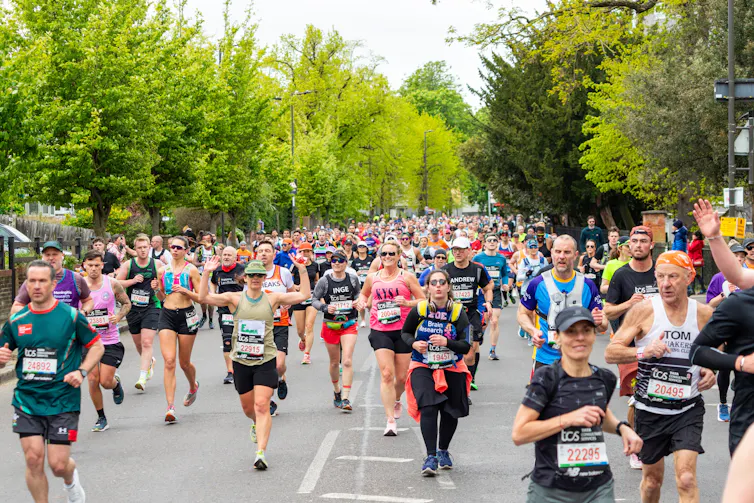
Taking a hot bath may be a straightforward way to help prepare for a marathon.
mikecphoto/Shutterstock

We also observed changes in the heart. Endurance training is known to enlarge the heart’s main pumping chamber, the left ventricle, allowing it to eject more blood with each beat. Following the heat intervention, the volume of this chamber increased further. The additional blood created through heat exposure likely contributed to this expansion.

Together, these changes improved aerobic capacity. On average, the runners’ VO₂max increased by around 4%, and they were able to reach higher speeds during maximal treadmill tests.

While laboratory measures are not the same as race results, improvements of this magnitude are meaningful for trained athletes, particularly given that these gains occurred without increasing training intensity or mileage.

Why this matters for marathon training

For runners and coaches, the implications are intriguing.

First, heat exposure could offer a low-impact way to trigger beneficial changes in the body without the added strain of more exercise. Increasing mileage or intensity always carries a risk of injury. Hot baths, in contrast, place stress on the cardiovascular system without additional pounding on muscles and joints.

Second, this approach is relatively accessible. Most people have access to a bath, so compared with altitude camps, the financial and environmental costs are minimal. That opens the possibility of more equitable access to performance-enhancing (and entirely legal) training strategies.


Read more:
Jeffing: how this run-walk method could help you train for a marathon


As with all research, there are limitations. Our study used a specific protocol: 40°C water, 45 minutes per session, five times per week, for five weeks. We do not yet know whether shorter sessions, lower temperatures or other heat sources – such as steam rooms or saunas – would produce the same results.

There are also safety considerations. Prolonged heat exposure can increase the risk of dehydration, dizziness and heat illness. Anyone attempting a similar approach should ensure adequate hydration, avoid overheating and undertake sessions with appropriate supervision. People with underlying health conditions should seek medical advice before attempting this type of protocol.

Finally, we measured physiological markers and treadmill performance, not actual marathon race times. Although improvements in VO₂max are strongly linked to endurance performance, future studies will need to confirm how these changes translate to real-world competition.

Even so, our findings suggest that performance gains do not always require more miles or international travel. Sometimes, adaptation can be stimulated in surprisingly simple ways.

For marathon runners looking for a practical way to support their training, passive heat exposure may represent a surprisingly straightforward tool worth exploring.

The Conversation

The authors do not work for, consult, own shares in or receive funding from any company or organisation that would benefit from this article, and have disclosed no relevant affiliations beyond their academic appointment.

ref. Marathon training: why hot baths might help you run faster – https://theconversation.com/marathon-training-why-hot-baths-might-help-you-run-faster-276796

No space, no power, no support – what life is really like for Indian IT workers serving global firms

Source: The Conversation – UK – By Vivek Soundararajan, Professor of Work and Equality, University of Bath

Bangalore. Snehal Jeevan Pailkar/Shutterstock

IT workers in India keep a lot of the world’s technology ticking over. They may be operating your company’s helpdesk, or responding to a query about your latest gadget.

They may also be working from home. And in India’s IT hubs, like Bangalore, Chennai or Hyderabad, this is likely to be from a cramped apartment filled with backup battery systems the workers have paid for themselves.

For despite often working for some of the biggest companies in the world, research I carried out with colleagues shows that working conditions for many of India’s IT workers are far from pleasant.

Ever since COVID, the pros and cons of remote working have been tested across the world. In some places, for some people, a switch to hybrid or fully remote working represents a degree of freedom and self-determination.

But not everywhere. So what does working from home actually look like for the 5 million Indian IT professionals who keep the digital infrastructure of big western companies running?

One of the biggest challenges is space. In India, more than half of the population live with members of their extended family. Many of the 51 workers we interviewed share their homes with children, parents, grandparents and in-laws – all squeezed into small apartments which now double up as offices.

For them, remote working means organising large family groups in small spaces so that one person can have a quiet corner in which to work.

A professional background for a video call required careful choreography in a crowded household with two rooms where babies might be crying next to elderly relatives with medical complaints.

For the workers we spoke to who had care responsibilities for various family members, the juggling required was extraordinary. We were told of profound knock-on effects for family life, with chaotic mealtimes and evenings hijacked by calls.

But perhaps the biggest challenge we learned about was to do with basic infrastructure. Power cuts are routine in many Indian cities. Internet bandwidth, shared among other family members working or studying from home, is often unreliable.

We met many IT professionals, doing identical work to their counterparts in London or San Francisco, who had spent their own money on domestic backup power systems so they could stay online. During home visits, we saw battery units occupying valuable domestic space on balconies, in hallways and porches – equipment these homes were never designed to hold. A proper unit – the kind needed to run a laptop, router, and fan through India’s routine power cuts – costs up to £400, roughly equivalent to a month’s take-home pay for a junior IT worker.

Meanwhile, internet bandwidth had to be carefully rationed. Television schedules were reorganised around work calls. Most meetings defaulted to audio-only, with video reserved for special occasions.

Along with power supplies and other equipment, some said workplace surveillance had also moved into their homes. One 33-year-old male IT worker said his employer’s online system would “calculate how many hours you work, and which other websites you visit”. He added that lapses would “automatically trigger a [message to my] manager”.

The surveillance extended into absurd territory. When power cuts struck – a routine occurrence – some workers were expected to prove it. A 28-year-old male engineer told us: “The boss said ‘go out and take photos of your house and send it’. He needed proof.”

Working conditions

These frustrations are not going unheard. In 2025, hundreds of IT workers took to the streets in Bangalore carrying placards which read “We are not your slaves” and demanding a legal right to disconnect and the enforcement of limits on working hours. When the state government proposed extending the maximum working day from ten to 12 hours, workers protested again. So far, India’s IT sector remains exempt from key labour protections, and no right to disconnect has been brought into law.

A key part of their protest was to do with workplace inequality – which had simply been relocated from the office into the home.

Organisations saved on office space, utilities and equipment. Those costs didn’t disappear – they were transferred to workers and their families.

In some countries that might mean buying a desk. To many of the Indian IT professionals we spoke to, who keep the digital infrastructure of big western companies running, it meant investing in domestic power backup systems, rationing internet bandwidth, rearranging entire households, and absorbing the emotional toll of work without boundaries – all while managing infrastructure failures.

A software developer in Bangalore with identical skills to one in Boston faces entirely different remote work realities. If remote work is to deliver on its promise, organisations and policymakers must recognise that “working from home” means fundamentally different things depending on where that home is – and who bears the hidden costs of making it work.

The Conversation

Vivek Soundararajan receives funding from United Kingdom Research and Innovation (UKRI), which supported this research.

ref. No space, no power, no support – what life is really like for Indian IT workers serving global firms – https://theconversation.com/no-space-no-power-no-support-what-life-is-really-like-for-indian-it-workers-serving-global-firms-277988