Why endometriosis should be classified as a whole-body inflammatory disorder

Source: The Conversation – UK – By April Rees, Lecturer, Biochemistry & Immunology, Swansea University

Endometriosis can be extremely painful. Wasana Kunpol/ Shutterstock

Endometriosis is a painful, debilitating condition affecting 10% of women worldwide. It occurs when tissue similar to the lining of the uterus (known as lesions) grows elsewhere in the body – usually within the pelvis.

Treating endometriosis can be difficult. Usually, treatment involves either preventing the growth of these lesions in the first place or removing lesions surgically. But even when lesions have been surgically removed, symptoms often don’t go away.

Traditionally, endometriosis has been thought of as a gynaecological condition. But mounting evidence suggests this characterisation downplays the disease’s complexity. Endometriosis appears to affect far more than just the reproductive system. According to a growing body of research, it influences immune function throughout the whole body.

Recognising it as a whole-body, immune-driven disease could help explain why symptoms range far beyond pelvic pain. It would also explain why treatment is so challenging and often does little to reduce symptoms.

A disease of the whole immune system

Inflammation – the body’s natural response to injury or illness – is a normal part of immune response. It also plays a key role in the menstrual cycle.

But if inflammation becomes chronic or uncontrolled, it can cause problems. This is seen in autoimmune conditions such as rheumatoid arthritis, where the immune system overreacts even when there is no threat.

Chronic inflammation is also known to play a central role in endometriosis. But the effects of this uncontrolled immune response may be far more widespread than previously thought. According to recent research, the immune response appears to extend into the bloodstream and other body systems. This may explain why endometriosis causes such far-reaching, whole-body symptoms.


Read more:
Endometriosis: how the condition may be linked to the immune system


In people with endometriosis, immune cells appear to be less able to clear lesions. Yet, at the same time, people with endometriosis have higher levels of immune proteins such as IL-6 and IL-1β in their blood. These immune proteins, known as cytokines, are a type of messenger released by cells to promote inflammation.

Together, these dysfunctional cells make it possible for lesions to grow and persist. This immune dysregulation also has ripple effects across the body, contributing to the wide range of symptoms sufferers experience.

For instance, many people with endometriosis experience debilitating fatigue, cognitive difficulties (such as “brain fog”) and widespread pain. These symptoms are rarely emphasised in clinical guidelines, yet they’re often as disruptive as pelvic pain itself.

A woman sitting using her laptop holds her head in pain or confusion.
Brain fog can be a common but under-recognised symptom of endometriosis.
Smutgirl/ Shutterstock

Systemic inflammation offers a compelling explanation for these symptoms. Circulating cytokines, such as those mentioned earlier, are known to influence brain function and energy regulation. Higher levels of cytokines (including IL-6) have also been linked to poorer concentration, disrupted sleep and fatigue in some autoimmune and chronic pain disorders.

These same processes may be occurring in endometriosis. This suggests that invisible symptoms could be biological consequences of ongoing inflammation – not secondary effects of pain.

A dysfunctional immune system may also help to explain why emerging research hints at an overlap between endometriosis and autoimmune diseases.

In 2025, a large scale study looked at 330,000 patients with endometriosis and 1.2 million controls (people who didn’t have the condition). The study found that compared to the controls, people with endometriosis had roughly twice the odds of being diagnosed with an autoimmune condition – such as rheumatoid arthritis, lupus, multiple sclerosis or Hashimoto’s disease – within two years of their endometriosis diagnosis.

This doesn’t mean endometriosis is itself an autoimmune disease. But it does suggest shared mechanisms – including chronic inflammation, dysregulated immune cell activity, and problems with the immune system recognising the body’s own tissue properly.

These overlapping features strengthen the case for understanding endometriosis as a systemic immune disorder.

Reframing endometriosis

Viewing endometriosis in this way could transform how it’s diagnosed, treated and understood. It could also help us get closer to finding a solution for the condition.


Read more:
Endometriosis takes almost a decade to be diagnosed in the UK — our research has revealed some of the reasons why


Current treatments primarily target the reproductive system. But if endometriosis involves widespread immune dysfunction, then therapies that modulate immune pathways may offer more effective long-term relief.

Seeing endometriosis as a systemic condition can empower patients, as well. This reframing may help them understand that symptoms such as fatigue, joint pain, cognitive difficulties and immune sensitivity are not imagined or unrelated. Rather, they’re part of the condition’s broader biology.

Seeing it this way may support patients in advocating for themselves in healthcare settings, where systemic symptoms are often dismissed or deprioritised.

A systemic framing also opens space for patients to explore complementary management strategies aimed at reducing inflammation or improving overall wellbeing. While not curative, some people find gentle movement, stress regulation techniques and heat–cold contrast therapy helpful for managing pain or inflammatory flares.

A growing body of research shows that endometriosis is not solely a reproductive condition or a “bad period”. It’s a multi-system, inflammatory disorder with far-reaching health effects throughout the body.

Understanding endometriosis as a systemic immune disease is a crucial step toward better treatments, better support and, ultimately, better health outcomes.

The Conversation

April Rees receives funding from The Royal Society, Saint David’s Medical Foundation, and the Iraqi Government.

Laura Cowley receives funding from Health and Care Research Wales, Welsh Crucible, and the Learned Society of Wales.

ref. Why endometriosis should be classified as a whole-body inflammatory disorder – https://theconversation.com/why-endometriosis-should-be-classified-as-a-whole-body-inflammatory-disorder-277994


Could a gut microbe influence muscle strength?

Source: The Conversation – UK – By Rachel Woods, Associate Professor, University of Nottingham; University of Lincoln

The millions of microbes living in your gut have far-reaching effects on health. New Africa/ Shutterstock

The trillions of microbes living in the human gut are increasingly recognised as important partners in human health. Scientists have linked the gut microbiome to several aspects of health, from metabolism and immunity to mental health.

A recent study suggests that these microbes may also influence an important aspect of fitness – muscle strength.

Muscle strength is a crucial feature of health for many reasons. It supports our joints and keeps our bones healthy, boosts athletic performance and even plays a role in metabolic health.

Muscle strength also helps us maintain independence later in life. As muscles gradually weaken as we get older, everyday tasks become harder and the risk of falls increases. Understanding what influences muscle strength is therefore an important part of healthy ageing research.


Read more:
Muscle is important for good health – here’s how to maintain it after middle age


A recent study explored whether specific gut bacteria might be linked to muscle strength. Researchers analysed the gut microbiomes of two groups of adults: 90 young adults aged 18 to 25 and 33 older adults aged 65 to 75.

Participants provided stool samples so researchers could identify the microbes living in their gut. The researchers used DNA sequencing to read genetic material from the microbes in each sample. By comparing these sequences with large reference databases, they could determine which bacterial species were present and how abundant they were.

Participants also completed several tests designed to measure muscle strength, including a handgrip test. This involves squeezing a handheld device as hard as possible. Grip strength is widely used in health research because it provides a snapshot of overall muscle strength. Lower grip strength has also been linked to a higher risk of premature death.

When the researchers compared participants’ muscle strength with the microbes in their gut, one species stood out. Higher levels of a bacterium called Roseburia inulinivorans were linked to stronger performance across muscle strength measures.

Finding a link like this is interesting, but it does not necessarily mean the microbe is responsible. Many things can be associated without one directly causing the other. Ice-cream sales and shark attacks both increase during summer, for example – but eating ice cream does not cause shark attacks.

So to investigate whether the bacterium might actually influence muscle strength, the researchers carried out additional experiments in mice. After reducing the animals’ existing gut microbes, they introduced Roseburia inulinivorans into the mice’s digestive systems.

Mice that received the bacterium developed noticeably stronger grip strength in their arms than those that did not. Their muscle fibres also became larger and shifted toward a type of fibre associated with more powerful movements (called type II muscle fibres).

Further analysis suggested Roseburia inulinivorans may influence how muscles use energy. In mice given R inulinivorans, several energy‑related pathways inside muscle cells became more active. At the same time, levels of certain amino acids (molecules used by all living things to make proteins) decreased in the gut and bloodstream.

An older many sitting on a couch flexes his biceps.
Older participants had lower levels of R inulinivorans.
Krakenimages.com/ Shutterstock

The human data revealed another interesting pattern. Older adults in the study tended to have lower levels of Roseburia inulinivorans in their gut microbiome than the younger participants. This fits with the broader pattern of declining muscle strength that commonly occurs with age.

In humans, it’s still unclear whether gut bacteria influence muscle strength or whether stronger, more active people simply have different microbes in their gut. But the mouse experiments hint that this microbe can directly enhance muscle strength, so larger human studies will be needed to work out the direction of the relationship.

Muscle microbes

One possibility raised by this research is the future use of probiotics. These products contain live microbes intended to benefit health. If further studies confirm that Roseburia inulinivorans supports muscle strength in humans, it could be developed into a probiotic designed to help maintain muscle function as people age.

However, supplements are not the only way to encourage beneficial microbes in the gut. Diet plays a major role in shaping the microbiome.

Prebiotic fibres, which serve as food for gut bacteria, can also support their growth. This is because feeding these microbes allows them to become more established and active in the gut.

The name inulinivorans provides a clue about this bacterium’s preferred food source. It refers to inulin, a type of dietary fibre found naturally in foods such as onions, garlic, leeks, asparagus and chicory root. These fibres are known to support the growth of other beneficial gut bacteria, including members of the Roseburia group.

High‑fibre diets have long been associated with a range of health benefits. A large amount of research has linked higher fibre intake with lower risks of heart disease, type 2 diabetes and some cancers. These effects are probably driven by the complex activity of many different microbes rather than a single species. So at the moment, supplementation of any one individual bacterium is not a replacement for a diet high in fibre.

The study does have some limitations to note, however. The human groups were relatively small, and the experiments demonstrating cause and effect were conducted in mice rather than people. The older adults included in the study were also all male. Even so, the findings add to growing evidence that the gut microbiome may influence far more aspects of health than previously thought.

For now, the advice for supporting both muscle strength and a healthy microbiome remains reassuringly familiar: regular strength‑building exercise and a diet rich in fibre.

The Conversation

Rachel Woods does not work for, consult, own shares in or receive funding from any company or organisation that would benefit from this article, and has disclosed no relevant affiliations beyond their academic appointment.

ref. Could a gut microbe influence muscle strength? – https://theconversation.com/could-a-gut-microbe-influence-muscle-strength-278346

Winnie-the-Pooh at 100: this much-loved classic illustrates how books can boost our wellbeing

Source: The Conversation – UK – By Lucy Stone, Assistant Professor of Children’s Literature, Dublin City University

When Winnie-the-Pooh gets stuck in Rabbit’s doorway after eating too much for elevenses, he is anxious and gloomy at the thought of having to forgo food for a whole week to get out. He asks Christopher Robin to read him “a Sustaining Book, such as would help and comfort a Wedged Bear in Great Tightness”.

A.A. Milne’s first children’s novel, Winnie-the-Pooh, does not exactly explain what a “Sustaining Book” is. But E.H. Shepard’s illustration provides some clue. Christopher Robin is shown reading an alphabet book with the word JAM for J visible on the page.

Jam is not Pooh’s favourite food, of course, but the word is more than apt. Pooh is in a jam, but being read to sustains him in his difficult situation by bringing him comfort. The book acts as “an aid in the crisis”, as former teacher Ethel Newell noted in a study of bibliotherapy for children in 1957.

Dating back to the early 19th century, bibliotherapy is a therapeutic approach that fosters reading books and other forms of literature to support mental wellbeing and healing.

This year marks the centenary of the first Winnie-the-Pooh book. Milne based the timeless tales on the nursery toys and games of his son, Christopher Robin – the boy who lives in the fictional world of the Hundred Acre Wood. His adventures with his bear, Winnie-the-Pooh, and friends (Piglet, Eeyore, Kanga and Roo, Rabbit and Owl), are equally gentle, clever and funny – and above all, comforting.

The book was an overnight success when it was first published (as was its sequel, The House at Pooh Corner, in 1928), and continues to cheer readers world over.

Although a Pooh story first appeared in the London Evening News on Christmas Eve 1925, the first book of his adventures was published in 1926.

Literary caregiving

When Winnie-the-Pooh was published, books had been used in hospital libraries to alleviate the suffering of ill and wounded soldiers from the first world war. This idea of books as a source of comfort was not new, but there had been an increasing need in this period for what authors Sara Halsam and Edmund G.C. King term “literary caregiving”.

It was at this time that American journalist Samuel McChord Crothers coined the term bibliotherapy, and reading for wellbeing began to be recognised in the medical sphere.

Milne had himself fought in the war and experienced the suffering and trauma firsthand. Winnie-the-Pooh has long been considered a response to war, particularly in terms of the book’s nostalgia and depiction of psychological damage. But as an example of bibliotherapy – and how this too is tied to the war – Winnie-the-Pooh has received scant critical attention.

It is, of course, not just soldiers – nor bears in rabbit burrows – who need good books. Children stuck in hospital need them too. Undergoing medical treatment, especially for serious illness, can be one of the greatest challenges a child can face, as highlighted by the Read for Good initiative.

This hospital reading programme has run in 31 hospitals across the UK over the past 15 years, and has found that books and storytelling can “have a significant impact on children’s health, wellbeing and education” – at a time when children are facing illness or injury, missing out on schooling, and feeling isolated.

While Winnie-the-Pooh is not currently among the books in the Read for Good hospitals programme in the UK, the benefits of this children’s novel in hospitals have long been evident in initiatives in the US.

In 1999, the University of Florida launched a reading programme for the waiting room at the University’s Pediatric Continuity Care Clinic. One report describes a four-year-old girl who, nervously awaiting treatment, was calmed when Winnie-the-Pooh was read to her. And, just like Pooh being taught his ABCs, the child also learned new vocabulary from the story.

This programme is part of the Reach Out and Read campaign, endorsed by the American Academy of Pediatrics, which serves 4.8 million children across the US each year. Continued research efforts evaluate and maximise the impact of this initiative, and have found that there are positive results for children, families and clinicians.

More recently, in 2024 there was study of the parent-led Little Bookworms bedside reading programme in a neonatal intensive care unit (NICU) in Nashville.

Winnie-the-Pooh was selected as a book from childhood recommended by study participants to read with their infants, to “reduce anxiety and improve attachment for parents and caregivers who have infants in the NICU”. Supporting the wellbeing and engagement of carers in this way can help reduce some of the risks NICU infants face, including interruptions to language development which can affect subsequent literacy development.

Books to grow up with

More broadly, the potential of rereading a childhood book cannot be underestimated. Books read in childhood do not disappear, but “continue to unfold and inform the way in which we interpret the world” in our minds, as children’s literature expert Kimberley Reynolds of Newcastle University has established.

Paula Byrne, founder of the ReLit Foundation – which promotes reading as a way to combat stress and anxiety through “the slow reading of great literature” – has described the rereading of Winnie-the-Pooh in adulthood as therapeutic. Byrne believes the book has the capacity to grow with the reader from childhood to adulthood, offering new insights that can be appreciated in later life.

It is this ability of a book to grow with the reader that is of most help to children in distress, Newell suggested, providing “real armour” to children over a sustained period, and not just “a shot of penicillin for a particular infection”.

Over the past 100 years, Winnie-the-Pooh has grown from a book containing an example of bibliotherapy to a book for bibliotherapy in hospitals. As we celebrate the centenary of its publication, these ties to books as therapy for children and adults are well worth remembering.

The Conversation

Lucy Stone does not work for, consult, own shares in or receive funding from any company or organisation that would benefit from this article, and has disclosed no relevant affiliations beyond their academic appointment.

ref. Winnie-the-Pooh at 100: this much-loved classic illustrates how books can boost our wellbeing – https://theconversation.com/winnie-the-pooh-at-100-this-much-loved-classic-illustrates-how-books-can-boost-our-wellbeing-277528

Planning a trip? Here’s what you should know before taking off

Source: The Conversation – Canada – By Frédéric Dimanche, Professor and former Director (2015-2025), Ted Rogers School of Hospitality and Tourism Management, Toronto Metropolitan University

Geopolitical tensions, rising gas and jet fuel prices and regional unrest are introducing uncertainty for many international travellers in 2026.

The ongoing war in the Middle East has disrupted airspace and tourism across the region, with flights cancelled or rerouted and major hubs like Dubai affected.

Rising oil prices tied to the conflict are already leading to higher ticket fares. Canadians in affected regions have been asked to leave at the earliest opportunity, and many are seeking help from the government to do so.

These challenges follow earlier disruptions closer to home. The American attack on Venezuela prompted the Canadian government to advise Canadians to avoid Cuba — a popular winter destination. This resulted in many returning early or cancelling trips.

In February, civil unrest in western Mexico, particularly in Puerto Vallarta, caused travellers to interrupt their vacations and others to cancel or reschedule flights.

With such disruptions causing anxiety for Canadian travellers, there are many uncertainties as to where it might be safe to travel, whether to cancel travel plans and what travellers should do to lower risks.

Disruptions reshape travel — but don’t stop it

Tourism researchers have long observed that global travel is highly sensitive to political, economic and environmental events. Tourism crises are disruptions that affect consumer confidence, travel demand, transportation networks and the reputation of destinations.

Yet when problems arise in one region of the world, travel does not stop; it often shifts to other destinations. Airlines adjust routes, tour operators move customers to alternative locations and travellers change their plans.

Recent patterns reflect this adjustment. As Canadians continue avoiding travelling to the U.S., industry travel experts have noted increased trips to France, Japan and Mexico.

While most international travel continues safely, Canadians should be aware of current disturbances and practical steps to mitigate risk and travel confidently.

1. Is flying safe?

Flying remains the safest mode of transportation. In times of conflict, countries collaborate with aviation authorities, airlines and air traffic controllers to define “safe corridors” for all civil aircraft to use.

These corridors around regions currently avoided (such as the Middle East and Ukraine) are easy to identify with websites such as Flight Radar. This site also provides an airport disruption map that identifies airports experiencing delays and cancelled flights.

How do planes fly safely through war zones? (Itineris)

2. Will the trip become more expensive?

Kerosene is one of airlines’ highest costs after labour, and fares have already become much more expensive for both domestic and international routes in the past few days.

Airline pricing depends on input costs, demand and network adjustments as airlines reallocate planes to alternative destinations. If travel demand decreases, airlines propose fewer flights to the destination.

It’s recommended to book refundable or exchangeable tickets as early as possible to get cheaper fares, with the flexibility to change them as needed.

3. Will travel cause more stress?

Travellers should prepare for possible longer flight times to avoid dangerous regions, missed connections or cancellations. Currently the Middle East war makes it difficult for Canadians to travel to (and from) the Indian subcontinent, Africa and the Asia-Pacific region.

Experienced travellers know that travel problems can lead to frustration, anxiety, fatigue and sometimes anger, all exacerbated by other passengers’ behaviours, long wait times at the gate and long customer service lines to rebook a cancelled flight.

Social and news media may magnify anxiety and stress, as travellers share concerns and read about others’ situations.

4. How should travellers adapt to avoid risk?

When disruptions affect a destination, travellers typically cancel plans and find substitutes. They shift to destinations that offer similar experiences with fewer risks.

For example, Canadians who might have chosen Cuba may instead opt for Mexico, the Dominican Republic or Jamaica. These destinations offer similar all-inclusive beach vacations and have strong airline connections with Canadian cities.

Travellers should pay attention to international news, especially in sensitive regions. The current situation in the Middle East remains unpredictable, and travel recovery progress can be promptly suspended.

Consumers react to crises by avoiding the destination and finding substitute destinations, sometimes domestically: risk avoidance and feeling safe remain essential conditions for people to travel.

Practical advice for travellers

  1. Check official travel advisories. Before leaving Canada, consult the government’s travel advisory website for up-to-date information about risks, entry requirements and local conditions.

  2. Book your trip with a travel advisor. Travel professionals can support you before, during and after your trip. They will act as your advocate in a crisis by helping to manage disruptions, rebooking plans and handling emergencies with access to 24/7 assistance.

  3. Register with the Canadian government. Canadians travelling abroad should consider registering with the Registration of Canadians Abroad service. This allows the government to contact travellers during emergencies or major disruptions.

  4. Choose flexible travel arrangements. Try to book flights and accommodations that allow changes or cancellations.

  5. Purchase comprehensive travel insurance. A good policy should cover medical emergencies, trip cancellations and travel interruptions. However, read the fine print; not all policies cover war or political events.

  6. Check airline policies. Airlines should offer flexibility during disruptions, including waiving change fees, providing full refunds if passengers choose not to fly and proactively contacting affected travellers. But previous crises have taught us that getting support or compensation from an airline is not easy.

  7. Finally, plan for contingencies. Travellers should have backup payment methods, keep copies of important documents and allow extra time for flight connections. In destinations experiencing disruptions, bringing small essentials (such as medications or portable chargers) can also be helpful.

The Conversation

The authors do not work for, consult, own shares in or receive funding from any company or organisation that would benefit from this article, and have disclosed no relevant affiliations beyond their academic appointment.

ref. Planning a trip? Here’s what you should know before taking off – https://theconversation.com/planning-a-trip-heres-what-you-should-know-before-taking-off-277823

Why Iran is attacking Gulf energy infrastructure

Source: The Conversation – UK – By Matthew Powell, Teaching Fellow in Strategic and Air Power Studies, University of Portsmouth

Iran targeted energy facilities across the Middle East on March 18, including the world’s largest liquefied natural gas hub in Qatar, in retaliation for Israeli strikes on an Iranian gas field hours earlier.

Iran has gone on to attack other energy facilities across the Gulf. This has included hitting a Saudi refinery on the Red Sea and setting two Kuwaiti oil refineries ablaze in an intensification of its campaign against energy infrastructure in the region.

As an expert on military strategy, I see the Iranian attacks on Gulf energy facilities as part of a broader strategic agenda the regime in Tehran has employed to try and ensure its survival.

Iran’s attacks on energy infrastructure since the start of the conflict have been accompanied with wider missile and drone strikes against US military bases and infrastructure in the region. Through these attacks, which have killed seven American service personnel so far, the regime has looked to demonstrate its capacity and capability not only to international audiences but also the Iranian population.

This includes, perhaps most importantly, those responsible for maintaining Iran’s internal security. If those tasked with this responsibility began to doubt the regime’s capacity to respond to attack, they might become less inclined to suppress rebellions and uprisings.

The ability to exercise force has long been central to maintaining the regime’s domestic political position in Iran. This has been demonstrated by the brutal repression of various protest movements over the past decade or so.

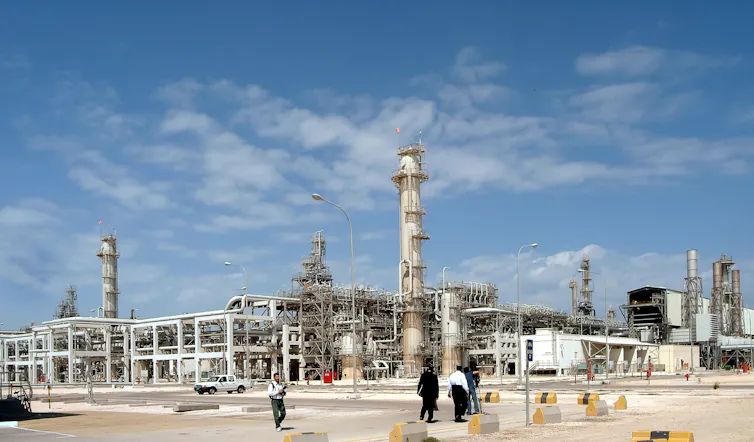
A gas processing facility near Doha in Qatar.
A gas processing facility near Doha in Qatar, pictured in 2005.
Plamen Galabov / Shutterstock

In its attacks on Gulf energy infrastructure, Iran has two main goals. The first is to hit the Gulf states economically in the hope that this will reduce their willingness to provide support to the US.

Gulf countries are heavily reliant on the export of energy for revenue. In Qatar, for example, earnings from the hydrocarbon sector accounted for 83% of total government revenues in 2023. These revenues help Gulf states maintain the low tax regime that is enjoyed by their populations.

If these revenues reduce substantially because energy cannot be processed, some of these nations may begin to question their alliances with the US. Such a scenario would reduce the ability of the US to conduct military operations in the Middle East and project its power and influence on the region.

The war is already having a significant impact on these countries. Goldman Sachs has estimated that Qatar and Kuwait could see their GDP drop by 14% if the war lasts until the end of April. Likewise, Capital Economics has suggested that GDP in the region could fall by between 10% to 15% if the conflict causes lasting damage to energy infrastructure.

Rifts do not yet appear to be emerging between the US and its Middle Eastern allies. But Tehran will be calculating that prolonged attacks – alongside continued disruption to the vital strait of Hormuz shipping lane – will add strain to relations.

Raising energy prices

Iran’s second, and wider, goal is to raise global energy prices. The Middle East is a key energy supplier globally, so disruption to supplies in this region can have an almost immediate impact on prices.

The price of a barrel of Brent crude, the global benchmark for oil pricing, has increased from around US$68 (£51) on February 27 to nearly US$100. This has so far largely been the result of disruption to the strait of Hormuz, which has prevented the Gulf states from supplying their energy to global markets.

But Tehran’s calculation appears to be that further efforts to reduce Gulf energy supplies will force nations worldwide, who are having to implement costly policies to reduce the impact of increased energy prices on their populations, to question the actions of the US in Iran.

In the Philippines, which is highly dependent on the Gulf oil, the government has told its agencies to cut electricity and fuel use by between 10% and 20%. Vietnam has introduced work-from-home policies for many public sector workers. And the UK government has announced a £53 million support package for people who rely on oil for central heating.

Iran’s final strategic consideration is that attacking energy facilities may help erode domestic support for Trump in the US. This could force a change in political direction. The price of petrol has already increased to an average of US$3.60 per gallon in the US – a level not seen since the opening days of Russia’s 2022 invasion of Ukraine.

This price increase will be passed on to consumers, creating a headache for Trump ahead of midterm elections in November. Trump’s platform of reducing the inflation seen under the Biden administration was a key part of the election campaign that successfully returned him to the White House.

Iran’s attacks on energy infrastructure are likely to continue. This is because they enable the regime in Tehran to increase the costs of the war even to those who are not directly involved, ramping up global pressure on the US to draw the conflict to a close.

The Conversation

Matthew Powell does not work for, consult, own shares in or receive funding from any company or organisation that would benefit from this article, and has disclosed no relevant affiliations beyond their academic appointment.

ref. Why Iran is attacking Gulf energy infrastructure – https://theconversation.com/why-iran-is-attacking-gulf-energy-infrastructure-278815

Planning a trip in 2026? Here’s what you should know before taking off

Source: The Conversation – Canada – By Frédéric Dimanche, Professor and former Director (2015-2025), Ted Rogers School of Hospitality and Tourism Management, Toronto Metropolitan University

Geopolitical tensions, rising gas and jet fuel prices and regional unrest are introducing uncertainty for many international travellers in 2026.

The ongoing war in the Middle East has disrupted airspace and tourism across the region, with flights cancelled or rerouted and major hubs like Dubai affected.

Rising oil prices tied to the conflict are already leading to higher ticket fares. Canadians in affected regions have been asked to leave at the earliest opportunity, and many are seeking help from the government to do so.

These challenges follow earlier disruptions closer to home. The American attack on Venezuela prompted the Canadian government to advise Canadians to avoid Cuba — a popular winter destination. This resulted in many returning early or cancelling trips.

In February, civil unrest in western Mexico, particularly in Puerto Vallarta, caused travellers to interrupt their vacations and others to cancel or reschedule flights.

With such disruptions causing anxiety for Canadian travellers, there are many uncertainties as to where it might be safe to travel, whether to cancel travel plans and what travellers should do to lower risks.

Disruptions reshape travel — but don’t stop it

Tourism researchers have long observed that global travel is highly sensitive to political, economic and environmental events. Tourism crises are disruptions that affect consumer confidence, travel demand, transportation networks and the reputation of destinations.

Yet when problems arise in one region of the world, travel does not stop; it often shifts to other destinations. Airlines adjust routes, tour operators move customers to alternative locations and travellers change their plans.

Recent patterns reflect this adjustment. As Canadians continue avoiding travelling to the U.S., industry travel experts have noted increased trips to France, Japan and Mexico.

While most international travel continues safely, Canadians should be aware of current disturbances and practical steps to mitigate risk and travel confidently.

1. Is flying safe?

Flying remains the safest mode of transportation. In times of conflict, countries collaborate with aviation authorities, airlines and air traffic controllers to define “safe corridors” for all civil aircraft to use.

These corridors around regions currently avoided (such as the Middle East and Ukraine) are easy to identify with websites such as Flight Radar. This site also provides an airport disruption map that identifies airports experiencing delays and cancelled flights.

How do planes fly safely through war zones? (Itineris)

2. Will the trip become more expensive?

Kerosene is one of airlines’ highest costs after labour, and fares have already become much more expensive for both domestic and international routes in the past few days.

Airline pricing depends on input costs, demand and network adjustments as airlines reallocate planes to alternative destinations. If travel demand decreases, airlines propose fewer flights to the destination.

It’s recommended to book refundable or exchangeable tickets as early as possible to get cheaper fares, with the flexibility to change them as needed.

3. Will travel cause more stress?

Travellers should prepare for possible longer flight times to avoid dangerous regions, missed connections or cancellations. Currently the Middle East war makes it difficult for Canadians to travel to (and from) the Indian subcontinent, Africa and the Asia-Pacific region.

Experienced travellers know that travel problems can lead to frustration, anxiety, fatigue and sometimes anger, all exacerbated by other passengers’ behaviours, long wait times at the gate and long customer service lines to rebook a cancelled flight.

Social and news media may magnify anxiety and stress, as travellers share concerns and read about others’ situations.

4. How should travellers adapt to avoid risk?

When disruptions affect a destination, travellers typically cancel plans and find substitutes. They shift to destinations that offer similar experiences with fewer risks.

For example, Canadians who might have chosen Cuba may instead opt for Mexico, the Dominican Republic or Jamaica. These destinations offer similar all-inclusive beach vacations and have strong airline connections with Canadian cities.

Travellers should pay attention to international news, especially in sensitive regions. The current situation in the Middle East remains unpredictable, and travel recovery progress can be promptly suspended.

Consumers react to crises by avoiding the destination and finding substitute destinations, sometimes domestically: risk avoidance and feeling safe remain essential conditions for people to travel.

Practical advice for travellers

  1. Check official travel advisories. Before leaving Canada, consult the government’s travel advisory website for up-to-date information about risks, entry requirements and local conditions.

  2. Book your trip with a travel advisor. Travel professionals can support you before, during and after your trip. They will act as your advocate in a crisis by helping to manage disruptions, rebooking plans and handling emergencies with access to 24/7 assistance.

  3. Register with the Canadian government. Canadians travelling abroad should consider registering with the Registration of Canadians Abroad service. This allows the government to contact travellers during emergencies or major disruptions.

  4. Choose flexible travel arrangements. Try to book flights and accommodations that allow changes or cancellations.

  5. Purchase comprehensive travel insurance. A good policy should cover medical emergencies, trip cancellations and travel interruptions. However, read the fine print; not all policies cover war or political events.

  6. Check airline policies. Airlines should offer flexibility during disruptions, including waiving change fees, providing full refunds if passengers choose not to fly and proactively contacting affected travellers. But previous crises have taught us that getting support or compensation from an airline is not easy.

  7. Finally, plan for contingencies. Travellers should have backup payment methods, keep copies of important documents and allow extra time for flight connections. In destinations experiencing disruptions, bringing small essentials (such as medications or portable chargers) can also be helpful.

The Conversation

The authors do not work for, consult, own shares in or receive funding from any company or organisation that would benefit from this article, and have disclosed no relevant affiliations beyond their academic appointment.

ref. Planning a trip in 2026? Here’s what you should know before taking off – https://theconversation.com/planning-a-trip-in-2026-heres-what-you-should-know-before-taking-off-277823

From gym to jawline: What looksmaxxing says about modern masculinity

Source: The Conversation – Canada – By Jillian Sunderland, PhD candidate in Sociology, University of Toronto

Young men and teenage boys are learning to see their faces and bodies as projects to measure and optimize.

On social media platforms like Reddit, Instagram and TikTok, jawlines are dissected, cheekbones compared and percevied “flaws” catalogued. Widely viewed videos and reels help users to rank their faces and identify areas for improvement. They’ll also advise on just how best to bulk up, trim down, make over and become more desirable — and more masculine.

This growing practice of ritualized self-scrutiny, and the litany of “solutions” in service of it, is known as “looksmaxxing.”

These “solutions” range from bizarre but mundane ones like “mewing” — the practice of continuously flattening the tongue against the roof of the mouth to define the jawline — to far more dangerous ones like “bone-smashing,” which involves repeatedly tapping facial bones with solid objects like a bottle or even a hammer in order to force them to sharpen for a defined look.

For scholars who study masculinity and social media like we do, this phenomenon suggests that something about masculinity might require serious critical analysis. Our work examines the rise of male beauty culture, its concomitant demands, the increasing esthetic labour men invest in their appearance and the cultural pressures shaping young men today.

And what we found is that there is a common pattern. As traditional pathways to masculine status such as stable work, home ownership and long-term partnerships are delayed or feel out of reach, the body becomes a locus of control — a site on which to reclaim power and sculpt a new vision of modern manhood.

Appearance becomes one of the few domains where control still feels possible.

Inside the looksmaxxing culture

While some of these practices that young men and boys have become preoccupied with are innocuous enough, the popularity of looksmaxxing does raise concerns.

Self-described looksmaxxers organize their efforts through intensive ranking systems and pseudo-scientific hierarchies. For instance, online guides encourage users to measure facial symmetry, jaw width and “canthal tilt” — the angle of one’s eyes relative to their cheekbones — as if masculine desirability could be quantified through technical metrics.

Others insist that “nothing can upgrade the face faster than reducing body fat” and provide instructions on how to achieve a “lethal face card” — slang for someone who is exceptionally good-looking.

These difficult standards and ranking systems often reproduce deeply rooted hierarchies of race and class by centring the “Chad body” or the archetypal “alpha male” — a white, muscular, aggresively dominant and affluent male.

In recent years, looksmaxxing — initially confined to fringe incel spaces and the broader online “manosphere,” where communities of men debate status through often misogynistic beliefs about women — has been sanitized for public consumption. As the concept entered mainstream digital culture, these pressures increasingly encroach on the lives of young men and boys.

Its organizing logic is simple. In order to reassert power and to reclaim their place as “manly” citizens, meeting specific esthetic standards through a series of grooming tactics is a necessary strategy.

As many young men push back against gender equality and reframe it as producing male disadvantage, looksmaxxing offers a seductive explanation for exclusion: you are simply esthetically deficient, and that can be fixed.

Masculinity in an era of uncertainty

To understand why looksmaxxing has gained traction, we need to look beyond social media and toward the broader conditions shaping young men’s lives.

For much of the 20th century, masculine status was closely tied to the breadwinner model, through which men’s authority and status flowed from stable employment and the ability to provide for their families. That model has steadily eroded.

In much of the industrial world, stable career ladders have given way to a contract- or gig-based economy and less secure employment opportunities. The rise of artificial intelligence has intensified employment anxieties further as young men confront a labour market where entire sectors of white-collar work are unstable.

Other status markers of adulthood have eroded as well. Young people today are less likely to own a home, face higher levels of economic precarity and are entering romantic relationships later, with a growing share of young men reporting little to no dating experience.

As the economic and social foundations of traditional masculinity weaken, the cultural scripts linking men to guaranteed partnership, power and authority have become less certain. These shifts are also unfolding alongside changing attitudes toward gender.

According to Ipsos, nearly one-third of Gen Z men globally agree that a wife should obey her husband, suggesting a resurgence of hierarchical views of gender relations among some young men.

In this climate, looksmaxxing reframes structural barriers as individual shortcomings. Young men are told that recognition and status can be reclaimed through straightforward investments in their appearance. Things like sharpening their jaw, building muscle and cultivating the coveted “hunter eyes” — eyes that are deep-set, almond-shaped with minimal upper eyelid exposure and no white visible below the iris, often associated with intensity and confidence.

The business of self-optimization

Social media platforms and relevant industries — including male skin-care companies — profit from young men’s preoccupation with perfection often with little or no mention of the physical, social, emotional or economic consequences that accompany such appearance practices, let alone the structural issues that underscore them.

Male anxiety is being monetized in the form of supplements, fitness coaching and cosmetic interventions, including multi-step skin-care regimens and intensive injections.

In this appearance-oriented environment filled with brand messaging, masculinity becomes a competitive asset to be purchased. Boys and young men have gradually become a highly profitable demographic, with corporations and businesses doubling down on advertisements and product offerings targeted specifically at them.

According to a leading provider of global business intelligence, market research and consumer insights, the men’s beauty products and skin-care industry globally will be worth more than US$5 billion in 2027.

The question now is no longer whether young men will pay attention to looksmaxxers and invest, but how far they’ll go in pursuit of occupational, social, sexual and economic prestige.

The Conversation

Jillian Sunderland receives funding from the Social Sciences and Humanities Research Council of Canada.

Jordan Foster receives funding from the Social Sciences and Humanities Research Council of Canada.

ref. From gym to jawline: What looksmaxxing says about modern masculinity – https://theconversation.com/from-gym-to-jawline-what-looksmaxxing-says-about-modern-masculinity-277130

Palm oil, cocoa, coffee… who’s going to tend to tomorrow’s large tropical plantations?

Source: The Conversation – France – By Alain Rival, Agronome. Agrosystèmes Biodiversifiés,, Cirad

Palm oil plantations, for one, are increasingly struggling with the sector’s declining attractiveness, which has hardly changed since the colonial era.

Behind basic foodstuffs like palm oil, cocoa, coffee and bananas that are part of our daily diet lies a rarely asked question. Who will agree to work in the fields of the world’s large tropical plantations in years to come? Since producing countries gained independence, the sectors that deal with field crop production have relied on a model largely inherited from the colonial period when export crops were produced for global markets, and their profitability long depended on abundant, compliant, and inexpensive labour.

But this model is running out of steam. While public debate around major tropical crop production sectors has long focused on environmental issues, the central challenge today is the social attractiveness of these horticultural systems.

Sectors shaped by their colonial history

Large-scale tropical agriculture was built on territorial specialisation and dependency on export. As we showed in a previous book about how human wellbeing is dependent on nature and how ecosystems function, independence did not fundamentally transform this productive logic, despite technical and institutional adjustments.

Power dynamics, labour organisation, and the priority given to external markets remain deeply structuring forces.

Oil palm in Southeast Asia, cacao in West Africa, and bananas in Latin America follow comparable trajectories, where environmental sustainability – supported by increasingly robust certification standards – has progressed more rapidly than the social transformation of these sectors.

This gap between a productive model inherited from colonial history and the social aspirations of contemporary rural societies in the tropics largely explains the current employment crisis that is affecting plantations.

Young people are turning away from plantation work

In Indonesia and Malaysia, the world’s leading palm oil producers, plantations are now struggling to recruit locally. Research conducted by John McCarthy, a political scientist at the Australian National University, shows that rural youth are increasingly turning away from agricultural work, which is seen as physically demanding, socially undervalued, and poorly paid.

This hardship is compounded by still insufficient mechanisation in many tropical sectors. It also deepens gender inequalities: the most physically demanding tasks continue to fall largely to men, while women are frequently relegated to insecure and undervalued positions, with restricted access to wages and social protection. Moreover, they are expected to juggle plantation work alongside domestic responsibilities, which heightens exhaustion and reinforces economic dependence.

Over the past century, work in oil palm plantations has changed very little. It remains highly physical and poorly paid, with workers cutting and carrying heavy loads in isolated areas.

To maintain production, plantations increasingly rely on migrant labour, often vulnerable. In Southeast Asia, dependence on foreign workers in oil palm plantations varies widely by country. It is particularly high in Malaysia, where migrants account for about 70–80% of workers in the sector, mainly from Indonesia, Bangladesh, Nepal, and India. When foreign labour became unavailable during the Covid-19 pandemic, some large plantations tried to attract local workers – including former offenders – and offered free housing, but this was not enough to reverse the sharp decline in production.

By contrast, in Indonesia, production relies mainly on national labour, often from internal migration between islands, and the share of foreign workers remains marginal.

The question thus becomes crucial: would young Indonesian or Malaysian people willingly choose plantation work, unless compelled by geographic isolation or the lack of viable local economic alternatives? This growing disengagement poses a serious threat to the long-term social cohesion and productive stability of the tropical plantation industry.

Certifying sustainability: limited progress

In response to criticism – particularly regarding deforestation risks – the agricultural sectors have multiplied certification schemes. Sustainable palm oil, certified cocoa, or coffee promise traceability and improved environmental practices. These tools have enabled real progress, but they often leave labour issues aside.

Palm oil certification, notably through mechanisms such as the Roundtable on Sustainable Palm Oil (RSPO), remains a long, complex, and costly process. It relies on demanding specifications, regular audits, and high traceability requirements, requiring substantial administrative and technical expertise. While large, agro-industrial companies can pool these costs and absorb the associated administrative burden, they represent a major obstacle for smallholders, who account for around 40% of Indonesia’s national palm oil production.

In many crop-producing regions, smallholders lack the time, financial resources, and support needed to achieve sustainable certification.

Audit costs, administrative complexity, and ongoing compliance requirements effectively exclude a large proportion of independent producers. The result is a paradox: the most vulnerable actors are also those who face the greatest difficulties in accessing mechanisms designed to improve sustainability, thereby reinforcing inequalities within the oil palm sector.

Sustainability is therefore still too often conceived at the level of the plot or the supply chain, without fully integrating employment conditions, career paths, and workers’ social prospects.

More demanding consumers, but not enough debate

Consumers are increasingly questioning the origin of tropical products and the transparency of production chains. However, this demand remains largely environmental. The issue of employment – its evolution and attractiveness – remains largely absent from public debate.

As Stefano Ponte, a specialist in global agricultural value chains, has analysed, this imbalance carries a major risk: without tangible improvements in working conditions, sustainability schemes may become mere compliance tools, without structural transformation of the sectors.

This reassessment also concerns organisations that monitor production and governance. Cooperatives, agro-industrial companies, and sectorial organisations play a key role in structuring employment, training, and professional recognition, yet they remain too rarely involved in sustainability strategies.

Rethinking attractiveness

The future of large plantations will depend less on yields than on their ability to attract and retain workers. Decent wages and working environment, appropriate mechanisation, access to training, and
social recognition of agricultural professions are becoming essential levers.

As emphasised by the FAO, rural employment is now a key factor in the sustainability of agricultural systems in tropical countries.

This is something not only farmers must reassess but also plantation managers and executives, who are having to rethink training and become more aware of social and environmental issues.

Initiatives such as the TALENT project, supported by the French Development Agency (AFD) and Cirad – The French agricultural research and international cooperation organisation working for the sustainable development of tropical and Mediterranean regions illustrate this shift by seeking to strengthen skills, career pathways, and the attractiveness of agricultural professions in Southeast Asia within a sustainability perspective.

A political issue before an agricultural one

Behind palm oil, cocoa, and coffee lies a fundamental political question: what will the future look like for postcolonial tropical societies?

Continuing to anchor these economies in export crops governed largely by an extractivist logic undermines their social appeal and compromises their long-term resilience.

The challenge, therefore, is not only how to produce more sustainably, but also who will keep production going tomorrow – and under what social and economic conditions.


A weekly e-mail in English featuring expertise from scholars and researchers. It provides an introduction to the diversity of research coming out of the continent and considers some of the key issues facing European countries. Get the newsletter!


The Conversation

Alain Rival ne travaille pas, ne conseille pas, ne possède pas de parts, ne reçoit pas de fonds d’une organisation qui pourrait tirer profit de cet article, et n’a déclaré aucune autre affiliation que son organisme de recherche.

ref. Palm oil, cocoa, coffee… who’s going to tend to tomorrow’s large tropical plantations? – https://theconversation.com/palm-oil-cocoa-coffee-whos-going-to-tend-to-tomorrows-large-tropical-plantations-278050

How the US copied a cheap Iranian kamikaze drone and used it to bomb Iran

Source: The Conversation – UK – By Gemma Ware, Host, The Conversation Weekly Podcast, The Conversation

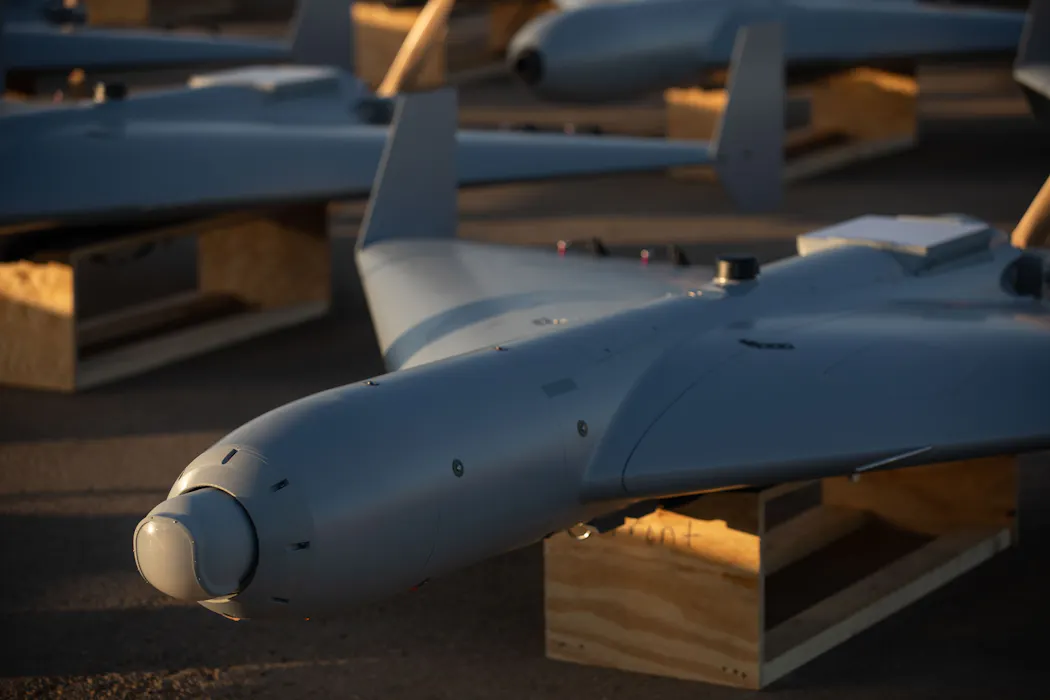
US low-cost, unmanned combat attack system (Lucas) drones in November 2025. US Central Command

As Pete Hegseth, the Fox News host turned Donald Trump’s defense secretary, stood on the front lawn of the Pentagon to record a promotional video in July 2025, a drone hovered above him.

Hegseth said that America’s adversaries had “produced millions of cheap drones” and it was time for the US to catch up. The Trump administration, he added, would arm combat units with “a variety of low-cost American-crafted drones” as part of a plan to secure US “drone dominance”.

A few days later, Hegseth toured a display of 18 American-made protype drones. One of those on display was a Low-Cost Uncrewed Combat Attack System (Lucas) drone. By December, a squadron of these kamikaze drones was already in the Middle East.

These Lucas drones may have been made in America, but they are a reverse-engineered copy of the kamikaze Iranian drone called a Shahed. Now, the US military has deployed them to attack Iran.

In this episode of The Conversation Weekly podcast,  we speak to Arun Dawson, a PhD researcher at King’s College London, about how the Iranians developed the Shahed drones, why the US decided to copy them, and what role these low-cost drones might play in the future of warfare.

“Each of these drones costs US$35,000 (£26,000),” says Dawson, compared with US$3.6 million for each Tomahawk cruise missile. “With an American style defence budget, you can buy enough of them that you completely saturate the capabilities of an adversary to respond.

“Once you’ve achieved that,” he explains, “you can then send in your high-expense equipment to do the dirty job of delivering pretty large, decisive payloads on particular targets. That’s what the American military is beginning to explore and pivot towards.”

Listen to the interview with Arun Dawson on The Conversation Weekly podcast and read an article he wrote for The Conversation. This episode was written and produced by Mend Mariwany and Gemma Ware. Mixing by Eleanor Brezzi and theme music by Neeta Sarl.

Newsclips in this episode from The WallStreet Journal, New York Post, 10 News and CBS News.

Listen to The Conversation Weekly via any of the apps listed above, download it directly via our RSS feed or find out how else to listen here. A transcript of this episode is available via the Apple Podcasts or Spotify apps.

The Conversation

Arun Dawson is affiliated with the Royal United Services Institute.

ref. How the US copied a cheap Iranian kamikaze drone and used it to bomb Iran – https://theconversation.com/how-the-us-copied-a-cheap-iranian-kamikaze-drone-and-used-it-to-bomb-iran-278695

Talk matters: How municipal council debates can enhance democracy

Source: The Conversation – Canada – By Karen Bird, Professor of Political Science, McMaster University

Municipal councils rarely dominate national headlines, yet they make decisions that shape our daily lives more directly than any other level of government.

From land use to transit, policing to public health, councils are where competing priorities collide and where communities see democracy up close.

As municipalities across Canada prepare to elect new councils in the fall, it’s worth asking not only who should represent us, but how those representatives should conduct the public’s business once they take office.

One answer is deceptively simple: councils should strive to deliberate well.

What good deliberation looks like

Legislative debate lies at the heart of democratic governance, but deliberation is more than debate. It is the public, reasoned process through which elected representatives weigh competing claims, examine evidence, listen to one another and adjust their positions in light of stronger arguments.

Good deliberation can be measured in terms of specific criteria, including:

  • Clear articulation of reasons: Participants explain why they support or oppose a proposal, grounding their arguments in evidence, community needs, or principles of justice — rather than self interest.
  • Responsiveness: They engage directly with one another’s arguments and stay focused on the issue at hand. When persuasive counterarguments are presented, they show a willingness to adjust, refine, or even rethink their positions.
  • Respectful tone: Disagreement is inevitable — and healthy — but it must be conducted without personal attacks, sarcasm or dismissiveness. Respectful debate rests on fairness and on recognizing that participants’ interests and arguments are offered in good faith and deserve to be taken seriously.
  • Decisiveness: Deliberation is not endless talk. It culminates in decisions that are clear, consequential and publicly justified.

American political theorist Jane Mansbridge reminds us that while pluralist democracy is necessarily about competing interests, there is a need to push “beyond adversary democracy” toward a more co-operative model. That can result in people trying to understand one another’s diverse perspectives, search for common ground and justify decisions in terms others can accept.

When these elements are present, elected representative bodies not only make better decisions — they also strengthen public trust. In an era of polarization and disinformation, this kind of democratic practice isn’t a luxury — it’s a necessity.

How well do municipal councils deliberate?

Mansbridge based her analysis on an in-depth study of political deliberations in a small Vermont town, where she attended meetings for almost two years and conducted numerous interviews with residents.

Applying her insights to my own research with colleagues on town hall debates in Canada and New Zealand, we argue that these local bodies can be ideal venues for visible, reasoned and respectful deliberation.

Despite different national contexts, the two countries have similar local government structures, including traditional ward-level elections and “weak-mayor” systems, where the mayor has limited formal authority.

Unlike national legislatures, city councils are also generally small, non-partisan and close to the communities they serve — all features that should enhance the quality of deliberation. Yet this potential is not always realized.

The debates we examined concerned the contentious matter of electoral reforms to add Indigenous voices to city council.

In Canada, Hamilton City Council in Ontario and the Halifax Regional Council in Nova Scotia are the only local governing bodies we know of that have formally addressed the issue — albeit in an exploratory manner. But in New Zealand, the question of adding Māori seats on local councils has been much more widely debated.


Read more:
The Māori ward vote in New Zealand contains important lessons for Canada


New Zealand/Canada comparison

For comparative purposes, we looked at the largest New Zealand cities where the Māori population comprise 10 per cent or less of the electorate, approximating the Canadian situation. Two of the councils we studied (Hamilton in Canada and Auckland in New Zealand) voted against motions to explore or instate Indigenous seats, while four (Halifax in Canada and Dunedin, Tauranga and Wellington in New Zealand) approved moving forward on the issue.

We hand-coded hours of debate using the discourse quality index (DQI), a measure widely used to assess speeches in parliament, while also deciphering substantive themes.

While the content of arguments was similar across all six cities, we found the quality of deliberation differed markedly. On a zero-to-one scale, Hamilton’s city council ranked lowest with a DQI of 0.45, while Halifax topped others with a score of 0.68.

Looking at the speeches of individual councillors, we found that those who opposed Indigenous seats used less respectful discourse than supporters (average DQI 0.43 vs. 0.64), including more polarizing interjections.

Examples included members who shouted at or turned their backs to others, refusing to engage. Some resorted to personal attacks, or accusations of racism and anti-democratic maneuvering.

As one New Zealand councillor exclaimed: “We are throwing elected representation to the dogs.” Another in Canada reasoned that Indigenous people were requesting “to sit at the table without being elected… that’s how I understood it” — even though the motion was merely to study options for bringing Indigenous voices to council.

Quality of online public discourse matters too

Deliberation does not end when councillors leave chambers. How elected members communicate with the public — especially online — now also shapes the broader democratic climate around municipal decision making.

Social media has become a fertile environment for incivility, harassment and toxic exchanges, and research suggests some politicians have learned to exploit this dynamic.


Read more:
Some politicians who share harmful information are rewarded with more clicks, study finds


At the national level, there is ample evidence from Canada, the United Kingdom and many other countries of the heightened impact that digital vitriol has on women, LGBTQ, racialized and Indigenous candidates and office holders.

But reports from Canada, New Zealand and elsewhere suggest the effects of digital harassment may be even more profound in local politics, where the erosion of local news outlets can heighten communities’ vulnerability to disinformation, out-of-context clips and performative antagonism designed to inflame outrage rather than inform.

According to a recent study in the U.K., online abuse is now the biggest deterrent to people serving as councillors.

In response, some are pushing back. The Elect Respect campaign, initiated by Mayor Marianne Meed Ward of Burlington, Ont., is one recent example: it calls out abuse and harassment directed at women in politics and urges elected officials to commit to “respectful debate” rather than personal attacks.


Read more:
‘Quiet, piggy’ and other slurs: Powerful men fuel online abuse against women in politics and media


Similarly, the Association of Municipalities of Ontario has developed its Leading with Respect Handguides that provide practical resources for councils to navigate conflict and build a culture of civility in their workplaces. Initiatives like this highlight the growing recognition that the tone of public discourse is inseparable from the health of local democracy.

A call for more deliberative local democracy

Wherever you live, the next municipal election is a chance to think about what kind of council your community needs — not only in terms of policy, but also democratic practice.

When councillors treat one another as partners in problem-solving rather than opponents to be defeated, they help build the mutual respect and shared understanding that Mansbridge argues are essential for democratic legitimacy.

In a time of polarization and growing online toxicity, the quality of our local democratic conversations may matter as much as the policies they produce. Municipal councils across the country have the opportunity to show that talk matters — and that better talk can lead to better democracy.

The Conversation

Karen Bird receives funding from the Social Sciences and Humanities Research Council of Canada (SSHRC).

ref. Talk matters: How municipal council debates can enhance democracy – https://theconversation.com/talk-matters-how-municipal-council-debates-can-enhance-democracy-278397