Hoppers embraces the messy reality of nature – and shows why diversity matters in environmental storytelling

Source: The Conversation – UK – By Yuan Pan, Lecturer in Digital Infrastructures & Sustainability, King’s College London

Pixar’s new film Hoppers follows Mabel Tanaka, a young environmentalist who grew up exploring a forest glade with her grandmother. When the city of Beaverton’s mayor announces plans to demolish the glade for a new highway, Mabel’s attempts to stop him go nowhere. This is until she discovers a secret university lab.

Scientists in the lab have developed a technology that transfers human consciousness into lifelike robotic animals, allowing people to experience the world from an animal’s perspective. Mabel (Piper Curda) hops into a robotic beaver to rally the creatures of the glade. What she discovers there – a world governed by its own complex rules of coexistence – is far more complicated than anything she expected.

The film’s central line is spoken by Grandma Tanaka (Karen Huie) as she and Mabel sit quietly in nature: “It’s hard to be mad when you feel like you’re part of something big.” It is a simple line that anchors the film’s entire moral values.

Hoppers arrives 17 years after Wall-E, Pixar’s last overtly environmentally themed film. Traditionally, mainstream western-centric animation has favoured anthropomorphic sentimentality over ecological realism. However, Hoppers signals a shift toward more complexity, where animals eat one another and humans are not simple villains. By depicting the uncute realities of nature, Pixar is embracing more nuanced environmental storytelling.

The trailer for Hoppers.

The film is populated by angry characters: Mabel at the destruction of nature; Mayor Jerry (Jon Hamm) at Mabel’s obstruction of his superhighway; the Monarch butterfly insect queen (Meryl Streep) at human disrespect for wildlife; and her heir Titus (a caterpillar voiced by Dave Franco) at humans and animals alike for disrespecting insects.

Their anger will be recognisable to anyone working in environmental conservation. The feeling that nature is continually losing ground to economic interests generates intense frustration – something I have experienced repeatedly over the course of my career.

Set against all of this, however, is the beaver leader of the pond, King George (Bobby Moynihan) whose “pond rules” offer a quietly radical alternative. He knows every creature in the pond by name, down to the earthworms. He believes that hunger must be fed, even if one animal must eat another. Above all, he holds that “we’re all in this together” – a principle he extends even to the humans destroying his habitat.

George embodies what environmental researchers call relational values: the connections that link humans to nature and to other humans, which shape who we are as people.

His worldview gives Grandma Tanaka’s line its full weight. The film resists the temptation to make its human antagonist a straightforward villain. Mayor Jerry is not just an evil developer. He is, by most measures, a well-liked and good mayor. He simply fails to care for the wildlife.

This reflects the genuine complexity of social-ecological systems, where the trade-offs between human development and environmental protection are rarely a contest between good and evil. This moral complexity is more reminiscent of the Japanese animation studio Studio Ghibli, than mainstream Pixar. Ghibli films like Princess Mononoke (1997) resist clean resolutions, portraying neither humans as purely destructive nor nature as passive.


Read more:
How Studio Ghibli films can help us rediscover the childlike wonder of our connection with nature


As I have argued elsewhere, this is a distinctly non-western approach to environmental storytelling. The fact that Pixar appears to be borrowing from this tradition is significant. It suggests that the most effective environmental narratives do not come from western animation’s default moral framework. Hoppers’ argument is that the rhetoric of “us versus them” has never resolved any environmental crisis, or any global crisis. Anger and fear divide people. A sense of shared belonging connects us.

Representation in environmental stories

Hoppers does something else that matters. It puts an east Asian woman at the centre of an ecological story. This is not simply a question of representation. It is a question of who belongs in environmental spaces.

As a British-Chinese environmental researcher, I am acutely aware of these questions. In the UK, 95% of the environmental sector identifies as white. This lack of diversity is not merely a matter of numbers. The term “environmentalist” has long carried associations with whiteness and wealth, and those associations shape who enters the profession, who stays, and whose approaches are considered legitimate.

Growing up with pressure to choose a stable and high-status profession, many people from minority communities never see environmental conservation as a path available to them. I have experienced this tension personally, and it disproportionately affects those from minority backgrounds. When media narratives exclude minority voices from environmental stories, they reinforce the homogeneity that weakens environmental conservation as a field.

Mabel’s role in Hoppers, as a bridge between King George’s nature realm and the human world, mirrors a position that many academics from underrepresented backgrounds would know well. They act as the translator, the intermediary and the person who moves between worlds. From a personal perspective, seeing that role embodied by an east Asian woman in a major animated film is not a small thing. It signals to diverse young people that environmental advocacy is a space that belongs to them. I hope this film inspires a new generation of diverse environmental conservationists.

Animation can reach audiences through emotional pathways that differ from academic research. Hoppers uses that reach wisely, by not oversimplifying the environmental crisis. Grandma Tanaka’s line: “It’s hard to be mad when you feel like you’re part of something big,” is the kind of environmental message that stays with people. Not a warning. But an invitation for humans to be reconnected to nature.


The climate crisis has a communications problem. How do we tell stories that move people – not just to fear the future, but to imagine and build a better one? This article is part of Climate Storytelling, a series exploring how arts and science can join forces to spark understanding, hope and action.


The Conversation

Yuan Pan does not work for, consult, own shares in or receive funding from any company or organisation that would benefit from this article, and has disclosed no relevant affiliations beyond their academic appointment.

ref. Hoppers embraces the messy reality of nature – and shows why diversity matters in environmental storytelling – https://theconversation.com/hoppers-embraces-the-messy-reality-of-nature-and-shows-why-diversity-matters-in-environmental-storytelling-279127

In war-torn cities, air pollution from burning oil depots and bombed buildings unleashes invisible health threats

Source: The Conversation – USA (3) – By Armin Sorooshian, Professor of Chemical and Environmental Engineering, University of Arizona

A woman sifts through the rubble in her home after it was damaged by a missile on March 15, 2026, in Tehran. Majid Saeedi/Getty Images

The waves of U.S. and Israeli bomb strikes in Tehran and Beirut, and Iran’s missile and drone attacks on neighboring countries in response, are damaging more than buildings – they are sending toxic debris into the air in cities that are home to millions of people.

Military strikes have hit Iran’s missile stockpiles, nuclear facilities and oil refineries. When a strike set fire to an oil depot, it sent toxic black clouds billowing over Tehran and created oily rain that settled on buildings, cars and people. Residents described having headaches and difficulty breathing.

As a chemical and environmental engineer who studies the behavior and effects of airborne particles, I have been following the damage reports to understand the health risks residents are facing as toxic materials get into the air. The risks come from many sources, from heavy metals in the munitions themselves to the materials sent airborne by what they blow apart.

A view acros the city's rooftops with multiple large smoke plumes rising.
Smoke plumes rise from several locations across Tehran following U.S. missile strikes on March 1, 2026.
Atta Kenare/AFP via Getty Images

The invisible enemy during war: Air pollution

A disaster’s effects on air quality and public health depend in large part on what is being destroyed.

The terrorist attacks on New York City’s World Trade Center on Sept. 11, 2001, were localized, but they ejected massive bursts of pollutants into the air. These included gases such as volatile organic compounds and particulates – often called aerosols – containing a myriad of substances, such as dust, polycyclic aromatic hydrocarbons, metals, asbestos and polychlorinated biphenyls.

These pollutants can harm the lungs, making breathing difficult, and worsen cardiovascular problems, contributing to heart attacks, among other health damage. Tiny particles smaller than 2.5 micrometers, called PM2.5, are especially harmful because they can travel deep into the human respiratory system. But larger particles can also bring major airborne health risks.

When buildings are heavily damaged or collapse, the rubble often contains crushed concrete, gypsum and carcinogenic fibrous materials, such as asbestos. Even after the initial dust settles, wind and other disturbances, including efforts to find survivors or clear the rubble, can send those materials back into the air, putting more people at risk.

Many rescue and recovery workers who responded to the World Trade Center collapse in 2001 developed chronic respiratory problems. That’s also a risk for people searching for survivors in bombed buildings after military strikes and later when cleaning up the debris.

Fires create additional hazards as vehicles, buildings and the chemicals and other materials in them burn. The January 2025 fires in Los Angeles sent a stew of dangerous particles and gases into the lower atmosphere. Studies have shown how lead particles that fell to the ground were kicked back up into the air again where people could inhale them, along with other contaminants.

Munitions and oil facilities

Military attacks degrade air quality in other ways. The Gaza Strip, Iraq, Kuwait, Ukraine and most recently Iran and surrounding countries have all faced extensive damage from munitions, which contain toxic materials. Bombs and artillery often contain explosives and heavy metals, such as lead and mercury, which also contaminate soil, water and the environment.

When oil storage facilities and pipelines are damaged, they emit an especially harmful cocktail of pollutants. This chemical blend includes airborne soot particles, which darken the sky and contribute to the “black rain” observed in Iran.

Thick smoke and flames over a row of burned out trucks.
A burning oil depot, hit by a military strike on March 8, 2026, sends black smoke over Tehran, causing black rain to fall in the region.
Hassan Ghaedi/Anadolu via Getty Images

During the Gulf War in 1991, downwind countries experienced similar polluted rain as Kuwait’s oil fields burned. The U.S. Department of Defense found that the smoke plumes contained sulfur dioxide and nitrogen oxides, among other gases and soot.

The severe consequences of environmental pollution during wars prompted the U.S. National Academies of Science, Engineering, and Medicine to publish a series of reports on Gulf War military veterans’ health, starting in the early 2000s. They documented illnesses soldiers suffered after being exposed to chemicals and heavy metals, including from oil well fires. They also examined scientific evidence on potential associations between pollution in war and reproductive and developmental effects in the veterans’ children.

Getting pollution out of the air

Nature, including rain and wind, can help reduce the pollution levels in the air.

Rain helps pull particles out of the air, depositing them back on the ground and surfaces. The raindrops form around particles and also collect more particles as they fall. However, rain has occurred only sporadically since the military attacks began in Iran.

And rain also contributes to runoff into streams, and pollutants can damage crops and contaminate waterways, soil and vegetation.

Wind can help blow pollutants out of an area, though at the expense of downwind sites.

A group of men walk through the remains of a building that collapsed. Several buildings around them are also damaged.
People inspect the rubble of a collapsed building on March 3, 2026, kicking up dust that can harm their health. U.S. Secretary of Defense Pete Hegseth said on March 13, 2026, that 15,000 targets had been hit since the U.S. and Israel began bombing Iran on Feb. 28.
Atta Kenare/AFP via Getty Images

Tehran has another challenge when it comes to pollution because of its terrain. The city is surrounded by mountains and prone to the effects of low-altitude temperature inversions in the wintertime, which concentrates pollutants even more by holding them closer to the ground. These attacks have been slightly outside the coldest periods for Tehran, allowing for deeper mixing of air, but the inversion still has an effect.

Can people in war zones protect their health?

People in war zones, where they are already under stress, can reduce their health risks by staying indoors in the days after military attacks, if possible. Keeping windows and doors closed can help reduce the amount of polluted ambient air that comes inside.

Indoor air quality is just as important as the air outside. For example, infants crawling on floors can be exposed to deposited particles with toxic materials that are tracked in or blow in under sills and doors, similar to wildfire smoke exposure.

As buildings continue to smolder and clearing debris sends harmful particles back into the air, the pollutants can also contaminate agriculture and waterways. People can try to avoid crops, water and seafood that were likely to have been affected by toxic airborne pollutants. However, getting information about risks gets harder in a time of war, and scarcity can leave people with few choices.

The Conversation

Armin Sorooshian does not work for, consult, own shares in or receive funding from any company or organization that would benefit from this article, and has disclosed no relevant affiliations beyond their academic appointment.

ref. In war-torn cities, air pollution from burning oil depots and bombed buildings unleashes invisible health threats – https://theconversation.com/in-war-torn-cities-air-pollution-from-burning-oil-depots-and-bombed-buildings-unleashes-invisible-health-threats-278407

Do you love sleeping with your pet? Science reveals there’s a tricky trade-off

Source: The Conversation – Canada – By Renata Roma, Research Associate – Pawsitive Connections Lab, University of Saskatchewan

For some pet guardians, their pets are present in their lives from the moment they wake up to the moment they go to bed.

This happens because cats, dogs and other companion animals are increasingly perceived as family members. I’m not talking about the distant cousin, for example, but the ones who really take part in our everyday lives.

In some cases, this includes quieter, more intimate moments, like bedtime. Sleeping with your cat or dog can feel comforting, even essential.

In fact, according to a survey conducted by the American Academy of Sleep Medicine, almost half — 46 per cent — of respondents sleep in the same bed with a pet. As a clinical researcher that focuses on the interactions between pet owners and their animals, I work with many people who describe a close relationship with their pets and share a variety of moments with them.

The benefits of this bond is supported by science. Research shows daily interactions with pets can enhance well-being.

But research also suggests any potential benefits to sleeping next to a beloved pet aren’t straightforward: it can feel comforting even as it may quietly disrupt sleep quality.

The emotional logic of co-sleeping with pets

The impact of co-sleeping can be measured through self-reports and questionnaires, as well as with objective tools, like wristwatches that measure what’s happening physiologically during the night.

In studies using subjective measures, many pet guardians report sleeping better when their pets are with them. Other benefits linked with co-sleeping include an increase in feelings of comfort and emotional safety.

In this context, sleeping places us in a state of perceived vulnerability. Sleeping with a pet, particularly one with whom we have a close bond, may reduce this sense of vulnerability while enhancing a sense of safety.

Emotional regulation is another possible mechanism in this context, as feeling safer can lower emotional arousal. In other words, the presence of a pet may simply help pet guardians feel safe and comfortable. Waking up with a pet next to them can bring a sense of happiness, which may lead them to feel they slept well.

At the same time, some studies using standard questionnaires to assess insomnia and sleep quality suggest that co-sleeping with a pet is not linked to lower stress and may increase insomnia and reduce perceived sleep quality.

These mixed findings suggest that the effects of co-sleeping are more complex than they may seem — that how we feel about our sleep doesn’t always match what’s happening in our body.

Co-sleeping from a physiological perspective

we can also investigate the impacts of co-sleeping with pets more objectively, using tools to assess sleep patterns, awakenings during the night and overall sleep quality.

Research suggests that even when pet guardians report better sleep, physiological measures often show more fragmented sleep when they share the bed with their pets. In one study, researchers used a wristwatch-like device to measure people’s movement during the night while they slept with their pets.

They found that even when people felt they slept well, their sleep tended to be more disrupted.

In some cases, these disruptions were related to the pet’s movements during the night. Researchers observed a synchrony in which pet’s movements influenced their guardians’ movement patterns, and vice versa.

Co-sleeping with a pet, therefore, may affect both the person’s sleep and the pet’s sleep. And though these disruptions aren’t uniform, they may depend on the type of animal you share your bed.

Why does disrupt sleep more than cats

There is also evidence that the impact may vary depending on the type and number of pets. People who sleep with dogs may experience more disruption, while those sleeping with cats often report mixed results.

Although the reasons for these differences are unclear, they may be linked to dogs’ greater sensitivity to external stimuli, such as car noise, barking in the neighbourhood and other environmental sounds.

Considering how these experiences can shape mental health and well-being, it is important to note that poor sleep quality over time can impact emotional regulation.

This may appear as lower tolerance for frustration or a reduced ability to manage emotionally challenging situations. Fatigue, depressed mood, difficulty focusing and a range of other symptoms may also be linked to poor sleep.

Taken together, these findings challenge the idea that co-sleeping is simply either good or bad.

Rethinking the “good or bad” debate

Sleeping with a pet seems to be both comforting and disruptive at the same time.

It is a complex behaviour, and understanding people’s motivations behind whether they share their bed is important. In some cases, for example, co-sleeping with a pet can be very meaningful, aligned with people’s needs and potentially linked to comfort and well-being.

At the same time, it is important to keep in mind that our perceptions do not always fully reflect what is happening in the body.

From a practical perspective, a more nuanced understanding of co-sleeping can shed light on how it shapes daily experiences, sleep and overall health. Closer attention to how pets are integrated into our lives can help guardians make decisions that consider both physical and mental health, without neglecting the potential impacts of those decisions on the pet.

Rather than asking whether co-sleeping with your pet is beneficial or harmful, a better questions is what are you prioritizing: emotional comfort or uninterupted sleep? Recognizing the trade-off can help pet guardians make an informed choice.

The Conversation

Renata Roma does not work for, consult, own shares in or receive funding from any company or organisation that would benefit from this article, and has disclosed no relevant affiliations beyond their academic appointment.

ref. Do you love sleeping with your pet? Science reveals there’s a tricky trade-off – https://theconversation.com/do-you-love-sleeping-with-your-pet-science-reveals-theres-a-tricky-trade-off-277464

Italy: Middle East crisis pushes the Meloni government away from the US

Source: The Conversation – France – By Jean-Pierre Darnis, Full professor at the University of Côte d’Azur, director of the master’s programme in “France-Italy Relations”. Associate fellow at the Foundation for Strategic Research (FRS, Paris) and adjunct professor at LUISS University (Rome), Université Côte d’Azur

The situation in the Middle East represents a negative framework for Italy, which, like its European partners, is a mere spectator watching a conflict that it does not endorse.

Italy is both an exporting nation, sensitive to global economic cycles, and a country characterised by its dependence on fossil fuels, with Italian electricity production largely powered by natural gas.

Both the rise in gas prices and a slowdown in global trade pose a dangerous economic pincer for Italy. This widely shared assessment within the Italian political class underpins Italy’s critical stance towards the conflict.

EU alignment versus handling US relations with care

It is also important to note a shift in Italy’s positioning. Since the beginning of Trump’s presidency, Giorgia Meloni’s government has shown conciliation towards Trump.

While Italy maintained a form of European orthodoxy – supporting Ukraine, expressing a favourable position towards Denmark regarding Greenland – it also tried to please both sides, paranoidly avoiding initiatives that could be perceived as distancing itself from Washington, especially due to concerns over tariffs. From this perspective, Italy remained in the background regarding European defence initiatives led by France and the United Kingdom, from the “coalition of the willing” to the new concept of “forward deterrence”, which sees France collaborating with major European countries, including Germany.

In some ways, this Italian caution may have contributed to a misjudgment by the Italian government, which, for example, did not anticipate Germany’s growing distance from the United States.

In February, Italy’s participation as an observer in Trump’s “Board of Peace” had already raised many questions.

This choice by Meloni’s government appeared as a continuation of an open line towards the American administration, a traditional position she has repeatedly voiced when evoking her vision of Western unity, conceived as a fundamental project. At the time, the left-wing opposition expressed its discontent, while even the Vatican showed its perplexity.

Italy seeks distance on Iran

Following Israel’s and the United States’ military action against Iran, the Italian Prime Minister expressed euphemistic distancing from the United States, declaring in the Chamber of Deputies that the actions of the United States and Israel were taking place outside international law. This amounted to an implicit rejection by Italy, which remains constitutionally committed to legality. Although not a direct condemnation of the Trump administration, this moment marked a turning point, breaking with a government that had previously appeared consistently lenient towards Trump’s positions.

This shift was later confirmed by Italy’s signing, alongside Canada, France, Germany and the United Kingdom, of a letter refusing to send military capabilities to the Strait of Hormuz following a request by Donald Trump.

Keeping energy options open with Tehran

Further factors help explain this position. Italy has always cultivated its relationship with Tehran. Iran had been a privileged partner in Italy’s energy policy, established by ENI under Enrico Mattei since 1957, an agreement that, in some ways, endured even after the 1979 revolution.

Despite sanctions, Italian diplomacy has always sought to maintain channels of dialogue with Tehran. On the other hand, Italians have always been, rightly, extremely critical of military ventures aimed at regime change. In 2011, they had warned – though unheeded – that the fall of Gaddafi’s regime would lead to a scenario of great instability. They were also disillusioned by the withdrawal from Afghanistan, a theatre in which they had invested heavily and where they perceived a form of American betrayal.

Generally, Italy, a country marked by pacifism, does not believe in solutions imposed by force. Thus, the March 2026 attack represents a worst-case scenario for Italians: it creates a risk for their economy, marks a rupture with a country long considered a partner, and defines a military spiral that Italians know to be harmful. This conflict, along with pressures at home, has put the Meloni government in a state of crisis, as it has made Atlantic loyalty a hallmark, in keeping with the line expressed by the Italian right since Silvio Berlusconi.

The Italian context

Italian domestic politics have been characterised by competition over the recent government-backed justice referendum – a key test for Meloni, who, despite this defeat, is continuing as PM**. The events in Minneapolis and the blatant violations of freedoms by U.S. federal forces have contributed to Italy’s cautious stance towards judicial reform, perceived as an untouchable shield for democracy.

References to Trump now act as a repellent for the entire Italian political class, including the right. This factor played a role in the vote against the referendum, which is a major blow for Meloni. It is also worth noting that the visit of Palantir CEO Peter Thiel to Rome in March 2026 sparked both calculated political indifference and an outcry among Catholic circles: Thiel was labelled a heretic and an opponent of the social doctrine of a religious institution that remains steadfast in its defence of democracy.

This distance from America’s tech-right contrasts with the warm welcome Giorgia Meloni had reserved for Elon Musk until 2024.

The radicalisation of Trump’s position is pushing the Italian government to clarify its pro-European choice, a painful evolution for a political camp whose visceral Atlanticism feels betrayed by the United States.

The Conversation

Jean-Pierre Darnis ne travaille pas, ne conseille pas, ne possède pas de parts, ne reçoit pas de fonds d’une organisation qui pourrait tirer profit de cet article, et n’a déclaré aucune autre affiliation que son organisme de recherche.

ref. Italy: Middle East crisis pushes the Meloni government away from the US – https://theconversation.com/italy-middle-east-crisis-pushes-the-meloni-government-away-from-the-us-274314

Banksy’s identity may have been published – but was the investigation in the public interest?

Source: The Conversation – UK – By Peter Bengtsen, Senior Lecturer in Art History and Visual Studies, Lund University

A Banksy work from 2011. BasPhoto/Shutterstock

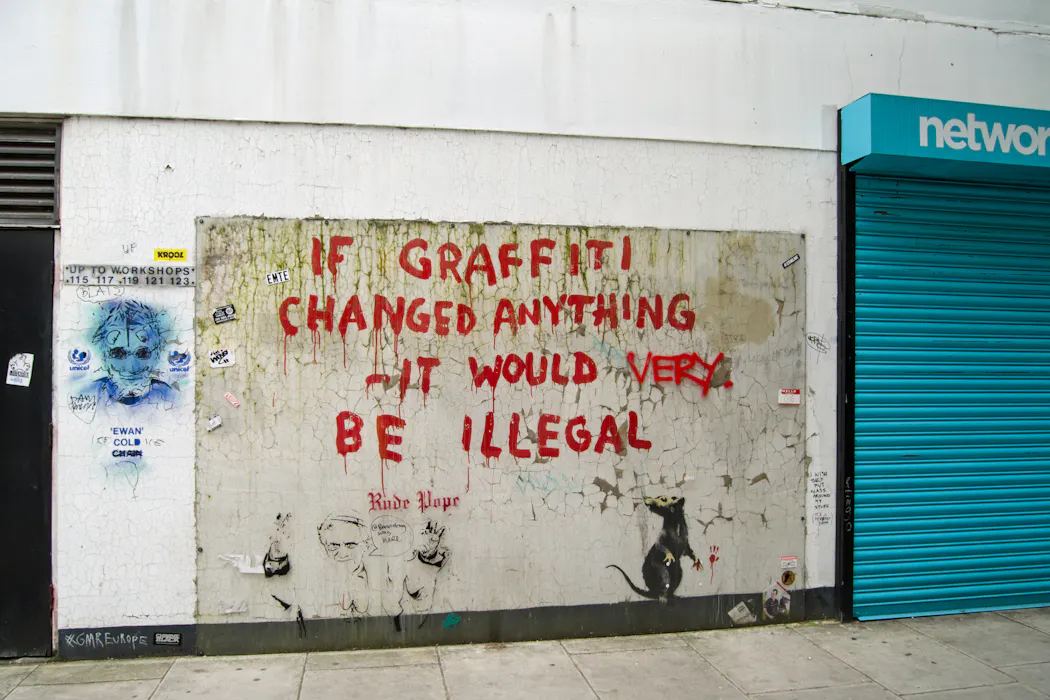
The British artist Banksy, who is in part famous for being anonymous, has seemingly been unmasked – again. On March 13, Reuters published an investigation that claims to have “revealed, beyond dispute, Banksy’s true identity”.

This is not the first time Banksy’s identity has ostensibly been made public. In addition to previous journalistic inquiries also cited by Reuters, an academic article titled Tagging Banksy: Using Geographic Profiling to Investigate a Modern Art Mystery was published in Journal of Spatial Science almost ten years ago to the day the Reuters story came out.

The article used a mathematical method that looked at where Banksy’s graffiti appeared to figure out where the artist might live and work, and their results pointed to a specific person as likely being the artist. I argued at the time that the authors’ decision to publish the name of a person they believe to be Banksy was ethically problematic. It seemed to serve no scholarly purpose and to have primarily been done to attract media attention to what is otherwise a niche academic study.

The Reuters investigation comes across as a thoroughly researched piece of journalism. However, the investigation’s detailed account of how Banksy was ostensibly identified leaves another question unanswered: how does exposing Banksy’s identity benefit the public?

The power of anonymity

The Reuters investigation claims that “the public has a deep interest in understanding the identity and career of a figure with his profound and enduring influence on culture, the art industry and international political discourse”. I disagree.

Banksy’s career and cultural influence are already well documented. It is not clear how naming the person behind the mask provides significant additional insights into their work or impact.

The longstanding mystery about Banksy’s identity has played an important role in building the myth of a larger-than-life figure whose work could turn up anywhere at any time. Banksy’s work is conceptually, technically and contextually accomplished – and often socially relevant. But it is the myth surrounding the artist that continues to inspire a fascination that goes beyond individual artworks. Anonymity and secrecy are fundamental to the artist’s oeuvre.

Some art experts have questioned the intentions of the investigation

The Reuters investigation argues that Banksy is a public figure and as such is “subject to scrutiny, accountability, and, sometimes, unmasking”. However, as noted by a commenter in a Reddit discussion started by one of the Reuters journalists, it is not clear “how naming him somehow increases his transparency or accountability”.

On a practical level, anonymity has made it possible for Banksy to create work around the world without much interference from authorities or, indeed, fans. The attention given to a London builder previously “identified” as Banksy (though this was later disproved) suggests that the latter group could make life difficult for the artist, as well as anyone else bearing the legal name now attributed to Banksy by Reuters.

At least as important, though, is that anonymity enables the public to project their own ideas on to both artist and artwork. For example, it has been suggested that Banksy might be a woman.

As cultural studies scholar Sofia Pinto has pointed out, this idea may rest on stereotypical notions of what constitutes feminine traits in culture and art. This includes the artist’s focus on social justice and “capacity for imagining being in someone else’s shoes”. However, the point is not Banksy’s actual gender. It is rather that the artist’s anonymity allows viewers to speculate and fill in the blanks.

The idea that Banksy could be anyone surely has broadened the artist’s appeal and may also have inspired people who do not look like – or have the same background as – Banksy to engage in street art or other creative endeavours.

The Reuters journalists have quoted German art historian Ulrich Blanché, who likens the search for Banksy’s identity to a treasure hunt. While this metaphor may seem apt, a treasure hunt does not necessarily entail taking the whole treasure for yourself – especially if doing so spoils the fun for everyone else.

At this troubled time in history, when it can seem increasingly difficult to meet the world with a sense of wonder rather than cynicism, why deprive the public of the enigma that is an integral part of Banksy’s oeuvre? The vague notion that revealing the identity of the person behind Banksy is somehow in the public interest fundamentally misjudges the function and importance of the artist’s anonymity.

The Conversation

Peter Bengtsen does not work for, consult, own shares in or receive funding from any company or organisation that would benefit from this article, and has disclosed no relevant affiliations beyond their academic appointment.

ref. Banksy’s identity may have been published – but was the investigation in the public interest? – https://theconversation.com/banksys-identity-may-have-been-published-but-was-the-investigation-in-the-public-interest-279140

On Passover, some Sephardic Jews revisit not only the story of their ancestors, but also their Ladino language

Source: The Conversation – USA (3) – By Bryan Kirschen, Associate Professor of Spanish and Linguistics, Binghamton University, State University of New York

Decorated ‘guevos haminados,’ or slow-cooked eggs, are a common Passover food for Sephardic Jewish families. sbossert/iStock via Getty Images Plus

When Passover arrives each spring, Jewish families around the world gather at their tables to retell a story passed down for thousands of years. At ritual dinners known as Seders, they recount the Exodus, the biblical story of the Israelites’ liberation from slavery in Egypt – asking questions, singing songs and explaining the meaning behind symbolic foods like matzo.

In the United States, most Seders move between English, Hebrew and Aramaic, which was once the lingua franca of much of the ancient Middle East. In some homes, another language joins the table: Ladino, a form of Judeo-Spanish that Jews carried across the Mediterranean after being expelled from Spain in 1492.

Multilingualism has long been part of Jewish tradition. For Sephardic Jews who spent centuries in Ottoman and Muslim lands after their forced exodus from Spain – or Sepharad, as it is called in Hebrew – Ladino has played a central role at Passover. For many families today, the holiday provides a rare opportunity to hear the now-endangered language spoken aloud – a focus of my sociolinguistic research.

My work with Sephardic communities has demonstrated the ways in which the language is preserved across generations. Just as the story of Passover is transmitted each year, the holiday also provides a recurring encounter with Ladino.

A message in Judeo-Spanish about Passover from Dallas resident Rachel Amado Bortnick, who is originally from Izmir, Turkey.

Spanish roots

To the ear, Ladino sounds very much like Spanish. However, it has been shaped by many other languages with which its speakers have come into contact: Hebrew, Arabic, Portuguese, French, Italian and Turkish, to name a few.

To the eye, however, Ladino used to look very different; it was traditionally written in Hebrew-based characters. Over the past century, most people who write the language have used the Latin alphabet.

A piece of paper filled with black script in Ladino in the Hebrew alphabet.
A handwritten Haggadah – or ‘Agada,’ in Ladino – from the late 1800s. The text, which is used during Passover Seders, includes Aramaic, Ladino and Hebrew.
Bryan Kirschen

Meanwhile, Ladino speakers assimilated to the majority languages of their countries – that is, if they were not from communities entirely wiped off the map during the Holocaust. Today, Ladino is an endangered language, spoken mostly by older Sephardic Jews.

However, since the turn of the 21st century, speakers from around the world have found new opportunities to communicate with each other, especially online.

Most speakers can be found in Israel, Turkey and the United States. A 2025 report from JIMENA, a Jewish nonprofit based in California, estimates that about 10% of Jews in the U.S. are Sephardic and/or Mizrahi. The latter term includes other populations of Jews from around the Middle East and North Africa. The Pew Research Center estimates that 4% of American Jews are Sephardic or Mizrahi, and another 6% say they are a combination of those groups and Ashkenazi – the term for Jews with ancestors from Eastern Europe.

Two varieties

“Ladino” is regularly used to refer to the everyday spoken language of Judeo-Spanish. Many native speakers simply call it “Spanyol” or “Espanyol.”

However, some speakers and scholars use the term “Ladino” to refer to a very particular variety: the form of the language found in religious materials like the Haggadah, the text that guides the Seder ritual. For many Sephardim, the word “Haggadah” also refers to the Seder itself.

This variety of Ladino preserves the structure of Hebrew, using a word-for-word translation – what linguists call a “calque.” For example, a native speaker might say “esta noche,” as in other varieties of Spanish, to refer to “tonight.” The Ladino textual tradition, though, reads “la noche la esta.” This mirrors the word order of the Hebrew phrase: “ha-laylah ha-zeh,” or “the night the this.”

That this practice has endured for centuries is both remarkable and, in some ways, unsurprising.

Sephardic populations once regularly spoke Judeo-Spanish as an everyday language, reserving the calque variety for religious or instructional contexts. Today, though, the spoken language is rarely transmitted to younger generations and has entered what linguists call a “post-vernacular” phase.

Many Sephardic Jews have completely lost the language of their ancestors, but others have preserved it and even found new ways to use it. One New York native with Sephardic roots in Turkey who I interviewed said she uses Ladino not just with relatives, friends and students, but even with “neighbors and Uber drivers, who are very interested in knowing more; when speaking to animals; or thinking by myself.”

Sephardic practices at Passover explained in an online ‘Enkontro de Alhad’ program, conducted in Judeo-Spanish.

Still, the calque variety – the word-for-word translation from Hebrew – persists. Importantly, someone does not need to be fluent in the spoken language to participate, just as many Jews can recite prayers, lists and songs in Hebrew and Aramaic without necessarily being able to communicate in those languages. In this sense, engaging with multiple languages is a natural part of Jewish cultural practice.

Honoring tradition

Just as Passover tells the story of the ancient Israelites’ exodus and liberation, the use of Ladino today is a story of survival.

In my research, American Sephardim share that it is important to preserve their families’ heritage, referring to themes such as tradition, ancestry, memory and nostalgia. One Los Angeles native with roots in Turkey and Greece noted that it’s important “to honor our family members who survived to pass things along to us … to create new memories for the next generation. I think my kids cherish that their Passover is different from others.” Another, a Seattle native with roots on the Greek island of Rhodes, said, “I want to keep it alive in some way or another. And the only way I’m able to do that is by using it at the Seder.”

A page from an illuminated manuscript with a flowered border and ornately colored Hebrew letters.
The ‘Sarajevo Haggadah,’ a 14th-century manuscript, originally came from a Sephardic Jewish community in Spain.
Zemaljski Muzej via Wikimedia Commons

Beyond the read-aloud portions of the Haggadah, Sephardim of different generations keep Judeo-Spanish alive through songs and cuisine. Traditional dishes include “mina de karne,” meat pie; “keftes de prasa,” leek patties; “guevos haminados,” slow-cooked eggs; “bimuelos,” fried fritters; and even “arroz,” rice – a staple in some communities, but less common in others.

The Seder provides many different ways to engage with the language, often alongside older generations who acquired varying degrees of proficiency from their forebears. One Los Angeles native whose family came from Rhodes shared that all five generations of her family and their guests sing Ladino songs like “Un Kavretiko” – which many other Jews know as “Chad Gadya,” or “One Little Goat” – and “Ken Supiense,” or “Who Knows One?” Each family makes deliberate decisions about language use, customizing traditions and even the Haggadah text to suit their cultural and linguistic needs.

Like the Passover story itself, Ladino persists through the voices of relatives who learned the language from generations before them. For many Sephardic families, the Passover Seder remains one of the few moments each year when these sounds return to the table, linking the past and present through shared practices of storytelling, memory and language.

The Conversation

Bryan Kirschen is affiliated with the American Ladino League.

ref. On Passover, some Sephardic Jews revisit not only the story of their ancestors, but also their Ladino language – https://theconversation.com/on-passover-some-sephardic-jews-revisit-not-only-the-story-of-their-ancestors-but-also-their-ladino-language-278290

US troops in Nigeria to help fight terrorism could end up making it worse – analyst

Source: The Conversation – Africa (2) – By Saheed Babajide Owonikoko, Researcher, Centre for Peace and Security Studies, Modibbo Adama University of Technology

The recent deployment of US soldiers in Nigeria to assist the west African country in its counterterrorism campaign could worsen Nigeria’s insecurity.

It might be perceived as a sign of weakness; deepen religious divisions; widen the rift between the Economic Community of West African State (Ecowas) and the breakaway Alliance of Sahel States (AES); provoke terrorist attacks; and hinder the development of Nigeria’s armed forces.

Since Nigeria’s 1999 transition to civil rule, insecurity has worsened in the country’s northern regions. In 2024, 9,662 people were killed nationwide, 86% of them in the north. In 2025, violent deaths rose to 11,968, with northern Nigeria still the most affected.

The first batch of US soldiers was deployed barely two months after the US bombed militants in Nigeria’s north-west on Christmas Day 2025.

The director of defence information at Nigeria’s defence headquarters said the US troops’ presence would give Nigerian troops access to specialised technical capabilities. This would strengthen Nigeria’s ability to deter terrorist threats and enhance the protection of vulnerable communities across the country.

This is not the first time foreign boots have been brought into Nigeria since its independence in 1960. Foreign soldiers were deployed to fight the Nigerian Civil War, and to re-professionalise the Nigerian Armed Forces.

Between December 2014 and April 2015, Nigeria is said to have hired a private military company called Specialised Tasks, Training, Equipment and Protection (STTEP) International, involving 100 to 250 South African ex-soldiers, for a direct combat role against insurgents in Maiduguri. The government denied this.

Now is the first time US soldiers will be deployed in a combat-related operation as part of Nigeria’s counterterrorism efforts. Among members of the public, there are divided opinions over this.

As a security scholar who researches Nigeria’s security crises, I have serious concerns that the deployment of US soldiers in Nigeria, regardless of their number, may exacerbate insecurity rather than improving it.

Why it may backfire

The armed forces of any country are an emblem of sovereignty. Foreigners in a combat operation against terrorism in another country may be framed domestically as a loss of control over security.

The US has long sought to station its Africa Command (Africom) in Nigeria. Nigeria resisted this, largely due to the sovereignty issue, regional politics in Ecowas and other strategic calculations. Since the US Christmas Day bombing, President Bola Tinubu has come under heavy criticism for not being able to truly act as commander-in-chief while a foreign power handles the security.

What is more, President Donald Trump has widened existing religious divisions across Nigeria by:

  • framing Nigeria’s security challenge as persecution of Christians

  • declaring Nigeria a country of particular concern

  • threatening to deploy the US military to Nigeria unilaterally to defend Christians.

Given this context, US boots on the ground in Nigeria may feed into several conspiracy narratives. One is the perception that the US is seeking access to Nigeria’s critical mineral resources.

It could reinforce the Alliance for Sahelian States-Ecowas crisis, deepening the security conundrum in the Sahel. Nigeria would likely be the most affected.

After the coups in Mali, Niger and Burkina Faso, and Ecowas efforts to force the coupists to return power to civilians, the Alliance of Sahel States formed and disengaged with western powers. Animosity developed between the two regional groupings.

The Alliance of Sahel States countries, which used to be allies of France and the US, have now shifted to Russia and China. Niger’s junta ordered the withdrawal of over 1,000 foreign military personnel and closure of US facilities, including a drone base in Agadez.

Russia currently has at least 1,500 foreign troops, tagged as the African Corps (previously Wagner), fighting in Mali alone.

The deployment of US troops to Nigeria, given the context of fracture within Ecowas and the shift in foreign alliances, could lead to an escalation of insecurity in the region.

Thirdly, the US is the global arrowhead of westernisation that most Islamist terrorist organisations usually select as the target of attacks. Boko Haram attacks in Nigeria and the support it gets from foreign terrorist organisations like al-Qaeda and ISIS are due largely to the perception that Nigeria is a proxy for the US.

With US soldiers in Nigeria, Nigeria’s value as a target for terrorist organisations may increase. There are already signs that terrorist attacks are escalating in Nigeria since the Christmas Day bombing.

Even with US troops deployed to Nigeria’s north-east, terrorist attacks have become more daring. On 5 March, Islamic State West Africa Province attacked military bases in Borno State. Several high-ranking military officers were killed and arms and ammunition were carted away.

If US forces are attacked, Trump is more likely to deploy more soldiers.

This was the case in Somalia in May 2017. Trump expanded US military operations in Somalia after a US Navy Seal was killed by al-Shabaab.

Even if the presence of the US soldiers in Nigeria is to help Nigerian Armed Forces in operational capacities such as intelligence, surveillance and reconnaissance, logistics and air power manoeuvres, heavy reliance on the US could weaken the long-term development of the Nigerian Armed Forces.

What to do

US support is key to Nigeria’s improved capability to address its security challenge, but this should not take the form of US military boots on the ground in Nigeria. It can come in the form of training support and supply of precision equipment. That would help to address critical shortages that affect Nigeria’s ability to deal with insecurity.

The Conversation

Saheed Babajide Owonikoko does not work for, consult, own shares in or receive funding from any company or organisation that would benefit from this article, and has disclosed no relevant affiliations beyond their academic appointment.

ref. US troops in Nigeria to help fight terrorism could end up making it worse – analyst – https://theconversation.com/us-troops-in-nigeria-to-help-fight-terrorism-could-end-up-making-it-worse-analyst-278112

Anthrax-causing bacteria have dwelled in soil for centuries – cycling through people, animals and earth

Source: The Conversation – USA – By Hannah Kinzer, Ph.D. Candidate in Public Health, Washington University in St. Louis

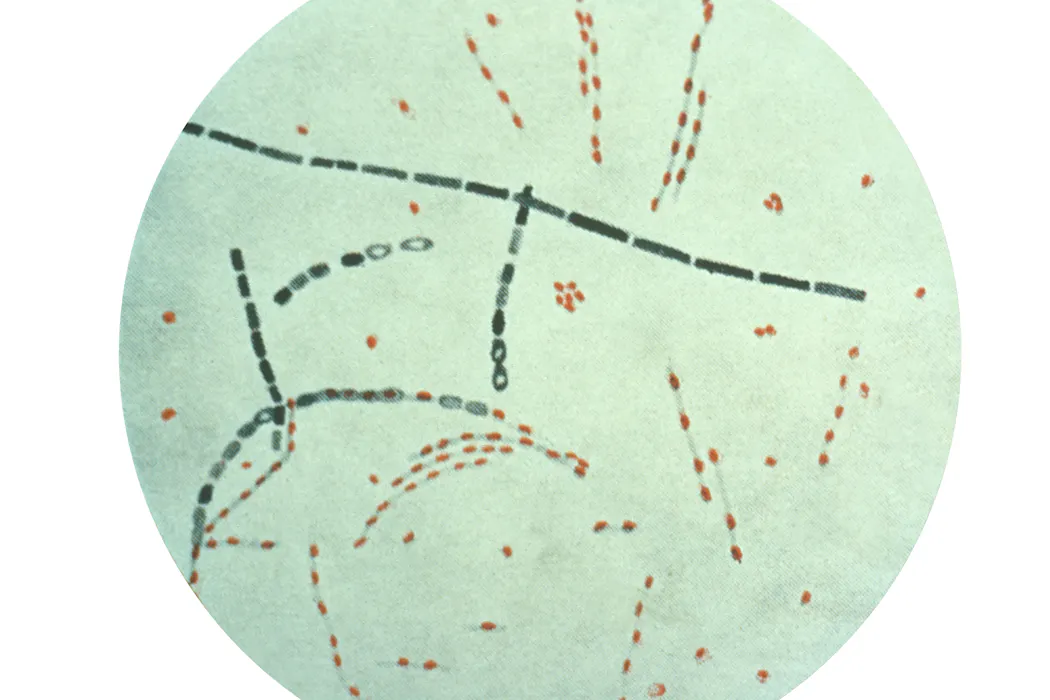
Without timely treatment, _Bacillus anthracis_ can cause fatal infection. CDC

The bacteria that cause deadly anthrax disease persist in the earth, a place their ancestors preferred over petri dishes and blood-filled tissues.

The bacteria that cause anthrax are called Bacillus anthracis. In the soil, they hang out and can form communities around plant roots. They also interact with neighboring organisms, though they’re an admittedly less-than-ideal neighbor to the soil-dwelling amoebae they infect and kill.

As a public health researcher, I am fascinated by how diseases move among people, animals and the environment. When I worked in a state health department, I was surprised to learn how the bacteria that cause anthrax cycle between land and the animals that rely on that land – including people.

Anthrax in the ecosystem

Give these bacteria alkaline-rich dirt, calcium and some nitrogen, and they happily subsist in the ground. If the temperature, humidity or acidity is not favorable, these bacteria can also slumber for decades in a spore form – underfoot and forgotten by nearly all except cattle.

Cattle, deer and other large herbivores disturb the abodes of bacteria. They sometimes unintentionally eat anthrax spores along with their food or are exposed to them through a cut. After anthrax spores enter the animal’s body, immune cells known as macrophages pick up these spores for removal. But instead of being destroyed like other intruding pathogens, the spores germinate and multiply.

Microscopy image of two or three long, thin orange rods being swallowed by two yellow blobs
Immune cells (yellow) engulfing anthrax bacteria (orange).
Volker Brinkmann/Wikimedia Commons, CC BY-SA

Once the spores take the form of bacteria, they can also mount an aggressive offensive. Anthrax bacteria can cleave vital proteins with toxins and wreak havoc on their cellular adversaries. Cattle succumb to the bacteria within days if left untreated – sometimes within 48 hours of infection.

Through the cattle’s death, the bacteria are brought back to the earth to vegetate or sporulate once more.

Humans seeding anthrax

People can get caught in the life cycle of Bacillus anthracis.

Throughout history, humans and animals have seeded new lands with Bacillus anthracis spores. The spores are hardy travelers: They can survive for over 50 years and are resilient to dehydration, radiation, toxic chemicals and enzymatic degradation.

Anthrax in early Egypt may have been one of the plagues described in the Bible. Animal husbandry texts in China have described anthrax for millennia. French explorers brought Bacillus anthracis spores to American soil in the early 1700s.

While people usually spread anthrax accidentally, there are infamous examples of anthrax spread on purpose.

In the 1930s and ’40s, Japanese military leaders released anthrax spores in Chinese villages, killing thousands of people. On Sept. 18, 2001, envelopes of spores were mailed to American media and congressional leaders, killing five people.

The weaponized use of Bacillus anthracis spores brings to mind white powder rather than the brown earth where they naturally lie.

Close-up of person handling envelope with gloved hand and pliers held in a plastic cover over a platform with the word 'ANTHRAX' in a red no symbol
Anthrax has been sent through the mail as an act of bioterrorism.
Pool Demange/MARCHI/Gamma-Rapho via Getty Images

Anthrax underfoot

Most cases of human anthrax result from working with animals – an occupational hazard for tanners, wool sorters and butchers.

Anthrax in people manifests as blisters and dark sores when a person is exposed to the spores through an open wound. When spores are inhaled, symptoms include fever, nausea and chest pain. Very few people ingest the bacteria or spores, but those who do typically get them from eating undercooked meat from an infected animal. Symptoms include vomiting, stomach pain and bloody diarrhea.

Inhalation anthrax is the most deadly type of anthrax. While researchers have estimated that 95% of people with inhalation anthrax die, this is based on historical outbreaks when patients often did not have timely diagnosis or treatment.

Treatment for anthrax includes antibiotics and monoclonal antibodies. William Smith Greenfield developed a vaccine to prevent anthrax around the same time that Louis Pasteur developed one in 1881. However, anthrax vaccines are currently recommended only for people at high risk of anthrax exposure, including animal handlers and U.S. military members.

Anthrax ecology

The bacteria that cause anthrax are forever associated with weapons that destroy people, overshadowing their ecologically complex role in animals and soils that sustain humanity.

In the soil, they interact with other organisms and plants in ways scientists are only beginning to understand. In animals, they are part of the circle of life and death that maintain populations.

Beneath the ever-expanding footprint of civilization, anthrax bacteria will continue to be inseparable from the earth that humans walk upon.

The Conversation

Hannah Kinzer does not work for, consult, own shares in or receive funding from any company or organization that would benefit from this article, and has disclosed no relevant affiliations beyond their academic appointment.

ref. Anthrax-causing bacteria have dwelled in soil for centuries – cycling through people, animals and earth – https://theconversation.com/anthrax-causing-bacteria-have-dwelled-in-soil-for-centuries-cycling-through-people-animals-and-earth-278288

Pittsburgh’s post-steel economy is a success – and a warning for other cities

Source: The Conversation – USA (2) – By Christopher Briem, Regional Economist, Center for Social and Urban Research, University of Pittsburgh

Slow and steady growth in higher education and health care led to economic advantages for Pittsburgh. YT412/iStock via Getty Images Plus

Few regions pose as much of an economic conundrum as Pittsburgh.

Is the city and region – once the center of American steelmaking – a paragon of postindustrial transformation, or a left-behind region still struggling to move beyond its industrial past?

I’m an economist at the University of Pittsburgh and author of the new book “Beyond Steel: Pittsburgh and the Economics of Transformation.” In it, I attempt to reconcile the economic paths that have shaped modern Pittsburgh as the city tries to redefine itself.

One core question is not why the steel industry in Pittsburgh collapsed, but why steel production remained so concentrated in the region for so long.

Past researchers foretold with uncanny accuracy the problems the region would face if it did not move away from its monolithic dependence on the steel industry. One prognostication, made by two University of Pittsburgh economists in the 1960s, stands out more than others.

Pittsburgh’s rebrand gets a global stage

When, in May 2009, White House Press Secretary Robert Gibbs announced that Pittsburgh would host the G20 Summit of world leaders that fall, the assembled journalists of the White House press corps presumed it was a lighthearted joke before Gibbs jumped into the substance of the day’s briefing.

A thin Black man in a suit and red tie speaks at a podium with world flags behind him.
President Barack Obama announced that Pittsburgh would the site of the 2009 G20 Summit, a choice meant to showcase the city’s postindustrial transformation.
Scott Olson via Getty Images News

Yet Gibbs was not joking. At the height of the Great Recession between 2007 and 2009, Pittsburgh was purposely chosen because of its history of overcoming past economic trauma and building new prosperity.

It would be a vision of Pittsburgh repeatedly highlighted by foreign media upon their arrival in Pittsburgh that fall for the summit. More than one major publication described Pittsburgh as “no longer hell with the lid off,” a play on a historical description of the city dating to the 1860s.

That idealized story is based on real change in a region that suffered extraordinary structural decline when a century of dependence on heavy industry imploded in the 1970s. Yet it is a story that needs to be tempered by the chronic poverty and lack of development in many former mill towns of southwestern Pennsylvania, which have not shared in the greater region’s redevelopment. Some communities, including Braddock – ironically, where Andrew Carnegie began his steelmaking empire in the 1870s – remain among the poorest in the nation.

How Pittsburgh reinvented itself

University of Pittsburgh economists Edgar M. Hoover and Ben Chinitz led a multiyear study of Pittsburgh’s regional economy funded by the Ford Foundation, a private foundation that works to advance human welfare, at the beginning of the 1960s. They described the economic study as an “immersion in regional economics.” Their four-volume distillation of all aspects of the Pittsburgh economy foretold the decline the region would face due to the shifting economic geography of the steel industry and Pittsburgh’s extreme lack of industrial diversification – things local leaders commonly saw as strengths.

Their comprehensive work left little doubt about Pittsburgh’s fate if the city stayed its course. But moving away from steel proved far too difficult for regional civic and business leaders, as the region was almost entirely dependent on steel production and related industries. By putting off real economic change, the collapse of the 1980s was even more painful when it finally arrived.

A man in a hard hat and reflective vest looks at an industrial fire.
After the steel industry collapsed in the 1980s, Pittsburgh reinvented its economy around health care, education and technology.
Michael Mathes/AFP Collection via Getty Images

Hoover and Chinitz’s message applied far beyond Pittsburgh. Pittsburgh may have been an extreme case, but they knew that all U.S. regions needed to learn to adapt in the face of accelerating and inexorable change. At the core of their thesis was the idea that many of the geographic linkages that had long bound certain industries to certain regions – like automotive in Michigan and meatpacking in the Midwest – were weakening. Just as the Pacific Northwest no longer relies on the timber industry, or as coal has failed to sustain prosperity in West Virginia, no region can rely on past dominance in any industry to ensure future prosperity.

Among other shifts they projected, Hoover and Chinitz foresaw that future competition between regions would not rest upon the ability to attract and retain specific industries. Instead, the success of regions would rest on their ability to attract and retain workers, something many regions long took for granted.

Workers and their families value regional amenities, affordability and many other factors that historically had little impact on corporate site selection. Today, the factors that make a region a place where workers want to live and work, like a strong job market, access to a quality education and affordable housing, shape the pattern of growth and decline among and within regions.

For Pittsburghers, whose city had for so long been singularly defined by the production of steel, the idea that industrial competitiveness was not paramount bordered on apostasy.

What other cities can learn from Pittsburgh

Pittsburgh’s transformation is incomplete, and ongoing. Looking ahead, history teaches us that all regions in the U.S. need to consider any current economic successes as temporary, eventually to be eviscerated by changing circumstances. Envisioning a future without steel was once an inconceivable scenario for Pittsburgh.

One of the key challenges Pittsburgh faced after the decline of steel was the significant loss of workers fleeing deindustrialization. At its economic rock bottom in the 1980s, Pittsburgh saw an exodus of young workers who saw their economic futures elsewhere. Those workers took with them their families and their future families, compounding and extending the repercussions of past job destruction. Rebuilding a competitive workforce took a career-span length of time, but is in many ways the core of Pittsburgh’s rebound.

Slow and steady growth in higher education and health care, and enviable success at research investment in tech, has built new competitive advantages. National firms including Google, Apple, Amazon and others have set up significant local operations to take advantage of the region’s current concentration of skilled workers.

The silhouette of a city in the background of a busy street.
One of the key challenges Pittsburgh faced after the decline of steel was the significant loss of workers.
UCG/Universal Images Group via Getty Images

Again, success is not spread evenly across the region. Where Pittsburgh’s new workers want to live, long-depressed communities, like Lawrenceville and East Liberty, have turned around, but where local amenities are lacking, depressed communities are finding it ever harder to abate decline. Many workers no longer need to live close to their jobs. Location of a major firm or factory is rarely enough to catalyze sustainable and prosperous communities.

It appears we are living in the future foretold by Ben Chinitz and Edgar M. Hoover. The message that workforce is crucial to economic development is now accepted in a way that was once difficult to accept. But workforce advantages, like most competitive advantages that regions have today, are fleeting.

The Conversation

Christopher Briem does not work for, consult, own shares in or receive funding from any company or organization that would benefit from this article, and has disclosed no relevant affiliations beyond their academic appointment.

ref. Pittsburgh’s post-steel economy is a success – and a warning for other cities – https://theconversation.com/pittsburghs-post-steel-economy-is-a-success-and-a-warning-for-other-cities-276814

Food aid doesn’t make people loafers – research shows government benefits help low-income people find jobs

Source: The Conversation – USA (2) – By Claudia Strauss, Professor of Anthropology, Pitzer College

Millie Morales believes in hard work.

“I feel that as an American citizen, we all have a great opportunity to be able to improve our life,” the 58-year-old woman explained in an interview I conducted with her in 2025. “Are you willing to put in the work, or are you not?”

Morales, whose name I changed to protect her privacy, was a stay-at-home mom devoted to caring for her large family. After her divorce, she worked at social service agencies and enrolled at a local college. Then her ex-husband stopped paying for child support, and she and her eight children faced eviction.

She said she is very grateful for the government benefits she received for the first time, including the Supplemental Nutrition Assistance Program, which helps low-income Americans buy groceries.

Those benefits made it possible for her to keep putting food on the table and remain housed until she earned a college degree and obtained jobs that could pay those bills. Now she assists families dealing with difficult medical decisions, a job that makes her feel she is able to help others through hard times in their lives.

Learning how people think about work

Morales is one of more than 100 Americans I have interviewed for my research on how people think about work and about government assistance. Currently, I am updating the research on how Americans think about government assistance, which is how I met Morales. Not all of the participants in these projects received SNAP benefits before or after these interviews.

But among those who had, I found her experience typical: SNAP provided a crucial source of support while they looked for work. With the exception of a few in their late 50s and 60s who faced age discrimination and eventually retired, all persisted until they found another job.

My research highlights that most of the people who get benefits through SNAP and other government programs want to work. And SNAP supports their work ethic.

Many Americans need jobs and benefits

A study co-authored by a group of people who got SNAP benefits and an academic research team found that most of the people with benefits would have preferred not to have to turn to the government for help. They get benefits only because their jobs tended to be precarious and pay too little to meet their basic needs.

The average SNAP benefits, which many people refer to as food stamps, as of 2025 are US$188 per person per month, which comes to about $6 a day. About 42 million low-income Americans receive them.

It’s worth noting that 58% of the people who get SNAP benefits are either under 18 or 60 and up. Many of the rest have disabilities of their own or are caring for young children or someone with disabilities – or fall into a combination of those three categories.

SNAP cuts are on the way

Morales was able to obtain the help she needed, but I also spoke with others who needed help and whose applications were denied. Now the holes in the safety net are growing.

Some provisions in the large tax and budget bill that Congress passed in July 2025 could jeopardize the SNAP benefits for millions of Americans.

For example, it expanded the number of people who will be subjected to a three-month limit on SNAP benefits.

And for the first time, the federal government will no longer cover the full cost of benefits; this will start with the 2028 fiscal year, which begins on Oct. 1, 2027. The big 2025 tax and budget package will also halve the federal government’s share of states’ administrative costs, starting Oct. 1, 2026.

Many states may have no choice but to reduce or eliminate benefits, threatening support for millions of Americans.

Agriculture Secretary Brooke Rollins, whose department oversees SNAP, has said the new rules will “reflect the importance of work and responsibility.”

In other words, the new rules presume that SNAP benefits undermine recipients’ work ethic. There are exceptions, of course, but my research and that of others shows that presumption is wrong for most people who receive those benefits.

How SNAP affects a willingness to work

The government first imposed work requirements for most working-age adults to receive food stamps in the 1970s. It has set time limits for most “able-bodied adults without dependents” since 1996, making some exceptions during severe recessions.

Among families that include children and working-age adults without disabilities who receive SNAP benefits, more than 9 in 10 include someone with a job.

These requirements can become counterproductive when people who get SNAP benefits have to miss work, for example, to provide proof of their employment track record because their caseworkers have lost their paperwork.

A real-world SNAP experiment

Economists Jason B. Cook and Chloe N. East noted in a study originally published in 2023 and revised in 2025 that the caseworker an applicant is assigned can affect whether someone’s SNAP application gets approved.

Caseworkers don’t make the approval decisions, but they vary in their diligence in ensuring that applicants answer all the required questions. Applicants who are unlucky in the caseworker they are assigned are less likely to provide all the relevant information, leading to a denial.

Comparing applicants who were randomly assigned to more helpful or less helpful caseworkers, the economists followed what happened to nearly 200,000 SNAP applicants in one state, tracking their employment and earnings for three years whether or not they received SNAP benefits.

If Secretary Rollins is right that SNAP benefits undermine a work ethic, someone who doesn’t receive benefits should be working more than someone who is the same in other ways but does receive benefits. But that’s not what Cook and East found.

The economists found that for people who had previously held steady jobs, those who received SNAP benefits were far more likely to be working again two and three years later than the ones who were denied benefits.

And they were earning more money as well.

They also found that for SNAP applicants who had not worked steadily before applying for benefits, receiving benefits made no difference to their future employment.

In other words, SNAP benefits and similar programs that help people facing economic hardship can make someone more likely to earn income rather than less so. They do this by providing some of the money low-income people need to put food on the table so they can focus on finding a good job.

As Millie Morales put it, “If I don’t have a decent place to eat and sleep and shower and take care of myself, how am I then supposed to go look for a job, or go to a job, or go to school?”

The Conversation

Claudia Strauss has received funding from NSF and the Wenner-Gren Foundation. No current funding.

ref. Food aid doesn’t make people loafers – research shows government benefits help low-income people find jobs – https://theconversation.com/food-aid-doesnt-make-people-loafers-research-shows-government-benefits-help-low-income-people-find-jobs-275659