The economics of war extend far beyond energy prices and stock markets

Source: The Conversation – Canada – By Junaid B. Jahangir, Associate Professor, Economics, MacEwan University

In the aftermath of the 2008 financial crisis, student groups pushed for curriculum change in economics. They wanted to learn about real-world economics beyond the stylized models that embroil students in mathematics.

As an economics professor, my own students have asked me about issues like Gaza and Iran, when textbooks aren’t much help. Based on their input, I’ve revamped the way I teach economics by complementing standard textbook economics with alternate perspectives.

The courses I now teach include the Economics of Racism, the Economics of Inequality and the Economics of Gaza, which has been translated to Arabic by the Iraqi Economists Network.

These new courses reveal that the economics of war go beyond the impact on energy, stock markets and inflation.

Democracies instigate war

It’s usually believed that dictators start wars to legitimize their rule. However, 2024 research suggests that democratically elected leaders often instigate war due to the right-wing populism and nationalism that arise because of inequality and precarity in advanced economies.

This helps shed light on why democratically elected leaders like Donald Trump and Benjamin Netanyahu have initiated wars against theocracies like Iran.

Such democratically elected leaders use propaganda to demonize the enemy and paint conflict as an existential threat, even when it could be solved through diplomacy.

Big Oil

The military-industrial complex is notably absent from economics textbooks. It’s a system based on the military establishment and arms industry, which wields power and influence over the government.

But its very existence challenges the idea of consumer sovereignty — the military-industrial complex, after all, attempts to generate public support for war to maximize profits, captures the government (where private corporate interests influence government regulation to supersede public interest) and lobbies for large military budgets.

Companies like Lockheed Martin, Boeing, Raytheon and Northrop Grumman profit from conflict because they provide great investment opportunities during wars. Defence stocks soared in value, for example, during Israel’s assault on Gaza. Despite uncertainty, there have also been gains for defence contractors due to the ongoing war in Iran.

In terms of the Gaza situation, large oil companies don’t gain much by the production of oil; it’s the exercise of power and war that benefits them. Energy conflicts like the 1991 Gulf War or the ongoing war in Iran, which reflect control or disruption of resources, are followed by above-average returns of leading oil companies.

In other words, both the military industrial complex and Big Oil profit from war.

Unintended consequences

War also contributes to climate costs, post-war debt burden and refugee flows. It also increases the likelihood of terrorism.

This is reflective of the law of unintended consequences — in other words, bombing to curb terrorism instigates more terrorism. The economics of terrorism shows that the structural root causes of terrorism — like apartheid, occupation and the economic grievances of citizens — must be addressed to truly end terrorism.

The law of unintended consequences also holds in the case of sanctions. In the Russia-Ukraine war, economic sanctions have ended up helping Russia because Russian oligarchs who previously supported integration with the West were forced to invest their massive wealth at home.

Similarly, bombing and sanctions on Iran have only strengthened its resolve to push back. Instead of citizens turning on the Iranian regime, a surge in Iranian nationalism is reportedly taking hold.


Read more:
War in Iran: Why destroying cultural heritage is such a foolish strategic move in any conflict


The petro-dollar system

Students of economics learn that the American dollar serves as the world reserve currency. Its demand arises from the petro-dollar system, where U.S. dollars are required to buy oil. In return for this system, the U.S. supposedly provides the so-called GCC countries — Saudi Arabia, United Arab Emirates, Qatar, Kuwait, Oman and Bahrain — with military protection.

These GCC countries then reinvest the petro-dollars in U.S. financial markets. This helps explain why the war on Iran goes beyond oil or uranium enrichment to the very viability of the petro-dollar system.

This petro-dollar system allows the U.S. to exercise economic power through access to cheap credit and the ability to sanction other countries. The rest of the world is dependent on this system because of its network effects. The analogy here is that of Facebook. Because of its size and scope, it would now be very difficult to replace it with another platform for social networking.

But the petro-dollar system is at risk if competing countries like China and Russia can shift other countries away from the U.S. dollar. Iran then becomes a focal point in this shifting multi-polar world order.

Demonizing dissenters

Conflict Economics defines genocide as acts committed or conditions generated with intent to destroy in whole or in part a racial or religious group.

It rejects the “mad Nazi thesis” that monsters cause evil, holding that bad acts are perpetrated by ordinary people because of obedience to authority. Malevolent attitudes and norms grow when leaders promote exclusionary ideas.

In the past, workers were labelled as “communists” for demanding labour rights. Today, Muslims are dehumanized as “terrorists” in democracies like the U.S. and India, even though imperial powers apply and withdraw that label based on their own interests at any given time.

War’s economic impact extend far beyond energy prices and stock markets. Studying the economics of war reveals that democracies can start wars and commit human rights abuses, corporations can profit, military force and sanctions can backfire and conflicts are tied to broader extractive systems — not just oil — as some privileged groups justify extreme violence without moral hesitation.

The Conversation

Junaid B. Jahangir does not work for, consult, own shares in or receive funding from any company or organisation that would benefit from this article, and has disclosed no relevant affiliations beyond their academic appointment.

ref. The economics of war extend far beyond energy prices and stock markets – https://theconversation.com/the-economics-of-war-extend-far-beyond-energy-prices-and-stock-markets-278718

Truth, or misinformation? A statistician explains the challenge of assessing evidence

Source: The Conversation – Canada – By Mu Zhu, Professor & Associate Dean, Faculty of Mathematics, University of Waterloo

When United States Health Secretary Robert F. Kennedy Jr. unveiled new dietary guidelines earlier this year to “Make America Healthy Again,” they received a mixed response.

Some organizations, including the American Heart Association, welcomed the renewed emphasis on vegetables, fruits and whole grains. Others were concerned about the promotion of red meat and whole-fat dairy or accused Kennedy of spreading “blatant misinformation that ‘healthy fats’ include butter and beef tallow.”

The word “misinformation” has become very common in media and popular discourse, sometimes for good reasons, because the lies that the word encapsulates can undermine democracy, impair health and fuel violence.

As associate dean of AI strategy in the faculty of mathematics at the University of Waterloo, I know many are especially worried that AI could worsen the spread of misinformation.

However, the word “misinformation” is also loaded. There seems to be a growing tendency for people to apply the label to just about anything that they may disagree with, rather than genuine lies.

As a professor of statistics, I think the inherent difficulty of assessing evidence may be partly to blame.

Is the die loaded?

Statements like “there is no evidence that eating red meat is harmful” or “there is evidence that full-fat dairy is bad for your health” are not so easy to substantiate.

This is partially because it’s often hard — though not impossible with advanced statistical techniques — to isolate the effect of a particular habit from a myriad of other entangled factors, whether genetic or lifestyle, that also affect health. This is why many research studies merely point to an “association” or a “correlation” between food consumption and health effect.

But even in clear-cut cases where no such entanglement exists, assessing evidence is still surprisingly difficult. For instance, suppose a die was rolled seven times and it showed an odd outcome (numbers one, three or five) on six of these occasions. In principle, odd and even outcomes are supposed to be equally likely.

Is the apparently skewed outcome evidence that the die may be loaded? Does this point to the possibility that someone may be cheating?

Using an evidential scale known as the p-value, one might argue “no,” since there is still a sizeable probability for a normal die to show an odd outcome from more than five of those seven rolls, so rolling six odd numbers is not as unexpected as it appears to be.

Using a different evidential scale known as the e-value, however, one could argue “yes,” since a die would be much more likely to show an odd outcome from six out of seven rolls if it were loaded than if it were not. So rolling six odd numbers is more consistent with the suspicion that the die may be loaded.


Read more:
Climate misinformation is becoming a national security threat. Canada isn’t ready for it


Scales of scientific evidence

Despite growing criticism, the p-value is still currently the most commonly used scale for judging scientific evidence. In other words, most scientists today have been taught in school that they should answer our question with “no, the die is not loaded.”

However, the opposite argument is not without merit. In fact, if I had made a fair bet that the die was loaded, the bookie would have had to reward me with a profit after observing the outcome of six odd numbers. This is what the e-value ultimately entails: a betting score. And if one can make a profit with such a bet, then the suspicion cannot be totally unreasonable.

But surely two opposite arguments cannot both be correct at the same time? Or can they? Both arguments require an implicit threshold to draw their respective yes, or no, conclusions. For the first argument, the threshold is: how big a probability — two per cent, five per cent or 10 per cent — is a “sizeable probability?” For the second, the threshold is: how much more likely — five times, 10 times or 25 times — is “much more likely?”

The two arguments are not fundamentally at odds with each other but, using different thresholds, one ends up saying “black” and the other “white” when reality is just a certain shade of grey. Indeed, their respective decision thresholds can be calibrated by statisticians so that they always reach the same conclusion.

A pile of variously iced donuts.
How do you weight the evidence, when deciding whether to eat a donut?
(Unsplash/Rod Long)

Let’s use ‘misinformation’ for genuine lies

But the average human being isn’t very good at performing this type of calibration psychologically. We are prone to reacting very differently when the underlying scale changes.

Would you continue to consume a delicacy if you were told that those who eat it regularly are 25 times as likely to develop cancer later in life as those who don’t? What if you were told that doing so will increase your probability of cancer from 0.01 per cent to 0.25 per cent?

You may decide to change your diet because you are fearful of the elevated risk. You may choose to continue with your existing diet because even the elevated risk is still not all that high.

Neither choice is strictly right or wrong. But today, I’m afraid to say: “I see no need to change my diet given the risks.” If I did, those who are enthusiastic about changing theirs might come together and accuse me of spreading “misinformation.” Such madness has to stop, before it completely destroys our social discourse.

The word “misinformation” should be reserved for genuine lies only, not conclusions decided by subjective thresholds, even if they are standard choices. Declaring there is or isn’t evidence simply because the p-value is below or above the conventional threshold has already generated far too many irreproducible findings.

To call something “misinformation” based on that kind of shaky evidence, or the lack thereof, will only obstruct true scientific progress.

The Conversation

Mu Zhu receives funding from the Natural Sciences and Engineering Research Council of Canada.

ref. Truth, or misinformation? A statistician explains the challenge of assessing evidence – https://theconversation.com/truth-or-misinformation-a-statistician-explains-the-challenge-of-assessing-evidence-278161

Why forest loss is making our watersheds leak rain

Source: The Conversation – Canada – By Adam Wei, Professor, Department of Earth, Environmental and Geographic Sciences, University of British Columbia

It’s a well-established fact that forests and water are deeply connected. For decades, paired-watershed experiments — a scientific method for evaluating land-use impacts on water quantity or quality — have shown that when we lose forests, the total amount of water flowing through our rivers tends to rise.

But a critical question has remained unanswered: does this extra water come from previous reserves, or is it simply “new” rain that the land is failing to hold?

In other words, is forest loss causing our watersheds to lose their internal integrity and leak like a sifter?

Our recent study at the University of British Columbia analyzed 657 watersheds across the globe. By using a tool called the Young Water Fraction, we found that forest loss significantly accelerates how fast precipitation travels through a landscape.

We estimate that for every one per cent of forest lost, the “young water” in our streams increases by about 0.17 per cent.

Crucially, our research reveals that it isn’t just about how many trees are cut down — it is also about the spatial patterns left behind. The way we arrange forest patches can either aggravate or mitigate this leakage.

Why watersheds are leaking

Young Water Fraction tells us what proportion of a stream is made up of rain that fell recently — typically within the last two to three months. Ideally, we want a low percentage of young water.

A low amount means the landscape is acting like a sponge, filtering rain through the soil and into groundwater, which sustains the river during dry seasons. A high amount of young water, however, suggests a “leaky” watershed that sheds new rain almost immediately.

a stream flowing through a forest
It isn’t just about how many trees are cut down — it is also about the spatial patterns left behind.
(Unsplash/Jachan Devol)

The reasons for this leakage are tied to how we treat the land. When a forest canopy is removed, raindrops hit the ground with full force instead of being intercepted by leaves. Furthermore, heavy machinery and logging roads pack the soil tight, making it harder for water to sink in.

Lastly, without trees to breathe water back into the atmosphere through transpiration, the soil stays saturated. When the next rain comes, there is no room left to store it, forcing the water to run off quickly into the stream.

This loss of retention capacity is especially potent in watersheds with shallow groundwater. In these areas, the soil layers are thin, limiting how much rain can be stored. Any disturbance to the land cover lacks a buffer, immediately translating into altered, younger streamflow.

Forest edges

The most striking finding of our work is that the landscape pattern — the spatial configuration of the trees — matters just as much as the total area lost.

Imagine two scenarios: one large, solid block of harvested timber versus many small, scattered patches. Our work confirmed that even if the total area cut is the same, the hydrological impact is different.

We looked specifically at forest edges, the boundary where trees meet open clearings. Interestingly, as the density of these edges increases, the amount of young water tends to decrease.

This happens because these edges are more exposed to sunlight and wind. These “edge effects” can enhance the process of evapotranspiration, driving more soil water to leave the watershed as vapour rather than becoming quick runoff.

This regulative impact is especially powerful in sparsely forested watersheds with less than 40 per cent forest cover. This is because boosting evaporation requires openings large enough to allow sunlight to penetrate from the side and drive microclimatic changes.

In densely forested areas, increasing edge density fragments the remaining open space too much, resulting in smaller gaps that actually attenuate these edge effects.

Rethinking forest management

Our research reinforces the critical role of forests in water management. Beyond the obvious connection between forests and water, we now know more about how forest loss compromises a watershed’s hydrological integrity. The connection between our forests and our water is even closer than we previously expected.

This research also challenges the idea of binary forest management that focuses on either keeping or losing trees. This is particularly vital for regions where the timber industry is integral to the economy.

The direct lesson for the industry is that we should avoid uniform, regularly shaped clearcuts, which result in low edge density. Instead, we advocate for replicating the complex, irregular patterns found in nature. This can be achieved through silvicultural techniques such as variable retention harvesting, selective logging and continuous cover forestry.

Taking into account a forest’s landscape pattern provides a way to balance forest conservation with development: by optimizing how forests are managed, it’s possible to mitigate the negative hydrological impacts caused by logging.

By designing with the landscape in mind, we can help ensure our watersheds continue to function as sponges rather than sifters.

The Conversation

Adam Wei does not work for, consult, own shares in or receive funding from any company or organisation that would benefit from this article, and has disclosed no relevant affiliations beyond their academic appointment.

ref. Why forest loss is making our watersheds leak rain – https://theconversation.com/why-forest-loss-is-making-our-watersheds-leak-rain-276867

Trading rights for efficiency: Why Bill C-12’s restrictive asylum measures will likely backfire

Source: The Conversation – Canada – By Nicholas A. R. Fraser, Senior Research Associate , Toronto Metropolitan University; University of Toronto

Almost a year ago, Canadian voters elected a government that promised a fundamental shift toward pragmatism. Prime Minister Mark Carney’s mandate was clear: achieve sustainable immigration levels and ensure that “government itself must become much more productive … by focusing on results over spending.”

But as the House of Commons prepares to review the Senate’s amendments to Bill C-12 — the Strengthening Canada’s Immigration System and Borders Act — the government is at risk of violating its own evidence-based pledge.

While others have rightly commented on the human rights concerns (and there are many) raised by this legislation — including those on the United Nations Human Rights Committee — the argument that sacrificing immigrants’ rights will enhance administrative capacity is a bold claim worth investigating.

Controlling costs?

During House debates in February, the government argued that success should be measured by volume: a one-third reduction in new asylum claims. As Immigration Minister Lena Metlege Diab stated:

“We are also making significant changes and have introduced Bill C-12, which would curb the misuse of asylum. We will control costs, and we will truly protect those who are vulnerable, in line with our international and humanitarian obligations.”

Despite the government’s rhetoric about reducing the number of “unfounded” refugee claims, it’s based on the flawed notion that the true source of inefficiency is the procedural rights of applicants. If this were actually true, scaling them back should speed up the procedures that allow officials to clear the backlog of claims. My research shows the opposite.

Learning from the Harper government

Canada has been here before. In 2012, Stephen Harper’s Conservative government attempted similar reforms, specifically the Designated Countries of Origin (DCO) policy.

The rhetoric then was nearly identical to the rhetoric today: procedural restrictions would filter out “unfounded” claims made by applicants from “safe” countries and speed up the system.

Human rights concerns aside, did these deterrence policies meet their stated goal of making the system more efficient?

My SSHRC-funded study of 178,873 asylum claims filed between 2006 and 2017 — one of the largest independent analyses of the Canadian asylum system to date — reveals they did not.

As an expert witness cited in the Social Affairs, Science and Technology (SOCI) committee report on Bill C-12, I briefed the Senate on my study.

My research was based on a statistical analysis of asylum claims filed before and after the DCO policy came into effect (2006 to 2017) and interviews with immigration lawyers and adjudicators at the Immigration and Refugee Board (IRB) of Canada’s Refugee Protection Division. To date, mine is one of the few academic studies examining what makes Canada’s immigration procedures more or less efficient.

The Harper government rightly identified withdrawn and abandoned asylum claims as a key source of inefficiency. In my analysis, I found that these types of unfinished claims significantly contribute to application backlogs:

The DCO policy was designed, in fact, to make it harder for new applicants to file refugee applications in an attempt to speed up the adjudication of asylum claims.

Ironically, the DCO policy actually increased the likelihood that refugee applicants would withdraw their claims (by about 15 per cent).

The importance of legal counsel

Between 2006 and 2017, close to 90 per cent of asylum applicants had legal counsel. While safer conditions in source countries made applicants 25 per cent more likely to withdraw their claims, almost half abandoned their claims (about 46 per cent). Unrepresented applicants were most likely to withdraw their claims. Importantly, I also found that adding more adjudicators made little difference unless applicants had access to legal counsel.

Ethical and competent legal counsel also saves time and resources for board members in three ways.

First, lawyers informally pre-screen prospective refugee applicants and redirect those with weaker claims toward alternative routes to legal status. Second, in the hearing room, lawyers prepare applicants and summarize key parts of complex claims for busy adjudicators, regardless of whether the claim is accepted. Third, behind the scenes, the IRB’s own in-house lawyers give adjudicators advice that improves decision-making and reduces the likelihood of costly litigation.

More than 80 per cent of the board members members interviewed in a similar study agreed that specialized counsel makes the process more efficient. Lawyers help ensure claims are hearing-ready and reduce the need for lengthy proceedings.

The right to face adjudicators (extended to immigrants by the Supreme Court in 1985), plus a well-developed immigration law sector, motivates immigrants and adjudicators to seek counsel. In this way, access to legal counsel helps immigrants and adjudicators navigate the immigration system more quickly and effectively.

A road map for systemic efficiency

In its review of Bill C-12, the Senate noted a “paucity of data” available to evaluate the impact of proposed immigration reforms. This gap offers the federal government a critical opportunity to apply its “results over spending” mandate to reduce the current backlog of asylum claims.

My research shows that efficient immigration procedures depend on strong procedural rights and access to counsel for migrants.

By undermining these requirements, the DCO policy created redundant cycles in which applicants were more likely to file claims quickly without legal representation, contributing to backlogs and increasing costly litigation.

Canada’s asylum system relies on oral hearings and strong, front-end decision-making. By addressing migrant incentives and partnering with civil society, immigration processes can be both fair and efficient. In short, the evidence shows that rights and efficiency are not mutually exclusive — Canada can achieve both.

The Conversation

Nicholas A. R. Fraser receives funding from the Social Sciences and Humanities Reserach Council of Canada (SSHRC).

ref. Trading rights for efficiency: Why Bill C-12’s restrictive asylum measures will likely backfire – https://theconversation.com/trading-rights-for-efficiency-why-bill-c-12s-restrictive-asylum-measures-will-likely-backfire-278862

Development finance in Africa: economist explains how private savings could be unlocked

Source: The Conversation – Africa – By Florian Léon, Chargé de recherche, Fondation pour les Etudes et Recherches sur le Développement International (FERDI); Chercheur associé au CERDI (UMR UCA-CNRS-IRD), Université Clermont Auvergne (UCA)

Africa holds abundant private savings, but much of it remains informal. As a result, its contribution to development financing is limited.

Researcher Florian Léon is one of the authors of a recent report on the potential of the “Caisse de dépôt” model – a financial management framework designed for long-term investment that bridges the gap between public funds and economic development. We asked him how this kind of public savings and investment fund could capture and channel these resources into productive investment, alongside development banks.

He outlines the institutional barriers, the reforms needed, and the paths forward for mobilising both local and diaspora savings.


What’s the main obstacle to mobilising private savings for development finance in Africa?

First, we need to separate two distinct issues: mobilising private savings; and directing those savings to development financing. African economies have untapped potential on both fronts.

Africa does not lack savings. World Bank data show that household saving rates in the continent are broadly similar to other regions. However, only a small share of these savings is formalised in Africa. Households often prefer informal saving methods, such as hoarding cash.

There are a variety of reasons for this. They range from the cost of using banking services (such as opening an account), to a lack of trust in banks. As a result, much of these savings remains outside the financial system and can’t be put to work for African economies.

That said, even private savings that flow through the banking system rarely fund development in Africa. African commercial banks are often reluctant to grant loans to new clients. Among many factors, financial intermediaries see lending as unprofitable or too risky.

Africa therefore faces a twofold challenge. The continent needs to mobilise more savings and also make better use of the resources already in the financial system.

Our report highlights that if Africa as a region were to catch up with the average developing country in these two areas, it could unlock an additional 10% of the continent’s gross domestic product (GDP) per year.

How do funds like this differ from development banks when it comes to long-term investment?

National development banks and Caisses de dépôt share a common mission. Both aim to finance development and support long-term strategic projects.

The differences between them lie in how they operate. Development banks borrow at low rates. They borrow either on the markets or through loans from other development banks (World Bank, African Development Bank). They then lend at better terms than those available on the market (in terms of rate, duration, or amount).


Read more:
Africa’s development banks are being undermined: the continent will pay the price


Caisses de dépôt collect private third party funds. These include consignments (funds deposited for temporary safekeeping before restitution, such as prisoners’ savings or unclaimed funds), mandatory deposits, or a portion of regulated savings. They use part of these resources to invest in domestic companies through equity investments. Some of the largest institutions also provide loans.

In short, a fund like this channels domestic private savings into development projects. As for development banks, they rely mainly on borrowed funds – often from external sources.

These two institutions complement each other, as they mobilise different resources and financing tools.

It should be noted that in some countries, including France, Italy and Mauritania, public savings and investment institutions also act as national development banks.

What reforms could make them more effective?

Caisses de dépôt in Africa face a basic problem. They struggle to access the funds they are supposed to manage, such as legal professional deposits or pension reserves. Without them, these can’t play a meaningful role in financing the economy. This situation reflects a lack of political support, depositor mistrust and the reluctance of financial intermediaries (banks) to transfer their resources. Our report identifies three priorities to fix this.

  • First, these institutions must build trust with stakeholders, including governments, depositors and financial institutions. This requires strong legal frameworks, sound governance and transparency. They must demonstrate that funds are secure and properly managed.


Read more:
Africa’s public finances are in a mess: a new book explains why and what to do


  • Second, they must broaden their funding base. This involves having a frank discussion with the depositors and custodians of these resources and with the state, which must provide backing. They can then diversify their resources, for instance by developing regulated savings tools.

  • Finally, when they have sufficient resources, they can step up as development finance actors. However, they should focus on filling market gaps rather than competing with existing financial intermediaries.

In addition, they can support the development of local financial systems by helping grow segments such as private equity.

How can informal savings and diaspora savings be better harnessed to finance development?

There is no silver bullet, but some lessons can be learned from past experiences. As early as the 1800s, European countries created innovative solutions to offer savings products to the “working population”. By offering liquid, safe savings options backed by the state and providing returns, financial inclusion expanded significantly.

That same formula explains the success of products such as livrets A in France or postal bonds in Italy.

African countries can draw on these models. The practical details must be adapted to the local context, especially to target people living far from urban centres. Digital solutions and mobile money networks could help. If such products existed and were accessible, they could increase the formalisation of public savings.


Read more:
Development finance: how it works, where it goes, why it’s needed


Mobilising funds from the diaspora raises different challenges. The amounts involved are significant (African diaspora savings are estimated at nearly US$35 billion) and some of these Africans living elsewhere in the world are willing to invest back home. However, mobilising these savings is more complex for various reasons. The diaspora may be spread across many countries. Each group may require tailored solutions that comply with regulations and offerings in host countries.

Currency risk adds another layer of complexity. Diaspora members earn and save in foreign currencies (dollars, euros), but their savings end up in their home country’s currency, which can be weaker and lose value over time. On top of that, diaspora members have different expectations. The offer must be carefully designed to match their preferences.

Efforts are already underway. DiasDev by Expertise France, for example, is working with several African Caisses de dépôt to overcome these challenges. But turning diaspora savings into a real engine for development finance will take time.

The Conversation

Florian Léon works for the FERDI and realized a study financed by Caisse des dépôts et consignations (France) for the Forum of the Caisses de dépôt.

ref. Development finance in Africa: economist explains how private savings could be unlocked – https://theconversation.com/development-finance-in-africa-economist-explains-how-private-savings-could-be-unlocked-277204

AI-driven border surveillance is spreading across west Africa. What this means for migrants’ rights

Source: The Conversation – Africa (2) – By Philippa Osim Inyang, Senior Researcher, Nigerian Institute of International Affairs

Digital surveillance at borders in Africa is at an all time high. Wikimedia Commons, CC BY

West Africa as a region has long had one of the most mobile populations in the world. Since 1979, the Economic Community of West African States (Ecowas) has allowed citizens of its member states to travel freely across borders without visas.

This freedom of movement has helped support regional trade, labour mobility and social ties. But a technological shift is changing how borders operate, with important implications for human rights.

Across west Africa, governments are introducing biometric identification systems, facial recognition cameras and artificial intelligence tools at airports and land borders.

As a researcher in international law, human rights and technology governance, I recently published a study on these developments. In it I argue that the growing use of AI-driven border surveillance risks undermining migrants’ rights. It is weakening data protection and placing pressure on the region’s commitment to free movement.

These systems promise to help governments combat terrorism, human trafficking and irregular migration. However, they also raise serious questions about privacy, discrimination and the future of free movement in the region.

The rise of ‘digital borders’

In the past, borders in west Africa were often lightly controlled. Many crossing points lacked sophisticated equipment. Regional mobility relied largely on trust and travel documents. This is rapidly changing.

In the past ten years, governments have turned to technology to strengthen border security and identification. They use surveillance tools like cameras and digital systems that monitor, track and record people’s movements.

Border posts are being upgraded with biometric scanners, centralised databases and automated border management systems. Nigeria, for example, now issues biometric passports. Residents have to register for national identification numbers that store fingerprints and facial data. Immigration authorities have also introduced biometric screening at major airports and land borders.

Artificial intelligence systems can analyse travel data and flag suspicious patterns. This helps authorities detect fraudulent documents or potential security threats. But these technologies also create “digital borders”: systems where access to a country depends not only on physical checkpoints but also on data stored in digital databases.

Europe’s influence on African border technology

The expansion of digital border systems in west Africa is not happening in isolation. European migration policy has played an important role. Over the past decade, the European Union has tried to control migration before migrants reach European territory. This strategy is often called “migration externalisation”. It involves funding border control initiatives in the countries that the migrants come from or travel through.

Through programmes such as the EU Emergency Trust Fund for Africa, European institutions have funded control systems across west Africa. These projects are often presented as development assistance to improve governance.

But they also serve another purpose. They help European governments identify and deport migrants who reach Europe by verifying their nationality using biometric data collected in their home countries. Critics argue that this shifts Europe’s border enforcement into Africa.

Nigeria and Niger show two different paths

The impact of these technologies can be seen clearly in two countries: Nigeria and Niger. In this study, I found that Nigeria has gradually introduced biometric and digital technologies into its immigration system. These tools help modernise border management, but they also raise concerns about how data is collected, stored and shared. Nigeria has adopted data protection laws to regulate personal information, but enforcement remains uneven. Migrants may have limited ability to challenge how their biometric data is used.

Niger presents a different story. For years, the country was a key transit point for migrants travelling through the Sahara towards north Africa and Europe. Under pressure from the European Union, Niger adopted strict anti-smuggling laws in 2015 and expanded surveillance of migration routes. But in 2023, after a military coup, the new government repealed those laws and distanced itself from European migration policies. The decision reopened migration routes.

Risks for privacy and migrants’ rights

AI tools can improve efficiency and strengthen border management, but they also introduce new risks. One major concern is privacy.

Biometric data, including fingerprints and facial scans, is highly sensitive. Once collected, it can be stored indefinitely and shared across multiple databases. Migrants have little information about how their data will be used or whether it might be shared with foreign governments.

Another concern is algorithmic discrimination. AI systems used in border control rely on historical data to identify patterns. If past enforcement targeted certain nationalities or ethnic groups, those biases can become embedded in automated decision-making systems. This may lead to some travellers being flagged for additional screening or denied entry.

Finally, digital border systems can weaken the Ecowas free movement regime if they are used to restrict mobility rather than facilitate it.

Why are regional rules needed?

West Africa already has legal frameworks that could help regulate these technologies.

The 1979 Ecowas Protocol on Free Movement guarantees the right of movement to citizens of member states. The African Charter on Human and Peoples’ Rights also protects freedom of movement and prohibits discrimination. But existing laws were written before the rise of artificial intelligence and biometric surveillance. Without updated regulations, governments may adopt powerful surveillance tools without adequate safeguards.

Ecowas has an opportunity to develop regional guidelines on AI and border governance. This could build on frameworks such as the African Union’s Continental Artificial Intelligence Strategy and the G20 AI Principles. These could include rules on data protection, transparency in algorithmic decision-making and independent oversight of surveillance systems. Similar safeguards are already being put in place elsewhere, like the European Union’s Artificial Intelligence Act.

Artificial intelligence is likely to play an increasing role in border management worldwide. The question is not whether west Africa will adopt these technologies, but how they will be governed. The region is well placed to develop a model centred on human rights.

The Conversation

Philippa Osim Inyang does not work for, consult, own shares in or receive funding from any company or organisation that would benefit from this article, and has disclosed no relevant affiliations beyond their academic appointment.

ref. AI-driven border surveillance is spreading across west Africa. What this means for migrants’ rights – https://theconversation.com/ai-driven-border-surveillance-is-spreading-across-west-africa-what-this-means-for-migrants-rights-278552

Trump’s ‘God Squad’ pits energy vs. endangered species, but it’s a false choice – protecting wildlife can be good for business

Source: The Conversation – USA (2) – By Dan Salas, Director of the Sustainable Landscapes Program, University of Illinois Chicago

Boat strikes can harm or kill whales and are one concern about the oil industry’s environmental impact. Robyn Beck/AFP via Getty Images

There’s a well-worn debate in U.S. politics that goes something like this: Would you rather have abundant and affordable energy or a clean, healthy planet where wildlife can flourish?

It sounds like an either/or choice, but it doesn’t have to be.

Many corporate leaders, including those I’ve worked with, know that wildlife conservation can also be good business.

That’s worth remembering as the Trump administration prepares to convene, for the first time in over 30 years, a special committee known as the “God Squad” that has the power to override one of the nation’s most important environmental protection laws: the Endangered Species Act of 1973.

What is the God Squad?

The Endangered Species Act requires that federal agencies avoid any action that is likely to jeopardize the continued existence of any species listed under the act. That includes federal permits for development, mining, drilling or logging.

To comply with the law, companies can be required to take actions to avoid harming protected species. Those steps can be frustrating when they add delays and costs to already costly development projects.

Early in the law’s history, Congress amended it to include an exemption. It authorized the creation of the Endangered Species Act Committee, made up of federal agency leaders, which could grant exemptions to this prohibition on federal actions considered likely to risk extinction of a listed species.

An owl flies toward the camera, it's wings outspread.
In one of only three meetings over 50 years, the God Squad in the 1990s considered a request to exempt the northern spotted owl in parts of Oregon targeted for logging. The request was eventually withdrawn.
Polinova via Wikimedia Commons, CC BY

That committee – the God Squad – includes seven members, and a vote may succeed only if five or more committee members agree. The six permanent members are the secretaries of the interior, agriculture and Army; the chairman of the Council of Economic Advisors, and the administrators of the Environmental Protection Agency and National Oceanic and Atmospheric Administration. The seventh member of the committee is a designated individual from the affected state or states.

The committee’s rare actions in the past

Meetings of the God Squad are so rare that the committee has gathered only three times in its existence.

The committee’s authority is limited to very uncommon circumstances in which there are no “reasonable and prudent alternatives” that would avoid jeopardizing a listed species or impair a species’ critical habitat.

The committee’s first and most notable case was in 1979. It involved the snail darter, a tiny, then-endangered fish whose habitat would have been harmed by the proposed Tellico Dam in Tennessee. Around the same time, the committee also met to review an exemption application related to water management at the Grayrocks Dam in Wyoming and its effects on endangered whooping cranes downstream in Nebraska.

A dam with a spillway, quiet water below, and trees on one side.
The Tennessee Valley Authority’s Tellico Dam, where the God Squad rejected a request for an exemption to the Endangered Species Act in 1979, was eventually completed after authorization from Congress.
U.S. Fish and Wildlife Service/Flickr

The third meeting of the committee was in the 1990s, when it considered exempting from the Endangered Species Act multiple timber sales in Oregon and Washington that would likely jeopardize the northern spotted owl.

For Tellico Dam, the committee denied the exception, but Congress later cleared the way for the dam to be completed. For Grayrocks Dam, the committee granted an exemption but required the Missouri Basin Power Project to preserve habitat and manage water to reduce harm to the cranes.

In the case of the northern spotted owl, exemptions were initially granted for timber sales in Oregon but later withdrawn due to legal challenges and procedural violations. No such exemptions were authorized in Washington state.

Why is it convening now?

The official notice says the meeting is “regarding an exemption under the Endangered Species Act” with respect to oil and gas activities.

In a court document responding to a lawsuit filed over the meeting by the environmental group Center for Biological Diversity, the government wrote that the March 31 meeting was called because the “Secretary of War found it necessary for reasons of national security to exempt from the ESA’s requirements all Gulf of America oil and gas exploration and development activities” associated with the Outer Continental Shelf Oil and Gas Program.

That likely refers to a May 2025 biological opinion by NOAA Fisheries. That opinion found that oil industry operations, particularly vessels striking wildlife, could jeopardize the Rice’s whale and other rare species.

The committee could be considering exemptions to the requirements of that biological opinion, which is being challenged by both conservation groups that want more protections and by industries that consider it too restrictive.

Convening the committee also follows the mandate of President Donald Trump’s January 2025 executive order declaring a “national energy emergency.” That executive order directs the Endangered Species Act Committee to “identify obstacles to domestic energy infrastructure specifically deriving from implementation of the ESA.”

Changing the paradigm

While the common rhetoric often makes it seem like energy and environmental goals are at odds, examples among leading energy and transportation companies have shown otherwise.

At the University of Illinois Chicago’s Energy Resources Center, my colleagues and I find ways conservationists and energy companies can work together, such as through networks like the Rights-of-Way as Habitat Working Group, which focuses on habitat conservation in working landscapes.

Balancing ecological and economic interests is not just a “nice idea” – it’s shown to be good business.

Planning new projects in ways that avoid harm to wildlife and include proactive conservation plans can avoid lawsuits, permit delays, reputational risks and increased costs.

Companies we work with in the energy and infrastructure sectors are finding that integrating ecological principles into projects and conservation practices into operations avoids other business interruptions as well.

For example, maintaining green spaces as wildlife habitat can buffer infrastructure from severe weather, erosion or flooding. Restoring or improving habitats can also reduce legal risks from environmental damage.

Two people take notes in a field of wildflowers.
Maintaining natural areas on corporate lands can boost species considered at risk, like the monarch butterfly. This is land maintained near a military base.
U.S. Space Force photo by Master Sgt. Carlin Leslie

Programs like the University of Illinois Chicago’s nationwide agreements for monarch butterflies and bumblebees help companies reduce regulatory delays and help conserve endangered and declining species at the same time.

For businesses, this can create positive connections with their employees and the communities where they operate. This, in turn, improves their reputations, which can help reduce project delays and encourage investment.

What happens when the Endangered Species Act Committee convenes may influence more than the future of a few species. It could affect broader actions concerning environmental stewardship, corporate responsibility and federal oversight.

If the committee focuses solely on removing protections for wildlife, it risks eroding public trust and could hinder efforts to foster conservation in the energy industry. If instead the committee considers how to increase cooperation among industry, conservation groups and federal agencies, it could have a lasting positive outcome.

The Conversation

Dan Salas does not work for, consult, own shares in or receive funding from any company or organization that would benefit from this article, and has disclosed no relevant affiliations beyond their academic appointment.

ref. Trump’s ‘God Squad’ pits energy vs. endangered species, but it’s a false choice – protecting wildlife can be good for business – https://theconversation.com/trumps-god-squad-pits-energy-vs-endangered-species-but-its-a-false-choice-protecting-wildlife-can-be-good-for-business-279433

COVID-19 variant BA.3.2 is spreading quickly across US – a doctor explains what you need to know

Source: The Conversation – USA (3) – By Kyle B. Enfield, Associate Professor of Medicine, University of Virginia

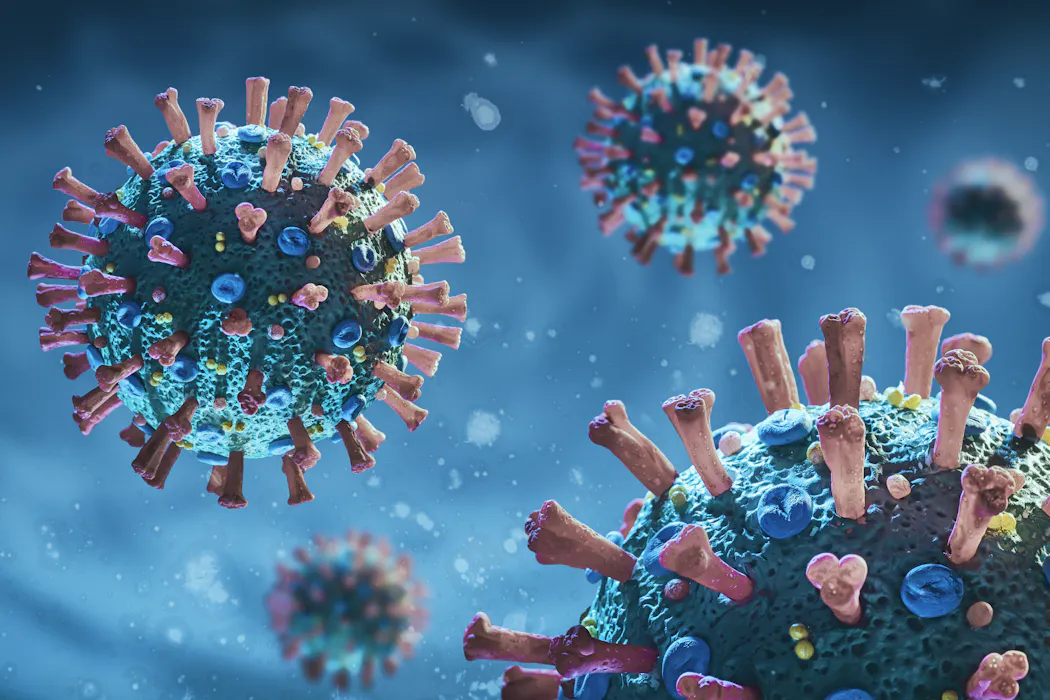
The BA.3.2 variant of SARS-COV-2, nicknamed Cicada, is gaining ground across the U.S. and globally. Grafissimo/iStock via Getty Images Plus

A variant of COVID-19 called BA.3.2, which has circulated under the radar since late 2024, is now spreading quickly across the United States.

As a pulmonary and critical care doctor, I see many patients who are at high risk for severe COVID-19 due to chronic lung disease, as well as patients living with long COVID. All of them ask me how worried they should be about new variants of the virus.

There’s no sign so far that BA.3.2, nicknamed Cicada, is any more dangerous or causes more severe disease than the variants that were circulating in the winter of 2025-26. But because it’s significantly different from them, the current COVID-19 vaccine may not be as effective against it.

Where did the BA.3.2 variant come from?

BA.3.2 is descended from the omicron variant, which emerged in late 2021.

Compared to the current predominant strains of SARS-CoV-2, the virus that causes COVID-19, BA.3.2 carries 70 to 75 genetic changes in its spike protein, the part of the virus that helps it get into cells. The spike protein is also the part of the virus that vaccines rely on to coax people’s immune systems into recognizing the virus.

Researchers first identified BA.3.2 in November 2024 in Africa. It started its global trek in 2025 and had made it to 23 countries as of February 2026.

The first U.S. case was detected in a traveler coming into the U.S. in June 2025. Since then, it has been detected in patients and the wastewater systems of 29 states.

Wastewater monitoring is one of the best early methods of detecting strain shift, though the number of states submitting wastewater data to the CDC has declined since around 2022, after the height of the pandemic.

The Cicada variant was first detected in November 2024.

What makes BA.3.2 variant different?

All viruses change over time – and the type of virus that causes COVID-19 does so especially quickly. Every time the virus copies itself inside a cell, its DNA mutates. Most of these changes disappear, but occasionally one gives the virus an advantage over other variants, allowing that version to spread.

These changes make it harder for the immune system to recognize the virus.

Think of it like showing up to your 25th high school reunion and seeing people who have put on weight, dyed their hair and started wearing tinted contacts. You will recognize them, but it might take longer. Had you seen them every month or so for those 25 years, you would recognize them right away.

Similarly, changes to a virus’ DNA also affect how well vaccines work. Vaccines prime people’s immune systems by reminding them of what the virus looks like. Scientists design vaccines based on the most common versions of a virus circulating at a given time.

Current COVID-19 vaccines are made to protect against strains from the JN.1 lineage of the virus, which have been the most common strains in the U.S. since January 2024. However, BA.3.2 is the new kid in the block − it’s almost a complete stranger to residents of the U.S. It is different enough from the JN.1 strains that the vaccine may not do as good a job of priming the immune system against it, allowing it to evade detection.

This doesn’t mean you shouldn’t get a vaccine – a large body of evidence shows that they reduce hospitalizations and deaths from COVID-19. But a poorly matched vaccine simply won’t recognize the new variant as quickly, which means it takes longer for the immune system to mount its defense.

What dangers does the BA.3.2 variant pose?

Because people’s immune systems aren’t as good at detecting BA.3.2, this variant may infect people more widely, potentially leading to a spike in COVID-19 cases.

But even though BA.3.2 is spreading quickly, there’s no indication that it’s any more dangerous or that it causes more severe disease than the COVID-19 variants that have circulated widely over the past few years.

Pills, medicin and thermometer and a positive rapid COVID-19 test on a nightstand,with a sleeping person in the background
The immune systems of people in the U.S. are not familiar with the new variant.
Guido Mieth/DigitalVision via Getty Images

However, especially given that current vaccines may not be as effective against it, protection remains important. That’s particularly true for people with chronic health conditions, who can experience severe illness from a COVID-19 infection.

And while the number of people who develop long COVID has declined as the virus has changed since early in the pandemic, it still occurs in about 3 in 100 cases.

Protecting yourself and your community

People can take these commonsense steps to avoid getting or spreading COVID-19:

  • First, wash your hands after using the bathroom, before preparing food or eating, and after being in contact with a sick person. Hand-washing decreases the chance of a respiratory infection by 16% to 21%.

  • Second, if you feel unwell, stay home – not just to take care of yourself, but to prevent spreading disease. You may be hesitant to miss work or school, but the person sitting next to you might have a condition, such as cancer or chronic lung disease, that puts them at risk for severe infection, or they might live with someone who does.

  • Third, get outside. Reducing your time in crowded environments reduces your chance of exposure.

  • Finally, if you have concerns about your risk of developing a severe infection due to your own health conditions, talk to a trusted clinician who can offer advice that’s specific to your circumstances.

The Conversation

Kyle B. Enfield does not work for, consult, own shares in or receive funding from any company or organization that would benefit from this article, and has disclosed no relevant affiliations beyond their academic appointment.

ref. COVID-19 variant BA.3.2 is spreading quickly across US – a doctor explains what you need to know – https://theconversation.com/covid-19-variant-ba-3-2-is-spreading-quickly-across-us-a-doctor-explains-what-you-need-to-know-279447

What Americans can learn from other civil activism movements against authoritarian regimes

Source: The Conversation – USA – By John Shattuck, Professor of Practice in Diplomacy, Fletcher School of Law & Diplomacy, Tufts University

The United States, alongside other countries, has a growing pro-democracy and nonviolent civil movement. Oliver Helbig/Getty Images

On Feb. 24, The Conversation hosted a webinar titled, “What Americans can learn from other nonviolent civil activism movements.”

Executive editor and general manager Beth Daley interviewed John Shattuck, professor of practice at The Fletcher School of Law and Diplomacy at Tufts University, and Oliver Kaplan, associate professor at Josef Korbel School of Global and Public Affairs at the University of Denver and a visiting scholar at Stanford University.

Shattuck is the former president of Central European University in Hungary, where he defended academic freedom against a rising authoritarian government. Kaplan is the author of “Resisting War: How Communities Protect Themselves.” This interview has been condensed and edited for print.

Beth Daley: What is an authoritarian regime, and what are their characteristics?

John Shattuck: The authoritarian, often referred to as a “king,” is the ideal role from the point of view of the king, but certainly not from the point of view of the people. Authoritarian characteristics include centralized unlimited power, the opposite of democracy; no accountability and no rule of law; no independent courts; no checks and balances on how the king operates; rule by fear and coercion, and when necessary, in order to carry out the king’s orders, rule by by force. There are no individual rights or civil liberties except those the king decides to allow those who are loyal to him to have, at least until he decides to take them away.

John Shattuck defines authoritarian regimes in a sound bite from The Conversation’s webinar on nonviolent civil movements.

That’s a nutshell informal description of an authoritarian regime. A special threat today is that an authoritarian can emerge from a democratic election, and, indeed, a democratic election can be used to turn a weak democracy into an authoritarian regime. But when this happens, it opens the door to challenge the authoritarian in a subsequent election if civic activism can defend the electoral process by which the authoritarian was elected.

BD: What are we seeing and not seeing in the U.S. that other countries have gone through in terms of authoritarian government?

Oliver Kaplan: I think we are heading toward an autocracy, if not there already. In their 2026 report, the Varieties of Democracy Project writes that the U.S. is no longer a liberal democracy and is moving into “competitive authoritarianism,” marked by executive overreach and erosion of judicial and legislative checks. The report notes that U.S. democracy is being dismantled at a speed that is “unprecedented in modern history.”

We are seeing shifts in terms of concentration of power to the executive branch and a disregard of the rule of law, things like ignoring court orders and difficulty with holding the executive branch accountable. We are also seeing the militarization of law enforcement, monitoring of U.S. citizens, and what some refer to as the dual state – that the state is working for some people while causing more challenges for or oppressing other people.

One of the things we’re not seeing at full force yet is a complete shutdown of civic space. We’re able to hold this kind of conversation, and people are still able to dialogue and go out on the street. There are some efforts at curtailing free speech, and I think there’s some self-censorship possibly happening. But there’s still this open space and a powerful mass movement growing in this country.

BD: John, you were on the front lines, particularly in Hungary as the head of Central European University. What did you see there that has parallels today to the U.S.?

JS: There’s certainly a parallel between Hungary and the U.S., even though the countries are very different in size, history and background. What I saw in Hungary when I became president of Central European University in 2009 was a weak, new democracy that was only established in 1990 after 70 years of fascism and communism.

I was in Hungary from 2009 to 2016 and, despite the differences, I could begin to see some parallels. Many people had grievances in Hungary about how their economy was operating, particularly after the global financial crisis that affected Hungary more than any other Eastern European country. Then there was an urban-rural divide, the urban elite versus the rural majority in the country.

Viktor Orban speaking at a podium in front of the Hungarian flag
Hungary’s Prime Minister Viktor Orban speaks at a press conference.
Janos Kummer/Stringer via Getty Images News

Along came a cynical populist-nationalist politician, Viktor Orbán. Orban started manipulating these grievances, and did so to significantly divide Hungarian society. He attacked many of the institutions of democracy, which were increasingly unpopular because of people’s grievances. He went after elites, and foreigners, and migrants, and the media. And he blamed all of them for the country’s problems. He then was able to ride these grievances into office.

Once in office, Orban amended the constitution and laws relating to the parliament. He undermined the independence of the media and the judiciary so as to centralize power. All of this happened while I was running an international university in Budapest, which remained independent because it received no funding from the Hungarian government. We were able to resist the increasingly authoritarian regime over issues of academic freedom. The government tried to shut down our programs of migration studies and gender studies, and tried to censor aspects of our history department.

These authoritarian attacks are similar to what we’ve seen happening in the U.S., and in fact, Viktor Orban was greatly admired by Donald Trump, and a lot of the playbook that Orban has followed was mirrored in Project 2025 in the U.S. under Trump.

BD: How do communities respond in different ways to authoritarian regimes?

OK: Pro-democracy movements and protection types of movements at the local level often co-occur. For example, in Colombia there have been various leftist movements and political parties that have pushed for greater democratic opening while communities mobilize to keep people safe and help them cope with repressive conditions. In places like Chile, El Salvador and Guatemala, communities built trust and support networks to provide aid, such as for people who needed food assistance. This provides space to independently operate and preserve the community.

The U.S. has parallels, such as innovating early warning networks to get advance notice of risks and threats, by communicating using the Signal app. In the Democratic Republic of Congo, villages set up radio networks, and in Ukraine they have sophisticated early warning networks to get word of airstrikes and drone attacks.

Fact-finding and countering stigma are important, and in the U.S. we’re seeing that in the form of the video recording and publicizing of harmful actions. This has played out similarly in Syria with fact-finding to protect nongovernment organizations.

There’s also accompaniment where outside actors come in to provide support to communities. Around the world, church organizations play important accompaniment roles. We’re seeing clergy in the U.S. step up and visit places that are at risk.

Four masked individuals directing traffic around a makeshift barricade in the road.
Anti-ICE protestors in Minneapolis built a barricade to monitor federal law enforcement vehicles traveling through the neighborhood.
Star Tribune via Getty Images

And then, there are protests, the most visible kind of action. In Minnesota, we’ve seen communities actually setting up community barricades, which has also happened in Mexico, Colombia and Northern Ireland. Communicating the nonviolent nature of these movements is important to avoid any pretext for additional crackdowns.

I think Americans have been taking similar actions to places around the world in part because there are some similar background conditions: repression and strong social capital networks. Those two things come together to produce these strategies.

BD: Could you speak more about the need to build a clear narrative and a positive one?

JS: There are two basic rules for how to resist authoritarianism that I’ve learned from experience: Build a diverse coalition and develop a unifying theme. You need a diverse coalition in order to appeal to a broad range of the public, and in order to do that, you need agreement on the goal and values of what you’re trying to accomplish. You need a clear and unifying narrative. The narrative often involves economic issues and issues of corruption, since there’s often a great deal of corruption in authoritarian regimes.

Hungary will have its next parliamentary election in April in which Orban will seek his fifth term as prime minister. The opposition has developed a broad coalition and a unifying theme, while Orban is using the centralized instruments of government and media that he controls to try to manipulate public opinion. The opposition coalition is headed by Peter Magyar, who was once a major supporter of Orban’s government. Magyar’s name can be magical in Hungary – sort of like a “Joe America” in the U.S.

With Magyar as its head, the opposition is aiming to peel off supporters of the regime. It’s campaigning on economic grounds, with a positive message and on moderate terms. And most importantly, it includes parties from the left, right and center.

Feb. 26, 2026, webinar led by The Conversation U.S. executive editor Beth Daley, examining what we can learn from other nonviolent civil resistance movements.

Poland has succeeded in doing what the Hungarian opposition is attempting. It managed to vote out an authoritarian government by putting together a broad coalition to defend the independence of the Polish judiciary. That became a coalition to elect parliamentarians in 2023, and that succeeded in changing the government.

BD: How important is the preexisting social fabric of a community to the success of a protest movement?

JS: It’s important, but complicated. Hungary had a very weak civil society after 70 years of totalitarian fascism and communism. When I was there, the very word to “volunteer,” which we think of as the essence of community action and service, was seen to be a bad word in Hungarian because it was closely associated with collaborating with the regime.

In the U.S., we’re the opposite in a sense, although the U.S. is now slipping on this. We have a long history of volunteerism, we have all these civil society organizations, we have a tradition of barn raising, people getting together with their neighbors and doing things in their communities. This is very much a part of the American spirit and a core value.

But today, I would say a combination of consumerism and economic individualism coming out of decades of economic deregulation has caused our civil society to fray. But the authoritarian challenge that we face now, and the way in which we are beginning to respond to it, is in fact bringing communities back together again. I think what happened in Minneapolis is an example of that. And this may reflect a growing capacity to resist an authoritarian regime.

The Conversation

Former President, Central European University (2009-2016)

Oliver Kaplan does not work for, consult, own shares in or receive funding from any company or organization that would benefit from this article, and has disclosed no relevant affiliations beyond their academic appointment.

ref. What Americans can learn from other civil activism movements against authoritarian regimes – https://theconversation.com/what-americans-can-learn-from-other-civil-activism-movements-against-authoritarian-regimes-277344

Ultralightweight sonar plus AI lets tiny drones navigate like bats

Source: The Conversation – USA – By Nitin Sanket, Assistant Professor of Robotics Engineering, Worcester Polytechnic Institute

This small drone is using sonar, similar to bats’ echolocation, to navigate through a grove of trees. Nitin Sanket

To help small aerial robots navigate in the dark and other low-visibility environments, my colleagues and I developed an ultrasound-based perception system inspired by bat echolocation.

Current robots rely heavily on cameras or light detection and ranging, known as lidar, or both. But these sensors fail in visually challenging conditions, such as smoke, fog, dust, snow or complete darkness.

I’m a scientific engineer who develops bio-inspired microrobots. To solve this challenge, my research team looked at nature’s experts at navigating in poor visibility: bats. They thrive in dark, damp and dusty caves and can detect obstacles as thin as a human hair using echolocation while weighing as little as two paper clips. They emit sound waves and listen to weak echoes reflected from objects.

However, enabling this sensing on aerial robots is extremely challenging because propellers generate a lot of noise. It is a bit like trying to listen to your friend while a jet engine is taking off next to you.

To overcome this issue, we present two key ideas. First, a physical acoustic shield inspired by bat’s ear cartilage reduces propeller noise around the acoustic sensors, which act like the robot’s ears. Second, a neural network called Saranga recovers weak echo signals from very noisy measurements by learning patterns over time, inspired by how bats process sound.

Together, these enable the robot to estimate obstacle locations in 3D and navigate safely using milliwatt-level sensing power.

a small boxy device with lights surrounded by small white particles
The drone navigates around an obstacle in a test with simulated snowfall.
Nitin Sanket

Why it matters

These types of drones are very useful for search and rescue, especially in confined, dynamic and dangerous environments, because they are small and inexpensive. Search-and-rescue operations often happen in environments where visibility is very poor, such as forest fires, collapsed buildings, caves or dusty outdoor conditions. In these scenarios, traditional sensors like cameras and lidar often become unreliable.

Bats do not rely only on vision and instead use echolocation to perceive the world. Ultrasound sensing doesn’t depend on lighting conditions and works in smoke, dust and darkness.

Our work shows that it is possible to bring this capability to aerial robots despite strong onboard propeller noise. Sonar boosted by noise shielding and machine learning promises to enable a new class of small, low-cost robots that can operate in environments where current systems fail.

This research can enable highly functional, autonomous, tiny aerial robots for critical humanitarian applications, such as search and rescue, combating poaching and cave exploration. AI-enabled sonar navigation could lead to safer, faster and more cost-effective robots for time-sensitive operations where human or larger helicopter access is limited. This is a step toward being able to deploy swarms of aerial robots, much like groups of bats, to explore hazardous environments and search for survivors.

Breakthroughs in mathematical modeling, neural network design and sensor characterization will enable other low-power applications for these drones, such as environmental monitoring. Our work can reduce power by 1,000 times, weight by 10 times and cost by 100 times compared to current solutions.

What other research is being done

Most aerial navigation systems rely on cameras, depth sensors or lidar, which degrade in low visibility. Radar works in these conditions but is power-intensive for small drones. Prior work has explored ultrasound sensing mainly on ground robots, but applying it to aerial robots has been difficult due to propeller noise and weak signals.

What’s next

We are working on improving flying speed, sensing range and system size. We are also exploring new bio-inspired designs and combining ultrasound with other types of sensing.

Ultimately, our goal is to build reliable, low-power aerial robots that can operate reliably in dynamic environments and enable real-world deployment in search and rescue.

The Research Brief is a short take on interesting academic work.

The Conversation

Nitin Sanket receives funding from the National Science Foundation under CMMI 2516439 (https://www.nsf.gov/awardsearch/show-award?AWD_ID=2516439).

ref. Ultralightweight sonar plus AI lets tiny drones navigate like bats – https://theconversation.com/ultralightweight-sonar-plus-ai-lets-tiny-drones-navigate-like-bats-279287