Planifique sus vacaciones como un experto: claves para viajar sin sobresaltos

Source: The Conversation – (in Spanish) – By Dra. María Sánchez de Mora Vidal, Coordinadora Grado en Gestión Turística y del Ocio de la Universidad Europea de Valencia, Universidad Europea

kwanchai.c/Shutterstock

El andar tierras y comunicar con diversas gentes hace a los hombres discretos.

Esta frase de Cervantes, escrita en 1617, sigue vigente. Viajar forma, pero también exige sensatez y previsión. Más allá de la emoción de descubrir nuevos destinos, viajar conlleva una serie de preparativos que no deben tomarse a la ligera. La previsión abarca desde cuestiones básicas como la validez del pasaporte hasta las políticas de cancelación de vuelos y alojamientos. También incluye decisiones como llevar copias digitales de documentos prever posibles contratiempos.

Tener en cuenta todos estos elementos permite no solo evitar sobresaltos, sino también disfrutar del viaje con tranquilidad y mayor conciencia.

Antes de salir

Conviene repasar aspectos básicos que a menudo se subestiman:

  • Comprobar que el pasaporte tenga al menos seis meses de vigencia desde la fecha de entrada, un requisito común en muchos países.

  • Las vacunas también requieren atención. No basta con revisar las del primer destino: algunos países posteriores pueden exigir certificados si se ha pasado por regiones específicas. Tras visitar Brasil, por ejemplo, Colombia o Sudáfrica pueden pedir la vacuna contra la fiebre amarilla.

  • Llevar copias físicas y digitales de documentos clave (pasaporte, visados, reservas, seguro) es útil en caso de pérdida o robo.

  • En cuanto al equipaje, el uso de dispositivos de localización como AirTags se ha popularizado para rastrear maletas en tiempo real.

  • También se recomiendan candados homologados o precintos plásticos para evitar manipulaciones durante el trayecto.

La importancia de un buen seguro

Otro aspecto clave es el seguro y que este contemple todas las coberturas que necesitamos:

  • Por lo general, las pólizas de viaje cubren actividades deportivas, siempre que no se practiquen a nivel profesional. Sin embargo, algunas como el paracaidismo o el buceo pueden implicar la firma de una exención de responsabilidad, lo cual podría invalidar la cobertura. Leer bien los términos antes de aceptar este tipo de condiciones es fundamental.

  • Al contratar un seguro, conviene revisar la reputación de la aseguradora en comparadores, redes o incluso hacer una consulta rápida a herramientas de inteligencia artificial para obtener un resumen de opiniones y quejas frecuentes.

  • También es importante recordar que muchas tarjetas de crédito oro o prémium incluyen seguros de viaje, asistencia médica o cancelación. Pero suelen tener condiciones: es necesario haber pagado el billete con esa tarjeta y pueden excluir ciertos países o actividades. Leer la letra pequeña es clave para evitar sorpresas o pagar dos veces por lo mismo.

  • En reservas de vuelos o alojamiento, hay que prestar atención a políticas de cancelación confusas, tasas ocultas por check-in tardío, limpieza o cambio de divisa. Estas prácticas se han vuelto comunes en aerolíneas de bajo coste y plataformas de alquiler.

  • Alquilar un coche también tiene sus trucos. Muchas empresas ofrecen seguros extra que duplican coberturas que ya podrías tener a través de tu tarjeta o un seguro independiente. Comprobar si el seguro básico incluye daños al vehículo, responsabilidad civil o asistencia puede evitar pagar de más.

Equipaje en vuelos con conexiones

En vuelos con escalas, es vital saber si el equipaje se transfiere automáticamente o debe recogerse y volver a facturar. Además, conviene dejar márgenes realistas entre conexiones, especialmente en aeropuertos grandes o con controles migratorios, ya que no todas las tarifas incluyen reubicación gratuita si pierdes el siguiente vuelo.

Estar de vacaciones sin que lo parezca

La planificación también debe contemplar lo que dejamos atrás:

  • Para evitar que su casa parezca vacía, es útil pedir a alguien de confianza que recoja el correo o abra y cierre persianas. Los temporizadores de luz o cámaras conectadas al móvil añaden seguridad extra.

  • En redes sociales, se recomienda evitar publicar en tiempo real que está fuera. Anunciar públicamente que estará de viaje o compartir ubicaciones en directo puede ponerle en riesgo si su perfil es público. Lo más prudente es compartir el contenido una vez haya vuelto o limitar la visibilidad a personas cercanas.

Evitar las trampas turísticas

Ya en destino, el reto es evitar trampas turísticas:

  • Restaurantes con precios inflados junto a monumentos o tiendas de recuerdos sin autenticidad son algunos ejemplos.

  • Los free walking tours pueden ser una buena opción para explorar la ciudad, especialmente si viaja con presupuesto limitado. Pero no todos los guías están acreditados y el servicio depende de propinas, por lo que conviene comparar opciones e investigar opiniones previas.

Buscar propuestas diseñadas por locales

Por suerte, el turismo actual busca autenticidad y tiene mayor conciencia del impacto que genera. Por eso, cada vez más personas prefieren propuestas diseñadas por locales: cenas en casas particulares (Eatwith), encuentros entre desconocidos (Timeleft), recorridos urbanos alternativos o incluso charlas transformadoras como las de The Human Library.

Plataformas como Airbnb Experiences, Get Your Guide, Flytographer o Withlocals amplían estas opciones con talleres creativos, sesiones fotográficas o visitas guiadas por residentes.

Más que de visitar, se trata de poder conectar. Y para eso, hablar con habitantes del lugar, asistir a eventos culturales o consultar blogs y foros especializados puede marcar la diferencia entre una experiencia superficial y un viaje realmente enriquecedor… y seguro.

The Conversation

Las personas firmantes no son asalariadas, ni consultoras, ni poseen acciones, ni reciben financiación de ninguna compañía u organización que pueda obtener beneficio de este artículo, y han declarado carecer de vínculos relevantes más allá del cargo académico citado anteriormente.

ref. Planifique sus vacaciones como un experto: claves para viajar sin sobresaltos – https://theconversation.com/planifique-sus-vacaciones-como-un-experto-claves-para-viajar-sin-sobresaltos-259426
Estos son los motivos por los que las grandes potencias mundiales se están disputando Groenlandia

Source: The Conversation – (in Spanish) – By Alfredo A. Rodríguez Gómez, Profesor de Relaciones Internacionales de la UNIR, UNIR – Universidad Internacional de La Rioja

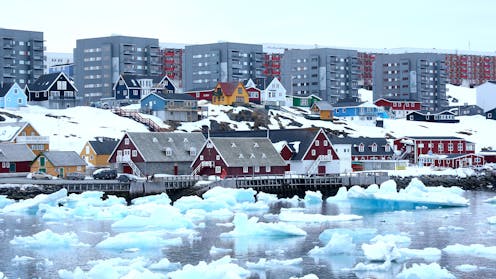
Vista de Nuuk, la capital de Groenlandia. Chris Christophersen/Shutterstock

Groenlandia, la isla más grande del planeta, ha dejado de ser solo una vasta extensión de hielo para convertirse en un punto clave en la geopolítica global. Bajo su superficie helada se esconden recursos minerales estratégicos que están atrayendo la atención de potencias como Estados Unidos, China y Rusia. Pero no se trata solo de minerales: su ubicación la convierte en una pieza esencial en el nuevo tablero del Ártico.

Una isla en el radar de las grandes potencias

Estados Unidos mantiene una presencia militar histórica en Groenlandia, especialmente a través de la Base Aérea de Thula (hoy llamada Base Espacial de Pituffik), vital para su sistema de defensa antimisiles.

Rusia quiere reforzar su dominio sobre las rutas del Ártico, especialmente la Ruta del Mar del Norte, que se está volviendo más navegable debido al deshielo. Además, busca asegurar el acceso a recursos naturales y zonas de pesca en una región cada vez más estratégica.

China, en cambio, ve en Groenlandia una fuente alternativa de minerales críticos como tierras raras, litio y grafito, esenciales para su industria tecnológica y energética.

Además, este país pretende establecer una presencia logística e inversora en el Ártico a través de su iniciativa de la “Ruta de la Seda Polar”.

Este renovado interés internacional refleja una competencia creciente por el control del Ártico, impulsada por el deshielo y el acceso a nuevas rutas comerciales y recursos.

Thula: más que una base militar

Ubicada a solo 1 500 km del Polo Norte, la Base Espacial de Pituffik es un punto neurálgico para la vigilancia del hemisferio norte.

Esta base forma parte del sistema de alerta temprana de Estados Unidos y alberga radares capaces de detectar lanzamientos de misiles desde Rusia o China. Además, sirve como estación de rastreo para satélites en órbita polar, esenciales para comunicaciones, navegación GPS y meteorología.

En este año de 2025, el Pentágono ha reestructurado su plan de comando unificado para trasladar Groenlandia al área de responsabilidad del Comando Norte, reforzando así su papel en la defensa del hemisferio occidental.

El tesoro bajo el hielo: minerales críticos

El retroceso del hielo está revelando depósitos de minerales esenciales para la transición energética global. Groenlandia alberga tierras raras, litio, grafito y cobre, todos fundamentales para fabricar turbinas eólicas, baterías, vehículos eléctricos y tecnologías de defensa.

Según el Servicio Geológico de Dinamarca y Groenlandia (GEUS), la isla podría contener hasta 235 000 toneladas de litio y 6 millones de toneladas de grafito. Aunque estas cifras no compiten con las reservas de China, su valor estratégico radica en ofrecer una fuente alternativa y más diversificada.

La base de datos CMiO del Servicio Geológico de EE. UU. (USGS) confirma que Groenlandia forma parte de las regiones con potencial para abastecer minerales críticos, lo que la convierte en un actor emergente en la cadena de suministro global.

Desarrollo o preservación: el dilema groenlandés

El desarrollo de los recursos minerales en Groenlandia plantea un dilema tan prometedor como peligroso. La isla, que goza de un alto grado de autonomía dentro del Reino de Dinamarca, se enfrenta a una decisión histórica: apostar por la explotación de sus riquezas naturales o preservar su frágil equilibrio ecológico y cultural.

Por un lado, la minería a gran escala podría generar ingresos significativos, crear empleo y fortalecer la economía local. Sin embargo, también conlleva riesgos ambientales considerables.

El ecosistema ártico es extremadamente sensible: la contaminación de aguas, la alteración de hábitats y la pérdida de biodiversidad podrían ser irreversibles. Además, muchas comunidades indígenas temen que el desarrollo industrial afecte sus modos de vida tradicionales, basados en la pesca, la caza y el respeto por la naturaleza.

A esto se suma un debate político de fondo: el deseo de independencia. Groenlandia aspira a emanciparse completamente de Dinamarca, pero su economía aún depende en gran medida de las transferencias del gobierno danés.

La explotación de minerales podría ser una vía hacia la autosuficiencia, pero también implicaría abrir la puerta a inversiones extranjeras, especialmente de potencias como China, lo que podría generar nuevas formas de dependencia.

El caso del proyecto minero de Kvanefjeld, respaldado por capital chino y centrado en tierras raras, es emblemático. Aunque prometía convertir a Groenlandia en un actor clave en la cadena global de suministro de minerales estratégicos, fue rechazado por el nuevo Gobierno en 2021 tras una fuerte oposición social y ambiental. Este episodio refleja la tensión entre el desarrollo económico y la voluntad popular de proteger el territorio.

Un futuro por definir

Groenlandia está en una encrucijada. Su posición estratégica y sus recursos la convierten en un actor clave en la transición energética y en la configuración del nuevo orden ártico. Pero su desarrollo debe gestionarse con responsabilidad, visión a largo plazo y respeto por su entorno natural y cultural.

El reto no es solo económico o ambiental, sino también identitario. ¿Qué tipo de nación quiere ser Groenlandia? ¿Desea ser una potencia minera al servicio del mercado global o un modelo de sostenibilidad ártica?

En definitiva, Groenlandia ya no es solo una tierra de hielo, es el tablero donde se juega una nueva partida mundial. Y su decisión marcará no solo su destino, sino también el del Ártico y el equilibrio geopolítico del planeta.

The Conversation

Alfredo A. Rodríguez Gómez no recibe salario, ni ejerce labores de consultoría, ni posee acciones, ni recibe financiación de ninguna compañía u organización que pueda obtener beneficio de este artículo, y ha declarado carecer de vínculos relevantes más allá del cargo académico citado.

ref. Estos son los motivos por los que las grandes potencias mundiales se están disputando Groenlandia – https://theconversation.com/estos-son-los-motivos-por-los-que-las-grandes-potencias-mundiales-se-estan-disputando-groenlandia-259763

Lecturas adolescentes: ¿vale cualquier libro?

Source: The Conversation – (in Spanish) – By Gemma Lluch, Catedràtica de Filologia Catalana de la Universitat. ERI-Lectura. Departament Filologia Catalana, Universitat de València

CarmenRM/Shutterstock

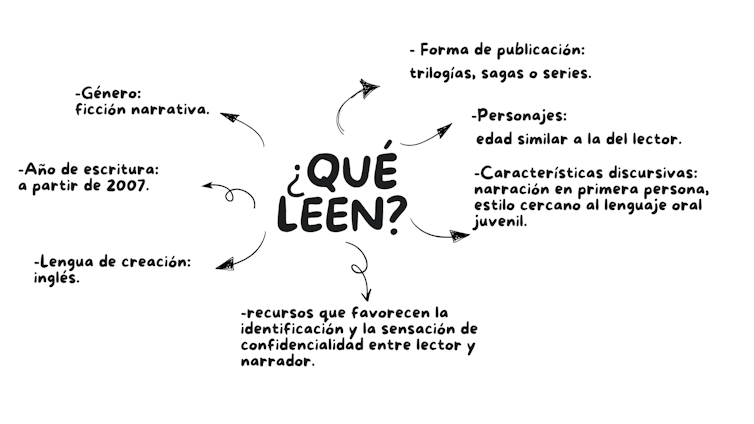
La literatura para jóvenes lectores (una etiqueta que en el mundo editorial se conoce con la frase inglesa “young adult” o YA) es un mercado en crecimiento. Los libros que más leen en las bibliotecas públicas de España repiten este patrón narrativo: son libros contemporáneos, publicados sobre todo después de 2007; una mayoría de ellos traducidos del inglés y en forma de largas sagas o trilogías; y protagonizados por personajes adolescentes, que narran sus peripecias en primera persona y con un estilo coloquial, muy parecido al que usan sus lectores en la vida real.

Los jóvenes leen libros escritos para ellos con un lenguaje muy coloquial y cercano, que narran peripecias en primera persona de corte fantástico, romántico o de aventuras.
Gráfico con las características principales del tipo de libros que más leen los adolescentes en España, con datos del informe de bibliotecas de todo el país.
Elaboración propia a partir de un estudio.

Títulos como Invisible, Wonder o las novelas de Blue Jeans captan la atención de los jóvenes lectores. Se trata de lecturas que abordan temas actuales y conflictos propios de la adolescencia y son espejos de su realidad, documentan sus vivencias y acompañan sus procesos de autoafirmación.

Invisible, por ejemplo, ha superado las 50 ediciones desde su publicación en 2018; autoras y autores españoles como Laura Gallego, Care Santos o Blue Jeans mantienen una presencia constante en las estanterías y en las preferencias lectoras. No son solo libros populares: son referentes emocionales y culturales para su generación.


Leer más:
Joana Marcús, escritora: “Sin la comunicación con mis lectores en las redes sociales, hay libros que no sé cómo habrían terminado”


Una experiencia de lectura audiovisual

Desde el fenómeno Harry Potter, ha crecido el interés por relatos con estructuras narrativas más elaboradas, como las que propone el experto estadounidense Christopher Vogler en El viaje del escritor. Son historias que incorporan tramas secundarias, personajes complejos y mundos ricos en detalles, como en Percy Jackson, Reina roja, Los juegos del hambre o After.

La mayoría utilizan un narrador en presente y generan una experiencia de lectura casi audiovisual: el lector no solo lee, sino que “ve” la historia desarrollarse ante sus ojos. Esta inmersión narrativa refuerza el vínculo emocional con los personajes y la trama.

Estos universos se expanden con secuelas, precuelas o reinterpretaciones, como ha ocurrido con la fantasía épica iniciada por El señor de los anillos y revitalizada por Harry Potter. Así, los adolescentes no solo buscan una buena historia, sino revivir una experiencia lectora que los atrape. El criterio para elegir un nuevo libro es claro: “me engancha”.

Cultura anglosajona homogenea

Parece que eligen libremente sus lecturas, pero esta autonomía revela una tendencia: la homogeneidad. Se repite un solo género (la ficción narrativa) y unas estructuras, predominan los mismos temas y se impone la cultura anglosajona contemporánea.

En realidad, el funcionamiento de elección se asemeja al de los algoritmos de redes sociales, plataformas audiovisuales o tiendas digitales: más de lo mismo. Las recomendaciones refuerzan sus gustos previos y les proponen lecturas que reflejan (o idealizan) la vida que tienen o desean. Así, la experiencia lectora se convierte en un bucle de confirmación afianzado en el atractivo que provoca la familiaridad de lo conocido, más que en una oportunidad de descubrimiento.

Cuando el bibliotecario media

En contraste con la repetición de patrones en la lectura autónoma, los espacios mediados (como los clubes de lectura) ofrecen una experiencia distinta. El lector especializado selecciona las obras siguiendo criterios como los premios literarios, el reconocimiento crítico, el prestigio del autor o las recomendaciones especializadas.

Los jóvenes acceden a textos que van más allá de la narrativa juvenil dominante: se abren a nuevos géneros literarios, a obras escritas en otros tiempos, desde otras culturas y con estilos diversos. Así, la lectura se convierte en una oportunidad para descubrir nuevas voces, ampliar perspectivas y enriquecer su formación literaria y personal.


Leer más:
Literatura en secundaria y bachillerato: mucho más que una lista de obras y autores


Enseñar literatura o enseñar a leer literatura

A partir de los datos, ¿el criterio para seleccionar los libros en el centro escolar debe basarse en el “me gusta” del alumnado? Y si es así, ¿de qué alumnado hablamos?

La escuela no es solo un espacio de transmisión de contenidos, sino un lugar de formación y de equidad, donde se nivela (o debería nivelarse) el capital cultural que cada estudiante trae de casa.

En este contexto, las asignaturas de Lengua y Literatura no solo enseñan literatura: deberían enseñar a leer literatura. No es lo mismo, como explican los expertos: la clase de literatura puede ser un espacio donde descubrir que las palabras escritas en otro tiempo pueden hablar de nosotros y de nuestro mundo.

Cómo ayudar a los jóvenes a disfrutar del patrimonio literario propio.
Elaboración propia.

No se trata solo de transmitir un canon o enseñar a hacer análisis, sino ampliar la capacidad de comprensión y disfrute de la lectura. Esta debe ser guiada: se trata de acompañar, mostrar caminos, ayudar a superar obstáculos y enseñar a hacerlo de forma autónoma. Guiar la lectura implica invitar, sugerir y enseñar estrategias interpretativas.

Todas las lecturas no son iguales

Que la lectura literaria educa emocional y socialmente no es solo una intuición del docente: estudios recientes https://onlinelibrary.wiley.com/doi/10.1111/lit.70006 revelan que, a través de la ficción, los adolescentes experimentan tanto empatía afectiva (sentir lo que sienten los personajes) como cognitiva (comprender sus pensamientos y motivaciones). Concluyen que la lectura voluntaria no debe limitarse al placer, sino que debe incluir beneficios como la empatía, el crecimiento personal y la conexión social.


Leer más:
¿Es lo mismo leer un clásico adaptado que en versión original?


Dos años antes, un estudio longitudinal demostró que no toda lectura por placer tiene efectos positivos a largo plazo. Las conclusiones muestran que la lectura acumulada de literatura clásica y contemporánea se asocia con una mayor conducta prosocial y un mejor ajuste social; mientras que la lectura de ficción narrativa repetitiva, por sí sola, no predice estos beneficios.

Gozar del patrimonio literario: un derecho

Acompañar a todos los estudiantes (con o sin capital cultural) en su acceso a la literatura, en su derecho a gozar de su patrimonio literario, no consiste únicamente en elegir una serie de obras, sino en ofrecer enfoques de lectura distintos. No basta con opiniones o impresiones personales: hace falta ejercer una mediación, ofrecer un contexto y desplegar estrategias que permitan al alumnado acceder a su riqueza estética, histórica y cultural.

Los datos muestran que el lector adulto tiende a consumir mayoritariamente ficción narrativa basada en patrones repetitivos. Por eso, es en la escuela donde debe forjarse el derecho a leer y disfrutar de obras más exigentes, escritas en catalán, euskera, gallego, castellano y otras lenguas curriculares.

Estas obras no solo cuentan historias: nos narran quiénes somos, nos conectan con nuestras raíces y nos ayudan a comprender el mundo desde múltiples perspectivas.

The Conversation

Gemma Lluch no recibe salario, ni ejerce labores de consultoría, ni posee acciones, ni recibe financiación de ninguna compañía u organización que pueda obtener beneficio de este artículo, y ha declarado carecer de vínculos relevantes más allá del cargo académico citado.

ref. Lecturas adolescentes: ¿vale cualquier libro? – https://theconversation.com/lecturas-adolescentes-vale-cualquier-libro-254720

Ecos neokantianos en la España de la Restauración

Source: The Conversation – (in Spanish) – By Gerardo Bolado Ochoa, Historiador de la Filosofía Española, Universidad de Cantabria

Cartel en Berlín que muestra y cita al filósofo alemán Immanuel Kant (“¡Ten el valor de usar tu propio entendimiento!”). Shutterstock

Poca fortuna tuvo Immanuel Kant en la España del siglo XIX. El rechazo acompañó con frecuencia a su filosofía crítica, porque negaba a la razón humana su pretendida capacidad de conocer el fondo metafísico de la realidad y de fundar sobre ese conocimiento una moral universal.

Una excepción señalada, en ese pobre panorama kantiano, la representó el hispanocubano, de ascendencia cántabra, José del Perojo Figueras (Santiago de Cuba, 1850 – Madrid, 1908).

Retrato de un hombre mayor sentado y mirando a cámara.
Retrato de José del Perojo.
Wikimedia Commons

Perojo disponía de una excelente formación, conseguida de manera un tanto autodidacta y sin graduarse en ninguno de los centros en que estudió: ni en la Universidad de Madrid, donde conoció entre 1869 y 1872 el auge del krausismo, ni el curso 72-73 en el Colegio de Francia, ni el 73-74 en Heidelberg (Alemania), cuando se imbuyó de los planteamientos del primer movimiento neokantiano, en particular los de Kuno Fischer y Wilhelm Wundt.

Fischer sostenía que Kant había abierto una nueva época en la historia del pensamiento, al convertir el conocimiento humano, la voluntad moral y el juicio reflexivo en el objeto de la filosofía. Wundt, por su parte, concebía la filosofía del futuro como una ciencia primera, ocupada de los principios y métodos de las ciencias, y de su unificación.

En su estudio del hombre, estos neokantianos se basaban en los resultados de la antropología evolucionista y la psicología fisiológica.

Perojo hizo suyos esos planteamientos y defendió que la filosofía de la voluntad de Schopenhauer era de inspiración kantiana. Pero rechazó por metafísico y contrario al progreso el pesimismo schopenhaueriano, que condena a la infelicidad todos los esfuerzos de la voluntad humana, sometida supuestamente a los designios de una voluntad universal.

Introducir a Kant en la cultura española

De vuelta en España, en 1875, Perojo promovió un proyecto neokantiano de modernización filosófico-científica de la cultura española. Invirtió a tal fin su fortuna familiar en una empresa cultural, la Revista Contemporánea y su editorial, que orientó a la difusión de filosofía y ciencia occidental, y a la edición castellana de sus autores y textos clásicos. Desarrolló además una intensa actividad intelectual, de la que son exponente sus influyentes Ensayos sobre el movimiento intelectual en Alemania.

La suya era una personalidad práctica, emprendedora y partidaria del progreso, que su mentalidad positiva asociaba con el desarrollo científico. Impulsó su reforma frente al krausismo, porque representaba a su juicio un espiritualismo metafísico, sibilítico y masónico, incapaz de alentar el movimiento científico que necesitaba la nación española.

Los krausistas habían prestado escasa atención a la filosofía kantiana. Defendían que Kant había planteado, pero no resuelto, la problemática de la nueva filosofía. La solución buscada se encontraba según ellos en el sistema del alemán Karl Krause. Pero, debido a sus dificultades terminológicas, no habían conseguido adaptarlo al pensamiento y la lengua española.

Ese sistema idealista mantenía una concepción metafísica, en la que una entidad superior, pero inmanente al mundo, se combina e interacciona en él, convirtiéndolo en una vasta realidad espiritual. En ella la razón descubre un ideal de humanidad que nuestra especie debe realizar a través de la educación y la reforma democrática de las instituciones.

Portada de la Crítica de la razón pura en español.
Traducción de la Crítica de la razón pura de Kant hecha por Perojo.
Wikimedia Commons

En la Segunda Cuestión Universitaria de 1875, importantes miembros de la Escuela Krausista fueron separados de sus cátedras por defender la libertad de enseñanza. Esto comprometió hasta mediados los años 80 su predominio en la Universidad Central. La puesta en marcha de la Institución Libre de Enseñanza (1876-1939), les permitió sin embargo continuar su benemérita labor pedagógica e institucionista, ordenada al perfeccionamiento personal y social de la especie humana.

El proyecto de Perojo se interrumpió en 1879 debido a la quiebra de su empresa cultural y a su precaria posición académica. Pero no fue vano, pues aportó el punto de vista neokantiano a los debates filosófico-científicos de comienzos de la Restauración. También nos dejó traducciones, como su versión directa de la primera parte analítica de la Crítica de la razón pura. Además, su empresa cultural fue un precedente de La España Moderna, de Lázaro Galdiano, o de la Revista de Occidente, de Ortega y Gasset, a las que bien pudo inspirar.


Leer más:
Cien años de la ‘Revista de Occidente’, gozosa contemplación de las ideas y del arte


La política y la pedagogía

En los años 80, el neokantiano Perojo se reinventó como publicista y político en las filas del Partido Liberal-Fusionista de Sagasta. Su nueva posición le permitió convertir periódicos como la Gaceta Universal o La Opinión en espacios desde los que difundir sus puntos de vista intelectuales. Personalmente se inclinaba a un liberalismo socialdemócrata no exento de elitismo.

Precisamente, sus Ensayos sobre política colonial (1885) son una refundición de artículos y conferencias. En ellos analiza la idiosincrasia de la colonización española y propone convertir España en un Estado intercontinental y sus colonias en regiones autónomas de ultramar.

En 1908, el último Perojo difundió la exposición más completa de sus planteamientos neokantianos en la recopilación de conferencias y contribuciones periodísticas titulada Ensayos sobre la educación. Kant y sus seguidores, Johann F. Herbart y Johann G. Fichte, inspiraron en esos ensayos su programa regeneracionista de educación nacional. Frente a la mera instrucción, esta visión pedagógica insistía en la formación de la voluntad y el carácter como centro de la acción humana.

Perojo falleció ese mismo año. Era entonces una personalidad política independiente dentro de la compleja tendencia conservadora denominada maurismo, y una figura en el mundo de la comunicación, como propietario y director del semanario gráfico Nuevo Mundo y su editorial. Su deceso fue noticia en toda la prensa española.

El joven Ramiro de Maeztu dejó escrito sobre él en su necrológica:

La muerte de Perojo en estos momentos es una desgracia nacional. Lo digo pesando escrupulosamente las palabras y a la persona que las dice… ha muerto en el punto preciso en que sus grandes dotes intelectuales iban a ser fecundas para España, y cuando más podíamos esperar los españoles de sus actividades.

(Nuevo Mundo, 29-10-1908)

Pese a este temprano fallecimiento, el legado de Perojo no quedó sepultado por la pretendida ruptura con la restauración que protagonizó la generación del 14; en particular, un joven Ortega y Gasset familiarizado con las ideas éticas y pedagógicas de los neokantianos de Marburgo.

Estudios monográficos recientes evidencian la existencia de conexiones de Perojo y su obra con autores como el propio Ortega o la pedagoga María de Maeztu que explican mejor la historia cultural e intelectual de España en el siglo XX.


Este artículo surge de la colaboración con la Fundación Ignacio Larramendi, institución centrada en desarrollar proyectos relacionados con el pensamiento, la ciencia y la cultura en Iberoamérica con el objetivo de ponerlos a disposición de todo el público.

Más información aquí.


The Conversation

Gerardo Bolado Ochoa no recibe salario, ni ejerce labores de consultoría, ni posee acciones, ni recibe financiación de ninguna compañía u organización que pueda obtener beneficio de este artículo, y ha declarado carecer de vínculos relevantes más allá del cargo académico citado.

ref. Ecos neokantianos en la España de la Restauración – https://theconversation.com/ecos-neokantianos-en-la-espana-de-la-restauracion-257300

Rural hospitals will be hit hard by Trump’s signature spending package

Source: The Conversation – USA (3) – By Lauren S. Hughes, State Policy Director, Farley Health Policy Center; Associate Professor of Family Medicine, University of Colorado Anschutz Medical Campus

Health policy experts predict that cuts to Medicaid will push more rural hospitals to close. sneakpeekpic via iStock / Getty Images Plus

The public health provisions in the massive spending package that President Donald Trump signed into law on July 4, 2025, will reduce Medicaid spending by more than US$1 trillion over a decade and result in an estimated 11.8 million people losing health insurance coverage.

As researchers studying rural health and health policy, we anticipate that these reductions in Medicaid spending, along with changes to the Affordable Care Act, will disproportionately affect the 66 million people living in rural America – nearly 1 in 5 Americans.

People who live in rural areas are more likely to have health insurance through Medicaid and are at greater risk of losing that coverage. We expect that the changes brought about by this new law will lead to a rise in unpaid care that hospitals will have to provide. As a result, small, local hospitals will have to make tough decisions that include changing or eliminating services, laying off staff and delaying the purchase of new equipment. Many rural hospitals will have to reduce their services or possibly close their doors altogether.

Hits to rural health

The budget legislation’s biggest effect on rural America comes from changes to the Medicaid program, which represent the largest federal rollback of health insurance coverage in the U.S. to date.

First, the legislation changes how states can finance their share of the Medicaid program by restricting where funds states use to support their Medicaid programs can come from. This bill limits how states can tax and charge fees to hospitals, managed care organizations and other health care providers, and how they can use such taxes and fees in the future to pay higher rates to providers under Medicaid. These limitations will reduce payments to rural hospitals that depend upon Medicaid to keep their doors open.

Rural hospitals play a crucial role in health care access.

Second, by 2027, states must institute work requirements that demand most Medicaid enrollees work 80 hours per month or be in school at least half time. Arkansas’ brief experiment with work requirements in 2018 demonstrates that rather than boost employment, the policy increases bureaucracy, hindering access to health care benefits for eligible people. States will also now be required to verify Medicaid eligibility every six months versus annually. That change also increases the risk people will lose coverage due to extra red tape.

The Congressional Budget Office estimates that work requirements instituted through this legislative package will result in nearly 5 million people losing Medicaid coverage. This will decrease the number of paying patients at rural hospitals and increase the unpaid care hospitals must provide, further damaging their ability to stay open.

Additionally, the bill changes how people qualify for the premium tax credits within the Affordable Care Act Marketplace. The Congressional Budget Office estimates that this change, along with other changes to the ACA such as fewer and shorter enrollment periods and additional requirements for documenting income, will reduce the number of people insured through the ACA Marketplace by about 3 million by 2034. Premium tax credits were expanded during the COVID-19 pandemic, helping millions of Americans obtain coverage who previously struggled to do so. This bill lets these expanded tax credits expire, which with may result in an additional 4.2 million people becoming uninsured.

An insufficient stop-gap

Senators from both sides of the aisle have voiced concerns about the legislative package’s potential effects on the financial stability of rural hospitals and frontier hospitals, which are facilities located in remote areas with fewer than six people per square mile. As a result, the Senate voted to set aside $50 billion over the next five years for a newly created Rural Health Transformation Program.

These funds are to be allocated in two ways. Half will be directly distributed equally to states that submit an application that includes a rural health transformation plan detailing how rural hospitals will improve the delivery and quality of health care. The remainder will be distributed to states in varying amounts through a process that is currently unknown.

While additional funding to support rural health facilities is welcome, how it is distributed and how much is available will be critical. Estimates suggest that rural areas will see a reduction of $155 billion in federal spending over 10 years, with much of that concentrated in 12 states that expanded Medicaid under the Affordable Care Act and have large proportions of rural residents.

That means $50 billion is not enough to offset cuts to Medicaid and other programs that will reduce funds flowing to rural health facilities.

An older bearded white man in a yellow shirt sits on a hospital bed in an exam room
Americans living in rural areas are more likely to be insured through Medicaid than their urban counterparts.
Halfpoint Images/Moment via Getty Images

Accelerating hospital closures

Rural and frontier hospitals have long faced hardship because of their aging infrastructure, older and sicker patient populations, geographic isolation and greater financial and regulatory burdens. Since 2010, 153 rural hospitals have closed their doors permanently or ceased providing inpatient services. This trend is particularly acute in states that have chosen not to expand Medicaid via the Affordable Care Act, many of which have larger percentages of their residents living in rural areas.

According to an analysis by University of North Carolina researchers, as of June 2025 338 hospitals are at risk of reducing vital services, such as skilled nursing facilities; converting to an alternative type of health care facility, such as a rural emergency hospital; or closing altogether.

Maternity care is especially at risk.

Currently more than half of rural hospitals no longer deliver babies. Rural facilities serve fewer patients than those in more densely populated areas. They also have high fixed costs, and because they serve a high percentage of Medicaid patients, they rely on payments from Medicaid, which tends to pay lower rates than commercial insurance. Because of these pressures, these units will continue to close, forcing women to travel farther to give birth, to deliver before going full term and to deliver outside of traditional hospital settings.

And because hospitals in rural areas serve relatively small populations, they lack negotiating power to obtain fair and adequate payment from private health insurers and affordable equipment and supplies from medical companies. Recruiting and retaining needed physicians and other health care workers is expensive, and acquiring capital to renovate, expand or build new facilities is increasingly out of reach.

Finally, given that rural residents are more likely to have Medicaid than their urban counterparts, the legislation’s cuts to Medicaid will disproportionately reduce the rate at which rural providers and health facilities are paid by Medicaid for services they offer. With many rural hospitals already teetering on closure, this will place already financially fragile hospitals on an accelerated path toward demise.

Far-reaching effects

Rural hospitals are not just sources of local health care. They are also vital economic engines.

Hospital closures result in the loss of local access to health care, causing residents to choose between traveling longer distances to see a doctor or forgoing the services they need.

But hospitals in these regions are also major employers that often pay some of the highest wages in their communities. Their closure can drive a decline in the local tax base, limiting funding available for services such as roads and public schools and making it more difficult to attract and retain businesses that small towns depend on. Declines in rural health care undermine local economies.

Furthermore, the country as a whole relies on rural America for the production of food, fuel and other natural resources. In our view, further weakening rural hospitals may affect not just local economies but the health of the whole U.S. economy.

The Conversation

Lauren S. Hughes has received funding for rural health projects from the Sunflower Foundation, The Colorado Health Foundation, the University of Colorado School of Medicine Rural Program Office, the Caring for Colorado Foundation, and the Zoma Foundation. She currently serves as chair of the Rural Health Redesign Center Organization Board of Directors and is a member of the Rural Primary Care Advisory Council with the Weitzman Institute.

Kevin J. Bennett receives funding from the National Institutes of Health, the Centers for Disease Control & Prevention, the Health Resources and Services Administration and the state of South Carolina. He is currently on the Board of Trustees of the National Rural Health Association as immediate past president.

ref. Rural hospitals will be hit hard by Trump’s signature spending package – https://theconversation.com/rural-hospitals-will-be-hit-hard-by-trumps-signature-spending-package-260164

The oldest rocks on Earth are more than four billion years old

Source: The Conversation – Canada – By Hanika Rizo, Associate Professor, Department of Earth Sciences, Carleton University

Earth formed about 4.6 billion years ago, during the geological eon known as the Hadean. The name “Hadean” comes from the Greek god of the underworld, reflecting the extreme heat that likely characterized the planet at the time.

By 4.35 billion years ago, the Earth might have cooled down enough for the first crust to form and life to emerge.

However, very little is known about this early chapter in Earth’s history, as rocks and minerals from that time are extremely rare. This lack of preserved geological records makes it difficult to reconstruct what the Earth looked like during the Hadean Eon, leaving many questions about its earliest evolution unanswered.

We are part of a research team that has confirmed the oldest known rocks on Earth are located in northern Québec. Dating back more than four billion years, these rocks provide a rare and invaluable glimpse into the origins of our planet.

two men stand on rocks examining pieces in their hands
Geologists Jonathan O’Neil and Chris Sole examine rocks in northern Québec.
(H. Rizo), CC BY

Remains from the Hadean Eon

The Hadean Eon is the first period in the geological timescale, spanning from Earth’s formation 4.6 billion years ago and ending around 4.03 billion years ago.

The oldest terrestrial materials ever dated by scientists are extremely rare zircon minerals that were discovered in western Australia. These zircons were formed as early as 4.4 billion years ago, and while their host rock eroded away, the durability of zircons allowed them to be preserved for a long time.

Studies of these zircon minerals has given us clues about the Hadean environment, and the formation and evolution of Earth’s oldest crust. The zircons’ chemistry suggests that they formed in magmas produced by the melting of sediments deposited at the bottom of an ancient ocean. This suggests that the zircons are evidence that the Hadean Eon cooled rapidly, and liquid water oceans were formed early on.

Other research on the Hadean zircons suggests that the Earth’s earliest crust was mafic (rich in magnesium and iron). Until recently, however, the existence of that crust remained to be confirmed.

In 2008, a study led by one of us — associate professor Jonathan O’Neil (then a McGill University doctoral student) — proposed that rocks of this ancient crust had been preserved in northern Québec and were the only known vestige of the Hadean.

Since then, the age of those rocks — found in the Nuvvuagittuq Greenstone Belt — has been controversial and the subject of ongoing scientific debate.

a flat, rocky landscape
The Nuvvuagittuq Greenstone Belt in northern Québec.
(H. Rizo), CC BY

‘Big, old solid rock’

The Nuvvuagittuq Greenstone Belt is located in the northernmost region of Québec, in the Nunavik region above the 55th parallel. Most of the rocks there are metamorphosed volcanic rocks, rich in magnesium and iron. The most common rocks in the belt are called the Ujaraaluk rocks, meaning “big old solid rock” in Inuktitut.

The age of 4.3 billion years was proposed after variations in neodymium-142 were detected, an isotope produced exclusively during the Hadean through the radioactive decay of samarium-146. The relationship between samarium and neodymium isotope abundances had been previously used to date meteorites and lunar rocks, but before 2008 had never been applied to Earth rocks.

This interpretation, however, was challenged by several research groups, some of whom studied zircons within the belt and proposed a younger age of at most 3.78 billion years, placing the rocks in the Archean Eon instead.

Confirming the Hadean Age

In the summer of 2017, we returned to the Nuvvuagittuq belt to take a closer look at the ancient rocks. This time, we collected intrusive rocks — called metagabbros — that cut across the Ujaraaluk rock formation, hoping to obtain independent age constraints. The fact that these newly studied metagabbros are in intrusion in the Ujaraaluk rocks implies that the latter must be older.

The project was led by masters student Chris Sole at the University of Ottawa, who joined us in the field. Back in the laboratory, we collaborated with French geochronologist Jean-Louis Paquette. Additionally, two undergraduate students — David Benn (University of Ottawa) and Joeli Plakholm (Carleton University) participated to the project.

We combined our field observations with petrology, geochemistry, geochronology and applied two independent samarium-neodymium age dating methods, dating techniques used to assess the absolute ages of magmatic rocks, before they became metamorphic rocks. Both assessments yielded the same result: the intrusive rocks are 4.16 billion years old.

a rocky landscape silhouetted by sunset
Sunset at the Nuvvuagittuq Greenstone Belt.
(H. Rizo), CC BY

The oldest rocks

Since these metagabbros cut across the Ujaraaluk formation, the Ujaraaluk rocks must be even older, placing them firmly in the Hadean Eon.

Studying the Nuvvuagittuq rocks, the only preserved rocks from the Hadean, provides a unique opportunity to learn about the earliest history of our planet. They can help us understand how the first continents formed, and how and when Earth’s environment evolved to become habitable.

The Conversation

Hanika Rizo receives funding from the Natural Sciences and Engineering Research Council of Canada (NSERC).

Jonathan O’Neil receives funding from the Natural Sciences and Engineering Research Council of Canada.

ref. The oldest rocks on Earth are more than four billion years old – https://theconversation.com/the-oldest-rocks-on-earth-are-more-than-four-billion-years-old-259657

University leaders have to make sense of massive disruption — 4 ways they do it

Source: The Conversation – Canada – By Daniel Atlin, Adjunct Professor, Gordon S. Lang School of Business, University of Guelph

Trying to navigate an environment where massive disruption and unprecedented change is the norm presents a challenge for business leaders everywhere.

Social-purpose, multi-stakeholder organizations like post-secondary institutions, hospitals, governments and NGOs are particularly affected.

The practice of “sense-making” — making sense of the situations people find themselves in, in the words of organizational theorist Karl Weick — offers an innovative and timely framework that can help social-purpose leaders address complexity.

Senior post-secondary leaders study

Management experts have described sense-making as the key skill needed in an age of disruption. This has been confirmed through my research while completing a master’s degree in change leadership.

I interviewed more than two dozen senior leaders in complex organizations in Canada, the United Kingdom, Australia and New Zealand — the majority of whom were in the post-secondary sector. I found the leaders I interviewed were intuitively using elements from Weick’s organizational sense-making framework.

As one leader shared:

“The first thing you need to do is to recognize that it’s your role to help the rest of your community make sense of what’s happening around you. It’s something that I take very seriously.”

Deborah Ancona, professor of management at MIT, says:

“Sense-making is most often needed when our understanding of the world becomes unintelligible in some way. This occurs when the environment is changing rapidly, presenting us with surprises for which we are unprepared or confronting us with adaptive, rather than technical problems to solve.”

Leading in ‘age of outrage’

Social-purpose organizations face common issues such as a lack of funding, system fragmentation, competing stakeholders, new entrants and the challenges of emerging technologies.

They are also at the centre of what business and public policy professor Karthik Ramana describes as “the age of outrage,” reflected in heightened polarization. Against this backdrop, it’s increasingly challenging to attract and retain leaders.

I heard from leaders who felt they didn’t have the proper training for the job or support once they started their roles. In part, this is because few of them, including those involved in their hiring, seem to realize the actual messiness inherent within their organizations.

This brings to mind the parable that writer David Foster Wallace used in his 2005 convocation speech at Kenyon College, in which two young fish are told by an older fish that they are swimming in water. One of the young fish then turns to the other in surprise and says: “What is water anyway?”

Lack of agency

I heard from various leaders who experienced an “aha” moment when they realized they were immersed within a fluid and dynamic organizational environment that they were expected to run like a traditional business. This realization gave them a framework to understand the lack of agency they often experienced.

The challenge with social-purpose organizations is that they’re complex adaptive systems in which individual interactions form an ever-changing array of networks generating emergent behaviours that are often unpredictable. Complex adaptive systems also tend to revert to the status quo when faced with change.

So how do social-purpose leaders navigate change and this challenging organizational context? They wrap their efforts around purpose. It’s an anchor point and unifying focus for leaders, teams and all stakeholders.

4 strategies

Based on my research, I’ve identified four main sense-making strategies that leaders use:

Exploration and map-making: These pursuits help leaders extract a steady flow of information and data from their interactions both inside and outside their organizations. This allows them to develop high-level, adaptive frameworks that are constantly in flux — similar to Google Maps, as it generates live snapshots of traffic flows and suggested routes.

Storytelling and narrative development: Leaders use storytelling and narrative development to project ideas, purposes and visions into the future. This allows them to connect emotionally and inspire people and communities. Recognizing their role as storyteller-in-chief can align disparate parts of an organization into a coherent and engaged whole.

Invention and improvisation: These are employed by leaders to test assumptions as they learn what works and what doesn’t. This approach allows them to respond in real time to the never-ending flow of new information. Without taking risks, leaders are at risk of being stuck in paralysis.

Adaptation and collaboration allows leaders to help their organizations remain relevant. Leaders spoke about the need to foster adaptation. They also stressed the need to attract new resources through collaboration across like-minded institutions, governments, funding partners and the private sector.

Embracing a sense-making mindset

Thinking that benefits the interests and perspectives of the total enterprise is a critical but challenging task for leaders in social- purpose organizations.

Time and energy — two scarce resources — are necessary to build aligned and high-performing teams and to break down silos. Team alignment cannot be achieved through the occasional team-building session, but requires an ongoing commitment and a well-articulated plan.

Social-purpose organizations need practices, frameworks and metrics that are tailored to organizations’ unique needs. Rather than spending resources, time and energy on strategic plans, some leaders are building more flexible strategic frameworks or using strategic foresight to guide an innovative vision for the future.

Leadership can be lonely

It’s also important to remember that leadership can be lonely. To survive and thrive, social-purpose leaders must remember to seek out their own coaches and build communities of practice to enhance their lived experience and activities.

Developing an outer shell to weather criticism also helps. While leaders can’t please everyone, sense-making leaders find strength and build endurance in the recognition that the roles they play are meaningful, satisfying and essential — not only within the organizations they serve but through the collective work their organizations accomplish in the world.

Leaders (and board members) must realize that hiring the same people with the same profile as the past won’t make an organization ready for change, but instead reinforces the status quo.

By recognizing the messiness of their organizations and using sense-making skills, leaders in social-purpose organizations have better odds of surviving the perils and challenges of massive disruption and unprecedented change.

The Conversation

Daniel Atlin does not work for, consult, own shares in or receive funding from any company or organisation that would benefit from this article, and has disclosed no relevant affiliations beyond their academic appointment.

ref. University leaders have to make sense of massive disruption — 4 ways they do it – https://theconversation.com/university-leaders-have-to-make-sense-of-massive-disruption-4-ways-they-do-it-257866

The oldest rocks on Earth are 4.3 billion years old

Source: The Conversation – Canada – By Hanika Rizo, Associate Professor, Department of Earth Sciences, Carleton University

Earth formed about 4.6 billion years ago, during the geological eon known as the Hadean. The name “Hadean” comes from the Greek god of the underworld, reflecting the extreme heat that likely characterized the planet at the time.

By 4.35 billion years ago, the Earth might have cooled down enough for the first crust to form and life to emerge.

However, very little is known about this early chapter in Earth’s history, as rocks and minerals from that time are extremely rare. This lack of preserved geological records makes it difficult to reconstruct what the Earth looked like during the Hadean Eon, leaving many questions about its earliest evolution unanswered.

We are part of a research team that has confirmed the oldest known rocks on Earth are located in northern Québec. Dating back 4.3 billion years, these rocks provide a rare and invaluable glimpse into the origins of our planet.

two men stand on rocks examining pieces in their hands
Geologists Jonathan O’Neil and Chris Sole examine rocks in northern Québec.
(H. Rizo), CC BY

Remains from the Hadean Eon

The Hadean Eon is the first period in the geological timescale, spanning from Earth’s formation 4.6 billion years ago and ending around 4.03 billion years ago.

The oldest terrestrial materials ever dated by scientists are extremely rare zircon minerals that were discovered in western Australia. These zircons were formed as early as 4.4 billion years ago, and while their host rock eroded away, the durability of zircons allowed them to be preserved for a long time.

Studies of these zircon minerals has given us clues about the Hadean environment, and the formation and evolution of Earth’s oldest crust. The zircons’ chemistry suggests that they formed in magmas produced by the melting of sediments deposited at the bottom of an ancient ocean. This suggests that the zircons are evidence that the Hadean Eon cooled rapidly, and liquid water oceans were formed early on.

Other research on the Hadean zircons suggests that the Earth’s earliest crust was mafic (rich in magnesium and iron). Until recently, however, the existence of that crust remained to be confirmed.

In 2008, a study led by associate professor Jonathan O’Neil (then a McGill University doctoral student) proposed that rocks of this ancient crust had been preserved in northern Québec and were the only known vestige of the Hadean.

Since then, the age of those rocks — found in the Nuvvuagittuq Greenstone Belt — has been controversial and the subject of ongoing scientific debate.

a flat, rocky landscape
The Nuvvuagittuq Greenstone Belt in northern Québec.
(H. Rizo), CC BY

‘Big, old solid rock’

The Nuvvuagittuq Greenstone Belt is located in the northernmost region of Québec, in the Nunavik region above the 55th parallel. Most of the rocks there are metamorphosed volcanic rocks, rich in magnesium and iron. The most common rocks in the belt are called the Ujaraaluk rocks, meaning “big old solid rock” in Inuktitut.

The age of 4.3 billion years was proposed after variations in neodymium-142 were detected, an isotope produced exclusively during the Hadean through the radioactive decay of samarium-146. The relationship between samarium and neodymium isotope abundances had been previously used to date meteorites and lunar rocks, but before 2008 had never been applied to Earth rocks.

This interpretation, however, was challenged by several research groups, some of whom studied zircons within the belt and proposed a younger age of at most 3.78 billion years, placing the rocks in the Archean Eon instead.

Confirming the Hadean Age

In the summer of 2017, we returned to the Nuvvuagittuq belt to take a closer look at the ancient rocks. This time, we collected intrusive rocks — called metagabbros — that cut across the Ujaraaluk rock formation, hoping to obtain independent age constraints. The fact that these newly studied metagabbros are in intrusion in the Ujaraaluk rocks implies that the latter must be older.

The project was led by masters student Chris Sole at the University of Ottawa, who joined us in the field. Back in the laboratory, we collaborated with French geochronologist Jean-Louis Paquette. Additionally, two undergraduate students — David Benn (University of Ottawa) and Joeli Plakholm (Carleton University) participated to the project.

We combined our field observations with petrology, geochemistry, geochronology and applied two independent samarium-neodymium age dating methods, dating techniques used to assess the absolute ages of magmatic rocks, before these become metamorphic rocks. Both assessments yielded the same result: the intrusive rocks are 4.16 billion years old.

a rocky landscape silhouetted by sunset
Sunset at the Nuvvuagittuq Greenstone Belt.
(H. Rizo), CC BY

The oldest rocks

Since these metagabbros cut across the Ujaraaluk formation, the Ujaraaluk rocks must be even older, placing them firmly in the Hadean Eon.

Studying the Nuvvuagittuq rocks, the only preserved rocks from the Hadean, provides a unique opportunity to learn about the earliest history of our planet. They can help us understand how the first continents formed, and how and when Earth’s environment evolved to become habitable.

The Conversation

Hanika Rizo receives funding from the Natural Sciences and Engineering Research Council of Canada (NSERC).

Jonathan O’Neil receives funding from the Natural Sciences and Engineering Research Council of Canada.

ref. The oldest rocks on Earth are 4.3 billion years old – https://theconversation.com/the-oldest-rocks-on-earth-are-4-3-billion-years-old-259657

Workplaces have embraced mindfulness and self-compassion — but did capitalism hijack their true purpose?

Source: The Conversation – Canada – By Yasemin Pacaci, Postdoctoral Fellow, Smith School of Business, Queen’s University, Ontario

When practiced with integrity, mindfulness and self-compassion can improve the collective well-being and personal agency of employees. (Shutterstock)

Mindfulness and self-compassion have become popular tools for improving mental health and well-being in the workplace. Mindfulness involves paying attention to thoughts, emotions and surroundings without judgment, much like watching clouds pass in the sky. This moment-to-moment awareness helps people respond skilfully rather than react automatically.

Self-compassion builds on mindfulness by encouraging people to meet difficult feelings and experiences with kindness instead of resistance. In other words, mindfulness helps people first recognize their suffering, while self-compassion helps people respond with kindness.

Both mindfulness and self-compassion can be practised formally through meditations like body scans, breath awareness or loving-kindness meditation, and informally by bringing mindful attention to mind, emotions and everyday activities.

Both practices have the potential to transform dysfunctional workplaces by improving the collective well-being and personal agency of employees.

Yet too often, these practices are introduced superficially to boost productivity and performance, rather than used to address the root causes of workplace stress. It’s a pattern I’ve witnessed repeatedly in my years as a mindfulness teacher and researcher.

This brings into question whether these practices can thrive in capitalist systems that prioritize profit over people. But rather than rejecting mindfulness and self-compassion as incompatible with capitalism, I argue we need a more thoughtful framework that stays true to their essence while tackling common misunderstandings and misuses.

How capitalism is co-opting mindfulness

Academic and practitioner critics have raised concerns about how mindfulness and self-compassion practices are being integrated into corporate life.

Some of these critics argue that companies are incorporating mindfulness and self-compassion practices not to fix systemic problems, but to boost their own productivity and shift the responsibility for stress onto employees.

In these cases, critics use the term “McMindfulness” to describe a commodified, diluted version of mindfulness that is stripped of its roots in Buddhist philosophy.

Group of people having a meeting around a conference table in an office
If organizations want to reap the full benefits of mindfulness and self-compassion, they need to take a more deliberate, systemic approach.
(Unsplash/Redd Francisco)

Some critics have gone further, claiming that mindfulness encourages contentment with the status quo and may make employees more vulnerable to exploitation.

While these critiques raise valid concerns, they often create more confusion and resistance than meaningful dialogue or practical solutions for implementing mindfulness and self-compassion in the workplace.

Empirical research offers a more nuanced perspective. Mindfulness and self-compassion, when practised consistently, can strengthen employees’ sense of agency, improve their self-confidence, support ethical decision-making and action for meaningful change.

Done right, mindfulness can help workers

Employees who develop mindfulness and self-compassion skills tend to respond in three main ways, according to research.

First, they become more aware of dysfunction in the workplace. This awareness can empower them to speak up and advocate for change if it’s within their control and in their own interest. It can also cause them to engage in more ethical practices, especially in toxic work environments.

Second, they are more likely to leave toxic work environments. When employees realize change is beyond their control, mindfulness and self-compassion can cause them to lose their motivation for work and, indirectly, might prompt them to leave toxic workplaces altogether.

Third, for employees who end up staying in their roles, they are better able to acknowledge and become less effected by stressors. However, this doesn’t mean they become more productive or blindly enthusiastic about their jobs. Mindfulness enhances motivation that stems from genuine interest, not from pressure or obligation.

It’s important to note that mindfulness doesn’t mean these employees condone poor conditions or toxic practices. Rather, it helps them see reality more clearly, without denial or avoidance.

And for employers hoping mindfulness will instantly boost engagement or drive performance, research shows employees may actually become more critical of their work and less willing to perform mundane tasks.

Towards true workplace transformation

Mindfulness alone cannot fix a toxic workplace. When organizations introduce mindfulness programs without first addressing the underlying causes of stress or toxicity, they’re unlikely to see the results they expect.

If organizations want to reap the full benefits of mindfulness and self-compassion, they need to take a more deliberate, structured approach. Psychologist Kurt Lewin’s three-step change management model offers a useful guide:

Step 1. Unfreeze: Address the root causes of workplace stress

  • Address systemic stressors. Before introducing any well-being initiative, organizations must confront actual sources of stress such as excessive workloads, toxic leadership and job insecurity.
  • Correct misunderstandings. Clarify what mindfulness and self-compassion actually is to reduce scepticism and confusion.
  • Avoid mandatory participation. Giving employees the freedom to opt in fosters authentic engagement and sustains interest.
A woman looks down at a sheaf of papers in her hands with an annoying look on her face
Without addressing the systemic causes of stress, mindfulness practices can prove ineffective.
(Shutterstock)

Step 2. Change: Implement practices ethically and intentionally

  • Lead by example at the top. Instead of only offering these programs to employees, leaders should engage with mindfulness and self-compassion practices themselves. When senior figures lead by example, these programs gain legitimacy and workplaces foster more ethical, people-centered leadership that goes beyond performance and productivity.
  • Ensure cultural sensitivity. Small cultural adaptations can improve the inclusion of mindfulness and self-compassion sessions. For instance, research has found that in Hispanic communities, using familiar stories or proverbs can make mindfulness sessions more relatable and improve engagement.
  • Preserve ethical foundations. Present mindfulness and self-compassion as universal practices, not tied to any one religion. This preserves their ethical underpinnings while ensuring they remain universal and accessible to all.

Step 3. Freeze: Embed mindfulness and self-compassion into workplace culture

  • Encourage small, daily practices. Offer simple tools like journaling or mindful breathing breaks that employees can tailor to their own needs and schedules.
  • Provide ongoing support. Create time and space for continued practice, such as guided meditations, mindfulness moments in meetings or gratitude boards so new habits take root.
  • Measure impact holistically. Consider hiring qualified professionals to evaluate program effectiveness, address emerging needs and keep the organization moving forward.

Moving beyond wellness window-dressing

Mindfulness and self-compassion are not magic bullets, but they can still be powerful catalysts for change.

When introduced with a deliberate and thoughtful approach, mindfulness and self-compassion can help workplaces move beyond shallow wellness “hacks” toward truly transformative practices, even in high-pressure, profit-driven environments.

Far from serving as a quick fix or a mere productivity tool, these practices encourage employees to challenge the status quo, take meaningful action, build healthier relationships and make more ethical decisions. They can help individual employees flourish within and beyond their workplaces.

The true value of mindfulness and self-compassion practices lies not in short-term outcomes or surface-level improvements, but in helping individuals be more aware of themselves, their surroundings and the choices they make, which is beyond any outcome or context.

The Conversation

Yasemin Pacaci does not work for, consult, own shares in or receive funding from any company or organisation that would benefit from this article, and has disclosed no relevant affiliations beyond their academic appointment.

ref. Workplaces have embraced mindfulness and self-compassion — but did capitalism hijack their true purpose? – https://theconversation.com/workplaces-have-embraced-mindfulness-and-self-compassion-but-did-capitalism-hijack-their-true-purpose-258043

Parental controls on children’s tech devices are out of touch with child’s play

Source: The Conversation – Canada – By Sara M. Grimes, Wolfe Chair in Scientific and Technological Literacy and Professor, McGill University

Parenting in the digital age can be stressful and demands a lot from parents.

The Family Online Safety Institute (FOSI) recently released its annual Online Safety Survey that discovered almost 50 per cent of parents surveyed aren’t using parental controls to manage their children’s devices. These are tools that would ostensibly help parents filter out inappropriate content or unwanted interactions on their children’s devices.

The FOSI authors conclude the reason parents aren’t using the tools is because they feel “overwhelmed” and recommend parents educate themselves as a good first step toward broader use.

While overwhelm is a real thing, we suggest a bigger problem with parental controls is how they are designed. This includes how little attention is given to supporting open communication between parents and children.

Once a year for the past three years, we’ve asked the same 33 children (initially aged six to 12) what they think about content ratings, online safety, game monetization and privacy.
Our team’s combined expertise in communication, education, policy and game studies analyzed their answers.

We also asked their parents how they mediated their kids’ gaming. Nearly half of them don’t use parental controls either. They say parental controls don’t always work as promised, offer little context about how settings affect gameplay and force binary choices that don’t align with household rules or with children’s maturity levels.

The parents we asked said they aren’t avoiding parental controls because they feel overwhelmed by them. It’s that the tools are poorly designed.

Parent controls can introduce more problems

At the same time, many of the parents described themselves as highly engaged in their child’s gameplay; talking with their children regularly or encouraging play in shared, supervised spaces. Several said they choose to trust their child rather than set top-down limits.

Our findings align with previous research on digital parenting. In one British study, parents said they felt some controls were valuable supplements to mediation, while other controls were poorly designed, introducing more problems than solutions.

The use of parental controls doesn’t necessarily translate to increased child safety. In fact, using parental controls can create a disconnect between parents and children on key safety issues.

Awareness of risks

Six children we interviewed were not aware their parents were using controls, and at least two children revealed they didn’t even know why a parent would use parental controls in the first place. In this context, parents’ efforts to protect their children had the unintended side effect of obscuring vital knowledge, leaving the children unaware of some of the key risks associated with playing online. Parental controls can remove opportunities to teach kids about safety if they aren’t part of the conversation.

We believe that the behind-the-scenes protections enabled by (some) parental controls can be detrimental to parent-child communication about online safety. What are the risks? How can children avoid the riskiest behaviour? What should they do when or if they’ve encountered danger?

Meanwhile, parents aren’t always familiar with the features and activities they are asked to restrict or allow. Very few parental controls contain information about how gameplay will be impacted by their settings. Many contain terms only someone familiar with the game would understand, while others are hard to navigate.

All of this can lead to misinterpretations and parent-child conflicts, making the tools even harder to use.

Power of communication

Open communication between parents and children on safety topics fosters trust, which increases the likelihood kids will turn to their parents for help when something dangerous happens.

It enables children to build resiliency, which in turn reduces the risk they’ll be harmed by negative online encounters.

Research also suggests that parent-child communication may be more effective at helping to avoid harm than embedded restrictions enabled by parental controls.

The importance of open communication is also emphasized in the FOSI report. In households where conversations about online safety happened regularly (six times or more a year), parents and children were both more likely to view parental controls as a useful and valuable tool for online safety.

This, the authors conclude, “supports the view of online safety as a collaborative effort as opposed to a priority imposed by parents on their children.”

On this point, we couldn’t agree more. Families would benefit from making parental controls and safety settings a family affair. Kids and parents have a lot to learn from each other about the digital world, and reviewing these systems together can provide a much-needed opening for crucial conversations about risk, safety and what kids find meaningful about digital play.

Rethinking safety tools

Let’s not pretend parental controls are a panacea for child safety.

Many parental controls contain serious design flaws and limitations. Very few comprehensively address the needs and concerns of either children or their parents.

Now that lawmakers are starting to make parental controls a mandatory part of new child safety legislation, we urgently need to start taking a closer and more critical look at what they can and can’t do.

Parental controls can be a useful tool when they are designed well, applied with transparency, and provide families with ample options so they can be tailored to not only fit with but foster household rules and open communication.

There’s a lot of work to be done before this is the standard. But also a growing impetus for game and other tech companies to make it happen.

The Conversation

Sara M. Grimes receives funding from the Social Sciences and Humanities Research Council (SSHRC) of Canada,

Riley McNair does not work for, consult, own shares in or receive funding from any company or organisation that would benefit from this article, and has disclosed no relevant affiliations beyond their academic appointment.

ref. Parental controls on children’s tech devices are out of touch with child’s play – https://theconversation.com/parental-controls-on-childrens-tech-devices-are-out-of-touch-with-childs-play-257874