Why the £18 million for playgrounds in the budget is so important – and how it should be spent

Source: The Conversation – UK – By Naomi Lott, Lecturer in Law, University of Reading

Jota Buyinch Photo/Shutterstock

Chancellor Rachel Reeves’ recent budget included an investment of £18 million to be spent, over two years, on up to 200 playgrounds across England.

This new investment is the first significant policy step towards supporting children’s play since 2008, when the then Labour government introduced the first national play strategy. That strategy was scrapped just two years later as an austerity measure.

This is an apt example of how frequently play is overlooked and undervalued, despite the mountain of evidence that proves its importance and its protection as a right in the UN convention on the rights of the child.

In truth, decades of attempts to support children’s play have failed in part because play hasn’t been looked at as a right. It’s seen as instrumentally valuable, meaning that it helps towards other aims, such as child wellbeing and mental and physical health.

This is of course true. But we need to see play as intrinsically valuable. This means that it is fundamentally important in itself.

This history that has presented play as a luxury, rather than a right, must change in order to ensure that our children live lives reflective of their dignity as humans.

The recent independent review into England’s national curriculum, for instance, completely neglected play. This was despite it being raised as a top issue throughout the review’s call for evidence.

A poor understanding of children’s wellbeing and narrow framing of what education is – and what children need to succeed academically – has pushed play to the edges of children’s lives.

The decline in play

Children’s outdoor play has declined by 50% in a single generation. Only 27% of children play in the streets regularly, compared with 80% of adults when they were children in the 1970s.

Over 2 million children in England under the age of nine do not live within a ten-minute walk of a playground.

This lack of access to playgrounds is more significant for children from deprived areas. A recent study found substantial inequality: deprived areas of England have fewer, smaller playgrounds that were also further to travel to.


Read more:
We mapped 18,000 children’s playgrounds and revealed inequality across England


In 2023, the UN Committee on the Rights of the Child reviewed the extent to which the UK has upheld, promoted and fulfilled children’s rights. In their report they called for children’s “access to accessible and safe public outdoor play spaces” to be strengthened.

Playgrounds must meet the play needs of all children and should be designed in an inclusive manner, with opportunities for children of all ages, genders and abilities to play. In allocating and spending the money set aside for playgrounds, it is crucial that their primary beneficiaries and users – children – are involved in decisions about how the money is spent and how play spaces are designed.

As stated in the UN convention on the rights of the child, children have a right to be heard in all matters that affect them. The design of playgrounds directly affects children, and therefore any spending on playgrounds that is done without consultation with children would be in breach of their right to be heard. This means funding consultation with children on the design of local play spaces, their location and accessibility, and the activities that are provided for.

Play spaces need to be accessible to children. This means considering how far playgrounds are from children’s homes, and whether children are able to safely get to them by themselves. They must offer quality play experiences: they must support imaginative play, creativity, be stimulating and include elements of risk.
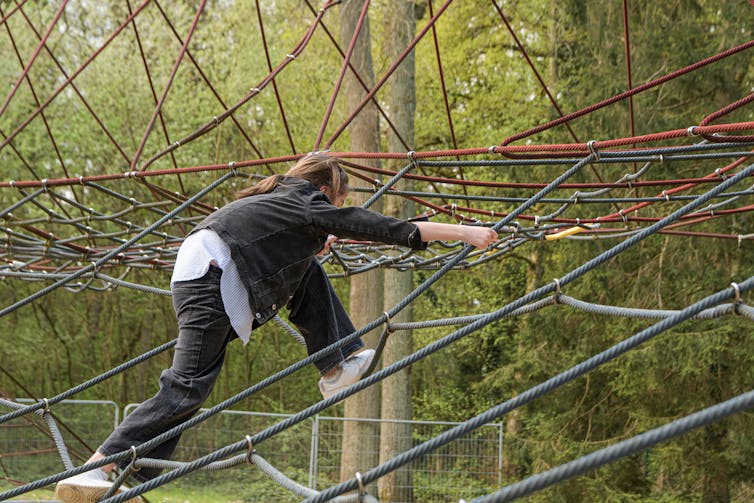
Teen girl on spiderweb ropes in playground
Teenagers need places to play too.
KiNOVO/Shutterstock

While the government’s promise to invest in playgrounds goes some way to meet the UN’s call for better play spaces and to remedy the need that has been documented across England, it is not sufficient as a measure on its own.

Meeting the right to play

Fulfilling children’s right to play – making quality play possible for all children – means more than just giving children physical spaces for play. Children also need psychological space to play. This means they need accessible play spaces that provide opportunities for quality play, and they need to be free from adult pressures and expectations.

Children need protected and unpressured time to be able to play freely, both within and outside of the school day. They need a society that acknowledges and champions their right to play, and supports and enables their play – playing children should be seen as something valuable, not as a nuisance or as frivolous.

Finally, children have a range of rights, and they all matter for play. Children need all their rights to be protected and promoted in law, policy and in their interactions with the adults around them. Without any one of these, children cannot fully enjoy their right to play.

The budget announcement of playground investment is welcome, and long overdue, but it is just the first step to ensuring that children have their right to play fulfilled.

Children’s right to play can only be realised through acknowledging that children’s rights are equal to those of adults. This means we need a cultural shift that acknowledges this equality and that play is critical for children of all ages. We need a culture that supports and promotes children’s play, especially their free play: play that is child-led. Playgrounds are only part of the answer.

The Conversation

Naomi Lott is Lecturer in Law at the University of Reading. She has previously received funding from the Economic and Social Research Council, for her research on the right to play.

ref. Why the £18 million for playgrounds in the budget is so important – and how it should be spent – https://theconversation.com/why-the-18-million-for-playgrounds-in-the-budget-is-so-important-and-how-it-should-be-spent-271020

Thirty years after the Balkans peace deal, a different US leadership is fumbling the war in Ukraine

Source: The Conversation – UK – By Stefan Wolff, Professor of International Security, University of Birmingham

The Dayton accords, signed in December 1995, ended three years of bitter conflict in the Balkans.

Thirty years ago, on December 14 1995, the presidents of Bosnia-Herzegovina, Croatia and the Federal Republic of Yugoslavia signed the Dayton agreement. The treaty ended three years of bloodshed in what was, at the time, the largest war in Europe since 1945.

This distinction is now held by the Russian war against Ukraine. The conflict which began in February 2022 has already lasted longer than the one in Bosnia-Herzegovina and has reportedly led to the death and displacement of millions of people.

The war in Bosnia-Herzegovina happened at a very different time than the war against Ukraine and a very different setting. It was at the end of the cold war, in a fracturing multinational state amid rising nationalism. It started as a civil war rather than an external invasion and it was fought throughout the country’s territory.

Yet despite their differences, there are several eerie parallels between both wars. These are lessons worth considering for how the war against Ukraine might end.

Both wars have a very strong ethnic element, and they both happened in a shifting geopolitical environment. Both wars have had high levels of internationalisation. They were not only fought between the belligerent parties, but indirectly between their supporting allies through the military equipment and support they provided.

The negotiation process that led to the agreement that ended the war in Bosnia-Herzegovina did not just involve the belligerent parties. It also involved “parent” states – Serbia and Croatia – which signed on their behalf. Similarly, but in some ways worse, it seems that any agreement on Ukraine will involve first and foremost the US and Russia. Ukraine and Europe appear set to be excluded.

The war in Bosnia-Herzegovina ended as a result of heavy-handed, US-led mediation at an air force base in Dayton, Ohio. The Dayton mediation effort succeeded after multiple earlier European-led efforts had failed and a UN peacekeeping operation was unable to protect civilians, even in so-called safe areas.

The Dayton accords, as the agreement became known, provided an operational framework that, with all its faults, has managed to keep the country away from violent conflict for 30 years. It has not, however, provided a framework for a functioning state.

The rigid power-sharing structures agreed in Dayton have created frequent political paralysis. Dayton requires key decisions – such as the elections law or on the financing of institutions – to be taken by an international high representative who still holds ultimate authority over Bosnia-Herzegovina.

Nor did the Dayton accords instil much loyalty to the new state. Especially among its Serb population, the desire for breaking away from Bosnia-Herzegovina remains strong. This was clearly evident from the results in the latest presidential elections in the Serbian part of the country on November 23. The candidate who campaigned on a platform for secession won the vote.

What has largely contributed in keeping Bosnia-Herzegovina together is a range of EU actions and funds aiming at maintaining stability. This includes the presence of a UN-mandated European Union peacekeeping force: Eufor Althea.

The clear European commitment to stability in Bosnia-Herzegovina and the western Balkans more broadly is commendable in its endurance. But it is also an indictment of local politicians for failing to establish a self-sustaining peace based on the Dayton accords.

Comparisons with Ukraine

There are a number of lessons that Dayton can offer to efforts to end the war against Ukraine. The first relates to the process of negotiations. In the run-up to the talks, US president Bill Clinton dispatched his national security advisor, Anthony Lake, to Europe to consult extensively with allies.

US leadership in Nato and the clear signal sent to the Bosnian Serbs with operations Deadeye and Deliberate Force, bombing missions which brought the Serbs to the table for negotiations. These were then brought to a successful conclusion by Richard Holbrooke, one of the most gifted diplomats of his generation.

The ceremonial signature event in Paris, three weeks after its initialling in Dayton, gave the agreement additional weight. The three presidents of the warring factions signed under the watchful eyes of the presidents of the US, France and the Council of the EU, as well as the prime ministers of the UK and Russia and the German chancellor.

The sheer extent of the Dayton accords – an agreement with 12 annexes – speaks volumes of the attention to detail. Not all of the original provisions have worked out in the way their drafters may have intended.

But, if nothing else, the military provisions in annex 1A and the subsequent UN-authorised peacekeeping operations, led initially by Nato and then by the EU, provided a robust set of security arrangements. These have been key in deterring any of the parties from defecting from the Dayton accords and contributed to the prevention of renewed large-scale violence in Bosnia.

Most of what made the Dayton accords adoptable, and at least minimally functional, is currently absent from the process to achieve peace in Ukraine.

First, Russia in 2025 is not Serbia in 1995. Where Serbia was already worn out by years of international sanctions, Russia has found ways to minimise their impact.

This is mainly due to the support of allies like China, Iran and North Korea as well as the reluctance by the US president, Donald Trump, to get tough on his Russian counterpart, Vladimir Putin. Serbia did not have resources, population or strategic depth comparable to what Russia can throw into its war against Ukraine.

Second, western assistance to the wartime Bosnian-Croat alliance was a fraction of what would be necessary to enable Ukraine to achieve a similarly advantageous negotiation position. At this stage, it is not even clear whether US and European support will continue at a level to enable Ukraine to avoid an outright military defeat.

While Ukraine’s defeat on the battlefield is not on the cards immediately, it is a less distant prospect now, given the country’s domestic turmoil, the capriciousness of US engagement under Trump and the weakness of Europe.

The final lesson from Dayton to consider might therefore be that even an imperfect agreement may be preferable to an unending, and likely unwinnable, war.

The Conversation

Stefan Wolff is a past recipient of grant funding from the Natural Environment Research Council of the UK, the United States Institute of Peace, the Economic and Social Research Council of the UK, the British Academy, the NATO Science for Peace Programme, the EU Framework Programmes 6 and 7 and Horizon 2020, as well as the EU’s Jean Monnet Programme. He is a Trustee and Honorary Treasurer of the Political Studies Association of the UK and a Senior Research Fellow at the Foreign Policy Centre in London.

Argyro Kartsonaki has received funding from the German Federal Foreign Office and the Organization for Security and Co-operation in Europe (OSCE). She is past recipient of grants from the United States Institute of Peace and from the Economic and Social Research Council (UK). She is a part of the Centre for OSCE Research at IFSH, co-editor of OSCE Insights, and consults the OSCE as a member of the OSCE Expert Network.

ref. Thirty years after the Balkans peace deal, a different US leadership is fumbling the war in Ukraine – https://theconversation.com/thirty-years-after-the-balkans-peace-deal-a-different-us-leadership-is-fumbling-the-war-in-ukraine-270024

Jury trials: what the UK government’s plan to limit them would mean for victims, defendants and courts

Source: The Conversation – UK – By Daniel Alge, Senior Lecturer in Criminology & Criminal Justice, Brunel University of London

Justice secretary David Lammy has announced one of the most significant changes to criminal justice in England and Wales in decades, by scrapping the use of jury trials for most offences that carry a likely jail sentence of less than three years.

Under the proposals, only the most serious offences such as murder, robbery and rape would continue to be tried by a jury. Most other cases would be heard by a judge alone. The reforms will also include creating new “swift courts” within the crown court division.

The government says judge-alone trials will take 20% less time than jury trials. Currently, cases can take an average of 332 days from charge to completion.

The criminal courts are undoubtedly under extraordinary pressure, compounded by cuts to public funding and the impact of the COVID-19 pandemic. There is currently a record backlog of over 78,000 crown court cases.

Yet the right to be tried by one’s peers has deep roots in the legal tradition of England and Wales. Its origins trace back to Magna Carta in 1215, which promised that no one would lose their liberty or property without “the lawful judgement of his peers and the law of the land”.

The judge and legal philosopher Lord Devlin described trial by jury as “the lamp that shows that freedom lives”. It is a symbolic cornerstone of justice in England and Wales.

These proposals go far beyond the recommendations put forward in Brian Leveson’s independent review of the criminal courts, published in July 2025. Leveson proposed trial by judge alone where the defendant requested it, or in particularly lengthy and complex trials. But Lammy’s proposals appear to be a watering down of leaked MoJ plans to restrict the use of jury trials to only “public interest” cases with sentences of over five years.

In practical terms, jury trials already form only a small part of the system, accounting for around 2% of all criminal cases. Ministry of Justice data shows that most criminal cases are resolved in the magistrates’ courts, in which three magistrates (who are volunteer lay people rather than professional judges), determine guilt as well as sentence.

Although magistrates deal with less serious offending, they currently have the power to imprison offenders for up to 12 months for a single offence, a power which, Lammy announced, would be increased to 18 months. Of those cases which are dealt with by the crown court, around 60% of defendants plead guilty, removing the need for a trial.

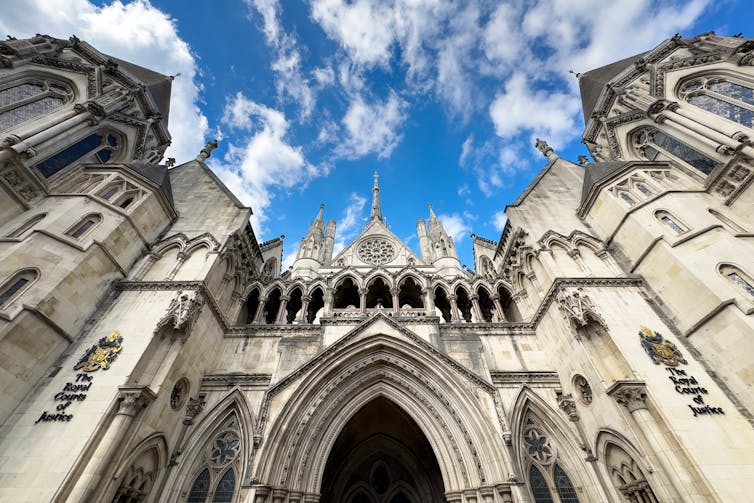
Front facade of the Royal Courts of Justice
The vast majority of criminal cases never reach a jury trial.
Jane Rix/Shutterstock

Some might therefore regard juries as symbolically important, but an unnecessary burden on a struggling court system. While there are valid concerns about aspects of jury decision making, research has found that juries do generally make fair decisions.

There is limited research on judge-only trials, in part because they are relatively rare. Even in jurisdictions where juries are not used, judges more often sit in panels of three or more. There are concerns that judge-only trials risk exacerbating judicial bias.

Perhaps just as importantly, juries provide a form of lay participation that helps ensure public confidence in the fairness of verdicts.

Juries can act as a democratic check on official power. There have been cases, for example in protest-related trials, where juries have interpreted the law in ways that reflect broader community standards. Such instances are a reminder that the legitimacy of criminal justice depends on public consent.

The court backlog

The evidence suggests that jury trials are not the primary cause of the current backlog. Crown court backlogs began rising sharply in 2017, driven by years of budget reductions, court closures, maintenance backlogs and limits on the number of days courts were permitted to sit. However, the backlog has not fallen below 35,000 since 2000.

The pandemic brought unprecedented disruption into an already fragile system as many hearings were postponed and the transition to remote hearings caused delays. By late 2023, there were around 68,000 outstanding crown court cases, already the highest on record, and experts consistently identified lack of capacity as the central issue.

Given that jury trials make up such a small proportion of criminal cases, reducing them cannot, on basic numerical grounds, meaningfully reduce a backlog of this scale. The government has stated that restricting jury trials would save £31 million, just 0.2% of the MoJ budget.

It could, however, create new problems, including increased appeals, challenges on grounds of judicial bias and reduced public confidence in the outcome of trials.


Read more:
Could England and Wales introduce jury-free trials? Here’s how they work in other countries


The Institute for Government has warned that such changes could increase the risk of wrongful convictions and further erode trust in the justice system.

There is no doubt that long waits can be profoundly distressing for victims as well as defendants and witnesses. But victims’ interests also include trust in the process and confidence that decisions about guilt reflect a broad social judgement, not just the view of a single official.

This does not mean that the jury system is perfect or that reform is unnecessary. Leveson’s review of the courts suggested targeted changes, such as judge-only trials in highly complex fraud cases, or hybrid panels of judges and magistrates for certain intermediate offences. It also called for significant improvements in digital case management and infrastructure – investments that could address underlying inefficiencies more directly.

Restricting jury trials might appear to offer a fast route to clearing backlogs, but the data suggests that delays stem from wider capacity constraints, not the workings of juries themselves. England and Wales already rely overwhelmingly on magistrates’ courts and guilty pleas to handle most cases.

If the government is serious about improving outcomes for both victims and defendants, it should invest in the capacity of the courts, rather than remove one of the few remaining avenues for public participation in the criminal justice system.

The Conversation

Daniel Alge does not work for, consult, own shares in or receive funding from any company or organisation that would benefit from this article, and has disclosed no relevant affiliations beyond their academic appointment.

ref. Jury trials: what the UK government’s plan to limit them would mean for victims, defendants and courts – https://theconversation.com/jury-trials-what-the-uk-governments-plan-to-limit-them-would-mean-for-victims-defendants-and-courts-270873

Why everyday stress can make MS symptoms worse

Source: The Conversation – UK – By Alexandra Palombi, Professor in Occupational Therapy, Department of Health Studies, Royal Holloway, University of London

When actor Christina Applegate recently told her followers on Instagram that her legs were “busted” because stress makes her multiple sclerosis (MS) worse, many people with the condition immediately recognised the feeling.

Her comment summed up something researchers have been studying for decades and people with MS have been describing for even longer: stress, even from everyday situations, can trigger symptoms or make existing ones flare.

An estimated 2.8 million people live with MS around the world. The condition affects more women than men and is usually diagnosed between the ages of 20 and 40.

MS affects the brain and spinal cord, disrupting how signals travel through the nervous system. This can lead to extreme tiredness, mobility problems and difficulties with memory or concentration. People with MS often experience relapses, which are periods when symptoms suddenly worsen. These relapses can increase disability over time and make everyday activities more challenging.

A relapse occurs when new symptoms appear or existing symptoms become worse for more than 24 hours, after at least 30 days of stability, and without being caused by fever or infection.

Relapses can present in many different ways. Some people develop vision problems such as blurred or double vision, or pain when moving the eyes, which is known as optic neuritis. Others experience muscle weakness or stiffness in their arms or legs, which can make walking and balance more difficult. Many people notice numbness or tingling in the face, limbs or trunk. Severe fatigue that feels very different from normal tiredness is also common.

Coordination problems may also appear, leading to unsteadiness, tremors or dizziness. Speech may become slurred, swallowing may become more difficult and bladder or bowel habits can change. Some people also experience cognitive changes such as trouble concentrating, slower thinking or lapses in memory. These symptoms can occur alone or in combination and can have a significant impact on day-to-day life.

Research has shown that stress can make MS worse. In 2003, Dutch researchers found that stressful events can double the risk of a relapse within four weeks. Infections can triple the risk. When both stress and infection occur together, the risk may increase up to six times. In practical terms, this means that a major stressful event can significantly raise the chance of a relapse in the following month.

A year later, American researchers reviewed 14 studies and found a strong connection between stress and MS flare-ups. These flare-ups are important because they often lead to long-term increases in disability, meaning that avoiding relapses is crucial for maintaining independence and quality of life.

More recent research continues to show a clear link between stress and relapses. However, it remains unclear whether stress increases the likelihood of developing MS in the first place. A 2022 study found that stress in childhood or adulthood does not appear to change the risk of developing MS.

Fear and worry can lower quality of life

Many people with MS worry about when the next relapse will happen. This fear is known as Fear of Relapse. It goes beyond ordinary concern. It can disrupt daily routines, relationships and a person’s overall sense of well-being. Persistent fear often leads to health anxiety, which increases stress levels.

Stress has physical consequences too. People who believe their memory or thinking skills are declining often feel more anxious and stressed. Over time, this can contribute to depression, and poor sleep can make depression worse.

Depression and stress can reinforce each other. They lower quality of life and may even increase the risk of a relapse. Emotional health and physical health are deeply connected in MS. Managing stress, improving sleep and addressing anxiety are not simply about feeling better. These steps can help protect against flare-ups and support long-term independence.

Practical approaches that can help

Gratitude involves taking time to notice and appreciate the good things in life. Research shows that people who practice gratitude feel happier, less stressed and more satisfied with their lives. A simple habit such as writing down a few things you are thankful for each day can lift mood and build resilience.

Mindfulness involves paying attention to the present moment without judgement. Mindfulness practices have been shown to reduce stress and depression. They can also improve fatigue levels, which is particularly important for people with MS. For many, mindfulness helps ease daily pressures and may reduce the cycle of anxiety that contributes to relapses.


Read more:
How mindfulness therapy could help those left behind by depression treatment


Although practices such as mindfulness and gratitude are not cures, they can make daily life easier, enhance emotional wellbeing and help people with MS feel more in control of their health.

Applegate’s comment about her legs being “busted” after a stressful moment reflects this reality in a powerful, relatable way. Stress is not a minor inconvenience for people with MS. It can alter how their body functions from one day to the next. Recognising this truth and giving people the tools and support they need to manage stress is an important step in helping everyone with MS protect their health and maintain independence.

The Conversation

Alexandra Palombi does not work for, consult, own shares in or receive funding from any company or organisation that would benefit from this article, and has disclosed no relevant affiliations beyond their academic appointment.

ref. Why everyday stress can make MS symptoms worse – https://theconversation.com/why-everyday-stress-can-make-ms-symptoms-worse-270219

People with dyspraxia are at high risk of falling – and it’s too often overlooked

Source: The Conversation – UK – By Johnny Parr, Senior Lecturer, Sport and Exercise Science with expertise in psychophysiology and motor control, Manchester Metropolitan University

Volodymyr TVERDOKHLIB/Shutterstock

For many people with dyspraxia, falling is not an accident but a daily reality. It begins in childhood, shaping confidence and independence, and often continues throughout adult life.

Falls are among the most common causes of injury worldwide, yet a group of people who experience them frequently remains almost invisible in public health data. Dyspraxia, also known as developmental coordination disorder (DCD), affects around 5% of the population and disrupts the brain’s ability to coordinate movement.

My latest research highlights just how frequent and serious these falls can be, and why it is time for healthcare systems to take notice.

Dyspraxia affects the brain’s ability to plan and coordinate movement. This can make everyday activities such as walking, climbing stairs or navigating a crowded room unexpectedly hazardous.

People with dyspraxia often struggle with balance, delayed motor responses and difficulty multitasking while moving. Yet until now, very little research has measured how often people with DCD fall or the full physical and emotional impact of those falls.

To explore this gap, we co-designed a survey with people living with dyspraxia. More than 400 people took part, including adults with DCD, parents of children with DCD and comparison groups of typically developing adults and children.

We found that adults with dyspraxia were nine times more likely to fall at least once or twice a month compared with adults without DCD. Among children with the condition, more than half experienced falls once or twice a week.

These were not harmless stumbles. Participants reported injuries ranging from sprains and fractures to concussions and knocked-out teeth. More than a third of adults with DCD had broken a bone because of a fall.

The psychological toll was just as significant. Many adults said they were afraid to walk alone or use stairs. Overall, 72% of children and adults with dyspraxia were classified as having a high level of concern about falling.

Respondents described avoiding social events, team sports or even leaving the house. Some reported embarrassment, low self-esteem and social isolation. Parents described how their children’s fear of falling kept them from playdates, school trips and physical activity.

Despite these experiences, dyspraxia is missing from major fall prevention guidelines. Public health messaging about falls tends to focus on older adults or on people with conditions such as Parkinson’s or multiple sclerosis. Our findings show that fall risk is a serious and long-overlooked issue for people with DCD at all stages of life.

This oversight has real consequences. Falls are not only about scrapes and bruises. They are one of the leading causes of injury related hospital admissions.

For example, the UK already spends billions each year on fall-related care. If we ignore a population that is falling frequently from childhood onwards, we risk worsening health outcomes, increasing costs and missing opportunities for early, effective support.


Read more:
Dyspraxia: why children with developmental coordination disorder in the UK are still being failed


So, what needs to change?

First, DCD must be recognised in fall risk assessments and prevention strategies. This means training healthcare professionals to identify dyspraxia and understand how it affects balance and coordination.

Second, schools and community organisations should take fall risk seriously when supporting children with DCD, particularly in PE classes, playgrounds and other active settings.

Third, the emotional impact of falling must be addressed. Cognitive behavioural strategies have shown promise in managing fall-related anxiety in other groups and could benefit people with dyspraxia too.

Finally, public awareness needs to grow. Falls linked to dyspraxia are often dismissed as clumsiness or carelessness. In reality, they are a chronic and distressing part of life for many people.

It is time to stop letting people with dyspraxia fall through the cracks. With earlier intervention, greater understanding and more inclusive public health efforts, we can help people with DCD stay steady, safe, and supported.

The Conversation

Johnny Parr does not work for, consult, own shares in or receive funding from any company or organisation that would benefit from this article, and has disclosed no relevant affiliations beyond their academic appointment.

ref. People with dyspraxia are at high risk of falling – and it’s too often overlooked – https://theconversation.com/people-with-dyspraxia-are-at-high-risk-of-falling-and-its-too-often-overlooked-256134

Wake Up Dead Man: an enjoyable slice of murderous Christmassy fun

Source: The Conversation – UK – By Louis Bayman, Associate Professor in Department of Film Studies, University of Southampton

Murder has never been as comforting as in the Knives Out series, whose third instalment, Wake Up Dead Man, is out now in cinemas and will be available to stream from December 12 as one of Netflix’s Christmas offerings. It clocks in at nearly two and a half hours of suspense, comedy and enough asides about religion and politics to get any traditional festive arguments going.

Daniel Craig’s quick-witted but laconic southern private investigator Benoit Blanc doesn’t show up until about an hour into proceedings. Narration is handed over instead to Father Jud (Josh O’Connor), a former boxer who became a Catholic priest after killing a man in the ring.

O’Connor carries the film, not to say this winter season more generally in cinemas, occupying the starring role in Kelly Reichardt’s arthouse heist film The Mastermind last month, and The History of Sound which will be out next month.

Father Jud recounts the events leading up to murder in a far-flung parish in upstate New York, where a small group of parishioners have fallen under the unorthodox preachings of the cultish Monsignor Jefferson Wicks (Josh Brolin).

To say much more would risk giving away some of the mystery that Wake Up Dead Man advertises in its title, so let’s just say that the set-up of a priest battling perdition and the weird parishioners he is stuck with make up a cast of characters who each have their reasons for murder.

This potential is amplified by the fiery sermons of the Monsignor, who is less a guiding shepherd to the credulous flock and more a vengeful wolf. He details his vivid fantasies in confession to the cringeing Jud, as the very definition of a loose canon.

Wake Up Dead Man is an engaging comic mystery with an all-star cast, with Craig, O’Connor and Brolin joined by Mila Kunis, Jeremy Renner, Kerry Washington, Andrew Scott and Glenn Close, who hams up the gothic elements of the script with relish. This is a “locked-room mystery”, a genre begun by Edgar Allan Poe’s 1841 short story The Murders in the Rue Morgue, where murder is committed in the apparently impossible conditions of a completely closed room. The film is then not only a whodunnit but a howdunnit.

Wake Up Dead Man is aware of its own literary inspirations, which if they weren’t already clear are listed as the subjects of the parish reading group. The film is set over Easter weekend, but the idea of a good murder has become staple Christmas fare, making it no surprise that Netflix has scheduled this film for the holiday market. But what is it in the genre that makes murder so Christmassy?

Death as a puzzle

Detective fiction is unique in the way it treats death. Unlike horror, it does not dwell on the terrifying vulnerability that is our mortal condition. And unlike the war film, death is not the price for adherence to a civilisational ideal. Nor is there much sense of the sacredness of life, for death in detective fiction is treated less as a tragedy to mourn than a puzzle to solve.

Detective fiction depicts a world where mystery is no longer proof of the ultimately unknowable workings of the divine. Mystery is instead a problem to be met by the calculations of logical deduction. But as the various lustful, greedy characters of detective fiction demonstrate, if rationality provides the only source of meaning, what is there to stop us from pursuing total amoral self-interest? What is there to stop us, indeed, from murder?

The shared narration between detective Blanc and Father Jud means that Wake Up Dead Man becomes an enquiry not only into a murder but the antagonism between reason and God. Blanc states his atheism as soon as he arrives at the church that is now a crime scene. But a heavenly light shines through its windows to brighten its gloom as Father Jud provides his justification for faith.

Wake Up Dead Man nicely satirises how charismatic leaders can elicit the irrational passions of their followers for self-interested ends, but the film is not itself a rejection of belief. Of course, the intensity of a closed setting, where a lifetime of stored resentments, jealousies and greed spill over into brutal hatred, may also be why murder mysteries seem so appropriate at Christmas.

My main disappointment with Wake Up Dead Man is how underused its supporting players are; the ensemble nature of the whodunnit works best when attention is divided among a cast of characters, each of whom could be a potential murderer. But its closing revelations layer twist upon twist with enough force to make for a satisfying ending to an entertaining story.


Looking for something good? Cut through the noise with a carefully curated selection of the latest releases, live events and exhibitions, straight to your inbox every fortnight, on Fridays. Sign up here.


The Conversation

Louis Bayman does not work for, consult, own shares in or receive funding from any company or organisation that would benefit from this article, and has disclosed no relevant affiliations beyond their academic appointment.

ref. Wake Up Dead Man: an enjoyable slice of murderous Christmassy fun – https://theconversation.com/wake-up-dead-man-an-enjoyable-slice-of-murderous-christmassy-fun-271001

High-stakes tests are common in England’s schools – and they’re linked to a fear of failure

Source: The Conversation – UK – By Carolyn Jackson, Professor of Gender and Education, Lancaster University

wavebreakmedia/Shutterstock

The UK government has committed to reducing the amount of time pupils spend in GCSE exams in England by up to three hours on average. This comes after recommendations to cut exam time were made in an independent review of the national curriculum and school assessment.

Professor Becky Francis, who led the review, has said: “Exams are currently this very stressful, elongated period that young people have to endure, and it’s an unusually long period in England.”

But the government has announced the introduction of a new test. Children in year eight will take a reading assessment, intended to improve standards before they take their GCSEs. This seems to be different from the diagnostic tests in English and maths (also in year eight) recommended in the independent review’s final report.

Children in England are among the most tested in the world and are set to remain so. However, frequent testing isn’t a requirement of school education – and it could be having a serious effect on children’s wellbeing.

In our recent research, we wanted to explore how frequent, high-stakes exams – those with significant consequences, such as for your future career or education – affect children’s fear of failure. We also investigated whether children see school as competitive, how competitive they are, if they see other students as cooperative and whether they feel like they belong in school.

We analysed data from England and the Belgian region of Flanders, as these regions have very different systems when it comes to testing.

England is renowned for setting lots of tests that are high-stakes for pupils, teachers and schools. GCSE and A-level results affect pupils’ learning and career paths; schools are ranked by performance in tests that children sit in primary and secondary school.

Flanders, on the other hand, has no national high-stakes tests. Indeed, it had no nation-wide centrally-administered tests at all until 2024.

Our analysis used data from Pisa, a programme that measures 15-year-olds’ skills and knowledge in reading, mathematics and science in countries across the globe. Questions are also asked about wellbeing and school life. We analysed the data of the 5,242 English students (in 175 schools) in the assessment, as well as the 4,882 Flemish students (in 171 schools).

Competition and failure

It showed that in England, where high-stakes testing is common, students’ fear of failure is higher and they perceive more competition in school than in Flanders. By contrast, in Flanders, students perceive less competition and more cooperation from other students, and they have a higher sense of belonging and less fear of failure than their English counterparts.

The difference in fear of failure is explained partly by students experiencing more competition in England. For example, English students are more likely to report that their peers value competition and that they feel they are being compared with other students. Research by one of us (Carolyn Jackson) has shown that competition and comparisons are fuelled by testing.

Girl looking stressed in lesson
Fear of failure is linked to lower academic performance.
PeopleImages/Shutterstock

A positive sense of belonging has been linked to better academic performance, positive mental health and wellbeing, greater happiness, less stress, higher attendance and greater engagement in school.

Its value is accepted in England: Bridget Phillipson, secretary for education, recently announced her vision to foster student belonging in schools. But she discussed this at the same time as announcing more testing and related targets. According to our analyses, increased competition, which is associated with high-stakes testing, is likely to reduce rather than increase students’ sense of belonging.

Fear of failure – which is also higher in England – can lead to reduced academic performance. It’s also linked with missed opportunities for learning, lower emotional wellbeing and higher levels of stress, burnout and depression. Fear of failure is typically higher in competitive, rather than cooperative, learning contexts.

Overall, our analyses show the importance of creating education systems (and schools and classrooms) that downplay competition and instead foster cooperation and a sense of belonging. Systems like this are associated with lower fear of failure. Reducing fear of failure is crucial given that it is associated with the broad range of negative factors listed above.

This is especially important at the moment, as school-related stress is a major concern in many European countries. It has been linked to growing mental health problems among young people, especially girls.

Returning to the curriculum review, the panel’s push to reduce time spent in exams at GCSE may help slightly to reduce stress. Also, the recommendation to keep any new tests in year eight low stakes and diagnostic, and not to return to high-stakes Sats tests at this level, is encouraging in light of our findings.

Policymakers in Flanders are increasingly looking to learn lessons from the English system. But they would do well to avoid implementing changes that might increase competition and students’ fear of failure, and also reduce cooperation and feelings of belonging.

Currently, many more students in England than in Flanders report school-related pressure. That could soon change if Flanders introduces high-stakes testing and drives up competition.

The Conversation

Carolyn Jackson has received funding from the Economic and Social Research Council (ESRC) and The Nuffield Foundation.

Mieke Van Houtte does not work for, consult, own shares in or receive funding from any company or organisation that would benefit from this article, and has disclosed no relevant affiliations beyond their academic appointment.

ref. High-stakes tests are common in England’s schools – and they’re linked to a fear of failure – https://theconversation.com/high-stakes-tests-are-common-in-englands-schools-and-theyre-linked-to-a-fear-of-failure-269459

It’s not you – some typefaces feel different

Source: The Conversation – UK – By Andrea Piovesan, Lecturer in Psychology, Edge Hill University

Roman Samborskyi/Shutterstock

Have you ever thought a font looked “friendly” or “elegant”? Or felt that Comic
Sans was somehow unserious? You’re not imagining it.

Typefaces carry personalities, and we react to them more than we realise. My work explores how the shapes of letters can subtly influence our feelings.

When we read, we are not just processing the words. We are also taking in the typeface, which can shape how we interpret a message and even what we think of the person who wrote it.

Researchers demonstrated this in a 2018 study using simulated text conversations. They presented participants with an ambiguous message (for example, “That’s what I do”) and altered the typeface. A cheerful-looking font seemed to encourage readers to interpret the message positively, while a harsher one pushed them toward a more negative reading.

A similar pattern appears in email communication. In a 2014 study, the same email sent in Times New Roman made the sender seem formal and professional, whereas the more playful Kristen ITC made them appear more polite and even more attractive. Just as a voice sets the mood of a conversation, a typeface sets the mood of the page.

Research also shows that we process words more quickly when the typeface matches the meaning we expect. In one experiment, published in 1989, people recognised the word “slow” more quickly when it appeared in Cooper Black, a typeface associated with heaviness and slowness, but took longer when the same word was shown in Palatino Italic, which conveys lightness and speed.

A 2021 study found a similar priming effect in brand logos. After seeing a logo set in a particular typeface, participants were quicker to identify words that matched the qualities suggested by that design. When the style of the lettering aligns with the message, our brains seem to work more efficiently.

But how is that possible?

The answer is a mix of factors. Some qualities are built into the physical features of the typeface. Thick, straight lines signal sturdiness, while curves tend to feel softer or more approachable. Some associations may even have evolutionary roots.

Across a range of studies, people reliably link curved shapes with positivity and angular ones with threat or negativity. A 2016 review of this research traces the pattern back to survival mechanisms.

Sharp, angular forms in the environment can indicate danger, so our visual system has evolved to detect and prioritise them quickly. This bias appears to spill over into our perception of typefaces too, making angular fonts feel harsher or more alarming, while curved ones seem warmer and more pleasant.

Arms coming out of old computer monitor and hands typing on keyboard.
Some fonts just feel ‘strong’.
Roman Samborskyi/Shutterstock

Other typeface personalities have been shaped by history and use. Take Times New Roman, originally designed in the 1930s for the British newspaper the Times. Over time, its connection with journalism has become ingrained, making Times New Roman synonymous with professionalism and formality today.

The influence of typefaces becomes even clearer when the wrong choice is made. An example comes from the European organisation for nuclear research, Cern, in 2012 when researchers used Comic Sans to announce the discovery of the Higgs boson (also called the “God particle”).

The decision sparked widespread criticism because Comic Sans is widely seen as playful and informal, hardly befitting one of the most important scientific discoveries of our time.

People who work in design, communication and marketing know this phenomenon well and use it deliberately. Think about the last time you bought a product you couldn’t see inside the box. What persuaded you if the product itself wasn’t visible? Most likely the packaging.

Designers choose typefaces as well as images that communicate the qualities they think you’re looking for.

If you’re searching for screws for a DIY project, you’re more likely to trust packaging set in bold, heavy lettering that signals strength and sturdiness. If you’re choosing a perfume as a gift, a delicate, flourished typeface might suggest elegance and femininity before you’ve even smelled it.

In one 2006 study, people were shown a range of fonts and asked where they would feel appropriate.

Serif typefaces such as Times New Roman and Cambria, which are recognisable by the small finishing strokes at the ends of their letters, were judged most suitable for business documents. Monospaced fonts like Courier New, in which every character takes up the same amount of space, were seen as better suited to technical materials and computer code.

This very article is set in Baskerville, and that’s no accident. Baskerville, like Goudy Old Style and other classic typefaces, tends to be seen as professional, trustworthy and high-quality. Those are the qualities The Conversation aims to convey to its readers. The same principle applies to any professionally designed website. Every typeface has been chosen to create the right impression.

Typefaces can also shape our experience of music. An album cover with rounded letters, for example, can make the music feel more pleasant. Designers also match typefaces to the genre: curvy, playful fonts appear on hippy music covers, conveying joy and peace, while sharp, angular lettering is common on punk albums, signalling anger and aggression.

Sometimes we don’t know exactly why a font feels a certain way. In a 2023 article, I reviewed studies from the past century that asked people to rate how they perceived different typefaces.

This large collection of data revealed some surprising patterns. For example, condensed typefaces, which have letters packed closely together, tend to convey a sense of sadness more than other fonts.

Thick lines reliably signalled strength, but the opposite was not true: thin lines were not consistently judged as weak. Instead, perceptions of weakness were more strongly associated with irregular strokes and high contrast, features common in typefaces that resemble handwriting. Why do they do that? I am afraid I don’t have an answer.

Next time you pick up a book, scroll through a website or glance at a label, take a moment to notice the font. Those subtle lines and curves are doing more than you might think, shaping your experience in subtle ways.

The Conversation

Andrea Piovesan does not work for, consult, own shares in or receive funding from any company or organisation that would benefit from this article, and has disclosed no relevant affiliations beyond their academic appointment.

ref. It’s not you – some typefaces feel different – https://theconversation.com/its-not-you-some-typefaces-feel-different-270192

Why British Museum has ended 15-year Japan Tobacco deal – and what it means for future partnerships

Source: The Conversation – UK – By Allen Gallagher, Postdoctoral Research Fellow, Department of Health, University of Bath

The British Museum has long faced controversy over its sponsors. Nicolas Lysandrou/Unsplash

The British Museum has ended its controversial 15-year sponsorship with Japan Tobacco International (JTI).

The sponsorship has attracted a lot of criticism in that time. In 2016, 1,000 public health experts wrote an open letter calling for London’s cultural institutions, including the British Museum, to end “morally unacceptable” sponsorship from tobacco sponsors.

Despite this, as reported in both 2023 and 2025 by our Tobacco Control Research Group at the University of Bath, the British Museum had continued to have a close relationship with JTI.

It is therefore welcome news that the UK government has finally intervened to end the partnership. It comes following a freedom of information request from the research and campaign organisation Culture Unstained. This revealed that the Department for Health had raised concerns about the partnership earlier this year to the Department for Digital, Culture, Media & Sport, the government department that funds the British Museum. As a result, the museum’s trustees decided not to continue the partnership upon its expiration in September.

This is long overdue. Many other cultural institutions in the UK have already ceased entering into agreements with such companies, given the immense damage tobacco products do to public health.

Tate, for example, stopped accepting all sponsorship from tobacco companies in 1991. The National Gallery, National Portrait Gallery and Victoria and Albert Museum each gradually did the same, leaving The British Museum as the only major UK national art museum still accepting money from a tobacco company.

The British Museum’s director, Nicholas Cullinan, previously argued there needed to be “very good, clear reasons for turning down money that would help keep the British Museum free to the public”.

Ties to a harmful industry

Corporate social responsibility (CSR) became a popular concept in the 1950s. It was originally interpreted as a positive development whereby companies committed resources to further societal gain instead of company profit. By the 1960s, however, more critical interpretations had emerged.

CSR began to be seen as “fundamentally subversive” by business researchers, and now it is commonly interpreted as a mechanism for large corporations to legitimise and consolidate power. For health-harming industries such as tobacco, CSR campaigns can help them “clean” their image by claiming to be investing in society, while simultaneously causing extensive public health harms.

Indeed, sponsoring cultural institutions is a well-documented tobacco industry tactic. Among public health practitioners and researchers, it’s widely seen as part of the industry’s efforts to improve its public image and achieve policy influence.

Viewed in this light, the British Museum’s sponsorship from JTI could be viewed as a deliberate effort by a harmful company to improve its own reputation by exploiting the reputation of a UK cultural institution.

Government funding of the British Museum during its tobacco sponsorship contradicts the world’s first public health treaty. The World Health Organization framework convention on tobacco control was adopted in 2003 and has been signed by over 182 countries and the EU as of 2025.

It aims to protect populations from the harms of tobacco through various measures to reduce tobacco consumption, such as preventing people from starting the habit and protecting them from the harm of secondhand smoke.

Article 5.3 of the treaty aims to protect policymaking from the vested interests of the tobacco industry, given the “fundamental and irreconcilable” conflict between the industry’s commercial interests and public health.

This article and its implementation guidelines stipulate that parties should aim to limit interactions with the tobacco industry. This includes rejecting all partnerships with tobacco companies and curbing their CSR activities.

The government’s financial support of the British Museum, while the museum received JTI sponsorship, was therefore problematic.

The future of sponsorship

Unfortunately, despite the welcome British Museum developments, the tobacco industry continues its connections to other UK cultural institutions. Both the London Philharmonic Orchestra and the Royal Academy of Arts continue to accept JTI sponsorship. Hopefully, the British Museum case will draw the attention of other institutions, encouraging them to follow suit.

Tobacco industry sponsorship of the British Museum has hopefully now become a thing of the past. However, it should be noted that the museum continues to accept sponsorship from other health-harming industries. Its ten-year partnership with oil producer BP, for example, has also come under scrutiny. As with the JTI sponsorship, the British Museum appears behind the curve. Other institutions like the Royal Opera House, National Portrait Gallery and Tate galleries have already cut ties with BP.

Time will tell whether the end of the JTI sponsorship will encourage other cultural institutions to reject tobacco industry sponsorship. We need to remain alert and vigilant regarding current and future partnerships entered into by the British Museum and other UK cultural institutions.


This article is part of our State of the Arts series. These articles tackle the challenges of the arts and heritage industry – and celebrate the wins, too.


The Conversation

Allen Gallagher receives funding from Bloomberg Philanthropies as part of the Bloomberg Initiative to Reduce Tobacco Use (www.bloomberg.org).

Duncan Thomas receives funding from Bloomberg Philanthropies as part of the Bloomberg Initiative to Reduce Tobacco Use (www.bloomberg.org).

Sophie Braznell receives funding from Bloomberg Philanthropies as part of the Bloomberg Initiative to Reduce Tobacco Use (www.bloomberg.org).

ref. Why British Museum has ended 15-year Japan Tobacco deal – and what it means for future partnerships – https://theconversation.com/why-british-museum-has-ended-15-year-japan-tobacco-deal-and-what-it-means-for-future-partnerships-270598

Empathy and reasoning aren’t rivals – new research shows they work together to drive people to help more

Source: The Conversation – USA (3) – By Kyle Fiore Law, Postdoctoral Research Scholar in Sustainability, Arizona State University

What motivates people to donate their time or money to make the world better? Alistair Berg/DigitalVision via Getty Images

For years, philosophers and psychologists have debated whether empathy helps or hinders the ways people decide how to help others. Critics of empathy argue that it makes people care too narrowly – focusing on individual stories rather than the broader needs of society – while careful reasoning enables more impartial, evidence-based choices.

Our new research, forthcoming in the academic journal PNAS Nexus, a flagship peer-reviewed journal of the National Academy of Sciences, suggests this “heart versus head” argument is too simple. Empathy and reasoning aren’t rivals – they work together. Each one on its own predicts more generous, far-reaching acts of assistance. And when they operate side by side, people tend to help in the fairest ways – not favoring some over others – and in ways that touch the most lives.

We studied two groups that regularly help others at personal cost. One consisted of living organ donors who gave kidneys to strangers. The other included “effective altruists,” who use evidence and logic to direct substantial portions of their income or careers toward causes that save the most lives per dollar, such as fighting extreme poverty or preventable illness.

All participants completed survey measures of empathy – essentially, how much they care about and are moved by others’ suffering. They also completed survey measures of reasoning. These assess how often people slow down, reflect and think through things before deciding what to do.

We also examined how these abilities related to a range of altruistic judgments and behaviors, from hypothetical choices – such as deciding whether to help a close friend or a distant stranger – to real-world donations.

On average, organ donors scored higher on empathy, and effective altruists scored higher on reflective reasoning – slowing down and thinking things through. But across all participants, both traits were linked to broader, more outward-looking helping. People with either an elevated heart or head, and especially those with both compared with average adults, tended to support distant others and focus on helping as many people as possible.

Even among organ donors, whose empathic ability is far above average adults’, empathy did not make them biased toward those who were close or familiar. When we measured their altruistic judgments and real-world donations, they were just as likely as average adults, and sometimes even more likely, to favor causes that saved the greatest number of lives.

These patterns challenge the assumption that empathy can narrow moral concern. In practice, we found, empathy can broaden it.

Why it matters

A Black woman in a red apron over a blue top walks with an older white woman holding food packets.
Relying on reason alone isn’t enough to inspire people to help strangers.
Jose Luis Pelaez Inc./Digital Vision via Getty Image

Many of today’s most urgent problems – poverty, climate change, global health – depend on motivating people to care about strangers and to use limited resources effectively.

Appeals to empathy alone may inspire giving but not necessarily the most effective giving. Appeals to reason alone can leave people unmoved, as often facts and numbers don’t stir anyone to care. Our findings suggest that the most powerful approach may be to pair empathy’s motivation with reasoning’s direction.

Empathy provides the emotional spark – a reminder that others’ suffering matters. Reasoning helps steer that motivation toward where help will have the greatest impact. Together, they encourage helping that is both compassionate and consequential.

What’s next

Future research needs to determine how empathy and reasoning can be strengthened in everyday decision-making. Could emotional stories paired with clear evidence about what works best help people choose actions that do the most good?

We also don’t yet know whether people who focus their giving beyond the boundaries of their immediate social circles, like effective altruists, pay any social cost for doing so – perhaps by inadvertently signaling less investment in close others. Promisingly, early evidence from organ donors shows that those who help strangers often maintain strong, stable relationships with their closest friends and family members.

Perhaps most importantly, researchers need to rethink how altruism is understood. Psychology lacks a clear framework for explaining how empathy and reasoning work together, for whom they work best, and the situations where they come apart.

Developing that kind of model would reshape how we think about helping – when helping expands, when it stalls, and why. While such core questions remain, the present findings offer reason for optimism.

The Research Brief is a short take on interesting academic work.

The Conversation

The research relevant to this article was funded by the John Templeton Foundation.

Stylianos Syropoulos does not work for, consult, own shares in or receive funding from any company or organization that would benefit from this article, and has disclosed no relevant affiliations beyond their academic appointment.

ref. Empathy and reasoning aren’t rivals – new research shows they work together to drive people to help more – https://theconversation.com/empathy-and-reasoning-arent-rivals-new-research-shows-they-work-together-to-drive-people-to-help-more-266913