AI is perpetuating unrealistic body ideals, objectification and a lack of diversity — especially for athletes

Source: The Conversation – Canada – By Delaney Thibodeau, Post-doctoral researcher, Faculty of Kinesiology & Physical Education, University of Toronto

What does it look like to have an “athletic body?” What does artificial intelligence think it looks like to have one?

A recent study we conducted at the University of Toronto analyzed appearance-related traits of AI-generated images of male and female athletes and non-athletes. We found that we’re being fed exaggerated — and likely impossible — body standards.

Even before AI, athletes have been pressured to look a certain way: thin, muscular and attractive. Coaches, opponents, spectators and the media shape how athletes think about their bodies.

But these pressures and body ideals have little to do with performance; they’re associated with the objectification of the body. And this phenomenon, unfortunately, is related to a negative body image, poor mental health and reduced sport-related performance.

Given the growing use of AI on social media, understanding just how AI depicts athlete and non-athlete bodies has become critical. What it shows, or doesn’t, as “normal” is widely viewed and may soon be normalized.

Lean, young, muscular — and mostly male

As researchers with expertise in body image, sport psychology and social media, we grounded our study in objectification and social media theories. We generated 300 images using different AI platforms to explore how male and female athlete and non-athlete bodies are depicted.

We documented demographics, levels of body fat and muscularity. We assessed clothing fit and type, facial attractiveness like having neat and shiny hair, symmetrical features or clear skin and body exposure in each image. Indicators of visible disabilities, like mobility devices, were also noted. We compared the characteristics of male versus female images as well as the characteristics of athlete and non-athlete images.

The AI-generated male images were frequently young (93.3 per cent), lean (68.4 per cent) and muscular (54.2 per cent). The images of females depicted youth (100 per cent), thinness (87.5 per cent) and revealing clothing (87.5 per cent).

The AI-generated images of athletes were lean (98.4 per cent), muscular (93.4 per cent) and dressed in tight (92.5 per cent) and revealing (100 per cent) exercise gear.

Non-athletes were shown wearing looser clothing and displaying more diversity of body sizes. Even when we asked for an image of just “an athlete,” 90 per cent of the generated images were male. No images showed visible disabilities, larger bodies, wrinkles or baldness.

These results reveal that generative AI perpetuates stereotypes of athletes, depicting them as only fitting into a narrow set of traits — lacking impairment, attractive, thin, muscular, exposed.

The findings of this research illustrate the ways in which three commonly used generative AI platforms — DALL-E, MidJourney and Stable Diffusion — reinforce problematic appearance ideals for all genders, athletes and non-athletes alike.

The real costs of distorted body ideals

Why is this a problem?

More than 4.6 billion people use social media and 71 per cent of social media images are generated by AI. That’s a lot of people repeatedly viewing images that foster self-objectification and the internalization of unrealistic body ideals.

They may then feel compelled to diet and over-exercise because they feel bad about themselves — their body does not look like AI-fabricated images. Alternatively, they may also do less physical activity or drop out of sports altogether.

Negative body image not only affects academic performance for young people but also sport-related performance. While staying active can promote a better body image, negative body image does the exact opposite. It exacerbates dropout and avoidance.

Given that approximately 27 per cent of Canadians over the age of 15 have at least one disability, the fact that none of the generated images included someone with a visible disability is also striking. In addition to not showing disabilities when it generates images, AI has also been reported to erase disabilities on images of real people.

People with body fat, wrinkles or baldness were also largely absent.

Addressing bias in the next generation of AI

These patterns reveal that AI isn’t realistic or creative in its representations. Instead, it pulls from the massive database of media available online, where the same harmful appearance ideals dominate. It’s recycling our prejudices and forms of discrimination and offering them back to us.

AI learns body ideals from the same biased society that has long fuelled body image pressure. This leads to a lack of diversity and a vortex of unreachable standards. AI-generated images present exaggerated, idealized bodies that ultimately limit the diversity of humans and the lowered body image satisfaction that ensues is related greater loneliness.

And so, as original creators of the visual content that trains AI systems, society has a responsibility to ensure these technologies do not perpetuate ableism, racism, fatphobia and ageism. Users of generative AI must be intentional in how image prompts are written, and critical in how they are interpreted.

We need to limit the sort of body standards we internalize through AI. As AI-generated images continue to populate our media landscape, we must be conscious of our exposure to it. Because at the end of the day, if we want AI to reflect reality rather than distort it, we have to insist on seeing, and valuing, every kind of body.

The Conversation

Catherine Sabiston receives funding from the Canada Research Chairs program

Delaney Thibodeau and Sasha Gollish do not work for, consult, own shares in or receive funding from any company or organisation that would benefit from this article, and have disclosed no relevant affiliations beyond their academic appointment.

ref. AI is perpetuating unrealistic body ideals, objectification and a lack of diversity — especially for athletes – https://theconversation.com/ai-is-perpetuating-unrealistic-body-ideals-objectification-and-a-lack-of-diversity-especially-for-athletes-268735

Apparent ancient artifacts are found in a B.C. thrift shop — and archeology faculty are on the case

Source: The Conversation – Canada – By Cara Tremain, Assistant Professor, Archaeology, Simon Fraser University

An unusual email arrived in the inbox of a faculty member at the department of archeology at Simon Fraser University in the spring of 2024.

This email was from a thrift shop, Thrifty Boutique in Chilliwack, B.C. — unlike the many queries archeologists receive every year to authenticate objects that people have in their possession.

The shop wanted to determine whether items donated to the store (and initially put up for sale) were, in fact, ancient artifacts with historical significance. Shop employees relayed that a customer, who did not leave their name, stated the 11 rings and two medallions (though one may be a belt buckle) in the display case with a price tag of $30 were potentially ancient.

Thrifty Boutique wasn’t looking for a valuation of the objects, but rather guidance on their authenticity.

Eclectic collection

As archeology faculty, we analyzed these objects with Babara Hilden, director of Museum of Archaeology and Ethnology at Simon Fraser University, after the store arranged to bring the items to the museum.

Our initial visual analysis of the objects led us to suspect that, based on their shapes, designs and construction, they were ancient artifacts most likely from somewhere within the boundaries of what was once the Roman Empire. They may date to late antiquity (roughly the third to sixth or seventh century) and/or the medieval period.

The initial dating was based largely on the decorative motifs that adorn these objects. The smaller medallion appears to bear a Chi Rho (Christogram), which was popular in the late antiquity period. The larger medallion (or belt buckle) resembles comparable items from the Byzantine Period.

The disparities between the two objects, suggesting different time periods, make it unlikely they’re from the same hoard. We expect they were assembled into an eclectic collection by the unknown person (as of yet) who acquired them prior to their donation to Thrifty Boutique.


Read more:
Melsonby hoard: iron-age Yorkshire discovery reveals ancient Britons’ connections with Europe


With the exciting revelation that the objects may be authentic ancient artifacts, the thrift store offered to donate them to SFU’s archeology museum. The museum had to carefully consider whether it had the capacity and expertise to care for these objects in perpetuity, and ultimately decided to commit to their care and stewardship because of the potential for student learning.

Officially accepting and officially transferring these objects to the museum took more than a year. We grappled with the ethical implications of acquiring a collection without known provenance (history of ownership) and balanced this against the learning opportunities that it might offer our students.

Ethical and legal questions

Learning to investigate the journey of the donated objects is akin to the process of provenance research in museums.

In accepting items without known provenance, museums must consider the ethical implications of doing so. The Canadian Museums Association Ethics Guidelines state that “museums must guard against any direct or indirect participation in the illicit traffic in cultural and natural objects.”

When archeological artifacts have no clear provenance, it is difficult — if not impossible — to determine where they originally came from. It is possible such artifacts were illegally acquired through looting, even though the Canadian Property Import and Export Act exists to restrict the importation and exportation of such objects.


Read more:
HBC’s artworks and collections help us understand Canada’s origins — and can be auctioned off


We are keenly aware of the responsibility museums have to not entertain donations of illicitly acquired materials. However, in this situation, there is no clear information — as yet — about where these items came from and whether they are ancient artifacts or modern forgeries. Without knowing this, we cannot notify authorities nor facilitate returning them to their original source.

With a long history of ethical engagement with communities, including repatriation, the Museum of Archaeology and Ethnology is committed to continuing such work. This donation would be no different if we’re able to confirm our suspicions about their authenticity.

Archeological forgeries

Archeological forgeries, while not widely publicized, are perhaps more common than most realize — and they plague museum collections around the world.

Well-known examples of the archeological record being affected by inauthentic artifacts are the 1920s Glozel hoax in France and the fossil forgery known as Piltdown Man.

Other examples of the falsification of ancient remains include the Cardiff Giant and crystal skulls, popularized in one of the Indiana Jones movies.

Various scientific techniques can help determine authenticity, but it can sometimes prove impossible to be 100 per cent certain because of the level of skill involved in creating convincing forgeries.

Copies of ancient artefacts

Other copies of ancient artifacts exist for honest purposes, such as those created for the tourist market or even for artistic purposes. Museums full of replicas still attract visitors, because they are another means of engaging with the past, and we are confident that the donation therefore has a place within the museum whether the objects are authentic or not.

By working closely with the objects, students will learn how to become archeological detectives and engage with the process of museum research from start to finish. The information gathered from this process will help to determine where the objects may have been originally uncovered or manufactured, how old they might be and what their original significance may have been.

Object-based learning using museum collections demonstrates the value of hands-on engagement in an age of increasing concern about the impact of artificial intelligence on education.

New course designed to examine items

The new archeology course we have designed, which will run at SFU in September 2026, will also focus heavily on questions of ethics and provenance, including what the process would look like if the objects — if determined to be authentic — could one day be returned to their country of origin.

The students will also benefit from the wide-ranging expertise of our colleagues in the department of archeology at SFU, including access to various technologies and avenues of archeological science that might help us learn more about the objects.

This will involve techniques such as X-ray fluorescence, which can be used to investigate elemental compositions of materials and using 3D scanners and printers to create resources for further study and outreach.

Mentoring with museum professionals

Local museum professionals have also agreed to help mentor the students in exhibition development and public engagement, a bonus for many of our students who aspire to have careers in museums or cultural heritage.

Overall, the course will afford our students a rare opportunity to work with objects from a regional context not currently represented in the museum while simultaneously piecing together the story of these items far from their probable original home across the Atlantic.

We are excited to be part of their new emerging story at Simon Fraser, and can’t wait to learn more about their mysterious past.

The Conversation

Cara Tremain receives funding from the Social Sciences and Humanities Research Council of Canada

Sabrina C. Higgins receives funding from the Social Sciences and Humanities Research Council of Canada.

ref. Apparent ancient artifacts are found in a B.C. thrift shop — and archeology faculty are on the case – https://theconversation.com/apparent-ancient-artifacts-are-found-in-a-b-c-thrift-shop-and-archeology-faculty-are-on-the-case-267064

Donald Trump’s Ukraine peace deal would leave the country vulnerable to future Russian attacks

Source: The Conversation – Canada – By James Horncastle, Assistant Professor and Edward and Emily McWhinney Professor in International Relations, Simon Fraser University

United States President Donald Trump’s envoy, Steve Witkoff, and a key adviser to Russian President Vladimir Putin, Kirill Dmitriev, recently agreed to a 28-point peace plan to end the war in Ukraine.

Such an agreement, on the surface, would be cause for good news. The human toll of the conflict, although shrouded in secrecy by both Russia and Ukraine, is high.

Just one problem: the U.S. and Russia did not include Ukraine in the deliberations. Not only is that patronizing, no matter how the Trump administration has sought to spin it, but it means the agreement reflects Russian demands and goals for the war.

As such, not only is the deal a non-starter, but it also puts Ukraine in the unenviable position of saying no to a mercurial American president.


Read more:
Peace in Ukraine? Believe it when you see it, especially if Russian demands are prioritized


The search for peace

Since Russia’s full-scale invasion of Ukraine in February 2022, there have been several initiatives seeking peace.

One of the earliest efforts took place in Turkey soon after the invasion. Despite Russia’s efforts to portray Ukraine’s withdrawal from the talks as being American-led, what ultimately scuttled the peace process were revelations of Russian atrocities in the Kyiv suburb of Bucha.

In the aftermath of this failure, both Russia and Ukraine reverted to pursuing their own goals for the conflict. For Ukraine, this meant the complete restoration of its territory from Russian occupation. Ukraine’s failed summer 2023 counter-offensive, however, dashed hopes for a quick victory.

Since this failure, both Ukraine and Russia have accepted that a war of out-manoeuvring one another for a rapid victory is unlikely. Instead, the war in Ukraine is now a protracted, attrition-based conflict.

In such a scenario, the role of outside support is critical. Ukraine has advocated for American participation in peace negotiations, but the talks leading to the 28-point peace plan signalled the Americans were siding with Russia and acceding to Russian demands.

Ukrainian officials have since met with both European and American officials to chart another path forward.

The peace plan’s many problems

Ukraine’s supporters have rightfully argued that the 28-point peace plan heavily favours Russia. The plan’s bias was so evident that U.S. Secretary of State Marco Rubio reportedly told senators it represented a Russian “wish list,” although he later denied saying that.

There are multiple provisions that make the deal unworkable from a Ukrainian perspective.

The first is that under the plan, Ukraine must cede all of Donetsk and Luhansk in the eastern reaches of the country to Russia. While Russia has seized Luhansk in its entirety, key portions of Donetsk remain under Ukrainian control.

Ukraine’s control of these parts of Donetsk goes beyond symbolic value. These areas consist of terrain and fortifications that are ideal for defensive operations. If Ukraine surrendered this territory to Russia, central Ukraine would be left vulnerable to rapid Russian assaults in the future.

Accepting a bad deal?

Ukrainian officials have struck a delicate balance since Trump announced his peace plan. If Ukrainian officials outright reject it, Trump will probably abandon Ukraine at a moment of need. If Ukraine fully acquiesces, it will be left vulnerable to future aggression. It’s also doubtful any officials who sign the Russia-friendly agreement will survive politically.

Ukrainian officials have consequently cultivated their ties with European officials while playing for time on the more contentious issues in the plan. Specifically, President Volodymyr Zelenskyy has said that the territorial aspects of the proposed agreement are the most troublesome.

Realistically, Ukraine isn’t likely to recover areas like Crimea. But Trump asking Ukrainian officials to surrender territory they have not yet lost in Donetsk is a bridge too far.

Unfortunately, Trump appears desperate to reach an agreement, regardless of the cost, judging by the people he has placed in charge of negotiating with Russia — Witkoff and Jared Kushner, the president’s son-in-law.

Witkoff and Kushner are most notably involved when Trump wants results, regardless of the consequence.

Since entering politics in Trump’s first term, Witkoff has been an apologist for Russia and its actions. This stance has not changed in Trump’s second term. In fact, it appears Witkoff coached Russia on how to ingratiate itself to Trump, seemingly placing Russian interests above American.

Kushner’s past diplomacy efforts appear to have enriched him personally, something that does not bode well for the required neutral stance in Russia-Ukraine talks.

A lost moment

Unfortunately for Ukraine, these peace plan complications could not come at a worse time for their war efforts. While Russia pummels Ukrainian cities and is claiming it’s seized the city of Pokrovsk in eastern Ukraine, Ukrainians are simultaneously making sustained attacks on the Russian energy industry.

Direct disruption of Russian energy is perhaps the one area where Ukrainian pressure could affect Putin’s war efforts.

Trump’s attempts to achieve a peace deal at any cost, however, could scuttle any Ukrainian breakthroughs.

The Conversation

James Horncastle does not work for, consult, own shares in or receive funding from any company or organisation that would benefit from this article, and has disclosed no relevant affiliations beyond their academic appointment.

ref. Donald Trump’s Ukraine peace deal would leave the country vulnerable to future Russian attacks – https://theconversation.com/donald-trumps-ukraine-peace-deal-would-leave-the-country-vulnerable-to-future-russian-attacks-270556

Charles Fourier, ce penseur du XIXe siècle qui voyait le travail comme un plaisir

Source: The Conversation – France (in French) – By Bernard Guilhon, Professeur de sciences économiques, SKEMA Business School

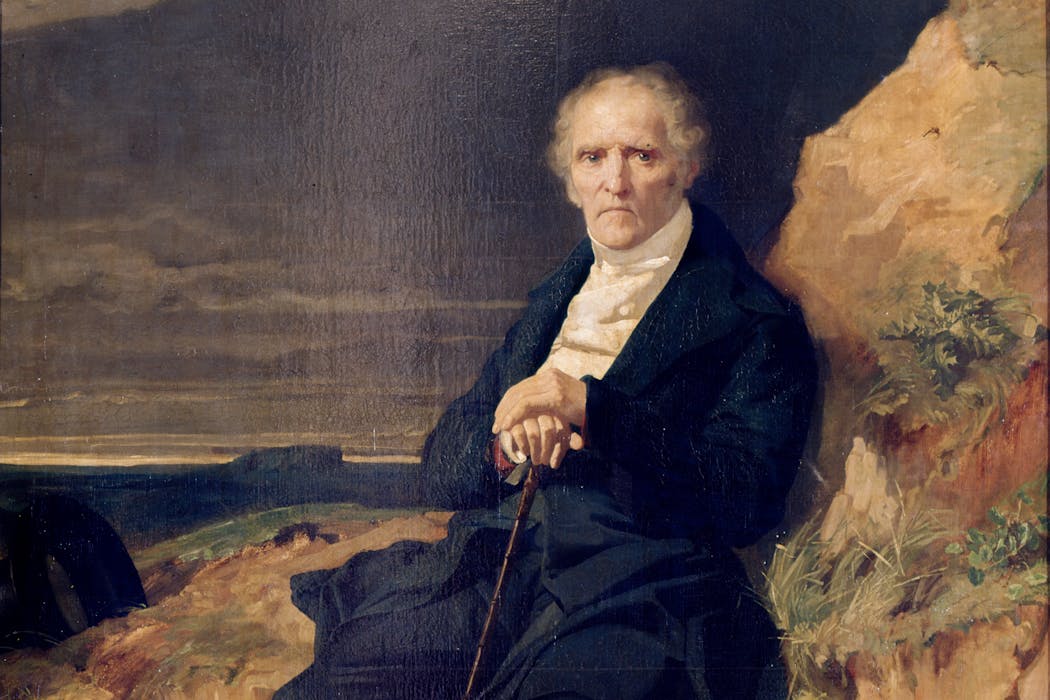
L’inventeur du phalanstère parie sur l’association libre des attractions entre les êtres humains pour atteindre l’harmonie, y compris dans la sphère professionnelle. Plaisir et travail ne doivent pas être opposés. Wikimediacommons

Charles Fourier (1772-1837) est l’un des premiers auteurs à développer une critique du capitalisme libéral. Un philosophe dénigré par Karl Marx pour son socialisme utopique. Considéré tantôt comme un être fantasque, tantôt comme un inventeur encombrant, il exerce une carrière de commerçant durant une grande partie de sa vie. Une de ses réflexions résonne dans notre actualité : qu’est-ce qui peut motiver l’individu à l’égard de son travail ?


Il est probablement l’auteur le plus original parmi les socialistes français du XIXe siècle, considérés comme utopiques, tels Claude-Henri de Rouvroy de Saint-Simon (1760-1825) ou Étienne Cabet (1788-1856). Les travaux que j’ai menés dans le cadre d’une thèse d’État sur les socialistes utopiques ont mis en évidence l’idée que, chez Charles Fourier, le travail n’était pas l’élément premier, mais une activité entraînée par des motivations, une « attraction passionnée ».

L’idée principale qui se dégage de son œuvre ? Les transformations des structures de production nécessitée par les crises, le chômage et la misère, doivent prendre la forme d’un collectivisme décentralisé. Ce dernier repose sur une propriété associée dont l’élément central est constitué par « la phalange » ou commune sociétaire.

Les nouvelles relations sociales sont analysées notamment dans la Théorie des quatre mouvements et des destinées générales (1808), le Nouveau Monde industriel et sociétaire ou invention du procédé d’industrie attrayante et naturelle, distribuée en séries passionnées (1829), la Fausse Industrie morcelée, mensongère et l’antidote, l’industrie naturelle, combinée, attrayante, véridique donnant quadruple produit (1835-1836). Ces ouvrages mettent l’accent sur l’aliénation économique, doublée d’une aliénation affective qui ne peut être dépassée qu’en libérant l’individu de toutes les contraintes qui l’empêchent de se réaliser.

Dans ce nouveau système, par quoi les travailleurs et travailleuses sont-ils motivés, en dehors de l’argent ?

Motivations non pécuniaires

L’existence de rapports humains dans la production implique pour Charles Fourier la prise en considération des motivations non pécuniaires. Il critique dans le premier tome de la Théorie de l’unité universelle « les méthodes qui laissent dans l’oubli la plus vaste, la plus nécessaire des études, celle de l’Homme, c’est-à-dire de l’attraction passionnée ». Une organisation doit reposer sur l’association libre des attractions entre les êtres humains pour atteindre l’harmonie. Plaisirs et travail ne sont pas opposés, mais promus.

L’étude du monde du travail doit être « celle de l’homme social » centrée sur le « social et le passionnel », en d’autres termes sur l’analyse des motivations. L’unité de production, en tant qu’organisation, est commandée à la fois par les impératifs économiques et techniques de la production, mais également par les besoins psychologiques des travailleurs.

Luxe des ateliers et bagne de l’usine

Le point de départ de sa réflexion est celui de l’adaptation physiologique, du corps, de l’individu à son travail. Charles Fourier insiste sur la nécessité d’usines harmonieuses, « le luxe des ateliers » et sa conséquence sur la santé des travailleurs. Une usine ne doit pas être un bagne. Il met l’accent sur l’importance des couleurs, des peintures souvent refaites, des conditions de température et de propreté des ateliers.

Charles Fourier est le penseur du phalanstère, contraction de phalange et de monastère, le regroupement organique des éléments considérés nécessaires à la vie harmonieuse d’une communauté appelée phalange.
Wikimedia

L’organisation du travail doit s’attacher à réduire les distances entre les postes de travail. Une opération de production va échoir à plusieurs groupes de travail et être décomposée en « éléments distincts ». Dans le Nouveau Monde industriel et sociétaire, il souligne que cet « exercice parcellaire en fonctions » va favoriser le passage d’un poste de travail à l’autre. Il s’agit de permettre « au travailleur exécutant » de replacer cette opération dans le tout de la production.

Papillonner contre la monotonie

Le passage d’un poste de travail à l’autre satisfait le besoin de variété, analysé sous le nom de « papillonne ». Les attitudes désignées sous le nom d’ennui, liées « à la monotonie d’un travail sans diversion » soulignées dans La Fausse Industrie, peuvent être réduites par l’alternance des tâches. Ces dernières nécessitent un fractionnement de la journée de travail et l’introduction de pauses.

« Le but serait manqué si cet enchaînement de plaisirs ne coopérait pas au bien de l’industrie active » dit-il dans le tome III de la Théorie de l’unité universelle.

Pour Charles Fourier, le temps de travail doit être découpé en séances de deux heures. Cette division quotidienne pas à négliger les aspects économiques, tels que l’accroissement de la production et de la productivité.

« Perfection du tout » dans le travail en groupe

Premier volume de la Théorie des quatre mouvements.

Il y a chez Charles Fourier l’idée que l’organisation du travail possède des propriétés sociales et psychologiques indépendantes de la technologie. Le machinisme ne peut répondre aux besoins des humains. C’est dans cette perspective qu’il faut développer le sentiment de coopération, d’appartenance à un groupe et l’émulation en favorisant le travail collectif.

C’est là que réside la profonde originalité du socialiste utopique. Son analyse rompt absolument avec l’hypothèse de la foule, associée à la perte du sentiment de responsabilité de l’individu, lorsqu’il rappelle dans le Nouveau Monde industriel et sociétaire que le groupe est « une masse liguée par identité de goût pour une fonction exercée ». Des hommes et femmes avec la même « attraction passionnée ».

Le groupe n’est pas une simple collection d’individus. Selon Charles Fourier, il implique des relations stables entre sept à neuf personnes. Il est analysé comme un moyen d’expression des motivations individuelles. Le travail en groupe satisfait le besoin de comprendre la signification de la tâche. La compréhension du but aiguise le besoin de contribuer à « la perfection du tout », le besoin d’achever.

Sens de la vie

La motivation est dénommée par l’auteur « composite ». Dans ce contexte, les considérations affectives deviennent aussi importantes que les considérations économiques comme le taux de salaire, les horaires, etc.

« Le lien ne serait que simple s’il se bornait à exciter l’émulation industrielle par appât du gain. Il faut y joindre des véhicules tirés d’autres passions comme les rencontres amicales », précise Charles Fourier dans la « Théorie de l’unité universelle ».

Les relations affectives, faites de coopération et d’émulation, au sein du groupe de travail sont analysées sous le nom de « cabaliste ». Bien entendu, la motivation pécuniaire existe, mais l’aspect relationnel a pour conséquence de rendre plus complexe l’interprétation du comportement humain. « Les membres du groupe sont entraînés au travail par émulation, amour-propre, et autres véhicules compatibles avec celui de l’intérêt » rappelle-t-il dans la Théorie des Quatre Mouvements.

L’amour-propre nous amène à tenir compte d’autrui. Cet échange réciproque satisfait le besoin de dignité, d’être reconnu dans son travail.

De Charles Fourier se dégage l’idée actuelle que l’accroissement de la productivité est souvent le résultat de la double exigence de la production et de la recherche d’un bien-être de l’individu. « Pour découvrir notre fin, il était deux conditions à remplir, la première de créer la grande industrie, fabriques, sciences et arts ; quand la grande industrie est créée, il reste à remplir la deuxième condition, la recherche du sens de notre vie » rappelle-t-il.

The Conversation

Bernard Guilhon ne travaille pas, ne conseille pas, ne possède pas de parts, ne reçoit pas de fonds d’une organisation qui pourrait tirer profit de cet article, et n’a déclaré aucune autre affiliation que son organisme de recherche.

ref. Charles Fourier, ce penseur du XIXe siècle qui voyait le travail comme un plaisir – https://theconversation.com/charles-fourier-ce-penseur-du-xixe-siecle-qui-voyait-le-travail-comme-un-plaisir-269665

À cent ans, « Gatsby le Magnifique » continue d’attirer lecteurs et… critiques

Source: The Conversation – France (in French) – By Pascale Antolin, Professeure de littérature américaine, Université Bordeaux Montaigne

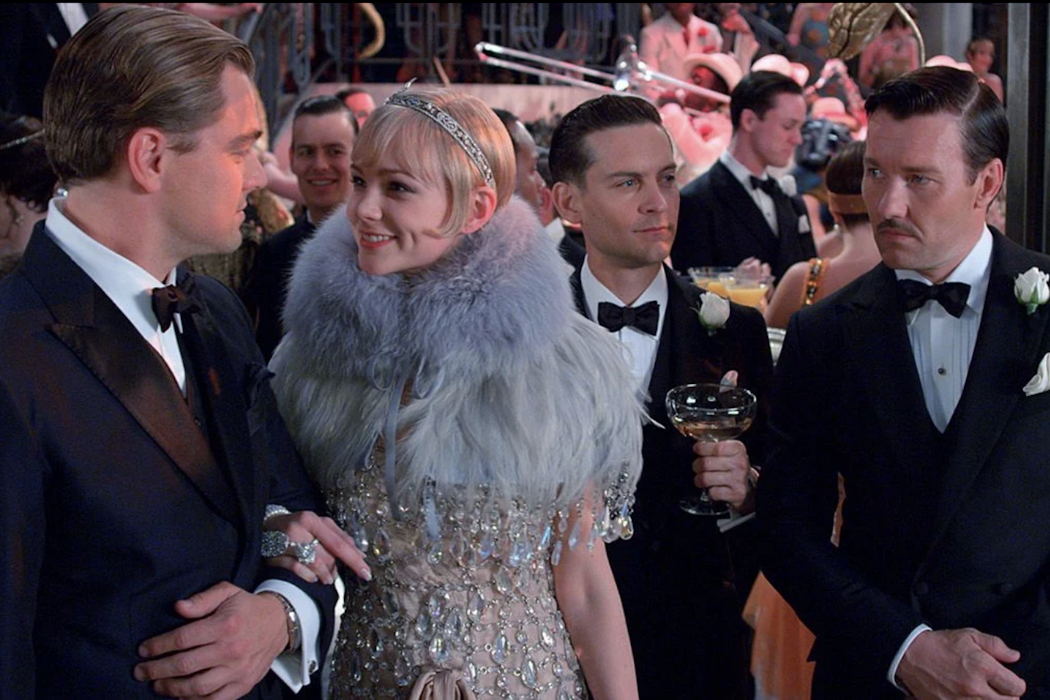
Le film de Baz Luhrmann (2013) a réactivé le mythe de Gatsby.

Le 10 avril 2025, « Gatsby le magnifique » (« The Great Gatsby », en anglais), roman de l’Américain Francis Scott Fitzgerald (1896-1940), célébrait son centième anniversaire. Bien qu’il ait déjà fait l’objet d’une bonne centaine d’ouvrages ou d’articles critiques, ce court récit continue d’inspirer les chercheurs.


Aux États-Unis, tout le monde connaît Gatsby, car les jeunes Américains étudient le livre au lycée. Il présente en effet l’avantage de ne compter que cent soixante-dix pages et d’être, à première vue, relativement simple.

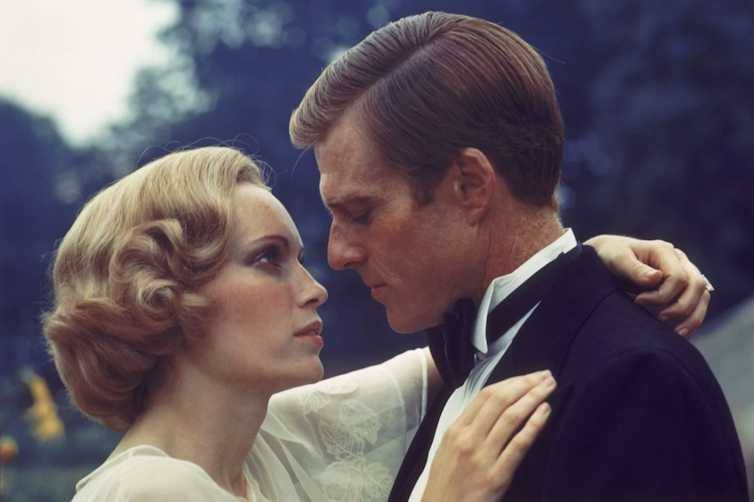
Il a aussi donné lieu à des adaptations diverses qui ont contribué à sa popularité : un ballet, un opéra, des productions radiophoniques et théâtrales, et surtout cinq films. Parmi eux, deux ont connu un succès international : le film réalisé par Jack Clayton en 1974, avec Robert Redford dans le rôle de Gatsby et Mia Farrow dans celui de Daisy Buchanan, et celui de Baz Luhrmann, en 2013, avec Leonardo di Caprio et Carey Mulligan.

Un monument des lettres américaines

Gatsby le Magnifique, c’est l’histoire d’un amour malheureux entre une garçonne (flapper, en anglais) à la voix « pleine d’argent », comme le dit le héros, et un gangster très riche (le fameux bootlegger de la prohibition). C’est aussi le rêve américain et ses limites, la tragédie du temps qui passe, la débauche des années vingt, [l’« âge du jazz », comme l’a appelé Fitzgerald]), avec ses soirées extravagantes, ses excès de musique, de danse et surtout d’alcool. On n’a jamais autant bu que pendant la prohibition, aurait dit Fitzgerald. Et il savait de quoi il parlait !

Gatsby, c’est aussi un récit ciselé, sans un mot de trop, où le destin du héros finit par se confondre avec celui de l’Amérique. Le roman est devenu une sorte de monument des lettres américaines, « la chapelle Sixtine de la littérature américaine », écrit l’autrice, universitaire et critique littéraire, Maureen Corrigan dans un ouvrage de 2014, So We Read On : How The Great Gatsby Came to Be and Why It Endures (Little Brown and Company) (non traduit en français, nldr), où elle analyse justement la pérennité du récit. Selon elle, chaque fois qu’on lit Gatsby, on le trouve meilleur encore. En tout cas, on découvre des détails nouveaux, des indices, comme dans un roman policier (car c’en est un aussi, avec trois morts violentes), qu’on n’avait pas repérés auparavant.

Lors d’une conférence à la Librairie du Congrès à Washington à l’occasion de la sortie de son livre, Corrigan insiste sur l’influence qu’a exercée sur Fitzgerald, pendant l’écriture du livre, ce qu’on appelle, en français comme en anglais, la fiction hard-boiled, sous-genre de la fiction policière américaine qui met en scène des « durs » (hard-boiled). Elle demande aussi « Que reste-t-il à dire ? » sur Gatsby aujourd’hui.

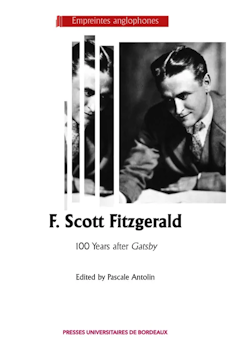
À l’occasion du centième anniversaire du roman, un des chefs-d’œuvre de la littérature américaine, il m’a semblé opportun de publier un recueil d’articles académiques en anglais pour faire le point sur la critique fitzgeraldienne des deux côtés de l’Atlantique. C’est ainsi que F. Scott Fitzgerald. A Hundred Years after Gatsby (ouvrage non traduit en français, ndlr) est paru en septembre 2025 aux Presses universitaires de Bordeaux. En lançant ce projet, je ne cherchais pas du tout à répondre à la question de Corrigan tant j’étais convaincue qu’on ne me proposerait pas d’article sur Gatsby, qu’on avait déjà tellement écrit sur ce court roman que le sujet était comme épuisé. J’imaginais que les chercheurs américains, britanniques, français et suédois que j’ai sollicités me soumettraient plutôt des articles portant sur des nouvelles ou des textes peu connus.

Je me fourvoyais complètement.

La pérennité de Gatsby

Sur neuf articles, cinq sont consacrés à Gatsby le Magnifique, deux à Tendre est la nuit (Tender Is the Night, publié en 1934) et deux autres à des récits autobiographiques. Quatre sur les cinq ont été rédigés par des Américains, le dernier par un Britannique. Si la plupart des Européens répugnent désormais, semble-t-il, à revenir à Gatsby, les Américains n’ont pas les mêmes réserves. Et le pire, c’est qu’ils arrivent encore à faire parler le texte.

Un de ces cinq articles, signé James L. W. West, relève de la « critique génétique » et compare des versions plus anciennes du roman à celle qui a été publiée en 1925. Il se concentre, en particulier, sur un bal masqué que Fitzgerald a supprimé. Le passage montrait la différence profonde, une différence de classe et de culture, entre Daisy et Gatsby. Le nouveau riche avait invité des stars de cinéma, des gens à la mode, croyant faire plaisir à la jeune femme. Dans son monde à elle, cependant, celui des vieilles fortunes (old money), on ne s’intéresse pas aux célébrités. En supprimant cet épisode, Fitzgerald a donc privilégié l’implicite, l’allusion. Tout au long du récit, en effet, il appartient au lecteur de décoder ou de déchiffrer les rares indices qui lui sont donnés.

Un autre article (écrit par Dominic Robin) analyse l’œuvre au prisme du réalisme magique, sans craindre ni l’audace ni l’anachronisme d’une telle lecture, même si l’auteur reconnaît volontiers que son approche n’est pas sans faille. La formule « réalisme magique », forgée en 1925 par un critique d’art allemand, désigne d’abord la peinture avant de s’appliquer à la littérature sud-américaine dans les années 1960. Gatsby ne se révèle donc ni vraiment magique ni réaliste non plus, disons plutôt entre les deux.

Un troisième article (signé Tom Phillips) lit le roman à la lumière, ou plus exactement au rythme du jazz, et soutient que Fitzgerald a fait de la syncope, au fondement du jazz, son mode d’écriture. Ainsi, il dit les choses sans avoir l’air de les dire. Il appartient au lecteur, par exemple, de déceler l’identité métisse du personnage de Jordan Baker (l’amie de Daisy, ndlr).

Le quatrième article (celui d’Alan Bilton) compare l’art de Fitzgerald dans le roman à celui des thanatopracteurs. Sous le vernis de surface, entre grimage et camouflage, le romancier dissimulerait et dévoilerait tout à la fois différences sociales, corruption, et matérialisme.

Gatsby et les présidents américains

Quant au cinquième article (Kirk Curnutt), sans doute le plus novateur, il analyse la présence de Gatsby, ou plutôt celle de son nom dans le discours politique américain, plus particulièrement celui qui concerne les présidents des États-Unis.

Alors que Gatsby n’est pas un texte politique (à l’exception des allusions de Tom Buchanan, le mari de Daisy, aux questions de race et d’immigration), il a été utilisé, récupéré sans arrêt, pour qualifier les présidents, républicains ou démocrates, à commencer par Richard Nixon au moment du scandale du Watergate, au début des années 1970.

Il faut dire que la démission de Nixon en 1974 a coïncidé avec la sortie de l’adaptation cinématographique du roman réalisée par Clayton, laquelle a donné lieu à une campagne publicitaire féroce. Les deux noms, celui de Nixon et celui de Gatsby, se sont donc retrouvés dans les médias au même moment. Par la suite, la plupart des présidents américains ont été qualifiés de Gatsby, y compris Barak Obama et Donald Trump. Si on peut s’approprier ainsi son nom, avance aussi l’article, c’est sans doute en raison de l’identité incertaine, ambivalente même du personnage, à la fois idéaliste et gangster, naïf et pragmatique.

Robert Redford et Mia Farrow dans le Gatsby, de Jack Clayton (1974).
Allociné

À la lumière de ces approches différentes et non moins fascinantes du roman, il apparaît que la critique littéraire traditionnelle, centrée sur le texte, est désormais condamnée au silence ou, pire encore, à la répétition. Gatsby le Magnifique semble devenu plutôt un « objet culturel », produisant de plus en plus de discours extérieurs au domaine littéraire, celui de la politique, de la musique… ou de la cosmétique funéraire, par exemple. C’est pour cette raison que les critiques américains, moins enfermés dans leur discipline sans doute, arrivent encore à produire des analyses nouvelles et novatrices de ce court récit.


F. Scott Fitzgerald. A Hundred Years after Gatsby, sous la direction de Pascale Antolin, a été publié en septembre 2025 aux Presses universitaires de Bordeaux (ouvrage en anglais).

The Conversation

Pascale Antolin ne travaille pas, ne conseille pas, ne possède pas de parts, ne reçoit pas de fonds d’une organisation qui pourrait tirer profit de cet article, et n’a déclaré aucune autre affiliation que son organisme de recherche.

ref. À cent ans, « Gatsby le Magnifique » continue d’attirer lecteurs et… critiques – https://theconversation.com/a-cent-ans-gatsby-le-magnifique-continue-dattirer-lecteurs-et-critiques-270995

Cœur : pourquoi les athlètes qui pratiquent l’endurance ont-ils un risque plus élevé de fibrillation atriale ?

Source: The Conversation – France in French (3) – By Ben Buckley, Senior lecturer, Liverpool John Moores University; University of Liverpool

Des problèmes cardiaques peuvent survenir chez les athlètes qui pratiquent l’endurance, après de longues périodes d’entraînement intensif. TetianaKtv/ Shutterstock

Pratiquer une activité physique est l’une des meilleures façons de garder un cœur en bonne santé. Pourtant, des travaux de recherche ont révélé que les athlètes qui pratiquent l’endurance à très haut niveau ont jusqu’à 4 fois plus de risques d’être atteints de fibrillation auriculaire (aussi appelée fibrillation atriale). Or, cette affection augmente le risque d’insuffisance cardiaque et d’accident vasculaire cérébral.


Si s’entraîner régulièrement et être en bonne forme physique réduit les risques de nombreuses maladies chroniques et préserve la santé mentale comme la santé physique, pourquoi est-ce que les gens qui sont le plus en forme sont plus à risque que les autres de développer des troubles cardiaques potentiellement mortels ? Les recherches suggèrent une piste d’explication : en matière de santé cardiaque, il se pourrait qu’il vaille mieux ne pas abuser des bonnes choses.

Lorsque nous nous penchons sur les indices rassemblés par les scientifiques, il apparaît clair que la pratique d’une activité physique joue un rôle clé dans le maintien en bonne santé du cœur et dans la diminution du risque de fibrillation auriculaire pour la majorité de la population.

Ainsi, une analyse menée sur plus de 400 000 personnes a révélé que les individus qui déclaraient pratiquer 250 à 300 minutes d’activité physique d’intensité modérée à vigoureuse chaque semaine présentaient un risque de développer une fibrillation auriculaire diminué de 10 à 15 % par rapport au risque encouru par les individus inactifs .

Des niveaux d’activité physique plus élevés pourraient n’avoir un effet protecteur que chez les femmes. En effet, l’étude a également révélé que lorsque les niveaux d’activité physique étaient jusqu’à trois fois supérieurs aux recommandations, le risque de fibrillation auriculaire était réduit d’environ 20 % supplémentaires chez les femmes, mais pas chez les hommes.

L’exercice physique apparaît également comme un traitement fondamental pour les patients déjà atteints de fibrillation auriculaire. Une méta-analyse menée par mes collègues et moi-même a montré que chez les patients atteints de fibrillation auriculaire, l’exercice physique réduisait le risque de récidive en matière d’arythmie de 30 %. Il améliorait également les symptômes, la qualité de vie et la condition physique desdits patients.

Il s’est cependant avéré difficile de déterminer quelle quantité d’activité physique pouvait être optimale pour la rééducation, car la durée du programme, la fréquence des exercices et la durée des séances variait considérablement d’un participant à l’autre.

Si nos conclusions confirment bien que l’activité physique joue un rôle important dans la santé cardiaque, elles soulignent également notre manque de connaissance quant à la quantité d’exercice nécessaire pour optimiser cet effet protecteur. Or, le savoir est une condition sine qua none pour la mise en place d’interventions de « médecine personnalisée ».


À lire aussi :
Les facteurs de risque cardiovasculaires, une découverte révolutionnaire… Et récente !


En outre, étant donné la popularité croissante des épreuves d’endurance, qu’il s’agisse de marathons classiques ou d’ultra-trails en montagne, il est important de déterminer à partir de quels volumes d’exercices des conséquences délétères pour le cœur peuvent survenir.

La dose fait-elle le poison ?

Nos précédentes recherches ont démontré que la relation entre activité physique et risque de fibrillation auriculaire suit une courbe « en J ». En d’autres termes, cela signifie qu’augmenter son niveau d’activité physique jusqu’à atteindre les niveaux recommandés dans les directives des autorités sanitaires est associé à une réduction significative du risque de fibrillation auriculaire. Cependant, lorsque ces recommandations sont très largement dépassées, en pratiquant par exemple dix fois plus d’activité physique que ce qui est recommandé, une augmentation du taux de fibrillation auriculaire est constatée.

De nombreuses études ont mis en lumière que les athlètes qui s’astreignent à de longues et intenses périodes d’entraînement ciblant l’endurance peuvent développer des problèmes cardiaques.

Par ailleurs, des analyses d’imagerie menées sur des cœurs d’athlètes qui pratiquent l’endurance à haut niveau ont également révélé que certains d’entre eux présentaient des traces de cicatrices sur le myocarde (le tissu musculaire du cœur), lesquelles peuvent être un signe avant-coureur de fibrillation auriculaire ainsi que d’autres troubles cardiaques.

Une méta-analyse a par exemple montré que les athlètes avaient un risque près de quatre fois plus élevé de fibrillation auriculaire que les non-athlètes. Cette analyse incluait des personnes qui ne présentaient aucun signe ou symptôme d’autres problèmes cardiaques. Il est intéressant de noter que les athlètes plus jeunes présentaient un risque plus élevé de fibrillation auriculaire que les athlètes plus âgés. Ce constat souligne la nécessité de mener des recherches complémentaires pour comprendre la cause de cette situation.

En outre, hommes et femmes semblent présenter des profils de risque différents. Ainsi, une étude portant sur 402 406 personnes a révélé que les hommes qui déclaraient faire plus de dix fois la quantité hebdomadaire recommandée d’activité physique présentaient un risque de fibrillation auriculaire accru de 12 %. Ce risque ne semblait en revanche pas plus élevé chez les femmes qui s’entraînaient de la même façon. Pour avoir un ordre d’idée, ce niveau d’activité physique équivaut à peu près à sept heures d’exercice physique intense (course, vélo pratiqué à haute intensité) par semaine.

Ce risque moins important, à quantité d’exercice égale, chez les athlètes féminines pourrait être dû au fait que leur cœur subit moins de changements structurels et électriques en réponse à l’exercice. Cela pourrait s’expliquer par leurs taux plus élevés d’œstrogène, une hormone connue pour ses propriétés « cardioprotectrices » : celle-ci stabiliserait les adaptations cardiaques (en réponse à l’entraînement physique ainsi qu’au repos).

Autre point à souligner : il semblerait que le risque de fibrillation auriculaire chez les athlètes qui pratiquent l’endurance ne soit pas uniquement lié à la quantité d’exercice, mais également à la combinaison entre la charge globale d’entraînement et son intensité, sur le long terme.


À lire aussi :
Accidents cardiaques : pour votre santé, faites du sport – mais pas n’importe comment


Ainsi, une étude suédoise portant sur environ 52 000 skieurs de fond a révélé que les sportifs qui participaient à un plus grand nombre de courses présentaient un risque de fibrillation auriculaire supérieur de 30 % par rapport aux autres. Le fait pour des athlètes de réaliser les chronomètres les plus rapides à l’arrivée était également associé à un risque accru de 20 %.

Or, le nombre de courses auxquelles un athlète participe et le temps qu’il met pour les terminer reflètent probablement la charge et l’intensité de son entraînement. On peut imaginer que plus il participe à des courses, plus sa charge d’entraînement est importante, et plus il termine les courses rapidement, plus son entraînement est intense. Ce constat suggère que la quantité et l’intensité de l’exercice sont deux éléments clés en matière de risque de fibrillation auriculaire.

Les scientifiques ne comprennent pas encore pleinement les mécanismes qui sous-tendent cette relation entre exercice physique et fibrillation auriculaire. Celle-ci s’explique probablement par plusieurs facteurs qui agissent simultanément. Ainsi, après de nombreuses années d’entraînement très intense, le stress subi par le cœur peut entraîner une hypertrophie des oreillettes (les deux cavités supérieures) ainsi qu’une augmentation de la pression sur leurs parois, ce qui peut produire des cicatrices (un remodelage pathologique du tissu cardiaque).

Même après un unique marathon en montagne, les scientifiques ont observé des pics d’inflammation courts et fréquents dans le cœur des athlètes, ainsi qu’un ralentissement transitoire de la conduction électrique dans leurs oreillettes cardiaques.

Au fil du temps et de la répétition des entraînements ainsi que des événements sportifs, ces contraintes subies par le cœur pourraient mener à l’augmentation de la taille des cavités cardiaques et à la formation de cicatrices, ce qui augmenterait le risque de fibrillation auriculaire.

S’il est peu probable qu’un coureur « normal » voit son risque de fibrillation auriculaire augmenter s’il ne prépare qu’un seul marathon, il est tout de même important de s’entraîner intelligemment.

Il faut notamment tenir compte du volume et de l’intensité de son entraînement, en particulier s’il est pratiqué durant plusieurs heures chaque semaine. Cela pourrait contribuer à réduire le stress cardiaque et donc à diminuer le risque de fibrillation auriculaire.

Pour conclure, soulignons que la fibrillation auriculaire peut être traitée et prise en charge efficacement. Afin de bénéficier d’un traitement approprié, il est essentiel de savoir en détecter les symptômes : un pouls irrégulier, des palpitations ou un essoufflement.

The Conversation

Ben Buckley a reçu des fonds de recherche à l’initiative des chercheurs de BMS/Pfizer, Huawei EU, NIHR, MS Society et Research England.

ref. Cœur : pourquoi les athlètes qui pratiquent l’endurance ont-ils un risque plus élevé de fibrillation atriale ? – https://theconversation.com/coeur-pourquoi-les-athletes-qui-pratiquent-lendurance-ont-ils-un-risque-plus-eleve-de-fibrillation-atriale-271485

Nigeria has jailed Biafra separatist leader Nnamdi Kanu: why it risks backfiring

Source: The Conversation – Africa (2) – By Onyedikachi Madueke, Teaching Assistant, University of Aberdeen

The terrorism conviction and life sentence handed down by the Federal High Court in Abuja on Nnamdi Kanu, leader of the Indigenous People of Biafra, brings an end to a ten-year legal battle. But it opens up a larger political and security question for Nigeria.

Kanu has long championed the secession of Nigeria’s south-east region, a demand the Nigerian constitution forbids. The last major attempt at secession, in 1967, triggered a 30-month civil war that killed over one million people, mostly Igbo civilians.

Kanu’s campaign for Biafra as an independent Igbo state is rooted in decades of perceived political marginalisation and unresolved historical grievances of the Igbo.

The Igbo are one of Nigeria’s three largest ethnic groups – the other two are the Hausa and the Yoruba. Yet no Igbo person has held the presidency or vice presidency since 1999.

Additionally, Igbos feel marginalised because of the way in which Nigeria has organised its regional political groups. The south-east geopolitical zone that the Igbo live in encompasses only five states. The Hausa and the Yoruba have geopolitical zones that are made up of at least six states each. This structural imbalance is widely seen to weaken the south-east region’s political influence and reduce its share of federal resources and representation.

Such perceived marginalisation is what has driven the Biafra separatist movement.


Read more:
What drives the Indigenous People of Biafra’s relentless efforts for secession


In protest against Kanu’s arrest in 2021, armed groups linked to the movement have imposed and violently enforced “sit-at-home” orders. A report shows that between 2021 and 2025 over 770 lives, including civilians and security personnel, have died in the subsequent violence.

This has contributed to the region’s transformation from one of Nigeria’s most peaceful zones into a centre of insecurity.

As a scholar researching security and separatist conflicts in Nigeria, I argue that a court judgement cannot resolve the political, economic and psychological grievances that underpin the Biafra separatist sentiment in Nigeria.

The region’s demands extend beyond any single personality. They include calls for greater political inclusion, equitable federal representation, improved infrastructure, economic revitalisation, and a national reckoning with the legacy of the civil war.

Until these issues are addressed, the ideology of Biafra will continue to resonate.

In fact, Kanu’s life sentence is more likely to escalate than de-escalate the Biafra agitation, for three reasons. Firstly, by providing an opening for more extremist leaders to emerge. Secondly, by turning Kanu into a martyr for the Biafran cause; and lastly, by potentially opening the door to greater violence.

Leadership removal rarely ends insurgencies

The expectation that harsh punishment will end the Biafra agitation misunderstands how separatist or insurgent movements behave. Decades of global research show that removing a charismatic leader, whether through imprisonment, exile or execution, does not necessarily weaken a movement. In many cases, it produces the opposite effect.

Nigeria’s own history with Boko Haram is an example. After the group’s founder, Mohammed Yusuf, was killed extra-judicially in police custody in 2009, Boko Haram did not collapse. Instead, it radicalised under Abubakar Shekau, who adopted a more extreme ideology and militarised the group’s structure.

The same pattern can be seen elsewhere. Research by Jenna Jordan and Ulaş Erdoğdu shows that Islamic State (ISIS) survived multiple leadership losses. Other terrorist groups like Al-Shabaab, the Taliban and the PKK have all endured and adapted despite strikes to remove leaders.

These cases demonstrate that leadership removal often fragments the organisation, empowers hardline commanders and intensifies violence.

Kanu’s life sentence risks producing similar dynamics. The Indigenous People of Biafra has already splintered into factions, some captured by criminal networks.

A life sentence may remove the last figure capable of restraining extremist or opportunistic actors. Before Kanu’s arrest, his organisation had no major factions, and south-east political leaders engaged directly with him to calm tensions.

Kanu alleged that he had set out conditions for ending the agitation, which the Nigerian government did not honour. His imprisonment removed this central point of contact. Meaningful engagement by the Nigerian government could become more difficult.

In addition, when movements lose central authority, they tend to fracture into smaller, less accountable groups, each pursuing its own agenda.

Elevation to martyrdom

Kanu is not the first leader of the Biafra agitation. Before the Indigenous People of Biafra emerged, Ralph Uwazuruike’s Movement for the Actualisation of the Sovereign State of Biafra, founded in 1999, had mobilised thousands using largely non-violent methods. In 2010, the Biafra Zionist Front was formed by Benjamin Onwuka.

The sentiment that fuels these movements has persisted for more than five decades. Leaders emerge, are repressed, and are replaced by new voices.

What Kanu’s sentencing may do, especially if he dies in prison, is to elevate him to the status of martyr, a symbolic role far more powerful than that of an active leader. Martyrdom transforms political grievances into moral ones. When a community perceives a leader as unjustly punished, that figure becomes a rallying point for collective identity and resistance.

For example, the Niger Delta environmental activist Ken Saro-Wiwa was extrajudicially executed by Nigeria’s military junta in 1995, and became a lasting symbol of regional marginalisation and injustice.

Many political stakeholders in the south-east now perceive Kanu’s sentencing as unjust, reinforcing existing grievances.

The ruling may worsen insecurity

The south-east is already experiencing its worst instability in decades. Armed groups, some ideological, others purely criminal, have used the emotive appeal of Biafra to justify assassinations, kidnappings, extortion and attacks on state institutions.

Kanu’s sentencing could intensify these trends.

Factions seeking to avenge him may escalate attacks on security forces or political figures.

Splinter groups may interpret the verdict as proof that peaceful agitation is futile.

Confusion surrounding Kanu’s future may weaken the few actors still capable of influencing extremists.

Criminals will likely expand operations under the guise of political resistance.

Pathways towards de-escalation

The conclusion of Kanu’s trial should have opened a window for political reflection. Instead, it risks deepening the mistrust between the south-east region and federal authorities.

Nigeria must consider three steps.

First, federal authorities should open structured political dialogue with south-east stakeholders.

Second, the government should develop a plan for the region that combines security and development. Development, not coercion, weakens separatist sentiment.

Third, Nigeria must confront the trauma of the civil war through a national truth-telling and reconciliation process. Without acknowledging past injustices, nation-building remains impossible.

The Conversation

Onyedikachi Madueke does not work for, consult, own shares in or receive funding from any company or organisation that would benefit from this article, and has disclosed no relevant affiliations beyond their academic appointment.

ref. Nigeria has jailed Biafra separatist leader Nnamdi Kanu: why it risks backfiring – https://theconversation.com/nigeria-has-jailed-biafra-separatist-leader-nnamdi-kanu-why-it-risks-backfiring-270643

Djibouti’s democracy takes another knock as ageing president engineers yet another term

Source: The Conversation – Africa (2) – By Federico Donelli, Associate Professor of International Relations, University of Trieste

Djibouti’s president, Ismaïl Omar Guelleh, pushed through constitutional changes removing presidential age limits in October 2025. The changes enable him to remain in power beyond 2026. He has already ruled for 26 years and is a shoo-in at elections in April 2026. Guelleh leads a country on the Horn of Africa where the Red Sea meets the Indian Ocean – one of the world’s most strategically important locations. Federico Donelli, who has studied Djibouti’s political landscape, unpacks the dynamics that have kept him in power.

Who is Ismaïl Omar Guelleh and what is his governance style?

Ismaïl Omar Guelleh, commonly known as IOG, has been the president of Djibouti since 1999. He succeeded the country’s first president, Hassan Gouled Aptidon, whom he served as chief of staff for more than two decades.

Now aged 77, Guelleh is one of the longest-serving leaders in east Africa.

He belongs to the majority Issa-Somali ethnic group, which has monopolised power since the country gained independence from France in 1977. Djibouti’s population is largely composed of two main groups – the Issa-Somali and the Afar. This demographic mirrors the context in Afar regional state of neighbouring Ethiopia. It’s mirrored even more closely in the de facto state of Somaliland due to clan and family ties.

Consequently, political dynamics in Djibouti frequently intertwine with developments in these neighbouring states. This is particularly true when it comes to security, cross-border mobility and clan-based networks.

In theory, Djibouti is a presidential republic with a multiparty system. In practice, however, political authority remains highly centralised, leaving little room for genuine political competition.

The ruling Popular Rally for Progress (RPP) party dominates parliament, holding 45 of the 65 seats. The broader pro-presidential coalition, the Union for the Presidential Majority (UPM), controls 58 seats in total, consolidating the executive’s influence over the legislative arena.

Opposition coalitions such as the Union for Democratic Change (UAD) and the Union for Democratic Movements (UMD) face significant constraints. They have occasionally boycotted elections. There have been five presidential elections and five legislative elections since 1999.

International organisations frequently highlight restrictions on the media and public dissent, with the majority of outlets being state-controlled.


Read more:
Media freedom and democracy: Africans in four countries weigh up thorny questions about state control


Guelleh also owes his longevity to a close-knit network of officials, family members and political allies who occupy key roles in government and business. The coalition around him is not always entirely harmonious. Subtle rivalries have emerged among political figures and members of his inner circle from time to time. But these dynamics do not pose a political threat.

What accounts for his longevity?

Guelleh’s tenure can be attributed to a combination of institutional changes, geopolitical factors and elite dynamics.


Read more:
From Algeria to Zimbabwe: how Africa’s autocratic elites cycle in and out of power


One such element is constitutional reform. Over the years, Djibouti’s parliament has eroded key democratic safeguards of the 1992 constitution.

First came the removal of presidential term limits in 2010. These changes enabled Guelleh to stand for re-election and reduced presidential terms from six to five years.

The November 2025 parliamentary vote to abolish the presidential age limit followed this pattern. This eliminated the last formal restriction on his eligibility for office come April 2026.


Read more:
Africa faces a new threat to democracy: the ‘constitutional coup’


A second factor is Djibouti’s strategic importance. Located at the entrance to the Bab el-Mandeb Strait, a vital shipping lane connecting the Red Sea and the Indian Ocean, the country is home to several foreign military bases. Represented here are the US, France, China, Japan and Italy. For many international partners, the stability of the Djibouti government has been viewed as a source of predictability in a volatile region.

Consequently, there has been limited external pressure for political reform. In turn this has reinforced the stability of the current leadership.


Read more:
Global power shifts are playing out in the Red Sea region: why this is where the rules are changing


Thirdly, the cohesion of the ruling elite has played a central role in domestic politics. A network of influential figures, including members of the president’s family, long-standing advisers, and economic figures, has formed around Guelleh’s leadership. This group controls key state institutions and sectors of the economy, providing strong incentives to maintain leadership continuity.

Djibouti’s economy relies primarily on port and logistics services, particularly its international port which serves regional trade, as well as on the revenues generated from hosting multiple foreign military bases.

At the same time, the absence of an openly designated successor has sparked quiet competition within this circle. The prospect of a post-Guelleh era has, in recent years, encouraged various individuals to seek to increase their influence. This has ranged from family members to senior advisers and political figures.

Emerging rivalries do not openly challenge the president’s authority. Nevertheless, they do illustrate the complex internal dynamics that underpin the current political order.


Read more:
Weaning African leaders off addiction to power is an ongoing struggle


What has he achieved; what does he promise?

Over more than two decades in office, Guelleh has presided over a period of relative stability in Djibouti. While neighbouring Somalia and Ethiopia have experienced ongoing insecurity and internal conflict, Djibouti has remained comparatively insulated.

The government frequently cites this stability as one of the defining features of his tenure.

Djibouti has also developed its position as a strategic hub. The presence of multiple foreign military bases, alongside port and logistics facilities, has generated significant state revenue.

Since 2016, Chinese investment and management have increasingly shaped the country’s main port infrastructure, further integrating Djibouti into global commercial networks. These factors have raised the country’s profile in international trade and security arrangements.

In addition, Djibouti has played a part in regional diplomacy. It is an important member of the Intergovernmental Authority on Development (IGAD). This is the regional organisation mandated to address conflicts rooted in resources, political competition and identity. Djibouti’s most recent engagement includes participation in the attempts to mediate the conflict in Sudan.

The government has also highlighted certain institutional reforms as markers of progress. An example is the abolition of the death penalty in 2010.

However, structural challenges remain significant. Djibouti has a very young population. Issues such as unemployment, high living costs and limited political participation persist.

What does the age-limit vote tell us about Djibouti’s politics?

The decision was adopted without public debate and with no dissenting votes among the 65 lawmakers present. This reflects the extent to which the National Assembly aligns with the executive.

The vote also highlights the central role of elite consensus in Djibouti’s political system. Key figures within the ruling coalition, including representatives from the Issa and co-opted Afar elites, supported the reform. For these groups, maintaining leadership continuity is often seen as a means of preserving access to economic and political resources. This is preferred to uncertainties associated with a change in leadership.

Bypassing a popular vote on the constitutional provision limits the opportunity to see the true levels of support or opposition. This has the effect of particularly excluding younger citizens who have only ever known one president.

Overall, the vote shows that constitutional provisions can be modified when they hinder leadership continuity. This reinforces a model in which formal rules adapt to political needs rather than constrain them. It also highlights the importance of elite cohesion in maintaining the current political order.

As the 2026 presidential election approaches, the government’s dominant narrative remains one of continuity, supported by those who view stability as essential to protecting national and regional interests.

However, socio-economic pressures and underlying concerns about the inevitable succession continue to influence public expectations, particularly among younger citizens.

The Conversation

Federico Donelli is affiliated with the Italian Institute for International Political Studies (ISPI), the Nordic Africa Institute (NAI), and the Orion Policy Institute (OPI)

ref. Djibouti’s democracy takes another knock as ageing president engineers yet another term – https://theconversation.com/djiboutis-democracy-takes-another-knock-as-ageing-president-engineers-yet-another-term-271009

Statut de l’élu local : ce que change réellement la nouvelle loi

Source: The Conversation – in French – By Arnaud Haquet, Professeur de droit public, Université de Rouen Normandie

Promis depuis plus de quarante ans, le « statut de l’élu local » devrait enfin voir le jour, avec un vote en deuxième lecture à l’Assemblée nationale le lundi 8 décembre. Très attendue par les élus, cette loi révèle pourtant un paradoxe : comment donner un statut à une fonction dont les contours restent flous et dont les conditions d’exercice sont profondément inégales ? À travers ce texte se révèle le profond malaise de l’engagement politique local.


Les élus locaux devraient prochainement disposer d’un « statut ». Une proposition de loi a été adoptée en ce sens en première lecture par le Sénat et l’Assemblée nationale. Elle a été approuvée à l’unanimité dans chacune d’elles. Un tel consensus, dépassant les clivages politiques, demeure suffisamment rare pour être souligné. En deuxième lecture, le texte adopté par le Sénat s’est rapproché de celui de l’Assemblée nationale. Il appartient donc à celle-ci de se prononcer sur les quelques dispositions restant en discussion, ce qu’elle fera le lundi 8 décembre 2025.

Une très longue attente

Les élus des collectivités territoriales (communes, départements et régions) réclament depuis longtemps ce statut, qui a leur a été promis par le législateur depuis le début des années 1980. Lors du lancement de la décentralisation, le législateur s’était engagé à créer ce « statut ». L’article 1er de la loi du 2 mars 1982 relative aux droits et libertés des communes, des départements et des régions prévoyait que des « lois détermineront […] le statut des élus ». Mais le législateur n’a jamais réalisé cet engagement.

Les élus locaux sont ainsi restés dans l’attente d’un statut qui s’est au fil du temps chargé d’une dimension idéalisée. Elle a nourri l’espoir que l’adoption de ce statut améliorerait leur situation.

L’adoption prochaine d’un statut de l’élu local pose néanmoins la question de sa définition. À vrai dire, cette question aurait dû être posée depuis longtemps. Mais, aussi étonnant que cela puisse paraître, les nombreux rapports qui ont été publiés sur le sujet n’ont jamais défini le statut de l’élu local. Ils ont exprimé le besoin d’un statut sans le définir.

Qu’est-ce qu’un statut ?

La définition courante d’un statut renvoie à un texte qui précise les droits et obligations des membres d’une communauté, souvent professionnelle, en fonction des missions qui leur sont confiées. Il fixe également les conditions d’accès à ces fonctions. Il existe ainsi un statut des fonctionnaires dans le code général de la fonction publique ou celui du salarié dans le Code du travail.

Dès lors, s’il n’existe pas de statut des élus locaux, l’on devrait supposer qu’aucun texte ne précise les droits et obligations des élus des collectivités territoriales. Mais est-ce le cas ?

Un statut déjà constitué

Curieusement, non. Les droits et obligations sont déjà fixés par le Code général des collectivités territoriales (CGCT).

  • Des droits

Le titre II du CGCT, consacré aux « garanties accordées aux élus locaux », énumère les droits dont ils bénéficient. Parmi eux figurent une indemnité de fonction, variable selon la taille de la collectivité et la nature des responsabilités ; une protection sociale et un dispositif de retraite ; des autorisations d’absence et des crédits d’heures permettant de quitter son entreprise pour l’exercice du mandat ; une possibilité de suspendre son contrat de travail avec droit à réintégration ; un droit à la formation, tant pour exercer son mandat que pour préparer son retour à l’emploi, etc. Tous ces droits ont été progressivement introduits dans le CGCT par le législateur.

  • Des devoirs

De même, des obligations des élus figurent dans plusieurs codes (et notamment dans le Code pénal). Depuis 2015, elles sont également résumées dans la « charte de l’élu local », inscrite à l’article L. 1111-1-1 du CGCT. Elle rappelle que l’élu doit exercer ses fonctions « avec impartialité, diligence, dignité, probité et intégrité », poursuivre « le seul intérêt général », ou encore prévenir ou faire cesser immédiatement tout conflit d’intérêts ». Cette charte doit être lue par le maire, ou le président de la collectivité, à l’intention de tous les élus lors de l’installation du nouveau conseil (municipal, départemental ou régional).

Les conditions d’accès aux mandats locaux sont, quant à elles, définies principalement par le code électoral.

Dès lors, si tous les éléments constitutifs d’un statut figurent déjà dans le CGCT, pourquoi le législateur s’apprête-t-il à instaurer formellement ce statut ? Et pourquoi les élus s’en félicitent-ils ?

Une réponse au malaise de l’élu local

Investi d’une portée symbolique, idéalisé et élevé au rang d’enjeu majeur, l’adoption du statut de l’élu local est perçue comme une réponse aux préoccupations des élus locaux.

Ils expriment très régulièrement leur lassitude face à des difficultés persistantes. Les collectivités doivent assumer des compétences insuffisamment financées. Les élus dénoncent par ailleurs l’accumulation de normes générant un sentiment d’insécurité juridique. S’y ajoutent, pour les maires et présidents, des inquiétudes liées à leur responsabilité financière ou pénale, ainsi qu’aux violences dont certains se disent victimes.

Ces facteurs pèsent lourdement sur leur moral et contribuent à l’augmentation du nombre de démissions en cours de mandat. Selon un rapport du Sénat, près de 1 500 maires ont démissionné depuis le dernier renouvellement de 2020 (chiffre de février 2024).

Les gouvernements se sont inquiétés de ce malaise. C’est pourquoi la proposition de loi créant un statut de l’élu local a été soutenue dès son dépôt par les Premiers ministres qui se sont succédé durant la procédure législative (Michel Barnier, François Bayrou et Sébastien Lecornu, qui a salué l’adoption prochaine du texte lors du Congrès des maires le 20 novembre 2025).

Pourquoi ce nouveau texte est-il qualifié de statut de l’élu local ?

Un argument fréquemment avancé – très discutable – consiste à dire que la reconnaissance de droits et obligations dispersés dans la législation ne suffit pas. Un statut suppose un texte spécifique définissant la nature du mandat et regroupant les droits et les devoirs.

La proposition de loi vient combler cette absence. Elle formalise en effet le statut de l’élu local dans une nouvelle section du CGCT, énumérant de manière générale les principaux droits et obligations des élus locaux (en reprenant la « charte de l’élu local »).

Le texte comporte, par ailleurs, une disposition qui peut sembler relever de l’évidence. Elle précise que « tout mandat local se distingue d’une activité professionnelle et s’exerce dans des conditions qui lui sont propres ». Cette précision n’est pourtant pas anodine parce qu’elle a longtemps été mise en avant pour justifier la difficulté à concevoir un statut de l’élu local.

Une précision révélatrice d’un modèle de statut

La question de savoir si le « métier d’élu » ne pouvait pas être assimilé à une profession a constitué un obstacle à l’adoption d’un statut de l’élu local. Ainsi, la loi no 92-108 du 3 février 1992 relative aux conditions d’exercice des mandats locaux n’a pas utilisé le terme de « statut », mais de « garanties », « pour ne pas accréditer l’idée d’une professionnalisation de l’exercice des mandats locaux » (selon le sénateur Jean-Pierre Sueur).

Le débat sur la professionnalisation concerne surtout les exécutifs locaux (maires et adjoints, présidents et vice-présidents), qui sont de véritables administrateurs de leur collectivité, et sont soumis à ce titre à des régimes de responsabilité pénale et financière exigeants. On peut, en effet, les considérer comme des « managers » qui perçoivent en contrepartie de leur action des indemnités de fonction assimilées à une rémunération (soumises à l’impôt, ainsi qu’à la CSG et à la CRDS). Il peut donc paraître réducteur d’affirmer qu’ils n’exercent pas une forme d’activité professionnelle.

À l’inverse, le terme est peu adapté pour les conseillers sans délégation, dont la participation se limite aux séances du conseil et qui, pour la plupart, ne perçoivent aucune indemnité.

En réaffirmant que le mandat local se distingue d’une activité professionnelle, la proposition de loi renforce l’idée selon laquelle il s’agit d’une activité d’intérêt général exercée, en principe, à titre bénévole, conformément au principe selon lequel « le mandat de maire, d’adjoint ou de conseiller municipal est exercé à titre gratuit » (art. L. 2123-17 CGCT).

Cette affirmation ignore la très grande diversité des situations des élus locaux et des niveaux d’indemnisation. Si le conseiller municipal d’une petite commune ne perçoit rien, le conseiller départemental ou régional a droit à une indemnité mensuelle brute qui varie entre 1 500 euros à 2 700 euros brut selon la taille de la collectivité (CGCT, art. 3123-16 et art. 4135-16). De même, si le maire d’une petite commune ne peut recevoir plus de 1 000 € brut, les maires d’une ville, d’un président de département ou de région peuvent recevoir 5 600 € brut (CGCT, art. L. 2123-23 ; art. 3123-17 ; art. L. 4135-17) avec des possibilités de majoration de l’indemnité.

Il existe donc une forte disparité entre, d’une part, les élus qui ne peuvent assumer leur mandat qu’en exerçant une activité professionnelle ou en étant à la retraite et, d’autre part, ceux qui peuvent s’y consacrer pleinement.

La loi créant un statut de l’élu local est-elle symbolique ?

Cette loi est largement symbolique, parce que, tout bien considéré, elle officialise un statut qui existait déjà.

Elle apporte certes quelques ajustements. Pour les droits, elle augmente légèrement les indemnités des maires des petites communes. Elle étend aussi la protection fonctionnelle à tous les élus locaux et elle clarifie la notion de conflit d’intérêts en la limitant à la recherche d’un « intérêt privé » (et non à celui d’un « intérêt public »).

Pour les devoirs, elle prévoit l’obligation pour l’élu local de s’engager « à respecter les principes de liberté, d’égalité, de fraternité et de laïcité ainsi que les lois et les symboles de la République ». Cette disposition peut surprendre en ce qu’elle traduit une forme de défiance à l’égard de certains élus, que le législateur semble juger insuffisamment attachés aux principes républicains. Une telle obligation n’est en effet prévue pour aucune autre catégorie d’élus, qu’il s’agisse des députés, des sénateurs, ou même du président de la République.

Est-ce là le statut tant attendu par les élus locaux ? Leur offrira-t-il la protection et la reconnaissance qu’ils espéraient ? On peut en douter.

The Conversation

Arnaud Haquet ne travaille pas, ne conseille pas, ne possède pas de parts, ne reçoit pas de fonds d’une organisation qui pourrait tirer profit de cet article, et n’a déclaré aucune autre affiliation que son organisme de recherche.

ref. Statut de l’élu local : ce que change réellement la nouvelle loi – https://theconversation.com/statut-de-lelu-local-ce-que-change-reellement-la-nouvelle-loi-268029

Justice, trust and Sharia: why Malaysia must reform its Islamic home financing

Source: The Conversation – Indonesia – By Nuarrual Hilal Md Dahlan, School of Law, Universiti Utara Malaysia

Image of a abandoned property project at Bukit Beruntung Malaysia Provided by author, CC BY

Islamic home finance in Malaysia was introduced in the 1980s with high expectations. It promised to create a system free from riba (usury), gharar (harmful uncertainty), and ẓulm (injustice) for 20.6 million Malaysian Muslims.

Four decades on, the original vision of Islamic home finance as an ethical, risk-sharing alternative compliant to Islamic law Sharia is now being put to the test.

Ironically, Sharia-compliant home financing has been implicated in the government’s recent findings, which identified 15,553 homebuyers affected by 107 abandoned housing projects comprising 29,587 units as of 30 September this year.

Some Shariah-labelled home financing products closely resemble conventional loans, highlighting the need for clearer and more substantive differentiation to better guide and protect consumers — a concern that has already prompted calls for reform.

Consequently, many families continue to make monthly payments for homes that remain unfinished, are delivered long past their promised dates, or — in some cases — never materialise at all.

These perceptions have eroded public trust and confidence in Islamic home-financing instruments.

Reforms aim at enhancing fairness, transparency, and shared responsibility are gaining momentum.


Baca juga:
The government wants more of us living in high rises. Here’s why Australians don’t want to


Form over substance: The problem with contentious contracts

The most common Islamic home financing structures in Malaysia are Bayʿ Bithaman al-Ājil (BBA, or deferred payment sale) and tawarruq (a deferred purchase followed by a quick resale for cash).

Both are designed to avoid the direct payment of interest. Yet, their financial outcomes often resemble those of conventional loans.

In a typical BBA arrangement, for instance, the bank purchases the property and resells it to the buyer at a marked-up price to be paid in instalments.

While this structure formally avoids charging interest, its economics are almost identical. Banks lock in fixed returns, while buyers bear the risks of non-delivery, delays, or even project abandonment.

This goes against the principle of al-ghunm bi al-ghurm — that profit should come hand in hand with risk.

Prominent scholars, including Justice Taqi Usmani, have warned that such contractual manoeuvres risk undermining the ethical foundations of Islamic finance.

Many homebuyers continue to service loans for projects that are severely delayed, partially abandoned, or unlikely to be completed.

Such financial and emotional burdens run counter to the maqāṣid al-sharīʿah — the higher objectives of Shariah, which uphold justice, welfare, and the protection of wealth.


Baca juga:
Turning houses into homes: Community land trusts offer a fix to Canada’s housing crisis


Pressures from the Basel Accord and investor expectations

Islamic banks are under growing pressure from global regulations and investor expectations. The Basel Accord enforces stringent capital, liquidity, and risk-weight requirements to maintain financial stability.

These regulations, however, make debt-based contracts such as bayʿ bithaman al-ājil (BBA), murābaḥah (a cost-plus resale on deferred payment), and tawarruq more capital-efficient — and therefore more appealing to banks.

By contrast, genuine risk-sharing models such as mushārakah mutanāqiṣah (diminishing partnership) and ijārah (Islamic leasing contract) typically demand more capital and appear less profitable on paper.

This dynamic forces banks to prioritise balance-sheet “safety,” often shifting delivery risks onto homebuyers. In doing so, Basel inadvertently reinforces the “form over substance” dilemma that continues to shadow Islamic finance.

At the national level, neither the Shariah Advisory Council of Bank Negara Malaysia (SAC) nor the Shariah Committees (SCs) of individual Islamic banks are legally required to include consumer representatives.

To enhance fairness, Malaysia’s Islamic finance sector should ensure that Shariah Committees are appointed and remunerated independently — a move that would reduce potential conflicts of interest and strengthen public trust.

As a result, borrowers’ hardships — such as paying instalments for homes that are delayed or abandoned — often go unheard. Dispute mechanisms, meanwhile, tend to favour financiers, leaving affected families with little meaningful recourse.

Lessons from the Gulf

The Gulf Cooperation Council (GCC) countries face similar challenges — and have taken steps to guard against them.

Dubai, United Arab Emirates (UAE): A 2007 law mandates all buyer payments be placed in regulated escrow accounts to safeguard funds and ensure transparency.

Funds can only be released in line with verified construction progress. If a project stalls, the Dubai Land Department or a special tribunal may order refunds or transfer the project to another developer.

Bahrain: Established under a 2014 decree, the Stalled Property Committee is empowered to replace failing developers, merge projects, or liquidate assets to protect homebuyers.

Saudi Arabia: The Wafi off-plan sales programme and SAMA’s escrow regulations ensure that buyer payments are ring-fenced, with any liquidation handled through the Infath Centre.

Nonetheless, property development oversight and consumer protection in these GCC countries still require stronger safeguards and more consistent enforcement.


Baca juga:
The hidden costs of building a home: what every family should know


Pathways to reform

To restore public trust and uphold Shariah principles, Malaysia’s Islamic home financing should prioritise the Build-Then-Sell model — offering financing only for completed homes, thereby eliminating abandonment risks and avoiding harmful gharar (uncertainty).

Where the Sell-Then-Build model remains in use, developers should be required to provide insurance coverage and a clear rehabilitation plan within financing contracts. Shariah governance should also be strengthened through an independent consumer ombudsperson, third-party Shariah audits, and consumer representation on the country’s Sharia advisory council and committees.

Malaysia should also reform the Housing Development (Control and Licensing) Act 1966 (Act 118) to make financiers partially accountable when projects fail — creating a fairer balance of responsibility among banks, developers, and homebuyers.

To advance Malaysia’s goal of fully embedding Islamic principles in banking and finance, the country could expand sukuk-funded housing programmes and create a dedicated rehabilitation fund to revive distressed or abandoned projects.


Baca juga:
To end chronic homelessness, we must stop evictions


A National Islamic Housing Fund could adopt the Build-Then-Sell model and the profit-and-risk-sharing principle of al-ghunm bi al-ghurm, offering stronger protection for homebuyers.

Capital could be drawn from Khazanah Nasional Berhad, the Employees Provident Fund (EPF), the Retirement Fund (KWAP), Permodalan Nasional Berhad (PNB), and Tabung Haji. This could be reinforced through government guarantees, musharakah-based sukuk, and targeted contributions from waqf (Islamic endowments), zakat (mandatory almsgiving), and corporate social responsibility programmes.

If Malaysia and the GCC fail to reform Islamic home financing to make it more equitable and aligned with the principles of maqāṣid al-sharīʿah, the consequences could be severe.

Public trust in Islamic finance may likely to keep eroding without concrete action. Malaysia’s goal of addressing its one-million-home deficit by 2026 — through a mix of financing instruments including Islamic options — could also be at risk.

The Conversation

Nuarrual Hilal Md Dahlan tidak bekerja, menjadi konsultan, memiliki saham, atau menerima dana dari perusahaan atau organisasi mana pun yang akan mengambil untung dari artikel ini, dan telah mengungkapkan bahwa ia tidak memiliki afiliasi selain yang telah disebut di atas.

ref. Justice, trust and Sharia: why Malaysia must reform its Islamic home financing – https://theconversation.com/justice-trust-and-sharia-why-malaysia-must-reform-its-islamic-home-financing-268366