What these Danish activists can teach the rest of the world about fighting climate crisis

Source: The Conversation – UK – By Kristoffer Balslev Willert, Postdoctoral Research in the SDU Climate Cluster Project, University of Southern Denmark

Burning forests, flooded streets, a planet spinning toward collapse. Climate activists around the world face disaster and despair on a daily basis. Research suggests that although campaigners are deeply committed to tackling the crisis, they face a high risk of burnout.

This is not surprising given that a large part of their work includes challenging political, economic and cultural resistance. And when also taken with the fact that legal repression of climate activism is on the rise globally.

On top of this, many people still believe that living sustainably is about loss. Less holidays, less consumption: more sacrifice, less fun.

But that’s not the whole story. Because beneath the noise of global summits and corporate promises, another kind of climate activism is quietly taking root. One that blends imagination and playfulness – and, dare we say it, joy.

Across Denmark, this kind of activism takes many forms. Young people run repair cafes, grow community gardens and organise forest walks. They create art projects and storytelling discussions and explore what life beyond fossil fuels could actually look like.

Our research suggests that these projects are central to how grassroots groups can inspire action – and offer a new model for climate activism both in Denmark and beyond.

Another way of thinking

One of the groups, Arternes Ambassadører (“species’ ambassadors”) which aims to give democratic representation to other species, explains more:

The energy that drives us is very much about joy, enthusiasm, creativity and imagination. I think that’s lacking in nature activism, which is often driven by anger and protest, disappointment and concern. We prefer to imagine what we would like to see happen.

Our interviews with more than 40 green grassroots movements suggests that protests and boycotts are only a small part of their work. Many now recognise that positive visions of sustainable living attract far more support than negative messaging.

Veggie Friends | Rap about food waste by the the Danish ecoband project Økobandet.

Den Grønne Ungdomsbevægelse (The Green Youth Movement), for example, aims to spark imagination through action. They publish books about possible futures, lead forest excursions to get people thinking creatively about sustainability. And each year award the Bumblebee Prize to businesses pioneering sustainable practices.

Grønne Nabofællesskaber (Green Neighbourhood Communities) calls this “everyday activism”. A spokesperson told us: “We can see that when we cooperate and build alternatives, we get a bigger voice.”

Community living

Ecological villages and communal spaces such as Freetown Christiania in Copenhagen, further put these ideas into practice. Residents of all ages live together, host communal meals, run non-market festivals and develop renewable energy projects.

One ecovillage member told us: “We need to alter our consumption habits. But we can help each other in that process.” Another resident we spoke to put it this way: “This is just the beginning (as) part of the green transition, this lifestyle (will) at some point become more mainstream”.

While craft and reuse communities emphasise visibility and action, as one group told us: “The alternatives already exist, so it’s just a matter of getting out there and making people aware of it.”

These activities do more than show new ways of living. They help activists cope with exhaustion and build local resilience. They also help to tackle the “crisis of imagination”, whereby people struggle to picture a world beyond fossil fuels and consumerism.

Cooperative origins

The origins of this kind of grassroots collective action can be tracked back to the beginning of the late 19th century, when Danish farmers and workers built thousands of cooperatives — dairies, slaughterhouses, shops, housing associations — all owned and run collectively. Communities pooled resources, made democratic decisions and shared the benefits. Over time, the movement became a defining feature of Danish society: if you want change, you do it together.

This history matters because it taught generations of Danes that everyday people can organise, experiment and build alternatives when institutions fall short. And that legacy shapes today’s green grassroots movements too.

Our recent research found that many Danish climate groups draw directly on this tradition — and adapt the old cooperative spirit to the climate crisis.

This might be harder to pull off in countries with less social cohesion or civic support. But these ideas are still relevant beyond Denmark. As one of the energy communities told us: “Our local fight is a contribution to a larger, global fight”.

A new future

As our report shows, these kinds of approaches help people see sustainability not as a burden, but as a richer, more fulfilling way to live. This is especially important in the global north, where the impacts of climate change still feel distant.

Though many of the Danish groups we spoke with stress that the climate crisis provides an opportunity to create totally new narratives and practices. As a spokesperson for the Copenhagen environmental organisation cirka cph told us: “We look into a future where our society will change radically. The important question is: What can we learn? And how can we create the best settings for the future society?”

Indeed, what these grassroots movements share is that they don’t claim to have all the answers. They experiment, imagine and prototype possible futures. They make the green transition tangible, local and inclusive and ultimately take activism beyond doom and despair to a place of hope and possibility.


This article was commissioned as part of a partnership between
Videnskab.dk and The Conversation.

The Conversation

This article was commissioned as part of a partnership between
Videnskab.dk and The Conversation. Kristoffer Balslev Willert receives funding from Danmarks Frie Forskningsfond (DFF).

Bryan Yazell receives funding from Danmarks Frie Forskningsfond (DFF) and Interreg Europe.

This article was commissioned as part of a partnership collaboration between
Videnskab.dk and The Conversation.

ref. What these Danish activists can teach the rest of the world about fighting climate crisis – https://theconversation.com/what-these-danish-activists-can-teach-the-rest-of-the-world-about-fighting-climate-crisis-268723

Donald Trump’s peace agreements are also business deals

Source: The Conversation – UK – By Patrick E. Shea, Senior Lecturer in International Relations and Global Governance, University of Glasgow

The US president, Donald Trump, presided over two major agreements in early December. The Democratic Republic of the Congo (DRC) and Rwanda signed a peace deal initially negotiated in June. At the same ceremony, Trump announced a strategic partnership between the US and the DRC.

The US-DRC agreement grants American companies priority access to the country’s vast mineral wealth. US firms get “right of first offer” on major mining projects. The DRC holds significant reserves of cobalt, copper and lithium.

This caps a remarkable six-month period. Since August, the Trump administration has signed mineral access agreements with Ukraine, Armenia and Azerbaijan, and reportedly Argentina. It has also negotiated bilateral arrangements with Saudi Arabia, Australia, Malaysia, Thailand and Japan.

The pace is striking. Traditional development programmes that secured American economic interests abroad typically took years to negotiate and implement. These deals are happening in weeks.

This isn’t simply Trump putting American economic interests forward. The scramble reveals how far the US has fallen behind China in securing access to critical minerals – and how much of that gap is the US’s own fault.

US presidents have always mixed economic interests with foreign policy. In the 1940s and early 50s, the Marshall Plan rebuilt Europe while opening markets. Cold War development aid created trading partners while dampening communist appeal. So Trump’s transactional style isn’t entirely new.

But the current mineral scramble stems from three converging problems – many of the administration’s own making.

Transactional approach

First, China restricted US access to critical minerals in retaliation for Trump’s tariff policies. Beijing imposed export controls on rare earth elements essential for the US to manufacture semiconductors, batteries and defence systems.

This created immediate supply-chain vulnerabilities. The US lacks domestic sources of these minerals. American tech and defence companies suddenly faced potential shortages with no alternative suppliers readily available.

Initially, this vulnerability may not have concerned Trump. During his first term, critical minerals weren’t a foreign policy priority. The 2017 national security strategy didn’t mention them. These materials were associated primarily with the green energy transition, a policy area Trump actively opposed.

But the rapid development of artificial intelligence changed the calculation. Training large AI models requires massive data centres. These facilities depend on advanced cooling systems, high-efficiency motors and power systems that use rare-earth elements now restricted by China.

Critical mineral access had become a strategic imperative for the US. Trump’s November 2025 national security strategy explicitly prioritises “securing access to critical supply chains and materials”. This shift coincides with the second problem: the tech sector’s growing influence over American politics. Major tech companies have secured unprecedented access to policymaking and dramatically increased their lobbying since ChatGPT first launched in late 2022.

Whether these mineral deals actually benefit the US as a whole remains unclear. The scramble treats mineral access as a zero-sum competition with China rather than a challenge that could be managed through international coordination. In addition, these rushed agreements may serve AI companies’ short-term needs without creating long term supply chain security.

The third problem for US foreign policy is the US gutted its institutional capacity for securing overseas investments. The United States Agency for International Development (USAID) traditionally ran programmes that built state capacity in developing countries. These initiatives trained civil servants, developed regulatory frameworks and established procurement systems.

My research shows how programmes facilitated US investments. When countries had functioning land registries, clear property rights and professional bureaucracies, US companies could invest with confidence.

Trump froze USAID operations in January 2025. Without these institutions, the US can no longer build the governance frameworks that make American investment feasible. Instead, the administration must negotiate explicit access provisions in each bilateral deal.

The pace of recent deals reflects US’s desperate attempts to catch up with China. Whether the US can catch up will have to be evaluated, but there are several reasons to be sceptical of the benefits of the deals that have already been signed.

The DRC agreement illustrates the limitations of this approach. It promises US support for “protection of critical infrastructure” and “safeguarding territorial integrity”. But it offers little detail on how these commitments will be delivered.

Fighting between M23 rebels and DRC forces has continued even as the agreements were announced. The US lacks the institutional capacity to coordinate effective security cooperation. USAID programmes that would have built state capacity and investment safeguards no longer exist. The State Department offices that would implement security assistance have been hollowed out.

The agreement promises to establish “streamlined permitting processes” for US investors in the mining sector. But it’s unclear how investor disputes will be resolved or how American access will remain secure if political circumstances change.

Attention span

Trump’s track record further undermines these arrangements. His pattern of abandoning both promises and threats makes any commitment less credible. Investors understand this. When Trump threatened comprehensive sanctions against Russia in July 2025, Russian markets rallied rather than panicked.

Compare this to the institutional approach. USAID programmes built genuine state capacity over the years. Countries became better able to manage resources, enforce contracts and maintain stability. That created lasting conditions favourable to American investment while also supporting local development.

Without institutional backing, these mineral deals rely entirely on continued presidential attention and goodwill. My research shows that credible economic commitments require a robust diplomatic and bureaucratic apparatus. Trump has undermined this infrastructure.

If the US wants to secure critical mineral supplies effectively, reversing course would be necessary. Reinstating development agencies and rebuilding diplomatic capacity would serve American interests far better than serial bilateral bargaining.

But that would require patience and institutional investment. Trump’s approach offers neither. The US has fallen behind in the race for critical minerals. These rushed deals may provide short-term access. But they cannot create the stable, long-term supply chains American tech and defence industries actually need.

The Conversation

Patrick E. Shea does not work for, consult, own shares in or receive funding from any company or organisation that would benefit from this article, and has disclosed no relevant affiliations beyond their academic appointment.

ref. Donald Trump’s peace agreements are also business deals – https://theconversation.com/donald-trumps-peace-agreements-are-also-business-deals-271539

The science of human touch – and why it’s so hard to replicate in robots

Source: The Conversation – UK – By Perla Maiolino, Associate Professor of Engineering Science, member of the Oxford Robotics Institute, University of Oxford

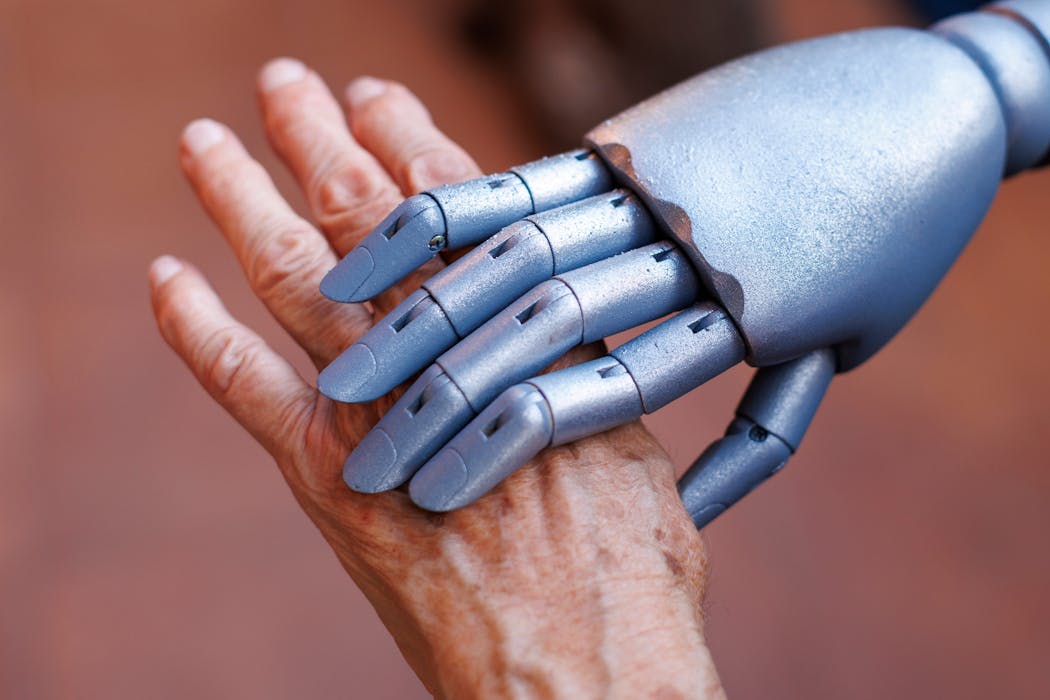
aerogondo2/Shutterstock

Robots now see the world with an ease that once belonged only to science fiction. They can recognise objects, navigate cluttered spaces and sort thousands of parcels an hour. But ask a robot to touch something gently, safely or meaningfully, and the limits appear instantly.

As a researcher in soft robotics working on artificial skin and sensorised bodies, I’ve found that trying to give robots a sense of touch forces us to confront just how astonishingly sophisticated human touch really is.

My work began with the seemingly simple question of how robots might sense the world through their bodies. Develop tactile sensors, fully cover a machine with them, process the signals and, at first glance, you should get something like touch.

Except that human touch is nothing like a simple pressure map. Our skin contains several distinct types of mechanoreceptor, each tuned to different stimuli such as vibration, stretch or texture. Our spatial resolution is remarkably fine and, crucially, touch is active: we press, slide and adjust constantly, turning raw sensation into perception through dynamic interaction.

Engineers can sometimes mimic a fingertip-scale version of this, but reproducing it across an entire soft body, and giving a robot the ability to interpret this rich sensory flow, is a challenge of a completely different order.

Working on artificial skin also quickly reveals another insight: much of what we call “intelligence” doesn’t live solely in the brain. Biology offers striking examples – most famously, the octopus.

Octopuses distribute most of their neurons throughout their limbs. Studies of their motor behaviour show an octopus arm can generate and adapt movement patterns locally based on sensory input, with limited input from the brain.

Their soft, compliant bodies contribute directly to how they act in the world. And this kind of distributed, embodied intelligence, where behaviour emerges from the interplay of body, material and environment, is increasingly influential in robotics.

Touch also happens to be the first sense that humans develop in the womb. Developmental neuroscience shows tactile sensitivity emerging from around eight weeks of gestation, then spreading across the body during the second trimester. Long before sight or hearing function reliably, the foetus explores its surroundings through touch. This is thought to help shape how infants begin forming an understanding of weight, resistance and support – the basic physics of the world.

This distinction matters for robotics too. For decades, robots have relied heavily on cameras and lidars (a sensing method that uses pulses of light to measure distance) while avoiding physical contact. But we cannot expect machines to achieve human-level competence in the physical world if they rarely experience it through touch.

Simulation can teach a robot useful behaviour, but without real physical exploration, it risks merely deploying intelligence rather than developing it. To learn in the way humans do, robots need bodies that feel.

A ‘soft’ robot hand with tactile sensors, developed by the University of Oxford’s Soft Robotics Lab, gets to grips with an apple. Video: Oxford Robotics Institute.

Intelligent bodies

One approach my group is exploring is giving robots a degree of “local intelligence” in their sensorised bodies. Humans benefit from the compliance of soft tissues: skin deforms in ways that increase grip, enhance friction and filter sensory signals before they even reach the brain. This is a form of intelligence embedded directly in the anatomy.

Research in soft robotics and morphological computation argues that the body can offload some of the brain’s workload. By building robots with soft structures and low-level processing, so they can adjust grip or posture based on tactile feedback without waiting for central commands, we hope to create machines that interact more safely and naturally with the physical world.

Occupational therapist Ruth Alecock uses the training robot 'Mona'
Occupational therapist Ruth Alecock uses the training robot ‘Mona’.
Perla Maiolino/Oxford Robotics Institute, CC BY-NC-SA

Healthcare is one area where this capability could make a profound difference. My group recently developed a robotic patient simulator for training occupational therapists (OTs). Students often practise on one another, which makes it difficult to learn the nuanced tactile skills involved in supporting someone safely. With real patients, trainees must balance functional and affective touch, respect personal boundaries and recognise subtle cues of pain or discomfort. Research on social and affective touch shows how important these cues are to human wellbeing.

To help trainees understand these interactions, our simulator, known as Mona, produces practical behavioural responses. For example, when an OT presses on a simulated pain point in the artificial skin, the robot reacts verbally and with a small physical “hitch” of the body to mimic discomfort.

Similarly, if the trainee tries to move a limb beyond what the simulated patient can tolerate, the robot tightens or resists, offering a realistic cue that the motion should stop. By capturing tactile interaction through artificial skin, our simulator provides feedback that has never previously been available in OT training.

Robots that care

In the future, robots with safe, sensitive bodies could help address growing pressures in social care. As populations age, many families suddenly find themselves lifting, repositioning or supporting relatives without formal training. “Care robots” would help with this, potentially meaning the family member could be cared for at home longer.

Surprisingly, progress in developing this type of robot has been much slower than early expectations suggested – even in Japan, which introduced some of the first care robot prototypes. One of the most advanced examples is Airec, a humanoid robot developed as part of the Japanese government’s Moonshot programme to assist in nursing and elderly-care tasks. This multifaceted programme, launched in 2019, seeks “ambitious R&D based on daring ideas” in order to build a “society in which human beings can be free from limitations of body, brain, space and time by 2050”.

Japan’s Airec care robot is one of the most advanced in development. Video by Global Update.

Throughout the world, though, translating research prototypes into regulated robots remains difficult. High development costs, strict safety requirements, and the absence of a clear commercial market have all slowed progress. But while the technical and regulatory barriers are substantial, they are steadily being addressed.

Robots that can safely share close physical space with people need to feel and modulate how they touch anything that comes into contact with their bodies. This whole-body sensitivity is what will distinguish the next generation of soft robots from today’s rigid machines.

We are still far from robots that can handle these intimate tasks independently. But building touch-enabled machines is already reshaping our understanding of touch. Every step toward robotic tactile intelligence highlights the extraordinary sophistication of our own bodies – and the deep connection between sensation, movement and what we call intelligence.

This article was commissioned in conjunction with the Professors’ Programme, part of Prototypes for Humanity, a global initiative that showcases and accelerates academic innovation to solve social and environmental challenges. The Conversation is the media partner of Prototypes for Humanity 2025.

The Conversation

This article was commissioned in conjunction with the Professors’ Programme, part of Prototypes for Humanity, a global initiative that showcases and accelerates academic innovation to solve social and environmental challenges. The Conversation is the media partner of Prototypes for Humanity 2025. Perla Maiolino receives funding from the UKRI Engineering and Physical Sciences Research Council and EU Horizon Europe Research and Innovation programme.

ref. The science of human touch – and why it’s so hard to replicate in robots – https://theconversation.com/the-science-of-human-touch-and-why-its-so-hard-to-replicate-in-robots-271558

Why is Trump so obsessed with Venezuela? His new security strategy provides some clues

Source: The Conversation – Global Perspectives – By Juan Zahir Naranjo Cáceres, PhD Candidate, Political Science, International Relations and Constitutional Law, University of the Sunshine Coast

Two centuries ago, US President James Monroe declared the Western Hemisphere off-limits to European powers in what would became known in history books as the “Monroe Doctrine”.

The proclamation established the foundation for a new era of US dominance and “policing” of the region.

In the decades that followed, almost a third of the nearly 400 US interventions worldwide took place in Latin America. The United States toppled governments it deemed unfavourable or used force later ruled illegal by international courts.

In 2013, then-Secretary of State John Kerry announced “the era of the Monroe Doctrine is over”. It signalled a shift towards treating the region as partners rather than a sphere of influence.

Now, however, the National Security Strategy released last week by the Trump administration has formally revived that old doctrine.

It helps explain the administration’s interventionist actions in the region over the past couple months, from its deadly boat strikes in the Caribbean to its selective use of sanctions and pardons.

Why Latin America is so important

In typical hubristic fashion, the document openly announces a “Trump Corollary” to the Monroe Doctrine, elevating the Western Hemisphere as the top US international priority. The days when the Middle East dominated American foreign policy are “thankfully over”, it says.

The document also ties US security and prosperity directly to maintaining US preeminence in Latin America. For example, it aims to deny China and other powers access to key strategic assets in the region, such as military installations, ports, critical minerals and cyber communications networks.

Crucially, it fuses the Trump administration’s harsh rhetoric on “narco-terrorists” with the US-China great power competition.

It frames a more robust US military presence and diplomatic pressure as necessary to confront Latin American drug cartels and protect sea lanes, ports and critical infrastructure from Chinese influence.

How the strategy explains Trump’s actions

For months, the Trump administration has been striking suspected drug boats in the Caribbean Sea and eastern Pacific Ocean, killing dozens of people.

International law experts and human rights officials say these attacks breach international law. The US Congress has not authorised any armed conflict in these waters, yet the strikes have been presented as necessary to protect the US from “narco‑terrorists”.

Venezuelan President Nicolás Maduro has also been branded a “narco‑dictator”, though Venezuela is a minor player in the flow of drugs to the US.

On December 2, President Donald Trump told reporters that any country he believes is manufacturing or transporting drugs to the US could face a military strike. This includes not just Venezuela, but also Mexico and Colombia.

On the same day, Trump also granted a pardon to Juan Orlando Hernández, Honduras’ former president. He had been sentenced to 45 years in prison for helping move hundreds of tons of cocaine into the US.

The new National Security Strategy attempts to explain the logic behind these contradictory actions. It emphasises the need to protect US “core national interests”, and stresses:

President Trump’s foreign policy is […] not grounded in traditional, political ideology. It is motivated above all by what works for America — or, in two words, ‘America First’.

Within this logic, Hernández was pardoned because he can still serve US interests. As a former president with deep links to Honduran elites and security forces, he is exactly the kind of loyal, hard-right client Trump wants in a country that hosts US military personnel and can help police migration routes to the US.

The timing underlines this: Trump moved to free Hernández just days before Honduras’ elections, shoring up the conservative networks he once led to support Trump’s preferred candidate for president, Nasry Asfura.

In Trump’s “America First” calculus, pardoning Hernández also sends a couple clear signals. Obedient partners are rewarded. And power, not principle, determines US policy in the region.

The obsession with Venezuela

The new security strategy explains Trump’s obsession with Venezuela, in particular.

Venezuela has the world’s largest proven oil reserves and a long coastline on the Caribbean Sea, which is a vital sea lane for US goods travelling through the Panama Canal.

Under years of US sanctions, Venezuela signed several energy and mining deals with China, in addition to Iran and Russia. For Beijing, in particular, Venezuela is both an energy source and a foothold in the hemisphere.

The Trump administration’s National Security Strategy makes clear this is unacceptable to the United States. Although Venezuela is not named anywhere in the document, the strategy alludes to the fact China has made inroads with like-minded leaders in the region:

Some foreign influence will be hard to reverse, given the political alignments
between certain Latin American governments and certain foreign actors.

A recent report suggests the Maduro government is now attempting a dramatic geopolitical realignment. The New York Times says Maduro’s government offered the US a dominant stake in its oil and gold resources, diverting exports from China. If true, this would represent a clear attempt to court the Trump administration and end Venezuela’s international isolation.

But many believe the Trump administration is after regime change instead.

The Venezuelan opposition leader, María Corina Machado, who won the 2025 Nobel Peace Prize, is pitching a post‑Maduro future to US investors, describing a “US$1.7 trillion (A$2.5 trillion) opportunity” to privatise Venezuela’s oil, gas and infrastructure.

For US and European corporations, the message is clear: regime change could unlock vast wealth.

Latin America’s fragmented response

Regional organisations remain divided or weakened, and have yet to coordinate a response to the Trump administration. At a recent regional summit, leaders called for peace, but stopped short of condemning the US strikes off Latin America.

Governments are instead having to deal with Trump one by one. Some hope to be treated as friends; others fear being cast as “narco‑states”.

Two centuries after the Monroe Doctrine, Washington still views the hemisphere as its own backyard, in which it is “free to roam” and can meddle as it sees fit.

The Conversation

The authors do not work for, consult, own shares in or receive funding from any company or organisation that would benefit from this article, and have disclosed no relevant affiliations beyond their academic appointment.

ref. Why is Trump so obsessed with Venezuela? His new security strategy provides some clues – https://theconversation.com/why-is-trump-so-obsessed-with-venezuela-his-new-security-strategy-provides-some-clues-271530

Germany’s plan to deport Syrian refugees echoes 1980s effort to repatriate Turkish guest workers

Source: The Conversation – Global Perspectives – By Michelle Lynn Kahn, Associate Professor of History, University of Richmond

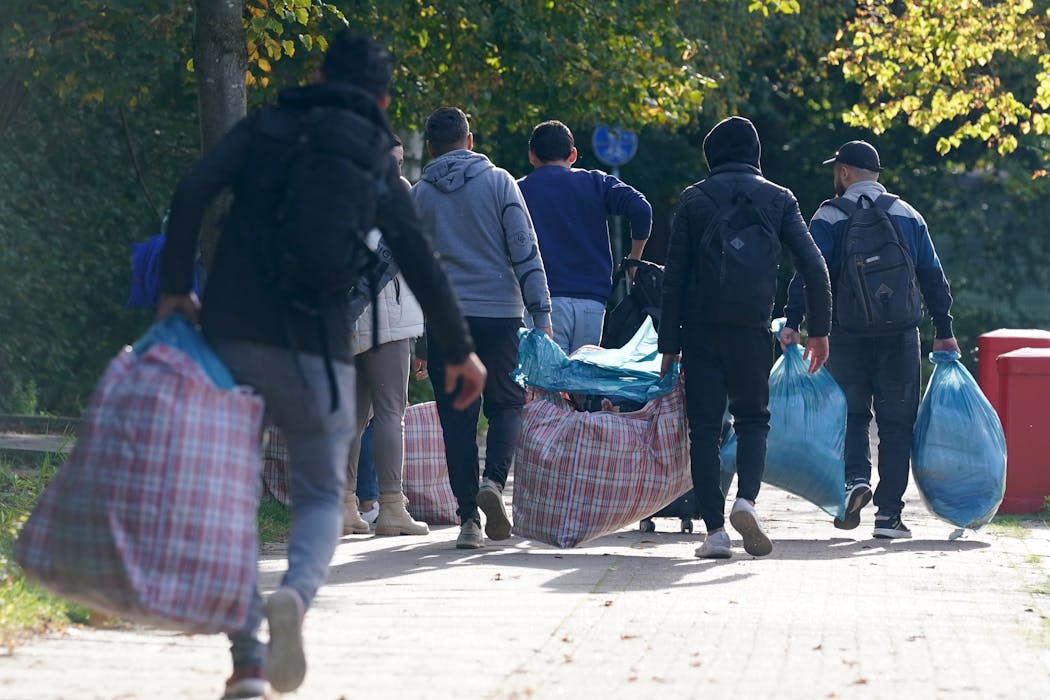
Refugees from Syria walk with their luggage to the refugee shelter in Hamburg. Marcus Brandt/picture alliance via Getty Images

For 14 years while Syria’s brutal civil war raged, Germany provided a safe haven for those fleeing the violence. Now, a year after that conflict ended with the fall of the Assad regime in December 2024, many in Germany – including the country’s leader – want those same Syrians gone.

In November, German Chancellor Friedrich Merz announced a controversial plan to deport Syrian refugees “in the near future.” He also urged the 1 million Syrians in Germany, most of whom are Muslim, to voluntarily return.

This hardened stance toward Syrian refugees, expressed at the highest level of government, has been interpreted as Merz’s attempt to stave off Germany’s rising far-right party, the Alternative for Germany (AfD). In the February 2025 national election, the AfD won almost 21% of the vote, making it the second-largest party in the parliament. The government’s perceived rationale is that in getting tough on immigration, Merz will steal some of the thunder on an issue that has seen the AfD swell its support.

However, the reality is more complex. Racism and Islamophobia are not purely far-right phenomena. Rather, they have been part of mainstream German politics and society for decades.

As an expert in German migration history and far-right extremism, I have studied the history of racism and Islamophobia in Merz’s own party, the centrist Christian Democratic Union (CDU). My recent book explains how the CDU used similar tactics during the 1980s to kick out another group of predominantly Muslim migrants: Turks, who are Germany’s largest ethnic minority.

Paying Syrians to leave

Since Bashar Assad’s regime was toppled on Dec. 8, 2024, nearly 1.5 million externally displaced Syrians have voluntarily returned to their home country. That number comprises about one-quarter of all those who have fled since Syria’s civil war began in 2011.

However, Syrian refugees in Germany have been reluctant to return. Many have integrated into German society. About 15% have acquired German citizenship, and nearly half of working-age Syrians are employed in Germany. Some 250,000 Syrian children attend German schools.

A crowd of people hold aloft yellow, red and black flags.
Supporters of the far-right Alternative for Germany protest under the slogan ‘Zukunft Deutschland’ (‘Future Germany’) in 2018.
Kay Nietfeld/picture alliance via Getty Images

The international legal principle of non-refoulement, which applies to German law, prohibits refugees from being forcibly returned to a country where they face serious threats to their life or freedom. As of December 2025, the United Nations Refugee Agency still stresses that refugees should not be forced to return to Syria.

Meanwhile, an official German program that facilitates the voluntary return of Syrians has been in effect since January 2025.

To persuade Syrians to leave, Germany is now offering to pay them. Since January, Syrian refugees in Germany have been able to apply online for up to US$4,650 (4,000 Euros) per family to assist their voluntary return. The financial incentives are facilitated through the German government’s official program.

Other European countries, along with the European Union and the U.N. Refugee Agency, are also offering Syrians financial incentives. A similar German policy applies to other migrant nationalities.

A destroyed homeland

Germany’s repatriation schemes have come under severe criticism from leading human rights organizations like Amnesty International and Human Rights Watch.

For starters, critics say, the money is far too meager to restart one’s life in Syria. Financial incentives can help with reintegration, but only if they are “robust and durable,” according to the Migration Policy Institute.

Moreover, two-thirds of people in Syria are dependent on humanitarian aid. Over 7 million remain internally displaced, and many Syrians do not have electricity, water, sanitation or medical supplies.

Many people’s homes there are destroyed or mired in land disputes.

Syrian human rights activists have also argued that the country remains unsafe for religious minorities, women and queer people.

Even German Foreign Minister Johann Wadephul softened his stance after a visit to Damascus on Oct. 30. “Here, hardly anyone can live a dignified life,” he said.

Turks in the 1980s: A similar policy

This is not the first time Germany has attempted to pay migrants to leave. In the 1980s, Merz’s party, the CDU, implemented a similar policy against Turkish migrants.

Millions of Turks came to West Germany in the 1960s and 1970s. The government formally recruited them as guest workers to help rebuild Germany after World War II.

By the late 1970s, they increasingly brought their spouses and children, becoming Germany’s largest ethnic minority.

Meanwhile, racism and Islamophobia skyrocketed in 1980s Germany — both on the far right and in the center.

While neo-Nazis violently attacked Turks, Germans on all sides of the political spectrum argued that Islam was incompatible with Europe. It is a view that 40 years on is being echoed by politicians on the right both in Europe and in the Trump administration.

A group of people load luggage onto the back of a truck.
Turkish guest workers in West Germany pack up ahead of heading to their homeland in 1984.
Henning Christoph/ullstein bild via Getty Images

Kicking out the Turks

In that racist climate, then-Chancellor Helmut Kohl, who led the centrist CDU from 1982 to 1998, expressed his desire to reduce the Turkish immigrant population by 50%.

But kicking out half of West Germany’s Turkish population was no easy feat — especially given the sensitivities that still plagued a country scarred by Nazi atrocities and the genocide of European Jews.

In the post-war years, West Germany was desperate to reestablish its reputation as a liberal democracy committed to human rights. As such, forced deportations were not an option.

Kohl’s solution, a precursor to Merz’s, was to pay Turks to leave. In 1983, West Germany passed the controversial remigration law, which offered Turks financial incentives to voluntarily return.

The 1983 law was widely criticized by rights activists as a “kicking out policy.”

Ultimately, 15% of Turkish migrants — approximately 250,000 men, women and children — took the money and left. It was one of the largest and fastest mass remigrations in modern European history.

However, returnees often faced financial and social hardship in Turkey. They struggled to reintegrate into the nation’s then-flailing economy. Many, especially children, were ostracized as “Germanized Turks.”

As the Turkish case shows, even a voluntary return is not always a happy homecoming.

Will Germany deport Syrians?

Germany today cannot realistically expect large numbers of Syrian refugees to accept the financial incentives. Amid the still ongoing humanitarian crisis in their home country, they would face far more dire hardships than Turks did in the 1980s.

In fact, only about 1,300 Syrians in Germany have voluntarily returned since Assad’s regime collapsed last year. That is just 0.1% of Germany’s Syrian population.

Merz has already announced that if Syrians refuse to leave, Germany will begin deporting some of them. He recently invited Syria’s president to Germany to discuss deporting Syrians with criminal records.

Other countries have already begun deportations of Syrian nationals, including Lebanon, Turkey and Jordan, the countries where most Syrian refugees are located.

Merz is, of course, responding to real political dynamics in Germany. The far right is indeed rising, which the center has responded to by moving further right. And as such, the fact that Merz’s party is cracking down on migration should not come as a surprise.

But today, as in the past, the response risks pandering to racism and Islamophobia that have been embedded in Germany’s mainstream. And Syrians, like Turks before them, are caught in the crossfire.

The Conversation

Michelle Lynn Kahn has received funding from the National Humanities Center, United States Holocaust Memorial Museum, American Historical Association, American Jewish Archives, and Alexander von Humboldt Foundation.

ref. Germany’s plan to deport Syrian refugees echoes 1980s effort to repatriate Turkish guest workers – https://theconversation.com/germanys-plan-to-deport-syrian-refugees-echoes-1980s-effort-to-repatriate-turkish-guest-workers-271475

New industry standards and tech advances make pre-owned electronics a viable holiday gift option

Source: The Conversation – USA (2) – By Suvrat Dhanorkar, Associate Professor of Operations Management, Georgia Institute of Technology

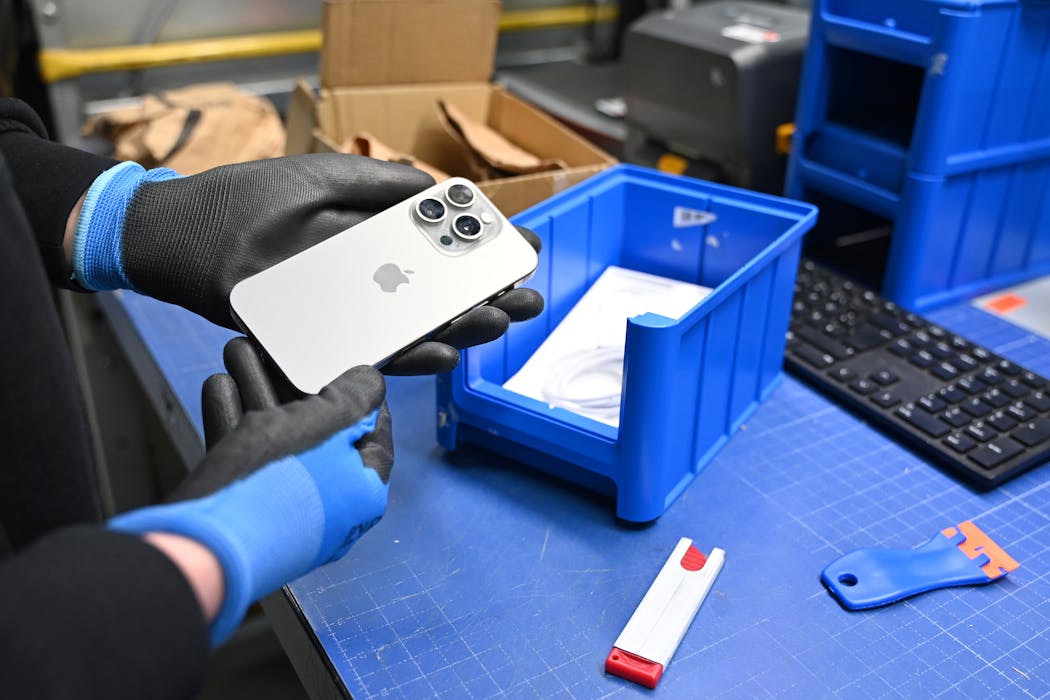
It’s easier than ever to repair or recycle electronic devices. Elisa Schu/picture alliance via Getty Images

Electronic gifts are very popular, and in recent years, retailers have been offering significant discounts on smartphones, e-readers and other electronics labeled as “pre-owned.” Research I have co-led finds that these pre-owned options are becoming increasingly viable, thanks in part to laws and policies that encourage recycling and reuse of devices that might previously have been thrown away.

Amazon, Walmart and Best Buy have dedicated pages on their websites for pre-owned devices. Manufacturers like Apple and Dell, as well as mobile service providers like AT&T and Verizon, offer their own options for customers to buy used items. Their sales rely on the availability of a large volume of used products, which are supplied by the emergence of an entire line of businesses that process used, discarded or returned electronics.

Those developments are some of the results of widespread innovations across the electronics industry that supply chain researcher Suresh Muthulingam and I have linked to California’s Electronic Waste Recycling Act, passed in 2003.

Recycling innovation

Originally intended to reduce the amount of electronic waste flowing into the state’s landfills, California’s law did far more, unleashing a wave of innovation, our analysis found.

We analyzed the patent-filing activity of hundreds of electronics firms over a 17-year time span from 1996 to 2012. We found that the passage of California’s law not only prompted electronics manufacturers to engage in sustainability-focused innovation, but it also sparked a surge in general innovation around products, processes and techniques.

Faced with new regulations, electronics manufacturers and suppliers didn’t just make small adjustments, such as tweaking their packaging to ensure compliance. They fundamentally rethought their design and manufacturing processes, to create products that use recycled materials and that are easily recyclable themselves.

For example, Samsung’s Galaxy S25 smartphone is a new product that, when released in May 2025, was made of eight different recycled materials, including aluminum, neodymium, steel, plastics and fiber.

Combined with advanced recycling technologies and processes, these materials can be recovered and reused several times in new devices and products. For example, Apple invented the Daisy Robot, which disassembles old iPhones in a matter of seconds and recovers a variety of precious metals, including copper and gold. These materials, which would otherwise have to be mined from rock, are reused in Apple’s manufacturing process for new iPhones and iPads.

How do consumers benefit?

In the past two decades, 25 U.S. states and Washington D.C. have passed laws requiring electronics recycling and refurbishing, the process of restoring a pre-owned electronic device so that it can function like new.

The establishment of industry guidelines and standards also means that all pre-owned devices are thoroughly tested for functionality and cosmetic appearance before resale.

Companies’ deeper engagement with innovation appears to have created organizational momentum that carried over into other areas of product development. For example, in our study, we found that the passage of California’s law directly resulted in a flurry of patents related to semiconductor materials, data storage and battery technology, among others. These scientific advances have made devices more durable, repairable and recyclable.

For the average consumer, the recycling laws and the resulting industry responses mean used electronics are available with similar reliability, warranties and return policies as new devices – and at prices as much as 50% lower.

The Conversation

Suvrat Dhanorkar does not work for, consult, own shares in or receive funding from any company or organization that would benefit from this article, and has disclosed no relevant affiliations beyond their academic appointment.

ref. New industry standards and tech advances make pre-owned electronics a viable holiday gift option – https://theconversation.com/new-industry-standards-and-tech-advances-make-pre-owned-electronics-a-viable-holiday-gift-option-270347

From FIFA to the LA Clippers, carbon offset scandals are exposing the gap between sports teams’ green promises and reality

Source: The Conversation – USA (2) – By Brian P. McCullough, Associate Professor of Sport Management, University of Michigan

Under team owner Steve Ballmer, in the checkered shirt, the LA Clippers have cut their greenhouse gas emissions, but their carbon offsets raise questions. Ric Tapia/Icon Sportswire via Getty Images

If you go to a pro sports event today, there’s a good chance the stadium or arena will be powered at least in part by renewable energy. The team likely takes steps to reduce energy and waste. Some even claim to have net-zero greenhouse gas emissions, meaning any emissions they still do produce they offset by paying for projects, such as tree-planting, that reduce greenhouse gases elsewhere.

The venue upgrades have been impressive – Seattle’s hockey and basketball arena runs on 100% renewable energy, makes its rink ice from captured rainwater, and offers free public transit for ticket holders.

But how much of the teams’ offset purchases are actually doing the good that they claim?

It’s an important question, in part because fans may ultimately pay for those offsets.

A soccer player directs the ball with his head while leaping high into the air. The stands behind him are packed.
Lionel Messi of Argentina controls the ball during the FIFA World Cup Qatar 2022 final match. FIFA drew criticism for claiming the games were carbon neutral while relying heavily on sometimes questionable carbon offsets.
Julian Finney/Getty Images

The cost of carbon offsetting in sports varies by organization, with no industry standard for who pays. Some teams and leagues absorb costs through their operational budgets, treating carbon neutrality as a core responsibility. Others pass costs to consumers: Some teams add sustainability fees to ticket prices to offset each attendee’s carbon footprint. The payment model ultimately reflects whether an organization views offsetting as an institutional obligation or a shared responsibility with fans.

Carbon offsets in sports are also in the news, with scandals erupting around them in connection with sports from FIFA’s 2022 World Cup to basketball’s LA Clippers.

As sport management researchers, we have been following offset agreements and other sustainability commitments that teams and sports leagues such as FIFA have been making to see whether they translate into measurable environmental outcomes. We see lots of good intentions but also a disturbing amount of failures and outright fraud.

Where sports teams’ emissions come from

The vast majority of a sports team’s climate footprint comes from team’s and fans’ travel, which they have little control over. Leagues can reduce teams’ travel somewhat with creative scheduling, but unlike other industries, sports teams have few ways to reduce the bulk of their emissions.

What many of them do instead is offset those travel emissions by buying carbon credits.

Carbon credits are generated by projects that reduce greenhouse gases in the atmosphere or prevent greenhouse gas emissions. Many of those projects involve planting trees to remove carbon dioxide from the atmosphere; others expand clean energy to reduce fossil fuel use. Each carbon credit is supposed to represent the reduction or prevention of one metric ton of carbon dioxide.

However, carbon offset projects have come under scrutiny in recent years. Tree-planting projects, the most common type, take time to meet their promise as the trees grow, and wildfires and logging can wipe out the benefit. Studies have found that companies tend to buy cheap, low-quality carbon credits, which run a risk of exaggerating their carbon reduction claims or providing results that would have happened anyway, leaving no real climate benefit.

Unfortunately, several teams, perhaps unknowingly, have been purchasing fraudulent or low-quality credits.

Reputations at risk

FIFA brought the sports world’s carbon offset problem into the spotlight during the 2022 Qatar World Cup.

FIFA claimed the event would be carbon neutral, but that claim relied on creative accounting that understated the event’s construction and travel emissions. Organizers also used low-quality offsets. Many of those offsets were renewable energy projects with a high likelihood of being built anyway.

A year after the tournament, FIFA had completed offset purchases for less than a third of the World Cup’s estimated emissions, the nonprofit Carbon Market Watch found. And Switzerland’s advertising regulator ordered FIFA to stop claiming the World Cup had been “carbon neutral.”

A view across the stands during a game at Fenway Park under the lights.
In 2022, the Boston Red Sox announced a plan to route a portion of the proceeds from every ticket purchased at Fenway Park to a carbon offset project run by Aspiration. Aspiration later went bankrupt, and a ProPublica investigation found it had planted far fewer trees to store that carbon than promised.
Werner Kunz/Wikimedia Commons, CC BY-SA

The Clippers and baseball’s Boston Red Sox ran into problems when they publicly partnered with Aspiration, a now-bankrupt finance technology company and carbon credit broker, to meet their “carbon neutral” claims.

The Clippers had a US$300 million partnership with Aspiration that included paying the company at least $56 million for carbon credits in mid-2022, The New York Times reported. Both teams also had plans with Aspiration to offer fans a way to buy carbon credits to cover their own travel when purchasing tickets.

However, Aspiration officials claimed to have supported millions more tree-plantings than what had actually happened, a ProPublica investigation found. Aspiration co-founder Joe Sanberg pleaded guilty in 2025 to wire fraud involving false statements about financing to secure loans and attract investors, who lost at least $248 million.

The Aspiration partnership is also under investigation by the NBA over an endorsement deal the company made with Clippers all-star Kawhi Leonard at about the same time and questions about whether it was used to violate the league’s salary cap. Team owner Steve Ballmer, who personally invested at least $50 million in Aspiration, told ESPN he and the team did nothing wrong. “They conned me,” he said.

While the scandal focused on financial fraud and the salary cap, it also raised questions about the team’s sustainability claim.

Without verification, who knows?

In some cases, the value of offset projects is difficult to verify, even when trees are being planted nearby.

The Seattle Sounders FC declared itself the first carbon-neutral professional soccer team in North America in 2019 by cutting its waste, water and energy use and offsetting its remaining emissions through the nonprofit organization Forterra, which plants trees in the Puget Sound region.

While the effort positioned the club as a sustainability leader, the offsets lacked what’s known as third-party verification. Similar to how organic food must be certified by reputable agencies, third-party validation of carbon credits ensures credits truly represent the removal of carbon from the atmosphere or avoided emissions.

Without verification, it’s unclear whether claimed emission reductions are permanent, accurately tracked and transparently reported.

Potential legal consequences

Even the most prominent venues are susceptible to issues with unreliable credits.

Climate Pledge Arena in Seattle has been celebrated as the world’s first “zero-carbon” certified arena, with electric Zambonis, recycled materials, renewable energy and free public transit. It represents one of the most ambitious pushes to develop sustainable sport infrastructure globally.

A view from the upper deck of a large hockey arena. Two Zambonis are cleaning the ice.
Hockey rinks need energy to keep the ice frozen. Seattle’s Climate Pledge Arena has lowered its emissions with solar power from a local array and has even electried its Zambonis. But reports have raised questions about the quality of carbon offsets it purchased.
AP Photo/Maddy Grassy

To offset unavoidable construction emissions, the arena’s owner relied on carbon credits tied to projects meant to reduce rainforest loss in Colombia. However, an analysis by the carbon rating company Calyx Global found that while the arena’s credits may prevent some deforestation, the numbers likely overstate the benefits.

A 2023 report suggested that over 90% of rainforest carbon credits from the leading certifier of offsets lack evidence that they reduced deforestation. The certifier disputed that conclusion but is working to revise its review process.

When credits fail to offset real emissions, that erodes public trust and can expose organizations to potential legal consequences.

Delta Air Lines, for example, is facing a lawsuit over its carbon neutrality claim. The suit alleges that Delta misled passengers by describing itself as a “carbon-neutral airline” while relying on carbon offset projects that were ineffective or “junk.”

Time for some strategic reassessment

These and other failures in the carbon credit market suggest the industry needs to fundamentally reassess how sports teams achieve their climate goals.

To provide meaningful sustainability commitments, sports organizations and facilities can start at home by lowering their fossil fuel use and increasing their energy efficiency. Many arenas do this.

People walk under a canopy with solar panels above.
Fans walk under solar panels at NRG Stadium in Houston.
Tom Pennington/Getty Images

Leagues can design game schedules to reduce team and fan travel. Many of the Paris Olympics venues in 2022, for example, were connected by subway or bus. The 2026 FIFA World Cup, in contrast, has venues hundreds of miles apart across North America, meaning potentially higher emissions from fan travel.

Where offsets will still play a role, teams can ensure that they partner with verified carbon credit providers that deliver measurable, transparent carbon reductions.

In a field where public trust and reputation matter as much as performance, the sports industry cannot afford foul play on climate. We believe a shift toward strategies that cut emissions first, and then use only the most credible offsets, will be the difference between striking out and leading the sustainability game.

The Conversation

The authors do not work for, consult, own shares in or receive funding from any company or organization that would benefit from this article, and have disclosed no relevant affiliations beyond their academic appointment.

ref. From FIFA to the LA Clippers, carbon offset scandals are exposing the gap between sports teams’ green promises and reality – https://theconversation.com/from-fifa-to-the-la-clippers-carbon-offset-scandals-are-exposing-the-gap-between-sports-teams-green-promises-and-reality-270428

Exposure to neighborhood violence leads some Denver teens to use tobacco and alcohol earlier, new study shows

Source: The Conversation – USA (3) – By Anna Maria Santiago, Professor of Community Development, Michigan State University

Denver teens who experience violence start using tobacco and alcohol earlier than their peers. BSIP/Getty Images

High levels of neighborhood violence increase the risk of Latino and African American teens in Denver starting to use alcohol and tobacco, according to our recent study.

In the U.S., approximately 2 in 10 adolescents between the ages of 12 and 20 drink alcohol. About 1 in 10 smoke cigarettes. For teens living in neighborhoods with high levels of disadvantage and social disorganization, the odds are 35% to 72% higher. Disadvantaged neighborhoods generally have higher levels of economic hardship, poorer educational opportunities and limited resources. Those factors weaken the social fabric of a community.

Although alcohol and tobacco use among adolescents has declined in recent years, both remain the most commonly used and abused substances compared to cocaine or heroin. Alcohol and tobacco use have been linked to substance dependence in adulthood, sexual victimization, some cancers and premature death.

One of us – Anna Maria Santiago – studies neighborhood effects, or how where children and adolescents live affects their health and well-being. Iris Margetis is a Ph.D. candidate in economics and co-author of the study.

Why it matters

Exposure to neighborhood violence has been thought to trigger adolescent alcohol and tobacco use as a way of coping with the heightened levels of stress associated with that exposure. However, previous findings have been mixed.

Seventeen percent of survey participants started smoking as teens. The average age of first use was 15.6 years. Fifteen percent started drinking as teens when they were 16.1 years old, on average.

Greater exposure to neighborhood violence prompted teens in our study to start drinking and smoking two to eight months earlier than their peers. Girls started using both substances earlier than boys. Latino teens started earlier than African Americans.

We controlled for other potential individual, household and neighborhood risk factors such as family size, household stressors and level of neighborhood disadvantage. The risk of starting to use alcohol still increased 32% for all teens residing in neighborhoods with greater violence. The risk of tobacco use in those neighborhoods was 1.3 to 1.5 times higher for boys, Latino and African American adolescents.

How we do our work

We analyzed administrative and survey data originally gathered from a natural experiment involving a policy change in Denver for approximately 1,100 Latino and African American teens. The teens lived in 110 census tracts across metro Denver.

To measure exposure to violence, we used our survey data to create a neighborhood problems index that measured several factors. Those included the presence of people selling drugs, gang activity, homes broken into by burglars, people being robbed or mugged, people getting beaten or raped, and children and youth getting into trouble. We defined the presence of three or more of these as high exposure to neighborhood violence.

What still isn’t known

We still don’t know what community interventions work best. But research suggests that caregiver and community-level action is crucial. According to study participants, caregivers monitored their adolescents closely. They limited unsupervised time outside or with friends, especially in neighborhoods with higher exposure to violence.

Study findings suggest that neighborhood youth clubs, sports teams, community centers and parks may serve as powerful deterrents to substance use initiation among teens. Community-led, evidence-based programs such as Rise Above Colorado support efforts promoting positive youth development and fostering positive community norms as prevention and early intervention strategies.

The state of Colorado says preventing or delaying initiation of both alcohol and tobacco use remain key public health goals.

However, additional work is needed to develop programming and activities that facilitate these efforts in Latino and African American communities.

The Research Brief is a short take on interesting academic work.

The Conversation

Anna Maria Santiago previously received funding from the U.S. Department of Housing and Urban Development; the National Institute of Child Health and Human Development; the John D. and Catherine T. MacArthur Foundation; the Ford Foundation; the Annie E Casey Foundation and the W.K. Kellogg Foundation.

Iris Margetis does not work for, consult, own shares in or receive funding from any company or organization that would benefit from this article, and has disclosed no relevant affiliations beyond their academic appointment.

ref. Exposure to neighborhood violence leads some Denver teens to use tobacco and alcohol earlier, new study shows – https://theconversation.com/exposure-to-neighborhood-violence-leads-some-denver-teens-to-use-tobacco-and-alcohol-earlier-new-study-shows-270412

Doulas play essential roles in reproductive health care – and more states are beginning to recognize it

Source: The Conversation – USA (3) – By Adetola F. Louis-Jacques, Clinical Assistant Professor of Obstetrics and Gynecology, University of Florida

Research shows that doulas improve birth experiences and outcomes. Antonio_Diaz/iStock via Getty Images Plus

A growing share of Americans, especially in rural areas, are losing access to reproductive health care. At the same time, American women are dying during or after pregnancy at higher rates than in any other high-income country.

As a result, many U.S. health care providers and policymakers are looking for ways to improve maternal care.

We believe doulas – care workers who provide nonmedical support before and during pregnancy, labor, birth and the postpartum period – may be a part of the solution.

We are a physician-researcher specializing in high-risk pregnancies and breastfeeding and a Ph.D. candidate in sociology focused on reproductive health and health care disparities.

As hospitals adopt more favorable policies and states expand insurance coverage for doula services, doulas are becoming part of the mainstream U.S. maternal health system.

But there are still significant barriers to access, including awareness, costs and challenges to full partnership with doulas in hospitals.

What a doula offers

Pregnancy, birth and the postpartum period are vulnerable times, and many parents-to-be and new parents find it can be difficult to navigate. Doulas advocate for their clients, helping them voice what they need. They can also help address mistreatment and guide them to appropriate resources.

Doulas do not perform clinical tasks, such as giving medical advice, making medical decisions, providing prescriptions or delivering babies. Rather, they provide nonmedical support. This will look different depending on the type of doula parents hire.

Fertility doulas assist people who are trying to get pregnant. They offer emotional support throughout the fertility journey, complementing the medical care, diagnostics and interventions provided by fertility doctors.

During pregnancy and labor, birth doulas help their clients identify normal symptoms and those that may be urgent warning signs. They also provide labor support, such as positioning and breathing assistance, massage, words of encouragement, coaching, education, continuous presence and other forms of comfort. They offer direct emotional support through the validation of clients’ experiences and emotions.

Postpartum doulas offer extended support to new parents and infants in the immediate days, weeks or months after delivery. They educate parents and act as a bridge to mental health services and additional resources such as diapers, feeding support and housing needs. They may help with supporting a new mom’s infant feeding goals, integrating the infant into the family, sibling care and processing their births.

Full-spectrum doulas offer support throughout pregnancy, delivery and up to six months after birth. Still others offer bereavement services for parents experiencing pregnancy loss, such as abortion, miscarriage and stillbirth.

This sort of holistic care can be invaluable, even for women with access to good medical care. Several months ago, one of us (Adetola) helped a patient find a postpartum doula. She was an educated woman with insurance and access to top medical care. She was suffering the effects of postpartum depression and anxiety despite all the therapy and medical resources offered.

She later wrote that, for her, “the support of my postpartum doula was invaluable in my recovery. My doula provided me with the support I needed in caring for my baby for me to care for myself. Not only did she care for my baby for me to rest, but she helped me with breastfeeding.”

A woman kneels in front of another woman breastfeeding a baby
During the postpartum period, doulas support new mothers in feeding their newborns.
Igor Alecsander/iStock via Getty Images Plus

Doula training

As of August 2025, there were 2,232 registered doula businesses in the U.S. California has the highest concentration at 7.5%, while West Virginia has the lowest concentration, 0.1%. These numbers may not reflect hospital-based or nonprofit-affiliated doulas, or those not formally registered.

In the U.S., more than 100 independent organizations provide doula training. Some of the larger organizations include DONA International, Childbirth International and the Childbirth and Postpartum Professional Association. Doula training typically covers communication and advocacy skills, stages of labor and birth, and postpartum support. It also includes coursework on how to build a business as well as infection prevention and control.

Some organizations provide online or in-person courses, and doula training can also be done through apprenticeships. While certifications or licenses are not required to practice, various state Medicaid programs mandate training and certification to qualify for Medicaid reimbursement.

Better outcomes with doula support

The services that doulas offer can complement the more mainstream biomedical approach of many doctors and nurses.

Maternal health outcomes in the U.S. have been worsening for decades in comparison to other high-income countries.

But studies show that a doula-clinician partnership improves key components of maternal health care, such as better communication and patient-centered care, accountability in the health care team and continuity of support for mothers.

Having a doula present in the lead-up to delivery, at the delivery or both is associated with lower rates of cesarean deliveries and preterm births and fewer low-birthweight infants.

Doula support is also associated with improved childbirth education attendance, birth satisfaction, self-efficacy and confidence, breastfeeding experiences and outcomes, and positive infant-care behaviors.

After birth, infants born with a doula present have higher five-minute Apgar scores, an assessment of infant health taken exactly five minutes after birth. Parents who received doula support have reduced rates of postpartum depression and anxiety.

Doula support has also been shown to help close maternal outcome gaps, particularly those rooted in racial, socioeconomic and institutional barriers.

And beyond all the health benefits for parents and infants, research shows that doulas can reduce health care costs associated with having a baby.

Some hospitals provide doulas to all of their pregnant and postpartum patients.

Funding sources for doula support

Unfortunately, despite all of these benefits, many U.S. families struggle to afford doula care. Private insurance does not typically cover doula services. Clients can pay out of pocket using a flat-rate service charge, fee-for-service or monthly stipend model. They can also pay for these services using extended benefits such as flex or health savings accounts.

The cost varies by state and region, experience level and service package. Out-of-pocket costs for comprehensive birth doula services can range from US$800 to more than $3,000 across the U.S.

As of September 2025, 23 states plus Washington, D.C., were actively reimbursing Medicaid coverage for doula care.

Only two states – Rhode Island and Louisiana – currently require that private health plans cover doula care. However, Colorado, Virginia, Illinois and Delaware are in the process of implementing doula coverage in private health plans. More states are expected to continue efforts to require doula coverage for private health plans.

Some community-based organizations and nonprofits provide free or low-cost doula care through grants or donations. These programs usually prioritize low-income families. In New York City, free or low-cost doula support is available through the Citywide Doula Initiative which serves Medicaid-eligible families, teen parents and residents of priority neighborhoods.

Moreover, some hospitals and birth centers employ doulas or work with them as part of their maternal care teams.

Finding a doula

When hiring a doula, you’ll want to consider their training, certifications and experience. You will also want to know how available they are, what services they offer and their fees and payment methods.

In addition:

  • Consider asking your health care provider or hospital for recommendations for doulas in the community.
  • Look into doula directories, such as DONA International, DoulaMatch.net, CAPPA and the National Black Doulas Association. Also, check to see whether your state has a doula directory, like those in California, Minnesota Oregon and Michigan.
  • Ask for recommendations from friends, family or local parenting groups.
  • Check local community boards, birth centers and drugstores for any doula advertisements.
  • You might also connect with doulas at birth or parenting classes.

The Conversation

Adetola F. Louis-Jacques receives funding from NIH, Direct Relief, Children’s Trust of Alachua County.

Seun Mauton Ajoseh does not work for, consult, own shares in or receive funding from any company or organization that would benefit from this article, and has disclosed no relevant affiliations beyond their academic appointment.

ref. Doulas play essential roles in reproductive health care – and more states are beginning to recognize it – https://theconversation.com/doulas-play-essential-roles-in-reproductive-health-care-and-more-states-are-beginning-to-recognize-it-253903

What started as a war of words between China and Japan is fuelling real tension in the Asia-Pacific region

Source: The Conversation – Canada – By Kuan-Wei Chen, Researcher, Air and Space Law, McGill University; Bond University

In a now deleted social media post, the Consul General of the People’s Republic of China to the Japanese city of Osaka recently threatened to “cut off” Japanese Prime Minister Sanae Takaichi’s “filthy head.”

This graphic threat was in response to Takaichi’s suggestion that Japan’s Self-Defense Forces may exercise the right of collective self-defence and become involved in the event of a Chinese attack on Taiwan.

China has called on Takaichi to retract her “erroneous remarks.”

The Chinese outrage is apparently intensifying after Chinese military planes were accused of locking their radar on Japanese fighter jets near the Okinawa islands. China also imposed a ban on Japanese seafood imports.

China’s response has political and nationalistic undertones. China views Taiwan as an “inalienable part” of its territory, a reminder of the “century of humiliation” when the [island was ceded by Imperial China to Japan and became a Japanese colony in 1895].

A matter of history — and law

Even after the Second World War ended, sovereignty over Taiwan was never formally settled. China believes Taiwan must be “reunified” with the motherland, if necessary by force.

The number and intensity of Chinese military drills aimed at intimidating Taiwan have significantly increased in recent years. Chinese leader Xi Jinping has reportedly begun mobilizing the People’s Liberation Army for an invasion of Taiwan by 2027.

Taiwan’s status is complicated under international law. While it has a functioning government, population and defined territory — all necessary elements of statehood — much of the world does not officially recognize Taiwan as a state.

Most countries, including Canada and the United States, engage with Taiwan in a non-official capacity and simply “acknowledge” China’s insistence that Taiwan is part of China.

This respect paid to China is a matter of geopolitics and strategic ambiguity likely due to China’s global economic and political clout, and has little foundation in law.

International resolutions, declarations

China often asserts the 1943 Cairo Declaration as the legal basis for its claim over Taiwan. However, this unsigned media communiqué lacks legal force under international law, something pointed out by British Prime Minister Winston Churchill in 1955.

At the outbreak of the Korean War, U.S. President Harry Truman stated unequivocally that the “determination of the future status of (Taiwan) must await the restoration of security in the Pacific, a peace settlement with Japan or consideration by the United Nations.”

The 1951 Treaty of San Francisco, which ended the war between Japan and the Allied powers, is a legally binding treaty. While Japan renounced “all right, title and claim” to Taiwan, there was no mention of the People’s Republic of China — established only two years earlier — in terms of Taiwanese sovereignty.

The United Nations has never considered, let alone decided upon, the issue of sovereignty over Taiwan. China often cites the UN’s General Assembly Resolution 2758 in 1971 as another legal basis for its assertion of sovereignty over Taiwan. But that resolution only addresses the status of the People’s Republic of China as the legitimate representative of China and makes no mention of Taiwan.

The European Parliament and the parliaments of Australia, the Netherlands, as well as U.S. congress, have openly opposed China’s distortion of the UN resolution and attempts to exert undue influence over international organizations for political ends.

Japan-Taiwan proximity

Takaichi’s remarks are simply a reiteration of the late Japanese Prime Minister Shinzo Abe’s remarks that “a Taiwan emergency is a Japan emergency (台湾有事は日本有事).”

This is no surprise since, at their closest point, Japan and Taiwan are just over 100 kilometres apart. Japan’s deployment of anti-air missiles on the Okinawa prefecture’s Yonaguni Island and long-range anti-ship missiles at the mouth of the Miyako Strait are clearly aimed at countering a potential Chinese offensive.

The site of the largest American Air Force base in East Asia just a 90-minute flight from Taiwan, and is similarly already gearing up for a potential Chinese missile attack amid rising tensions.


Read more:
Why a row over military bases on Okinawa spells trouble for US-Japan relations


Taiwan itself is situated at the crossroads of vital maritime and aviation routes, and manufactures more than 70 per cent of the world’s microchips.

If China opts to blockade or attack Taiwan, it will severely impact the world economy since a fifth of global maritime trade, valued at $2.5 trillion, transits through the Taiwan Strait.

It’s in no one but China’s interests if the Chinese mount an attack, and certainly it’s not the will of the 23 million inhabitants of the independent island nation who enjoy some of the highest levels of political and civil liberties in the world.

The U.S. continues to bolster Taiwan’s defence to deter a Chinese attack since Taiwan’s security is pivotal to America’s strategic standing in the Asia-Pacific region and the world.

Global peace and security

With great power comes great responsibility, and this is true for all states. Threats of invasion, the use of force and non-peaceful means of settling disputes are all prohibited under international law. Undiplomatic rhetoric and distortions of history and the law is also detrimental to peace.

If Taiwan truly is a part of China, then there would be no need for an invasion or threats to “crush” any foreign interference. Through its wolf-warrior diplomacy and shows of force, China is in effect globalizing the Taiwan issue.

As the recent G7 statement states, the international community has “an interest in the preservation of peace and stability across the Taiwan Strait” as China’s military drills and threats of war jeopardize “global security and prosperity.”

In a world beset by conflict in the Middle East and an enduring war in Ukraine, tensions are again heating up in East Asia. Will cooler heads prevail?

The Conversation

Kuan-Wei Chen is the recipient of a Australian Government Research Training Program scholarship.

ref. What started as a war of words between China and Japan is fuelling real tension in the Asia-Pacific region – https://theconversation.com/what-started-as-a-war-of-words-between-china-and-japan-is-fuelling-real-tension-in-the-asia-pacific-region-270434