How Europe could use billions in frozen Russian assets to fund Ukraine’s war effort – and why it’s so risky

Source: The Conversation – UK – By Nikiforos Panourgias, Senior Lecturer, Queen Mary University of London

Euroclear’s Brussels headquarters building. Werner Lerooy/Shutterstock

Most people outside of banking won’t have heard of Euroclear. It’s a Brussels-based settlement provider that enables the transfer of ownership of securities between seller and buyer. The firm is the focal point of a major geopolitical confrontation between Russia and the European Union.

The controversy stems from an EU initiative to leverage frozen Russian assets held at Euroclear to finance Ukraine’s war effort. In response, Russia’s central bank has filed a lawsuit in Moscow seeking damages for the freezing of its assets.

This legal manoeuvre represents an attempt to seize assets worth €17 billion (£14.89 billion) held by Euroclear in Russia on behalf of its clients and pursue further claims on similar Euroclear assets in other jurisdictions not part of the international sanctions imposed on Russia. These could include China, Hong Kong and states in the Gulf and Central Asia.

To appreciate the implications of these competing claims, it is essential to understand Euroclear’s role and origins.

Euroclear functions as a central securities depository (CSD). These are invisible, yet vital, pieces of infrastructure for financial markets. The function of a CSD is to transfer ownership of securities – titles of ownership of financial assets – from seller to buyer once payment is confirmed.

Euroclear is an international CSD. This means it handles not just equities traded on a particular stock exchange like national CSDs do, but a vast range of financial instruments across many markets and jurisdictions.

This includes Eurobonds, supranational agency bonds, government and corporate debt, money market instruments, asset-backed securities and more. It also provides critical collateral management and securities borrowing and lending services.

In 2024, it processed 331 million transactions worth €1,162 trillion (£877 billion) and held more than €40 trillion of clients’ assets.

This privileged position depends on trust. Depositories such as Euroclear process ownership changes via book-entry transfer. That means assets are held by the CSDs and recorded in a database of holdings, which confers legal ownership of the titles. This ensures uncontested and efficient transactions and reduces the risk of one side of a trade not fulfilling its obligations.

If the trust that allows market participants to assign their assets to a CSD like Euroclear for safekeeping falters, the book-entry transfer system breaks down and markets suffer.

Risks of EU’s plan

The EU’s plan to use frozen Russian assets as collateral for loans to Ukraine introduces significant risks. If market participants fear politically motivated asset seizures, they may relocate holdings to jurisdictions perceived as safer. This could potentially weaken Euroclear’s position and destabilise the markets it serves.

The recent EU proposals have evolved to avoid outright seizure of the Russian assets. Instead it has opted for freezing them indefinitely. Under this arrangement, legal ownership remains with Euroclear’s Russian clients, while Euroclear uses these assets as collateral for loans to the EU to finance Ukraine.

But this raises important questions. What happens if sanctions are lifted or Russia’s legal challenges are successful? Could Euroclear demand immediate repayment from the EU? And could Euroclear withstand the financial strain of restoring all these assets to their Russian owners en masse? These uncertainties are a threat to Euroclear’s stability – and, by extension, the smooth operation of the global markets it serves.

Even unsuccessful litigation on the side of Euroclear’s Russian clients could freeze Euroclear’s holdings at national CSDs in non-sanction jurisdictions for prolonged periods. This could create operational problems for Euroclear and unsettle its clients.

The European Commission has suggested that Euroclear compensate clients for Russian-related losses using its immobilised Russian funds. But this would mean fewer funds available for loans to the EU for financing Ukraine.

The issues above are further complicated by Euroclear’s history and its part in the vast multitrillion dollar Eurodollar and Eurobond markets for offshore currency deposits and debt securities. Founded in 1968 by Morgan Guaranty Trust in Brussels, Euroclear supported the burgeoning Eurodollar and Eurobond markets.

These markets were based on offshore dollar pools that included Soviet dollar deposits seeking refuge from US jurisdiction during the cold war.

Belgium and Euroclear had an interest in nurturing Soviet trust. This was formalised in the 1989 Belgium–Luxembourg Economic Union–USSR bilateral investment treaty that is still in force between Belgium and Russia.

The treaty guarantees fair treatment, protection against expropriation, free transfer of funds and provides for dispute resolution and arbitration mechanisms. Allowing Russian assets to be used as loan collateral may be in breach of that treaty.

European financial leadership under threat

Europe’s world leadership in offshore currency and debt markets and the international financial infrastructures that support them) was achieved in the 1950s and 1960s due to perceived political risks in the US. But it’s now threatened by similar perceived risks in Europe if this plan to leverage Russian assets against its will is realised.

Euroclear is a rare example of a European global financial services champion which could provide valuable economic returns to fund Europe’s future ability to counter external threats. This could be both directly, through the generation of revenues and taxes, as well as indirectly.

Euroclear acts as part of a backbone for the EU’s financial infrastructures. It helps make Europe a central and critical part of the global financial system, enhancing market integration in Europe and across the globe, and channelling large reserves of international capital into the European financial system.

A misstep now could damage that competitive advantage, as well as cause financial turmoil and – in the longer run – potentially divert asset flows away from Europe to other, competing jurisdictions.

The Conversation

Nikiforos Panourgias currently receives research funding from the Chartered Institute of Management Accounting. He has also received funding in the past from the European Commission Horizon 2020 programme and worked on a project with funding from the Science Foundation of Ireland.

ref. How Europe could use billions in frozen Russian assets to fund Ukraine’s war effort – and why it’s so risky – https://theconversation.com/how-europe-could-use-billions-in-frozen-russian-assets-to-fund-ukraines-war-effort-and-why-its-so-risky-272087
The twelve viruses of Christmas, and how to make your own – out of paper

Source: The Conversation – UK – By Ed Hutchinson, Professor, MRC-University of Glasgow Centre for Virus Research, University of Glasgow

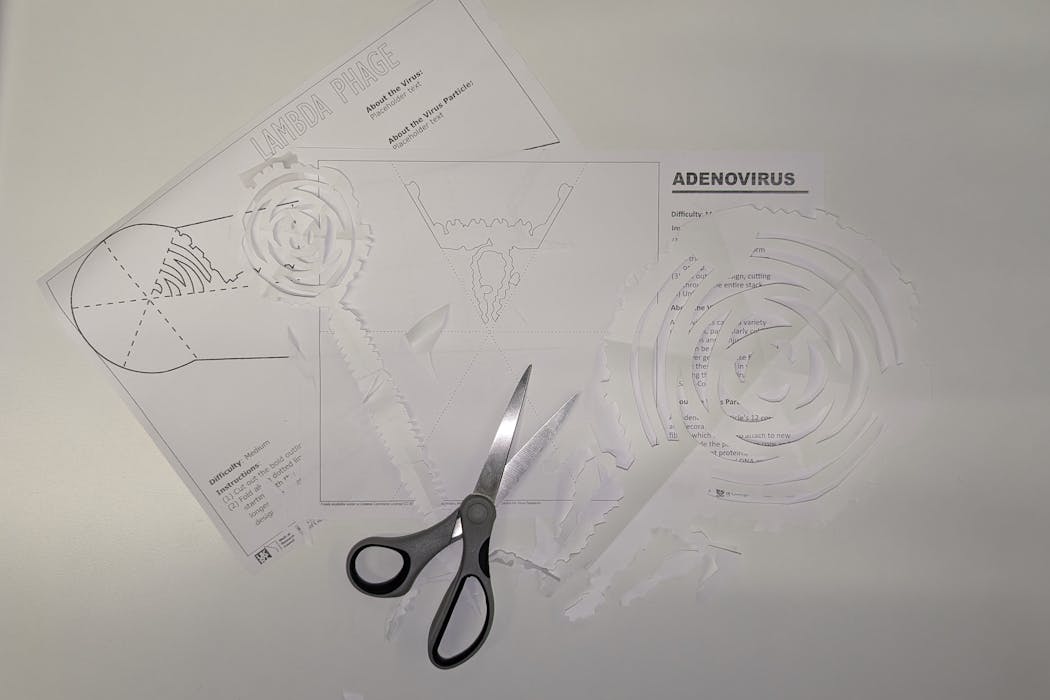
Virus snowflakes. Ed Hutchinson, MRC-University of Glasgow Centre for Virus Research, CC BY-SA

Viruses, as we all know, are invisibly small things that make us sick. But is that the whole story?

Zoom in close enough and you’ll discover the complex, unseen world of viruses. Some do make us sick, but many others simply exist alongside us as part of the natural world. Most are very beautiful and many, it turns out, look a bit like snowflakes.

It’s the time of year for seasonal decorations. So the MRC-University of Glasgow Centre for Virus Research has created a set of papercraft virus snowflakes you can print and cut out. They’re a fun way to explore the viruses around us this winter – and the vaccines that protect us from them.

Here are some of our favourites.

Three snowflake-like images of viruses
The First, Second and Third Viruses of Christmas.
Ed Hutchinson, MRC-University of Glasgow Centre for Virus Research, CC BY

On the first day of Christmas a virus gave to me: a world that is too small to see

An elegantly decorated adenovirus, just 100 nanometres across – that’s a ten-thousandth of a millimetre, or smaller than a quarter of the wavelength of visible light.

On the second day of Christmas a virus gave to me: two twinned capsids

Many viruses use repeating protein blocks to package their genetic material (genome) into regular, rounded “capsids”. The geminiviruses of plants pull off a beautiful geometrical trick, stacking their proteins into a doubled capsid structure.

On the third day of Christmas a virus gave to me: three genome segments

Most viruses store their genes in one molecule, but some split them into segments – just like how our DNA is divided into multiple chromosomes. This virus, Heartland virus, has three of them.

Three snowflake-like images of viruses
The Fourth, Fifth and Sixth Viruses of Christmas.
Ed Hutchinson, MRC-University of Glasgow Centre for Virus Research, CC BY

On the fourth day of Christmas a virus gave to me: four COVID vaccines

There are four main types of COVID vaccine (clockwise from top left): protein subunit vaccines (which use harmless virus fragments), inactivated virus vaccines (using killed virus particles), mRNA vaccines (delivered in tiny lipid bubbles), and adenoviral vector vaccines (using a harmless virus as a delivery vehicle).

On the fifth day of Christmas a virus gave to me: FIIIIVE TIIINY RIIIIIIINGS

Anelloviruses (named after the Latin word for “ring” because of their circular genomes) are extremely common blood-borne viruses. Despite infecting almost everyone on the planet, they don’t appear to cause any disease – so they went completely unnoticed for decades.

On the sixth day of Christmas a virus gave to me: six wasps a-laying

Bracoviriforms have formed a remarkable partnership with a particular type of wasp. The wasp passes the virus’s genes directly to its offspring, and in return, the virus provides capsids (protein shells) for the wasp to use. The wasp then uses those capsids to disable a caterpillar’s immune system, allowing it to lay eggs inside the living caterpillar. Not the nicest story, but that’s nature for you.

Three snowflake-like images of viruses
The Seventh, Eighth and Ninth Viruses of Christmas.
Ed Hutchinson, MRC-University of Glasgow Centre for Virus Research, CC BY

On the seventh day of Christmas a virus gave to me: seven dogs a-barking

A vaccine made from inactivated rabies virus particles. Rabies vaccines were among the first ever developed, and, unusually, they can protect someone even after a dog bite has exposed them to this otherwise deadly virus.

On the eighth day of Christmas a virus gave to me: eight tools for teaching

Bacteriophage lambda infects the most commonly studied strain of lab bacteria, E coli. Instead of being a nuisance, it turned out to be a revelation. By manipulating its host with a clever set of genetic switches, lambda helped scientists understand how cells and genes are controlled.

On the ninth day of Christmas a virus gave to me: nine childhood vaccines

From January 1 2026, all children in the UK will be offered free vaccines against these nine viruses. They are (clockwise from top left) measles virus (the cause of measles and of measles encephalitis), varicella zoster virus (chickenpox, shingles, and a potential contributor to dementia), poliovirus (poliomyelitis and paralysis), mumps virus (mumps), hepatitis B virus (hepatitis, cirrhosis and liver cancer), human papillomavirus (cervical cancer), influenza virus (influenza), rotavirus (gastroenteritis) and rubella virus (German measles, miscarriage, congenital rubella syndrome).

Three snowflake-like images of viruses
The Tenth, Eleventh and Twelfth Viruses of Christmas.
Ed Hutchinson, MRC-University of Glasgow Centre for Virus Research, CC BY

On the tenth day of Christmas a virus gave to me: ten lunar landers

Bacteriophage T4 is one of the most complex and beautiful of the bacterial viruses. It lands on a bacterium like a tiny lunar module, then squats down to inject its genome and take over the cell. One small step.

On the eleventh day of Christmas a virus gave to me: eleven Christmas dinners

A wreath of ten crAssviruses – hugely abundant viruses that infect gut bacteria and are part of your normal, healthy microflora. They surround one norovirus, which causes winter vomiting disease, and is not part of your normal, healthy microflora.

On the twelfth day of Christmas a virus gave to me: twelve fights worth winning

Viruses representing pandemics or major outbreaks since the start of the 20th century: four influenza viruses (from the pandemics of 1918, 1957, 1968 and 2009), SARS-CoV-1, SARS-CoV-2, Zika virus, mpox virus, HIV, polio virus and Ebola virus.

The responses to all of these outbreaks were complex and flawed, but in every case their effects would have been far worse were it not for the tireless work of healthcare professionals, scientists and public health specialists. This work must continue – with a space for “disease X”, the ghost of viruses yet to come.

If you’d like to see more, you can download and try out the virus snowflakes for yourself, along with lesson plans and other free resources.

The Conversation

Ed Hutchinson receives funding from UKRI and the Wellcome Trust. He has unpaid positions on the board of the European Scientific Working group on Influenza, on Virus Division of the Microbiology Society and as an scientific advisor for Pinpoint Medical.

ref. The twelve viruses of Christmas, and how to make your own – out of paper – https://theconversation.com/the-twelve-viruses-of-christmas-and-how-to-make-your-own-out-of-paper-271008

Slop, vibe coding and glazing: AI dominates 2025’s words of the year

Source: The Conversation – UK – By Gail Flanagan, PhD Candidate, Applied Linguistics, University of Limerick

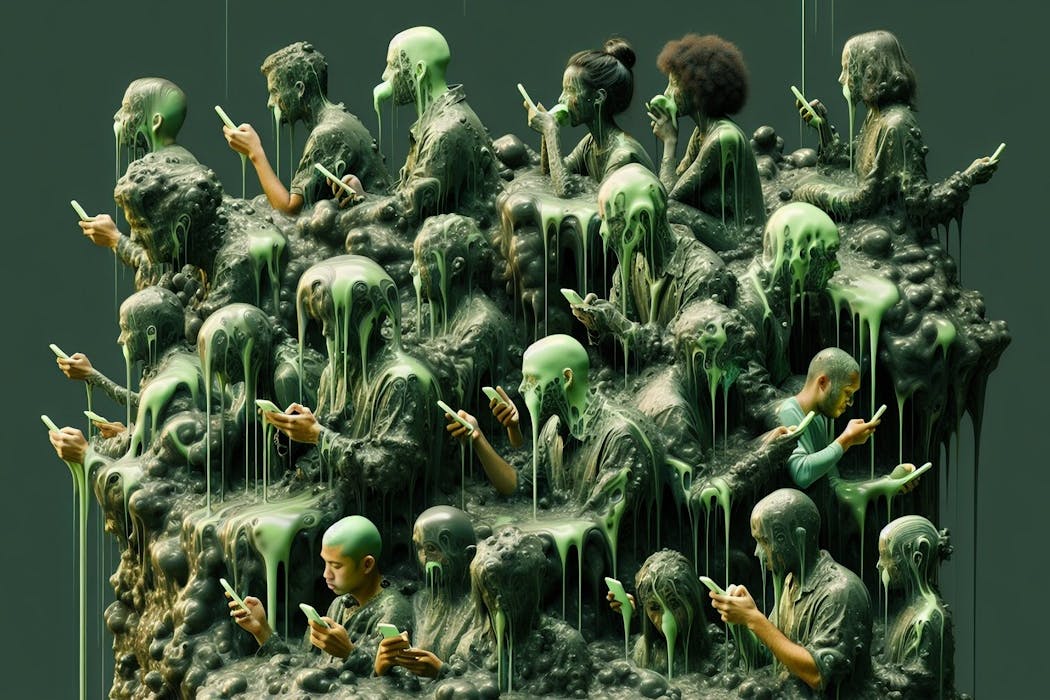
An AI-generated image of ‘AI slop’. Shutterstock AI Generator

For us linguists, the flurry of “word of the year” announcements from dictionaries and publishers is a holiday tradition as anticipated as mince pies. The words of the year aren’t just a fun peek into new slang and language changes, they also tell us quite a bit about the worries, trends and obsessions of the English-speaking world.

And this year’s list has one clear theme. In 2025, artificial intelligence (AI) played a huge role in our offices, social media feeds, music and film, and now – dictionaries.

One of the first announcements this year was Collins Dictionary, who selected “vibe coding” as their word of the year. Vibe coding refers to using AI tools to generate code rather than manually coding software programs.

When I first heard this, my initial reaction was that this is a very niche phrase, not in most people’s vocabulary. However, if we look back to Cambridge Dictionary’s selection for 2023 – which was “hallucinate”, referring to the false or nonsense responses generated by AI models – many people felt the same. Now, we regularly refer to the hallucinogenic properties of AI output, rolling our eyes at some of the answers it provides. Language can and does change, and quickly.


Read more:
What are AI hallucinations? Why AIs sometimes make things up


Such output can sometimes be described as AI slop, “low-quality content created by generative AI, often containing errors, and not requested by the user” – Macquarie Dictionary’s 2025 word of the year. The Economist and Merriam-Webster also went with “slop”, suggesting that this content, however unappealing, is a significant part of our adoption of this new technology.

“Clanker” is another word which made many of the shortlists this year, being used to as a derogatory word to describe an AI source.

Feeling like you’ve had enough of AI? For many, the opposite may be true: for its 2025 word of the year, Cambridge Dictionary chose “parasocial”, expanding the definition to account for people’s relationships with AI companions and chatbots.

Another term that reflects the AI-driven battle over authenticity is “glazing”, which appeared on Collins Dictionary’s shortlist. Defined as “to praise or flatter excessively, often undeservedly”, glazing is something that will be recognisable to anyone who’s ever asked ChatGPT to help them make a decision (OpenAI rolled back a ChatGPT update in early 2025 due to sycophancy in the chatbot).

Choosing the year’s top word

Despite what you might imagine, these words are not selected by lexicographers gathering in a secret conclave. Significant time is spent on tracking the usage of words throughout the year before making decisions on contenders.

Cambridge Dictionary tracks searches on their online dictionary and through Google on a monthly basis. Dictionary.com expands on search engine results to include news headlines and social media trends. Oxford University Press maintains a massive database of language, known as the Oxford Monitor Corpus of English, which is continually updated with automatic feeds from online media. This amounts to 150 million words per month and is a rich source of online trends for the Oxford team.

The lexicographers then come up with shortlists of words. Readers can also have their say, as many of the publishers, including Oxford University Press and Macquarie, put their choices to the public vote. The words with the most votes are then officially crowned as word of the year.

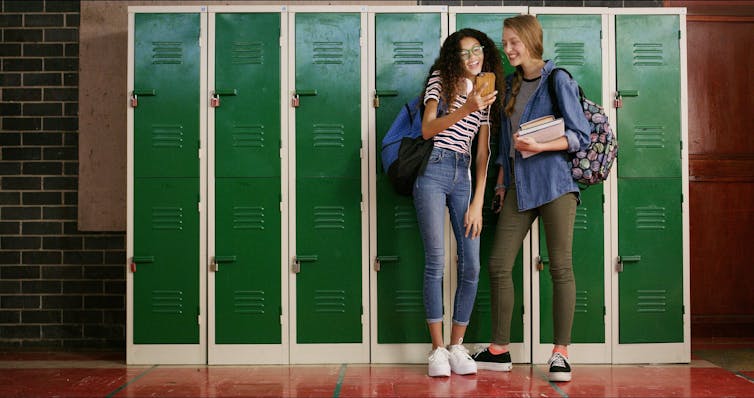
Two girls in a school laughing at a phone
Memes and internet trends are a rich source for words of the year.
PeopleImages/Shutterstock

Traditionalists may argue that many of these words are in fact multiple words. But as long as they represent a “single unit of meaning”, they are considered worthy winners. Nor are they always new words. Neologisms can be a new or expanded meaning of a word which already has a lengthy history (see “parasocial” – feeling a connection with someone we don’t actually know in person – which applies to Beatlemania and Taylor Swift fans as much as AI).

Internet culture continues to provide rich pickings for words of the year. “Rage bait” was Oxford Dictionary’s selection. This involves social media content intended to manipulate users into responding negatively to a post or attacking previous responses. The posts and subsequent comments appeal to our emotions, but not in a good way. Naming this behaviour shows our increasing awareness of such manipulative techniques and hopefully, the start of many people refusing to engage with online negativity.


Read more:
Rage bait: the psychology behind social media’s angriest posts


“Memeify”, the action of creating memes, even made Cambridge’s shortlist for 2025. My personal favourite word of the year in 2025 was driven by basketball-related memes, namely “67”, which was Dictionary.com’s choice.

This contribution welcomes generation alpha to the linguistics table. Traditionally, new slang terms would have been first used by older teenagers as they established friendships and their identities outside their families. But this year shows that our youngest generation group is seamlessly navigating online content, and in doing so, is already influencing language use.

The Conversation

Gail Flanagan received funding from the Research Ireland (formally the Irish Research Council) in 2021-2023 for PhD research unrelated to the current article.

ref. Slop, vibe coding and glazing: AI dominates 2025’s words of the year – https://theconversation.com/slop-vibe-coding-and-glazing-ai-dominates-2025s-words-of-the-year-269688

In defence of sprouts, Christmas pudding and duck fat – by a doctor

Source: The Conversation – UK – By Dan Baumgardt, Senior Lecturer, School of Psychology and Neuroscience, University of Bristol

Slawomir Fajer/Shutterstock

There are few things I look forward to more each year than an excellent Christmas lunch. In fact, I deliberately avoid roast dinners in the run-up to the big day. Especially obligatory work parties, where the turkey inevitably resembles sawdust and the stuffing has the texture of a silicone implant. Call me a snob if you like.

It is estimated that a typical Christmas lunch plate alone can clock in at at least 1,200 calories. Add a couple of glasses of bubbly and a slice of Christmas pudding with brandy butter or double cream, and you could be edging closer to, or even exceeding, 2,000. That is nearly as much as the recommended daily caloric limit for adults.

But Christmas lunch is meant to be enjoyed. And if you are going to splurge on calories, it should be on the very best food you can manage. Ideally, something that even nudges its way into the “health food” category, whatever that really means.

So let’s look at how to pack maximum flavour, pleasure and a little nutritional virtue onto your Christmas plate.

Duck, duck, duck, goose, or turkey (if you must)

I am just going to say it. I hate turkey. Or at least I hate it on Christmas Day. When smothered in cranberry sauce, sage and onions, turkey becomes largely redundant, since it tastes of very little. Cold turkey the next day is a far better deal.

Goose and duck have been our Christmas centrepieces for the last ten years. They are easier to cook, far less prone to drying out and come with a generous side benefit: the fat. Duck fat, in particular, contains higher levels of unsaturated fatty acids, including oleic acid, than other animal fats such as lard or beef dripping. Studies suggest that duck-derived fats may reduce fat-related toxicity in organs like the liver and may even have anti-obesity effects through their influence on fat metabolism.

Ducks and geese generate impressive quantities of fat during cooking, but none of it needs to go to waste. It makes exceptional roast potatoes and an unbeatable Boxing Day bubble and squeak. No fat is healthy in excess, but the higher proportion of unsaturated to saturated fats in duck or goose fat makes them a more favourable option than many alternatives.

That said, turkey does not deserve total condemnation. Turkey legs are far juicier and more flavourful than breast meat. This is due to their higher fat and collagen content, as well as a compound called myoglobin, which gives darker meat its colour. Turkey breast, beloved of bodybuilders everywhere, is also an excellent source of lean protein.

And when it comes to accompanying sauces, cranberry is the obvious choice. These tart little berries are packed with compounds that may support digestive health and immune function.

The much maligned sprout

Brussels sprouts are the unsung heroes of the Christmas vegetable line-up. Their terrible reputation almost certainly comes down to how they are cooked. Victoria Wood captured this perfectly when she described an aunt who put the Christmas sprouts on in November. An overcooked sprout is a sad thing indeed – not unlike a stripped Christmas tree lying on its side, waiting to be dragged out on 6 January.

Sprouts are nutritional powerhouses. They are rich in vitamins, particularly vitamin C and vitamin K, high in fibre, and low in fat. One hundred grams contains just 43 calories, making them ideal for piling generously onto your plate. Add chopped parsley, which is also rich in vitamins A, C, and K, and some crumbled chestnuts for complex carbohydrates, and you have a genuinely balanced side dish.

Sprouts belong to the cruciferous vegetable family, along with cabbage, kale and broccoli. These vegetables are naturally high in a compound called kaempferol. Alongside its flavour, kaempferol has been linked to anti-inflammatory effects, cardiovascular benefits and antioxidant activity, which may even play a role in the fight against cancer.

So cut a cross in the bottom of your sprouts, cook them briefly to preserve their nuttiness and nutrients, and learn to love them.

Christmas pudding as a superfood?

Christmas pudding divides opinion, often because many people’s experience is limited to grim, shop-bought versions that bear little resemblance to the real thing. While making one does take time, it is surprisingly simple, and far more nutritious than you might expect. Actor Richard E. Grant is firmly on my side here.

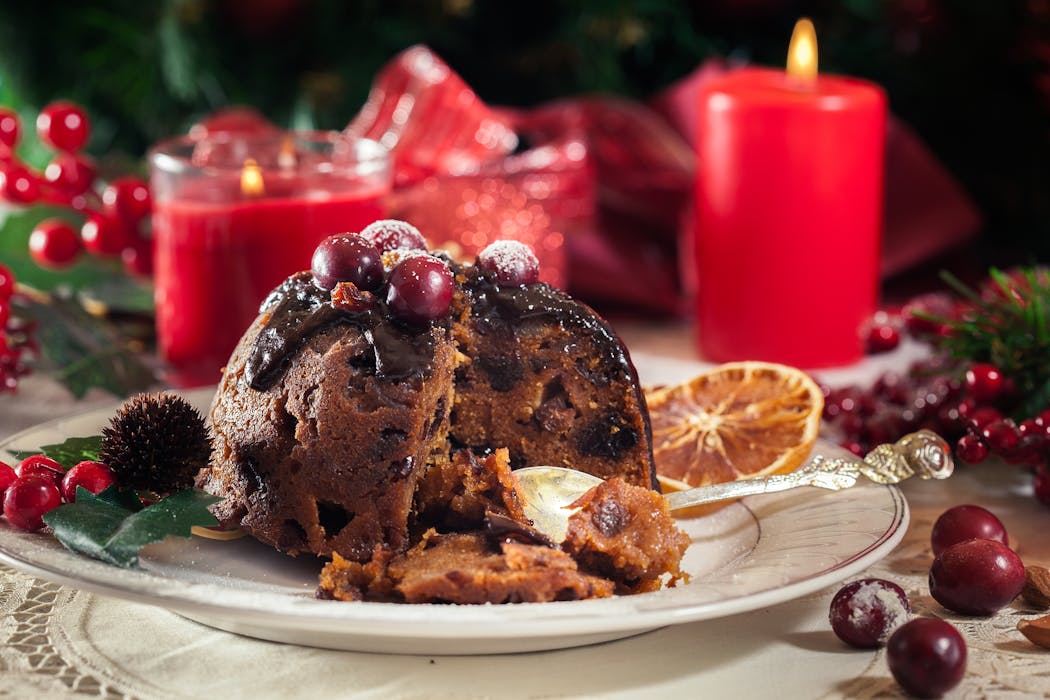
My go-to recipe comes from the incomparable TV cook Delia Smith, and it remains the best I have ever tasted. Packed with dried fruit and apple, it has a clear advantage over many desserts. The fibre content slows glucose absorption, leading to a gentler impact on blood sugar levels. The inclusion of dark stout, used in moderation, also brings potential benefits – including bioavailable silicon for bone health, alongside prebiotics and antioxidants.

Many Christmas pudding recipes also include other beneficial ingredients. Grated carrots add a boost of beta-carotene. Nuts and seeds provide healthy fats, and spices such as cinnamon and cloves may help support blood sugar control.

So think of your Christmas lunch not as a calorie bomb waiting to explode, but as the generous bounty it really is. A feast full of flavour, surprising nutrients, and perhaps the most important meal of the year.

And if all else fails, there is always dry January. And gruel.

Merry Christmas all.

The Conversation

Dan Baumgardt does not work for, consult, own shares in or receive funding from any company or organisation that would benefit from this article, and has disclosed no relevant affiliations beyond their academic appointment.

ref. In defence of sprouts, Christmas pudding and duck fat – by a doctor – https://theconversation.com/in-defence-of-sprouts-christmas-pudding-and-duck-fat-by-a-doctor-271156

The Congregation: Brixton tube station’s mural of joy, resistance and community

Source: The Conversation – UK – By Wanja Kimani, PhD Candidate in Fine Art, Chelsea College of Arts, University of the Arts London, University of the Arts London

Rudy Loewe’s arresting mural The Congregation sits above the entrance to Brixton Underground station in London. The large-scale painting highlights the people and places that have shaped the area’s history over the last 75 years. It serves as a gateway into Brixton’s past and present for locals and the estimated 22 million passengers that transit through the station every year.

The Congregation is the ninth artwork in the Art on the Underground mural programme since 2000, and has been commissioned specially for Brixton tube station. Loewe is a multidisciplinary artist who blends painting, drawing and sculpture to bring aspects of history to life, unearthing histories through archival research and interviews.

Using bold and colourful imagery, the mural captures the rhythm of the everyday, showing myriad scenes, from intergenerational families to civic resistance. The viewer can move between scenes to form their own unique narrative with the mural. In some ways, it acts like a living family album for the local community.

Situated in south London, Brixton began as a wealthy Victorian commercial hub and is best known today as the symbolic heart of the UK’s Caribbean community. In 1981, the oppressive use of “Operation Swamp 81” and “sus” (suspected person) laws which affected Black youth, led to the 1981 Brixton uprising against police brutality, referred to in the media as the Brixton riots.

The mural is the result of Loewe’s research from Lambeth, London and TfL archives, as well as interviews with figures who feature in the mural and the artist’s own experience of the area. The mural cements Brixton’s historic role as a dynamic and important gathering space, particularly for Black communities.

Through 20 vivid scenes, viewers are immersed in a rich sensory landscape of Brixton over the years. From the Windrush generation, who arrived in the late 1940s, to the Frontline off-licence, a key site during the 1981 uprising, the mural captures people and places that have shaped and continue to reflect and alter the area.

One such figure is Marcia Rigg, sister of Sean Rigg who died in police custody at Brixton police station in 2008 while experiencing mental ill health. Rigg is a leading campaigner for the United Families & Friends Campaign, working alongside other families whose loved ones have died while in police custody, prison or mental health facilities.

She has been instrumental in the development of the Inquest Skills and Support Toolkit, a resource for those bereaved by a death in state custody. Loewe is conscious not to sanitise the tensions that exist, while also making it clear that “alongside grief and resistance … there is joy and sensuality” at the same time.

A living archive

Significantly, the mural also extends to marginalised voices of the Black community in Brixton and its surrounds. During the mid 1980s, Black lesbians faced isolation as they were often shut out of white queer spaces and faced homophobia within Black women’s circles.

In response to this exclusion, Eddie Lockhart and Yvonne Taylor formed Sistermatic, a Black lesbian-run sound system (which originated in 1940s Jamaica, where DJs loaded up flatbed trucks with enormous speakers, turntables and a generator to provide the music for a street party) and which features on the lower left of the mural.

For nearly a decade, Sistermatic was based at the South London Women’s Centre on Brixton’s Acre Lane. This venue functioned as a dual sanctuary: a site of communal celebration for Black lesbians, and a critical refuge for young Black queer teenagers facing homophobia. To ensure the space remained truly inclusive, the collective prioritised accessibility, offering a sliding scale for entry fees and providing a crèche for mothers.

Loewe’s research highlights that working with archives requires navigating different forms of memory and knowledge. While institutions like Lambeth Archives hold physical records, groups like Sistermatic operated on the margins of both white and Black society and left behind almost no physical archive. The sound system exists primarily as an embodied archive carried by its founders and the women who attended.

By translating these memories into visual form, Loewe performs a crucial act of restorative archiving, giving material permanence to a movement that was largely held within the collective memory of its participants. Loewe ensures that the ephemeral joy of the dancefloor is not lost simply because it was not documented on paper.

Ultimately, the power of The Congregation lies in its ability to make space for different forms of knowledge, placing the weight of institutional record alongside the embodied histories of the community. Loewe refuses to simplify this history, instead capturing the complex simultaneity where grief and political resistance coexist with joy and togetherness. It is the artist’s hope that the mural will spark new community engagement, something I experienced firsthand.

Inspired by the work, I visited Lambeth Archives for the first time to locate the Frontline off-licence documents. When I asked the archivist, she simply replied she would fetch her colleague who was there during the 1981 Brixton uprising. This interaction resonates the power in Loewe’s work, reminding us that the archive is not just a repository of the past, but a living network of people who continue to shape the present.

The Conversation

Wanja Kimani does not work for, consult, own shares in or receive funding from any company or organisation that would benefit from this article, and has disclosed no relevant affiliations beyond their academic appointment.

ref. The Congregation: Brixton tube station’s mural of joy, resistance and community – https://theconversation.com/the-congregation-brixton-tube-stations-mural-of-joy-resistance-and-community-270819

Your blood proteins could predict your risk of an early death

Source: The Conversation – UK – By Nophar Geifman, Professor of Health and Biomedical Informatics, School of Health Sciences, Digital Health Expert Group, University of Surrey

angellodeco/Shutterstock

Imagine if a simple blood test could offer a glimpse into your future health. Not just whether you have heart disease or cancer today, but whether your overall risk of dying in the next five or ten years is higher or lower than expected.

It is the kind of idea that has hovered on the edges of medicine for decades, appearing in headlines every time a new biomarker is discovered. In practice, though, predicting long-term health has remained frustratingly imprecise. Doctors still rely heavily on age, weight, smoking history and a handful of routine blood tests, most of which provide only broad, population-level estimates.

At the same time, modern medicine is moving rapidly towards earlier detection and prevention. Health systems around the world are grappling with rising rates of chronic disease and ageing populations. Clinicians increasingly need tools that can identify risk before symptoms appear, allowing earlier intervention. The question is whether the clues to future health might already be circulating in our blood.

That is what our latest study explores. By measuring thousands of blood proteins in tens of thousands of people and tracking who survived or died over time, we found that certain protein patterns appear to be linked to a greater risk of dying from any cause other than accidents.

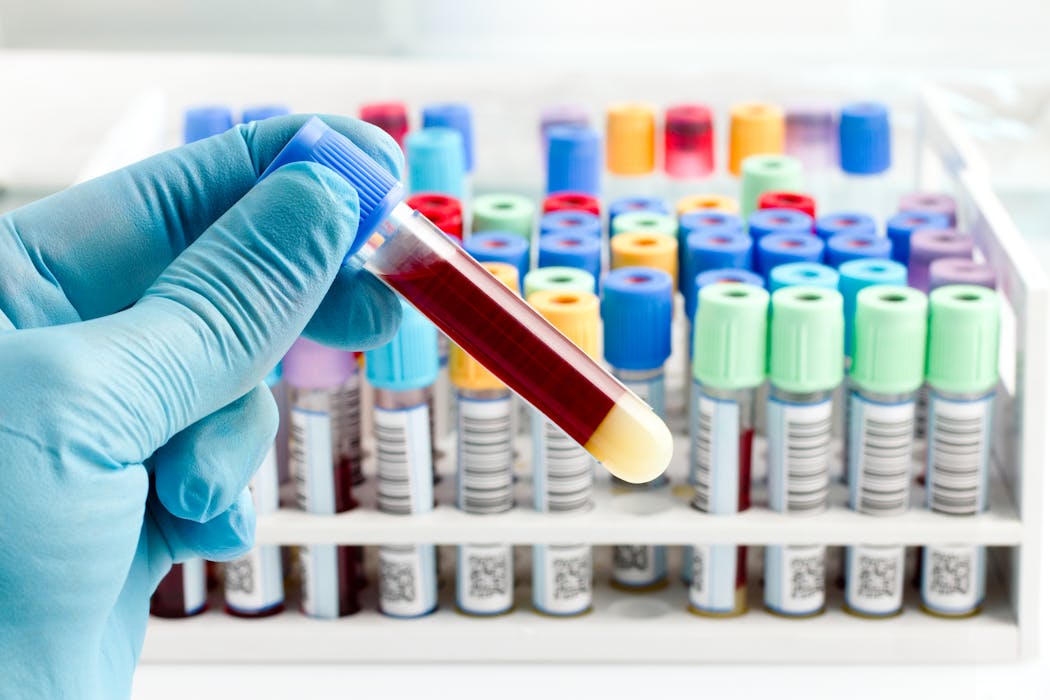
The analysis used data from more than 38,000 adults aged 39 to 70 who took part in the UK Biobank study. This is a long-running national health resource that collects biological samples and health information from half a million UK volunteers. Participants provided blood samples and ongoing comprehensive health and lifestyle data. We examined nearly 3,000 proteins in each blood sample and looked for proteins whose levels correlated with death within five or ten years.

After accounting for risk factors already known to adversely affect life expectancy, such as age, body mass index (BMI) and smoking, we identified hundreds of proteins linked to the overall chance of dying from any cause, and to the chance of dying from specific diseases, including cancer and cardiovascular disease.

Our research team then sifted those long lists to isolate a small number of proteins known as protein panels. These panels contained ten proteins that associated with ten-year risk of all-cause mortality, and six proteins that associated with five-year risk.

They improved forecasting ability over traditional models that rely on age, BMI and lifestyle factors. In statistical terms, models based only on demographic and lifestyle data performed poorly, with accuracy close to random. Models that incorporated the protein panels performed better, although the gains were still limited.

This suggests that some proteins in blood may carry hidden signals about long-term health that go beyond current disease. Traditional risk factors such as age, weight, smoking, alcohol consumption and physical activity offer important but often imprecise clues about health decline.

Blood proteins, by contrast, provide real-time snapshots of what is happening inside the body. Some may reflect slow chronic changes such as low-level inflammation, tissue breakdown or subtle organ stress. Others may indicate more immediate risks linked to the heart, blood vessels or immune system. Our study shows that the risk of dying can also be partially captured in the levels of circulating proteins.

Middle-aged man smoking a cigarette and drinking wine on a terrace with a woman
Common risk factors like age, weight, smoking, alcohol consumption and activity levels give insight, but these clues are often imprecise.
Carles Iturbe/Shutterstock

Even so, this is far from a perfect test. The predictive power is better than chance but still modest. These protein signatures cannot be treated as definitive indicators of when someone will die. They could however, with further validation, function more like a warning that may prompt early action.

For example, a GP might advise more frequent check-ups or suggest earlier screening for cardiovascular problems if a patient’s protein profile looks concerning. An elevated profile does not signal imminent death. It signals a higher risk compared with someone who has a different protein pattern, everything else being equal.

Beyond diagnosis of current disease

The study also merely focused on associations. The proteins may not be causing the increased risk. They may simply be markers of underlying biological processes that have not yet produced symptoms. The authors further note that combining all causes of death into one outcome makes interpretation difficult. This is because the pathways leading to death vary widely. Heart disease, cancer, infections and organ failure each involve very different biological mechanisms.

Side view of an older woman sitting on therapy bed in medical office while doctor listens to chest
Blood tests could trigger earlier medical intervention for illnesses.
SeventyFour/Shutterstock

Even with these caveats, the findings point to a future where routine blood tests may look beyond diagnosing current disease. A simple snapshot could alert doctors that a patient faces an elevated risk of health decline even when nothing obvious appears wrong. This could trigger earlier action such as closer monitoring, lifestyle guidance or preventive treatments.

This type of risk stratification is becoming increasingly important as populations age and chronic disease rates rise, placing growing pressure on healthcare systems. Such a test could help doctors target care more effectively.

Future research will determine how realistic this vision is. Large-scale validation studies in diverse populations will be needed to ensure that protein panels are accurate and reliable across different ages, ethnicities and health backgrounds. Only then can they be considered suitable for routine clinical use.

Further, any results would still need to be interpreted alongside a person’s medical history, lifestyle and symptoms. Protein panels could offer an extra layer of insight, helping clinicians build a fuller picture rather than replacing traditional assessments.

The Conversation

Nophar Geifman receives funding from UK Research & Innovation (UKRI), Kidney Research UK, the Human-Animal Bond Research Institute (HABRI), and Zoetis Inc.

ref. Your blood proteins could predict your risk of an early death – https://theconversation.com/your-blood-proteins-could-predict-your-risk-of-an-early-death-270636

Your next puffer jacket could be made from bullrushes, as carbon-storing peat farming takes off

Source: The Conversation – UK – By Zoe Lipkens, PhD Researcher, University of Leicester

martin.dlugo/Shutterstock

Have you ever wondered what keeps you warm in your winter jacket? Most jacket insulation is made from human made synthetic fibres (polyester) or natural down from ducks or geese. Some winter jackets are insulated with something a little more surprising – bulrushes.

A biomaterials company called Ponda is using the seed heads of bulrush cultivated in peatlands to create BioPuff as insulation for puffer jackets, an alternative to synthetic fibres and goose down. These jackets help to encourage wetter farming on peatlands, a practice known as paludiculture that helps keep carbon locked into the ground.

While paludiculture is a relatively new way of farming in the UK, my research investigates how this emerging farming practice is being implemented in north-west England.

It is crucial that peatlands remain wet or are rewetted to prevent the release of stored carbon. Once drained, peatlands emit a significant amount of carbon – degraded peatlands account for 4% of the UK’s total greenhouse gas emissions. Most (88%) of these emissions come from degraded lowland peatlands, which account for only 16% of the UK’s total peatland land area.

While the complete restoration of lowland peatland habitats is necessary, in many cases landowners and managers may not be willing to fully stop cultivating or grazing on parts of their agricultural peatland. Paludiculture has been proposed by UK policymakers and researchers as an innovative farming practice. In this scenario, peat soils remain wet to reduce peatlands’ carbon emissions. Simultaneously, landowners and managers can theoretically make an income from cultivating paludiculture crops.

The UK Paludiculture Live list consists of 88 native species that could be used for farming via paludiculture. This list is divided into categories including food crops (such as cranberry and celery), growing media (Sphagnum moss), fabrics (bulrush) and construction materials (such as common reed and freshwater bulrush).

Crop trials

Over the past five years there has been a growing network of researchers, landowners, land managers, conservationists, businesses and government advisors innovating and implementing paludiculture trials in north-west England. Celery, lettuce, blueberries, bulrush, and Sphagnum moss are some of first paludiculture crops that have been grown in this region.

One of the trials, delivered in partnership with the Lancashire Wildlife Trust, a tenant farmer, the landowner and Ponda, shows how paludiculture offers an opportunity for both the farming community and the sustainable fashion industry.

This trial was established with the aim to grow bulrush on five hectares (12 acres) of previously drained lowland peat soils.

After raising the water table level to between 30cm below ground level and the peat surface, the bulrush seeds were sown in June 2024 using a drone. More than a year later, the bulrush was successfully harvested in August 2025 using a specialised digger equipped with a reed-cutting bucket.

Bulrush seeds being sown by a drone at one of Lancashire Wildlife Trust’s paludiculture trial sites.

This trial was successful due to collaboration between the organisations and people in the partnership who shared paludiculture knowledge that specifically related to this region and farming practices on lowland peatlands elsewhere in the UK.

Additionally, it is crucial that paludiculture crops are supported by a concrete business case and market route so that landowners and land managers do not have to rely on variable government funding.

Uncharted waters

While paludiculture has progressed in the UK over the past five years, there are still challenges in upscaling this farming practice.

In terms of food crops, supermarkets may not accept paludiculture grown celery or lettuce if they do not match retailer requirements. The entire paludiculture market chain faces barriers from cultivation to commercialism.

These include challenges such as managing water table levels, having robust storage, handling, and processing infrastructure, market regulations and the market visibility of paludiculture products. These hurdles can make it difficult to expand trials up to larger farm and landscape scales.

Because much of the UK’s peatlands are owned by private landowners and often managed by tenant farmers, paludiculture must develop as a financially stable farming practice to ensure there is buy in from everyone involved.

However, transitioning from conventional drainage practices to wetter farming is not just a financial matter. Landowners, farmers and peatland practitioners must acquire new peatland rewetting knowledge and be willing to grow crops on wet soils. The paludiculture trial in the north-west demonstrates how these partnerships can form and help pave the way for more wetter peatland systems.

The next time you pass a wetland area, see if you can spot a bulrush. These boggy plants can help tackle climate change by storing carbon and could even be transformed into your next puffer jacket.


Don’t have time to read about climate change as much as you’d like?

Get a weekly roundup in your inbox instead. Every Wednesday, The Conversation’s environment editor writes Imagine, a short email that goes a little deeper into just one climate issue. Join the 47,000+ readers who’ve subscribed so far.


The Conversation

Zoe Lipkens receives funding from the University of Leicester’s Future 100 doctoral training pathway.

ref. Your next puffer jacket could be made from bullrushes, as carbon-storing peat farming takes off – https://theconversation.com/your-next-puffer-jacket-could-be-made-from-bullrushes-as-carbon-storing-peat-farming-takes-off-269958

Why mistletoe is thriving, even as its traditional orchards are lost

Source: The Conversation – UK – By Adele Julier, Senior Lecturer in Terrestrial Ecology, University of Portsmouth

Reflexpixel / shutterstock

Mistletoe is a richly symbolic winter plant with an unusual life cycle. With more than half of England’s traditional orchards lost since the mid-20th century, it would be easy to assume mistletoe is disappearing too. But that’s not the case. Despite dramatic changes in land use, mistletoe in Britain and Ireland is not in decline – and in some places it may even be spreading.

Mistletoe is a name used for a variety of different plants across the world, but in Britain it generally means European mistletoe (Viscum album), a semiparasitic plant that grows on the branches of trees. Being semiparasitic means it takes water and some of its nutrients from the tree on which it grows, while also capturing its own energy through photosynthesis.

This unusual feature allows mistletoe to thrive high in the tree canopy, but also makes it dependent on both suitable host trees and the animals that help it reproduce.

Mistletoe is best known today for the tradition of kissing beneath it at Christmas, a custom that became popular in the 19th century. The plant also features in Greek and Norse mythology and has some tenuous associations with ancient druidic practices in Britain.

These cultural associations have helped cement mistletoe’s image as a plant of tradition, protection and continuity, even as its ecology proves surprisingly dynamic.

A complicated life

Mistletoe’s life cycle is more complicated than the average plant. It’s among the 6% or so of flowering plants where male and female flowers grow on separate plants. Both produce tiny green flowers that smell sweet and fruity to attract pollinators such as flies and bees. The female plant grows white berries which are coated in a sticky substance called viscin.

Leaves growing on branches
Mistletoe has colonised this apple tree – the leaves and branches are from different organisms.
Tom Meaker / shutterstock

Seeds tend to be dispersed by birds. Species such as mistle thrushes, waxwings and blackcaps eat the berries and then either poop seeds out or wipe them off their beaks and feet onto nearby branches. The sticky coating helps the seeds adhere to the bark, where they can germinate.

The fact that it has separate male and female plants, and its reliance on birds, makes mistletoe surprisingly slow to spread. If a lone plant is growing in a new location, it could be years before more arrive. These biological constraints have traditionally limited mistletoe to places with the right combination of climate, host trees, pollinators and seed dispersers.

Orchards to gardens

Mistletoe is most commonly associated with orchards, especially apple trees, though it can also grow on poplars, lime, hawthorne and willow, and very rarely on oak. It is found all across England, but is most abundant in the south-west midlands. The plant is the official county flower of Herefordshire, where it has long been associated with the county’s orchards.

Fruit tree in winter with mistletoe
Mistletoe is evergreen, and is particularly noticeable in winter when its host sheds its leaves.
Dietrich Leppert / shutterstock

Over the 20th century, however, the National Trust estimates that 56% of England’s traditional orchards have vanished. You might expect this would mean wild mistletoe is in trouble – at least in England.

But that’s not the case. Its conservation status in Britain is “least concern”, and although it is often found in orchards, mistletoe is now most common in gardens. Its abundance in the south-west midlands of England could be more due to a wet and warm climate than the presence of orchards.

Bird eats berry
Waxwings visit the UK in winter, often from Scandinavia. They feed on berries – like mistletoe.
Dmytro Komarovskyi / shutterstock

There have been reports of mistletoe spreading quickly in places such as Essex and Cambridge. Blackcaps, a key disperser of mistletoe seeds, have only recently started overwintering in Britain. Warmer winters have altered their migration, increasing the time they spend in the UK and therefore the time they have to spread mistletoe seeds. Changes in bird behaviour linked to climate change may therefore be affecting the distribution of one of Britain’s most familiar plants.

If you would like to get involved with mistletoe research, there is a citizen science project run by the TreeCouncil called MistleGO! in which you can record sightings, helping researchers to track its distribution. You can also buy mistletoe growing kits, although it is best to wait to sow the seeds until early spring – and it might be several years before your mistletoe plant is large enough to harvest for your Christmas party.

Even as its traditional orchards disappear, mistletoe will remain a festive fixture. It’s a living example of how complex interactions between different species amid climate change and changing landscapes make it hard to predict what the wildlife of the future will look like.

The Conversation

This article would not have been possible without reference to the work of John Briggs, who has an excellent website called The Mistletoe Pages https://mistletoe.org.uk/mp/ and who authored several key works including a 2021 review in the journal British & Irish Botany titled: ‘Mistletoe, Viscum album (Santalaceae), in Britain and Ireland; a discussion and review of current status and trends’.

ref. Why mistletoe is thriving, even as its traditional orchards are lost – https://theconversation.com/why-mistletoe-is-thriving-even-as-its-traditional-orchards-are-lost-272154

How family gatherings unlock forgotten childhood memories that help us understand who we really are

Source: The Conversation – UK – By Jane Aspell, Professor of Cognitive Neuroscience, Faculty of Science and Engineering, Anglia Ruskin University

If you’re driving home for Christmas (insert Chris Rea earworm here) – and by that I mean the old family home – you’re likely to be experiencing a familiar mix of excited anticipation and faint dread of being trapped in close quarters with relatives. There’s nothing like Christmas for mental time travel triggered by family traditions and well-worn arguments.

You might also have the sort of family, like mine, which often insists on perceiving and treating you as you were 40-plus years ago. Although I’m closer than I’d like to 50, my father still voices concerns about me crossing roads, “wrapping up warm” and leaving electric plugs switched on. I will forever be his little girl.

Since our identity is in part created by how those around us see us and behave towards us, the festive season can temporarily cause us to regress to a past, childish version of our self – and this isn’t always welcome. But I’d like to suggest there is a silver lining of opportunity here though: the chance to gain access to forgotten memories.

As a professor of cognitive neuroscience, I’ve been lucky enough to be able to test this idea with colleagues in my lab. In particular, we wanted to scientifically investigate whether people can recall more detailed childhood memories if they can “reinhabit” the body they had as a child.

I think it makes intuitive sense that this might work: the body I had as a child was very different to the one I currently occupy in middle age, and it seems reasonable to suppose that a (usually overlooked) aspect of our childhood memories – indeed of all memories – is the kind of body we used to have.

Our bodily experience is so ever-present that we usually don’t even notice it unless we are in some pain or discomfort. But there is not a minute of your life when your brain does not receive a mass of sensory input from and about your body: the sight of your hands in your peripheral vision, the sound of your footsteps and breathing, the beating of your heart, the contractions of your stomach and the tension in your muscles. Since the body is a big part of what we perceive in every moment, its varying form (as we age and change) should also be encoded in our memories.

As time passes, remote memories can dim, and some may even seem to disappear. But in most cases, they are never really “gone” from the brain – we just need the right trigger to reactivate them and bring them back into our consciousness.

A magic mental jigsaw

Memory is a bit like a magic mental jigsaw. Once you get hold of one jigsaw piece, a linking piece can suddenly pop into your mind. Our idea was to give participants in our lab the piece that enables them to re-experience their childhood bodies, in the hope that this could enable better access to memories that were laid down when they occupied those younger bodies.

We did this by causing our participants to experience a body illusion known as the “enfacement illusion”. We asked them to sit facing a computer screen with an attached webcam. On the screen, they could see a live video of their own face as filmed by the camera, but for half the participants there was a twist: the video had been distorted by a popular Snapchat app filter. Instead of seeing a video of their face as it currently looked, they saw their face morphed into a childlike version: their face resembled how it looked when they were a child.

The ‘enfacement illusion’ experiment explained. Video: Anglia Ruskin University.

We instructed them to move their head from side to side for 90 seconds while keeping their eyes fixed on the screen. This movement was important, as it provided crucial information to their brains about the self-relatedness of the image they saw.

Given that the face on screen moved exactly in time with their own face, this tricked the brain that the face on screen was really theirs. It was as though the participant was looking into a mirror but seeing the face they had as a child looking back at them. A different group of participants watched an undistorted video of their own face as they made the same movements.

To test whether this brief illusion has effects on memory recall, immediately after the illusion the participants took part in an “autobiographical memory interview”. The lead researcher – my former PhD student Utkarsh Gupta – followed a strict protocol to ask them a series of questions that would result in them describing an individual memory from their childhood in as much detail as possible. These interviews were recorded, and the transcripts were later numerically rated for specificity and detail by two researchers who were blind to the group that each participant had been assigned to.

Although the illusion was very brief, we found a significant difference between the memories described by participants in each group. As we had predicted, those who “re-embodied” their childlike faces were able to recall significantly more detailed memories than the participants who viewed their current face.

Our study was therefore able to show that body, self and memory interact, as indeed they must, in order for our brains to create our experience of personal identity – what makes “me” the person that I am.

Our identity necessarily evolves over time (even though our parents may sometimes have difficulty recognising that). And integrating memories of our past with the present moment is not always easy.

Our memories are not only records of the things that we previously saw, thought, smelt and heard. They are also records of the kind of body that our self used to drive around in. All our past selves are etched into our brains. The ghosts of Christmases past never really melt away.

The Conversation

Jane Aspell receives funding from the Leverhulme Trust and has previously been funded by Versus Arthritis, the Bial Foundation, the British Academy, The Urology Foundation and the Wellcome Trust.

ref. How family gatherings unlock forgotten childhood memories that help us understand who we really are – https://theconversation.com/how-family-gatherings-unlock-forgotten-childhood-memories-that-help-us-understand-who-we-really-are-272021

What makes a song sound ‘Christmassy’? Musicologist explains

Source: The Conversation – UK – By Samuel J Bennett, Senior Lecturer in Music Production, Nottingham Trent University

Shutterstock/Krakenimages.com

Within the first notes of many classic Christmas songs, we’re transported directly to the festive season. Why is it that it’s these particular pieces of music that get us thinking of the holidays?

In his book Music’s Meanings, the popular music researcher Philip Tagg explores the ways in which we as listeners construe the music that we hear. Tagg applies semiotics, the study of how we interpret signs in the world around us, to music. These signs may be viewed differently by different people and may change their meaning over time.

To illustrate this concept, Tagg cites the example of the pedal guitar, originally drawn from Hawaiian musical tradition and carrying connotations of the islands. Eventually this instrument found its way into country music, so successfully that Tagg argues at this point, we are likely to immediately think of country music when hearing the instrument, without the concept of Hawaii ever crossing our minds.

As the pedal guitar may place us immediately within the realm of country music, there is one instrument that will likely do the same for Christmas – sleigh bells.

Sleigh bells

From light orchestral pieces such as Prokofiev’s Troika (1933), right through to Ariana Grande’s Santa Tell Me (2014), sleigh bells have long acted as convenient shorthand for composers to tell their listeners that this piece belongs to the Christmas canon.

The reasons for this link stem from the non-musical world. We associate Christmas with the winter season and snowy weather. Sleighs, through their use as transport in such weather, developed a direct associative link with Christmas, and as a result, so did the bells used to warn pedestrians of their approach. As with Tagg’s pedal guitar example, we’ve reached the point where we generally link sleigh bells directly with the concept of Christmas, rather than thinking of the intermediary idea of the sleigh at all.

Santa Tell Me uses sleigh bells to evoke a Christmassy sound.

There’s a link to the wider instrument family of bells too. Through the practice of churches ringing out their bells, particularly in celebration of the birth of Christ, larger bells have also developed a presence, not only in Christmas music, but in Christmas decorations and art.

Last year, the UK Official Charts Company published a list of the “top 40 most-streamed Christmas songs”. If you were to listen to the list, you’d find bell-like sounds in the majority of them, from the glockenspiel-like introduction of Mariah Carey’s All I Want for Christmas Is You (1994) to the synthesised tubular bells of Band Aid’s Do They Know It’s Christmas (1984).


Read more:
Band Aid at 40: how the problematic Christmas hit changed the charity sector


There are other musical elements which help spread the Christmas cheer, from lyrical melodies to strident brass parts. Most of these elements though, have one thing in common. They aren’t modern sounds, or particularly common in modern pop music, and instead, they remind us of the past.

The nostalgia of Christmas

Christmas is a nostalgic holiday, in more ways than one. The word “nostalgia” initially referred to a type of homesickness, rather than the fond remembrance of a hazy past time that we more commonly use it to refer to now. But both senses of the word can be used to describe the feelings we associate with Christmas.

It’s a time where many of us travel home to family, taking not only a geographical trip, but a temporal one, immersing ourselves in a world of well-worn tradition and familiarity, where the pace of our day-to-day life doesn’t apply.

Artists know this, feeding our nostalgia through music, lyrics and visuals which evoke the past. This is possibly why most Christmas albums consist of interpretations of past holiday classics, rather than original material. It’s a straightforward appeal to the nostalgic and the familiar; if we already know a song, it’s easier to immediately latch on to this new recording. Some artists though, take the nostalgia trip one step further, emulating what is arguably the ultimate Christmas style of music – the easy listening crooner song.

Billie Eilish performs Have Yourself A Merry Little Christmas in 2023.

Whether it’s Bing Crosby or Nat King Cole, the warmth of a crooning voice nestled among light orchestral instrumentation has become inextricably linked with Christmas. It’s a sound that, unless you have a personal affinity with the style, you’re unlikely to hear much outside of the festive season.

It’s telling that when Billie Eilish performed a version of Have Yourself a Merry Little Christmas on Saturday Night Live in 2023, she eschewed her usual synthesised sounds in favour of a traditional trio of piano, drums and upright bass, and delivered the vocal in a gentle, warming tone. It all conspires to make us think of some imagined, simpler past, with chestnuts by the fire and picturesque snow settling outside.

Finally, we return to that list of the most-streamed Christmas songs. There’s one artist, and indeed one album, that makes the top 20 with two entries – Michael Bublé, with his 2011 album Christmas. Checking this album against our list of Christmas musical elements reveals a clean sweep. It’s crooned from top to bottom, features lightly orchestrated versions of classic Christmas songs, and yes, includes sleigh bells. It doesn’t get much more Christmassy than that.


Looking for something good? Cut through the noise with a carefully curated selection of the latest releases, live events and exhibitions, straight to your inbox every fortnight, on Fridays. Sign up here.


The Conversation

Samuel J Bennett does not work for, consult, own shares in or receive funding from any company or organisation that would benefit from this article, and has disclosed no relevant affiliations beyond their academic appointment.

ref. What makes a song sound ‘Christmassy’? Musicologist explains – https://theconversation.com/what-makes-a-song-sound-christmassy-musicologist-explains-271349