Source: The Conversation – UK – By Matt Jacobsen, Senior Lecturer in Film History in the School of Society and Environment, Queen Mary University of London
Few long-running horror franchises manage to feel both expansive and intimate. The Bone Temple, the second film in a projected trilogy revisiting the world of classic British horror 28 Days Later, achieves exactly that balance.
The Bone Temple is a brilliant example of a well-told, powerful yet small-scale story operating confidently within the parameters of an existing franchise. With this film, American film-maker Nia DaCosta takes the directorial reins from Danny Boyle and puts her unique stamp on the series. Working from writer Alex Garland’s screenplay, she has created a wonderfully off-kilter, wild horror film about survival and the legacy of shared trauma on the national psyche.
In the world of the franchise, Britain has been overrun with the hyper-contagious “rage” virus, resulting in hordes of violent infected.
Garland and Boyle changed the zombie genre forever in 28 Days Later (2002) by making the traditionally shambling creatures fast-moving and aggressive. This newest film follows the example set by the first film by asserting that the most immediate threat following the collapse of civilisation may not be the zombies themselves but fellow survivors, irrevocably altered by the breakdown of society.
Returning from the excellent, bracing 28 Years Later (2025) are teenage Spike (Alfie Williams) and former GP Ian Kelson (Ralph Fiennes). The hauntingly beautiful and brilliantly conceived bone temple of the title is Kelson’s monumental construction, first revealed in 28 Years Later. It’s a sprawling series of obelisks made from the bones of the dead, created as a memorial to the loss of British life.
The trailer for 28 Years Later: The Bone Temple.
In the last film’s most memorable and impressive scene, Spike ascends a tower of skulls to place and memorialise the remains of his mother (Jodie Comer). The act signifies a cultural commemoration and a momentary acknowledgement of grief and mourning that is usually unavailable to survivors living with uncertainty.
The Bone Temple follows two stories that converge inevitably and explosively in a startling climax. In the first, Kelson forms an unexpected bond with the “Alpha” – an infected man he names Samson – and the discoveries he makes about the rage virus in the process. The other follows Spike’s encounter with the group of survivors called The Jimmys, named and styled by their leader Jimmy Crystal (Jack O’Connell) after British celebrity Jimmy Savile.
Sporting Savile’s trademark tracksuit, platinum blonde wig and gold chains, the group are trained in martial arts. Crystal is convinced he is the offspring of Satan – as teased in the superbly baffling final minutes of the previous film.
Savile, the formerly well-loved presenter of Jim’ll Fix It – the BBC programme that delivered life-changing experiences to needy children – was revealed to be a serial child sex offender in 2012, a year after his death. In the film’s world, where society collapsed in 2002, Savile is still an apparently charitable if eccentric personality.
It is deeply unsettling and uncomfortably humorous seeing his tarnished image animated so aggressively in acts of extreme violence. A version of his catchphrase “Howzat!” is uttered by the group in cultish reverence.
Through The Jimmys and their peculiarly brutal, ritualised existence, DaCosta’s tragic film is concerned with the psychological effect of collective trauma and suffering.
DaCosta’s brilliance
DaCosta has spoken about Garland and Boyle’s encouragement that she take creative control and put her stamp on the material, and about her attitude to making this film as “letting her freak flag fly”.
She has certainly delivered on that promise. This is a brilliantly strange film that is continuously surprising and provocative despite its small-scale storytelling.
I would be surprised if anything else at the cinema in 2026 can match the bizarre spectacle of The Bone Temple’s best sequence. In a tour de force of over-the-top theatrics that is as joyously silly as it is visionary, Fiennes gives a career highlight performance, complemented by pyrotechnics and set to the searing riffs of Iron Maiden’s heavy metal anthem The Number of the Beast.
DaCosta’s treatment of location plays a key role in defining the eerie, unsettling character of The Bone Temple. While the director’s father is British-born and raised and she visited the UK regularly during her childhood, as an American she brings an outside perspective and sense of wonder to the northern British rural landscape.
Where 28 Days Later gained its critical reputation from the melancholy uncanniness of dilapidated urban spaces fallen into disrepair, this film is set entirely in the lush, dramatic pastoral environments of Cumbria.
DaCosta intersperses the action of the film with deeply unsettling, atmospheric shots of the countryside. The choice recalls the mythic strangeness of influential folk horror films Witchfinder General (1968) and The Wicker Man (1973).
More so than any other film genre, horror pushes boundaries and it must evolve to stay relevant and potent. DaCosta and Garland follow that ethos and have crafted a continuously surprising, spiky and abrasive take on familiar elements of folk horror and the zombie film.
The Bone Temple stands proudly within the recent wave of acclaimed horror films including Weapons and Bring Her Back as a bold and original experience that genre fans will celebrate.
Looking for something good? Cut through the noise with a carefully curated selection of the latest releases, live events and exhibitions, straight to your inbox every fortnight, on Fridays. Sign up here.
Matt Jacobsen does not work for, consult, own shares in or receive funding from any company or organisation that would benefit from this article, and has disclosed no relevant affiliations beyond their academic appointment.
Governments across the world want AI to do more of the heavy lifting when it comes to public services. The plan is apparently to make make things much more efficient, as algorithms quietly handle a country’s day to day admin.
For example, AI might help tackle tax fraud, by working out ways of targeting those most likely to be offending. Or it might be to help public health services screen for various cancers, triaging cases at scale and flagging those deemed most at risk.
But what happens when such a triaging system makes a mistake? Or when government agencies deploy AI to identify fraud and the model simply gets it wrong?
There is already sobering evidence that AI errors can have devastating consequences. In the Netherlands for example, flawed algorithmic assessments of tax fraud were dealt with in ways which tore families apart and separated children from their parents.
In that case, a risk‑scoring system was used to identify families it deemed likely to be committing benefits fraud. It then fed these assessments into automated operations that ordered repayments, driving innocent households into financial ruin.
So states should be extremely wary of substituting human judgement with AI. The assumption that machines will almost always get it right is simply not true. People’s lives cannot be easily reduced to data points for algorithms to draw conclusions from.
And when things do go wrong, who is responsible? What happens to human accountability?
These are the kind of questions that have often been overlooked amid all the clamour – and vast levels of investment – that AI has attracted. Yet even if we set aside the possibility that this is another speculative bubble ready to burst, there is growing evidence that AI in its current form does not deliver what it promised. The problem of “hallucinations” – when AI generates plausible yet nonfactual content – [remains unresolved] [https://dl.acm.org/doi/pdf/10.1145/3703155], and expensive developments have often been underwhelming.
Even leading figures in the industry, including the co-founder of OpenAI have acknowledged that that simply making large language models (LLMs) larger will not improve things significantly.
Yet these systems are rapidly being embedded into key sectors of our lives, including law, journalism and education.
It’s not even that hard to imagine a future university where lectures and assignments are generated by LLMs operated by a particular faculty, to be absorbed and completed by LLMs operated by students. Human learning could then become a byproduct of machine-to-machine communication, and the long-term consequence could be that critical thinking and expertise are hollowed out in the very institutions charged with cultivating them.
All In?
But all of this integration is highly profitable for AI companies. The more AI is woven into public infrastructures and business operations, the more indispensable these firms become, and the harder they are to challenge or regulate.
Integration into the defence sector for example, with the development of autonomous weapons could simply make a firm too big to fail, if a country’s military security depended on it.
And when things go wrong, the asymmetry of expertise between governments and citizens on one side, and AI developers on the other, simply increases the overall reliance on the very firms whose systems created the problems in the first place.
To understand where this trajectory might lead, it’s worth looking back a couple of decades to when social media companies first appeared, apparently with the simple goal of connecting people across the world.
Today though, the reach and power of some of those firms is the source of major concerns around privacy, surveillance and manipulation. There have been scandals on everything from undermining democracy and spreading misinformation to inciting violence.
Yet we now find ourselves experimenting with a potent mix of social media, AI and machine learning. Social media feeds on attention while LLMs can generate vast amounts of attention grabbing content. Meanwhile, machine learning systems determine what each of us sees on our various screens, trapping us in ever tighter informational bubbles.
So even if, for the sake of argument, AI evolves as promised, becoming more accurate, more robust and more capable, should we really be ceding control over more domains of life to algorithmic coordination in pursuit of order and efficiency?
Technology alone cannot resolve social, economic or moral problems. If it could, children would not go hungry in a world that already produces enough food to feed everyone.
Critics of AI are often dismissed as Luddites. But this is a misreading of history. Luddites, the 19th-century English textile workers who opposed some automated machinery in the mills where they worked, were not opposed to technology per se.
They were simply opposed to its misuse and unreflective deployment, and sought a deeper examination of how technology reshapes work, communities and everyday life. Some 200 years later, surely that remains a reasonable demand.
Akhil Bhardwaj does not work for, consult, own shares in or receive funding from any company or organisation that would benefit from this article, and has disclosed no relevant affiliations beyond their academic appointment.
Source: The Conversation – UK – By Vassilis Galanos, Lecturer in Digital Work in the Management, Work and Organisation Division, Stirling Business School, University of Stirling
Around the turn of the century, the internet underwent a transformation dubbed “web 2.0”. The world wide web of the 1990s had largely been read-only: static pages, hand-built homepages, portal sites with content from a few publishers.
Then came the dotcom crash of 2000 to 2001, when many heavily financed, lightly useful internet businesses collapsed. In the aftermath, surviving companies and new entrants leaned into a different logic that the author-publisher Tim O’Reilly later described as “harnessing collective intelligence”: platforms rather than pages, participation rather than passive consumption.
And on January 15 2001, a website was born that seemed to encapsulate this new era. The first entry on its homepage read simply: “This is the new WikiPedia!”
Wikipedia wasn’t originally conceived as a not-for-profit website. In its early phase, it was hosted and supported through co-founder Jimmy Wales’s for-profit search company, Bomis. But two years on, the Wikimedia Foundation was created as a dedicated non-profit to steward Wikipedia and its sibling projects.
Wikipedia embodied the web 2.0 dream of a non-hierarchical, user-led internet built on participation and sharing. One foundational idea – volunteer human editors reviewing and authenticating content incrementally after publication – was highlighted in a 2007 Los Angeles Times report about Wales himself trying to write an entry for a butcher shop in Gugulethu, South Africa.
His additions were reverted or blocked by other editors who disagreed about the significance of a shop they had never heard of. The entry finally appeared with a clause that neatly encapsulated the platform’s self-governance model: “A Wikipedia article on the shop was created by the encyclopedia’s co-founder Jimmy Wales, which led to a debate on the crowdsourced project’s inclusion criteria.”
As a historical sociologist of artificial intelligence and the internet, I find Wikipedia revealing not because it is flawless, but because it shows its workings (and flaws). Behind almost every entry sits a largely uncredited layer of human judgement: editors weighing sources, disputing framing, clarifying ambiguous claims and enforcing standards such as verifiability and neutrality.
Often, the most instructive way to read Wikipedia is to read its revision history. Scholarship has even used this edit history as a method – for example, when studying scientific discrepancies in the developnent of Crispr gene-editing technology, or the unfolding history of the 2011 Egyptian revolution.
Co-founder Jimmy Wales explains how Wikipedia was created, July 2005. Video: TedX.
The scale of human labour that goes into Wikipedia is easy to take for granted, given its disarming simplicity of presentation. Statista estimates 4.4 billion people accessed the site in 2024 – over half the world and two-thirds of internet users. More than 125 million people have edited at least one entry.
Wikipedia carries no advertising and does not trade in users’ data – central to its claim of editorial independence. But users regularly see fundraising banners and appeals, and the Wikimedia Foundation has built paid services to manage high-volume reuse of its content – particularly by bots scraping it for AI training. The foundation’s total assets now stand at more than US$310 million (£230 million).
‘Wokepedia’ v Grokipedia
At 25, Wikipedia can still look like a rare triumph for the original web 2.0 ideals – at least in contrast to most of today’s major open platforms, which have turned participation into surveillance advertising.
Some universities, including my own, have used the website’s anniversary to soothe fears about student use of generative AI. We panicked about students relying on Wikipedia, then adapted and carried on. The same argument now suggests we should not over-worry about students relying on generative AI to do their work.
This comparison is sharpened by the rapid growth of Elon Musk’s AI-powered version of Wikipedia (or “Wokepedia”, as Musk dismissively refers to it). While Grokipedia uses AI to generate most of its entries, some are near-identical to Wikipedia’s (all of which are available for republication under creative commons licensing).
Grokipedia entries cannot be directly edited, but registered users can suggest corrections for the AI to consider. Despite only launching on October 27 2025, this AI encyclopedia already has more than 5.6 million entries, compared with Wikipedia’s total of over 7.1 million.
So, if Grokipedia overtakes its much older rival in scale at least, which now seems plausible, should we see this as the end of the web 2.0 dream, or simply another moment of adaptation?
Credibility tested
AI and the human-created internet have always been intertwined. Voluntary sharing is exploited for AI training with contested consent and thin attribution. Models trained on human writing generate new text that pollutes the web as “AI slop”.
Wikipedia has already collided with this. Editors report AI-written additions and plausible citations that fail on checking. They have responded with measures such as WikiProject AI Cleanup, which offers guidance on how to detect generic AI phrasing and other false information.
But Wales does not want a full ban on AI within Wikipedia’s domain. Rather, he has expressed hope for human-machine synergy, highlighting AI’s potential to bring more non-native English contributors to the site. Wikipedia also acknowledges it has a serious gender imbalance, both in terms of entries and editors.
A video made by Wikipedia to mark its 25th anniversary.
Wikipedia’s own credibility has regularly been tested over its 25-year history. High-profile examples include the John Seigenthaler Sr biography hoax, when an unregistered editor falsely wrote about the journalist’s supposed ties to the Kennedy assasinations, and the Essjay controversy, in which a prominent editor was found to have fabricated their education credentials.
There have also been recurring controversies over paid- or state-linked conflicts of interest, including the 2012 Wiki-PR case, when volunteers traced patterns to a firm and banned hundreds of accounts.
These vulnerabilities have seen claims of political bias gain traction. Musk has repeatedly framed Wikipedia and mainstream outlets as ideologically slanted, and promoted Grokipedia as a “massive improvement” that needed to “purge out the propaganda”.
As Wikipedia reaches its 25th anniversary, perhaps we are witnessing a new “tragedy of the commons”, where volunteered knowledge becomes raw material for systems that themselves may produce unreliable material at scale. Ursula K. Le Guin’s novel The Dispossessed (1974) dramatises the dilemma Wikipedia faces: an anarchist commons survives only through constant maintenance, while facing the pull of a wealthier capitalist neighbour.
According to the critical theorist McKenzie Wark: “It is not knowledge which is power, but secrecy.” AI often runs on closed, proprietary models that scrape whatever is available. Wikipedia’s counter-model is public curation with legible histories and accountability.
But if Google’s AI summaries and rankings start privileging Grokipedia, habits could change fast. This would repeat the “Californian ideology” that journalist-author Wendy M. Grossman was warned about in the year Wikipedia launched – namely, internet openness becoming fuel for Silicon Valley market power.
Wikipedia and generative AI both alter knowledge circulation. One is a human publishing system with rules and revision histories. The other is a text production system that mimics knowledge without reliably grounding it. The choice, for the moment at least, is all of ours.
Vassilis Galanos has received funding from the University of Edinburgh and the University of Stirling. He is affiliated with the Hype Studies group, the AI Ethics & Society network, and We and AI.
We were standing by a large white board in one of the prison’s educational areas, debriefing how our study on hope had gone when the man slipped into the room without a sound. Like the other participants he was over 60, and serving a life sentence. He had grey hair, and was very tall and slim.
He slowly picked up a chair before slamming it down. I invited him to join us, but he stayed still while the others watched. Then he dragged the chair across the floor with a piercing scrape. I could hear my own pulse.
As I began to speak I noticed he was crying. At first, it sounded like a whisper of sobs, but then it got louder. He rose abruptly, and came up close to me. I wrote in my fieldwork notes from that day:
My heart is racing. He asks, towering over me: ‘How dare you ask us about hope.’ The alarm blares. Guards escort him out. The others sit in stunned silence, eyes locked on us, waiting for a reaction.
In the months that followed, I would meet many other men for whom hope was not necessarily a lifeline as is so commonly assumed, but a burden that they had to carry, sometimes painfully.
The Insights section is committed to high-quality longform journalism. Our editors work with academics from many different backgrounds who are tackling a wide range of societal and scientific challenges.
Hope is not a soft word in prison. It shapes how people cope with their sentence and it determines whether – and how – they engage with staff and other prisoners. It shapes whether they commit to vocational and educational activities, and it sustains connections with people on the outside.
For older life-sentenced prisoners specifically, hope becomes interlinked with accelerated ageing, with bullying from younger prisoners, and with the fear of release into an unknown world.
My project (In search of Hope: the case of elderly life-sentenced prisoners) began in August 2022. We were investigating how the “right to hope” – as defined by Judge Ann Power-Forde in her concurring opinion to the European Court of Human Rights judgment Vinter and others v the UK (2013)– translates behind prison walls for older people serving life sentences, many of whom face slim prospects of release due to their advanced age and the length of their prison sentence.
The research was carried out across three English prisons over 12 months by myself and research associate, Helen Gair, with a small team of research assistants. We conducted fieldwork in a Category A prison (reserved for people presenting the highest levels of risk), a Category C (mid-security level prison, often aimed at training and resettlement), and a Category D (open prison or the last stage before release).
Each facility had its own smell and sound. The spatial layout and daily rhythm varied too. For instance, the high security site was an old red brick Victorian building, and the wings were arranged in a half panopticon (circular) design. Outside the main block, guard dogs were walked on a strip of green that ran along a ten-metre-high wall. Inside it was loud; lockdowns were frequent, and it smelled of sweat and mould.
In the open prison, the smell of cannabis drifted through the grounds. Men greeted us in grey tracksuits, often carrying disposable cups of tea. There were ducks and a pond and a RAF plane on display.
In the Category C prison, we often got lost. The alphabetical alignment of buildings made little sense to us. We had our own set of keys which meant we could move around independently. However, rusty locks slowed us down often, and every gate and door had to be opened and closed behind us.
Men aged 50 and above and serving life sentences were invited to participate. We collected diaries, completed ethnographic prison observations, and ran one-to-one interviews with each participant.
Additionally, interviews were conducted with prison staff, both working in frontline and office-based roles, to get a sense of how those who work closest to ageing life-sentenced prisoners perceived hope and whether prison practices preserved or restrained it. Overall, we wanted to find out how hope was experienced by prisoners and how it was handled as a prison practice.
Idealised hope v prison reality
In the 2010s, a case was brought before the European Court of Human Rights by Jeremy Bamber, Douglas Vinter and Peter Moor. They had each been convicted of murder in the UK and been given whole-life orders – the most severe form of life sentence.
This means that by law, they were sentenced to spend the rest of their lives in prison with no minimum term set for parole or release. Only a small percentage of people get such severe sentences: Myra Hindley and the Yorkshire Ripper Peter Sutcliffe being two examples.
On July 9, 2013, the human rights court ruled that whole-life orders which do not include any prospect of release or review would amount to inhuman or degrading treatment, contrary to Article 3 of the European Convention on Human Rights. The notion of a “right to hope” was first mentioned by Judge Ann Power-Forde’s concurring judgment:
… Even those who commit the most abhorrent and egregious of acts … nevertheless retain their essential humanity and carry within themselves the capacity to change. Long and deserved though their prison sentences may be, they retain the right to hope that, someday, they may have atoned for the wrongs which they have committed. They ought not to be deprived entirely of such hope. To deny them the experience of hope would be to deny a fundamental aspect of their humanity and to do that would be degrading.
The right to hope is thus vested in a possibility of release and review. What this means is that there must be a realistic possibility that any prisoner sentenced to life imprisonment be considered, at some point in time, for release or that the justification for their continued detention needs to be reviewed.
But how does the right to hope account for the fact of ageing in prison?
The rapid and global “greying” of the prison population indeed complicates the human rights jurisprudencial understanding of a right to hope. As of March 2025, there were 87,919 people in prison in England and Wales, with nearly one in five (18%) aged 50 or older, according to the Ministry of Justice.
Compounding matters, life-sentenced prisoners now make up around 10% of the sentenced population, and this group is ageing rapidly. Almost a third of “lifers” are over 50. As a result, old, life-sentenced prisoners are the fastest-growing subgroup in the system.
This phenomenon combined with the current overcrowding crisis produces a range of managerial and ethical challenges: bed spaces are tied up for decades, healthcare and social care demands are on a steep rise, and the pressures on ill-equipped prison staff increase.
The myth of prison release
One important finding from our project is that parole and the possibility of release during a prisoner’s life span becomes somewhat of a myth for those serving life sentences at an advanced age. Usually, life-sentenced prisoners are given a minimum tariff, which is a period when they are not eligible for parole. This legal principle does not account for age however. Dean, 62 , was a life-sentenced prisoner at the Category A prison who had served six years. He told us how unrealistic parole felt in light of his age:
I will be 80 years old before my first parole hearing and in all honesty I don’t know if I will reach that milestone. Although my health is reasonable, I’m on all kinds of medication to keep me going but incarceration has a way of dragging you down so I am not optimistic.
Trevor was 73 when we interviewed him in the Category C prison and had been inside for 27 years. He was sat in a wheelchair and had an elastic band wrapped around his middle finger and thumb. He explained to us that it helped him hold a pen.
He described years of postponed parole hearings, medical delays, and transfers to lower security prisons being denied because his health needs could not be met in open prison conditions. He asked us simply:
If you were in my situation would you live in hope or would you resign yourself to your future?
The experience of no longer believing in release is supported by official data that shows that few prisoners sentenced to life get released during their lifetime.
One in five lifers are now beyond their tariff, often by several years with age-related barriers to parole contributing to prolonged incarceration. What we noticed during fieldwork was that older prisoners often struggled to access or complete accredited programmes because of mobility issues and cognitive impairment, but also due to managerial prioritisation of younger prisoners or those convicted of shorter sentences.
Rising deaths in England and Wales among older prisoners further underscores the illusory prospect of release.
Nearly nine in ten of the 192 deaths from natural causes in the year 2025 involved older prisoners and the number of people in prison requiring palliative care continues to grow.
From 2016 to 2020, hospitals recorded 190 admissions of older male prisoners with a palliative care diagnosis. In roughly 40% of those cases, cancer was the main condition on entry. The charity, Inquest, reported in 2020 that many of the deaths in prison were neither inevitable nor unforeseeable, pointing instead to systemic failings in healthcare provision, communication, emergency intervention, and medication management.
Building on this, academic scholars Philippa Tomczak and Ròisìn Mulgrew argued that classifying deaths in custody as “natural” obscure the ways in which prison environments contribute to deaths that might otherwise have been avoided.
Additionally, research has repeatedly linked self-harm and suicide patterns to experiences of hopelessness and social isolation. The participants in our study similarly tied the removal of hope to suicides, citing examples they had witnessed in prison.
In his prison diary, a participant with thick rectangular glasses called Ian, 65, who had served 33 years of his life sentence and was now held in a Category C prison, wrote:
With the absent (sic) of hope you have despair. I have known prisoners who have committed suicide, they had no hope or expectations only misery and despair.
So there appears to be a contradiction between the legal possibility of release and its practical improbability in the context of old and ageing, life-sentenced prisoners.
The fear of release
Beyond the practical improbability of release, many participants described how much they feared the world they would hypothetically re-enter one day. Several participants in their 60s and 70s reflected on how they no longer recognised the world outside.
For them, the time spent in prison combined with their physical and cognitive decline has institutionalised them. They felt they could not fare alone outside prison rules and environments. One man named Roy, who had spent decades in various Category A prisons wrote in his diary:
I have no hope of, or real wish to leave prison, where I am now completely institutionalised, I have no responsibilities other than abiding by prison rules, and few expenses.
Another frail-looking man named Russell, 68, described in his diary (which he completed from his Category C cell) how the very idea of a future had become hollow: “It’s difficult really because like I say, I haven’t got any hope of getting out of prison as far as I’m concerned. That is it. I’m in prison and that’s as far as it will go.”
Practical matters such as technological advances and housing also made the very thought of release overwhelming. Gary, 63, who had served 24 years, wrote poignantly about his fears of release, saying: “Release frightens me because of the label that has been firmly given to me and that brings its own problems. Where will I live? How will I live?”
A 73-year-old participant named Kevin, who was transferred during the project from a Category C to an open prison, spoke about how, after 21 years in prison, things will have changed too much on the outside for him to deal with. As he stood on the doorstep of freedom, he worried about getting his head around new technology and accessing simple things like his pension. He said: “Technology has moved on at a phenomenal pace, seems very scary to me … I should stay here in prison where everything is regulated and structured rather than going out to something that is quite alien to me.”
These feelings are exacerbated by the erosion of social networks, the death of family and friends, and the disappearance of any meaningful horizon. Social isolation means that the world they would be reintegrating into has become alien and they will have to navigate it mostly alone. Kevin added:
People that I used to call friends no longer want to know me or have died. One thing for sure that I can [say] is true, you certainly find out who your true friends are … when you come to prison and especially if you come to prison for a long time.
This sense of destroyed horizons, where release holds no promise and the outside world has become even more terrifying than the cell, has been dramatised in popular culture.
In The Shawshank Redemption (1994) the character Brooks, released after 50 years inside, finds himself unable to cope with the pace and impersonality of the modern world. His suicide becomes a haunting metaphor for the crushing effect of institutionalisation that hollows out the self and the possibility of meaningful social reintegration.
When hoping becomes harmful
Other prisoners we spoke to seemingly decided it was more beneficial for them to give up on hope altogether. Some – like Barry -– wondered if giving up on hope of release would be less torturous.
Barry was 65 when we spoke to him and has spent over four decades in prison on a life sentence. He’s tall and slim. When he walked in, we noticed he had a limp and used a cane. The first time we met, he sat with his hands clasped, speaking in a measured voice that occasionally broke into a laugh, not from humour but more from what I felt like was exhaustion. Though parole is technically available to him, he has come to see the pursuit of release not as hopeful but as harmful.
Over years of disappointments, Barry wondered if living with no hope would be less painful and felt it had become “pointless” to hope. He wrote in his diary:
Hope is when I want something to happen or something to be true … I often ask myself would it be kinder to live with no hope and just live with a ‘wait and see’ kind of attitude.
Indeed, every parole hearing postponed, every dashed expectation had eroded the value of hoping. Ultimately, giving up on hope is captured as something that eventually preserves mental health. As Barry added:
An empty case of hope is healthy, I say that because of the amount of men I have seen become ill; disappointment becomes despair, becomes depression, becomes mental ill health … then when you stop hoping, you start to recover and you no longer feel hopeless, as you are not hoping for anything. So hope is a paradox, it can disappoint or make you feel there is a real possibility of things to come.
He recalled reading about an American woman sentenced to life without parole who had begged for the death penalty instead. Her explanation (“I don’t just want to be alive, I want to be able to live”) resonated with him so powerfully that he said it, “almost knocked me off my chair”. He recognised in her plea the same cruel paradox he faced: that to prolong his existence in hopeless conditions was no life at all. His conclusion was irrevocable:
I understand more than most the need for hope, but all the years that I have been in prison and all the hopes I have had destroyed, I see hope as an enemy.
But then Barry equally admitted that he still hoped, no matter what. His hope was like a human natural reflex, over which he had no control, it just happened. He said: “We all hope … I hope I’ll get out on my next parole.”
What then, is hope in prison? Is it cruel and torturous or is it a human feature that brings relief and drive?
Recalibrating hope
We found hope meant different things to different people. It is not just about release. Some needed detailed plans, others focused on the day to day. Sometimes hope shifted towards modest goals that are tied to imagined places outside prison: a quiet retirement, a chance to study, to garden.
Terry was 65 and had served 38 years in category A prison. He told us that all he hoped for was “a quiet life in retirement”, while Russell, who was about the same age but had served over 12 years and was in a Category C when he wrote his diary, said that he hoped to, “… someday be released and to live the remaining years I have left in a small bungalow with a small garden in a village miles away from my old area of England. Have a pet cat.”
Others cast their hopes in more detailed and concrete plans about what the future would look like. Carl, 60, who enjoyed cooking and working out, for example, said he hoped to move in with his daughter and grandchildren for a while in an area where his ambition is to build his own house. He added: “I designed and roughly costed the development plan that helped to reinforce the hope that these plans were achievable.”
In the moment
But other participants recalibrated hope to more immediate aspirations set in the present, and in day-to-day encounters.
Barry said: “My hope is that I continue to live in the moment … You know, cause right now I’m in this office with you two guys, it’s calm. It’s nice. It’s peaceful. It’s a nice moment. But I’m not gonna think about what it’s gonna be like at 4pm because I might walk out that door and straight into a prison riot.”
Russell agreed, adding: “Looking for the future, I just go from one day to the next. It’s no good planning too far ahead.”
This shift of hope raises questions about how prisons shape and even limit the ways people can access and imagine their futures.
Another participant, Craig, who was 66 and had only served just over five years in the Category A prison when we met him wrote: “… you personalise hope to suit the circumstances.”
For the institution and those working in prison, these attitudes towards hope could be perceived as successful because prisoners sentenced to the longest sentences demonstrated a commitment to live a crime-free life, set in the present moment, focused on small menial things that will not raise any risk for management.
But when hope becomes so short-termist and bland, we are able to capture a shift in the very logic of imprisonment – one which is less about nourishing transformation aimed at resocialisation, and more about the life-long containment of decaying and dying bodies.
Hope matters
This article opened with a man telling my colleagues and I: “How dare you ask us about hope?” That moment has echoed throughout this study, both as an outburst that shows how prison research can be fraught with complexity but can also propel further and deeper reflection on humanitarian ideals such as hope.
When people in prison speak of the cruelty and fallacy of hope, you begin to wonder how much beauty and promise hope really holds in spaces of high control and constraint.
When transposed to prisons, hope no longer seems to be attached to an open horizon, evocative of lightness and liberty found anew. Instead, it represents dissociation from the outside world, and the cause of frustration, mistrust and a sense of abandonment.
Hope in prison exposes a disconnect between abstract legal humanitarian ideals and the empirical realities of ageing while incarcerated for long periods of time. And this claim could probably be extended to other settings of heightened regulation and tight monitoring, such as care homes, immigration detention centres, or even youth justice facilities.
The decision to depart from hope’s conventional, perhaps slightly romanticised meaning, and to recalibrate it towards real, daily conditions could nonetheless illustrate new ways for how older life-sentenced prisoners (and others under constraint) regain agency and keep going.
Ultimately, hope matters – not only for the people I met and interviewed – but also for broader society.
Imprisonment marked by hopelessness is linked to deteriorating mental and physical health, increasing pressure on prison healthcare and, upon release, on community health and social care services.
This is exacerbated for older prisoners released after decades inside. Hope is not a sentimental indulgence, but a condition that shapes whether imprisonment prepares people to live safely beyond prison or releases them with profound unmet needs. Regimes that erode hope risk merely displacing, rather than resolving, social harm.
To hear about new Insights articles, join the hundreds of thousands of people who value The Conversation’s evidence-based news. Subscribe to our newsletter.
Marion Vannier receives funding from the UK Research and Innovation Future Leader Fellowship.
Huntington’s disease (HD) has long been impossible to cure, but new research is finally giving fresh hope. HD is a progressive, hereditary brain disease that affects movement, cognition and emotions. Doctors often diagnose HD when people show clear movement problems, typically around 30-50 years of age, after which patients live about 15-20 years.
The global prevalence of HD is about five per 100,000 people. While it is not as prevalent as Alzheimer’s disease, the disease starts much earlier in life, often when people are still in work and raising families.
Sadly, there is no cure. But a couple new research papers, by our team and others, suggests this may be about to change.
The causes of HD long remained a mystery since it was discovered in the 19th century. But in 1993, researchers uncovered that HD is caused by repetitive expansions of three DNA letters (C, A and G) in the Huntingtin (HTT) gene, resulting in the production of a mutant huntingtin protein.
This gene normally has a section that repeats the letters CAG over and over. In healthy people, the repeat is lower than 35. Repeat lengths greater than 39 will result in HD. The more repeats you have, the earlier symptoms usually start. In addition to your inherited CAG length, this sequence tends to continually expand in certain cells over a person’s lifetime, known as somatic expansion.
At the time, in 1993, the discovery generated lots of excitement. First, you could identify which relatives in a family with a history of the disease would develop it. Those of us working in HD clinics at the time were highly concerned about the ethical and mental health issues this also raised. There was a big need for counselling, for example. Second, it was thought, somewhat mistakenly, that very quickly there would be a treatment.
Many studies have investigated people with the HD gene expansion 15 years before onset and some even as far as 25 years before onset. Even before the onset of movement problems, changes in cognition, mood and the brain have been found.
In particular, the brain changes start in a part called the striatum, which helps control movement. Here, certain nerve cells (called GABAergic medium spiny neurons) die off. As HD gets worse, damage spreads to other areas like the cortex, which are important for cognition, and white matter, which connects brain regions.
Progress at last
Only recently has there been some promising results in the treatment of HD by clinical researchers Sarah Tabrizi and Edward Wild at University College London. Although, the research is still waiting to be peer reviewed and published, the results have been reported in a press release by uniQure, a US biotechnology company.
In this trial, a gene therapy, AMT-130, that reduces the production of the toxic mutant huntingtin protein was given to 29 HD patients with a definitive clinical diagnosis, between the ages of 25 and 65. The results showed slower cognitive decline on standard neuropsychological tests, particularly in processing speed and reading ability. Most significantly for doctors, cerebrospinal fluid levels of a protein called neurofilament light, a general marker for neurodegeneration, were reduced after three years follow-up, even below baseline levels.
This indicates that the therapy may actively protect brain cells from damage rather than simply masking symptoms. It is hoped that, in future, it will be possible to provide safe and effective treatments at earlier stages of the disease. Hopefully, people with the HD gene expansion will have improved cognition and emotion and reduced motor symptoms, which will improve quality of life and may even extend their lifespan.
This was a motivation for our new work, a collaboration between UCL and the University of Cambridge, for the HD- Young Adult Study. The study recruited 131 people: 64 with the HD gene expansion and 67 controls, long before predicted disease onset, approximately 24 years. The study gathered in-depth information about participants’ cognition, mood and behaviour, alongside brain scans and tests of blood and other fluids that can show how healthy their brain cells are.
At this early stage, we noted some increases in markers of neurodegeneration with limited effects on brain volume and cognition. Given that the striatal circuits are disrupted early in HD, we wanted to determine whether cognitive flexibility, how easily people can swap between different approaches and perspectives, a function that relies on this circuitry, was affected at this very early stage in those with HD gene expansion.
Indeed, we showed some mild early disruption to cognitive flexibility, which was associated with alterations in the connectivity in these circuits. This cohort was also followed up about 4.5 years later, where changes in many measures became more apparent.
Importantly, in collaboration with the University of Glasgow, we showed that somatic expansion, how the CAG sequence tends to continually expand in certain cells over a person’s lifetime, can give crucial information. This study was the first to show in living humans the faster this somatic expansion, the faster the disease progresses. This can explain why some people who have identical inherited CAG length in the Huntingtin gene can still have different onset of the disease.
Cognitive deficits were apparent at this time, although they were in a specific cognitive process. Our findings reveal early sustained attention deficits in people with expanded CAG sequences, which are associated with changes in brain circuits in the inferior frontal gyrus (involved in attention) well before movement was affected.
Intriguingly, this brain area is also linked to the inability of people with ADHD, to focus their attention, as we discovered in an earlier study. This suggests that this disruption in sustained attention in HD may reflect a neurodevelopmental process rather than a neurodegenerative one at this early stage of the disease.
These findings suggest that there is a treatment window, potentially decades before motor symptoms are present, where those with the HD gene expansion are functioning normally despite having detectable measures of subtle early neurodegeneration.
Identifying these early markers of disease is essential for future clinical trials in order to determine whether a treatment is having any effect and preserving the quality of life. In addition, as drugs that slow the worsening of the disease rather than treat the symptoms, are approved by the regulatory bodies for HD, they could be implemented at an early stage to improve quality of life and wellbeing.
We hope that these now rapid advances in the understanding and treatment of HD will, in the near future, bring great benefits to patients.
Barbara Jacquelyn Sahakian receives funding from the Wellcome Trust. Her research work is conducted within the NIHR Cambridge Biomedical Research Centre (BRC) Mental Health and Neurodegeneration Themes. She is a co-inventor of the Cambridge Neuropsychological Test Automated Battery (CANTAB).
Christelle Langley receives funding from the Wellcome Trust. Her research work is conducted within the NIHR Cambridge Biomedical Research Centre (BRC) Mental Health and Neurodegeneration Themes.
UK inflation may be easing, but many households still find their weekly shop getting more expensive. One key reason is something not captured in headline prices: shrinkflation, where manufacturers reduce pack sizes without reducing the price.
Shrinkflation has become more common thanks to the steep increase in the cost of living in recent years. A 2025 YouGov survey found that 80% of UK adults are “very” or “fairly” concerned about shrinkflation – up from 75% in 2023. But the same survey found that fewer consumers are changing habits to avoid it.
At the same time, grocery inflation was 5.1% in the year to November 2025, with staples such as chocolate shrinking or rising sharply in unit cost.
Shrinkflation is more than an annoying ruse by businesses. It’s a hidden redistribution of value from consumers to companies, and one that disproportionately affects lower-income households.
Shrinkflation is increasingly used as a strategy to pass rising production costs on to consumers in a way that is less noticeable than a direct price increase. This concept is well recognised in economics, although still poorly understood by much of the public.
How everyday products are shrinking
Evidence of shrinkflation in the UK is widespread. A 2024 analysis found that, by weight over the past decade, packets of digestive biscuits shrank by 28%, crisps by 17%, butter packs by 20% and breakfast cereals by 10% or more. Some brands have been bolder and have even reduced the number of advertised items in a pack.
These changes are rarely advertised. In some cases, consumers only notice when pack sizes look slightly smaller or when they run out of a product sooner than expected.
Individual examples continue to attract public frustration. Shrinkflation increases pressure on households even as inflation slows.
But inflation statistics don’t fully capture the real squeeze. The Office for National Statistics (ONS) adjusts inflation indices to account for changes in product size or quality by using quality-adjustment methods and scanner data to estimate changes in unit prices. These techniques struggle to capture frequent and subtle product resizing, however.
What’s more, these adjustments are technical – and consumers don’t experience inflation as economists measure it. In fact, the ONS has previously noted the complexity of tracking changing product sizes.
Even if headline inflation falls, shrinkflation means the effective price per gram, millilitre or portion may continue rising. This helps explain why many households feel worse off despite improving macroeconomic indicators such as a slowdown in inflation.
From a business perspective, shrinkflation is rational. Raw material prices, energy costs, transport, packaging and wages have all risen over recent years. Raising sticker prices risks losing customers, especially in a highly price-sensitive grocery market where discount and budget supermarkets feature heavily.
But this strategy carries risks. Brand-loyal shoppers may feel misled if they discover reductions after the fact. Research from the US suggests that shrinkflation can weaken long-term customer loyalty, pushing people towards own-brand alternatives.
Shrinkflation hurts some groups of consumers more than others:
lower-income consumers face the biggest relative cost, as they spend more of their budget on essentials
families may need to buy key items more frequently if the weight or number of products per pack fall
consumers with disabilities or limited mobility, who rely on consistent product weights for meal planning, may find sudden changes especially disruptive.
There is also a broader social effect: shrinkflation undermines trust in brands and retailers, erodes transparency and reinforces the perception that cost-of-living pressures are being unevenly shared.
Families, disabled consumers and those on lower incomes will feel the most pain from shrinkflation. Halfpoint/Shutterstock
So should regulators intervene? Unlike some countries, the UK does not require companies to label pack-size reductions explicitly. Unit pricing exists (such as prices displayed per 100g or per litre) but this is inconsistently applied and often difficult to see on shelf labels.
Consumer organisations have repeatedly called for clearer rules. A more rigorous and standardised unit-pricing framework would help shoppers understand value more easily. And given the scale of shrinkflation, there is a case for requiring clearer disclosure when pack sizes change.
Eating into purchasing power
For example, France requires retailers to display unit prices clearly and to inform consumers when a product’s size has been reduced without a corresponding price cut.
But public awareness is growing. Media investigations have found shrinkflation to be rife in the UK and put pressure on companies to justify the changes.
Shrinking products are not merely an annoyance. They are part of a broader shift in how companies respond to cost pressures – and how households experience inflation.
While UK grocery inflation remains high and many consumers have done things like trade down – from beef to pork, for example – shrinkflation erodes purchasing power without public debate or transparency.
Recognising shrinkflation as a meaningful economic trend, not just a marketing choice, is essential for understanding how inflation is experienced by households, especially when official measures suggest price pressures are easing. Policymakers, retailers and regulators should consider how to make pricing clearer and consumer choice more genuine.
Erhan Kilincarslan does not work for, consult, own shares in or receive funding from any company or organisation that would benefit from this article, and has disclosed no relevant affiliations beyond their academic appointment.
Source: The Conversation – UK – By Leonie Fleischmann, Senior Lecturer in International Politics, City St George’s, University of London
Progress towards achieving Donald Trump’s 20-point peace plan for Gaza is stalling. Israeli strikes across the territory on January 9 killed 13 Palestinians, with new raids days later claiming three more lives. The situation has now reached a critical juncture, with both Israel and Hamas reportedly preparing for a resumption in fighting.
The first phase of the US-brokered ceasefire, which came into effect in October, has mostly been completed. Israel’s military has withdrawn to the eastern half of the Gaza Strip, as required by the agreement. And dozens of Israeli hostages, living and dead, have been exchanged with hundreds of Palestinian prisoners.
However, some elements still need to be finalised. This includes the return of the remaining Israeli hostage, Ran Gvili, whose remains are still unaccounted for. And while humanitarian aid has been allowed into Gaza, the southern Rafah border crossing has yet to be opened fully.
This is restricting the flow of goods at a time when the inhabitants of Gaza face an acute humanitarian crisis. Harsh weather conditions, limited shelter, severe food shortages and continued military actions continue to exacerbate the situation. The UN said on January 12 that at least 1.1 million people in Gaza still urgently need assistance.
Advancement towards a permanent end to the war and the reconstruction of Gaza is thus urgent. However, later phases of the peace plan will need to address thorny issues such as Gaza’s post-war governance, Palestinian calls for a state and Israel’s demand that Hamas disarms. The potential for the negotiations to derail are high.
Trump is reportedly set to announce the Gaza “peace board”, which will be formed of global leaders to administer his post-war plan for the territory. Nickolay Mladenov, a Bulgarian diplomat and former UN envoy to the Middle East, has been named as the board’s director general.
But any progress towards realising Trump’s vision for Gaza, and permanently ending Israeli military action, hinges on the issue of the disarmament of Hamas.
The Israeli prime minister, Benjamin Netanyahu, has conditioned any progress in the peace plan on the demilitarisation of the Gaza Strip. This requires Hamas to relinquish all of its arms and hand over its governance of Gaza. These are non-negotiable demands from Israel for maintaining the ceasefire.
Hamas has said it will dissolve its existing government in Gaza once a committee of Palestinian technocrats takes over the territory. This committee will be headed by Ali Shaath, who previously served as the Palestinian Authority’s deputy transportation minister in the West Bank, and also includes Gaza chamber of commerce chairman Ayad Abu Ramadan.
But Hamas has so far publicly rejected giving up its arms. Some reports suggest that Hamas is ready to discuss “freezing or storing” its arsenal, while others have reported that Hamas would be willing to decommission its short- and long-range missiles. However, the group is not willing to give up its small arms and light weapons.
This is because Hamas believes it has a right to armed resistance as long as Israel is occupying Palestinian territory, with complete disarmament representing what the New York Times calls an “existential unravelling”. Unless resolved, the issue of disarmament will most likely lead to a resumption in fighting in the near future.
Plans for renewed hostilities
According to an unnamed Israeli official interviewed by the Wall Street Journal, if Hamas “doesn’t willingly give up its weapons, Israel would force it to do so”. Trump, following a meeting with Netanyahu at his Mar-a-Lago resort in December, has also said “there will be hell to pay” if Hamas does not agree to disarm.
But contrary to these directives, reports suggest that Hamas is focusing on rebuilding the infrastructure that was destroyed in Gaza during the past two years of war. This includes rebuilding its military capabilities and maze of tunnels, as well as replenishing its cash reserves through revenues generated by taxing goods and services coming into Gaza.
In early January, the Israel National News media network reported that Israeli intelligence has identified three main channels through which Hamas is attempting to rebuild its military capabilities. The first channel is the local production of weaponry, second is cooperation with the Iranian “axis of resistance” to leverage aid channels for military purposes, and third is using drones from Egypt to transfer weapons.
Further evidence of this is limited. However, Hamas was quick to reassert its power in Gaza after the ceasefire. And the New York Times reported in December that more than half of the group’s underground tunnel network is still intact and at least 20,000 Hamas fighters remain. This highlights the potential capacity for the group to reengage in fighting.
Expecting Hamas to refuse full disarmament, Israel has now reportedly drawn up plans to launch a renewed intensive military operation in Gaza in the spring. The focus of this operation would be on Gaza City, which remains largely under the control of Hamas.
Unless both sides engage in some pragmatism, or significant pressure is imposed on them to show restraint, the resumption of fighting seems inevitable. It will once again be the 2 million inhabitants of the Gaza Strip, who have already faced unimaginable loss and destruction and are struggling through a harsh winter, that will suffer.
Leonie Fleischmann does not work for, consult, own shares in or receive funding from any company or organisation that would benefit from this article, and has disclosed no relevant affiliations beyond their academic appointment.
The woolly rhino, Coelodonta antiquitatis, would have been an impressive sight to the ancient people who painted images of them on cave walls and carved figurines of them out of bone, antler, ivory and wood.
The sadly now extinct rhino lived on the steppes and tundra of Europe and Asia, living alongside people for thousands of years. And a new study of woolly rhino DNA, extracted from the stomach of a wolf challenges a long held belief about species at risk of extinction.
The species, which evolved in the middle of the Pleistocene era, approximately half a million years ago, weighed up to three tonnes. It was similar in size to the two largest rhino species alive today, the white rhino of southern and eastern Africa and the one-horned rhino of India.
The woolly rhino was well adapted to live in ice age conditions. It had a thick layer of fat below the skin, a warm, woolly fleece and small ears and tail to minimise heat loss. It also had a shoulder hump to store fat, to help it survive through periods of food scarcity, and a horn that, in exceptional cases, could grow to 1.6 metres in length.
Abrasions on horns have led biologists to suspect that the rhino used its front horn (the species had two horns, like most species of rhino alive today) to sweep aside snow so it could access the grass and shrubs on which it fed.
At their peak, woolly rhinos could be found from the Iberian peninsula in the west to northeastern Siberia in the east. If it was cold, and there was grass to eat, they seemed to do well. But by around 14,000 years ago, they were gone.
Woolly rhinos were a victim of a changing climate, which made their habitat steadily vanish. The mammoth steppes they lived on were replaced by first a shrubbier habitat and eventually forest. They were also occasionally hunted by people, and that didn’t help them. A lack of good habitat, with a helping hand from the most efficient predator to have ever evolved, signed their death knell.
When a species experiences a long period of decline before eventually disappearing, scientists expect to detect signs its impending doom in its genome. As populations shrink, genetic diversity is lost from a population and inbreeding increases. This means that the last animals to be born are likely to have parents who were closely related.
As a species heads towards extinction, animals in the final few cohorts typically become ever more inbred. Because the woolly rhino’s extinction was thought to be a long, drawn-out affair, scientists assumed that individuals living 15,000 years ago would start to show genetic signatures of inbreeding. The findings of a recent paper from a team by led by Solveig Guðjónsdóttir are consequently quite a surprise.
The woolly rhino sample came from the frozen remains of an ice age wolf discovered in permafrost near the village of Tumat in north-eastern Siberia. When the ancient wolf was autopsied, the researchers identified a small fragment of preserved tissue in its stomach.
The team Guðjónsdóttir led skilfully sequenced the remains of a 14,400-year woolly rhino found in the stomach of the wolf pup. Both the wolf and rhino died just a few centuries before the woolly giant disappeared.
A healthy adult woolly rhino would have been too big for a pack of wolves to take down and kill, so it seems probable that the remains were either scavenged, or from a baby. Regardless of the source of the meal, analysis of the genome revealed that the woolly rhino was not inbred.
The genetic diversity of an individual can also be used to estimate the population size of breeding individuals using a statistical method called Pairwise Sequentially Markovian Coalescent modelling (PSMC). PSMC models compare differences between genome sequences on the two strands of DNA each individual has, one from each parent.
The model uses this information to estimate the distribution of times since each bit of the sequence shared a common ancestor. The greater the difference between the two strands of DNA, the greater the genetic difference between the parents, and the larger the population size would have been.
As part of the study, the researchers analysed two older woolly rhino genomes that had already been published and compared them to the new specimen. Their analysis showed that although the population of woolly rhinos had declined since its peak, it was still sufficiently large to maintain genetic diversity.
Guðjónsdóttir’s paper is important for two reasons. First, it is a wonderful demonstration of how DNA retrieved from the most unlikely of sources can tells us about population declines from millennia ago.
Second, it shows we might need a little bit more research into how population declines of long extinct animals might influence the statistics that geneticists frequently use, and we might need to revisit our current understanding. The woolly rhinos range certainly contracted as the world warmed, and its population size shrank, but it might not have died out as genetically impoverished relic.
Maybe the woolly rhino held onto its genomic diversity for much longer than we think it should have. So, we should keep checking the stomach contents of long-dead predators found in the permafrost, however unpleasant that task might sound.
Timothy Neal Coulson does not work for, consult, own shares in or receive funding from any company or organisation that would benefit from this article, and has disclosed no relevant affiliations beyond their academic appointment.
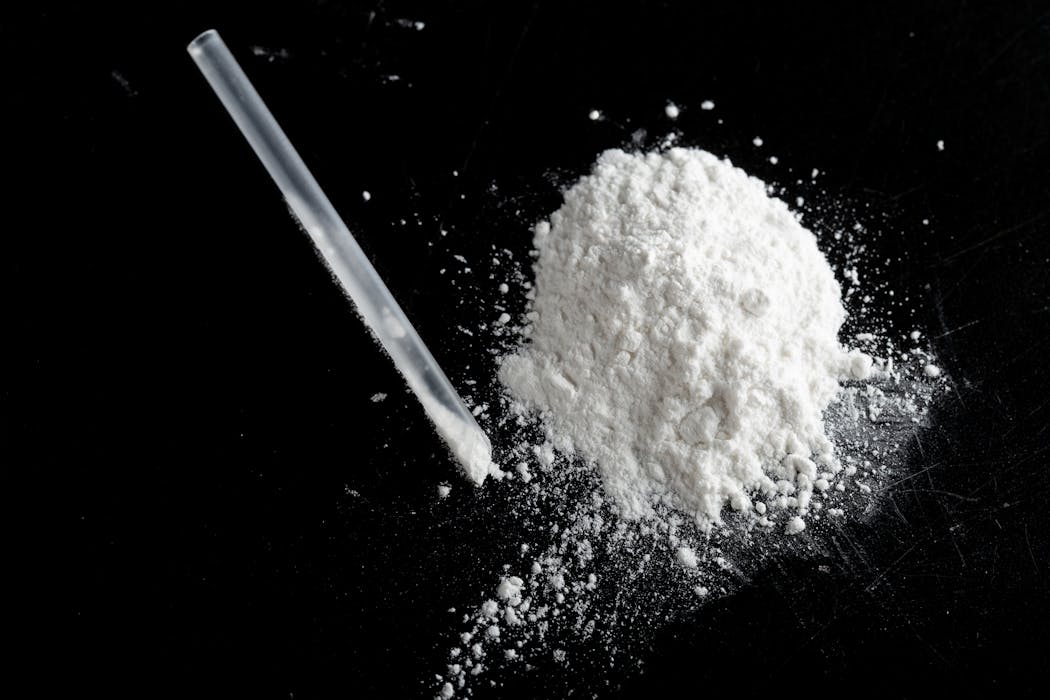
Urology departments in England and Wales have reported seeing an increase in the number of 16- to 24-year-olds being admitted for bladder inflammation associated with ketamine use.
This appears to coincide with an increase in ketamine use – with the number of adults and teens entering treatment for ketamine abuse last year jumping substantially compared to even just a few years previously.
Ketamine abuse can have many affects on the bladder, causing frequent urination, night-time urination, sudden urges, leakage, inflammation, pain in the bladder or lower back and blood in the urine. These symptoms can be severe, make daily life very difficult and may even be permanent in some cases.
But a growing number of people are now using ketamine recreationally. It acts as a dissociative drug, causing users to feel detached from themselves and their surroundings. It can produce hallucinogenic, stimulant and pain-relieving effects, which last one to two hours.
Users typically snort or smoke powdered ketamine, or inject liquid ketamine or mix it into drinks in order to experience the drug’s effects. Snorting usually produces stronger effects and more noticeable symptoms than swallowing it.
Ketamine users can develop tolerance to the drug quickly, needing higher doses to get the same effects. This is probably due to the body and brain adapting to become more efficient at breaking down the drug. Frequent users often need to take twice the amount of occasional users to get the same effect.
The first recorded cases of ketamine affecting the bladder were reported in Canada in 2007, where nine people who used ketamine recreationally had severe bladder problems and blood in their urine. Later, a bigger study in Hong Kong found the same issues in 59 people who had used ketamine for more than three months.
Ketamine, as with any other drug, is metabolised in the body where it’s broken down and excreted in urine.
When ketamine is broken down, it turns into chemicals that can seriously harm the bladder. When these by-products stay in contact with the urinary tract for a long time, they irritate and damage the tissue.
The bladder is damaged first, because it holds urine the longest. Later, the ureters (tubes connecting the kidney to the bladder) and the kidneys can also be affected.
Over time, the bladder can shrink and become stiff, causing strong urinary symptoms. The ureters can become narrow and bent, sometimes described as looking like a “walking stick.” This can lead to backed-up urine in the kidneys (hydronephrosis).
Ketamine also increases oxidative stress, which damages cells and causes bladder cells to die. This breaks the protective bladder lining, making it leaky and overly sensitive.
All these changes can make the bladder overactive, extremely sensitive and painful, often causing severe urges to urinate and incontinence.
In the first stage, the bladder becomes inflamed. This can often be reversed by stopping ketamine and taking certain medication – such as anti-inflammatory drugs, pain relievers or prescription drugs that reduce bladder urgency and help the bladder lining heal.
In the second stage, the bladder can shrink or become stiff. In this stage, treatment is similar to stage one, but a bladder wash may also be required. This is where a catheter is used to put liquid medication directly into the bladder. The drug coats the bladder’s inner lining, helping to restore its protective layer and reduce inflammation.
Botulinum toxin injections may also be used to relax the bladder and reduce pain and urgency. Stopping ketamine remains essential to prevent further damage.
In the final stage, permanent damage occurs to the bladder and kidneys. Over time, if the kidneys are affected, it can lead to kidney failure. Dialysis (a treatment where waste products and excess fluid are filtered from the blood) or even surgery may be required to repair kidney function and the urinary system.
Although ketamine has been a class B drug since 2014, it’s unfortunately affordable and accessible – costing as little as £3 per gram in some parts of the UK. Raising awareness about the risks of ketamine use is essential to prevent these serious health problems.
Heba Ghazal does not work for, consult, own shares in or receive funding from any company or organisation that would benefit from this article, and has disclosed no relevant affiliations beyond their academic appointment.
Source: The Conversation – USA – By Konstantin Zhukov, Assistant Professor of Economics, Indiana University; Institute for Humane Studies
Neither of these men — US President Donald Trump, left, and Russian President Vladimir Putin — likes being held accountable by the press.Contributor/Getty Images
In its story about the search at Hannah Natanson’s home, at which FBI agents said they were searching for materials related to a federal government employee, Washington Post reporter Perry Stein wrote that “it is highly unusual and aggressive for law enforcement to conduct a search on a reporter’s home.”
And Jameel Jaffer, director of the Knight First Amendment Institute at Columbia University, told The New York Times the raid was “intensely concerning,” and could have a chilling effect “on legitimate journalistic activity.”
While the United States remains institutionally far removed from countries like Russia, the Trump administration has taken troubling early steps toward autocracy by threatening – and in some cases implementing – restrictions on free speech and independent media.
Trump sued the New York Times in 2025 for $15 billion for what he called ‘malicious’ articles; a judge threw out the case. Jakub Porzycki/NurPhoto via Getty Images
Public ignorance, free speech and independent media
Ignorance about what public officials do exists in every political system.
In democracies, citizens often remain uninformed because learning about politics takes time and effort, while one vote rarely changes an election. American economist Anthony Downs called this “rational ignorance,” and it is made worse by complex laws and bureaucracy that few people fully understand.
As a result, voters often lack the information needed to monitor politicians or hold them accountable, giving officials more room to act in their own interest.
Free speech and independent media are essential for breaking this cycle. They allow citizens, journalists and opposition leaders to expose corruption and criticize those in power.
Open debate helps people share grievances and organize collective action, from protests to campaigns.
Independent media also act as watchdogs, investigating wrongdoing and raising the political cost of abuse – making it harder for leaders to get away with corruption or incompetence.
When free speech and independent journalism disappear, citizens are less likely to learn about government corruption or failures. Ignorance becomes the regime’s ally – it keeps people isolated and uninformed. By censoring information, autocrats create an information vacuum that prevents citizens from making informed choices or organizing protests.
At the same time, the Kremlin built a vast propaganda machine to shape public opinion. This control over information helped protect the regime during crises. As I noted in a recent article, many Russians were unaware of Putin’s responsibility for military failures in 2022. State media used propaganda to shift blame to the military leadership – preserving Putin’s popularity even as the war faltered.
The threat to independent media in the US
While the United States remains far from an autocracy, the Trump administration has taken steps that echo the behavior of authoritarian regimes.
Consider the use of lawsuits to intimidate journalists. In Singapore, former Prime Minister Lee Kuan Yew and his son, Lee Hsien Loong, routinely used civil defamation suits to silence reporters who exposed government repression or corruption. These tactics discouraged criticism and encouraged self-censorship.
In Singapore, former Prime Minister Lee Kuan Yew, left, and his son, Lee Hsien Loong, routinely used civil defamation suits to silence reporters who exposed government repression or corruption. Roslan Rahman/AFP via Getty Images
President Donald Trump has taken a similar approach, seeking US$15 billion from The New York Times for publication of several allegedly “malicious” articles, and $10 billion from The Wall Street Journal. The latter suit concerns a story about a letter Trump reportedly signed in Jeffrey Epstein’s birthday book.
Although the show was later reinstated, the episode revealed how the administration could use the autocratic technique of bureaucratic pressure to suppress speech it disagreed with. Combined with efforts to prosecute the president’s perceived enemies through the Justice Department, such actions inevitably encourage media self-censorship and deepen public ignorance.
The threat to free speech
Autocrats often invoke “national security” to pass laws restricting free speech. Russia’s “foreign agents” law, passed in 2012, forced nongovernmental organizations with foreign funding to label themselves as such, becoming a tool for silencing dissenting advocacy groups. Its 2022 revision broadened the definition, letting the Kremlin target anyone who criticized the government.
Similar laws have appeared in Hungary, Georgia and Kyrgyzstan. Russia also uses vague “terrorist” and “extremist” designations to punish those who protest and dissent, all under the guise of “national security.”
The latter move is especially troubling, pushing the United States closer to the behavior characteristic of autocratic governments. The vagueness of the designation threatens to suppress free expression and opposition to the Trump administration.
Antifa is not an organization but a “decentralized collection of individual activists,” as scholar Stanislav Vysotsky describes it. The scope of those falling under the antifa label is widened by its identification with broad ideas, described in a national security memorandum issued by the Trump administration in the fall of 2025, like anti-Americanism, anti-capitalism, and anti-Christianity. This gives the government leeway to prosecute an unprecedented number of individuals for their speech.
As scholar Melinda Haas writes, the memorandum “pushes the limits of presidential authority by targeting individuals and groups as potential domestic terrorists based on their beliefs rather than their actions.”
Konstantin Zhukov does not work for, consult, own shares in or receive funding from any company or organization that would benefit from this article, and has disclosed no relevant affiliations beyond their academic appointment.