Why leisure matters for a good life, according to Aristotle

Source: The Conversation – USA (3) – By Ross Channing Reed, Lecturer in Philosophy, Missouri University of Science and Technology

What we do in our free time says a lot about what makes us happy. Halfpoint Images/Moment via Getty Images

In his powerful book “The Burnout Society,” South Korean philosopher Byung-Chul Han argues that in modern society, individuals have an imperative to achieve. Han calls this an “achievement society” in which we must become “entrepreneurs” – branding and selling ourselves; there is no time off the clock.

In such a society, even leisure risks becoming another kind of work. Rather than providing rest and meaning, leisure is often competitive, performative and exhausting.

People feeling pressure to self-promote, for example, might spend their free time posting photos of an athletic race or an elaborate vacation on social media
to be viewed by family, friends and potential employers, adding to exhaustion and burnout.

As a philosopher and philosophical counselor, I study connections between unhealthy forms of leisure and burnout. I have found that philosophy can help us navigate some of the pitfalls of leisure in an achievement society. The celebrated Greek philosopher Aristotle, who lived from 384 to 322 B.C.E., in particular, can offer important insights.

Aristotle on self-development

Aristotle begins the famous “Nicomachean Ethics” by pointing out that we are all searching for happiness. But, he says, we are often confused about how to get there.

A man running outdoors on a paved pathway surrounded by palm trees and buildings.
Exercise needs to be done in moderation to achieve health goals.
AzmanL/E+ via Getty images

Aristotle believed that pleasure, wealth, honor and power will not ultimately make us happy. True happiness, he said, required ethical self-development: “Human good turns out to be activity of soul in accordance with virtue.”

In other words, if we want to be happy, Aristotle contended, we must make reasoned choices to develop habits that, over time, become character traits such as courage, temperance, generosity and truthfulness.

Aristotle is explicitly linking the good life to becoming a certain kind of person. There is no shortcut to ethical self-development. It takes time – time off the clock, time not engaged in some kind of entrepreneurial self-promotion.

Aristotle is also telling us about the power of our choices. Habits, he argues, are not just about action, but also motives and character. Our actions, he says, actually change our desires. Aristotle says: “By abstaining from pleasures we become temperate, and it is when we have become so that we are most able to abstain from them.”

In other words, good habits are the result of moving incrementally in the right direction through practice.

For Aristotle, good habits lead to ethical self-development. The converse is also true. To this end, for Aristotle, having good friends and mentors who guide and support moral development are essential.

How Aristotle helps us understand leisure

In an achievement society, we are often conditioned to respond to external pressures to self-promote. We may instead look to pleasure, wealth, honor and power for happiness. This can sidetrack the ethical development required for true happiness.

True leisure – leisure that is not bound to the imperative to achieve – is time we can reflect on our real priorities, cultivate friendships, think for ourselves, and step back and decide what kind of life we want to live.

The Greek word “eudaimonia,” often translated simply as happiness, is the term Aristotle uses to describe human thriving and flourishing. According to philosopher Jane Hurly, Aristotle views “leisure as essential for human thriving.” Indeed, “for both Plato and Aristotle leisure … is a prerequisite for the achievement of the highest form of human flourishing, eudaimonia,” as philosopher Thanassis Samaras argues.

While we may have limited means to acquire pleasure, wealth, honor and power, Aristotle tells us that we have control over the most important variable in the good life: what kind of person we will become. Leisure is crucial because it is time in which we get to decide what kind of habits we will develop and what kind of person we will become. Will we capitulate to achievement society? Or utilize our free time to develop ourselves as individuals?

When leisure is preoccupied with entrepreneurial self-promotion, it is difficult for moral development to take place. Free time that is not hijacked by the imperative to achieve is required for the development of a consistent relationship to oneself – what I call a relationship of self-solidarity – a kind of reflective self-awareness necessary to aim at the right target and make moral choices. Without such a relationship, the good life will remain elusive.

Leisure reimagined

Rather than adopting the achievement society’s formulation of the good life, we may be able to formulate our own vision. Without one’s own vision, we risk becoming mired in bad habits, leading us away from the moral development through which the good life becomes possible.

Aristotle makes it clear that we have the power to change not only our behaviors but our desires and character. This self-development, as Aristotle writes, is a necessary part of the good life – a life of eudaimonia.

The choices we make in our free time can move us closer to eudaimonia. Or they could move us in the direction of burnout.

The Conversation

Ross Channing Reed does not work for, consult, own shares in or receive funding from any company or organization that would benefit from this article, and has disclosed no relevant affiliations beyond their academic appointment.

ref. Why leisure matters for a good life, according to Aristotle – https://theconversation.com/why-leisure-matters-for-a-good-life-according-to-aristotle-260392

Donald Trump limoge la cheffe des statistiques sur le travail et affaiblit les bases des politiques sociales

Source: The Conversation – in French – By Sarah James, Assistant Professor of Political Science, Gonzaga University

Les programmes gouvernementaux sont-ils efficaces ? Impossible de le savoir sans données. Andranik Hakobyan/iStock/GettyImagesPlus

En freinant la production de données officielles, l’administration Trump met en péril la transparence et l’avenir des politiques sociales aux États-Unis.

Le 1er août 2025, le président Donald Trump a limogé la commissaire du Bureau de la statistique du travail (Bureau of Labor Statistics ou BLS) Erika McEntarfer, après la publication d’un rapport défavorable sur le chômage. Cette décision a suscité de vives critiques en raison du risque qu’elle sape la crédibilité de l’agence. Mais ce n’est pas la première fois que l’administration Trump prend des mesures susceptibles d’affaiblir l’intégrité de certaines données gouvernementales.

Prenons l’exemple du suivi de la mortalité maternelle aux États-Unis, qui est la plus élevée parmi les pays développés. Depuis 1987, les centres pour le contrôle et la prévention des maladies (Centers for Disease Control and Prevention) administrent le système de surveillance de l’évaluation des risques liés à la grossesse afin de mieux comprendre quand, où et pourquoi ces décès surviennent. En avril 2025, l’administration Trump a placé ce département, chargé de la collecte et du suivi de ces données, en congés forcés.

Pour l’instant, rien n’indique que des données du BLS ont été supprimées ou altérées. Mais des rapports font état de situations similaires dans d’autres agences.

La Maison-Blanche collecte également moins d’informations, qu’il s’agisse de savoir combien d’Américains disposent d’une assurance maladie ou du nombre d’élèves inscrits dans les écoles publiques, et elle rend inaccessibles au public de nombreuses données gouvernementales. Donald Trump tente également de supprimer des agences entières, comme le département de l’éducation, qui sont responsables de la collecte de données cruciales liées à la pauvreté et aux inégalités. Son administration a aussi commencé à supprimer des sites web et des répertoires qui partagent les données gouvernementales avec le public.

Pourquoi les données sont essentielles pour le filet de sécurité

J’étudie le rôle que jouent les données dans la prise de décision politique, y compris quand et comment les responsables gouvernementaux décident de les collecter. Au fil de plusieurs années de recherche, j’ai constaté que de bonnes données sont essentielles non seulement pour les responsables politiques, mais aussi pour les journalistes, les militants ou les électeurs. Sans elles, il est beaucoup plus difficile de déterminer quand une politique échoue et encore plus compliqué d’aider les personnes qui ne sont pas dans les radars et qui n’ont pas de connexions politiques.

Depuis que Trump a prêté serment pour son second mandat, je surveille de près les conséquences de la perturbation, de la suppression et du sous-financement des données sur les programmes de filet de sécurité sociale, comme l’aide alimentaire ou les services destinés aux personnes en situation de handicap.

J’estime que perturber la collecte de données rendra plus difficile l’identification des personnes éligibles à ces programmes ou la compréhension de ce qui se passe lorsque des bénéficiaires perdent leur aide. Je crois aussi que l’absence de ces données compliquera considérablement le travail des défenseurs de ces programmes sociaux pour les reconstruire à l’avenir.

Pourquoi le gouvernement collecte ces données

Il est impossible de savoir si des politiques et programmes fonctionnent, sans données fiables collectées sur une longue période. Par exemple, sans un système permettant de mesurer avec précision combien de personnes ont besoin d’aide pour se nourrir, il est difficile de déterminer combien le pays doit consacrer au Supplemental Nutrition Assistance Program (le programme alimentaire fédéral), au programme fédéral d’aide nutritionnelle (connu sous le nom de WIC) destiné aux femmes, nourrissons et enfants, ainsi qu’aux programmes associés.

Les données sur l’éligibilité et l’inscription à Medicaid avant et après l’adoption de l’Affordable Care Act (ACA) en 2010 en sont un autre exemple. Les données nationales ont montré que des millions d’Américains ont obtenu une couverture santé après la mise en œuvre de l’ACA.

De nombreuses institutions et organisations, comme les universités, les médias, les think tanks et les associations à but non lucratif qui se concentrent sur des enjeux tels que la pauvreté et les inégalités ou le logement, collectent elles aussi des données sur l’impact des politiques sociales sur les Américains à faible revenu.

Il ne fait aucun doute que ces efforts non gouvernementaux vont se poursuivre, voire s’intensifier. Cependant, il est très improbable que ces initiatives indépendantes puissent remplacer les programmes de collecte de données du gouvernement – encore moins l’ensemble d’entre eux. Parce qu’il met en œuvre les politiques officielles, le gouvernement est dans une position unique pour collecter et pour conserver des données sensibles sur de longues périodes. C’est pourquoi la disparition de milliers de sites web officiels peut avoir des conséquences à très long terme.

Ce qui distingue l’approche de Trump

La mise en pause, la réduction de financement et la suppression des données gouvernementales par l’administration Trump marquent une rupture majeure avec ses prédécesseurs.

Dès les années 1930, les chercheurs en sciences sociales et les responsables politiques locaux américains avaient compris le potentiel des données pour identifier quelles politiques étaient efficaces et lesquelles représentaient un gaspillage d’argent. Depuis lors, les responsables politiques de tout l’éventail idéologique se sont de plus en plus intéressés à l’utilisation des données pour améliorer le fonctionnement de l’État.

Cet intérêt pour les données s’est accentué à partir de 2001, lorsque le président George W. Bush a fait de la responsabilisation du gouvernement sur la base de résultats mesurables une priorité. Il considérait les données comme un outil puissant pour réduire le gaspillage et évaluer les résultats des politiques publiques. Sa réforme phare en matière d’éducation, le No Child Left Behind Act, a profondément élargi la collecte et la publication de données sur les performances des élèves dans les écoles publiques de la maternelle à la terminale.

George W. Bush
Le président George W. Bush parle d’éducation en 2005 dans un lycée de Falls Church, en Virginie, exposant ses plans pour le No Child Left Behind Act.
Alex Wong/Getty Images

En quoi cela contraste avec les administrations Obama et Biden

Les présidents Barack Obama et Joe Biden ont mis l’accent sur l’importance des données pour évaluer l’impact de leurs politiques sur les populations à faible revenu, historiquement peu influentes sur le plan politique. Obama a mis en place un groupe de travail chargé d’identifier des moyens de collecter, analyser et intégrer davantage de données utiles dans les politiques sociales.

Biden a mis en œuvre plusieurs des recommandations de ce groupe. Par exemple, il a exigé la collecte et l’analyse de données démographiques pour évaluer les impacts des nouvelles politiques sociales. Cette approche a influencé la manière dont son administration a géré les changements dans les pratiques de prêts immobiliers, l’expansion de l’accès au haut débit et la mise en place de programmes de sensibilisation pour inscrire les citoyens à Medicaid et Medicare.

Pourquoi il sera difficile de reconstruire

Il est plus difficile de défendre l’existence de programmes sociaux lorsqu’il n’existe pas de données pertinentes. Par exemple, des programmes qui aident les personnes à faible revenu à consulter un médecin, à avoir accès à des produits frais ou à trouver un logement peuvent être plus rentables que de simplement laisser les gens vivre dans la pauvreté.

Bloquer la collecte de données peut aussi compliquer le rétablissement du financement public après la suppression ou l’arrêt d’un programme. En effet, il sera alors plus difficile pour les anciens bénéficiaires de ces programmes de convaincre leurs concitoyens qu’il est nécessaire d’investir dans l’extension d’un programme existant ou dans la création d’un nouveau.

Faute de données suffisantes, même des politiques bien intentionnées risquent à l’avenir d’aggraver les problèmes qu’elles sont censées résoudre, et ce, bien après la fin de l’administration Trump.

The Conversation

Sarah James ne travaille pas, ne conseille pas, ne possède pas de parts, ne reçoit pas de fonds d’une organisation qui pourrait tirer profit de cet article, et n’a déclaré aucune autre affiliation que son organisme de recherche.

ref. Donald Trump limoge la cheffe des statistiques sur le travail et affaiblit les bases des politiques sociales – https://theconversation.com/donald-trump-limoge-la-cheffe-des-statistiques-sur-le-travail-et-affaiblit-les-bases-des-politiques-sociales-262632

Des primes d’assurance personnalisées moins chères grâce à l’IA ? Voici pourquoi il s’agit d’une pente glissante

Source: The Conversation – in French – By Arthur Charpentier, Professeur, Université de Rennes 1 – Université de Rennes

L’assurance repose sur un principe de solidarité que mettent à mal les algorithmes chargés de constituer nos profils. À mesure en effet que les algorithmes se précisent, la facture se personnalise. Divers profils « à risque » peuvent ainsi se retrouver exclus des régimes d’assurance, tant les coûts sont élevés. La personnalisation a une légitimité évidente. On doit toutefois lui concilier un accès équitable à l’assurance.

Il faut d’abord savoir que l’assurance est traversée par un paradoxe fondamental. D’un côté, ses principes mêmes supposent un mécanisme collectif où chacun contribue selon sa capacité, et tire profit de la solidarité en cas de sinistre. De l’autre, les avancées technologiques, les données de plus en plus massives et les méthodes actuarielles de plus en plus précises poussent à individualiser toujours davantage les tarifs.

À cette tension s’ajoute un cadre légal de plus en plus exigeant, qui interdit toute forme de discrimination fondée sur des données sensibles, parfois corrélées à des facteurs de risque pourtant pertinents.

Professeur de mathématiques à l’Université du Québec à Montréal (UQAM), je suis co-auteur du Manuel d’Assurance et auteur récent de l’ouvrage Insurance, Biases, Discrimination and Fairness. Cet article revient sur la difficulté de concilier la mutualisation solidaire, qui fonde l’assurance, avec l’hypersegmentation tarifaire rendue possible par les mégadonnées, sans exclure ni discriminer les assurés.


Déjà des milliers d’abonnés à l’infolettre de La Conversation. Et vous ? Abonnez-vous gratuitement à notre infolettre pour mieux comprendre les grands enjeux contemporains.


La segmentation tarifaire

Les compagnies d’assurance utilisent depuis longtemps la classification comme pilier de leur modèle économique : âge, sexe, profession, zone géographique, historique de sinistralité…

En 1662, le statisticien anglais John Graunt publie les Bills of Mortality, une première analyse statistique des registres de décès de Londres. En 1693, l’astronome anglais Edmund Halley élabore la première table de mortalité chiffrée, qui permet de calculer l’espérance de vie à chaque âge. Ces travaux posent les bases d’une tarification différenciée selon l’âge et le sexe, longtemps restés les deux grands critères de segmentation en vie-décès.

À la même époque, après le Grand Incendie de Londres en 1666, les premiers contrats d’assurance incendie apparaissent : les compagnies collectent des données sur la nature des matériaux de construction et la densité urbaine. Aux XVIIIe–XIXe siècles, on segmente les tarifs selon la proximité des bâtiments voisins et la présence de services de lutte contre l’incendie, donnant naissance aux premières « zones à haut risque » et « zones à faible risque ».

Avec l’essor de l’automobile dans les années 1910–1920, les assureurs américains commencent à relever systématiquement le nombre de sinistres, l’âge et le sexe des conducteurs. Dès les années 1920, on distingue plusieurs « classes » tarifaires : jeunes conducteurs, conductrices, conducteurs expérimentés, permettant de fixer des primes variables en fonction du profil.

Aujourd’hui, les actuaires disposent d’algorithmes sophistiqués, d’outils de machine learning et d’une avalanche de données : télématique embarquée, objets connectés, géolocalisation, comportement de conduite ou de vie… Pour l’assureur, affiner la segmentation lui permet de facturer chaque assuré « à son vrai niveau de risque », en réduisant les effets de subvention croisée des bons risques vers les mauvais, tout en améliorant la rentabilité globale.

Mais une tarification trop fine réduit la mutualisation ; elle peut rendre l’assurance très coûteuse, voire inaccessible pour certains segments à haut risque. Aussi, aujourd’hui, l’actuaire cherche un équilibre subtil, visant à capter les bonnes informations pour différencier les profils, tout en préservant la viabilité de la communauté assurée.

Les assurés et l’illusion de la personnalisation gagnante

En Europe, la proposition législative FIDA (Financial Data Access Framework) ouvrirait aux assureurs un accès encadré aux données financières des particuliers. Son but est d’affiner la connaissance des comportements de dépense et de remboursement. Dans ce contexte, la promesse d’une tarification ultra-personnalisée suscite autant d’espoirs de baisse de primes que de craintes de profilage excessif, et d’exclusions importantes.

Face à ce nouvel afflux de données, de nombreux clients perçoivent la personnalisation comme une approche gagnant‑gagnant : si je gère mieux mon budget, je bénéficierai d’une ristourne ; si mes habitudes d’épargne et de remboursement sont jugées vertueuses, ma prime santé diminuera ; si mon profil financier se bonifie, mon assurance habitation se fera plus légère.

Cette logique de « pay‑as‑you‑live » ou « pay‑how‑you‑drive » séduit : l’individu se pense maître de son coût d’assurance par ses choix de vie.

Pourtant, plusieurs points méritent d’être soulignés.

  • Le principe de mutualisation n’est pas neutralisé : ceux qui ne peuvent pas adopter les comportements les plus vertueux restent dépendants de la solidarité des autres. En effet, même si les personnes les plus à risque paient davantage à titre individuel, celles qui sont moins à risque continuent néanmoins de supporter une part des coûts grâce au principe de mutualisation.

  • L’asymétrie d’information se renforce, l’assureur connaissant mieux les statistiques que le client. L’offre de personnalisation s’appuie en effet souvent sur des corrélations, parfois ténues, dont le client ignore la portée.

  • Une personnalisation très fine peut contraindre les plus à risque à se surassurer, ou au contraire à renoncer à s’assurer, fragilisant la mutualité.

Ainsi, même renforcée par l’accès aux données financières, la « personnalisation » n’est pas nécessairement synonyme d’ « empowerment » pour le consommateur.

Le cadre légal : quand la lutte contre la discrimination s’impose

Le développement des données massives en assurance soulève d’importantes questions éthiques et juridiques : jusqu’où peut‑on exploiter des variables sensibles pour prédire le risque ?


À lire aussi :
IA et crédit, comment éviter que les machines ne contribuent à reproduire nos biais sociaux ?


En France et dans l’Union européenne, la législation interdit explicitement la discrimination fondée sur des critères protégés : origine ethnique, genre, orientation sexuelle, handicap, convictions religieuses, etc. La Directive Solvabilité II (UE) impose aux assureurs d’utiliser des modèles de risque « transparents » et non discriminatoires.

Contrairement à l’Union européenne – qui bannit la tarification différenciée selon des critères protégés (genre, origine, handicap) –, le modèle québécois offre un cadre encore permissif. Si la Charte des droits et libertés de la personne du Québec interdit également la discrimination, elle prévoit des exemptions propres aux assureurs : ceux-ci peuvent, lorsqu’un facteur est statistiquement pertinent, fonder la tarification sur l’âge, le sexe ou l’état civil.

Cet usage, autorisé sur la seule base d’une corrélation, soulève des questions.

Éthique et responsabilité sociale des assureurs

Au‑delà de la seule conformité juridique, les assureurs sont de plus en plus jugés sur leurs pratiques éthiques et leur responsabilité sociale par des associations de consommateurs et les médias, qui relaient les incidents de discrimination algorithmique et exercent une pression de réputation.

Depuis quelques années, les assureurs doivent donc se demander, collectivement, comment garantir un accès équitable à leurs produits pour les populations vulnérables, sans sacrifier la viabilité financière de leurs portefeuilles. Certains modèles novateurs proposent des formules « solidaires » ou des tarifs plafonnés pour éviter l’exclusion.

Les assureurs se voient imposer sans cesse plus de transparence. Ils doivent expliquer de façon claire les critères tarifaires, rendre accessibles les clefs de calcul pour éviter le sentiment d’arbitraire. Enfin, ils doivent intégrer la protection des données et la vie privée dès la conception des offres ( « privacy by design »), préserver la confiance.

Les assureurs qui sauront concilier personnalisation, équité et inclusion deviendront les acteurs de référence pour les clients soucieux d’éthique.

Réconcilier solidarité et données : un défi crucial

Le défi, on le voit, est de taille.

Il s’agit ni plus ni moins de réconcilier la finesse actuarielle avec les valeurs de redistribution et de solidarité qui ont fondé le métier d’assureur.

C’est dans cette tension résolue que se jouera l’avenir de l’assurance : ni pure discrimination tarifaire ni simple personnalisation illusoire, elle les conjuguera plutôt en un équilibre permettant à chacun de contribuer selon son risque et de bénéficier à sa juste mesure de la mutualisation des aléas de la vie.

La Conversation Canada

Arthur Charpentier est membre (fellow) de l’Institut Louis Bachelier. Il a reçu des financements du CRSNG (NSERC) de 2019 à 2025, du Fond AXA Pour la Recherche de 2020 à 2022, puis de la Fondation SCOR pour la Science de 2023 à 2026.

ref. Des primes d’assurance personnalisées moins chères grâce à l’IA ? Voici pourquoi il s’agit d’une pente glissante – https://theconversation.com/des-primes-dassurance-personnalisees-moins-cheres-grace-a-lia-voici-pourquoi-il-sagit-dune-pente-glissante-259861

Suplemento cultural: nuestra vida desde Jesse y Céline

Source: The Conversation – (in Spanish) – By Claudia Lorenzo Rubiera, Editora de Cultura, The Conversation

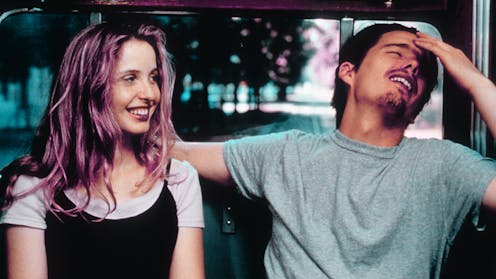
Julie Delpy e Ethan Hawke en ‘Antes del amanecer’. IMDB

Este texto se publicó por primera vez en nuestro boletín Suplemento cultural, un resumen quincenal de la actualidad cultural y una selección de los mejores artículos de historia, literatura, cine, arte o música. Si quiere recibirlo, puede suscribirse aquí.


Mi madre me llevó en 1995, hace 30 años, a los Minicines de Oviedo a ver Antes del amanecer. Yo tenía 9 años y me pareció un castañazo épico. “No se callaban”, le eché en cara cuando salimos. No tardé mucho, probablemente un lustro, en reconciliarme con la película y rendirme al encanto de la historia de amor de Jesse y Céline, trenzada a base de conversaciones.

Esta semana, tras editar el estupendo artículo de Celestino Deleyto y Marimar Azcona, volví a revisitarla y me quedé atrapada en un comentario que hace Jesse en los primeros minutos de la película. Cuando Céline le pregunta qué tal le está yendo en ese viaje a través de Europa en el que está inmerso, dice algo como que ha sido un asco pero que “estar sentado en un tren mirando por la ventana durante dos semanas le ha dado para pensar ideas que no se le hubiesen ocurrido de otra forma”. Esa frase me produjo escalofríos porque primero pensé “¿hace cuánto que no viajo en tren durante horas solo mirando por la ventana?” y eso me llevó al segundo razonamiento: “¿cuántas cosas interesantes no estoy pensando porque no le estoy dejando espacio al cerebro?”

De repente, Antes del amanecer, un relato precioso que idealizaba el enamoramiento joven, la magia de la conexión y el encanto de una vieja ciudad europea, se revelaba como una narración, hoy en día, mucho más cercana a la ciencia ficción que, por ejemplo, el Minority Report de Steven Spielberg.

Cómo ha cambiado el mundo… a pesar de que los seres humanos seguimos siendo los mismos.

To ChatGPT or not to ChatGPT?

El filósofo germano-coreano Byung-Chul Han ha sido galardonado con el Premio Princesa de Asturias de Comunicación y Humanidades. Su figura enciende debates entre quienes aprecian su cercanía a la gente y su claridad expositiva y aquellos que creen que, en esencia, utiliza pocas palabras para decir… también poco.

Jesús Zamora Bonilla es uno de los críticos con el personaje, un punto de vista que expuso en un artículo académico. Cuando le propusimos sintetizar sus tesis hizo algo poco ortodoxo y muy macarra que ha acabado resultando ser desternillante: le preguntó a ChatGPT cuáles son las principales críticas que se le hacen a Han. Cuando vio que la respuesta era, prácticamente, la misma que la suya y que estaba bien argumentada decidió mantener el texto hecho por la inteligencia artificial alegando que si el filósofo no hacía más que meterse con la IA, la IA debía tener derecho de réplica.

El artículo coincidió en el tiempo con otro, de Ronald Forero-Álvarez, en el que el investigador debatía si, al utilizar a ChatGPT para escribir un libro, la autoría debía compartirse entre el ideólogo y la máquina, y se preguntaba quién tenía que rendir cuentas en esos casos: el humano o la tecnología. En nuestro caso podemos decir que Zamora Bonilla es el responsable de su texto y que no le hemos pedido a ChatGPT que rellene una ficha de autor.

Merece la pena leer ambos artículos, tan lejanos a la Viena de Antes del amanecer, y plantearse preguntas exclusivas del mundo de hoy.

Peter Hujar y la primera imagen del Orgullo

Hace unos años leí un libro titulado Los optimistas, escrito por Rebecca Makkai, que narraba los primeros tiempos del sida en Estados Unidos (en concreto, en Chicago). La cubierta del libro era la foto (que está sobre estas líneas) de unos jóvenes que parecían manifestarse en medio de la calle de una ciudad. Sonreían, por lo que imaginé que iba acorde con el optimismo del título.

Después supe, gracias a Arte compacto y su imprescindible pódcast sobre la historia del arte, que la foto era obra de Peter Hujar.

Y finalmente Noemí Díaz Rodríguez escribió un estupendo artículo sobre esta imagen, creada para ilustrar el cartel que buscaba reclutar a gente para unirse a la que se convertiría, en 1970, en la primera marcha del Orgullo celebrada en Nueva York.

Cajón desastre

Después del susto que nos dio a finales de 2024, Raphael ha retomado su gira española. Estrella Fernández-Jiménez explica por qué, si cerramos los ojos y pensamos en el cantante, además de verle entonar seremos capaces de recrear en nuestra mente unos gestos que son solo suyos y que ha ido trabajando a lo largo de su carrera.

No tuvo una acogida tan popular, pero unos años después de Shakespeare enamorado se estrenó una película titulada Belleza prohibida, que narraba la revolución que supuso en el teatro inglés que las mujeres pudiesen volver a subirse a los escenarios.

Y esa época describe precisamente Laura Martínez García en su artículo, centrándose en lo revolucionario que fue que, de repente, en una sociedad tremendamente segregada, las actrices y dramaturgas pudiesen ocupar el espacio público.

Y para acabar cerrando el círculo, volvamos a los 90. Entre mi visita a los Minicines y este 20 de junio la comedia en España ha pasado de venderse en formatos como No te rías que es peor a promocionar los monólogos de Ignatius Farray o, hablando de ocupar el espacio público, a lanzar late nights presentados por mujeres como Henar Álvarez.

Si eso ha pasado en 30 años, ¡qué no habrá pasado en 120! De recopilar, documentar y analizar la historia del humor oral en España desde principios del siglo XXI se encargará a partir de ahora Humcor, el primer archivo digital dedicado a esta especialidad en el país. Doina Repede, su directora, aprovecha para explicar cómo hemos cambiado en esto de reírnos.

The Conversation

ref. Suplemento cultural: nuestra vida desde Jesse y Céline – https://theconversation.com/suplemento-cultural-nuestra-vida-desde-jesse-y-celine-262532

Your phone is covered in germs: a tech expert explains how to clean it without doing damage

Source: The Conversation – Global Perspectives – By Meena Jha, Head Technology and Pedagogy Cluster CML-NET, CQUniversity Australia

nikkimeel/Shutterstock

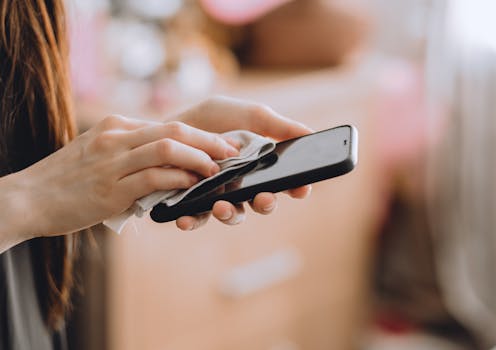
We wash our hands, sanitise shopping trolleys and wipe down cafe tables. But what about our phones? We touch these devices dozens of times a day, and take them everywhere from the kitchen to the dining table, and even the bathroom.

Phones can be contaminated with many kinds of potential germs. When was the last time you wiped down yours – and with what?

If you use the wrong cleaning agents or tools, you could strip your phone’s protective coatings, degrade waterproof seals, or even affect its touch sensitivity.

Do phones really need cleaning?

Touchscreens get covered in fingerprints and smudges, so there are aesthetic and functional reasons to wipe down your screen.

Another reason comes down to potential health concerns. Whenever mobile phones are swabbed for microorganisms, scientists inevitably find hundreds of species of bacteria and viruses.

While not all of these cause sickness, the potential for transmission is there. We use phones while in the bathroom and then put them near our mouths, touch them while eating, and pass them between people in meetings, cafes, parties and classrooms.

Unlike hands, which can be washed many times a day, phones are rarely cleaned properly – if at all.

If you do want to sanitise your phone, it’s also important to not damage it in the process.

Some cleaning products will damage your phone

You might think a quick swipe with a household cleaner or hand sanitiser is a clever shortcut to keeping your phone clean. However, many of these products can actually degrade your device’s surface and internal components over time.

For example, both Apple and Samsung advise against using bleach, hydrogen peroxide, vinegar, aerosol sprays, window cleaners or high-concentration alcohol wipes (above 70%) on their devices.

Most smartphones are coated with an oleophobic layer – a thin film that helps resist fingerprints and smudges. Harsh chemicals such as alcohols, acetone or ammonia-based cleaners can strip this coating, making your screen more vulnerable to smudging, and diminished touch responsiveness.

Vinegar, a common DIY disinfectant, can corrode aluminium or plastic edges due to its high acidity. Bleach and hydrogen peroxide, though highly effective as disinfectants, are also too aggressive for the delicate materials used in consumer electronics.

High-alcohol content wipes may dry out plastics and make them brittle with repeated use.

In short: if the cleaner is tough enough to disinfect your kitchen bench, it is probably too harsh for your phone.

A smartphone outdoors on a table with water beading on its screen.
The oleophobic coating on a device screen can help repel fingerprints – but can be destroyed with harsh cleaning chemicals.
Shuvro Mojumder/Unsplash

How should I clean my phone then?

The good news is that cleaning your phone properly is simple and inexpensive. You just need to follow the guidelines backed by major manufacturers. You should also unplug and remove any protective cases or accessories when cleaning your phone.

Most tech companies recommend using 70% isopropyl alcohol wipes (not higher), soft microfibre cloths, and anti-static soft-bristled brushes made of nylon, horsehair or goat hair to clean delicate areas like speaker grills and charging ports.

During the COVID pandemic, Apple revised its cleaning guidelines to permit the use of Clorox disinfecting wipes and 70% isopropyl alcohol on iPhones, provided they are used gently to avoid damaging screen coatings or allowing moisture to seep into the device.

Samsung offers similar advice, recommending users wipe down their phones with a microfibre cloth lightly dampened with a 70% alcohol solution, while steering clear of direct application to ports and openings.

Prevent accidental damage when using these tips

Never spray liquid directly onto the phone, as moisture can seep into ports and internal components, leading to short circuits or corrosion.

Submerging your phone in any cleaning solution is also risky, even for water-resistant models: the seals that prevent water from getting in, such as rubber gaskets, adhesives, nano-coatings and silicone layers, can degrade over time.

Avoid using paper towels, tissues, or rough cloths which may leave scratches on the screen or shed lint that clogs openings.

Finally, be cautious about over-cleaning. Excessive wiping or scrubbing can wear down protective coatings, making your phone more susceptible to fingerprints, smudges, and long-term surface damage.

How often should I clean my phone?

While there is no strict rule for how often you should clean your phone, giving it a proper wipe-down at least once a week under normal use would make sense.

If you regularly take your phone into high-risk environments such as public transport, hospitals, gyms, or bathrooms it is wise to clean it more frequently.

If you’re serious about hygiene, cleaning not just your hands but one of the things you touch most every single day makes sense.

Doing it wrong can slowly damage your device. But doing it right is simple, affordable, and doesn’t take much time.

The Conversation

Meena Jha does not work for, consult, own shares in or receive funding from any company or organisation that would benefit from this article, and has disclosed no relevant affiliations beyond their academic appointment.

ref. Your phone is covered in germs: a tech expert explains how to clean it without doing damage – https://theconversation.com/your-phone-is-covered-in-germs-a-tech-expert-explains-how-to-clean-it-without-doing-damage-259908

New Trump tariffs: early modelling shows most economies lose – the US more than many

Source: The Conversation – Global Perspectives – By Niven Winchester, Professor of Economics, Auckland University of Technology

Getty Images

The global rollercoaster ride of United States trade tariffs has now entered its latest phase.

President Donald Trump’s April 2 “Liberation Day” announcement placed
reciprocal tariffs on all countries. A week later, amid financial market turmoil, these tariffs were paused and replaced by a 10% baseline tariff on most goods.

On July 31, however, the Trump Administration reinstated and expanded the reciprocal tariff policy. Most of these updated tariffs are scheduled to take effect on August 7.

To evaluate the impact of these latest tariffs, we also need to take into account recently negotiated free trade agreements (such as the US-European Union deal), the 50% tariffs imposed on steel and aluminium imports, and tariff exemptions for imports of smartphones, computers and other electronics.

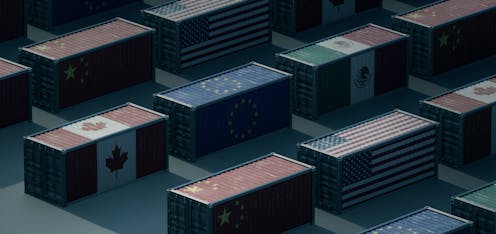
For selected countries, the reciprocal tariffs announced on April 2 and the revised values of these tariffs are shown in the table below. The revised additional tariffs are highest for Brazil (50%) and Switzerland (39%), and lowest for Australia and the United Kingdom (10%).

For most countries, the revised tariffs are lower than the original ones. But Brazil, Switzerland and New Zealand are subject to higher tariffs than those announced in April.

In addition to the tariffs displayed above, Canadian and Mexican goods not registered as compliant with the US-Mexico-Canada Agreement are subject to tariffs of 35% and 25% respectively.

Economic impacts

The economic impacts of the revised tariffs are examined using a global model of goods and services markets, covering production, trade and consumption.

A similar model was used to assess the impacts of the original reciprocal tariffs and the outcome of a US-China trade war.

GDP impacts of the tariffs are displayed in the table below. The impacts of the additional tariffs are evaluated relative to trade measures in place before Trump’s second term. Retaliatory tariffs are not considered in the analysis.

An economic own goal

The tariffs reduce US annual GDP by 0.36%. This equates to US$108.2 billion or $861 per household per year (all amounts in this article are in US dollars).

The change in US GDP is an aggregate of impacts involving several factors.

The tariffs will compel foreign producers to lower their prices. But these price decreases only partially offset the cost of the tariffs, so US consumers pay higher prices.

Businesses also pay more for parts and materials. Ultimately, these higher prices hurt the US economy.

The tariffs decrease US merchandise imports by $486.7 billion. But as they drive up the cost of US supply chains and shift more workers and resources into industries that compete with imports, away from other parts of the economy, they also decrease US merchandise exports by $451.1 billion.

Global impacts

For most other countries, the additional tariffs reduce GDP. Switzerland’s GDP decreases by 0.47%, equivalent to $1,215 per household per year. Proportional GDP decreases are also relatively large for Thailand (0.44%) and Taiwan (0.38%).

In dollar terms, GDP decreases are relatively large for China ($66.9 billion) and the European Union ($26.6 billion).

Australia and the United Kingdom gain from the tariffs ($0.1 billion and $0.07 billion respectively), primarily due to the relatively low tariffs levied on these countries.

Despite facing relatively low additional tariffs, New Zealand’s GDP decreases by 0.15% ($204 per household) as many of its agricultural exports compete with Australian commodities, which are subject to an even lower tariff.

Although the revised reciprocal tariffs are, on average, lower than those announced on April 2, they are still a substantial shock to the global trading system.

Financial markets have been buoyant since Trump paused reciprocal tariffs on April 9, partly on the hope that the tariffs would never be imposed. US tariffs of at least 10% to 15% now appear to be the new norm.

As US warehouses run down inventories and stockpiles, there could be a rocky road ahead.

The Conversation

Niven Winchester has previously received funding from the Productivity Commission and the Ministry of Foreign Affairs and Trade to estimate the impacts of potential trade policies. He is affiliated with Motu Economic & Public Policy Research.

ref. New Trump tariffs: early modelling shows most economies lose – the US more than many – https://theconversation.com/new-trump-tariffs-early-modelling-shows-most-economies-lose-the-us-more-than-many-262491

How do you feel about doing exams? Our research unearthed 4 types of test-takers

Source: The Conversation – Global Perspectives – By Andrew J. Martin, Scientia Professor and Professor of Educational Psychology, UNSW Sydney

Johnny Greig/ Getty Images

If you had to do a test, how would you respond? Would you relish the chance to demonstrate your knowledge? Or worry you were about to fall short of the mark and embarrass yourself?

Research tells us students’ attitudes towards taking tests or doing exams can have an impact on their performance. This is because what they think about themselves, the test questions, and the consequences of the test can impact their motivation and focus during the test.

To date, this research has largely grouped students into two main types of test-takers. One group sees tests as a challenge they can cope with. Another sees tests as a threat they will not be able to handle.

But some studies have suggested these groupings may be too broad to give useful support to students.

In our new study, the largest of its kind, we explored Australian high school students taking a science test. By capturing diverse psychological data, such as students’ brainwaves and stress responses, we found there are four types of test-takers.

Our study

We studied 244 male and female students from three Sydney schools in years 8 to 10 as they did a science test.

It is the largest study of its kind to collate diverse information on students’ brain wave activity, physiological responses and self-reported attitudes while they are doing a test.

This is significant because this kind of research is usually done in labs with large functional magnetic resonance imaging (fMRI) machines, a setting quite different from a real classroom. Our approach allowed us to get a well-rounded look at the different psychological indicators at play when students do a test.

The students were part of a larger research project looking at science engagement. The test was developed by our research team, with guidance from science teachers.

How we set up our research

Students wore an electroencephalogram (EEG) headset during the test to capture their brain activity, via alpha and theta waves.

The alpha waves measured how much students were focusing on the test and the theta waves looked at the strain on their working memory (which students need to use to solve problems in a test). Both these capacities can be disrupted if a person feels threatened or stressed.

Students also wore a biometric wristband that measured their sweat glands. In our study, lower “electrodermal activity” scores indicated a calmer and more positive state, and higher scores indicated stress.

Midway through the test, students reported how confident they were about meeting the demands of the test and how anxious they felt about not meeting the demands.

We then used a statistical technique called latent profile analysis to help us identify different types of test-takers. This technique enables researchers to identify subgroups based on certain variables.

4 types of test-takers

We were able to identify four groups of students who had distinct patterns on these different measures.

1. Confident striders: these students took the test “in their stride”. They reported high confidence and low anxiety, and recorded an optimal balance of attention and working memory. Their wristband readings indicated they were calm. They made up 27% of the group.

2. Confident battlers: also reported they were confident and low in anxiety, but other data suggested they were battling behind the scenes. Their wristband readings suggested their “fight or flight” system was aroused. Their brain waves also showed their working memory did not have as much capacity to problem-solve as the confident striders, which also indicates a level of stress. They made up 8% of the group.

3. Ambivalents: these students were average across all of the indicators, reflecting that they didn’t see the test as a challenge or a threat. They made up 38% of the group.

4. Fearers: reported low confidence and high anxiety. Their wristband readings indicated they were stressed, and their brain wave readings showed they were not directing much direction to the actual test. They made up 27% of the group.

How did these test-takers perform on the test?

We then looked at the test performance for each of these four test-takers. Not surprisingly, confident striders were the highest achievers. Confident battlers also did well on the test, but not as well as striders. Ambivalents scored lower on the test, but not as low as fearers.

These results were measured against students’ previous science results (in school tests and assignments), because we wanted to know whether students performed above or below their usual level. This was to ensure we were measuring the impact of students’ psychological approach to the test, rather than just how good they are at science.

Taken together, our findings suggest that believing in themselves, confronting any fearful thoughts, and having a clear mind to concentrate on the task, puts students in the strongest position to perform well.

What can teachers do?

Our findings also provide guidance for teachers to target the factors that defined the test-takers.

  • To help build confidence, students can be taught how to challenge doubts about themselves. This can include reminding students of their strengths as they approach the test. For example, students could reflect on how well they conducted the experiments in their science lessons if the test includes questions about those experiments.

  • To ease anxiety, students can be taught constructive ways to think about challenging schoolwork. For example, students can remind themselves of the knowledge they have learned that will be helpful. Students can also be taught to use breathing and mindfulness exercises to ease stress. This can reduce a physical stress response and help focus their attention on the task at hand.

  • To optimise working memory, for in-class assessments teachers can match the test to students’ abilities and prior learning. This means the test is challenging enough, but not so overwhelming that it excessively burdens working memory while they are problem solving. This can also help build confidence ahead of other, higher-stakes exams.

The Conversation

Andrew J. Martin received funding from the Australian Research Council and The King’s School for this research. He also receives funding from Commonwealth and state departments of education.

Emma Burns receives funding from the Australian Research Council, is an associate editor for the Australian Educational Researcher and is on the board of the Australian Educational Research Organisation.

Joel Pearson receives funding from The Australian Research Council.

Rebecca J. Collie receives funding from Commonwealth and State Departments of Education. She has also received funding from the Australian Research Council.

Roger Kennett received funding from the Australian Research Council and The King’s School for this research.

ref. How do you feel about doing exams? Our research unearthed 4 types of test-takers – https://theconversation.com/how-do-you-feel-about-doing-exams-our-research-unearthed-4-types-of-test-takers-261552

Why do some clothes shrink in the wash? A textile scientist explains how to ‘unshrink’ them

Source: The Conversation – Global Perspectives – By Nisa Salim, Director, Swinburne-CSIRO National Testlab for Composite Additive Manufacturing, Swinburne University of Technology

Ricardo Gomez Angel/Unsplash

When your favourite dress or shirt shrinks in the wash, it can be devastating, especially if you followed the instructions closely. Unfortunately, some fabrics just seem to be more prone to shrinking than others – but why?

Understanding more about the science of textile fibres can not only help you prevent the shrinkage of clothing, but also might help you “rescue” the occasional garment after a laundry accident.

It’s all down to the fibres

To know more about clothing shrinkage, we first need to understand a little about how textiles are made.

Common textile fibres, such as cotton and linen, are made from plants. These fibres are irregular and crinkled in their natural form. If you zoom deeper inside them, you’ll see millions of tiny, long-chain cellulose molecules that naturally exist in coiled or convoluted shapes.

Extreme close-up of a sewing thread shows the individual fibres, made up of millions of invisible convoluted cellulose molecules.
Hadrian/Shutterstock

During textile manufacturing, these fibres are mechanically pulled, stretched and twisted to straighten and align these cellulose chains together. This creates smooth, long threads.

On a chemical level, there are also links between the chains called hydrogen bonds. These strengthen the fibre and the thread and make it more cohesive.

Threads are woven or knitted into fabrics, which locks in the tension that holds those fibres side by side.

However, these fibres have good “memory”. Whenever they’re exposed to heat, moisture or mechanical action (such as agitation in your washing machine), they tend to relax and return to their original crinkled state.

This fibre memory is why some fabrics wrinkle so easily and why some of them may even shrink after washing.

Cotton fabric under 40x magnification, showing the threads ‘locked’ in against each other.
Kateryna Kon/Shutterstock

How does washing shrink the fabric?

To understand shrinkage, we again need to zoom down to the molecular level. During laundering, hot water helps to increase the energy level of fibres – this means they shake more rapidly which disrupts the hydrogen bonds holding them in place.

The way a fabric is knitted or woven also plays a role. Loosely knitted fabrics have more open spaces and loops, making them more susceptible to shrinkage. Tightly woven fabrics are more resistant because the threads are locked into place with less room to move.

Additionally, cellulose is hydrophilic – it attracts water. Water molecules penetrate inside the fibres, causing swelling and making them more flexible and mobile. Adding to all this is the tumble and twist action inside the washing machine.

The whole process makes the fibres relax and recoil back to their natural, less stretched, crinkled state. As a result, the garment shrinks.

It’s not just hot water – here’s why

This doesn’t just happen with hot water, as you may have experienced yourself with clothes made of rayon, for example.

Cold water can still penetrate into fibres, making them swell, along with the mechanical action of the tumbling in the washing machine. The effect is less dramatic with cold water, but it can happen.

To minimise shrinkage, you may use cold water, the lowest spin speed or the gentlest cycle available, especially for cotton and rayon. Machine labels don’t always fully explain the impact of spin speed and agitation. When in doubt, choose a “delicate” setting.

What about wool?

Different fibres shrink in different ways; there is no single mechanism that fits all.

While cellulose-based fabrics shrink as described above, wool is an animal-derived fibre made of keratin proteins. Its surface is covered in tiny, overlapping scales called cuticle cells.

Wool fibre under a microscope with the cuticles visible as overlapping scales.
snap the reel/Shutterstock

During washing, these cuticles open up and interlock with neighbouring fibres causing fibre entanglement or “felting”. This makes the clothing feel denser and smaller – in other words, it shrinks.

Why don’t synthetics shrink as much?

Synthetic fibres such as polyester or nylon are made from petroleum-based polymers, engineered for stability and durability.

These polymers contain more crystalline regions that are highly ordered and act as an internal “skeleton”, preventing the fibres from crinkling.

The weave of nylon stockings under a microscope shows how the threads are much smoother and more crystalline than natural fibres.
Alexander Klepnev/Wikimedia Commons, CC BY

Textile scientists and engineers are also working on fabrics that resist shrinkage through advanced material design. Among promising innovations are blended yarns that combine natural and synthetic fibres.

Some researchers are working on shape-memory polymers that can change shape – or return to a previous shape – in response to temperature or water, for example. This is different to stretch fabrics (such as those used in activewear) that are made up of highly elastic fibres which “bounce back” to their original state after stretching.

How can I unshrink a piece of clothing?

If a favourite garment has shrunk in the wash, you can try to rescue it with this simple method.

Gently soak the item in lukewarm water mixed with hair conditioner or baby shampoo (approximately one tablespoon per litre). Then, carefully stretch the fabric back into shape and dry it flat or under gentle tension – for example, by pegging the garment to a drying rack.

The reason this works is because conditioners have chemicals known as cationic surfactants. These will temporarily lubricate the fibres, making them more flexible and allowing you to gently pull everything back into place.

This process can’t completely reverse extreme shrinkage but it can help recover some of the lost size, making the clothes wearable again.

The Conversation

Nisa Salim does not work for, consult, own shares in or receive funding from any company or organisation that would benefit from this article, and has disclosed no relevant affiliations beyond their academic appointment.

ref. Why do some clothes shrink in the wash? A textile scientist explains how to ‘unshrink’ them – https://theconversation.com/why-do-some-clothes-shrink-in-the-wash-a-textile-scientist-explains-how-to-unshrink-them-259388

No existe una varita mágica para eliminar todo el plástico del planeta

Source: The Conversation – (in Spanish) – By Jordi Diaz Marcos, Profesor departamento materiales y microscopista , Universitat de Barcelona

Aleksandr Grechanyuk/Shutterstock

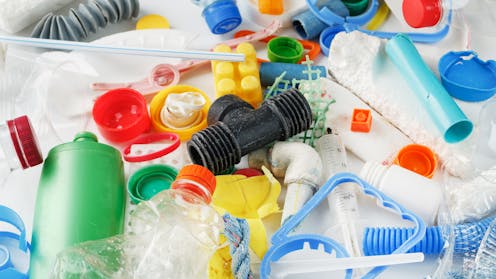
En apenas 70 años, hemos pasado de producir dos toneladas de plástico al año (en 1950) a más de cuatrocientas (en 2022). Además, estas cifras se han acelerado en el siglo XXI. Desde el año 2000, se ha fabricado más de la mitad de la cantidad total de plástico existente. Si seguimos esta progresión, se espera que para el 2050 la producción se acerque a los 1 500 millones de toneladas.

De esta enorme cantidad total de plásticos, se recicla menos de un 20 %. Está claro que a los grandes beneficios del plástico les acompaña una terrible mochila: la contaminación ambiental asociada, que cada día es más grande.

¿Y si con una varita pudiéramos eliminar los plásticos?

A pesar de que existe un amplio debate crítico sobre los plásticos, si nos queremos plantear de forma seria, sin demagogia, su sustitución, hemos de implicar a otros materiales como el vidrio, el metal, la madera o la cerámica. Estas alternativas, aunque útiles, presentan desafíos significativos.

En primer lugar, son materiales más pesados, lo que implica costes energéticos más altos. Por ejemplo, una botella de vidrio de un litro puede pesar hasta veinte veces más que una de igual capacidad de plástico.

Por otra parte, ¿qué sería de la deforestación de los bosques si la madera sustituyera a los plásticos y se utilizara de forma masiva? ¿Qué residuos se generarían por la producción masiva de vidrios y metales? Además, producirían residuos de difícil postprocesado y reciclado. La suma de todos estos factores implicaría un impacto muy pernicioso para nuestro planeta.

El caso de los hospitales

Los plásticos han transformado de forma irreversible nuestras vidas, pero su ausencia cambiaría radicalmente nuestra sociedad. Es, por lo tanto, crucial su uso responsable y el desarrollo de alternativas sostenibles para asegurar un futuro más limpio y saludable.

Así, sectores como la medicina o la automoción han evolucionado de una manera exponencial gracias al desarrollo de los plásticos. A todos los críticos de este material, que ven viable su sustitución, les preguntaría: ¿cómo gestionarían un hospital sin plástico? ¿De qué material fabricarían los guantes, tubos, jeringas o las bolsas de sangre y suero? ¿Qué implicaciones tendría la ausencia de plásticos en la seguridad y la higiene en los hospitales?

Es lícito y realista plantear, eso sí, que el plástico de un solo uso se utiliza en exceso en los centros sanitarios. Por ejemplo, un estudio en un hospital del Reino Unido demostró que una simple operación de amigdalitis generaba más de un centenar de piezas separadas de residuos de plástico.

En este momento, el plástico es esencial e insustituible en medicina; sin él se perderían muchas vidas.

¿Irremplazable o usado en exceso?

No solo el sector médico depende del plástico, otros también demandarían soluciones si este se eliminara. Desde el sector alimentario al de servicios o el tecnológico, plantearían preguntas tan básicas como: ¿podríamos mantener el ritmo frenético de crecimiento de dispositivos electrónicos en la sociedad actual? ¿Qué sería de las nuevas tecnologías?

La afirmación de que, sin plástico, nuestro sistema alimentario se desmoronaría es arriesgada, pero bastante realista. ¿Qué tipo de envases tendríamos? ¿Podríamos mantener igual de frescos y seguros los alimentos? ¿Podríamos garantizar el abastecimiento de comida a todos los confines del planeta?

¿Podemos entonces convivir sin plásticos? La respuesta es no, pero esto no es óbice para observar cómo el crecimiento desmesurado e insostenible de su utilización plantea un problema de difícil solución: la contaminación plástica.

La nanotecnología entra en acción

Si queremos tener un equilibrio respecto al uso responsable de los plásticos, debemos repensar fundamentalmente la forma en que los fabricamos, usamos y reutilizamos, para que no se conviertan únicamente en residuos sin uso. La economía circular puede ser un enfoque interesante para lograr este objetivo.

Es aquí donde entran en juego nuevos avances, como la nanotecnología diseñada para detectar cambios microbianos o bioquímicos en los alimentos. En este contexto, diversos equipos de investigación trabajan en “embalajes inteligentes”, que nos proporcionará información sobre el producto que contiene.

También será clave en el futuro la mejora de las técnicas de reciclaje y la apuesta decidida por el reciclaje químico, donde los residuos poliméricos cambian su estructura química para ser utilizados como materia prima en la fabricación de nuevos plásticos. Un enfoque totalmente ajustado a la economía circular. A pesar de sus beneficios, aquí todavía debemos superar ciertas barreras, como las energéticas y las de rendimiento en comparación con el reciclado mecánico.

Cambio de hábitos

Un mundo sin plásticos no es posible, pero un mundo con el actual consumo de ellos, tampoco. Así, una llamada a la acción para poner fin a nuestra dependencia de los plásticos debe ir acompañada de pasos claros y tangibles, con una comprensión de las implicaciones de nuestras elecciones.

Si queremos transitar hacia una economía circular, solo queda alejarnos del modelo actual de “consumir, fabricar, desechar”. Debemos rediseñar productos para que sean más duraderos, reutilizables, reparables y reciclables. ¿Estamos preparados para cambiar nuestros hábitos? La respuesta a esta pregunta marcará nuestro futuro con o sin plásticos.

The Conversation

Jordi Diaz Marcos no recibe salario, ni ejerce labores de consultoría, ni posee acciones, ni recibe financiación de ninguna compañía u organización que pueda obtener beneficio de este artículo, y ha declarado carecer de vínculos relevantes más allá del cargo académico citado.

ref. No existe una varita mágica para eliminar todo el plástico del planeta – https://theconversation.com/no-existe-una-varita-magica-para-eliminar-todo-el-plastico-del-planeta-260530

El nacionalismo vuelve con fuerza: del siglo XIX al MAGA de Trump

Source: The Conversation – (in Spanish) – By Manuel Torres Aguilar, Catedrático de Historia del Derecho y de las Instituciones y director de la Cátedra UNESCO de Resolución de Conflictos, Universidad de Córdoba

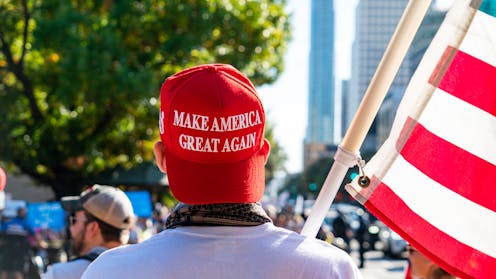
Un seguidor de Trump lleva la gorra con el lema MAGA. Roschetzky Photography/Shutterstock

La ideología nacionalista nacida a finales del siglo XIX marcó buena parte de la historia desde entonces hasta casi la primera mitad del XX. Ahora está llamando de nuevo a nuestro presente.

Algunos ejemplos actuales revisten elementos compartidos con esa vieja ideología. Uno se viene arrastrando desde hace mucho tiempo: la reivindicación de China sobre Taiwán. Otro lo tenemos a las puertas de Europa desde hace menos tiempo: la aspiración de Rusia a ser la Gran Rusia, con todo lo que ello conlleva.

Los grandes fastos de EE. UU en 2026

Ahora se une a este florecer del nacionalismo excluyente el MAGA –Make America Great Again, “Haz América Grande Otra Vez” en español– de Donald Trump, que va a encontrar en la celebración del 250 aniversario de la Declaración de Independencia de los Estados Unidos de Norteamérica, en 2026, su formulación más integrista y provocadora: la política antiinmigración y el renacido y furibundo nacionalismo MAGA.

Por su parte, en Europa los partidos de ultraderecha tratan de imitar el modelo, reivindicando el sentimiento nacional por encima de cualquier propuesta de multilateralismo o integración y tratando de atacar los cimientos de la Unión Europea con argumentos de lo más pintoresco.

De este modo hacen el trabajo sucio, cual caballo de Troya, al proyecto de Trump de debilitar y, si es posible, romper la Pax Europaea que se construyó sobre las cenizas de más de 55 millones de muertos.

Algunas de las actividades previstas para las celebraciones del próximo año en Norteamérica recuerdan mucho a los desfiles de nibelungos, deidades y mitos pangermánicos, exaltaciones de la pureza aria y demás que llenaron las calles de Alemania en los años previos a la II Guerra Mundial.

EE. UU. va a tener en 2028, una vez más, hasta unos Juegos Olímpicos –en Los Ángeles–, por si faltase algún ingrediente.

No es cuestión baladí el mensaje que quiere transmitirse desde el gobierno trumpista. El proyecto de reescritura de la historia norteamericana que están llevando a cabo –bajo la premisa de que hay que eliminar todas las mentiras introducidas por la cultura de la “izquierda radical”– cumple su deseo de hacer una historia sin historiadores. En ese sentido, se trabaja en una historia que modifique contenidos, museos, archivos y bibliografía, si es preciso, para exaltar el valor de lo propio frente a cualquier otro elemento integrador.

Raíces del nacionalismo

El nacionalismo tal y como lo conocemos no siempre ha acompañado a la humanidad. Es una ideología que apareció entre los años 1880-1914, aunque tiene sus atencedentes tras la Revolución Francesa. El término comenzó a usarse en Francia, Italia y Alemania para definir a los grupos ideológicos de derecha extrema que utilizaban las apelaciones a la patria frente a extranjeros, liberales y socialistas.

La base del nacionalismo es la voluntad de identificar emocionalmente al individuo con los elementos identitarios de su nación, frente a otros a los que considera inferiores, de modo que quien no comparta estos principios sea simplemente un traidor a la patria.

De otra parte, en cuanto a las conmemoraciones, celebraciones, centenarios y demás, no es algo que hunda sus raíces en la memoria de los tiempos. Es un invento también ligado al nacionalismo.

Baste recordar que, por mucho que busque cualquier investigador, no encontrará ninguna referencia al III Centenario del descubrimiento de América, y menos al segundo o al primero. Sencillamente, era algo que no existía en la conciencia política. Los reyes solo celebraban sus cumpleaños, onomásticas y algún que otro asunto religioso. La primera vez que se conmemoró tal efeméride fue en 1892, con motivo de los 400 años del viaje de Cristóbal Colón.

“Patria” y “España” no siempre fueron sinónimos

Con el ánimo de seguir relativizando la fortaleza de estos conceptos, es preciso recordar que en español la palabra “patria” no fue sinónimo de España hasta el siglo XIX, con anterioridad el término se refería a la localidad de nacimiento.

Algo parecido pasa con el italiano y la palabra “paese”. Cuando las comunidades locales tales como la aldea, el pueblo, la comarca iban debilitándose, la patria se convirtió en la metáfora para integrar al imaginario de la nación. La escuela, los nuevos medios de comunicación de masas, incluso la religión, fueron contribuyendo a crear y fortalecer el concepto de la comunidad, del yo frente a la comunidad del otro.

Es paradigmático el caso del Imperio austrohúngaro, en el que la conciencia de pertenencia a una nación no fue incompatible con la idea del apoyo a la monarquía habsbúrgica. Claro está, hasta que saltó por las aires tras la caída del Imperio y las naciones centroeuropeas acrecentaron su idea nacional, que desembocaría en las guerras europeas del siglo XX.

A la altura de 1914 ya no era la gloria individual o la conquista lo que inspiraba a los beligerantes, sino la idea de la amenaza al nosotros, de la agresión del ellos contra nuestra libertad y nuestra civilización. No es casual que la xenofobia encontrara también en este momento su mejor caldo de cultivo. Nuestra victoria ya no era la de nuestra gloria, sino la de la patria.

Solo basta recordar que después de la Gran Guerra, como la patria ya eran todos, se abandonó la idea del campo de batalla y nació el concepto de guerra total que encontraría su cenit en la II Guerra Mundial. En ella, los muertos eran todos, no solo los soldados, y las bombas iban contra todos: niños, mujeres, ancianos, civiles en general. Exactamente como hoy se hacen las guerras, atacando más a las retaguardias, a los civiles, y haciendo a toda la comunidad objetivo militar.

Desgracias en nombre de la nación

La nación, la patria, ha sido desde finales del siglo XIX el origen de las mayores desgracias de la humanidad. En cambio, los proyectos colectivos y de integración –Naciones Unidas, Unesco, Organización Mundial de la Salud, FAO y, por supuesto, la Unión Europea– han traído las épocas de mayor prosperidad y solidaridad mundial o regional y paz.

Advertidos estamos porque tenemos cerca los dos modelos. Después de Napoleón, hasta el nacimiento de los nacionalismos, Europa había vivido en paz. Luego acabó todo. El renovado protagonismo de esta ideología nada bueno puede augurar.

The Conversation

Manuel Torres Aguilar no recibe salario, ni ejerce labores de consultoría, ni posee acciones, ni recibe financiación de ninguna compañía u organización que pueda obtener beneficio de este artículo, y ha declarado carecer de vínculos relevantes más allá del cargo académico citado.

ref. El nacionalismo vuelve con fuerza: del siglo XIX al MAGA de Trump – https://theconversation.com/el-nacionalismo-vuelve-con-fuerza-del-siglo-xix-al-maga-de-trump-261333