Estados Unidos aplicará aranceles del 15  % y ese no es un buen acuerdo para Europa

Source: The Conversation – (in Spanish) – By Juan de Lucio, Investigador – profesor. Economista, Universidad de Alcalá

Tomas Ragina/Shutterstock

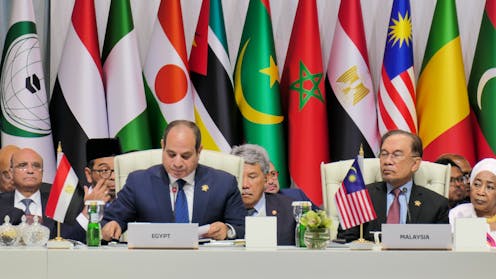
La presidenta de la Comisión Europea, Ursula von der Leyen, ha logrado una victoria pírrica con el acuerdo arancelario alcanzado con el presidente estadounidense Donald Trump, en un club de golf escocés el último domingo de julio de 2025. Aunque el pacto puede reforzar su posición interna, no representa un beneficio real para la Unión Europea y compromete su capacidad negociadora futura.

Es paradigmático y simbólico que el acuerdo se haya firmado en el Reino Unido, que hace cinco años dejó la UE y sigue sufriendo los efectos comerciales negativos de esta salida, lo que subraya la fragmentación geopolítica en curso.

En virtud del pacto, Estados Unidos mantiene aranceles del 15 % sobre la mayoría de las importaciones procedentes de la UE. A cambio, Europa renuncia a responder con represalias y consigue evitar la entrada en vigor de aranceles del 30 %, anunciados por Trump para el 1 de agosto.

Un pacto con un alto coste para la UE

Ambas partes intentarán rentabilizar políticamente este pacto que, en realidad, supone una pérdida de bienestar para los ciudadanos a ambos lados del Atlántico. Sin embargo, el coste para Europa es doble: renuncia a ejercer su capacidad de respuesta frente a los ataques estadounidenses al comercio libre y el multilateralismo, y muestra su debilidad estratégica de cara a futuras negociaciones, que previsiblemente llegarán. Además, dar carta de naturaleza a la narrativa de Trump y acepta sin grandes contrapartidas un arancel del 50 % sobre las exportaciones europeas de acero y aluminio.

Desde una perspectiva puramente económica, la UE tenía margen para negociar en mejores términos. Las pérdidas de bienestar derivadas de los aranceles estadounidenses no son especialmente elevadas: diversos análisis estiman un impacto de apenas dos o tres décimas del PIB europeo. Una caída moderada, fácilmente compensable mediante el impulso de nuevos acuerdos comerciales ya en marcha con Australia, India o Mercosur.


Leer más:
Los aranceles de Trump: lejía económica para los estadounidenses


Las disputas continuarán, la UE debe prepararse con rapidez

Por el contrario, la Administración Trump puede presentar el pacto como una gran victoria estratégica. Refuerza su narrativa confrontacional y valida su política de fragmentación comercial global, que la UE parece haber asumido al firmar un acuerdo que socava sus principios.

Este acuerdo no implica el final de las disputas comerciales entre Estados Unidos y Europa. Habrá presiones adicionales en sectores concretos (aeronáutico, farmacéutico, semiconductores, defensa, energía, etc.). Más bien se acuerda el inicio de una nueva etapa, en la que se prescinde del multilateralismo y el libre comercio que había impulsado EE. UU. tras la Segunda Guerra Mundial, y la confrontación resulta políticamente beneficiosa para Trump.


Leer más:
Guerras comerciales: lecciones del pasado para un presente incierto


Otras áreas de enfrentamiento

En el plano financiero, el dólar está perdiendo peso como moneda de referencia internacional, lo que representa una oportunidad para que el euro refuerce su posición global.

En el ámbito tecnológico, la UE necesita repensar y reactivar su política industrial, aprovechando este impulso para regular el poder de las grandes plataformas tecnológicas y fomentar un uso de los datos y la información que realmente beneficie a los ciudadanos. Esto no siempre implica restringir su uso, sino garantizar que se utilicen con criterios de transparencia y de generación de valor para los ciudadanos.


Leer más:
Europa necesita una economía más dinámica para generar más innovación y competitividad


En el terreno fiscal, es fundamental avanzar en la imposición justa a las grandes corporaciones, establecer recursos propios a escala europea y consolidar instrumentos de financiación común. La estrategias de autonomía y seguridad en el ámbito internacional también deben revisarse.

La UE debe reforzar su capacidad negociadora para convertirse en un contrapeso global, guiado por valores democráticos, frente a la visión cortoplacista del comercio internacional que encarna la presidencia de Donald Trump.

Pero, por encima de todo, Europa debe ser optimista y proactiva en relación con su capacidad para afrontar los desafíos que plantea el nuevo contexto internacional.

The Conversation

Juan de Lucio no recibe salario, ni ejerce labores de consultoría, ni posee acciones, ni recibe financiación de ninguna compañía u organización que pueda obtener beneficio de este artículo, y ha declarado carecer de vínculos relevantes más allá del cargo académico citado.

ref. Estados Unidos aplicará aranceles del 15  % y ese no es un buen acuerdo para Europa – https://theconversation.com/estados-unidos-aplicara-aranceles-del-15-y-ese-no-es-un-buen-acuerdo-para-europa-262084

Todas las mujeres medievales que muestra la ‘Crónica de Castilla’

Source: The Conversation – (in Spanish) – By Marija Blašković, Marie Curie Postdoctoral Fellow, Universitat Pompeu Fabra

Teresa de Portugal, centrada, y su hija Urraca Enríquez, a la derecha, en una iluminación del ‘Cartulario del monasterio cisterciense de los Santos Justo y Pastor de Toxos Outos’. ©MCD. Archivos Estatales (España)

La historia no la escribieron, como se dice, los vencedores. Antes que nada, la escribieron los hombres, por lo menos en la Edad Media. Incluso Alfonso X, famoso por sus iniciativas de gran resonancia política, científica y cultural, se mostró poco innovador a la hora de representar a mujeres en su Estoria de Espanna, más pendiente de insistir en la centralización regia que en explorar la representación femenina. Y este hecho no se debe a que hubiese una falta de modelos.

Por ejemplo, las crónicas del reinado de su padre, Fernando III, daban una imagen ejemplar de Berenguela I de Castilla. Ella experimentó tres modos de la reginalidad –consorte, regente y reinante– antes de facilitar la unión definitiva de los reinos de León y Castilla a través de su hijo Fernando III en 1230.

El molinismo y la Crónica de Castilla

De modo similar, otra mujer y madre destacó por su lucha por los derechos sucesorios. A fines del mismo siglo, María de Molina asumió el papel de reina regente cuando su marido Sancho IV, segundogénito de Alfonso X, murió en 1295, dejando atrás a un hijo menor.

Ese fue el contexto de la composición de la Crónica de Castilla, escrita hacia 1300 y patrocinada o inspirada por ella dentro del programa político-cultural mejor conocido como molinismo. Distanciada de la ideología alfonsí, esta obra presta más atención a las relaciones entre la corona y la nobleza. Además, recoge tradiciones épico-legendarias, en particular, las relacionadas con el Cid Campeador.

Dibujo de un rey y una reina.
Fernando II y su esposa la reina Urraca en el ‘Cartulario del monasterio cisterciense de los Santos Justo y Pastor de Toxos Outos’.
©MCD. Archivos Estatales (España)

No sorprende el énfasis puesto en el protagonismo regio en una obra que abarca un poco más de dos siglos de la historia castellano-leonesa, pero sobresale su reconocimiento de la influencia femenina. Así, cuenta que Fernando I, el primer rey representado, debe el territorio castellano a su madre Muniadona (nombrada “reina Elvira” en la obra) y el reinado leonés a los derechos dinásticos de su esposa Sancha.

El caso de su hija Urraca también es curioso, porque está entrelazado con la trayectoria del Cid, junto a quien creció. Esta constelación de personajes luego inspiraría romances sobre el lamento de una Urraca rechazada por el héroe.

Más allá de Castilla

Dibujo de una mujer pensativa sentada con la mano en la cabeza.
Dibujo de Zaida hecho para el libro Mugeres célebres de España y Portugal en el siglo XIX.
Fondo Antiguo de la Biblioteca de la Universidad de Sevilla

Pese al título (aplicado por nosotros y no por la sociedad en la que fue redactada), esta crónica no se limita al espacio castellano; otros reinos cristianos de la Península forman parte de la narración. También lo hacen figuras singulares como la condesa Aurembiaix, puesta en un contexto militar, o Zaida, musulmana noble cuyo relato del enamoramiento de Alfonso VI se asemeja más a las novelas de caballería que al discurso historiográfico.

Desde el punto de vista religioso, es bastante llamativo que el peor caso que se narra de una mujer poniendo en peligro el orden político sea el de una judía anónima. Durante siete años, Alfonso VIII se olvida de su esposa, del trono, y se “encierra” con ella. Sus vasallos deciden intervenir y la matan, según narra la Crónica. Sin embargo, la amante judía, luego denominada Raquel, sobrevive en la memoria cultural y literaria gracias a Lope de Vega, Antonio Mira de Amescua y Vicente García de la Huerta, sólo por nombrar algunos.

Por si fuera poco, la diversidad de las figuras femeninas en la Crónica se extiende más allá de la península ibérica y Europa. Cabe mencionar a Nugaymath Turquia, arquera negra seguida de doscientos guerreros, o a Zubaidah, dueña original de un sartal de piedras preciosas que llegó de Bagdad a Valencia. Finalmente, y pese a sus tendencias prorregias, la Crónica de Castilla cuenta con un panorama de mujeres de distintos grupos: campesinas, amas, cautivas, damas, santas de la época romana, etc.

Sin duda alguna, la condición femenina afectó a estas representaciones, no siempre capaces de escapar de la mirada androcéntrica en la Edad Media (¿acaso lo hemos conseguido ahora?). No obstante, la elevada presencia de mujeres en la crónica permite explorar sus destrezas políticas y diplomáticas, manifestadas en órdenes, consejos y ruegos, pero también expresadas a través de la resistencia y el silencio.

Otro punto de vista historiográfico

El desfile de mujeres en la Crónica de Castilla se nutrió de diversas tradiciones y leyendas, pero este hecho no invalida la obra como depósito de conocimientos valiosos. Todo lo contrario. Las obras historiográficas no eran meras reescrituras pasivas; sus contenidos se adaptaban a las necesidades y los intereses, a veces divergentes, de los círculos en los que se escribían. Y esta crónica, con 19 manuscritos preservados, es emblemática de la permeabilidad del discurso historiográfico.

Folio de un códice antiguo.
En este folio de la Crónica de Castilla se cuenta cómo Urraca actúa como señora de Zamora.
Bibliothèque nationale de France, CC BY

De hecho, por ser tan distintas, las mujeres de la Crónica de Castilla revelan más de los valores de aquella sociedad que las mujeres idealizadas de la poesía trovadoresca.

No obstante, teniendo en cuenta que no superan el 10 % de los personajes de la obra, su lectura digital puede facilitar el primer contacto. La plataforma FEMIber CrCast permite un recorrido interactivo y matizado por este pasado más femenino, desde los nombres (no) documentados hasta las instancias de violencia realizadas contra o por las mujeres.

Este procedimiento nos permite profundizar nuestros conocimientos sobre varios aspectos de sus vidas y reflexionar sobre las imágenes creadas en una obra tan importante para el imaginario cultural de la Península.


Este artículo surge de la colaboración con la Fundación Ignacio Larramendi, institución centrada en desarrollar proyectos relacionados con el pensamiento, la ciencia y la cultura en Iberoamérica con el objetivo de ponerlos a disposición de todo el público.

Más información aquí.


The Conversation

The project FEMIber has received funding from the European Union’s Horizon 2020 research and innovation programme under the Marie Skłodowska-Curie grant agreement No 101064789.

ref. Todas las mujeres medievales que muestra la ‘Crónica de Castilla’ – https://theconversation.com/todas-las-mujeres-medievales-que-muestra-la-cronica-de-castilla-259297

El ‘efecto umbral’: ¿por qué se nos olvida lo que íbamos a hacer al cambiar de habitación?

Source: The Conversation – (in Spanish) – By Jorge Romero-Castillo, Profesor de Psicobiología e investigador en Neurociencia Cognitiva, Universidad de Málaga

Nicoleta Ionescu/Shutterstock

Llega a la cocina con una idea clara, pero al cruzar la puerta, algo se diluye. Ya no recuerda a qué venía. Y se queda unos segundos frente a la nevera, como si el frío pudiera refrescarle la intención que se perdió con el cambio de lugar.

Este fenómeno ha sido estudiado por la psicología cognitiva y es conocido como ‘efecto umbral’ (doorway effect o location updating effect en inglés). Basta con atravesar una puerta para que el cerebro interprete que ha terminado una función y empieza otra.

Podríamos titular a estas viñetas Pienso, luego olvido. Si al cambiar de habitación no recuerda por qué está ahí, medite sobre el ‘efecto umbral’: una especie de genio maligno le espera bajo el umbral de la puerta para intentar sesgar sus recuerdos y que dude de sus propósitos.
Elaboración del autor

Esto ocurre porque nuestra memoria semántica (la que utilizamos para recordar conceptos) funciona mejor cuando está asociada a la memoria episódica (la que usamos para recordar lugares), y esta última se vincula a claves contextuales. Por eso, al volver al contexto original –con algo de disimulo, si hay alguien presente–, solemos recuperar la información perdida.

Una farsa fugaz que bien podría representarse sobre las tablas del icónico y carnavalesco Gran Teatro Falla de Cádiz, frente al que estoy escribiendo estas palabras.

Se abre el telón y aparece gente en traje de buceo

A finales de la década de los años 70, el psicólogo británico Alan Baddeley (mundialmente conocido por sus estudios sobre la memoria) realizó, junto a otros colegas, varios estudios con un reparto curioso.

En su experimento más conocido, le pidió a un equipo universitario de buceo que memorizara listas de palabras en dos entornos distintos: bajo el agua y en tierra firme. Luego, evaluó la capacidad de los participantes para recordar esas palabras, tanto en el mismo entorno de aprendizaje como en el otro. El resultado fue claro: quienes aprendían y recordaban en el mismo lugar (agua-agua o tierra-tierra) obtenían mejores resultados.

Con el tiempo, un popurrí de estudios confirmó que el contexto (e incluso el estado de ánimo) desempeña un papel clave en la memoria.

Cambio de escena: aparece el olvido

O sea, la memoria es como una actriz de teatro que interpretará especialmente bien su papel si el decorado, el vestuario y hasta la iluminación son los mismos que en los ensayos. Pero si no ha estudiado bien el guion, sucumbirá al cambio de escena que provoca atravesar una puerta.

La denominación del ‘efecto umbral’ se utilizó por primera vez en 2011, pero comenzó a estudiarse en 2006. En ese primer estudio, el equipo de investigación pidió a las personas participantes que memorizaran objetos presentes en un espacio virtual y luego se movieran (virtualmente) a otra sala. Descubrieron que, justo al atravesar un umbral, la capacidad para recordar esos objetos se reducía significativamente.

Las múltiples investigaciones posteriores reforzaron que se trataba de un principio general de actualización de la memoria. Además, se demostró que la caída en el rendimiento no se debía a la distancia recorrida ni al tiempo transcurrido, sino al simple hecho de cambiar de “escena”.

Estos resultados apoyan la idea del “modelo de horizonte de eventos”: al modificar el contexto, la información asociada se segmenta y se vuelve menos accesible. El olvido ocurre incluso si simplemente imaginamos que estamos cruzando una puerta.

El acto final que revela la trama

Como se ha ido mostrando a lo largo de todo el artículo, no es la puerta en sí la que nos borra la memoria, sino el cambio de escenario. El cerebro interpreta que comienza un nuevo acto y desvincula, en parte, la información del acto anterior.

En esta línea, varios estudios recientes, realizados con realidad virtual, también han confirmado que lo importante es la transición entre entornos, no el hecho de atravesar un umbral.

Una de las principales causas de esos lapsus parece ser la multitarea. Cuando realizamos varias acciones a la vez, el cerebro reparte su atención como puede y alguna información se queda en el “camerino”. Nuestra capacidad cognitiva es limitada, y cuando cambia el contexto, las tareas que no tienen prioridad pueden desvanecerse.

Un cierre de telón sin la demencia como protagonista

Afortunadamente, estos olvidos cotidianos no indican ningún deterioro grave. Se ha comprobado que afectan por igual a jóvenes y mayores. Esto sugiere que es un efecto secundario de cómo nuestra mente organiza la experiencia, y no una señal de alarma ante una posible demencia.

En este sentido, Nietzsche escribió: “el olvido es una facultad positiva en el más estricto sentido, un guardián, un garante del orden y de la calma”. Si no tuviéramos la capacidad de olvidar, nos sobrecargarían los recuerdos y no nos quedaría espacio para la acción.


Leer más:
¿Qué pasaría si pudiéramos recordarlo absolutamente todo?


De hecho, el ‘efecto umbral’ tiene su lado positivo: cambiar de habitación o estancia nos ayuda a recordar mejor la nueva información. Al modificar las claves contextuales, se actualiza la ubicación y se generan menos interferencias con las tareas previas. Así, el cerebro aprovecha el nuevo entorno para aprender con más claridad.

Además, también existe la posibilidad de quedamos “en blanco” sin cambiar de escena: cuando vemos a una persona especial y profundamente querida en un lugar inesperado y tardamos en reconocerla. Esto ocurre porque el cerebro necesita buscar las pistas de los decorados habituales para que nos encaje. Esta situación tampoco es indicativa de déficit cognitivo: la mente (y el corazón) se está reconstruyendo ante una extraordinaria y hermosa nube de recuerdos.

The Conversation

Jorge Romero-Castillo no recibe salario, ni ejerce labores de consultoría, ni posee acciones, ni recibe financiación de ninguna compañía u organización que pueda obtener beneficio de este artículo, y ha declarado carecer de vínculos relevantes más allá del cargo académico citado.

ref. El ‘efecto umbral’: ¿por qué se nos olvida lo que íbamos a hacer al cambiar de habitación? – https://theconversation.com/el-efecto-umbral-por-que-se-nos-olvida-lo-que-ibamos-a-hacer-al-cambiar-de-habitacion-257834

Se puede aprender mejor en la universidad con la inteligencia artificial

Source: The Conversation – (in Spanish) – By Natalia Lara Nieto-Márquez, Profesora e Investigadora en Tecnologías Educativas, Universidad Camilo José Cela

https://www.shutterstock.com/es/image-photo/self-training-focused-millennial-male-student-2566358347

Luisa, una estudiante de grado en la universidad, utiliza ChatGPT como tutor personal. Le pide explicaciones adicionales sobre conceptos complejos (“¿Qué conocimientos previos necesito dominar y por qué son relevantes?” o “¿Cómo se relaciona esta parte nueva del temario con los conocimientos de las anteriores?”) y ejemplos prácticos para profundizar en los trabajos que realiza para clase y estudiar para los exámenes (por ejemplo, le pide que señale los errores conceptuales más frecuentes para autoevaluarse mientras estudia o cómo se podría mejorar y enriquecer la entrega del trabajo para la asignatura).

Martín, estudiante del mismo grado en la universidad, utiliza la IA para pedirle que resuelva los ejercicios de clase. A corto plazo, las entregas de sus tareas son más rápidas, pero cuando llega el examen descubre que su comprensión es superficial porque delegó todo el esfuerzo en la herramienta.

Integridad académica e inteligencia artificial

La inteligencia artificial ha pasado de ser una desconocida a ser un recurso accesible socialmente que está transformando el mundo educativo. El 90 % de los estudiantes universitarios ya utilizan herramientas como ChatGPT en los estudios.

Integrarla en el currículo y en el aula manteniendo la integridad académica obliga a docentes y alumnos a revisar y adaptar sus prácticas.

Esta tecnología puede democratizar el acceso a la educación mediante recursos adaptados a cada estudiante, ayudándoles a superar barreras y a mejorar sus resultados. Pero para que sea así realmente, es imprescindible que su uso sea para potenciar su aprendizaje y no como un sustituto del propio aprendizaje.

Es necesario fomentar habilidades como la metacognición (la capacidad de reflexionar sobre cómo aprendemos) y la autorregulación (nuestra capacidad para gestionar el tiempo, el esfuerzo y dirigir nuestro aprendizaje) para enseñar a los estudiantes a usar la inteligencia artificial para mejorar su rendimiento sin comprometer la integridad académica ni la adquisición de habilidades fundamentales.

Metacognición y aprendizaje autorregulado

En el contexto académico actual, los docentes no solo deben enseñar contenidos: ayudar a los estudiantes a aprender a aprender es fundamental. Es decir, a reflexionar sobre su propio proceso de aprendizaje, y a ser capaces de utilizar la inteligencia artificial como Luisa, y no como Martín.

Como apuntábamos antes, la inteligencia artificial puede potenciar la autorregulación y metacognición de manera que los estudiantes reflexionen sobre su propio aprendizaje y ajusten sus estrategias.

Existen aplicaciones, sistemas de tutoría inteligentes o directamente herramientas como ChatGPT que permiten analizar patrones de estudio de los estudiantes y ofrecen recomendaciones personalizadas. Así, los estudiantes pueden recibir sugerencias de planificación de los tiempos de estudio, qué conceptos reforzar o qué tipos de ejercicios necesitan practicar más según su ritmo y errores.


Leer más:
¿Qué significa autorregularse? La clave para aprender a aprender


Por ejemplo, Luisa ha detectado que aprende mejor con microsesiones diarias de prácticas guiadas y cuestionarios rápidos que genera con la IA. Esta forma de estudiar y la retroalimentación inmediata le ayudan a fijar los conceptos poco a poco. Sin embargo, su compañera Marta, ha descubierto que lo que más le funciona es crear mapas conceptuales y practicar mediante conversaciones con la IA lo que ha ido aprendiendo. Al plasmarlo de forma visual y reformularlo en voz alta, consolida la información y detecta lagunas en su comprensión.

Conversando con estos tutores virtuales, siempre con la guía de un docente, un estudiante puede repasar aquellos conceptos que necesite reforzar o profundizar en el conocimiento de la asignatura. El docente puede apoyar la formulación de preguntas metacognitivas como: “¿Qué puedes interpretar de esta información?” o “¿Cómo podrías utilizar esta información en una nueva situación?”. Al tomar conciencia de cómo aprende, podrá ajustar su forma de estudiar o probar nuevas tácticas de aprendizaje.

El diseño y desarrollo de actividades en el aula a partir de estos procesos fomentan tanto la autoevaluación como el ajuste estratégico del aprendizaje: cada aprendiz puede identificar sus fortalezas y debilidades.

Una manera de profundizar, no un atajo

Se trata de aprender a usar la inteligencia artificial para profundizar en su aprendizaje, y no como un atajo para evitar esfuerzos académicos. La inteligencia artificial facilita el acceso a información y recursos de aprendizaje, y los docentes deben actuar como mediadores entre la tecnología y el estudiante.

Esto significa enseñar a los estudiantes a evaluar críticamente los resultados que obtienen de las herramientas, a cuestionar la veracidad de las fuentes y a reconocer las limitaciones de estas tecnologías.


Leer más:
Talleres prácticos para enseñar a usar la inteligencia artificial a los universitarios


Diseño de actividades en clase

¿Cómo lograrlo en clase? Una estrategia puede ser el diseño de tareas por el docente donde utilizar la IA requiera reflexión. Por ejemplo, pedir a los estudiantes que empleen una herramienta de IA (como Perplexity) para investigar un tema específico de la asignatura, pero luego añadir una presentación en clase de sus hallazgos analizando cómo de confiables les parecieron y cómo verificaron la información. De esta manera, la IA se convierte en el punto de práctica para el aprendizaje profundo y el pensamiento crítico, siendo un medio pero no el fin del camino.


Leer más:
Inteligencia artificial en la universidad: los estudiantes piden nuevas formas de evaluación


Otro ejemplo práctico, a introducir por los profesores, pueden ser los ejercicios de debate donde cada estudiante lleve al aula una respuesta generada con IA sobre una pregunta de la asignatura, y en grupo se analicen esas respuestas, corrigiendo errores y comparando enfoques. Esto les enseña a cuestionar y y mejorar con juicio propio, fortaleciendo su criterio.

Estas actividades no solo guían a los estudiantes hacia un uso más crítico de la tecnología, sino que también destacan la importancia del docente como guía.

Perspectivas para el futuro académico

La inteligencia artificial puede servirnos para transformar la experiencia de aprendizaje en la universidad y la forma en que nos preparamos para un mundo en constante cambio, promoviendo la autonomía y la autoevaluación.

En un mundo donde la tecnología avanza a gran velocidad, aquellos que dominan la inteligencia artificial desde una perspectiva crítica y ética tienen la ventaja de una mentalidad de aprendizaje continuo, indispensable en la era digital.

The Conversation

Natalia Lara Nieto-Márquez recibe fondos de la X Convocatoria de Investigación de la Universidad Camilo José Cela. Este trabajo forma parte del proyecto de investigación con el acrónimo EDUSMART-IA (Estrategias de Aprendizaje Inteligente para un Futuro Académico Sostenible).

ref. Se puede aprender mejor en la universidad con la inteligencia artificial – https://theconversation.com/se-puede-aprender-mejor-en-la-universidad-con-la-inteligencia-artificial-242134

¿Tomamos las decisiones de forma libre?

Source: The Conversation – (in Spanish) – By Diego Emilia Redolar Ripoll, Associate professor, UOC – Universitat Oberta de Catalunya

Si antes de tomar una decisión dedicamos un rato a pensar racionalmente, eso implica integrar y evaluar múltiples factores, unos externos a la persona y otros de naturaleza interna. Una de las primeras cosas que hacemos en estos casos es sopesar, es decir, comparar el valor de las diferentes opciones entre las que tenemos que elegir. Y a partir de ahí generamos una regla que nos permita seleccionar la alternativa más valiosa en nuestro caso.

Ciertas áreas de la corteza prefrontal, como la región dorsolateral y la corteza cingulada anterior, son críticas para escoger porque permiten sopesar el valor a largo plazo de cada opción en las decisiones que tomamos.

Imaginemos que nos piden que elijamos para desayunar entre un pastel de chocolate o un yogur con fruta. Sabemos que el lácteo es la alternativa más saludable, pero puede que el pastel nos atraiga más, dado que su sabor es más gratificante. ¿Gana lo sano o lo sabroso? En 2009, un estudio reveló que la actividad de la corteza prefrontal ventromedial estaba correlacionada con la preferencia por el gusto del alimento, sin importar si era saludable o no. Por el contrario, la actividad de la corteza prefrontal dorsolateral se disparaba cuando el sujeto descartaba un alimento que le resultaba especialmente apetecible, pero que, lamentablemente, no era sano.

Con los resultados de este estudio, podríamos afirmar que la región ventromedial es capaz de analizar el valor de las opciones a corto plazo, mientras que la zona dorsolateral nos ayudaría a incorporar en nuestra decisión consideraciones del valor a largo plazo de las dos opciones. En cierto modo, ambas actúan como si fueran un demonio y un ángel, hablándonos en uno y otro oído durante la toma de decisiones.

¿Y de qué depende que gane el ángel o el demonio? La neurociencia nos dice que hay diversos factores que pueden mover la balanza hacia un lado o el otro: desde las diferencias individuales (lo que tradicionalmente llamamos “fuerza de voluntad” de cada uno), hasta la magnitud del premio (no es lo mismo un pastel de chocolate que un viaje a Islandia, donde sopesamos el gasto que nos supone frente a lo bien que nos lo vamos a pasar), pasando por el estado físico (si estamos más cansados o con más sueño) o emocional (si nos sentimos más tristes o más alegres).

Damos prioridad a lo familiar

Las personas no siempre tomamos las decisiones basándonos en una evaluación racional que sopesa sus costes y beneficios a corto o largo plazo. Muchas se adoptan siguiendo reglas que nos permiten simplificar las situaciones más complejas o difíciles. A falta de más información, solemos decantarnos por la opción más familiar.

Esto nos permite tomar una decisión de una forma más rápida y sencilla, dado que lo familiar se relaciona con la popularidad y otras características positivas. En este sentido, se huye de la ambigüedad y de las situaciones en las que desconocemos las probabilidades de los posibles resultados.

Por ejemplo, imagine que lo único que conocemos del polo es que se trata de un deporte donde dos equipos con cuatro jugadores cada uno, montados a caballo, intentan llevar una pequeña pelota hacia la portería del rival. Resulta que acudimos a un experimento en la universidad y nos piden que apostemos una cantidad nada despreciable de dinero por uno de los equipos que se enfrenta en un partido de polo. ¿Cómo escogemos?

En situaciones de ambigüedad como esta, en la que debemos tomar una decisión casi sin datos, se activan la corteza orbitofrontal (porción que queda por encima de los ojos) y regiones laterales de la corteza prefrontal. La primera se enciende, seguramente, debido a que vivimos la situación como algo aversivo, que no nos gusta y nos desconcierta. En el caso de las regiones laterales de la corteza prefrontal, su activación refleja la necesidad de plantearnos las probabilidades para construir una regla de decisión: no se tiene información, pero, aun así, se buscan posibles indicios sobre los que sustentar la elección.

Pulsar botones del cerebro para entender la generación de ideas

Existen técnicas que, de forma no invasiva, nos permiten activar o inactivar regiones corticales durante unos minutos para hacer pruebas cognitivas y analizar cómo afecta el aumento o la disminución de la excitabilidad de las neuronas de esas regiones. Son las denominadas “técnicas de estimulación cerebral no invasiva”.

Imaginemos que tenemos la hipótesis de que determinada región de la corteza cerebral es crítica para el cálculo aritmético. La podemos inhibir con este tipo de técnicas y, a continuación, hacer pruebas en las que el participante tenga que demostrar sus habilidades de cálculo. Si la región es cardinal para esa función, el voluntario lo hará peor que cuando realice estas tareas sin estimulación (de hecho, este experimento lo llevamos a cabo en nuestro laboratorio, pero ahora esta historia no viene al caso).

Pues bien, la investigación sobre estimulación cerebral no invasiva ha empezado a examinar de forma empírica los efectos del razonamiento sobre la creatividad, algo importante en la toma de decisiones. En este sentido, algunos estudios han demostrado que la inhibición de diferentes regiones laterales de la corteza prefrontal disminuye los mecanismos de control cognitivo, lo que facilita la generación de ideas creativas. Es decir, si se inhibe el funcionamiento de determinadas regiones cerebrales, podemos aumentar la creatividad de esas personas.

En 2021, un equipo de investigadores llevó a cabo un estudio en el que incrementaban la excitabilidad de las neuronas de la corteza prefrontal con el objetivo de analizar cómo afectaba a la generación de ideas novedosas en función de las demandas de la tarea. Los participantes tenían que leer frases a las que les faltaba la última palabra, y se les pedía que la completaran con un final poco común pero apropiado. Se observó que cuando se activaba la corteza prefrontal, aumentaba la adecuación y disminuía la novedad (y, por lo tanto, la creatividad) de las respuestas de los participantes.

Ese mismo año, llevamos a cabo un experimento en nuestro laboratorio para analizar cómo la inhibición de determinadas regiones de la corteza prefrontal modificaba la toma de decisiones de riesgo. Propusimos a los participantes que hinchasen un globo. Cada vez que soplaban iban ganando dinero que después se llevarían a casa. No obstante, cada globo estaba programado de forma aleatoria para explotar con un determinado número de insuflaciones.

Así vimos que inhibir zonas dorsolaterales de la corteza prefrontal hacía que los participantes se arriesgaran más, pero los resultados parecían depender de su personalidad. Es decir, no todos nos comportamos igual cuando tomamos decisiones en circunstancias de riesgo. En parte, esto se explica por el funcionamiento de regiones implicadas en el control cognitivo (que incluye todas las funciones ejecutivas superiores, incluido el razonamiento), pero también por la personalidad de cada uno.

La razón sin emoción es como un general sin ejército

Por último, las emociones también pueden influir en las decisiones que tomamos, cómo esbozamos el futuro o a qué prestamos atención y, después, recordamos. ¿Qué pinta, entonces, la razón? Emoción y razón han de ir de la mano, deben estar en equilibrio. La razón puede ayudar a generar nuevas respuestas emocionales que sean capaces de sustituir los sentimientos que ya tenemos, potenciándolos o añadiendo argumentos que los modifiquen y adapten a la situación que vivimos o al contexto social y normativo en el que nos encontramos. En los pacientes que presentan lesiones en regiones cerebrales críticas para las emociones, los procesos racionales se ven menoscabados a medida que el procesamiento de la información emocional no es correcto.

En palabras de Ignacio Morgado, “la razón sin emoción es como un general sin ejército; la emoción sin razón es como un coche sin frenos”.


La versión original de este artículo ha sido publicada en la revista Telos, de Fundación Telefónica.


The Conversation

José A. Morales García colabora con Telos, la revista que edita Fundación Telefónica.

ref. ¿Tomamos las decisiones de forma libre? – https://theconversation.com/tomamos-las-decisiones-de-forma-libre-262074

To protect coral reefs, we must also protect the people who depend on them

Source: The Conversation – Canada – By Pedro C. González Espinosa, Postdoctoral Reserach Fellow, The School of Resource and Environmental Management, Simon Fraser University

Coral reefs are vital ecosystems that sustain millions of people, yet they face a growing crisis. Rising ocean temperatures are causing coral bleaching, a process where heat disrupts the relationship between corals and the microalgae living inside them. If the stress continues, the corals may die.

Since the 1980s, bleaching events have increased significantly, posing a major threat to reefs and the coastal communities that rely on them for food, income and protection.

white coral underwater
Prolonged coral bleaching events, caused by environmental stress, can cause coral reefs to die.
(Danielle.ihde/Wikimedia)

Scientists rely on data-monitoring tools to predict where and when bleaching is most likely to occur. These tools help inform conservation decisions made by the reef managers in charge of preserving the reefs, like temporarily pausing tourism or fishing to allow corals to recover.

But important questions are often overlooked in the process: Are these decisions fair? And who bears the cost of protecting coral reefs?

Managing reefs

Predicting bleaching events is crucial for managing reefs. The U.S. National Oceanic and Atmospheric Administration’s Coral Reef Watch uses satellite data to issue real-time bleaching alerts. These alerts guide managers to act before reefs reach dangerous thresholds.

However, the science isn’t perfect. Our research shows that about one-third of bleaching alerts worldwide are false alarms or missed events. If fishing or tourism sites are closed based on a false alarm, it can cause unnecessary economic hardship to local communities. On the other hand, failing to act when bleaching happens risks long-term ecological damage.

Not all reefs are affected equally. The challenges are especially severe in developing countries, where coastal communities depend heavily on reefs for their livelihoods. Many coastal communities do not have the money, government support or backup options they need to protect reefs or cope with the damage.

As a result, coastal communities in developing countries bear the greatest ecological and economic risks. This highlights the need for a rethink of how reef-protection strategies are designed and implemented.

Equity matters

Reef management must be fair, not just to the reefs but also to the people who depend on them. This is where equity comes in. Equity means not only sharing the benefits of healthy reefs, but also ensuring that the costs, such as fishing bans or tourism closures, do not disproportionately fall on those least able to handle them.

There are three key principles that help bring equity to the heart of coral-reef management and the fair sharing of reef resources:

  1. Recognizing equity: Different groups relate to the reef in different ways. For some, it is a source of food; for others, it has cultural or spiritual meaning. Understanding and respecting these different connections — whether scientific, economic or traditional — is essential.

  2. Fair decision-making: Managing the reef should be a collective undertaking. It is important that those who depend on it, like fishing communities, tourism operators and Indigenous groups, have a real say in how the reef is used, and not just more powerful or rich interest groups, like commercial fishers.

  3. Fair sharing of benefits and costs: The benefits of healthy reefs, like fish, tourism income or coastal protection, should be distributed fairly. Likewise, the costs, such as fishing bans or tourism restrictions, should not fall unfairly on those who can least afford it.

These ideas may sound like common sense, but they are often missing in practice. In developing countries, decisions made in the interest of reef conservation can unintentionally harm local communities.

Sustainable and local solutions

Without alternative sources of income or food, restricting fishing or access to reefs can worsen poverty, exacerbate gender inequity or push unsustainable practices to other areas.

In the Solomon Islands, for example, coral reefs are crucial for both food and economic well-being.

In some communities, the food and materials people harvest from reefs, like fish, shells and corals, are worth more than what they earn from other sources. But heavy reliance on reef resources, especially for cash income, has led to over-extraction in some areas, putting both the reefs and local livelihoods at risk.

A community-led planning project in the small island nation of Tuvalu has fostered support for low-impact tourism that balances conservation with livelihoods. Villages identified key sites to protect and developed visitor guidelines to support tourism in a socially responsible and environmentally sustainable manner, balancing reef conservation with local livelihoods.

These examples show that conservation solutions must be co-designed, flexible and tailored to each context. Decisions to close areas or create protected zones should consult with and include local communities.

Reuters reports on the world’s largest coral, discovered in the Solomon Islands.

Toward a just future

Strategies to protect coral reefs need to evolve to include impacted communities. This means reshaping decision-making processes, who is involved and how risks and benefits are shared. It also means addressing global imbalances in conservation leadership.

Many reef initiatives are still led by institutions from wealthy nations, even though the reefs most at risk are in developing countries. In many cases, local communities are invited to participate, but participation alone may not guarantee equity. True equity is about shifting power in leadership and making space for local communities and institutions, providing them with real authority to manage their own resources.

Integrating equity into every stage of coral-bleaching management — including warning systems, impact assessments, stress reduction and policy decisions — not only boosts conservation outcomes, but also ensures that efforts to save the reefs do not come at the expense of the people most dependent on them.

The Conversation

Pedro C. González Espinosa receives funding from the Nippon Foundation Ocean Nexus, School of Resource and Environmental Management (REM), Simon Fraser University (SFU).

ref. To protect coral reefs, we must also protect the people who depend on them – https://theconversation.com/to-protect-coral-reefs-we-must-also-protect-the-people-who-depend-on-them-252546

All women — not just mothers — could benefit from more workplace flexibility

Source: The Conversation – Canada – By Anja Krstic, Assistant Professor of Human Resource Management, York University, Canada

Despite progress toward gender equity, many women continue to take on the majority of unpaid labour within their households, including housework and child care.

On average, women spend twice as much time as men per week on housework (12.6 hours compared to 5.7) and child care (12 hours compared to 6.7).

Unpaid labour also includes cognitive labour — the mental work of anticipating household needs, identifying and weighing options to fulfil them and monitoring whether those needs have been met.

Cognitive labour underpins many physical household and child-care tasks. For example, cooking or shopping for the household requires planning meals around preferences, anticipating various needs, finding alternatives if needed and keeping track of satisfaction with meals and products.

Cognitive labour is often called the “third shift” because it’s largely mental and invisible in nature. This work is often done in the background and is dispersed throughout the day, and women in heterosexual couples tend to shoulder most of it.

As experts in organizational behaviour, we recently conducted a study that found this form of invisible labour also significantly impacts women’s workplace experiences and career outcomes, which ultimately undermines gender equity.

The hidden cost of cognitive labour

For our study, we surveyed 263 employed women and men in heterosexual relationships with employed partners across the United States and Canada. Over seven weeks from April to May 2020, participants reported weekly on the division of cognitive, household, paid and child care labour between them and their partner. They also shared their level of emotional exhaustion, turnover intentions and career resilience.

It’s worth noting that our sample was predominantly white, highly educated and included only those in heterosexual relationships, which may limit how widely these findings apply.

Our results reveal that women take on more cognitive labour than men, even when accounting for the distribution of household and paid labour. This imbalance was linked to greater emotional exhaustion, which, in turn, was associated with a higher likelihood of wanting to leave one’s job and a reduced ability to cope with workplace changes.

In addition, nearly half the participants had at least one child under the age of 18 living with them. This is notable because school and daycare closures during the early days of the COVID-19 pandemic significantly increased child care demands, which women took the brunt of.

We found mothers shouldered a disproportionate amount of child care compared to fathers. Child care — not cognitive labour — was the key predictor of emotional exhaustion, which again resulted in a reduced capacity to cope with their work environment.

In other words, women experienced higher amounts of emotional exhaustion and undermined work outcomes, but the driver varied. For women without children, it was an unequal division of cognitive labour. For mothers, it was unequal child-care responsibilities.

Unpaid labour doesn’t just affect mothers

Much of the research and discourse on unpaid labour tends to conflate it with child care. Yet our findings highlight that unpaid labour affects the careers of both women with and without children.

Work-life balance research and policies often focus on mothers, overlooking the fact that women without children also disproportionately experience burdens at home that can impact their careers.

Our work also contributes to a growing body of research on the work experiences of women without children, who are often rendered invisible in literature. Past research has found that mothers are more likely than their child-free peers to be granted access to flexible work arrangements. Such differences were not found for men with and without children.

This lack of focus reinforces traditional gender stereotypes of women that equate womanhood with motherhood. Our work takes initial steps to address this gap by shedding light on the experiences and challenges that women without children face in managing work and home duties.

How organizations can support all women

Our findings show that women are overburdened by their domestic responsibilities, which can harm their career outcomes and undermine gender equity. But this is not just a personal issue, but an organizational one as well. Organizations have an important role to play in supporting and retaining women in the workplace. Here are several ways they can help.

1. Offer flexible work arrangements.

Organizations can promote a more equitable division of labour within households by offering work arrangements like flexible hours and remote work. Research has shown that such arrangements encourage men to increase their participation in housework and child care.

2. Design flexible work arrangements for all employees, not just parents.

Flexible work arrangements should not be designed with only parents in mind. Women without children also benefit from flexible work arrangements, as they can lessen the strain and resulting career outcomes of cognitive labour. Offering these arrangements to men without children may also encourage them to take on a greater proportion of cognitive labour in their household.

3. Recognize that flexible work arrangements may inadvertently and unfairly benefit men.

Given that women in general take on a greater share of unpaid labour than men, they are more likely to use flexible work arrangements. In contrast, men may use the same flexibility to focus on career advancement. Research has shown that men are more likely to to use parental leave to take on more work, develop human capital or build new skills. Organizations should ensure flexible work policies are used as intended and do not inadvertently advantage men.

4. Normalize the use of flexible work arrangements.

It is not enough for organizations to only offer flexible work arrangements; they must also normalize and encourage their use. Women tend to use them more often because some men fear being viewed negatively for using them. Managers should lessen such fears by communicating that these arrangements won’t lead to penalties, and they should act as role models by using such arrangements themselves.

To better support the challenges that women are facing and promote gender equity, structural changes both within the home and at work are necessary, and organizations play an important role in advancing these changes.

Christianne Varty, researcher and business strategist, co-authored this article.

The Conversation

Anja Krstic’s research has received funding from the Social Sciences and Humanities Research Council of Canada (SSHRC).

Ivona Hideg’s research has received funding from the Social Sciences and Humanities Research Council of Canada (SSHRC).

Janice Yue-Yan Lam’s research has received funding from the Social Sciences and Humanities Research Council of Canada (SSHRC), along with Ontario Graduate Scholarships.

Winny Shen’s research has received funding from the Social Sciences and Humanities Research Council of Canada (SSHRC).

ref. All women — not just mothers — could benefit from more workplace flexibility – https://theconversation.com/all-women-not-just-mothers-could-benefit-from-more-workplace-flexibility-260889

Our kids’ recess at school is essential to well-being and learning — and shouldn’t be scaled back

Source: The Conversation – Canada – By Lauren McNamara, Research Scientist (Diversity and Equity in Schools), Diversity Insitute, Ted Rogers School of Management, Toronto Metropolitan University

The Toronto Star recently reported on a Ministry of Education memo it obtained that asks boards for input into a new regulation that “would provide school boards with the ability to structure their school day schedules for students in kindergarten to Grade 6 (primary and junior divisions) based on local needs and to maximize student learning.”

The ministry mentions “new flexibility in the scheduling of recess and lunch — for example, schools may choose to offer one longer recess period in place of two shorter ones, while still providing a lunch break,” plus the 300 daily minutes of instructional time.

While the impact of the potential changes is unclear (especially as many boards already operate on a “balanced day model” that moved away from two recesses plus a lunch break to offer two breaks instead), the proposed changes — plus ministry concern with
maximizing student learning — warrant discussion about the significant role of recess in all schools.

Recess supports learning

As researchers who have long studied the links between school environments and children’s well-being, we know that reducing or restructuring recess time can negatively impact learning and development.

Indeed, research consistently shows that recess plays a vital role in academic success, mental health and overall well-being.

Cognitive science tells us that young children need regular breaks from focused academic work. These breaks reduce mental fatigue, improve concentration and help children return to class refreshed and ready to learn.

Simply switching from mathematics to reading isn’t enough. What’s needed are genuine pauses from cognitive effort, ideally involving unstructured play.

The power of play

Recess offers a chance for unstructured play, something children do freely and joyfully. Play isn’t just fun, it’s essential to healthy brain development. Whether they’re running, building, imagining or exploring, play activates the brain’s reward systems, releasing endorphins that enhance mood and reduce stress.

Play is so fundamental to healthy development that the United Nations Convention on the Rights of the Child has long deemed it a basic human right, and as a signatory, Canada is obligated to uphold this right.


Read more:
If in doubt, let them out — children have the right to play


It’s important to note that gym class or other structured physical activities don’t offer the same benefits. Children need time to follow their own interests, move at their own pace and interact freely with peers.

Movement, the outdoors

Kids aren’t meant to sit still all day. Recess gives them a chance to move, whether that’s running, jumping or just walking and stretching. Regular movement improves circulation, boosts energy, supports mental clarity and improves mood. Even short bursts of physical activity can help offset the long hours spent sitting in classrooms.

Time outside can have meaningful effects. Nature has a calming effect on the brain, reduces anxiety and helps with attention and emotional regulation. Green spaces and natural materials like trees, grass and fresh air offer benefits that indoor classrooms simply can’t replicate.

Socializing, mental wellness

To children, recess isn’t just a break, it’s a vital social time. It’s when they form friendships, practise conflict resolution and feel a sense of belonging. These connections support emotional development and make school a place where kids want to be.

Unfortunately, as schools focus more on maximizing instructional minutes, this social time can be undervalued. But connection and belonging are not side benefits — they are essential to academic motivation, engagement and overall student success.

Physical activity, outdoor time, free play and meaningful social interaction all work together to support mental health and overall well-being.


Read more:
On World Children’s Day, let’s recognize that children’s rights include mental health


Recess creates space for laughter, joy, relaxation and calm. Students who feel emotionally safe, happy and supported are more likely to pay attention in class, co-operate with peers and persist through academic challenges. In summary, healthy children are better learners.

Schools are more than instruction

Schools are communities where children spend much of their waking lives. They are places not only of academic growth but also social, emotional and physical development.

When schools prioritize student well-being, they are also strengthening learning outcomes. That’s why recess should not be treated as a filler or a luxury.

It’s a critical part of the school day and must be protected and well supported, not minimized.

Recommendations for recess

According to Physical and Health Education Canada’s National Position Paper on Recess, all students — from kindergarten through high school — should have regularly scheduled recess across the school day.

Children in kindergarten through Grade 2 should receive at least four 15-minute recesses daily, ideally outdoors. Children in grades 2 to 6 should have at least two 20-minute recesses, not including time spent putting on coats or lining up.

These are research-backed guidelines that support children’s full development. And, of course, the quality of recess matters, which is described further in the position paper.

The Ontario memo invites us all to revisit the role of recess in the school day. We must remember that time to play, move, connect and breathe is not a break from learning, it’s a vital part of learning.

The Conversation

Tracy Vaillancourt is affiliated with the Centre for International Governance Innovation.

Lauren McNamara does not work for, consult, own shares in or receive funding from any company or organisation that would benefit from this article, and has disclosed no relevant affiliations beyond their academic appointment.

ref. Our kids’ recess at school is essential to well-being and learning — and shouldn’t be scaled back – https://theconversation.com/our-kids-recess-at-school-is-essential-to-well-being-and-learning-and-shouldnt-be-scaled-back-261504

How to improve university EDI policies so they address Jewish identity and antisemitism

Source: The Conversation – Canada – By Lilach Marom, Assistant Professor, Faculty of Education, Simon Fraser University

According to Statistics Canada, police-reported hate crimes against Jews rose by 82 per cent in 2023.

In the months following Oct. 7, 2023 and the subsequent war in Gaza, university campuses across Canada became sites of tension, protest and divisions.

Jewish students and faculty increasingly reported feeling alone, excluded and targeted.

As our research has examined, despite these urgent realities, Jewish identity and antisemitism remain largely invisible in the equity, diversity and inclusion (EDI) frameworks of Canadian higher education.

These frameworks are meant to address the ongoing effects of historical and structural marginalization. Emerging from the four designated categories in Canada’s Employment Equity Act, EDI policies in Canadian universities tend to centre race, Indigeneity as well as gender, with limited attention to religious affiliation.

Canadian higher education’s primary EDI focus on racism and decolonization is important, given the history of exclusion and marginalization of Black people, Indigenous Peoples and people of colour in Canada. Yet, this framing inadequately addresses the historical and ongoing antisemitism in Canada.

A cross-university study of EDI policies

To understand this oversight, we conducted a content and discourse analysis of the most recent (at the time of the study) EDI policies and Canada Research Chair EDI documents from 28 Canadian universities.

Our sample included English-speaking research universities of more than 15,000 students and a few smaller universities to ensure regional representation.

We focused on how these documents referred to Jewish identity, antisemitism and related terms, as well as how they situated these within broader EDI discourses. We found that, in most cases, antisemitism and Jewish identity were either completely absent or mentioned only superficially.

Three patterns emerged from our analysis:

1. Antisemitism is marginalized as a systemic issue: Where it appears, antisemitism is generally folded into long lists of forms of discrimination, alongside racism, sexism, homophobia, Islamophobia and other “isms.” Unlike anti-Black racism or Indigenous-based racism, which often have dedicated sections and careful unpacking, antisemitism is rarely examined. While EDI policies can be performative, they still represent institutional commitment and orientation. Not specifically considering antisemitism renders it peripheral and unimportant, even though it remains a pressing issue on campuses.

People striding across a campus.
EDI politices represent institutional commitment and orientation.
(David Schultz/Unsplash)

2. Jewish identity is reduced to religion: When Jewishness is acknowledged in EDI frameworks, it is almost always under the category of religious affiliation, appearing as part of the demographic sections. This framing erases the ethnic and cultural dimensions of Jewish identity and peoplehood and disregards the ways in which many Canadian Jews understand themselves. The lack of understanding of Jewishness as an intersectional identity also erases the experiences of Jews of colour, LGBTQ+ Jews, and Mizrahi and Sephardi Jews.

While some Jews may identify as white, some do not, and even those who benefit from white privilege may still experience antisemitism and exclusion.

The recent scholarly study, “Jews and Israel 2024: A Survey of Canadian Attitudes and Jewish Perceptions” by sociologist Robert Brym, finds that 91 per cent of 414 Jewish respondents in the overall study believe that Israel has the right to exist as a Jewish state — a response Brym believes indicates that the respondent is a Zionist, echoing a broad definition of the term. (Three per cent of Jewish respondents opposed the view that Israel has the right to exist as a Jewish state, and six per cent said they didn’t know).

For most Canadian Jews in the study, Brym writes, “support for the existence of a Jewish state in Israel is a central component of their identity.”

But Zionism presents a challenge for EDI for several reasons. Firstly, Zionism enters into a tension with (mis)conceptions of Jews as non-racialized people within anti-racism discourses.

Secondly, some scholars and activist movements address Zionism largely as a form of settler colonialism.

While debates over the historical sources of Zionism and their political implications are legitimate and evolving, the danger arises when debates shift to embodying and targeting Jews as individuals. Furthermore, “anti-Zionist” discourses, often amplified in student protests, risk flattening the diversity that exists under the Zionist identification.

3. Pairing antisemitism and Islamophobia: In the EDI policies we examined, antisemitism is rhetorically paired with Islamophobia: In nearly every case where antisemitism was mentioned, it was coupled with Islamophobia. This rhetorical symmetry may be driven by institutional anxiety over appearing biased or by attempts to balance political sensitivities. Yet it falsely implies that antisemitism and Islamophobia are similar or are inherently connected.

While intersectional analysis of antisemitism and Islamophobia can yield insight, this pairing functions as an avoidance mechanism and a shortcut.

Failure to name, analyze Jewish identity

The erasure of antisemitism from EDI policies affects how Jewish students and faculty experience campus life. Jews may not be marginalized in the same way as other equity-seeking groups, yet they are still deserving of protection and inclusion.

The EDI principle of listening to lived experiences cannot be applied selectivity. Jewish identity is complex, and framing it narrowly contributes to undercounting Jewish people in institutional data and EDI policies. Simplistic classifications erase differences, silence lived experiences and reinforce assimilation.

By failing to name and analyze Jewish identity and antisemitism, universities leave Jewish members of the academic community without appropriate mechanisms of support. The lack of EDI recognition reflects and reproduces the perceptions of Jews as powerful and privileged, resulting in a paradox: Jewish people are often treated as outside the bounds of EDI, even as antisemitism intensifies.

The question of Jewish connection to Israel or Zionism introduces another layer of complexity that most EDI policies avoid entirely. While criticism of Israeli state policies is not antisemitic, many Jews experience exclusion based on real or perceived Zionist identification. Universities cannot afford to ignore this dynamic, even when it proves uncomfortable or politically fraught.

What needs to change

If Canadian universities are to build truly inclusive campuses, then their EDI frameworks must evolve in both language and structure.

First, antisemitism must be recognized as a form of racism, not merely religious intolerance. This shift would reflect how antisemitism has historically operated and continues to manifest through racialized tropes, conspiracy theories and scapegoating.


Read more:
How Hitler conspiracies and other Holocaust disinformation undermine democratic institutions


Second, institutions must expand their data collection and demographic frameworks to reflect the full dimensions of Jewish identity: religious, ethnic and cultural. Without this inclusion, the understanding of Jewish identity will remain essentialized and unacknowledged.

Third, Jewish voices, including those of Jews of colour, LGBTQ+ Jews and Jews with diverse relationships to Zionism, must be included in EDI consultation processes. These perspectives are critical to understanding how antisemitism intersects with other forms of marginalization.

Fourth, the rhetorical pairing of antisemitism and Islamophobia, while perhaps intended to promote balance, should be replaced with a deep unpacking of both phenomena and their intersections.

Finally, universities must resist the urge to treat difficult conversations as too controversial to include. Complex dialogue should not be a barrier to equity work. The gaps we identified reveal how current EDI frameworks can exclude any group whose identities fall outside established categories.

In a time of polarization and disinformation, universities must model how to hold space for complexity and foster real inclusion.

The Conversation

Lilach Marom receives funding from Ronald S. Roadburg Foundation

Ania Switzer does not work for, consult, own shares in or receive funding from any company or organisation that would benefit from this article, and has disclosed no relevant affiliations beyond their academic appointment.

ref. How to improve university EDI policies so they address Jewish identity and antisemitism – https://theconversation.com/how-to-improve-university-edi-policies-so-they-address-jewish-identity-and-antisemitism-259003

Smart cities start with people, not technology: lessons from Westbury, Johannesburg

Source: The Conversation – Africa (2) – By Rennie Naidoo, Professor of Information Systems, University of the Witwatersrand

Protesters blocking roads in Johannesburg, demanding a reliable water supply. Photo: Silver Sibiya GroundUp, CC BY-NC-ND

African cities are growing at an incredible pace. With this growth comes a mix of opportunity and challenge. How do we build cities that are not only smart but also fair, inclusive and resilient?

A smart city uses digital tools such as sensors, data networks and connected devices to run services more efficiently and respond to problems in real time. From traffic and electricity to public safety and waste removal, smart technologies aim to make life smoother, greener and more connected.

Ideally, they also help governments listen to and serve citizens better. But without community input, “smart” can end up ignoring the people it’s meant to help.

That’s why a different approach is gaining ground. One that starts not with tech companies or city officials, but with the residents themselves.

I’ve been exploring what this looks like in practice, in collaboration with Terence Fenn from the University of Johannesburg. We invited a group of Johannesburg residents to imagine their own future neighbourhoods, and how technology could support those changes.

Our research shows that when residents help shape the vision for a smart city, the outcomes are more relevant, inclusive and trusted.

Rethinking smart cities

Our research centred on Westbury, a dense, working-class neighbourhood west of central Johannesburg, South Africa. Originally designated for Coloured (multi-racial) residents under apartheid, Westbury remains shaped by spatial injustice, high unemployment and gang-related violence, challenges that continue to limit access to opportunity and basic services. Despite this, it is also a place of resilience, cultural pride and strong community ties.

We tested a method called Participatory Futures, which invites people to imagine and shape the future of their own communities. In Westbury, we worked with a group of 30 residents, selected through local networks to reflect a mix of ages, genders and life experiences. Participants took part in workshops where they mapped their neighbourhood, created stories and artefacts and discussed the kind of futures they wanted to see. This approach builds on similar methods used in cities like Helsinki, Singapore and Cape Town, where local imagination has been harnessed to inform urban planning in meaningful, grounded ways.

We invited residents to imagine their own future neighbourhoods. What kind of changes would they like to see? How could technology support those changes without overriding local values and priorities?

Through this process, it became clear that communities wanted a say in how technology shapes their world. They identified safety, culture and sustainability as priorities, but wanted technology that supports, not replaces, their values and everyday realities.

The workshops revealed that when people imagine their future neighbourhoods, technology isn’t about gadgets or buzzwords; it’s about solving real problems in ways that fit their lives.


Read more:
Africa’s cities are growing chaotically fast, but there’s still time to get things right — insights from experts


Safety was a top concern. Residents imagined smart surveillance systems that could help reduce crime, but they were clear: these systems needed to be locally controlled. Cameras and sensors were fine, as long as they were managed within the community by people they trusted, not some distant authority. The goal was safer streets, not more control from afar.

Safety is a deeply rooted concern in Westbury, where residents live with the daily reality of gang violence, drug-related crime and strained relations with law enforcement. Trust in official structures is eroded. The desire for smart safety technologies is not about surveillance but about reclaiming a sense of control and protection.

Energy came up constantly. Power cuts are a regular part of life in Westbury. People wanted solar panels, not as a green luxury but as basic infrastructure. They imagined solar hubs that powered homes, schools and local businesses even during blackouts. Sustainability wasn’t an abstract goal; it was about self-sufficiency and dignity.

Technology also opened the door to cultural expression. Residents dreamed up tools that could make their stories visible, literally. One idea was using augmented reality, a technology that adds digital images or information to the real world through a phone or tablet, to overlay neighbourhood landmarks with local history, art and personal memories. It’s tech not as a spectacle, but as a way to connect past and future.

And then there were ideas about skills and education: digital centres where young people could learn to code, produce music or connect globally. These were spaces to build the future, not just survive the present. People imagined smart tools that could showcase local art, amplify community voices, or support small businesses.

In short, the technology imagined in Westbury wasn’t about creating a futuristic cityscape. It was about building tools that reflect the community’s values: safety, creativity, shared power and resilience.

Lessons for the future

If we want African smart cities to succeed, they need to be designed with, not just for, the people who live in them. Top-down models can miss the nuances of everyday life.

There are growing examples of participatory approaches reshaping urban futures around the world. In Cape Town, the “Play Khayelitsha” initiative used interactive roleplay and games to engage residents in imagining and co-planning future neighbourhoods. This helped surface priorities such as safety, mobility and dignity.

In Medellín, Colombia, a history of top-down planning was transformed by including local voices in decisions about transport, public space and education.

These cases, like Westbury, show that when communities are treated as co-creators rather than passive recipients, the outcomes are more inclusive, sustainable and grounded in real-life experience.

This shift is especially important in African cities, where the effects of colonial history and structural inequality still shape urban development. Technology isn’t neutral. It carries the assumptions of its designers. That’s why it matters who’s in the room when decisions are made. The smartest cities are those built with the people who live in them.

The Conversation

Rennie Naidoo does not work for, consult, own shares in or receive funding from any company or organisation that would benefit from this article, and has disclosed no relevant affiliations beyond their academic appointment.

ref. Smart cities start with people, not technology: lessons from Westbury, Johannesburg – https://theconversation.com/smart-cities-start-with-people-not-technology-lessons-from-westbury-johannesburg-260346