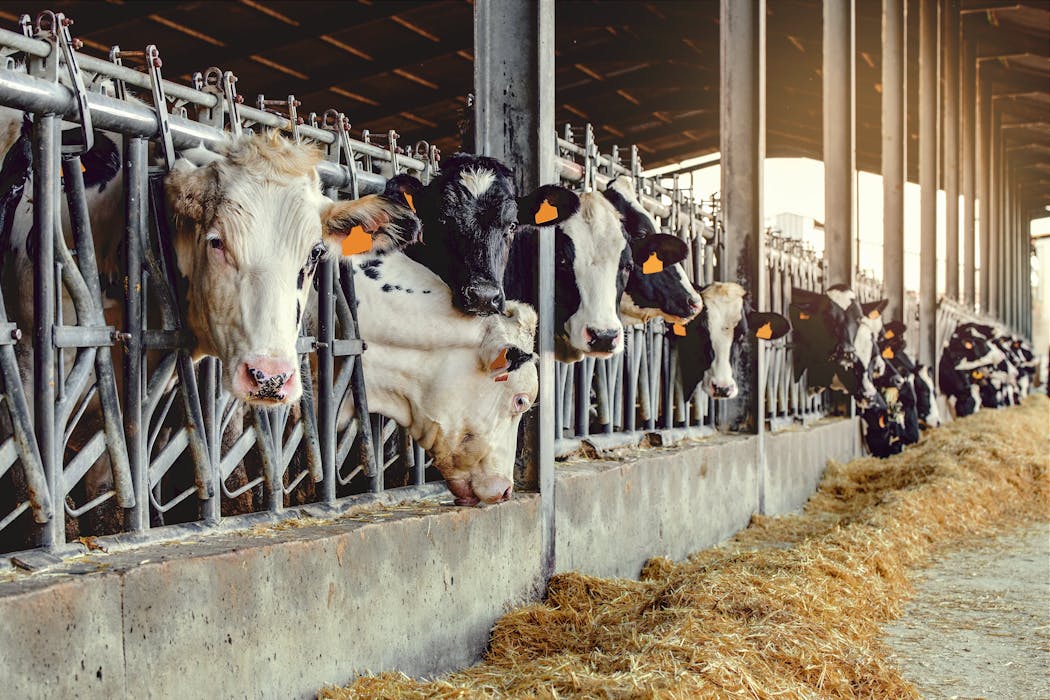
Relying heavily on contractors can cut attendance by 27% for museums, theaters and other arts nonprofits – new research

Source: The Conversation – USA (2) – By Hala Altamimi, Assistant professor of Public Administration, University of Kansas

Two researchers used attendance as a way to measure the groups’ success. MediaNews Group/Orange County Register via Getty Images

Many nonprofits face growing pressure from their donors and other funders to do more with less as their costs rise and their budgets don’t keep up. One way these organizations are responding is by trying to save money on their staffing by hiring contractors, consultants and temporary staff instead of full-time employees.

But those flexible labor arrangements can have drawbacks.

We are two nonprofit management scholars. We analyzed data collected from 2008-2018 that was drawn from 7,838 museums, theaters, community arts centers and other arts and cultural nonprofits across the country. As explained in studies published in two peer-reviewed journals around the same time, we identified a gap between the promise of flexible labor arrangements and their actual outcomes for arts and culture nonprofits.

First, we assessed the nonprofits’ operational performance using in-person attendance at theatrical performances, museum exhibits and other live events as a proxy for how well these nonprofits were delivering services and reaching their target audiences.

In one of the studies, published in July 2025 in the journal Public Management Review, we found that attendance for the groups that relied entirely on flexible labor was about 27% lower compared to those that relied instead on permanent, full-time employees. The attendance problem was more pronounced when nonprofits used contractors and other such arrangements for their core activities, including program delivery.

Operational performance was less affected when nonprofits used contractors only for administrative roles, such as IT or fundraising. In those cases, attendance was about the same as when the nonprofits employed permanent staff members for those jobs.

A big crowd gathers to hear musicians perform.
A crowd gathers at the ribbon-cutting ceremony of the Go-Go Museum & Cafe in Washington, D.C.’s Anacostia district on Nov. 18, 2024. The venue is a nonprofit.
Jahi Chikwendiu/The Washington Post via Getty Images

The picture wasn’t much better in terms of the nonprofits’ financial performance.

Our other study, published in June 2025 in Nonprofit Management & Leadership, found that while flexible labor may temporarily ease cash flow, it doesn’t improve long-term financial health.

In other words, while it may offer short-term relief, relying on flexible labor arrangements does not provide lasting financial benefits. It’s more of a Band-Aid than a cure.

We suspect that many nonprofits need employees with long-term commitments to their causes, communities and partners to succeed.

Why it matters

Flexible labor models are common in the private sector, where efficiency and cost-cutting are key performance metrics. Nonprofits, by contrast, generate value through trust, continuity and deep community relationships.

It takes time to build the necessary institutional knowledge and commitment required of strong nonprofit staff members.

Temporary staff members may not stick around long enough to build relationships or understand, let alone share, a nonprofit’s mission. When the person leading a youth program or managing community outreach is here today and gone tomorrow, that program’s quality will probably suffer.

The trust between a nonprofit and the people who benefit from it gets built through repeated, positive interactions. Because that trust can erode quickly, relying on flexible labor can be less useful for nonprofits than for-profit employers.

For most nonprofits, personnel costs are typically the largest part of a nonprofit’s budget, making them tempting to cut. But replacing permanent employees with contractors to save money risks cutting into the muscle of the organization, not just the fat.

What still isn’t known

We focused on arts and cultural nonprofits, which make up a majority of all arts groups. Almost 9 in 10 museums and visual arts institutions, 3 in 4 dance companies and about 6 in 10 theaters are nonprofits.

The advantages and disadvantages of using flexible labor arrangements may differ for other kinds of nonprofits, such as those engaged in health care or providing social services.

There could be other variables. Contractors who freely choose to not be a full-time, permanent employee – and are already familiar with the organization’s work and mission – may do their job much better than people with little relevant experience.

And because of data limitations, we grouped all flexible labor into a single category. Hiring independent contractors, on-call workers and temporary staff via contracting firms may have different effects on an organization’s performance.

The Conversation

The authors do not work for, consult, own shares in or receive funding from any company or organization that would benefit from this article, and have disclosed no relevant affiliations beyond their academic appointment.

ref. Relying heavily on contractors can cut attendance by 27% for museums, theaters and other arts nonprofits – new research – https://theconversation.com/relying-heavily-on-contractors-can-cut-attendance-by-27-for-museums-theaters-and-other-arts-nonprofits-new-research-266560

Navigating mental illness in the workplace can be fraught, but employees are entitled to accommodations

Source: The Conversation – USA (3) – By Julie Wolfe, Assistant Professor of Psychiatry, University of Colorado Anschutz Medical Campus

Coping with mental illness can make starting and completing simple tasks at work more difficult. Fiordaliso/Moment via Getty Images

Mental health challenges can affect anyone, regardless of background or circumstance, and they are becoming more common across the United States.

In 2022, a national survey found that about 60 million American adults – approximately 23% of the U.S. adult population – were living with a mental illness, defined as a diagnosable mental, emotional or behavioral disorder.

This translates to a nearly 37% increase over the past decade.

These conditions can have a profound and lasting effect on patients’ lives, including their ability to engage meaningfully and sustainably in the workforce.

Globally, depression and anxiety are estimated to lead to 12 billion lost working days annually, costing an estimated US$1 trillion per year in lost productivity worldwide and $47 billion in the United States.

I am a medical director and practicing psychiatrist. I work with graduate students, residents, faculty and staff on a health science campus, supporting their mental health – including when it intersects with challenges in the workplace.

I often meet with patients who feel unsure about how to approach conversations with their schools, programs or employers regarding their mental health, especially when it involves taking time off for care. This uncertainty can lead to delays in treatment, even when it’s truly needed.

Mental health by the numbers

Anxiety and depression are the most common mental health conditions in the U.S.. Nineteen percent of American adults suffer from an anxiety disorder, and more than 15% have depression.

Meanwhile, about 11% of Americans experience other conditions such as post-traumatic stress disorder, commonly known as PTSD, bipolar disorder, borderline personality disorder or obsessive-compulsive disorder.

Rates of anxiety and depression increased worldwide during the COVID-19 pandemic. But one positive consequence of the pandemic is that talking about mental health has become more normalized and less stigmatized, including in the workplace.

Struggling at work

For those with mental illness, the traditional expectation of maintaining a strict separation between personal and professional life is not only unrealistic, it may even be detrimental. The effect of mental illness on a person’s work varies depending on the type, severity and duration of their symptoms.

For instance, severe depression can affect basic self-care, making it difficult to complete tasks such as bathing, eating or even getting out of bed. Severe anxiety can also be profoundly debilitating and limit a person’s ability to leave the house due to intense fear or panic. The symptoms of such severe mental illness may make it difficult even to show up to work.

On the other hand, someone struggling with mild depression or anxiety may have a hard time initiating or completing tasks that they would typically manage with ease and find it difficult to interact with colleagues. Both depression and anxiety may affect sleep, which can contribute to cognitive lapses and increased fatigue during the work day.

Someone with PTSD may find that certain environments remind them of traumatic experiences, making it difficult to fully engage in their work. And a person experiencing a manic episode related to bipolar disorder might need to take time away from work entirely to focus on their stabilization and recovery.

Knowing when to ask for help

Identifying a trusted colleague, supervisor or human resources representative can be an important first step in managing your mental health at work. While selecting the right person to confide in may be challenging, especially given the vulnerability associated with disclosing mental health concerns, doing so can open pathways to appropriate resources and tailored support services.

For instance, it might encourage an employer to consider offering access to free or low-cost mental health care if it’s not already available, or to provide flexible scheduling that makes it easier for employees to get mental health treatment.

It’s also important to be aware of changes in your mental health. The earlier you can recognize signs of decline, the sooner you can get the support that you need, which might prevent symptoms from worsening.

On the other hand, sharing sensitive information with someone who is not equipped to respond appropriately could lead to unintended consequences, such as workplace gossip, unmet expectations and increased frustration due to perceived lack of support. However, even if your supervisor or manager is not understanding, that doesn’t change the fact that you have rights in the workplace.

In 2022, U.S. Surgeon General Vivek Murthy warned that American workplaces needed to change to better support employees’ well-being.

Consider exploring accommodations

The Americans with Disabilities Act provides critical protections for individuals with disabilities in the workplace. Under the act, it is unlawful for employers to discriminate against qualified individuals based on a disability.

The law also requires employers to provide reasonable accommodations so that people who qualify are able to participate fully in the workplace provided that they do not impose undue burden on the place of employment.

There are many reasonable accommodations for workers with mental illness. These can include protected time to attend mental health appointments and flexibility in work schedules and workplace.

For instance, if your job allows for it, working from home can be helpful. If your job requires being on site, a private work space is another reasonable accommodation. Someone with anxiety might find that working in a quiet, private space helps reduce distractions that trigger their symptoms, making it easier for them to stay focused and get things done.

Other possible accommodations include providing sick leave or flexible vacation time to use for mental health days or appointments, or allowing an employee to take breaks according to their individual needs rather than a fixed schedule. Employers can also provide support by offering equipment or technology such as white noise machines or dictation software.

The role of the workplace

An organization’s commitment to supporting employee mental health can play a large role in shaping how well employees perform at work – and, ultimately, the organization’s success.

Relying on individual employees to manage their mental health is not a sustainable long-term strategy for employers and may lead to significant workplace disruptions, such as more missed work days and lower productivity.

Studies show that when employers lead targeted initiatives promoting mental health, overall workplace functioning and resilience improve. These initiatives might include educating employees on mental health, providing accessible care, helping employees have better work-life balance and designing supportive workplace policies for those who are struggling. These steps help reduce stigma and signal to employees that it’s safe to seek support.

The Conversation

Julie Wolfe does not work for, consult, own shares in or receive funding from any company or organization that would benefit from this article, and has disclosed no relevant affiliations beyond their academic appointment.

ref. Navigating mental illness in the workplace can be fraught, but employees are entitled to accommodations – https://theconversation.com/navigating-mental-illness-in-the-workplace-can-be-fraught-but-employees-are-entitled-to-accommodations-259802

La qualité des médicaments anticancéreux en Afrique est préoccupante : une étude dans 4 pays sonne l’alerte

Source: The Conversation – in French – By Marya Lieberman, Nancy Dee Professor, Department of Chemistry and Biochemistry, University of Notre Dame

Plus de 800 000 personnes sur le continent sont diagnostiquées chaque année avec un cancer. Le nombre de personnes recevant un traitement contre cette maladie a considérablement augmenté au cours de la dernière décennie dans de nombreux pays africains. Par exemple, il y a dix ans, en Éthiopie et au Kenya, seuls quelques milliers de patients par an pouvaient bénéficier de soins contre le cancer dans quelques hôpitaux. Aujourd’hui, plus de 75 000 personnes reçoivent un traitement contre le cancer chaque année dans ces deux pays.

Mais les agences de réglementation des médicaments de nombreux pays n’ont pas la capacité de mesurer la qualité des médicaments anticancéreux. Cela pose deux problèmes majeurs. Premièrement, le coût élevé des médicaments incite à opter pour des médicaments non homologués. Deuxièmement, certains de ces médicaments sont très toxiques.

La forte demande, combinée à un manque de contrôle réglementaire, crée un terrain propice à la circulation de médicaments de qualité inférieure ou contrefaits. Des rapports inquiétants font état de ce type de produits causant des dommages aux patients dans plusieurs pays, notamment au Brésil, aux États-Unis et au Kenya. Mais aucune étude systématique sur la qualité des médicaments anticancéreux dans les pays à revenu faible et intermédiaire n’a été réalisée. Par conséquent, on sait peu de choses sur la qualité des médicaments utilisés pour traiter le cancer en Afrique.

Je suis chercheur en cancérologie aux États-Unis et je développe des technologies permettant de détecter les médicaments de qualité inférieure ou contrefaits dans les milieux défavorisés. En 2017, j’ai collaboré avec Ayenew Ashenef de l’université d’Addis-Abeba pour tester un dispositif conçu pour évaluer la qualité des médicaments anticancéreux. Nous avons été consternés de constater que la plupart des médicaments utilisés dans un hôpital en Éthiopie étaient de qualité inférieure. Nous avons alors élargi l’étude.

Ce que révèle notre étude dans 4 pays africains

Notre récente étude a examiné la qualité de sept médicaments anticancéreux dans quatre pays africains. Il s’agissait du cisplatine, de l’oxaliplatine, du méthotrexate, de la doxorubicine, du cyclophosphamide, de l’ifosfamide et de la leucovorine. La plupart de ces médicaments sont administrés aux patients par voie intraveineuse. Ils sont utilisés pour traiter le cancer du sein, le cancer du col de l’utérus, les cancers du cerveau et du cou, les cancers du système digestif et de nombreux autres types de cancers. Certains sont également utilisés pour traiter des maladies auto-immunes telles que le lupus.

Les membres de notre équipe de recherche ont collecté 251 produits anticancéreux au Cameroun, en Éthiopie, au Kenya et au Malawi en 2023 et 2024. Les échantillons provenaient de 12 hôpitaux et de 25 pharmacies publiques ou privées. Certains ont été achetés discrètement, d’autres de façon ouverte.

Nous avons analysé la teneur en principe actif de chaque médicament.

Nous avons alors découvert des médicaments anticancéreux de qualité inférieure ou falsifiés dans les quatre pays. Nous avons découvert que 32 (17 %) des 191 lots uniques de sept produits anticancéreux ne contenaient pas la quantité correcte de principe actif pharmaceutique. Des produits de qualité inférieure ou contrefaits étaient présents dans les principaux hôpitaux spécialisés sur le cancer et sur le marché privé dans ces quatre pays.

D’après nos conclusions, il est clair que les praticiens en oncologie et les systèmes de santé en Afrique subsaharienne doivent être conscients de la présence possible de produits anticancéreux de qualité inférieure dans leurs stocks. Nous recommandons donc de renforcer les systèmes de réglementation afin d’assurer une meilleure surveillance.

Comment nous avons testé la qualité des médicaments

Pour mesurer la quantité de principe actif présent dans un flacon ou un comprimé, nous avons utilisé la chromatographie liquide haute performance, ou CLHP. Cette technique permet de séparer et de quantifier les molécules et constitue la méthode de référence pour tester la quantité de principes actifs dans les comprimés, les gélules et les flacons de médicaments.

Avant de préparer les médicaments pour l’analyse, nous avons inspecté les médicaments et leurs emballages. Nous avons ensuite utilisé la HPLC pour mesurer la quantité d’ingrédient pharmaceutique actif présent afin de vérifier si elle correspondait à celle indiquée sur l’étiquette. Chaque produit pharmaceutique a une plage de dosage cible qui est définie dans sa monographie pharmacopée. Celle-ci correspond généralement à 90 %-110 % de la quantité d’ingrédient pharmaceutique actif indiquée sur l’emballage. Ainsi, par exemple, si un flacon indique contenir 100 milligrammes de doxorubicine, il est toujours considéré comme étant de « bonne qualité » s’il contient 93 milligrammes de doxorubicine, mais pas s’il en contient 38 mg ou 127 mg.

Sur les 191 numéros de lot uniques, 32 ont échoué au test, soit environ un sur six.

Plusieurs fabricants ont vu leurs produits échouer au test à des taux plus élevés. Il n’y avait pas de différences significatives dans le taux d’échec des produits collectés dans différents pays, dans les hôpitaux par rapport aux pharmacies, ou même pour les produits testés après leur date d’expiration par rapport à ceux testés avant leur date d’expiration.

La plupart des pays africains utilisent l’inspection visuelle pour identifier les médicaments anticancéreux suspects. De tels produits peuvent échouer à l’inspection visuelle s’ils ont une couleur incorrecte après reconstitution, s’ils contiennent des particules visibles ou s’il y a des irrégularités liées à l’emballage. Or, de manière surprenante, notre étude a montré que les produits ayant échoué au test de chromatographie liquide haute performance ne pouvaient être distingués visuellement des produits qui ont réussi le test. Seuls 3 des 32 produits ayant échoué présentaient des irrégularités visibles.

Les perspectives

La situation que nous avons mise au jour est probablement similaire dans d’autres pays à faible revenu. Nous espérons que la communauté scientifique mondiale accordera davantage d’attention à la qualité de cette catégorie de médicaments en intensifiant la recherche. C’est ce qui a été fait pour les antipaludiques dans les années 2000, ce qui a permis d’améliorer considérablement la qualité de ces médicaments.

Les informations sur la qualité des médicaments anticancéreux sont essentielles, car la chimiothérapie contre le cancer repose sur un équilibre très délicat : tuer les cellules cancéreuses sans mettre la vie du patient en danger. Si la dose administrée au patient est trop importante, celui-ci peut subir les effets secondaires toxiques du médicament. Si la dose est trop faible, le cancer peut continuer à se développer ou à se propager à d’autres parties du corps, et le patient peut alors perdre sa précieuse chance de guérison.

Nous avons partagé nos conclusions avec les autorités de réglementation des quatre pays où les échantillons ont été prélevés et nous nous efforçons de renforcer les capacités de surveillance post-commercialisation de ces médicaments essentiels.

The Conversation

Marya Lieberman reçoit un financement des National Institutes of Health (NIH) des États-Unis. Les recherches présentées dans cette publication ont été soutenues par le National Cancer Institute des NIH sous le numéro de subvention U01CA269195. Le contenu relève de la seule responsabilité de l’auteur et ne reflète pas nécessairement les opinions officielles des NIH.

ref. La qualité des médicaments anticancéreux en Afrique est préoccupante : une étude dans 4 pays sonne l’alerte – https://theconversation.com/la-qualite-des-medicaments-anticancereux-en-afrique-est-preoccupante-une-etude-dans-4-pays-sonne-lalerte-268235

La selección: ¿cómo arreglamos el sistema alimentario?

Source: The Conversation – (in Spanish) – By Lucía Caballero, Coordinadora internacional / Editora de Medio Ambiente y Energía, The Conversation

Perpis/Shutterstock

Somos más de ocho millones de humanos en la Tierra. Más de ocho millones de personas que necesitan comer todos los días. Afortunadamente, hemos desarrollado diferentes avances científicos y técnicos que nos han permitido producir y distribuir alimentos por gran parte del mundo, pero el coste ambiental ha sido enorme: la agricultura y la ganadería generan abundantes emisiones de gases de efecto invernadero, consumen mucha agua y provocan pérdida de biodiversidad, contaminación y deforestación.

La huella que deja este modelo en el planeta es insostenible, pero hay un amplio margen para el cambio.

Menos desperdicio y fertilizantes más eficientes

Una forma de mejora consiste en reducir el desperdicio. Ahora mismo, tiramos a la basura un tercio de los alimentos producidos en todo el mundo, tanto por parte de la industria como en los hogares. Y con ellos, desperdiciamos los recursos empleados para generarlos. Para frenar esta tendencia es necesario actuar en todos los niveles de la cadena alimentaria, desde el usuario final hasta los agricultores y distribuidores.

Otras estrategias se centran en modificar las prácticas agrícolas, por ejemplo, con una fertilización más eficiente (el nitrógeno no utilizado por las plantas contamina el suelo, la atmósfera y el agua), reduciendo la necesidad de riego y cuidando la salud del suelo y la biodiversidad.

También en el caso de la ganadería, es posible reducir el consumo de agua y priorizar las prácticas de pastoreo frente al modelo industrial.

Mayor consumo de algas e insectos

Incluir más productos vegetales y marinos, y disminuir el consumo de aquellos de origen animal en nuestra dieta, contribuye a limitar las emisiones de gases de efecto invernadero del sistema alimentario.

Pero además, existen otras alternativas más allá de los alimentos tradicionales. Por ejemplo, las algas y las microalgas constituyen fuentes interesantes de nutrientes cuya obtención tiene un bajo impacto ambiental (no requieren tierra cultivable, fertilizantes ni agua dulce) y puede, de hecho, contribuir a mitigar el cambio climático y la acidificación de los océanos.

Los insectos suponen otra opción innovadora con una baja huella ecológica. Su cría requiere menos recursos, emite menos gases de efecto invernadero y genera menos desechos que las fuentes tradicionales de proteína animal. La industria en torno a este alimento está creciendo considerablemente, y en Europa ya se han aprobado cuatro especies para el consumo humano.

Solo cambiando el actual esquema de producción y consumo de alimentos podremos alcanzar los objetivos de reducción de emisiones y de conservación de la biodiversidad, y garantizar la seguridad alimentaria de una población en constante crecimiento.

The Conversation

ref. La selección: ¿cómo arreglamos el sistema alimentario? – https://theconversation.com/la-seleccion-como-arreglamos-el-sistema-alimentario-267799

Cambio de hora: dos de invierno, por favor

Source: The Conversation – (in Spanish) – By Daniel Gabaldón Estevan, Profesor Titular de Universidad, Sociología, Universitat de València

New Africa/Shutterstock

Desde que el pasado lunes el presidente del Gobierno de España, Pedro Sánchez, expresara su determinación de retomar el abandono del cambio horario en la UE se ha avivado el debate sobre si es mejor quedarse con el llamado horario de invierno o con el de verano. Los cronobiólogos denuncian que al ser preguntados, muchos ciudadanos eligen el segundo porque lo asocian con días más largos y más luminosos. Pero lo cierto es que elijamos el que elijamos, los días de invierno serán igual de cortos que siempre.

Cómo erradicar para siempre el cambio de hora

Necesariamente, el debate ha de ser otro, y es que en el caso de España deberíamos acumular dos cambios sucesivos de invierno (y ninguno de verano) hasta quedarnos en la zona horaria que nos corresponde. Y entonces podremos erradicar para siempre el cambio de hora.

Y esto es así porque España es el país europeo donde la discordancia entre la hora oficial y la hora solar es más extrema. Esto lo expresaron muy bien Till Roenneberg, Eva C. Winnebeck y Elizabeth B Klerman con el gráfico que reproducimos abajo, y que pueden comprobar los lectores descargándose en el móvil cualquier aplicación que les indique la hora solar de la ubicación en la que se encuentren.

Mapa de Europa dónde las zonas horarias solares reales se dibujan con fondos codificados por colores, y las zonas horarias sociales se muestran con los mismos colores (más intensos) al frente. Incluso con el horario estándar, las zonas occidentales de las zonas horarias sociales están muy alejadas de los límites orientales de las zonas horarias solares (A); esta discrepancia aumenta en 1 hora con el horario de verano (B). Una solución al problema (C): las fronteras políticas de Europa son ideales para la correcta separación cronobiológica de las zonas horarias, de modo que en ninguna zona de Europa el reloj social tenga una discrepancia con el reloj solar de más de 30 minutos.
© 2019 Roenneberg, Winnebeck and Klerman, CC BY

Doble adelanto

De los dos adelantos respecto del huso horario que nos corresponde en España (la franja amarilla en el mapa), uno es permanente y el otro estacional, y tienen su origen en dos momentos históricos bien reconocibles.

El adelanto permanente de una hora se estableció en 1940 al fijar de manera arbitraria que la hora oficial en la España peninsular, Baleares, Ceuta y Melilla fuese la que corresponde al huso horario de Centroeuropa (GTM+1). Así se abandonaba el huso del meridiano de Greenwich (GTM) que nos corresponde por ubicación geográfica (y adelantando, a su vez, a GTM el horario de Canarias, que hasta aquel momento se situaba correctamente en GTM-1).

El segundo adelanto –de carácter intermitente y con antecedentes durante algunos periodos del primer tercio del siglo XX– se consolidó con la llamada crisis del petróleo de 1973. Este segundo cambio trataba de reducir la factura energética (obviando las consecuencias para la salud de tal desfase horario) y es al que asociamos el cambio de hora recurrente que ahora se plantea eliminar. Pero como hemos visto, es solo la mitad del problema.

El mito de que en España se come más tarde

Una comparación de España con otro país mediterráneo como Italia –a una hora solar de diferencia, pero con el mismo horario oficial– nos muestra que realizamos las comidas principales una hora oficial más tarde pero a la misma en términos de hora solar. Esto viene a demostrar que el mito de que en España se come más tarde que en el resto de Europa se mantiene solo porque vivimos en una ficción horaria: el hambre tiene un fuerte componente circadiano.

Distribución diaria de las principales actividades para la población italiana (parte superior) y española (parte inferior) de entre 10 y 70 años de edad.
Del artículo ‘A deshora en la escuela’, Daniel Gabaldón Estevan. Publicado en la revista RASE (2021)

Así, cuando alguien en España dice que come a las 14:00 en realidad lo hace a las 13:00 hora solar (con el horario de invierno) o a las 12:00 hora solar (con el de verano), como en la inmensa mayoría de países europeos, también en el sur.

Jet lag social

Lo que sí nos diferencia de Italia es que el reloj social nos presiona para comenzar el día antes. Hay más gente en España que se ve forzada a madrugar en exceso y a no descansar lo suficiente.

En este punto, es importante señalar que lo que provoca problemas de salud, de accidentes de tráfico, de rendimiento escolar y de productividad laboral es la disrupción entre el reloj interno de las personas y el reloj social. El primero depende de la edad, factores genéticos y ambientales, y su mayor sincronizador es la potente luz solar que recibimos cada día a través de los ojos. Por su parte, el reloj social se manifiesta a través de compromisos como los horarios laborales o escolares que nos disciplinan para coordinarnos con otros miembros de nuestra sociedad y que generalmente requiere el uso de despertadores.

A la discrepancia entre ambas se le denomina jet lag social porque el efecto es parecido al que se produce cuando nos desplazamos entre zonas horarias y que requiere algunos días hasta aclimatarnos al nuevo huso horario. A diferencia de lo que ocurre en los viajes, al jet lag social no nos habituamos nunca porque, aunque nos despertemos con un despertador que muestra la hora solar de Varsovia (en invierno) o Kiev (en verano), nuestro organismo se sincroniza en realidad cada día con la hora solar del lugar donde vivimos.

Tal desajuste afecta de manera notable, pero no exclusiva, a la población escolar, ya que esta retrasa de manera natural su ciclo circadiano durante la pubertad y la adolescencia, generando un déficit de sueño crónico que afecta a su salud, su bienestar y su rendimiento.

The Conversation

Daniel Gabaldón Estevan recibe fondos de la Agencia Estatatl de Investigación y de la Generalitat Valenciana a través del proyecto PID2021-126846NA-I00/AE/10.13039/501100011033 y CIACO/2023/120 (Des)ajuste de cronotipo del alumnado
y la organización del tiempo escolar: sus efectos en la salud, el aprendizaje, el uso del tiempo y la satisfacción (Kairos).

ref. Cambio de hora: dos de invierno, por favor – https://theconversation.com/cambio-de-hora-dos-de-invierno-por-favor-268223

Pourquoi Halloween commence-t-elle beaucoup plus tôt chaque année ?

Source: The Conversation – in French – By Jay L. Zagorsky, Associate Professor Questrom School of Business, Boston University

Halloween trouve ses racines dans une fête celtique honorant les morts. 12Studio/shutterstock

Autrefois fête modeste d’automne, Halloween s’est transformée en un phénomène commercial qui s’étend sur une période de plus en plus longue. On peut difficilement blâmer les commerçants.


Halloween est une période amusante et effrayante pour les enfants et les adultes, mais pourquoi cette période semble-t-elle commencer beaucoup plus tôt chaque année ? Il y a des décennies, quand j’étais jeune, Halloween était une fête concentrée sur quelques jours, et les gens ne commençaient à se préparer qu’à la mi-octobre. Aujourd’hui, dans mon quartier près de l’endroit où j’ai grandi dans le Massachusetts, les décorations d’Halloween commencent à apparaître au milieu de l’été.

Ce qui a changé, ce n’est pas seulement le moment où nous célébrons, mais comment : Halloween est passée d’une simple tradition folklorique à un événement commercial massif. En tant que professeur d’école de commerce qui étudie l’économie des vacances depuis des années, je suis stupéfait par la façon dont le business d’Halloween s’est développé. Et comprendre l’ampleur de cette fête commerciale peut aider à expliquer pourquoi elle commence de plus en plus tôt.

Le business d’Halloween

Les racines d’Halloween sont à chercher du côté d’une fête celtique honorant les morts, plus tard adaptée par l’Église catholique comme un moment pour se souvenir des saints. Aujourd’hui, il s’agit en grande partie d’une célébration laïque — une célébration qui donne aux gens de tous horizons une chance de se déguiser, de s’engager dans la fantaisie et d’affronter leurs peurs en toute sécurité.

Ce large attrait a alimenté une croissance explosive. Depuis 2005, la National Retail Federation a interrogé les Américains sur leurs projets pour Halloween chaque mois de septembre. À l’époque, un peu plus de la moitié des Américains ont déclaré qu’ils prévoyaient de célébrer. En 2025, près des trois quarts ont dit qu’ils le feraient — un bond énorme en 20 ans.

Et les gens prévoient de débourser plus d’argent que jamais. Selon la fédération, les dépenses totales pour Halloween devraient atteindre un record de 13 milliards de dollars cette année, soit près de quatre fois plus qu’au cours des deux dernières décennies. En tenant compte de l’inflation et de la croissance démographique, j’ai constaté que l’États-unien moyen dépensera environ 38 dollars pour Halloween cette année – contre seulement 18 dollars par personne en 2005. C’est beaucoup de maïs sucré.

Les importations de bonbons montrent une tendance similaire. Septembre a longtemps été le mois clé pour le commerce des bonbons, avec des importations d’environ un cinquième plus élevées que pendant le reste de l’année. En septembre 2005, les États-Unis ont importé environ 250 millions de dollars de ces sucreries. En septembre 2024, ce chiffre avait triplé pour atteindre environ 750 millions de dollars.

Cela fait partie d’une tendance plus large d’Halloween qui devient un évènement beaucoup plus professionnalisé. Par exemple, quand j’étais enfant, il n’était pas rare que les familles distribuent des brownies, des pommes confites et d’autres friandises faites maison aux enfants. Mais en raison de problèmes de sécurité et d’allergies alimentaires, pendant des décennies, les Américains ont été avertis de s’en tenir à des bonbons produits en masse et emballés individuellement.

Le même changement s’est produit avec les costumes. Il y a des années, beaucoup de gens fabriquaient le leur. Aujourd’hui, les costumes achetés en magasin deviennent majoritaires – même pour les animaux de compagnie.

Pourquoi Halloween continue de commencer plus tôt

Bien qu’aucune recherche définitive n’établisse pourquoi la fête d’Halloween commence plus tôt chaque année, l’augmentation des dépenses commerciales pourrait être l’un des principaux facteurs.

Les produits d’Halloween sont saisonniers, ce qui signifie que personne ne veut acheter des squelettes en plastique géants le 1er novembre. À mesure que les dépenses totales augmentent, les commerçants commandent plus de stocks et le coût de stockage de quantités toujours plus importantes d’articles invendus jusqu’à l’année prochaine devient une variable plus importante.

Une fois que le retour sur investissement d’une saison devient suffisamment important, les commerçants commencent à commander et à exposer des marchandises bien avant qu’elles ne soient réellement nécessaires. Par exemple, les manteaux d’hiver commencent à apparaître dans les magasins au début de l’automne et disparaissent généralement lorsque la neige commence à tomber. C’est la même chose avec Halloween : les commerçants sortent les marchandises tôt pour s’assurer qu’elles ne soient pas coincées avec des marchandises invendues une fois la saison terminée.

De plus, ils fixent souvent des prix stratégiques, en facturant le prix fort lorsque les articles arrivent pour la première fois sur les étagères, en attirant les acheteurs précoces, impatients, puis en baissant les prix à l’approche des vacances. Cela permet de vider les étagères et les entrepôts et de faire de la place pour la prochaine saison.

Au cours des deux dernières décennies, Halloween est devenue une fête commerciale de plus en plus importante. L’augmentation du nombre de personnes profitant des vacances et l’augmentation des dépenses ont fait d’Halloween un régal géant pour les entreprises. L’enjeu pour les commerçants est d’empêcher son commencement avant le 4 juillet…

The Conversation

Jay L. Zagorsky ne travaille pas, ne conseille pas, ne possède pas de parts, ne reçoit pas de fonds d’une organisation qui pourrait tirer profit de cet article, et n’a déclaré aucune autre affiliation que son organisme de recherche.

ref. Pourquoi Halloween commence-t-elle beaucoup plus tôt chaque année ? – https://theconversation.com/pourquoi-halloween-commence-t-elle-beaucoup-plus-tot-chaque-annee-268306

Blue Jays fever sets in as Canada readies for the World Series for the first time in 32 years

Source: The Conversation – Canada – By Russell Field, Associate Professor, Sport and Physical Activity, University of Manitoba

Late on an October Monday night, George Springer smashed a three-run homer to send nearly 45,000 fans in Toronto’s Rogers Centre — and a record national television audience — into a frenzy.

Six outs later, the Blue Jays had qualified for the 2025 World Series against the defending champion Los Angeles Dodgers.

It had the feeling of a denouement. Yet, like other famed home runs in Blue Jays history, Springer’s blast was just one step in the long journey through baseball’s three playoff rounds.

Edwin Encarnacion’s extra-inning walk-off homer against the Baltimore Orioles in 2016 only won an elimination wildcard game.

A year earlier, Jose Bautista’s then-audacious bat flip followed a dramatic home run — also like Springer’s hit in the seventh inning — that moved the Blue Jays onto the same championship series round that they had not won since 1993. Until this year.

The enduring legacy of 1993

Invoking 1993 holds special resonance for Blue Jays fans. It’s the last time the team won, let alone reached, the World Series.

That year produced the most dramatic home run in team history. Joe Carter’s Game 6, ninth-inning, three-run blast to left field was only the second time a World Series had ended with a walk-off home run. It clinched the team’s second straight championship.

It is easy to tell the story of the Blue Jays through the lens of dramatic game-winning home runs. However, the context of the team’s championships —and near misses — offers a more nuanced tale.

Building a contending team

Toronto, thanks to funding from Labatt Breweries, was granted an American League expansion franchise in 1977, alongside the Seattle Mariners — the team Toronto just vanquished in the championship series this year. The Mariners remain the only current franchise never to have played in a World Series.

Following a handful of dire losing seasons, Blue Jays management earned a reputation for talent development. The first crop of stars — Dave Stieb, George Bell and Tony Fernandez — won a division championship in the team’s ninth season. They fell one game short of qualifying for the World Series, losing the only seventh game in a post-season series in franchise history prior to this year.

That team played in an open-air, refurbished football stadium. Fans chilled by the cool breezes off Lake Ontario did not enjoy the irony of cheering on their brewery-owned team in a venue where beer sales were prohibited by provincial edict.

Modernity came to Toronto in 1989 when the team moved into SkyDome, a then-state-of the-art domed stadium complete with retractable roof (and by then, beer vendors) that was funded and operated by a public-private partnership.

After playoff disappointments in 1989 and 1991, that generation of Blue Jays stars broke through in 1992 to reach the World Series for the first time. Prior to the second game at Atlanta’s Fulton County Stadium, the U.S. Marine Corps colour guard walked onto the field with the Canadian flag flying upside down.

The controversy was integrated into circulating narratives that Americans did not respect Canadian teams. It is a still-perpetuated trope: the Toronto Star has spent this playoff run reporting on “what the U.S. media said” about Blue Jays’ victories, as though that matters.

The Blue Jays 2025 success — realizing the promise of a new generation of star prospects headlined by Vladimir Guererro Jr. and Bo Bichette — has rekindled memories of these past glories: the first winning teams of the 1980s, the back-to-back champions in 1992-93 and the bravado of the Bautista-Encarnacion-Josh Donaldson teams from a decade ago.

Lost in this pantheon of star players and dramatic moments, however, is the two decades of mediocrity that followed the heights of the Carter home run.

Changes in corporate ownership

The Blue Jays core aged or moved on and Labatt’s was purchased by the Belgian conglomerate, Interbrew SA.

A more dispassionate, bottom-line ownership led to teams that failed to reap the talents of Hall of Famers like Roy Halladay and major stars like Carlos Delgado and Shawn Green.

Rogers Communications purchased 80 per cent of the Blue Jays in 2000, with Interbrew retaining 20 per cent. The on-field performance changed little, but the business model evolved significantly.

Rogers acquired the remaining 20 per cent of the team in July 2004. Before the year was out, it had gained control of SkyDome for $25 million, a fraction of the $600 million that the stadium has cost to build only 15 years earlier. Now fully privately owned, it was renamed the Rogers Centre.

Today, the Blue Jays reflect the vertical integration of modern commercial sports. The team is the primary tenant in a stadium operated by their owners. Their games are broadcast on television channels, radio stations and streaming services owned and operated by Rogers Communications. These channels market other Rogers-owned content during Blue Jays games.

Meanwhile, fans consume this content on cable subscriptions and internet services that are Rogers’ core businesses. The newest extension of this revenue-generation model is the increasing prominence of sports betting, which is integrated fully into broadcasts by on-screen commentators providing odds as though delivering sports “news,” not paid advertising

Canada’s team

The production and circulation of dominant narratives is a consequence of such a structure, what sociologist David Whitson termed “circuits of promotion.”

One of the most powerful is that the support for the Blue Jays is nationwide. They are Canada’s team. There is an element of truth to this. The Blue Jays’ fan base is considerable, particularly when they are winning.

But this is also a marketing construct — one that benefits from the Blue Jays being the only remaining Canadian-based team in a U.S.-operated professional sports league. This would be a much harder narrative to sell if the Montreal Expos were not now the Washington Nationals, and it is not entirely novel.


Read more:
Toronto Blue Jays: Amid Canada-U.S. tensions, ‘Canada’s team’ is excelling at America’s pastime


Basketball’s Toronto Raptors, themselves the beneficiaries of the relocation of the Vancouver Grizzlies, capitalized on both the team’s appeal as well as its monopoly on Canadian markets with its wildly popular 2019 marketing campaign, “We The North.”

Come Friday night, when Trey Yesavage throws the first pitch of the 2025 World Series, the absence of other Canadian-based teams and the centralization of media outlets in Toronto will ensure there will be a ready (and passionate) audience across the country all ready to chant: “Let’s go, Blue Jays!”

The Conversation

Russell Field does not work for, consult, own shares in or receive funding from any company or organisation that would benefit from this article, and has disclosed no relevant affiliations beyond their academic appointment.

ref. Blue Jays fever sets in as Canada readies for the World Series for the first time in 32 years – https://theconversation.com/blue-jays-fever-sets-in-as-canada-readies-for-the-world-series-for-the-first-time-in-32-years-267943

2 iconic coral species are now functionally extinct off Florida, study finds – we witnessed the reef’s bleaching and devastation

Source: The Conversation – USA (2) – By Carly D. Kenkel, Associate Professor of Biological Sciences, University of Southern California

Healthy staghorn coral were crucial builders of Florida’s coral reef. Today, few survive there. Maya Gomez

In early June 2023, the coral reefs in the lower Florida Keys and the Dry Tortugas were stunning. We were in diving gear, checking up on hundreds of corals we had transplanted as part of our experiments. The corals’ classic orange-brown colors showed they were thriving.

Just three weeks later, we got a call – a marine heat wave was building, and water temperatures on the reef were dangerously high. Our transplanted corals were bleaching under the heat stress, turning bone white. Some were already dead.

Two photos show staghorn coral before after bleaching of a few weeks. The live coral is a mustard color. The bleached corals are a ghostly bone white.
Staghorn corals in a lower Florida Keys transplant experiment that were healthy in June 2023 had bleached white in July.
Erich Bartels, Joe Kuehl/Mote Marine Laboratory

That was the start of a global mass bleaching event. As ocean temperatures rose, rescuers scrambled to relocate surviving corals to land-based tanks, but the heat wave, extending over 2023 and 2024, was lethal.

In a study published Oct. 23, 2025, in the journal Science, we and colleagues from NOAA, the Shedd Aquarium and other institutions found that two of Florida’s most important and iconic reef-building coral species had become functionally extinct across Florida’s coral reef, meaning too few of them remain to serve their previous ecological role.

No chance to recover

In summer 2023, the average sea-surface temperature across Florida’s reef was above 87 degrees Fahrenheit (31 degrees Celsius) for weeks. We found that the accumulated heat stress on the corals was 2.2 to 4 times higher than it had ever been since modern satellite sea-surface temperature recordings began in the 1980s, a time when those two species – branching staghorn and elkhorn corals – were the dominant reef-builders in the region.

A map showing Florida Keys sea surface temperature more than 7 degrees Fahrenheit (4 degree Celsius) warmer than average
A sea-surface temperature map from mid-July 2023 shows the extraordinary heat around the Florida Keys.
NOAA Coral Reef Watch

The temperatures were so high in the middle and lower Florida Keys that some corals died within days from acute heat shock.

Everywhere on the reef, corals were bleaching. That occurs when temperatures rise high enough that the coral expels its symbiotic algae, turning stark white. The corals rely on these algae for food, a solar-powered energy supply that allows them to build their massive calcium carbonate skeletons, which we know as coral reefs.

How coral bleaching occurs. Great Barrier Reef Marine Park Authority

These reefs are valuable. They help protect coastal areas during storms, provide safety for young fish and provide habitat for thousands of species. They generate millions of dollars in tourism revenue in places like the Florida Keys. However, the symbiotic relationship between the coral animal and the algae that supports these incredible ecosystems can be disrupted when temperatures rise about 2 to 3 degrees Fahrenheit (1 to 2 degrees Celsius) above the normal summer maximum.

By the end of summer 2023, only three of the 200 corals we had transplanted in the Lower Keys to study how corals grow survived.

In the Dry Tortugas, corals’ bone-white skeletons were already being grown over by seaweed. That’s a warning sign of a potential phase shift, where reefs change from coral-dominated to macroalgae-dominated systems.

Time lapse of a coral branch bleaching under heat stress over a month. Each tiny polyp is one appendage of the coral animal. The structure turns white as the corals lose their symbiotic algae. Reefscapers Maldives

Our colleagues observed similar patterns across the Florida Keys: Acroporid corals – staghorn and elkhorn – suffered staggering levels of bleaching and death.

Of the more than 50,000 acroporid corals surveyed across nearly 400 individual reefs before and after the heat wave, 97.8% to 100% ultimately died. Those farther north and offshore in cooler water fared somewhat better.

But this pattern of bleaching extended to the rest of the Caribbean and the world, leading NOAA to declare 2023-2024 the fourth global bleaching event. This type of mass bleaching, in which stress and mortality occur almost simultaneously across locations around the world, points to a common environmental driver.

Ghost-white coral branches among darker ones with fish swimming above.
A bleached and dead staghorn coral thicket in the Dry Tortugas, already being overgrown by seaweed in September 2023. The corals had been healthy a few months earlier.
Maya Gomez

In the summer of 2023, that environmental driver was clearly soaring water temperatures caused by climate change.

Becoming functionally extinct

Even before the 2023 marine heat wave, staghorn and elkhorn numbers had been dwindling, with punctuated declines accelerated by a diverse array of stressors – hurricane damage, loss of supporting herbivore species, disease and repeated bleaching.

The 2023-2024 event was effectively the final nail in the coffin: The data from our new study shows that these species are now functionally extinct on Florida’s coral reef.

Caribbean acroporids have not entirely disappeared in Florida, but those left are not enough to fulfill their ecological role. When populations become too small, they lose their capacity to rebound – in conservation biology this is known as the “extinction vortex.” With so few individuals, it becomes harder to find a mate, and even when one is found, it’s more likely to be a relative, which has negative genetic consequences.

Golden colored corals shaped like an elk's antlers
Live elkhorn coral, Acropora palmata, off Florida before the marine heat wave.
NOAA Fisheries
A side view of bleached-white elkhorn coral
A bleached colony of elkhorn coral in Dry Tortugas National Park off Florida on Sept. 11, 2023.
Shedd Aquarium/Ross Cunning

For an ecosystem-builder like coral, many individuals are required to build an effective reef. Even if the remaining corals were the healthiest and most thermally tolerant of the bunch – they did survive, after all – there are simply not enough of them left to recover on their own.

Can the corals be saved?

Florida’s acroporids have joined the ranks of the California condor – they cannot recover without help. But unlike the condor, there are still pockets of healthy corals scattered throughout their broader range that could be used to help restore areas with localized extinctions.

The surviving corals in Florida could be bred with other Caribbean populations to boost their numbers and increase genetic diversity, an approach known as assisted gene flow.

A diver with a camera and a box around a small coral branch.
Maya Gomez, one of the authors of this article and the study, takes photos of transplanted corals off Florida.
Jenna Dilworth

Advancements in microfragmentation, a way to speed up coral propagation by cutting them into smaller pieces, and cryopreservation, which involves deep-freezing coral sperm to preserve their genetic diversity, have made it possible to mass produce, archive and exchange genetic diversity at a scale that would not have been possible just 10 years ago.

Restoration isn’t easy, though. From a policy perspective, coordinating international exchange of endangered species is complex. There is still disagreement about the capacity to scale up reef restoration to recover entire ecosystems. And the question remains: Even if we could succeed in restoring these reefs, would we be planting corals just in time for the next heat wave to knock them down again?

This is a real risk, because ocean temperatures are rising. There is broad consensus that the world must curb the carbon emissions contributing to increased ocean temperatures for restoration to succeed.

Climate change poses an existential threat to coral reefs, but these advancements, in concert with effective and timely action to curb greenhouse gas emissions, could give them a fighting chance.

The Conversation

Carly D. Kenkel has received funding from NSF, NOAA, The Paul G. Allen Frontiers Group, the Mary Gard Jameson Foundation and the Alfred P. Sloan Foundation. She serves on the Genetics Working Group of the Coral Restoration Consortium, the US Acropora Recovery Implementation Team and the Intervention Risk Review Group for Australia’s Great Barrier Reef Restoration and Adaptation Program.

Maya Gomez is affiliated with the Perry Institute for Marine Science.

Jenna Dilworth does not work for, consult, own shares in or receive funding from any company or organization that would benefit from this article, and has disclosed no relevant affiliations beyond their academic appointment.

ref. 2 iconic coral species are now functionally extinct off Florida, study finds – we witnessed the reef’s bleaching and devastation – https://theconversation.com/2-iconic-coral-species-are-now-functionally-extinct-off-florida-study-finds-we-witnessed-the-reefs-bleaching-and-devastation-267958

La protección de datos, problema y oportunidad para las empresas tecnológicas

Source: The Conversation – (in Spanish) – By Yelena Smirnova, Profesora de emprendimiento, estrategia y dirección de empresas | Investigadora | Profesora acreditada por AQU Catalunya y ANECA, Universitat de Barcelona

3Dss/Shutterstock

Para los usuarios europeos, el Reglamento General de Protección de Datos (RGPD), que entró en vigor en la UE en 2018, ha supuesto un mayor control sobre cómo se usan sus datos. Su aplicación refuerza los derechos de los ciudadanos, obliga a las empresas a ser más responsables y establece sanciones significativas en caso de incumplimiento.


Leer más:
Nueva Ley de Protección de Datos: ¿solución o nuevo problema?


Sin embargo, también puede ser un obstáculo para la innovación y el crecimiento económico de muchas empresas emergentes (startups y scaleups, el paso siguiente en el crecimiento empresarial de una startup) de la región.

Además, los problemas no se limitan a un lugar o sector específico. Tanto en Alemania, Portugal o Cataluña, como en distintos sectores – tecnologías de la información, comercio electrónico, salud u ocio–, las nuevas empresas afrontan retos similares.

¿Por qué un problema?

En una encuesta de 2024 a fundadores y directivos de startups y scaleups europeas, el 60 % señaló que las normas de la UE sobre privacidad de datos tienen un impacto negativo en la creación y el crecimiento de empresas tecnológicas en Europa. En el mismo estudio, el 53 % también mencionó el impacto del nuevo Reglamento de Inteligencia Artificial (AI Act).

Adaptado y traducido por los autores.
State of European Tech Survey

Las grandes empresas cuentan con equipos legales, responsables de cumplimiento y expertos en sistemas informáticos para gestionar el RGPD. En cambio, las startups suelen tener pocos recursos, equipos pequeños y una mentalidad de moverse rápido. Esto las hace más vulnerables a cuatro grandes retos comunes:

  • Altos costes: cumplir con el reglamento implica auditorías legales, mejoras técnicas y, a menudo, contratar consultores externos. Para empresas pequeñas, estos gastos son difíciles de asumir.

  • Complejidad técnica: tecnologías emergentes, como blockchain o el internet de las cosas, complican la gestión de datos y derechos como el “derecho al olvido”.

  • Ambigüedad legal: el lenguaje del RGPD no es lo suficientemente claro y permite múltiples interpretaciones. Esto genera confusión y aumenta la incertidumbre.

  • Falta de formación: muchos empleados carecen de preparación para tratar datos de forma responsable, lo que aumenta los riesgos incluso con buenas herramientas.

Estas dificultades aparecen en sectores diversos: desde las tecnologías de la información y la comunicación (TIC) hasta los servicios de ocio o las fintech. Pero la diferencia está en los recursos y conocimientos que cada empresa tiene para afrontarlos.


Leer más:
¿Cómo es una comunicación jurídica clara? Pautas para acercar el derecho a la ciudadanía


Un tema que afecta a todos

¿Por qué debería importar al usuario medio de internet que las startups tengan problemas con el Reglamento General de Protección de Datos? La respuesta es sencilla: si estas empresas no cumplen la normativa, nuestra información personal puede estar en riesgo.

Cuando una empresa recorta gastos en privacidad, datos sensibles como correos electrónicos, historiales médicos o hábitos de navegación pueden quedar expuestos. Por otra parte, si cumplir la normativa resulta demasiado caro o complicado, muchas startups frenan su crecimiento o incluso cierran. Eso se traduce en menos innovación, menos empleo y economías locales más débiles.

Un análisis de 16 estudios científicos identificó cuatro grandes tipos de dificultades: técnicas, legales, organizativas y regulatorias. Esto muestra que el impacto del RGPD no es solo financiero: también influye en la cultura empresarial, en la forma en que las empresas trabajan con sus proveedores y en su relación con las autoridades públicas.

En otras palabras, cumplir con el RGPD no es simplemente marcar una casilla legal. Es la base para construir confianza digital. Y sin confianza digital no puede haber innovación sostenible ni beneficios reales para la sociedad.

¿Qué se puede hacer?

El gran reto es encontrar un equilibrio entre proteger bien los datos personales y permitir que la innovación avance con rapidez. Para lograrlo, las startups necesitan orientaciones claras, apoyo adaptado a su sector y programas de formación asequibles para sus equipos.

Las instituciones públicas pueden ayudar reduciendo la carga que supone el RGPD, pero sin poner en riesgo los derechos de los ciudadanos. Estas son algunas propuestas:

  1. Simplificar las guías jurídicas: creando documentos fáciles de entender, con pasos prácticos para cada sector, en lugar de textos legales complicados.

  2. Apoyar la formación del personal: financiando programas accesibles para que los empleados de pymes y startups adquieran conocimientos básicos sobre privacidad de datos, con un enfoque específico para su sector.

  3. Ofrecer soluciones a medida: reconocer que una startup de tecnología no tiene los mismos retos que una de ocio o servicios, y adaptar el apoyo según sus necesidades.

Con este respaldo, las startups podrían dejar de ver el RGPD como un obstáculo y empezar a considerarlo una oportunidad para ganarse la confianza de los usuarios, diferenciarse de la competencia y construir negocios más sostenibles.

Datos seguros, confianza digital

Aunque el RGPD pueda sonar técnico, sus efectos nos conciernen a todos. Cada día compartimos datos personales al descargar una aplicación, registrarnos en una web o realizar una compra en línea. La forma en que las startups gestionan esa información no solo determina su éxito, sino también la seguridad y confianza de los usuarios digitales.

El futuro de la economía digital depende de encontrar el punto de equilibrio. La protección de datos personales debe ir de la mano con el apoyo a la innovación emprendedora. Al final, el RGPD europeo no es simplemente un conjunto de normas: es una herramienta para fortalecer la confianza sobre la que se construye nuestra vida digital.

The Conversation

Las personas firmantes no son asalariadas, ni consultoras, ni poseen acciones, ni reciben financiación de ninguna compañía u organización que pueda obtener beneficio de este artículo, y han declarado carecer de vínculos relevantes más allá del cargo académico citado anteriormente.

ref. La protección de datos, problema y oportunidad para las empresas tecnológicas – https://theconversation.com/la-proteccion-de-datos-problema-y-oportunidad-para-las-empresas-tecnologicas-263942

La pérdida invisible de agua: uno de cada diez litros se evapora en los embalses españoles

Source: The Conversation – (in Spanish) – By Jorge Lorenzo Lacruz, Profesor Titular de Análisis Geográfico Regional, Universidad de La Rioja

Cuber, embalse en las laderas del Puig Major, parque natural de la Sierra de Tramuntana, Mallorca tolobalaguer.com/Shutterstock

España figura entre los países con mayor capacidad de regulación de agua per cápita en embalses del planeta. Su red de presas puede retener un volumen equivalente a la mitad del caudal anual de todos los ríos peninsulares.

Esta infraestructura ha sido fundamental para el desarrollo agrícola, energético e industrial durante el último siglo. El modelo está orientado, sobre todo, al abastecimiento del regadío, que actualmente consume alrededor del 80 % del agua disponible. En seis décadas, la superficie irrigada se ha duplicado, pasando de 1,8 millones de hectáreas en 1960 a 3,7 millones en 2018.

La paradoja del agua almacenada

Esa enorme capacidad de almacenamiento esconde una paradoja hidrológica: almacenar agua implica su pérdida. Según un estudio que nuestro equipo de investigación acaba de publicar, cada año se evapora cerca del 10 % del volumen embalsado, unos 2 000 hectómetros cúbicos, equivalentes a 5 embalses de Yesa o 47 de Pajares llenos al 100 %.

Desde 1961, la pérdida acumulada supera los 114 000 hm³, un volumen similar a las aportaciones de caudal de toda la cuenca del Ebro durante una década. Pese a su magnitud, esta pérdida sigue sin contabilizarse en los ciclos de planificación hidrológica.


Leer más:
¿Cuánta agua hay de verdad en los embalses españoles?


Cuanto más se llena el embalse, más agua se pierde

El análisis de 362 embalses, que representan el 94 % de la capacidad total, muestra un aumento sostenido de las pérdidas de 27,7 hm³ al año entre 1961 y 2018. En las dos últimas décadas, las pérdidas anuales superaron los 2 600 hm³, convirtiendo la evaporación en un componente estructural —y hasta ahora ignorado— del balance hídrico nacional.

El incremento de la evaporación no se debe tanto al cambio climático como al efecto combinado de la expansión de la red de embalses y la cantidad de agua almacenada. La influencia del crecimiento en número y tamaño de presas ha sido 22 veces mayor que la del clima, y la del volumen embalsado, 7 veces superior.

Cada hectárea de lámina de agua actúa como intercambiador directo con la atmósfera: debido a su topografía, cuanto más se llena un embalse, mayor es la superficie expuesta y mayores son las pérdidas. A ello se suma la mayor capacidad de retención de vapor de agua de la atmósfera a medida que ésta se calienta, lo cual incrementa las tasas de evaporación.

En las cuencas del Júcar y Segura, las más áridas, la fracción evaporada entre 1961 y 2018 superó el 11 % del agua almacenada, frente al 8,3 % de la media nacional.


Leer más:
Emergencia hídrica: ¿Está el cambio climático detrás del descenso del nivel de los embalses?


Un coste invisible y proyecciones preocupantes

La evaporación media anual —unos 2 000 hm³— equivale al 46 % del consumo urbano español. Y sus pérdidas económicas están estimadas en 800 millones de euros al año. En términos hidrológicos, supone una reducción efectiva de los recursos disponibles, pero esta pérdida no aparece reflejada en la planificación hidrológica 2022–2027, que aún no contempla la evaporación como variable de ajuste.

Las simulaciones climáticas para el escenario de altas emisiones (SSP5-8.5) prevén un aumento del 35 % de las pérdidas por evaporación en embalses a finales de siglo, alcanzando cerca de 3 000 hm³ anuales. En ese contexto, la fracción evaporada podría llegar al 20 % del agua almacenada, más del doble del promedio histórico (1961-2018). Y supondría perder hasta 2 de cada 10 litros almacenados.

Las cuencas del Guadiana, Tajo, Ebro y Duero se perfilan como las más vulnerables, por su gran capacidad de retención y el incremento de las temperaturas, con pérdidas proyectadas de 600 a 700 hm³ por año.


Leer más:
El incierto futuro del delta del Ebro


¿Qué hacer cuando el remedio se convierte en problema?

El modelo tradicional, basado en aumentar la capacidad de almacenamiento para hacer frente a las sequías, se revela ineficiente en un clima más cálido y seco, donde la demanda evaporativa de la atmósfera crece sin cesar. En estas condiciones, los embalses pierden parte de su función de reserva estratégica: una fracción del agua simplemente se desvanece.

Ante este escenario, las soluciones pasan por incorporar la evaporación en el balance oficial de recursos y redefinir la gestión operativa de los embalses. Mantener niveles intermedios de llenado, reducir la permanencia de grandes volúmenes durante los meses de máxima evaporación y aplicar tecnologías de supresión —como cubiertas flotantes, láminas monomoleculares o estructuras de sombreado parcial — son medidas técnicas viables, especialmente en embalses pequeños.

También se plantea introducir “créditos de evaporación” en los sistemas de asignación de agua, de forma que las pérdidas atmosféricas se contabilicen en el precio del agua y se incentive así su reducción.


Leer más:
La sequía agrícola en Europa es cada vez más frecuente, intensa y duradera


Una fuga estructural del sistema

La evaporación en los embalses se ha convertido en una de las principales causas de pérdida de agua en España, comprometiendo la seguridad hídrica, el abastecimiento agrícola y la producción hidroeléctrica.

Desde una perspectiva hidrológica, el mensaje es inequívoco: el agua almacenada no siempre permanece disponible. Una parte significativa se evapora y retorna a la atmósfera, cerrando el ciclo de forma poco eficiente para los usos humanos.

En un país cada vez más cálido y con menor escorrentía, gestionar el agua ya no puede limitarse a retenerla. Es necesario medir, contabilizar y reducir las pérdidas que genera el propio almacenamiento.

Incorporar la evaporación a la planificación hidrológica no es un detalle técnico, sino una condición estratégica para mantener la coherencia y sostenibilidad del sistema hidrológico español en un contexto climático de calentamiento acelerado.

The Conversation

Celso García recibe fondos de Ministerio de Ciencia, Innovación y Universidades

Sergio Vicente Serrano recibe fondos de Ministerio de Ciencia.

Enrique Morán Tejeda y Jorge Lorenzo Lacruz no reciben salarios, ni ejercen labores de consultoría, ni poseen acciones, ni reciben financiación de ninguna compañía u organización que pueda obtener beneficio de este artículo, y han declarado carecer de vínculos relevantes más allá del puesto académico citado.

ref. La pérdida invisible de agua: uno de cada diez litros se evapora en los embalses españoles – https://theconversation.com/la-perdida-invisible-de-agua-uno-de-cada-diez-litros-se-evapora-en-los-embalses-espanoles-267720