Source: The Conversation – (in Spanish) – By Carmen Martín Cuadrado, Profesora e investigadora del departamento de Lengua Española y Teoría de la Literatura, Universidad Complutense de Madrid
Foto de la laguna de Carataska, en Mosquitia. Imagen de Dr. Hesse Fellechner.Wikimedia Commons, CC BY-SA
Verano, calor, noche y mosquitos, muchos mosquitos. Suena fatal, ¿eh? Pero ¿y si le dijera que hay “mosquitos” más allá de los insectos pesados? ¿Que son también una población indígena con una historia fascinante y una lengua propia?
Hablamos de la Mosquitia, una región centroamericana, entre Nicaragua y Honduras, donde el miskito es un idioma vivo hablado en la actualidad. Aunque casi todos los adultos lo tienen como su lengua materna en el día a día, en los colegios se utiliza el español y las nuevas generaciones empiezan a dejarlo de lado. Así, desgraciadamente, el miskito podría enfrentarse a la silenciosa amenaza de la extinción.
Por suerte, la historia de la lingüística nos dejó un salvavidas inesperado. Desde el siglo XIX, viajeros, historiadores y religiosos viajaron a esta zona y dejaron constancia de las particularidades de la lengua a través de manuscritos, gramáticas, ediciones de la Biblia, canciones, etc. Estos misioneros, sin buscarlo, se convirtieron en los primeros lingüistas de la zona, ya que tuvieron que sumergirse de lleno en el miskito para conseguir transmitir la fe protestante, propósito principal con el que llegaron al territorio.
Un tablero de ajedrez geopolítico
Para entender cómo la religión se mezcló con los verbos, hay que volver atrás en el tiempo. Durante la época colonial, la zona de la Mosquitia fue un campo de disputa entre España e Inglaterra. Mientras que los españoles dominaban el Pacífico, los ingleses se aliaron con los miskitos –o mosquitos– en la costa caribeña.
Los británicos no solo comerciaron y llevaron a la zona barcos y armas modernizadas; también introdujeron el idioma inglés y la religión protestante. Esta alianza fue tan estrecha que los miskitos llegaron a tener reyes coronados en Jamaica bajo el auspicio británico. Incluso tras la independencia de Nicaragua, Gran Bretaña mantuvo un protectorado sobre la región hasta finales del siglo XIX. La Mosquitia parecía un mundo aparte, “independiente” y angloparlante en mitad de la América hispana.
Cuatro acuarelas que representan viviendas de Bluefields, en la Costa de los Mosquitos, en julio de 1845. Wikimedia Commons
En este contexto, la Iglesia Morava, una hermandad protestante originaria de República Checa, llegó a la región en 1849. A diferencia de otros grupos, los moravos se integraron profundamente en la cultura local, aprendieron la lengua amerindia, fundaron iglesias y escuelas, se encargaron de instruir a las comunidades indígenas, etc.
Nació en Nicaragua entonces lo que se conoce como lingüística misionera. El objetivo de los religiosos no era el afán desinteresado por el miskito ni por la redacción de diccionarios o gramáticas, sino la eficacia y el interés evangelizador. Los diccionarios, vocabularios, calepinos, gramáticas, ediciones de la Biblia, canciones… eran en realidad instrumentos de transmisión de la religión morava.
La labor de Herman Bereckenhagen
Herman Bereckenhagen, misionero alemán, que llegó a la Mosquitia en 1882, se dio cuenta de que la lengua y su enseñanza eran sus mejores aliados para conseguir instaurar la religión protestante. Publicó una Grammar of the Miskito language with exercises and vocabulary (1894), un English-Miskito-Spanish phrase book (1905) y un Pocket dictionary: Miskito-English-Spanish and English-Miskito-Spanish, primer diccionario trilingüe que se publicaba de manera independiente y que incoporaba el español como lengua de la correspondencia.
Pero ¿por qué incluir el español en una zona donde el inglés era casi universal? La respuesta vuelve a ser política: en 1894, con el presidente nicaragüense José Santos Zelaya, la Mosquitia pasó a formar parte de la República de Nicaragua y se impuso el español como lengua oficial. Parece que Berckenhagen, con gran pragmatismo, comprendió que para que la Iglesia Morava y el pueblo miskito sobrevivieran en esta nueva realidad, debían dominar el idioma del Estado.
Las relaciones tempranas entre los mosquitos y los ingleses hicieron, no obstante, que el inglés tuviese mucha presencia en la lengua miskita. Pero los hablantes no adoptaron el inglés estándar, sino un inglés creole, rústico y marinero, hablado en el Caribe y con unas características fonéticas especiales. Algunos de estos ejemplos se observan de manera evidente en el diccionario de Bereckenhagen:
BRED: del inglés bread (pan).
BINS: del inglés beans (frijoles), usado curiosamente en singular en miskito.
BUK: del inglés book (libro)
DANS: del inglés dance (bailar)
REDDI: del inglés ready (preparado)
PRAIS: del inglés price (precio)
KUL: del inglés school (escuela)
Luces y sombras de los textos misioneros
No podemos dejar de lado el hecho de que la labor de los misioneros y los textos producidos eran también armas de control. La finalidad de los diccionarios o las gramáticas era colonizar, evangelizar e imponer, en este caso, la religión protestante, acabando así con las creencias y culturas locales.
Sin embargo, desde una perspectiva lingüística, sus obras son, en muchos casos, los primeros testimonios escritos de las lenguas indígenas y nos permiten, en la actualidad, acceder a una serie de documentos escritos en idiomas amerindios que, de no ser por ellos, lo más probable es que se hubieran extinguido.
Así pues, la próxima vez que el calor del verano nos rodee y escuchemos hablar de “mosquitos”, nuestra mente ya no volará únicamente hacia esos insectos que interrumpen el silencio de la noche, sino que podremos recordar al pueblo mosquito y la historia de su lengua.
¿Quiere recibir más artículos como este?Suscríbase a Suplemento Cultural y reciba la actualidad cultural y una selección de los mejores artículos de historia, literatura, cine, arte o música, seleccionados por nuestra editora de Arte + Humanidades Claudia Lorenzo.
Carmen Martín Cuadrado forma parte del proyecto de investigación I+D+i “Biblioteca Virtual de la Filología Española. Fase V: renovación y actualizaciones. Nuevos recursos y aplicaciones. PID2024-155270NB-I00”, financiado por el Ministerio de Ciencia, Innovación y Universidades, Agencia Estatal de Investigación, 10.13039/501100011033, Fondo Europeo de Desarrollo Regional.
El impacto de la tecnología ha supuesto una revolución en los puestos de trabajo, en los sectores productivos y en cómo (y dónde) se trabaja. De hecho, una de las repercusiones más comunes ha sido la disolución de las coordenadas de horario y tiempo. La ubicuidad de los dispositivos permite seguir en conexión (y trabajando) en cualquier momento y en cualquier lugar.
Es verdad que los avances tecnológicos pueden conllevar la desaparición de las tareas más físicas, duras, repetitivas o peligrosas, o también de las más tediosas, sin menoscabo de la productividad. Es más, podría mejorarla, por lo que las nuevas tecnologías supondrían un incentivo para la reducción de la jornada máxima.
A día de hoy, sin embargo, parece haber ganado el trabajo permanente gracias a la tecnología. Un ejemplo: en el entorno de las plataformas digitales, la disponibilidad de los trabajadores, gracias a la enorme conectividad que ofrecen los dispositivos móviles (smartphones, tabletas, portátiles), y la gestión del logaritmo de asignación de tareas hacen que importen tanto los tiempos de disposición o de espera como el tiempo efectivamente trabajado. Hasta el punto de extender hasta el infinito los primeros y fragmentar y hacer imprevisibles los últimos.
El punto 9 del artículo 34 del Estatuto obliga a las empresas a garantizar el registro diario de jornada, incluido el horario concreto de inicio y finalización de la misma para cada persona trabajadora.
Objetivo (“cualidad del registro de reflejar la información de manera imparcial, perceptible e indiscutible”).
Fiable (“sus asientos, una vez practicados, no puedan ser modificados sin la autorización de la empresa y de la persona”).
Accesible (“todas las personas que deban realizar asientos o disponer del contenido del registro puedan hacerlo de manera sencilla, con facilidad de uso y asegurando la igualdad y la no discriminación en el acceso de todas las personas usuarias”).
Un registro consensuado
Aunque en el proyecto de real decreto no queda definido el modelo o sistema a implementar por cada empresa, sí señala que “El sistema de registro deberá permitir el acceso de la Inspección de Trabajo y Seguridad Social en cualquier momento y de forma inmediata, de manera remota y presencial en los centros de trabajo” (artículo 6, punto 3).
También indica: “La información del registro y sus copias deberán figurar en un formato tratable, legible y compatible con los formatos y sistemas de uso generalizado” (artículo 6, punto 4).
Para ello aboga por la elaboración de un protocolo consensuado entre la empresa y la representación legal de las personas trabajadoras que concrete, como mínimo: qué información debe quedar reflejada, bajo qué procedimiento y un sistema de evaluación periódica del funcionamiento del registro.
Por lo tanto, en función del tipo de empresa, de cómo esté organizada y de los medios técnicos de que disponga, son posibles el formato papel, el digital o el uso de sistemas mixtos.
Las cuestiones a registrar
En el artículo 3 de la norma se definen los contenidos mínimos que deberán quedar registrados, y que son una radiografía de los tiempos de trabajo y las zonas grises:
El tipo de jornada.
Las horas extraordinarias y su compensación.
Las pausas.
Los tiempos de espera o disponibilidad.
Las interrupciones de la desconexión.
Las medidas de conciliación disfrutadas.
Implantar un sistema digital hará más transparentes los derechos de acceso a la información contenida. Así, el artículo 6 señala quiénes pueden acceder de forma inmediata y en cualquier momento y obtener copia de los registros (con algunas limitaciones vinculadas a la protección de datos):
Las personas trabajadoras respecto a sus asientos.
Los representantes legales y sindicales de las personas trabajadoras.
La norma establece que se debe garantizar que “todas las personas trabajadoras que deban acceder al registro o realizar asientos cuenten con formación e información adecuadas, suficientes y actualizadas sobre el protocolo previsto en el apartado anterior, y sobre el funcionamiento y el manejo del sistema de registro”.
También se deberá informar en los casos especiales
La obligación de registro de jornada incluye a las relaciones laborales especiales (personal de alta dirección, trabajadores del hogar, deportistas profesionales, artistas de espectáculos públicos, representantes de comercio, entre otros), y las actividades sometidas a jornadas especiales (como transporte, trabajos en el campo, vigilancia, comercio y hostelería, minería, trabajos en cámaras frigoríficas o expuestos a riesgos ambientales).
La única excepción es la de las personas trabajadoras del hogar familiar, cuyo registro de jornada podrá hacerse por cualquier medio que resulte adecuado “a las capacidades y recursos con los que cuenten la persona empleadora y la persona trabajadora, y que garantice el cumplimiento de dicha obligación de manera efectiva”.
Este real decreto ley, en caso de ser aprobado, revolucionará el cómputo de la jornada y de los tiempos, y permitirá un control exhaustivo y al momento del cumplimiento de los tiempos máximos de trabajo, de descanso, de disponibilidad y de desconexión de las personas trabajadoras.
Henar Álvarez Cuesta no recibe salario, ni ejerce labores de consultoría, ni posee acciones, ni recibe financiación de ninguna compañía u organización que pueda obtener beneficio de este artículo, y ha declarado carecer de vínculos relevantes más allá del cargo académico citado.
¿Por qué, si la educación en España es un sector claramente feminizado, son tan pocas las mujeres que participan en el debate público? Las aulas españolas están mayoritariamente ocupadas por mujeres pero, cuando se abre el micrófono en los medios, las voces suelen ser masculinas.
En la etapa de infantil, las mujeres rozan la práctica totalidad del profesorado; en primaria y secundaria son mayoría; y también lo son entre el alumnado universitario en titulaciones vinculadas a la educación. Sin embargo, cuando la conversación salta del aula a la esfera pública -a los medios de comunicación, a las tribunas de opinión, a las entrevistas que marcan agenda- suelen hablar los hombres.
Para comprender hasta qué punto ocurre esto, analizamos todos los artículos sobre educación no universitaria publicados durante un año en los dos diarios generalistas con mayor audiencia en España. Tras un proceso de selección sistemática, trabajamos con 461 piezas periodísticas. En ellas identificamos y clasificamos 1 401 intervenciones: declaraciones, entrevistas, tribunas o participaciones a petición del medio. No contabilizamos citas indirectas ni extractos de ruedas de prensa, sino voces que realmente «entran» en el debate.
El objetivo no era determinar quién tiene razón en cada controversia educativa -móviles en el aula, informe PISA, acoso escolar o EBAU-, sino mapear quién opina y en calidad de qué. Es decir, quién es reconocido como interlocutor autorizado cuando se define qué es un problema educativo y qué voces son escuchadas cuando se habla de cómo debería resolverse.
Intervenciones en medios
El primer dato es elocuente: el 51,5 % de las comparecencias corresponde a hombres y el 43,8 % a mujeres. El resto son intervenciones colectivas. En un sector donde las mujeres representan alrededor de dos tercios del profesorado no universitario, la brecha es clara, pues las intervenciones deberían ser mayoritariamente femeninas para poder hablar de una representación real.
Entre el profesorado de infantil y primaria, donde las mujeres superan el 80 % del total, solo el 65 % de las intervenciones corresponde a maestras. En secundaria, donde ellas representan aproximadamente el 60 % del profesorado, alcanzan el 40 % de comparecencias.
¿Qué ocurre en la universidad?
El patrón se repite en la universidad y en los centros de investigación. Aunque las mujeres representan en torno al 44 % del personal docente e investigador -y porcentajes mayores en el ámbito educativo-, su presencia en la prensa está más de 14 puntos por debajo de lo esperable (menos del 30 %). También desde los equipos directivos, donde ocupan una proporción relevante de cargos (67 %), los hombres intervienen con más frecuencia (51 %).
Opinadores no docentes
Resulta especialmente significativo lo que ocurre cuando se habla de educación con perfiles que no forman parte del profesorado. Cuando los medios recurren a «expertos educativos» -profesionales de la sociología, la pedagogía, la economía o la psicología que analizan el sistema- solo el 34 % de las intervenciones son de mujeres. En el caso de intelectuales no especializados en educación, el porcentaje apenas sube al 37 %. Es decir, cuanto más se asocia la intervención a autoridad técnica o simbólica, menor es la presencia femenina entre esas intervenciones.
Una excepción: las madres
Hay, sin embargo, una excepción llamativa: las familias. En este colectivo, las mujeres protagonizan más del 76 % de las intervenciones. Son mayoría clara cuando se habla desde la experiencia materna. La paradoja es evidente: la voz femenina es ampliamente recogida en educación cuando se vincula al cuidado y a la crianza, pero pierde peso cuando se trata de conocimiento y especialización profesional o liderazgo institucional.
Este patrón no puede explicarse únicamente por la distribución real de hombres y mujeres en cada categoría. Hay algo más. Nuestra investigación apunta a una combinación de factores materiales y simbólicos.
¿Por qué?
Entre los factores materiales, destaca la desigual distribución de los cuidados y del tiempo. Las mujeres siguen dedicando más horas a tareas domésticas y familiares aparte de sus responsabilidades profesionales, lo que puede limitar su disponibilidad para atender a periodistas o escribir tribunas.
Pero, además, persisten imaginarios que asocian la autoridad técnica, la dirección o la capacidad de análisis estructural a perfiles masculinos, mientras que vinculan a las mujeres con la dimensión afectiva y cotidiana de la educación. Así, la maestra de infantil encaja en el relato mediático como figura de cuidado; la experta que diagnostica fallos sistémicos, no tanto.
El problema no es solo de visibilidad, sino de poder. Participar en el debate público implica influir en la definición de los problemas y en la legitimidad de las soluciones. Los medios no son un simple espejo de la realidad: contribuyen a construirla. Seleccionar a unas fuentes y no a otras supone otorgar autoridad y, al mismo tiempo, restarla.
Si las mujeres -que sostienen mayoritariamente el sistema educativo- no ocupan proporcionalmente el espacio donde se decide cómo interpretarlo y reformarlo, su experiencia profesional queda parcialmente desplazada.
No se trata solo de que estén excluidas del espacio mediático, sino de que, en muchos casos, hablamos de un fenómeno de autoexclusión que ocurre porque no se sienten legitimadas para utilizar su voz. Y cuando su presencia se justifica por el rol de la maternidad, se refuerza la idea de que su legitimidad proviene más de su experiencia en el ámbito privado que en el profesional.
Futuros análisis
Nuestro estudio tiene límites: no analiza la extensión de cada intervención ni su impacto en redes sociales, donde los debates se amplifican. Tampoco entra en la percepción que periodistas y lectores tienen de la credibilidad según el género. Son líneas abiertas para futuras investigaciones.
Pero los datos ya permiten una conclusión clara: la feminización del sector educativo no se traduce automáticamente en una feminización del debate educativo. Ni siquiera la sobrerrepresentación femenina en las aulas garantiza igualdad de voz en la esfera pública. Si aspiramos a un sistema educativo más justo, quizá debamos empezar por preguntarnos no solo quién enseña, sino quién habla cuando discutimos qué significa educar.
Las personas firmantes no son asalariadas, ni consultoras, ni poseen acciones, ni reciben financiación de ninguna compañía u organización que pueda obtener beneficio de este artículo, y han declarado carecer de vínculos relevantes más allá del cargo académico citado anteriormente.
Source: The Conversation – (in Spanish) – By Carlos Vázquez Monzón, Profesor Ayudante Doctor, especializado en Astrofísica y Astrodinámica, Universidad Loyola Andalucía
Recreación del sistema binario HDE 226868–Cygnus X-1, donde un agujero negro extrae materia de una estrella gigante azulESA, Hubble/Wikipedia, CC BY
La idea de viajar a un planeta donde el tiempo transcurra de forma diferente parece sacada de una novela de ciencia ficción. Sin embargo, la física moderna muestra que es posible, y que además ocurre constantemente. Todos experimentamos pequeñas diferencias en el paso del tiempo debido a la gravedad terrestre, aunque son tan diminutas que no podemos percibirlas.
Pero ¿qué ocurriría si encontráramos un mundo donde esas diferencias fueran extremas? ¿Podría existir un planeta en el que una estancia relativamente breve equivaliera a un siglo en la Tierra?
La respuesta sorprendente es que sí, al menos en teoría.
Cuando la gravedad modifica el tiempo
Nuestra intuición nos dice que el tiempo avanza igual para todo el mundo. Sin embargo, la teoría de la relatividad general, desarrollada por Albert Einstein en 1915, cambió para siempre esa visión. Según esta teoría, la gravedad no es una fuerza convencional, sino una curvatura del espacio-tiempo causada por la presencia de masa y energía.
Una de sus consecuencias más fascinantes es la llamada dilatación temporal gravitatoria: cuanto más intenso es un campo gravitatorio, más lentamente transcurre el tiempo para quien se encuentra inmerso en él.
Este fenómeno ha sido medido experimentalmente en numerosas ocasiones. Los satélites del sistema GPS, por ejemplo, deben corregir continuamente los efectos relativistas para proporcionar posiciones precisas. Sin estas correcciones, los errores acumulados alcanzarían varios kilómetros al día.
En la Tierra el efecto es minúsculo. Sin embargo, cerca de objetos extremadamente masivos puede llegar a ser espectacular.
Un viaje real al futuro
El universo podría albergar lugares donde el tiempo transcurra mucho más despacio que en la Tierra. Los candidatos más prometedores serían planetas orbitando cerca de agujeros negros supermasivos, donde la gravedad alcanza niveles extraordinarios.
Si alguna vez una civilización lograra visitar uno de esos mundos y regresar después a nuestro planeta, no encontraría necesariamente el mismo mundo que dejó atrás. Mientras para los viajeros habrían transcurrido meses o años, aquí podrían haber pasado generaciones enteras.
No sería una máquina del tiempo en el sentido clásico. Nadie podría regresar al pasado. Pero la relatividad de Einstein permite viajar al futuro escogiendo cuidadosamente dónde pasar el tiempo.
El sueño –o la pesadilla– de un siglo en unas horas
La cultura popular popularizó esta idea con la película Interstellar (2014). En ella, los protagonistas visitan un planeta situado cerca de un agujero negro supermasivo. Debido a la intensa gravedad, una hora en la superficie equivale aproximadamente a siete años en regiones alejadas del agujero negro.
Aunque la situación representada en la película se diseñó para respetar las leyes de la física conocidas, alcanzar una diferencia temporal tan extrema requiere condiciones extraordinarias.
Un agujero negro concentra enormes cantidades de masa en una región muy pequeña. Cerca de él, el espacio-tiempo se encuentra tan deformado que los relojes avanzan mucho más despacio que en lugares alejados. Para un observador distante, una persona situada en las proximidades del agujero negro parecería moverse a cámara lenta.
Primera imagen de un agujero negro supermasivo, ubicado en el centro de la galaxia M87. Fue difundida en 2019. Wikimedia Commons
Si existiera un planeta estable orbitando lo suficientemente cerca de uno de estos objetos, sus habitantes experimentarían el tiempo con total normalidad. Sin embargo, al regresar a la Tierra descubrirían que aquí han transcurrido décadas o incluso siglos.
Desde su punto de vista apenas habría pasado tiempo; desde el nuestro, habrían viajado hacia el futuro.
De hecho, se han descubierto exoplanetas que orbitaban un púlsar, el remanente ultradenso de una estrella masiva que explotó como supernova. Este hallazgo demostró que los planetas pueden existir en escenarios mucho más exóticos de lo que se pensaba décadas atrás.
Los agujeros negros también podrían albergar sistemas planetarios. Algunos planetas podrían sobrevivir a la muerte de su estrella progenitora, mientras que otros podrían formarse posteriormente a partir del material acumulado alrededor del agujero negro.
Que un planeta exista cerca de un agujero negro lo hace difícilmente habitable: las fuerzas de marea gravitatorias y la dificultad para mantener una órbita estable representan desafíos enormes.
Además, para obtener dilataciones temporales realmente extremas el planeta tendría que encontrarse peligrosamente cerca del horizonte de sucesos, la frontera a partir de la cual nada puede escapar.
Las estrellas más masivas del universo
Algunas estrellas superan varias decenas o incluso más de un centenar de veces la masa del Sol. Un ejemplo es R136a1, considerada una de las estrellas más masivas conocidas, con una masa estimada de más de 150 veces la solar. Estos gigantes estelares brillan millones de veces más que nuestra estrella y consumen su combustible a un ritmo vertiginoso, agotando en apenas unos millones de años lo que el Sol tardará unos 10 000 millones de años en consumir.
Ilustración de R136a1, una de las estrellas más masivas conocidas. Wikimedia Commons
Un hipotético planeta orbitando muy cerca de una estrella ultramasiva como R136a1 experimentaría un tiempo ligeramente más lento que otro situado alrededor de una estrella como el Sol. No obstante, las diferencias serían insuficientes para generar saltos temporales de décadas o siglos.
La razón es sencilla: las estrellas poseen superficies materiales y radios enormes. En cambio, los agujeros negros concentran masas comparables o superiores en regiones muchísimo más compactas, lo que produce deformaciones extremas del espacio-tiempo.
Carlos Vázquez Monzón no recibe salario, ni ejerce labores de consultoría, ni posee acciones, ni recibe financiación de ninguna compañía u organización que pueda obtener beneficio de este artículo, y ha declarado carecer de vínculos relevantes más allá del cargo académico citado.
Source: The Conversation – (in Spanish) – By Antonio Figueras Huerta, Profesor de investigación del Consejo Superior de Investigaciones Científicas, Instituto de Investigaciones Marinas (IIM-CSIC)
Limpieza de ostras para su venta en Lau Fau Shan, Hong Kong.
El pasado invierno, los bateeiros de la ría de Arousa sacaron a la superficie algo que no deberían haber encontrado: mejillones muertos a dos metros de profundidad. No en la superficie, donde la lluvia diluye el agua marina hasta hacerla casi dulce en los temporales más violentos, sino dos metros abajo.
La estación de control de Cortegada registró durante más de cinco días consecutivos, entre el 3 y el 7 de febrero de 2026, una salinidad por debajo de diez partes por mil, cuando el límite crítico para la supervivencia del mejillón gallego (Mytilus galloprovincialis) está en torno a doce. En dos ocasiones, el nivel cayó por debajo de cinco, con la consiguiente alta probabilidad de mortandad.
¿Las razones? El verano de 2025 fue el más caluroso registrado en Japón desde que existen datos, en 1898: la temperatura media estuvo 2,36 °C por encima de la normal estacional, muy por delante del récord anterior (1,76 °C). Entre julio y octubre, las temperaturas superficiales del agua frente a las costas de Hiroshima superaron en entre 1,5 y 1,9 °C la media del período 1991–2020.
Cuando el agua superficial se calienta en exceso, la columna se estratifica, es decir, la capa cálida que está más arriba no se mezcla con el agua más fría y oxigenada del fondo. Las ostras –y los bivalvos en general– se encuentran en un doble atolladero: escasez de oxígeno y falta de alimento, porque el fitoplancton también necesita esa circulación vertical para prosperar. Las ostras debilitadas se convierten, además, en huéspedes más vulnerables a virus y bacterias que en condiciones normales.
Son dos calamidades distintas –una por calor extremo y estratificación, otra por la gran disminución de la salinidad– pero comparten un denominador común: el clima está dejando de comportarse como lo conocíamos. Y la acuicultura de bivalvos es un sistema que funcionaba precisamente porque ese comportamiento era predecible.
La situación gallega no empezó en febrero de 2026 y no ha terminado hoy. Según el Instituto Galego de Estatística, la acuicultura marina de Galicia –mejillón, en su gran mayoría– cayó de 231 973 toneladas en 2022 a 190 407 en 2023. Y ahí se ha quedado: 191 219 en 2024 y 189 252 en 2025, los tres años de menor producción de toda la serie desde 2007.
España perdió en 2023 200 000 toneladas de mejillones, un nivel alcanzado apenas tres veces desde los años noventa. La cifra en Galicia, de donde sale el 97 % del mejillón español, rondó las 175 000 toneladas. Ese peso específico –casi todo el mejillón nacional concentrado en unas pocas rías– es orgullo y fortaleza en tiempos buenos, pero se convierte en fragilidad sistémica cuando algo falla.
La causa no fue un accidente meteorológico aislado: al pobre asentamiento de la semilla recogida en 2022, se sumó el aumento de la temperatura del agua, que malogró los desoves en las bateas.
Olas de calor en las Rías Baixas
¿Puede pasarnos lo de Japón, es decir, las mortalidades masivas por temperatura? La respuesta es que ya tenemos parte del problema y la otra parte está en camino. Las temperaturas de las Rías Baixas en verano han estado aumentando; el Delta del Ebro ya sufrió en 2022 seis semanas consecutivas con temperaturas del agua por encima de los 30 °C, con pérdidas de 150 000 kilos de mejillón en la bahía del Fangar y la desaparición casi total de la cría para la campaña siguiente.
Las rías gallegas son más profundas que las bahías japonesas y están más influidas por el afloramiento de aguas frías subsuperficiales, lo que, por ahora, actúa como un amortiguador térmico. Dicho afloramiento es un proceso oceanográfico donde vientos constantes empujan el agua superficial de la costa mar adentro. Esto permite que aguas profundas, frías y llenas de nutrientes suban a la superficie. Esta mezcla alimenta al fitoplancton y da inicio a una gran cadena de vida y pesca en el mar. Sin embargo, este mecanismo tampoco es indestructible: la estratificación térmica que hundió a las ostras japonesas puede producirse aquí durante olas de calor marinas prolongadas, especialmente en las zonas más internas y someras de las rías. El escenario japonés no es, por tanto, imposible; es una posibilidad que el calentamiento continuo del océano va acercando a nuestras coordenadas con cada verano que pasa.
Y no hace falta esperar a un escenario hipotético. Mientras escribo estas líneas, la propia ría de Vigo lleva quince días consecutivos –desde el 20 de julio– con el agua a 20 grados o más en sus playas. Según las mediciones de la estación Torallamar del Ecimat, dependiente del Centro de Investigación Mariña de la Universidade de Vigo, en la isla de Toralla, la media de julio en la ría ha superado los 19 grados, casi dos grados por encima del promedio de la última década.
El papel protector del afloramiento, en jaque
Lo revelador no son solo los números, sino el mecanismo. El mes de julio arrancó con afloramiento –el día 3 y el 4, esa misma estación marcaba 15 grados–, pero el amortiguador se apagó en cuestión de días. El catedrático de Física de la Tierra de la UVigo Ramón Gómez Gesteira lo atribuye a las «muchísimas encalmadas» del mes: vientos neutros, de baja intensidad, incapaces de empujar el agua fría subsuperficial hacia la superficie.
Sin viento, no hay afloramiento que valga y, sin afloramiento, la ría se calienta como cualquier otra masa de agua somera bajo el sol del verano. Es exactamente el fallo del que hablábamos, ocurriendo en tiempo real, en la más meridional de las Rías Baixas. Y no es un pico aislado: en 2023, el fondo de la ría, en la ensenada de San Simón, llegó a 25 grados. El amortiguador térmico gallego existe, pero depende de un viento que no siempre sopla.
¿Qué podemos hacer?
Algunas respuestas son técnicas y están al alcance inmediato: monitorización continua de la temperatura, el oxígeno disuelto y la salinidad en tiempo real en los polígonos de bateas, para detectar con antelación las condiciones de riesgo y poder mover o sumergir las cuerdas antes de que el daño sea irreversible.
En Japón, se plantea exactamente eso, desplazar las balsas hacia zonas con temperaturas más bajas o suspender las ostras a mayor profundidad para evitar las capas superficiales más calientes. Son medidas de adaptación reactiva que no resuelven el problema de fondo, pero pueden reducir las pérdidas.
A más largo plazo, la investigación sobre familias de mejillones más resistentes al calor y a la bajada de la salinidad es un campo que merece más inversión de la que recibe. También lo merece la gestión del stock reproductor en el intermareal: si el cultivo de batea depende de los bancos naturales de mejillón salvaje, tiene sentido gestionarlos con la misma seriedad con que se gestiona –o debería gestionarse– cualquier pesquería.
Lo que no podemos hacer es tratar cada episodio extremo como un accidente meteorológico singular y esperar a que pase. El Japón que la prensa lleva describiendo desde finales de 2025 no es un caso exótico, sino una instantánea del futuro inmediato de cualquier acuicultura de bivalvos en costas templadas que no se tome el cambio climático como variable principal de planificación.
Antonio Figueras Huerta no recibe salario, ni ejerce labores de consultoría, ni posee acciones, ni recibe financiación de ninguna compañía u organización que pueda obtener beneficio de este artículo, y ha declarado carecer de vínculos relevantes más allá del cargo académico citado.
En 2026, 4 % des articles de presse écrite et des sujets audiovisuels concernaient l’environnement. Une proportion montée à 10 % au cours de l’été.
Le réchauffement climatique peine à s’imposer face aux logiques médiatiques actuelles : info en continu, infotainment, réseaux sociaux.
La désinformation est également en hausse, notamment sur les chaînes du groupe Bolloré et sur des radios privées.
« Vous n’avez pas été très convaincants. » Sur BFMTV, ce 26 juin 2026, en plein épisode de canicule, un chroniqueur de la chaîne d’informations en continu accuse les scientifiques de ne pas avoir suffisamment bien communiqué sur les effets du réchauffement climatique et donc d’être responsables de l’inaction actuelle.
Réponse cinglante du climatologue Christophe Cassou, expert du Giec, présent en plateau :
« C’est assez honteux ce que vous venez de dire là. De rejeter la responsabilité sur les scientifiques, c’est inadmissible. Les rapports sont là, le Giec est là. »
La séquence a marqué les esprits, alors que l’été a été frappé par des records de température, des incendies monstres et des canicules à répétition. Quelle est la responsabilité des médias dans le manque d’information et la désinformation relative à la crise environnementale ?
Le constat de la sous-information est sans appel. Depuis 2024, l’Observatoire des médias sur l’écologie (OME) mesure la part des sujets environnementaux dans les contenus d’information des médias. En avril 2026, seuls 4,8 % des articles publiés par l’ensemble de la presse écrite et 4 % des sujets audiovisuels en France concernent les crises environnementales, selon l’observatoire créé par un consortium d’ONG engagées pour un meilleur traitement médiatique des questions climatiques, financé entre autres par l’Agence de la transition écologique (Ademe).
L’environnement, un objet trop complexe pour le journalisme ?
Les questions environnementales résistent aux formats ordinaires de l’actualité et aux routines journalistiques. Parce qu’elles articulent des temporalités longues, des savoirs scientifiques complexes, des responsabilités politiques, économiques et individuelles souvent distribuées, elles se conjuguent mal avec l’approche simplificatrice générée par l’information en continu, l’infotainment et les formats courts.
Plus largement, le modèle actuel du journalisme considère comme relevant de « l’actu » ce qui sort de l’ordinaire. Le changement climatique n’est donc visible que lorsqu’il y a une catastrophe ou un évènement – un méga-incendie, par exemple.
Ce modèle correspond à l’actualité dite « chaude ». Pour preuve, depuis la première canicule jusqu’aux incendies qui ont touché la France cet été 2026, le temps médiatique consacré au climat a augmenté : 10,6 % du temps d’antenne des radios et TV a été consacré aux « crises environnementales » en juillet par l’OME, (il était de 12,8 % en août 2025). Le climat est donc rendu visible dans les médias quand il fait événement, alors même que les enjeux du réchauffement relèvent souvent de processus longs, cumulatifs et systémiques.
Cette approche par la crise et l’événement, comme en cette période de canicule, correspond à un cadrage épisodique. Le cadrage épisodique est une forme de traitement journalistique qui raconte un problème public à partir d’un cas concret, d’un événement ou d’un individu, réduisant ainsi sa complexité.
Or, les recherches montrent que ce cadrage tend souvent à favoriser des lectures individualisantes des problèmes de société. Selon Philip Solomon Hart, les publics exposés à un cadrage épisodique des questions climatiques ont tendance à moins soutenir les politiques publiques de lutte contre le réchauffement que ceux exposés à un cadrage thématique plus contextualisé. Se focaliser sur les touristes évacués à cause des incendies en Gironde ou sur les pyromanes plutôt que lier les mégafeux au réchauffement climatique est un cadrage épisodique qui empêche le public d’avoir une vision d’ensemble.
Bilan des médias audiovisuels français en 2025
Bien sûr, des différences importantes existent selon les médias. Sur France Info TV, en mai 2026, 54 % des séquences consacrées à la canicule ont mentionné le changement climatique tandis qu’Arte, RFI, France Culture et France24 sont les chaînes qui contextualisent le plus les causes. Ainsi, les médias audiovisuels publics paraissent traiter le plus complètement ce sujet, contrairement à certains médias privés, tels que CNews, Europe 1 et BFMTV, qui ne le mentionnent que dans 20 % de leurs séquences environ.
En mai, l’ONG QuotaClimat a révélé un cas de désinformation toutes les 20 minutes sur Sud Radio, CNews et Europe 1. Globalement, 62 cas de mésinformation climatique sont relevés sur l’ensemble des médias audiovisuels français, entre le 23 et le 30 mai.
Sur CNews et Europe 1, la désinformation passe par une euphémisation de la situation (par exemple, « La vague de chaleur n’est pas exceptionnelle », selon Pascal Praud dans l’émission « l’Heure des pros 2 » sur CNews, le 21 mai 2026), par des témoignages individuels du type « Je me souviens, quand j’étais enfant, j’avais chaud », la remise en question des causes humaines du réchauffement climatique ou encore la mise en avant du technosolutionnisme.
Selon l’Ademe, la désinformation sur le climat est plutôt en augmentation et elle n’est donc pas uniquement le fait de journalistes. En effet, les médias sont régulièrement soumis à des stratégies d’influence de lobbies ou de partis liés à ces lobbies qui visent à orienter la lecture des sujets environnementaux. On peut citer les débats sur le glyphosate, les OGM ou le climatoscepticisme. Plus récemment, lors de l’examen de la loi d’urgence agricole, nombre de responsables politiques interviewés par les chaînes d’information en continu ont ignoré les conclusions scientifiques sur la toxicité des pesticides ou l’usage des mégabassines.
La lourde responsabilité des médias
Le changement climatique, au-delà d’un sujet d’actualité, est avant tout un sujet de société qui pose la question de notre avenir commun. Le rôle des médias et des journalistes dans la mise en récit est essentiel, comme le rappelle le sixième rapport du Giec, publié en 2023 qui assure que
« les médias jouent un rôle crucial dans la formation des perceptions, la compréhension et la volonté d’agir du public vis-à-vis du changement climatique ».
Le chercheur Jean-Baptiste Comby a montré la lourde responsabilité de certains médias qui ont contribué à culpabiliser les publics et à déplacer la question climatique sur le terrain des comportements individuels, des gestes écocitoyens et de la morale de la consommation.
Plus grave, le « blanchiment de la désinformation, les attaques et dénonciations dans les médias » font partie intégrante d’un modus operandi de décrédibilisation de la science, selon le chercheur David Chavalarias.
CNews est la chaîne qui propage le plus de désinformation climatique : selon plusieurs ONG, 174 cas y ont été recensés en 2025. QuotaClimat a saisi le Conseil d’État à ce sujet, le 1er juillet, espérant que l’instance pousse l’Arcom à reconsidérer sa décision de ne pas sanctionner la chaîne, rappelant ainsi que le régulateur avait, en 2024, sanctionné financièrement CNews pour une séquence similaire de désinformation climatique, à hauteur de 20 000 euros.
Sud Radio a, elle aussi, été sanctionnée en juin 2024, pour « plusieurs déclarations qui venaient contredire ou minimiser le consensus scientifique existant sur le dérèglement climatique actuel, par un traitement manquant de rigueur et sans contradiction », tenues à l’antenne en 2023. L’Arcom a aussi rappelé à l’ordre la chaîne en juillet 2024.
Il n’existe pas de dispositions législatives relatives spécifiquement au traitement des enjeux écologiques, mais, face à l’ampleur de la désinformation et de ses enjeux, la question de la régulation doit être posée.
Pauline Amiel est membre bénévole du conseil scientifique de l’Observatoire des médias sur l’Ecologie.
Depuis des siècles, des métaux utiles sont mis au point à partir d’un élément de base auquel on ajoute de petites quantités d’autres éléments. L’acier, par exemple, est principalement composé de fer. On y ajoute du carbone en quantités variables pour produire différentes nuances d’acier. Le bronze est composé de cuivre et d’étain. Ces mélanges sont appelés « alliages ».
L’Afrique fournit déjà plusieurs des métaux utilisés dans les alliages. Pourtant, le continent tire bien moins de valeur de la conception et de la fabrication de matériaux avancés que de l’extraction des minerais qui les rendent possibles. Par exemple, le continent fournit environ les trois quarts du manganèse mondial, 70 % du cobalt et près d’un cinquième de la production mondiale de cuivre, mais ne tire que moins de 1 % de la valeur créée par la fabrication de technologies d’énergie propre utilisant ces minéraux.
En effet, l’Afrique exporte la richesse sous sa forme la plus brute et importe la valeur sous sa forme la plus avancée. Pour corriger ce déséquilibre, il faut passer de l’exportation de minerais bruts à la transformation, au raffinage, à la production de matériaux de pointe et à la fabrication sur le territoire national. Cela permettrait aux pays africains de conserver une plus grande part de la valeur économique tout en accélérant l’industrialisation, en favorisant l’innovation et en promouvant le développement durable.
Une avancée majeure dans la recherche sur les matériaux métalliques offre l’occasion de changer la donne. Elle se concentre sur les alliages à haute entropie, une nouvelle catégorie de matériaux métalliques qui ont le potentiel de transformer l’Afrique, en la faisant passer d’une économie de type « extraire et expédier » à un rôle de leader dans la conception de matériaux destinés aux applications de stockage de l’hydrogène. Le stockage de l’hydrogène est un enjeu lié à l’énergie propre.
Au lieu d’un seul métal principal, les alliages à haute entropie mélangent de nombreux éléments (généralement plus de trois) en proportions égales ou inégales. Une fois optimisés, ces matériaux sont souvent plus solides, plus résistants à la chaleur et à la corrosion, et ont une durée de vie plus longue que la plupart des alliages classiques.
Le défi scientifique consiste à prédire quelles combinaisons produisent des propriétés utiles. Notre équipe de recherche interdisciplinaire rassemble des compétences en science et ingénierie des matériaux, en génie chimique et en modélisation computationnelle des matériaux, ainsi qu’une expérience dans la recherche sur les matériaux énergétiques. Nous nous sommes intéressés aux alliages à haute entropie comme solution à un problème urgent de notre époque : comment stocker et transporter l’hydrogène en toute sécurité dans les chaînes d’approvisionnement en énergie propre.
Nous avons passé en revue des études de simulation afin de mieux comprendre comment la composition des alliages influe sur leur capacité de stocker de l’hydrogène. Nos résultats montrent comment les techniques de simulation peuvent accélérer l’identification de matériaux performants. Elles permettent d’identifier des combinaisons métalliques prometteuses avant de les tester en laboratoire.
L’objectif est de stocker l’hydrogène et de le libérer de manière à ce qu’il puisse être utilisé dans les véhicules.
Le stockage de l’hydrogène dans le cadre des énergies propres
L’hydrogène est considéré comme un vecteur d’énergie propre, car son utilisation génère de faibles émissions. La demande mondiale en hydrogène s’élevait à environ 100 millions de tonnes en 2024. Elle pourrait encore augmenter au cours des prochaines décennies. Cependant, le stockage de l’hydrogène pose de nombreux défis. Il nécessite de l’espace et s’accompagne de contraintes de sécurité. L’une des méthodes de stockage de l’hydrogène consiste à le stocker sous forme solide. Les atomes sont alors absorbés dans un métal puis libérés en cas de besoin.
Le principal avantage de ce stockage par hydrure métallique est qu’il permet de stocker plus d’énergie dans un volume réduit, et de manière plus sûre que d’autres méthodes. La littérature montre que les alliages à haute entropie peuvent être conçus pour absorber davantage d’hydrogène avec une grande stabilité, même après de multiples cycles d’absorption et de libération d’hydrogène. Ils peuvent fonctionner à des températures et des pressions proches de celles de l’environnement.
Il n’est toutefois pas réaliste de s’appuyer uniquement sur des expériences pour développer des alliages à haute entropie destinés au stockage de l’hydrogène. Compte tenu du nombre considérable de combinaisons d’éléments possibles, tester chaque alliage obtenu en laboratoire prendrait énormément de temps et mobiliserait d’importantes ressources.
C’est là que réside l’importance de la science computationnelle des matériaux. Les chercheurs peuvent modéliser le comportement des atomes au sein d’un matériau avant même sa création, en utilisant des techniques telles que la théorie fonctionnelle de la densité. Celle-ci s’appuie sur les lois de la physique quantique et sur des calculs faits par des ordinateurs très puissants pour prédire le comportement des matériaux à l’échelle atomique.
Ces modèles permettent de prévoir la stabilité d’un alliage, la formation de sa structure et la force de liaison de l’hydrogène. Ils permettent aux scientifiques de concevoir des matériaux avant même de les placer dans le four. Cette méthode réduit les coûts, accélère les découvertes et ouvre de nouvelles perspectives de recherche et d’innovation technologique sans nécessiter d’équipements expérimentaux à grande échelle.
En rassemblant les connaissances actuelles et en identifiant les lacunes de la recherche, nos travaux fournissent une feuille de route pour l’utilisation future des alliages à haute entropie dans le le stockage de l’hydrogène.
Les atouts naturels et les défis de l’Afrique
L’Afrique est particulièrement bien placée pour en tirer parti. Le titane, le vanadium, le chrome et le manganèse ne sont que quelques-uns des éléments actuellement extraits sur l’ensemble du continent et utilisés dans les alliages à haute entropie.
Cependant, la richesse minérale à elle seule ne garantit pas une fabrication de pointe. Le Fonds monétaire international (FMI) note que l’Afrique subsaharienne ne réalise encore que peu de transformation minérale à forte valeur ajoutée. Elle est confrontée à des contraintes liées notamment au financement, au savoir-faire, aux infrastructures, aux systèmes énergétiques, aux réseaux de transport et aux capacités de transformation.
L’opportunité qui se présente ici est claire : les pays africains devraient s’attacher à transformer ces ressources en alliages à forte valeur ajoutée plutôt que de les exporter à l’état brut. Cela pourrait stimuler le développement industriel et générer des retombées économiques.
Pour atteindre cet objectif, il est nécessaire d’investir dans les infrastructures de recherche, de faciliter l’accès au calcul haute performance et d’encourager une coopération accrue entre le secteur privé, les pouvoirs publics et les établissements universitaires.
Michael Oluwatosin Bodunrin bénéficie d’un financement de la Royal Society au Royaume-Uni.
Abdalrhaman Koko bénéficie d’un financement de la Royal Society.
Nihad Omer bénéficie d’un financement de la Royal Society.
L’optimum climatique médiéval a provoqué un essor de l’agriculture en Europe du Nord. Ici, une illustration des frères de Limbourg (actifs entre 1402 et 1416) et de Barthélemy d’Eyck (actif entre 1444 et 1469).Frères de Limbourg et Barthélemy d’Eyck
L’ESSENTIEL
Du Xᵉ au XIIIᵉ siècle, une grande partie du monde a connu une période de réchauffement naturel.
Ce réchauffement a eu des effets contrastés : essor démographique d’un côté, déclin de certaines civilisations ailleurs.
À la différence du réchauffement actuel, cette anomalie était régionale et naturelle.
Une canicule qui dure quatre mois, suivie de pénuries d’eau et de mauvaises récoltes. Nous ne sommes pas dans l’Angleterre du XXIᵉ siècle, mais dans celle du XIIIᵉ.
Ce que l’on appelle souvent l’« optimum climatique médiéval » a été marqué par des températures supérieures à la normale dans de nombreuses régions du monde entre le Xᵉ et le XIIIᵉ siècle.
Ce réchauffement s’explique en partie par une augmentation de l’irradiance solaire, c’est-à-dire la quantité d’énergie émise par le Soleil qui atteint la Terre. Celle-ci influe sur les températures mondiales et les systèmes météorologiques. À cette époque, la planète était également globalement épargnée par les éruptions volcaniques, qui peuvent provoquer un refroidissement temporaire du climat à l’échelle mondiale.
Les chroniqueurs médiévaux de l’époque rapportent aussi une sécheresse d’une gravité exceptionnelle en 1252. Le moine bénédictin anglais Matthieu Paris décrit ainsi quatre mois de « chaleur et de sécheresse insupportables », de mars à juillet, sans qu’« aucune pluie ni même aucune rosée » ne vienne soulager les terres.
Les Annales de Tewkesbury, une chronique rédigée à l’époque par les moines de l’abbaye de Tewkesbury (dans le Gloucestershire), confirment que « la sécheresse dura quatre mois, faisant disparaître l’herbe ». Elles rapportent qu’il suffisait de frotter les brins d’herbe entre ses mains pour les réduire en poussière.
La Chronique des princes (Brut y Tywysogion), un récit médiéval de l’histoire galloise, dresse un constat similaire :
« La chaleur du soleil fut si intense que toute la terre en devint si sèche qu’aucun fruit ne poussa sur les arbres, ni aucune récolte dans les champs ; et l’on ne prit plus ni poisson de mer ni poisson de rivière. »
Matthieu Paris poursuit en décrivant la disparition des pâturages, qui entraîna le dépérissement des bovins et du bétail. Les températures élevées favorisèrent également une « prolifération de puces, de mouches et de moucherons » et s’accompagnèrent d’une recrudescence des maladies, avec des cas de paludisme (alors désigné sous les noms de « fièvre des marais » ou « fièvre intermittente ») signalés dans les zones marécageuses de basse altitude.
Les comptes seigneuriaux confirment les difficultés rencontrées par les agriculteurs. Dans un domaine relevant de l’évêché de Winchester, il est ainsi rapporté que le sol était devenu si dur qu’il fut impossible de le labourer pendant six semaines.
Des travailleurs agricoles dans un champ de blé au Moyen Âge. Public Domain
Le bon et le mauvais côté des choses
Mais l’Angleterre et le pays de Galles n’étaient pas les seuls à connaître des conditions météorologiques inhabituelles à cette époque. Une grande partie de l’hémisphère Nord, ainsi que l’Amérique du Sud, la Chine et l’Australasie, ont enregistré des températures de 0,3 à 1 °C supérieures à la moyenne de la période 1960-1990, qui comprend pourtant le célèbre été caniculaire de 1976.
Dans l’Atlantique Nord, les conditions étaient si favorables que les peuples nordiques purent traverser l’océan grâce au recul des glaces. Ils fondèrent des colonies en Islande et au Groenland, avant de pousser jusqu’au Vinland, dans l’actuelle Terre-Neuve.
Le sud-est de l’Angleterre bénéficiait d’un climat suffisamment doux pour permettre la culture de la vigne : le Domesday Book de 1086 recense ainsi 45 vignobles appartenant à des seigneurs normands ou à de grandes abbayes.
En revanche, des conditions nettement plus fraîches régnaient dans l’océan Pacifique oriental. Les eaux chaudes étaient repoussées vers l’Asie, ce qui favorisait des conditions plus humides en Australasie, mais limitait les précipitations dans ce que l’on appelle aujourd’hui l’ouest des États-Unis. Par ailleurs, les variations de l’oscillation nord-atlantique (un phénomène climatique qui influence le temps au-dessus de l’Atlantique Nord) apportaient un climat plus chaud et plus humide à certaines régions du nord de l’Europe.
Il existe de nombreuses sources permettant de reconstituer les climats du passé. Elles vont des carottes de glace – de longs cylindres prélevés dans les glaciers, qui retracent des centaines de milliers d’années d’histoire climatique – aux cernes de croissance des arbres, qui renseignent sur les conditions de croissance d’une année à l’autre. Les chercheurs s’appuient également sur les sources écrites et les vestiges archéologiques.
Si la chronologie précise de certains événements et l’interprétation de certains indices font encore débat, les grandes tendances qui se dégagent des reconstitutions climatiques sont désormais de mieux en mieux établies.
Les cernes de croissance d’un arbre exposés au Musée royal de l’Ontario (Canada). Royal Ontario Museum, Public Domain, CC BY-NC
Toutes les régions du monde n’ont toutefois pas connu un réchauffement au cours de cette période. C’est pourquoi de nombreux chercheurs préfèrent parler d’« anomalie climatique médiévale ». Cette expression reflète mieux le fait que les changements climatiques ont varié selon les régions du globe et ne se sont pas limités à une simple hausse des températures.
Si ces températures plus élevées ont parfois favorisé des épisodes de sécheresse, les conséquences économiques globales de cette anomalie climatique ont été largement positives pour l’Europe du Nord et certaines régions d’Asie. Elles ont notamment favorisé une importante expansion agricole ainsi qu’une forte croissance démographique.
Entre 600 et 900, la population de l’Eurasie n’a progressé que très modestement, passant de 167 à 178 millions d’habitants. En revanche, entre 900 et 1200, elle a presque doublé pour atteindre 324 millions. C’est durant cette période d’anomalie climatique médiévale qu’une économie marchande fortement monétarisée s’est développée dans une grande partie de l’Europe médiévale, au cours de ce que les historiens appellent la révolution commerciale.
Carte conservée par l’Université Yale (considérée comme une copie) représentant le Vinland des Vikings, aujourd’hui situé à Terre-Neuve, au Canada. Public Domain
Cette période a toutefois eu des conséquences bien plus graves dans d’autres régions du monde. Les perturbations climatiques liées au réchauffement ont favorisé des sécheresses dans le sud des États-Unis ainsi que dans certaines parties de l’Amérique du Sud et de l’Amérique centrale. Elles ont déclenché d’immenses incendies de forêt dans les montagnes Rocheuses. Les sécheresses sévères, aggravées par une déforestation massive et la dégradation des écosystèmes, ont également contribué au déclin de la civilisation maya classique (250-900).
L’anomalie climatique médiévale a pris fin avec une période d’instabilité climatique dans la seconde moitié du XIIIᵉ siècle, marquée notamment par une éruption volcanique en 1257. Celle-ci a projeté d’immenses quantités de poussières dans l’atmosphère, provoquant de mauvaises récoltes à l’échelle mondiale. Ces événements ont notamment entraîné une grande famine dans le Londres médiéval.
Le début du XIVᵉ siècle marque un changement brutal des conditions météorologiques. Des pluies exceptionnellement abondantes et des températures fraîches empêchent les cultures d’arriver à maturité. Cette dégradation du climat aboutit à la Grande Famine de 1315-1317, qui aurait causé la mort d’environ 10 % de la population européenne.
D’autres grands événements historiques de cette période ont également été liés à des conditions météorologiques et atmosphériques exceptionnelles. Ainsi, la peste noire de 1347-1353, qui a tué entre un tiers et les deux tiers de la population européenne, serait arrivée en Europe à bord de cargaisons de céréales importées pour faire face à une famine provoquée par une autre éruption volcanique, survenue vers 1345.
Environ 45 vignobles étaient recensés en Angleterre durant cette période médiévale, grâce à un climat plus chaud. Public domain
Des parallèles avec aujourd’hui ?
L’anomalie climatique médiévale était un épisode de réchauffement naturel, largement limité à certaines régions du globe. Le changement climatique actuel, lui, correspond à un réchauffement rapide de l’ensemble de la planète, provoqué principalement par les émissions de gaz à effet de serre d’origine humaine.
En outre, les températures augmentent aujourd’hui à un rythme sans précédent. Les records continuent de tomber, tandis que des conditions météorologiques autrefois considérées comme exceptionnelles deviennent progressivement la nouvelle norme.
Le passé nous offre quelques enseignements salutaires. À mesure que le climat évolue, le risque de propagation de certaines maladies et la fréquence des phénomènes météorologiques extrêmes augmentent également. Avec la hausse des températures, il est par exemple possible que le paludisme redevienne endémique au Royaume-Uni.
Comme l’illustre la période médiévale, les incendies constituent eux aussi un risque majeur lors des longues périodes de sécheresse. À la différence du Moyen Âge, nous disposons aujourd’hui de technologies permettant de mieux nous préparer, de services nationaux de lutte contre les incendies et de moyens de diffusion rapide de l’information. Autant d’atouts dont les sociétés médiévales ne bénéficiaient pas.
Alex Brown est membre de l’Institute of Medieval and Early Modern Studies de l’université de Durham. Il est actuellement responsable d’un projet de recherche financé par le Leverhulme Trust consacré à la modélisation de la peste noire.
De nouveaux travaux révèlent que se nourrir sainement non seulement réduit le risque de démence d’une façon générale, mais est aussi bénéfique aux personnes chez qui des marqueurs précoces de la maladie ont été détectés. Cela permet en effet de retarder l’apparition des symptômes, et donc d’allonger la durée de vie sans démence.
Les altérations cérébrales susceptibles de mener au développement d’une démence peuvent s’amorcer bien des années avant que ne se manifestent les premiers symptômes, tels qu’oublis de rendez-vous, difficultés à trouver ses mots ou troubles de la mémoire.
Pour cette raison, les biomarqueurs sanguins sont d’une grande importance. Un biomarqueur est un indicateur qui témoigne d’une activité biologique donnée se produisant au sein de l’organisme. Les scientifiques travaillant sur les démences en ont identifié un certain nombre dont on sait qu’ils peuvent être liés à certaines altérations cérébrales. Il s’agit, par exemple, de biomarqueurs témoignant de modifications protéiques liées à la maladie d’Alzheimer, de lésions des cellules nerveuses ou de changements affectant les cellules qui soutiennent et protègent ces dernières.
Ces marqueurs ne permettent pas pour autant de prédire avec certitude qu’une personne développera une démence. Présenter des taux élevés d’un biomarqueur sanguin donné peut indiquer une augmentation du risque. Cependant, certains individus chez qui sont décelés de tels signes biologiques ne développeront jamais la maladie, tandis que d’autres, si.
De ce constat découle une question importante : une fois les premières altérations cérébrales enclenchées, autrement dit, une fois que des biomarqueurs associés à une augmentation du risque de démence ont été détectés chez une personne, son mode de vie peut-il encore infléchir le risque de démence ?
Nos derniers travaux, menés en Suède, suggèrent que l’alimentation a effectivement encore un rôle à jouer, même dans cette situation.
Alimentation et démence
Au cours de précédents travaux, nous avions déjà établi un lien, chez des personnes âgées indemnes de troubles cognitifs, entre la qualité de l’alimentation et les marqueurs sanguins de la maladie d’Alzheimer.
Pour cette nouvelle étude, nous avons suivi près de 1 900 adultes âgées de 60 ans et plus, sur une période allant jusqu’à quinze ans. À l’inclusion dans l’étude, aucun d’entre eux ne présentait de démence. Au cours du suivi, 240 participants ont fini par en développer une.
Le régime alimentaire des participants a fait l’objet de plusieurs évaluations successives. Nous avons également mené des analyses afin de déterminer si – chez des personnes présentant différents niveaux de marqueurs sanguins associés à la maladie d’Alzheimer, à des lésions des cellules nerveuses ou à l’existence d’un stress cérébral – le fait d’avoir des habitudes alimentaires plus saines était associé à un moindre risque de démence.
Plutôt que de nous concentrer sur des aliments ou des nutriments isolés, nous avons étudié des profils alimentaires globaux. Une telle démarche se justifie, car, dans la réalité, on ne consomme pas des nutriments isolés, mais des associations d’aliments.
Nous avons retenu trois critères pour caractériser la qualité de l’alimentation des participants : leur degré d’adhésion à un régime de type méditerranéen, le degré de conformité de leurs pratiques alimentaires par rapport aux recommandations nutritionnelles, et la propension de l’alimentation choisie à favoriser l’inflammation dans l’organisme.
De cette façon, nous avons pu déterminer si, en fonction du profil biologique des individus, certaines dimensions de la qualité de leur alimentation étaient plus importantes que d’autres.
Une alimentation moins inflammatoire est toujours bénéfique
Les résultats obtenus ont révélé que les personnes dont l’alimentation était de meilleure qualité présentaient dans l’ensemble un risque de démence plus faible que les autres. Fait notable, cette tendance s’observait également chez les participants dont les marqueurs sanguins témoignaient d’un risque de maladie plus élevé (y compris dans le cas d’altérations liées à la maladie d’Alzheimer).
Chez ces personnes, le résultat le plus net et le plus constant concerne le potentiel inflammatoire de l’alimentation. Les régimes alimentaires au potentiel inflammatoire le plus faible étaient, chez ces participants, associés à une réduction du risque relatif de démence pouvant atteindre 30 %. Il faut ici souligner qu’une telle réduction décrit un écart entre des groupes de personnes ; elle ne dit rien de ce qu’il adviendra d’un individu en particulier.
Il faut par ailleurs ici émettre une réserve importante : notre étude était observationnelle. Cela signifie qu’elle met en évidence des associations entre alimentation, biomarqueurs et risque de démence, mais ne saurait établir de relation de cause à effet.
Il reste que ces résultats désignent l’inflammation comme pouvant être l’une des voies par lesquelles, une fois amorcées les altérations biologiques liées à la maladie, l’alimentation conserve une influence.
Par ailleurs, au cours de notre étude, nous avons aussi constaté que, chez les personnes dont les taux de biomarqueurs associés au risque de démence étaient les plus bas, suivre une alimentation de type méditerranéen ou se conformer aux recommandations nutritionnelles émises par les autorités de santé était encore plus étroitement associés à une réduction du risque de démence.
Ces résultats laissent entendre que la qualité de l’alimentation agit selon des modalités distinctes, en fonction du profil biologique de chacun
Inflammation et cerveau
De quoi parle-t-on lorsque l’on parle d’« alimentation à faible potentiel inflammatoire » ? Avant tout, soulignons qu’il s’agit d’orienter ses choix d’aliments d’une façon générale, plutôt que de se conformer à un régime donné.
Cela consiste, par exemple, à consommer davantage de légumes, de fruits, de céréales complètes, de légumineuses, de thé et de café, et moins de viande rouge et de charcuterie, de céréales raffinées et de boissons sucrées.
Des travaux de recherche ont révélé que suivre une alimentation de moindre potentiel inflammatoire était associé à une diminution du risque de démence chez des personnes âgées atteintes de maladies cardiométaboliques (diabète de type 2, maladie cardiaque ou accident vasculaire cérébral).
Comment s’expliquent de tels effets sur le cerveau ? L’inflammation aiguë fait partie des mécanismes de défense normaux de l’organisme : elle permet de réagir aux infections et aux lésions. Là où elle devient problématique, c’est quand une inflammation chronique de bas grade se met en place, une inflammation « silencieuse » qui demeure active des années durant.
Les scientifiques s’intéressent de plus en plus à la façon dont cette inflammation au long cours pourrait contribuer au vieillissement cérébral et à la démence. Son action s’exercerait de deux manières : directement, en raison de l’activité immunitaire se produisant en permanence dans le voisinage immédiat des cellules cérébrales, et indirectement, par le biais des vaisseaux sanguins (qui transportent des molécules inflammatoires), du développement d’une insulinorésistance et de son impact sur la santé cardiaque.
Atouts et limites de ces travaux
Au nombre des points forts de notre étude, on peut citer la durée du suivi, la multiplicité des recueils de données alimentaires, l’identification rigoureuse des cas de démence et la comparaison de divers profils alimentaires au sein d’une même cohorte de personnes âgées.
Toutefois, nos travaux présentent aussi des limites. Le type d’alimentation des participants a été évalué par questionnaires. Bien qu’utiles, ces outils ne sont pas parfaits. Par ailleurs, les participants étaient issus d’une seule zone urbaine suédoise ; ils étaient en moyenne plutôt en bonne santé, et possédaient un niveau d’instruction élevé. Les conclusions de cette étude ne peuvent donc pas nécessairement être transposables à toutes les populations.
Ces limites nous incitent à retenir un message mesuré. Aucune alimentation, si saine soit-elle, n’est capable de supprimer entièrement le risque de démence. D’autres facteurs, tels que l’âge, le bagage génétique, l’état de santé cardiovasculaire, les conditions sociales ou encore le hasard, ont tous une influence.
Il faut cependant retenir que, même dans le cas où les analyses biologiques indiqueraient un risque accru de démence, adopter une alimentation saine demeure important pour la santé cérébrale. Reste désormais à identifier quels aliments et quels nutriments sous-tendent cette association, afin de pouvoir formuler des recommandations plus précises en matière de prévention de la démence.
Anja Mhrar reçoit des financements de Stiftelsen Dementia.
Adrián Carballo Casla a reçu des financements de la Fondation pour les maladies gériatriques de l’Institut Karolinska (numéros de projet 2024:0011 et 2025:0013) ; la Fondation de recherche de l’Institut Karolinska (numéro de projet 2024:0017) ; la Fondation David et Astrid Hagelén (numéro de projet 2024:0005) ; et le Conseil suédois de la recherche pour la santé, la vie professionnelle et le bien-être (numéro de projet STY-2024/0005)..
Source: The Conversation – in French – By Yuliya Matvyeyeva, Doctorante en Sciences de l’information et de la communication à l’Université Gustave Eiffel, Université Gustave Eiffel
L’ESSENTIEL
Si l’Ukraine n’avait pas été envahie par la Russie, des élections législatives auraient eu lieu en octobre 2023 et une élection présidentielle en 2024. La promulgation de la loi martiale a repoussé sine die ces deux scrutins.
Deux personnalités ukrainiennes de premier plan viennent d’appeler à l’organisation prochaine d’élections, en dépit d’un contexte militaire très tendu et de la multiplication de frappes de missiles russes, arguant qu’il en va de l’avenir de la démocratie du pays.
S’il semble prématuré de faire voter les Ukrainiens, il faudrait toutefois établir plus clairement les circonstances dans lesquelles cela redeviendra possible.
En mars 2025, la spécialiste de l’Ukraine Alexandra Goujon observait qu’un consensus national se dégageait alors en Ukraine : des élections n’étaient pas jugées tenables en temps de guerre. Elle soulignait notamment les difficultés liées à l’organisation d’une campagne sous les bombardements et à la participation des militaires, des personnes déplacées et des réfugiés.
Un an et demi plus tard, le 18 août dernier, Mykhailo Fedorov, ancien ministre de la défense (janvier-juillet 2026), dont le récent limogeage par Volodymyr Zelensky a provoqué d’importantes manifestations de protestation, a remis ce consensus en cause. « La démocratie ne peut pas être prise en otage par la Russie », a-t-il déclaré, demandant la mise en œuvre d’un mécanisme « légal, sûr et réaliste » qui permettrait de relancer le processus démocratique même si la guerre devait durer encore plusieurs années.
L’ancien ministre des affaires étrangères Dmytro Kuleba est allé encore plus loin : ce même 18 août, il a affirmé que l’Ukraine devrait organiser des élections présidentielle et législatives pendant la guerre. Il reconnaît les risques d’une telle décision, mais considère que ceux d’une absence prolongée de scrutin seraient encore plus élevés.
Fedorov et Kuleba ne proposent pas simplement d’ouvrir des bureaux de vote sous les missiles. Leurs propos portent sur une question plus large : une guerre dont personne ne connaît la durée peut-elle suspendre indéfiniment le renouvellement de la vie politique ?
Une démocratie en guerre ne se réduit pas à son calendrier électoral
Depuis son entrée en vigueur en février 2022, dès le lancement de l’invasion russe à grande échelle, la loi martiale a modifié l’équilibre des institutions, favorisant une centralisation du pouvoir autour de l’administration présidentielle et du Conseil de sécurité nationale et de défense ainsi qu’une réduction des capacités de contrôle du Parlement. Mais cette évolution est restée dans le cadre constitutionnel prévu par la loi martiale et n’a interrompu ni l’activité législative ni les réformes liées notamment à l’intégration européenne.
En outre, comme le rappelait Anna Colin Lebedev en novembre 2025, la démocratie ne se manifeste pas seulement par les élections, mais aussi par l’expression d’une pluralité d’opinions, par la critique publique du pouvoir et par la capacité de la société à exercer une pression sur ceux qui gouvernent. Ces mécanismes continuent de fonctionner en Ukraine malgré l’impossibilité de voter. Les débats sur l’indépendance des institutions de lutte contre la corruption, la transparence parlementaire ou certaines décisions de l’exécutif se poursuivent, reflétant une tension réelle entre centralisation sécuritaire et demande de responsabilité démocratique.
On peut donc critiquer la concentration du pouvoir sans en déduire que l’État ukrainien serait devenu juridiquement ou politiquement illégitime.
Trois questions que le débat mélange trop souvent
Le débat gagne en clarté si l’on distingue trois notions : la continuité juridique du pouvoir, sa légitimité politique et l’intégrité du futur scrutin. Ces trois questions sont liées, mais elles ne sont pas interchangeables.
Sur la première, le cadre juridique est relativement clair. L’article 19 de la loi ukrainienne de 2015 sur le régime juridique de la loi martiale interdit, pendant son application, la tenue d’élections présidentielle, législatives et locales. Cette interdiction est donc antérieure à l’invasion russe à grande échelle et à l’échéance électorale de 2024 : elle ne résulte pas d’une décision prise ad hoc par Volodymyr Zelensky pour prolonger son mandat. Elle s’articule avec l’article 108 de la Constitution ukrainienne, selon lequel le président exerce ses fonctions jusqu’à l’entrée en fonction de son successeur élu. Le maintien de Volodymyr Zelensky à la présidence relève ainsi de la continuité constitutionnelle de l’État, et non d’une prolongation extralégale de son mandat.
Le rapport de l’Assemblée parlementaire du Conseil de l’Europe (2025) consacré aux élections en période de crise considère lui aussi que la base juridique de la suspension des élections ukrainiennes est claire et vise à préserver la sécurité nationale et la continuité de l’État jusqu’au retour de conditions permettant des élections légales.
Mais ce même rapport met en garde contre les risques démocratiques propres à la prolongation d’un état d’exception. La nécessité de reporter les scrutins peut être détournée pour maintenir indéfiniment les gouvernants en place. C’est précisément pourquoi la discussion lancée par Fedorov et Kuleba ne peut être écartée au seul motif qu’elle intervient en temps de guerre. Reste à savoir à quelles conditions un scrutin tenu en temps de guerre serait intègre.
Ce que serait un scrutin conduit en temps de guerre
Concrètement, une élection crédible suppose des registres électoraux fiables, une campagne suffisamment pluraliste, un accès aux médias pour tous les candidats, des règles de financement claires et respectées, des observateurs crédibles, un dépouillement vérifiable et des procédures permettant de contester les irrégularités.
Le Conseil de l’Europe recommande pour l’Ukraine un careful sequencing, c’est-à-dire une séquence préparée avec attention : définir des seuils minimaux de sécurité, garantir la participation des personnes déplacées et des réfugiés, résoudre les difficultés liées aux territoires occupés et rétablir un espace dans lequel partis politiques, médias et société puissent débattre librement au-delà des seuls enjeux militaires.
L’un des problèmes les plus évidents est le fait que des millions d’électeurs ne vivent plus là où ils votaient en 2019. En janvier 2026, le président de la Commission électorale centrale Oleh Didenko expliquait à Reuters qu’environ 5,8 millions de réfugiés ukrainiens vivaient à l’étranger, qu’environ 800 000 personnes servaient dans l’armée et que près de 2 000 bureaux de vote sur plus de 30 000 avaient été détruits ou endommagés. L’Ukraine ne disposait avant la guerre que de 102 bureaux de vote dans ses ambassades et consulats, ce qui est très insuffisant pour la population désormais installée hors du pays.
Il faudrait donc profondément actualiser un registre électoral bouleversé par plusieurs années de déplacements. Au-delà de cette question, comment garantir le secret du vote d’un militaire déployé sur le front ? Comment traiter le cas des millions de déplacés internes ? Et comment préserver les droits politiques des citoyens vivant sous occupation russe, sans organiser de scrutin sous le contrôle de l’occupant ?
À ces difficultés s’ajoute celle du financement politique. En juillet 2026, la Commission électorale centrale a adopté une conception spécifique de lutte contre les ingérences étrangères. Elle identifie notamment, parmi les dangers majeurs, les cyberattaques, la désinformation et les manipulations informationnelles, mais aussi le financement direct ou indirect de candidats, de partis, de campagnes ou de pseudo-observateurs.
Enfin, une difficulté institutionnelle reste étonnamment peu discutée : à qui revient-il de proclamer que les conditions nécessaires seraient enfin réunies ?
La décision ne peut raisonnablement pas dépendre du seul exécutif en place. Si le président et son administration déterminaient seuls que la sécurité est insuffisante – ou, à l’inverse, qu’elle est devenue suffisante –, ils seraient à la fois acteurs de la compétition et arbitres de son calendrier.
Le Conseil de l’Europe insiste précisément sur la nécessité de définir des critères de report suffisamment clairs et d’une préparation impliquant l’ensemble des institutions concernées. Une architecture crédible devrait donc associer Parlement, Commission électorale centrale, institutions judiciaires compétentes et forces politiques, avec des critères publics concernant la sécurité, l’accès au vote, la campagne, les médias et l’observation.
Autrement dit, il faudrait définir les conditions du retour aux urnes avant de fixer la date du scrutin.
Le jeu de la Russie
À cette tension interne s’ajoute la guerre informationnelle. Depuis 2024, le Kremlin utilise l’absence d’élection présidentielle pour présenter Volodymyr Zelensky comme « illégitime ».
Le point de départ est factuel : l’élection normalement prévue n’a pas eu lieu. Mais la conclusion– « pas d’élection, donc plus de pouvoir légitime » – efface le cadre constitutionnel et juridique qui organise précisément la continuité de l’État sous la loi martiale.
Il faut donc distinguer une vulnérabilité démocratique réelle de l’usage informationnel qui en est fait par un adversaire. Reconnaître la première ne valide pas automatiquement le second.
Le paradoxe est néanmoins sérieux. En l’absence d’élections, Moscou peut exploiter leur report pour délégitimer les institutions ukrainiennes. Mais un scrutin organisé sans garanties suffisantes lui offrirait d’autres leviers : cyberattaques, campagnes de désinformation, financement de relais politiques et opérations visant à présenter le résultat comme frauduleux auprès d’une partie de la population ukrainienne comme de l’opinion publique internationale.
Le choix ne réside donc pas entre élection ou absence d’ingérence. Dans les deux scénarios, la Russie cherchera vraisemblablement à exploiter les vulnérabilités disponibles.
Ce que veulent aujourd’hui les Ukrainiens
Le débat au sein des élites politiques n’est pas encore celui de la majorité de la population. Selon une enquête menée du 20 juillet au 3 août 2026 par l’Institut international de sociologie de Kiev, 15 % des personnes interrogées estiment que des élections devraient être organisées avant la fin des combats ; 23 % après un cessez-le-feu accompagné de garanties de sécurité ; et 57 % seulement après un accord de paix définitif.
La dynamique compte cependant presque autant que les niveaux. En mars, la solution intermédiaire – élections après un cessez-le-feu et des garanties de sécurité –n’était soutenue que par 13 % des répondants. Elle progresse de 10 points.
Deux tendances coexistent donc. La majorité des Ukrainiens ne demande toujours pas d’élections immédiates. Mais une part croissante de la société semble envisager que le retour aux urnes puisse précéder une paix définitive, à condition qu’un niveau suffisant de sécurité soit atteint.
Le débat ne peut plus, dès lors, être résumé par deux formules opposées, « Les Ukrainiens ne veulent pas d’élections » ou « L’absence d’élections rend l’Ukraine non démocratique ».
Organiser des élections nationales aujourd’hui, alors que la loi martiale reste en vigueur et que les combats se poursuivent, ne renforcerait probablement pas la démocratie ukrainienne. Les problèmes d’égalité du vote, de mobilisation militaire, de déplacement de millions de citoyens, d’occupation territoriale et d’ingérence extérieure créeraient un risque trop élevé de contestation du processus et du résultat.
Pour autant, Fedorov et Kuleba soulèvent un problème réel : plus la guerre se prolonge, moins il est possible de considérer que la seule invocation de l’état d’exception suffit à répondre à la question de la représentation politique.
La réponse institutionnelle devrait donc reposer sur deux piliers. D’abord, maintenir pendant la guerre les sources non électorales de légitimité démocratique : contrôle de l’exécutif par le Parlement, indépendance des agences anticorruption, transparence des décisions, pluralisme médiatique, capacité de la société civile à contester le pouvoir… Ensuite, préparer dès maintenant le prochain scrutin : mettre à jour les registres, déterminer les modalités de participation des militaires, des déplacés et des Ukrainiens de l’étranger, préciser les règles relatives à la campagne électorale, à la transparence du financement politique et à la protection contre l’ingérence étrangère.
Comme l’a dit Fedorov, la démocratie ukrainienne ne doit pas devenir « l’otage de la Russie ». Mais cela signifie deux choses à la fois : la Russie ne doit pas pouvoir prolonger la guerre pour suspendre indéfiniment la vie politique ukrainienne ; elle ne doit pas davantage pouvoir pousser l’Ukraine vers un scrutin précipité dont elle pourrait ensuite exploiter les vulnérabilités.
La position la plus défendable est donc double : ne pas organiser aujourd’hui une élection que la guerre empêcherait d’être pleinement libre et équitable, mais commencer, dès maintenant, à construire les conditions juridiques, institutionnelles et sécuritaires de son retour.
Préparer un scrutin crédible avant même de pouvoir en fixer la date n’est pas différer la démocratie. C’est, déjà, une manière de la protéger.
Yuliya Matvyeyeva ne travaille pas, ne conseille pas, ne possède pas de parts, ne reçoit pas de fonds d’une organisation qui pourrait tirer profit de cet article, et n’a déclaré aucune autre affiliation que son organisme de recherche.

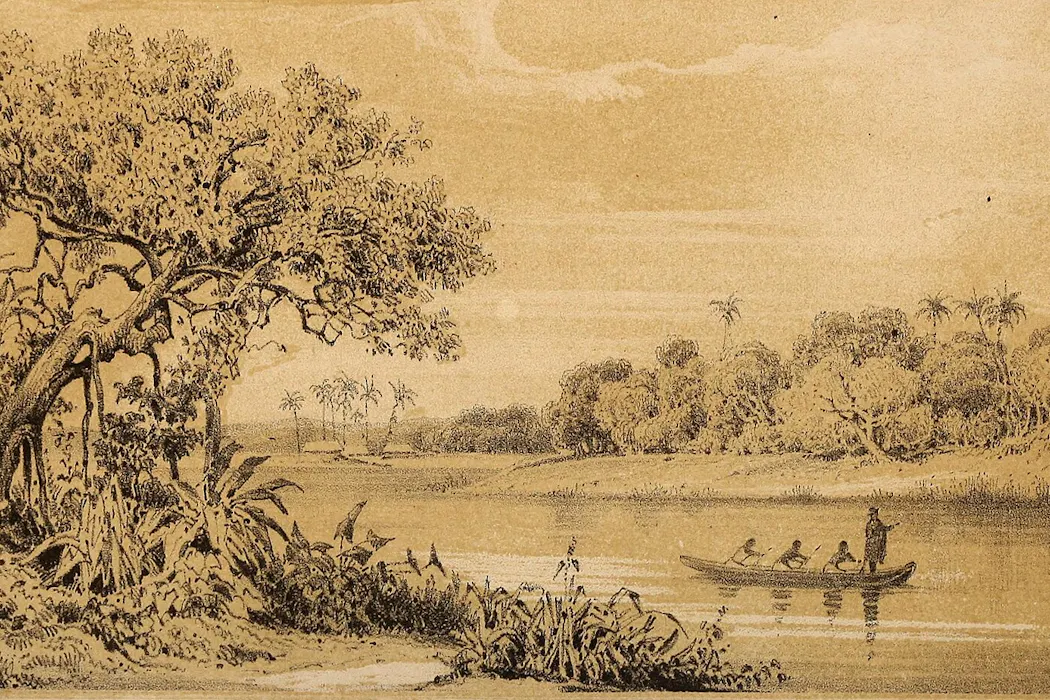



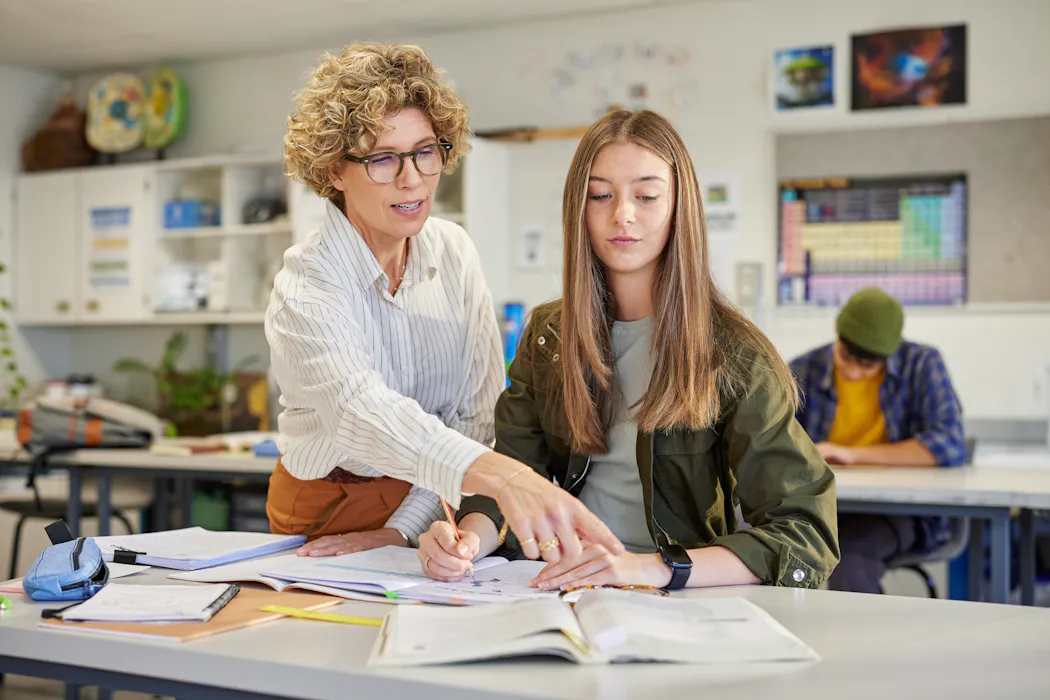




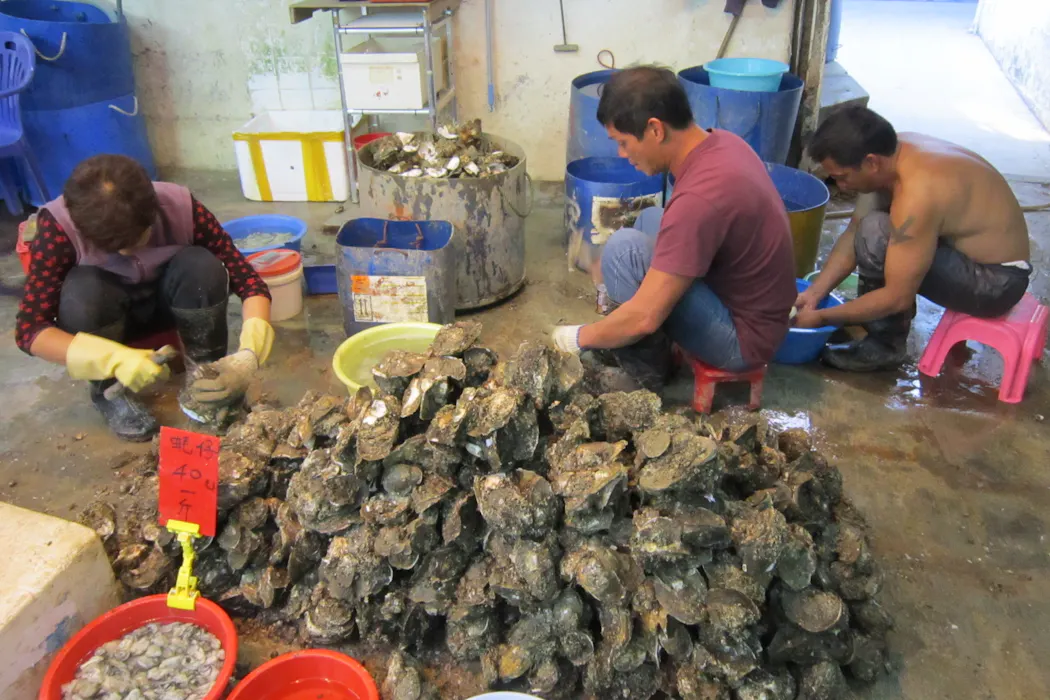


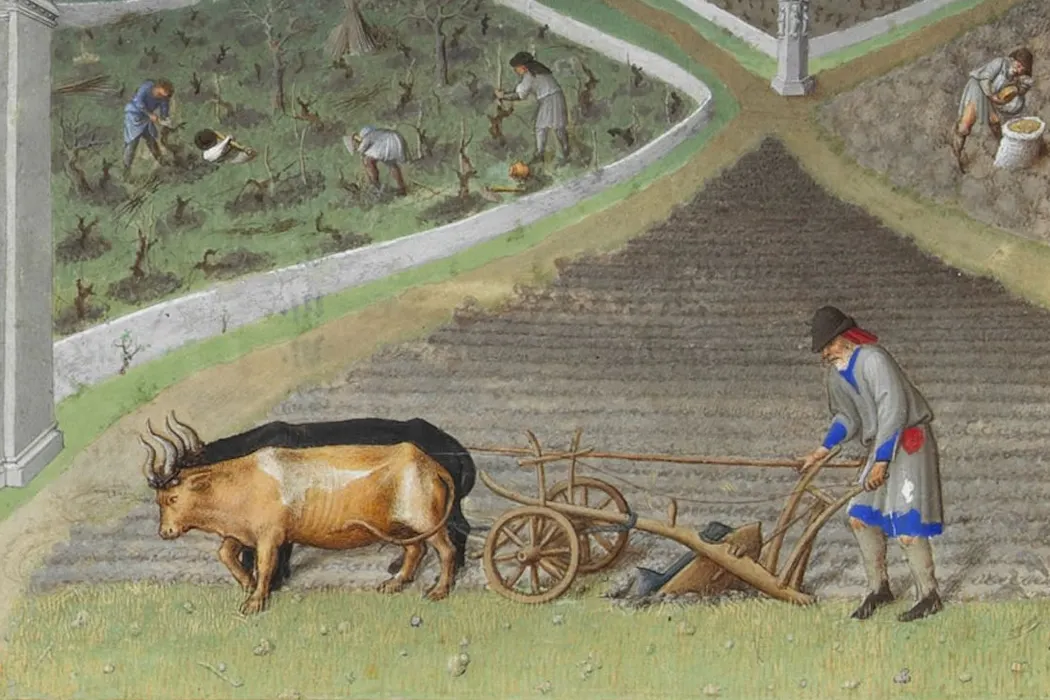

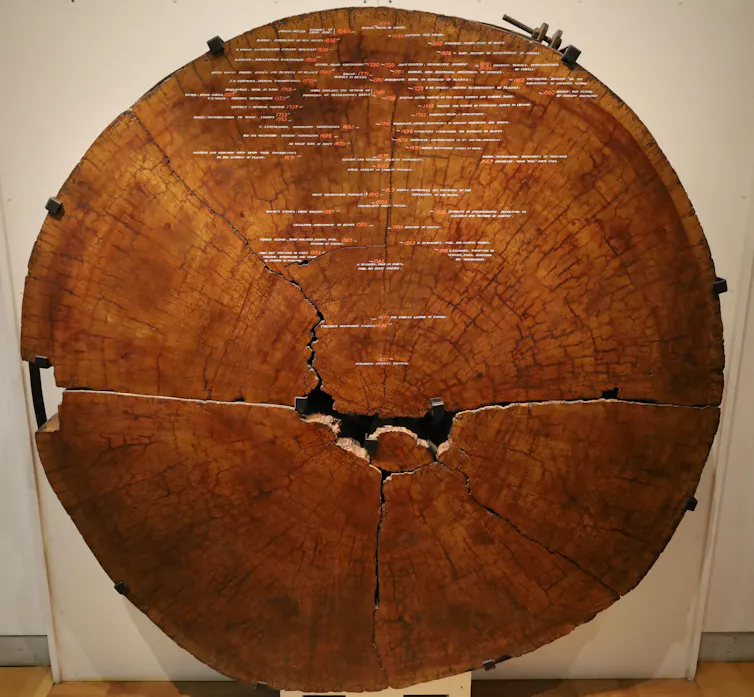

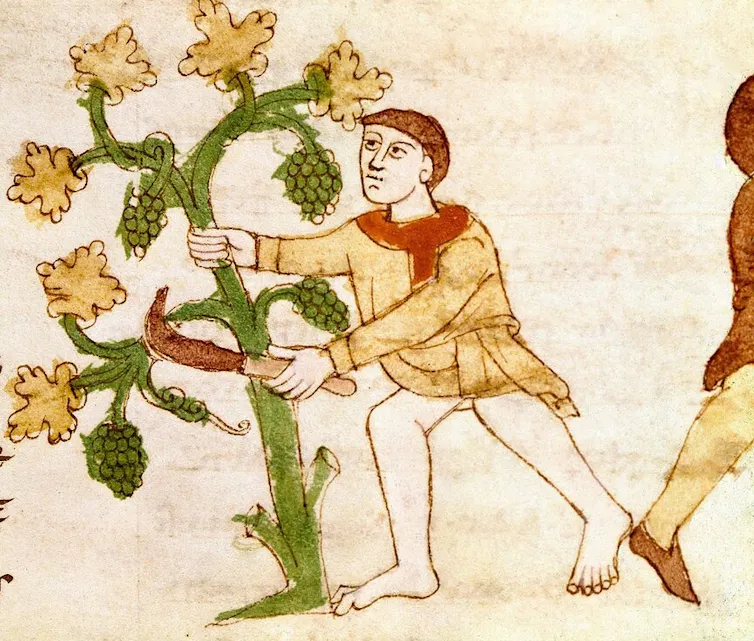


#/media/Archivo:Pelagiczone_es.png)