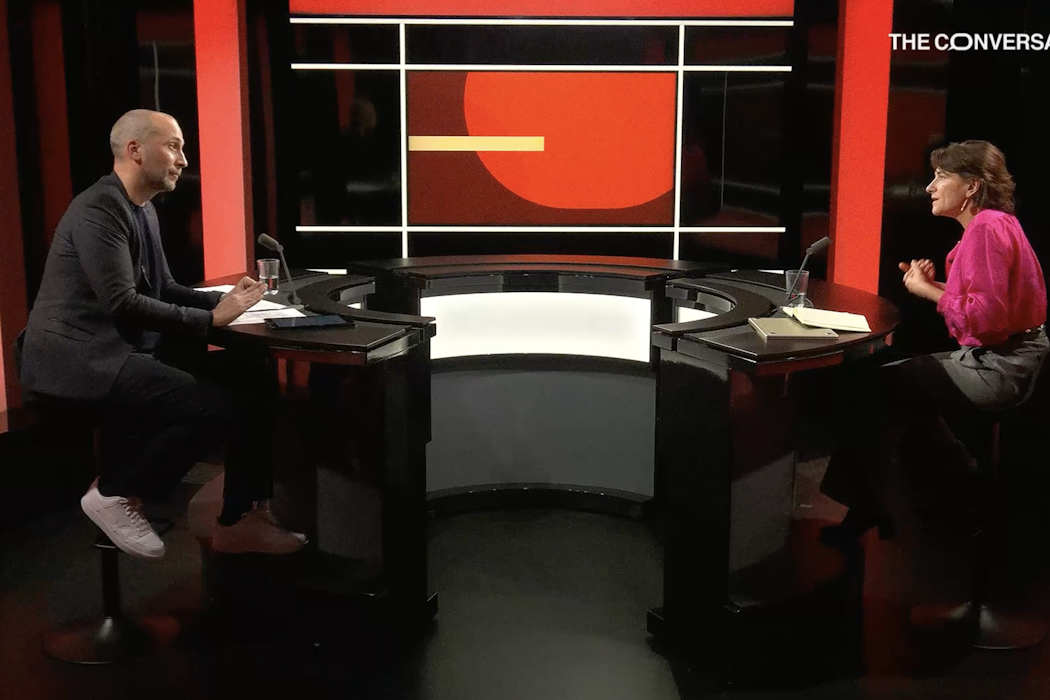
Stéphanie Balme (Sciences Po), rédactrice d’un rapport sur la liberté académique pour France Universités, était l’invitée de l’émission de The Conversation et CanalChatGrandialogue vendredi 23 janvier 2026.TheConversation, CC BY
Elle a rédigé le rapport « Défendre et promouvoir la liberté académique », commandé par France Universités. Stéphanie Balme, directrice du Centre de recherches internationales de Sciences Po et experte de la diplomatie scientifique, était l’invitée vendredi 23 janvier de notre émission « La Grande Conversation », en partenariat avec CanalChat Grandialogue.
La liberté académique est aujourd’hui confrontée à des tensions inédites : pressions politiques, restrictions budgétaires, ingérences étrangères et remise en question des principes d’indépendance scientifique. Ces enjeux, qui touchent les chercheurs et les institutions en France comme à l’international, interrogent notre capacité à produire un savoir libre et critique.
Lors de cette émission, nous abordons avec Stéphanie Balme, rédactrice du rapport« Défendre et promouvoir la liberté académique », le rôle des institutions et des politiques publiques pour la protéger. Quelles mesures prendre pour assurer sa défense? Comment répondre aux critiques récurrentes d’une partie de l’opinion publique? Quelles leçons tirer de ce qui se passe sur les campus américains ? Une émission à retrouver sur notre chaîne YouTube.
L’émission Conversation avec Stéphanie Balme, le 23 janvier 2026.
As the operations of Immigration and Customs Enforcement have intensified over the past year, politicians and journalists alike have begun referring to ICE as a “paramilitary force.”
Rep. John Mannion, a New York Democrat, called ICE “a personal paramilitary unit of the president.” Journalist Radley Balko, who wrote a book about how American police forces have been militarized, has argued that President Donald Trump was using the force “the way an authoritarian uses a paramilitary force, to carry out his own personal grudges, to inflict pain and violence, and discomfort on people that he sees as his political enemies.” And New York Times columnist Jamelle Bouie characterized ICE as a “virtual secret police” and “paramilitary enforcer of despotic rule.”
All this raises a couple of questions: What are paramilitaries? And is ICE one?
Defining paramilitaries
As a government professor who studies policing and state security forces, I believe it’s clear that ICE meets many but not all of the most salient definitions. It’s worth exploring what those are and how the administration’s use of ICE compares with the ways paramilitaries have been deployed in other countries.
The term paramilitary is commonly used in two ways. The first refers to highly militarized police forces, which are an official part of a nation’s security forces. They typically have access to military-grade weaponry and equipment, are highly centralized with a hierarchical command structure, and deploy in large formed units to carry out domestic policing.
The second definition denotes less formal and often more partisan armed groups that operate outside of the state’s regular security sector. Sometimes these groups, as with the United Self-Defense Forces of Colombia, emerge out of community self-defense efforts; in other cases, they are established by the government or receive government support, even though they lack official status. Political scientists also call these groups “pro-government militias” in order to convey both their political orientation in support of the government and less formal status as an irregular force.
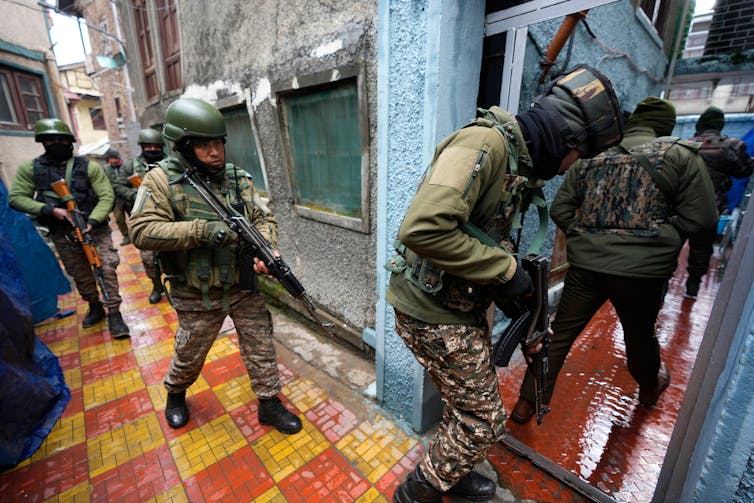
Indian paramilitary personnel conduct a house-to-house search in Kashmir. AP Photo/Mukhtar Khan
They typically receive less training than regular state forces, if any. How well equipped they are can vary a great deal. Leaders may turn to these informal or unofficial paramilitaries because they are less expensive than regular forces, or because they can help them evade accountability for violent repression.
Many informal paramilitaries are engaged in regime maintenance, meaning they preserve the power of current rulers through repression of political opponents and the broader public. They may share partisan affiliations or ethnic ties with prominent political leaders or the incumbent political party and work in tandem to carry out political goals.
In Haiti, President François “Papa Doc” Duvalier’s Tonton Macouts provided a prime example of this second type of paramilitary. After Duvalier survived a coup attempt in 1970, he established the Tonton Macouts as a paramilitary counterweight to the regular military. Initially a ragtag, undisciplined but highly loyal force, it became the central instrument through which the Duvalier regime carried out political repression, surveilling, harassing, detaining, torturing and killing ordinary Haitians.
Is ICE a paramilitary?
The recent references to ICE in the U.S. as a “paramilitary force” are using the term in both senses, viewing the agency as both a militarized police force and tool for repression.
There is no question that ICE fits the definition of a paramilitary police force. It is a police force under the control of the federal government, through the Department of Homeland Security, and it is heavily militarized, having adopted the weaponry, organization, operational patterns and cultural markers of the regular military. Some other federal forces, such as Customs and Border Patrol, or CBP, also fit this definition.
The United States is nearly alone among established democracies in creating a new paramilitary police force in recent decades. Indeed, the creation of ICE in the U.S. following the terrorist attacks of Sept. 11, 2001, is one of just four instances I’ve found since 1960 where a democratic country created a new paramilitary police force, the others being Honduras, Brazil and Nigeria.
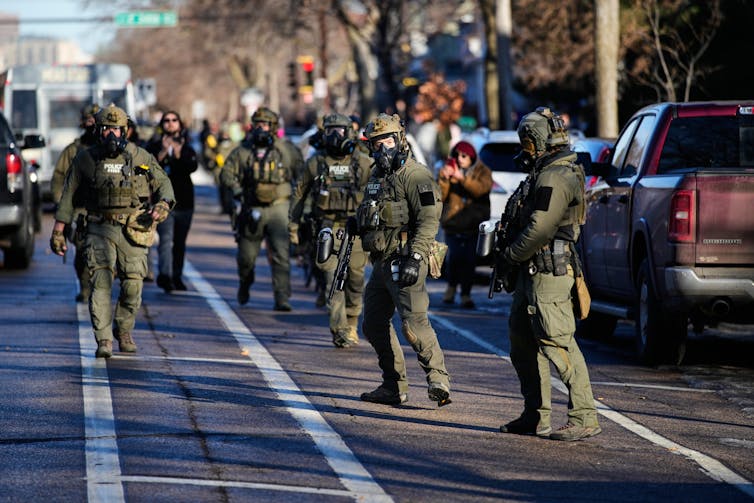
ICE agents on patrol near the scene of the fatal shooting of Renee Good in Minneapolis. AP Photo/John Locher
ICE and CBP also have some, though not all, of the characteristics of a paramilitary in the second sense of the term, referring to forces as repressive political agents. These forces are not informal; they are official agents of the state. However, their officers are less professional, receive less oversight and are operating in more overtly political ways than is typical of both regular military forces and local police in the United States.
The lack of professionalism predates the current administration. In 2014, for instance, CBP’s head of internal affairs described the lowering of standards for post-9/11 expansion as leading to the recruitment of thousands of officers “potentially unfit to carry a badge and gun.”
This problem has only been exacerbated by the rapid expansion undertaken by the Trump administration. ICE has added approximately 12,000 new recruits – more than doubling its size in less than a year – while substantially cutting the length of the training they receive.
ICE and CBP are not subject to the same constitutional restrictions that apply to other law enforcement agencies, such as the Fourth Amendment’s prohibition on unreasonable search and seizure; both have gained exemptions from oversight intended to hold officers accountable for excessive force. CBP regulations, for instance, allow it to search and seize people’s property without a warrant or the “probable cause” requirement imposed on other forces within 100 miles, or about 161 kilometers, of the border.
Both ICE and CBP have been deployed against political opponents in nonimmigration contexts, including Black Lives Matter protests in Washington, D.C., and Portland, Oregon, in 2020. They have also gathered data, according to political scientist Elizabeth F. Cohen, to “surveil citizens’ political beliefs and activities – including protest actions they have taken on issues as far afield as gun control – in addition to immigrants’ rights.”
In these ways, ICE and CBP do bear some resemblance to the informal paramilitaries used in many countries to carry out political repression along partisan and ethnic lines, even though they are official agents of the state.
Why this matters
An extensive body of research shows that more militarized forms of policing are associated with higher rates of police violence and rights violations, without reducing crime or improving officer safety.
Studies have also found that more militarized police forces are harder to reform than less-militarized law enforcement agencies. The use of such forces can also create tensions with both the regular military and civilian police, as currently appears to be happening with ICE in Minneapolis.
The ways in which federal immigration forces in the United States resemble informal paramilitaries in other countries – operating with less effective oversight, less competent recruits and increasingly entrenched partisan identity – make all these issues more intractable. Which is why, I believe, many commentators have surfaced the term paramilitary and are using it as a warning.
Erica De Bruin does not work for, consult, own shares in or receive funding from any company or organization that would benefit from this article, and has disclosed no relevant affiliations beyond their academic appointment.
En 1604 Juan de la Cuesta finalizó la impresión (con fecha de 1605) de El ingenioso hidalgo don Quijote de la Mancha, primera parte de la obra más relevante de nuestra literatura. Eran 46 capítulos en los que se narraba el inicio de las aventuras de Alonso Quijano y su fiel escudero Sancho.
Al imaginar al lector de entonces, sacudido por esas páginas, le veo pensando:
“Sancho, pobre y desdichado Sancho, fiel reflejo del hombre común, acostumbrado a perder cosas sin siquiera ser consciente de ello. Por Sierra Morena andabas en el capítulo 25, al pie de una alta montaña, cerca de un arroyuelo que recorría un verde prado, entre árboles silvestres y dulces flores. ‘Este es el lugar, ¡oh cielos!, que diputo y escojo para llorar la desventura en que vosotros mesmos me habéis puesto’, gritó sin juicio tu señor don Quijote, desdichado amante el de la Triste Figura que había decidido hacer allí penitencia de amor por su Dulcinea.
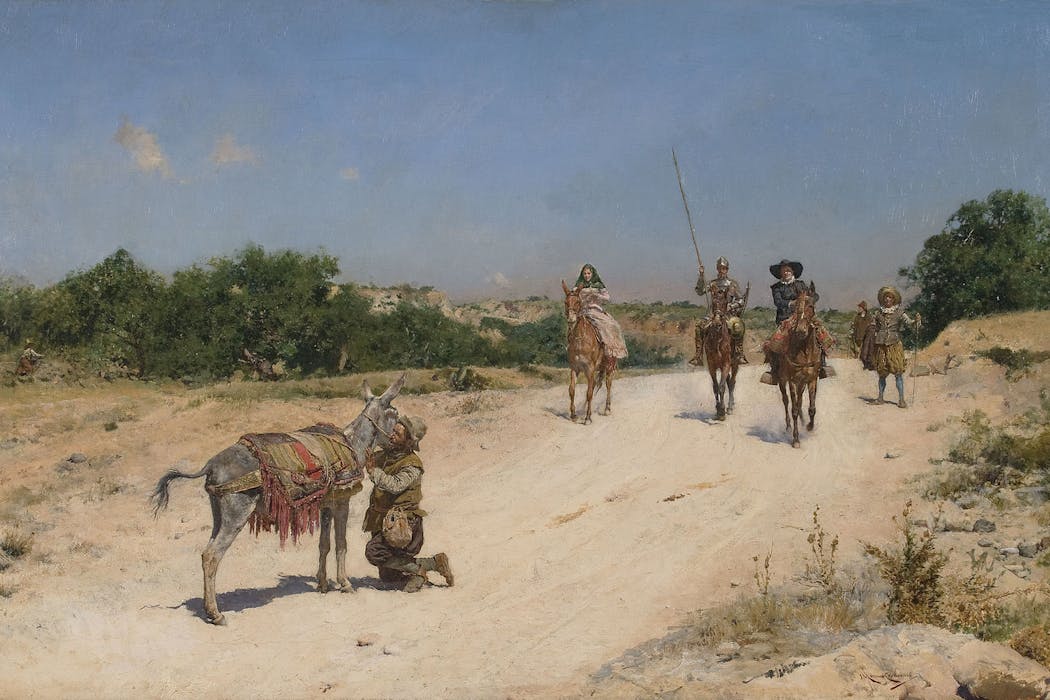
A pie de esta montaña llegaste, Sancho, a lomos de tu rucio, pero ahora, sin comerlo ni beberlo, se ha perdido o lo han robado. ¿Cómo lo explicas? ¿Cómo no lloras, Sancho? ¿Cómo no te lamentas hasta la desesperación? ¿O es que acaso ya lo has hecho y nosotros no lo sabemos? Caso extraño que, igual que desaparece, vuelve a aparecer en el capítulo 46 cuando tu señor te pide que ensilles a Rocinante y aparejes tu jumento”.
Así es. El asno de Sancho desaparece en el capítulo 25 y reaparece ya en el 46, sin explicación ni motivo patente. La anomalía no podía ser sino un error del autor, y esto lleva a Cervantes a publicar, ese mismo año de 1605, una segunda edición. En ella interpola dos pasajes, uno en el capítulo 23, en el que se narra el robo del rucio a manos de uno de los galeotes liberados por don Quijote anteriormente, y otro en el capítulo 30, donde Sancho cuenta cómo recupera su burro.
Sin embargo, esta tentativa de enmienda resultaría poco efectiva, pues la narración del robo se inserta dos capítulos antes de que el pollino aparezca referido por última vez.
Lectores, chistes y una tercera edición de 1608
El error doble (primero olvidar y después fallar en la enmienda) le iba a costar a Cervantes más de una burla por parte de sus contemporáneos. Lope de Vega, fiel rival del alcalaíno, le dedicaría incluso unos versos al asunto en su comedia Amar sin saber a quién:
“Decidnos della, que hay hombre
que hasta de una mula parda
saber el suceso aguarda,
la color, el talle y nombre,
o si no dirán que fue
olvido del escritor”.
La obra se representó por primera vez en 1627 y es bastante posterior a la publicación tanto de la primera parte del Quijote (1605) como de la segunda (1615). Eso indica que el chisme y las mofas debieron extenderse como la pólvora entre los lectores. No sorprende, pues, que Cervantes optara por volver a intentar subsanar el error en una tercera y última impresión de Juan de la Cuesta (1608).
Esta, tal y como ya había hecho de forma acertada la edición de Bruselas de 1607, mantiene la interpolación del robo erróneamente situada en el capítulo 23, pero elimina las alusiones posteriores que generaban inconsistencias.
Tengamos en cuenta entonces que, en cuestión de tres años, los lectores del Quijote pudieron leer tres “versiones” diferentes de la primera parte. La confusión, a pesar de lo baladí que pueda parecer al lector de hoy, no debió ser para nada intrascendente para Cervantes. En la escritura de una segunda parte, el autor tuvo que responder a lectores de una misma y, a la vez, distinta obra.
El Quijote de 1615 y una nueva forma de exculpación
No tuvo que esperar mucho el lector para encontrarse con la aclaración (siempre jocosa) del asunto del burro por el propio autor. El capítulo 3 sitúa en conversación al bachiller Sansón Carrasco con don Quijote y Sancho. Carrasco cuenta cómo sus aventuras, tras haber sido dadas a la estampa, son ahora conocidas en todo el mundo, y menciona algunos de los errores que sus más fervientes lectores le achacan. Entre ellos, evidentemente, está el del robo del rucio.
Así, en el capítulo siguiente, Cervantes, a través de Sancho, relata de nuevo la historia del robo y su rescate, achacando el error a un engaño del autor ficticio Cide Hamete Benengeli o, con clara intencionalidad de quitarse de encima la responsabilidad, a un descuido del impresor.
Genialidad en el equívoco
En fin, lo que está claro es que el error de Cervantes, doble o triple, es manifiesto e influyó tanto en la recepción como en la propia composición de la obra. De no haber habido faltas (si ello fuese posible) el grandioso Quijote de 1615 habría sido una obra diferente. La novela debe parte de su magnitud a los equívocos, desatenciones, celeridades, disputas y enemistades que implicaban a su autor y que Cervantes quiso subsanar rápidamente en la escritura de la segunda parte.
En este sentido, son muchos los estudiosos de Cervantes que defienden el carácter voluntario de sus descuidos, unas veces a modo de imitación (de Homero, por ejemplo) y otras con un patente tono paródico. Parece claro que el robo del rucio no pertenece a ninguno de estos casos, pero debemos admitir que ha acabado por integrarse en la técnica narrativa de Cervantes como elemento metatextual que influye positivamente en sus creaciones.
¿Qué tendrán los genios, verdad? Que hasta sus yerros terminan por ser brillantes.
Pedro Fresno Chamorro no recibe salario, ni ejerce labores de consultoría, ni posee acciones, ni recibe financiación de ninguna compañía u organización que pueda obtener beneficio de este artículo, y ha declarado carecer de vínculos relevantes más allá del cargo académico citado.
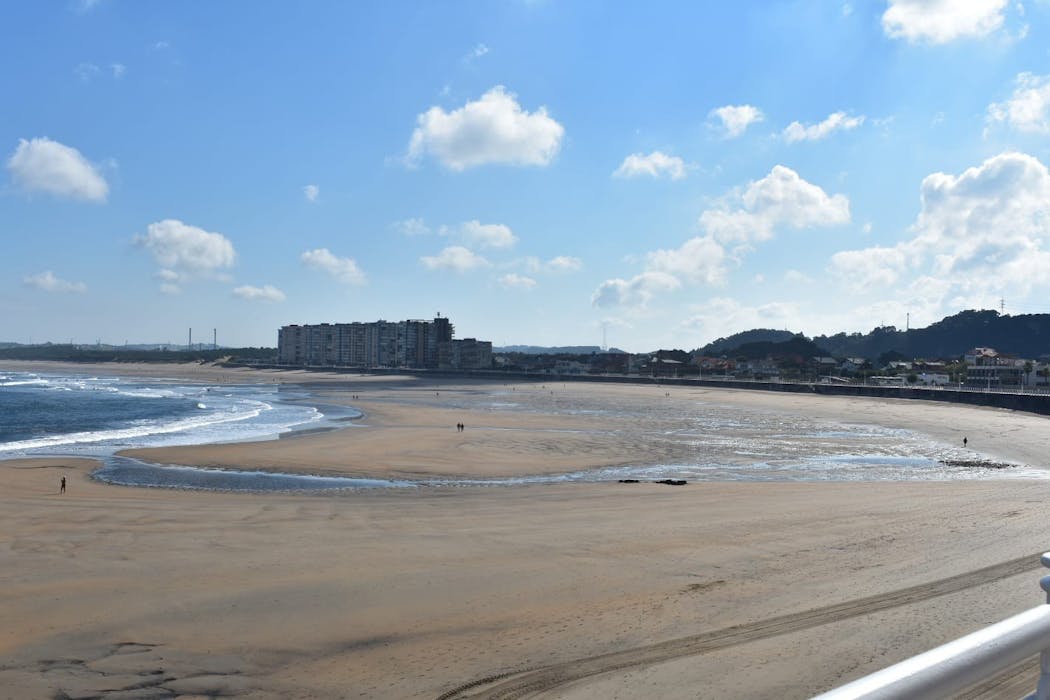
Fotografía de la playa de Salinas, escenario de la investigación llevada a cabo por la Universidad de Oviedo sobre su sistema de corrientes de resaca. En la imagen se distingue una depresión en la zona intermareal, causada por la acción de una de estas corrientes.Aitor Marqués Alonso.
Cada verano, miles de personas disfrutan del mar sin saber que bajo sus pies se esconde una fuerza peligrosa: las corrientes de resaca. Estas corrientes son responsables de más de mil muertes al año en todo el mundo. No se trata de olas gigantes, sino de flujos de agua que pueden empujar mar adentro a quien se cruza en su camino.
Cuando una persona intenta nadar de frente hacia la costa, se fatiga rápidamente. La corriente sigue tirando y el pánico hace el resto. Por eso, comprender cómo y cuándo se forman estas corrientes puede marcar la diferencia entre un baño seguro y una tragedia.
Todo empieza con las olas
Las corrientes de resaca se originan en la zona donde rompen las olas. El oleaje empuja grandes volúmenes de agua hacia la orilla y genera una sobrepresión en la costa. El agua busca, entonces, una vía de escape y regresa al mar formando canales estrechos y veloces que avanzan perpendicularmente a la línea de playa.
Esquema de una corriente de resaca. Aitor Marqués, adaptado MacMahan et al 2006 doi.org/10.1016/j.coastaleng.2005.10.009
Durante décadas, se pensó que todas las corrientes de resaca eran similares: flujos rectos y concentrados, como se describió en 1941. Sin embargo, investigaciones recientes han demostrado que cada playa tiene su propio sistema de corrientes. Su forma, intensidad y duración dependen del tipo de arena, la pendiente del fondo, las mareas y las condiciones del oleaje. En otras palabras, no hay dos playas iguales.
Cada playa tiene sus resacas
En la Universidad de Oviedo estamos desarrollando el primer experimento en España para analizar y categorizar el sistema de corrientes de resaca de la playa de Salinas-El Espartal, en Asturias. El objetivo es comprender cómo se forman, qué extensión alcanzan y en qué momentos de la condición de marea representan un mayor riesgo para los bañistas.
El reto no es pequeño: estudiar el movimiento del agua requiere tecnología precisa y equipo adecuado. Para hacerlo más accesible, hemos diseñado una metodología de bajo coste que combina tres herramientas. Primero, un drifter GNSS-RTK, un dispositivo flotante que registra su posición cada segundo con un margen de error de menos de un centímetro. También usamos tintes biodegradables (a base del colorante uranina) que permiten visualizar la trayectoria exacta de la corriente sin dañar el ecosistema; y drones, que capturan desde el aire la evolución de la mancha de color y del movimiento del drifter.
Con esta combinación, obtenemos un mapa detallado de la velocidad, dirección y forma de las corrientes bajo distintas condiciones de marea, viento y oleaje.
Equipo del muestreo de las corrientes. A) socorrista con el drifter en el agua; B) maniquí para hacer de victima en el agua; C) bolsa de tinta; y D) dron para tomar las imágenes de la tinta. Aitor Marqués.
Mejor seguridad para bañistas
Este estudio no solo amplía nuestro conocimiento sobre la dinámica costera, sino que también ofrece una base para mejorar la seguridad en las playas. Con datos precisos, podremos diseñar sistemas de alerta temprana, señalizaciones más efectivas y estrategias de rescate adaptadas a cada playa.
Ejemplo de como las corrientes de resaca son marcadas por la tinta y se toman las imágenes desde el dron. Aitor Marqués.
Pero comprender las corrientes de resaca no solo sirve para prevenir accidentes. También ayuda a entender mejor el papel que desempeñan en el ecosistema: distribuyen nutrientes, modifican la morfología del litoral y afectan a la vida marina en la zona intermareal.
Cómo reconocerlas
No estamos hablando de monstruos marinos que engullen bañistas, sino fenómenos naturales tan comunes como las olas. Saber reconocer las corrientes y reaccionar adecuadamente puede salvar vidas.
Para ello, lo primero es entrenar la vista. Antes de entrar en el agua, conviene observar durante unos minutos la línea del oleaje y el movimiento general de las olas. Hay varias señales que pueden delatar su presencia:
• Zonas sin rompiente. Es el indicio más evidente. Si en un tramo de la playa las olas no rompen, es muy probable que allí exista una corriente de resaca.
• Bandas de agua más oscura. Un color azul más profundo suele indicar un canal de mayor profundidad por donde el agua está regresando al mar. Estas zonas pueden albergar corrientes persistentes.
• Arena en suspensión. Algunas corrientes registran velocidades muy altas. Lo habitual es que alcancen entre 0,5 y 0,8 m/s con oleaje moderado, pero en ciertas condiciones pueden llegar hasta los 2 m/s. Esa fuerza es suficiente para arrancar arena del fondo y transportarla mar adentro, creando franjas de agua turbia que permiten identificarlas desde la orilla.
Y cómo actuar
Saber detectarlas es fundamental, pero también lo es actuar con calma, si alguna vez nos atrapa una. Lo más importante es no intentar nadar contra la corriente. Ese esfuerzo solo conduce al agotamiento.
Si la playa cuenta con servicio de salvamento, lo recomendable es dejarse llevar y pedir ayuda. Guardar fuerzas facilita que los socorristas puedan asistirle y que pueda colaborar durante el rescate.
Si no hay socorristas, mantenga la serenidad. Estas corrientes suelen perder intensidad una vez superan la zona de rompiente, por lo que lo más eficaz suele ser dejar que nos arrastre hasta que afloje. Una vez fuera de su influencia, podemos nadar en paralelo a la costa antes de dirigirnos de nuevo a la orilla.
Otra opción válida es nadar hacia zonas donde las olas rompen. Allí, el agua avanza hacia tierra y puede ayudarnos a regresar. En cualquier caso, la clave es evaluar la situación, conocer nuestras capacidades y escoger la estrategia más segura en cada momento.
Fomentar una cultura de seguridad, identificar las zonas de riesgo y entender cómo actúan estas corrientes son pasos esenciales para reducir los ahogamientos y disfrutar del mar con respeto y conocimiento.
Las personas firmantes no son asalariadas, ni consultoras, ni poseen acciones, ni reciben financiación de ninguna compañía u organización que pueda obtener beneficio de este artículo, y han declarado carecer de vínculos relevantes más allá del cargo académico citado anteriormente.
Fotograma de la serie _Euphoria_ donde aparece Zendaya, su protagonista.HBO
Las series se han convertido en uno de los dispositivos culturales más influyentes de nuestro tiempo. No solo porque acumulan millones de visualizaciones, sino porque intervienen directamente en la manera en que la sociedad interpreta la violencia, el sufrimiento y la responsabilidad colectiva, como ocurre en el caso de Adolescencia. Ya no estamos únicamente ante productos de entretenimiento: estamos ante relatos con efectos sociales medibles.
Tráiler de la serie Adolescencia.
Desde la investigación académica en comunicación, ética y cultura digital se observa una tendencia significativa: muchas de estas narrativas construyen un marco estético y emocional en el que la violencia deja de ser un acontecimiento excepcional para integrarse en lo cotidiano.
No se muestra de forma explícita ni espectacular, sino envuelta en una estética cuidada, íntima e incluso amable. Esta combinación de visualidad pulida y contenido profundamente perturbador no es inocente. Un ejemplo de este marco estético aparece en secuencias cotidianas ambientadas en espacios domésticos o escolares, filmadas con luz suave, encuadres estáticos y un ritmo pausado.
En Adolescencia, escenas aparentemente triviales –una conversación en la cocina, un trayecto en autobús o un pasillo escolar en silencio– se convierten en el escenario donde se filtra el malestar, sin necesidad de mostrar la violencia de forma directa. La calma visual contrasta con la gravedad de lo que se sugiere, integrando el conflicto en la rutina diaria y naturalizando su presencia.
Belleza visual en consumo de drogas
Algo similar ocurre en Euphoria, donde situaciones de abuso, autolesión o consumo de drogas se integran en escenas de gran belleza visual, con una fotografía estilizada, colores saturados y una puesta en escena cuidadosamente coreografiada.
Tráiler de la tercera temporada de Euphoria
La violencia y el malestar no aparecen como rupturas excepcionales del relato, sino como parte del día a día de los personajes, envueltos en una estética que resulta emocionalmente atractiva para el espectador, incluso cuando representa experiencias profundamente perturbadoras.
Las evidencias científicas indican que estas producciones operan a través de una ambivalencia ética estructural: invitan al espectador a empatizar intensamente con el dolor, pero sin proporcionarle herramientas suficientes para interpretarlo críticamente ni para situarlo en un marco claro de responsabilidades sociales, institucionales o políticas. El resultado es una experiencia emocional intensa, pero moralmente abierta y ambigua.
En este tipo de narrativas, presentes en distintas series juveniles recientes, la violencia se desplaza hacia los silencios, los primeros planos de rostros devastados, la culpa que no encuentra causa ni solución y la impotencia de familias, escuelas y autoridades. Este patrón no se limita a un solo título, sino que se repite en producciones que integran el conflicto en la experiencia cotidiana de los personajes.
Conmoverse para seguir consumiendo
El espectador no es llamado a comprender las raíces del conflicto ni a cuestionar los sistemas que lo producen, sino a sentir, conmoverse y seguir mirando. El sufrimiento se transforma en un recurso narrativo eficaz, capaz de generar atención, conversación y consumo continuado.
En este sentido, las plataformas no actúan únicamente como intermediarias culturales: funcionan como agentes de socialización, influyendo en la manera en que se normalizan la violencia, el malestar y la fragilidad institucional.
Un aspecto especialmente relevante del análisis, señalado por estudios recientes, es el modo en que estas narrativas desplazan la responsabilidad. En lugar de situar la violencia en causas estructurales claramente identificables, construyen una culpa difusa que recae simultáneamente sobre familias, escuelas e instituciones desbordadas. Este reparto emocional de la responsabilidad genera una sensación de impotencia colectiva que, lejos de activar el debate público, puede contribuir a la parálisis social.
Desde una perspectiva de política pública, el riesgo no está en mostrar realidades incómodas, sino en habituar a la ciudadanía, y especialmente a los jóvenes, a convivir con ellas sin claves de interpretación. Cuando la violencia se consume como experiencia estética, se debilita la frontera entre empatía y banalización. Y cuando esa frontera se erosiona, la capacidad crítica de la sociedad se resiente.
En el Reino Unido, este debate ya ha comenzado a trasladarse al ámbito educativo. Algunas series juveniles recientes como Adolescencia han sido recomendadas o utilizadas como material de apoyo en contextos escolares para abordar cuestiones como la violencia juvenil, la salud mental o la convivencia, bajo la premisa de que su impacto emocional puede favorecer la reflexión y el diálogo.
No obstante, diversos análisis advierten de que, sin una mediación pedagógica clara y objetivos formativos definidos, este tipo de iniciativas corre el riesgo de confundir la potencia emocional del relato con una intervención educativa eficaz, trasladando a la ficción responsabilidades que corresponden a las políticas públicas y a la acción institucional.
Por ello, la alfabetización mediática ya no puede seguir tratándose como una competencia secundaria o meramente técnica. Es necesario integrarla de forma explícita en las políticas públicas educativas: incorporar la ética audiovisual en los currículos, reforzar la formación del profesorado en lectura crítica de narrativas digitales y promover una mayor corresponsabilidad de las plataformas como actores culturales con impacto social. No se trata de censurar ni de prohibir, sino de formar ciudadanía crítica en un ecosistema mediático dominado por la emoción.
La responsabilidad de las plataformas
Junto a la alfabetización mediática, este debate interpela también a las propias plataformas. Como actores centrales en la circulación y promoción de contenidos, su responsabilidad no se limita a ofrecer acceso, sino que incluye decisiones editoriales, sistemas de recomendación y políticas de visibilidad que influyen directamente en qué narrativas se consumen y en qué condiciones. Incorporar criterios éticos en estos procesos forma parte del debate público pendiente sobre la gobernanza de la cultura digital.
En este sentido, trasladar el conocimiento generado por la investigación académica al debate público se vuelve fundamental para dotar a la ciudadanía de herramientas críticas frente a narrativas audiovisuales cada vez más influyentes.
Porque cuando la violencia se vuelve normal en las pantallas, el verdadero riesgo es que también lo haga en nuestra forma de entender el mundo.
Bárbara Castillo Abdul no recibe salario, ni ejerce labores de consultoría, ni posee acciones, ni recibe financiación de ninguna compañía u organización que pueda obtener beneficio de este artículo, y ha declarado carecer de vínculos relevantes más allá del cargo académico citado.
Cerca del 44 % de los hogares de la Unión Europea tiene al menos un animal de compañía, de los cuales más del 90 % son perros o gatos.
La tendencia de incorporar mascotas a nuestras vidas no ha parado de crecer en las últimas décadas, pero se disparó a partir de la pandemia de la covid-19. En concreto, se estima que la población europea de animales de compañía creció un 11 % en 2022, alcanzando los 340 millones, principalmente gatos (127 millones) y perros (104 millones.
Y se sabe que, a medida que crece la población humana en contacto con los animales de compañía, aumenta también el interés por el bienestar animal en la sociedad. Algo similar sucede con la vida salvaje. Cuando las poblaciones de las especies silvestres disminuyen, la preocupación por la conservación de la biodiversidad se intensifica.
Pero esta confluencia no siempre convive en armonía. Aunque existe cierto solapamiento entre los objetivos del bienestar animal y los de la conservación de la fauna silvestre, es evidente la existencia de un sesgo a la hora de priorizar entre los animales de compañía y los silvestres, especialmente cuando ambos grupos interactúan.
Un estudio reciente identifica las claves del conflicto entre los defensores del bienestar animal de las mascotas y los partidarios de la conservación de la naturaleza. El trabajo analiza las oportunidades legales en el marco de la Unión Europea para reducir el impacto de las primeras sobre los animales silvestres.
Dos marcos legales que no encajan entre ellos
La Unión Europea cuenta con una sólida legislación ambiental, en la que las directivas sobre aves y hábitats han sido claves para proteger la vida silvestre. En cambio, la legislación sobre bienestar animal —sobre todo la relativa a animales de compañía— es mucho más reciente y aún está en incipiente desarrollo.
Entre los tipos de impactos más importantes de las mascotas sobre la vida silvestre están los derivados de las que se asilvestran. Los animales abandonados o escapados pueden formar poblaciones autosuficientes en la naturaleza, con consecuencias graves para las especies autóctonas.
A pesar de las evidencias, en Europa sigue existiendo una gran resistencia a reconocer a los gatos asilvestrados como especies invasoras, lo que limita las opciones legales para gestionar su impacto.
Un caso particular es el de las colonias felinas. El control de las poblaciones de gatos callejeros suele recaer en los Estados miembros de la UE, lo que da lugar a enfoques muy dispares, que van desde la retirada de animales hasta los programas de captura, esterilización y retorno método CER.
Aunque se trata de un método socialmente aceptado, la evidencia científica muestra que, en la mayoría de casos, no es eficaz para reducir las población de gatos ni tampoco el impacto sobre la fauna silvestre a corto plazo.
El paseo de mascotas en la naturaleza
Pasear al perro en la naturaleza se ha convertido en una de las actividades de ocio más comunes. Un buen ejemplo de esta tendencia es la creciente popularidad de las playas para canes. Un tipo de gestión que probablemente sea positiva para la salud de las mascotas y de sus propietarios, pero no para la fauna silvestre.
Reconciliar el bienestar animal con la conservación
A medida que la biodiversidad disminuye y la población de animales de compañía aumenta en los hogares europeos, el conflicto entre la conservación de la fauna silvestre y la defensa del bienestar animal se intensifica. Por eso resulta tan urgente reconciliar estas perspectivas divergentes y alinear sus respectivos marcos jurídicos.
La Unión Europea tiene margen legal para actuar. Las directivas ambientales ya obligan a los Estados miembros a prevenir daños a especies protegidas, lo que podría traducirse en restricciones más claras sobre la libre deambulación de mascotas, especialmente en espacios naturales protegidos.
Al mismo tiempo, el desarrollo de una nueva legislación sobre bienestar animal ofrece una oportunidad para reforzar la responsabilidad de los propietarios a la vez que reduce el impacto de la libertad de movimientos y previene el abandono o el asilvestramiento.
Es necesario que las autoridades se tomen en serio la necesidad de regular los impactos de las mascotas y que sus propietarios se impliquen en la tarea de evitarlos. Sólo así no llegaremos al punto irreversible en el que los únicos animales silvestres que observemos en nuestros paseos por la naturaleza sean nuestras propias mascotas.
Miguel Ángel Gómez-Serrano no recibe salario, ni ejerce labores de consultoría, ni posee acciones, ni recibe financiación de ninguna compañía u organización que pueda obtener beneficio de este artículo, y ha declarado carecer de vínculos relevantes más allá del cargo académico citado.
Source: The Conversation – (in Spanish) – By Javier Belloso Ezcurra, Profesor Departamento Estadística, Informática y Matemáticas, Universidad Pública de Navarra
El dilema de un coche oculto como premio en un concurso de televisión nos sirve para comprender el problema de Monty Hall. Roman Petrov / Unsplash., CC BY
Imagine que participa en un concurso de televisión donde ganar un coche es el premio. Frente a usted hay tres puertas cerradas: detrás de una hay un coche y detrás de las otras dos, sendas cabras. Para ganar el coche, tiene que acertar la puerta tras la que está. Y puede ser cualquiera de las tres.
El presentador le pide que elija una. Lo hace. Después, él abre una de las puertas no elegidas y muestra una cabra. Entonces llega la pregunta clave: ¿quiere mantener su elección o cambiar a la otra?
La mayoría de la gente cree que da igual: al principio, con tres puertas, la probabilidad de esconder el coche se repartía 33–33–33; ahora que hay dos, nos quedamos con 50–50. Pero no es así.
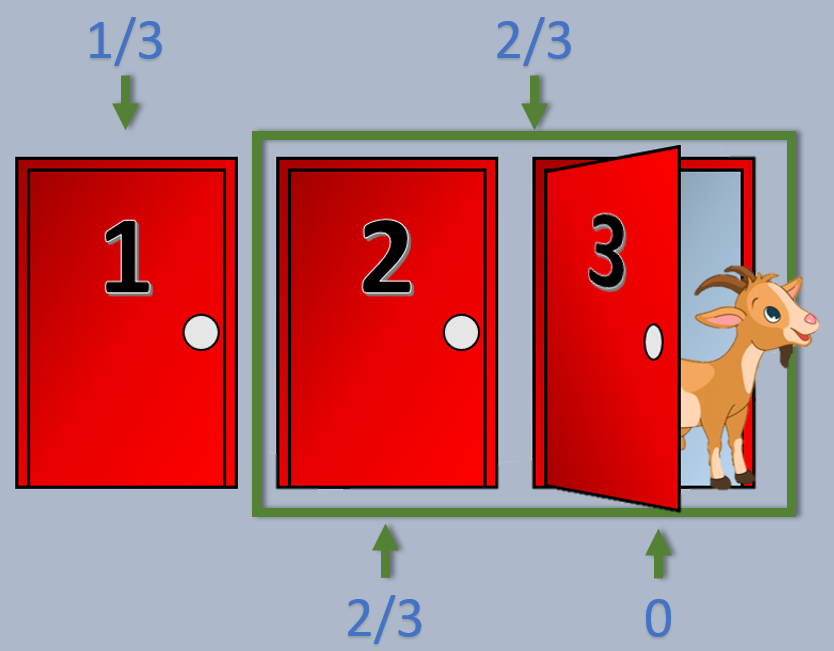
El coche tiene una probabilidad de 1/3 de estar detrás de la puerta elegida por el jugador. Las otras dos puertas tienen una probabilidad de 2/3. Joaquín Córdova / Wikimedia Commons., CC BY
Ilusiones estadísticas
Este pequeño juego fue bautizado como el problema de Monty Hall, en honor al nombre del presentador del concurso televisivo estadounidense Let’s Make a Deal. El problema fue planteado y resuelto por el matemático Steve Selvin, en 1975. Y se ha convertido en uno de los rompecabezas más famosos de la estadística, porque desafía nuestra intuición de una forma casi incómoda.
En ocasiones, se describe como una ilusión estadística, incluso en publicaciones especializadas, por la distancia entre lo que sentimos que debería ocurrir y lo que realmente ocurre.
Cuando el anfitrión abre una puerta, las probabilidades para los dos conjuntos no cambian, pero las probabilidades se mueven a 0 para la puerta abierta; y 2/3 para la puerta cerrada (2). Joaquín Córdova / Wikimedia Commons., CC BY
Lo fascinante es que, detrás de esta decisión aparentemente trivial, se esconde que, cuando recibimos nueva información –a pesar de que parezca irrelevante– nuestras probabilidades cambian, aunque no siempre sepamos cómo actualizarlas correctamente. Entramos en el terreno de las matemáticas, la probabilidad condicionada y el teorema de Bayes, donde todo se vuelve menos intuitivo.
Sin embargo, podemos explicarlos sin necesidad de todo esto: basta con la lógica, la proporcionalidad y el sentido común para entender por qué la elección del presentador ha hecho que la balanza se incline claramente y una de las puertas sea más prometedora que la otra a la hora de esconder el coche.
Suponemos que el concursante ha elegido la puerta A, aunque el razonamiento sería exactamente el mismo si hubiera elegido la B o la C.
Si el concursante ha elegido la puerta A, entonces, le toca el turno al presentador que puede abrir la B o la C indistintamente, siempre con la única condición de no mostrar el coche, de modo que se mantenga el enigma de dónde está, que es la clave del juego.
Supongamos que ha abierto la B, abrir la C habría llevado exactamente al mismo punto. Al hacerlo quedan dos opciones ya que B está descartada:
Si el coche está en A, podía haber abierto B o C indistintamente (ambas tienen cabra). Por tanto, la probabilidad de que abra B no es del 100 %, sino del 50% compartida con C.
Si el coche está en C, entonces la puerta B es la única que podía haber abierto. En ese caso, la probabilidad de que abra B es del 100 %. El doble que el anterior.
Esto implica que el hecho de que el presentador haya abierto B es más compatible con el escenario “el coche estaba en C” que con el escenario “el coche estaba en A”.
Desde el otro lado
Damos la vuelta al razonamiento y pensamos en términos del concursante, que es quien tiene que tomar la decisión. Al observar que el presentador ha abierto la B, y como esa acción es más probable cuando el coche está en C que cuando está en A, entonces, para él, pasa a ser más probable que el coche esté en C que en A.
Por tanto, si es más probable que el coche esté en C, entonces cambiar a C incrementa la probabilidad de ganar, porque el comportamiento del presentador revela información que favorece ese escenario más que el otro.
¿En qué medida? teniendo en cuenta que una es el doble de la otra (de 50 % a 100 %) y no hay más opciones, para completar el 100 % como suma de ambas nos queda un reparto de 33%-66% para las opciones A y C, respectivamente.
La intución puede fallar
En la motivación del presentador, al abrir la puerta B, tiene más peso el hecho de que el coche esté tras la puerta C que tras la puerta A. Y, por eso, es más probable que esté tras esa puerta. Esta es la razón por la cual, si el concursante cambia de elección, las probabilidades de ganar son mayores.
Esta explicación vale si el concursante ha elegido A. Para las otras dos opciones el planteamiento es el mismo: si elige B, se intercambia A con B. Si elige C, se intercambia A con C.
En el fondo, el problema de Monty Hall nos recuerda que la intuición puede fallar, hasta en situaciones simples. Actualizar la información correctamente no solo cambia el resultado: cambia nuestra comprensión de cómo funciona realmente el azar.
Y aceptar esa idea, aunque desafíe lo que “nos parece lógico”, es parte esencial de pensar mejor.
Javier Belloso Ezcurra no recibe salario, ni ejerce labores de consultoría, ni posee acciones, ni recibe financiación de ninguna compañía u organización que pueda obtener beneficio de este artículo, y ha declarado carecer de vínculos relevantes más allá del cargo académico citado.
Source: The Conversation – (in Spanish) – By Estefanía Hita Egea, Docente y formadora de profesorado experta en tecnología educativa y liderazgo, UNIR – Universidad Internacional de La Rioja
Los primeros tres años de vida son decisivos para el desarrollo infantil. En este periodo se sientan las bases del lenguaje, la seguridad emocional y la forma en la que los niños se relacionan con su entorno. Lo que ocurre en este periodo influye en el aprendizaje y el bienestar a lo largo de toda la vida.
Por eso, la educación de 0 a 3 años no es solo una ayuda para conciliar. Es una herramienta clave para reducir desigualdades. Actuar en esta etapa permite compensar diferencias sociales antes de que se hagan visibles en la escuela.
Sin embargo, no todos los niños acceden a las mismas condiciones. El precio, los horarios, la estabilidad de los centros o la calidad de los proyectos cambian mucho según el lugar. Estas diferencias aparecen incluso antes de que los niños empiecen a hablar, y tienen consecuencias reales en su desarrollo.
España tiene una alta tasa de escolarización en la etapa de 0 a 3 años, con un 41,8 % de niños escolarizados, por encima de la media de la OCDE. Pero escolarizar no es lo mismo que garantizar igualdad de oportunidades. Lo importante no es solo cuántos niños asisten, sino en qué condiciones lo hacen.
La educación infantil como ascensor social
Hasta los tres años se desarrollan capacidades fundamentales para aprender. El lenguaje, la atención o la regulación emocional dependen en gran medida de los entornos en los que crecen los niños. Cuando estos entornos son estables y de calidad, los beneficios se mantienen en el tiempo.
Actuar pronto es más eficaz que intervenir tarde. Corregir desigualdades cuando ya están consolidadas resulta más difícil y costoso. Por eso, la etapa de 0 a 3 años tiene un enorme potencial como ascensor social.
Pero este ascensor solo funciona con equipos estables, profesionales bien formados y una relación cercana con las familias.
España: una responsabilidad compartida
En España, esa etapa infantil sigue sin ocupar un lugar claro en las políticas educativas. El Gobierno central, las comunidades autónomas y los ayuntamientos comparten competencias. Sin embargo, la responsabilidad se reparte de tal forma que, en la práctica, nadie la asume del todo.
La falta de una apuesta clara y sostenida convierte dicho periodo de la vida en un espacio frágil. Las decisiones suelen depender del presupuesto disponible y cambian con facilidad. Esto afecta a la estabilidad de los centros, a los equipos educativos y a las familias.
Aunque la escolarización ha crecido, las condiciones son muy desiguales según el territorio. Precios, horarios y calidad varían de una comunidad a otra, e incluso entre municipios. Con frecuencia, cada administración traslada el problema a la siguiente, sin poner en el centro lo que está en juego.
El caso del País Vasco ilustra bien estas tensiones entre administraciones. En municipios como Vitoria-Gasteiz, Oiartzun, Andoain o Irún, entre otros,familias y profesionales han alertado del impacto que determinados cambios en financiación y organización pueden tener sobre proyectos educativos ya consolidados.
Las decisiones, centradas fundamentalmente en criterios económicos y en el debate sobre el modelo de gestión y el reparto de responsabilidades sobre el reparto de responsabilidades entre el Gobierno autonómico y los ayuntamientos, afectan directamente a la estabilidad de los equipos, a la continuidad de los proyectos ya consolidados y a la posibilidad de generar vínculos educativos sólidos con los niños y sus familias. Cuando ninguna administración asume plenamente esta etapa como una prioridad educativa, son las familias y los propios centros quienes soportan las consecuencias.
Esta situación no es exclusiva del País Vasco. En otras comunidades autónomas se repite un patrón similar: cambios en regulación, financiación o ratios que responden más a la contención del gasto que a una planificación educativa a largo plazo. Aunque los contextos territoriales son distintos, el resultado se repite. Cuando la educación de 0 a 3 años queda atrapada en un juego de responsabilidades compartidas pero no asumidas, su potencial para reducir desigualdades se debilita de forma significativa.
Europa: cuando invertir en la infancia es una prioridad
En otros países europeos, la educación en esa etapa entiende de otra manera. No es un recurso complementario, sino una política educativa básica. Forma parte del estado del bienestar.
En Finlandia, por ejemplo, todas las familias tienen derecho a una plaza tras el permiso parental. El sistema combina educación, salud y apoyo a las familias. La pregunta no es cuánto cuesta, sino qué aporta.
En países como Suecia o Dinamarca ocurre algo similar. Los equipos son estables y los proyectos no dependen de decisiones puntuales. Existe un acuerdo amplio sobre la importancia de invertir en la primera infancia.
Estos países han entendido que invertir al principio reduce problemas después. Por eso, la educación de 0 a 3 años no se discute como un gasto, sino como una inversión social.
El reto pendiente
La etapa de 0 a 3 años es breve, pero fundamental. Una educación infantil de calidad en estos años no solo acompaña el desarrollo madurativo, sino que ayuda a prevenir desigualdades antes de que aparezcan en la escuela.
Aunque España ha avanzado en escolarización, el verdadero reto está en cómo se cuida esa etapa. Garantizar condiciones estables, profesionales formados y proyectos educativos sólidos requiere una apuesta clara y compartida por parte del Gobierno central, las comunidades autónomas y los ayuntamientos. Cuando estas decisiones se toman solo desde el criterio económico, se pierde de vista lo más importante: el desarrollo infantil.
Estefanía Hita Egea no recibe salario, ni ejerce labores de consultoría, ni posee acciones, ni recibe financiación de ninguna compañía u organización que pueda obtener beneficio de este artículo, y ha declarado carecer de vínculos relevantes más allá del cargo académico citado.
En los últimos tiempos estamos volviendo a un ambiente internacional de confrontación geopolítica y económica. Junto con el temor a los conflictos bélicos, asistimos a la vuelta a tensiones proteccionistas que parecían cosa del pasado.
¿Es natural y sano que cada uno defienda lo suyo frente a sus rivales? En economía, ¿debe una región o una empresa luchar contra la competencia hasta eliminarla? ¿Puede la confrontación ser una fuente de autodesarrollo? ¿Qué podemos aprender de un contexto de confrontación constante como el boxeo?
La competencia es el pilar de la economía de mercado
En economía, la competencia se considera un pilar fundamental para el buen funcionamiento de los mercados y el crecimiento a largo plazo: incentiva la eficiencia global del sistema, conduce a un mejor uso de los recursos, a la innovación y al progreso tecnológico.
Las empresas, para conseguir atraer a los clientes, deben realizar mejoras continuas en la oferta. Eso incluye adaptaciones a los diferentes segmentos y ofertas con condiciones más ajustadas. Como resultado, mejora el bienestar de los consumidores y el crecimiento económico.
Por esa razón, la competencia debe protegerse a través de normas, procedimientos e instituciones (como las autoridades de defensa de la competencia existentes a nivel europeo, estatal y autonómico).
Competencia y empresa
En las memorias de sostenibilidad de las empresas también se considera a la competencia como uno de los stakeholders o partícipes sociales. Sin embargo, los criterios de la relación con este grupo están poco desarrollados.
En la lógica empresarial domina la confrontación. Tiene sentido, dado que la base de la competencia es el enfrentamiento en los mercados, la rivalidad, la lucha.
Además, la estrategia empresarial está repleta de lenguaje bélico: guerras comerciales, estrategias defensivas y ofensivas, dominio del mercado, poder de negociación, tomado de los tratados de estrategia militar, como el clásico “El Arte de la Guerra”, de Sun Tzu.
Las empresas, siguiendo esa lógica de rivalidad, tratan de destruir a sus competidores y adquirir posiciones dominantes. Por su parte, las autoridades públicas deben poner freno a estas prácticas, limitando la excesiva concentración en los mercados y evitando así los posibles abusos de poder.
Respetar al rival merece la pena
Ahora, hagamos un paralelismo entre la competencia entre empresas y el boxeo. Desde el punto de vista psicológico, se han identificado capacidades transformativas de los elementos involucrados en el combate. Como en la economía, un reto desafiante hace crecer significativamente los niveles de motivación, resiliencia y autoexigencia.
Algo similar ocurre en la empresa. La comparación con competidores de referencia se convierte en la base de un proceso de mejora continua que propicia el crecimiento de la organización.
Para que surjan oportunidades hay que sembrar
En el deporte y en la empresa, el respeto y reconocimiento mutuo abonan el campo de la colaboración y el crecimiento compartido. Aunque en un principio no parezcan los socios idóneos, también son posibles las alianzas entre competidores. Lógicamente son más sencillas cuando la competencia no es directa y se pueden aprovechar las complementariedades entre los colaboradores.
Esto ocurre cuando los competidores están especializados en segmentos de actividad diferentes o tienen fuertes capacidades en zonas geográficas diversas, sean de distribución o acceso a autorizaciones.
Las farmacéuticas o las empresas cerveceras intercambian habitualmente licencias y marcas. De esa manera pueden acceder, con menor inversión y riesgo, a negocios que quedarían fuera de su alcance.
También en el deporte el respeto en la confrontación directa puede abonar el campo para nuevas oportunidades. Es el caso de los boxeadores Marco Antonio Barrera y Erik Morales. Durante años protagonizaron una rivalidad épica que, además de forjarlos como leyendas, los hizo reconocerse mutuamente. Años después, dirigen juntos uno de los pódcast en español más exitosos sobre boxeo. Juntos han demostrado que la competencia puede dar pie no solo al rendimiento sino también al crecimiento en distintos ámbitos.
Coopetir: colaborar y competir a la vez
El término coopetición, acuñado en 1996 por los profesores e investigadores Adam Brandenburger y Barry Nalebuff, combina cooperación y competencia, y consiste, básicamente, en la colaboración estratégica entre empresas que, al mismo tiempo, compiten en otros ámbitos del mercado. Las empresas pueden colaborar con rivales para alcanzar objetivos que ninguna podría lograr por sí sola. Pueden acceder a tecnologías, compartir costos o ampliar mercados.
Aunque tradicionalmente las empresas consideran que la competencia es incompatible con la cooperación, en la práctica esto es cada vez más común y una acción estratégica en diversos sectores. Grandes rivales, como Apple y Samsung en el suministro de componentes, o DHL y UPS compartiendo capacidades logísticas, han protagonizado grandes acuerdos cooperativos.
La competencia respetuosa favorece a todos. A nivel colectivo, actúa como un mecanismo dinamizador de la economía, promoviendo la eficiencia, la innovación y el bienestar social. Individualmente, incentiva la mejora y crecimiento de los propios competidores. Y, por último, hace posible que surjan oportunidades de colaboración que no podrían generarse en entornos empresariales hostiles.
En definitiva, la competición debe venir acompañada de respeto. Y el respeto es contrario a la destrucción. De esta manera, además de mejorar el funcionamiento de los mercados, se abrirán más oportunidades para las empresas, más allá del puro incentivo de ganar a sus competidores.
Ñ
Las personas firmantes no son asalariadas, ni consultoras, ni poseen acciones, ni reciben financiación de ninguna compañía u organización que pueda obtener beneficio de este artículo, y han declarado carecer de vínculos relevantes más allá del cargo académico citado anteriormente.
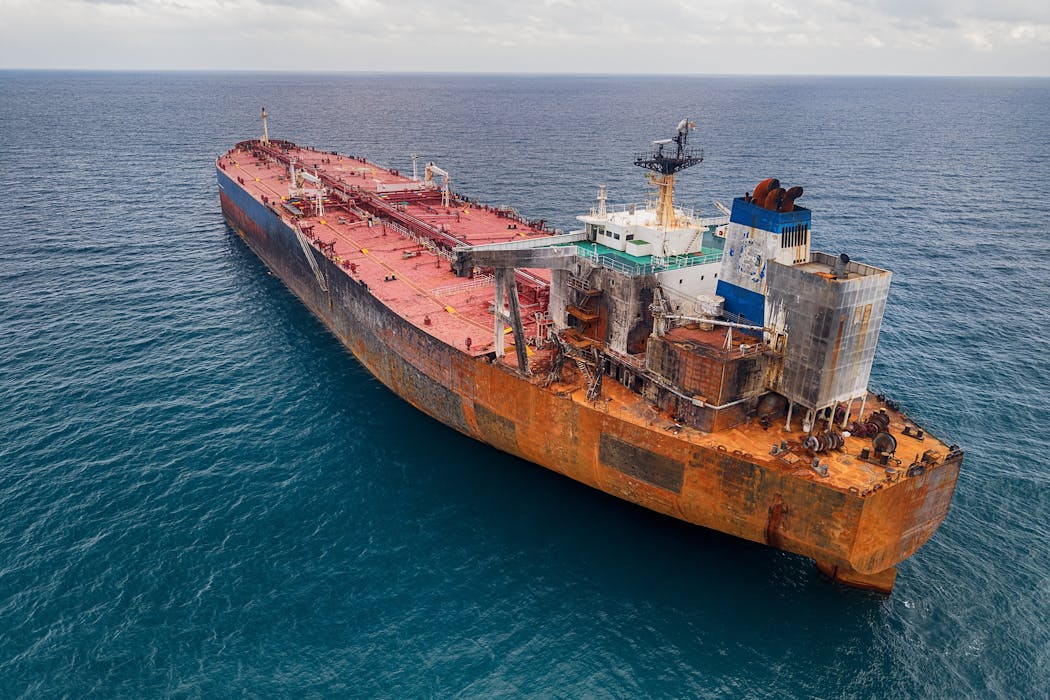
Buque Kairos de la “flota fantasma” rusa, sancionado por la Unión Europea, el Reino Unido y Suiza por el tráfico ilegal de petróleo.Todor Stoyanov-Raveo/Shutterstock
Las cifras extraídas de la base de datos LSEG (London Stock Exchange Group) indican un incremento significativo en el tránsito de petróleo ruso por aguas españolas. Antes de las sanciones que la Unión Europea (UE) impuso a Rusia con motivo de la invasión de Ucrania, el puerto de Ceuta ocupaba la posición 90.ª en el ranking europeo de descargas de petróleo ruso. Hoy, está en la 11.ª posición.
Mientras Bruselas trata de bloquear este tráfico, la “flota fantasma” rusa utiliza puertos españoles para exportar crudo a Europa. El objetivo es eludir las sanciones impuestas por la UE. Las consecuencias son económicas y geopolíticas, pero también medioambientales.
El sur de Europa como vía de entrada
Las sanciones a Rusia han redefinido el mapa de flujos de petróleo y gas rusos hacia la UE. La normativa vigente prohíbe la entrada de los barcos de la “flota fantasma” en puertos europeos. Sin embargo, la realidad es otra. Aunque en diciembre de 2025 el número de buques sancionados ascendía a casi 600, la lentitud en trasponer la Directiva UE 2024/1226 y en aplicar de forma efectiva las restricciones aprobadas por la UE genera una laguna jurídica que es aprovechada por la flota rusa.
Así, se han detectado violaciones de las sanciones europeas por entradas de buques sancionados en países como Chipre, España, Estonia, Grecia, Malta y Países Bajos.
Al cerrarse el norte de Europa, la flota rusa ha encontrado una vía alternativa de entrada en los países del sur. Entre 2022 y 2025, los países con más descargas de buques con petróleo de origen ruso fueron Italia, Grecia y España. La mayoría de estos buques han sido sancionados en algún momento posterior a su atraque en puertos europeos.
Pese a las prohibiciones, el crudo ruso sigue llegando a la UE, a menudo haciendo escalas en otros países. Los cargamentos provienen principalmente de Rusia, pero también de Egipto y Turquía, que actúan como intermediarios.
Esta infraestructura operativa no surgió de la noche a la mañana. La Unión Europea no empezó a sancionar oficialmente a buques de la “flota fantasma” hasta junio de 2024. Ese retraso hizo que Rusia tuviera tiempo suficiente para reorganizar su estrategia logística para exportar petróleo a la UE.
En el sur se han dado cada vez más casos de traspase de petróleo de un barco a otro en alta mar, con los daños medioambientales que esto pueda ocasionar. Eligen el sur porque necesitan aguas tranquilas y una ubicación estratégica para conectar con Asia, algo que el mar del Norte no ofrece.
Así actúa la “flota fantasma”
Las implicaciones de la operación de la “flota fantasma” van más allá de cuestiones económicas o geopolíticas. Estos buques generan riesgos físicos y medioambientales significativos. Se trata de una flota con barcos de gran edad y una operación insegura y precaria. Los petroleros con una antigüedad de entre 16 y 22 años son los más sancionados. Según el KSE Institute ucraniano, a partir de los 15 años decae el mantenimiento y las aseguradoras de primer nivel retiran su cobertura.
Para operar sorteando las restricciones legales, los buques suelen cambiar su bandera, su nombre o el armador. Las cinco banderas más sancionadas son las de Rusia, Gambia, Sierra Leona, Camerún y Omán. Los buques más antiguos, con máximo riesgo físico y medioambiental, utilizan principalmente la bandera rusa, seguida por la de países con regulación laxa como Curazao, Benín, Comoras, Guyana y Omán.
Además, la propiedad del buque se esconde para evitar posibles sanciones: las tres compañías con el mayor número de buques sancionados tienen su sede en UAE (Emiratos Árabes Unidos).
España ha pasado a ser un enclave protagonista en la red de flujos del petróleo ruso. Entre los 20 puertos de la UE donde se han producido más atraques de buques posteriormente sancionados se encuentran Ceuta (11.º), Huelva (17.º) y Cartagena (20.º).
Principales rutas de buques sancionados (2022-2025). A la izquierda, el país de carga, a la derecha, el país de destino. Los autores, CC BY-SA
El riesgo físico y medioambiental en estos puertos derivado de la operación de la “flota fantasma” es elevado. Los buques sancionados por dos jurisdicciones (por ejemplo, UE y EE. UU.) tienen entre 15 y 30 años de antigüedad, con banderas de países variados. Por otro lado, la flota de buques sancionados por tres jurisdicciones destaca por su alto volumen de comercialización y la utilización de la bandera rusa.
Perfil de riesgo que suponen los buques en puertos españoles (2022-2025) según su antigüedad, con cada color indicando una procedencia. Los autores, CC BY-SA
El caso de Ceuta presenta el escenario más preocupante desde el punto de vista medioambiental. Se trata de un puerto con un alto volumen de descargas, la mayoría desde buques posteriormente sancionados por hasta dos y tres jurisdicciones, con antigüedad de entre 15 y 28 años y banderas como las de Sierra Leona, Camerún y Panamá. Estos buques operan con estándares de seguridad poco estrictos.
Perfil de riesgo en el puerto de Ceuta (2022-2025) según la antigüedad de los buques, con cada color indicando el país de la bandera. Los autores, CC BY-SA
Un problema creciente
Los datos revelan un caso flagrante. Se trata de un buque con bandera de Camerún, sancionado el 25 de febrero de 2025 por la UE, que descargó en Ceuta casi 900 000 barriles de crudo el 12 de septiembre de 2025. Este barco provenía del puerto de Murmansk (Rusia).
Además, la “flota fantasma” rusa busca nuevas entradas a la UE. Puertos como los de El Hierro, Motril y Vilagarcía de Arousa, que no habían recibido cargamentos antes de las sanciones a Rusia, sí lo han hecho tras el estallido de la guerra. En 2023, por ejemplo, fueron descargados en ellos más de 1 800 000 barriles por buques provenientes de Rusia con una antigüedad de entre 15 y 23 años.
El volumen de operaciones de la “flota fantasma” rusa en aguas españolas está aumentando. España importa millones de barriles de petróleo ruso transportados en buques antiguos e inseguros. Esto no solo contraviene la normativa europea sobre las sanciones a Rusia, sino que genera riesgos medioambientales y físicos que no pueden ignorarse.
La solución a este problema implica no solo aplicar las sanciones vigentes a los buques de la “flota fantasma” rusa, sino también buscar vías para impedir el atraque y las operaciones de trasvase de buques sospechosos. Si no se actúa ya, la próxima noticia podría ser una catástrofe ecológica como la ocurrida a finales de 2002 frente las costas de Galicia.
Orkestra-Instituto Vasco de Competitividad se financia en parte a través de convenios de investigación sobre temas diversos relacionados con energía y medioambiente firmados con el Ente Vasco de la Energía, Iberdrola, Petronor e Ihobe-Agencia Vasca del Medioambiente.
Antonio García-Amate no recibe salario, ni ejerce labores de consultoría, ni posee acciones, ni recibe financiación de ninguna compañía u organización que pueda obtener beneficio de este artículo, y ha declarado carecer de vínculos relevantes más allá del cargo académico citado.