Australia is reeling from the worst terrorist attack on home soil. Could it have been prevented?

Source: The Conversation – Global Perspectives – By Greg Barton, Chair in Global Islamic Politics, Alfred Deakin Institute for Citizenship and Globalisation, Deakin University

With 15 civilians and one gunman dead so far, and another 40 people injured, Australia is reeling from its worst act of terrorism on home soil. Two gunmen opened fire on a Jewish community gathering to celebrate the first night of Hanukkah at Archer Park on Sydney’s famous Bondi Beach.

Police have confirmed the two alleged attackers were father and son, aged 50 and 24. The father, Sajid Akram, who was licensed to own six firearms, was shot dead by police. The son, Naveed Akram, remains under police guard in hospital.

Given it was clearly an antisemitic attack, authorities soon after declared it an act of terrorism – that is, an act of politically motivated violence. This designation also gives authorities extra resources in their response and in bringing those responsible to justice.

As Australians try to process their shock and grief, there has been some anger in the community that not enough has been done to protect Jewish Australians from the rising antisemitism evident since the Hamas attack on Israel in October 2023 and the ensuing Gaza war.

What we know about the alleged attackers

ASIO (The Australian Security Intelligence Organisation) Director-General Mike Burgess has said one of the alleged gunmen was “known” to ASIO, though he did not specify which one. Being “known” to authorities can simply mean someone has been associated with networks and communications that have caused concern to authorities. The ABC has reported that Naveed Akram came to the attention of authorities after the arrest of Islamic State Sydney cell leader Isaac El Matari in July 2019.

However, there are hundreds of people who come to authorities’ attention for their contact, online or off, with extremist networks and individuals. With limited resources (and authorities’ resources will always be limited, no matter how much funding they have), they have to run a triage system to assess the threat an individual or a group may pose, and manage the risk as best they can.

They will carefully assess what is being said and the language used, for example, as well as looking at whether a person has a history of violence. As angry and upset as people understandably are in the wake of such a horrific incident, it needs to be recognised that authorities can’t simply arrest everyone who expresses extremist ideas or has passing links with extremist elements.

We still need to know more about this terror attack and the alleged attackers, but to date there has been no evidence of a network in operation. Given the alleged gunmen were father and son, this technically fits the profile of a “lone actor” attack, as we saw in the Lindt Cafe siege in 2014, and Christchurch in 2019.

It is very difficult for authorities to predict and therefore prevent lone actor attacks – by their nature, there’s often no sign beforehand of the potential for violence. And public sites like the reserve at Bondi Beach require extensive resources to police, meaning not all can be adequately secured.

As Burgess pointed out in his annual threat assessment, “our greatest threat remains a lone actor using an easily obtained weapon”. Sadly, that has been shown to be true.

Changing nature of terrorist threat in Australia

There has been much attention in recent years on the rise of far-right extremism and terrorism.

One of the best guides to this is Burgess’ annual threat assessment. In it he explained that a decade ago, just one in ten cases ASIO was following up involved right-wing extremists, with radical Islamist groups occupying most of their attention. However, in recent years the ratio has shifted closer to one in two investigations involving right-wing extremism. In other words, a lot of ASIO’s attention and resources are now necessarily tied up with combating right-wing extremism, especially following the Christchurch terror attack in which 51 people were shot dead by an Australian far-right terrorist during Friday prayers in two New Zealand mosques.

More broadly, Islamic terrorism continues to remain a global threat. IS and Al-Qaeda remain active in the Middle East and increasingly in Africa, as well as central Asia and Afghanistan. Generally, authorities are doing a good job of keeping on top of any threats these networks might pose in Australia.

There is no doubt the general atmosphere between pro-Palestinian and Jewish groups has become far more febrile in the wake of the Hamas attack and the Gaza war. There is a lot of anger and frustration as scenes of violence and suffering are broadcast daily, and we have seen a rise both in antisemitism and Islamophobia since the war began, simply because of the way it plays out in people’s imaginations.

But even in the protests we have seen over many months, the number of people who might use this sentiment to spur violence is small.

Again, there is no evidence the Bondi shooting was part of a wider network, and it is very difficult to stop a lone actor attack on a public site.

In a glimmer of hope, the man whose much-lauded act of heroism in wrestling one of the alleged gunman’s weapons from him has been named as 43-year-old Muslim fruit shop owner Ahmed Al-Ahmed. It is hoped this man’s bravery, which showed us the best of humanity in the midst of the worst, will stop any simplistic analysis of blaming the Muslim community for such violence. We have seen this in the United States, and Australia must do much better.

Has the government done enough?

It is very difficult to keep outdoor public events entirely safe: buildings are relatively easy to secure, but a park at a beach far less so.

The government clearly needs to do more to stop terrorism, and public events are an obvious focus for more resources. No one should be satisfied with where we are right now. It is simply horrifying. But it’s going to take a lot of work to figure out where we can best use resources.

We can’t close every loophole or thwart every risk. We can’t stop people turning to violence, and we can’t police every hateful thought. It has been said this was an attack on all of us, and that’s very true. As the message of Hanukkah inspires us, now is the time when we need to pull together as Australians from all faiths and communities, and work together to ensure that light triumphs over darkness.

The Conversation

Greg Barton is Rector (academic head) of Deakin University Lancaster University Indonesia (DLI). Greg receives funding from the Australian Research Council. He is engaged in a range of projects funded by the Australian government that aim to understand and counter violent extremism in Australia and in Southeast Asia and Africa.

ref. Australia is reeling from the worst terrorist attack on home soil. Could it have been prevented? – https://theconversation.com/australia-is-reeling-from-the-worst-terrorist-attack-on-home-soil-could-it-have-been-prevented-272048

Bondi attack came after huge increase in online antisemitism: research

Source: The Conversation – Global Perspectives – By Matteo Vergani, Associate Professor and Director of the Tackling Hate Lab, Deakin University

At least 16 people – including a ten-year-old child – are dead after two men opened fire on a crowd of people celebrating the Jewish holiday of Hanukkah on Sunday in a public park at Sydney’s Bondi Beach. Many more are injured.

I am horrified. But as a researcher who studies hate and extremist violence, I am sadly not surprised.

The Jewish community has been a top target for terrorist ideologies and groups for a long time. Many people working in this field have been expecting a serious attack on Australian soil.

Much remains unclear about the Bondi terrorist attacks and it’s too early to speculate about these gunmen specifically. The investigation is ongoing.

But what about antisemitic sentiment more broadly?

Our research – which is in the early stages and yet to be peer reviewed – has recorded a significant and worrying increase in antisemitic sentiment after October 7.

Our research

We have been training AI models to track online sentiment in social media targeting Australian communities, including Jewish people.

That means working with humans – including extremism experts and people in the Jewish community – to label content. This is to teach our model if the content it is encountering is hateful or not.

Based on definitions adopted by the Jewish community, we distinguished between two main types of antisemitism: “old” antisemitism and “new” antisemitism.

“Old” antisemitism targets Jews as Jews. It draws on entrenched myths and stereotypes that portray them as alien, dangerous, or morally corrupt.

“New” antisemitism shifts the focus from individual Jews to the state of Israel. It blames Jews collectively for Israel’s actions.

Many in the Jewish community see this as a modern continuation of historical antisemitism. Critics (both within and outside the Jewish community) contend it risks conflating legitimate opposition to Israeli policies with antisemitism.

Central to this debate is whether anti-Israel sentiment represents a continuation of age-old prejudices or a political response to the Israeli-Palestinian conflict.

In our research, we tracked both “old” and “new” antisemitism.

A sharp increase

We found that both increased sharply after October 7.

For example, we studied posts on X (formerly Twitter) geolocated in Australia before and after October 7. We wanted to understand the size of the rise in antisemitism.

We found that “old” antisemitism rose from an average of 34 tweets a month in the year before October 7 to 2,021 in the following year.

“New” antisemitism increased even more, rising from an average of 505 a month in the year before October 7 to 21,724 in the year after.

Some examples of “old” antisemitism are explicit, such as calls to “get rid of all Jews” or “kill all Jews”.

Others are more indirect, including minimising or denying the Holocaust. Examples include posts claiming that “if the Holocaust of 6 million Jews were true, Israel could not exist today” or that the Nazis had only a minimal impact on the Jewish population.

Other forms of hate rely on conspiracy theories, such as claims that “Jews are paying to destroy Australia”.

However, the vast majority of the content our models identified as antisemitic fell into the category of “new” antisemitism. This included content that blamed the Jewish community for events in Israel, such as calling all Australian Jews “baby killers” or “Zionazi fu–wits”, regardless of their personal political views and opinions about the Israeli government and its actions.

(All examples here are drawn from real content, but the wording has been slightly modified to anonymise them and prevent identification of the original authors).

In other words, we have seen an overall escalation of hostilities against Jews online.

More extreme and explicit calls for violence rarely appear on mainstream platforms. They tend to circulate on fringe social media, such as Telegram.

On X, we have seen a collision of mainstream discourse and fringe discourse, due to the lack of moderation.

But antisemitism doesn’t always involve slurs, meaning it can also happen in mainstream platforms. Especially after the election of Trump and the relaxation in moderation practises of Meta, we have also seen it on Instagram. This includes Instagram posts published after the Bondi attack.

Could more have been done?

Certainly the Jewish community, I am sure, will feel not enough was done.

Jillian Segal, Australia’s first government-appointed special envoy for combating antisemitism, released her plan for addressing the issue back in July.

As I wrote at the time, the recommendations fell into three main categories:

  1. preventing violence and crime, including improved coordination between agencies, and new policies aimed at stopping dangerous individuals from entering Australia

  2. strengthening protections against hate speech, by regulating all forms of hate, including antisemitism, and increasing oversight of platform policies and algorithms

  3. promoting antisemitism-free media, education and cultural spaces, through journalist training, education programs, and conditions on public funding for organisations that promote or fail to address antisemitism.

The government had said it will consider the recommendations. Segal has now said government messaging combating antisemitism has “not been sufficient”.

Some might argue addressing points two and three could have helped prevent the Bondi attack. A common assumption is that a climate of widespread antisemitism can embolden violence.

The reality, however, is that this is hard to establish. People who commit terrorist acts – whether they self radicalise or are recruited by terrorist organisations – do not necessarily respond to changes in broader public sentiment.

That said, there is obvious value in prevention work aimed at reducing hostility and antisemitic attitudes, even while small networks or individuals committed to violent terrorism may still exist.

Preventing terrorist violence of this scale relies primarily on effective law enforcement. This requires adequate resourcing and a clear legislative framework.

Education and broader cultural change matter. In short term, however, they are less likely to be as effective at preventing acts of terrorism as measures such as firearm regulation, monitoring extremist networks, and disrupting plots before they turn into action.

The Conversation

Matteo Vergani receives funding from the Australian government (ARC, Department of Home Affairs) and the Canadian government (Public Safety Canada).

ref. Bondi attack came after huge increase in online antisemitism: research – https://theconversation.com/bondi-attack-came-after-huge-increase-in-online-antisemitism-research-272045

‘An act of evil antisemitism’: at least 15 dead in terrorist attack on Bondi Beach

Source: The Conversation – Global Perspectives – By Alexandra Hansen, Deputy Editor and Chief of Staff, The Conversation

The death toll has risen to 15 after two gunmen opened fire on a crowd at Bondi Beach at about 6.47pm on Sunday. Thirty-eight people were injured and taken to hospital, including two police officers and four children. One of the gunmen is also dead. It is the deadliest mass shooting in Australia since the Port Arthur massacre in 1996.

A crowd of more than 1,000 had gathered to celebrate the first day of the Jewish festival Hanukkah. Bondi Beach is in the Sydney eastern suburbs, the heart of the Jewish community. New South Wales police have declared the shooting a terrorist attack.

Police confirmed one suspect had been taken into custody and was in serious condition. Another suspect was killed at the scene and police said they were investigating the possibility of a third offender. One of the attackers was known to authorities.

On Sunday evening, police were also investigating reports of an explosive device near the beach. At a press conference on Sunday night, New South Wales Police Commissioner Mal Lanyon confirmed an improvised explosive had been found in a car.

ASIO head Mike Burgess said Australia’s terrorism threat level remained at “probable”. This means there is a greater than 50% chance of an onshore attack or attack planning in the next twelve months. “I don’t see that changing at this stage,” Burgess told reporters in Canberra on Sunday night.

Soon after the shooting began, horrific vision emerged on social media of people shot dead or injured, as well as footage of incredible acts of bravery from passersby trying to thwart the attack.

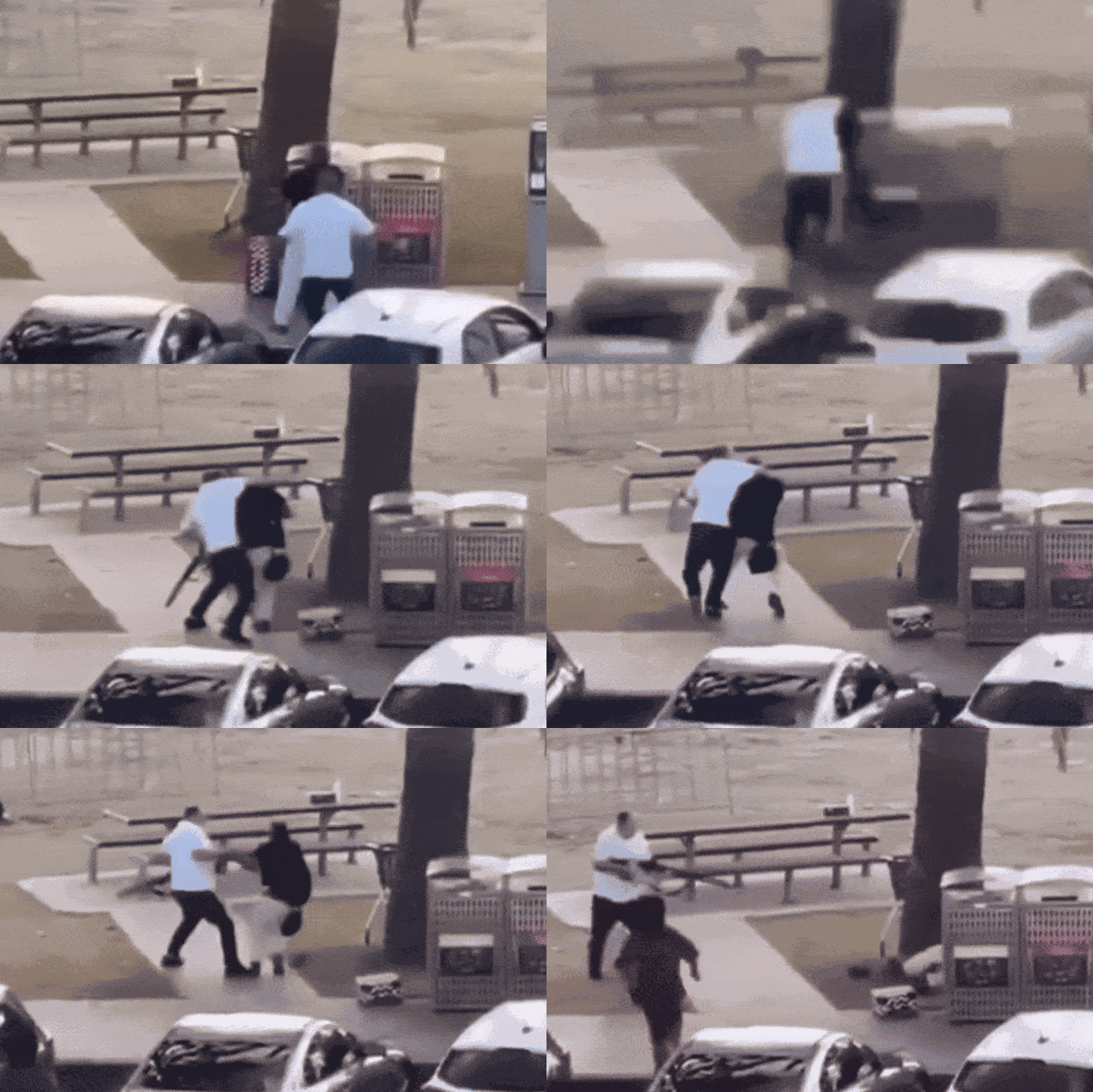
One video shows a bystander tackling a gunman from behind, wrestling his gun from him. Others were performing CPR on the injured on the beach.

A Jewish chaplain with blood on him spoke of trying to save people amid terrible scenes of people shot in the head. People fled as the attack unfolded, but some elderly people were unable to run.

Prime Minister Anthony Albanese described the scenes as “shocking and distressing”. “My thoughts are with every person affected.” In the wake of the attack he convened an emergency meeting of the National Security Committee of cabinet.

Albanese received a preliminary briefing from Australian Federal Police acting Deputy Commissioner Nigel Ryan and New South Wales Premier Chris Minns, who convened an emergency meeting of state cabinet. Albanese defended himself against criticism he had not taken antisemitism seriously enough.

“Australia is braver than those who seek to make us afraid […] we will see justice done, and we will come through this together,” he said.

“There are nights that tear at our nation’s soul in this moment of darkness,” Albanese said. “We must be each other’s light. Hold on to the true character of the country that we love.”

At Sunday night’s press conference, Minns said “This cowardly act of terrifying violence is shocking and painful to see, and represents some of our worst fears about terrorism in Sydney.” He asked Australians to “wrap their arms around” the Jewish community, and praised both the outpouring of love and support towards the Jewish community as well as the extraordinary demonstrations of courage in the wake of the attack.

Lanyon called for calm, and said this is “not a time for retribution”. He assured the public no stone would be left unturned in bringing those responsible to justice and ensuring there are no further attacks. “This type of disgraceful activity, this wanton use of violence, the taking of innocent lives is unacceptable to New South Wales.”

Independent federal MP Allegra Spender, who represents Bondi in her seat of Wentworth, also expressed her shock and horror.

Opposition Leader Sussan Ley also expressed her shock. “Australians are in deep mourning tonight, with hateful violence striking at the heart of an iconic Australian community, a place we all know so well and love, Bondi.

“Today we stand together as Australians against hate in this moment of profound tragedy and shock.”

In a statement, Israeli President Isaac Herzog said “our heart misses a beat”. He called on the Australian government to “take action to fight against the enormous wave of antisemitism which is plaguing Australian society”.

The Australian Imams Council issued a statement condemning the attack.

“These acts of violence and crimes have no place in our society. Those responsible must be held fully accountable and face the full force of the law,” the statement said.

“Our hearts, thoughts and prayers are with the victims, their families, and all those who witnessed or were affected by this deeply traumatic attack.”

A timeline of the events

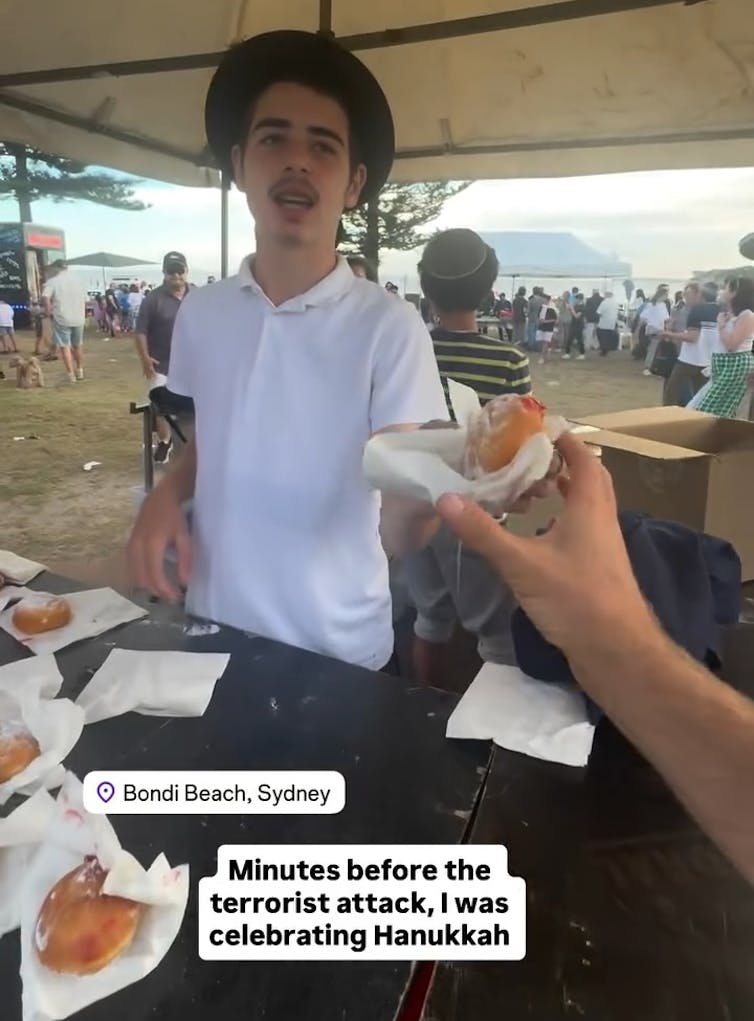
  • 5pm – Chanukah by the Sea event begins. It’s run by the Chabad of Bondi which promotes it as “the perfect family event to celebrate light, warmth, and community.”
A person handing someone a hot jam donut
Instagram user @kobi_farkash was at the Chanukkah by the Sea event.
@kobi_farkash/Instagram

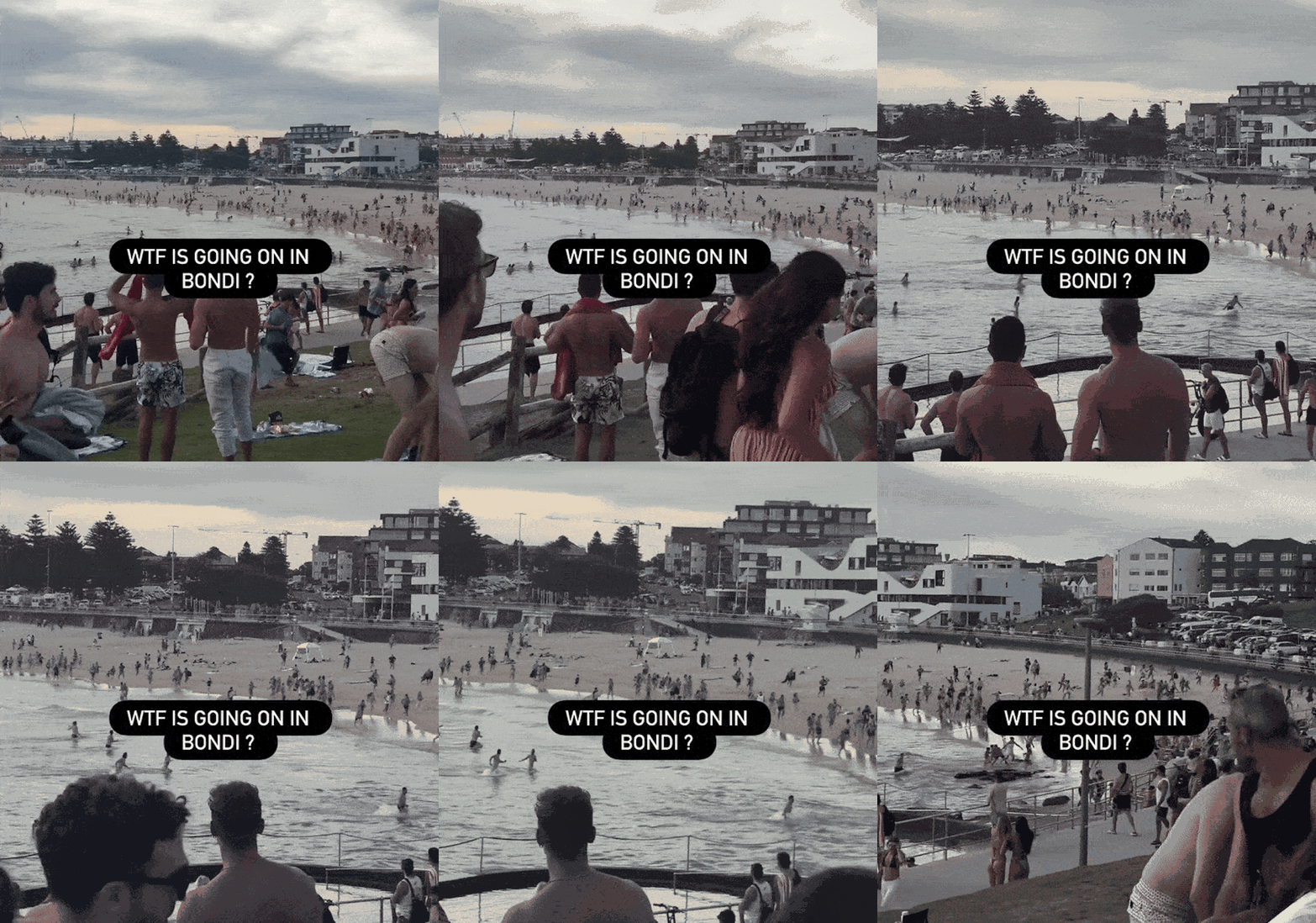
Beachgoers seen running from shots.
c29sty/Instagram

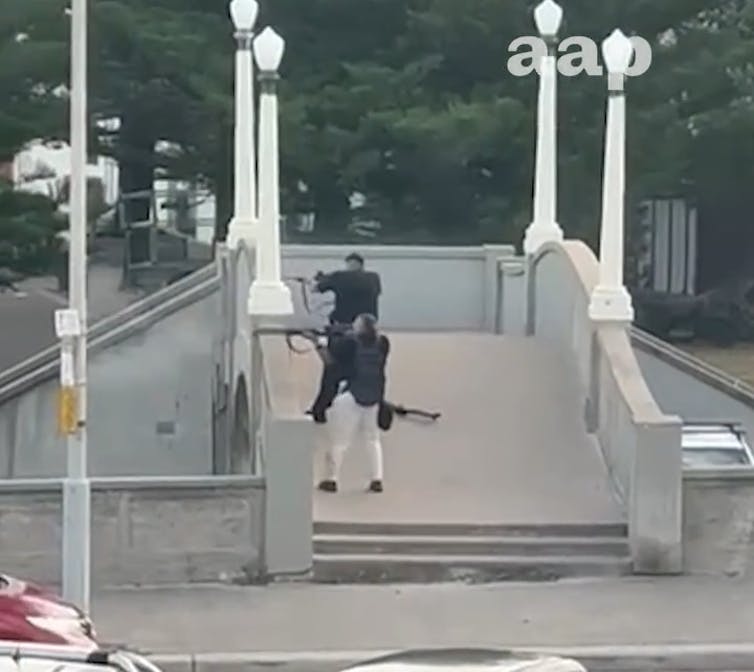
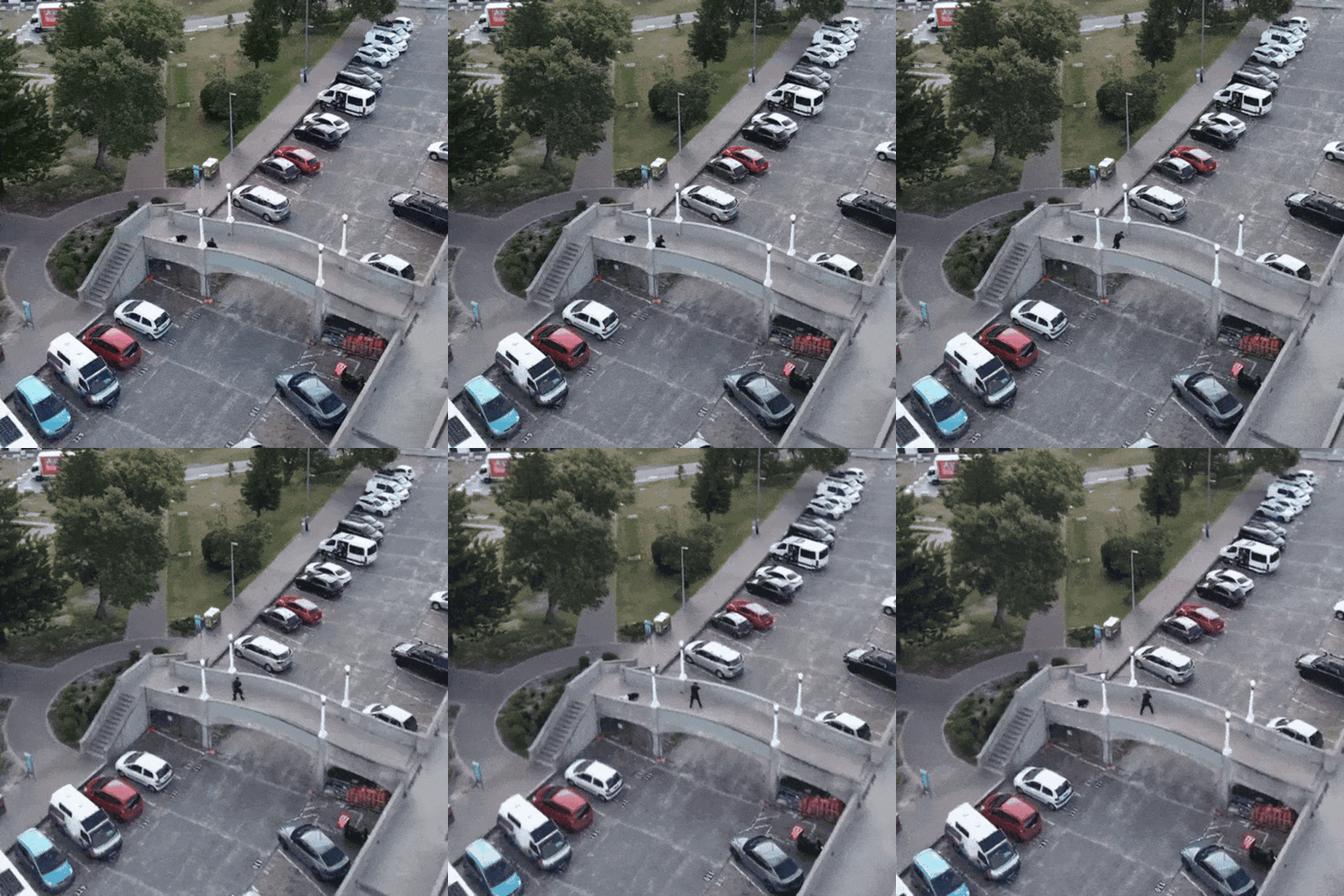
  • Sometime after 6.45pm – Two shooters can be seen firing from a bridge towards people at the Chanukah by the Sea event. They have a number of guns. Video footage shows cars driving past them as they shoot.
Footage shows the two gunmen beginning their attack from the bridge.
AAP

  • One of the shooters, since identified as Sajid Akram, moves to the park grass.

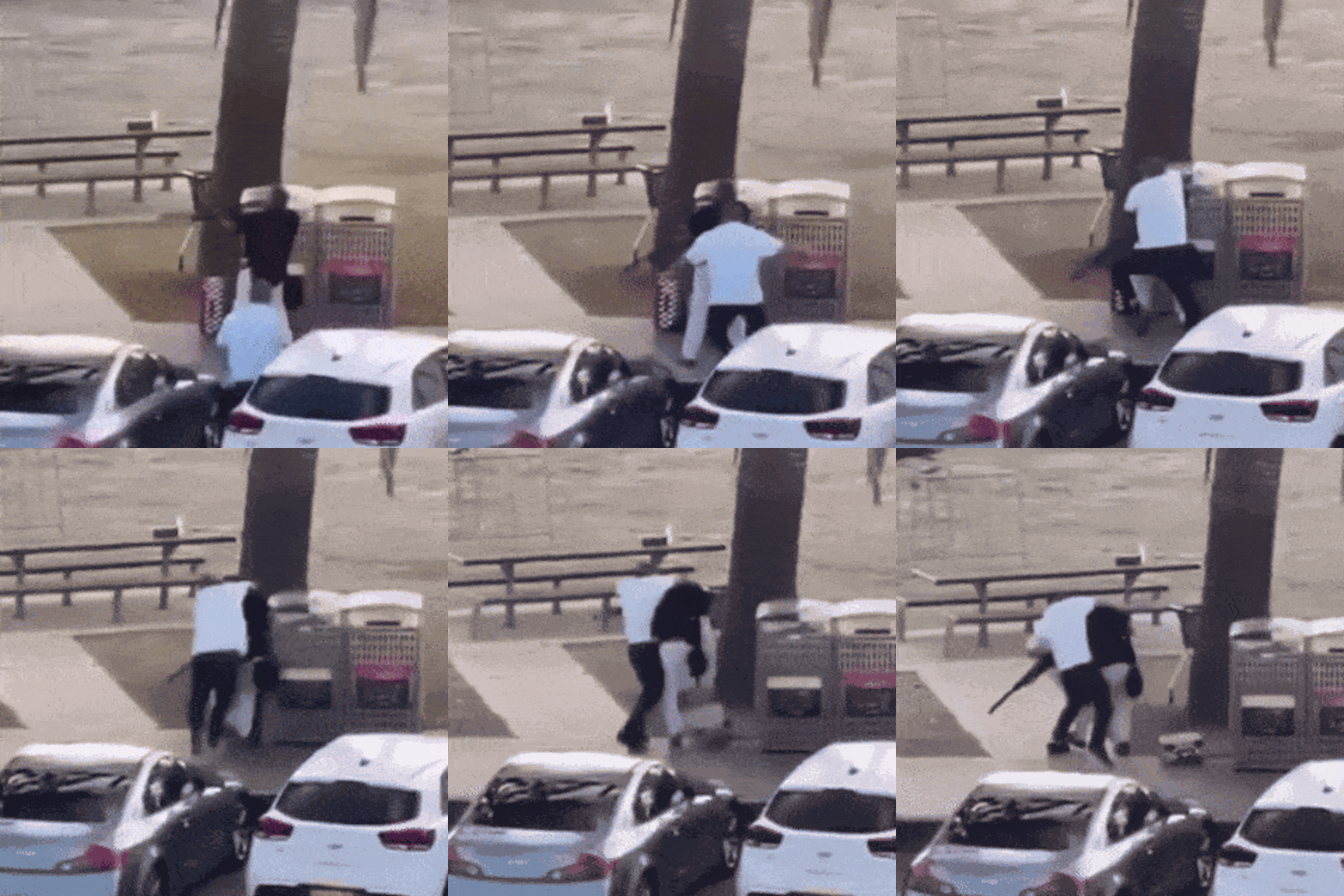
  • A bystander, since identified as Ahmed El-Ahmed, tackles gunman Sajid Akram.
Incredible footage of Ahmed al Ahmed tackling a gunman and taking his weapon.
ABC

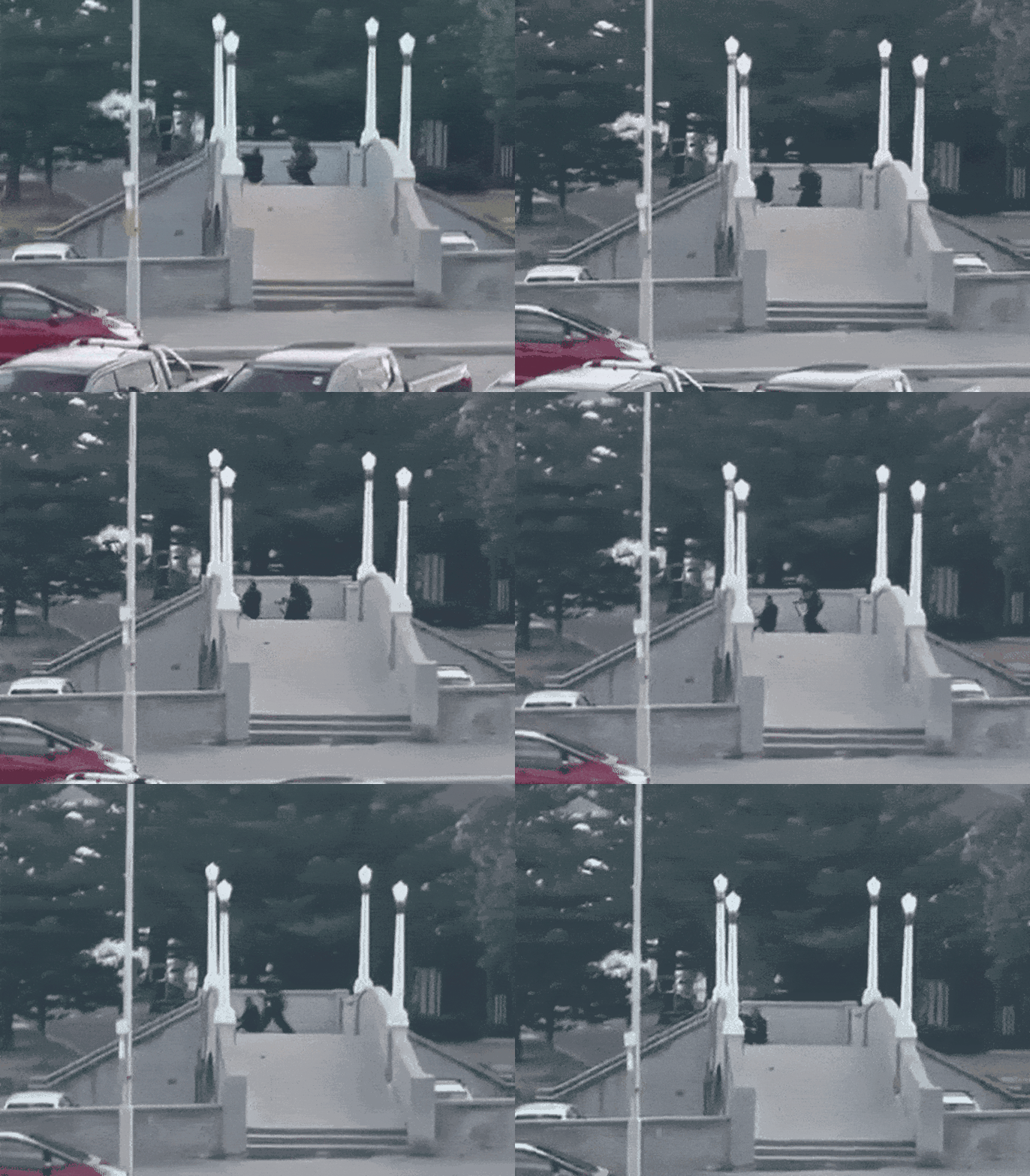
  • Sajid Akram runs back to bridge where video shows his son Naveed Akram is still shooting. He re-arms. Both men come under fire from police nearby.
The gunman returns to the bridge and re-arms.
ABC

  • Sajid Akram is shot and falls to the ground.
Drone footage shows one gunman down while a second remained firing.
ABC
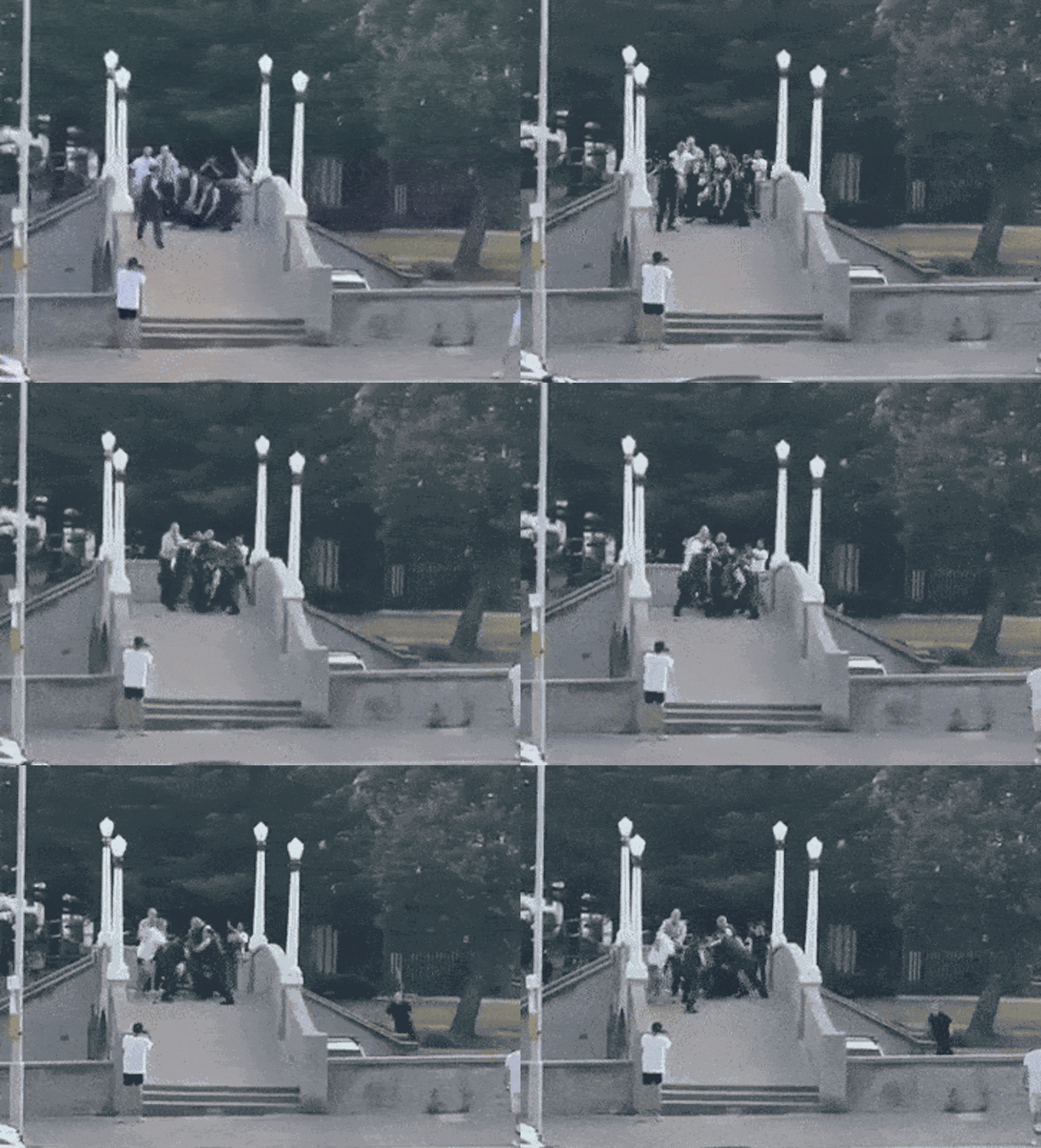
  • The second alleged gunman, Naveed Akram, is shot. A man in pale clothing walks towards the bridge then motions for police to come. Another man moves onto the bridge and raises his hands, a gunshot can be heard in the video footage.
Chaos ensues as bystanders and police rush the bridge.
AAP/ABC/X
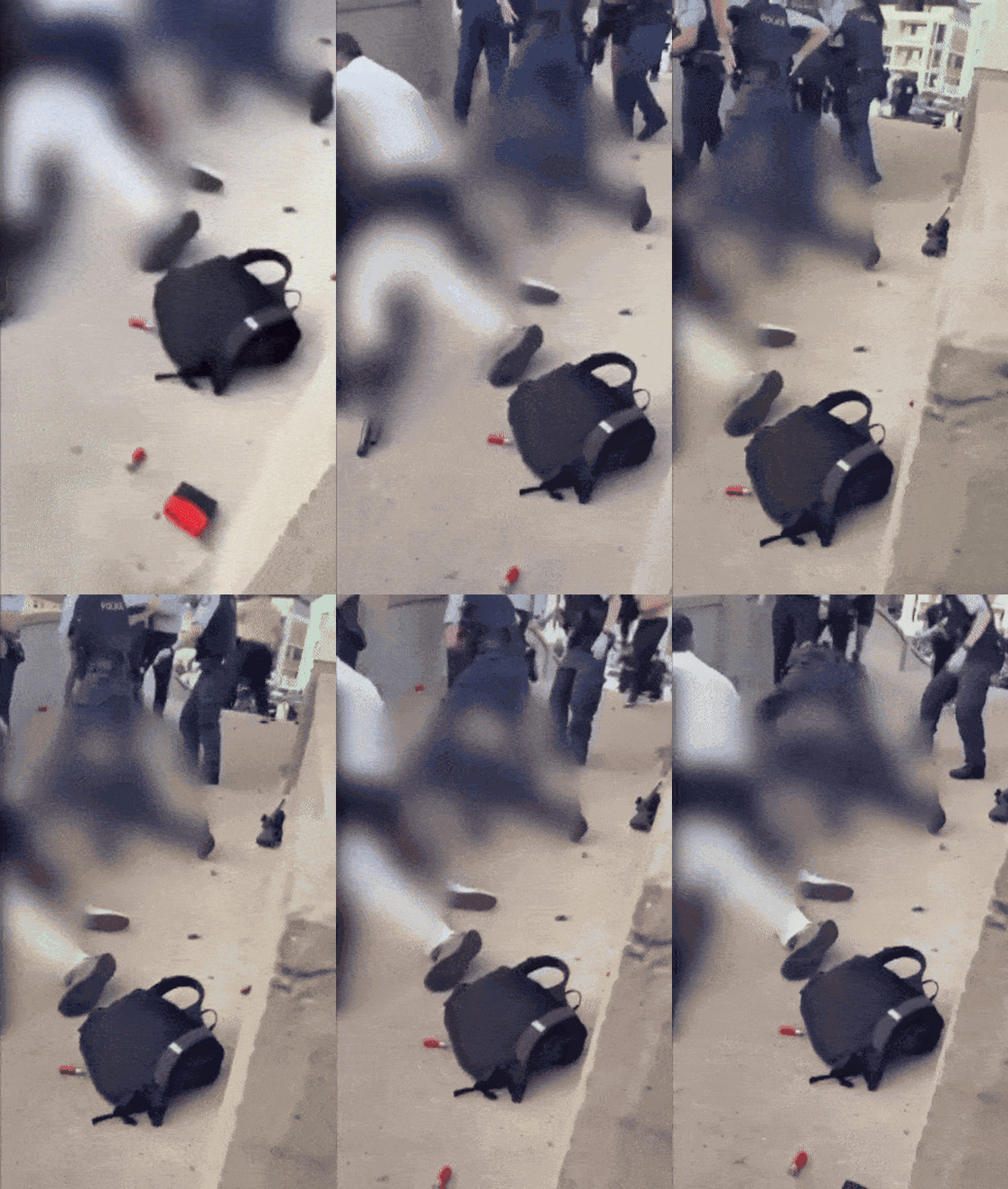
  • Police and members of the public run onto the bridge in chaotic scenes. One man can be seen kicking one of the alleged gunmen, while another two people are fighting each other.

  • By 7.30, police are seen surrounding the shooters on the ground.

Footage shows police securing the scene and stabilising the injured gunman.
ABC
  • Sajid Akram is confirmed to have died, while Naveed Akram is in hospital with injuries.

This article has been updated.

The Conversation

ref. ‘An act of evil antisemitism’: at least 15 dead in terrorist attack on Bondi Beach – https://theconversation.com/an-act-of-evil-antisemitism-at-least-15-dead-in-terrorist-attack-on-bondi-beach-272031

‘An act of evil antisemitism’: at least 16 dead in terrorist attack on Bondi Beach

Source: The Conversation – Global Perspectives – By Alexandra Hansen, Deputy Editor and Chief of Staff, The Conversation

The death toll has risen to 16 after two gunmen opened fire on a crowd at Bondi Beach at about 6.47pm on Sunday. Thirty-eight people were injured and taken to hospital, including two police officers and four children. One of the gunman was among the dead. It is the deadliest mass shooting in Australia since the Port Arthur massacre in 1996.

A crowd of more than 1,000 had gathered to celebrate the first day of the Jewish festival Hanukkah. Bondi Beach is in the Sydney eastern suburbs, the heart of the Jewish community. New South Wales police have declared the shooting a terrorist attack.

Police confirmed one suspect had been taken into custody and was in serious condition. Another suspect was killed at the scene and police said they were investigating the possibility of a third offender. One of the attackers was known to authorities.

On Sunday evening, police were also investigating reports of an explosive device near the beach. At a press conference on Sunday night, New South Wales Police Commissioner Mal Lanyon confirmed an improvised explosive had been found in a car.

ASIO head Mike Burgess said Australia’s terrorism threat level remained at “probable”. This means there is a greater than 50% chance of an onshore attack or attack planning in the next twelve months. “I don’t see that changing at this stage,” Burgess told reporters in Canberra on Sunday night.

Soon after the shooting began, horrific vision emerged on social media of people shot dead or injured, as well as footage of incredible acts of bravery from passersby trying to thwart the attack.

One video shows a bystander tackling a gunman from behind, wrestling his gun from him. Others were performing CPR on the injured on the beach.

A Jewish chaplain with blood on him spoke of trying to save people amid terrible scenes of people shot in the head. People fled as the attack unfolded, but some elderly people were unable to run.

Prime Minister Anthony Albanese described the scenes as “shocking and distressing”. “My thoughts are with every person affected.” In the wake of the attack he convened an emergency meeting of the National Security Committee of cabinet.

Albanese received a preliminary briefing from Australian Federal Police acting Deputy Commissioner Nigel Ryan and New South Wales Premier Chris Minns, who convened an emergency meeting of state cabinet. Albanese defended himself against criticism he had not taken antisemitism seriously enough.

“Australia is braver than those who seek to make us afraid […] we will see justice done, and we will come through this together,” he said.

“There are nights that tear at our nation’s soul in this moment of darkness,” Albanese said. “We must be each other’s light. Hold on to the true character of the country that we love.”

At Sunday night’s press conference, Minns said “This cowardly act of terrifying violence is shocking and painful to see, and represents some of our worst fears about terrorism in Sydney.” He asked Australians to “wrap their arms around” the Jewish community, and praised both the outpouring of love and support towards the Jewish community as well as the extraordinary demonstrations of courage in the wake of the attack.

Lanyon called for calm, and said this is “not a time for retribution”. He assured the public no stone would be left unturned in bringing those responsible to justice and ensuring there are no further attacks. “This type of disgraceful activity, this wanton use of violence, the taking of innocent lives is unacceptable to New South Wales.”

Independent federal MP Allegra Spender, who represents Bondi in her seat of Wentworth, also expressed her shock and horror.

Opposition Leader Sussan Ley also expressed her shock. “Australians are in deep mourning tonight, with hateful violence striking at the heart of an iconic Australian community, a place we all know so well and love, Bondi.

“Today we stand together as Australians against hate in this moment of profound tragedy and shock.”

In a statement, Israeli President Isaac Herzog said “our heart misses a beat”. He called on the Australian government to “take action to fight against the enormous wave of antisemitism which is plaguing Australian society”.

The Australian Imams Council issued a statement condemning the attack.

“These acts of violence and crimes have no place in our society. Those responsible must be held fully accountable and face the full force of the law,” the statement said.

“Our hearts, thoughts and prayers are with the victims, their families, and all those who witnessed or were affected by this deeply traumatic attack.”


This article has been updated.

The Conversation

ref. ‘An act of evil antisemitism’: at least 16 dead in terrorist attack on Bondi Beach – https://theconversation.com/an-act-of-evil-antisemitism-at-least-16-dead-in-terrorist-attack-on-bondi-beach-272031

Intervene or run and hide: what should you do during public violence like the attacks at Bondi?

Source: The Conversation – Global Perspectives – By Milad Haghani, Associate Professor and Principal Fellow in Urban Risk and Resilience, The University of Melbourne

A bystander tackles a gunman at the Bondi Beach mass shooting Instagram

As Sunday’s Bondi Beach attack unfolded, many will have seen footage of a man acting alone, moving toward one of the gunmen and wrestling the weapon from his hands.

It was an extraordinary act of bravery that resulted in him being shot twice.

The man was named as 43-year-old Ahmed al Ahmed, a local fruit shop owner.

Incredible bravery, but there are risks

We have no way of knowing how many additional lives were saved as a result of Ahmed’s bravery. But it almost certainly prevented further loss of life.

The moment is reminiscent of when a bystander similarly intervened at great personal risk during the Bondi Junction shopping centre attack in 2024.

When acts of courage like these occur, we rightly take notice and commend them.

But they also raise important and often overlooked questions: what motivates ordinary people to take such selfless, high-risk actions, is bystander intervention a good strategy, or does it go against official advice during mass violence events?

Two types of ‘bystander effect’

Many people would have heard of the “bystander effect”, which occurs when the presence of others discourages someone from intervening in an emergency situation, against a bully, or during an assault or other crime.

But decades of behavioural research complicate the popular idea that people inevitably freeze or look away when others are present during dangerous situations.

A large meta-analysis of bystander behaviour shows in genuinely dangerous, unambiguous emergencies (like those involving a clear perpetrator), the classic (passive) bystander effect is substantially weakened, and in some cases even reversed.

In other words, violent attacks are precisely the kinds of situations where people become likelier to act.

One reason is danger clarifies responsibility. When a situation is clearly life-threatening, people recognise it faster and are less likely to wait for social cues or reassurance from others.

We see time and again that in clear high-risk emergencies (particularly those involving violence), responsibility often sharpens rather than disappears.

An analysis of more than 100 suicide attacks in Israel shows bystander intervention can significantly reduce overall casualties.

Across these documented incidents, intervention rarely prevented an attack altogether but it frequently disrupted the attacker’s control over timing and location, triggering premature action in less crowded settings and saving lives as a result.

The same analysis, however, also shows bystander intervention often came at a direct personal cost to the interveners.

But active bystander behaviour takes many forms and can occur at different stages.

It may also involve:

  • someone who knows the perpetrator noticing and reporting concerning behaviour in the lead-up to an attack

  • guiding others to safety or sharing information as events unfold

  • providing assistance and coordination in the aftermath.

However, getting involved does seem to fly in the face of official advice from Australian authorities.

In fact, only a few weeks ago, the Australia–New Zealand Counter-Terrorism Committee launched a new national public safety campaign.

A new safety message

The new public safety campaign explicitly recognises that Australia is a safe country but there remains a risk of weapons attacks in crowded places, and that knowing how to respond can save lives.

The campaign introduced the guidance “Escape. Hide. Tell.” which means:

  • escape: move quickly and quietly away from danger but only if it is safe to do so

  • hide: stay out of sight and silence your mobile phone

  • tell: call police by dialling Triple Zero (000) when it is safe.

The aim of this advice is to help people respond in the critical first moments before police arrive, make informed decisions, and increase their chances of staying safe.

The official Australian guidance does not include any instruction to confront an attacker.

By contrast, US public safety messaging such as the FBI’s “Run. Hide. Fight” guidance does include a “fight” step, but only as a last-resort option when escape and hiding are not possible and life is in immediate danger.

Australian authorities have chosen not to include such a step, emphasising avoidance and reporting rather than confrontation.

Some practical advice

My previous experimental research has identified more specific behavioural guidance that can improve survival chances in violent attacks, particularly in crowded environments.

Using computer modelling and controlled experiments with real crowds, I have identified several strategic areas to improve their survival chance in such events.

First, moving slowly away from danger is not ideal – people need to move away from the source of threat as quickly and safely as possible.

Second, hesitation – whether to gather information, inspect what is happening, or film events – increases the risk of harm.

Third, people need to remain agile in their decision-making and navigation while they are moving and be willing to adjust their movement as situations evolve and information becomes clearer. This means continuously scanning your surroundings and adjusting direction as new information becomes apparent, rather than stopping to reassess.

Finally, when moving with family or friends, travelling in a single-file formation – staying close in a back-to-back snake formation rather than holding hands side by side – benefits everyone by reducing congestion and improving flow.

Be prepared

The events in Sydney are horrific and they underline a difficult reality: preparedness for violent risks in crowded places needs to become more mainstream.

Crowded spaces will always remain vulnerable to deliberate violence, whether driven by terrorist intent or other motivations.

Messaging needs to reach more people to be evidence-based, nuanced, and widely accessible.

With several major public events and large mass gatherings approaching (including New Year’s Eve) it is more important than ever for people to be aware of these risks and remain vigilant.

The Conversation

Milad Haghani does not work for, consult, own shares in or receive funding from any company or organisation that would benefit from this article, and has disclosed no relevant affiliations beyond their academic appointment.

ref. Intervene or run and hide: what should you do during public violence like the attacks at Bondi? – https://theconversation.com/intervene-or-run-and-hide-what-should-you-do-during-public-violence-like-the-attacks-at-bondi-272046

La ‘Odisea’, ese gran libro de aventuras

Source: The Conversation – (in Spanish) – By Silvia Rodríguez-García, Profesora de Literatura Antigua y Medieval. Área de Humanidades. Facultad de Educación y Humanidades de la Universidad Internacional de La Rioja, UNIR – Universidad Internacional de La Rioja

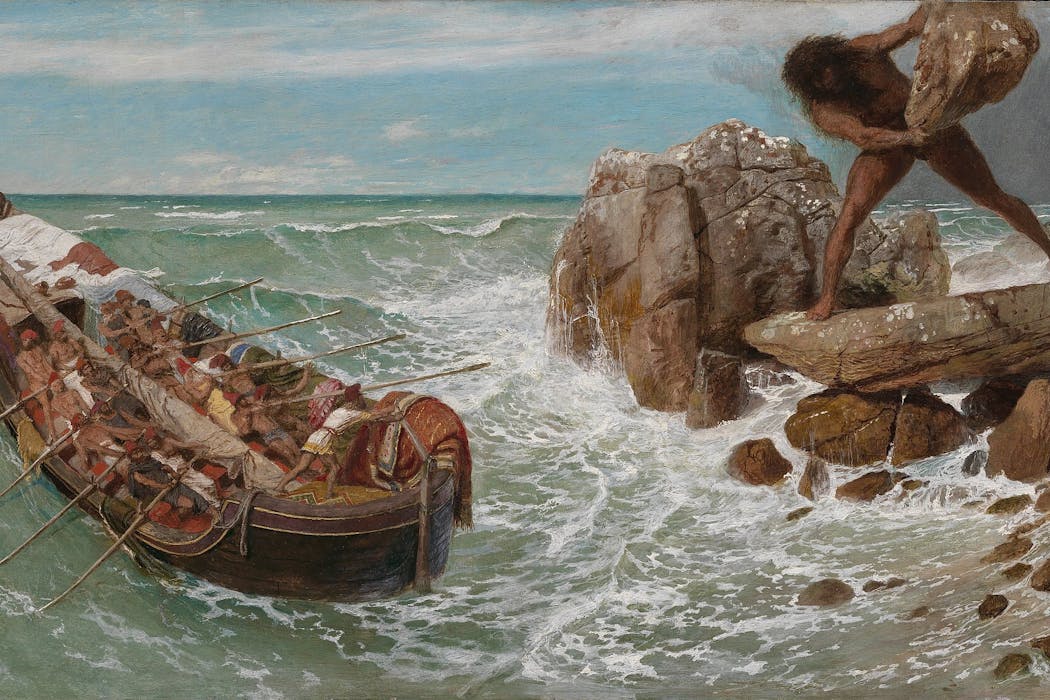
Ulises/Odiseo contra Polifemo, por Arnold Böcklin. Museum of Fine Arts Boston

Quienes hemos visto Harry Potter o El Señor de los Anillos y nos emocionamos con los animales fantásticos, los seres mitológicos y las luchas entre el bien y el mal, no lo sabemos pero estamos a punto de caer en las redes de Homero.

Si además nos gusta el cine y seguimos los últimos estrenos, tal vez hayamos escuchado que Christopher Nolan tiene en el horno una nueva película, The Odyssey, basada en La Odisea, una de las más grandes epopeyas clásicas de la antigüedad.

La historia que nos cuenta el periplo homérico está escrita en el siglo VIII a. e. c. Sin embargo, es más actual que nunca. Seguro que en algún momento hemos dicho o escuchado decir “el talón de Aquiles”, “¡qué odisea!”, “la esperanza es lo último que se pierde”. Pues bien, estas expresiones se originaron hace 3 000 años.

Cíclopes, hechizos y sirenas

Imaginemos a un héroe intentando volver a su casa, Ítaca, después de la guerra de Troya –la del famoso caballo– y enfrentándose a un largo viaje de… digamos diez años, para ser fieles al poema. Este héroe es Ulises (Odiseo), el mismo al que han hecho alusión autores contemporáneos –como el poeta griego Konstantínos Kavafis y el escritor irlandés James Joyce– y en el que bien podríamos encontrar similitudes con el mismísimo Frodo, de El Señor de los Anillos.

Ulises parte a la guerra de Troya dejando a su esposa, Penélope, y su hogar al cuidado de su joven hijo Telémaco. En su (largo) camino de vuelta, comenzará un desfile de criaturas fantásticas y mitológicas que nos acompañará durante toda la obra.

Fotografías de tres personajes de la adaptación de la Odisea.
En la nueva película de Christopher Nolan, Tom Holland, Anne Hathaway y Matt Damon interpretan, respectivamente, a Telémaco, Penélope y Ulises.
Instagram/The Odyssey

Empieza enfrentándose al cíclope Polifemo, monstruo de un solo ojo que devora sin pensarlo a quien se ponga en su camino y al que consigue engañar gracias a su astucia. Después vence al insinuante pero peligroso canto de las sirenas atándose al mástil de su embarcación para no sucumbir. Y desafía a las terribles Escila y Caribdis, monstruos marinos que se asientan a uno y otro lado del estrecho por el que tiene que pasar su nave. Además, también tenemos hechiceras como Circe quien, mediante una poción mágica, convierte a Ulises y a sus hombres en cerdos.

Por si fuera poco, todavía hay más tropiezos en el viaje de nuestro héroe. En esta ocasión, de la mano de la bella ninfa Calipso, que lo retiene durante siete años en la isla de Ogigia. Todo esto sin olvidar la ira de los dioses, con Poseidón, dios del mar, al frente. Este se encarga de hacerle el camino de vuelta a Ítaca más difícil todavía a fuerza de oleajes, naufragios y tifones –por cierto, Tifón también es un ser mitológico–.

Posiblemente a estas alturas ya tenemos claro de dónde viene la expresión “vaya odisea”.

El telar de Penélope

Y mientras Ulises lucha por volver a casa, ¿qué está ocurriendo en Ítaca?

Pues que, cuando ya parecía evidente que Odiseo no iba a volver y aprovechando que Telémaco había salido a buscar noticias de su padre, un puñado de pretendientes con intención de ocupar el palacio en su ausencia y aprovecharse de la vulnerabilidad de Penélope ha ocupado la escena. Ni más ni menos que 12 señores –de los 108 interesados inicialmente– se instalan en los aposentos del edificio, comiendo y bebiendo sin descanso esperando a tomar la mano de la mujer. Ella había dicho que elegiría una nueva pareja entre los interesados cuando acabara de tejer un sudario para su supuesto difunto marido.

Pintura de Penélope en su telar con una sirvienta recogiendo manzanas.
Penélope en su telar con una sirvienta recogiendo manzanas, en una pintura de John Roddam Spencer Stanhope.
Sotheby’s/Wikimedia Commons

Lo que no podían intuir ellos era que Penélope tejía de día, pero deshacía el tejido de noche, confiando en que Ulises regresaría vivo.

Tres años estuvo Penélope tejiendo y destejiendo, hasta que una de las sirvientas descubrió el engaño. El enfado de los pretendientes fue mayúsculo. Le permitieron terminar de hilar el sudario, pero vigilándola día y noche para que no hiciera más trampas. Una vez terminado tendría que elegir nuevo esposo sin dilación.

El amigo más fiel

En este punto de la obra, Ulises llega a Ítaca. Pero no como rey sino convertido en un mendigo por obra de la diosa Atenea, a la que el héroe había implorado ayuda para recuperar su casa. Es tal la transformación que ni Eumeo, su propio porquerizo, le reconoce.

Pero sí hay alguien que, simplemente viéndole los pies, sabe que ese mendigo es su amo. Y ese es Argos, su perro. Compañero fiel que esperó veinte años (los diez de la guerra de Troya más la década de regreso) a que su dueño regresara antes de morir. Argos le saluda agitando la cola, aunque Ulises sabe que no debe responder al saludo para no desvelar su identidad.

El héroe es consciente de que no puede presentarse vestido de rey, porque entonces los pretendientes le matarían. Así que decide mantener su apariencia de mendigo e infiltrarse en el palacio para llevar a cabo un ataque sorpresa. Tan solo su hijo, Telémaco, sabe de sus intenciones.

Dibujo de un hombre a punto de disparar un arco.
Ilustración de François-Louis Schmied para La Odisea en la que Ulises, disfrazado de mendigo, se dispone a superar la prueba del arco.
Gallica (biblioteca digital de la Biblioteca Nacional de Francia).

Mientras tanto, Penélope, acosada por los hombres, decide ponerles a examen, exigiéndoles que superen una prueba consistente en tensar el arco de Odiseo y atravesar doce hachas alineadas con una única flecha; el que consiga pasarla será su nuevo esposo. Ninguno de los doce lo logra, pues el arma está forjada únicamente para las manos de su dueño y requiere, además de fuerza bruta, una técnica particular.

Así pues, en un giro de los acontecimientos, quien sí lo consigue es el mendigo del que llevan un tiempo burlándose, el hombre que en ese momento desvela su verdadera identidad como Ulises, rey de Ítaca. Acaba uno a uno con todos ellos y recupera así su patria, su hogar y su familia después de veinte años de penurias y calamidades.

Para profundizar en la historia que acaba de leer, puede esperar al estreno de la película el verano de 2026. O, mejor aún, puede coger la obra de Homero y descubrir una auténtica novela de aventuras y el origen de muchos de los actuales seres mitológicos que conocemos. Una vez hecho, se preguntará por qué no la ha leído antes.

The Conversation

Silvia Rodríguez-García no recibe salario, ni ejerce labores de consultoría, ni posee acciones, ni recibe financiación de ninguna compañía u organización que pueda obtener beneficio de este artículo, y ha declarado carecer de vínculos relevantes más allá del cargo académico citado.

ref. La ‘Odisea’, ese gran libro de aventuras – https://theconversation.com/la-odisea-ese-gran-libro-de-aventuras-266428

Ellas también tejen la ‘Odisea’: las voces femeninas que sostienen el viaje

Source: The Conversation – (in Spanish) – By Joana Rodríguez Pérez, Contratada predoctoral en el departamento de Historia del Arte y Filosofía, Universidad de La Laguna

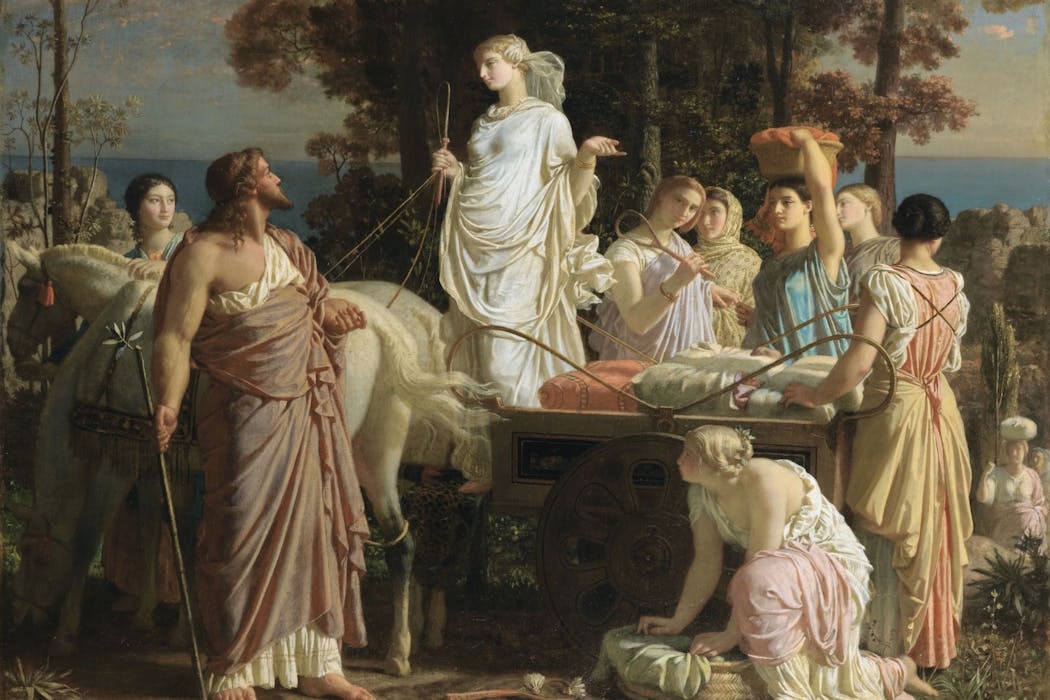
Pintura de Charles Gleyre en la que se muestra el encuentro entre Ulises y Nausicaa. Wikimedia Commons

En los últimos años el cine ha vuelto a recurrir a la segunda épica homérica para adaptar las historias del héroe griego. En 2025 se estrenó la película El regreso de Ulises del director italiano Uberto Pasolini, protagonizada por Ralph Fiennes y Juliette Binoche, y se espera con ansias la producción dirigida por Cristopher Nolan para julio del 2026.

Esta recurrencia no debe sorprender: ya desde el periodo mudo los cineastas se inspiraron en los textos clásicos para realizar sus producciones atraídos por el tono aventurero que les proporcionaba. No obstante, ¿es la Odisea únicamente el relato de las hazañas de un héroe?

Según una encuesta realizada en 2018 por la BBC, la Odisea es la obra más influyente de la historia. En sus 24 cantos, esta epopeya narra los diez años del regreso de Ulises/Odiseo a su hogar, Ítaca, después de la guerra de Troya. El énfasis se pone en su lucha contra obstáculos naturales, divinos y humanos para volver a casa con su mujer Penélope y su hijo Telémaco.

Pero… imaginemos ahora que abrimos la Odisea con unas nuevas lentes. Más allá del héroe luchando contra monstruos o sorteando tempestades, encontramos una estructura femenina que sostiene la trama. Este enfoque exige reordenar nuestra expectativa: ya no asimilamos la historia de un solo hombre sino que en sus páginas hallamos un amplio universo femenino. Estas mujeres no se limitan a las funciones tradicionales, sino que se convierten en estrategas, mediadoras y guías fundamentales para el desarrollo del viaje.

Mujer (Penelope) tejiendo en un telar
Juliette Binoche como Penélope en un fotograma de El regreso de Ulises.
Filmaffinity

‘Invisibles’ pero imprescindibles

Desde el comienzo de la epopeya, la presencia femenina es central. La narración se inaugura invocando a la Musa, quien no solo inspira al poeta sino que establece un patrón estructural: la mujer como mediadora entre el conocimiento y la acción, la palabra y el destino.

Este tipo de figuras se configuran como “mujeres guía” y actúan con precisión estratégica, ya que su palabra es motor directo de la acción. Son ellas quienes diseñan rutas, negocian, intervienen en la voluntad divina, eligen los momentos oportunos de ocultamiento o revelación y, en definitiva, desbloquean conflictos y abren sendas.

No obstante, su papel va mucho más allá de asistir al héroe en momentos de dificultad. En la Odisea, las mujeres no solo guían: también piensan, deciden y actúan con una inteligencia tan afinada como la del propio protagonista.

Esa capacidad, conocida en la tradición griega como mêtis –inteligencia práctica, astucia estratégica–, es el rasgo que define a Odiseo. Sin embargo, en el poema no es un atributo exclusivo del héroe. Como señalan autoras como Grace LaFrentz, Odiseo aprende de las mujeres con las que se cruza una forma de mêtis más paciente y calculada, asociada al tejido: urdir planes, tramar soluciones, hilar el tiempo con prudencia…

La metáfora no es casual. La famosa estratagema de Penélope –tejer de día y destejer de noche para ganar tiempo frente a los pretendientes que quieren casarse con ella ante la ausencia de Ulises– es el ejemplo perfecto de esa inteligencia que combina ingenio, autocontrol y estrategia.

Las voces que configuran el viaje

De entre los múltiples personajes femeninos presentes en la epopeya, podemos encontrar modelos paradigmáticos que explican lo que defendíamos anteriormente.

Relieve de Atenea pensativa.
Museo de la Acrópolis, Atenas.

Atenea podría considerarse el mejor ejemplo de la “mujer-guía”. No solo protege al héroe en el Olimpo, sino que diseña sus estrategias, le sugiere disfraces y le da los tiempos justos para actuar. Además, propicia el encuentro con otras mujeres que le ayudarán en momentos cruciales. Su intervención es constante y decisiva.

Helena de Troya aparece en la Odisea ejerciendo un papel de anfitriona y mediadora. En la gran sala de su palacio, junto a su marido y otros hombres, recibe y es la primera en reconocer e interpelar a Telémaco y darle noticias sobre su padre. Nausícaa, por su parte, cumple con una función orientadora muy concreta: al encontrar al náufrago, le indica cómo dirigirse ante su madre, la reina Arete –y no ante su padre, el rey Alcínoo– para ser recibido favorablemente en palacio. Esa mediación no es menor, pues abre la puerta política para que Odiseo tenga el apoyo de la corte feacia para volver a casa.

Calipso, Circe e incluso Ino aportan ayuda desde registros distintos. Lo hacen siendo hospitalarias –como Calipso–, consejeras –como Circe (quien le indica como sortear a las sirenas)– o con su sobrenatural auxilio salvador, como Ino, quien rescata al héroe tras un naufragio dándole un velo mágico que le permite mantenerse a flote y sobrevivir en aguas embravecidas.

Y por supuesto entre todas ellas destaca Penélope. Desde Ítaca, resiste con inteligencia: administra el reino, teje y desteje el sudario de Ulises para dilatar la espera de los pretendientes, decide ponerles a prueba para demostrar quién es digno de casarse con ella –sabiendo que ninguno superará el reto que les marca– y se mantiene firme en su posición todo el tiempo. Su agudeza es incluso reconocida por el héroe al compararla con un venerable rey.

De esta manera, la Odisea deja de ser la historia de un hombre que vuelve para mostrar el tejido de voces femeninas que no son extras sino nodos estratégicos del relato. Asumir esto no resta ni mucho menos valor a la peripecia central. Únicamente reconoce y resalta la importancia de los personajes femeninos que durante tanto tiempo han permanecido ensombrecidos.

The Conversation

Joana Rodríguez Pérez recibe fondos de la Agencia Canaria de Investigación, Innovación y Sociedad de la Información de la Consejería de Economía, Conocimiento y Empleo y por el Fondo Social Europeo (FSE) Programa Operativo Integrado de Canarias 2014-2020, Eje 3 Tema Prioritario 74 (85%)

Enrique Ramírez Guedes no recibe salario, ni ejerce labores de consultoría, ni posee acciones, ni recibe financiación de ninguna compañía u organización que pueda obtener beneficio de este artículo, y ha declarado carecer de vínculos relevantes más allá del cargo académico citado.

ref. Ellas también tejen la ‘Odisea’: las voces femeninas que sostienen el viaje – https://theconversation.com/ellas-tambien-tejen-la-odisea-las-voces-femeninas-que-sostienen-el-viaje-267250

Ganar el gordo de Navidad es como encontrar un grano concreto de arroz en treinta platos de paella

Source: The Conversation – (in Spanish) – By Francisco Pedroche Sánchez, Profesor Titular de Matemática Aplicada (Álgebra, Cálculo, Estadística, Ciencia de Datos). Institut de Matemàtica Multidisciplinària, Universitat Politècnica de València

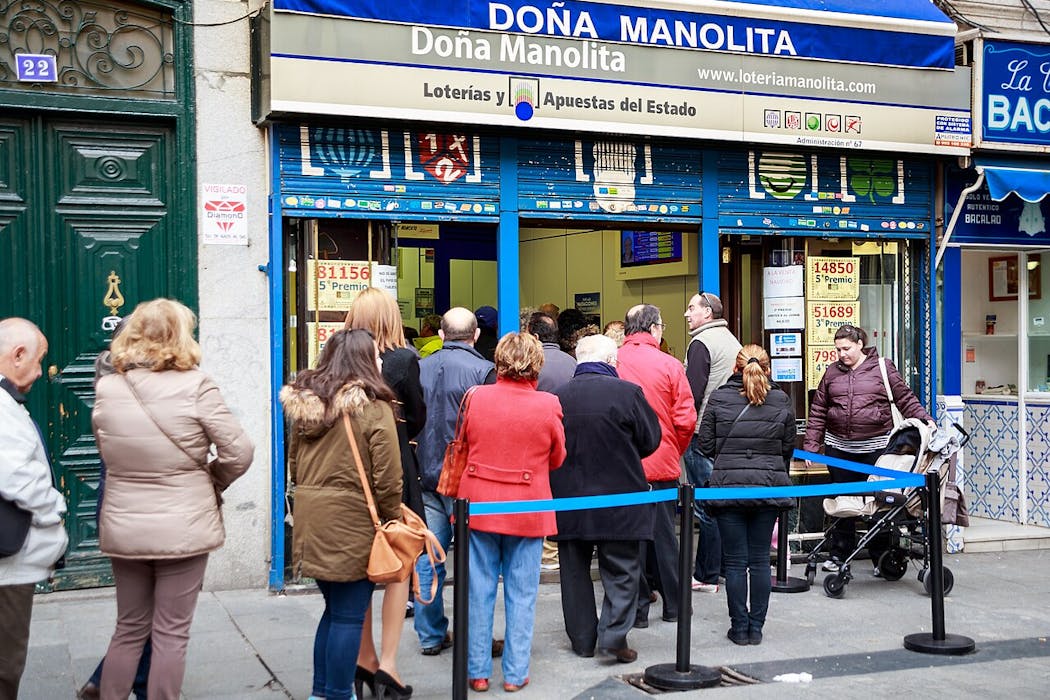
Cola para adquirir lotería de Navidad en el local de Doña Manolita, en Madrid. Barcex /Wikimedia Commons., CC BY

¿Cuál es la probabilidad de ganar algo (incluido el reintegro) al jugar un décimo de la lotería de Navidad? Se suele decir que esta probabilidad es de un 15 %: los chatbots de consulta explican que esta cifra viene de hacer la división entre el número de premios, 15 304, y los cien mil números posibles (del 00000 al 99999).

Lo primero que me viene a la mente en estas ocasiones son películas del viejo oeste donde aparecen escenas de vaqueros, nativos americanos y caballos. A veces, hay caballos sin jinete y, a veces, hay caballos con dos jinetes. Pues con los números de la lotería pasa lo mismo: si asumimos que los caballos son los números y que los premios son los jinetes, visualizaremos que un mismo número puede acarrear más de un premio.

Por ejemplo, en el Sorteo Extraordinario de Navidad de 2024, el número 71340 fue premiado con la pedrea (salió en uno de los alambres de la tabla 8) y también fue premiado por coincidir con los dos números de la terminación del tercer premio –el 11840–. Además, se llevó el reintegro por coincidir con la terminación del gordo –el 72480–. Si estuviéramos hablando del número 72 440, también habría ganado el premio por coincidir con las centenas del gordo (números del 72 400 al 72 499, excluyendo el primer premio).

Cuchara sopera conteniendo 100 granos de arroz.
Paco Pedroche.

Caballos y jinetes

Como hay números con más de un premio, la cantidad de números susceptibles de ser agraciados con premio (o sea caballos que llevarán jinetes) es menor que el número de premios (número de jinetes). Por tanto, para calcular la probabilidad de que nos toque algo en el sorteo de Navidad no podemos simplemente dividir el número de premios entre los 100 000 números.

Un cálculo más aproximado a la probabilidad de ganar algo al jugar un décimo consiste en eliminar de los posibles premios aquellos números que seguro que obtienen, al menos, dos premios. Es decir, hay caballos con dos jinetes que son fácilmente identificables incluso antes de comenzar el sorteo. Estos números son los que aparecen en el programa de premios bajo el epígrafe: “999 premios de 1 000 euros cada uno para los billetes cuyas dos últimas cifras sean iguales y estén igualmente dispuestas que las del que obtenga el premio primero”.

La probabilidad es menor del 15%

En el sorteo de Navidad del año 2024, los 999 números agraciados con este premio fueron los números del tipo XXX80: el 00080, el 00180, hasta el 99 980. De este conjunto se excluye el propio gordo, el 72 480. Estos 999 números ganaron, además, el reintegro por coincidir con la última cifra (el 0, en este ejemplo). Todos esos caballos (números) llevan al menos dos jinetes (premios).

Por tanto, podemos afirmar que los números premiados con alguna cosa (incluyendo el reintegro) serán como mucho 15 304 menos 999, es decir 14 305. De esta manera, una medida más aproximada de la probabilidad de ganar algo en el sorteo del gordo es, como mucho, un 14,3 % (como ya afirmaba el catedrático José Manuel López, redondeando al 14 %).

Un grano de arroz en treinta platos de paella

Las IA de consulta aciertan al predecir la probabilidad de ganar el gordo, pues es un único número entre 100 000 posibles, con lo cual la probabilidad es de 0,00001 o, dado en porcentaje, de un 0,001 %. Además, una IA puede proporcionar una buena analogía para visualizar este número. Entre las que se suelen utilizar en la literatura, tengo preferencia por la propuesta hace años por el matemático y divulgador José Luis Muñoz, quien usaba granos de arroz. Claro, como valenciano que soy, voy a convertir esa analogía en platos de paella.

Para hacerse una idea de lo pequeños que son los granos de arroz típicos para hacer paella, cuente 100 granos y colóquelos en una cuchara sopera. Verá que queda mucho espacio disponible. Hagamos una estimación de lo que pesan cien mil granos de arroz. En los artículos científicos sobre la agronomía del arroz, se suele usar como medida de peso una unidad llamada PMG (peso de mil granos ).

Para nuestro propósito, vamos a considerar un tipo de arroz ligero con un PMG de 25 g, es decir mil granos de arroz pesan 25 gramos. Por tanto, cien mil granos pesan 2,5 kg. Según fuentes próximas (mi pareja), la ración típica de una paella valenciana es de unos 80 g por persona. Es decir, con 100 000 granos de arroz (2,5 kg) tenemos para unas 31,25 raciones de paella, que podemos aproximar como 30 a efectos de tener un número redondo. Así, podemos decir que ganar el gordo de Navidad es como adivinar dónde se encuentra un grano particular de arroz escondido entre 30 platos de paella.

The Conversation

Francisco Pedroche Sánchez no recibe salario, ni ejerce labores de consultoría, ni posee acciones, ni recibe financiación de ninguna compañía u organización que pueda obtener beneficio de este artículo, y ha declarado carecer de vínculos relevantes más allá del cargo académico citado.

ref. Ganar el gordo de Navidad es como encontrar un grano concreto de arroz en treinta platos de paella – https://theconversation.com/ganar-el-gordo-de-navidad-es-como-encontrar-un-grano-concreto-de-arroz-en-treinta-platos-de-paella-270895

Por qué los actuales bosques españoles son en realidad jardines

Source: The Conversation – (in Spanish) – By David Casado-Neira, Titular de universidad de sociología, Universidade de Vigo

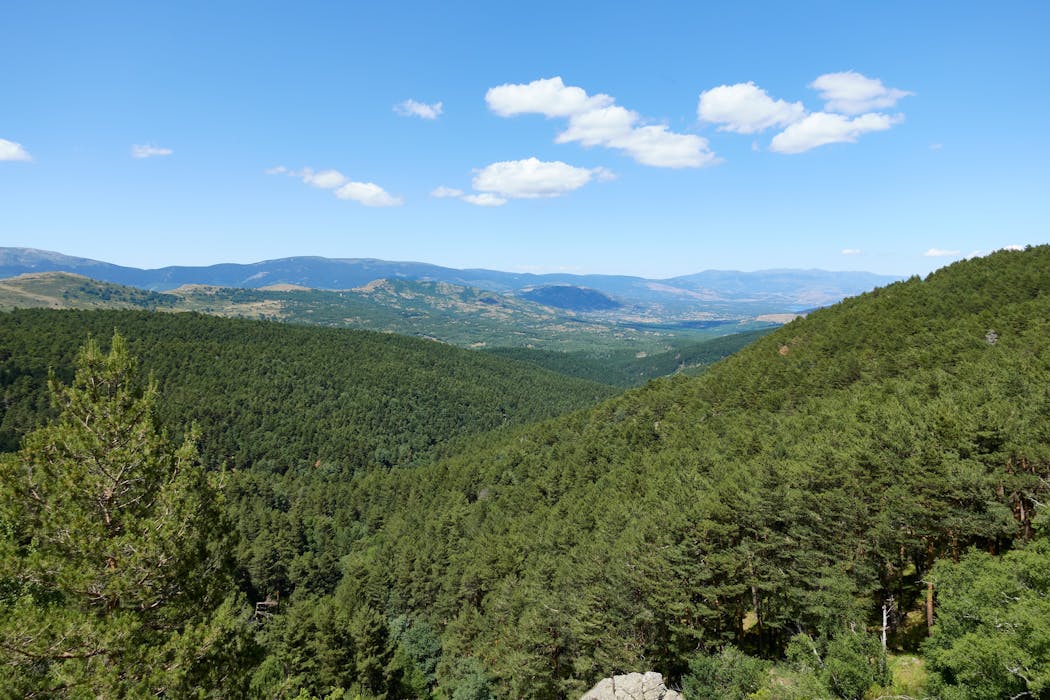
Bosque de pinos en la Sierra Guadarrama (Madrid, España). Quintanilla/Shutterstock

Ante la amenaza del cambio climático, el bosque es un medio para amortiguar sus efectos. Por ejemplo, absorben dióxido de carbono de la atmósfera y participan en el ciclo del agua que asegura las precipitaciones. Pero en situaciones de altas temperaturas y sequía, como las provocadas por el calentamiento global, es más fácil que los bosques ardan.

Los incendios forestales tienen un gran impacto a tres niveles. Por un lado, en los propios ecosistemas. Por otro, en la población que vive en las zonas devastadas. Y, por último, suponen costes económicos en términos de prevención, control del incendio y regeneración posterior, así como los debidos a su impacto en la salud y el clima.

La concepción alemana del bosque

El bosque encarna, más que otro paisaje, el ideal de la naturaleza. Una idea que le debemos al Romanticismo alemán y a la formación de los primeros ingenieros forestales españoles en este país en el siglo XIX, quienes sentaron las bases de la primera Escuela de Montes en 1848. Se importó de esta forma un modelo de formación, y también una manera de entender la naturaleza en la que la masa arbolada ocupa un lugar central como fuente de vida, riqueza y valor cultural. Allí se habla de Wirtschaftswald o Nutzwald (bosque en producción o bosque útil).

Los bosques comenzaron a verse como un recurso industrial y de intervención en el territorio; como fuente, por ejemplo, de madera para la construcción, de combustible y de lucha contra la erosión y desertificación. Con el tiempo, el bosque se ha ido convirtiendo en un referente positivo, y hoy en día es difícil considerarlo en los términos negativos que pudo tener como lugar sombrío en el que acechaba el peligro (lobos, asaltantes o accidentes). Los incendios, los monocultivos, la deforestación y el estrés climático son sus enemigos actuales.

Hoy el bosque nos preocupa, pero no estuvo siempre ahí y no de la misma manera. Las masas arboladas, tal y como las conocemos, nacen de prácticas económicas que generan nuevos ecosistemas y paisajes. Es un producto histórico que, sin embargo, se sigue relacionando con la idea de una naturaleza primigenia a la que hay que volver, que hay que rescatar.

El bosque como fuente de madera

Hay un mito sobre el bosque en Hispania. Una historia recurrente nos cuenta que una ardilla podía cruzar la península de rama en rama, dicen que las crónicas de Estrabón del siglo I a.C. dan fe de ello. Pero sobre Iberia escribió que en una gran parte se compone de montañas, bosques y llanuras de suelo pobre con desigual reparto de agua. Y no hay atisbo de ninguna ardilla.


Leer más:
Lo que los papiros cuentan sobre la geografía de los antiguos griegos y romanos


En España, a partir del siglo XIX se inicia un proceso de transformación incesante del territorio que, tras diferentes iniciativas políticas, se acelerará a partir de 1957. El bosque se convierte en una razón de Estado para garantizar el autoabastecimiento de madera. En ese momento, se consolida un modelo forestal orientado a la producción industrial de madera. Desde los inicios de la ingeniería forestal, el bosque es sometido a un proceso de extensión. Como consecuencia, gran parte de los bosques actuales son en realidad cultivos destinados a ese fin.

Muchos ingenieros se dedicaron a diseñar parques forestales en los que se exponía una amplia variedad de árboles que podrían llegar a integrarse en el bosque ibérico: robles americanos, secuoyas, tulíperos, tsugas y ginkgos. Un monte antes despoblado se convertía en un pequeño “Disneyland” de idealización paisajística y en un área forestal de referencia. Eran enclaves en áreas dominadas por las plantaciones de pinos.

Tierra de pinos

La península ibérica pasó a ser una tierra de pinos. Las condiciones climáticas y del suelo le son favorables. El pino es, además, un árbol que se caracteriza por su rápido crecimiento, resistencia, valor económico y capacidad de generar nuevos espacios de vida, nuevos ecosistemas.

Hoy, la masa forestal adquiere una extensión y avance sin precedentes. Entre 1940 y 1987, el 77 % de los árboles plantados a través de las políticas forestales corresponden a variedades de pinos. Pero no solo los pinares, también hayedos, bosques de ribera, eucaliptales, tejedas y bosques de laurisilva son productos de nuestra capacidad de plantar y cuidar.

Un bosque de hayas con las hojas amarillas en la ribera de un río
Hayedo de Montejo, en Montejo de la Sierra (Madrid, España).
Jarmad78/Wikimedia Commons, CC BY-SA

Un producto de nuestra historia

El proceso de urbanización, el abandono rural y la irrupción de la agricultura industrial a partir del siglo pasado modifican el territorio. Y el bosque transforma el paisaje, cambia usos de la tierra y costumbres de sus habitantes.


Leer más:
Fomentar la economía rural, el mejor antídoto contra los incendios


Basta con recurrir al archivo de fotografías antiguas o de los primeros pintores paisajistas para darnos cuenta de que adquiere un valor estético y social muy recientemente. Los bosques son hoy producto de nuestra historia. Antes, el territorio estaba definido más por cultivos agrícolas que por grandes masas forestales.

Desde el nacimiento de la ingeniería forestal se ha llevado a cabo una misión de forestación, población y generación, y no de reforestación, repoblación y regeneración. Bosques que se han ido creando desde cero.

Así, los bosques actuales son frágiles ecosistemas creados o intervenidos por el ser humano, y no formas originarias de naturaleza. Ahora la pregunta es si queremos cuidarlos como parques y jardines, o como meras plantaciones.

The Conversation

David Casado-Neira no recibe salario, ni ejerce labores de consultoría, ni posee acciones, ni recibe financiación de ninguna compañía u organización que pueda obtener beneficio de este artículo, y ha declarado carecer de vínculos relevantes más allá del cargo académico citado.

ref. Por qué los actuales bosques españoles son en realidad jardines – https://theconversation.com/por-que-los-actuales-bosques-espanoles-son-en-realidad-jardines-263141

Lola Flores, pionera del ‘crowdfunding’: qué hay detrás del éxito de este modelo de financiación

Source: The Conversation – (in Spanish) – By Pau Sendra Pons, Profesor de Contabilidad, Universitat de València

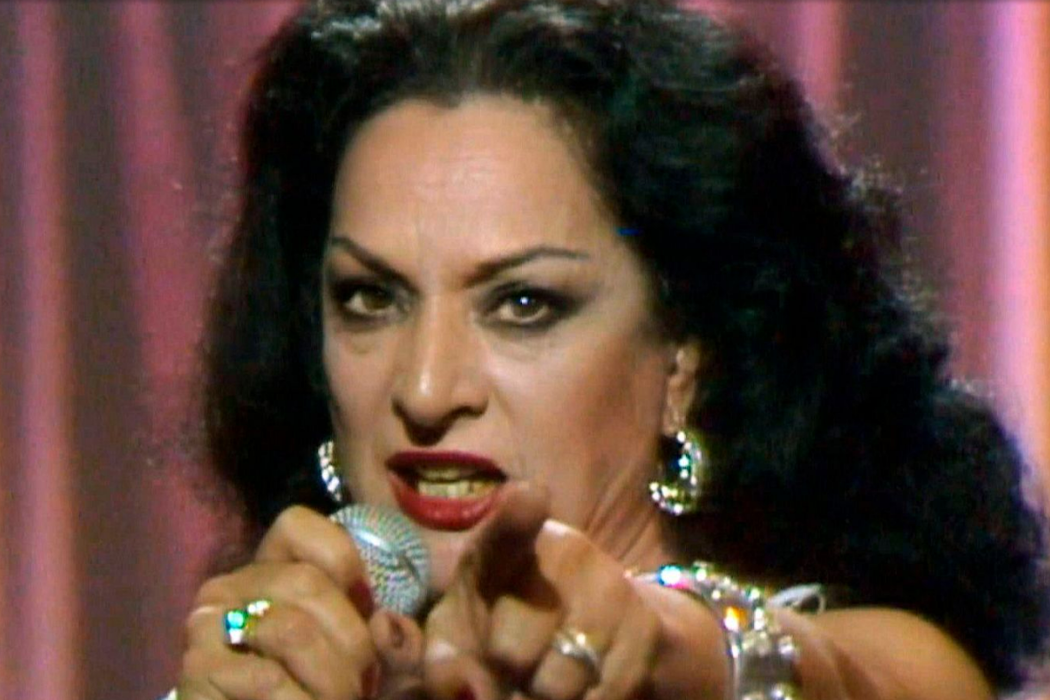
Lola Flores, durante una actuación en Televisión Española. RTVE

En 1987, Lola Flores, La Faraona, se aventuró a dirigirse al pueblo español con una frase que se haría célebre: “Si una peseta diera cada español, no a mí, a donde tienen que darla, quizás saldría de la deuda”. La cantante de Ay pena, penita, pena y La Zarzamora tenía por entonces una enorme deuda con Hacienda por no haber presentado la declaración de la renta entre 1982 y 1985. Así se convirtió en precursora del micromecenazgo (crowdfunding) en España.

Emulando los numerosos proyectos financiados a lo largo de los siglos mediante aportaciones ciudadanas, Lola Flores hizo lo propio con su espontánea petición: pedir una peseta a un gran número de potenciales financiadores, apelando a la conexión profunda, casi íntima, entre la artista y sus seguidores.

Lola Flores en 1987, pidiendo la colaboración de los españoles ante sus problemas con Hacienda. Fuente: YouTube.

La cantante resumió en una sola frase los grandes principios que confluyen en la financiación alternativa a través del micromecenazgo:

  1. La solicitud de pequeñas cantidades a un número amplio de personas. Esto permite reducir el riesgo individual que cada una de ellas asume.

  2. La construcción de un relato atractivo, que apela a la emotividad y a la creencia de que una persona o un equipo merece nuestro apoyo, incentiva las contribuciones.

¿Qué es el ‘crowdfunding’?

El crowdfunding consiste en que una persona o colectivo que desea llevar a cabo un proyecto de voluntariado, emprendimiento o innovación solicita pequeñas sumas de dinero a la sociedad mediante campañas difundidas generalmente a través de la web. A cambio, puede ofrecer distintos tipos de recompensa:

  • Una recompensa moral, basada en el simple estímulo positivo de apoyar una causa justa.

  • Una recompensa tangible, en forma de unidades de producto o regalos corporativos.

  • Una participación en la empresa resultante del proyecto (en el caso del crowdfunding de capital) o un interés financiero (crowdfunding de préstamo).

Todo esto contribuye a generar una comunidad sin fronteras, formada por personas que colaboran activamente en la definición y el éxito del proyecto empresarial o de la causa filantrópica.

¿Qué hay detrás del éxito del ‘crowdfunding’?

La respuesta no es una receta única. Se deben analizar diversos factores (entre otros, la relevancia del diseño visual y narrativo de las campañas). No obstante, hay un aspecto que ha ganado protagonismo: el inversor ancla. Si un inversor respalda un proyecto con una cantidad significativa de dinero y anima a otros a hacer lo mismo –con un mensaje convincente y apoyado en su bagaje profesional–, muchas personas tenderán a seguir su recomendación.

Dos razones explican fácilmente este comportamiento: si el inversor ancla aporta su dinero para respaldar un proyecto, su compromiso financiero funciona como una señal de que anticipa su éxito. Algo similar ocurre cuando invierte su reputación profesional en favor del proyecto.


Leer más:
¿Cómo deciden los pequeños inversores? La sabiduría colectiva en el ‘crowdfunding’


Emotividad, un factor clave

A pesar de que existen diversos tipos de crowdfunding según la recompensa que reciben los contribuyentes, la emotividad y la conexión con el promotor de la iniciativa han demostrado ser clave para el éxito del proyecto.

Ese fue el recurso central que empleó Lola Flores en su llamamiento. La cantante continuaba su mítico discurso con estas palabras: “Y después yo, no sé, me iría al estadio con todos los que han dado esa peseta, o esas cien pesetas, para tomarme una copa con ellos y llorar de alegría”, ofreciendo así un beneficio tangible (la copa), pero, más importante aún, la recompensa intangible de llorar de alegría junto a la mismísima Faraona.

Una de las claves para el éxito de las campañas de crowdfunding es aplicar la dosis justa de emotividad en el discurso para apelar a los sentimientos de quienes financian el proyecto y luego recompensar su esfuerzo.


Leer más:
Atención emprendedores: las emociones hablan (y convencen) a los inversores


Una herramienta accesible

El crowdfunding está al alcance de todos. Solo se necesita tener conexión a internet, un proyecto empresarial o social atractivo, un discurso persuasivo y, de ser posible, un inversor ancla. Este último facilitará que el público general, a menudo con poca información relevante para formarse una opinión sobre la viabilidad del proyecto, se decida a invertir en el proyecto.

Según datos de la Autoridad Europea de Valores y Mercados (ESMA), el crowdfunding es una alternativa más que útil para el talento emprendedor y asociativo que, con suerte y mejor resultado que La Faraona, puede ver en esta modalidad de financiación una opción menos costosa y arriesgada que las alternativas tradicionales.

The Conversation

Pau Sendra Pons no recibe salario, ni ejerce labores de consultoría, ni posee acciones, ni recibe financiación de ninguna compañía u organización que pueda obtener beneficio de este artículo, y ha declarado carecer de vínculos relevantes más allá del cargo académico citado.

ref. Lola Flores, pionera del ‘crowdfunding’: qué hay detrás del éxito de este modelo de financiación – https://theconversation.com/lola-flores-pionera-del-crowdfunding-que-hay-detras-del-exito-de-este-modelo-de-financiacion-271434