Source: The Conversation – Canada – By Mar Estarellas, Postdocotoral Researcher, Social and Transcultural Psychiatry, McGill University
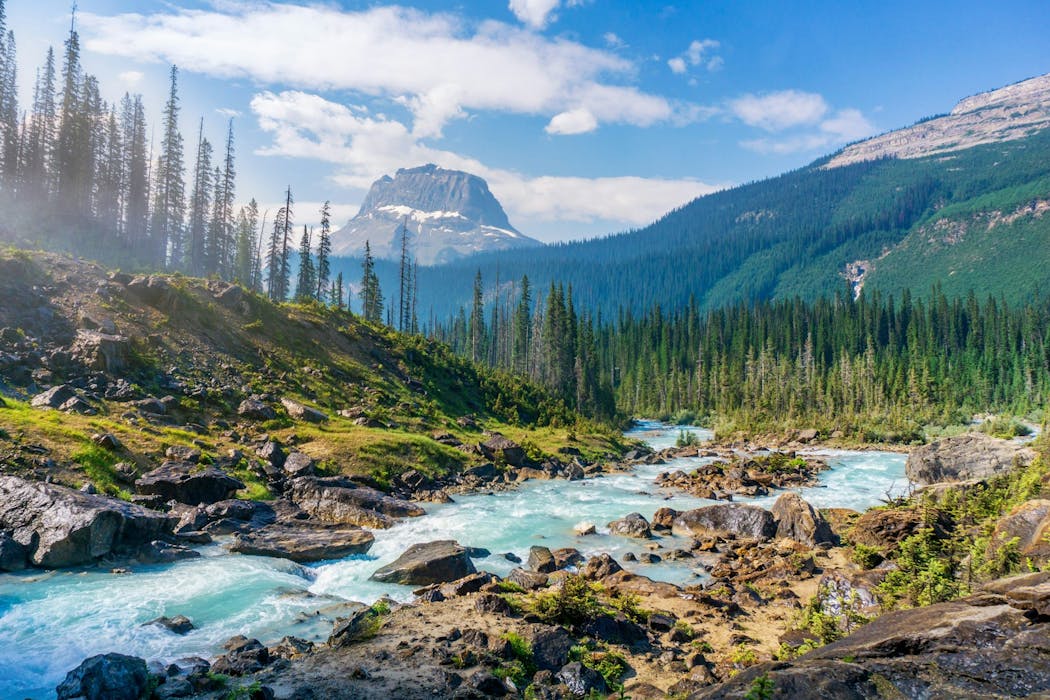
Yoho National Park, Field, Canada.(Unsplash/Hendrik Cornelissen)
Have you ever felt calmer almost as soon as you step into the woods? Or maybe noticed your busy mind soften as you look out at the sea?
We have known for some time, and many of us sense it intuitively, that spending time in nature is good for us. Neuroscience is now enabling us to understand why, and what the brain is actually doing in those moments.
I was recently a co-author on a scoping review of the neuroscience of nature exposure, published in Neuroscience and Biobehavioral Reviews, together with colleagues from the Universidad Adolfo Ibañez, Chile, and Imperial College London, U.K.
We reviewed 108 peer-reviewed neuroimaging studies on nature exposure and we found a consistent picture. When people spend time in natural settings (or even view pictures of the outdoors), the brain tends to show signs of reduced stress, lighter mental effort and better emotional regulation.
Increases in alpha and theta waves
Many of us live in environments that keep the brain on alert through traffic, screens, noise, crowding and constant decision-making. And while cities are awesome human creations, they place heavy demands on our attention and stress systems.
The noise, lights and movement on a city street can be exhausting for our brains. (Unsplash/Howei Wang), CC BY
Nature, by contrast, seems to offer a very different kind of input, and the brain responds accordingly.
One of the strongest findings comes from electroencephalogram (EEG) studies, which measure electrical activity in the brain. Across many experiments that we reviewed, natural settings were linked to increases in alpha and theta waves. These are often associated with relaxed wakefulness. Studies also often found decreases in beta activity, which is more closely related to active effort or cognitive load.
Put simply, the brain looks less “overworked” in nature.
But that doesn’t mean that it becomes passive or sleepy. We could understand it more as shifting into a mode of attention that is gentler and less effortful. For example, watching leaves move, listening to water or noticing changes in light engages the mind in a different way that a crowded street or a stream of notifications does.
Some studies suggest these effects can happen quickly. In several EEG experiments — both in the real world and virtual reality — changes showed up within a few minutes, sometimes even as little as three minutes.
Longer exposure often produced stronger effects, especially once people spent around 15 minutes in a more immersive setting.
Reduced activity in the amygdala
We also reviewed studies using functional magnetic resonance imaging (fMRI). These measure changes in blood flow linked to neural activity, allowing us to see which regions become more or less active.
One interesting finding was a reduced activity in brain regions involved in stress and rumination after time in nature. The amygdala, which helps detect threats and responds to stress, becomes less active after natural exposure. So does the subgenual prefrontal cortex, a region linked to repetitive negative thinking.
Other fMRI work points to changes in networks involved in attention and self-related thought, including parts of the default mode network. These regions are involved in self reflection, mind wandering and what we could call “the background stream of inner experience.”
In natural contexts, they reorganized in ways that supported a calmer and less scattered mental state.
A cascade of natural effects
Looking across the 108 studies, we found a broadly consistent pattern, which we summarize as a cascade of effects through which nature may influence the brain.
First, natural settings are often easier for the brain to process. Their shapes and rhythms frequently follow fractal patterns, like those seen in coastlines, leaves and clouds, which the brain appears to process efficiently.
This may reduce sensory and perceptual load. As that happens, stress-related systems begin to settle and the body can shift out of fight-or-flight mode.
Attention may then become less effortful, and emotional processing more stable. We describe this as a pathway linking perception, stress regulation, attention and self-related processing.
Could nature shape your brain anatomy?
Beyond the immediate effects of exposure, there is also evidence that nature may shape the brain over longer timescales. Structural MRI studies suggest that living in greener areas is associated with differences in brain anatomy, including greater grey matter volume and better white matter integrity in some populations.
These studies are mostly correlational, so caution is needed. They cannot prove that nature alone caused those differences. But they do raise the possibility that small restorative effects, repeated over months and years, may accumulate in ways that support cognition and resilience.
So when time outdoors makes you feel lighter, clearer or less caught in your own head, know this feeling is worth trusting. Your brain seems to be changing state.
And perhaps understanding a little more about how nature works on us, and how we in turn relate to it, can also help us protect it. Caring for nature is also a way of caring for ourselves and for each other.
Mar Estarellas does not work for, consult, own shares in or receive funding from any company or organisation that would benefit from this article, and has disclosed no relevant affiliations beyond their academic appointment.
Jewelweed is found throughout eastern parts of North America. By studying jewelweed, researchers can understand how environmental changes affect plants over time. (Liz West), CC BY
Plants are usually seen as stationary life forms, quietly supporting environments. But plant communities and populations are far from static. They are constantly being shaped by the world around them.
One way is through local extinction — the loss of a local population from a specific patch of landscape. Another is through local colonization — the spreading or returning of plants to a landscape patch. In fact, many plant species are thought to be composed of metapopulations, which are sets of local populations connected by colonization, local extinction and population growth across a landscape.
If we were able to observe a metapopulation on the landscape over a time-lapse film covering several hundred years, we might see how the metapopulation changes and evolves as the film unfolds.
Of course, no such film exists, and time machines have not yet been invented, so understanding the forces that determine the history of metapopulations remains a challenge.
So, how can researchers understand the history of plant metapopulations? To do this, my colleague Rachel Toczydlowski and I turned to DNA sequence data with the plant jewelweed, or as botanists call it, Impatiens capensis.
Jewelweed is found throughout eastern parts of North America, including southern Québec and Ontario, and into the midwestern United States. This annual plant can form seeds through both cross-fertilization in normal flowers and through self-fertilization via a special type of closed flower that botanists refer to as a cleistogamous flower. Self-fertilization allows a single dispersing individual plant to establish a new population because it does not require a mate.
Plants such as jewelweed also produce a type of flower that is closed and does not require pollinators. (Rachel H. Toczydlowski)
The plant has the ability to found new populations from one or a few individuals via self-fertilization. The theory of metapopulations predicts that jewelweed as a species should be composed of a highly dynamic metapopulation where some patches have only been recently colonized, while others have been so for longer periods.
Jewelweed is typically found today in the forest fragments left over after agricultural and urban development. This type of habitat once existed as more continuous forest cover that blanketed much of the eastern and middle parts of North America prior to European colonization. This is especially true of the area in Wisconsin where we conducted our study, which is mostly farmland today, but retains island-like patches of more natural habitat.
Our research
We analyzed DNA sequence information obtained by sequencing the genomes of individual members of the population, and focused on how the individual genomes differ from one another.
Lining up the sequences and comparing them reveals differences in the DNA sequences of a sample of plants called single nucleotide polymorphisms (SNPs). These are positions in the sequence that differ from one another by possessing different nucleotides, the individual components of the sequence.
We then looked at the site frequency spectrum of each population, which shows how many SNPs are rare, how many are common and how many fall in between. Population founding events can change how common different SNPs are.
When a new population is founded by only a few individuals, many SNPs end up occurring at moderate frequencies. If the population then grows rapidly, new SNPs appear by mutation but remain rare, which changes the overall pattern of genetic variation.
And so, the form of the site frequency spectrum provides a kind of “genetic memory” of demographic events that gave rise to the individual-component plant populations within the metapopulation that we see today.
By applying this technique to DNA sequence data, we were able to detect significant differences in the demographic histories of the populations sampled. Some populations appeared to have only recently been founded and from a few individuals, whereas others appeared to be larger and more stable.
This pattern fits what is predicted by metapopulation theory for a species whose plants are capable of self-fertilization. The younger populations also exhibited loss of genetic diversity and higher levels of inbreeding compared to the older, more stable populations, which contained more diversity and were less inbred.
The higher inbreeding in younger populations suggests that they were founded by very few individuals and have not yet had enough time or gene flow from neighbouring populations to rebuild genetic diversity.
Importance for conservation
Genetic variability is the foundation of adaptation. High levels of inbreeding can lead to weak or damaging traits being passed onto new generations. (Unsplash/Jonathan Lim)
Genetic variability is the foundation of adaptation. High levels of inbreeding can lead to weak or damaging traits being passed on to new generations, which reduces the health of populations.
From a conservation standpoint, higher levels of diversity and lower levels of inbreeding are often desirable attributes.
They can enhance the adaptability and stability of populations, something that is becoming increasingly important as the climate changes.
Complicating our understanding of metapopulations, however, is the fact that not all landscapes are created equal. Some are more prone than others to disturbance and recovery, and when it comes to colonization of landscapes, not all plant species are created equal.
For instance, plants that can self-pollinate are more capable of founding a population from a few individuals and may be especially good colonizers compared with plants that require mates for seed production.
Understanding metapopulation history provides conservation managers with an additional perspective, especially when it comes to selecting the healthiest populations to conserve.
We may not have a time machine, but by analyzing the DNA of living populations, we can uncover the echoes of the past and understand their genetic implications for conservation.
Daniel J Schoen receives funding from the Natural Sciences and Research Council of Canada.
The 2026 Academy Awards revealed a striking contradiction. Many of the winning films grapple with urgent contemporary issues, or difficult questions of historical memory. Yet their makers avoided following up on that political character in their acceptance speeches.
This paradox is revealing of the current political mood in Hollywood: filmmakers are willing to engage with politics in their work, but reluctant to raise their own voices.
It makes for a puzzling irony that contrasts with the attitude of, for instance, the music industry in the Grammy Awards. In a year of tariffs, Epstein files, US Immigration and Customs Enforcement (Ice) shootings and military interventions in Venezuela and Iran, the show’s host, comedian Conan O’Brien, kept the political references contained to harmless jokes.
Even some of the more political speeches, such as Michael B. Jordan’s mention of the Black actors that preceded him when accepting the best actor Oscar, kept to industry boundaries.
Michael B. Jordan’s acceptance speech mentioned the Black actors he felt pathed the way for him.
Only comedian Jimmy Kimmel, whose show Jimmy Kimmel Live! has become strongly critical of President Donald Trump, obliquely mentioned his looming presence when presenting the best feature documentary award.
Politics of the nominated films
This attitude is glaringly detached from what this year’s nominees communicate in their films.
Bugonia, directed by Yorgos Lanthimos, poked at conspiracy theories through its kidnapping plot. The constant ping-pong hustle of Marty Supreme returned to the foundational moment of US capitalism in the 1950s and pointed out that it was already rotten way before Reaganomics and Trump. The Secret Agent, meanwhile, set its thriller story against the historical memory of the dictatorship in Brazil.
The two main winners of the night were also the most political films. Joyfully disguised behind the vampire film conventions and musical performances of Sinners lies a condemnation of ongoing racism in the US. But the film also proposes blues music as an alternative way to experience the world and create loving and protective connections between its inhabitants.
In this sense, Delroy Lindo’s performance as ageing blues singer Delta Slim centres the political core of the film. His retelling of a friend’s murder by lynching is first a lament, then rhythm and finally blues.
Paul Thomas Anderson wins best director for One Battle After Another.
One Battle After Another recaptures the political spirit of 1970s US films such as The Three Days of the Condor (1975), Network (1976) and All the President’s Men (1976). These films reacted against the consequences of the Vietnam War and President Richard Nixon’s resignation in the 1970s. One Battle After Another brings to the present their activist attitude to oppose our contemporary political challenges.
The film’s chilling depiction of state violence against its own citizens connected with the events in Minneapolis and showed how relevant cinema can be when aimed at those in power. But the film had to speak for itself: its director, writer and producer, Paul Thomas Anderson, carefully avoided any direct mention of Trump, Ice or Minneapolis in his three acceptance speeches (for best adapted screenplay, director and film). And Sean Penn, whose political activism as a friend of Hugo Chávez or in favour of Ukraine has often made Hollywood uncomfortable, chose not to attend the ceremony.
Why nominees stayed silent
The reasons for the lack of politics at the awards may be found in the current industrial climate in the US. In September 2025, the Federal Communications Commission took Jimmy Kimmel Live! off the air for a few days, and continues to threaten to do it again. The industry chatter also believes Trump to be responsible for CBS’ decision to not renew The Late Show with Stephen Colbert, another critical outlet.
The possible acquisition, meanwhile, of Warner Bros. by Paramount, presided over by Trump’s ally David Ellison, follows Amazon’s purchase of MGM and Disney buying Twentieth Century Fox. The industrial landscape is concentrating in a handful of technological tycoons. They may may not take kindly to political activism when funding future projects.
The only political voice that was pointedly raised in the Oscars this year belonged to Spanish actor Javier Bardem.
Bardem appeared on stage to present the best international picture award sporting a lapel that said: “No a la Guerra” – no to war. He had worn the same lapel over 20 years ago when the Spanish Film Academy Awards in 2003 became a loud and clear indictment to Spain’s involvement in the Iraq war.
Bardem left a clear message as he introduced the award: “No to war and Free Palestine.” While films such as this year’s extraordinary intake can and do speak for themselves, the gravity of the moment requires that those who make them join with their own voices.
Bardem’s dissonant appeal reveals where Hollywood’s politics currently lie. They are caught between making committed films and a fear of what the country’s politics will bring.
Luis Freijo currently receives funding from the Volkswagen Foundation. He has previously received funding from the Arts and Humanities Research Council.
Joan Laporta saluda a los aficionados durante el partido del Trofeo Joan Gamper entre el FC Barcelona y Como 1907 en el Estadio Johan Cruyff el pasado 12 de agosto. Christian Bertrand/Shutterstock
Los socios y socias del FC Barcelona decidieron el pasado domingo, 15 de marzo, reelegir no solo a un presidente, Joan Laporta, sino también un modelo singular de club. “Defendemos el Barça”, reza el nuevo mantra “laportista”, contra todo y contra todos. El Barça seguirá siendo durante los próximos cinco años una entidad local, apegada a sus raíces históricas, y una multinacional del entretenimiento que crece con la la lógica de la disneyización. El debate sobre la gobernanza y la forma de propiedad, cuestiones clave también para afrontar el debate económico del “fútbol-negocio”, no formó parte de la campaña y queda para más adelante.
Una victoria anunciada
Joan Laporta será presidente del FC Barcelona cinco años más. A pesar de lo que la “opinión publicada” quería, Laporta ya era vencedor antes de empezar estas elecciones. Los buenos analistas sabían que debía cometer muchos errores durante el proceso de recogida de firmas y a lo largo de la campaña electoral para que cayera su cartel de favorito.
La victoria ha sido contundente, aunque se ha producido en el peor de los escenarios: un cara a cara con Víctor Font, quien aglutinaba todo el voto contrario a Laporta. Pese a ello, el abogado barcelonés, de 63 años, ha mejorado los resultados de 2003 y de 2021. Obtiene así una nueva presidencia en 2026 con el 68,18 % de los votos.
Leer el sentimiento culé
Laporta y su equipo leen el sentir mayoritario del aficionado culé (nombre popular por el son conocidos los seguidores barcelonistas) como nadie. El deporte, y por lo tanto el fútbol, a pesar de mover mucho dinero (representa casi el 1,5 % del PIB español), también funciona a partir de dos dimensiones que no tienen nada que ver con la racionalidad que se presupone a la gestión y a la economía: la simbólica y la emocional.
En las elecciones a la presidencia del Barça, de hecho, los debates racionales quedan en segundo plano y los socios votan influidos, básicamente, por cuestiones sentimentales y según la dinámica deportiva del primer equipo masculino de fútbol.
La primera lectura acertada consistió en convocar las elecciones cuando el conjunto entrenado por Hansi Flick funcionaba a pleno rendimiento en todas las competiciones. Aprovechó Laporta el primer momento posible, según los estatutos, para lanzar la convocatoria. La maniobra pilló a la oposición con el pie cambiado, a pesar de que las candidaturas hacía tiempo que se preparaban. Esto obligó a sus rivales a salir a jugar el partido antes de tiempo.
El otro éxito de Laporta ha sido, nuevamente, su narrativa de campaña: “Defendemos al Barça”. Este eslogan sitúa el relato emocional y simbólico por encima de todo, vinculando a su candidatura con los valores fundacionales del club y el catalanismo político. A Laporta le fue fácil, además, “defender” al Barça porque su rival, Víctor Font, tampoco supo elegir bien a sus compañeros de viaje. Su futuro vicepresidente económico debía ser Jaume Guardiola, quien fue uno de los responsables de llevarse de Cataluña la sede social del Banco Sabadell durante el proceso independentista.
Aquí reside otro de los aspectos clave de la campaña, y que puede explicar por qué Font, a pesar de haber mejorado significativamente su oratoria respecto a 2021, ha perdido apoyos. El aspirante Font cometió demasiados errores. Además de situar a Jaume Guardiola a su lado, sabiendo de la necesidad de luchar contra el relato emocional de Laporta, Font cuestionó abiertamente al director deportivo del Barcelona, Deco, y a Dani Olmo, una de las joyas de la cantera barcelonista repescado en agosto de 2024 tras su paso por el fútbol alemán. Estas posturas en contra de dos referentes actuales del club han coincidido, en el plano deportivo, con un momento positivo del equipo. Otro error fue hacer salir a Xavi Hernández, exjugador y exentrenador del Barça, para criticar a Laporta. O, le guste o no, recibir el apoyo de Josep Maria Bartomeu, presidente del Barcelona entre 2014 y 2020, actualmente imputado por el conocido como “Barçagate” y uno de los máximos responsables de haber provocado la delicada situación económica de la entidad azulgrana.
Abrazos con el ministro Urtasun y el ex president Pujol
El día de la votación se comprobó que solo Laporta despertaba pasiones entre quienes iban a votar. Fue una jornada de fiesta culé en la que, a diferencia de lo que sería éticamente reprobable en unas elecciones a instituciones políticas, las personalidades se dejaban acompañar a las urnas por el candidato al que iban a apoyar. Este no era otro que Laporta, quien ejerció todos los papeles posibles: anfitrión, candidato y presidente in pectore.
Solo un hombre como Joan Laporta, con sus aciertos y errores, podía abrazarse a pie de urna con un ministro de Sumar, Ernest Urtasun, y con el expresidente convergente Jordi Pujol i Soley. Ambos políticos acudieron el domingo a votar.
Solo alguien como él podía tener la osadía de saltar con los jugadores del primer equipo cuando acudieron a las urnas después de su partido o situar dentro del “marco laportista” a Aitana Bonmatí, la gran referente del fútbol femenino mundial.
Laporta encarna a la perfección lo que representa el Barça: un club local abrazado a sus raíces históricas y una multinacional del entretenimiento que ha crecido bajo la lógica de la disneyización. ¿Alguien se imaginaría al CEO de una gran compañía celebrando abiertamente sus éxitos en la discoteca Luz de Gas? El aficionado “laportista” esperaba eso precisamente: ver a Laporta en la discoteca para cerrar la noche y escenificar la victoria, como si fuera una Champions más.
Gobernanza y modelo de propiedad
En el Barça todo es posible porque, aunque pueda incomodar a los tecnócratas, es una institución singular. En esta votación, los socios han avalado que siga siéndolo cinco años más. El debate sobre la gobernanza y el modelo de propiedad no ha aparecido en estas elecciones. Ni se le esperaba, a pesar de la delicada situación económica que vive el club todavía, sin olvidar el trabajo realizado en los últimos años para enderezarla. Pero el crecimiento bajo la lógica capitalista del fútbol profesional obligará, tarde o temprano, a recuperarlo. ¿Será Joan Laporta, fortalecido como ha salido de estas elecciones, la persona llamada a afrontarlo definitivamente?
Xavier Ginesta no recibe salario, ni ejerce labores de consultoría, ni posee acciones, ni recibe financiación de ninguna compañía u organización que pueda obtener beneficio de este artículo, y ha declarado carecer de vínculos relevantes más allá del cargo académico citado.
Si abre cualquier red social, verá miles de vídeos hablando de batidos verdes, cúrcuma y “cómo desinflamar su barriga”. No se trata de una dieta en el sentido estricto de contar calorías o pasar hambre para perder peso. Es, más bien, un patrón nutricional diseñado para darle al cuerpo los materiales necesarios para apagar las señales de alarma. Está de moda precisamente porque la epidemia de cansancio y problemas digestivos ha hecho tocar fondo a mucha gente que busca soluciones reales.
Todos conocemos la inflamación aguda: cuando se corta un dedo, su sistema inmunitario activa una misión rápida y efectiva para curarlo. Una vez hecho el trabajo, las unidades se retiran y todo vuelve a la calma.
El problema es la microinflamación. Imagine que, en lugar de una misión puntual, su cuerpo mantiene un dispositivo de vigilancia permanente que nunca se desactiva. No hay alarmas ni ruido, pero esa tensión constante, día tras día, acaba agotando sus recursos y dañando el tejido sano.
No es solo lo que coma, sino cómo lo cocine
¿Qué medidas no son ciencia ficción y tienen una base científica real? La respuesta es más sencilla de lo que parece y pasa por dos grandes pilares:
2. Llenar el plato de aliados naturales
Una vez hemos hecho limpieza, toca introducir los nutrientes que ayudan al cuerpo a recuperar su equilibrio:
Omega-3: el rey indiscutible. Presente en el pescado azul, las nueces y las semillas (lino, chía), es clave para reducir los niveles de inflamación sistémica.
Antioxidantes naturales: los colores vivos de la fruta y la verdura (como los frutos rojos o las hojas verdes) son nuestro mejor filtro contra la oxidación celular.
Especias: el jengibre, la cúrcuma o el ajo no solo aportan sabor; son potentes antiinflamatorios naturales que actúan como un bálsamo para los tejidos.
Fibra prebiótica: consumir alimentos reales ricos en fibra es vital para que nuestra flora intestinal (la famosa microbiota) trabaje a nuestro favor y nos proteja desde dentro.
Alimentos fermentados: si la fibra prebiótica es el alimento para su microbiota, los alimentos fermentados, como el yogur o el kéfir, son los refuerzos. Aportan bacterias vivas que ayudan a sellar la barrera intestinal y reducen drásticamente la inflamación sistémica.
Ahora bien, la clave no está solo en qué se come, sino en cómo se cocina. Freír, tostar en exceso o cocinar a la brasa a temperaturas muy altas genera unos compuestos llamados AGE (productos de glicación avanzada). Estos compuestos oxidan e inflaman las células. Priorizar cocciones suaves como el vapor, los guisos a fuego lento o el horno a temperaturas moderadas es una medida antiinflamatoria clave.
¿Es buena para todo el mundo?
La base de comer alimentos reales es buena para el 100 % de la población, pero la lista de alimentos antiinflamatorios no es universal. Este es el error más común.
Muchas personas leen que el brócoli, las legumbres, la kombucha o el ajo son fantásticos contra la inflamación. Empiezan a comerlos en grandes cantidades y, de repente, se hinchan más que nunca y tienen dolores terribles. ¿Qué ha pasado?
Si su intestino ya está muy dañado o sufre patologías como el SIBO (sobrecrecimiento bacteriano en el intestino delgado), síndrome del intestino irritable u otras patologías inflamatorias más graves, su sistema digestivo no puede gestionar tanta fibra ni ciertos alimentos fermentados. Fermentan demasiado rápido, generan gases atrapados y empeoran la inflamación local.
Antes de atiborrarse de alimentos antiinflamatorios “de moda” o de comprar el probiótico más caro de la farmacia, hay que reparar el intestino. Hacer lo contrario sería como intentar poner muebles nuevos en una casa que todavía tiene grietas en los cimientos. Y para saber dónde están esas grietas, el primer paso innegociable es un buen diagnóstico.
No se puede abordar un SIBO (sobrecrecimiento bacteriano) de la misma manera que una disbiosis (desequilibrio de la microbiota), la presencia de un parásito o una intolerancia alimentaria oculta. De hecho, en casos como el SIBO, donde ya hay un exceso de bacterias donde no corresponde, tomar ciertos probióticos puede empeorar mucho los síntomas; es como añadir más coches a un atasco de tráfico.
¿Estamos realmente inflamados?
Como no provoca fiebre ni dolor agudo, la inflamación puede pasar desapercibida durante años. Es como conducir con el piloto rojo de avería encendido: el coche funciona, pero el motor está sufriendo. Probablemente esté microinflamado si se reconoce habitualmente en estos síntomas: cansancio crónico, falta de concentración, defensas bajas, digestiones pesadas, dificultad para perder peso, dolores articulares, alteraciones en la piel, cambios de humor y ansiedad.
Pero para saber si hay problemas adicionales a la inflamación, a menudo hay que ir más allá del análisis de sangre de rutina. Según sus síntomas, un especialista puede solicitar pruebas concretas como:
Test de aliento: una prueba sencilla en la que se sopla en unos tubos para detectar si hay gases producidos por bacterias donde no deberían estar (clave para diagnosticar el SIBO) o intolerancias a azúcares como la fructosa o la lactosa.
Estudio de la microbiota en heces: un análisis profundo para ver qué bacterias protectoras faltan, cuáles sobran o si hay hongos o marcadores de inflamación local en el intestino.
Analíticas específicas: buscando marcadores como la proteína C reactiva de alta sensibilidad (PCR-as), que indica el nivel de inflamación real que hay en el cuerpo.
Una vez que se sabe exactamente qué ocurre en su intestino, el proceso terapéutico pasa por fases: primero hay que retirar temporalmente aquello que irrita (aunque sea un alimento considerado “saludable”), después hay que desinflamar y reparar la pared intestinal y, finalmente, ir reintroduciendo estos alimentos ricos en fibra poco a poco para que el cuerpo vuelva a tolerarlos con normalidad.
Por eso, la mejor dieta antiinflamatoria es siempre aquella que se personaliza. Ponerse en manos de profesionales ahorra meses de frustración, dietas restrictivas innecesarias y el agotamiento de jugar al ensayo-error, asegurando una hoja de ruta clara.
Una vida antiinflamatoria más allá del plato
Puede hacer la dieta más perfecta del mundo, pero si duerme cinco horas y vive angustiado, su cuerpo seguirá con el mismo problema. Para apagar la microinflamación de verdad, necesitamos un enfoque de 360 grados que le diga a nuestro sistema inmunitario que estamos fuera de peligro.
El cuerpo humano no está diseñado para estar ocho horas en una silla. Cuando nos movemos, y especialmente cuando hacemos ejercicio de fuerza (levantar peso), los músculos liberan mioquinas, unas sustancias que actúan como un potente antiinflamatorio natural. Por eso el movimiento es una pauta de vida esencial.
También dormir. Durante el sueño profundo, el cerebro y el cuerpo eliminan toxinas y residuos celulares. Además, respetar la luz (recibir sol por la mañana y evitar pantallas por la noche) nos permite segregar melatonina, la hormona del sueño y un gran antioxidante.
Luis Franco Serrano no recibe salario, ni ejerce labores de consultoría, ni posee acciones, ni recibe financiación de ninguna compañía u organización que pueda obtener beneficio de este artículo, y ha declarado carecer de vínculos relevantes más allá del cargo académico citado.
Source: The Conversation – (in Spanish) – By Francisco López-Muñoz, Catedrático de Farmacología y Vicerrector de Investigación y Ciencia, Universidad Camilo José Cela
El “arte del envenenamiento” adquirió una enorme trascendencia durante el Renacimiento, tanto por su utilidad criminal como política y, consecuentemente, también el conocimiento de los antídotos generales o panaceas. Aunque se utilizaban muchos remedios –sobre todo de naturaleza mineral, como la tierra de Lemnos, el marfil, el jacinto, las perlas o las esmeraldas–, los dos antídotos universales considerados como los mejores y más insuperables entre la Edad Media y la Edad Moderna fueron el cuerno de unicornio y las piedras bezoares.
Estas piedras aparecen mencionadas en los escritos hebreos clásicos, con el nombre de Bel Zaard, y sus propiedades antivenenosas son recogidas en la literatura médica árabe desde el siglo VIII, como en la obra de Juan Damasceno o Serapion y posteriormente en la del médico sevillano Ibn Zuhr (Avenzoar). En Oriente, los bezoares recibieron diferentes nombres, como hager, bezar, belzaar o bezahar, mientras en griego se denominó alexipharmacum y en latín contravenenum.
Grabado ilustrativo de la obra A Compleat History of Drugs de Pierre Pomet (Printed for R. Bonwicke et al., Londres, 1712), publicada inicialmente en francés en 1684 (Histoire generale des drogues, Jean-Baptiste Loyson et Augustin Pillon, Paris, 1684). En él se muestra una cabra bezoar (Capra aegagrus) y un corte sagital de una piedra bezoar.
De hecho, la palabra “bezoar” deriva del término persa padzahar, que viene a significar “expelente de venenos” (bad significa “viento” y zahr “veneno”). Al conjunto de agentes alexifármacos se les denominaba también medicinas bezaárticas.
¿Qué son realmente los bezoares?
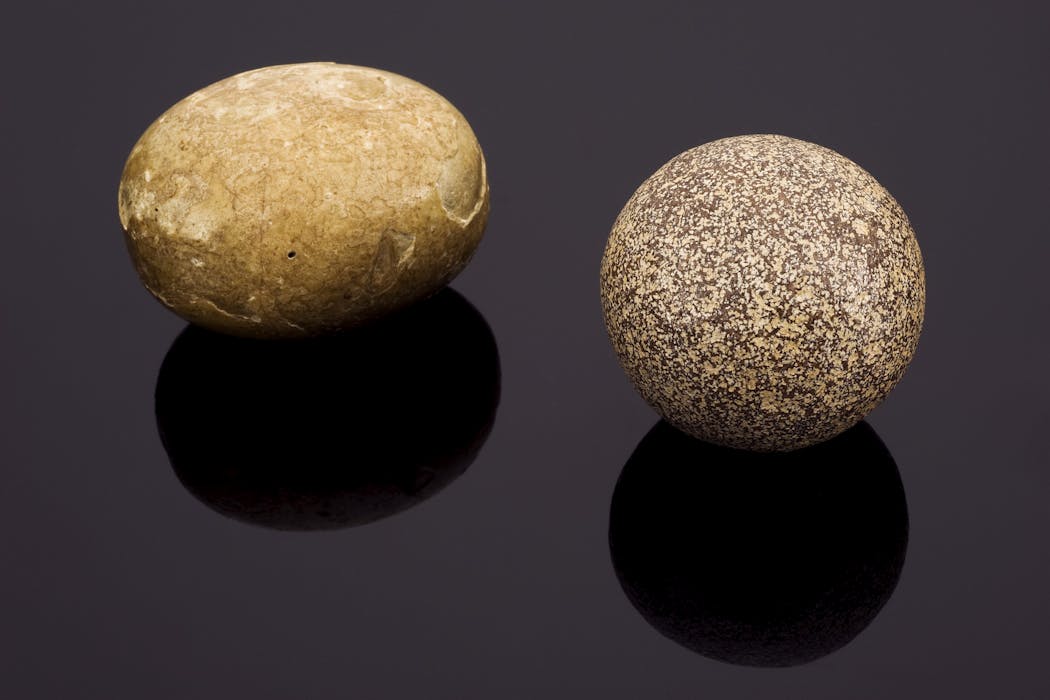
Inicialmente se pensó que estas piedras procedentes de la India, cuyo tamaño podría alcanzar incluso el de una castaña, eran minerales. Sin embargo, luego se confirmó que se trataba de un cálculo engendrado en cierta zona del estómago o en la vesícula biliar de algunas especies de animales, y con más frecuencia en puercoespines, venados y cabras, como la Capra aegagrus, vulgarmente llamada cabra bezoar.
Hoy en día conocemos que estas concreciones se originan a partir de un núcleo de cuerpos extraños, como fibras vegetales o pelos, generándose capas a su alrededor gracias a los movimientos peristálticos del intestino de los animales, lo que les da también su aspecto redondeado. Desde un punto de vista técnico, están compuestas de carbonato, fosfato de calcio, colesterina, materias vegetales descompuestas y algunos minerales como brushita y estruvita. Posiblemente, su principio activo esencial fuese el calcio, que una vez absorbido puede neutralizar algunas sustancias tóxicas.
Bezoar poroso por sus características vegetales. De 8 cm de longitud y 7,4 cm de anchura, está compuesto por dos fragmentos que encajan perfectamente uno en el otro, observándose una almendra en el interior (Catálogo de las Piedras Bezoares, de D. Pedro Franco Dávila, 1767).
Los bezoares como monopolio comercial del Imperio portugués
Estas piedras, de aspecto aceitunado, se denominaron bezoares orientales, y el monopolio de su riquísimo comercio estuvo en manos portuguesas hasta 1580. De hecho, su gran popularidad en la Edad Moderna y la difusión de sus propiedades se deben al médico judío portugués Garcia da Orta (Coloquios dos simples, 1563). En sus comentarios al Dioscórides (1554), el tratado de terapéutica más influyente de su época, el médico segoviano Andrés Laguna describe de esta manera la piedra oriental:
“La bezahar que ahora traen de Levante los portugueses tiene el color olivastro, y como de berenjena: y toda en sí es escamosa, quiero decir compuesta de varias costras, como cáscaras de bellotas, las cuales vienen unas sobre otras: empero la primera de ellas es muy lisa y lustrosa”.
La administración de este remedio a los sujetos que habían ingerido veneno podía hacerse diluyendo el polvo obtenido de la molienda o raspadura de esta en agua o vino, o bien sumergiendo la piedra entera durante un tiempo en agua que posteriormente se hacía beber al envenenado. Explica Laguna que es “admirable contra todo género de veneno, contra la mordedura de fieras emponzoñadas y finalmente contra la pestilencia […] dado a beber el vino en que se hubiese hervido”.
Muchos fracasos terapéuticos se achacaban a las falsificaciones, debido a la escasez de estas piedras y su elevado valor. Así, en Goa (India) y Malaca (Malasia) se fabricaban piedras falsas al por mayor. Estaban hechas a base de una pasta arcillosa elaborada con polvos conquídeos, resina y algunas hierbas, amasadas con laminillas de oro, decoradas después con escrituras indígenas y comercializadas en Europa en preciosos estuches de madera u otros materiales. En Calcuta se vendían hasta por 50 escudos la unidad.
Piedra de Goa (India), del siglo XVII-XVIII, conservada en el Museo Metropolitano de Arte de Nueva York.
Se decía que sólo el 10 % de las piedras bezoares orientales eran verdaderas. De hecho, muchos galenos y boticarios, antes de adquirirlas, comprobaban su hipotética autenticidad administrándola a animales previamente envenenados.
Las piedras del Nuevo Mundo como nuevo tesoro del Imperio español
El descubrimiento de estas piedras en la fauna del Nuevo Mundo (bezoares occidentales), concretamente en la vicuña –aunque también en la llama o el guanaco–, supuso un nuevo estímulo para su uso durante el Renacimiento. De hecho, la medicina indígena americana también las usaba. Los incas, por ejemplo, fabricaban una bebida elaborada con ralladura de ellas, conocida como “jaintilla”, para tratar a mujeres embarazadas o para curar el susto.
De la importancia de este hecho da cuenta el médico sevillano Nicolás Monardes (1493-1588) en una epístola al rey de España:
“Se han descubierto las piedras Bezaares en el Perú, que con tanta estimación traen de la India de Portugal… Que una cosa que tan maravillosa es, y de tanto precio, se haya hallado en las Indias de vuestra Majestad, y sean tan fáciles de haber, y tan ciertas y verdaderas, que no tengamos dudas de sus efectos y virtudes. Lo cual no es así en las que traen de la India Oriental: que si vienen diez verdaderas, vienen ciento falsas”.
“En todo género de veneno, es el más principal remedio que ahora sabemos… Los efectos que hacen son admirables, porque es potentísima su virtud contra veneno, y fiebres pestíferas, y humores venenosos…”. También indicaba que los nobles de la Indias Orientales se purgaban con piedra bezoar dos veces al año “y dicen que esto les conserva la mocedad… y los preserva de enfermedad”.
Monardes describió también su forma y aspecto: “en lo superficial son leonadas, oscuras, lucidas: debajo de dos camisas o capas tienen una cosa blanca que gustada y tratada entre los dientes, es pura tierra, no tiene sabor ni gusto”. Y también experimentó los efectos de estas piedras, que le habían hecho llegar desde Lima en 1568, en diversos enfermos, habiendo “remediado a muchos, con maravillosos sucesos”.
Monardes administraba los polvos de piedra bezoar en diferentes vehículos, según la patología del enfermo: si había fiebre, en agua rosada, pero si no, en agua de azahar. También en caso de pestilencias, lepra, infecciones cutáneas, fiebres cuartanas y otros trastornos, en forma de cordial.
De remedio terapéutico a talismanes y piezas de alta orfebrería y coleccionismo
Al igual que el cuerno de unicornio, las piedras bezoares eran consideradas un bien de lujo y su precio era muy elevado, al tratarse de un producto exótico, llegando a valer hasta 10 veces su peso en oro. Incluso se alquilaban por días en épocas de epidemias cuando su precio de compra no se podía pagar. Un ejemplo puede dar testimonio del alto valor que alcanzaron estas piedras: un manuscrito del Archivo del Hospital de San Roque (Córdoba, Argentina) fechado en 1653 recoge una reclamación ante el obispo para que forzara con censura eclesiástica al cumplimiento de un trueque de 24 mulas por una piedra bezoar.
Otro ejemplo se extrae del tesoro rescatado del galeón español Nuestra Señora de las Maravillas, que naufragó en 1656 a 70 kilómetros de la costa de Bahamas. Entre exquisitas piezas de oro y plata, además de esmeraldas y otras gemas, también se encontraban piedras bezoares. De hecho, dado su carácter pseudomágico, incluso constituían un objeto de arte, al engarzarse, pulidas, en piezas de joyería de oro y plata, a modo de amuletos y talismanes, cuyos portadores experimentarían una felicidad continua.
También se convirtieron en deseados objetos de colección para lucir en los denominados “gabinetes de curiosidades” o “cámaras de las maravillas” de la nobleza y de los potentados europeos. Poseían piedras bezoares en sus colecciones privadas monarcas europeos como el emperador Carlos V, Felipe II, Margarita y Catalina de Austria, Felipe IV, el archiduque Fernando II y Rodolfo II de Austria, o Fernando I de Médici, entre otros.
El declive de su empleo médico
Debido a la gran cantidad de falsificaciones y al desarrollo de la medicina experimental, el declive terapéutico de su uso comenzó a partir del siglo XVII.
El primer científico que mostró públicamente sus críticas a este agente alexifármaco fue el gran cirujano Ambroise Paré, quien realizó un cruel experimento en 1575: tras descubrirse el robo de un recipiente de plata por parte de un cocinero del rey Carlos IX de Francia, Paré acordó conmutar la pena de muerte si consumía acónito, un potente veneno vegetal, y luego ingería polvos de piedra bezoar. Paré observó la ineficiencia del antídoto, pues el sujeto falleció, aunque el rey pensó que el bezoar era falso y continuó confiando en ellos. Experimentos similares fueron realizados en 1631 por el médico francés Philebert Guybert con dos criminales convictos y con similares resultados.
En el siglo XVIII, el padre Benito Jerónimo Feijoo escribía que “la virtud de la piedra bezoar, que entra en casi todas las recetas cardiacas, es pura fábula”. A partir de aquí, cada vez fue creciendo el componente crítico y supersticioso de este remedio, que dejó de emplearse definitivamente como panacea a finales del siglo XVIII.
No obstante, las piedras bezoares se mantuvieron en las farmacopeas europeas hasta el siglo XIX, con el nombre técnico de Lapis bezoardicus off. Su uso ha perdurado hasta hoy en el imaginario literario, como puede verse en la novela Harry Potter y la piedra filosofal (1997) de Joanne K. Rowling, donde Potter le administra un bezoar de cabra a su amigo Weasley cuando es equivocadamente envenenado con hidromiel… Porque la verdad nunca debe estropear una buena historia.
Las personas firmantes no son asalariadas, ni consultoras, ni poseen acciones, ni reciben financiación de ninguna compañía u organización que pueda obtener beneficio de este artículo, y han declarado carecer de vínculos relevantes más allá del cargo académico citado anteriormente.
Source: The Conversation – (in Spanish) – By Javier Lillo Ramos, Colaborador honorífico en el Grupo de investigación sobre Cambio Global Terrestre y Geología Ambiental, Universidad Rey Juan Carlos
Países del golfo Pérsico como Emiratos Árabes Unidos, Arabia Saudí y Catar dependen en gran medida de la desalación para obtener recursos hídricos.Stanislav71/Shutterstock
En el conflicto entre Israel-Estados Unidos (EE. UU.) e Irán parece que se han atacado infraestructuras de suministro de agua por los dos bandos. Mientras Irán denuncia el bombardeo estadounidense de la planta desalinizadora de la isla de Qeshm, el mismo Irán parece haber atacado la planta desalinizadora de Bahréin, un pequeño país del golfo Pérsico.
Las fuentes de agua dulce en el golfo Pérsico
El agua es un recurso crítico en los países del Golfo y, en muchos de ellos, son las plantas desalinizadoras las que proveen la mayor parte del suministro de agua potable (el 93 % en Kuwait, 86 % en Oman, 70 % en Arabia Saudi, 48 % en Qatar, 42 % en Emiratos Árabes Unidos).
El uso del agua como arma no es nuevo. Hay numerosos ejemplos que han ocurrido desde la antigüedad en diferentes zonas del globo. Muchos de ellos implican la destrucción de infraestructuras de captación y distribución.
El agua empleada como recurso estratégico con fines bélicos tiene diferentes implicaciones que conviene considerar. Una de ellas está relacionada con la rapidez de los efectos generados cuando se produce una intervención (por ejemplo, la destrucción de una instalación). Otra, más importante, tiene que ver con los graves daños extensivos a la población –a corto y largo plazo– que esa intervención puede ocasionar.
Aunque el objetivo sea infligir un grave daño al oponente, hay varias formas de hacerlo, dependiendo de si el propósito es estratégico, táctico, represivo, terrorista o extorsionador. Una de ellas consiste en provocar un corte en el suministro de agua, que a su vez puede estar causado por daños en instalaciones de captación y potabilización –sean presas, pozos, plantas de potabilización, o desalinizadoras–, por daños en infraestructuras de distribución –canales, conducciones, depósitos, etc.– o simplemente por una contención de caudales en cauces de cuencas transfronterizas.
Otra modalidad de ataque consiste en utilizar el agua como un factor de riesgo directo. Por ejemplo, por inundaciones provocadas, contaminación inducida, etc.
Hay que destacar que tanto las intervenciones en el corte de suministro como las inundaciones provocadas pueden causar impactos negativos en infraestructuras de generación de energía y centros de operaciones informáticas, como objetivos adicionales.
La destrucción de infraestructuras de saneamiento –plantas de tratamiento de aguas residuales, alcantarillado, etc.– puede tener impactos muy negativos. No solo afecta al suministro de agua potable, que puede contaminarse, sino que también genera un entorno propicio para el desarrollo de enfermedades que van a tener un mayor impacto en los sectores de la población más vulnerables, especialmente en la infancia.
Todos estos efectos (estén relacionados con cortes en el suministro, con daños en los sistemas de saneamiento, con inundaciones provocadas o con contaminación inducida) van a tener una mayor incidencia en la población en aquellas regiones donde el agua es más escasa. Y donde, además, a la afección directa a la población se añaden otros graves impactos acumulativos en áreas cultivables, con implicaciones en el suministro alimentario, y en ecosistemas.
A la destrucción física de infraestructuras hídricas causada por bombardeos se le suman otro tipo de ataques que están adquiriendo mayor relevancia en los últimos conflictos: aquellos que pueden determinar la parada y bloqueo de tales instalaciones –causados por cortes en el suministro energético y ataques a los sistemas informáticos que controlan las infraestructuras hidrológicas– y aquellos basados en la desinformación a través de medios y redes sociales. Estos últimos tienen como objetivo sembrar el pánico en la población a través de la la diseminación de noticias falsas como, por ejemplo, la posible contaminación biológica del agua potable.
La necesidad de abandonar el campo de batalla hídrico
Así, considerando los graves impactos que causa emplear el agua como un arma contra la población civil, es crítico que no se utilice como tal. Pero también es esencial proteger los recursos hídricos –incluyendo instalaciones e infraestructuras– y ecosistemas asociados. Por ello, se hace necesaria la aplicación de las normas del derecho internacional humanitario y del derecho internacional sobre medio ambiente con el fin de limitar y mitigar tales impactos en conflictos armados.
Aunque tal y como señalaba al comienzo de este texto, el agua se sigue utilizando como arma, también se está produciendo una mayor reacción internacional ante ello. Así, en 2019 se presentó la Lista de Principios de Ginebra sobre la Protección de las Infraestructuras Hidráulicas como documento de referencia para su uso por las partes en conflictos armados, con recomendaciones que van más allá de la legislación vigente. Pero es imprescindible que los países apoyen y sigan estas iniciativas a escala global. Si no es así, todos perderemos en las guerras.
Javier Lillo Ramos no recibe salario, ni ejerce labores de consultoría, ni posee acciones, ni recibe financiación de ninguna compañía u organización que pueda obtener beneficio de este artículo, y ha declarado carecer de vínculos relevantes más allá del cargo académico citado.
Source: The Conversation – (in Spanish) – By Rubén Garrido-Yserte, Director del Instituto Universitario de Análisis Económico y Social, Universidad de Alcalá
La guerra en torno a Irán ha vuelto a disparar el petróleo. La economía energética y la economía del comportamiento ayudan a explicar por qué los precios del diésel y la gasolina reaccionan de forma tan desigual.
Un conflicto a miles de kilómetros puede terminar reflejándose en el precio que pagamos al repostar. Eso es exactamente lo que está ocurriendo en 2026. La guerra ha alterado profundamente el funcionamiento del mercado petrolero mundial tras la interrupción del tráfico marítimo en el estrecho de Ormuz, una de las principales arterias energéticas del planeta.
Según el informe de marzo de 2026 de la Agencia Internacional de la Energía (IEA), casi 20 millones de barriles diarios de crudo y productos petrolíferos que normalmente circulan por ese estrecho se han visto afectados por la crisis. Se trata de una perturbación de una magnitud excepcional en el mercado energético mundial.
Los precios que suben
Los mercados reaccionaron rápidamente a esta situación de estrés. Tras el inicio de las hostilidades, el precio del petróleo Brent pasó de los 71 dólares previos al inicio de la contienda a situarse en una horquilla de entre los 90 y 100 dólares.
Pero para muchos consumidores, el fenómeno más visible ocurre después. Cuando el petróleo sube, los precios de la gasolina y el diésel parecen aumentar casi de inmediato en las estaciones de servicio. Y cuando el petróleo baja, el descenso suele ser mucho más lento.
Los economistas conocen bien este patrón. Se denomina “cohetes y plumas” (rockets and feathers): los precios suben como cohetes y bajan como plumas. Este comportamiento ha sido documentado en estudios clásicos, como el de los economistas Severin Borenstein, A. Colin Cameron y Richard Gilbert, publicado en 1997 en el Quarterly Journal of Economics.
Del barril al surtidor
Para entender este fenómeno conviene recordar cómo se forma el precio del combustible.
El primer eslabón es el mercado internacional del petróleo, donde el precio responde a factores geopolíticos, expectativas financieras o decisiones de producción de los grandes países exportadores.
El segundo nivel es el mercado mayorista de productos refinados. El petróleo debe transformarse en gasolina, diésel o queroseno en refinerías. En Europa, uno de los principales mercados de referencia se sitúa en la región Ámsterdam-Róterdam-Amberes.
El tercer nivel es el mercado minorista, donde operan distribuidores y estaciones de servicio. A ese precio se añaden además los impuestos, que en Europa representan una parte considerable del precio final del combustible. La Comisión Europea publica un boletín semanal con estos datos.
Cuando el petróleo sube, los costes mayoristas aumentan rápidamente y las estaciones de servicio suelen trasladar ese incremento con rapidez. Cuando el petróleo baja, el ajuste suele producirse con mayor retraso.
El shock energético de 2026
La crisis actual ilustra bien cómo se transmite un shock energético global.
La Agencia Internacional de la Energía estima que la oferta mundial de petróleo podría reducirse en unos 8 millones de barriles diarios en marzo debido a la paralización de exportaciones y al cierre de infraestructuras energéticas en varios países del Golfo.
La interrupción del transporte marítimo ha obligado también a algunos productores a reducir su producción por la falta de capacidad de almacenamiento o transporte.
Sin embargo, estas intervenciones solo pueden suavizar temporalmente las tensiones. La evolución futura de los precios dependerá en gran medida de la duración del conflicto y de la reapertura de las rutas marítimas.
La competencia en el mercado de carburantes
Durante mucho tiempo se pensó que la explicación del fenómeno “cohetes y plumas” estaba únicamente en la estructura del mercado.
Los mercados de carburantes suelen tener características oligopolísticas. Es decir, las grandes compañías petroleras suelen estar integradas verticalmente –refino, transporte y distribución– y el número de estaciones de servicio que compiten directamente en una zona concreta puede ser relativamente limitado.
En este contexto, cuando los costes aumentan, las empresas trasladan rápidamente ese incremento al precio final para evitar una reducción de márgenes. En cambio, cuando los costes disminuyen, reducir precios rápidamente puede resultar menos atractivo si los competidores no lo hacen.
Pero esta explicación, basada únicamente en la competencia, no basta para entender completamente el fenómeno.
El comportamiento de los consumidores
La otra parte de la explicación se encuentra en el comportamiento de los consumidores.
Desde finales del siglo XX, la economía ha incorporado aportaciones de la psicología para entender cómo tomamos decisiones. Herbert Simon introdujo el concepto de racionalidad limitada (a falta de tiempo y conocimientos, las personas no optimizan sus decisiones, buscan soluciones satisfactorias), y Daniel Kahneman desarrolló la teoría de la perspectiva; esto es, que las personas valoran más las pérdidas que las ganancias (en cantidades equivalentes).
En el mercado de carburantes, los consumidores afrontan costes de búsqueda. Encontrar gasolina más barata implica tiempo, información y desviarse de la ruta habitual.
Por eso utilizamos precios de referencia basados en nuestra experiencia reciente. Cuando el precio supera ese nivel, muchos consumidores reaccionan rápidamente y buscan estaciones más baratas.
Cuando el precio baja ligeramente, en cambio, muchos consideran que el ahorro potencial no compensa el esfuerzo de búsqueda. La demanda se vuelve menos sensible al precio y las estaciones de servicio tienen menos incentivos para reducir precios rápidamente.
El resultado agregado de millones de decisiones individuales genera precisamente el patrón observado.
Por qué el diésel se encarece más
La crisis actual también ha puesto de relieve la vulnerabilidad específica del mercado de diésel.
El informe de la IEA advierte de que los mercados de diésel y queroseno son especialmente sensibles a las interrupciones de las exportaciones de Oriente Medio, debido a la limitada capacidad de refino disponible en otras regiones.
Además, el diésel desempeña un papel central en el transporte de mercancías, la maquinaria industrial y la actividad agrícola, lo que hace que su demanda sea menos flexible. Y esta menor flexibilidad (“inelasticidad” en la jerga de los economistas) siempre se paga en forma de mayores precios ante un shock de oferta como el que estamos experimentando.
El precio de la incertidumbre
En última instancia, los precios de los combustibles no reflejan únicamente el coste del petróleo. También incorporan lo que podríamos llamar el precio de la incertidumbre.
La Agencia Internacional de la Energía estima que un aumento sostenido del 10 % en el precio del petróleo puede reducir el PIB mundial alrededor de un 0,1 %, lo que ilustra hasta qué punto el mercado energético está conectado con la economía global.
La guerra en torno a Irán nos recuerda que la seguridad energética sigue siendo un elemento central de la estabilidad económica mundial. Por ello, además de impulsar la transición energética, muchos países están reforzando sus reservas estratégicas y mecanismos de coordinación internacional para amortiguar futuras crisis.
La próxima vez que repostemos, quizá merezca la pena recordarlo: detrás del número que aparece en el surtidor no solo hay petróleo. También hay geopolítica, mercados globales y la forma en que reaccionamos ante la incertidumbre.
Rubén Garrido-Yserte no recibe salario, ni ejerce labores de consultoría, ni posee acciones, ni recibe financiación de ninguna compañía u organización que pueda obtener beneficio de este artículo, y ha declarado carecer de vínculos relevantes más allá del cargo académico citado.
Source: The Conversation – (in Spanish) – By María Teresa Vélez Barquilla, Personal investigador en Global Education: investigación de nuevos escenarios para la ciudadanía global, Universidad de Cantabria
Ninguna generación tuvo tanto acceso a información. Sin embargo, esto no ha mejorado nuestro bienestar emocional ni relacional. Tener el mundo en la palma de la mano no garantiza construir relaciones sanas, poner límites, reconocer las emociones, comprender el consentimiento…
El acceso a tanta información ha generado, de hecho, una contradicción: circulan más mensajes que nunca, pero faltan herramientas para interpretarlos críticamente, dotarlos de sentido y convertirlos en aprendizajes para la construcción de vínculos saludables.
Una charla puntual en el aula difícilmente puede contrarrestar el aprendizaje informal y constante que genera la pornificación digital, concepto de la experta española Mónica Alario, que señala cómo lo pornográfico se ha filtrado en la cultura digital.
El currículum sexual invisible
La sexualidad se construye a través de múltiples fuentes y estímulos. No se aprende solo cuando un adulto toma la palabra; se construye en los silencios, en la incomodidad percibida ante ciertos temas o en los comentarios cotidianos que escuchamos en casa, en la escuela y en los medios.
Encontramos modelos de relación en series, películas y redes sociales, donde la empatía se diluye frente a la lógica del consumo. En plataformas como Instagram o TikTok las relaciones se exhiben como escaparates: gestos de cariño convertidos en contenido o rupturas narradas para atraer visitas. Esa lógica de exposición también moldea las primeras nociones sobre la sexualidad.
Este flujo de contenidos facilita un acceso temprano a la pornografía, cuyos contenidos están alejados del cuidado mutuo y del consentimiento y sostenidos por dinámicas de violencia y explotación sexual.
Expectativas y sobreestimulación
Todo ello está acompañado de una narrativa diseñada para la sobreestimulación cerebral, que moldea las expectativas de los más jóvenes y condiciona su respuesta neurológica mucho antes de su primera experiencia física.
Y, sin duda, el aprendizaje también viene de cómo reacciona la sociedad ante sucesos de violencia sexual. Cuando los medios de mayor alcance cuestionan a la víctima o analizan qué hacía, están lanzando un mensaje pedagógico muy potente. Esta narrativa de burla o sospecha cala muy hondo porque les enseña a desconfiar y a perpetuar el silencio en lugar de fomentar el cuidado.
La paradoja de la supervisión
Es común que familias y profesorado se señalen entre sí cuando algo falla. Las familias se sienten desbordadas por el mundo digital y las escuelas sienten que no pueden asumir más carga educativa.
Parece que, por mucho que vigilemos el dispositivo o demos una charla en clase, no es suficiente. Y aquí es donde aparece lo que podemos denominar la paradoja de la supervisión. Creer que blindar el entorno doméstico protege al menor.
En un mundo hiperconectado, la educación de un adolescente depende de lo que consumen y comparten sus amistades. De poco sirve que un joven no tenga móvil si en su grupo de iguales el código de conducta lo marca el último vídeo viral o el porno.
Al entender que el problema es del entorno y no de la familia a nivel individual, la culpa se transforma en una responsabilidad compartida.
‘Mi hijo no hace eso’
En mis talleres con familias, escucho a menudo una frase: “Mi hijo no ve esas cosas, no le dejo el móvil”. Ante esto, mi respuesta es siempre doble.
Primero, que la educación sexual debe ser para todas las personas: para quienes cuentan con un entorno presente, pero también para quienes no lo tienen. Si la dejamos en manos de cada familia, reproducimos desigualdades y dejamos fuera a quienes viven en silencio o desinformación. En un mismo aula puede haber adolescentes que hablan abiertamente sobre límites y consentimiento y otros que nunca han tenido ese espacio. La educación sexual debe garantizar que nadie dependa de su suerte o de su contexto para acceder a herramientas de cuidado.
Segundo, debemos entender que estos chicos y chicas se relacionan entre sí y se influyen. Ninguna familia es una isla.
Un ejemplo claro lo vemos en las chicas: aunque consumen menos porno, su sexualidad está influida por él. Sus deseos y prácticas se construyen en relación con chicos que sí han educado su mirada desde ese modelo.
Protegernos juntos
La organización social actual, marcada por el individualismo, nos aleja de la comunidad y nos hace delegar la responsabilidad en “otros”: la escuela, la tecnología o las familias. La violencia que vemos en la sexualidad es un reflejo de nuestra sociedad, no solo de quienes la ejercen.
Para ello, debemos entender que la educación sexual no ocurre en una burbuja, sino en un tejido social donde cada hilo cuenta. Una sesión puntual en la escuela puede profundizar en el consentimiento, pero lo que realmente sostiene ese aprendizaje es lo que ocurre fuera del aula: en la familia y en los entornos informales donde los jóvenes socializan; lo que circula en redes y lo que transmitimos los adultos en el ámbito digital. La sexualidad se aprende sobre todo ahí, en lo cotidiano. Los adultos somos responsables de los modelos de relación que mostramos.
Más allá del entorno doméstico
El reto está en comprometernos con el desarrollo saludable de todos: no solo de nuestros hijos, sino también de sus amistades y de cualquier menor que pasa gran parte de su tiempo en entornos digitales.
Preguntémonos qué discursos circulan, qué imaginarios se normalizan, qué herramientas tienen los jóvenes. Ayudémosles a acceder de manera progresiva a la autonomía digital antes de que aparezcan los conflictos y acompañémosles en el uso. Esto obliga a los adultos a conocer códigos, lenguajes y plataformas –por ejemplo, cómo funcionan TikTok, Twitch o Instagram–, a no intervenir desde titulares virales o alarmas descontextualizadas y a hablar sobre vínculos, poder, intimidad, exposición, responsabilidad…
Necesitamos entornos –familiares, escolares, comunitarios y digitales– donde los jóvenes puedan comprenderse, expresarse y pedir ayuda. Cuando toda la sociedad se implica, la sexualidad deja de estar marcada por la lógica del consumo y puede vivirse desde el respeto.
María Teresa Vélez Barquilla no recibe salario, ni ejerce labores de consultoría, ni posee acciones, ni recibe financiación de ninguna compañía u organización que pueda obtener beneficio de este artículo, y ha declarado carecer de vínculos relevantes más allá del cargo académico citado.
Source: The Conversation – (in Spanish) – By María José Madrid Martín, Profesora del área de Didáctica de la matemática, Universidad Pontificia de Salamanca
¿Se imagina resumir en un solo vistazo el contenido de un artículo científico? ¿Explicar meses de investigación de forma clara, visual y comprensible para cualquiera?
El reto se vuelve aún mayor cuando el tema es complejo: explicar qué es la neuropsicología y cómo aplicarla en educación, diseñar un programa de intervención para estudiantes con dificultades en lectura o presentar estrategias para favorecer el desarrollo de la competencia matemática en estudiantes con discalculia. Y hacerlo en un soporte físico de 70 x 120 centímetros.
Esta propuesta pedagógica puede sorprender en un contexto tan digitalizado como el actual, pero lejos de resultar antigua o anacrónica, permite convertir el aula en un espacio de exposición, diálogo y construcción compartida del conocimiento favoreciendo la capacidad de síntesis, la organización visual de la información o la comunicación oral. Además, potencia el desarrollo de habilidades transversales como el pensamiento crítico, el trabajo en equipo o la competencia investigadora.
Una propuesta visual que obliga a pensar
El póster académico obliga a presentar la información de manera clara, visual y concisa para que el contenido pueda entenderse con un solo vistazo. A diferencia de una exposición oral más tradicional, el póster permanece expuesto en el aula y puede analizarse con calma, al ritmo de cada persona, atendiendo la diversidad de capacidades en un aula.
Captar la esencia de un trabajo completo en un único formato visual nos obliga a centrarnos en los aspectos más importantes. En el ámbito académico, es una manera eficaz para presentar resultados, generar discusión y recibir retroalimentación.
El aula como congreso científico
Nuestra experiencia se desarrolló en una asignatura del grado en maestro en educación primaria. El reto planteado al alumnado fue en primer lugar, elegir un artículo científico relevante relacionado con la asignatura. A continuación, analizarlo y transformarlo en un póster académico que posteriormente deberían defender públicamente antes sus pares, simulando un congreso.
El proceso implicaba varias fases: búsqueda del documento en una base de datos como Scopus o Web of Science considerando los contenidos de la asignatura. Para evitar que se duplicaran los artículos seleccionados, se creó una wiki en la que fueron poniendo los datos del texto elegido. Para elaborar el póster, era necesario llevar a cabo una lectura comprensiva, identificar los objetivos y la metodología, seleccionar los resultados relevantes y realizar una síntesis de conclusiones.
Lo verdaderamente transformador ocurrió después. Durante las sesiones de exposición, el aula cambió de dinámica. El formato generó un clima de escucha activa y debate académico poco habitual en las clases tradicionales.
Al permanecer expuestos simultáneamente en el aula, los trabajos permitieron comparar enfoques, establecer conexiones entre investigaciones y generar una visión más global del conocimiento. El aprendizaje dejó de ser individual y fragmentado para convertirse en colectivo y relacional.
Profundización y apropiación
Los resultados fueron reveladores. El alumnado manifestó un aumento claro del interés por la asignatura y una percepción elevada de aprendizaje. Especialmente valoraron que la actividad les obligara a profundizar en un tema concreto y a comprender la estructura real de un artículo científico, algo que consideraban últil para futuros trabajos académicos.
La actividad de creación y exposición del póster ha incrementado el interés por la asignatura: en una escala del 1 al 5 se obtiene un resultado de 4,3. A su vez, la pregunta de si las exposiciones de los distintos temas realizadas por los estudiantes han permitido ampliar los conocimientos de la asignatura obtuvo una valoración de 4,42.
Más allá de las cifras, lo más significativo fue el cambio en la actitud: pasaron de estudiar contenidos para reproducirlos en un examen a apropiarse de ellos para explicarlos y defenderlos.
Un recurso con potencial inclusivo
El póster, además, introduce un elemento de inclusión poco visible, pero muy relevante. Al combinar información visual, síntesis escrita y explicación oral, activa distintos canales de aprendizaje para comunicar el contenido.
En lugar de un único formato de evaluación, se abre un espacio donde caben diferentes competencias: análisis, diseño, expresión oral, capacidad argumentativa y trabajo colaborativo.
Este enfoque resulta especialmente pertinente en la formación de futuros docentes. Si aspiramos a que diseñen aulas inclusivas, es necesario que experimenten primero metodologías que contemplen la diversidad de ritmos, estilos y fortalezas. El póster no homogeniza: amplía posibilidades.
El póster científico es una herramienta altamente adaptable a otros niveles educativos, desde primaria hasta secundaria.
Por ejemplo, en el área de Matemáticas en educación primaria el currículo actual en España reconoce la dimensión matemática de la comunicación y de la representación, y la relevancia de fomentarla desde edades tempranas. Los pósteres pueden utilizarse para presentar ideas matemáticas, resolución de problemas o incluso demostraciones, fomentando la creatividad, la síntesis de ideas y la organización visual de la información.
En niveles superiores, su uso puede orientarse a profundizar en la metodología científica y en la presentación rigurosa de resultados, incorporando gráficos, estadísticas o citas bibliográficas.
En la era de la inmediatez digital, donde la información se consume en segundos y se olvida con la misma rapidez, el póster académico introduce una pausa necesaria. Obliga a pensar antes de diseñar, a comprender antes de explicar y a dialogar antes de concluir.
Frente a la lógica del “copiar y pegar”, exige elaboración. Frente a la acumulación de diapositivas, demanda síntesis. Frente a la exposición unidireccional, promueve la conversación.
Quizá la verdadera innovación educativa no consista en añadir más pantallas al aula, sino en proponer tareas que exijan mayor profundidad cognitiva. En un entorno saturado de estímulos, detenerse a construir, explicar y debatir en torno a un soporte visible y compartido puede ser, paradójicamente, unas de las experiencias más innovadoras de la educación actual.
Las personas firmantes no son asalariadas, ni consultoras, ni poseen acciones, ni reciben financiación de ninguna compañía u organización que pueda obtener beneficio de este artículo, y han declarado carecer de vínculos relevantes más allá del cargo académico citado anteriormente.