A ceremonial sword and ‘beating the retreat’: decoding the rituals of Donald Trump’s state visit

Source: The Conversation – UK – By Francesca Jackson, PhD candidate, Lancaster Law School, Lancaster University

State visits are always grand occasions, but Donald Trump’s second was unprecedented in terms of scale and spectacle. The president was treated to the most impressive ceremonial welcome ever laid on for any head of state.

After enjoying a carriage ride through the grounds of Windsor Castle with the king, queen and prince and princess of Wales, the president was greeted by the largest guard of honour ever, comprising 1,300 troops and 120 horses. A lunch, private tour of St George’s Chapel and a Red Arrows flypast followed, before the day culminated in a lavish white-tie state banquet.

All this pomp and pageantry has a purpose and a keen eye can spot meaning in most parts of the itinerary.

For example, there were obvious nods to the government’s priorities for this visit throughout the first day, even before the government meetings began. Prime minister Keir Starmer has wanted to focus on tech and defence, so we saw key business leaders, including the head of Apple and CEO of OpenAI, on the guest list for the state banquet.

There was also a clear focus on defence throughout the first day’s proceedings. As well as inspecting the customary guard of honour, the President took part in the “beating the retreat” ceremony – the first time that this historic military parade has been performed at an incoming state visit.

British and American F-35 fighter jets were part of the aerial flypast and when symbolic gifts were exchanged, Trump presented the king with a replica of a President Eisenhower sword. This, he said, was a “reminder of the historical partnership that was critical to winning World War II”.

But perhaps the government’s objectives were seen most clearly in the speeches delivered during the state banquet. King Charles explicitly reminded the President that the UK had agreed “the first trade deal” of any country with his administration, which he said had brought “jobs and growth” to both countries and hoped would allow for them to “go even further as we build this new era of our partnership”.

Most striking of all, however, were the king’s comments on defence. He explicitly told Trump that “in two world wars, we fought together to defeat the forces of tyranny. Today, as tyranny once again threatens Europe, we and our allies stand together in support of Ukraine, to deter aggression and secure peace”.

The first day of any state visit is all about royal pageantry, with discussions of politics usually left for day two. This is because in the UK’s constitutional monarchy, the monarch is bound by the doctrine of political neutrality, which means that the king must remain neutral on political matters.

But some have argued that Charles was, with these comments, straying into politics and went too far. The journalist Michael Wolff said the king was effectively correcting Trump over his failure to strike a peace deal in Ukraine and that the President would have been “super irritated” by the intervention.

However, it is important to note that the king’s words will have been chosen carefully for him by the UK government. This is because Charles is bound by the cardinal convention, a constitutional rule according to which he must act on the advice of the government. All his speeches are written by ministers, and this particular speech reportedly went through many drafts to ensure that the king “pushes the right buttons without crossing political lines”.

The button that this speech was designed to push was peace in Ukraine. After his very public spat with Ukrainian president Volodymyr Zelenskyy in the Oval Office earlier this year, the UK government has been concerned that Trump is indifferent about who wins the Russia-Ukraine war and favours an appeasement solution with Putin. It wants to get Trump firmly on Ukraine’s side – and thought the king was the best person to deliver this message.

The king is a skilled diplomat whose unrivalled soft power gives him the unique ability to influence some of the biggest political issues of our time. And he seems to get on well with Trump. The king met the President during his first state visit in 2019, wrote to him following his assassination attempt and, unusually, invited him for an unprecedented second state visit with a special hand written note.

There seemed to be genuine warmth between the two men during this second visit. The President, for example, praised the king, describing him as “his friend who everybody loves” and “a great gentleman and a great king”.

And there are signs that this flattery and warmth nullified any potential annoyance over the Ukraine comments. In his own speech, Trump effused that the day was “one of the highest honours” of his life and that “the word ‘special’ does not begin to do justice” to the UK-US relationship.

If the state visit helps increase US support for the British economy and Ukraine, it will be a job well done for the royals.

The Conversation

Francesca Jackson does not work for, consult, own shares in or receive funding from any company or organisation that would benefit from this article, and has disclosed no relevant affiliations beyond their academic appointment.

– ref. A ceremonial sword and ‘beating the retreat’: decoding the rituals of Donald Trump’s state visit – https://theconversation.com/a-ceremonial-sword-and-beating-the-retreat-decoding-the-rituals-of-donald-trumps-state-visit-265595

Can the UK fast-track nuclear power without cutting corners on safety?

Source: The Conversation – UK – By Thomas Haynes, Lecturer in Nuclear Engineering, University of East Anglia

Before the pomp of President Trump’s state visit to the UK, Washington and London announced a series of collaborations on nuclear research and regulation. A reminder to cynics that perhaps these events have some substance.

Britain is already undergoing a nuclear revival. Large power stations are under construction (albeit much delayed) at Sizewell in Suffolk and Hinkley Point in Somerset. Rolls Royce has been confirmed as the supplier for a fleet of small modular reactors (SMRs). These reactors use similar technology to the big power plants, but with all components designed to fit into a single container.

Now, as part of the US-UK deal, we can add proposals to build 12 advanced modular reactors (AMRs), using fundamentally different technology, in Hartlepool.

The UK’s nuclear regulator is therefore being asked to consider radically different designs on a scale and pace never before seen. That’s partly why, as part of the deal, the two countries have agreed to accept each other’s safety checks. The government claims this will “halve the time for a nuclear project to be licensed”. The question is whether this can be done as safely.

Two large cooling towers
With four reactors, Plant Vogtle in Georgia is the largest nuclear power plant in the US.
PrasitRodphan / shutterstock

The US and UK take fundamentally different approaches to nuclear regulation.

The US’s Nuclear Regulation Commission (NRC) takes a “prescriptive” approach. It sets detailed rules based on its own research and enforces them directly.

Like police setting speed limits, the regulator decides the standards and then ensures nuclear operators meet them. If an accident happens, operators can point to meeting every requirement as evidence they followed the rules. They could even legitimately blame the regulator.

The UK’s Office for Nuclear Regulation (ONR) takes a “descriptive” approach. It sets broad standards but leaves operators to prove how they will meet them.

In road terms, the US sets the speed limit and checks drivers obey it. The UK simply says cars must stay on the road, leaving drivers to decide their own limits, prove they’re safe, and take full responsibility if they crash.

These two approaches are driven to a large extent by the two country’s history and make up of their nuclear industries.

The US has a few standard reactor designs, many operators, and vast federal research labs. The UK has fewer, often state-owned (or foreign state-owned) operators running bespoke reactors fleets, with in-house expertise.

The result is that the US’s regulator – the NRC – is large, well-funded, and deeply involved in design and research. The UK equivalent – the ONR – is smaller and focused on critically reviewing the judgement and processes of the operators.

Both systems have worked well. Nuclear regulation and the associated safety record in both countries is regarded as being among the best in the world.

Why collaboration now matters

A sudden surge of new nuclear in the UK would make closer alignment with US regulators more attractive. If the US has already assessed a proposed power plant design, the UK regulator could potentially rely on that evidence rather than duplicate the work. This would avoid bottlenecks and speed up approvals.

The aviation sector already does something similar. Aircraft are certified by either the US Federal Aviation Administration (FAA) or the European Union Aviation Safety Authority (EASA), with airlines around the world trusting those approvals.

There is a strong element of reciprocity, driven by the need for aircraft to fly from one nation to another. The approach makes sense, as it would be absurd for every airline or national regulator to retest the same Airbus wing. Nuclear power, some argue, should move in this direction.

The risk of imported risk

But there are dangers in relying too heavily on foreign regulators. The Boeing 737-Max scandal, in which software error caused two near-identical accidents and left 346 dead, exposed the need to get regulation right. Political pressure and weak oversight at the FAA contributed to design flaws being missed. If the UK simply rubber-stamped US approvals, it could import these risks too.

The nuclear industry has an extra history of mistrust. The US’s 1946 McMahon Act restricted the sharing of nuclear data between the US and UK, and a number of British spies were exposed in the US. Civilian and military technologies overlap, and there is a desire to prevent nuclear proliferation.

So while UK-US collaboration could boost Britain’s nuclear industry and accelerate the path to low-carbon energy, independence and transparency will be essential. Any perception of corner cutting or transatlantic political interference could undermine public trust and derail Britain’s nuclear ambitions.


Don’t have time to read about climate change as much as you’d like?

Get a weekly roundup in your inbox instead. Every Wednesday, The Conversation’s environment editor writes Imagine, a short email that goes a little deeper into just one climate issue. Join the 45,000+ readers who’ve subscribed so far.


The Conversation

Thomas Haynes receives funding from Department for Energy Security & Net Zero and the UK Atomic Energy Authority. He is affiliated with the Nuclear Institute.

– ref. Can the UK fast-track nuclear power without cutting corners on safety? – https://theconversation.com/can-the-uk-fast-track-nuclear-power-without-cutting-corners-on-safety-265614

Concussion, identity loss, depression: boxing’s toughest opponent isn’t in the ring – it’s mental health

Source: The Conversation – UK – By Helen Owton, Senior Lecturer in Sport and Exercise Psychology, The Open University

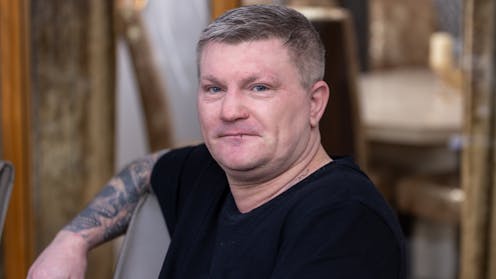
Hatton, who won 45 of his 48 professional bouts across an esteemed 15-year career, last fought professionally in 2012. Go My Media/Shutterstock

Ricky Hatton’s death has reignited an all-too-familiar conversation about mental health in sport. Hatton had spoken openly about his long battle with depression, as well as the drug and alcohol addiction that began after his 2007 defeat to Floyd Mayweather.

Research shows that how a boxer thinks – their beliefs about success, identity and failure – can become harmful in the high-stakes context of the sport. The perfectionism and “must-win” mindset mean even a single loss can feel catastrophic.

The constant pressure of “winning at all costs” has negative consequences: for some, losing a fight is not just a professional setback but an identity crisis, laced with shame, guilt and a sense of personal failure.

This danger is especially acute for fighters who rise from humble beginnings to fame and glory. For a boxer, the fear of irrelevance or of being forgotten can trigger depression, anxiety and despair. When vulnerability is seen as weakness, many simply bottle up their emotions, compounding their internal struggle.

Hatton himself acknowledged in 2020 that mental-health problems are widespread in boxing. The sport is brutal by design, subjecting fighters to repeated blunt-force trauma to the head and body. Traumatic brain injury (TBI) is an accepted risk.

This trauma has been linked to a wide range of acute, subacute and chronic neurological and psychological complications, such as concussion, post-concussion syndrome (when the symptoms of a concussion don’t fade after the usual recovery period but linger for months or even longer), depression, anxiety, cognitive decline and movement disorders, and in some tragic cases even death in the ring.

Repetitive TBI is associated with chronic traumatic encephalopathy (CTE), a progressive disease once colloquially known as “being punch drunk”. CTE affects memory, mood and behaviour and is among boxing’s most severe long-term health risks.


Read more:
How routine sparring can cause short-term impairment to boxers’ brains


While head trauma is a physical injury, its impact on mental health is profound. Damage to the brain can impair emotional regulation, increase impulsivity and heighten vulnerability to depression and suicidal thoughts. Yet for all this risk, boxing offers very few long-term support systems – something Hatton himself criticised.

Outside the ring, boxers face other pressures that rarely make headlines. The extreme weight cuts required for competition can alter brain chemistry and destabilise mood. The punishing solitude of training camps and the stress of maintaining a public persona feed into chronic stress.


Read more:
Families of athletes with dementia linked to brain trauma on watching somebody you love disappear – Uncharted Brain podcast part 2


Then there is the challenge of early retirement. Most athletes have a short competitive life, often retiring in their thirties – a transition many struggle with. Instead of relief, retirement can be a rupture: daily structure disappears, the roar of the crowd fades and with it the sense of purpose, identity and belonging.

With their athletic identities tied so closely to performance and public image, stepping away can feel like vanishing. Many athletes retire without financial security, career direction or a support network, leaving them exposed to loneliness and psychological decline.

Boxing has long offered a ladder out of working-class hardship to fame, fortune and respect. Hatton, like Tyson Fury and Frank Bruno, rose from humble beginnings to become a world champion and national hero.

But the climb from gritty local gyms to Las Vegas spotlights can be steep – and the fall steeper still. The gulf between where fighters start and where they end up can create a deep sense of dislocation. For working-class athletes, the pressure to stay strong, stoic and successful, even when struggling inside, can be overwhelming.

This is intensified by boxing’s enduring culture of hyper-masculinity. The “show no weakness” mentality may breed champions in the ring, but it can be deadly outside it. The sport’s traditional ethos – resilience, toughness, silence – often prevents fighters from seeking help. The stigma around mental health means many endure private battles in silence, where loneliness prevails.

The sport teaches resilience, emotional control, body awareness, the physical self-control that comes from disciplined training, mental focus and self-belief. For some, boxing gyms are sanctuaries that offer structure, mentorship and a reinvention of the self, especially for those overlooked or underestimated by society. But the sport also reveals the danger of fighting your battles alone.


Read more:
Boxing empowered me to express my trauma – now, I help other abuse survivors do the same, combining it with creative writing


The challenge now is to shift boxing’s culture so that vulnerability weighs as much as valour and to ensure support doesn’t end when the final bell sounds. Initiatives such as The Frank Bruno Foundation offer rare lifelines. Founded after heavyweight champion Bruno’s public battle with bipolar disorder, the foundation uses non-contact boxing and wellbeing programmes to show that true strength also means seeking help.

England’s Box In Mind, backed by Great Britain boxer Jordan Reynolds, who has spoken openly about his own mental-health struggles, urges others not to suffer in silence.

After news of Ricky Hatton’s death, Chris Eubank Snr urged the boxing industry to “look after their fighters”. With proper mental-health support, medical screening, career-transition programmes and open conversations about emotional wellbeing, boxing can continue to transform lives long after fighters hang up their gloves. Winning at all costs should never mean losing yourself outside the ring.

The Conversation

Helen Owton does not work for, consult, own shares in or receive funding from any company or organisation that would benefit from this article, and has disclosed no relevant affiliations beyond their academic appointment.

– ref. Concussion, identity loss, depression: boxing’s toughest opponent isn’t in the ring – it’s mental health – https://theconversation.com/concussion-identity-loss-depression-boxings-toughest-opponent-isnt-in-the-ring-its-mental-health-265317

The Long Walk: a brutal, brilliant film about suffering in the name of patriotism

Source: The Conversation – UK – By Matt Jacobsen, Senior Lecturer in Film History in the School of Society and Environment, Queen Mary University of London

The Long Walk is one of several high-profile film adaptations of Stephen King’s lesser-known works to be released this year, coming out just after The Life of Chuck.

Director Francis Lawrence’s film is adapted from the novella written while the author was at university in the late 1960s – a story wasn’t published until 1979. It was, however, released under the pseudonym Richard Bachman, which King reserved for some of his most unflinching and hard-edged writing.

The setting for this violent thriller is an alternative America in the 1970s, which has suffered economic decline in the aftermath of an unspecified war. A group of 50 young men have been called up to compete in a televised contest, which is intended to inspire patriotism and work ethic among the destitute populace. The rules they must walk continuously at a speed above 3mph, with the threat of execution if any fall behind.

King’s novella is an antecedent to Suzanne Collins’s Hunger Games and Takami Koushun’s Battle Royale, both made into successful films. Like The Long Walk, these stories depict a nation whose rulers have gamified and made spectacle the suffering of young people with the aim of encouraging a productive, obedient populace.

Written as an angry response to the Vietnam draft, in The Long Walk, young men must suffer for nationalist ideology. The impact of the Vietnam war on men of King’s generation – he was declared physically unfit for service – resonates throughout his early fiction.

It’s a brilliant choice to distil in this film many of the familiar tropes of the Vietnam movie, here inverted to have the US, not Asia, as the inhospitable, dark and violent environment that is deadly to the young men. Their continuous march feels strangely reminiscent of GIs trudging through Vietnam in films such as Full Metal Jacket or Platoon.

The essence of the film is in the relationship between protagonist Ray Garraty (Cooper Hoffman) and his competitor, Peter McVries (David Jonsson). With its focus on young male friendship, The Long Walk shares DNA with Stand by Me, Rob Reiner’s adaptation of King’s other story The Body.

Like Stand by Me, this film is about male bodily experience, particularly bodies made vulnerable through exertion. At first it mines scatalogical humour like the contestants questioning how to urinate while walking, to gross-out comedy around a contestant with diarrhoea, which later turns horrifying, humiliating and tragic.

This is an interesting film for its release at a time of debate around the activities and values of young men, incel culture and secret online lives, embodied by stories like Netflix’s Adolescence.

In The Long Walk, young men are capable of acts of kindness and generosity, they display vulnerability openly and support each other through struggle. Through playful dialogue and the boys’ wit and tenderness in the face of violence, the film successfully connects us to its characters and renders many of the inevitable and gory deaths horribly poignant.

The Long Walk is clear and overt in its criticism of American cultural experience and political stagnation. Mark Hamill, once the figurehead of youth rebellion in Star Wars, is brilliantly cast against type as the jingoistic Major, who barks like a drill sergeant at the boys. The core values they need, according to the Major’s pro-America creed, are “determination, pride and ambition”.


Read more:
The Life of Chuck: Stephen King adaptation celebrates the richness of ordinary life


The film presents a grim vision of the US that is far from the promise of the American Dream. The boy are taken along hundreds of miles of perpetually overcast rural American landscape that is desolate and “one big pile of litter”, as Garraty remarks early on.

Kings prose is sparse, heavy on dialogue and light on description. But here, in this richly shot film, we are continually shown drab depictions of American life: sprawling cornfields, dilapidated industrial buildings, rusted locomotives creaking along tracks, all imbued with the sense that the machinery of the country has ground to a halt. As the boys trudge on, increasingly ragged and physically traumatised, the Major rants obliviously “Where else in the world could you have this opportunity? Nowhere!”

Some of the imagery used to deliver this critique is a little heavy-handed: a flaming Cadillac and a trio of distressed horses galloping behind a barbed wire fence. But the film commits admirably to its presentation of a disturbingly apocalyptic US.

King’s fiction draws criticism for lack of female perspective and it’s an interesting choice that the film keeps this a contest open exclusively to young men. Like Stand by Me and the beloved Shawshank Redemption, this is a story of men bonding without women.

A female perspective is offered in a tokenistic form through brief scenes of Garraty’s idealised mother (Judy Greer), distraught but dignified as her son volunteers. It’s also curious that, like Shawshank, this film focuses on the platonic bond between a white man and a black man while race, – especially the dynamics of race within a military and white supremacist dictatorship – is not mentioned even in passing.

For their core differences in plot and resolution, both King’s story and this excellent film adaptation share in their final moments an ambiguity as to whether nationalist doctrine can be resisted and oppressive systems overthrown. Peter MrVries, the most obviously critically illuminated member of the walking party, comments at one point on the deep-seated conditioning to which the walkers and the rest of the country are subjected.

King’s bleak text is youthfully pessimistic and steeped in the despondent nihilism of the period in which it was written. This bracing, emotionally affecting film is rather more galvanising. It does go some way towards imagining the means of rebellion in the hands of the nation’s youth – even if it doesn’t commit outright to the view that there is power in acts of resistance.

The Long Walk is a brutal, brilliant film that stands among the best adaptations of Stephen King’s work.


Looking for something good? Cut through the noise with a carefully curated selection of the latest releases, live events and exhibitions, straight to your inbox every fortnight, on Fridays. Sign up here.


The Conversation

Matt Jacobsen does not work for, consult, own shares in or receive funding from any company or organisation that would benefit from this article, and has disclosed no relevant affiliations beyond their academic appointment.

– ref. The Long Walk: a brutal, brilliant film about suffering in the name of patriotism – https://theconversation.com/the-long-walk-a-brutal-brilliant-film-about-suffering-in-the-name-of-patriotism-265615

How fraudsters are trying to dupe the UK’s basmati rice lovers

Source: The Conversation – UK – By Katherine Steele, Senior Lecturer in Sustainable Crop Production, Bangor University

Many Brits enjoy a curry served with a heap of fluffy white basmati rice, its delicate aroma balancing the heat of the dish. But few stop to think about the grain’s long journey. From the paddy fields of India and Pakistan, through regional markets and rice mills, then matured for a year in silos before being shipped in bulk to the UK.

It then passes through one of the country’s 16 processing sites before reaching supermarket shelves. The UK imports around 250,000 tonnes of basmati rice every year – making it one of the world’s biggest markets.

This summer, consumers got a glimpse of what happens when that supply chain goes wrong. Four people were arrested in late July after investigators found substandard rice being passed off as a well-known basmati brand.

The National Food Crime Unit uncovered the fraud when tests showed the wrong type of rice inside premium-brand packets. The operation began in Leicester, where police arrested a man suspected of repackaging ordinary rice into counterfeit basmati bags. Three more arrests followed in London.

Basmati is a prestigious grain, prized for its nutty flavour and popcorn-like aroma. Alongside jasmine from Thailand and Italy’s arborio, it sits at the top of the speciality rice market. When shoppers buy a packet of basmati, they expect quality. If it falls short, they may feel cheated and think twice about buying that brand again.

To prevent this, the UK operates strict rules under the basmati code of practice. The code sets out which varieties can legally be called basmati, how they may be blended and what level of non-basmati grain is tolerated.

There must not be more than 7% of another rice variety in a packet. It’s a figure reduced from 20% two decades ago, but which cannot be lowered further because of the realities of handling multiple varieties in large mills.

This code was agreed by the Rice Association and the British Retail Association, and it applies across Europe. When exporters in India and Pakistan develop new basmati varieties, samples are sent to the Rice Association in London for approval.

An important tool in enforcing these rules is DNA testing. Every grain carries a genetic fingerprint that can confirm whether it belongs to one of the approved basmati varieties.

Public analyst laboratories regularly test shipments entering the UK and EU. The Food Standards Agency (FSA) also runs an annual survey of basmati products bought at random from retailers.

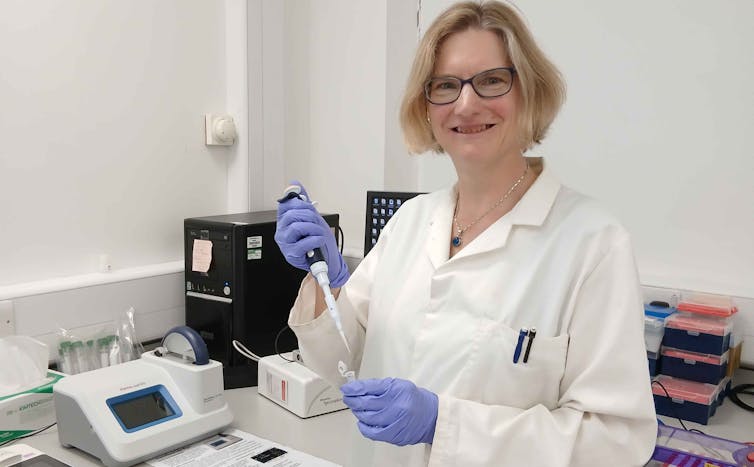
The current DNA test for basmati authentication was developed through collaboration between my colleagues and me at Bangor University, the FSA and public analysts.

Katherine Steele wearing a white lab coat in a laboratory with scientific instruments.
Katherine Steele in the laboratory.
Bangor University, CC BY

We profiled hundreds of rice varieties and continue to refine the markers used to identify basmati. Before the method was approved, our team ran blind tests of results from known spiked mixtures of grains across different laboratories to ensure reliable results.

An age-old problem with modern costs

Food fraud is nothing new. For centuries, unscrupulous traders have substituted cheaper goods or mislabelled products.

While swapping rice is less harmful than adulterating food with toxic substances, it still matters. Consumers resent being duped, brands suffer reputational damage and companies that play by the rules lose out. The stakes are high because the UK rice industry is worth close to £1 billion a year.

There are points of vulnerability every time the grains get passed from one trader to the next. We can’t assume it all happens overseas. Economic pressures may be making the problem worse. As the UK experiences sluggish economic growth, opportunities for food crime may be increasing.

Counterfeiting is easier to identify using DNA testing than when known mixtures of varieties are introduced further up the food chain. It is probable that some of the less well-known brands of rice sold in the UK may contain varieties that are not listed in the basmati code of practice. These could easily slip through the DNA test because complex mixtures can be made to contain all the right molecular signatures.

Even so, food sold in the UK is among the most closely regulated in the world because of the work done by the FSA. Their National Food Crime unit leads the fight against food crime as exemplified by the recent case of the counterfeit basmati, but consumers must be vigilant because there are still fraudsters about. This can include being wary of poorly printed packaging labels, misspellings, broken seals and unusual pricing. Because if the price seems too good to be true, it probably is.

The Conversation

Katherine Steele receives funding from UKRI, DEFRA and Food Standards Agency.

– ref. How fraudsters are trying to dupe the UK’s basmati rice lovers – https://theconversation.com/how-fraudsters-are-trying-to-dupe-the-uks-basmati-rice-lovers-264146

Climate change, through your own memories

Source: The Conversation – UK – By Will de Freitas, Environment + Energy Editor, The Conversation

This roundup of The Conversation’s climate coverage was first published in our award-winning weekly climate action newsletter, Imagine.


Two weeks ago we asked our Imagine newsletter subscribers: what climate-related changes have you noticed in your lifetime? We wanted anecdotes, not data.

We received dozens of vivid and often rather moving memories. A big thank you to everyone who contributed.

A few themes stand out, which we’ll illustrate with your words alongside expert analysis from The Conversation.

1. The loss of cold winters

“My father was at university in Cambridge during world war two – he was in the university’s ice hockey team, which practised on the Fens whenever they froze over – there was no need of an indoor ice stadium then!” – Hazel Agnew

“The frost would penetrate 20cm into the ground … such hard frosts are a distant memory.” — Graeme Brown

“I grew up in Hertfordshire. When young, it snowed well every winter, with some drifts above my head. Nowadays, [300 miles north, near Newcastle] we are lucky to see an inch of snow.” – Alan Page

Recollections like these are echoed by many of you: frosts that needed scraping off the windows, head height snowdrifts, frozen puddles to smash through. These are no longer shared, common experiences in the UK.

Scientists studying the UK climate confirm there has been a strong drop in frost and snow days in recent decades. In fact, winter is warming faster than any other season. That’s according to a team of climate scientists from the University of Bristol who we asked to investigate the decline in snow days.

A fast changing climate is more volatile, and there’s always a chance of a “Beast from the East”. But, they point out, “disruptions [like these outlier blizzards] that do occur sit on top of increasing background temperatures, reducing the likelihood of the cold spells that bring widespread snowfall.”


Read more:
Why snow days are becoming increasingly rare in the UK


2. Shifting seasons

“There was snow on the ground when I went into hospital in Chelmsford, Essex, to have my first baby on April 18, 1969. The daffodils were finally in bloom when I took him home on May 1. Daffodils are always over several weeks earlier than that now” – Jill Bruce

“Often we’d come back over to Britain [from Trinidad & Tobago] in the height of either summer, or winter for Christmas … Part of why we would come back was the UK had seasons, now we just get nine months of cool to warm drizzle then summers on fire!” – Dean Hill

We have published a lot on seasonal breakdown over the years. Academics have looked at unusual midsummer storms, leaves that linger through autumn,
why April showers are becoming more intense and how that has delayed the annual arrival of swifts.

For more stories like these, check out our series Wild Seasons.

3. Wildlife disappearing

“As a young man driving around the West Country in the summer months in the mid-80s, I would have to stop and scrape a thick layer of dead insects off the windscreen at least once on every journey. Today my windscreen is bug-free for hundreds of miles.” — Steve Tooze

“When I was young every buddleia bush was covered in butterflies during the summer, and I mean covered. We had large flocks of starlings and sparrows on the lawn in our garden during winter. My mother still lives in the same house. She does not see any butterflies on her buddleia now, and no starlings for years, but a very occasional sparrow.” – Andrew Strong

“You hardly see hedgehogs anymore … there have not been any blackbirds or thrushes for even longer.” — Claire Bristol

You told us again and again about butterflies, bees, moths and wasps – once abundant, now rare. You remembered birdsong and hedgerows teeming with life. Small mammals that once wandered quietly through gardens.

Research confirms there has indeed been a steep decline in insect biomass and species diversity. In 2022, for instance, Tim Newbold and Charlotte Outhwaite of UCL wrote about their research which found climate change has triggered a global collapse in insect numbers.

They stress there are winners as well as losers. Freshwater insects are recovering in the UK, for instance. But they say that insects are facing an unprecedented threat due to the “twin horsemen” of climate change and habitat loss, which “do not work in isolation”. “Habitat loss can add to the effects of climate change by limiting available shade, for example, leading to even warmer temperatures in these vulnerable areas.”


Read more:
Climate change triggering global collapse in insect numbers: stressed farmland shows 63% decline – new research


This loss goes far beyond insects: the UK is widely regarded as one of the world’s most nature-depleted countries. Richard Gregory, also of UCL, has written about research showing that one in six UK species are threatened with extinction. “Climate change,” he writes, “is among the biggest threats to wildlife in all ecosystems.”

4. A positive change: less pollution?

“The leaves of evergreens were coated with soot, but there were still sparrows. When I first saw a laurel in the countryside, I had to be told what it was, because I didn’t know it with its clean and shiny leaves.

“Pollution was very visible. Hair brushes and combs had to be frequently washed due to the soot on your hair.” – Carole Hegedus

Let’s end on a more positive note. Carole is a few decades older than me and grew up in the same area of London as I did. Yet I recognise none of this. By the 1990s, the coal power stations and factories that once coated the city in soot were long gone. One power station is now a world-famous art gallery. Another is a more controversial shopping centre.

But let’s not rest on our laurels. In a piece marking 70 years since London’s “great smog”, Suzanne Bartington and William Bloss of the University of Birmingham note: “Poor air quality still contributes to somewhere between 26,000 and 38,000 early deaths each year in the UK.” The days of thick smog clouds may be largely behind us (in the UK at least), but Bartington and Bloss warn that “health harms exist even at low pollutant levels and that there is no ‘safe’ level of exposure to PM2.5” (tiny particles invisible to the human eye).

Thank you again for sending such interesting recollections and I’m sorry we couldn’t feature all of them.

I hope this illustrates that the story of climate change isn’t just written in graphs and data, it’s also in frozen puddles, vanishing butterflies and February daffodils.


This roundup of The Conversation’s climate coverage comes from our award-winning weekly climate action newsletter. Every Wednesday, The Conversation’s environment editor writes Imagine, a short email that goes a little deeper into just one climate issue. Join the 45,000+ readers who’ve subscribed.


The Conversation

– ref. Climate change, through your own memories – https://theconversation.com/climate-change-through-your-own-memories-265514

A volcano or a meteorite? New evidence sheds light on puzzling discovery in Greenland’s ice sheet

Source: The Conversation – UK – By James Baldini, Professor in Earth Sciences, Durham University

Buried deep in Greenland’s ice sheet lies a puzzling chemical signature that has sparked intense scientific debate. A sharp spike in platinum concentrations, discovered in an ice core (a cylinder of ice drilled out of ice sheets and glaciers) and dated to around 12,800 years ago, has provided support for a hypothesis that the Earth was struck by an exotic meteorite or comet at that time.

Our new research offers a much more mundane explanation: this mystery platinum signature may have originated from a volcanic fissure eruption in Iceland, not space.

The timing matters. The platinum spike occurs near the beginning of our planet’s last great cold period, the Younger Dryas Event. This lasted from about 12,870 to 11,700 years ago and saw temperatures plummet across the northern hemisphere.

This happened just as the planet had actually been warming up from the last ice age. Understanding what triggered this cold snap could help us understand how Earth’s climate may change in the future.

We propose that this icy phase in Earth’s climatic history was in fact caused either by a large volcanic eruption in Germany or by the eruption of an unknown volcano.

A climate mystery

Ice cores show that during the millennium-long Younger Dryas Event, temperatures across Greenland dropped to more than 15°C colder than they are today. Europe returned to near glacial conditions, with tundra replacing forests that had begun to flourish. Low-latitude rainbelts shifted to the south.

The traditionally accepted explanation involves a massive release of freshwater from melting North American ice sheets. This freshwater pulse disrupted the ocean circulation, affecting temperatures. However, other researchers have proposed that the event was triggered by a comet or asteroid impact over North America.

In 2013, researchers analysing ice cores drilled as part of the Greenland Ice Sheet Project (GISP2) discovered platinum concentrations that were well above normal levels. The ratio of platinum to a radioactive element called iridium was also unusual because space rocks usually have high levels of iridium, while the ice core spike does not. The ice core signature was very different from anything seen in known meteorites or volcanic rocks.

The authors of the space impact paper suggested that perhaps the unusual ice chemistry reflected the impact of an unusual asteroid made up of iron.

A subsequent paper proposed that the ice chemistry could reflect the German
Laacher See volcanic eruption, which had an unusual geochemistry and occurred around that time. To test this idea, we collected and analysed 17 samples of volcanic pumice from deposits left behind by the Laacher See eruption. We measured platinum, iridium, and other trace elements to create a chemical fingerprint of the eruption.

Our results were clear: the Laacher See pumices contain virtually no platinum, with concentrations below or barely at detection limits. Even though some platinum may have escaped to the atmosphere before being trapped in the rock, the eruption was clearly not the source of Greenland’s platinum spike.

Additionally, when we examined the timing carefully, using updated ice core
chronologies, we found the platinum spike actually occurred about 45 years after the Younger Dryas began – too late to have triggered the cooling.

This result was arrived at independently but was consistent with previous research finding the same thing. Importantly, the elevated platinum concentrations lasted for 14 years, suggesting a prolonged event rather than an instantaneous asteroid or comet impact.

We compared the ice core’s chemical signature with various other geological samples and found the closest match was with volcanic gas condensates (the products formed when gases released from a volcano cool from a gas to a liquid or solid state) particularly from submarine volcanoes.

Iceland’s volcanoes can produce fissure eruptions lasting years or even decades, matching the 14-year duration of the platinum spike. During the melting phase that preceded the Younger Dryas, Iceland’s volcanic activity increased dramatically as melting ice sheets reduced pressure on the Earth’s crust.

Crucially, submarine or subglacial eruptions interact with water in ways that could explain the unusual chemistry. Seawater can strip away sulphur compounds while concentrating other elements like platinum in volcanic gases. These platinum-rich gases could then travel to Greenland and be deposited on the ice sheet, explaining the odd geochemistry.

Recent research on historical Icelandic eruptions supports this mechanism. The 8th-century Katla eruption produced a 12-year spike in heavy metals like bismuth and thallium in Greenland ice cores. The 10th-century Eldgjá eruption resulted in a cadmium spike within glacial ice. Although platinum was not measured in those studies, these examples show Icelandic volcanoes regularly deliver heavy metals to the Greenland ice sheet.

Maelifell Volcano, Iceland. It is situated in the Mýrdalsjökull glacier, which covers the central part of the Katla caldera.
Research on Icelandic eruptions show that they can deliver heavy metals to the Greenland Ice Sheet.
Palmi Gudmundsson / Shutterstock

A smoking gun?

Because of the chronological mismatch, whatever mechanism was responsible for the platinum spike didn’t trigger the Younger Dryas. Our research does, however, highlight previous results showing a massive volcanic sulphate spike in multiple ice cores coinciding precisely with the onset of cooling 12,870 years ago.

This eruption, whether from the Laacher See eruption or an unknown volcano, injected enough sulphur into the atmosphere to rival the largest eruptions in recorded history. Volcanic eruptions can trigger cooling by releasing sulphur into the stratosphere, reflecting incoming sunlight and potentially setting off a cascade of positive feedbacks including sea ice expansion, changed wind patterns and disruption of ocean currents, though future research needs to explore this further.

The substantial volcanic forcing around the Younger Dryas onset – a time when climate was already sitting between a glacial and an interglacial (the periods between cold snaps) – may have provided the nudge that tipped Earth’s climate back into a cold state.

It is important to note that our research focused on the platinum spike and did not consider other evidence, such as spherules (spherical fragments of melted rock) and black mats (mysterious dark layers in soil), for an extraterrestrial impact. That said, based on our analysis of the new results and existing data, a large northern hemispheric volcanic eruption seems to be the most straightforward explanation for the Younger Dryas Event.

Understanding past climate triggers is vital for anticipating what lies ahead. Although the chance of a large meteorite impact or volcanic eruption in any given year is low, such events are virtually certain to occur eventually. Knowing how Earth’s climate responded in the past is therefore crucial for preparing for the consequences of the next major event.

The Conversation

James Baldini does not work for, consult, own shares in or receive funding from any company or organisation that would benefit from this article, and has disclosed no relevant affiliations beyond their academic appointment.

– ref. A volcano or a meteorite? New evidence sheds light on puzzling discovery in Greenland’s ice sheet – https://theconversation.com/a-volcano-or-a-meteorite-new-evidence-sheds-light-on-puzzling-discovery-in-greenlands-ice-sheet-265257

Vivir con miedo al clima: el impacto de catástrofes naturales como la dana en la salud mental

Source: The Conversation – (in Spanish) – By Alexis Cloquell Lozano, Profesor Sociología. Cátedra Caixa Popular para el estudio de los desafíos sociales y la vulnerabilidad., Universidad Católica de Valencia

Destrozos provocados por las inundaciones causadas por el paso de una dana en Valencia en octubre de 2024. David Raw/Shutterstock

El informe del Observatorio Europeo del Clima y la Salud gestionado por la Comisión Europea y la Agencia Europea del Medio Ambiente estimó que, de 1998 a 2018, entre 1,7 y 10,6 millones de personas desarrollaron algún trastorno mental tras sufrir inundaciones, cifras que incluyen desde síntomas leves de ansiedad hasta cuadros clínicos de trastorno de estrés postraumático.

El 29 de octubre de 2024, una dana provocó lluvias torrenciales e inundaciones históricas en la Comunidad Valenciana, causando 228 fallecidos y afectando a más de 300 000 personas. Este suceso ejemplifica cómo los desastres naturales intensificados por el cambio climático pueden impactar profundamente en la percepción y en la salud mental de la población.

A través del proyecto “Ecoansiedad percibida tras los efectos de la dana: una respuesta cognitiva y emocional al cambio climático” hemos estudiado el impacto social y psicológico que este fenómeno tuvo en la sociedad española.

La ecoansiedad como nuevo desafío social

La ecoansiedad, según la Asociación Estadounidense de Psicología y ecoAmerica, se describe como un “miedo crónico a un desastre ambiental” derivado de la percepción de amenazas reales o anticipadas por el cambio climático. En el ámbito científico, este término se conceptualiza como un constructo multidimensional que incluye componentes cognitivos, como el grado de preocupación, emocionales y somáticos en respuesta al deterioro medioambiental.

Según datos del Centro de Investigaciones Sociológicas (CIS), tras una catástrofe como la dana, el cambio climático se percibe como un riesgo más presente y relevante, aumentando la preocupación social. No obstante, los estudios longitudinales indican que este efecto suele disminuir con el tiempo y, si no se refuerza, muchas personas acaban volviendo a sus niveles previos de preocupación y comportamiento.

Gráfico que representa el grado de preocupación de la población respecto al cambio climático (marzo 2024 a marzo 2025).
Grado de preocupación de la población española respecto al cambio climático (marzo 2024 a marzo 2025).
Alexis Cloquell, a partir de datos del CIS, CC BY-SA

Mujeres jóvenes y valencianas, las más vulnerables

En el proyecto hemos analizado los datos recogidos en el Barómetro nº 3 489 (diciembre 2024) y el Estudio nº 3 499 (febrero-marzo 2025) del CIS. Aunque los resultados todavía no están publicados, podemos adelantar algunas de las conclusiones más relevantes.

Uno de los hallazgos más consistentes es el papel de la variable sexo. Las mujeres presentan niveles significativamente más altos de ecoansiedad que los hombres: el 40 % de ellas experimenta un nivel elevado, frente al 28 % de los hombres. Este hallazgo coincide con investigaciones previas que han documentado una mayor sensibilidad emocional y una conciencia ambiental más desarrollada entre las mujeres, posiblemente influida por factores culturales, educativos y sociales que promueven un mayor involucramiento en temas ecológicos.

La provincia de Valencia concentra el mayor impacto: un 48 % de ecoansiedad elevada frente al 32 % del resto de España. Diversos estudios han demostrado que las experiencias directas con eventos climáticos extremos pueden actuar como factores que aumentan la conciencia y preocupación ambiental. Por eso estas personas tienen mayor probabilidad de reconocer la gravedad del cambio climático y apoyar políticas ambientales. Esto se debe al llamado “efecto de proximidad”, en el que la vivencia directa genera una percepción de riesgo más inmediata y emocional.


Leer más:
¿Existe la ecoansiedad, el miedo crónico a un colapso ambiental?


Educación y desigualdad: cuando la información protege

El nivel educativo actúa como un factor protector moderado: quienes tienen estudios superiores presentan niveles algo menores de ecoansiedad, lo que podría sugerir que una mayor formación académica favorece herramientas cognitivas o informativas que permiten canalizar la preocupación ambiental de manera más equilibrada.

La variable ocupación arroja datos muy reveladores. Las personas desempleadas y aquellas que se dedican a labores del hogar presentan los niveles más altos de ecoansiedad cognitiva. En estos grupos, más del 39 % se encuentra en el nivel alto.

También los jubilados y pensionistas manifiestan una proporción elevada. Esto podría estar relacionado con una sensación de vulnerabilidad económica, menor acceso a medios de adaptación o, en algunos casos, una percepción de impotencia frente al futuro.

En cambio, los estudiantes presentan una distribución algo distinta, con aproximadamente el 45 % ubicados en el nivel bajo. Esto podría interpretarse como una toma de conciencia activa, pero aún no intensamente ansiosa, posiblemente asociada al carácter formativo y crítico de esta etapa vital.

Una llamada urgente para nuevas políticas públicas

Los resultados muestran que el cambio climático no solo transforma los paisajes, sino también las mentes, y que es urgente prepararse para un futuro climático más incierto. Se trata de un fenómeno persistente: incluso seis meses después del evento, la preocupación permanece, lo que plantea retos importantes para la salud mental.

El estudio alerta sobre un problema creciente que hasta ahora ha pasado desapercibido en la agenda política: la relación entre cambio climático y la salud mental. Por tanto, es recomendable crear programas de apoyo psicológico a la población, campañas de educación ambiental y planes territoriales de emergencia, especialmente en zonas geográficas de alto riesgo frente a los efectos del cambio climático.


Leer más:
Cómo mejorar la gestión del riesgo en las zonas afectadas por DANA para que no se repita una catástrofe


The Conversation

Alexis Cloquell Lozano recibe fondos del Ministerio de Ciencia, Innovación y Universidades, a través de la convocatoria Proyectos de Generación de Conocimiento 2024 y del Centro de Investigaciones Sociológicas (CIS) perteneciente al Ministerio de la Presidencia, Justicia y Relaciones con las Cortes, a través de la convocatoria ayudas a la investigación 2025.

Joan Lacomba Vazquez recibe fondos del Ministerio de Ciencia, Innovación y Universidades, a través de la convocatoria Proyectos de Generación de Conocimiento 2024.

Carmen Moret-Tatay y Francisco Javier Arteaga Moreno no reciben salarios, ni ejercen labores de consultoría, ni poseen acciones, ni reciben financiación de ninguna compañía u organización que pueda obtener beneficio de este artículo, y han declarado carecer de vínculos relevantes más allá del puesto académico citado.

– ref. Vivir con miedo al clima: el impacto de catástrofes naturales como la dana en la salud mental – https://theconversation.com/vivir-con-miedo-al-clima-el-impacto-de-catastrofes-naturales-como-la-dana-en-la-salud-mental-264217

La vuelta a clase: qué hacer cuando el colegio quiere exponer a su hijo en redes sociales

Source: The Conversation – (in Spanish) – By Ricard Martínez Martínez, Profesor de Derecho Constitucional. Director de la Cátedra de Privacidad y Transformación Digital, Universitat de València

Xavier Lorenzo/Shutterstock

Se inicia el curso en distintas comunidades autónomas de España con la decisión de reducir el tiempo dedicado a las pantallas en las aulas. El Informe del Comité de Expertos para la Creación de Entornos Digitales Seguros para la Infancia y la Juventud ha puesto de manifiesto la existencia de riesgos significativos para la salud mental y el desarrollo de los niños, niñas y adolescentes que exige modular adecuadamente las condiciones de uso de las pantallas.

Sin embargo, no se ha publicado noticia alguna en relación con las condiciones de uso de las redes sociales por la escuela y con la publicación de imágenes de los alumnos y alumnas. Resulta paradójico prevenir la dependencia de las redes y que estas sigan siendo utilizadas generando en los niños, niñas y adolescentes una percepción positiva sobre ellas.

La razón subyacente para compartir estas imágenes no es otra que promover la imagen positiva del centro ante la comunidad. Pero por muy bien intencionada que resulte, esta es una acción promocional, nunca educativa.

Cuando el centro escolar expone a los menores en internet genera riesgos. Un depredador podría capturar las imágenes y utilizar buscadores especializados para localizar a niños, niñas y adolescentes en redes sociales y contactarles. Además, promueven una conciencia positiva y un hábito de uso y consumo: si la escuela es activa en redes y comparte a sus estudiantes, carece de sentido argumentar que supongan un riesgo.

La reutilización de las imágenes

El centro escolar modela la identidad digital de sus estudiantes, que no tienen por qué compartir ni el contenido, ni el estilo de las imágenes y vídeos que se suban. Si por casualidad hubiera algo de ridículo o criticable en ellas se estará sembrando la posibilidad de un futuro acoso entre iguales basado en la reutilización de las imágenes.

Por ello, resulta necesario proporcionar a la sociedad información adecuada para la toma de decisiones informadas. En primer lugar, debe entenderse la naturaleza de los formularios de consentimiento informado que suelen llegar a casa en el proceso de matrícula, al inicio del curso o bien en momentos puntuales remitidos por profesores.

Se solicita el consentimiento porque no existe ninguna justificación académica para captar y compartir imágenes de los menores en internet. La legislación sobre derecho a la intimidad y a la propia imagen, y sobre protección de los menores, señala que el interés superior del menor debe preservarse y conduce exactamente a lo contrario, a no publicar o hacerlo limitadamente salvo consentimiento.

De ahí que sea muy poco usual encontrar imágenes o vídeos de niños, niñas y adolescentes en los medios de comunicación convencionales, salvo cuando el interés público de la noticia lo justifica.

Este consentimiento es esencialmente libre y no puede estar condicionado por las relaciones entre el centro escolar, el profesorado y los responsables parentales. La familia debería actuar en conciencia y marcar en su caso la casilla del “NO” sin ninguna clase de prevención o temor respecto de las posibles consecuencias.

Es posible que el centro contacte con posterioridad a la negativa. Suelen transmitir que esta afecta al conjunto del grupo o señalar que se sienten incómodos ante la eventualidad de discriminar al estudiante cuya captación de imágenes está vetada.

Esta conducta implica una suerte de coacción que induce a consentir y podría constituir una infracción muy grave de la legislación en materia de protección de datos. Por ello debería ser puesta en conocimiento de la Agencia Española de Protección de Datos y de la inspección educativa.

Es posible que el contenido de la ficha, o de una nota remitida por un profesor, se refiera a la posibilidad de captar imágenes y utilizarlas con fines docentes o de innovación pedagógica. Esto solo es admisible cuando exista una relación de coherencia con el temario oficial y bajo la condición de integrarse de forma precisa y documentada en la planificación de la materia.

Tratamiento registrado y supervisado

Si fuera una actividad de investigación o innovación pedagógica que repercuta en humanos vulnerables, estará sometida a reglas que exigen la aprobación positiva por parte de un comité de ética. En todos los casos, debe existir un tratamiento debidamente registrado y supervisado por la persona delegada de protección de datos, contar con las debidas políticas de privacidad y garantizar la asunción de obligaciones de seguridad y confidencialidad por el profesorado, que debe haber recibido una formación adecuada.

Nada impide la captación de imágenes para la generación de recuerdos del paso por la escuela, pero tiene que hacerse siguiendo reglas muy precisas. Es necesario obtener el consentimiento de los responsables parentales, y debe cuidarse el estilo y la naturaleza de las imágenes bajo el prisma de la proporcionalidad y la razonabilidad. Resulta fundamental que, junto al consentimiento, la comunidad educativa sea informada y se comprometa a la firma de un documento de confidencialidad asumiendo la imposibilidad de compartir las imágenes de los menores en redes sociales o con terceros no autorizados.

Y también es posible la captación y el uso de imágenes con fines promocionales o para la divulgación de noticias de interés público. Pero nunca con carácter general y respetando siempre las obligaciones legales del centro escolar.

The Conversation

Ricard Martínez Martínez no recibe salario, ni ejerce labores de consultoría, ni posee acciones, ni recibe financiación de ninguna compañía u organización que pueda obtener beneficio de este artículo, y ha declarado carecer de vínculos relevantes más allá del cargo académico citado.

– ref. La vuelta a clase: qué hacer cuando el colegio quiere exponer a su hijo en redes sociales – https://theconversation.com/la-vuelta-a-clase-que-hacer-cuando-el-colegio-quiere-exponer-a-su-hijo-en-redes-sociales-265161

¿Es posible reducir incendios en el hogar y la industria sin usar compuestos tóxicos?

Source: The Conversation – (in Spanish) – By Christina Schenk, Investigadora en ML para aplicaciones de materiales, IMDEA

Es posible que en su casa haya unas cortinas de poliéster, un tejido sintético que puede derretirse y arder rápidamente cuando alcanza altas temperaturas. El fuego se propaga por su superficie y produce humo tóxico.

Cuando una pequeña llama entra en contacto con el poliéster, el calor descompone rápidamente las moléculas del tejido y se liberan gases inflamables. Dicha llama se extiende velozmente por la superficie vertical del tejido y alcanza alturas importantes en pocos segundos, generando un denso humo negro, muy tóxico y peligroso.

Esta propagación rápida puede envolver rápidamente la habitación y dificultar la evacuación, haciendo que unas simples cortinas se conviertan en un foco peligroso de incendio en el hogar.

Como ocurre en las cortinas, los plásticos están presentes en casi todos los aspectos de nuestra vida diaria: textiles, dispositivos electrónicos, automóviles y materiales de construcción. Aunque son resistentes y versátiles, presentan un problema importante: su inflamabilidad.

No obstante, en sectores como la electrónica, los plásticos ignífugos protegen aparatos como televisores y ordenadores; en la automoción, mejoran la seguridad en salpicaderos y revestimientos interiores; y en la construcción, son clave para aislamientos y conductos eléctricos que previenen la rápida propagación del fuego. ¿Cómo se consigue que adquieran esta propiedad?

Reducir el riesgo

Para reducir el riesgo de inflamabilidad se utilizan aditivos retardantes de llama, productos químicos que se añaden a los plásticos para hacerlos menos inflamables.

Estos compuestos ayudan a que el fuego se propague más lentamente, dando más tiempo para reaccionar y evacuar en caso de incendio. De hecho, la efectividad de estos retardantes se puede medir con pruebas que evalúan cuánto se reduce la velocidad a la que avanza la llama. Se nota claramente que las casas y edificios con materiales ignífugos tienen mayor seguridad contra incendios que aquellos que no los tienen.

Sin embargo, muchos retardantes convencionales derivan de fuentes fósiles y contienen sustancias que pueden ser nocivas para la salud y el medio ambiente. ¿Podemos hacerlo mejor?

Toxicidad y alteraciones hormonales

Por ejemplo, los retardantes bromados PBDE (éteres difenílicos polibromados), derivados del petróleo, están presentes en muebles con espuma, colchones y aparatos electrónicos comunes en el hogar. Estos compuestos pueden liberar sustancias químicas que irritan los ojos y la piel. Con exposiciones prolongadas están asociados a efectos más graves en la salud, como alteraciones hormonales, daño neurológico y aumento del riesgo de algunos tipos de cáncer. El polvo que se desprende de estos productos es una vía común de exposición, especialmente para niños.

Estudios científicos han encontrado que la exposición a PBDE está relacionada con cáncer, trastornos endocrinos y neurotoxicidad en humanos, por lo que muchos países están regulando o prohibiendo su uso para proteger la salud pública.

Así, aunque los retardantes de llama mejoran la seguridad frente a incendios, es importante avanzar hacia alternativas más sostenibles y menos dañinas para la salud y el medio ambiente. ¿Cómo lo hacemos? Buscamos alternativas más seguras y sostenibles, que no sólo reduzcan el riesgo de incendio, sino que además aporten beneficios medioambientales.

Un nuevo material con aplicaciones multifuncionales

En este trabajo presentamos un nuevo sistema retardante de llama de base biológica y diseñado para compuestos de poliamida, un tipo de plástico de ingeniería muy utilizado por su resistencia y versatilidad. Un ejemplo de aplicación son los textiles técnicos, especialmente la ropa de protección industrial o deportiva, para que sean resistentes y seguras frente al fuego al mismo tiempo que se cuida el impacto ambiental.

No obstante, este material también tiene un enorme potencial en muchos otros sectores, como la automoción, la electrónica y el embalaje, ampliando el alcance de materiales de alto rendimiento con retardancia a la llama y bajo impacto ambiental, útiles para diversas aplicaciones industriales.

La resistencia mecánica en las citadas prendas es fundamental porque deben soportar esfuerzos continuos, como rozaduras, abrasiones y hasta impactos, durante largos periodos de uso en condiciones exigentes. De esta forma, la ropa mantiene su integridad, no se daña fácilmente y sigue protegiendo eficazmente al usuario frente a riesgos térmicos o químicos mientras dura más tiempo.

Materiales inteligentes

Lo realmente innovador no es solo la elección de materiales renovables, sino también el método de diseño y optimización que hemos utilizado: una estrategia que combina experimentación en el laboratorio con herramientas de aprendizaje automático (machine learning) y algoritmos de optimización.

El proceso habitual era el de “prueba y error”, donde se preparaban distintas combinaciones químicas, se probaban en laboratorio y se medían sus propiedades para determinar cuáles ofrecían mejor desempeño. Pero este método consume mucho tiempo y recursos al tener que repetir muchas pruebas hasta encontrar una fórmula óptima.

En nuestro trabajo aplicamos un enfoque guiado por datos que nos permite diseñar experimentos de manera sistemática para explorar distintas combinaciones. Empleamos modelos de inteligencia artificial que aprenden de los datos experimentales y predicen el rendimiento de nuevas formulaciones y generamos métodos de optimización que identifican las soluciones más prometedoras. El uso de la IA nos permite acelerar el proceso de descubrimiento.

Gracias a este enfoque, logramos mejorar de forma simultánea la resistencia mecánica y la seguridad (dos propiedades que suelen estar en conflicto) del nuevo biomaterial que buscábamos.

El mejor biomaterial posible

El mejor biomaterial creado mostró un aumento del 18,4 % en la resistencia a la tracción (capacidad de soportar esfuerzos antes de romperse) y una reducción del 53,1 % en la tasa máxima de liberación de calor, un parámetro clave en el comportamiento frente a incendios. Este avance es relevante, por ejemplo, en textiles de alto rendimiento más sostenibles y saludables.

Al unir ciencia experimental con inteligencia artificial, reducimos la dependencia de aditivos dañinos, minimizamos el desperdicio y abrimos el camino hacia nuevos materiales seguros, sostenibles y de alto rendimiento que aportan beneficios directos a la sociedad.

The Conversation

El trabajo original ha sido financiado por el proyecto TED2021-131409B-100, financiado por el Ministerio de Ciencia e Innovación (MCIN), la Agencia Estatal de Investigación (AEI) (10.13039/501100011033) y por la Unión Europea a través del programa NextGenerationEU/PRTR. Dr. Christina Schenk trabaja en IMDEA Materiales. Se agradece profundamente a sus compañeros José Hobson y Maciej Haranczyk del Instituto IMDEA Materiales por la lectura atenta, así como a José Hobson por los valiosos comentarios que han enriquecido y mejorado este artículo.

– ref. ¿Es posible reducir incendios en el hogar y la industria sin usar compuestos tóxicos? – https://theconversation.com/es-posible-reducir-incendios-en-el-hogar-y-la-industria-sin-usar-compuestos-toxicos-264055