Silvia Mantovanini (ICRAR/Curtin) & the GLEAM-X Team
The Milky Way is a rich and complex environment. We see it as a luminous line stretching across the night sky, composed of innumerable stars.
But that’s just the visible light. Observing the sky in other ways, such as through radio waves, provides a much more nuanced scene – full of charged particles and magnetic fields.
For decades, astronomers have used radio telescopes to explore our galaxy. By studying the properties of the objects residing in the Milky Way, we can better understand its evolution and composition.
To reveal the radio sky, we used the Murchison Widefield Array, a radio telescope in the Australian outback, composed of 4,096 antennas spread over several square kilometres. The array observes wide regions of the sky at a time, enabling it to rapidly map the galaxy.
A view of the Murchison Widefield Array antenna layout.
Between 2013 and 2015, the array was used to observe the entire southern hemisphere sky for the GaLactic and Extragalactic All-sky MWA (or GLEAM) survey. This survey covered a broad range of radio wave frequencies.
The wide frequency coverage of GLEAM gave astronomers the first “radio colour” map of the sky, including the galaxy itself. It revealed the diffuse glow of the galactic disk, as well as thousands of distant galaxies and regions where stars are born and die.
With the upgrade of the array in 2018, we observed the sky with higher resolution and sensitivity, resulting in the GLEAM-eXtended survey (GLEAM-X).
The big difference between the two surveys is that GLEAM could detect the big picture but not the detail, while GLEAM-X saw the detail but not the big picture.
A beautiful mosaic
To capture both, our team used a new imaging technique called image domain gridding. We combined thousands of GLEAM and GLEAM-X observations to form one huge mosaic of the galaxy.
Because the two surveys observed the sky at different times, it was important to correct for the ionosphere distortions – shifts in radio waves caused by irregularities in Earth’s upper atmosphere. Otherwise, these distortions would shift the position of the sources between observations.
The algorithm applies these corrections, aligning and stacking data from different nights smoothly. This took more than 1 million processing hours on supercomputers at the Pawsey Supercomputing Research Centre in Western Australia.
The result is a new mosaic covering 95% of the Milky Way visible from the southern hemisphere, spanning radio frequencies from 72 to 231 MHz. The big advantage of the broad frequency range is the ability to see different sources with their “radio colour” depending on whether the radio waves are produced by cosmic magnetic fields, or by hot gas.
The emission coming from the explosion of dead stars appears in orange. The lower the frequency, the brighter it is. Meanwhile, the regions where stars are born shine in blue.
These colours allow astronomers to pick out the different physical components of the galaxy at a glance.
The new radio portrait of the Milky Way is the most sensitive, widest-area map at these low frequencies to date. It will enable a plethora of galactic science, from discovering and studying faint and old remnants of star explosions to mapping the energetic cosmic rays and the dust and grains that dominate the medium within the stars.
The power of this image will not be surpassed until the new SKA-Low telescope is complete and operational, eventually being thousands of times more sensitive and with higher resolution than its predecessor, the Murchison Widefield Array.
This upgrade is still a few years away. For now, this new image stands as an inspiring preview of the wonders the full SKA-Low will one day reveal.
Natasha Hurley-Walker receives funding from the Australian Research Council.
Silvia Mantovanini does not work for, consult, own shares in or receive funding from any company or organisation that would benefit from this article, and has disclosed no relevant affiliations beyond their academic appointment.
Climate change has been on the world’s radar for decades. Predictions made by scientists at oil giant Exxon in the early 1980s are proving accurate. The damage done by a hotter, more chaotic world is worsening and getting more expensive.
Even so, many countries around the world are failing to meet their emissions targets, with major gaps found even this week between the commitments and actions needed to hold global warming to 1.5°C.
This has put Earth on a dangerous path, as our new report on the state of the climate reveals.
Every year, we track 34 of the planet’s vital signs. In 2024, 22 of these indicators were at record levels. Carbon dioxide levels in the atmosphere and ocean heat both hit new highs, as did losses of trees to fire. Meat consumption kept rising and fossil fuels consumption reached new heights.
Examples of vital signs, including carbon dioxide emissions, global tree cover loss to fire and energy consumption from different sources. State of the Climate 2025
The consequences of climate inaction are ever more clear. In 2024, the world’s coral reefs suffered the most widespread bleaching ever recorded, affecting roughly 84% of the world’s coral reef area between January 2023 and May 2025.
Greenland and Antarctic ice mass fell to record lows. Deadly and costly disasters surged, including the flooding in Texas which killed at least 135 people while the Los Angeles wildfires have cost more than A$380 billion. Since 2000, global climate-linked disasters have now caused more than $27 trillion in damages.
Stories and statistics like this are sadly not new. Many other reports and warnings have been published before we started this annual snapshot in 2020. Therefore, our report this year focuses on three high-impact types of climate action, across energy, nature and food.
Energy
Combined solar and wind consumption set a new record in 2024 but is still 31 times lower than fossil fuel (oil, coal, gas) energy consumption. This is despite the fact renewables are now the cheapest choice for new energy almost everywhere. One reason for this are the ongoing subsidies for fossil fuels.
By 2050, solar and wind energy could supply nearly 70% of global electricity. But this transition requires restricting the influence of the fossil fuel industry and a full phase out of fossil fuel production and use, not the expansion we continue to see globally.
As a result of surging fossil fuel consumption, energy-related emissions rose 1.3% in 2024 and reached an all-time high of 40.8 gigatons (Gt) of carbon dioxide equivalent. In 2024, the greatest fossil fuel greenhouse gas emitters were China (30.7% of total), the United States (12.5%), India (8.0%), the European Union (6.1%), and Russia (5.5%). Together, they accounted for 62.8% of global emissions.
Sadly, much of the rise in fossil fuel electricity generation may be due to hotter temperatures and heat waves.
Although there are concerns over the environmental impacts of renewables, the greater threat to our biodiversity is climate change and biodiversity conservation and mitigation measures can be part of project planning.
Nature
Protecting and restoring ecosystems on land and in the ocean remains one of the most powerful ways to support climate change, and support biodiversity and human well-being.
Protecting and restoring ecosystems such as forests, wetlands, mangroves and peatlands could remove or avoid around 10 Gt of carbon dioxide emissions per year by 2050, which is equivalent to roughly 25% of current annual emissions.
But we must also stop destroying what we have. Global tree cover loss was almost 30 million hectares in 2024, the second highest area on record and a 4.7% increase over 2023. Tropical primary forest losses were particularly large in 2024, with fire-related losses reaching a record high of 3.2 million hectares, up from just 690 thousand hectares in 2023, a 370% increase.
Food
Approximately 30% of food is lost or wasted globally. Reducing food waste could greatly reduce greenhouse gas emissions since it accounts for roughly 8–10% of global emissions. Policies supporting plant-rich diets could also help slow climate change, while offering many benefits related to human health, food security, and biodiversity.
The technical mitigation potential associated with switching away from eating meat may be in the order of 0.7–8.0 gigatonnes of carbon dioxide equivalent per year by 2050. This is in part because methane emissions from cows, sheep and other ruminant livestock account for roughly half of all agricultural greenhouse gas emissions. Per capita meat consumption hit all-time highs in 2024, and we currently add 500,000 more ruminants per week.
In our report, we note that social tipping points can trigger climate action. These refer to moments when a small, committed minority triggers a rapid and large-scale shift in social norms, beliefs, or behaviours. Research shows sustained, nonviolent movements and protests involving just a small proportion of a population (about 3.5%) can help trigger transformative change.
Many people underestimate how much support there is globally for climate action. Wikimedia, CC BY-NC
Many people underestimate just how much support there is globally for climate action, with most people believing they are in a minority. This arguably fosters disengagement and isolation. But it also suggests that as awareness grows and people see their values reflected in others, the conditions for social tipping points may be strengthened.
Reaching this positive tipping point will require more than facts and policy. It will take connection, courage, and collective resolve. Climate mitigation strategies are available, cost effective and urgently needed, and we can still limit warming if we act boldly and quickly, but the window is closing.
Thomas Newsome receives funding from the Australian Research Council. He is immediate past-president of the Australasian Wildlife Management Society and President of the Royal Zoological Society of New South Wales.
William Ripple receives funding from the CO2 Foundation and University of Oregon donor Roger Worthington.
Democratic candidate for mayor of New York City Zohran Mamdani looks increasingly like the one to beat at next week’s election. But he is up against more than the usual political challenges.
Born in Uganda, and the first Muslim nominee for mayor of the biggest city in the US, the 34-year-old Mamdani is an obvious target. But it is his stance as a democratic socialist that has really invited the old-school “red-baiting”, aimed at discrediting him by invoking Cold War anxieties.
In fact, Mamdani’s approach to democratic socialism is less about an abstract political ideology than it is about practical solutions. As he has put it:
We want to showcase our ideals, not by lecturing people about how correct we are, but rather by delivering and letting that delivery be the argument itself.
Because of this, he has also been described as an heir to the historical tradition of “sewer socialism”, a brand of left-wing thinking that favoured incremental, practical reform over revolutionary rhetoric.
Delivering tangible results
Despite the long history of anticommunism in the United States, Milwaukee in Wisconsin was the nation’s socialist capital for decades.
A succession of socialist mayors focused on delivering basic services to the people of the city. Socialist candidates dominated city politics there for 50 years, from 1910 to 1960. It was the most successful political achievement for socialism in US history, largely because it appealed to the mainly German immigrant population.
The term “sewer socialist” was actually first used derisively by Morris Hillquit, national chairman of the Socialist Party, who ran unsuccessfully for mayor of New York several times.
At the 1932 party convention in Milwaukee, Hillquit was almost replaced as leader by local mayor Daniel Hoan. Mayor from 1916 to 1940, Hoan was justifiably proud of the city-owned sewer system. But he also established one of the first public bus systems in America, and built the country’s first public housing project.
This repeated success in city politics – despite the national opposition to socialism and Hillquitt’s “sewer socialist” slight – was built on delivering tangible results to the voters.
And it’s that approach that is seeing sewer socialism making a comeback in city politics today, as urban dwellers face an affordability crisis and declining quality of life.
Mamdani is not the only millennial socialist candidate running for mayor.
In Seattle, over on the US west coast, 43-year-old Katie Wilson is a strong contender in a tight race with the incumbent mayor, 67-year-old Bruce Harell. Wilson is the founder of the local Transit Riders Union and has expanded her progressive activism to social housing, public safety and homelessness.
I’m a socialist. I’m fine being called a democratic socialist […] We’re in a moment where most people don’t care that much. People are not that hung up on labels and want to see results on issues that affect their daily lives.
Beautiful, contradictory, unfinished
Like Wilson, Mamdani lacks the experience of his opponent, former New York governor Andrew Cuomo (67).
Mamdani replied that his opponents “speak only in the past because that is all they know”.
Perhaps inevitably, some are saying Mamdani’s ability to connect with voters not only promises to deliver an improved quality of city life, but may also make him a viable presidential candidate who could “save” the Democratic Party in 2028.
Speaking on the 4th of July, Mamdani said: “America is beautiful, contradictory, unfinished, I am proud of our country even as we constantly strive to make it better.”
Vice President JD Vance responded the next day: “There is no gratitude here […] We should demand that our people, whether first or tenth generation Americans, have gratitude for this country.”
Intended as an insult, Vance also accurately described Mamdani’s surprise win in the primary: “Last week, a 33-year-old communist running an insurgent campaign beat a multi-million-dollar establishment machine…”.
But it might have been Fiorello La Guardia, mayor of New York during the Depression, who best described how such a turnaround could have happened: “There is no Republican or Democratic way to pick up the garbage.”
In other words, basic municipal services don’t depend on party politics. And if neither major party cares enough about those essential quality of life issues to actually deliver, maybe a younger “sewer socialist” will be the one to pick up the trash.
Garritt C. Van Dyk has received funding from the Getty Research Institute.
Source: The Conversation – (in Spanish) – By Dominica Díez Marcet, Doctora en Psicología. Psicóloga Clínica responsable de la Unidad de Adicciones Comportamentales de la Fundació Althaia, Xarxa Assistencial Universitària de Manresa. Profesora asociada de la UVic-UCC., Universitat de Vic – Universitat Central de Catalunya
La adicción a los videojuegos está reconocida en el Manual Diagnóstico y Estadístico de los Trastornos Mentales (DSM-V).Kelly Sikkema / Unsplash., CC BY
Hoy en día, jugar a videojuegos se ha convertido en una práctica habitual dentro de las actividades de ocio de muchos niños y adolescentes. Es frecuente que los padres duden sobre la conveniencia de permitirles jugar a demanda, así como el tiempo aconsejado y en qué momentos. ¿Dejarlos jugar durante la semana o únicamente el fin de semana? ¿Después de los deberes o antes, para que no los haga deprisa y corriendo?
También refieren lo complicado que es lidiar con los argumentos de los menores: “si todos mis amigos juegan a este juego, ¿por qué a mí no me dejáis?”. A menudo, el miedo de los padres a que su hijo quede excluido del grupo hace que se sean más permisivos de lo que en realidad desearían respecto a los horarios y el tipo de juego.
De este modo, empiezan a consentir que los videojuegos se vayan convirtiendo en un hábito, a pesar de que tengan el convencimiento o duden sobre si no sería mejor que jugaran a otras cosas, leyeran o salieran más de casa.
Así, progresivamente, si no se marcan límites, se va generando una adicción. Es posible empezamos a observar un cambio en el carácter: “está más irritable”, “va más a la suya que antes”,“ parece que no le importa nada”, “cada vez que sale menos con amigos”.
Los videojuegos con más potencial adictivo son los juegos de rol online. Son juegos multijugador en los que se realizan tareas en equipos, también llamados guild. Están diseñados utilizando técnicas psicológicas para que el jugador pase el máximo tiempo conectado. Por ejemplo, el refuerzo intermitente propio de las cajas botín es el mismo mecanismo que el utilizado en las máquinas tragaperras.
El papel de los padres
Es importante, cuando vemos que nuestro hijo empieza a estar más tiempo jugando, intentar respondernos a estas tres cuestiones:
¿Ha perdido interés por actividades que antes hacía (académicas, extraescolares, salir con amigos, colaborar en casa…)?
¿Sabemos si le ha pasado alguna cosa en la vida “real” de la cual necesite evadirse? En este caso tendremos que actuar sobre la causa y, si es necesario, buscar ayuda especializada.
¿Se irrita con más frecuencia y pasa más de las cosas?
Después de reflexionar sobre estas preguntas, nos centraremos en dos conceptos esenciales que guían cómo nos posicionamos respecto a nuestros hijos: vínculo afectivo y autoridad (que no es lo mismo que el autoritarismo).
Lazos de confianza y autoridad
El vínculo afectivo hace referencia a los lazos de amor que se establecen entre padres e hijos y que son la base para generar confianza y bienestar. Hablamos de autoridad respecto a la responsabilidad de los padres para tomar todas las decisiones necesarias para el bienestar de sus hijos e hijas. De hecho, la patria potestad otorga a los padres ese derecho. Ello implica establecer reglas, expectativas y límites y, al mismo tiempo, guiar y enseñar a los niños sobre comportamientos y valores aceptables, así como protegerlos de lo que no les conviene.
Por otra parte, “la autoridad se tiene, no se gana”, en palabras de un amigo mío profesor de adolescentes. Es algo intrínseco al papel de ser padres, para quienes es un derecho y un deber aplicarla.
¿Qué podemos hacer para ayudarlo a recuperar su bienestar?
El primer consejo es mantener una conversación tranquila, incluyendo a otros familiares significativos para él o ella. Debemos evitar juicios y podemos interesarnos por el juego y compartir qué hemos observado (pérdida de intereses, cambio carácter, menos comunicación etc.).
Podemos proponer, con cariño y decisión, establecer unas normas y horarios de juego que preserven los espacios familiares (hora desconexión noche, comidas juntos, tareas casa, etc.).
También es útil facilitar alternativas al juego individuales y familiares, pueden incluir actividades con pantallas juntos.
Sabemos que a los hijos les importa la opinión que los padres y madres tienen sobre ellos, pero ¿qué pasa si no quiere escucharnos y sigue manteniendo la conducta de juego?
Cuando no escuchan
Cuando no escucha, será nuestra responsabilidad ayudar al menor activamente a desengancharse. Es importante recordar el principio de autoridad, para evitar que el uso de videojuegos se convierta en una conducta adictiva con serias implicaciones para su salud, tanto cognitiva como emocional, física y social.
Unos padres que acudían a nuestra consulta habían intentado todo tipo de estrategias para desenganchar a su hijo de 15 años de los videojuegos. Hasta que un día, sacaron el ordenador de la habitación con buen humor y determinación y le dijeron: “el ordenador se ha ido de vacaciones”. Comentaron que fue el mejor verano de los últimos años. El chico estuvo de mal humor tres días, pero rápidamente observaron un cambio de carácter. Fue recuperando la empatía que aparentemente había perdido y retomando los intereses que había aparcado los últimos meses. Explicaron en consulta: “ya vuelve a ser él”, un comentario frecuente de padres que han pasado por procesos similares.
No obstante, debemos tener en cuenta que no siempre es posible, sobre todo, cuando observamos una escalada a nivel de agresividad o cuando se ha intentado varias veces sin conseguir un cambio. Asimismo debemos tener en cuenta que diversos trastornos de salud mental como el TDAH o TEA pueden predisponer a generar una adicción a videojuegos.
Será necesario, en estos casos, buscar ayuda psicológica especializada para recibir la orientación necesaria y poder aplicar las estrategias adecuadas para ayudarlo, cuanto antes mejor.
Dominica Díez Marcet no recibe salario, ni ejerce labores de consultoría, ni posee acciones, ni recibe financiación de ninguna compañía u organización que pueda obtener beneficio de este artículo, y ha declarado carecer de vínculos relevantes más allá del cargo académico citado.
Source: The Conversation – (in Spanish) – By Ibrahim Al-Marashi, Adjunct Professor, IE School of Humanities, IE University; California State University San Marcos
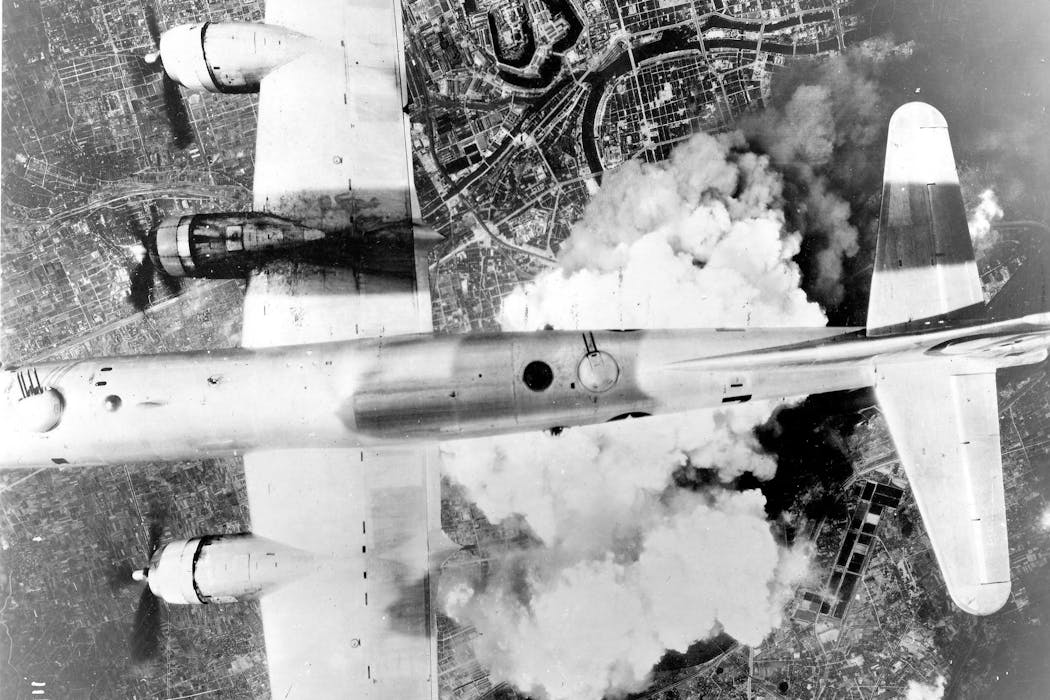
Bombardero estadounidense Boeing B-29 Superfortress, igual que los que lanzaron las bombas atómicas sobre Hiroshima y Nagasaki, dirigiéndose a bombardear Osaka en 1945.United States Army Air Force
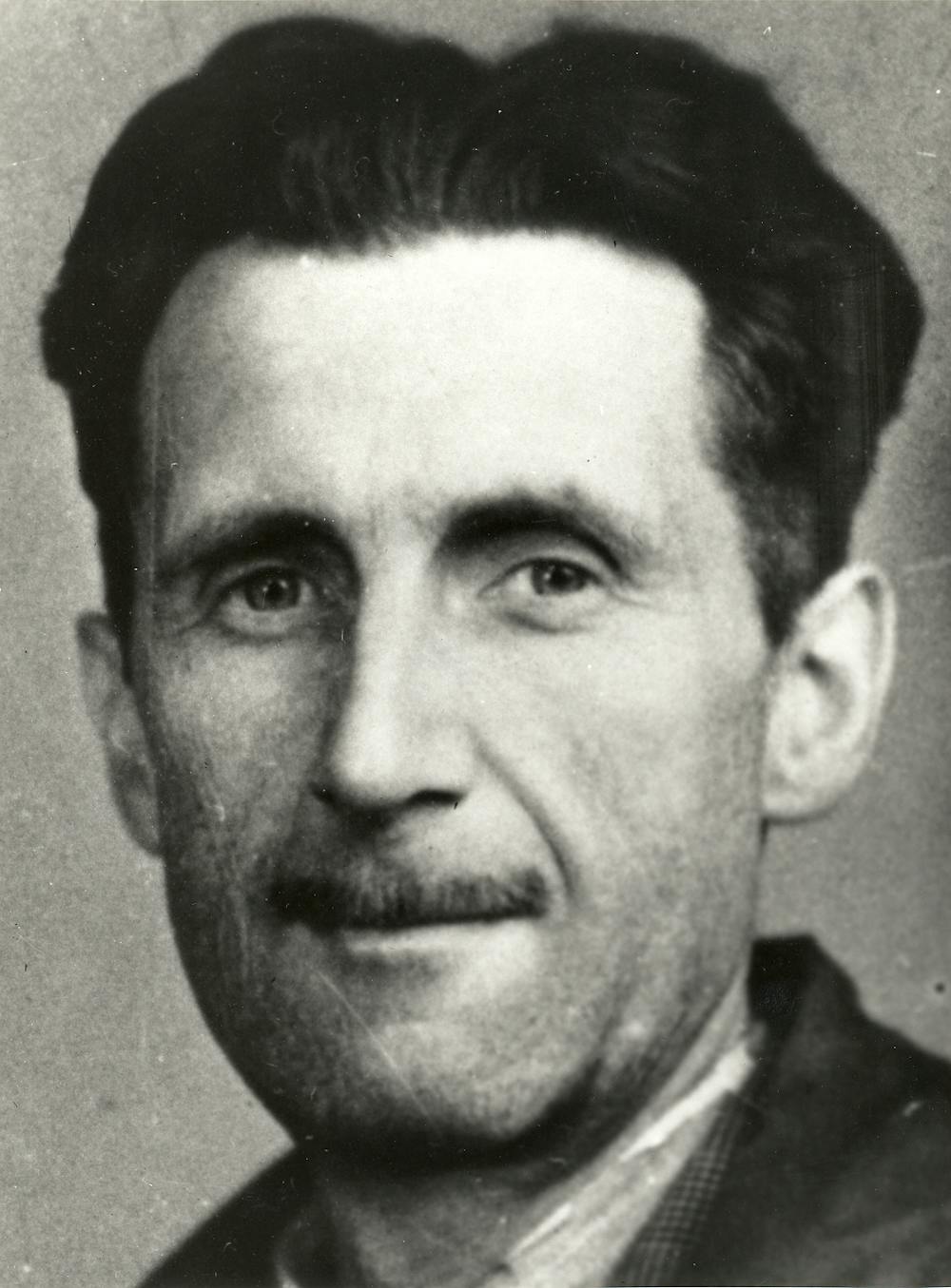
En agosto de 2025 se cumplieron 80 años de los bombardeos atómicos de Hiroshima y Nagasaki. Apenas un mes después de los ataques, el 19 de octubre de 1945, George Orwell publicó un ensayo en el London Tribune titulado Tú y la bomba atómica. En él, planteaba la hipótesis de qué pasaría si “las grandes naciones llegaran a un acuerdo tácito para no utilizar nunca la bomba atómica entre ellas”. Escribió que lo que surgiría sería una “paz que no es paz” y un “estado permanente de ‘guerra fría’”, introduciendo una metáfora perdurable que definiría la geopolítica durante décadas.
En el ensayo, Orwell también predijo la proliferación nuclear: “La bomba es increíblemente cara y su fabricación exige un enorme esfuerzo industrial, del que solo son capaces tres o cuatro países en el mundo”. De hecho, los cinco miembros permanentes del Consejo de Seguridad de las Naciones Unidas (ONU), que también se creó hace 80 años, tienen ahora “la bomba”. La URSS fue la segunda en conseguirla, en 1949.
Desde entonces, su amenaza ha configurado y justificado los conflictos mundiales. Tanto Irak como Irán han sido acusados de buscar la bomba, pero en lugar de la no proliferación diplomática, Estados Unidos e Israel han utilizado la fuerza armada para impedir que estas naciones obtengan armas nucleares.
Una de las razones por las que la ONU aprobó la Guerra del Golfo de 1991 fue la existencia de información de inteligencia que indicaba que Irak tenía un programa de armas nucleares. En 2003, Estados Unidos y Reino Unido intentaron que la organización aprobara una guerra similar para desmantelar las supuestas armas nucleares de Irak, basándose en información errónea que había sido plagiada de mi propia tesis de la Universidad de Oxford.
En junio de 2025, Israel atacó Irán por supuestamente buscar un arma nuclear, también basándose en informes de “inteligencia”. El mundo contuvo la respiración durante los 12 días que duró la guerra, que fácilmente podría haber degenerado en un conflicto nuclear.
Hoy en día, la inteligencia artificial (IA) puede permitir a una nación o a un grupo terrorista construir una bomba atómica de formas que los contemporáneos de Orwell, como Einstein y Oppenheimer, nunca hubieran podido imaginar.
Las novelas y la Guerra Fría
En 1949, solo cuatro años después de Tú y la bomba atómica, Orwell publicó 1984. Se trata de una novela distópica que presagia la Guerra Fría que él había predicho en 1945, con tres bloques geopolíticos ficticios –Oceanía (América del Norte y Gran Bretaña), Eurasia (URSS y Europa) y Eastasia (China y sus vecinos)– que forman una serie de alianzas siempre cambiantes para controlar los “territorios en disputa”.
La novela fue profética, ya que se escribió antes de la creación de la Organización del Tratado del Atlántico Norte (OTAN) y del Pacto de Varsovia, y antes de que se acuñaran términos como “Primer”, “Segundo” y “Tercer Mundo”.
Sin embargo, fue su contemporáneo, el oficial británico de Inteligencia Naval durante la Segunda Guerra Mundial Ian Fleming, quien consiguió adivinar en sus novelas una faceta diferente de la dinámica del poder en el siglo XXI. En su exitosa serie de James Bond (y sus aún más populares adaptaciones cinematográficas), la mayor amenaza para la seguridad mundial no son los gobiernos nacionales como la URSS, sino actores individuales superpoderosos, como el genio criminal Ernst Stavro Blofeld y el científico Dr. No.
En las últimas décadas, esta visión de un poder concentrado en una persona como corazón de la amenaza geopolítica se ha materializado una y otra vez. En 2001, Osama bin Laden desencadenó la guerra contra el terrorismo, que duró 20 años. El magnate de los medios de comunicación Rupert Murdoch ejerce un poder desmesurado sobre la política internacional, influyendo en elecciones y votaciones importantes, como el Brexit de 2016. Y fue Elon Musk, no la NASA, quien creó un programa espacial y proporcionó conexión a internet a Ucrania tras la invasión rusa de 2022, lo que otorgó a SpaceX un poder sin precedentes desde los tiempos de la Compañía Británica de las Indias Orientales.
IA atómica y bombas sucias
El camino para obtener un arma nuclear no ha cambiado mucho desde Hiroshima, aunque la IA podría ayudar a los Estados que buscan bombas atómicas. Los avances en inteligencia artificial también pueden facilitar a los grupos terroristas la producción y detonación de explosivos convencionales combinados con material radiactivo, también conocidos como “bombas sucias”, lo que causaría enormes trastornos psicológicos y económicos.
Los escritos de Orwell ponen de manifiesto la hipocresía de este término, ya que nos obliga a preguntarnos si eso significa que las armas nucleares normales son, por defecto, “bombas limpias”. Sin embargo, a pesar del temor a un ataque terrorista improvisado con una bomba sucia, las más sucias son las que están recubiertas de uranio empobrecido (DU), ampliamente utilizadas por las fuerzas militares occidentales.
El DU se produjo inicialmente hace 80 años como un subproducto “residual” del enriquecimiento de uranio durante el Proyecto Manhattan. Sus científicos descubrieron que podía utilizarse para crear armas perforantes.
Estados Unidos y Reino Unido utilizaron estas armas durante la Guerra del Golfo de 1991 y la Guerra de Irak de 2003. Todavía contaminan el suelo, provocando cáncer, defectos congénitos y otras enfermedades. Hoy en día, Ucrania sufre las consecuencias de Chernóbil, pero además, tanto este país como Rusia, han utilizado armas perforantes desde 2022.
¿Quiere recibir más artículos como este?Suscríbase a Suplemento Cultural y reciba la actualidad cultural y una selección de los mejores artículos de historia, literatura, cine, arte o música, seleccionados por nuestra editora de Cultura Claudia Lorenzo.
Noticias falsas en 1945
Si bien la IA ha potenciado lo que normalmente consideramos orwelliano (estados de vigilancia como los descritos en 1984), Orwell también escribió sobre cómo la tecnología permitía la desinformación. En 1944, cuestionó las noticias falsas de inexistentes ataques aéreos alemanes sobre Gran Bretaña que se emitieron en la radio nazi, y destacó su valor como propaganda en caso de una posible victoria alemana.
Hoy, 80 años después, sigue ocurriendo lo mismo. En junio de 2025, durante la guerra de 12 días entre Israel e Irán, se difundieron vídeos deepfake fabricados por IA que mostraban nubes nucleares en forma de hongo detonando sobre instalaciones atómicas iraníes destruidas.
Algunos sostienen que la guerra fría entre Washington y Moscú nunca terminó, lo que da a la metáfora de Orwell un legado perdurable. No obstante, se suele atribuir al escritor y comentarista político estadounidense Walter Lippman la invención del término en 1947, lo que demuestra la afirmación de Orwell en la novela 1984: “Quien controla el pasado controla el futuro; quien controla el presente controla el pasado”.
Ibrahim Al-Marashi no recibe salario, ni ejerce labores de consultoría, ni posee acciones, ni recibe financiación de ninguna compañía u organización que pueda obtener beneficio de este artículo, y ha declarado carecer de vínculos relevantes más allá del cargo académico citado.
La subida del nivel del mar es uno de los efectos más visibles del cambio climático. Pero, aunque solemos pensar en un fenómeno global, cada región del planeta vive su propia historia.
En la costa peruana, esa historia empieza a contarse en 1942, cuando se instalaron los primeros mareógrafos –instrumento que registra y mide las oscilaciones del nivel del mar (mareas) de forma automática– en Talara, Callao y Matarani. Desde entonces, esas estaciones han registrado casi ocho décadas de variaciones del nivel del mar. Hoy, gracias a ese archivo único, podemos afirmar con claridad que el mar está subiendo en Perú, y que lo hace de manera desigual según la región y el periodo analizado.
Los diferentes niveles de referencia vertical en cada una de las estaciones. Alturas de cada uno de los niveles utilizados están referidas al punto de referencia mareográfico del Callao. Bismarck J. A. et al.
Una tendencia clara, con altibajos marcados
Un equipo de investigadores de la Universidad de Cádiz comprobamos en un estudio reciente que, entre 1942 y 2019, el nivel del mar ha subido en los tres puntos estudiados. Sin embargo, la magnitud del aumento depende del intervalo que se mire. En algunos periodos, la subida fue moderada (menos de 1 mm por año), mientras que en otros llegó a ser muy acelerada, con valores de más de 10 mm anuales, especialmente en los años más recientes.
Esto significa que no basta con hablar de un único valor promedio. La subida del mar en el Perú es un proceso altamente variable, que responde tanto a tendencias globales como a fenómenos regionales y locales.
El impacto de El Niño
Una de las razones de esa variabilidad es bien conocida por los peruanos: el fenómeno de El Niño. Durante los eventos extraordinarios de 1982-83 y 1997-98, el mar en Talara, Callao y Matarani llegó a elevarse hasta 40 centímetros por encima de su promedio normal.
Consecuencias de las inundaciones traídas por El Niño en 1983 en Perú. IDESEP.
Estos picos temporales muestran cómo la interacción entre el clima y el océano puede intensificar los riesgos de inundaciones costeras y erosión.
De hecho, el análisis estadístico confirma una fuerte correlación entre la temperatura y el nivel del mar en la costa peruana: cuando sube la temperatura superficial, también lo hace el mar. Y cuando las aguas se enfrían (como en los episodios de La Niña), el nivel tiende a descender.
Perú frente a los reportes del IPCC
Si comparamos los resultados con los informes del Panel Intergubernamental sobre Cambio Climático (IPCC), encontramos coincidencias y también diferencias. Hasta comienzos de los años 2000, las tasas de aumento en Perú eran algo menores que el promedio global. Sin embargo, en la última década analizada (2006-2015) ocurrió lo contrario: los registros de Talara, Callao y Matarani muestran un aumento mucho más rápido que la media mundial reportada por el IPCC.
Esto nos recuerda que las cifras globales sirven como referencia, pero las decisiones de gestión costera deben basarse en estudios locales. El mar no sube al mismo ritmo en todas partes.
Resumen gráfico del trabajo realizado, donde se muestra el mapa de la costa peruana y la ubicaión de las tres estaciones utilizadas (Talara, Callao, Matarani). La gráfica de barras muestra la comparativa en las tres estaciones, de las variaciones del aumento del nivel del mar (SLR) de los datos obtenidos C. Estrada, B. Jigena-Antelo, J. J. Muñoz-Pérez.
¿Por qué importa?
La costa peruana concentra gran parte de la población y de la infraestructura crítica del país. La subida del nivel del mar amenaza puertos, viviendas, playas, humedales y acuíferos. También puede agravar los impactos de tsunamis y tormentas.
Para planificar defensas costeras, gestionar el agua o proteger los ecosistemas, es vital contar con información detallada y específica, como la que aportan estas series de mareógrafos.
Mirando al futuro
Nuestro estudio no solo confirma la tendencia ascendente, sino que también muestra que los cambios pueden ser bruscos en lapsos cortos, asociados a ciclos climáticos como El Niño o la Oscilación Decadal del Pacífico. Esto significa que los próximos años podrían traer tanto aceleraciones como pausas temporales en la subida del mar, pero la tendencia de fondo es clara: el océano está ganando terreno.
La conclusión es ineludible: Perú necesita políticas costeras basadas en datos locales, que consideren la variabilidad natural y el impacto del cambio climático global. Solo así se podrán anticipar riesgos y reducir la vulnerabilidad de millones de personas que viven frente al Pacífico.
Bismarck Jigena Antelo recibió fondos de Universidad de Cádiz, para realizar una estancia en la Dirección de Hidrografía y Navegación de la Marina del Perú (DHNM).
Los datos de niveles del mar de los mareografos de Talara, Callao y Matarani, que se utilizaron en el artículo de investigación fueron cedidos por la DHNM.
¿Es posible incluir a un tercer autor, la Ing. Carol Estrada Ludeña, funcionaria de la DHNM.
Juan J. Muñoz no recibe salario, ni ejerce labores de consultoría, ni posee acciones, ni recibe financiación de ninguna compañía u organización que pueda obtener beneficio de este artículo, y ha declarado carecer de vínculos relevantes más allá del cargo académico citado.
Source: The Conversation – (in Spanish) – By José Miguel Soriano del Castillo, Catedrático de Nutrición y Bromatología del Departamento de Medicina Preventiva y Salud Pública, Universitat de València
El 9 octubre de 2025, Italia dio un paso sin precedentes en Europa al aprobar una ley que reconoce legalmente la obesidad como una enfermedad crónica, progresiva y con tendencia a la recaída. Su entrada en vigor se produjo el pasado 25 de octubre.
Hasta la fecha, ningún otro país europeo ha promulgado una ley nacional que reconociera la obesidad con tal amplitud: como una patología crónica y con garantías específicas de prevención, tratamiento y seguimiento incluidas en la atención sanitaria pública.
Pasos en la misma dirección
No obstante, algunos países del entorno también han avanzado parcialmente en la misma dirección. Así, mediante el Despacho n.º 12634/2023, Portugal aprobó en diciembre de 2023 implementar un Modelo Integrado de Cuidados para la Prevención y Tratamiento de la Obesidad, dentro de su Servicio Nacional de Salud. Aunque no se trata de una ley, la define como un problema crónico de salud pública e impulsa redes especializadas de tratamiento.
En Alemania, el Bundestag la reconoció en 2020 como una enfermedad en sentido médico y social, dentro de la Estrategia Nacional contra la Diabetes y la Obesidad, aunque sin dotarla aún de un marco legal que garantice prestaciones o cobertura sanitaria específica.
Y, por último, Reino Unido tampoco cuenta con una ley como la de Italia, pero su Servicio Nacional de Salud sí incluye la obesidad entre las condiciones crónicas de manejo prioritario, con énfasis en la prevención y el tratamiento a largo plazo.
Durante décadas, la acumulación anormal de grasa en el cuerpo fue interpretada como una consecuencia de malos hábitos, falta de disciplina o elecciones alimentarias equivocadas. Sin embargo, la evidencia científica ha demostrado que su origen es complejo, resultado de la interacción entre factores genéticos, ambientales, metabólicos y sociales.
La nueva legislación italiana asume esa visión moderna, y al hacerlo, rompe con el estigma que ha acompañado a millones de personas. Reconocer la obesidad como enfermedad significa reconocer también que requiere atención médica especializada, no juicios morales.
Una pandemia silenciosa
La Organización Mundial de la Salud ha calificado la expansión de la obesidad como “globesidad”, una pandemia en constante aumento. El World Obesity Atlas 2025 estima que su prevalencia mundial habrá aumentado entre 2010 y 2030 más de un 115 %. Si no se mejoran las medidas de prevención y tratamiento, el coste económico podría alcanzar 4,32 billones de dólares anuales en 2035, casi el 3 % del PIB mundial. Esta cifra es comparable al impacto de la covid-19 en 2020, o al del cambio climático en la actualidad.
Este problema no se limita a la salud individual: está asociado a un incremento sustancial en enfermedades cardiovasculares, metabólicas y oncológicas. Los investigadores incluso han introducido un nuevo término, adiponcosis, para describir la relación entre exceso de tejido adiposo y el desarrollo de hasta 13 tipos de cáncer.
Más allá de la atención médica
Al reconocer la obesidad como una enfermedad crónica con implicaciones sanitarias, sociales y económicas, la Ley n. º 149 del 3 de octubre de 2025 también impulsa políticas integradas para su prevención y tratamiento. Su enfoque combina prevención, educación, investigación y asistencia, mediante la creación de un programa nacional y un observatorio especializado
Entre sus disposiciones, promueve campañas de información y educación sobre alimentación saludable y actividad física, así como iniciativas comunitarias y escolares destinadas a crear entornos que favorezcan estilos de vida sanos. Aunque no contempla medidas fiscales ni de etiquetado, la norma sienta las bases para una estrategia nacional multisectorial.
Cambio de mentalidad
El reconocimiento de la obesidad como una enfermedad crónica con repercusiones sociales y sanitarias implica un cambio simbólico importante: las personas afectadas pasan a ser consideradas sujetos de derecho sanitario, merecedores de atención y respeto. La nueva norma promueve la educación, sensibilización y formación profesional para mejorar la comprensión social del problema, sentando las bases para reducir el estigma y fomentar una visión más sensible y estructurada de la obesidad.
En definitiva, el reconocimiento oficial puede contribuir a cambiar el discurso público, promoviendo empatía y comprensión en lugar de juicio y culpa.
Un modelo para el mundo
Ahora, el desafío radica en implantar con eficacia y sostenidamente las medidas que impulsa, garantizando la coordinación entre los niveles institucionales y el seguimiento continuo de los resultados. Pero si el modelo tiene éxito, podría inspirar una transformación global en la manera de entender y afrontar la obesidad.
Como concluyen los autores del artículo en The Lancet, la decisión italiana “representa un paso crucial para reducir los costes del tratamiento y frenar la mortalidad”.
En una época en la que las enfermedades crónicas amenazan la sostenibilidad de los sistemas sanitarios, reconocer la obesidad como una enfermedad es, ante todo, un acto de realismo y de justicia sanitaria, que debe ser tratada por los profesionales de la nutrición.
José Miguel Soriano del Castillo no recibe salario, ni ejerce labores de consultoría, ni posee acciones, ni recibe financiación de ninguna compañía u organización que pueda obtener beneficio de este artículo, y ha declarado carecer de vínculos relevantes más allá del cargo académico citado.
En los tiempos que corren, cualquiera que se atreva a cuestionar las ventajas de la innovación tecnológica se arriesga a ser tachado de ludita. En la imagen popular, el ludita es un personaje agrio, reaccionario, visceralmente opuesto a cualquiera de los inventos que supuestamente nos mejoran la vida –del teléfono móvil a la roomba–, y que se resiste más o menos activamente a usarlas, e incluso a que las usen los demás.
Inglaterra, comienzos del XIX: el ludismo
Sin embargo, hubo un tiempo en que el ludismo y los luditas significaron algo muy distinto. Ser ludita en la Inglaterra de las primeras décadas del siglo XIX era una cosa muy seria, y a menudo peligrosa. Pero la imagen que circula de estos “destructores de máquinas” de la primera Revolución Industrial es inexacta e inmerecida.
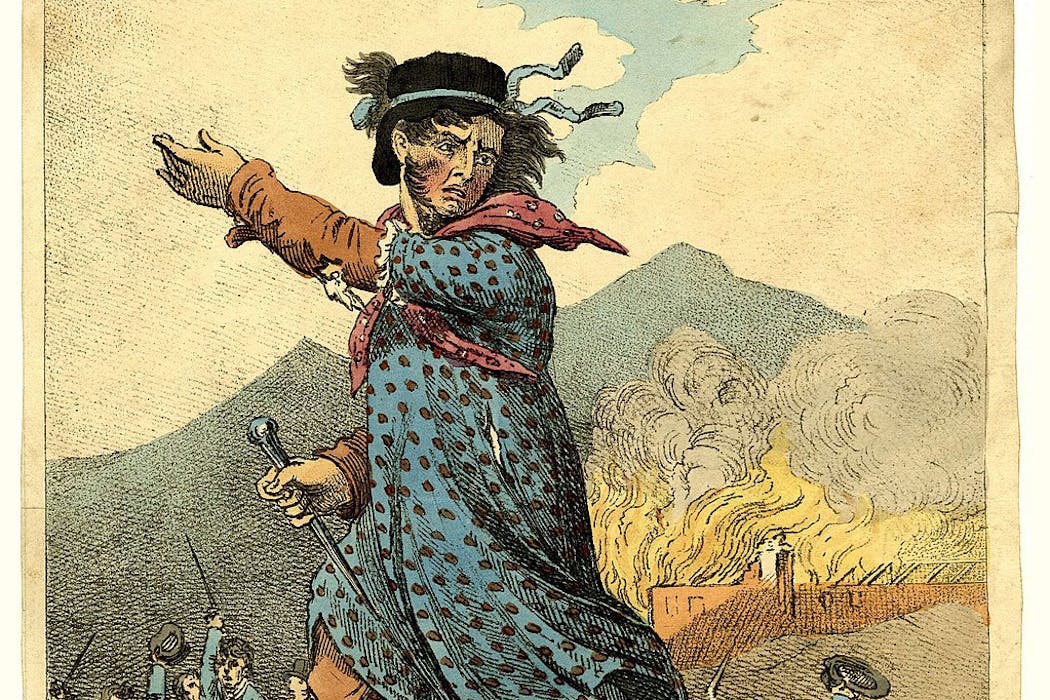
El mítico Ned Ludd, alias General Ludd o Rey Ludd –de cuyo nombre deriva el término luditas–, probablemente no fue una persona de carne y hueso. Pero sus seguidores formaron a comienzos de la década de 1810 un auténtico ejército de trabajadores, la mayoría de ellos artesanos cualificados, embarcados en una campaña de asaltos a fábricas textiles y destrucción de maquinaria.
Esta movilización alcanzó su apogeo entre 1811 y 1813, pero sus ecos perdurarían. Unos veinte años después, las multitudinarias revueltas del capitán Swing de 1830-1831, movilizaron en veinte condados del sur de Inglaterra a miles de trabajadores agrarios que buscaban mejorar sus salarios destruyendo trilladoras mecánicas. Estos disturbios se saldaron con más de 2 000 detenciones, 500 encarcelados y 19 ejecutados.
Pero la destrucción de máquinas o el asalto a fábricas, como la que defendió a tiros Edmund Cartwright, inventor del primer telar mecánico, eran sólo una parte del repertorio de la protesta ludita. En realidad, combinaban la acción política (peticiones al Parlamento), la sindical (sociedades de socorro mutuo, negociación con los patronos) y la violencia tumultuaria.
La destrucción de unos 1 000 telares llevó al gobierno inglés a movilizar tropas (en plena guerra con Napoleón fueron enviados a Nottingham 2 000 soldados) y castigar la destrucción de maquinaria con pena de muerte. Ser ludita no era cosa de broma.
Ludismo: un movimiento no tan irracional
Aunque los movimientos luditas se han contemplado a menudo como una reacción desesperada contra un progreso inexorable, tenían una racionalidad mucho mayor de la que se les suele reconoce.
Para empezar, formaban parte de acciones de negociación salarial (o de precios, pues muchos artesanos trabajaban a destajo para fabricantes o comerciantes). En ocasiones estaban conectados a corrientes revolucionarias clandestinas como el jacobinismo, inspirado en las ideas de la Revolución francesa, o bien movimientos de corte democrático reformista como el cartismo que allanó el camino para la gran confederación de las Trade Unions (sindicatos obreros) en 1834.
Los luditas representaban, sobre todo, la lucha de muchos trabajadores y sus familias para influir en el reparto del pastel de los beneficios de la mecanización. En ese sentido, alcanzaron algunos éxitos y abrieron el camino a muchas décadas de lucha obrera.
Todo esto lo conocen bien los historiadores, especialmente los británicos, que han dedicado amplia atención al fenómeno, desde los clásicos E. P. Thompson o Eric Hobsbawm hasta más recientemente Brian Merchant, cuyo apasionante libro Sangre en las máquinas acaba de ser publicado en español por una editorial llamada (¿casualmente?) Capitán Swing.
¿Qué es el neoludismo del siglo XXI?
A día de hoy, el término puede utilizarse en dos sentidos. Despectivamente, para retratar a personas refractarias a la tecnología en general, y en especial a la que tiene que ver con la computación (IA incluida) y las comunicaciones móviles. Es casi un epíteto burlón, que abarca tanto al boomer que “pasa de WhatsApp” como a quienes niegan a sus hijos el acceso libre a las pantallas (algo que no necesariamente hacen, pese a lo que a veces se dice, los magnates de las tecnologías. Gente opuesta al progreso, incluso partidarios del decrecimiento económico, a quienes acabará barriendo el viento de la historia.
Para estos expertos, a menudo conocedores de primera mano del mundo de los gigantes tecnológicos, la tecnología no siempre significa progreso. La IA generativa, por ejemplo, es una herramienta potentísima para la educación, pero que puede emplearse para estudiar menos.
También puede funcionar como un potenciador y acelerador en el análisis de pruebas médicas pero, a la vez, desplegar sesgos notables, probablemente por el origen de los datos con que se entrena. Eso puede provocar errores en los diagnósticos que varían según el género, la etnia, la edad o, incluso, el nivel socioeconómico.
Valiosa aliada en la lucha contra el crimen o la corrupción, la IA puede ser un arma igualmente poderosa para la persecución política.
Ni las caricaturas de los luditas de la Inglaterra de la Revolución Industrial ni las de los neoluditas de nuestros días hacen justicia a sus reivindicaciones. Unos neoluditas que, por ejemplo, plantean el debate sobre los costes medioambientales de ciertas tecnologías, la regulación de las llamadas tecnologías destructivas, los riesgos de los oligopolios del sector, los efectos sobre derechos y libertades básicos o la participación ciudadana en las decisiones sobre el desarrollo tecnológico. Se trata de debates imprescindibles desde el punto de vista político, ético, social y medioambiental.
Mauro Hernández recibe fondos de la Agencia Estatal de Investigación (Ministerio de Ciencia e Innovación) como investigador del proyecto “Transformaciones sociales en Madrid y la Monarquía hispánica en la edad moderna. Movimientos ascendentes y descendentes. Entre cambios y resistencias” (PID2022-142050NB-C22) coordinado por José Antolín Nieto (UAM).
En primer lugar, requiere mucho más que memorizar estrategias o recordar fórmulas: implica poner en marcha procesos mentales complejos y coordinarlos. A diferencia de otras asignaturas o contenidos, en los que puede bastar con comprender o recordar información, las matemáticas exigen transformar datos, establecer relaciones abstractas y planificar diferentes pasos para llegar a una solución.
En este proceso, la memoria de trabajo desempeña un papel fundamental porque permite mantener y manipular la información necesaria mientras se resuelve una tarea matemática, y la velocidad de procesamiento ayuda a realizar con agilidad las operaciones básicas.
Matemáticas y funciones ejecutivas
También intervienen otras funciones ejecutivas: la planificación (determinar los pasos que se deben seguir, organizarlos en un orden lógico y supervisar el progreso para evaluar posibles soluciones); la inhibición (frenar respuestas impulsivas o automáticas y resistirse a elementos externos que puedan distraer durante la resolución); y la flexibilidad (cambiar de estrategia cuando el procedimiento inicial no conduce al resultado esperado).
A todo ello se suma el razonamiento no verbal, entendido como la capacidad de reconocer patrones y establecer relaciones entre elementos para guiar las estrategias de solución.
El lenguaje también resulta clave a medida que las tareas se vuelven más complejas. Para resolver un problema correctamente es necesario comprender el significado de las palabras y expresiones que aparecen en el enunciado. Por ejemplo, términos como “aumentar”, “quitar” o “repartir en partes iguales” implican operaciones matemáticas concretas, y si el alumnado no domina ese vocabulario puede tener dificultades para entender qué se le pide.
Esta interacción entre componentes lingüísticos, conocimientos matemáticos y procesos cognitivos de carácter más general explica por qué son frecuentes las dificultades en matemáticas y por qué persisten aunque los alumnos se esfuercen.
Un problema que comienza temprano
La evidencia científica indica que las dificultades no dependen únicamente de la inteligencia o la perseverancia (ni de dificultades específicas como la discalculia), sino de la interacción de múltiples factores educativos, cognitivos, matemáticos, lingüísticos y socioafectivos. Es importante detectar cuáles son y cómo se combinan, pues de lo contrario las dificultades se acumulan y se mantienen a lo largo de toda la etapa escolar.
Las dificultades en matemáticas aparecen ya en Educación Infantil y se consolidan en Educación Primaria. No se trata de un simple “despiste”: los niños con bajo rendimiento inicial suelen mantenerlo durante años.
Tradicionalmente, un bajo rendimiento en matemáticas respecto al cociente intelectual se asociaba con la citada discalculia. Hoy se sabe que este criterio es limitado: aunque esta dificultad puede estar detrás en algunas ocasiones, en otras las causas responden a una combinación de factores diferente.
Retos a abordar en el aprendizaje matemático
Las habilidades necesarias para tener un buen rendimiento matemático va evolucionando a lo largo de la escolarización. Algunas tareas, como el cálculo, se apoyan sobre todo en la memoria de trabajo y en habilidades matemáticas tempranas como el conteo. Otras, como la resolución de problemas que hemos comentado, exigen una mayor comprensión verbal y presentan demandas cognitivas más complejas.
Por eso, no todos los estudiantes se enfrentan a las mismas dificultades ni por las mismas razones. Algunos tienen problemas para memorizar las tablas aritméticas, otros tropiezan al seguir los pasos de un procedimiento o al aplicarlo en situaciones nuevas. Estas dificultades pueden estar relacionadas con limitaciones en procesos generales, como la memoria o la atención, con dificultades en las habilidades lingüísticas necesarias para comprender enunciados o con carencias en los conocimientos matemáticos previos.
Una enseñanza flexible y personalizada
Reconocer esta diversidad implica que la enseñanza no puede ser uniforme ni basarse en estrategias idénticas para todo el alumnado. Debe ser flexible y adaptarse a las necesidades específicas de cada niño, lo que supone observar cómo aprende cada estudiante, proponer actividades variadas en función de sus fortalezas y debilidades y ofrecer apoyos ajustados cuando sea necesario.
Muchos docentes ya trabajan en esta dirección, aunque los programas y currículos escolares no siempre facilitan este enfoque. Por ello es importante incorporar esta diversidad en las programaciones didácticas y en la formación del profesorado.
Diferentes tipos de apoyos
Las dificultades en matemáticas no son estáticas ni se ajustan a un enfoque categórico simple. No existen únicamente dos grupos –los que “entienden” y los que “no entienden”–, sino que hay muchos niveles intermedios. Algunos estudiantes pueden mostrar problemas puntuales que desaparecen con pequeñas ayudas, mientras que otros necesitan apoyos más intensos y prolongados a lo largo del tiempo.
También es habitual que las dificultades no se distribuyan de forma uniforme entre las distintas áreas: por ejemplo, un alumno puede dominar el cálculo pero tener dificultades al aplicar sus conocimientos en contextos nuevos o en tareas más complejas, como la resolución de problemas.
Por todo ello, resulta fundamental realizar un seguimiento del progreso del alumnado durante periodos prolongados, más allá de un curso escolar o de una evaluación puntual. Solo mediante una observación continua es posible comprender cómo evolucionan sus habilidades, por qué algunas dificultades persisten y qué tipo de enseñanza o intervención resulta más eficaz para superarlas.
Estrategias de actuación basadas en la evidencia
De acuerdo con nuestros estudios, más de una cuarta parte de los niños que presenta dificultades en el aprendizaje de las matemáticas en Educación Infantil continúa con ellas al finalizar la etapa de Educación Primaria.
Estos sistemas parten de un mismo principio: ofrecer diferentes niveles de apoyo en función de las necesidades de cada estudiante, que son detectadas de forma temprana a través de instrumentos de cribado. Cada nivel ofrece diferentes tipos de instrucción, evaluación, intervención y apoyos, con niveles más intensivos a medida que se avanza en el sistema.
Integrar sistemáticamente estos enfoques en la escuela no solo mejora la adquisición de habilidades matemáticas, sino que también favorece la confianza y autonomía de los estudiantes, aspectos fundamentales para su desarrollo académico y emocional.
En definitiva, la combinación de detección temprana, intervenciones estructuradas e integradoras y personalización según el perfil del alumno es la forma más eficaz de abordar las dificultades matemáticas persistentes.
Más allá del aula: un reto social
Comprender por qué algunos niños tropiezan en matemáticas no es solo un asunto académico: estas dificultades tienen un impacto directo en las oportunidades futuras de los escolares, tanto educativas como laborales y sociales.
La evidencia indica que la detección temprana y las intervenciones adecuadas pueden marcar una diferencia significativa. El desafío actual es trasladar este conocimiento a las aulas, asegurando que ningún niño quede rezagado en el aprendizaje de un área tan esencial como las matemáticas.
Valentín Iglesias Sarmiento recibe fondos de Ministerio de Ciencia, Innovación y Universidades en el marco del proyecto “Predictores Longitudinales del logro matemático multicomponente (LOPREMMA)”. Ref: PID2023-148052NB-I00.
Leire Pérez Pérez recibe fondos de Ministerio de Ciencia, Innovación y Universidades en el marco del proyecto “Predictores longitudinales del logro matemático multicomponente (LOPREMMA)”. Ref: PID2023-148052NB-100.
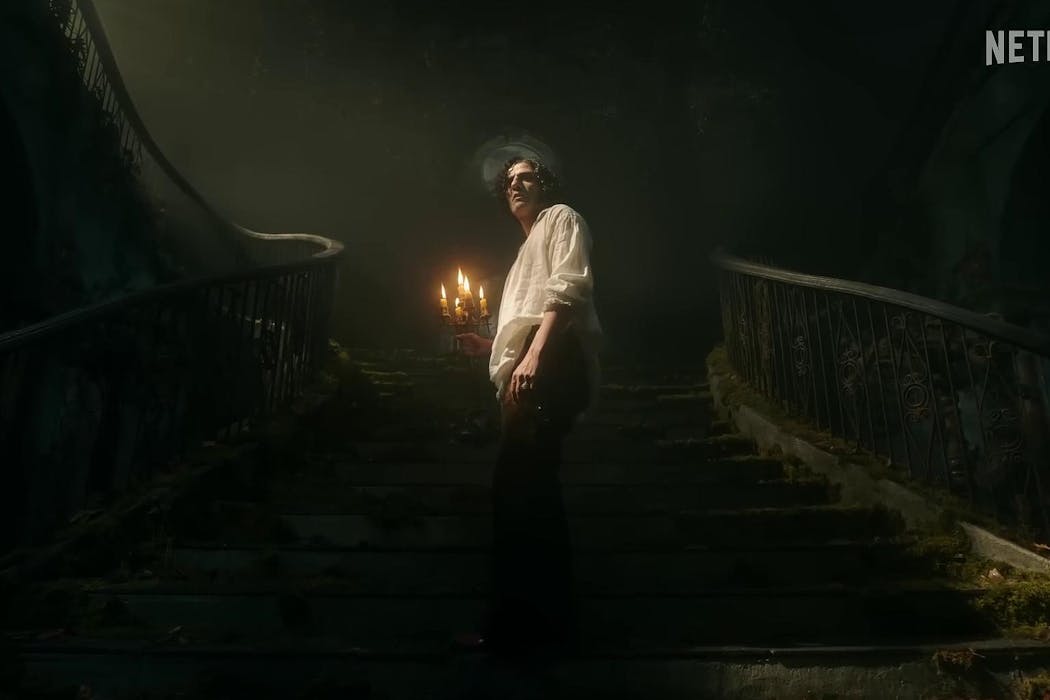
Oscar Isaac en una imagen del último _Frankenstein_ dirigido por Guillermo del Toro.Netflix
El miedo siempre estuvo ahí, pero el cine lo convirtió en espectáculo. Desde las primeras proyecciones, el público acudió a las salas para sentir esa descarga controlada de adrenalina.
Cuando Nosferatu (1922) extendió su sombra, no fue sólo un vampiro lo que hizo que la audiencia se estremeciese: era la Europa de entreguerras viéndose reflejada en una criatura enfermiza y extranjera, una amenaza que llegaba de fuera para romper un orden social que ya tambaleaba. Desde entonces, cada generación ha encontrado su propio engendro en la pantalla.
Sombras y mutaciones
El terror funciona como un espejo. Los castillos en ruinas y las nieblas góticas de los años treinta no eran simples decorados: representaban un mundo que parecía haberse detenido, que miraba con nostalgia y temor al pasado.
Los monstruos de Universal –Drácula (1931), Frankenstein (1931), El hombre lobo (1941)– eran a la vez temibles y fascinantes, porque encarnaban miedos muy contemporáneos: la ciencia que se descontrola, el cuerpo que enferma, lo diferente que amenaza lo familiar. La gente entraba en el cine buscando escalofríos, pero salía habiéndose enfrentado, de forma simbólica, a sus propias ansiedades.
Fotograma de Frankenstein (James Whale, 1931). Universal Pictures
Con el tiempo, las nieblas se despejaron y el terror empezó a mirar hacia el futuro. Las décadas de posguerra trajeron un pánico nuevo, más tecnológico, más científico. De pronto, las amenazas venían del espacio exterior o de laboratorios secretos: alienígenas, mutantes, experimentos que se salían de control.
Películas como Ultimátum a la Tierra (1951) y El enigma de otro mundo (1951) capturaban la paranoia de un planeta dividido en bloques, mientras que La humanidad en peligro (1954) y Godzilla (1954) daban forma grotesca a la amenaza nuclear con hormigas gigantes y criaturas surgidas de la radiación. La bomba atómica estaba en la mente de todos, y el cine lo canalizó en forma de invasiones, mutaciones y sospechas colectivas.
El enemigo está en casa
El susto más inquietante todavía estaba por llegar: el que no depende de criaturas sobrenaturales.
Cuando Alfred Hitchcock estrenó Psicosis (1960), el público descubrió que el peligro podía estar en la puerta de al lado. Norman Bates era un hombre normal, tímido, amable. No necesitaba colmillos ni garras para matar. Se plasmaba así la incertidumbre de una época marcada por cambios sociales y la erosión de la confianza en las instituciones: los años sesenta traían consigo tensiones urbanas, movimientos sociales y la sensación de que la amenaza podía venir del vecino o el propio núcleo familiar.
Anthony Perkins interpretando a Norman Bates, un hombre… ¿normal? Paramount Pictures
A partir de ese momento, el horror se volvió más íntimo: el motel de carretera, la casa suburbana y la niñez misma podían convertirse en escenarios de pesadilla. Películas como La matanza de Texas (1974) o Halloween (1978) consolidaron esa sensación. Su violencia evidenciaba la desconfianza y el malestar de Estados Unidos tras la guerra de Vietnam y la crisis económica de los setenta: lo que parecía seguro –el hogar, la comunidad– podía volverse mortal.
Esa invasión de lo cotidiano continuó durante los ochenta, una década de consumismo, cultura pop y miedo al crimen urbano, donde el género se llenó de ruido, sangre y espectáculo. Freddy Krueger, Jason Voorhees o el muñeco Chucky se convirtieron en iconos de la cultura pop, con máscaras y frases ingeniosas incluidas.
Pero en medio del exceso, hubo cineastas que exploraron terrores más psicológicos: El resplandor (1980) convirtió a un padre en monstruo, miesntras que La cosa (1982) reflejó la paranoia y el aislamiento propios de la Guerra Fría, donde el enemigo podía estar más cerca de lo que pensábamos. Lo verdaderamente espeluznante no era la criatura, sino la posibilidad de que estuviera dentro de nosotros.
A finales de los noventa, este cine se tornó autorreflexivo. Scream (1996) jugaba con los clichés y los convertía en parte de la diversión; el espectador ya era un cómplice. Este conocimiento de las reglas del juego preparó el terreno para un nuevo tipo de terror: el que utilizaba la cámara y la estructura narrativa para hacer que el miedo pareciera más real y cercano al espectador.
En el nuevo milenio el género empezó a experimentar con nuevas formas de asustar. Surgió el found footage (metraje encontrado) con El proyecto de la bruja de Blair (1999) y después Paranormal Activity (2007), que hicieron que el espanto fuese casi documental, revelando la ansiedad de una sociedad cada vez más vigilada, hiperconectada y acostumbrada a consumir imágenes de lo real a través de cámaras y móviles.
También hubo un auge de remakes estadounidenses de clásicos japoneses como The Ring (2002) o El grito (2004), que introdujeron a Occidente en un miedo atmosférico, más basado en el silencio y la sugerencia que en el susto fácil. Esto coincidió con la apertura cultural global y el interés por historias que venían de fuera, mostrando un mundo interconectado donde lo desconocido podía llegar de cualquier parte.
El arte de atemorizar hoy
Así, tras la experimentación formal de los primeros años del milenio, el género se abrió a propuestas en las que no solo se sobresaltaba al espectador, sino que también se comentaba la sociedad y se exploraba la psicología humana.
La década de 2010 supuso un punto de inflexión. Productoras como A24 y Blumhouse apostaron por un terror más ambicioso y autoral. Por ejemplo, Déjame salir (2017) convirtió el miedo en un comentario social directo sobre los conflictos raciales y la polarización política.
Hereditary (2018) y Midsommar (2019), por el contrario, llevaron el género a un horror casi operístico, en el que la fractura familiar y las dinámicas comunitarias provocan espanto, un espejo de sociedades contemporáneas cada vez más fragmentadas e impacientes. The Babadook(2014) e It Follows (2014) se encargaron de explorar el trauma, la ansiedad y la transmisión del pavor como si fueran enfermedades. Incluso el slasher regresó en versiones más sofisticadas como X (2022) y Pearl (2022), que mezclan nostalgia y reflexión metacinematográfica.
En los años 2020, el género sigue expandiéndose en todas direcciones. Películas como Barbarian (2022) o Háblame (2023) juegan con las expectativas del espectador, construyendo giros radicales en un contexto de incertidumbre global: pandemias, crisis climáticas y cambios tecnológicos acelerados. También vemos un resurgir del folk horror en propuestas como Men (2022) o The Witch (2015), donde lo rural y lo ancestral vuelven a ser fuente de amenaza, recordando cómo la modernidad puede despertar miedos arcaicos.
En los tres últimos años el género ha seguido explorando nuevas formas de provocar escalofríos: It Lives Inside (2023) combina terror sobrenatural y exploración cultural, mientras que La sustancia (2024) ofrece una sátira que critica la industria del bienestar. Incluso Robert Eggers presentó su reinterpretación gótica del clásico Nosferatu (2024) y, en 2025, Weapons introdujo una narrativa fragmentada sobre la desaparición de niños, mezclando horror psicológico y social mientras hablaba de la infancia, la vigilancia y la seguridad en la vida cotidiana.
Imagen de Weapons, de Zach Cregger (2025). Warner Bros.
Estas producciones demuestran que el cine de terror continúa adaptándose, mostrando ansiedades contemporáneas y ofreciendo nuevas perspectivas al público. Lo que se mantiene constante es nuestra necesidad de mirar, tal vez porque lo consideramos un laboratorio emocional. Nos permite ensayar el miedo sin consecuencias, sentirlo de manera segura y controlada. Cuando las luces se apagan, podemos enfrentarnos a aquello que más nos perturba –la muerte, el caos, la desintegración de la familia, el fin del mundo– y salir ilesos.
En un presente lleno de amenazas difusas, desde pandemias hasta crisis climáticas, el género sigue evolucionando para darles forma. Así, cada Halloween volvemos a las salas buscando ese escalofrío. Puede que ya no haya vampiros con capa ni lobos aullando a la luna, pero el vecino inquietante, el monstruo invisible o el silencio en una casa demasiado tranquila siguen funcionando. Y quizás por eso el terror nunca muere: porque siempre encuentra un nuevo rostro para nuestros miedos.
Lara López Millán no recibe salario, ni ejerce labores de consultoría, ni posee acciones, ni recibe financiación de ninguna compañía u organización que pueda obtener beneficio de este artículo, y ha declarado carecer de vínculos relevantes más allá del cargo académico citado.




















.jpg)


