Source: The Conversation – (in Spanish) – By Tomás J. Aliste Santos, Director del Grupo de Investigación Globalaw, UNIR – Universidad Internacional de La Rioja
Felipe VI, durante la entrega de becas ‘La Caixa’ en el centro cultural CaixaForum el 12 de julio de 2023 en Madrid.OSCAR GONZALEZ FUENTES/Shutterstock
A propósito de la crisis de seguridad nacional que padece Ceuta desde los dos últimos días de julio de 2026, es inevitable preguntarse qué puede hacer el rey de España, Felipe VI, al respecto y si puede actuar discrecionalmente o requiere siempre el refrendo del Gobierno en actos jurídicos con transcendencia de Estado.
Precisamente el presidente del Gobierno, Pedro Sánchez, anunció este lunes que el rey visitará Ceuta “cuando se den las condiciones para ello”, aunque sin concretar una fecha.
¿Pero puede Felipe VI ir a Ceuta cuando considere oportuno? ¿Puede decidir libremente qué hacer? La cuestión tiene relevancia constitucional, porque el jefe del Estado no puede ser coaccionado respecto a sus actos dada su inviolabilidad, tal y como señala el artículo 56.3 de la Constitución española.
Este tema no es menor, y nos conduce a la cuestión medular de este artículo: ¿cuáles son los poderes del rey de España, según la Constitución de 1978?
La funciones de arbitrar y moderar
El monarca español tiene una serie de facultades y funciones claramente definidas en los artículos 56.1, 61.1 y, de forma muy detallada, 62, 63 y 65.2 de la Constitución. Sin embargo, lo cierto es que cuando analizamos sus poderes discrecionales, que no son otros que arbitrar y moderar, no podemos confundir estas facultades con los denominados “actos debidos”. Estos últimos constituyen la mayoría de actuaciones reales, ejecutadas por imperativo constitucional y que, por ello, no ofrecen margen alguno al ejercicio de la discrecionalidad regia en la decisión y ejecución del acto.
Si la doctrina de los “actos debidos” comprendiera todos los actos de Felipe VI, la Jefatura del Estado quedaría reducida a elementales funciones constitucionales muy limitadas, que en absoluto se corresponderían con las amplias facultades de arbitrar y moderar el funcionamiento regular de las instituciones que expresamente se recogen en el artículo 56.1 de la Constitución de 1978.
La doctrina constitucional ha analizado con detenimiento este tema. Sintéticamente, la doctrina mayoritaria entiende que la institución del refrendo de los actos del rey, que por regla general traslada la responsabilidad por dichos actos al Gobierno, en absoluto inhibe la posibilidad de actuar que tiene el monarca. Es decir, puede actuar sin pedir autorización a otros poderes y sin que ello le genere ninguna responsabilidad, aunque esta elección es verdaderamente excepcional y tiene un evidente coste para el mantenimiento de la Corona como poder neutral.
Nuestro sistema constitucional no habilita al Gobierno para someter los actos reales a una autorización o permiso “ex ante” porque forzosamente el refrendo siempre se produce “ex post”; es decir, primero va el acto regio y luego el refrendo (sea expreso o tácito). Y sin refrendo, los actos de Estado efectuados por el rey carecen de validez, a tenor del artículo 56.3 de la Constitución.
Pero el refrendo de los actos de Felipe VI, recogido en los artículos 56.3 y 64.1, tampoco es una facultad libérrima en manos del Gobierno, porque si fuera así el rey no podría llevar a cabo ningún tipo de acto –ni siquiera los más personales– sin su autorización.
A tenor de la sentencia del Tribunal Constitucional 5/1987, de 27 de enero, dicho refrendo es el propio de los “actos debidos”, que por su naturaleza constitucional constriñen las funciones del monarca, pero cuya posición como jefe del Estado lo diferencia y separa nítidamente del Gobierno y de cualquier otra institución constitucional.
Por eso, siguiendo la lógica de la separación de poderes, más allá de los “actos debidos”, naturalmente el rey puede y debe desplegar facultades regias privativas cuando con prudencia considere oportuno hacerlo.
Las facultades de “arbitrio” y “moderación” que el citado artículo 56.1 expresamente reconoce al rey no encajan bien en la doctrina de los “actos debidos”: una cosa es convenir que el monarca no puede negarse a realizar los actos que constitucionalmente corresponden a la Jefatura del Estado y otra muy diferente admitir una suerte de autorización previa.
Precisamente, en un contexto de grave crisis de seguridad nacional en Ceuta, el monarca cuenta con suficiente legitimidad constitucional para ejercer explícitamente, si así lo considera, sus facultades, moderando el funcionamiento regular de las instituciones del Estado.
Tomás J. Aliste Santos no recibe salario, ni ejerce labores de consultoría, ni posee acciones, ni recibe financiación de ninguna compañía u organización que pueda obtener beneficio de este artículo, y ha declarado carecer de vínculos relevantes más allá del cargo académico citado.
Source: The Conversation – (in Spanish) – By Antonio Girona García, Investigador en dinámica del carbono y erosión post-incendio, Instituto Mixto de Investigación en Biodiversidad (Universidad de Oviedo – CSIC)
Las recientes olas de incendios en España, Francia y otras regiones de Europa nos recuerdan que el problema no termina cuando el fuego se apaga. Tras las llamas se desencadenan sus efectos más persistentes: mayor riesgo de erosión e inundaciones, daños a las poblaciones y degradación de los ecosistemas.
Incendios más frecuentes, extensos y severos en España
En 2025 ardieron 91 580 hectáreas de superficie forestal, mientras que en 2026, hasta la fecha, los incendios han calcinado ya 216 410 hectáreas. Esta superficie supera ampliamente la registrada durante todo el año anterior y casi triplica la media de la última década (77 687 hectáreas). Además, esta superficie representa el 47 % del total del área quemada en la Unión Europea en lo que llevamos de 2026.
¿Qué ocurre después de un incendio?
Los efectos de los incendios sobre los ecosistemas y, más particularmente, el suelo, van más allá de los daños directos producidos por el fuego. Al desaparecer la vegetación y quemarse la materia orgánica, el suelo pierde parte de su estructura y de su capacidad para absorber y retener agua. Como consecuencia, el riesgo de erosión aumenta hasta varios órdenes de magnitud en comparación con suelos no quemados
Escorrentía y erosión posincendio durante un evento de lluvia. Incendio de 2012 de Várzea (Portugal). Óscar González Pelayo
El suelo que se pierde por erosión después de los incendios no solo supone una reducción de la fertilidad, sino que también genera importantes riesgos aguas abajo de las zonas quemadas. Entre ellos destacan la contaminación de las aguas de consumo humano por el arrastre de cenizas y sedimentos. También la ocurrencia de riadas capaces de transportar grandes cantidades de lodo, piedras y restos vegetales, que pueden causar graves daños personales y materiales.
Tras los incendios de 2025 en la comarca de El Bierzo (León), se produjeron interrupciones en el suministro de agua de diversas poblaciones por la contaminación de las captaciones de agua de consumo después de las primeras lluvias posteriores al fuego.
Además de las pérdidas económicas, estos fenómenos pueden tener consecuencias humanas dramáticas. Un caso destacable sería el ocurrido en 2018 en la localidad de Montecito (California, Estados Unidos). Allí, tras varios incendios forestales, intensas lluvias desencadenaron una colada de barro que causó la muerte de 23 personas y provocó daños directos valorados en aproximadamente 177 millones de dólares.
Antes de llevar a cabo cualquier actuación, es imprescindible identificar las áreas con mayor riesgo de erosión: aquellas de mayor pendiente y quemadas con alta severidad. Además, hay que evaluar su proximidad a elementos vulnerables, como cauces y captaciones de agua, bienes culturales, poblaciones y sus vías de acceso.
Una vez realizado este análisis, es imprescindible actuar con la mayor celeridad posible, puesto que las zonas afectadas por incendios forestales se encuentran en su momento de mayor vulnerabilidad durante los primeros meses posteriores al incendio.
Los tratamientos de mitigación de la erosión que han demostrado una mayor eficacia son aquellos que proporcionan una cubierta protectora sobre el suelo, conocida como “mulch”. Este material suele estar compuesto por paja agrícola o astillas de madera y actúa protegiendo la superficie del suelo frente al impacto directo de las gotas de lluvia. Además, favorece la infiltración del agua y reduce la velocidad de la escorrentía superficial. Como resultado, la aplicación de estos tratamientos ha mostrado reducciones medias de la erosión de hasta el 86 %.
Otra alternativa viable consiste en la construcción de barreras o fajinas utilizando troncos y restos vegetales quemados. Estas estructuras disminuyen la velocidad de la escorrentía, favorecen la retención de sedimentos y reducen las pérdidas de suelo.
Además de para evitar todos estos efectos indeseados, la protección de los suelos es de vital importancia por su papel en el funcionamiento de los ecosistemas y su lenta formación. Se estima que se requieren entre 100 y 1000 años para formar 1 cm de suelo fértil, por lo que se considera un recurso no renovable.
Las competencias para la ejecución de las actuaciones de emergencia y restauración dependen de la titularidad de los terrenos afectados y del ámbito territorial en el que sea necesario intervenir.
Las comunidades autónomas concentran gran parte de las competencias en materia de gestión forestal y conservación del medio natural, si bien la Administración General del Estado también puede participar en labores de restauración y apoyo técnico o financiero.
Por su parte, las confederaciones hidrográficas son responsables de la gestión de los cauces y de sus zonas asociadas, especialmente cuando existe riesgo para la calidad de las aguas o para el funcionamiento de las infraestructuras hidráulicas.
Asimismo, los ayuntamientos desempeñan un papel fundamental en la gestión del riesgo, al ser los responsables de incorporar estas amenazas a los planes de emergencia, evacuación y autoprotección, así como de informar y proteger a la población potencialmente afectada.
¿Qué limita la implementación de estas actuaciones?
En un estudio publicado recientemente, hemos analizado las principales limitaciones y lagunas existentes en la gestión posincendio en España, Portugal y Grecia.
Este análisis muestra que la principal limitación no reside en la disponibilidad de recursos económicos, sino en la ausencia de protocolos estandarizados y basados en evidencias científicas para la identificación, priorización y gestión de las áreas que requieren intervención.
Además, la financiación destinada a la restauración posincendio suele tener un carácter marcadamente cortoplacista, lo que obliga a ejecutar la totalidad de los fondos en plazos reducidos.
Todo ello dificulta el seguimiento de la evolución de las zonas afectadas y limita la posibilidad de implementar y adaptar medidas a corto y medio plazo en función de la recuperación del ecosistema. Como consecuencia, no solo se reduce la capacidad para evaluar la efectividad de las actuaciones realizadas, sino también para aprender de los errores cometidos y mejorar la planificación y ejecución de futuras intervenciones.
La tendencia preocupante hacia incendios de mayor extensión y severidad refuerza la importancia de evaluar sus impactos ambientales y desarrollar estrategias eficaces de prevención, mitigación y adaptación.
Antonio Girona García recibe fondos del Ministerio de Ciencia, Innovación y Universidades – Agencia Estatal de Investigación (proyecto CAPTIVE RYC2021-031262-I MICIU-AEI-UEPRTR y proyecto EROSINK PID2023-146991NA-I00 MICIU-AEI-FEDER/UE)
Gianni Infantino a fait marche arrière concernant sa proposition d’ouvrir le capital de la FIFA à des investisseurs privés et se retrouve désormais au cœur d’une vive polémique. Mais cette controverse ne remet pas en cause la marchandisation croissante du football.
Gerard A. Akindes étudie l’économie politique du football africain. Ses travaux retracent la manière dont le capital, les intérêts des entreprises et les chaînes de télévision influencent ce sport dans un monde globalisé. Nous lui avons posé quelques questions.
Quel rôle joue la FIFA dans le football africain ?
La FIFA est l’instance dirigeante mondiale du football. Sa mission principale consiste à établir et à faire respecter les règles du jeu, à organiser les grands tournois internationaux tels que les Coupes du monde, et à superviser le développement de ce sport. Pour ce faire, elle s’appuie sur six confédérations continentales, dont la CAF en Afrique.
La CAF met en œuvre les normes internationales et gère les
compétitions continentales de sélections et de clubs. La majeure partie de ses revenus provient de l’organisation de la Coupe d’Afrique des nations et du soutien financier de la FIFA.
Le rôle de la FIFA est complexe. Elle apporte une aide au développement indispensable, mais cela rend le football africain économiquement dépendant d’elle. Comme je vais l’expliquer, cela peut également alimenter le dysfonctionnement des institutions africaines.
Les écoles constituaient traditionnellement le principal vivier de jeunes athlètes africains après l’indépendance. Mais des décennies de désinvestissement de la part des gouvernements, accélérées par les programmes d’ajustement de la Banque mondiale et du Fonds monétaire international dans les années 1990, qui ont réduit le sport scolaire, ont gravement entravé la capacité de développement du football.
Les centres de formation privés africains ont partiellement comblé ce vide. Mais ils fonctionnent principalement comme des filières orientées vers l’exportation, vidant le continent de ses talents. Parallèlement, les retransmissions par satellite des championnats européens ont captivé les supporters locaux et détourné leur attention du football local.
Dans cet écosystème fragile, la FIFA est devenue un soutien essentiel pour les fédérations nationales de football. Le président de la FIFA, Gianni Infantino, a transformé le Programme Goal en Programme de développement « FIFA Forward ». Il a considérablement augmenté les subventions. En 2025, il a confirmé que le programme avait injecté plus d’un milliard de dollars américains dans le football africain depuis sa création en 2016.
Le poids du financement de la FIFA par rapport au budget total d’une fédération dépend du niveau des subventions des collectivités locales et d’autres sources de revenus. Par exemple, au Togo, la FIFA finance actuellement environ 30 % du budget de la fédération nationale.
Ces subventions ont entraîné des distorsions dans la gouvernance. Des articles parus au Nigeria et au Congo, par exemple, ont mis en lumière des irrégularités financières concernant les fonds du programme « FIFA Forward ». Cela révèle d’importants problèmes de transparence dans leur gestion.
On observe une dépendance croissante vis-à-vis de la FIFA et, par conséquent, une érosion de l’autonomie politique. Les présidents des fédérations africaines de football et le président de la CAF se sont révélés incapables de s’opposer à la FIFA.
Cela se manifeste clairement par leur soutien unanime en faveur de la réélection d’Infantino en mars 2027 et de leur silence sur les abus en matière d’immigration liés à la Coupe du monde 2026 . Ils n’ont pas exprimé leur inquiétude concernant le plan d’investissement controversé lié à la Coupe du monde.
Ce schéma s’étend à la CAF elle-même. Infantino a influencé les transitions à la tête de la confédération en 2017 et 2021, choisissant lui-même son président actuel, Patrice Motsepe.
Infantino assiste à un match de qualification pour la Coupe d’Afrique des nations au Soudan du Sud en 2017. UNMISS/Flickr, CC BY-NC-ND
L’efficacité des fonds de la FIFA dépend de la manière dont ils sont gérés par les fédérations nationales de football. Sans investissements complémentaires dans l’intégrité, la compétence et la redevabilité des instances dirigeantes, les infrastructures des compétitions nationales et des clubs, ainsi que l’indépendance stratégique de la CAF, ces financements risquent de renforcer la dépendance plutôt que de favoriser une autonomie financière durable.
Les subventions de la FIFA favorisent-elles réellement le développement ?
En fin de compte, le financement de la FIFA profite peu au football de base. Il semble au contraire avoir renforcé des structures administratives alignées sur la FIFA qui privilégient les intérêts du football national d’élite, de ses infrastructures et des dotations financières des compétitions.
Cette dynamique suggère que la FIFA se préoccupe davantage du football professionnel, où les retombées politiques et l’image de marque mondiale sont plus importantes que le football de base, qui constitue pourtant le fondement de ce sport sur tout le continent.
Le programme de développement des talents de la FIFA vise à créer 20 à 30 centres de formation à travers l’Afrique d’ici 2027, mais révèle également des décalages structurels. On assiste déjà à une prolifération d’académies non réglementées en Côte d’Ivoire, au Sénégal, au Nigeria et ailleurs. La création de nouvelles académies financées par la FIFA soulève des questions cruciales.
Tout en formant de jeunes joueurs, vont-elles également remédier à la pénurie d’entraîneurs qualifiés pour la formation des jeunes ? Vont-elles s’intégrer aux structures des championnats nationaux pour renforcer les compétitions locales ? Vont-elles soutenir l’organisation régulière de tournois nationaux de jeunes ? Il est encore trop tôt pour évaluer leur impact. Les deux premières académies, situées en Mauritanie et à Djibouti, n’ont commencé à fonctionner qu’en 2025.
De même, le programme « Football for Schools » d’Infantino, lancé en 2019 et présent dans 46 pays africains, fonctionne parallèlement à des écosystèmes sportifs scolaires déjà affaiblis. Il vise à utiliser le football pour enseigner des compétences de vie, et non pour améliorer la qualité de l’enseignement du football à l’école.
Concentrer le soutien financier sur des programmes d’élite à forte visibilité, tout en négligeant les difficultés structurelles et institutionnelles, perpétue un modèle d’aide donateur-bénéficiaire. Cela ne profite qu’à une frange de l’écosystème du football.
L’introduction de nouvelles compétitions d’élite telles que la prochaine Ligue des Nations ne renforcera pas nécessairement la qualité du sport scolaire existant.
La bonne gouvernance, l’organisation structurelle et le renforcement des capacités dans le football africain doivent relever de la responsabilité des gouvernements et des fédérations africaines de football. La FIFA devrait apporter son soutien là où cela est nécessaire, plutôt que de mener des projets sous son impulsion et approuvés par les gouvernements.
Le rôle de la FIFA devrait être de s’inscrire dans les visions, stratégies et plans nationaux de développement du football, et non l’inverse.
Quel est l’impact des droits de diffusion lucratifs ?
Depuis que la télévision payante s’est imposée en Afrique, à partir des années 1980, l’audience s’est progressivement orientée vers des modèles d’abonnement. Pour les téléspectateurs africains de football, cette transition s’est véritablement amorcée en 2006 lorsque Arab Radio and Television a acquis les droits de diffusion en Algérie, obligeant les téléspectateurs à acheter des décodeurs.
Sous la direction de Blatter, un accord conclu avec l’Union africaine de la radiodiffusion permettait de maintenir la diffusion en clair des tournois de la FIFA. Cet accord a expiré après la Coupe du monde 2014.
Sous Infantino, la FIFA a davantage commercialisé les droits de diffusion, en les vendant à des diffuseurs privés.
En Afrique subsaharienne, New World TV détient actuellement les droits exclusifs de la Coupe du monde. Pour éviter une exclusion totale en raison du caractère payant des retransmissions, environ la moitié des matchs font l’objet d’une sous-licence accordée aux chaînes de service public.
Cela garantit un certain accès gratuit, mais la plupart des pays de la région restent confrontés aux coûts de données les plus élevés au monde et aux frais liés aux décodeurs.
Pour la plupart des supporters ne disposant pas d’un abonnement à la télévision payante, le visionnage collectif dans les bars et les lieux publics ou le recours à des flux piratés restent les seules options accessibles.
Alors que les supporters les plus passionnés du continent doivent composer avec la télévision payante, des forfaits de données coûteux et des flux peu fiables simplement pour suivre leurs équipes lors de la Coupe du monde, les recettes record de la FIFA apparaissent moins comme un signe de progrès que comme un éloignement du football de sa vocation de « sport du peuple ».
Les pays africains pourraient-ils contribuer à maintenir Infantino à son poste ?
Depuis João Havelange, président de la FIFA de 1974 à 1998, l’Afrique constitue un bloc électoral crucial. Un candidat doit obtenir 106 voix sur les 211 associations membres au total, à condition qu’il n’y ait qu’un ou deux candidats au second tour. Les présidents de la FIFA peuvent exercer trois mandats de quatre ans.
Infantino a pris la relève pour les trois dernières années du mandat de Blatter, ce qui porte sa présidence à environ dix ans. Il pourrait briguer un nouveau mandat en 2027. Infantino reprend ainsi une stratégie politique qui rappelle celle de Blatter.
Il distribue les ressources et les privilèges en fonction des régions où il peut obtenir des voix. Les pays africains l’ont aidé à remporter l’élection en 2016 grâce à ses promesses de doubler les fonds alloués au développement.
C’est une promesse qu’il a tenue. Mais la réalité est complexe. Des avantages significatifs s’accompagnent de coûts structurels importants.
Du côté positif, la FIFA sous la direction d’Infantino a considérablement augmenté les fonds alloués au développement ; elle a porté le nombre de places attribuées à l’Afrique pour la Coupe du monde de cinq à neuf en 2026 ; et elle a apporté une aide essentielle face à la COVID-19. Du côté négatif, son programme avance sans faire l’objet d’un véritable débat de la part des dirigeants africains.
Les réformes sont acceptées sans discussion approfondie, même lorsqu’elles sont mal adaptées à l’écosystème footballistique propre à l’Afrique – comme le fait que la Coupe d’Afrique des nations se déroule tous les quatre ans au lieu de tous les deux, ou le projet abandonné de Super Ligue africaine.
La dépendance financière peut contribuer à expliquer pourquoi les nations africaines soutiennent Infantino. Les dirigeants du football africain ont déjà manifesté leur soutien à sa réélection, et les 54 voix de l’Afrique revêtent une importance stratégique cruciale.
Même si les priorités d’Infantino, axées sur les recettes, ne correspondent pas forcément aux réalités africaines, la responsabilité première revient aux fédérations et aux dirigeants du football africain.
Ce sont eux qui connaissent le mieux les réalités du football africain et ils doivent défendre ce qui est dans l’intérêt de leurs supporters et de leurs communautés. La question qui se pose avec acuité est de savoir s’ils sont capables de faire preuve de l’autonomie et de l’intégrité nécessaires pour donner la priorité au football africain plutôt qu’à l’agenda mondial de la FIFA, tout en rendant véritablement des comptes aux jeunes joueurs et aux supporters pour qui ce sport doit toujours rester « le sport du peuple ».
Gerard A. Akindes does not work for, consult, own shares in or receive funding from any company or organisation that would benefit from this article, and has disclosed no relevant affiliations beyond their academic appointment.
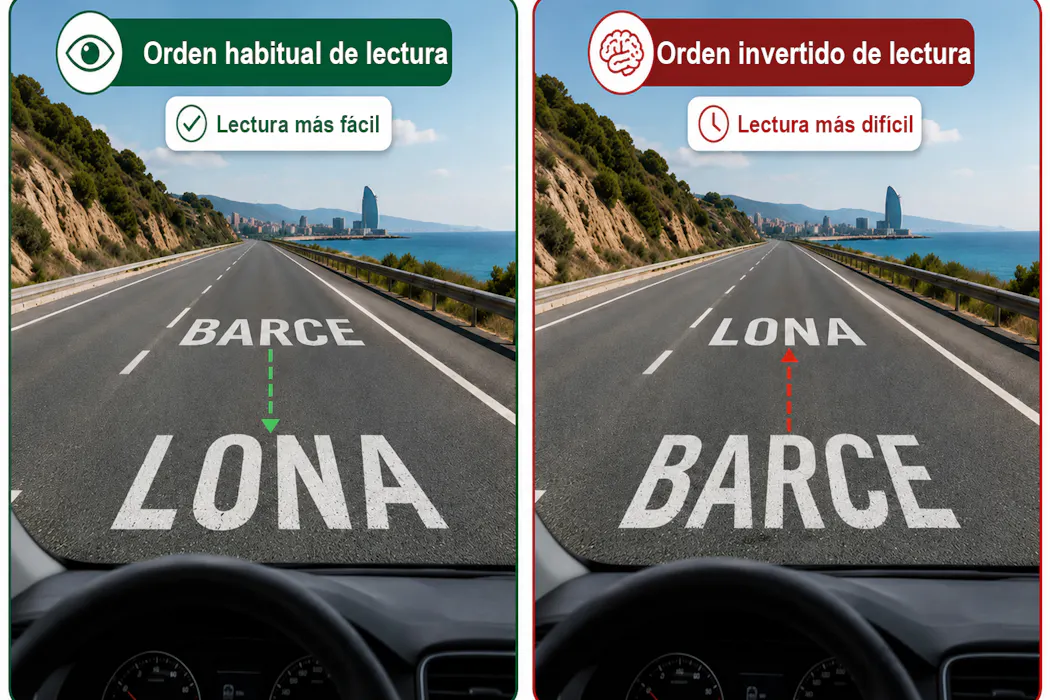
Las palabras que aparecen en la carretera para indicar el próximo desvío no siempre se reconocen igual de rápido. José Luis Tapia.
Imagine que circula por una autovía que no conoce. El navegador anuncia una salida, el tráfico ocupa los carriles contiguos y sobre el asfalto aparece un destino partido en dos líneas: LONA arriba y BARCE abajo. Durante una fracción de segundo, aquello no parece tener sentido. Después, su cerebro recompone el nombre: BARCELONA.
Las letras no estaban escritas al revés, pero sus fragmentos sí aparecían en un orden poco habitual. El inicio de la palabra estaba más cerca del vehículo y el segmento final, más lejos. Puede parecer un detalle sin importancia. Sin embargo, al volante, leer una simple palabra compite con vigilar el tráfico, mantener la trayectoria y decidir por dónde continuar. Nuestro estudio muestra que ese pequeño cambio en la disposición de una palabra hace que tardemos más en reconocerla.
Leer en movimiento
Cuando un nombre largo no cabe en la anchura del carril, puede dividirse en dos líneas. Eso obliga a elegir entre dos lógicas. La primera respeta la lectura de arriba abajo: BARCE se pinta en la línea superior, más lejos, y LONA en la inferior, más cerca. La segunda sigue el avance del vehículo y coloca el inicio en la línea que el vehículo alcanzará primero. En ese caso, BARCE queda abajo y LONA arriba.
Las dos opciones pueden parecer razonables. Nuestro cerebro, sin embargo, no las procesa igual. Y las normas tampoco resuelven siempre el dilema de la misma manera. La norma española 8.2-IC indica que la primera mitad debe situarse más lejos cuando los renglones están próximos, aunque permite invertirlos cuando la separación es muy grande. En otros países, las recomendaciones para mensajes de varias líneas siguen criterios distintos o no contemplan expresamente qué hacer con una única palabra partida. Por eso, es muy probable ver ambas disposiciones en los carriles e, incluso, en la misma ciudad o en la misma carretera.
Para comprobar si esa decisión gráfica afecta al reconocimiento de palabras, realizamos dos experimentos con 96 participantes. Les mostramos nombres largos de municipios españoles y palabras inventadas, todos divididos en dos líneas. Solo debían pulsar una tecla cuando reconocieran una población real.
En el primer experimento, los nombres aparecían sobre una textura de asfalto sin otros elementos. En el segundo, los integramos en una escena de carretera con perspectiva, carriles y otros elementos visuales. En ambos casos, presentamos cada nombre con el inicio arriba y más lejos, o con el inicio abajo y más cerca. La tarea era sencilla: queríamos medir el tiempo necesario para reconocer un destino a partir de sus fragmentos.
De milisegundos a metros
El resultado fue claro. Cuando los fragmentos conservaban el orden habitual de lectura, es decir, de arriba a abajo, los participantes reconocían los destinos con mayor rapidez y cometían ligeramente menos errores. La ventaja fue de 164 milisegundos con fondo neutro y de 211 milisegundos en la escena de carretera. En ambos experimentos apareció, por tanto, la misma pauta: respetar el orden habitual de lectura facilitó el reconocimiento.
Doscientos once milisegundos apenas se perciben al leer en una pantalla, pero en movimiento adquieren otra dimensión. Durante ese tiempo, un vehículo que circula a 100 kilómetros por hora recorre casi seis metros; a 120, algo más de siete. Esto no significa que ese retraso cause más accidentes, pero esta comparación permite visualizar la distancia que recorre el vehículo en ese intervalo.
¿Por qué se tarda más en leer en un formato que en el otro? Una explicación plausible es que años de lectura han acostumbrado a nuestro sistema visual a integrar las líneas de arriba hacia abajo, de modo que ese orden se procesa de forma más automática. Cuando los fragmentos rompen esa regularidad, podemos necesitar reordenarlos mentalmente antes de reconocer el conjunto.
Carreteras que se leen mejor
Nuestro experimento analizó el reconocimiento de palabras, no la conducción, que es una tarea más compleja. Los participantes no controlaban un vehículo, no elegían carril ni preparaban una maniobra. El siguiente paso será estudiar estas disposiciones en simuladores o en realidad virtual, donde puedan medirse la mirada, la elección de carril, los movimientos del volante y el frenado, también de noche, con lluvia o con tráfico intenso.
Mientras llegan esas pruebas, los resultados apuntan a una recomendación sencilla: si es necesario dividir en dos líneas el nombre de un destino, conviene mantener el inicio en la línea superior y más lejana, y el final en la inferior y más cercana. Es una decisión de bajo coste porque no requiere nuevos materiales ni tecnología, solo aplicar un criterio coherente.
En definitiva, las marcas viales son un lenguaje con el que la carretera se comunica con nosotros al conducir. Su diseño no debería depender únicamente de una convención heredada, sino también de la manera en que funciona la lectura humana. Porque, al conducir, cuando cada segundo cuenta y la rapidez con que reconocemos un destino importa.
Jose Luis Tapia Iglesias recibe fondos del Ministerio de Ciencia, Innovación y Universidades.
Francisco Rocabado, Ismael Gutiérrez Cordero, Javier García-Orza y Manuel Perea no reciben salarios, ni ejercen labores de consultoría, ni poseen acciones, ni reciben financiación de ninguna compañía u organización que pueda obtener beneficio de este artículo, y han declarado carecer de vínculos relevantes más allá del puesto académico citado.
Cuando el astrónomo neerlandés Maarten Schmidt descubrió los cuásares en el año 1963, el universo conocido se engrandeció de repente: eran los objetos más lejanos detectados hasta entonces. Se trata de fuentes de luz puntuales situadas a gran distancia, e implican una luminosidad enorme de hasta 100 veces la de toda la Vía Láctea.
Antes de caer inexorablemente tras el horizonte del agujero negro y desaparecer para siempre, la materia puede convertir una gran parte de su masa en reposo en la energía de la intensa luz que vemos (entre un 5 % y un 40 %, mucho más eficiente que la fusión nuclear que alimenta las estrellas).
¿Cómo se pueden formar estos agujeros negros tan masivos, de hasta miles de millones de masas solares en los casos más extremos, en el núcleo de una galaxia? Es una de las grandes incógnitas que plantean los cuásares.
La idea más simple es que se formaran a partir de las primeras estrellas masivas del universo, que colapsaron a agujeros negros al final de su breve vida. Estos primeros agujeros negros, según hemos descubierto a través de las ondas gravitacionales detectadas por LIGO y Virgo, podían alcanzar ya hasta unas 50 masas solares.
Esta idea conlleva una posible dificultad: si los cuásares crecen acretando materia de un disco, su luminosidad se ve limitada por un máximo valor posible para que la materia pueda seguir acretando, llamada la luminosidad de Eddington, y un correspondiente ritmo máximo de acreción del disco, que implica que son necesarios unos 30 millones de años para duplicar la masa del agujero negro.
Pero los cuásares más luminosos han sido descubiertos a distancias muy grandes, donde los vemos cuando el universo era aún muy joven, con solo unos 600 millones de años de edad (la edad actual del universo es de 13 800 millones de años).
Algo no encajaba. Según la teoría actual de la formación de galaxias, denominada teoría de la materia oscura fría, las primeras estrellas se formaron cuando el universo tenía unos 300 millones de años. Con otros 300 millones de años de tiempo no basta para hacer crecer los agujeros negros (diez duplicaciones de la masa nos dan un crecimiento de un factor 2¹⁰, o un factor 1000 aproximadamente, insuficiente para crecer desde la masa de un agujero negro estelar hasta uno de un cuásar).
Los modelos indican también que es difícil producir tantas fusiones como serían necesarias para aumentar la masa más rápidamente.
El modelo de la ‘estrella de agujero negro’
Otras ideas más exóticas han invocado la posibilidad de agujeros negros primordiales, formados ya desde el primer segundo de vida del universo.
Pero hay una solución menos radical: si a un agujero negro le “echamos” una gran cantidad de materia, la densidad del gas puede ser tan alta que la luz emitida no pueda escapar y termine cayendo también en el hoyo.
Así se puede producir una acreción super-Eddington –un proceso en el que un agujero negro absorbe gas y materia a un ritmo mayor de lo esperado debido a una reducción de la eficiencia con que se emite luz– y un crecimiento más rápido del agujero negro. La alta densidad del gas que le rodea puede dar lugar a un capullo, una estructura opaca que lo envuelve y absorbe el cuásar central, creando una atmósfera gigante parecida a la de una estrella. Así fue como este modelo fue bautizado como “estrella de agujero negro”.
Los puntitos rojos: ¿la solución?
Entramos ahora en el nuevo descubrimiento del telescopio espacial JWST, que observa el universo en luz infrarroja desde el año 2022: los puntitos rojos.
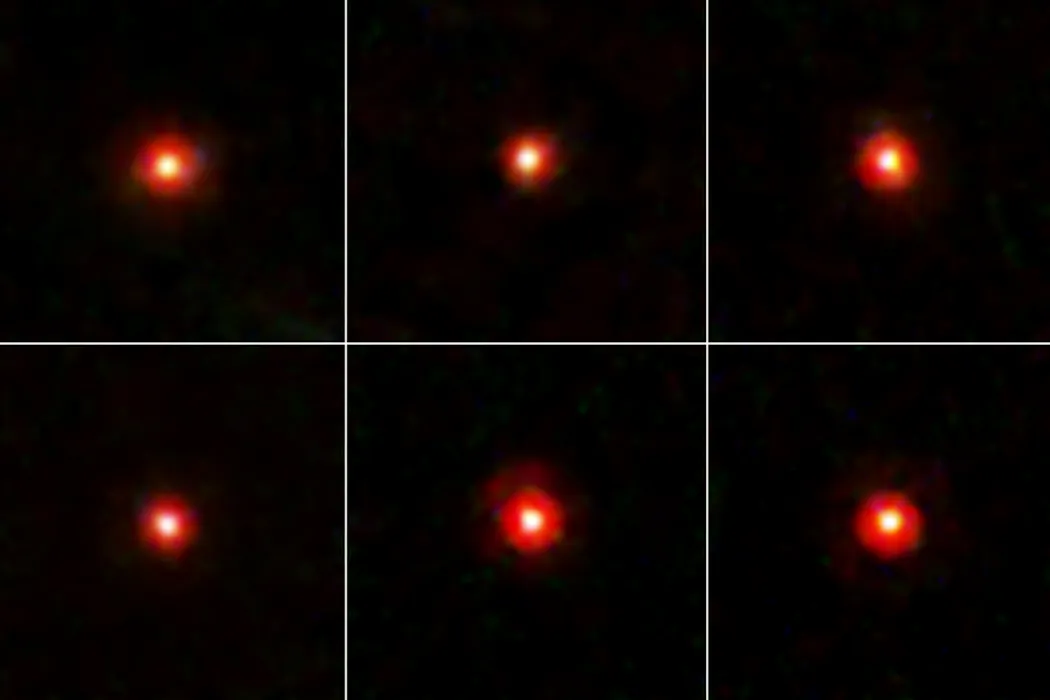
Son nuevas fuentes muy compactas de luz roja que comparten algunas características de los cuásares: líneas de emisión que indican ionización y grandes velocidades cerca del agujero negro, además de gran luminosidad surgiendo de una región muy compacta. Sin embargo, son muy distintos en otros aspectos: no vemos ni rayos X ni radio, la luz es más roja y su espectro muestra la discontinuidad de Balmer (un salto o caída repentina en la intensidad del espectro continuo de una estrella debido a absorción por hidrógeno), que es característica de las atmósferas estelares.
Esto ha decantado la evidencia a favor del capullo que oculta un cuásar en el proceso de formación, con el agujero negro como motor principal de la luz que vemos, pero oculto para esconder su aspecto habitual en los cuásares ya plenamente formados.
Será necesario seguir indagando en esta idea con más observaciones que
aclaren la naturaleza de los puntitos rojos.
Las observaciones apoyan la idea de que los puntitos rojos son cuásares en formación, donde el agujero negro crece con rapidez en el núcleo de una galaxia joven. El gas denso que alimenta este crecimiento forma un capullo que oculta y nos impide ver el cuásar con toda su majestuosidad hasta unos cuantos millones de años más tarde.
Jordi Miralda recibe fondos de Ministerio de Ciencia e Innovación.
Trabajé en plazas postdoctorales y tambien como profesor con algunas de las personas citadas, como Sir Martin J. Rees, y en mi propio artículo con Jaiyul Yoo.
Kazushi Iwasawa recibe fondos de Ministerio de Ciencia e Innovación. Trabajé unas veces con Kohei Inayoshi citado en este artículo.
Cada tarde, millones de personas regresan a casa después de trabajar. Algunas llegan con energía para salir a pasear, hacer deporte o jugar con sus hijos. Otras, sólo desean tumbarse en el sofá y que nadie les hable.
¿Qué ha ocurrido durante esas ocho horas?
La explicación habitual suele ser sencilla: “Ha sido un día duro”. Pero la ciencia lleva tiempo sugiriendo que ocurre algo más profundo.
Las empresas no solo producen bienes y servicios. También generan experiencias. Y esas experiencias influyen en cómo pensamos, cómo nos relacionamos, cómo afrontamos los problemas y cómo responde nuestro organismo ante todo ello.
Mucho más que un sueldo
Al principio existía una creencia generalizada de que el compromiso de un empleado dependía principalmente del salario.
La psicología organizacional ha demostrado que, una vez cubiertas las necesidades económicas básicas, otros factores adquieren una importancia decisiva: sentirse respetado, disponer de autonomía, confiar en los compañeros, recibir reconocimiento y percibir que el propio trabajo tiene sentido.
Por eso dos personas con el mismo sueldo pueden vivir experiencias laborales completamente distintas. Una termina la jornada satisfecha y la otra cuenta los minutos para marcharse.
La diferencia muchas veces no está en el trabajo que realizan, sino en la organización para la que trabajan.
Las empresas también nos transforma
Ninguna organización deja a sus profesionales exactamente igual que cuando llegaron. Después de meses o años compartiendo una misma cultura, las personas cambian. Algunas ganan confianza para expresar sus ideas, asumen nuevos retos y desarrollan relaciones de colaboración que potencian su crecimiento. Otras, por el contrario, dejan de participar en las reuniones, evitan asumir riesgos y acaban limitándose a cumplir lo imprescindible. La experiencia laboral contribuye a moldear su identidad profesional.
Muchas veces es el contexto el que marca la diferencia.
Las investigaciones en el área de psicología organizacional muestran que la forma en que una organización lidera, reconoce el trabajo, gestiona los errores o resuelve los conflictos influye directamente sobre la motivación, el compromiso, el aprendizaje y el bienestar de quienes la integran.
La cultura organizativa no es un concepto abstracto: se manifiesta cada día en miles de pequeñas interacciones que terminan moldeando la experiencia de trabajar en un lugar.
La huella invisible, y no tanto, de las organizaciones
Cuando hablamos del impacto de una empresa solemos fijarnos en indicadores como la rentabilidad, la productividad, la innovación o la cuota de mercado. Todos ellos son esenciales para conocer la salud de una organización.
Sin embargo, existe otro conjunto de indicadores que también habla de su desempeño y que no ocupa el mismo lugar en los informes de gestión.
La investigación ha estudiado por separado fenómenos como el compromiso (engagement), el desgaste profesional (burnout), la seguridad psicológica, la identificación organizacional o el bienestar laboral. Todos ellos responden, en realidad a una misma pregunta: ¿qué efecto produce una organización en las personas que trabajan en ella?
La respuesta deja una huella que, en ocasiones, resulta muy visible. Cuestiones como el absentismo, la rotación no deseada, las bajas por motivos de salud mental, el burnout o la dificultad para atraer y fidelizar talento constituyen, en realidad, una radiografía bastante precisa del tipo de organización que una empresa ha construido.
A veces la diferencia tiene nombre propio
Existe, además, un matiz que suele pasar desapercibido. Cuando preguntamos a alguien por qué disfruta de su trabajo o por qué decidió permanecer en una empresa, la respuesta no siempre hace referencia a la organización. Muchas veces tiene nombre y apellidos.
Aunque solemos hablar de las organizaciones como si fueran entidades abstractas, la experiencia laboral muchas veces se construye a través de personas concretas. Hay personas que consiguen que la experiencia laboral sea mejor para quienes trabajan a su alrededor. Un responsable que inspira confianza, una compañera que siempre ayuda o un mentor que acompaña en los momentos difíciles pueden hacer que un empleado se sienta vinculado a su trabajo, incluso cuando no desarrolla un fuerte compromiso con la organización conjunta.
Lo que ocurre en nuestro cerebro cuando vamos a trabajar
En las organizaciones se producen experiencias que aumentan o disminuyen la probabilidad de que se activen determinados sistemas biológicos, relacionados con el estrés, la motivación, la cooperación o la recompensa. En otras palabras, el cerebro responde menos al organigrama de la empresa que a la forma en que vivimos nuestro día a día dentro de ella.
Cuando predominan la confianza, el apoyo mutuo y el reconocimiento, resulta más fácil colaborar, aprender y comprometerse con los objetivos comunes. Por el contrario, cuando el miedo, la incertidumbre o el control excesivo forman parte de la rutina, el organismo permanece en un estado de alerta que termina afectando al bienestar, la creatividad y la capacidad para tomar buenas decisiones.
No es casualidad que las organizaciones más innovadoras del mundo dediquen grandes esfuerzos a construir culturas donde las personas se sienten seguras para preguntar, discrepar o reconocer un error. La profesora Amy Edmondson, de la Harvard Business School, denominó a este fenómeno seguridad psicológica y demostró que constituye uno de los mejores predictores del aprendizaje colectivo y del rendimiento de los equipos.
Del mismo modo, las investigaciones del neuroeconomista Paul Zak muestran que la confianza no es únicamente un valor ético, sino también un activo organizativo capaz de mejorar la cooperación, el compromiso y los resultados.
Una nueva forma de medir en las empresas
Es posible que haya llegado el momento de incorporar una nueva pregunta cuando evaluamos una organización. Una pregunta que no esté relacionada con cuánto factura, cuánto crece o cuánto innova nuestra organización, sino qué tipo de personas ayuda a construir.
Quizá la verdadera medida del éxito de una organización no sea únicamente lo que consigue, sino lo que deja. Porque todas las empresas producen resultados. Las mejores, además, producen personas que salen de ellas siendo mejores de lo que entraron.
Las personas firmantes no son asalariadas, ni consultoras, ni poseen acciones, ni reciben financiación de ninguna compañía u organización que pueda obtener beneficio de este artículo, y han declarado carecer de vínculos relevantes más allá del cargo académico citado anteriormente.
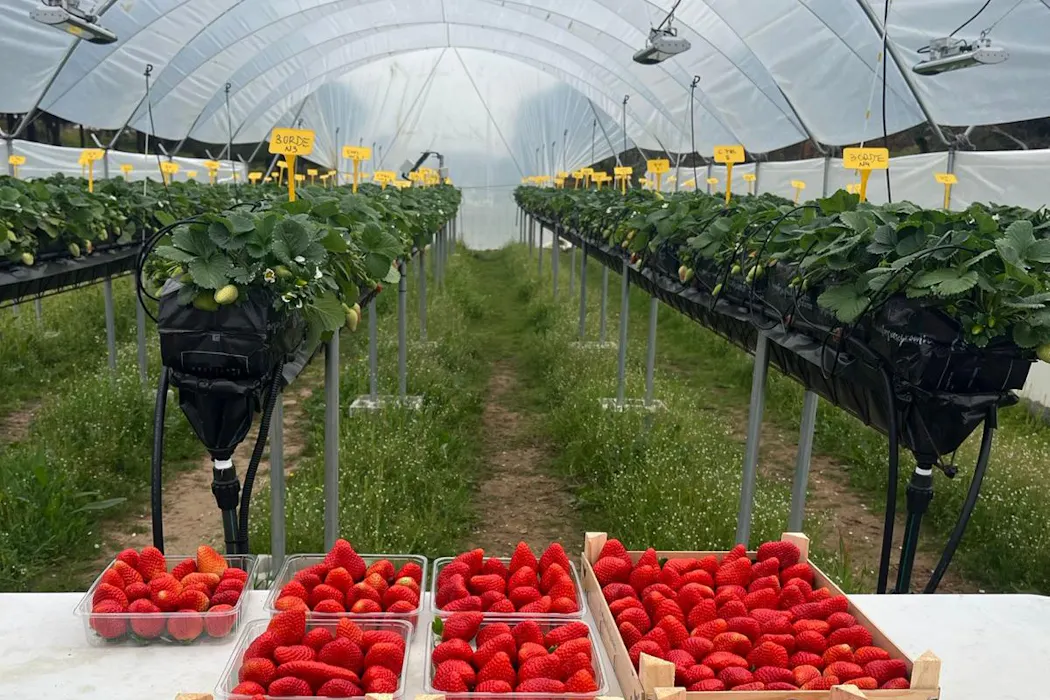
Cultivo de fresa en invernadero experimental con lámparas de luz UV. Beatriz Ramos, Universidad San Pablo CEU
Cuando pensamos en aumentar la producción agrícola, solemos imaginar fertilizantes, riego o nuevas variedades vegetales. Sin embargo, una herramienta mucho menos conocida está despertando un enorme interés entre los investigadores de todo el mundo: la luz ultravioleta (UV). Utilizada de forma controlada y en dosis muy bajas, esta radiación puede estimular el crecimiento de las plantas, mejorar la calidad de los frutos y aumentar su resistencia frente a enfermedades. Todo ello sin añadir productos químicos al cultivo.
Aunque la radiación ultravioleta suele asociarse a efectos negativos, como las quemaduras solares en la piel, las plantas llevan millones de años conviviendo con ella. De hecho, han desarrollado mecanismos sofisticados para percibirla y responder a su presencia.
La clave está en la dosis: mientras una exposición excesiva provoca daños celulares, pequeñas cantidades actúan como una señal que activa mecanismos de defensa y adaptación. Este fenómeno se conoce como hormesis, es decir, una respuesta beneficiosa ante un estrés leve.
Cómo perciben las plantas la luz UV
Las plantas disponen de receptores capaces de detectar determinadas longitudes de onda de la radiación ultravioleta. Cuando reciben una dosis moderada de UV, interpretan la señal como una posible amenaza ambiental y comienzan a prepararse para futuros episodios de estrés. Lo hacen produciendo compuestos antioxidantes, modificando su metabolismo e incluso activando genes relacionados con la defensa frente a patógenos.
Como consecuencia, las plantas incrementan la síntesis de sustancias protectoras como flavonoides, antocianinas y otros compuestos fenólicos. Estos metabolitos no solo ayudan a la planta a soportar mejor condiciones adversas, sino que además poseen interés nutricional para el consumidor, ya que muchos de ellos actúan como antioxidantes.
Efectos positivos demostrados en numerosos cultivos
Nuestros estudios en tomates ofrecen resultados especialmente llamativos. Con estas investigaciones hemos demostrado que breves exposiciones semanales a radiación UV-B y UV-C antes de la floración aumentan el crecimiento de las plantas, adelantan la aparición de flores y reducen la incidencia de enfermedades bacterianas. Además, los frutos obtenidos presentan mayores concentraciones de licopeno, carotenoides y compuestos fenólicos, mejorando su valor nutricional.
Sin embargo, el potencial de esta tecnología va mucho más allá del tomate.
También se han descrito efectos positivos en pepinos, albahacas y arroz, entre otras especies hortícolas. En ellas, dosis moderadas de radiación favorecen la acumulación de metabolitos beneficiosos y fortalecen la tolerancia frente a diferentes tipos de estrés ambiental.
¿Puede competir con los fertilizantes?
La luz UV no reemplaza completamente a los fertilizantes, ya que estos aportan nutrientes esenciales como nitrógeno, fósforo o potasio. Sin embargo, sí puede convertirse en una herramienta complementaria capaz de reducir parcialmente la dependencia de insumos químicos.
La diferencia fundamental es que los fertilizantes aportan recursos externos a la planta, mientras que la radiación UV estimula mecanismos internos que mejoran la eficiencia fisiológica. En otras palabras, la planta aprovecha mejor sus propios recursos.
Esta estrategia presenta varias ventajas:
No deja residuos químicos en el cultivo.
Reduce el impacto ambiental asociado a la fabricación y uso de fertilizantes.
Puede aumentar simultáneamente la productividad y la resistencia frente a enfermedades.
Mejora la calidad nutricional de los alimentos.
Disminuye la necesidad de algunos tratamientos fitosanitarios.
Todo ello resulta especialmente relevante si se considera que la producción y utilización de fertilizantes sintéticos genera una parte importante de las emisiones de gases de efecto invernadero asociadas a la agricultura.
La tecnología es relativamente sencilla. Se utilizan lámparas LED capaces de emitir radiación UV-B o UV-C de manera controlada, con exposiciones muy breves y espaciadas.
En nuestros estudios realizados con tomates, por ejemplo, los mejores resultados se obtuvieron mediante irradiaciones de apenas tres minutos una vez por semana durante la fase previa a la floración. Exposiciones más largas no mejoraban los resultados e incluso podían provocar efectos negativos.
Este aspecto es crucial: la eficacia depende de emplear dosis cuidadosamente ajustadas. La misma radiación que estimula el metabolismo vegetal en bajas cantidades puede convertirse en un factor dañino cuando se aplica en exceso.
Normalmente los tratamientos se realizan durante la noche, cuando no existe interferencia con la radiación solar y resulta más sencillo controlar la exposición.
¿Es viable a gran escala?
La respuesta es cada vez más positiva. La aparición de sistemas LED específicos para agricultura está reduciendo los costes energéticos y permitiendo una aplicación precisa de la radiación UV. Además, los invernaderos modernos ya incorporan un elevado nivel de automatización, lo que facilita integrar estas lámparas en los programas de manejo habituales.
Los cultivos protegidos en invernadero, como los de tomates, pimientos, pepinos, fresas o lechugas, son candidatos para adoptar esta tecnología. Ya se ha probado también en cultivos a cielo abierto mediante aplicaciones con tractores portadores de las lámparas. Con estos sistemas resulta sencillo controlar los pulsos de radiación.
Aún quedan desafíos por resolver. No todas las especies responden igual y cada cultivo requiere determinar la dosis, frecuencia y momento de aplicación más adecuados. También es necesario evaluar los costes económicos frente a los beneficios obtenidos en condiciones reales de producción.
Una nueva herramienta para la agricultura sostenible
Durante décadas, la agricultura ha dependido principalmente de fertilizantes y productos fitosanitarios para incrementar la producción. La luz ultravioleta plantea un enfoque diferente: estimular las capacidades naturales de la planta para que crezca mejor, produzca más y se defienda por sí misma.
Los resultados obtenidos hasta ahora muestran que pequeñas dosis de radiación UV pueden aumentar la floración, mejorar el rendimiento, reforzar la resistencia frente a patógenos y enriquecer el contenido de antioxidantes en los frutos. Más que una sustituta de los fertilizantes, esta tecnología emerge como una herramienta complementaria que podría ayudar a producir más alimentos con menos insumos y menor impacto ambiental. En un contexto de cambio climático y creciente demanda alimentaria, esa combinación resulta especialmente prometedora.
Los resultados obtenidos son fruto de una colaboración entre el grupo de investigación “Biotecnología de la Interacción Planta-Microbioma (https://www.biotecnologia-vegetal-microbioma-ceu.es/) de la Universidad San Pablo CEU y RZERO Infection Prevention and Control S.L.U (https://rzeroprevention.com/), que ha combinado el rigor científico con la innovación empresarial para generar conocimiento de alto valor e impacto aplicado.
Los resultados obtenidos son fruto de una colaboración entrevel grupo de investigación “Biotecnología de la Interacción Planta-Microbioma (https://www.biotecnologia-vegetal-microbioma-ceu.es/) de la Universidad San Pablo CEU y RZERO Infection Prevention and Control S.L.U (https://rzeroprevention.com/) que ha combinado el rigor científico con la innovación empresarial para generar conocimiento de alto valor e impacto aplicado.
Source: The Conversation – (in Spanish) – By Sylvie Pérez Lima, Psicopedagoga. Psicóloga COPC 29739. Profesora Estudios de Psicología y Educación, UOC – Universitat Oberta de Catalunya
Leer mucho suele considerarse una señal de una buena “competencia lectora”. Si un niño o adolescente lee varios libros al mes, parece lógico pensar que lee con facilidad y comprende bien aquello que lee. Al fin y al cabo, ¿cómo podría alguien leer tanto sin tener una buena comprensión?
Pero damos por supuesto algo que no es tan evidente. Podemos encontrarnos con niños y jóvenes que leen con frecuencia o disfrutan de los libros y que, sin embargo, tienen dificultades cuando se enfrentan a determinadas tareas de comprensión: identificar la idea principal de un texto, relacionar información que aparece en diferentes partes, hacer una inferencia o valorar críticamente aquello que han leído.
La pregunta, por tanto, no es si leer es importante (lo es), sino si leer mucho y comprender bien son la misma cosa.
Aquí aparece una paradoja que merece la pena explorar: podemos encontrar jóvenes que leen con frecuencia y, al mismo tiempo, presentan dificultades en tareas de comprensión lectora. Esto no significa que exista necesariamente una relación causal entre ambas cuestiones. Significa que el hábito lector y la competencia lectora no son exactamente lo mismo.
Qué se lee, y qué se comprende
¿Qué queremos decir exactamente cuando decimos que una persona comprende lo que lee?
Cuando hablamos de lectura tendemos a utilizar una única palabra para referirnos a actividades muy diferentes. No leemos de la misma manera una novela, las instrucciones de un experimento, un artículo científico, un texto argumentativo o dos noticias que ofrecen explicaciones diferentes sobre un mismo acontecimiento. Todas estas actividades implican leer, pero no exigen exactamente los mismos procesos.
Un lector puede seguir con fluidez una historia, recordar a sus personajes y disfrutar de ella y, sin embargo, encontrar dificultades cuando tiene que explicar qué idea sostiene un texto argumentativo, relacionar información que aparece en párrafos diferentes o deducir algo que el autor no ha dicho explícitamente.
Esto ayuda a entender una cuestión que a menudo queda escondida cuando hablamos de “buenos lectores”: la cantidad de lectura no nos dice por sí sola qué procesos de comprensión es capaz de realizar una persona.
Por eso, ante un niño o una adolescente que lee muchos libros, quizá la pregunta no debería ser únicamente “¿Cuánto lee?”, sino también “¿Qué es capaz de hacer con aquello que lee?”.
Relación entre ‘cantidad’ y ‘calidad’ de la lectura
Si leer mucho puede ser compatible con tener dificultades en determinadas tareas de comprensión, ¿qué sabemos sobre la relación entre el hábito lector y la competencia lectora?
Comprender un texto no consiste únicamente en entender las palabras que aparecen en él. También implica construir un significado, relacionar información y hacer inferencias. Además, utilizamos nuestros conocimientos previos para interpretar aquello que leemos.
Por eso, dos personas pueden leer el mismo texto y comprenderlo de manera diferente. No solo interviene lo que está escrito. También importan el lector, el texto y la tarea que se plantea. La dificultad, el propósito de la lectura o los conocimientos previos pueden cambiar lo que somos capaces de comprender.
Por ejemplo: cuando leemos muchas novelas, la experiencia previa (cuantas más hayamos leído más sucederá esto) nos ha enseñado a anticipar determinados giros de guión o de diálogos, y cuando son inesperados, lo son en comparación a lo que hemos leído previamente. Cuanto más experiencia lectora acumulamos sobre determinado estilo de escritura, menos esfuerzo cognitivo supone descifrarlo, más predecible será la tarea para nosotros, y menos esfuerzo de comprensión estaremos haciendo. De ahí la necesidad de leer textos variados.
Competencia lectora vs capacidad de comprensión
La investigación científica apunta a una relación positiva entre la exposición a la lectura y diferentes habilidades lectoras. Los autores plantean una posible relación circular: quienes tienen mejores habilidades lectoras tienden a leer más. A su vez, la lectura puede contribuir a desarrollarlas.
Así se observa también en estudios a lo largo del tiempo. En los primeros cursos, un menor nivel de comprensión y fluidez se asocia con una menor lectura voluntaria. En cursos posteriores, una mayor frecuencia de lectura, especialmente de libros, se asocia con una mejor comprensión.
Esto sugiere que leer y comprender pueden influirse mutuamente, y que la relación cambia durante el desarrollo. Pero también indica que no podemos reducir la competencia lectora al número de libros leídos.
Entonces, si leer más no garantiza por sí solo comprender mejor, ¿qué hace que una persona aprenda a comprender lo que lee?
Enseñanza explícita
Lo mismo que aprendemos la mecánica de la lectura en la escuela (que las letras representan sonidos y significados, que juntas hacen sílabas y palabras y frases), la comprensión lectora también requiere una enseñanza explícita. No basta con aumentar la exposición a los textos. También es necesario aprender a utilizar estrategias para construir y comprobar su significado.
La enseñanza explícita puede incluir estrategias como anticipar el contenido, activar conocimientos previos, formular preguntas o realizar inferencias. También puede enseñar a identificar ideas principales, resumir y comprobar la propia comprensión. Pero no consiste simplemente en proporcionar una lista de estrategias. El docente debe mostrar cómo y cuándo utilizarlas y acompañar progresivamente al alumnado hacia un uso autónomo.
Que un niño o un adolescente lea mucho es una buena noticia. La lectura frecuente ofrece oportunidades para ampliar conocimientos, descubrir palabras nuevas y encontrarse con formas diferentes de explicar el mundo.
Pero esas oportunidades no garantizan por sí solas que la comprensión se desarrolle en toda su complejidad. A comprender también se aprende y requiere una enseñanza que acompañe ese proceso.
Por eso, fomentar el hábito lector y enseñar a comprender deberían ir de la mano. No se trata de elegir entre conseguir que lean más o enseñarles estrategias de comprensión. Se trata de que puedan hacer ambas cosas.
Quizá debamos mirar un poco más allá del número de libros leídos. Preguntarnos qué textos leen, para qué los leen y qué hacen con aquello que encuentran en ellos. Porque leer también significa poder hacerse preguntas, relacionar ideas, construir una interpretación propia y cambiar de opinión cuando el texto nos aporta algo nuevo.
Sylvie Pérez Lima no recibe salario, ni ejerce labores de consultoría, ni posee acciones, ni recibe financiación de ninguna compañía u organización que pueda obtener beneficio de este artículo, y ha declarado carecer de vínculos relevantes más allá del cargo académico citado.
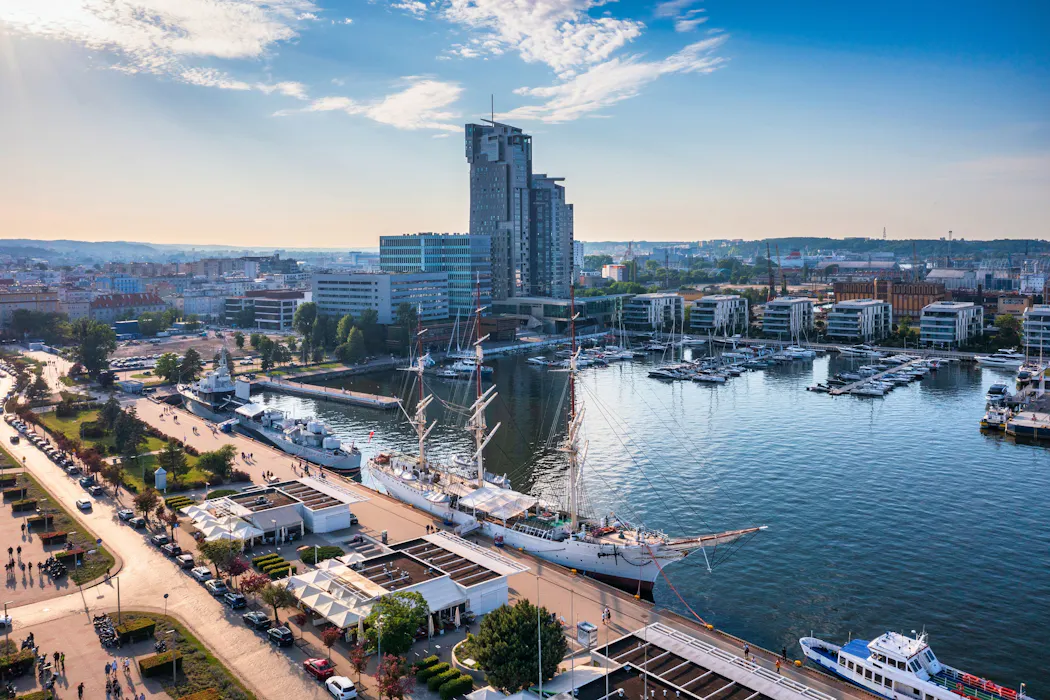
Hay ciudades que nacen lentamente y otras que son el resultado de una decisión (geo)política. Gdynia pertenece a estas últimas. En apenas unas décadas pasó de ser una pequeña aldea pesquera del Báltico a convertirse en el principal símbolo de la Polonia renacida. Un siglo después, la UNESCO ha inscrito su Centro Modernista en la Lista del Patrimonio Mundial.
Calle Świętojańska en Gdynia, la primera calle de la ciudad, aparte de las que conducían al mar, que se empedró y se acondicionó de acuerdo con el nuevo plan urbanístico de la época. National Library of Poland
La inscripción responde al criterio IV, reservado a bienes que constituyen ejemplos sobresalientes de una etapa significativa de la historia humana. En Gdynia se ha reconocido un conjunto urbano modernista excepcionalmente conservado, concebido como un todo en el que planificación, la arquitectura y el puerto forman un sistema inseparable. Pocas ciudades ilustran con tanta claridad cómo el urbanismo y la arquitectura fueron utilizados para construir la identidad y la economía de un Estado recién recuperado.
De aldea pesquera a símbolo de la Segunda República
Hasta comienzos del siglo XX, Gdynia era una pequeña aldea pesquera mayoritariamente de etnia casubia. Todo cambió tras la recuperación de la independencia de Polonia en 1918, después de 123 años de particiones. El principal puerto de la región, Gdansk, quedó constituido como Ciudad Libre bajo la protección de la Sociedad de Naciones. Habitada en un 95 % por población alemana, mantuvo una actitud crecientemente hostil hacia el nuevo Estado polaco.
Aunque el Tratado de Versalles garantizaba a Polonia el libre uso del puerto, estas obligaciones fueron incumpliéndose progresivamente y las tensiones desembocaron en la guerra aduanera germano-polaca iniciada en 1925. Para un Estado recién renacido, disponer de un puerto propio dejó de ser una aspiración económica para convertirse en una cuestión de supervivencia. La respuesta fue construir uno nuevo.
En 1922 el ingeniero Tadeusz Wenda eligió el emplazamiento y dirigió las primeras obras, mientras que Eugeniusz Kwiatkowski, ministro de Industria y Comercio y después viceprimer ministro, convirtió Gdynia en uno de los grandes proyectos nacionales de la Segunda República de Polonia. Convencido de que la independencia política exigía independencia económica, impulsó el desarrollo simultáneo del puerto y de la villa.
A la izquierda, obra en construcción del futuro puerto, probablemente a principios de 1921. A la derecha, el lujoso transatlántico de la marina mercante polaca MS Piłsudski en la terminal transatlántica de Gdynia. En la actualidad, la terminal es el Museo de la Emigración. Gdynia Moje Miasto-Henryk Poddębski /Wikimedia Commons
El urbanismo modernista respondía tanto a criterios funcionales como simbólicos. Edificios de líneas depuradas, fachadas blancas y formas inspiradas en los transatlánticos proyectaban la imagen de una Polonia moderna, abierta al comercio y orientada hacia el mar. Navigare necesse est (“Navegar es necesario”) decía el decreto por el cual Gdynia fue declarada ciudad en 1926.
El crecimiento fue extraordinario. En dos décadas la población pasó de unos 1 200 habitantes a más de 120 000 y el puerto alcanzó en 1938 un tráfico superior a nueve millones de toneladas, superando a Gdansk y reduciendo decisivamente la dependencia polaca de otros puertos bálticos y alemanes. Gdynia se convirtió en la principal puerta marítima del país y en uno de los ejemplos más notables de planificación urbana y económica de la Europa del siglo XX.
Guerra, reconstrucción y una ciudad que siguió mirando al mar
La Segunda Guerra Mundial interrumpió este desarrollo. Tras la invasión alemana de 1939, la ciudad fue anexionada al Tercer Reich con el nombre de Gotenhafen. Decenas de miles de polacos fueron expulsados y el puerto se transformó en una importante base de la Kriegsmarine (la Armada naval nazi). Pese a los daños sufridos, el conjunto modernista sobrevivió en gran medida, lo que explica su excelente estado de conservación.
Después de 1945, Gdynia recuperó rápidamente su papel como uno de los principales puertos de Polonia. Durante el periodo socialista se desarrollaron la industria naval, electrónica y de telecomunicaciones. Empresas como RADMOR, especializada en radiocomunicaciones marítimas y militares, simbolizan esa continuidad tecnológica. La firma de marroquinería Batycki ofrecía, a través de sus elegantes bolsos, una ilusión de lujo y sofisticación en medio de la gris realidad cotidiana de la Polonia comunista.
Una ciudad vinculada a la lucha por la libertad
La historia de Gdynia no puede entenderse solo a través de su puerto y su arquitectura. También ocupa un lugar destacado en la memoria de la oposición al régimen comunista. No es casualidad que fuera en las ciudades industriales del Báltico donde se produjera uno de los episodios decisivos de la historia contemporánea de Polonia. Al ordenar al ejército abrir fuego contra los trabajadores en diciembre de 1970, el régimen comunista socavó la principal fuente de su legitimidad: gobernar en nombre de la clase obrera.
Uno de los episodios más emblemáticos de esa época fue el traslado del cuerpo de un joven trabajador abatido por los disparos sobre una puerta arrancada de un edificio. Aunque después se supo que se llamaba Zbigniew Godlewski, la canción “Ballada o Janku Wiśniewskim” lo inmortalizó como Janek Wiśniewski. Interpretada por Krystyna Janda en la escena final de El hombre de hierro (1981), de Andrzej Wajda, la balada se convirtió en un símbolo de las protestas obreras y del posterior movimiento Solidaridad. Sus últimos versos –“El mundo se enteró, pero no dijo nada”– evocan el sentimiento de abandono que acompañó aquellos acontecimientos.
Quizá la reciente inscripción de Gdynia en la Lista del Patrimonio Mundial contribuya también a que esta parte de la historia de Polonia sea hoy mejor conocida fuera de sus fronteras.
Un patrimonio del siglo XX
La inscripción del Centro Modernista de Gdynia trasciende el reconocimiento de un excelente conjunto de arquitectura funcionalista. Reconoce una ciudad que concentra algunas de las grandes experiencias europeas del siglo XX: la reconstrucción de un Estado independiente, la fe en la planificación, la ocupación, la industrialización, la resistencia al autoritarismo y la capacidad de reinventarse sin perder su identidad marítima.
Gdynia demuestra que el patrimonio mundial no protege solo los vestigios del pasado remoto. También conserva los lugares donde tomó forma la historia contemporánea y cuyos valores siguen ayudándonos a comprender el mundo en el que vivimos.
¿Quiere recibir más artículos como este?Suscríbase a Suplemento Cultural y reciba la actualidad cultural y una selección de los mejores artículos de historia, literatura, cine, arte o música, seleccionados por nuestra editora de Arte + Humanidades Claudia Lorenzo.
Durante sus estudios en Ciencias Empresariales, en el año 2006 la autora realizó prácticas extracurriculares y no remuneradas en la empresa Radmor S.A. Gracias a ellas, pudo conocer tanto la ciudad de Gdynia, como su industria.
Source: The Conversation – (in Spanish) – By Carlos Aguilera-Serrano, Profesor Asociado, Departamento de Enfermería y Podología. Facultad de Ciencias de la Salud., Universidad de Málaga
Durante años, la atención en salud mental se centró en los síntomas. Pero ese enfoque resulta insuficiente: la ansiedad que no se expresa, la soledad que no se nombra, el cansancio emocional que se normaliza… ¿Quién cuida todo eso?
La enfermería especializada en salud mental es la respuesta a un fenómeno creciente: el sufrimiento psicoemocional ligado a la vida contemporánea. Por eso, su desempeño ha evolucionado hacia un modelo más integrador que aborda también el descanso, la alimentación, las relaciones personales o el sentido de vida, entre otros.
Este cambio permite acompañar procesos, no solo tratar problemas.
Su trabajo incluye valorar de forma integral, educar en salud, coordinar y liderar equipos y acompañar a lo largo del tiempo, así como defender los derechos de las personas y las familias en contextos donde a menudo se ven vulnerados. Con este fin, se desarrollan programas educativos, intervenciones grupales y apoyo comunitario. Además, la enfermería de salud mental incorpora atención a distancia y estrategias para mejorar la resiliencia.
En España, la especialidad requiere una formación específica de posgrado, con una duración de dos años. Durante este periodo, las futuras especialistas combinan formación teórica y práctica en distintos dispositivos asistenciales, como unidades de hospitalización, centros comunitarios, hospitales de día, programas de rehabilitación y atención a la infancia y la adolescencia.
Y aunque la especialidad fue regulada oficialmente en 1998 y su programa formativo actual se aprobó en 2011, sigue siendo una de las áreas menos conocidas de la profesión fuera del ámbito sociosanitario.
La importancia de la psicoterapia
La psicoterapia enfermera es una de las principales competencias de estas profesionales. Incluye intervenciones estructuradas basadas en la relación terapéutica, junto a la evaluación clínica y la planificación de cuidados.
Un ejemplo puede ayudar a entenderlo. Pensemos en una persona que vive con ansiedad tras una enfermedad grave. La psicoenfermera le ayudará a identificar qué situaciones aumentan su malestar y a trabajar hábitos como el sueño, la actividad física y las relaciones sociales. El objetivo es que recupere bienestar y autonomía en su vida diaria.
Aunque esta competencia comparte herramientas con otras formas de psicoterapia, se distingue por su mirada integral. No solo atiende el malestar emocional: también tiene en cuenta la salud física, la medicación, los hábitos cotidianos y el entorno familiar y social.
Es una visión especialmente útil en individuos con enfermedades crónicas o problemas complejos y en situaciones de vulnerabilidad social, como la de una persona mayor que vive sola, tiene pocos apoyos y comienza a aislarse tras la pérdida de un ser querido. El cuidado se adapta a la realidad de cada individuo y a los cambios que se producen con el tiempo.
Además, las psicoenfermeras suelen acompañar a las personas durante largos periodos. Esa continuidad favorece la confianza y permite ajustar las intervenciones cuando las necesidades cambian.
Potencial infrautilizado
Según los datos oficiales del Registro Estatal de Profesionales Sanitarios del Ministerio de Sanidad, hay 2 063 enfermeras especialistas en salud mental inscritas en España. Esta cifra no es representativa de la situación real, ya que no recoge necesariamente a la totalidad de profesionales en activo. Así, de acuerdo con diversas fuentes, el número de psicoenfermeras podría situarse entre 6 500 y 9 000. Sin embargo, muchas no ocupan plazas específicas de la especialidad y, en algunas comunidades autónomas, esos puestos siguen sin estar plenamente implantados, lo que apunta a una infrautilización de las competencias especializadas.
La situación es distinta en algunos países de nuestro entorno, como Reino Unido. Allí, las enfermeras de salud mental cuentan con mayor presencia en los servicios comunitarios y con un reconocimiento más amplio de funciones avanzadas, incluidas las intervenciones psicoterapéuticas.
Retos claros, oportunidades reales
Hoy, la enfermería especializada en salud mental sigue afrontando desafíos importantes: falta de recursos, fragmentación del sistema, reconocimiento insuficiente de sus capacidades o la persistencia del estigma, ya que muchas personas continúan asociando ese tipo de problemas a estereotipos negativos. Esto puede retrasar la búsqueda de ayuda y reducir el reconocimiento social de los cuidados que proporcionan las psicoenfermeras.
Paradójicamente, la evidencia indica que la enfermería de salud mental es una de las profesiones con mayor capacidad de adaptación y amplitud de roles dentro del sistema sanitario.
En definitiva, el desarrollo de competencias avanzadas –como la citada psicoterapia enfermera–, la integración en la comunidad y el enfoque basado en derechos humanos no solo mejoran la atención a los pacientes: también pueden transformar el modelo sanitario.
Carlos Aguilera-Serrano no recibe salario, ni ejerce labores de consultoría, ni posee acciones, ni recibe financiación de ninguna compañía u organización que pueda obtener beneficio de este artículo, y ha declarado carecer de vínculos relevantes más allá del cargo académico citado.
















.jpg)
