Paper mills: the ‘cartel-like’ companies behind fraudulent scientific journals

Source: The Conversation – Indonesia – By Rizqy Amelia Zein, Lecturer in Social Psychology, Universitas Airlangga

Science and Nature, two leading science journals, have revealed a growing problem: an alarming rise in fraudulent research papers produced by shady paper mill companies. This wave of fake studies is creating a major headache for the academic world, putting the integrity of global academic research at risk.

Paper mill companies offer authorship services to researchers, academics, and students who want their names listed as an author of a scientific article published in reputable scientific journals.

By paying around €180 to €5000 (approximately US$197 – $5472), a person can have their name listed as the author of research paper, without having to painstakingly do research and write the results. No doubt, some experts refer to these paper mills as illegal and criminal organizations.

A 2023 research highlights a dramatic increase in fraudulent scientific articles traced back to paper mills. In just five years, the numbers of retractions soared jumped from 10 in 2019 to 2,099 in 2023.

Paper mills have also extremely overwhelmed major scientific journal publishers. Hindawi and Wiley, publishers of open access journals in the UK, for example, retracted around 1,200 paper mill articles in 2023. SAGE, a global publisher of books, journals and academic library resources and Elsevier, a scholarly publisher in the Netherlands also retracted hundreds of paper mill articles in 2022.

Paper mills are found operating in countries whose research policies incentivise researchers to produce as many scientific articles as possible, such as China, Russia, India and Iran.

However, their customer profile is quite diverse, from both developed and developing countries, including Indonesia, Malaysia, Germany, and the United States (US).

Based on research data and investigative journalist reports from the last five years, I summarise how these paper mills operate and how to detect them.

The paper mill playbook: tactics and oddities

1. Problematic articles

Paper mills generally manipulate the process of publishing scientific articles. These articles usually plagiarise other published articles, contain false and stolen data, or include engineered and duplicated images.

They also offer to rewrite scientific articles using generative artificial intelligence tools, such as ChatGPT and Quillbot, or to translate published articles from other languages into English.

2. A promised path to publication

In some cases, paper mills offer authorship slots before an article is accepted for publication.

In other cases, they offer authorship slots after the article is ready to be published by the journal.

Therefore, it is not uncommon for paper mills to sell authorship slots with a guarantee that the article will definitely be published. In fact, according to the conventions generally accepted in the academic community, no well-run journal can give such a guarantee.

Publishing decisions are normally made only after editors have considered the feedback from peer reviewers. This means, there is no possibility for a manuscript to secure acceptance before passing the peer review process.

3. Fake reviews and corrupt deals

Paper mills also offer a wide range of additional services. For example, they offer fake peer review services to convince potential buyers that the offered articles have passed rigorous review.

To smooth the way for their operations, some paper mills even operate like a cartel, bribing rogue journal editors to ensure publication. A 2024 investigation by a Science journalist revealed that some scientific journal editors were offered as much as $20,000 to cooperate with these schemes. This investigation resulted in more than 30 editors of reputable international journals identified as involved in paper mill activities.

4. Unusual collaboration patterns

One of the peculiarities of paper mill articles is its strange mix of authors. An article on the activity of ground beetles attacking crops in Kazakhstan, for example, is written by authors who are neither affiliated with institutions in Kazakhstan nor experts in insects or agriculture. The authors’ backgrounds are suspiciously heterogeneous, ranging from anaesthesia, dentistry, to biomedical engineering.

5. Anonymous co-authors

Prospective customers of paper mill services usually have to agree to the rules of confidentiality. By agreeing to this rule, buyers have no idea which journal their article will target or who their co-authors will be. Often, the authors listed on the same paper don’t even know each other.

Spotting the red flags: how to detect paper mills articles

Detecting scientific articles produced by paper mills often begins with analyzing retraction patterns carried out by journals.

This can be done in two ways: by tracking post-publication peer reviews on platforms like PubPeer, or by checking the Retraction Watch database, a website that documents retractions of problematic scientific articles.

However, journals rarely state outright that a retraction is due to paper mill fraud. Instead, articles are typically pulled for reasons like improper inclusion of the name and order of authors, inclusion of many irrelevant citations or references, plagiarism, or inclusion of manipulated or duplicated images.

The proportion of scientific articles retracted for being associated with paper mills is much smaller than the estimated total number of paper mill articles currently in circulation.

Retraction Watch data, as of May 2024, only recorded 7,275 retractions of articles related to the paper mill out of a total of 44,000 retractions recorded. In fact, it is estimated that up to 400,000 paper mill articles have infiltrated scientific literature over the past two decades.

Despite significant efforts from publishers and the academic community through organizations such as United2Act, a global alliance initiated by Committee on Publication Ethics (COPE) and STM, these attempts are barely enough.

How paper mills hurt the public

The UK Research Integrity Office—an independent UK charity that offers support to the public, researchers and organisations to promote good academic research practice—estimates that the paper mill industry has gained around $10 million globally.

For example, a Russian paper mill could earn $6.5 million if they sold all the authorship of scientific articles it produced from 2019 to 2021.

In Indonesia, this financial loss directly impacts the public. Public universities rely on the state budget, funded largely by taxpayers, and tuition fees from students to cover operational expenses, including research grants and publication incentives.

Though the exact financial toll of these paper mills is hard to pin down, it is clear that the public are footing the bill for fraudulent research practices, siphoning resources away from enuin academic advancements.

The Conversation

Rizqy Amelia Zein tidak bekerja, menjadi konsultan, memiliki saham, atau menerima dana dari perusahaan atau organisasi mana pun yang akan mengambil untung dari artikel ini, dan telah mengungkapkan bahwa ia tidak memiliki afiliasi selain yang telah disebut di atas.

– ref. Paper mills: the ‘cartel-like’ companies behind fraudulent scientific journals – https://theconversation.com/paper-mills-the-cartel-like-companies-behind-fraudulent-scientific-journals-230124

High skills, low protection: the legal hurdles for foreign workers in Indonesia

Source: The Conversation – Indonesia – By Wayne Palmer, Senior Research Fellow, Bielefeld University

ilikeyellow/Shutterstock

Developing countries like Indonesia use foreign high-skilled and high-wage workers to drive economic growth and innovation. However, protection of their legal rights is often neglected, affecting these workers’ productivity and well-being and Indonesia’s reputation as a destination country for employment.

My research delves into the flaws of Indonesia’s labour market institutions, such as the national labour dispute settlement system, revealing that current mechanisms are inadequate in protecting the rights of high-skilled foreign workers.

The study

My findings show the national dispute settlement system exhibits significant systemic shortcomings, such as processing cases slowly and siding with employers, which limit its capacity to protect all workers effectively. But disputes involving foreign workers are further complicated by the fact that immigration law allows employers to cancel residence permits, meaning that the government requires the workers to leave the country even though the workers may have been unfairly dismissed.

Foreign workers are mainly from Northeast Asia (China, Japan and Korea), and their use on investment-tied projects coupled with Indonesia’s downstreaming programme will ensure their numbers continue to grow. In 2023, the Indonesian government issued 168,048 permits for foreigners to work in Indonesia with the top three destinations being Central Sulawesi (18,678), Jakarta (13,862) and West Java (10,807). By July 2024, the government had already issued more than 14% more permits than by the same time the previous year.

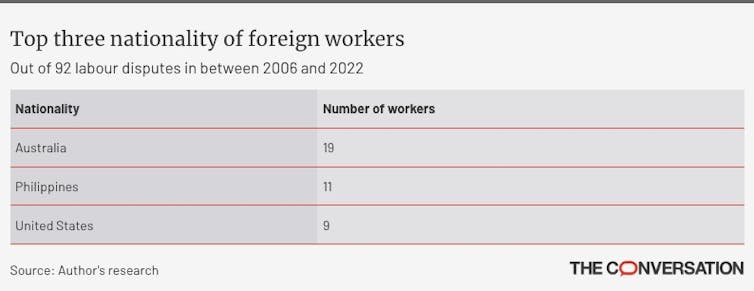
My study examined 92 labour disputes involving foreign workers between 2006 (when the new national dispute settlement system was implemented) and 2022, which were settled by the Industrial Relations Court. One additional dispute was filed in 2023, but the Industrial Relations Court has not yet published the settlement despite a legal requirement to do so.

I complemented these court settlements with 98 qualitative interviews with other stakeholders, including policymakers, labour rights activists, legal professionals, and other foreign workers, such as foreign spouses, remote workers and digital nomads.

As in other countries too, the number of registered labour disputes is only the tip of the iceberg, as workers tend to cut their losses and move on rather than invest time, energy and limited financial resources in challenging their better-resourced employers.

Employers were all Indonesian companies, so no foreign workers who filed a lawsuit worked for a multinational company, and those who did so had at least 20 nationalities.


CC BY

In terms of geographical distribution, the studied disputes were settled in 13 local jurisdictions, and were mostly lodged by workers rather than employers.

The nature of the disputes mostly involved claims that an employment contract had been terminated prematurely (87 cases), while a much smaller number involved resignation (4 cases) or were unknown (1 case). Of the 92 claims, 83 were initiated by workers, and eight by an employer. In one case, the lodging party was not recorded in the final decision.

Hiring a private lawyer

Employers used the Immigration Law to undermine the protective role of the Manpower Law – as it stands foreign workers are only entitled to employment protection if they hold a valid residence permit, which employers can and do shorten. Doing so shows that the Indonesian government prioritizes the flexibility of employers at the expense of employment protection for foreign workers.

In at least 92% cases, foreign workers used paid assistance of a private lawyer to represent themselves at formal meetings and hearings required by the Disputes Settlement Law, the cost of which could be hefty.

As one foreign worker explained:

It’s always in the back of your mind, to do whatever to make employers happy if you want to stay. No matter what the work permit and contract say, they can ask immigration to kick us out within a week!“

A retired government official responsible for designing policy regarding foreign workers was surprised when he heard this, explaining that:

I thought they could look after themselves because they earn such high wages. Well, higher than the average Indonesian worker, that is.

Hiring a private lawyer is the only way to represent themselves throughout the dispute resolution process because they need to leave Indonesia once they are fired. Not having the legal right to remain in Indonesia makes it very difficult – even impossible – to do it without them.

Addressing institutional failures

Engaging a private lawyer served as an ‘institutional fix’ that enabled most foreign workers to engage with Indonesia’s labour dispute settlement system by attending formal meetings and hearings, as well as filling out required paperwork and sending essential letters and replies.

Addressing this institutional failure requires a shift in law and policy. Firstly, legal reforms are essential to ensure that immigration and employment laws are integrated to enable foreign workers to have access to legal processes intended to help protect labour rights. At a minimum, this would involve amending policy to prevent employers from cancelling residence permits so that foreign workers need to leave the country prematurely.

Alternatively, the Directorate-General of Immigration could still permit employers to do so, but then provide the affected foreign workers with a limited-stay visa so that they can remain in Indonesia to engage with the legal process. The Hong Kong Immigration Department does this for Indonesian migrant workers.

Secondly, there is a need for enhanced support systems that provide immediate and effective assistance to foreign workers. Government agencies tasked with settling labour disputes, such as local manpower offices and the Industrial Relations Court, should be equipped with adequate resources and trained personnel to handle migrant labour issues. Doing so would decrease the reliance of foreign workers on private lawyers.

Failure to protect the employment rights of foreign workers has the potential to damage Indonesia’s reputation as a destination country for employment. Such damage could undermine Indonesia’s ambitious plans to build a new capital city (Ibu Kota Nusantara) with the assistance of foreign workers, and undermine the government’s downstreaming programme, which helps Indonesia earn more from the export of raw minerals.

The Conversation

Wayne Palmer has received research funding from the International Labour Organization, the Freedom Fund, and the Australian Research Council.

– ref. High skills, low protection: the legal hurdles for foreign workers in Indonesia – https://theconversation.com/high-skills-low-protection-the-legal-hurdles-for-foreign-workers-in-indonesia-230795

There’s gold trapped in your iPhone – and chemists have found a safe new way to extract it

Source: The Conversation – Canada – By Justin M. Chalker, Professor of Chemistry, Flinders University

A sample of refined gold recovered from mining and e-waste recycling trials. Justin Chalker

In 2022, humans produced an estimated 62 million tonnes of electronic waste – enough to fill more than 1.5 million garbage trucks. This was up 82% from 2010 and is expected to rise to 82 million tonnes in 2030.

This e-waste includes old laptops and phones, which contain precious materials such as gold. Less than one quarter of it is properly collected and recycled. But a new technique colleagues and I have developed to safely and sustainably extract gold from e-waste could help change that.

Our new gold-extraction technique, which we describe in a new paper published today in Nature Sustainability, could also make small-scale gold mining less poisonous for people – and the planet.

Soaring global demand

Gold has long played a crucial role in human life. It has been a form of currency and a medium for art and fashion for centuries. Gold is also essential in modern industries including the electronics, chemical manufacture and aerospace sectors.

But while global demand for this precious metal is soaring, mining it is harmful to the environment.

Deforestation and use of toxic chemicals are two such problems. In formal, large-scale mining, highly toxic cyanide is widely used to extract gold from ore. While cyanide can be degraded, its use can cause harm to wildlife, and tailings dams which store the toxic byproducts of mining operations pose a risk to the wider environment.

In small-scale and artisanal mining, mercury is used extensively to extract gold. In this practice, the gold reacts with mercury to form a dense amalgam that can be easily isolated. The gold is then recovered by heating the amalgam to vaporise the mercury.

Small-scale and artisanal mining is the largest source of mercury pollution on Earth, and the mercury emissions are dangerous to the miners and pollute the environment. New methods are required to reduce the impacts of gold mining.

A bucket full of telephone circuit board parts.
In 2022, humans produced an estimated 62 million tonnes of electronic waste.
DAMRONG RATTANAPONG/Shutterstock

A safer alternative

Our interdisciplinary team of scientists and engineers has developed a new technique to extract gold from ore and e-waste. The aim was to provide a safer alternative to mercury and cyanide and reduce the health and environmental impacts of gold mining.

Many techniques have previously been reported for extracting gold from ore or e-waste, including mercury- and cyanide-free methods. However, many of these methods are limited in rate, yield, scale and cost. Often these methods also consider only one step in the entire gold recovery process, and recycling and waste management is often neglected.

In contrast, our approach considered sustainability throughout the whole process of gold extraction, recovery and refining. Our new leaching technology uses a chemical commonly used in water sanitation and pool chlorination: trichloroisocyanuric acid.

When this widely available and low-cost chemical is activated with salt water, it can react with gold and convert it into a water-soluble form.

To recover the gold from the solution, we invented a sulphur-rich polymer sorbent. Polymer sorbents isolate a certain substance from a liquid or gas, and ours is made by joining a key building block (a monomer) together through a chain reaction.

Our polymer sorbent is interesting because it is derived from elemental sulphur: a low-cost and highly abundant feedstock. The petroleum sector generates more sulphur than it can use or sell, so our polymer synthesis is a new use for this underused resource.

Our polymer could selectively bind and remove gold from the solution, even when many other types of metals were present in the mixture.

The simple leaching and recovery methods were demonstrated on ore, circuit boards from obsolete computers and scientific waste. Importantly, we also developed methods to regenerate and recycle both the leaching chemical and the polymer sorbent. We also established methods to purify and recycle the water used in the process.

In developing the recyclable polymer sorbent, we invented some exciting new chemistry to make the polymer using light, and then “un-make” the sorbent after it bound gold. This recycling method converted the polymer back to its original monomer building block and separated it from the gold.

The recovered monomer could then be re-made into the gold-binding polymer: an important demonstration of how the process is aligned with a circular economy.

A long and complex road ahead

In future work, we plan to collaborate with industry, government and not-for-profit groups to test our method in small-scale mining operations. Our long-term aim is to provide a robust and safe method for extracting gold, eliminating the need for highly toxic chemicals such as cyanide and mercury.

There will be many challenges to overcome including scaling up the production of the polymer sorbent and the chemical recycling processes. For uptake, we also need to ensure that the rate, yield and cost are competitive with more traditional methods of gold mining. Our preliminary results are encouraging. But there is still a long and complex road ahead before our new techniques replace cyanide and mercury.

Our broader motivation is to support the livelihood of the millions of artisanal and small-scale miners that rely on mercury to recover gold.

They typically operate in remote and rural regions with few other economic opportunities. Our goal is to support these miners economically while offering safer alternatives to mercury. Likewise, the rise of “urban mining” and e-waste recycling would benefit from safer and operationally simple methods for precious metal recovery.

Success in recovering gold from e-waste will also reduce the need for primary mining and therefore lessen its environmental impact.

The Conversation

Justin M. Chalker is an inventor on patents associated with the gold leaching and recovery technology. Both patents are wholly owned by Flinders University. This research was supported financially by the Australian Research Council and Flinders University. He has an ongoing collaboration with Mercury Free Mining and Adelaide Control Engineering: organisations that supported the developments and trials reported in this study.

– ref. There’s gold trapped in your iPhone – and chemists have found a safe new way to extract it – https://theconversation.com/theres-gold-trapped-in-your-iphone-and-chemists-have-found-a-safe-new-way-to-extract-it-259817

‘Do not eat’: what’s in those little desiccant sachets and how do they work?

Source: The Conversation – Canada – By Kamil Zuber, Senior Industry Research Fellow, Future Industries Institute, University of South Australia

towfiqu ahamed/Getty Images

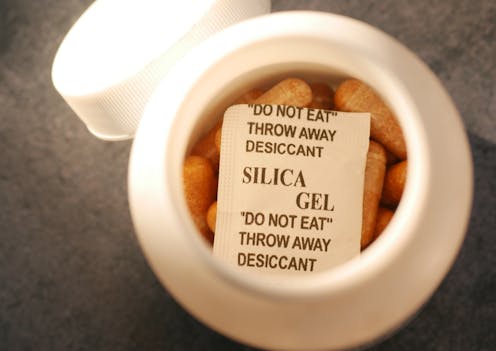
When you buy a new electronic appliance, shoes, medicines or even some food items, you often find a small paper sachet with the warning: “silica gel, do not eat”.

What exactly is it, is it toxic, and can you use it for anything?

The importance of desiccants

That little sachet is a desiccant – a type of material that removes excess moisture from the air.

It’s important during the transport and storage of a wide range of products because we can’t always control the environment. Humid conditions can cause damage through corrosion, decay, the growth of mould and microorganisms.

This is why manufacturers include sachets with desiccants to make sure you receive the goods in pristine condition.

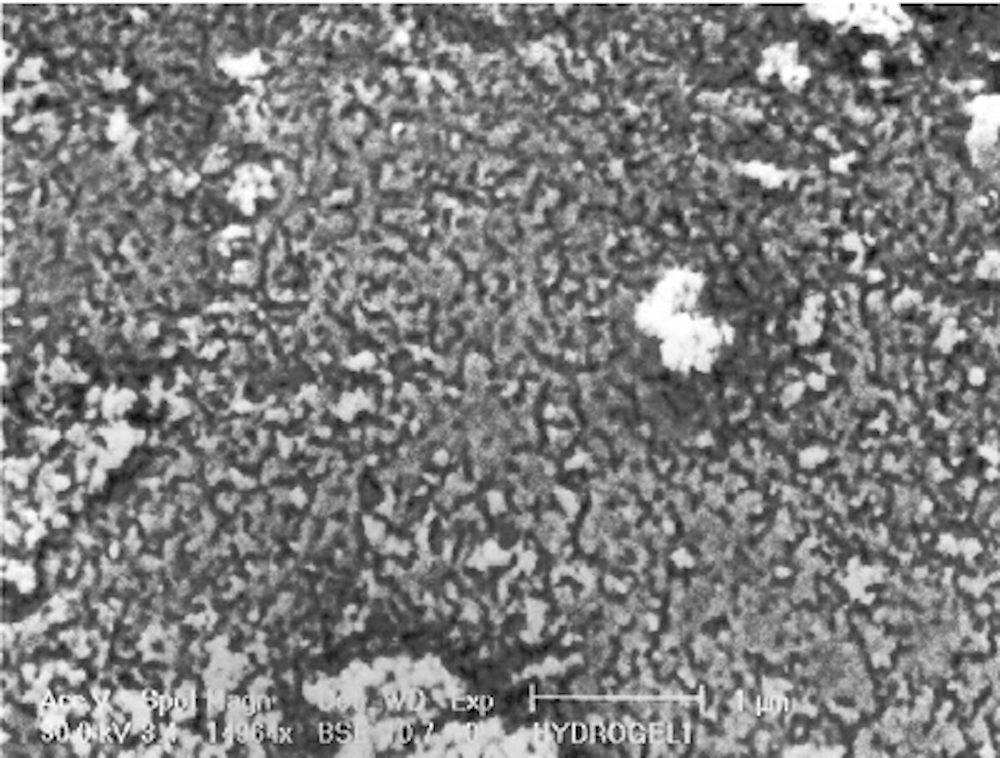
The most common desiccant is silica gel. The small, hard and translucent beads are made of silicon dioxide (like most sands or quartz) – a hydrophilic or water-loving material. Importantly, the beads are porous on the nano-scale, with pore sizes only 15 times larger than the radius of their atoms.

Silica gel looks somewhat like a sponge when viewed with scanning electron microscopy.
Trabelsi et al. (2009), CC BY-NC-ND

These pores have a capillary effect, meaning they condense and draw moisture into the bead similar to how trees transport water through the channelled structures in wood.

In addition, sponge-like porosity makes their surface area very large. A single gram of silica gel can have an area of up to 700 square metres – almost four tennis courts – making them exceptionally efficient at capturing and storing water.

Is silica gel toxic?

The “do not eat” warning is easily the most prominent text on silica gel sachets.

According to health professionals, most silica beads found in these sachets are non-toxic and don’t present the same risk as silica dust, for example. They mainly pose a choking hazard, which is good enough reason to keep them away from children and pets.

However, if silica gel is accidentally ingested, it’s still recommended to contact health professionals to determine the best course of action.

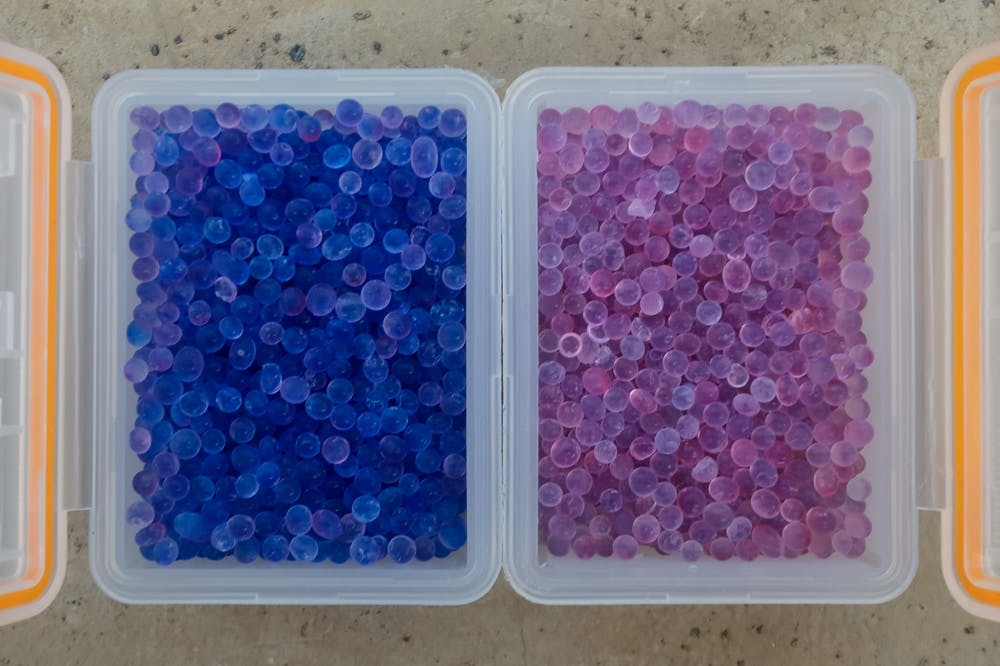
Some variants of silica gel contain a moisture-sensitive dye. One particular variant, based on cobalt chloride, is blue when the desiccant is dry and turns pink when saturated with moisture. While the dye is toxic, in desiccant pellets it is present only in a small amount – approximately 1% of the total weight.

Two plastic containers, one with blue translucent beads, one with pink.
Indicating silica gel with cobalt chloride – ‘fresh’ on the left, ‘used’ on the right.
Reza Rio/Shutterstock

Desiccants come in other forms, too

Apart from silica gel, a number of other materials are used as moisture absorbers and desiccants. These are zeolites, activated alumina and activated carbon – materials engineered to be highly porous.

Another desiccant type you’ll often see in moisture absorbers for larger areas like pantries or wardrobes is calcium chloride. It typically comes in a box filled with powder or crystals found in most hardware stores, and is a type of salt.

Kitchen salt – sodium chloride – attracts water and easily becomes lumpy. Calcium chloride works in the same way, but has an even stronger hygroscopic effect and “traps” the water through a hydration reaction. Once the salt is saturated, you’ll see liquid separating in the container.

A shelf in a wardrobe with a purple box with white powder inside in the corner.
Closet and pantry dehumidifiers like this one typically contain calcium chloride which binds water.
Healthy Happy/Shutterstock

I found something that doesn’t seem to be silica gel – what is it?

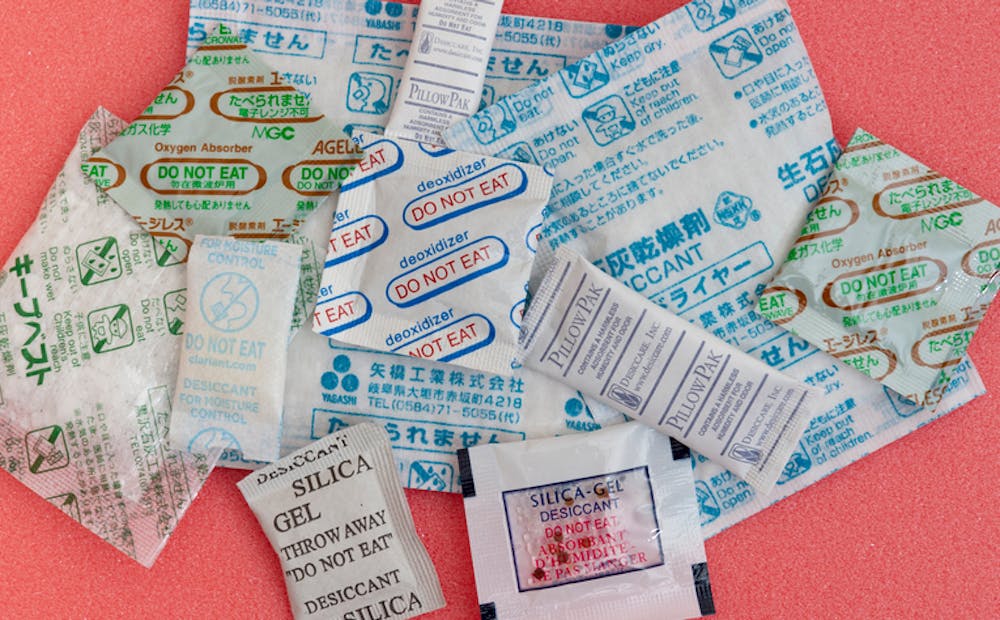
Some food items such as tortilla wraps, noodles, beef jerky, and some medicines and vitamins contain slightly different sachets, labelled “oxygen absorbers”.

These small packets don’t contain desiccants. Instead, they have chemical compounds that “scavenge” or bond oxygen.

Their purpose is similar to desiccants – they extend the shelf life of food products and sensitive chemicals such as medicines. But they do so by directly preventing oxidation. When some foods are exposed to oxygen, their chemical composition changes and can lead to decay (apples turning brown when cut is an example of oxidation).

There is a whole range of compounds used as oxygen absorbers. These chemicals have a stronger affinity to oxygen than the protected substance. They range from simple compounds such as iron which “rusts” by using up oxygen, to more complex such as plastic films that work when exposed to light.

A pile of various sachets and sheets found inside products.
Some of the sachets in your products are oxygen absorbers, not desiccants – but they may look similar.
Sergio Yoneda/Shutterstock

Can I reuse a desiccant?

Although desiccants and dehumidifiers are considered disposable, you can relatively easily reuse them.

To “recharge” or dehydrate silica gel, you can place it in an oven at approximately 115–125°C for 2–3 hours, although you shouldn’t do this if it’s in a plastic sachet that could melt in the heat.

Interestingly, due to how they bind water, some desiccants require temperatures well above the boiling point of water to dehydrate (for example, calcium chloride hydrates completely dehydrate at 200°C).

After dehydration, silica gel sachets may be useful for drying small electronic items (like your phone after you accidentally dropped it into water), keeping your camera dry, or preventing your family photos and old films from sticking to each other.

This is a good alternative to the questionable method of using uncooked rice, as silica gel doesn’t decompose and won’t leave starch residues on your things.

The Conversation

Kamil Zuber does not work for, consult, own shares in or receive funding from any company or organisation that would benefit from this article, and has disclosed no relevant affiliations beyond their academic appointment.

– ref. ‘Do not eat’: what’s in those little desiccant sachets and how do they work? – https://theconversation.com/do-not-eat-whats-in-those-little-desiccant-sachets-and-how-do-they-work-258398

What’s the difference between an eating disorder and disordered eating?

Source: The Conversation – Canada – By Gemma Sharp, Researcher in Body Image, Eating and Weight Disorders, Monash University

PIKSEL/Getty

Following a particular diet or exercising a great deal are common and even encouraged in our health and image-conscious culture. With increased awareness of food allergies and other dietary requirements, it’s also not uncommon for someone to restrict or eliminate certain foods.

But these behaviours may also be the sign of an unhealthy relationship with food. You can have a problematic pattern of eating without being diagnosed with an eating disorder.

So, where’s the line? What is disordered eating, and what is an eating disorder?

What is disordered eating?

Disordered eating describes negative attitudes and behaviours towards food and eating that can lead to a disturbed eating pattern.

It can involve:

  • dieting

  • skipping meals

  • avoiding certain food groups

  • binge eating

  • misusing laxatives and weight-loss medications

  • inducing vomiting (sometimes known as purging)

  • exercising compulsively.

Disordered eating is the term used when these behaviours are not frequent and/or severe enough to meet an eating disorder diagnosis.

Not everyone who engages in these behaviours will develop an eating disorder. But disordered eating – particularly dieting – usually precedes an eating disorder.

What is an eating disorder?

Eating disorders are complex psychiatric illnesses that can negatively affect a person’s body, mind and social life. They’re characterised by persistent disturbances in how someone thinks, feels and behaves around eating and their bodies.

To make a diagnosis, a qualified health professional will use a combination of standardised questionnaires, as well as more general questioning. These will determine how frequent and severe the behaviours are, and how they affect day-to-day functioning.

Examples of clinical diagnoses include anorexia nervosa, bulimia nervosa, binge eating disorder and avoidant/restrictive food intake disorder.

How common are eating disorders and disordered eating?

The answer can vary quite radically depending on the study and how it defines disordered behaviours and attitudes.

An estimated 8.4% of women and 2.2% of men will develop an eating disorder at some point in their lives. This is most common during adolescence.

Disordered eating is also particularly common in young people with 30% of girls and 17% of boys aged 6–18 years reporting engaging in these behaviours.

Although the research is still emerging, it appears disordered eating and eating disorders are even more common in gender diverse people.

Can we prevent eating disorders?

There is some evidence eating disorder prevention programs that target risk factors – such as dieting and concerns about shape and weight – can be effective to some extent in the short term.

The issue is most of these studies last only a few months. So we can’t determine whether the people involved went on to develop an eating disorder in the longer term.

In addition, most studies have involved girls or women in late high school and university. By this age, eating disorders have usually already emerged. So, this research cannot tell us as much about eating disorder prevention and it also neglects the wide range of people at risk of eating disorders.

Is orthorexia an eating disorder?

In defining the line between eating disorders and disordered eating, orthorexia nervosa is a contentious issue.

The name literally means “proper appetite” and involves a pathological obsession with proper nutrition, characterised by a restrictive diet and rigidly avoiding foods believed to be “unhealthy” or “impure”.

These disordered eating behaviours need to be taken seriously as they can lead to malnourishment, loss of relationships, and overall poor quality of life.

However, orthorexia nervosa is not an official eating disorder in any diagnostic manual.

Additionally, with the popularity of special diets (such as keto or paleo), time-restricted eating, and dietary requirements (for example, gluten-free) it can sometimes be hard to decipher when concerns about diet have become disordered, or may even be an eating disorder.

For example, around 6% of people have a food allergy. Emerging evidence suggests they are also more likely to have restrictive types of eating disorders, such as anorexia nervosa and avoidant/restrictive food intake disorder.

However, following a special diet such as veganism, or having a food allergy, does not automatically lead to disordered eating or an eating disorder.

It is important to recognise people’s different motivations for eating or avoiding certain foods. For example, a vegan may restrict certain food groups due to animal rights concerns, rather than disordered eating symptoms.

What to look out for

If you’re concerned about your own relationship with food or that of a loved one, here are some signs to look out for:

  • preoccupation with food and food preparation

  • cutting out food groups or skipping meals entirely

  • obsession with body weight or shape

  • large fluctuations in weight

  • compulsive exercise

  • mood changes and social withdrawal.

It’s always best to seek help early. But it is never too late to seek help.


In Australia, if you are experiencing difficulties in your relationships with food and your body, you can contact the Butterfly Foundation’s national helpline on 1800 33 4673 (or via their online chat).

For parents concerned their child might be developing concerning relationships with food, weight and body image, Feed Your Instinct highlights common warning signs, provides useful information about help seeking and can generate a personalised report to take to a health professional.

The Conversation

Gemma Sharp receives funding from an NHMRC Investigator Grant. She is a Professor and the Founding Director and Member of the Consortium for Research in Eating Disorders, a registered charity.

– ref. What’s the difference between an eating disorder and disordered eating? – https://theconversation.com/whats-the-difference-between-an-eating-disorder-and-disordered-eating-256787

Bats get fat to survive hard times. But climate change is threatening their survival strategy

Source: The Conversation – Canada – By Nicholas Wu, Lecturer in Wildlife Ecology, Murdoch University

Rudmer Zwerver/Shutterstock

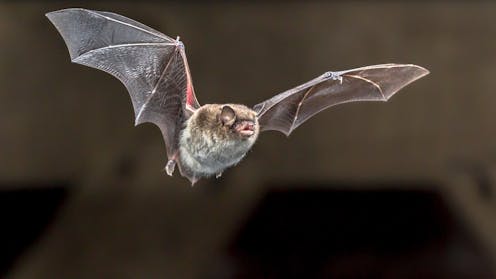
Bats are often cast as the unseen night-time stewards of nature, flitting through the dark to control pest insects, pollinate plants and disperse seeds. But behind their silent contributions lies a remarkable and underappreciated survival strategy: seasonal fattening.

Much like bears and squirrels, bats around the world bulk up to get through hard times – even in places where you might not expect it.

In a paper published today in Ecology Letters, we analysed data from bat studies around the world to understand how bats use body fat to survive seasonal challenges, whether it’s a freezing winter or a dry spell.

The surprising conclusion? Seasonal fattening is a global phenomenon in bats, not just limited to those in cold climates.

Even bats in the tropics, where it’s warm all year, store fat in anticipation of dry seasons when food becomes scarce. That’s a survival strategy that’s been largely overlooked. But it may be faltering as the climate changes, putting entire food webs at risk.

Climate shapes fattening strategies

We found bats in colder regions predictably gain more weight before winter.

But in warmer regions with highly seasonal rainfall, such as tropical savannas or monsoonal forests, bats also fatten up. In tropical areas, it’s not cold that’s the enemy, but the dry season, when flowers wither, insects vanish and energy is hard to come by.

The extent of fattening is impressive. Some species increased their body weight by more than 50%, which is a huge burden for flying animals that already use a lot of energy to move around. This highlights the delicate balancing act bats perform between storing energy and staying nimble in the air.

Sex matters, especially in the cold

The results also support the “thrifty females, frisky males” hypothesis.

In colder climates, female bats used their fat reserves more sparingly than males – a likely adaptation to ensure they have enough energy left to raise young when spring returns. Since females typically emerge from hibernation to raise their young, conserving fat through winter can directly benefit their reproductive success.

Interestingly, this sex-based difference vanished in warmer climates, where fat use by males and females was more similar, likely because more food is available in warmer climates. It’s another clue that climate patterns intricately shape behaviour and physiology.

Climate change is shifting the rules

Beyond the biology, our study points to a more sobering trend. Bats in warm regions appear to be increasing their fat stores over time. This could be an early warning sign of how climate change is affecting their survival.

Climate change isn’t just about rising temperatures. It’s also making seasons more unpredictable.

Bats may be storing more energy in advance of dry seasons that are becoming longer or harder to predict. That’s risky, because it means more foraging, more exposure to predators and potentially greater mortality.

The implications can ripple outward. Bats help regulate insect populations, fertilise crops and maintain healthy ecosystems. If their survival strategies falter, entire food webs could feel the effects.

Fat bats, fragile futures

Our study changes how we think about bats. They are not just passive victims of environmental change but active strategists, finely tuned to seasonal rhythms. Yet their ability to adapt has limits, and those limits are being tested by a rapidly changing world.

By understanding how bats respond to climate, we gain insights into broader ecosystem resilience. We also gain a deeper appreciation for one of nature’s quiet heroes – fattening up, flying through the night and holding ecosystems together, one wingbeat at a time.

The Conversation

Nicholas Wu was the lead author of a funded Australian Research Council Linkage Grant awarded to Christopher Turbill at Western Sydney University.

– ref. Bats get fat to survive hard times. But climate change is threatening their survival strategy – https://theconversation.com/bats-get-fat-to-survive-hard-times-but-climate-change-is-threatening-their-survival-strategy-259560

How old are you really? Are the latest ‘biological age’ tests all they’re cracked up to be?

Source: The Conversation – Canada – By Hassan Vally, Associate Professor, Epidemiology, Deakin University

We all like to imagine we’re ageing well. Now a simple blood or saliva test promises to tell us by measuring our “biological age”. And then, as many have done, we can share how “young” we really are on social media, along with our secrets to success.

While chronological age is how long you have been alive, measures of biological age aim to indicate how old your body actually is, purporting to measure “wear and tear” at a molecular level.

The appeal of these tests is undeniable. Health-conscious consumers may see their results as reinforcing their anti-ageing efforts, or a way to show their journey to better health is paying off.

But how good are these tests? Do they actually offer useful insights? Or are they just clever marketing dressed up to look like science?

How do these tests work?

Over time, the chemical processes that allow our body to function, known as our “metabolic activity”, lead to damage and a decline in the activity of our cells, tissues and organs.

Biological age tests aim to capture some of these changes, offering a snapshot of how well, or how poorly, we are ageing on a cellular level.

Our DNA is also affected by the ageing process. In particular, chemical tags (methyl groups) attach to our DNA and affect gene expression. These changes occur in predictable ways with age and environmental exposures, in a process called methylation.

Research studies have used “epigenetic clocks”, which measure the methylation of our genes, to estimate biological age. By analysing methylation levels at specific sites in the genome from participant samples, researchers apply predictive models to estimate the cumulative wear and tear on the body.

What does the research say about their use?

Although the science is rapidly evolving, the evidence underpinning the use of epigenetic clocks to measure biological ageing in research studies is strong.

Studies have shown epigenetic biological age estimation is a better predictor of the risk of death and ageing-related diseases than chronological age.

Epigenetic clocks also have been found to correlate strongly with lifestyle and environmental exposures, such as smoking status and diet quality.

In addition, they have been found to be able to predict the risk of conditions such as cardiovascular disease, which can lead to heart attacks and strokes.

Taken together, a growing body of research indicates that at a population level, epigenetic clocks are robust measures of biological ageing and are strongly linked to the risk of disease and death

But how good are these tests for individuals?

While these tests are valuable when studying populations in research settings, using epigenetic clocks to measure the biological age of individuals is a different matter and requires scrutiny.

For testing at an individual level, perhaps the most important consideration is the “signal to noise ratio” (or precision) of these tests. This is the question of whether a single sample from an individual may yield widely differing results.

A study from 2022 found samples deviated by up to nine years. So an identical sample from a 40-year-old may indicate a biological age of as low as 35 years (a cause for celebration) or as high as 44 years (a cause of anxiety).

While there have been significant improvements in these tests over the years, there is considerable variability in the precision of these tests between commercial providers. So depending on who you send your sample to, your estimated biological age may vary considerably.

Another limitation is there is currently no standardisation of methods for this testing. Commercial providers perform these tests in different ways and have different algorithms for estimating biological age from the data.

As you would expect for commercial operators, providers don’t disclose their methods. So it’s difficult to compare companies and determine who provides the most accurate results – and what you’re getting for your money.

A third limitation is that while epigenetic clocks correlate well with ageing, they are simply a “proxy” and are not a diagnostic tool.

In other words, they may provide a general indication of ageing at a cellular level. But they don’t offer any specific insights about what the issue may be if someone is found to be “ageing faster” than they would like, or what they’re doing right if they are “ageing well”.

So regardless of the result of your test, all you’re likely to get from the commercial provider of an epigenetic test is generic advice about what the science says is healthy behaviour.

Are they worth it? Or what should I do instead?

While companies offering these tests may have good intentions, remember their ultimate goal is to sell you these tests and make a profit. And at a cost of around A$500, they’re not cheap.

While the idea of using these tests as a personalised health tool has potential, it is clear that we are not there yet.

For this to become a reality, tests will need to become more reproducible, standardised across providers, and validated through long-term studies that link changes in biological age to specific behaviours.

So while one-off tests of biological age make for impressive social media posts, for most people they represent a significant cost and offer limited real value.

The good news is we already know what we need to do to increase our chances of living longer and healthier lives. These include:

  • improving our diet
  • increasing physical activity
  • getting enough sleep
  • quitting smoking
  • reducing stress
  • prioritising social connection.

We don’t need to know our biological age in order to implement changes in our lives right now to improve our health.

The Conversation

Hassan Vally does not work for, consult, own shares in or receive funding from any company or organisation that would benefit from this article, and has disclosed no relevant affiliations beyond their academic appointment.

– ref. How old are you really? Are the latest ‘biological age’ tests all they’re cracked up to be? – https://theconversation.com/how-old-are-you-really-are-the-latest-biological-age-tests-all-theyre-cracked-up-to-be-257710

Comment l’un des pesticides les plus répandus en France menace les moineaux

Source: The Conversation – Indonesia – By Pauline Bellot, Chercheuse postdoctorale à l’Université du Québec à Montréal (UQAM, laboratoire AVITOX), Université du Québec à Montréal (UQAM)

Moins connus que les insecticides, les fongicides triazolés sont pourtant très présents dans les milieux agricoles. L’un d’eux, le tébuconazole, est suspecté d’affecter la santé des oiseaux. Notre étude expérimentale met en effet en évidence des altérations du métabolisme, de la reproduction et de la survie chez les jeunes moineaux.


Depuis 1900, la population mondiale a quintuplé, ce qui a posé un défi de taille : nourrir toujours plus d’humains. Dans les années 1950-1960, la « révolution verte » a permis d’augmenter considérablement les rendements agricoles grâce à la modernisation et à l’intensification des pratiques agricoles. Cette mutation s’est appuyée en partie sur l’usage massif d’engrais et de pesticides, dont l’utilisation n’a cessé de croître au fil des décennies.

Les triazoles, des fongicides omniprésents

Parmi les pesticides, on trouve trois grandes catégories : les herbicides qui tuent les végétaux considérés comme indésirables, les insecticides qui s’attaquent aux insectes considérés comme nuisibles, et les fongicides. Ces derniers, destinés à lutter contre les champignons pathogènes des plantes, représentent en France près de 42 % des ventes totales de pesticides, soit une part bien supérieure à la moyenne mondiale.

Cette proportion élevée s’explique notamment par le poids de la viticulture dans l’agriculture française, les vignes étant particulièrement vulnérables aux maladies fongiques comme le mildiou.

Photo représentant un paysage viticole homogène, typique des zones de monoculture intensive Huney.
Un paysage viticole homogène, typique des zones de monoculture intensive.
Fourni par l’auteur

Parmi les fongicides, une famille se distingue : celle des triazoles. Très prisés pour leur efficacité contre un éventail de maladies fongiques, ces composés sont utilisés sur des cultures aussi variées que les céréales, les fruits ou la vigne. Aujourd’hui, les triazoles représenteraient à eux seuls environ un quart des ventes mondiales de fongicides.

Aux États-Unis, leur utilisation a augmenté de 400 % en seulement dix ans, entre 2006 et 2016.

Les oiseaux, sentinelles des milieux agricoles

Mais cet usage massif soulève des inquiétudes. Les triazoles sont suspectés d’être des perturbateurs endocriniens, c’est-à-dire d’interférer avec le système hormonal des êtres vivants, et d’impacter des espèces non ciblées. En la matière, les oiseaux sont dangereusement vulnérables. En effet, nombre d’entre eux, l’alouette des champs, le busard cendré ou le merle noir par exemple, accomplissent tout ou une partie de leur cycle de vie dans les milieux cultivés, c’est-à-dire des territoires où les fongicides triazolés peuvent se retrouver dans les sols, l’eau ou l’air, et contaminer la faune par l’intermédiaire des graines ou des insectes consommés par de nombreux oiseaux.

Une étude récente a ainsi révélé des concentrations particulièrement élevées de triazoles dans le sang de merles noirs vivant dans des zones viticoles intensives.

Cette exposition, qu’elle soit directe ou indirecte, pourrait nuire à leur santé, à leur reproduction ou au bon fonctionnement de leur organisme. Les oiseaux sont depuis longtemps considérés comme de bons indicateurs biologiques : leur présence, leur comportement ou leur état de santé donnent des indices de la qualité de l’environnement. En particulier dans les zones agricoles, leur déclin peut révéler des problèmes comme la pollution ou la dégradation des habitats. Et les tendances sont alarmantes : depuis 1980, 60 % des oiseaux des terres agricoles ont disparu en Europe.

Comprendre les causes pour mieux agir : l’enjeu d’une approche ciblée

Si les pesticides, triazoles inclus, participent potentiellement à ce déclin, ils ne sont pas les seuls en cause. La perte d’habitats naturels, l’intensification des pratiques agricoles, la mécanisation et le changement climatique exercent également une pression croissante sur la biodiversité.

Face à cette dégradation multifactorielle, les oiseaux nous envoient un signal d’alarme. Il est plus que jamais nécessaire de comprendre quelle pression exerce quels effets, et dans quelle mesure. Cela suppose de pouvoir isoler l’impact propre de chaque facteur, en particulier celui des contaminants chimiques, afin d’identifier précisément leur rôle dans les déclins observés et ainsi mieux orienter les mesures de conservation et de réglementation.

Pour cela, il est nécessaire de les étudier isolément, dans des conditions contrôlées. C’est pourquoi nous avons choisi de nous pencher sur un fongicide triazolé en particulier : le tébuconazole.

Il s’agit du fongicide que nous avons le plus fréquemment détecté chez les oiseaux vivant en zone viticole, et également de l’un des plus utilisés dans le monde.

Pour en évaluer les effets, nous avons mené une étude en conditions contrôlées sur des moineaux domestiques, une espèce typique des milieux agricoles, aujourd’hui en déclin. Faciles à maintenir en captivité, y compris pour la reproduction, les moineaux domestiques constituent un modèle biologique pertinent pour explorer les effets du tébuconazole en conditions expérimentales.

Les individus ont été répartis aléatoirement dans six volières expérimentales : trois recevaient une eau non contaminée et les trois autres une eau contenant du tébuconazole à des concentrations réalistes, comparables à celles mesurées chez des oiseaux vivant en milieu viticole intensif.


Visuel d'illustration de la newsletter Ici la Terre représentant la planète Terre sur un fond bleu.

Abonnez-vous dès aujourd’hui.
Pour suivre au plus près les questions environnementales, retrouvez chaque jeudi notre newsletter thématique « Ici la Terre ».


Des effets sur le métabolisme et la survie des juvéniles

Après plusieurs mois d’exposition, nous avons analysé divers paramètres de santé chez les adultes, notamment le métabolisme, les hormones thyroïdiennes et l’immunité. Nous avons aussi suivi la reproduction, la croissance des poussins, leur survie, ainsi que plusieurs indicateurs de succès reproducteur.

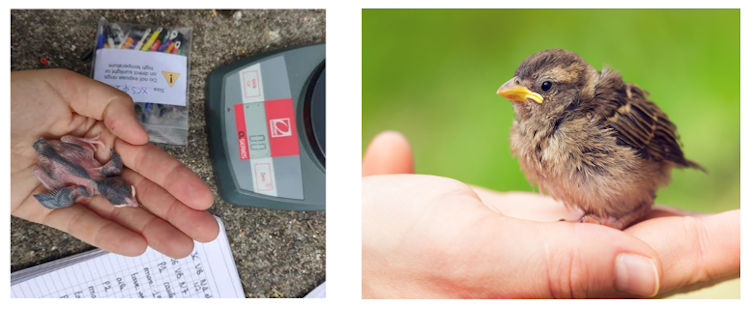
À gauche, photo fournie par l’autrice, présentant un moineau domestique quelques jours après la naissance. À droite : photo représentant un jeune moineau d’environ 14 jours.
Fourni par l’auteur

Pour la première fois, nos recherches ont montré que le tébuconazole, un fongicide largement utilisé en agriculture, peut perturber de manière significative la physiologie et la reproduction des oiseaux.

Chez les moineaux adultes exposés pendant plusieurs mois, nous avons observé une dérégulation des hormones thyroïdiennes, essentielles à la croissance, au métabolisme et à la mue. Bien que nous n’ayons pas trouvé d’effet sur l’immunité, le métabolisme des oiseaux était réduit.

Une diminution du métabolisme signifie que les oiseaux dépensent moins d’énergie pour assurer leurs fonctions vitales, ce qui peut réduire leur niveau d’activité, limiter leur capacité à maintenir leur température corporelle et ralentir des processus essentiels comme le fonctionnement cérébral ou la réparation des tissus.

De plus, la qualité de leur plumage était diminuée avec des plumes moins denses, ce qui pourrait altérer leur isolation thermique et leur efficacité en vol par exemple. Nous avons également obtenu des résultats notables du côté de la reproduction. Le tébuconazole a été transféré de la mère à ses œufs, exposant ainsi les poussins dès les premiers stades de leur développement. Ce transfert maternel s’est accompagné d’effets marqués : les poussins issus de parents exposés au tébuconazole présentaient une anomalie de croissance, environ 10 % plus petits en fin de développement, ainsi qu’une mortalité accrue.

Ces effets étaient particulièrement prononcés chez les femelles : leur taux de mortalité atteignait 65 % dans le groupe exposé, contre seulement 7 % dans le groupe témoin. Ces résultats suggèrent une sensibilité accrue au fongicide selon le sexe, et soulèvent des questions quant à la survie des jeunes dans les milieux contaminés.

Vers une meilleure régulation des usages ?

Ainsi, le tébuconazole pourrait représenter l’un des facteurs contribuant au déclin des oiseaux, en particulier dans les paysages agricoles intensifs.

Fait notable : ces effets sont survenus à une concentration environ 36 fois inférieure au seuil actuellement utilisé pour évaluer la toxicité reproductive chez les oiseaux. Bien que notre étude porte sur une seule molécule, elle met en lumière un angle mort persistant : la toxicité des fongicides reste encore largement sous-estimée, au profit d’une attention historique portée aux insecticides.

Or, dans les milieux cultivés, les espèces sont exposées à des mélanges complexes de pesticides, aux effets potentiellement cumulatifs ou synergiques. Mieux comprendre ces interactions ouvre de nouvelles pistes de recherche pour affiner l’évaluation des risques et repenser les pratiques agricoles dans une perspective plus durable et respectueuse de la biodiversité.

The Conversation

Cette recherche a été financée par l’Agence Nationale de la Recherche (projet ANR VITIBIRD attribué à F.A.), par la Région Nouvelle-Aquitaine (projet MULTISTRESS), par l’Agence nationale de sécurité sanitaire de l’alimentation, de l’environnement et du travail (projet ANSES BiodiTox attribué à F.B.), par le Centre National de la Recherche Scientifique ainsi que par MITI-PEPSAN (mission pour les initiatives transversales et interdisciplinaires, attribuée à C.F.).

Ce travail a également été soutenu par le partenariat PARC (WP4), financé par l’Union européenne dans le cadre de la subvention 101057014. Les points de vue et opinions exprimés n’engagent toutefois que leurs auteurs et ne reflètent pas nécessairement ceux de l’Union européenne ou de l’Agence exécutive européenne pour la recherche ; ni l’Union européenne ni l’autorité de financement ne peuvent en être tenues responsables.

Frédéric Angelier ne travaille pas, ne conseille pas, ne possède pas de parts, ne reçoit pas de fonds d’une organisation qui pourrait tirer profit de cet article, et n’a déclaré aucune autre affiliation que son organisme de recherche.

– ref. Comment l’un des pesticides les plus répandus en France menace les moineaux – https://theconversation.com/comment-lun-des-pesticides-les-plus-repandus-en-france-menace-les-moineaux-257032

Quel avenir pour les forêts ? Un nécessaire pas de côté pour la recherche forestière

Source: The Conversation – Indonesia – By Jacques Tassin, Chercheur en écologie forestière (HDR), spécialiste des rapports Homme / Nature, Cirad

La forêt est un lieu où abondent des problèmes pernicieux marqués par l’absence de solutions claires et définitives et, notamment, par la présence d’acteurs aux valeurs conflictuelles. Un conflit permanent y opère entre la conservation de la biodiversité et le développement économique. La recherche forestière conventionnelle est mise en défaut par une telle complexité lorsqu’elle implique une approche réductrice ou monodisciplinaire. Elle a désormais pour mission d’appréhender l’incertitude, la diversité et l’hétérogénéité qui président au devenir des forêts.

Le livre Vivre la forêt, coordonné par Jacques Tassin, auteur de plusieurs livres sur les arbres et les forêts, dont Penser comme un arbre, également publié chez Odile Jacob, explore les enjeux d’une recherche forestière rénovée à l’aide d’une démarche critique et réflexive. En sont présentés ici quelques extraits tirés de l’introduction.


Ce livre propose d’entreprendre un pas de côté pour réenvisager, dans toute son étendue et sa complexité, cette fameuse « communauté de destins » prêtée aux avenirs respectifs des forêts et des sociétés. Parler de la forêt, c’est en effet aussi parler des humains, de leurs regards, de leurs rapports et leurs relations aux espaces forestiers, de leurs imaginaires ou des inflexions que leurs ancêtres ou contemporains leur confèrent. En déroulant le fil des forêts, aussi « étrangères » soient-elles, on en arrive toujours aux hommes et aux femmes.

Qu’est-ce même que la forêt sinon le regard que l’on pose sur elle ? Et comment pourrions-nous considérer que ce regard est immuable ou, pire encore, que la forêt est elle-même un objet, sinon inerte, du moins voué à demeurer dans une présumée permanence ? La litanie invariable des chiffres de la déforestation mondiale, engouffrant avec eux une multitude de situations amalgamées sans même en rechercher les causes, intervient en effet tel un barrage de fumée nous empêchant, un peu plus en amont, de nous saisir d’une question clé que nous posons en ouverture de ce livre, « l’humanité et les forêts sont-elles compatibles ? ». […]

La forêt, bien plus que la déforestation

Toute vision réductrice est fâcheuse. Certes, les suivis satellitaires révèlent de manière indéniable un recul global des surfaces forestières. Pour autant, la forêt ne saurait se réduire de manière absurde à la déforestation, comme s’il était raisonnablement justifié de caractériser un objet par son absence. D’évidence, une telle proposition ne saurait être considérée comme neutre et l’un des paris de ce livre est de décrypter l’illusion d’une présumée neutralité.

Les suivis satellitaires, comme toute autre démarche consistant à moyenner le monde, ont leurs limites et ne nous révèlent pas grand-chose de plus que des cohortes de données chiffrées qu’il s’agit ensuite de réduire à des bilans ou à des inventaires simplifiés. Le bon sens inviterait pourtant à réinscrire les forêts dans des dynamiques situées, contingentes et localisées, selon des processus écologiques et humains qui conservent eux-mêmes souvent une dimension insaisissable. Toute forêt s’ancre dans une configuration, un environnement, une histoire, et nulle ne s’enracine dans des généralités planétaires.

Tout territoire forestier est parcouru de stratégies d’adaptation, certes souvent assorties d’un recul forestier ou d’une dégradation forestière de caractère effectif. Mais s’adjoignent aussi des dynamiques de reforestation, selon des situations contrastées qui instaurent de la nuance dans le mantra de la lutte contre la déforestation répétée ad nauseam dans toutes les conférences internationales.

Re-territorialiser les forêts, ici et ailleurs

Dans le même ordre d’esprit, l’idéalisation de la forêt primaire tropicale se construit en Occident moyennant l’oubli du rapport que les humains entretiennent ailleurs avec cet « écoumène », en tant que lieu de vie et de pratiques. Elle renvoie implicitement à un idéal colonial qui fait porter aux populations du Sud la charge mentale de la préservation des forêts tropicales sans partage avec les responsabilités du Nord ni perspectives de cocréer un avenir commun. […] En outre, il s’agit de considérer la tendance selon laquelle la mise en protection d’un espace donné agit en compensation d’un blanc-seing concédé pour permettre de détruire ailleurs.[…]


Du lundi au vendredi + le dimanche, recevez gratuitement les analyses et décryptages de nos experts pour un autre regard sur l’actualité. Abonnez-vous dès aujourd’hui !


Déterritorialiser les espaces forestiers n’a rien de satisfaisant. Cela revient non seulement, le lorgnon posé sur le nez, à promouvoir une approche disciplinaire et segmentée d’une réalité formidablement complexe, mais aussi, une fois encore,
à refuser de considérer les interdépendances locales opérant entre les forêts et les personnes qui y vivent ou en vivent, à commencer sans doute par les agriculteurs qui tentent de composer dans les limites de leurs propres contingences, mais sans toutefois s’y cantonner, dans un monde où les causalités les plus déterminantes sont aussi parfois les plus lointaines.

De la même manière qu’il s’agit aujourd’hui de considérer l’arbre comme un élément d’infrastructure de la ville, dès lors capable de concourir à l’infiltration des eaux dans le sol plutôt que les évacuer dans des réseaux d’évacuation coûteux, et de participer à la résorption des îlots de chaleur, il semble judicieux de réinscrire la forêt comme une composante clé du territoire qui l’englobe. De fait, dans chaque espace doté d’une composante forestière, un réapprentissage mutuel permanent s’établit, de sorte que la société environnante redéfinit cette part forestière, de la même manière que la forêt requalifie en retour cette société.

Couverture de l’ouvrage Vivre la forêt
Editions Odile Jacob

Rétablir la dimension territoriale de la forêt suppose non seulement de concéder à l’apprentissage de la complexité, mais aussi d’accepter que les problèmes que l’on identifie au premier abord ne soient pas toujours conformes à notre représentation, ni même au mode de pensée que l’on déploie pour parvenir à cette représentation.

Cela revient parfois à concéder à l’incertitude et à l’inconnu, sans toutefois s’en dessaisir, et à considérer que les alternatives ou solutions à des problèmes ne peuvent émerger que dans un cadre collectif de pensée et de dialogue.

The Conversation

Jacques Tassin ne travaille pas, ne conseille pas, ne possède pas de parts, ne reçoit pas de fonds d’une organisation qui pourrait tirer profit de cet article, et n’a déclaré aucune autre affiliation que son organisme de recherche.

– ref. Quel avenir pour les forêts ? Un nécessaire pas de côté pour la recherche forestière – https://theconversation.com/quel-avenir-pour-les-forets-un-necessaire-pas-de-cote-pour-la-recherche-forestiere-257075

BD : L’Héritage du dodo (épisode 8)

Source: The Conversation – Indonesia – By Mathieu Ughetti, Illustrateur, vulgarisateur scientifique, Université Paris-Saclay

Qu’est-ce qui nous empêche d’agir pour préserver l’environnement ? Fourni par l’auteur

La crise climatique n’avance pas seule : elle est indissociable de la crise de la biodiversité. Découvrez en exclusivité, chaque mercredi, les 10 épisodes de la BD concoctée par Mathieu Ughetti et Franck Courchamp. Dans l’épisode 8, on s’interroge sur les raisons qui nous empêchent d’agir en faveur de l’environnement. Du mouvement climatosceptique, aux freins psychologiques, en passant par les barrières structurelles de nos sociétés.


L’Héritage du dodo, c’est une bande dessinée pour tout comprendre à la crise du climat et de la biodiversité. Chaque semaine, on explore la santé des écosystèmes, on parle du réchauffement climatique mais aussi de déforestation, de pollution, de surexploitation… On y découvre à quel point nous autres humains sommes dépendants de la biodiversité, et pourquoi il est important de la préserver. On s’émerveille devant la résilience de la nature et les bonnes nouvelles que nous offrent les baleines, les bisons, les loutres…

On décortique les raisons profondes qui empêchent les sociétés humaines d’agir en faveur de l’environnement. On décrypte les stratégies de désinformation et de manipulation mises au point par les industriels et les climatosceptiques. Le tout avec humour et légèreté, mais sans culpabilisation, ni naïveté. En n’oubliant pas de citer les motifs d’espoir et les succès de l’écologie, car il y en a !

Retrouvez ici le huitième épisode de la série !

Ou rattrapez les épisodes précédents :

Épisode 1
Épisode 2
Épisode 3
Épisode 4
Épisode 5
Épisode 6
Épisode 7


Du lundi au vendredi + le dimanche, recevez gratuitement les analyses et décryptages de nos experts pour un autre regard sur l’actualité. Abonnez-vous dès aujourd’hui !


Rendez-vous la semaine prochaine pour l’épisode 9 !
Pour ne pas le rater, laissez-nous votre adresse mail

Ou abonnez-vous à L’Héritage du dodo sur :

Une BD de Franck Courchamp & Mathieu Ughetti
Qui sommes-nous ?

Republication des planches sur support papier interdite sans l’accord des auteurs


Créé en 2007 pour accélérer et partager les connaissances scientifiques sur les grands enjeux sociétaux, le Fonds Axa pour la Recherche a soutenu près de 700 projets dans le monde entier, menés par des chercheurs originaires de 38 pays. Pour en savoir plus, consultez le site Axa Research Fund ou suivez-nous sur X @AXAResearchFund.

The Conversation

Cette BD a pu voir le jour grâce au soutien de l’Université Paris Saclay, La Diagonale Paris-Saclay et la Fondation Ginkgo.

Mathieu Ughetti ne travaille pas, ne conseille pas, ne possède pas de parts, ne reçoit pas de fonds d’une organisation qui pourrait tirer profit de cet article, et n’a déclaré aucune autre affiliation que son organisme de recherche.

– ref. BD : L’Héritage du dodo (épisode 8) – https://theconversation.com/bd-lheritage-du-dodo-episode-8-259162