Source: The Conversation – UK – By Dan Baumgardt, Senior Lecturer, School of Psychology and Neuroscience, University of Bristol
Few viruses are as widespread – and sometimes misunderstood – as the human papillomavirus, or HPV. It’s so common that most of us – up to 80% – will encounter it at some point in our lives, often without even realising it. Understanding HPV matters, given that it is linked to several types of cancer.
Scientists have identified more than 200 types of HPV, making it one of the most diverse viral families known – and a complex one at that. Many strains are low risk, causing either no symptoms or benign warts. HPV types 1, 2 and 4, for instance, are responsible for the common skin wart. Many will have experienced these, including the familiar verruca (plantar wart) picked up at swimming pools.
Some strains, such as HPV 6 and 11, cause genital warts – small growths that appear on the genitals or around the anus. Treatments such as creams, surgical removal or freezing can get rid of the visible warts, but they don’t remove the virus itself. This means the virus can still be passed to sexual partners until the body’s immune system clears it.
Most seriously, certain types of HPV – particularly 16 and 18 – have known links to cancer. They belong to a group of about 14 high-risk strains that can enter human cells and damage their DNA. This damage interferes with the cells’ normal controls on growth and division, which can lead to the development of cancer.
Repeated or persistent infection with these strains increases the risk of developing cancer. So, too, does smoking, which reduces the ability of the immune system to clear the virus.
Because HPV comes in so many forms – from harmless skin warts to strains linked with cancer – it’s easy to see how myths and confusion can take hold. To separate fact from fiction, here are five key points that everyone should know about the virus.
1. HPV is not just associated with cervical cancer
While cervical cancer remains the most recognised HPV-related malignancy, the virus is also linked to cancers of the vulva, vagina, anus, penis, mouth and throat. Emerging evidence suggests some types may also contribute to developing skin cancer.
This broad cancer risk explains why the widely available HPV vaccine is recommended for both sexes. The vaccine’s ability to prevent HPV infection makes population-wide immunisation beneficial, as transmission may occur between heterosexual and homosexual partners alike.
2. You don’t need to have symptoms or genital warts to pass the virus on
HPV can remain on the skin for months before the immune system clears it, allowing transmission through contact even before genital warts appear and after they’ve been treated. This is why condoms should be used for at least three months after visible warts have resolved.
3. HPV transmission can occur from more than just vaginal or anal sex
Oral and throat cancers can develop following HPV infection acquired through oral sex. The incidence of mouth and throat cancer is increasing worldwide, with oral sex now the most significant behavioural risk factor. Using condoms during oral sex can help reduce this risk.
HPV can also spread through the use of sex toys. One study highlighted the ability of transmissible HPV to remain on sex toys and the need to develop proper hygiene practices for cleaning, and avoiding shared use.
4. Condoms are not 100% effective at preventing spread
Condoms can lower the risk of HPV transmission, but they can’t offer full protection, as uncovered skin can still carry the virus.
This is why many sexually active people will come into contact with a strain of the virus at some point in their lives, even when practising safe sex.
5. Even vaccinated women need to have smear tests
Current HPV vaccines target the main high-risk virus types but cannot cover all cancer-causing strains, or treat existing infections. In rarer cases, cervical cancer can also arise without HPV infection. This is why women aged 25 to 64 are still invited for cervical screening every five years, even after vaccination.
Women should also seek urgent medical review for other indicators of cervical cancer. These include pain or bleeding after sex, bleeding between periods or after menopause, and changes in vaginal discharge.
Even though the HPV vaccine is widely available, uptake has dropped in some areas. The COVID pandemic disrupted routine vaccination programmes, while misinformation about the vaccine’s safety and effectiveness has shaken trust. In some places, low awareness of HPV’s link to different cancers – and of the need to vaccinate boys as well as girls – has also made public understanding more difficult.
The World Health Organization has set a target of fully vaccinating 90% of girls by age 15 by 2030. At present, only about 48% of girls worldwide are fully vaccinated, so there is more work to be done.
Although HPV is often harmless, the potential consequences of some strains are too significant to ignore. But no one should be fearful of an active sex life. For those eligible for the HPV vaccine, protection is not just for the individual, but also for future sexual partners who could otherwise be exposed. By staying informed and taking preventative measures, we can reduce the effect of this common virus and keep ourselves and others safer.
Dan Baumgardt does not work for, consult, own shares in or receive funding from any company or organisation that would benefit from this article, and has disclosed no relevant affiliations beyond their academic appointment.
Les Camerounais éliront le 12 octobre 2025. Le président sortant, Paul Biya, au pouvoir depuis près de 43 ans, sera candidat.
En 2025, comme lors de la dernière élection de 2018 et de toutes les élections présidentielles depuis 1992, il est raisonnable de s’attendre à ce que le parti au pouvoir l’emporte. Et les partis d’opposition contesteront certainement les résultats.
Si Biya remporte l’élection, à la fin de son nouveau mandat en 2032, il aura été au pouvoir pendant un demi-siècle. Ce sera un exploit qu’aucun autre chef d’État n’aura réalisé à l’ère moderne.
De plus, en 1968, Biya occupait simultanément les fonctions de directeur du cabinet civil du président et de secrétaire général de la présidence (le poste le plus important du gouvernement après celui de président). En 1979, il est devenu Premier ministre et, en novembre 1982, il a succédé à Ahmadou Ahidjo à la présidence.
Par conséquent, compte tenu du niveau d’éducation limité d’Ahidjo et de ses problèmes de santé à la fin de son mandat, on peut dire que Biya tient les rennes du pouvoir depuis 1968.
En tant que spécialiste de la sécurité internationale, j’ai mené des recherches sur la sécurité au Cameroun depuis plus de 10 ans, notamment sur l’insurrection séparatiste dans les régions du Nord-Ouest et du Sud-Ouest, Boko Haram dans la région de l’Extrême-Nord, et les implications sécuritaires du maintien au pouvoir de Biya.
À mon avis, malgré les nombreuses critiques adressées au régime de Biya, il a su contribuer à réguler la vie publique et préserver une certaine stabilité. Au cours des 42 dernières années, les investisseurs étrangers et les partenaires de sécurité externes n’ont pas eu à s’inquiéter de changements politiques radicaux au Cameroun.
Cette élection, qu’elle débouche sur un nouveau mandat ou sur une transition, risque de compromettre la stabilité à laquelle les partenaires externes du Cameroun se sont habitués. Elle pourrait accroître les tensions ethniques ou régionales résultant d’une marginalisation prolongée. Elle pourrait également amorcer un processus de transition qui pourrait prendre du temps à se consolider, laissant place à l’instabilité, y compris à davantage de conflits armés.
Menaces d’insurrection
Parmi les griefs les plus souvent cités par les séparatistes figurent l’abolition du système fédéral et le changement du nom officiel du Cameroun en 1984, qui est passé de République unie du Cameroun à République du Cameroun (nom adopté par l’ancienne colonie française du Cameroun en 1960).
Les séparatistes font valoir que le mot « unie » indiquait clairement que le Cameroun actuel était composé de deux parties égales. La suppression de ce mot signifie que l’une a absorbé l’autre.
Ils sont également mécontents de la sous-représentation des anglophones aux postes gouvernementaux de haut niveau.
En tant que secrétaire général de la présidence, Biya n’était pas un simple spectateur lors du référendum de 1972 qui a mis fin au système fédéral de gouvernement du pays. Il est également chargé de nommer les hauts fonctionnaires depuis 1982.
Certains séparatistes pensent que si son gouvernement avait répondu aux protestations de 2016, celles-ci n’auraient pas dégénéré en insurrection.
Les manifestations organisées en 2016 par des avocats et des enseignants anglophones contre la domination perçue des francophones ont déclenché une répression violente de la part des forces de sécurité. Cela a conduit à la formation de groupes séparatistes armés qui ont déclaré un État indépendant appelé « Ambazonie » et ont déclenché un conflit armé avec le gouvernement.
De même, on pourrait dire que l’approche de Biya en matière de politique étrangère a contribué à la croissance et à la puissance de Boko Haram, un groupe terroriste régional, au Cameroun. Le groupe a exploité les failles de l’architecture sécuritaire du Cameroun et la stratégie de Biya consistant à faire profil bas sur la scène politique internationale.
L’International Crisis Group et plusieurs analystes estiment que si le gouvernement camerounais avait réprimé les activités de Boko Haram, l’insurrection aurait eu du mal à prendre l’ampleur qu’elle a connue en 2014 et 2015.
À mon avis, la réticence de Biya à attirer l’attention internationale sur le Cameroun l’a rendu hésitant à agir contre Boko Haram.
En résumé : il est peu probable que le statu quo permette de faire face à la menace d’une insurrection persistante.
Maurice Kamto était le principal candidat de l’opposition lors de la dernière élection présidentielle. Sa contestation des résultats a provoqué une certaine crise post-électorale. Sa candidature à l’élection de 2025 a été rejetée.
Kamto appartient à l’ethnie Bamiléké, originaire de la région Ouest, où règne déjà un sentiment d’exclusion politique.
Issa Tchiroma, figure de l’opposition qui a occupé des fonctions ministérielles pendant de longues périodes depuis 1992, a démissionné en 2025 pour se porter candidat aux élections d’octobre. Tchiroma est originaire du nord (régions de l’Adamaoua, du Nord et de l’Extrême-Nord). Il existe une certaine attente quant à la rotation de la présidence entre le nord et le sud. C’est au tour du nord, car Biya, le deuxième président, est originaire du sud, tandis que le premier président, Ahidjo, était originaire du nord.
Tchiroma risque de dénoncer un traitement injuste s’il ne remporte pas les élections. Il a déjà protesté publiquement contre le fait qu’on l’empêche de quitter le pays.
Les violences dans la région natale de Kamto, le Bamiléké, ou dans le nord de Tchiroma pourraient étendre les zones du territoire camerounais touchées par l’insurrection. Certaines parties du nord-ouest (où opèrent les séparatistes) et de l’ouest sont reliées à l’Adamaoua, puis aux régions du nord et de l’extrême nord (où opère Boko Haram). Une coalition entre les Bamiléké et le nord contre le sud (base électorale de Biya) pourrait sérieusement compromettre la sécurité du Cameroun. Cette division pourrait entraîner plus qu’une insurrection périphérique.
Si le Cameroun est déstabilisé en raison du maintien au pouvoir de Biya ou d’une transition bâclée, cela menacera la sécurité dans la région de l’Afrique centrale.
La voie à suivre
Mes recherches sur l’insurrection séparatiste montrent clairement que les responsables camerounais et leurs soutiens internationaux doivent s’attaquer au sentiment de marginalisation ou d’exclusion politique.
L’âge et la longévité de Biya au pouvoir, ainsi que la perspective d’un nouveau mandat de sept ans, soulèvent des questions quant à la transition éventuelle et à l’origine ethnique du prochain président.
Il serait nécessaire de parvenir à un consensus prudent afin de garantir qu’un groupe politiquement important comme les Peuls, les Bamilékés ou les anglophones ne se sente pas sérieusement marginalisé ou exclu de la vie politique.
Manu Lekunze reçoit un financement des conseils de recherche britanniques
Depuis février 2025, le Sénégal est secoué par les révélations du rapport de la Cour des comptes sur une dette publique bien plus élevée que ce qui avait été annoncé. Une première mission du Fonds monétaire international (FMI) , en mars dernier, avait confirmé une sous-évaluation massive de la dette (passée à près de 100 % du PIB). Le FMI a dépêché une deuxième mission “spéciale” du 19 au 27 août suite à un deuxième audit. Celui-ci a montré que la dette réelle du pays était bien plus lourde que prévu, atteignant près de 119 % du PIB en 2024.
Depuis plus de quarante ans, le Sénégal s’est engagé dans une coopération continue avec le FMI. Cette relation, justifiée à ses débuts par le besoin de rétablir les équilibres macroéconomiques, s’est traduite par une succession de programmes d’ajustement structurel, de stabilisation budgétaire et de réformes économiques.
Si elle a permis une certaine stabilité du cadre macroéconomique, elle a aussi généré une dépendance chronique vis-à-vis de l’endettement extérieur et a freiné la capacité du pays à définir une stratégie économique souveraine. Les révélations récentes de la Cour des comptes et la révision spectaculaire de la dette publique par le FMI confirment que ce modèle est à bout de souffle.
Dans une étude récente, j’ai examiné l’évolution des relations entre le Sénégal et le FMI. J’estime que cette coopération de plus de quatre décennies a laissé des traces profondes sur l’économie nationale. Aujourd’hui, l’enjeu pour le Sénégal est de redéfinir ce partenariat et de repenser les relations avec le FMI, afin d’éviter de reproduire le suivisme des régimes précédents.
Une coopération héritée de l’ajustement structurel
Les années 1980 inaugurent une ère d’austérité avec les premiers plans d’ajustement structurel. Sous l’impulsion du FMI, le Sénégal a réduit les dépenses sociales, privatisé des secteurs stratégiques et ouvert son économie à une concurrence internationale déséquilibrée.
Les promesses de modernisation se sont vite traduites par un affaiblissement de l’État, la disparition de pans entiers du tissu productif national et une pauvreté endémique. Le secteur agricole, notamment les filières arachidière, cotonnière et rizicole, ainsi que dans le secteur industriel les industries de transformation des produits halieutiques et du phosphate, ont particulièrement été touchés.
L’objectif officiel de réduction des déficits s’est payé d’un coût social et économique élevé, dont les séquelles sont encore visibles dans le pays.
Des réformes macroéconomiques sans transformation sociale
Au tournant des années 2000, avec les initiatives PPTE (Pays pauvres très endettés) et les mécanismes concessionnels, le Sénégal a bénéficié des initiatives d’allégements de dette et de la facilité pour la réduction de la pauvreté et la croissance. Mais la logique est restée la même : dépendre des financements extérieurs pour stabiliser le cadre macroéconomique, sans s’attaquer aux causes structurelles du sous-développement.
Le Plan Sénégal Émergent (PSE) lancé en 2014 a certes dopé la croissance par les infrastructures et l’énergie, mais sans transformation profonde du marché du travail ni réduction significative de la pauvreté et des inégalités. Il a contribué à accroître le taux de pauvreté, qui atteint 39 %. Il a aussi approfondi les inégalités : les 20 % les plus riches concentrent 48 % des revenus, tandis que les 20 % les plus pauvres ne disposent que de 5 %, soit un indice de 0,45.
De plus, il a créé les conditions d’une insécurité alimentaire inquiétante, touchant près de 3 500 000 personnes. Le chômage des jeunes (27,7 %), la précarité et l’informalité demeurent massifs.
Les politiques de développement du capital humain et social n’étaient pas au coeur des préoccupations des autorités étatiques. Il s’en est suivi une inadéquation entre la formation, la qualification professionnelle et les besoins réels du marché du travail d’une part et d’autre part, aucune attention n’était accordée à la mise en place de politiques d’emplois sérieuses en direction des jeunes, des femmes et des couches les plus vulnérables de la société.
L’absence manifeste d’une bonne stratégie de développement économique diversifiée adossée aux réalités économiques du pays explique aussi le manque de création d’emplois durant la mise en exécution du PSE.
D’autres facteurs expliquent le manque de transformation du marché de l’emploi, notamment la négligence du secteur agricole et la mauvaise gouvernance marquée par la corruption. Cette situation favorise une gestion défaillante des ressources publiques et crée une dissymétrie entre les investissements massifs dans les infrastructures et le secteur minier, d’une part, et leur faible impact réel sur le marché du travail, d’autre part. En conséquence, le développement économique et social du pays reste limité.
Le choc des révélations de 2025
Le rapport de la Cour des comptes (février 2025), confirmé par l’audit du cabinet Forvis Mazars, a révélé l’ampleur des « déclarations erronées » des autorités du régime précédent dans la gestion des finances publiques. La dette, présentée comme soutenable, est passée brutalement de 74,4 % à 111 % du PIB en 2023, puis 118,8 % en 2024.
Cette révision dramatique démontre l’absence de transparence et l’inefficacité des mécanismes de contrôle censés accompagner la coopération avec le FMI. L’institution elle-même, en validant pendant plusieurs années des données sous-estimées, porte une responsabilité dans cette crise de crédibilité.
De la transparence à la dépendance renforcée
La mission du FMI d’août 2025 a salué l’engagement du Sénégal à corriger ses pratiques budgétaires et annoncé une série de mesures techniques : centralisation de la gestion de la dette, audits des arriérés, création d’une base de données unifiée, renforcement du Compte unique du Trésor.
Si ces mesures peuvent améliorer la gouvernance financière, elles ne changent rien à la logique de dépendance. Le nouveau communiqué de presse du FMI, présenté comme aligné sur la Vision 2050 (référentiel de développement du Sénégal), reprend les conditionnalités classiques du FMI : rigueur budgétaire, discipline macroéconomique et promesse d’inclusion sociale. Mais l’expérience historique démontre que ces engagements se traduisent rarement en progrès tangibles pour les populations.
Le piège d’une économie à deux vitesses
L’économie sénégalaise affiche en 2025 une croissance record de 12,1 % grâce au boom pétrolier et gazier. Mais la croissance hors hydrocarbures reste limitée à 3,1 %, confirmant le risque d’une économie duale où la manne énergétique masque la stagnation des autres
secteurs. Cette dépendance aux hydrocarbures, adossée à un endettement massif, fragilise l’avenir du pays et l’expose aux chocs extérieurs. En poursuivant dans cette voie, le Sénégal risque de voir ses marges de souveraineté réduites à néant.
Pour une rupture nécessaire
Quarante ans de coopération avec le FMI montrent une constante : la dépendance aux financements extérieurs et la reproduction des déséquilibres structurels. Face à cette impasse, une rupture s’impose. Elle passe par :
la mobilisation des ressources internes (épargne nationale, appel à la diaspora, lutte contre la corruption et les détournements) ;
une politique industrielle et agricole endogène, tournée vers la création d’emplois et la sécurité alimentaire ;
la réorientation des priorités budgétaires vers l’éducation, la santé et la protection sociale ;
une gouvernance renforcée, fondée sur la transparence et l’appropriation nationale des réformes.
Le nouveau cycle de coopération proposé par le FMI, malgré son habillage technique et son discours sur la transparence, risque de reproduire le schéma de dépendance qui a marqué les décennies passées. Le Sénégal se trouve face à un choix historique : continuer dans la voie du suivisme, au prix d’une souveraineté économique toujours plus réduite, ou engager une véritable rupture pour construire un modèle de développement autonome, inclusif et résilient.
C’est seulement au prix de cette rupture que le pays pourra transformer la manne énergétique en un levier de prospérité partagée et durable. Il pourra aussi inscrire les financements extérieurs dans une logique de transformation systémique et structurelle de l’économie, au service des priorités nationales définies dans l’Agenda national de transformation Vision 2050.
Souleymane Gueye does not work for, consult, own shares in or receive funding from any company or organisation that would benefit from this article, and has disclosed no relevant affiliations beyond their academic appointment.
He ordered a non-parole period of 33 years. Given her age (50) and the 676 days she’s already spent in detention, this means Patterson will not be eligible to apply for parole until 2056, when she is in her 80s.
Erin Patterson’s story is now one of the most well-known true crime cases in Australia. Nine weeks ago, a jury found her guilty of poisoning her lunch guests in July 2023 at her home in Leongatha with foraged death-cap mushrooms she had baked into individual servings of Beef Wellington.
In sentencing, Justice Beale said he had no hesitation in finding Patterson’s offending falls into the “worst category” of murder and attempted murder.
So after months of media frenzy and myriad headlines, the sentencing now bookends the case, pending any appeal. Here’s how the judge reached his decision and what happens now.
A lengthy prison term
The life sentence was as expected, given Patterson’s lawyer, Colin Mandy, did not oppose the prosecution’s bid for the maximum sentence for murder in Victoria.
The matter that exercised the judge’s mind, principally, in considering the sentence was the length of the non-parole period. The standard such period for murder in Victoria is 20 years.
If there’s more than one victim, however, the minimum non-parole period increases to 25 years.
While it’s possible to sentence a murderer to life without parole, it is very unusual.
In 2019, the judge who gave a life sentence to James Gargasoulas, the man who drove down Bourke Street Mall in Melbourne, killing six people, set a non-parole period of 46 years.
What did the judge consider?
The factors taken into account in sentencing relate to the nature of the crime and the personal circumstances of the person convicted.
The final outcome is informed by principles that vary only slightly across Australia’s states and territories.
The main one here, arguably, was denunciation: the sentence needs to reinforce in the public mind the abhorrence of her conduct.
Indeed, there was no plea of guilty, and no remorse from Patterson at any time.
Moreover, when considering a non-parole period, a judge takes into account what is referred to as “proportionality”. This can be a limiting feature where there is lesser culpability, but an exacerbating feature where there are multiple deaths.
One might refer to it colloquially as a person receiving their “just desserts”.
In this instance, the judge was mindful of the fact there were four victims.
He was also mindful of Patterson’s “harsh” prison conditions, telling the court:
you have effectively been held in continuous solitary confinement for the last 15 months and at the very least there is a substantial chance that for your protection you will continue to be held in solitary confinement for years to come.
Deterrence, as a regular feature of the sentencing exercise, in this case becomes a companion to denunciation.
Rehabilitation was always unlikely to have any impact on the sentence, given the life term. There was no submission by defence counsel that his client had a diagnosed mental disorder or would benefit from any form of an ongoing remediation or restorative program.
Huge personal tolls
What dominated the submissions at the pre-sentence hearing in August were the victim impact statements.
In Victoria, such statements have been in place since 1994, but it has only been since 2005 that the court has been required to take account of the impact of the crime on any victim when sentencing.
In the Patterson pre-sentence hearing, the sole survivor of the meal, Ian Wilkinson, read his own statement and described the loss of his wife Heather. He said he felt “only half alive without her”.
Patterson’s estranged husband Simon did not attend the pre-sentence hearing, so his statement was read to the judge by a family member. His children, he wrote:
have […] been robbed of hope for the kind of relationship with their mother that every child naturally yearns for.
The Wilkinsons’ daughter, Ruth Dubois, also addressed the judge with her own statement. She highlighted the wider victims of the crimes, namely medical staff, investigators, shop owners (who had had their names scrutinised), mushroom growers, the health department and taxpayers.
“I am horrified,” she said, “that our family is even associated, through no choice of our own, with such destructive behaviour towards the community”.
Will there be an appeal?
Patterson’s counsel has 28 days in which to appeal. An appeal would either be against conviction or the sentence or both.
In relation to an appeal against conviction, defence counsel would need to establish that the trial judge made a mistake in admitting (or ruling out) certain evidence or failing to properly explain the defence case.
The former, a mistake about evidence, is the more common appeal ground.
Less likely is the latter appeal ground because it would be difficult for defence counsel to assert that his client’s case was given too little regard by the judge, given the amount of time (almost two days) Justice Beale devoted to explaining the defence case to the jury.
When appealing the length of the non-parole period, either counsel can argue the duration was either manifestly inadequate (a prosecution submission) or manifestly excessive (a defence submission). It remains to be seen if either side will pursue this option.
Whatever the case, there would not be too many observers surprised by the judge’s final determination.
The authors do not work for, consult, own shares in or receive funding from any company or organisation that would benefit from this article, and have disclosed no relevant affiliations beyond their academic appointment.
Now, geopolitical tussles are buffeting the annual Pacific Islands Forum (PIF) leaders’ meeting, held this week in Solomon Islands.
As regional leaders began preparing for their apex annual summit, there were disagreements over the regular dialogue with Pacific development partners held after the main meeting. Development partners include major outside powers such as the United States, China, France, United Kingdom and Japan, among others.
Last month, Solomon Islands Prime Minister Jeremiah Manele called off the meeting with these global partners. He argued that excluding outsiders will allow time to complete a review among members on how such external engagements occur.
However, most believe he was bowing to Chinese pressure to exclude Taiwan – Solomon Islands switched its allegiance from Taipei to Beijing in 2019.
Chinese rhetoric against Taiwan is sharpening. Earlier this year, a spokesperson for the Chinese embassy in New Zealand was blunt about the inclusion of Taiwan in the Pacific Islands Forum:
Taiwan is a province of China […] and has no qualification or right to participate in Forum activities whatsoever.
Even so, the PIF 1992 Honiara Declaration does sanction a Taiwan dialogue during the annual gathering for those wanting to meet on a bilateral basis — that arrangement has persisted for more than three decades.
Next year’s host Palau will reinstate the more inclusive status quo.
An official statement from Taiwan ahead of this year’s forum makes clear it is in the region to stay:
We firmly believe in the inclusive spirit of “The Pacific Way” [and…] look forward to ongoing participation in the PIF.
The Pacific pushes back
Most members are not happy with the exclusion of partner nations, but all are still coming this week and will work out their differences, as they have done in the past.
Tuvalu, Palau and Marshall Islands recognise, and have development partnerships with, Taiwan. They believe the exclusion of outside powers is a missed development opportunity. Tuvalu Prime Minister Feleti Teo has been clear:
We do not need the competition and conflict overshadowing our development agenda in the Pacific.
Even countries that recognise China worry about the cost of exclusion. Senior representatives from Australia, New Zealand, Papua New Guinea and Samoa (all of whom are PIF members and will attend the summit) have expressed their disappointment in the decision to keep partner nations away.
The decision to call off the partner dialogue is divisive, but it is only a hurdle, not a hard stop. Those nations with diplomatic missions or visit visas to Honiara, including China, may well hold quiet bilateral meetings on the margins of the summit this week. However, Taiwanese representatives will not be present.
Setting the Pacific agenda
While exclusions and sharp reactions grab media headlines, much more crucial issues are on the summit agenda this year.
Climate change is top of the list. Buoyed by the recent Vanuatu-led triumph at the International Court of Justice, which ruled that states have a legal obligation to combat climate change, Pacific nations will look for more avenues to collectively seek climate justice.
Already Vanuatu, Fiji and Samoa have submitted a resolution to the Rome Statute (the treaty that established the International Criminal Court) for a new crime of “ecocide” to be added in recognition of the irreversible damage to ecosystems from climate change.
Another high priority will be next year’s COP31 climate meeting, which Australia and the Pacific are proposing to co-host. This would be a chance to push harder for global climate action to speed up mitigation and adaptation. Pressure will be on Australia to deliver on its host bid promises, and for others to step up or out of the way.
Pacific nations also need better access to targeted funds to adapt to rising temperatures and sea levels. They are working to capitalise their own Pacific Resilience Facility to make communities disaster-ready. However, the ambitious aim to secure US$1.5 billion (A$2.3 billion) from the global community will be set back by the decision to exclude partner countries from the talks.
Working together to combat problems
Another priority on the PIF agenda is advancing economic integration. Supply chains, labour mobility and regional connectivity all need a boost.
For example, poor internet connectivity is hindering economic development, while inadequate infrastructure is impeding the movement of people, goods and information across the vast region.
With rising geopolitical pressures and donors crowding in to offer aid and curry influence in the Pacific, regional frameworks and rules of engagement need strengthening. Former PIF senior officials Sione Tekiteki and Joel Nilon argue:
By building on existing frameworks and creating a cohesive set of standards, the Pacific can assert its autonomy.
Significantly, the Blue Pacific Oceans of Peace Declaration will be launched at this year’s meeting — a move to advance Pacific sovereignty. It aims to prevent regional militarisation, keep the Pacific nuclear-free, and protect oceans from nuclear waste and degradation.
This reflects a determination to cooperatively manage transnational pressures such as ocean exploitation, pollution, and crime and security intrusions from foreign elements.
Tensions between global powers permeate all corners of the world, and the Pacific is no different. External players can pull at the fabric of regionalism, but PIF members are the threads that bind the region.
In the past, external pressures have led to improved collective management. The development of one of the world’s largest sustainable tuna fisheries is a good example. Let’s hope that will be true in the future and unity will hold.
Meg Keen leads the Pacific Research Program at the ANU which receives funding from the Australian Department of Foreign Affairs and Trade (DFAT). All research conducted under this program is independent.
Meg Keen is a non-resident fellow of The Lowy Institute.
What do world leaders talk about when they think we’re not listening? This week it was the idea of living forever.
Russian president Vladimir Putin and his Chinese counterpart Xi Jinping were caught off-guard at a military parade in Beijing discussing the possibility of using biotechnology to pursue immortality. In particular, Putin suggested repeated organ transplants could keep a person young forever.
There’s a lot to unpack here. The idea of lifespan extension is less outlandish, and less objectionable, than it might seem. But as a bioethicist, I do have some concerns.
Could transplants allow us to live forever?
Putin’s suggestion that we can achieve immortality via repeated organ transplants is almost certainly false.
One obvious question is where these organs would come from. Transplantable organs are a scarce medical resource. Using them to sustain the life of an ageing autocrat would deprive others of life-saving transplants.
However, Putin may have been envisaging lab-grown organs created using stem cells. This approach would not deprive others of transplants.
Unfortunately for Putin, while scientists can grow miniature “organoids” that model some aspects of human tissues, creating full-size transplantable organs remains far beyond current capabilities.
Even if, hypothetically, we had access to limitless replacement organs, ageing erodes our body’s general resilience. This would make recovering from repeated transplant surgeries – which are significant operations – increasingly unlikely.
Our ageing brains present an even deeper obstacle. We can replace a kidney or a liver without any threat to our identity. But we cannot replace our brains; whoever inhabits our bodies after a brain transplant would not be us.
There may be better routes to increasing longevity.
Scientists have prolonged the lives of laboratory animals such as monkeys, mice and fruit flies through drugs, genetic alterations, dietary changes and cellular reprogramming (which involves reverting some of the body’s cells to a “younger”, more primitive state).
It’s always challenging to translate animal studies to humans. But nothing suggests human ageing is uniquely beyond modification.
In 2024, Putin launched a national project to combat ageing. Could Russia deliver the necessary scientific breakthrough?
Perhaps, though many experts are doubtful, given Russia’s fragile research infrastructure.
But Putin is not alone in funding longevity research. Breakthroughs might come from elsewhere – including, potentially, from major investments in anti-ageing biotechnologies from billionaires in the West.
Anti-ageing research could bring benefits
Whether they are authoritarian presidents or Silicon Valley billionaires, it’s easy to sneer at wealthy elites’ preoccupation with lifespan extension.
Death is the great leveller; it comes for us all. We understandably distrust those who want to rise above it.
But we need to disentangle motives and ethics. It is possible to pursue worthwhile projects for bad reasons.
For example, if I donate to an anti-malaria charity merely to impress my Tinder date, you might roll your eyes at my motivations. But the donation itself still achieves good.
The same applies to lifespan extension.
Anti-ageing research could have many benefits. Because ageing raises the risk of almost every major disease, slowing it could make people healthier at every age.
If we value preventing diseases such as heart disease, cancer and dementia, we should welcome research into slowing ageing (which could in turn help to reduce these problems).
Is seeking longer lives ethical?
Putin and Xi might seem less concerned with improving population health than with postponing their own deaths. But is it wrong to want longevity?
Many of us dread death – this is normal and understandable. Death deprives us of all the goods of life, while the prospect of dying can be frightening.
Nor is it suspect to want more than a “natural” lifespan. Since 1900, life expectancy in wealthy countries has risen by more than 30 years. We should welcome further improvements.
The most serious ethical concern about lifespan extension is that it will result in social stagnation.
Our views become increasingly rigid as we age. Young minds often bring new ideas.
If Taylor Swift is still topping the charts in 2089, many other musicians will miss out. And we will miss out on enjoying the evolution of pop music.
Music is one thing; morals are another. The 21st century is raising many new challenges – such as climate change and AI developments – that may benefit from fresh moral perspectives, and from the turnover of political power.
A Russia still ruled by Putin in 2150 will strike many as the starkest version of this worry. Fortunately, we need not be too concerned about a 200-year-old Putin. He is no longer young, and significant lifespan extension is probably decades away.
Still, the prospect of ageless autocrats should give us pause. We should welcome technologies that slow ageing and help us stay healthier for longer, while remembering that even good technologies can have bad effects.
If we succeed in dramatically extending lifespans, we will need to work out how to prevent our societies from becoming as static as some of the elites who lead them.
Julian Koplin does not work for, consult, own shares in or receive funding from any company or organisation that would benefit from this article, and has disclosed no relevant affiliations beyond their academic appointment.
During Indonesia’s recent mass protests, the looted homes of politicians in Jakarta revealed unexpected victims: cats reportedly left behind or stolen as their owners fled for safety.
The cats have gone viral on social media. Their politician owners – celebrities-turned-MPs Uya Kuya and Eko Patrio of the National Mandate Party (PAN) – were accused of “abandoning” their pets. This is a framing they reject, arguing they just didn’t have any opportunity to collect them before fleeing looters.
Wherever the truth lies, images of these frightened cats rescued by concerned citizens have struck a deep chord in cat-obsessed Indonesia.
Protesters and netizens quickly came to view these incidents as symbolic of politicians’ betrayal of their duty toward society’s most vulnerable.
Indonesia is a majority Muslim country, and the high status of cats in Islam may help explain why cats are so popular there.
Beyond the cultural significance of cats, however, the recent incidents also offer insights into the nature of political image-making in Indonesia.
The phenomenon of politicians using cats and other animals to bolster their popularity is of course not new, nor is it uniquely Indonesian.
From Winston Churchill’s wartime cat Nelson, to Bill Clinton’s cat Socks or Downing Street’s “chief mouser” Larry, politicians have long used pet cats to carefully curate their public images as warm, approachable, relatable and humane.
The prime example from Indonesia is President Prabowo Subianto and his rescue tabby cat Bobby Kertanegara.
Bobby boasts almost 1 million followers on Instagram. Images of Prabowo feeding, playing with, and cuddling him helped transform the former army general’s public image in the lead-up to last year’s presidential election. He went from strongman with a questionable human rights record to a cuddly, sweet, animal-loving grandpa.
Now Indonesia’s “first cat” Bobby gets wheeled around in a luxury pet stroller and has his own security detail. He makes appearances at state functions where he receives gifts from foreign leaders. This includes a bespoke scarf Bobby recently received from Australian Prime Minister Anthony Albanese.
Vice President Gibran Rakabuming Raka and former Jakarta governor and 2024 presidential candidate Anies Baswedan have also used their pets to bolster their public image in Indonesia.
Anger has intensified over coverage of politicians’ lavish lives, as ordinary Indonesians struggle with high living costs and youth unemployment rates.
During the recent protests, several high-profile politicians had their houses looted.
Kuya and Patrio were reported to have left behind their cats, some of which were taken by looters or rescued by concerned citizens.
While many of these claims have been disputed by the politicians, commentary on viral posts have asked: if politicians can’t take responsibility for their own pets, how can they be trusted to care for the citizens they are supposed to represent?
Political image-crafting
Social media attention for these cats soon triggered a response from their owners.
Both Kuya and Patrio refuted claims the cats were “abandoned”. They argue there was no opportunity to grab the cats when their homes were targeted for looting, with the animals fleeing on their own.
Both have appealed for their pets to be returned, which has received some support from netizens.
The damage to the politicians’ reputations, however, has been done.
In the age of social media, pets have proven to be a double-edged sword.
Once used to soften politicians’ images and generate public support, these cats have now been drawn into a narrative that positions politicians as uncaring and out of touch. They have become metaphors for what some see as the elites’ betrayal of the people.
These cat incidents also reveal the precarious nature of political image-crafting in the age of social media.
Where once social media enabled political pets to be used to drive public adoration, it has now become a vehicle for backlash.
Ken M.P. Setiawan receives funding from the Australian Research Council. She is a Board Member of EngageMedia, a nonprofit organisation that promotes digital rights, open and secure technology, and social issue documentary in the Asia-Pacific.
Charlotte Setijadi has previously received research funding from Singapore’s Ministry of Education and the Singapore Social Science Research Council. She is currently one of the co-convenors of the University of Melbourne’s Indonesia Forum.
Elisabeth Kramer receives funding from the Australian Research Council. She is affiliated with the Australia-based Indonesia Council and the Australian Consortium for In-Country Indonesian Studies (ACICIS).
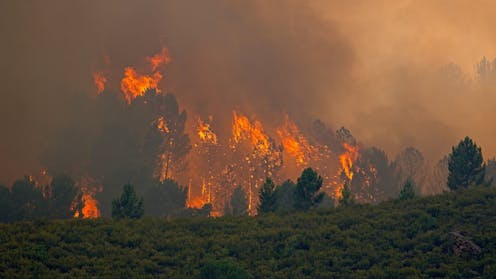
Incendio en El Bierzo, en agosto de 2025. Las quemas prescritas y controladas evitan el desarrollo de grandes incendios forestales.Nuria PhotoStock/Shutterstock
El fuego es un proceso natural que ha acompañado a los ecosistemas desde hace más de 400 millones de años, mucho antes de la aparición de los humanos. En regiones de clima mediterráneo –como el sur de Europa, California, Chile central, el suroeste de Australia y Sudáfrica– los incendios han sido un factor histórico clave en la configuración de la biodiversidad.
A pesar de la percepción social negativa de los incendios, estos no son fenómenos exclusivamente destructivos. Ver un paisaje ennegrecido es triste, pero no siempre necesariamente malo. En él puede estar desarrollándose una actividad biológica y geomorfológica intensa.
Desde siempre, los incendios han cumplido funciones ecológicas esenciales, como la regeneración de especies vegetales adaptadas al fuego y la creación de mosaicos paisajísticos que favorecen la biodiversidad de los ecosistemas.
Fuego durante una quema prescrita en el área de El Berrocal, cerca de Almadén de la Plata (Sevilla). Antonio Jordán/Flickr, CC BY
Características de los incendios en el Mediterráneo
En el Mediterráneo, el régimen de incendios, su frecuencia, intensidad, estacionalidad y extensión se determinan por la interacción de tres grandes factores.
En primer lugar, el clima. Los veranos secos y calurosos, característicos del clima mediterráneo, crean condiciones de alta inflamabilidad. Las olas de calor, la baja humedad y los vientos intensos son factores que favorecen la propagación rápida de los incendios. El cambio climático agrava esta situación, prolongando la temporada de riesgo, intensificando las sequías y aumentando la mortalidad vegetal.
Por otro lado, tenemos el combustible vegetal. La continuidad, cantidad y estructura de la vegetación son determinantes. El abandono del medio rural y la migración de la población a entornos urbanos desde mediados del siglo XX han reducido prácticas como la agricultura tradicional, el pastoreo y la gestión forestal, permitiendo la expansión de matorrales, bosques jóvenes (especialmente pinares) y plantaciones densas sin manejo. Estos paisajes continuos y homogéneos facilitan la propagación del fuego.
¿Qué condiciones favorecen los grandes incendios forestales?
Los grandes incendios forestales suelen ocurrir cuando coinciden condiciones meteorológicas extremas (ola de calor, sequía, viento), alta carga de combustible y fuentes de ignición. El “triángulo 30” (más de 30 ºC de temperatura, menos del 30 % de humedad atmosférica y vientos de al menos 30 km/h) está ampliamente aceptado como situación de riesgo de incendio forestal.
Los grandes incendios forestales no se producen por un único factor, sino por la coincidencia de varios elementos:
La ignición: las causas del inicio del fuego pueden ser de origen humano (accidentales o intencionadas) o natural (rayos). La frecuencia de igniciones determina en gran medida la intensidad del régimen de fuegos.
La vegetación continua e inflamable: la densidad y continuidad de la vegetación facilita la propagación del fuego. En el Mediterráneo, matorrales, pinares jóvenes o plantaciones densas y mal gestionadas son especialmente propensos a arder (ENLACE).
Sequía y calor: los veranos largos y secos del Mediterráneo aumentan la inflamabilidad del combustible vegetal. Las olas de calor intensificadas por el cambio climático aumentan la probabilidad de grandes incendios.
El abandono rural y los cambios de uso del suelo: el abandono de los cultivos, el pastoreo y la gestión forestal generan paisajes homogéneos y densos, donde el fuego se propaga con mayor facilidad. La vegetación que surge tras incendios recurrentes y prolongadas sequías tiende a ser menos densa y menos “forestal”, con cambios en la composición de especies, lo que podría transformar profundamente el paisaje mediterráneo. La acumulación de biomasa por la ausencia de incendios o la densificación de la vegetación aumenta el riesgo de incendios de gran intensidad.
Prevenir grandes incendios en el siglo XXI exige adaptar tanto el paisaje como las prácticas de manejo a las nuevas condiciones climáticas y sociales.
Entre las estrategias más relevantes destaca, en primer lugar, la necesidad de generar paisajes heterogéneos. Crear mosaicos de cultivos, pastos y masas forestales que interrumpan la continuidad del combustible contribuye a evitar los grandes incendios forestales.
Recuperar agricultura y el pastoreo extensivo, apoyar el consumo local con productos de cercanía para evitar el abandono rural y fomentar la presencia de herbívoros silvestres para reducir la cantidad de biomasa inflamable son medidas que evitan la acumulación de combustible.
Realizar un nuevo tipo de gestión forestal selectiva (implementando cortafuegos, quemas prescritas, aprovechamientos silvícolas y pastoreo controlado) es necesario para adaptarnos a las nuevas condiciones climáticas.
Y en segundo lugar, pero quizá lo más importante, debemos aprender a convivir con el fuego. Es necesario asumir que eliminar totalmente los incendios es imposible y contraproducente. Los pequeños incendios son inevitables y necesarios para mantener un régimen de fuego sostenible. Debemos comenzar a facilitar regímenes de incendios frecuentes pero de baja intensidad, en lugar de pocos incendios grandes y devastadores. Las quemas prescritas, aquellas controladas, de nuevo, son un gran aliado para este objetivo.
Bombero realizando una quema controlada en el área de El Berrocal, cerca de Almadén de la Plata (Sevilla) Antonio Jordán/Flickr, CC BY
Al mismo tiempo, es necesario profesionalizar a bomberos y gestores forestales, dotándolos de formación en ecología del fuego y planificación preventiva.
Las políticas de “tolerancia cero” contra los incendios forestales generan acumulación de combustible y grandes incendios forestales. Por el contrario, permitir la existencia de pequeños fuegos de baja intensidad reduce el riesgo de sufrir grandes incendios forestales en el futuro. La decisión de apagar todos los incendios nos lleva a lo que los investigadores llaman “paradoja de la extinción” o “sesgo de supresión”. En un artículo reciente, los investigadores concluyeron que el resultado de políticas de tolerancia cero ante los incendios ofrecen resultados similares a la prescripción excesiva de antibióticos: si eliminamos todos los incendios, lo que hacemos es eliminar los incendios menos intensos o severos, mientras que favoreceremos los más extremos y difíciles de controlar ya que estaremos creando mayores cargas de combustible.
Los bosques maduros y los humedales constituyen zonas de refugio para la biodiversidad. Para mantenerlos en las condiciones apropiadas, es necesario proteger áreas húmedas y microhábitats que pueden actuar como refugios climáticos y de biodiversidad y, del mismo modo, restaurar humedales y vegetación costera, que favorecen el ciclo hidrológico y moderan el clima local.
Aumentar la cobertura vegetal en zonas urbanas ayudaría a mitigar los eventos de temperaturas extremas.
Restaurar con especies más resistentes y resilentes
Durante décadas, se han llevado a cabo repoblaciones con especies no autóctonas pero que, como en el caso de los pinos, se hacía con la idea de “crear” rápidamente un horizonte de materia orgánica y obtener, en poco tiempo, una cierta masa forestal.
El uso de especies autóctonas a veces ofrece problemas en zonas quemadas. Es cierto que en una zona quemada donde había un encinar, por ejemplo, es difícil que crezcan encinas inmediatamente, ya que el suelo donde había un sistema maduro no es el mismo después de un incendio forestal, donde ha desaparecido gran parte de la materia orgánica, ha disminuido la fertilidad y ha aumentado el riesgo de erosión. Durante las últimas décadas, esto ha llevado con frecuencia a utilizar especies no autóctonas de crecimiento rápido (como pinos o eucaliptos) con el propósito de sustituir rápidamente un suelo dañado por un suelo fértil en poco tiempo. En ocasiones, incluso se promueven campañas de colaboración ciudadana en la siembra de árboles. Estas acciones llevan con demasiada frecuencia a problemas como la acumulación y continuidad de combustible o la degradación del suelo. Se ha comprobado que, en el contexto del nuevo clima, la reforestación mediante plantaciones extensas, densas, de edad uniforme y de una sola especie —como coníferas o eucaliptos— ya ha favorecido la aparición de grandes incendios forestales. Además, las zonas quemadas tienen más probabilidades de volver a incendiarse cuando la gestión posterior al fuego incluye una reforestación extensiva en lugar de permitir la regeneración natural.
Pero no podemos pretender tener un bosque nuevo en pocos años. Quizás haya llegado el momento de pensar que el matorral y la flora de las primeras etapas de la sucesión vegetal sean más adecuadas o, cuando sea posible, simplemente dejar que la regeneración natural actúe. El proceso es más lento, pero más estable y duradero. Así que, entre las medidas de restauración con estos nuevos enfoques, se propone:
Seleccionar, en reforestaciones y restauraciones, especies mejor adaptadas a sequías e incendios, priorizando criterios de resiliencia futura sobre modelos del pasado.
Fomentar la regeneración natural en bosques quemados, respetando los árboles muertos que sirven como refugio para muchas especies silvestres y ayudan en la protección del suelo.
Disminuir el uso de combustibles fósiles y minimizar las emisiones de gases de efecto invernadero contribuye a mitigar los efectos del calentamiento global y la frecuencia de eventos extremos.
Antonio Jordán López no recibe salario, ni ejerce labores de consultoría, ni posee acciones, ni recibe financiación de ninguna compañía u organización que pueda obtener beneficio de este artículo, y ha declarado carecer de vínculos relevantes más allá del cargo académico citado.
Source: The Conversation – (in Spanish) – By Nora Guasch Capella, Investigadora Predoctoral en Biología Psiquiátrica, Institut d’Investigacions Biomèdiques August Pi Sunyer – Hospital Clínic Barcelona / IDIBAPS
Todos sabemos que las guerras tienen consecuencias devastadoras: ciudades destruidas, economías colapsadas, familias separadas… pero hay un efecto menos visible que puede alcanzar incluso a quienes no vivieron el conflicto directamente: los trastornos mentales.
¿Pueden los efectos de una guerra viajar más allá del tiempo y marcar a quienes aún no han nacido? La ciencia dice que sí.
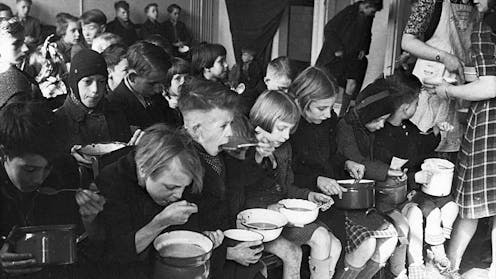
Durante los grandes conflictos del siglo XX, como la Segunda Guerra Mundial o la Revolución china, millones de personas vivieron en condiciones de pobreza extrema y escasez alimentaria. Esta situación provocó desnutrición severa en la población, pero también afectó a quienes la sufrieron indirectamente: los bebés en gestación.
Dos de los casos más documentados, el Invierno del Hambre en Holanda (1944-1945) y la Gran Hambruna China (1959-1961), muestran cómo la escasez de alimentos durante el embarazo afectó a los fetos en gestación. Décadas después, estudios revelaron que estos tenían mayor riesgo de desarrollar esquizofrenia, depresión o trastorno bipolar.
El cuerpo de la madre es como un ‘canal de noticias’
Para entender cómo el hambre prenatal puede dejar marcas tan profundas, imaginemos que el cuerpo de la madre es como un “canal de noticias” para el feto. Todo lo que ocurre afuera –lo que la madre come, cómo se siente, etc.– se traduce en mensajes químicos que informan al bebé sobre el entorno donde crecerá.
Si las señales indican tranquilidad y abundancia, el feto crece en un ambiente seguro. Pero si señalan hambre o estrés, el mensaje es claro: “El mundo afuera es hostil y los recursos son limitados”. En respuesta, el cuerpo del bebé se adapta ajustando su metabolismo o reduciendo el crecimiento de ciertos órganos, con el objetivo de sobrevivir y ahorrar energía.
Tales adaptaciones pueden ser útiles a corto plazo si el niño nace en un ambiente de carencias. En cambio, si luego vive en un entorno con abundancia, ese cuerpo “programado para la escasez” puede desarrollar problemas como diabetes tipo II, obesidad o hipertensión.
Estas mismas señales también afectan al cerebro. Durante el embarazo, las conexiones neuronales se forman según el entorno. Si es hostil, el cerebro se adapta para sobrevivir, pero eso puede aumentar el riesgo de trastornos mentales en el futuro. Curiosamente, muchas personas con esquizofrenia también desarrollan diabetes tipo II. ¿Casualidad? Parece que no.
Para desarrollar un trastorno mental como la esquizofrenia no basta con tener una predisposición genética, también hace falta un “detonante” ambiental. Y uno de los más potentes es el estrés extremo o la falta de nutrientes durante el embarazo.
Durante esta etapa crítica, el cerebro del feto se está formando a toda velocidad. Si faltan nutrientes esenciales como ácido fólico o ciertos aminoácidos, se ve comprometido el desarrollo de estructuras clave como el hipocampo (implicado en la memoria) o la corteza prefrontal (clave para tomar decisiones y percibir la realidad). Pero no se queda aquí: también se altera la química cerebral.
Uno de los sistemas más sensibles a estas alteraciones es el de la dopamina, un mensajero químico que regula funciones como la motivación, la atención o la percepción. En condiciones normales, la dopamina actúa como un “director de orquesta”, coordinando la actividad de distintas áreas del cerebro. Pero si este sistema se desajusta por experiencias adversas durante la gestación, puede acabar sobrerreaccionando. El resultado: un cerebro que interpreta mal la realidad y que puede producir síntomas como alucinaciones o delirios.
La huella epigenética
Más allá de la genética, lo que realmente cambia en estos casos no es el ADN en sí, sino cómo se usa. Y ahí es donde entra en juego la epigenética.
La epigenética no implica modificar la secuencia del ADN –eso sería una mutación–, sino ajustar el encendido o apagado de ciertos genes. Es como si el ADN fuera un manual de instrucciones, y el ambiente decidiera qué páginas hay que leer. El hambre, el estrés o la falta de nutrientes durante el embarazo funcionan como interruptores, activando o silenciando genes según qué percibe el cuerpo como prioritario.
Lo fascinante es que estas modificaciones epigenéticas no cambian el contenido del ADN, pero sí su funcionamiento. Una de las más estudiadas es la metilación del ADN, una especie de “post-it químico” que marca qué genes deben mantenerse apagados. Estas marcas pueden crearse en respuesta al entorno, pueden permanecer estables durante años y, afortunadamente, podemos medirlas. Al analizar muestras biológicas, los científicos pueden identificar estas señales moleculares y relacionarlas con riesgos futuros de salud.
Eventos que pasan factura
¿Qué pasa cuando una embarazada vive una situación de crisis? No hace falta imaginar una guerra: los efectos del estrés también se cuelan en contextos aparentemente seguros. En países desarrollados, muchas mujeres enfrentan dificultades para acceder a alimentos nutritivos o a una vivienda estable. Incluso fenómenos como un apagón prolongado –como el vivido en España el pasado 28 de abril, con más de 12 horas sin electricidad en algunas zonas– pueden generar ansiedad, inseguridad y afectar la salud de quienes están en etapas vulnerables, como el embarazo.
Este tipo de experiencias no solo dejan una huella momentánea. La ciencia ha demostrado que el estrés durante la gestación puede alterar el desarrollo del cerebro del bebé, aumentando el riesgo de problemas metabólicos y de salud mental a lo largo de su vida.
Por eso, entender cómo el entorno influye desde el inicio nos permite ampliar la mirada sobre la salud mental. No hablamos solo de decisiones individuales o genética, sino también de derechos, políticas públicas y justicia social. Proteger a las embarazadas garantiza cuerpos sanos, sí, pero también proteger mentes. Porque el impacto del hambre o el estrés no se queda en el presente: puede transmitirse, silencioso, a las generaciones futuras.
Este artículo fue finalista del Premio Luis Felipe Torrente de Divulgación sobre Medicina y Salud, organizado por la Fundación Lilly y The Conversation
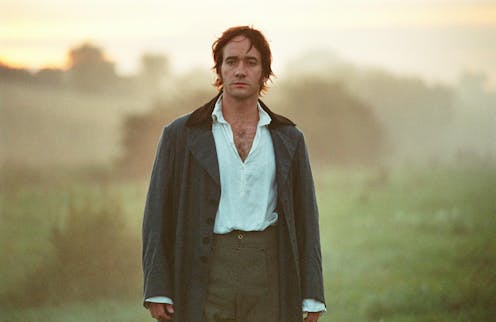
Matthew Macfadyen en la adaptación de ‘Orgullo y prejuicio’ de 2005.FilmAffinity
Imaginen la escena: Matthew Macfadyen, a cargo del personaje del señor Darcy, cruzando la niebla en la versión de Joe Wright de Orgullo y Prejuicio (2005). El abrigo ondea al ritmo de sus pasos y la voz le tiembla cuando pronuncia una confesión frente a Keira Knightley –quien interpreta a Elizabeth Bennet– que suena a todo menos ensayada.
El señor Darcy y su ondeante abrigo diciendo ‘has hechizado mi cuerpo y mi alma’.
Esa secuencia –inexistente en la novela original de Jane Austen– ha quedado grabada en la memoria de las espectadoras como un momento cumbre del romanticismo cinematográfico. ¿Qué tiene entonces este personaje que, a casi dos siglos de su creación, sigue siendo un arquetipo romántico vigente? Tal vez la promesa –potenciada por la cámara, la música y el montaje– de un hombre que combina poder, misterio y ternura.
Pero el Darcy de Jane Austen (1775-1817) pertenecía a la Inglaterra de la Regencia (1811-1820), un mundo de herencias, escalafones y matrimonios como estrategia social. Era orgulloso, reservado y con prejuicios de clase, más cercano a un terrateniente preocupado por su patrimonio que al héroe apasionado que nos vende el cine.
En las adaptaciones, con la camisa mojada de Colin Firth en la miniserie de la BBC en 1995 o las miradas contenidas de Macfadyen, se han ido suavizando sus aristas, erotizando su presencia y dotándolo de una vulnerabilidad muy contemporánea. Así, un personaje complejo ha sido convertido en el mito romántico que seguimos persiguiendo.
La Inglaterra del privilegio y la etiqueta
Para entender al Sr. Darcy, hay que situarlo en un mundo marcado por la ostentación de la aristocracia terrateniente y una jerarquía social férrea, donde la movilidad entre clases era mínima y el matrimonio funcionaba tanto como alianza económica como vía para preservar o mejorar el estatus familiar.
En este contexto, el “caballero” no era solo un título social, sino un papel que implicaba privilegios materiales y un código de conducta inflexible: cortesía en público, discreción en los asuntos íntimos y un profundo respeto –y defensa– de la estructura social.
Fitzwilliam Darcy encarna a la perfección ese modelo: un heredero acomodado, educado para administrar propiedades, mantener un apellido intachable y protegerse de cualquier vínculo que pudiera considerarse una “alianza desigual”. No es un rebelde romántico, sino un hombre que aprende, con dificultad, a dejar que la afectividad dialogue con el deber.
En Orgullo y Prejuicio, Darcy se presenta desde el inicio como alguien arrogante, distante y poco dado a la amabilidad superficial. No busca agradar ni cortejar; más bien parece evitar cualquier contacto que no considere necesario. Sin embargo, Austen no lo convierte en un villano, sino en un personaje en evolución. Su transformación no le lleva a ser un “príncipe azul” perfecto, sino un hombre que, tras enfrentarse a sus prejuicios y reconocer sus errores, cede parte de su orgullo en favor de la honestidad y el afecto.
La autora lo dibuja como un personaje reservado, incluso incómodo en situaciones sociales, con una torpeza emocional que puede sorprender a quienes solo lo conozcan a través de ciertas representaciones cinematográficas que lo hayan idealizado como un seductor. Sin embargo, adaptaciones como la mencionada de 2005 reflejan con fidelidad esa incomodidad y esa reserva, acercándose mucho más al Darcy literario.
En su contexto histórico, la decisión de proponer matrimonio a Elizabeth Bennet –una mujer de clase social inferior, sin gran fortuna ni conexiones ventajosas– implicaba desafiar abiertamente las expectativas de su posición. Ese gesto, más que las escenas de niebla o camisas mojadas, es lo que hace que el Darcy literario conserve su poder de fascinación doscientos años después.
El Darcy de Colin Firth en la miniserie de la BBC se bañaba en camisa y después, con esa falta de decoro, se topaba con Lizzie Bennet.
De la Regencia a los galanes de hoy
El Darcy cinematográfico ha calado hondo porque encaja con arquetipos románticos actuales: el hombre inaccesible que, gracias al amor, se transforma; aquel que combina seguridad económica con ternura emocional, misterio con entrega. Es un modelo que promete estabilidad y pasión al mismo tiempo, una combinación que sigue fascinando y generando deseo.
La popularidad de series y adaptaciones recientes, o reinterpretaciones modernas de Austen, demuestran cómo la estética de la Regencia –o de sus fantasías– sigue siendo un marco fértil para recrear ideales románticos. En estas versiones, el glamour, los vestidos, los bailes y las intrigas se mezclan con figuras masculinas poderosas pero vulnerables, reforzando la idea de un “amor que transforma” en escenarios históricos cuidadosamente estilizados.
Anthony Bridgerton (protagonista de la segunda temporada de Los Bridgerton) es el heredero perfecto de este molde: serio, controlador y devoto de sus responsabilidades familiares, pero finalmente dispuesto a dejarse arrastrar por la pasión. Lo mismo ocurre con Simon Basset, duque de Hastings en la primera temporada de la serie, cuya mezcla de orgullo, trauma personal y vulnerabilidad lo convirtió en el nuevo suspiro colectivo.
Regé-Jean Page como Simon Basset (izq.) y Jonathan Bailey como Anthony Bridgerton (dcha.) son dos nuevas ‘versiones’ del siempre omnipresente señor Darcy. Liam Daniel y Nick Briggs/Netflix
También encontramos ecos de Darcy en el Sr. Knightley de la adaptación de Emma de 2020, más paternal y menos orgulloso que el Darcy de Orgullo y Prejuicio, pero igualmente inscrito en la lógica del “hombre que cambia por amor”. Incluso en traslaciones de Austen más libres, como la última versión de Persuasión, se repite la tensión entre orgullo y afecto, distancia y atracción con el capitán Wentworth.
Sin embargo, la idealización tiene sus riesgos. En la vida real, alguien tan orgulloso y distante probablemente resultaría difícil de tratar, incluso frustrante. Parte del encanto de Darcy reside en la ficción: la fantasía de que la inteligencia, la perseverancia y el carácter pueden superar barreras sociales y emocionales, que el afecto puede suavizar los orgullos y derribar los prejuicios.
La romantización de la Regencia en pantalla no solo embellece la historia, sino que refuerza nuestra atracción por estos personajes como símbolos de deseo, poder y ternura, un ideal cuidadosamente construido que sigue inspirando fantasías románticas modernas.
¿Quiere recibir más artículos como este?Suscríbase a Suplemento Cultural y reciba la actualidad cultural y una selección de los mejores artículos de historia, literatura, cine, arte o música, seleccionados por nuestra editora de Cultura Claudia Lorenzo.
Austen, más vigente que nunca
Jane Austen nunca escribió sobre el amor como una fuerza irracional: en sus novelas, el afecto se equilibra con la razón, los valores y la compatibilidad. El Sr. Darcy seduce porque encarna una doble promesa: por un lado, el amor romántico que impulsa a ambos protagonistas a crecer y superar sus prejuicios; por otro, la fantasía de que incluso el más orgulloso puede ceder ante un buen argumento… y una buena dosis de ironía.
Tal vez no nos enamoraríamos de él en la vida real. Pero en la literatura y el cine, Darcy sigue siendo irresistible. Entre novelas, adaptaciones y reinterpretaciones modernas, su figura nos recuerda que los ideales románticos no mueren: se transforman, se amplifican y continúan fascinándonos, siglo tras siglo.
Lara López Millán no recibe salario, ni ejerce labores de consultoría, ni posee acciones, ni recibe financiación de ninguna compañía u organización que pueda obtener beneficio de este artículo, y ha declarado carecer de vínculos relevantes más allá del cargo académico citado.