New federal loan limits will worsen America’s nursing shortage and leave patients waiting longer for care

Source: The Conversation – USA (3) – By Kymberlee Montgomery, Senior Associate Dean of Nursing, Drexel University
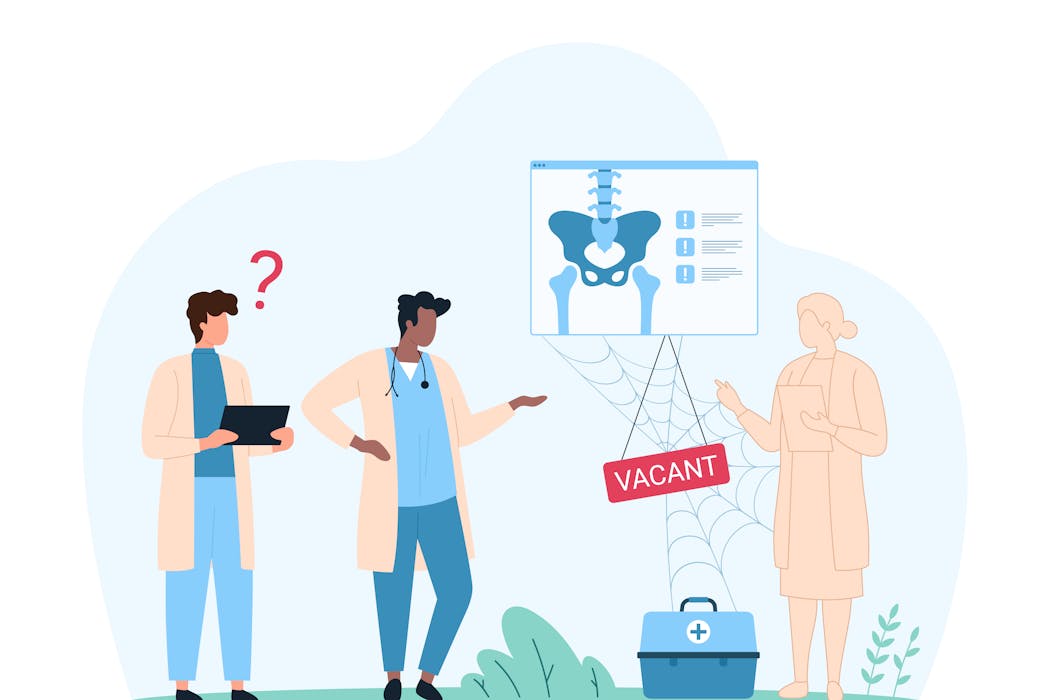
There aren’t enough people training to become nurses to meet the rising demands for nurse practitioners and registered nurses. Iconic Prototype/iStock/Getty Images Plus

There is growing need for nurses in the United States – but not enough nurses currently working, or students training to become nurses, to promptly see all of the patients who need medical care.

Tens of thousands of nurses have left practice since the pandemic, and many more plan to leave within a few years, according to the 2024 National Nursing Workforce Survey, which reviews the number of registered nurses working in the U.S.

Meanwhile, the U.S. Bureau of Labor Statistics projects that there will be an average of 189,100 openings for registered nurses each year through 2032. In addition, there will be a need for approximately 128,400 new nurse practitioners by 2034 – making it the fastest-growing occupation in the country.

The tax and spending package signed into law in July 2025 will take effect on July 1, 2026. Among other things, it will likely make it even harder for people to take out loans and help pay for a graduate nursing degree.

We are nurses and professors who oversee large nursing programs at universities. We believe that new restrictions on how nursing students can take out federal loans to pay for their education are likely to prevent people from pursuing advanced nursing roles.

These new regulations will cause the shortage of practicing nurses to intensify – in turn, worsening the quality of care patients receive.

Clinics may offer fewer appointments, hospitals may be forced to reduce services, and nursing programs may have to accept fewer students. As a result, some patients will wait longer, travel farther, or not see nurses altogether.

Three young women wearing teal scrubs stand around a dummy of an older woman lying in a hospital bed.
Nursing students work in a simulation lab at the Florida A&M University Campus School of Nursing in Tallahassee in April 2023.
Glenn Beil/Florida A&M University via Getty Images

Paying for nursing education

Someone can become a registered nurse with an associate or bachelor’s degree. But a graduate-level degree is needed for other nursing roles – including nurse practitioners, nurse anesthetists and nurse midwives.

Nursing school costs vary greatly, depending on which degree students are seeking and whether they attend a public or private school. Roughly three-quarters of graduate nursing students rely on student loans and graduate with debt to pay for programs that can range from US$30,000 to $120,000 or more.

We have found that nursing students, unlike medical students, often work while enrolled in their programs, stretching their education over longer periods and accumulating additional costs.

The tax and spending law eliminates several federal grants and loan repayment programs for nurses and aspiring nurse educators – faculty members who teach nursing students in colleges and universities.

The law also sharply restricts how much money graduate nursing students can borrow through federal student loans.

Approximately 59% of 1,550 nurses surveyed in December 2025 said that they are now less likely to pursue a graduate degree with the new borrowing limit changes.

A fractured system

Nurse practitioners provide the majority of primary care in the U.S. – particularly in rural areas and communities with few physicians.

In addition, certified registered nurse anesthetists administer anesthesia for surgeries and procedures in many areas. Meanwhile, certified nurse-midwives deliver babies and provide prenatal and postpartum care, especially in areas where there are few obstetricians.

Long waits for new patient appointments are now common across the country, with national surveys showing that patients often wait weeks to months before they receive medical care.

About a decade ago, new patients could often book appointments within days to a few weeks; but today, there are fewer available medical appointments and medical professionals to treat them. This is particularly true for many medical practices serving women, older adults and rural communities.

One of us – Dr. Montgomery – is a women’s health nurse practitioner who routinely sees patients wait months for new appointments in the mid-Atlantic. These delays translate into postponed cancer screenings, delayed medication management and untreated chronic conditions.

Research consistently shows that nursing shortages are associated with worse patient outcomes, including higher mortality and delayed treatment.

Nursing left off the professional degree list

Under the new law, the Department of Education created a classification system that distinguishes professional from nonprofessional graduate degrees. Nursing is now considered a nonprofessional degree.

As a result, graduate nursing students will soon face lower borrowing limits than they currently do.

Previously, there was no need to label nursing as professional or not, because federal student loan borrowing was not capped in a way that required this distinction.

Now, students in professional graduate programs, such as medicine and law, may borrow up to $50,000 per year in federal loans and $200,000 in total.

Graduate nursing students, by contrast, will soon face a federal student loan cap of $20,500 per year and $100,000 total over the course of their education – a significant reduction from prior borrowing options.

The new law also eliminates the Direct PLUS Loan program. This separate, federal student loan program allows students to borrow up to the full cost of attendance of graduate nursing school after they reached annual loan limits on traditional federal loans.

More than 140 members of Congress from both political parties urged the Department of Education in December 2025 to reverse course and classify nursing as a professional degree.

The faculty bottleneck

Graduate loan limits will worsen another critical problem – the shortage of nursing faculty.

There are currently 1,693 full-time vacancies for nursing faculty positions, according to a survey in 2024 by the American Association of Colleges of Nursing. Of those open positions, 84% require or prefer a doctoral degree.

Universities cannot admit nursing students if there are not enough faculty to teach them.

Nursing programs in the U.S. turned away more than 80,000 qualified applicants to baccalaureate and graduate nursing programs in 2023, in part because they did not have enough faculty.

Better solutions exist

There are policy changes that could prevent this domino effect.

Policymakers could classify nursing as a professional degree for loan purposes, aligning borrowing limits with the documented costs of accredited programs.

Congress and individual states could expand scholarships and loan-repayment programs for nurses who teach or serve in rural and underserved communities.

Universities and governments could work together to share nurse training costs.

Graduate nursing education is not a luxury. It is a cornerstone of the country’s health care system.

Helping nurses afford an education is not just about nurses – it is about patients, communities and the future of medical care in the U.S.

The Conversation

Mary Ellen Smith Glasgow is an AACN Board Member. The views, analyses, and conclusions expressed in this article are those of the authors and do not necessarily reflect the official policy or positions of the American Association of Colleges of Nursing.

Kymberlee Montgomery does not work for, consult, own shares in or receive funding from any company or organization that would benefit from this article, and has disclosed no relevant affiliations beyond their academic appointment.

ref. New federal loan limits will worsen America’s nursing shortage and leave patients waiting longer for care – https://theconversation.com/new-federal-loan-limits-will-worsen-americas-nursing-shortage-and-leave-patients-waiting-longer-for-care-271807

Viral outbreaks are always on the horizon – here are the viruses an infectious disease expert is watching in 2026

Source: The Conversation – USA (3) – By Patrick Jackson, Assistant Professor of Infectious Diseases, University of Virginia

Viruses know no borders. mammuth/iStock via Getty Images Plus

A new year might mean new viral threats.

Old viruses are constantly evolving. A warming and increasingly populated planet puts humans in contact with more and different viruses. And increased mobility means that viruses can rapidly travel across the globe along with their human hosts.

As an infectious diseases physician and researcher, I’ll be keeping an eye on a few viruses in 2026 that could be poised to cause infections in unexpected places or in unexpected numbers.

Influenza A – on the cusp of a pandemic

Influenza A is a perennial threat. The virus infects a wide range of animals and has the ability to mutate rapidly. The most recent influenza pandemic – caused by the H1N1 subtype of influenza in 2009 – killed over 280,000 people worldwide in its first year, and the virus continues to circulate today. This virus was often called swine flu because it originated in pigs in Mexico before circulating around the world.

Most recently, scientists have been monitoring the highly-pathogenic avian influenza H5N1 subtype, or bird flu. This virus was first found in humans in southern China in 1997; wild birds helped spread the virus around the world. In 2024, the virus was found for the first time in dairy cattle in the U.S. and subsequently became established in herds in several states.

Cow standing in a pen, looking into camera
Avian flu has spread across dairy herds in the U.S.
USDA Agricultural Research Service via AP

The crossover of the virus from birds to mammals created major concern that it could become adapted to humans. Studies suggest there have already been many cow-to-human transmissions.

In 2026, scientists will continue to look for any evidence that H5N1 has changed enough to be transmitted from human to human – a necessary step for the start of a new influenza pandemic. The influenza vaccines currently on the market probably don’t offer protection from H5N1, but scientists are working to create vaccines that would be effective against the virus.

Mpox – worldwide and liable to worsen

Mpox virus, formerly called monkeypox virus, was first discovered in the 1950s. For many decades, it was seen rarely, primarily in sub-Saharan Africa. Contrary to its original name, the virus mostly infects rodents and occasionally crossed over into humans.

Mpox is closely related to smallpox, and infection results in a fever and painful rash that can last for weeks. There are several varieties of mpox, including a generally more severe clade I and a milder clade II. A vaccine for mpox is available, but there are no effective treatments.

Microscopy image of clusters of teal circles
Mpox has spread around the world.
NIAID/Wikimedia Commons, CC BY-SA

In 2022, a global outbreak of clade II mpox spread to more than 100 countries that had never seen the virus before. This outbreak was driven by human-to-human transmission of the virus through close contact, often via sex.

While the number of mpox cases has significantly declined since the 2022 outbreak, clade II mpox has become established around the world. Several countries in central Africa have also reported an increase in clade I mpox cases since 2024. Since August 2025, four clade I mpox cases have occurred in the U.S., including in people who did not travel to Africa.

It is unclear how mpox outbreaks in the U.S. and abroad will continue to evolve in 2026.

Oropouche virus – insect-borne and poised to spread

Oropouche virus was first identified in the 1950s on the island of Trinidad off the coast of South America. The virus is carried by mosquitoes and small biting midges, also known as no-see-ums.

Most people with the virus experience fever, headache and muscle aches. The illness usually lasts just a few days, but some patients have weakness that can persist for weeks. The illness can also recur after someone has initially recovered.

Close-up of small winged bug on human skin
Biting midges – which carry Oropouche virus – are hard to see, as their alias ‘no-seem-ums’ implies.
CSIRO via Wikimedia Commons, CC BY-SA

There are many unanswered questions about the Oropouche virus and the disease it causes, and there are no specific treatments or vaccines. For decades, infections in people were thought to occur only in the Amazon region. However, beginning in the early 2000s, cases began to show up in a larger area of South America, Central America and the Caribbean. Cases in the United States are usually among travelers returning from abroad.

In 2026, Oropouche outbreaks will likely continue to affect travelers in the Americas. The biting midge that carries Oropouche virus is found throughout North and South America, including the southeastern United States. The range of the virus could continue to expand.

Even more viral threats

A number of other viruses pose a risk in 2026.

Continuing global outbreaks of chikungunya virus may affect travelers, some of whom may want to consider getting vaccinated for this disease.

Measles cases continue to rise in the U.S. and globally against the backdrop of decreasing vaccination rates.

HIV is poised for a resurgence, despite the availability of effective treatments, due to disruptions in international aid.

Person standing in room, holding pills in hand
Despite the availability of effective treatments, diseases like HIV and measles are seeing resurgences.
Brian Inganga/AP Photo

And as-yet-undiscovered viruses can always emerge in the future as humans disrupt ecosystems and travel around the world.

Around the world, people, animals and the wider environment are dependent on each other. Vigilance for known and emerging viral threats and the development of new vaccines and treatments can help keep everyone safe.

The Conversation

Patrick Jackson has received funding from the National Institutes of Health, Pfizer, Clarametyx, First Light Diagnostics, and Moleculin Biotech. He is affiliated with Indivisible Charlottesville.

ref. Viral outbreaks are always on the horizon – here are the viruses an infectious disease expert is watching in 2026 – https://theconversation.com/viral-outbreaks-are-always-on-the-horizon-here-are-the-viruses-an-infectious-disease-expert-is-watching-in-2026-271279

Wearing a weighted vest can promote bone health and weight loss, but it’s not a cure-all

Source: The Conversation – USA (3) – By Kristen Marie Beavers, Research Professor of Health and Exercise Science, Wake Forest University

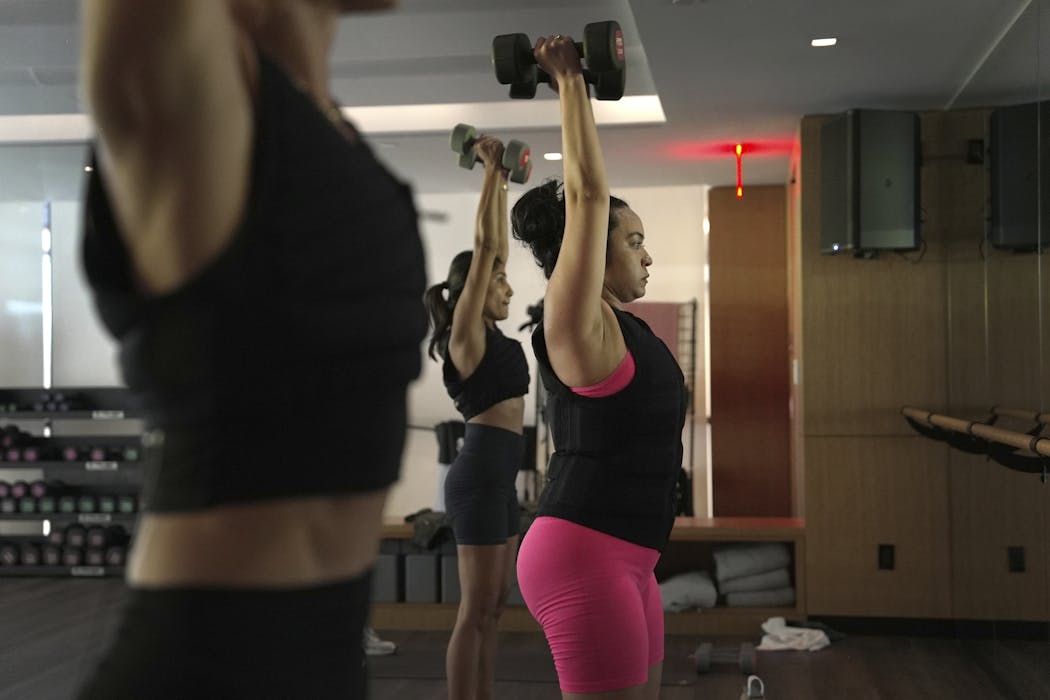
Jannelliz Barragan, center, wears a weighted vest during a workout class in New York on Aug. 13, 2025 AP Photo/Shelby Lum

Health and fitness trends come and go, and many fads don’t deliver on their promises – remember vibrating belts or sauna suits? Today, weighted vests, made from sturdy fabrics like nylon and filled with iron sand or small weights, are gaining widespread use. Here’s what to know about them:

Weighted vests have been around for centuries, but they have recently surged in popularity in response to a broader shift in thinking about exercise. No longer confined to the gym, physical activity is increasingly about maximizing health benefits of the movements people already do — things like walking, climbing stairs or cleaning their homes.

Weighted vests fit squarely into this philosophy. They offer a simple, manageable way to add resistance to everyday activities. And they don’t require additional time, complex equipment or major changes to established routines.

I study health and exercise science and have analyzed the effects of exercising with weighted vests. In my view, they represent a low-tech, high-impact opportunity to sneak resistance training into everyday activities. Research has shown that adding weight can help with building muscle and bone, as well as losing weight and keeping it off.

As with any tool, however, the results depends on how you use it.

Weighted vests can improve muscle strength, which helps protect against falls, and make your heart work harder. But they need to be worn properly to be effective and avoid injuries.

The physiology behind the practice

The human body has great capacity to adapt to environmental stress. Weighted vests add mechanical stress, or load, to the body, requiring muscles and bones to withstand more force than usual.

Many parts of the body respond to this challenge. The brain learns to “recruit,” or activate, muscle fibers more effectively. This can help prevent injury and increase strength and performance.

Reacting to greater stress can improve muscle power and agility, which are vital for preventing injuries. Carrying a heavier load also makes your heart work harder, which improves cardiac health.

Finally, people need strong balance and proprioception, or body awareness, to protect joints and avoid falls and fractures, especially as they age. Evidence suggests that weighted vests can improve these capabilities.

Chart showing 52 million Americans reporting falls in 2018, rising to a projected 73 million by 2030.
Over 10,000 people in the U.S. turn 65 every day, and the number of falls and fall injuries will increase as the population of older adults grows. Medical care costs for falls are about US$50 billion yearly.
CDC

Several lines of research – especially in aging, obesity and mobility science – have found that weighted vests provide meaningful benefits. They include:

  • Improved muscle function: In one study from 2002, older people who wore a vest during a 12-week stair-climbing exercise program showed greater muscle power and performance in their legs.

  • Potential for bone health benefits: A 1993 study showed that bone density modestly increased in older women wearing a weighted vest during a weekly low-level exercise class. A 2003 study in which subjects wore weighted vests during 32 weeks of walking and strength training found significant improvement in hip bone density.

  • Metabolic improvements: In a 2025 study, my research group found that older adults who wore weighted vests for 10 hours per day while dieting ended up regaining less weight in the following year than older adults who dieted without wearing a weighted vest. These findings seem to be driven by metabolic improvements associated with weighted vest use.

Mixed benefits for bone health

Weighted vests are not a panacea, and there are limits to what wearing one can accomplish. My research, including a recently completed randomized clinical trial called INVEST in Bone Health, has sought to answer whether weighted vests can protect bone health during weight loss in older adults.

As we lose weight, we also tend to lose bone – a particular concern for older adults whose bones are already more fragile. Bone loss can increase the risk of fractures, threatening independence, mobility and overall quality of life.

In the INVEST in Bone Health study, we enrolled 150 older adults with obesity whose average age was 66. Of the group, 75% were women. We assigned them to three groups for a 12-month weight loss program that included meal replacement products and behavioral counseling.

The first group focused on weight loss alone. The second group engaged in the same weight loss program and also wore adjustable weighted vests for eight hours a day, with weight added to match the weight they lost, so that their bodies carried a constant load. The third group took part in weight loss activities and in supervised exercise using weight training machines.

After 12 months, we found that all participants had lost about 10% of their body weight, which was a positive outcome. However, they also had experienced significant declines in hip bone density, ranging between 1.2% and 1.9%. Wearing a weighted vest did not prevent bone loss at the hip compared with weight loss alone. Neither did resistance training.

Both the weighted-vest and resistance-training groups did show increased markers of bone formation compared with weight loss alone. In other words, weighted vest use and resistance exercise showed some evidence of bone growth, which may translate into skeletal benefits over time.

In addition, we recently presented findings at a national aging conference suggesting that weighted vests are more likely to benefit bone health in women than in men, which may be due to sex differences in bone sensitivity. We also found evidence that standing more while wearing the vests positively influences bone health. These findings reflect a growing understanding that weighted vests work more effectively in some people and situations than others.

Getting started

In adopting any new weight-bearing activity, it’s important to “start low and go slow” to avoid injury. Consult with your doctor, especially if you are new to exercise.

For continuous gains, you will need to progressively increase the amount of exercise that you do. In our clinical trials, we add a weight equal to one-eighth of an ounce for every eighth of an ounce a participant loses, to keep the muscles and bones under a consistent load.

Weighted vests are not one-size-fits-all, despite what the tag may say. Vests should not interfere with posture, breathing or your stride. Red flags include hunching, a clipped walking stride and, most importantly, low back pain or hyperextension.

Above all, listen to your body. If you start experiencing pain while wearing a weighted vest, take it off and consider seeing a clinician or physical therapist for guidance.

The Conversation

Kristen Marie Beavers receives funding from the NIH and serves in an advisory capacity for Novo Nordisk, Haleon, and Radius Health.

ref. Wearing a weighted vest can promote bone health and weight loss, but it’s not a cure-all – https://theconversation.com/wearing-a-weighted-vest-can-promote-bone-health-and-weight-loss-but-its-not-a-cure-all-270646

How tourism, a booming wellness culture and social media are transforming the age-old Japanese tea ceremony

Source: The Conversation – USA (3) – By Małgorzata (Gosia) K. Citko-DuPlantis, Assistant Professor in Japanese Literature and Culture, University of Tennessee

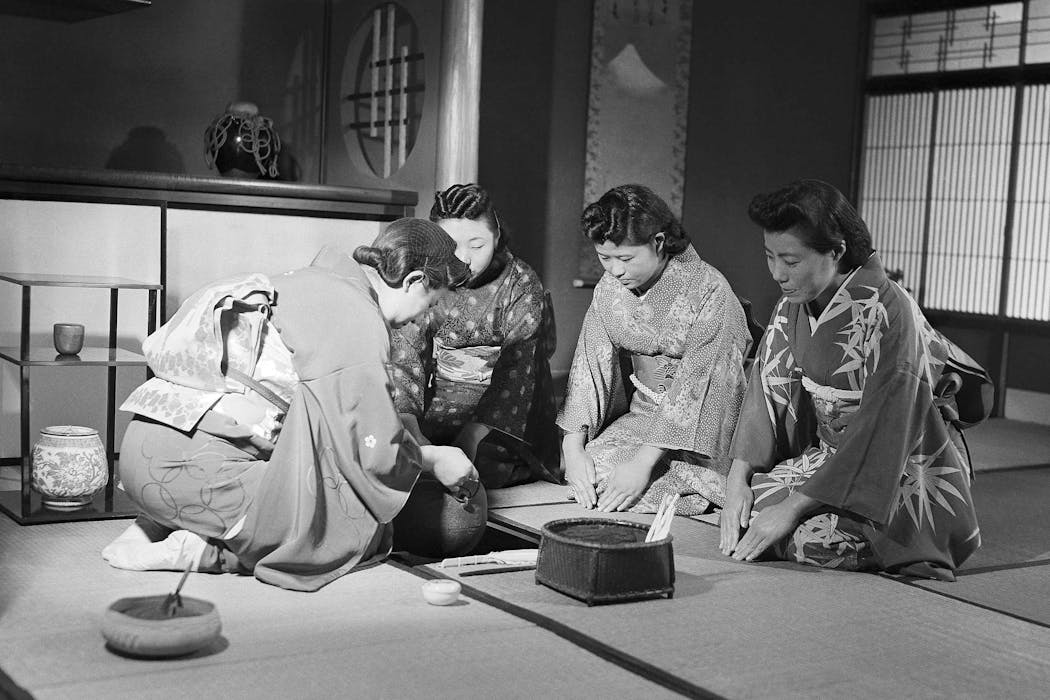
A traditional Japanese tea ceremony in Japan on Dec. 18, 1947. AP Photo

One of Japan’s most recognizable cultural practices – the Japanese tea ceremony, known as chanoyu, or chadō – is being reshaped by tourism, wellness culture and social media.

Matcha, the Japanese powdered green tea that is used during the ceremony, has entered the global marketplace. Influencers post highly curated tearoom photos, wellness brands market matcha as a “superfood,” and cafés worldwide present whisked green tea as a symbol of mindful living.

The Japanese tea ceremony is deeply rooted in the ideals of Zen Buddhism, but the current matcha hype has little to do with the tea ceremony. Green tea has become part of the on-the-go coffee culture. On social media, a centuries-old spiritual practice is compressed into a 15-second reel.

As a scholar of premodern Japanese literature and culture, I know that this commercialization is not without tension. The reflective values of the Japanese tea ceremony trace their origins to a monastic routine.

History of the Japanese tea

Tea arrived in Japan from China in the eighth century. Emperor Shōmu served powdered tea, an ancestor to what we today know as matcha, to Buddhist monks in 729 C.E.

Around the end of the 12th century, the practice of serving tea became more widespread after the Zen monk Eisai returned from China with matcha tea seeds from the plant that was to become the source of much of the tea grown in Japan today. He also brought with him the knowledge of how tea rituals were practiced in Chinese Buddhist temples.

Wild tea grew in Japan, but the tea grown from Eisai’s seeds became known as “honcha” or true tea. Matcha soon spread through Zen monasteries, where it was believed to generate greater enlightenment than long hours of meditation.

As Zen Buddhism gained influence among the warrior class in the 13th century, monks carried tea culture beyond temple walls. In 1483, Ashikaga Yoshimasa – Japan’s military ruler, or shogun, who was also a patron of the arts, constructed one of the earliest tearooms. The tearoom was inside his villa in Kyoto, later known as the Temple of the Silver Pavilion or Ginkakuji. There, the tea ceremony was both a contemplative act and an occasion to display Chinese calligraphy, paintings and ceramics.

What matters is the moment

The most transformative figure in the history of the Japanese tea ceremony was a 16th-century tea master, Sen no Rikyū. Rejecting ostentation, he favored locally made utensils, rough ceramics, and small, rustic spaces designed to quiet the senses.

This aesthetic and moral principle – known as “wabi” – valued imperfection, humility and mindful presence. Grounded in simplicity, wabi guided everything from the size of the room to the angle of a flower stem.

Serving as tea master to military leaders, or shoguns, who supported his activities, Rikyū transformed the tea ceremony to reflect ideals of wabi.

A poem by Rikyū captures his philosophy:

cha no yu to wa
tada yu o wakashi
cha o tatete
nomu bakari naru
koto to shiru beshi

To understand the tea ceremony
Is simply this:
Heat the water,
Whisk the tea,

And drink.

The poem’s clarity echoes a foundational sensibility of the tea ceremony: what matters is the moment itself.

Rikyū’s grandson Sōtan and his three sons carried on the traditions of tea ceremony. Their three schools – Ura Senke, Omote Senke and Mushanokōji Senke – differ in tea whisking styles, utensils they use and levels of formality, yet continue to preserve Rikyū’s principles to date. All three schools have headquarters in Kyoto.

The ritual of impermanence

The manner of preparing powdered green tea depends on the techniques and practices of the various schools. The following description is based on the Ura Senke way of preparation.

A full tea gathering, or “chaji,” may last several hours. Every choice – from utensils to food to flowers – reflects the season, time of day and purpose of the occasion, whether welcoming guests, marking a farewell or observing a celebration.

A Japanese tea ceremony and the power of simplicity.

The ceremony takes place in a tearoom or “chashitsu,” decorated only with a hanging scroll and a single flower – both selected to set the gathering’s spiritual tone.

Guests assemble in a waiting room and taste the hot water used for tea. They then proceed along a water-sprinkled garden path meant to wash away the “dust” of the outside world.

After greeting the host, they cleanse their hands and mouths and enter the tearoom through a small door, the “nijiriguchi.” The passage from the ordinary way of the world to the contemplative way of tea symbolizes humility.

Inside, they admire the scroll, kettle and hearth before taking their seats.

In the guests’ presence, the host builds the charcoal fire and serves a carefully prepared seasonal meal: rice, soup, seafood or vegetables, pickles, sake and a principal sweet.

When the meal ends, the host briefly re-enters alone to replace the scroll with flowers, sweep the room and arrange the utensils for “koicha,” the thick tea that forms the heart of the gathering. At that time the guests have been asked to leave the room. They re-enter once the bell or gong is run. The host reenters the room as well with chawan – the whisk – and all the utensils; the tea is served.

A jar of fresh water representing yin is paired with the fire’s yang. Yin (feminine) and yang (masculine) are two opposing yet complementary forces in Chinese philosophy that represent the duality and balance found in the universe. The tea jar or “chaire,” wrapped in silk, is set out on a stand chosen for the occasion. A gong or bell summons the guests to return.

The host enters with the tea bowl or “chawan,” a white linen cloth, a whisk and a bamboo scoop. Each utensil is cleaned, and the bowl is warmed, dried and filled with three scoops of powdered tea before hot water is added and kneaded with the whisk into a smooth, thick mixture. The single bowl is shared among all guests, then returned to the host. The tea jar and scoop are cleaned and presented for close viewing.

The charcoal fire is built again for “usucha,” or thin tea, which gently prepares guests to return to everyday life. Thin tea is prepared in a way similar to that of thick tea, except that less tea powder, and of a lower quality, is used. Dry sweets accompany this lighter, frothier tea, served in individual bowls. When the final cup is finished, guests express their gratitude, depart along the garden path and leave the host watching quietly from the tearoom door.

Underlying the entire ritual is the principle of “ichigo ichie” – “one time, one meeting.” No gathering can ever be repeated. Every season, every person, every breath is singular.

The tea ceremony, often translated in English as “the Way of Tea,” trains participants to feel that fleetingness, to hold the moment warmly and attentively before it dissolves.

The rise of global matcha culture

Today, the tea ceremony lives a double life. While traditional schools continue to teach Rikyū’s disciplined aesthetics, matcha has entered its global afterlife of commercialization and popular culture.

A wooden plate holding a blue ceramic bowl, a whisk, a cup and a spoon.
A traditional Japanese tea set for making matcha green tea.
AP Photo

The explosion of matcha consumption has led to a high demand. Prices for high-grade ceremonial matcha have risen dramatically, and producers struggle to meet demand. Japan now exports far more matcha than ever before.

Many people encounter matcha not through Zen teachings or formal tea ceremonies but through lifestyle trends and the contemporary fascination with “calming rituals.” On social media, matcha is promoted as a wellness routine and lifestyle aesthetic.

In this new landscape, the Japanese “Way of Tea” exists both as a revered cultural practice and as a global commodity – its spiritual heart intact but circulating in forms its earliest practitioners could scarcely have imagined.

The Conversation

Małgorzata (Gosia) K. Citko-DuPlantis does not work for, consult, own shares in or receive funding from any company or organization that would benefit from this article, and has disclosed no relevant affiliations beyond their academic appointment.

ref. How tourism, a booming wellness culture and social media are transforming the age-old Japanese tea ceremony – https://theconversation.com/how-tourism-a-booming-wellness-culture-and-social-media-are-transforming-the-age-old-japanese-tea-ceremony-262310

What the US strike on Venezuela could mean for global oil prices

Source: The Conversation – UK – By Adi Imsirovic, Lecturer in Energy Systems, University of Oxford

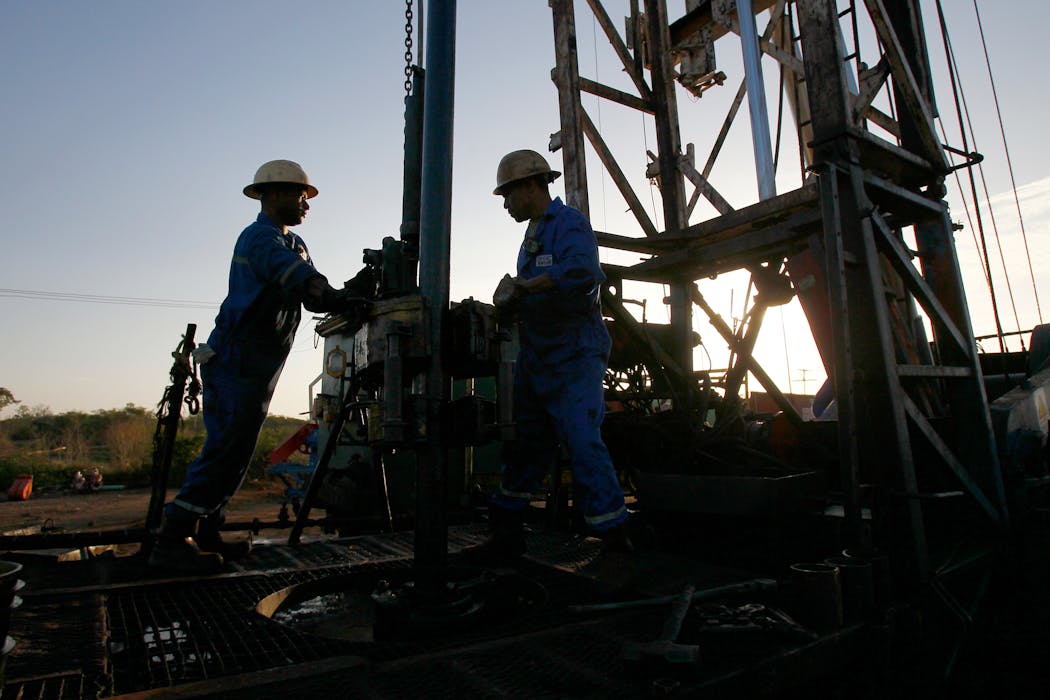
Venezuela’s state-owned PDVSA has been used as a cash cow by Maduro. JBula_62/Shutterstock

The capture of former Venezuelan president Nicolás Maduro by the US intelligence services and armed forces has resulted in a frenzy of speculation about its consequences. But there is no doubt that the events were closely linked to the oil riches of the country. While the political situation in Venezuela remains fluid, there is far more certainty about its position as an oil producer.

For a start, Venezuela has one of the highest proven oil reserves in the world. The number frequently thrown around is 300 billion barrels, more than any other country, including Saudi Arabia.

But it’s important to be cautious about the numbers coming from the outside of the Organisation for Economic Cooperation and Development (OECD). Statistics used within the OECD clearly distinguish between proved, probable, possible and contingent reserves and require consistency over time.

Proven reserves are defined as the oil in the ground that can be extracted economically, with the prevailing technology. It is a variable, not a constant – and the Venezuelan reserves estimate goes back to 2008.

As oil prices increase, the reserves increase too. This is because higher profits can justify the higher costs of extracting additional oil that would otherwise remain in the ground.

Initial production is usually easy due to the natural gas pressure of the well. Over time, this pressure falls and additional measures such as gas and water injection may have to be used – and these are expensive.

In 2008, the international oil prices approached US$140 (£104) a barrel. Currently, most of the Venezuelan oil sells at a US$25 discount to the Brent benchmark, at around US$35 a barrel. All other things being equal, the current proven oil reserves may be well below 100 billion barrels – less than a third of the figure that’s frequently cited.

The problem with Venezuela’s oil

Most Venezuelan oil is very heavy (tar-like) and contains a lot of sulphur. This makes production and transportation very expensive. Heavy oil needs to be diluted with naphtha (a liquid hydrocarbon) or gas oil first, and sulphur must be removed during the processing with expensive hydrogen.

Only very sophisticated refineries on the US Gulf Coast and some new refineries in India, the Middle East and China can process this kind of oil. It is no coincidence that Venezuelan oil is sold at huge discounts relative to other grades.

American oil companies started their activities in Venezuela almost a century ago, and by 1960s, the US was the largest foreign investor in the country. In line with most countries in the Organization of the Petroleum Exporting Countries (Opec), the Venezuelan oil industry was nationalised in 1971 and turned into the country’s oil monopoly, Petróleos de Venezuela SA (PDVSA).

The Venezuelan oil industry then suffered from decades of political mismanagement, purges and US sanctions. Due to the lack of investment, production in the country has fallen from over three million barrels a day (mbd) in the early 2000s to below one mbd last year (see the graph below). This decline was particularly noticeable during the Maduro regime when the ruling party used PDVSA as a cash cow, investing little or nothing back into the industry.


Read more:
What does international law tell us about the US seizure of an oil tanker off the coast of Venezuela?


Due to the state of the oil sector, even a relatively small increase in oil production in Venezuela would require billions of dollars of investment. A significant increase would require years of massive funding – even with a stable political environment.

It is not clear that events in Venezuela will have any significant immediate impact on the global oil market. The initial reaction was for the oil price to fall. But the global oil market is oversupplied right now and even the total loss of Venezuelan exports (which is unlikely) would have only a minor impact on the prices.

The decline of Venezuelan oil production:

In the long term, the state of the industry can only improve (barring wars and civil strife). Additional barrels from Venezuela would only make life harder for Opec and other producers by making the oversupply worse. Indeed, oil prices tumbled again after US President Donald Trump vowed to seize up to 50 million barrels of Venezuelan oil.

Claims that the events would hurt China seem overblown. China (together with India) has been a major buyer of Venezuelan oil, but it represented no more than 5% of the volume of Chinese imports. Canada is another producer of heavy oil, and it has been shifting its exports from the US to China for some time. This trend is likely to continue.

Overall, there is little economic rationale for a “takeover” of the Venezuelan oil industry. If the US wanted Venezuelan oil, it could simply have lifted the sanctions imposed by Trump in 2019 and let their oil companies buy it, like everyone else.

It is the long-term political consequences of this legally dubious US action that are worrying the oil market. President Trump appears to have a growing appetite for military adventure which may include further attacks on Iran, a major oil-producing nation and a member of Opec.

Nobody is quite sure what Trump may do next, and the US action may also be used to legitimise Russia’s invasion of Ukraine. This had already rattled energy markets. The last thing the oil market needs right now is more uncertainty.

The Conversation

Adi Imsirovic does not work for, consult, own shares in or receive funding from any company or organisation that would benefit from this article, and has disclosed no relevant affiliations beyond their academic appointment.

ref. What the US strike on Venezuela could mean for global oil prices – https://theconversation.com/what-the-us-strike-on-venezuela-could-mean-for-global-oil-prices-272858

The five best TV shows about the American revolution – recommended by a historian

Source: The Conversation – UK – By Stuart Salmon, Tutor in History, University of Stirling; University of Edinburgh

Any discussion of films and TV series about the American revolution has to start with a caveat. There have been historical movies for as long as there have been movies, but films and TV series about the great founding event of the US have been thin on the ground, certainly until the 21st century.

In 1917, an American director was even prosecuted for making Spirit of 76, a film about the revolution that criticised America’s new ally Great Britain. It wasn’t until 1985 that Hollywood tried a big budget retelling of the American revolution, with Revolution (1985).

Sadly the Al Pacino vehicle, while spectacular, had an incoherent storyline and was an unmistakable flop. It was another 15 years before Hollywood tried again with The Patriot (2000). The Patriot was more financially successful but arguably even less popular among the historical community (including myself).

Amid all these flops, however, a few gems emerged in a different medium – television. I’m a historian of the American revolution and these are my favourite ways the story has been told on TV.


Read more:
During World War I, a silent film spoke volumes about freedom of speech


1. Turn: Washington’s Spies (2014-17)

This four season AMC TV series stars Jamie Bell as patriot spy Abraham Woodhull, who was a leading figure George Washinton’s successful spy network, the Culper Ring. The series was based on the book Washington’s Spies by Alexander Rose (2006).

The series has 40 episodes, and each one is action packed. For me, it conjures up the secret war of the revolution brilliantly. The series explores some of the most intriguing characters of the war of independence, but most interesting for me was Ksenia Solo’s interpretation of Peggy Shippen, an American woman who spied for the British then married patriot hero Benedict Arnold and helped him defect to the British. This is a major plot line in the later seasons.

The trailer for Turn: Washington’s Spies.

The series’ main villain was British officer John Graves Simcoe (Samuel Roukin), whose historical counterpart was a very different character to the one portrayed in the series. His memoir is one of the key primary sources for the British experience of the war of independence. I have been lucky enough to read Simcoe’s handwritten copy.

2. John Adams (2008)

This wonderful HBO miniseries stars Paul Giamatti and Laura Linney as John and Abigail Adams, the power couple of the American revolution. The series is based on the book John Adams by David McCullough (2001). Linney and Giamatti both won Emmy awards for the show and brilliantly portray their complex but likeable characters.

The trailer for John Adams.

While John Adams is in the title, his wife Abigail has an equal role in the series. My favourite scene is where Abigail puts herself and her children in smallpox quarantine in revolutionary war Boston. This happened as shown and sheds light on the bizarre quarantine regime where people would sew small particles of smallpox spores into their skin and shut themselves away for at least two weeks in the hope of catching a lighter version of the disease but building immunity.

The series creates a great picture of two hugely influential figures in the American revolution and the history of the US. The couple arguably established many of the key features of the role of president and first lady. They wrote each other thousands of letters in their 54 year marriage but the most fascinating is Abigail’s letter to John on the eve of the Declaration of Independence (John played the key role in getting it passed by Congress). She urges John to “remember the ladies”. It is a hugely important early feminist document, which is now widely used as a teaching aid.

3. Franklin (2024)

This Apple TV+ miniseries is based on the book Dr Franklin Goes to France: How America Was Born in Monarchist Europe by Stacy Schiff (2005). It chronicles Benjamin Franklin’s attempts to get an alliance with France during the war of independence.

The trailer for Franklin.

Directed by Tim Van Patten and featuring a strong performance by Michael Douglas in the titular role the series covers some of the same historical ground as John Adams. Both Adams (played by Eddie Marsan) and Franklin spent much of the revolutionary war in Europe attempting to secure alliances with the European powers.

This series is very entertaining and gives a warts and all picture of Franklin as a septuagenarian. For an account of the young Franklin, his autobiography is well worth a read and it also gives a great picture of life in colonial Pennsylvania.

4. Liberty! The American Revolution (1997)

If there was just one film or TV series that inspired me to study, write about and teach the American revolution, it was this six-part documentary. It reached me at exactly the right time – about a year before I began my final year undergraduate course on the American revolution.

The first part of Liberty! The American Revolution.

The series contains contributions from some of the key historians of the American revolution, such as Pauline Maier, Gordon Wood and Bernard Bailyn. It also has readings of the words of participants on both sides of the American revolution by actors including a pre-fame Phillip Seymour Hoffman. The wide-ranging coverage spawned an excellent tie-in book.

While it did not neglect to show the diversity of the American revolution, more attention could have been paid the contributions of women, African Americans and Indigenous Americans. Historian Gary Nash’s book the Unknown American Revolution (2005) was one of key works in recognising this diversity. There have been other documentaries on the American revolution but it was this one which shaped the course of my career in history.

5. Hamilton (2021)

While technically a televised stage show (available to watch on Disney+), Hamilton is undoubtedly the most popular work of media with an American revolutionary theme. Drawing on Ron Chernow’s biography of the first US treasury secretary Alexander Hamilton, Lin Manuel Miranda’s hip-hop musical tells the tale of it’s eponymous founding father with amazing energy and humour.

The trailer for Hamilton.

I have been intrigued by the musical’s anti-hero/villain Aaron Burr since reading Gore Vidal’s novel Burr (1973) as a teenager and Leslie Odom Jr. does a wonderful job at bringing across the conflicted third vice president. Jonathan Groff, meanwhile, nearly steals the whole film as George III, despite only appearing for a few minutes.

The film covers the years 1776 to 1804 without seeming to miss many momentous events. While the best way to see Hamilton is live, until there is a big-budget film adaptation this is only way to enjoy the show with the original Broadway cast. Historically, it takes some liberties – Hamilton was not as enlightened on slavery as the musical suggests for example – but it gives a wonderful impression of the revolutionary era.

Do you have a favourite television show about the American Revolution that didn’t make our list? Let us know in the comments below.


Looking for something good? Cut through the noise with a carefully curated selection of the latest releases, live events and exhibitions, straight to your inbox every fortnight, on Fridays. Sign up here.


The Conversation

Stuart Salmon is affiliated with Universities and Colleges Union (UCU).

ref. The five best TV shows about the American revolution – recommended by a historian – https://theconversation.com/the-five-best-tv-shows-about-the-american-revolution-recommended-by-a-historian-270612

The menopause gap: why some women suffer more and get less care

Source: The Conversation – UK – By Dipa Kamdar, Senior Lecturer in Pharmacy Practice, Kingston University

Mama Belle and the kids/Shutterstock

Menopause is often described as “the change”, but for millions of women worldwide it is more than a biological milestone. It is a cultural, social and medical turning point. While most women experience menopause, their journeys are not the same. Ethnicity, culture and access to healthcare shape how symptoms are felt, understood and treated. These differences are rarely acknowledged, leaving many women invisible in public conversations about midlife health.

Menopause marks the end of reproductive years and is defined clinically as 12 months after the final menstrual period. Natural menopause usually occurs between the ages of 45 and 55, with the average age in the UK being 51. The transition that leads up to it, known as perimenopause, can last several years and is characterised by fluctuating hormone levels, particularly oestrogen.

Up to 80 percent of women develop symptoms linked to falling levels of oestrogen, progesterone and testosterone. Researchers have identified more than 40 possible symptoms. Because oestrogen acts on receptors throughout the body, its loss is associated with increased risks of long-term health issues such as osteoporosis, heart disease, diabetes and mood disorders.

Symptoms vary widely. Hot flushes, night sweats and sleep disturbances are common, as are mood changes, joint pain, vaginal dryness and reduced libido. Symptoms can last an average of seven years. Although these effects are widespread, their intensity and meaning differ across cultures. Research including the The Study of Women’s Health Across the Nation and further work by the British Menopause Society highlights notable variations in how menopause is experienced. There appear to be some differences in hormonal patterns across ethnic groups, although more research is needed to understand why symptoms differ.

Women of African and Caribbean descent tend to experience more severe and longer-lasting vasomotor symptoms, including hot flushes and night sweats. Sleep problems, mental health issues and weight gain are also reported more often. Cultural expectations and stigma can make open discussion difficult, leaving many women without appropriate support.

Women of South Asian descent (India, Pakistan and neighbouring regions) tend to reach menopause earlier, with average ages around 46 to 47 years compared with 51 in western populations. Earlier menopause increases the risk of long-term health conditions such as heart disease. South Asian women also report more urogenital symptoms, such as vaginal dryness, urinary issues and reduced libido. However, conversation about sexual health is often limited due to cultural norms.

Women of East Asian descent (China, Japan and others) often report fewer hot flushes but more musculoskeletal pain, forgetfulness and low libido. In many East Asian cultures, menopause is viewed as a natural stage of ageing, which reduces the likelihood of seeking medical support.

Women of White European heritage report vasomotor symptoms more frequently than East Asian women, but often with less intensity than those experienced by African and Caribbean women. Although access to healthcare is generally greater, inequalities still affect diagnosis and treatment.

Across many minority communities, social stigma and cultural silence remain significant barriers. In some cultures, menopause is associated with loss of femininity or fertility, discouraging women from discussing symptoms. In others it is viewed as a natural process that does not require medical input. Some women prefer natural approaches to symptom management, often due to cultural beliefs or limited trust in medical interventions.

Practical barriers make access to care even more difficult. Language barriers can prevent effective communication with clinicians. Health literacy gaps mean many women are unaware of options such as hormone replacement therapy (HRT). Educational materials often lack representation, with leaflets failing to depict women from diverse backgrounds. Many women report feeling dismissed when seeking help. Socioeconomic inequalities including lower income and limited access to healthcare further widen gaps in symptom management and long-term health outcomes. These issues are compounded by mistrust of the healthcare system, often rooted in historical and ongoing inequities.

For the first time, women aged 40 to 74 attending NHS health checks will now be asked about menopausal symptoms. By embedding menopause into routine checks, policymakers hope to normalise discussion, improve diagnosis and ensure that all women receive appropriate support. However, the benefits may not be evenly distributed. Evidence shows that some women from ethnically minoritised communities are less likely to access these health checks, particularly those who already face barriers to recognition and treatment. If uptake remains unequal, the policy may unintentionally reinforce disparities rather than address them. The challenge for the NHS will be to adapt outreach and service delivery so that menopause support reaches the women who need it most.

Addressing these inequalities requires culturally sensitive healthcare. Information needs to be available in multiple languages and formats, including clear explanations of symptoms, consequences and treatment options, both hormonal and non hormonal. Healthcare professionals must be trained to recognise cultural differences in how symptoms are described and interpreted. Women also need safe spaces to discuss their experiences without judgement.

Menopause is not only a phase of symptom management. It is a critical stage for long-term health. Menopause is universal, but its experience is not. Biological variation, cultural norms and systemic inequalities shape how women navigate this transition. Recognising these differences is essential for building equitable healthcare that supports all women, regardless of ethnicity or culture, through one of life’s most significant milestones.

The Conversation

Dipa Kamdar does not work for, consult, own shares in or receive funding from any company or organisation that would benefit from this article, and has disclosed no relevant affiliations beyond their academic appointment.

ref. The menopause gap: why some women suffer more and get less care – https://theconversation.com/the-menopause-gap-why-some-women-suffer-more-and-get-less-care-272753

‘Metamaterials’ could transform our lives – and sports equipment is at the vanguard

Source: The Conversation – UK – By Thomas Allen, Senior Lecturer, Department of Engineering, Manchester Metropolitan University

Metamaterials – artificially made materials with properties that aren’t found in the natural world – are poised to transform daily life. Their unique properties are enhancing products from sporting goods to consumer electronics and beyond.

As a sports engineer and the person leading on health applications within the UKRI-funded UK Metamaterials Network, I have unique insights into how metamaterials are enhancing sporting goods.

Specifically, they are helping to make sport and exercise more accessible, inclusive, and safer.

Metamaterials are made with meta-atoms (Figure 1). These building blocks have a specific geometry that has been engineered to allow the material to perform specific functions and have particular properties. Their functions may be related to acoustics, chemistry, electromagnetism, magnetism, or the material’s mechanical properties.

Metamaterials and sport

Metamaterials sit between products and materials. They are not materials in the traditional sense because their design is intrinsically linked to that of the product they are used within to enhance performance.

The rapid-uptake, multibillion dollar sporting goods sector has relatively low barriers to market entry, making it an ideal space for testing new and emerging technologies.

As a result, it has been an early adopter of metamaterials, particularly mechanical metamaterials (Figure 2), as described in an Institution of Mechanical Engineers report on sports engineering.

Auxetic metamaterials have been widely explored and adopted within sporting goods. Auxetic behaviour is an example of a “negative property”, achievable with metamaterials (Figure 3). Materials with negative properties behave in the opposite way to conventional expectations. When we stretch a conventional material lengthwise, its cross section will contract.

Auxetic metamaterials behave in the opposite way, with their cross section expanding when we stretch them lengthwise. This unusual and counterintuitive behaviour can improve the performance of sporting goods. The property is described by something called Poisson’s ratio, which is a measure of the deformation in a material in response to the direction of loading (force).

Auxetic metamaterials can improve comfort, fit, and impact protection in products such as body protection and helmets. They exhibit synclastic curvature, meaning they form a “dome shape” when bent, which may improve the fit of helmets and knee pads, for example.

Their enhanced indentation resistance allows for more flexible body protection that can still protect against concentrated loads, such as from impacts with rocks and studs. Auxetics can also control unwanted vibrations, which is useful in equipment like bats, bikes, rackets, skis, and snowboards. Other examples of sporting goods featuring mechanical metamaterial geometries include airless basketballs, bike saddles, and footwear.

The potential for metamaterials extends beyond traditional sporting goods. They could help people with disabilities and injuries to play sport and exercise. Potential applications span braces, prosthetics, orthotics, and rehabilitation devices. Because such items are typically classed as medical devices, they are subject to more stringent regulations than sporting goods, posing challenges for the uptake of metamaterials.

Other types of metamaterials besides mechanical could bring benefits to the sport and exercise sector. This includes metamaterial-enhanced products that could actively adapt their properties to fit the movement pattern, shape, and size of the user. For these reasons, metamaterials have the potential to make sport and exercise products more inclusive for a diverse range of users.

Metamaterial research in the UK

Metamaterials are engineered to have extraordinary properties that make products smaller, lighter, simpler, and more powerful. On December 1, 2025, the Institution of Mechanical Engineers published a policy report on unlocking the potential of metamaterials. The report was produced in partnership with our UK Metamaterials Network. It offers a perspective on how we can harness metamaterials to drive innovation, strengthen industry and address global challenges.

That said, several challenges must be addressed for their full potential to be realised. First, the UK must continue doing fundamental research to remain globally competitive in this field. Second, adoption by industry is slow, highlighting the need to bridge research and commercialisation.

Third, metamaterial prototypes are often made using methods that are not well-suited for mass production, limiting their potential to be scaled up. Fourth, a skilled workforce is needed to develop and deploy these technologies effectively. Raising awareness, establishing shared definitions, and testing products featuring metamaterials against agreed standards are critical to drive adoption and foster public trust.

Challenges of metamaterials in sport

Appropriate standards and regulations in sport help designers, increase consumer confidence in products, and support international trade. Sports products must often comply with safety standards and rules set by sports governing bodies. There may even be value in having specific standards for metamaterials, offering unified definitions and test frameworks.

Manufacturing presents another challenge. Metamaterials used within sporting goods are typically made using established methods like 3D printing, machining, and injection moulding. Because the enhanced properties of metamaterials often rely on complex geometric arrangements, they can be costly and slow to mass produce. This highlights a need for efficient manufacturing methods.

Despite these challenges, metamaterials are becoming increasingly common in sporting goods. I have only highlighted a few in this article, but I would imagine that they will become even more commonplace in the future. Being able to tailor unique material properties to their function, as well as making them suited to specific individuals, makes metamaterials a powerful tool for sports engineers.

This is a really exciting time for metamaterials in the UK, and in the sports engineering sector, specifically. I am looking forward to seeing this specialised technology continue to make sport and exercise more accessible, inclusive, and safer.

The Conversation

Thomas Allen receives funding from the Engineering and Physical Sciences Research Council (EPSRC) as a co-investigator of the UK Metamaterials Network. He worked with HEAD Sport GmbH on auxetic composites for rackets and supervises a PhD student funded by Rheon Labs Ltd. He was an author of the IMechE reports on metamaterials and sports engineering.

ref. ‘Metamaterials’ could transform our lives – and sports equipment is at the vanguard – https://theconversation.com/metamaterials-could-transform-our-lives-and-sports-equipment-is-at-the-vanguard-270840

Venezuela: el dilema entre legalidad internacional y ‘realpolitik’ que afrontan Europa y España

Source: The Conversation – (in Spanish) – By Armando Alvares Garcia Júnior, Profesor de Derecho Internacional y de Relaciones Internacionales, UNIR – Universidad Internacional de La Rioja

Kaja Kallas, alta representante para Asuntos Exteriores de la Unión Europea. Dan Morar/Shutterstock

La fulminante operación militar de Estados Unidos en Venezuela, que combinó bombardeos selectivos con la captura de Nicolás Maduro y su traslado a territorio estadounidense, constituye un test crítico para la credibilidad del orden internacional y para la autonomía estratégica de la Unión Europea y de España.

Para ambos, el desafío es doble: sostener la apuesta por una transición democrática encabezada por la sociedad venezolana –y no tutelada desde Mar-a-Lago–, y demostrar que su compromiso con el derecho internacional no es retórico ni selectivo. De su respuesta dependerá tanto su posición en América Latina como la confianza que otros actores del Sur Global depositen en Europa, y particularmente España, como socio “civil y normativo” y no puramente geopolítico.

Una intervención sin justificación clara en derecho internacional

Diversos especialistas en derecho internacional han subrayado que los ataques y la captura de Maduro carecen de una base jurídica sólida en la Carta de la ONU, el tratado internacional firmado en 1945 que regula la Organización de las Naciones Unidas y que es un documento jurídicamente vinculante para los países que la aceptan, entre ellos Estados Unidos. La operación no fue autorizada por el Consejo de Seguridad, no respondió a un ataque armado previo de Venezuela y se llevó a cabo sin consentimiento del Estado afectado, lo que entra en tensión con la prohibición del uso de la fuerza del artículo 2.4 de la Carta de Naciones Unidas.

El think tank (laboratorio de ideas) de asuntos internacionales Chatham House, a través de un análisis específico, sostiene que ni la lucha contra el narcotráfico ni la acusación de “narcoterrorismo” bastan, en los términos actuales del derecho internacional, para justificar una incursión de este tipo en territorio venezolano.

Varios expertos consultados por Defense News (cabecera de referencia sobre el ámbito militar y gubernamental) y por el German Marshall Fund (GMF, un centro para la innovación política y el liderazgo trasatlántico) señalan que esta operación erosiona la rules based order, que la UE reivindica como fundamento de su acción exterior.

Este concepto es utilizado con frecuencia por los líderes occidentales para describir el marco de reglas, normas e instituciones que sirven para guiar el comportamiento de los estados.

Trump, el cambio de régimen y la oposición desplazada

La operación militar culmina una larga fijación personal y política de Donald Trump con la caída de Maduro. Esta se manifestó en su primer mandato y se vio reforzada con el fracaso del reconocimiento del líder opositor venezolano Juan Guaidó como presidente en 2019.

Como ya argumentó el experto en política internacional Christopher Sabatini en Foreign Policy (25 de enero de 2024), la estrategia estadounidense ha oscilado de la narrativa antidrogas a un objetivo explícito de cambio de régimen, sin un plan claro para la transición democrática posterior.

Esta ausencia de rumbo se ha puesto de manifiesto de nuevo tras la reciente intervención militar. Pese a que la oposición unificada ganó las elecciones del 28 de julio de 2024, con Edmundo González como candidato sustituto de María Corina Machado, la administración Trump ha optado por negociar con figuras del propio chavismo, en particular con la vicepresidenta Delcy Rodríguez.

Esta decisión, analizada también por centros como el citado Chatham House, revela una preferencia por una salida pragmática apoyada en élites del régimen antes que por la legitimidad democrática de la oposición.

Lo que se juega la Unión Europea

La UE se ha posicionado en numerosas ocasiones a favor de una transición democrática en Venezuela, pero siempre subrayando la necesidad de una solución pacífica y conforme al derecho internacional. La Alta Representante de la UE, Kaja Kallas, y la presidenta de la Comisión, Ursula von der Leyen, han reiterado que, aunque Bruselas no reconocía la legitimidad de Maduro tras las elecciones “ni libres ni justas” de 2024, nunca respaldó una intervención militar extranjera.

Este episodio coloca a la UE ante una disyuntiva incómoda: si tolera o legitima de facto la actuación de Washington, debilita su propio discurso jurídico frente a otros escenarios (Ucrania, Gaza, Sahel) donde exige respeto estricto a la soberanía estatal y a la Carta de la ONU.

La operación en Venezuela funciona como un test de estrés de la capacidad europea para defender un orden basado en normas frente a la lógica de esferas de influencia y golpes preventivos.

División interna y autonomía estratégica

La reacción europea ha sido fragmentada. Mientras las instituciones comunitarias y la mayoría de Estados miembros insisten en la moderación y el respeto del derecho internacional, algunos gobiernos y sectores políticos han mostrado comprensión hacia la captura de un líder al que no consideraban legítimo. Un informe periodístico señala que hasta 26 Estados miembros, con la única excepción de Hungría, criticaron las formas de la operación estadounidense, revelando fisuras en la política exterior común.

Esta división pone en entredicho la capacidad de la UE para ejercer la tan cacareada “autonomía estratégica”. Un principio que se inscribe en la Estrategia Global sobre Política Exterior y de Seguridad.

Tal como destacan varios expertos consultados por think tanks europeos, al aceptar una intervención que vulnera principios fundacionales de la UE, esta envía la señal de que Europa sigue subordinada a la agenda de Washington cuando se trata del hemisferio occidental.

Lo que se juega España.

España ha reaccionado con una combinación de condena jurídica y prudencia diplomática. El Gobierno ha llamado a la desescalada, ha reclamado respeto al derecho internacional y ha reiterado que no reconoció las elecciones que mantuvieron a Maduro en el poder, ni reconoce tampoco una solución impuesta militarmente desde el exterior.

El presidente Pedro Sánchez ha insistido en que cualquier transición debe ser venezolana, pacífica y respaldada por organismos multilaterales.

Diplomacia, relación transatlántica y liderazgo en América Latina

Al mismo tiempo, España se ve obligada a gestionar la relación con su principal aliado de seguridad, Estados Unidos, en un contexto de fuerte asimetría de poder. Por un lado, aspira a desempeñar un papel de mediador entre Europa, Washington y América Latina, en consonancia con su Estrategia de Acción Exterior 2025-2028, del Ministerio de Asuntos Exteriores, Unión Europea y Cooperación. Pero la unilateralidad de la operación limita su margen de maniobra y la expone a presiones simultáneas de ambos lados.

Polarización interna y comunidad venezolana

La crisis también exacerba divisiones en la política doméstica española. Mientras el Gobierno central evita una ruptura frontal con Estados Unidos, partidos de la izquierda como Sumar o Podemos han calificado la operación de “violación muy grave de la Carta de la ONU” y “piratería imperialista”. Sus dirigentes reclaman una condena firme y el rechazo a cualquier invasión. Desde la oposición conservadora, en cambio, se ha enfatizado que la caída de Maduro era deseable, pero se utiliza el episodio para cuestionar la supuesta “ambigüedad” del Ejecutivo español hacia el chavismo.

España es, además, uno de los principales destinos de la diáspora venezolana en Europa, con cientos de miles de residentes y numerosos casos de doble nacionalidad. Estudios sobre migraciones latinoamericanas y datos recogidos por organismos europeos muestran que cualquier agravamiento del conflicto y de la inestabilidad puede traducirse en nuevas oleadas migratorias, lo que convierte la crisis venezolana en un asunto de política interior en materia de integración, vivienda y mercado laboral.

Energía, recursos y transición ecológica

La captura de Maduro y el debilitamiento del núcleo dirigente chavista reabren la cuestión del control de los recursos energéticos venezolanos. Esto se produce en un momento de elevada volatilidad de los mercados debido a la guerra en Ucrania y a la transición verde. Declaraciones de Trump sobre qué empresas estadounidenses “se harán cargo del petróleo venezolano” alimentan la percepción de que la operación responde también, aunque no solo, a un cálculo económico.

Para España y la UE, que buscan diversificar proveedores de hidrocarburos y, a la vez, reducir la dependencia de combustibles fósiles, esta situación plantea un dilema.

La primera opción implica aprovechar una eventual reapertura del sector petrolero venezolano en clave de seguridad energética. Otra consiste en condicionar cualquier acercamiento económico a garantías de transición democrática y respeto de los derechos humanos. Una aproximación puramente oportunista dañaría la credibilidad climática y de derechos humanos de Europa en el Sur Global.

Venezuela y el futuro del orden internacional

Lo que ocurra en Venezuela excede las fronteras del país y del continente americano. Representa un indicador de hasta que punto el uso de la fuerza vuelve a imponerse sobre el derecho en la política global. Diversos análisis académicos y de think tanks (desde Chatham House hasta el GMF y el European Policy Centre) coinciden en que la operación estadounidense marca un precedente peligroso de lo que puede suponer una Doctrina Monroe 2.0 o, como ya se empieza a denominar, “Donroe” (cambiando la “M” por la “D” de Donald). Un escenario donde la hegemonía regional se ejerce por medios militares y judiciales unilaterales.

The Conversation

Armando Alvares Garcia Júnior no recibe salario, ni ejerce labores de consultoría, ni posee acciones, ni recibe financiación de ninguna compañía u organización que pueda obtener beneficio de este artículo, y ha declarado carecer de vínculos relevantes más allá del cargo académico citado.

ref. Venezuela: el dilema entre legalidad internacional y ‘realpolitik’ que afrontan Europa y España – https://theconversation.com/venezuela-el-dilema-entre-legalidad-internacional-y-realpolitik-que-afrontan-europa-y-espana-272771

Vous choisissez une carrière ? Dans un marché du travail en constante évolution, écoutez votre voix intérieure

Source: The Conversation – in French – By Kobus Maree, Professor of Educational Psychology, University of Pretoria

Le monde du travail d’aujourd’hui, au 21ᵉ siècle, est beaucoup plus imprévisible que celui du 20ᵉ. Des métiers apparaissent puis disparaissent. Les postes évoluent constamment, et l’automatisation ou les bouleversements numériques sont désormais la norme. Beaucoup de jeunes exerceront un jour des métiers qui n’existent pas encore. Le changement est la nouvelle constante.

Dans ce monde, l’orientation professionnelle se concentre sur la gestion des transitions répétées et le développement de la résilience. Il s’agit de l’employabilité et de la conception d’une vie professionnelle épanouissante, et non de trouver un « emploi à vie ». Elle reconnaît que l’activité économique fait partie d’une réalité sociale plus globale.

Au cœur de cette démarche se trouve la recherche d’un sens à donner à sa vie.

En tant que conseiller d’orientation professionnelle et universitaire, j’ai traversé des décennies d’innovation, de recherche et de pratique en Afrique du Sud et au-delà. J’ai découvert que les travaux du psychologue américain Mark Savickas offrent un moyen utile de comprendre comment les gens construisent une carrière réussie et pleine de sens dans un monde en mutation.

Sa théorie de la construction de carrière propose de ne plus chercher à « assortir » une personne à un environnement “idéal”. Il faut plutôt voir chaque individu comme l’auteur de sa trajectoire. Chacun essaie de créer du sens, de comprendre ses thèmes de vie, et de s’adapter à un monde imprévisible.

En clair, choisir une carrière ne dépend pas seulement de nos compétences ou de nos centres d’intérêt. Cela dépend de la façon dont nous comprenons notre histoire, de nos valeurs, et de notre capacité à faire face aux changements.

Dans mes travaux, j’insiste sur le fait que l’orientation professionnelle doit s’appuyer sur les « histoires » des personnes (la façon dont elles se perçoivent) ainsi que sur leurs « scores » (les données objectives les concernant). C’est pourquoi j’ai développé des outils qui combinent des approches qualitatives et quantitatives pour explorer les intérêts d’une personne.

Je pense également que l’orientation professionnelle doit s’appuyer sur le contexte dans lequel vit chaque personne. Par exemple, en Afrique du Sud, les jeunes sont confrontés à de multiples transitions professionnelles et personnelles, à des opportunités limitées et à des contraintes systémiques, telles qu’un accès inégal et restreint à une éducation et une scolarité de qualité, un manque d’opportunités d’emploi et un soutien insuffisant en matière d’orientation professionnelle. Mon travail dans ce contexte sud-africain met l’accent sur l’autonomie (personnelle), l’adaptabilité (professionnelle), le sens et l’espoir.

Cela va au-delà de la question « quel emploi vous convient le mieux » pour aboutir à un processus plus riche, basé sur le récit de vie. Les personnes racontent leur parcours, repèrent les moments charnières, réfléchissent à leurs valeurs et imaginent les prochains chapitres de leur vie professionnelle. En bref, elles apprennent à s’écouter : leurs souvenirs, leurs rêves, leurs valeurs, leurs identités personnelles et professionnelles en construction. Elles apprennent aussi à construire une histoire qui compte vraiment pour eux-mêmes et pour les autres.

Je pense également que les conseillers d’orientation professionnelle devraient essayer d’aider les gens à gérer leurs déceptions, leur tristesse et leur douleur, et leur donner les moyens de guérir les autres et eux-mêmes.

Conseils pour les personnes en début de carrière

L’adaptabilité est un thème central dans la théorie actuelle de la carrière. Elle comporte quatre dimensions :

  • la préoccupation (à propos de l’avenir)

  • le contrôle (sur votre destin)

  • la curiosité (explorer les possibilités)

  • la confiance (en votre capacité à agir).

Lorsque vous développez ces capacités, vous êtes mieux armé pour gérer les transitions professionnelles, redéfinir votre trajectoire de façon pertinente et réactive, et atteindre un équilibre satisfaisant entre vie professionnelle et vie privée.

J’ai constaté que dans la pratique, il est utile de :

  • réfléchir aux « tournants » majeurs de votre carrière et de vos premiers souvenirs

  • intégrer la connaissance de soi à la compréhension des évolutions d’un secteur, des innovations technologiques et des dynamiques économiques.

  • s’appuyer sur des « récits » (informations subjectives sur vous-même) et des « scores » (données objectives)

  • développer un sens de la mission (ce que le travail signifie pour vous personnellement) et une vision (votre contribution à la société, et pas seulement votre titre professionnel).

Je vous invite à réfléchir profondément à votre histoire, à identifier les moments clés qui vous ont façonné, à clarifier vos valeurs et à décider de la contribution que vous souhaitez apporter. Ensuite, (re)concevez votre cheminement, étape par étape, une transition à la fois.

Si possible, une année sabbatique peut être un bon moment pour mener cette réflexion, acquérir de nouvelles compétences et développer des qualités telles que la capacité d’adaptation.

L’un des meilleurs conseils pour les jeunes diplômés des écoles était le suivant : « Procurez-vous un passeport et parcourez le monde. »

Comment un conseiller peut vous aider

L’un des principes fondamentaux de mon travail: l’orientation professionnelle doit profiter non seulement aux individus, mais aussi aux groupes. Il doit promouvoir les idéaux de justice sociale, de travail décent et une contribution significative de chacun à la société.

Pour moi, le rôle des praticiens n’est pas de conseiller les autres, mais de leur permettre d’écouter leur voix intérieure.

En d’autres termes, dans un monde incertain, le sens de la vie devient une boussole, une étoile polaire. Il donne une direction. En vous aidant à trouver les fils qui relient votre vie et votre parcours professionnel unique, un conseiller vous aide à prendre le contrôle de votre vie professionnelle dans des contextes changeants.

L’orientation professionnelle met également l’accent sur la promotion de la durabilité des sociétés et des environnements essentiels aux moyens de subsistance de chacun.

Aujourd’hui, l’orientation professionnelle est plus nécessaire que jamais. Ce n’est pas un luxe. Ce n’est pas une liste de réponses toutes faites. C’est un soutien pour devenir adaptable, réfléchi, résilient et porteur d’espoir.

The Conversation

Kobus Maree does not work for, consult, own shares in or receive funding from any company or organisation that would benefit from this article, and has disclosed no relevant affiliations beyond their academic appointment.

ref. Vous choisissez une carrière ? Dans un marché du travail en constante évolution, écoutez votre voix intérieure – https://theconversation.com/vous-choisissez-une-carriere-dans-un-marche-du-travail-en-constante-evolution-ecoutez-votre-voix-interieure-271548