Source: The Conversation – (in Spanish) – By Raúl Céspedes Ventura, Profesor Asociado del Departamento de Didáctica y Organización Escolar de la Facultad de Educación, Universidad de Murcia
Miguel tiene cuatro años. Son las ocho de la mañana. Está en el aseo con su madre preparándose para ir al colegio. Se queda mirando fijamente el grifo y pregunta: “¿Adónde va el agua del lavabo?”. No será la única pregunta que haga ese día. A esa edad, preguntar forma parte de su manera de estar en el mundo. Sin embargo, unos años después, ese mismo niño permanece en silencio en el aula.
¿Por qué los niños preguntan tanto cuando son pequeños, y qué sucede durante su paso por la educación obligatoria para que, poco a poco, dejen de hacerlo?
Cuando la escuela llega, las preguntas se van
La evidencia sobre este fenómeno es sólida. Uno de los trabajos más conocidos es el de la psicóloga Susan Engel, autora del libro The Hungry Mind. En un estudio, su equipo introdujo cámaras en aulas durante tres meses para analizar cuántos episodios de curiosidad, entendidos como preguntas destinadas a aprender algo nuevo o conductas exploratorias con objetos y materiales, aparecían durante la jornada escolar. En educación infantil registraron entre dos y cinco episodios cada dos horas. En quinto de primaria, la cifra descendía hasta el rango de cero a dos.
Muchos niños pasan buena parte de su jornada escolar sin formular una sola pregunta auténtica. Para Engel, esto no es casual. A medida que avanza la escolarización, la escuela prioriza contenidos, ritmos y evaluación. En ese contexto, preguntar empieza a percibirse más como una interrupción que como una oportunidad de aprendizaje.
No hay conocimiento sin pregunta previa
Paulo Freire y Antonio Faundez defendieron esta idea a mediados de los ochenta en Por una pedagogía de la pregunta. Allí criticaban una educación construida sobre respuestas. Respuestas a preguntas que el alumno nunca se había hecho: justo lo contrario de lo que ocurre cuando un niño pregunta adónde va el agua del lavabo.
Investigaciones recientes han mostrado que los niños pequeños no preguntan para prolongar la conversación, sino para entender el mundo. Cuando el adulto ofrece una explicación satisfactoria, el niño suele quedar conforme. Cuando no la recibe, insiste, reformula o vuelve a preguntar. El aprendizaje comienza con una pregunta, y aprender a formularlas bien no es un recurso retórico ni una moda pedagógica, sino una de las bases más solidas de la psicología y la pedagogía contemporáneas.
Qué dice la evidencia en el aula
Los interrogantes formulados en clase activan destrezas cognitivas concretas en los niños, como la explicación, la inferencia y el análisis. No es un simple recurso para mantener la atención o controlar la dinámica del grupo, sino una herramienta intelectual capaz de movilizar el razonamiento.
Linda Elder y Richard Paul, referentes internacionales en pensamiento crítico, llegan a conclusiones similares en El arte de formular preguntas esenciales. Sostienen que enseñar no consiste únicamente en transmitir respuestas, sino en plantear problemas y dirigir el razonamiento mediante preguntas.
Esta idea se remonta a la mayéutica de Sócrates, basada en preguntar para ayudar al otro a descubrir y construir su propio pensamiento. Responder bien obliga a detenerse y pensar. Formular una buena pregunta implica curiosidad, análisis y capacidad de reflexión. Y, como cualquier otra habilidad intelectual, necesita entrenamiento y práctica.
El ‘protopensamiento’: tres pasos que se pierden
El filósofo español José Carlos Ruiz ha llevado esta idea al terreno educativo en ensayos como El arte de pensar y El arte de pensar para niños. Ruiz denomina “protopensamiento” al origen del pensamiento crítico y sostiene que nace del asombro, la curiosidad y el cuestionamiento. Los tres aparecen conectados y pueden trabajarse en el aula.
Imaginemos que un niño ve una imagen de un parque lleno de basura y se pregunta: “¿Por qué la gente ensucia algo que también usa?”. Ahí todavía no hay un pensamiento filosófico adulto, sistemático y elaborado, pero sí aparecen sus bases: observación, atención, extrañeza, criterio moral, pregunta y apertura al debate.
Para Ruiz, el asombro debe cultivarse en la vida cotidiana. Así surge la curiosidad y, después, la pregunta que obliga a pensar. El autor observó en la práctica, en talleres escolares de filosofía para niños, que el asombro podía recuperarse y que la calidad de las preguntas mejoraba de forma notable. Se puede trabajar en el aula y obtener resultados.
Un ejemplo podría ser “La caja del asombro”, en la que el docente mete un objeto cotidiano: una llave, una piedra, una foto antigua o una cuchara. El alumnado no debe decir qué es, sino formular preguntas del tipo “¿Quién las habrá usado?”, “¿Por qué las cosas tienen dueño?”, “¿Qué pasaría si nadie tuviera llaves?”. De lo concreto se pasa al pensamiento.
Qué podemos hacer desde la escuela
Preguntar debe convertirse en un contenido educativo en sí mismo. La pregunta no puede quedar reducida a una herramienta de evaluación o a un mecanismo para comprobar si el alumno ha retenido los contenidos trabajados en el aula. Formular interrogantes exige análisis, atención y pensamiento, y por eso necesita enseñarse y practicarse.
Para ello debemos enseñar qué es una buena pregunta. Existen taxonomías y modelos, como los que desarrollan en sus trabajos Richard Paul y Linda Elder, además de numerosos recursos prácticos que el profesorado puede incorporar al aula con relativa facilidad.
Por ejemplo, en una actividad de lectura, no basta con preguntar al alumnado “¿Te ha gustado el texto?”. Esa pregunta puede tener valor expresivo, pero no desarrolla por sí misma pensamiento crítico. El docente puede enseñar a formular preguntas más potentes: “¿Cuál es la idea principal del autor?”, “¿Qué información utiliza para defenderla?”, “¿Hay otro punto de vista posible?” o “¿Qué consecuencias tendría aceptar esta idea?”.
Del mismo modo, ante un debate de aula, el alumnado puede aprender a distinguir entre preguntas de respuesta factual, de preferencia personal y de juicio razonado. Esta enseñanza explícita convierte la interrogación en una herramienta de pensamiento y no solo en una dinámica participativa.
La necesidad de comprender como base del aprendizaje
Enseñar a hacer preguntas y animar a seguir haciéndoselas es por lo tanto un contenido educativo: el aprendizaje profundo comienza cuando aparece una necesidad auténtica de comprender, y esa necesidad suele expresarse en forma de pregunta.
Para lograrlo, no hacen falta grandes reformas educativas, sino que docentes y familias volvamos a preguntarnos por lo cotidiano y convirtamos lo normal en objeto de pensamiento. No se trata de definir grandes temas filosóficos, sino mirar el patio, una norma, una discusión, una pantalla, una fila, una mentira, un castigo… y preguntarse: ¿por qué esto es así? ¿Podría ser de otra manera? ¿Es justo? ¿Qué damos por supuesto?
En ejemplo claro sería un niño que dice “Siempre eligen primero al mismo en el fútbol”. Preguntarse en lo cotidiano sería no dejarlo solo como queja, sino abrir pensamiento: ¿qué significa elegir justamente? ¿Es justo elegir siempre por habilidad? ¿Cómo se siente quien queda para el final?
La filosofía no empieza con conceptos abstractos, sino mirando con extrañeza lo que hacemos todos los días. Ahí aparece el asombro, la curiosidad y, finalmente, la pregunta que obliga a pensar, como cuando Miguel pregunta adónde va el agua del lavabo.
Raúl Céspedes Ventura no recibe salario, ni ejerce labores de consultoría, ni posee acciones, ni recibe financiación de ninguna compañía u organización que pueda obtener beneficio de este artículo, y ha declarado carecer de vínculos relevantes más allá del cargo académico citado.
En las últimas décadas, nuestra relación con el plástico ha pasado de la admiración por su versatilidad a la alarma por su ubicuidad. Hoy sabemos que los microplásticos (partículas de menos de 5 milímetros) están en todas partes, desde las cumbres de las montañas hasta las profundas fosas oceánicas. Sin embargo, la ciencia ha descubierto una amenaza aún más insidiosa: estas partículas no viajan solas, sino que actúan como caballos de Troya biológicos para los patógenos y genes de resistencia a los antibióticos, creando un ecosistema flotante conocido como la plastisfera.
¿Qué es la plastisfera y por qué es peligrosa?
La plastisfera describe las diversas comunidades microbianas que colonizan la superficie de los microplásticos. A diferencia de los materiales naturales, el plástico ofrece un andamiaje sólido y persistente que permite a los microorganismos sobrevivir en condiciones extremas y viajar largas distancias.
El peligro reside en que estas partículas funcionan como hotspots o puntos calientes de intercambio genético. Al estar tan próximas entre sí dentro de biopelículas pegajosas, las bacterias intercambian “secretos” de supervivencia mediante la transferencia horizontal de genes. Entre estos secretos se encuentran los genes de resistencia a los antibióticos, que permiten a las bacterias volverse invencibles frente a los medicamentos actuales.
Ante esta crisis silenciosa, la Unión Europea ha aprobado recientemente la Directiva (UE) 2024/3019 sobre el tratamiento de las aguas residuales urbanas. Esta normativa marca un hito, ya que actualiza leyes que tenían más de tres décadas para adaptarse a los nuevos desafíos ambientales, como los microcontaminantes y la resistencia antimicrobiana.
La nueva ley reconoce que las depuradoras convencionales no fueron diseñadas para eliminar estas partículas diminutas ni la carga genética que transportan. Por ello, introduce la obligatoriedad de implementar tratamientos más avanzados y rigurosos de forma progresiva hasta el año 2045.
En este nuevo escenario legislativo, la tecnología de membranas, y específicamente los biorreactores de membrana (MBR, por sus siglas en inglés), se posiciona como la herramienta clave para cumplir con los estándares de la Unión Europea.
A diferencia de los tratamientos de agua residual convencional, los MBR combinan el tratamiento biológico con una barrera física de filtración muy fina. Las membranas de ultrafiltración poseen poros tan diminutos que pueden interceptar no solo los micronanoplásticos y las bacterias resistentes, sino incluso fragmentos de ADN libre que contienen genes de resistencia.
En nuestro estudio, publicado en la revista científica Separation and Purification Technology, hemos evaluado la capacidad de los sistemas MBR para eliminar mezclas complejas de micro y nanoplásticos, con resultados que confirman su alta eficacia. Estos sistemas han demostrado ser capaces de eliminar hasta el 99,99 % de estas partículas, reduciendo los microplásticos a niveles prácticamente indetectables y dejando los nanoplásticos (mucho más pequeños y difíciles de retener) únicamente en trazas mínimas, detectadas tras la aplicación de metodologías analíticas altamente específicas.
Además, hemos comprobado la resiliencia del sistema. La acumulación prolongada de estos plásticos no afectó al rendimiento biológico, manteniéndose una eliminación eficaz de materia orgánica y otros contaminantes. De hecho, la presencia de partículas de mayor tamaño puede incluso mitigar el ensuciamiento de las membranas mediante un efecto de limpieza física. Estos hallazgos se están haciendo dentro del marco del proyecto nacional EMERGING.
En conjunto, estos resultados demuestran que los sistemas MBR son más eficaces que los procesos convencionales para eliminar este tipo de contaminantes invisibles, con reducciones más drásticas de contaminantes biológicos que garantizan una salida de agua de mayor calidad. Al actuar como una barrera efectiva, las membranas interrumpen el ciclo de dispersión de la plastisfera y evitan la propagación de vectores de resistencia al medio ambiente.
Esta tecnología contribuye así a la protección de los recursos hídricos, lo que la convierte en una solución clave para la reutilización del agua en un contexto de creciente escasez hídrica.
Serena Molina Martínez recibe fondos del proyecto EMERGING (PID2022-143233OB-I00 financiado por MICIU/AEI /10.13039/501100011033 y por FEDER, UE). Ella trabaja para el instituto IMDEA Agua.
Junkal Landaburu Aguirre recibe fondos del proyecto EMERGING (PID2022-143233OB-I00 financiado por MICIU/AEI /10.13039/501100011033 y por FEDER, UE). Ella trabaja para el instituto IMDEA Agua.
En la noche de San Juan convergen el ciclo solar, la celebración cristiana, los saberes de la medicina popular y un amplio conjunto de creencias y prácticas mágicas. Tal vez esta mezcla sea la que hace que siga viva en la actualidad.
La fecha no es casual. En torno al 21 de junio tiene lugar el solsticio de verano, cuando la luz alcanza su plenitud en el hemisferio norte. Desde ese instante los días comienzan a menguar.
El cristianismo incorporó esa fecha a su calendario al celebrar la natividad de san Juan Bautista el 24 de junio, seis meses antes de la Navidad. En el Evangelio de Juan, el Bautista afirma: “Conviene que él crezca y que yo disminuya”. San Agustín interpretó estas palabras en clave cósmica: Juan nace cuando la luz empieza a decrecer; Cristo, cuando los días vuelven a crecer.
La significación cristiana de la fecha no borró antiguas celebraciones estacionales ligadas a la luz, el fuego y la renovación de la naturaleza. Su huella puede rastrearse incluso en algunos motetes polifónicos del siglo XIII dedicados a san Juan Bautista, donde aparecen referencias a hogueras y fiestas comunitarias.
El liturgista parisino Jean Beleth describía ya en el siglo XII los fuegos de la víspera, mientras diversos sínodos condenaban supersticiones asociadas a esa misma noche.
Fuego y agua: la materia del rito
El fuego ocupó durante generaciones el centro de la fiesta. En torno a la hoguera se reunían familias y comunidades para afrontar la incertidumbre del año que comenzaba. Quemar y saltar las llamas significaba dejar atrás el mal.
Por eso los fuegos solsticiales han perdurado con tanta intensidad. En los Pirineos, estas fiestas, reconocidas por la UNESCO como Patrimonio Cultural Inmaterial de la Humanidad, conservan una imagen poderosa: la llama desciende desde la montaña hasta el corazón de la comunidad. En Alicante, las Hogueras de San Juan transforman esa herencia en una de las grandes fiestas del fuego del Mediterráneo.
Las Fallas de Isil de San Juan, en el Pirineo catalán, son conocidas por el descenso de troncos encendidos por la montaña hasta el centro del pueblo. Roc Garcia-Elias Cos/Wikimedia Commons, CC BY-SA
El agua constituye el otro gran símbolo de la noche, ya que podía sanar, proteger y renovar. Tampoco resulta casual que estas creencias quedaran vinculadas a Juan el Bautista, que bautizó a Cristo en el río Jordán y convirtió el agua en uno de los grandes símbolos de purificación del cristianismo.
Numerosas tradiciones atribuyeron a la madrugada de San Juan virtudes curativas, capacidad para favorecer la fertilidad o alejar el mal. En algunas zonas gallegas pervive el llamado rito de las nueve olas: las mujeres que deseaban concebir recibían sobre el cuerpo nueve embates del agua en la playa, convencidas de que este rito favorecía la maternidad.
Hierbas, curanderas y saber doméstico
Ningún aspecto refleja mejor la unión entre naturaleza y creencia que las hierbas. Se pensaba que determinadas plantas alcanzaban en esa madrugada su máxima eficacia. La hora de la recolección resultaba decisiva: debían cortarse antes de la salida del sol o permanecer toda la noche al sereno.
Ilustración de la hierba de San Juan (Hypericum perforatum). Otto Wilhelm Thomé
La verbena, la artemisa, la ruda, el romero, el hinojo, el saúco, el malvavisco y el nogal aparecen en distintas tradiciones como plantas protectoras. Entre todas ellas destaca el hipérico, conocido precisamente como hierba de San Juan. Sus flores amarillas evocan el sol, mientras que el tono rojizo que desprenden al ser presionadas favorece la asociación simbólica con la sangre del Bautista.
En la Edad Media se atribuyó al hipérico la capacidad para combatir maleficios y enfermedades. Por este motivo recibió el nombre de fuga daemonum, “huida de los demonios” y se colgaba en puertas, ventanas y establos como medida de amparo frente a fuerzas consideradas malignas.
En este contexto adquieren especial relevancia las curanderas y las ensalmadoras. Su saber reunía experiencia práctica, conocimiento de plantas, fórmulas religiosas y calendarios rituales. San Juan era una fecha privilegiada para que estas mujeres actuaran en beneficio de la comunidad.
Amor, brujería y literatura de la noche
Junto a la salud y la preservación del hogar, el amor también era protagonista.
Las llamadas “suertes de San Juan”, pequeños rituales de adivinación muy populares en la Europa tradicional, ocupaban un lugar destacado entre las prácticas de esa noche. Una clara de huevo vertida en un vaso de agua podía formar al amanecer figuras interpretadas como presagios del porvenir.
También se podían colocar papeles con nombres bajo la almohada para intentar descubrir la identidad del futuro enamorado. Las velas, espejos o recipientes de agua permitían formular preguntas sobre el destino sentimental.
Junto a estas prácticas existía una magia más activa. Los filtros amorosos, los nudos y los amarres pretendían atraer a la persona deseada, recuperar una relación perdida o favorecer una unión.
La vinculación de la noche de San Juan con la brujería era evidente. Se creía que a medianoche lo oculto podía manifestarse con mayor facilidad y determinadas acciones adquirían una eficacia extraordinaria.
A finales de la Edad Media, tratados como el Malleus Maleficarum, el más influyente manual europeo de persecución de la brujería, reforzaron la identificación entre determinadas prácticas populares y la figura de la bruja. Sin embargo, muchas de las acciones asociadas a la noche de San Juan pertenecían al ámbito de la religiosidad popular, la medicina doméstica y las creencias transmitidas dentro de las comunidades rurales.
La literatura conservó con especial intensidad esta tradición. En el romancero, la mañana de San Juan aparece como un momento propicio para la irrupción de lo extraordinario. Shakespeare transformó ese imaginario en hadas, bosques encantados y filtros amorosos en El sueño de una noche de verano. En ambos casos, la fecha funciona como un umbral narrativo: durante San Juan, el orden cotidiano parece perder consistencia y lo imposible se vuelve verosímil.
Una noche que todavía cambia
La vitalidad de esta fiesta sigue manifestándose a nivel mundial. Conviven celebraciones tan diversas como el Midsommar escandinavo, centrado en la celebración del solsticio, con las fiestas juninas de Brasil, que han trasladado al otro lado del Atlántico buena parte del imaginario sanjuanero.
Las tradiciones eslavas de Iván Kupala, equivalente oriental de la noche de San Juan, conservan uno de los símbolos más bellos de esta celebración. Según la leyenda, la flor del helecho brota una sola vez al año y concede riqueza o sabiduría a quien consigue encontrarla. Pero los helechos no florecen; precisamente por eso la historia resulta tan poderosa. La flor inexistente expresa la promesa más profunda de San Juan: la búsqueda de aquello que se sabe casi inalcanzable.
Cada 23 de junio creemos celebrar la llegada del verano. Sin embargo, bajo las hogueras, los baños nocturnos, las hierbas y los deseos sigue latiendo la convicción de que existen momentos privilegiados del calendario, capaces de poner en contacto el mundo visible con aquello que escapa a nuestra comprensión.
Quizá por eso la noche de San Juan continúa siendo una de las grandes noches simbólicas en todo el mundo.
¿Quiere recibir más artículos como este?Suscríbase a Suplemento Cultural y reciba la actualidad cultural y una selección de los mejores artículos de historia, literatura, cine, arte o música, seleccionados por nuestra editora de Arte + Humanidades Claudia Lorenzo.
Anna Peirats no recibe salario, ni ejerce labores de consultoría, ni posee acciones, ni recibe financiación de ninguna compañía u organización que pueda obtener beneficio de este artículo, y ha declarado carecer de vínculos relevantes más allá del cargo académico citado.
Source: The Conversation – (in Spanish) – By Juan Marín Hernando, Prehistoria, Evolución Humana, Zooarqueología, Tafonomía, UNED – Universidad Nacional de Educación a Distancia
A diferencia de otras especies de megafauna, como el mamut, el papel del rinoceronte en las estrategias de subsistencia de los grupos humanos prehistóricos y las relaciones que mantuvieron con estos animales a lo largo del Paleolítico siguen siendo poco conocidos. No solo servían como fuente de alimento: también eran personajes representados en el arte rupestre, como las famosas pinturas de la cueva de Chauvet (Ardèche, Francia), de hace más de 30 000 años.
El uso de huesos de grandes herbívoros como herramientas para retocar y afilar utensilios de piedra está bien documentado en Europa desde las primeras fases del Paleolítico. Los dientes de rinoceronte también son restos comunes en yacimientos paleolíticos de Europa y Asia, pero pocos estudios habían sugerido, hasta ahora, que grupos humanos prehistóricos pudieran haberlos recolectado y utilizado deliberadamente.
Ubicación de los yacimientos arqueológicos y paleontológicos estudiados en este trabajo. Mapa creado con QGIS 3.40.6, datos del mapa base ESRI (Environmental Systems Research Institute). Sanz-Royo et al., 2026.
Fracturas y marcas inusuales
Hace más de 200 000 años, en yacimientos como Payre, en el sureste de Francia, y Panxian Dadong, en China, los arqueólogos recuperaron cientos de dientes de rinoceronte, algunos de ellos con fracturas recurrentes y marcas superficiales no convencionales.
Estas observaciones impulsaron la investigación del proyecto RINO para indagar si más dientes de rinoceronte se habían utilizado como herramientas en otros conjuntos ricos en esta clase de restos del mismo período en toda Europa. ¿Podría esto representar un comportamiento neandertal hasta ahora desconocido?
Estamos ante la primera investigación interdisciplinaria exhaustiva sobre el tema, que combina el análisis de restos fósiles con experimentos arqueológicos realizados en dientes de rinoceronte modernos. Esto ofrece una oportunidad única para comparar las huellas producidas experimentalmente hoy con las conservadas en el registro arqueológico.
Planteamiento de la investigación
Como parte del proyecto RINO, revisamos doce yacimientos arqueológicos en función de su contexto, de las evidencias de actividad humana y de la abundancia de dientes de rinoceronte presentes en sus conjuntos faunísticos. En dos de ellos, encontramos dientes modificados de rinoceronte: en la cueva de El Castillo (España) y en Pech-de-l’Azé II (Francia).
En estos yacimientos del Paleolítico medio se analizaron un total de 281 dientes pertenecientes al rinoceronte de estepa –[Stephanorhinus hemitoechus]–(https://en.wikipedia.org/wiki/Narrow-nosed_rhinoceros) y al rinoceronte de Merck –Stephanorhinus kirchbergensis–. Esta última especie representa el mayor rinoceronte fósil conocido en Europa para este período.
Ilustración del Stephanorhinus hemitoechus, que vivió en el Pleistoceno europeo. Wikimedia Commons., CC BY
Con el fin de establecer un marco comparativo que permitiera distinguir las alteraciones naturales de las modificaciones potencialmente realizadas por los seres humanos, también se incluyeron restos dentales procedentes de yacimientos arqueo-paleontológicos de Europa occidental y colecciones osteológicas de rinocerontes modernos.
En total, examinamos 168 dientes de rinoceronte procedentes de cuatro yacimientos arqueo-paleontológicos del Pleistoceno: Wasserbillig (Luxemburgo), Oetrange (Luxemburgo), Cova del Rinoceront (España) y Les Plumettes (Saône-et-Loire, Francia). Además, se analizaron 236 dientes procedentes de la colección comparativa conservada en la Galería de Anatomía Comparada del Museo Nacional de Historia Natural (MNHN) de París.
Se realizaron, asimismo, análisis de microdesgaste dental en dientes fósiles de rinoceronte con el objetivo de determinar si las marcas observadas podían ser el resultado de la masticación y de las actividades normales de alimentación, y no de la intervención humana.
Científicos ensayando con dientes actuales
Un componente fundamental del proyecto estuvo dedicado a la arqueología experimental. Mediante el uso de molares y premolares de rinoceronte como herramientas de percusión en experimentos controlados realizados por arqueólogos experimentados, el equipo de investigación buscó crear una colección de referencia exhaustiva de huellas producidas experimentalmente e identificar las posibles funciones y la comodidad de uso de estas herramientas.
Ejemplo de las actividades realizadas en los experimentos arqueológicos y los productos asociados. A–C: actividades percusivas reproducidas en este trabajo: A) retoque de cuarzo; B) talla de sílex; C) diente como yunque con lasca de cuarzo. D–E: Materiales líticos utilizados en este trabajo: D) lasca de sílex retocada con un diente de rinoceronte y lascas de retoque; E) lasca de cuarzo retocada con un diente de rinoceronte. Sanz-Royo et al., 2026.
El programa experimental se llevó a cabo con 18 dientes de rinoceronte moderno. Estos se utilizaron en actividades de percusión, que incluyeron el retoque, la talla y el uso como yunque sobre útiles líticos de cuarzo y sílex. El objetivo era documentar las huellas producidas por la acción humana y compararlas con las observadas en el registro arqueológico.
Voluntarios forzosos, al dentista del zoo
Uno de los mayores desafíos para hacerlo fue obtener dientes de rinoceronte moderno para los experimentos. Tras una búsqueda exhaustiva y con la ayuda de Alexis Lécu (veterinario del MNHN), tres parques zoológicos aceptaron proporcionar dientes: Peaugres Zoo (Ardèche), Sigean African Reserve (Aude) y Montpellier Zoo (Hérault).
Además, se desarrollaron una serie de experimentos –en el Laboratorio de Tafonomía de Madrid (laboratorio LeaT)– destinados a reproducir en el laboratorio procesos naturales, como la abrasión y la compactación sedimentaria, a los que los dientes pueden verse sometidos durante su fosilización.
Los resultados revelaron que las marcas identificadas en El Castillo y Pech-de-l’Azé II eran similares a las producidas durante las experimentaciones arqueológicas. Además, el análisis de microdesgaste confirmó que estas huellas se formaron después de la muerte de los animales, ya que no se detectaron señales de alimentación en las marcas.
Uso de dientes como herramientas de percusión
Por lo tanto, podemos concluir que las huellas identificadas en dientes de rinoceronte procedentes de El Castillo y Pech-de-l’Azé II son producto de la actividad humana. Los dientes habrían sido utilizados por los neandertales como herramientas de percusión en la fabricación de útiles líticos (sílex y cuarzo).
Sus características morfológicas –tamaño, peso, facilidad de manipulación, superficie oclusal plana y resistencia a la fractura– podrían haberlos hecho especialmente adecuados para usos técnicos.
Por otra parte, a partir del grado de desgaste observado en los dientes, parece que los neandertales mostraban preferencia por los de rinocerontes de mayor edad. Es posible sus superficies dentales más planas podrían haberlos hecho más adecuados como herramientas. Además, se pudieron centrar en individuos más viejos porque podían ser presas más fáciles o porque accedían a ellos una vez muertos, como carroñeros.
Incógnitas por resolver
Este estudio amplía nuestra comprensión del comportamiento neandertal, sus decisiones técnicas y la diversidad de materias primas que recolectaban y utilizaban, al tiempo que aporta nuevas evidencias sobre la explotación de recursos animales. Pero, simultáneamente, el descubrimiento también plantea numerosas cuestiones nuevas que, por el momento, siguen sin resolverse.
¿Qué aporta este descubrimiento a nuestra comprensión de los neandertales y su relación con su entorno? ¿Cuáles fueron sus estrategias de obtención (caza, carroñeo, captura) y explotación del rinoceronte? ¿Fueron las mismas para todas las especies de rinocerontes que había en estos periodos en Europa? ¿Influyeron sus características morfológicas, conductuales y ecológicas, así como su disponibilidad en los distintos hábitats, en estos comportamientos?
En la actualidad, tampoco está claro si se trató de un comportamiento general o específico de los grupos neandertales del oeste de Europa.
Consideramos poco probable que el uso de dientes de rinoceronte como materia prima fuera un comportamiento limitado en el tiempo y en el espacio. Este descubrimiento abre nuevas perspectivas sobre la amplitud, la función y la posible dimensión simbólica de esta práctica. Por esta razón, se continuará con una revisión general de los restos dentales de rinoceronte procedentes de diferentes yacimientos paleolíticos a la luz de estas nuevas observaciones.
Queremos agradecer al proyecto RINO (Universidad de la Sorbona y Museo Nacional de Historia Natural) y al IRN TaphEN (CNRS) por su apoyo financiero. También estamos agradecidos a todas las personas que nos concedieron acceso a colecciones arqueológicas y paleontológicas, así como a los laboratorios que nos acogieron. Finalmente, expresamos nuestro sincero agradecimiento a los zoológicos de Peaugres, Sigean y Montpellier (Francia) por proporcionar los dientes de rinoceronte utilizados en los experimentos, con un agradecimiento especial a Alexis Lécu, veterinario del MNHN, por su inestimable ayuda en esta investigación.
Alicia Sanz Royo recibe fondos de Sorbonne Université, Muséum national d’Histoire naturelle, IRN Taphen (CNRS), y la Universidad de Aberdeen.
El miércoles 17 de junio de 2026 se recordará como una jornada histórica para la biotecnología y la agricultura de Europa. El Parlamento Europeo tumbó, una por una, todas las enmiendas registradas por diferentes partidos políticos en contra del reglamento para regular el uso en plantas de las llamadas nuevas tecnologías genómicas (NGT, en sus siglas en inglés). Entre ellas se incluyen las herramientas CRISPR de edición genética.
Finalmente, y tras muchos años de aislamiento tecnológico, los agricultores europeos podrán beneficiarse, aunque con numerosas limitaciones, del cultivo de plantas que hayan sido editadas con CRISPR para generar otras mejor adaptadas, resistentes a plagas o con mayores índices de productividad. Podrán hacer lo que los agricultores y productores de la mayoría del resto de países vienen haciendo ya desde hace años.
Un jarro de agua fría y un despropósito científico
Repasemos cómo hemos llegado hasta aquí. Tras la aparición de las herramientas CRISPR de edición genética en 2012 y su diseminación universal en 2013, investigadores y productores vegetales imaginaban un futuro lleno de éxitos, con cultivos de plantas editadas genéticamente, más productivas, más resistentes a plagas, con nuevas características.
Pero en julio de 2018 el Tribunal de Justicia de la UE vertió un jarro de agua fría sobre estas expectativas cuando respondió a la pregunta sobre si la edición genética con CRISPR podía constituir una excepción a la legislación de organismos modificados genéticamente (OMG), como ya se había acordado anteriormente con plantas obtenidas por mutación química y por radiación. La pregunta fue formulada por un sindicato de agricultores franceses y el Gobierno francés, tradicionalmente contrarios a los avances biotecnológicos en agricultura.
El Tribunal de Justicia les dio la razón y sentenció que los organismos editados con CRISPR podían presentar los mismos riesgos para la salud humana y para el medio ambiente que supuestamente presentaban los transgénicos (aunque no se hubieran encontrado en ninguno de los muchos análisis realizados durante más de 20 años). En conclusión, no constituían una excepción y se les aplicaría la misma legislación aprobada en 2001 para OMG, cuando las herramientas CRISPR fueron descubiertas en 2012.
Todo un despropósito científico y, de facto, un bloqueo al empleo de estas tecnologías para los cultivos europeos. Porque, más que regular, la directiva europea de 2001 había rechazado todas las propuestas presentadas. Con una sola excepción: el maíz Bt (MON 810), transgénico y resistente a la plaga del taladro: se trata de la única planta OMG autorizada en la Unión Europea para su cultivo. En España se concentra la mayor parte de las hectáreas dedicadas a la producción de este maíz, que no resulta atacado por la plaga del taladro.
La comunidad científica reaccionó con rapidez rechazando esa sentencia y pidiéndole a la Comisión Europea que revisara cuanto antes la situación, que dejaba aislada a Europa de los potenciales beneficios de la tecnología CRISPR.
La Comisión Europea respondió tres años después, a través de un informe publicado en abril de 2021 en el que reconocía el problema y anticipaba que debería actualizarse la legislación para incorporar las nuevas tecnologías, como CRISPR. También indicaba que debería realizarse una consulta general a todos los sectores implicados en la producción de vegetales, constatando los intereses no solo científicos, sino económicos, sociales y políticos que concurrían en este tema.
NGT-1: plantas con modificaciones genéticas simples, como las obtenidas mediante CRISPR, que podrían haberse obtenido mediante cruces tradicionales (aunque tras muchas generaciones y muchos años).
NGT-2: plantas con modificaciones genéticas más complejas, como las transgénicas, que no podrían haberse obtenido mediante cruces tradicionales.
El diablo, naturalmente, estaba en los detalles. Concretamente, en la definición de lo que era una modificación genética simple, para poder ser catalogada como NGT-1 y escapar a la legislación sobre OMG.
Un sinuoso camino hasta la aprobación definitiva
El complejo sistema de contrapesos políticos en la unión europea (UE) exige que este tipo de modificaciones legislativas sea aprobado por tres instituciones: la Comisión Europea, el Consejo Europeo de la UE y el Parlamento Europeo. En febrero de 2024 supimos que el Parlamento Europeo había aprobado la propuesta de la Comisión Europea en primera lectura, aunque introduciendo algunos cambios.
A continuación, el Consejo Europeo empezó a discutir el texto de la propuesta en los llamados trílogos, diálogos a tres bandas entre el Consejo Europeo, la Comisión Europea y el Parlamento Europeo. De esa discusión se acordó un texto que finalmente fue adoptado por el Consejo Europeo el 21 de abril de 2026. Constituía la propuesta actualizada de la Comisión Europea en primera lectura, aceptando algunos de los cambios y rechazando otros. Finalmente, esta propuesta actualizada debía ser aprobada de nuevo por el Parlamento Europeo, en segunda lectura. Y eso fue lo que sucedió el pasado 17 de junio, cuando fueron rechazadas todas las enmiendas que pretendían tumbar la propuesta del reglamento sobre NGT. Al no poder ser rechazada, quedó, de facto, aprobada.
Múltiples excepciones y limitaciones
Esta nueva regulación entrará en vigor veinte días después de haberse publicado en el boletín de la Unión Europea, pero no se aplicará hasta pasados dos años. O sea, los agricultores no podrán beneficiarse de ella hasta 2028.
Es un buen principio, y deberíamos estar razonablemente satisfechos. Sin embargo, las limitaciones y excepciones que se han incluido para poder obtener la categoría NGT-1 –tras el debate político y más allá de las evidencias científicas– van a limitar los tipos de plantas editadas que puedan acceder a esta categoría.
Tres ejemplos de los criterios consensuados que aparecen en el reglamento aprobado, relativos a las plantas NGT-1, son:
No tener más de 20 letras en su ADN sustituidas o insertadas. ¿Por qué 20? Aunque, por otro lado, se admite la posibilidad de eliminar o invertir fragmentos de ADN de cualquier tamaño. Incomprensible.
A pesar de considerarse indistinguibles de las variedades naturales, las plantas NGT-1 no podrán usarse en cultivos de agricultura ecológica. ¿Pero no habíamos quedado que eran equivalentes?
Es importante resaltar que estas mismas excepciones no existen en otros países, aunque tanto en Estados Unidos como en el Reino Unido también se especifican limitaciones para aceptar aquellas plantas indistinguibles de las convencionales de las que presentan un mayor número de cambios.
Por lo tanto, la aplicación de esos filtros limitará de alguna manera la competitividad de los agricultores europeos que, aunque (¡por fin!) podrán usar las herramientas CRISPR en sus cultivos, no las podrán emplear para todas las posibles aplicaciones, como sí pueden hacer sus colegas en otros países del mundo.
Los contenidos de esta publicación y las opiniones expresadas son exclusivamente las del autor y este documento no debe considerar que representa una posición oficial del CSIC ni compromete al CSIC en ninguna responsabilidad de cualquier tipo.
Alors que le trafic aérien mondial a retrouvé, voire dépassé, ses niveaux d’avant-Covid, les personnels de la recherche français auxquels nous sous sommes intéressés font exception : leurs déplacements en avion ont été divisés par deux par rapport à 2019, et cette baisse se maintient dans le temps.
Nos récentes analyses montrent que ces scientifiques, toutes disciplines confondues, se déplacent aux mêmes endroits et pour les mêmes raisons, mais deux fois moins qu’auparavant. Résultat : les émissions de gaz à effet de serre (GES) liées aux déplacements professionnels ont, elles aussi, été divisées par deux, sans qu’aucune contrainte réglementaire ne l’ai imposé.
Comment ces résultats ont-ils été obtenus ?
Nous avons analysé la plus grande base de données existante sur l’empreinte carbone de la recherche, construite par le groupement de recherche (GDR) Labos 1point5 grâce à l’outil libre et open source GES 1point5.
La base de données ainsi constituée regroupe près d’un million de déplacements professionnels réalisés entre 2019 et 2024 dans environ un tiers des laboratoires de recherche français. Cette base, construite grâce au travail collaboratif de centaines de laboratoires de recherche volontaires, permet de suivre l’évolution du nombre de déplacements, des distances parcourues, des modes de transport utilisés (avion, train) et des émissions de gaz à effet de serre associées. Elle est basée sur les listings de voyages financés par les laboratoires. Le nombre de déplacements, vérifiés et corrigés ligne à ligne peut enfin être normalisé par le nombre de personnels du laboratoire.
Nous avons « décomposé » les émissions de GES annuelles de façon à répondre à trois questions simples :
• Voyage-t-on moins souvent ?
• Voyage-t-on moins loin ?
• Utilise-t-on des modes de transport moins carbonés ?
Nous montrons que la diminution de la fréquence des déplacements, tous modes confondus, explique à elle seule environ la moitié de la réduction totale des émissions observée depuis 2019. Ensuite, la distance moyenne parcourue par déplacement diminue d’environ 17 %, et l’intensité carbone moyenne par kilomètre parcouru diminue d’environ 20 %. Cette évolution de la baisse de l’intensité carbone tient avant tout à la montée en proportion du ferroviaire, nettement moins émetteur que l’aérien.
En quoi est-ce important ?
Les déplacements professionnels représentent une part importante de l’empreinte carbone de la recherche (environ 25 % en 2019). Montrer qu’il est possible de diviser ces émissions par deux remet en cause l’idée selon laquelle la mobilité aérienne serait incompressible dans les métiers compétitifs, collaboratifs ou fortement internationalisés.
Le contraste entre la recherche et d’autres secteurs professionnels, où le trafic aérien semble repartir à la hausse, malgré des informations fragmentaires, suggère que cette transformation est à relier à une certaine autonomie organisationnelle du champ scientifique ainsi, éventuellement, au consensus scientifique autour des enjeux climatiques.
Cette réduction drastique des émissions de GES invite à nuancer l’idée que l’absence de régulation contraignante généralisée – qu’elle soit imposée par le haut au niveau national ou par le bas dans les laboratoires – signifie une incapacité à dépasser la seule quantification des émissions de GES. Nos résultats suggèrent au contraire que des transformations importantes ont eu lieu, en l’absence de politiques climatiques ambitieuses. L’appropriation de la question climatique au sein des laboratoires, accompagnée par des initiatives dédiées telles que Labos 1point5, a pu y contribuer.
Nos résultats plaident enfin pour un « verrouillage vertueux », qui permettrait d’éviter un retour progressif aux niveaux d’émissions de gaz à effet de serre antérieur au Covid.
Quelles suites à cette recherche ?
Il reste à comprendre plus finement pourquoi cette transformation s’est maintenue dans le temps, et si elle est parfaitement représentative de l’ensemble de l’enseignement supérieur et de la recherche. Plusieurs facteurs peuvent être en jeu pour expliquer nos observations : les effets durables de la pandémie sur l’offre et la demande en déplacements, la généralisation et la diversification des usages de la visioconférence, la hausse du prix des billets d’avion et de train, mais aussi la diffusion progressive de nouvelles normes de sobriété dans le monde académique.
La question devient alors celle d’une possible écologisation du monde académique : assiste-t-on à une redéfinition progressive de ce qui est considéré comme une mobilité légitime ou nécessaire dans la recherche ? Répondre à cette question est crucial pour comprendre si les évolutions observées sont conjoncturelles ou le signe d’une transformation plus profonde du secteur, ainsi que leur possible diffusion à d’autres secteurs. Des études similaires conduites dans d’autres pays seront nécessaires pour mieux comprendre les déterminants et la stabilité des changements observés en France.
Tout savoir en trois minutes sur des résultats récents de recherches, commentés et contextualisés par les chercheuses et les chercheurs qui les ont menées, c’est le principe de nos « Research Briefs ». Un format à retrouver ici.
Tamara Ben Ari est co-fondatrice de Labos 1point5
Léa Marquet et Philippe-e. Roche ne travaillent pas, ne conseillent pas, ne possèdent pas de parts, ne reçoivent pas de fonds d’une organisation qui pourrait tirer profit de cet article, et n’ont déclaré aucune autre affiliation que leur poste universitaire.
Ils sont 500 hommes et femmes répartis un peu partout sur les côtes françaises. Tout au long de l’année, on les appelle lorsqu’un mammifère marin s’échoue sur une plage, que ce soit un phoque ou bien un cachalot, en passant par des dauphins et même des lamantins ou des éléphants de mer en outre-mer.
Les informations qu’ils ont pu recueillir lors des quelque 35 000 examens réalisés à ce jour sont précieuses pour la science. Elles permettent de mieux comprendre ces mammifères encore très mystérieux et d’étudier les effets des activités humaines en mer.
Olivier Van Canneyt, ingénieur de recherche à La Rochelle Université et directeur adjoint de l’unité d’appui et de recherche Pelagis (CNRS – La Rochelle Université), coordonne ce réseau. Il nous raconte ce travail particulier, ses défis logistiques comme ses évolutions, depuis les années 1970 jusqu’aux récents échouages d’un rorqual boréal à l’île de Ré, en Charente-Maritime, et d’un très méconnu Mesoplodon de True, à Capbreton dans les Landes.
The Conversation : Comment est né le Réseau national d’échouage (RNE) ?
Olivier Van Canneyt : C’est une longue histoire. Elle commence dans les années 1970. Un docteur en médecine, du nom de Raymond Duguy, était conservateur au Muséum national d’histoire naturelle de La Rochelle et il a commencé à s’intéresser aux mammifères marins qui vivaient le long des côtes françaises.
À cette époque, il y avait encore très peu de données disponibles à leur sujet. En 1963, un échouage de masse était survenu sur l’île d’Yeu : tout un groupe de globicéphales noirs sont morts sur la plage. Le Dr Duguy a alors été sollicité pour venir faire des observations sur ces animaux. Il a, comme cela, réalisé que les échouages permettaient d’acquérir des informations sur la présence des animaux au large de nos côtes.
Raymond Duguy a alors commencé à réfléchir à la façon dont ce genre d’informations pouvait être recueilli efficacement et, au début des années 1970, s’est mis en place le réseau Échouage, avec des associations, des muséums, des laboratoires. Il y avait déjà des correspondants du réseau du nord de la France jusqu’en Méditerranée.
Le docteur Duguy. Pelagis, Fourni par l’auteur
Comment a évolué, depuis, le réseau ?
O. V. C. : Au début, l’objectif était très naturaliste. On voulait répondre à des questions comme « Quelles sont les espèces ? », « Où peut-on les retrouver ? », « À quelle saison ? ».
Dans les années 1980, on s’est intéressé également à la biologie des animaux, et on s’est rendu compte qu’il y avait aussi un intérêt à faire des prélèvements sur ces animaux pour pouvoir répondre à des questions, telles que « Que mangent ces espèces ? », « Combien de temps vivent-elles ? », « Comment se reproduisent-elles ? ».
Dans les années 1980 ont également eu lieu les premières thèses fondées sur les données du réseau Échouage.
Dans les années 1990, ensuite, les causes de mortalité ont commencé à constituer un nouvel intérêt, du fait de pics d’échouages de dauphins sur la côte atlantique. On a alors voulu répondre à des questions sur les origines et les saisonnalités de ces phénomènes. Le lien a été rapidement fait avec les captures accidentelles dans les engins de pêche.
Il y a donc eu un intérêt inédit portant sur l’identification des causes de mortalité de manière précise pour comprendre les pressions que subissent ces animaux vis-à-vis des activités humaines. Chez d’autres grands cétacés, il y avait aussi des problèmes de collision. Les échouages pouvaient alors être utilisés comme un indicateur des menaces, d’autant plus que, entre temps, le réseau Échouage s’était alors largement étoffé, en matière de maillage géographique, de nombre de participants. Il devenait aussi de plus en plus connu des communes, des services de secours.
Depuis d’autres questions sont advenues. En plus de l’étude des mammifères marins, de la structure des populations, ont émergé des enjeux, comme les contaminants, l’impact des changements environnementaux.
Nous avons également pu constituer une des plus importantes banques de données de prélèvements de tissu et d’organes en Europe. De nombreux laboratoires viennent d’ailleurs la consulter. Nous avons aussi pu intégrer les départements et collectivités d’outre-mer à notre réseau.
Et enfin, nous avons ajouté une compétence supplémentaire à notre réseau : celle des vétérinaires qui peuvent faire de vraies nécropsies légales, pouvant être entendues devant un tribunal. Une nécropsie est une autopsie réalisée sur un animal mort.
Les vétérinaires permettent également d’ajouter leur compétence sanitaire à notre réseau. Concrètement, on regarde désormais également s’il y a des maladies émergentes chez les mammifères marins.
Examen d’un rorqual échoué à Verdon-sur-Mer, en Gironde, en 2017. Fourni par l’auteur
Aujourd’hui, vous avez 500 correspondants partout en France, mobilisables pour un échouage de phoque comme d’un rorqual de plus de 15 tonnes. Logistiquement, comment est-ce que cela se passe ?
O. V. C. : On assure une permanence sept jours sur sept, tous les jours de l’année, avec un numéro unique. Dès qu’un mammifère marin échoue sur une plage, on nous appelle. Ce sont parfois des particuliers qui font une rapide recherche Internet, tapent « Que faire si un dauphin échoue », par exemple, et tombent directement sur nous. Ce sont sinon les communes qui nous appellent, car elles connaissent la procédure, qui a été très efficacement relayée au fil des années par les ministères et les préfectures.
Une fois qu’on est prévenus, tout dépend du cas de figure. Est-ce un animal vivant ? un animal mort ? un petit ? un gros ? La plupart du temps, on a affaire à des animaux morts de petites tailles, donc facilement manipulables avec les moyens d’une commune. On va alors évacuer l’animal du domaine public maritime et, avec le correspondant mobilisé, décider de ce qu’on va faire de l’animal en fonction de son état de décomposition.
Rorqual échoué à Ars-en-Ré, sur l’île de Ré, en Charente-Maritime, en 2017. Fourni par l’auteur
Si l’état de décomposition permet de faire une nécropsie très poussée, on va transporter l’animal dans un laboratoire vétérinaire ou une autre structure permettant de le faire. Si l’état de décomposition ne le permet pas, l’examen va se faire directement sur le terrain par le ou la correspondante qui a une formation. Cet examen sera avant tout externe. On va vérifier l’espèce, le sexe, faire des mesures, regarder s’il y a des indices sur la cause de la mort.
Ensuite, le ou la correspondante peut éventuellement ouvrir l’animal pour un examen partiel qui permet de collecter quelques prélèvements, documenter l’état de santé de l’animal sans forcément aboutir véritablement à une conclusion sur la cause de la mort. C’est ce qu’il se passe pour les petits animaux qui échouent morts sur nos côtes, soit 90 % des cas.
Pour les grandes espèces, la logistique devient tout de suite un défi. Chaque cas est particulier, mais, généralement, ce sont les préfectures qui prennent en main la logistique en suivant nos conseils, qui varient en fonction du site d’échouage, de l’espèce, de sa taille… Selon nos indications, les préfectures vont alors réquisitionner les moyens nécessaires. Cela peut être des pelleteuses ou des grues, par exemple. L’animal peut parfois être transporté d’un seul bloc. Si ce n’est pas le cas, on fera l’examen directement sur la plage et ensuite on le découpera avec des engins de BTP pour faire les prélèvements.
J’imagine qu’un cétacé qui échoue sur une plage, cela attire les curieux. Est-ce quelque chose qui entrave votre travail ?
O. V. C. : En général, il y a très vite un périmètre de sécurité établi par la préfecture. C’est important pour la sécurité de tout le monde, de l’animal, s’il est toujours vivant, des promeneurs et celle des éventuels animaux de compagnie. Il est primordial d’éloigner les chiens, par exemple, pour éviter de possibles transmissions de pathogènes.
Une fois ce périmètre dressé, nous ne sommes pas pour interdire aux gens de venir observer. Quand on est assez nombreux, on tâche même en général de faire en sorte que quelqu’un puisse aller à la rencontre du public pour répondre à leurs éventuelles questions, potentiellement faire de la sensibilisation au passage, éviter le possible partage de fausses informations.
Pendant que certains regardent, vos correspondants s’affairent donc à l’examen qui tâche d’élucider les causes de la mort. Comment peut-on les déterminer ?
O. V. C. : Cet examen, réalisé par un correspondant vétérinaire ou non, permet d’aboutir à une probabilité de cause de la mort. Parfois, les causes de la mort paraissent évidentes : quand l’animal présente des traumatismes importants, des blessures liées à une collision, à une capture accidentelle, des morsures liées à une compétition avec une autre espèce ou une prédation. Ce genre de choses est assez facile à détecter, il n’y a pas forcément besoin d’être vétérinaire pour voir ces indices-là.
Mais savoir si ces marques ont été infligées avant la mort on non, si elles ont pu provoquer la mort, ce sont des choses, qui sont plus complexes, auxquelles on forme nos correspondants.
S’il n’y a pas d’indices très marqués, la nécropsie vétérinaire permettra en général de donner d’autres clés de compréhension. Cet examen va aboutir à un tableau clinique permettant d’évaluer l’état de santé de l’animal. Les prélèvements effectués vont être envoyés en laboratoire et permettre de nous donner certaines informations au-delà de l’âge de l’animal et de ce qu’il a mangé.
Ce sont, par exemple, des données virologiques, bactériologiques, histologiques, c’est-à-dire la structure microscopique des tissus et des organes. Ces examens sont très complémentaires de ceux effectués par les vétérinaires et permettent d’identifier, par exemple, les agents infectieux, si l’origine de la mort est pathologique.
Récemment, deux cétacés sont morts sur nos côtes : un très rare Mesoplodon de True, d’une tonne environ, à Capbreton et un rorqual boréal de 14,5 mètres et de 15 tonnes sur l’île de Ré, les 28 et 29 mai 2026. Est-ce difficile de réagir quand il y a une telle simultanéité entre deux échouages ?
O. V. C. : Le mésoplodon s’est échoué un jeudi. C’est un animal qui se transporte facilement, et on a pu faire l’autopsie le vendredi. Le rorqual s’est lui échoué vendredi soir. Il a ensuite été gruté et mis dans un grand camion. Il a malheureusement dû être coupé pour cela, car il était impossible de le faire entrer avec sa nageoire caudale, qui a donc été sectionnée. Il a ensuite été transporté jusqu’au port de commerce de La Rochelle, sur un site fermé au public, où on a pu faire les opérations de découpe pour l’examen.
Dans les deux cas, c’est l’équipe de La Rochelle qui a été mobilisée, et c’est la même vétérinaire qui a donc examiné les deux cétacés.
Une fois l’examen et les prélèvements faits, que devient la carcasse d’un animal qui fait 15 tonnes ?
O. V. C. : Par le passé, les carcasses pouvaient servir pour l’alimentation animale, mais plus maintenant, car il est désormais interdit de recycler les carcasses d’animaux sauvages. Ces animaux partent donc à l’équarrissage puis sont incinérés. Nos prélèvements, eux, rejoignent la banque de prélèvements de tissus et d’organe.
Rorqual boréal échoué sur l’île de Ré, le 29 mai 2026. Fourni par l’auteur
Que sait-on aujourd’hui sur la cause de la mort de ces deux animaux ?
O. V. C. : Dans les deux cas, il faut commencer par regarder les commémoratifs, c’est-à-dire les circonstances de l’échouage. Dans ces deux cas, les animaux se sont échoués vivants. C’est quelque chose qui interroge toujours : est-ce accidentel, comme c’est le cas souvent avec les dauphins quand ils viennent chasser dans des eaux peu profondes ?
Dans ces deux cas récents, on a affaire à des animaux qui sont plutôt océaniques. Ils vivent très au large, à de grandes profondeurs. Ces deux cas étaient donc assez exceptionnels et ne peuvent pas être accidentels. Il y a forcément une cause initiale à ces échouages.
Mésoplodon de True échoué à Capbreton, le 28 mai 2026. Fourni par l’auteur
Nous n’avons pas vu de traumatismes, de blessures sur ces animaux. Pour le mésoplodon, il y a eu un concours de circonstances, qui a pu nous interroger, avec des travaux qui ont lieu en mer à ce moment pour poser une ligne de haute tension sous l’eau. Rien ne nous dit qu’il y a un lien, mais rien ne nous dit non plus le contraire.
Ce qui est plus flagrant, au regard des premiers examens qui ont été faits, c’est que c’étaient deux animaux qui n’étaient pas en très bonne condition physique, même si les manipulations sont très difficiles sur des animaux de cette taille. On attend désormais les retours d’analyse des prélèvements, mais, d’après notre vétérinaire, on est plutôt sur la piste de pathologies.
Ces deux animaux se sont échoués lors d’un pic de chaleur très anormal pour un mois de mai en Europe. Est-ce que cela peut avoir une incidence sur les échouages de ces mammifères marins ?
O. V. C. : Nous n’avons pas noté jusqu’ici d’influence des épisodes aigus de forte température. Les changements environnementaux ont probablement une incidence, mais d’un autre ordre : on note, par exemple, un changement des aires de répartition des animaux, probablement lié à la disponibilité de leurs proies qui peut être modifiée du fait du changement de températures entre autres. C’est ce que l’on suspecte notamment pour certaines espèces de cétacés qui sont de plus en plus souvent observées dans les eaux côtières, comme le dauphin commun, mais aussi, certaines années, des espèces plus océaniques comme le rorqual commun.
Plus généralement, y a-t-il des saisonnalités dans les échouages ?
O. V C. : Il y a effectivement des saisons d’échouage, qui diffèrent en fonction des espèces. Donc toute l’année, on a des échouages, mais certaines périodes sont généralement plus calmes. C’est le cas du printemps. On sort de l’hiver où on a des pics d’échouages de petits cétacés, car il y a une forte densité de petits cétacés en Atlantique et en Manche, qui viennent notamment hiverner dans le golfe de Gascogne, par exemple. En été, on va retrouver ces animaux en Bretagne et, donc, on aura alors un pic d’échouage en Bretagne.
Pour ce qui concerne les phoques, les échouages sont souvent en lien avec la période de reproduction, qui a lieu à l’automne pour les phoques gris et en été pour les phoques veau-marin. Néanmoins, des phoques sont signalés tout au long de l’année, quasiment tous les jours, notamment sur les côtes de Manche, parfois sur des plages où l’on ne s’attend pas à les trouver. Mais, le plus souvent, ce sont simplement des individus venus se reposer. Dans ce cas, c’est souvent aussi un défi que de distinguer à distance un phoque en « détresse » qui nécessite une intervention d’une présence normale.
Année après année, les échouages sont-ils en hausse ?
O. V. C. : Sur les côtes françaises, les échouages présentent des effectifs élevés, mais sont relativement stables depuis quelques années, cela dépend des espèces.
Entre 2016 et 2023, on a observé des hausses par rapport à la normale, notamment pour le dauphin commun. Les échouages de phoques sont en augmentation, ceux de marsouins communs ou de globicéphales noirs, par exemple, diminuent. Pour les grands cétacés, comme les rorquals, on a eu des années avec des pics également et avec des animaux qui étaient plutôt amaigris, qui semblaient dénutris. Cela nous a quelque peu interpellés.
Surtout quand on regarde ce qui se passe ailleurs, ce que l’on tâche de faire régulièrement. Or, on sait que, sur la côte ouest des États-Unis, il y a de fortes mortalités de grandes baleines en lien justement avec la disponibilité des ressources. Il y a des années chaudes où la disponibilité des ressources est moindre et où les animaux ont du mal à se nourrir. C’est quelque chose que l’on pourrait aussi voir dans nos eaux, mais les rorquals se maintiennent très loin des côtes et les échouages sont aussi dépendants des conditions de dérive de ces années.
Les échouages sont toujours une occasion d’améliorer nos connaissances, mais dans quelles mesures sont-ils parfois évitables ?
O. V. C. : La plupart des animaux qui échouent sur nos côtes sont morts en mer, c’est donc difficile d’éviter un échouage, sauf à éviter la mort en mer. Si celle-ci est naturelle, comme c’est le cas souvent, rien n’est possible. Si, par contre, elle est d’origine humaine, on peut bien sûr travailler sur des mesures visant à éviter cela. C’est justement ce que l’on tâche de faire avec les pêcheurs, ou bien, en Méditerranée, avec les grands navires qui peuvent entrer en collision avec les baleines.
Concernant les animaux vivants, dans les cas d’échouages accidentels, une intervention humaine peut parfois permettre de remettre les animaux à l’eau, et peut les sauver. Mais pour cela, comme pour les animaux morts, il ne faut rien faire soi-même. Il faut toujours rester à distance, nous appeler au plus vite et suivre les consignes que l’on pourra donner en fonction de la situation.
Olivier Van Canneyt ne travaille pas, ne conseille pas, ne possède pas de parts, ne reçoit pas de fonds d’une organisation qui pourrait tirer profit de cet article, et n’a déclaré aucune autre affiliation que son organisme de recherche.
L’historien et résistant français Marc Bloch en 1944. Spécialiste d’histoire médiévale, cofondateur de la revue _Annales d’histoire économique et sociale_, l’universitaire fut aussi cadre dirigeant des Mouvements unis de la Résistance (MUR). Marc Bloch a été exécuté par la Gestapo, le 16 juin 1944.Wikimédia
Marc Bloch (1886-1944), historien et résistant, entre au Panthéon ce 23 juin. Quel fut son apport scientifique ? On peut citer son ambition de faire dialoguer histoire et sciences sociales (économie, sociologie, anthropologie), son approche comparatiste de l’étude des sociétés et son refus de s’enfermer dans une histoire nationale, la mobilisation de matériaux très divers (outre les textes, les images, les objets, les paysages…) ou encore la volonté de s’adresser au grand public comme aux savants.
Marc Bloch semble être l’archétype de l’universitaire respectable. C’est ainsi qu’il apparut à Georges Altman, alors un des principaux rédacteurs du journal Franc-Tireur, à l’automne 1942, au moment de son entrée dans la clandestinité, à Lyon :
Mais on se trompe souvent en jugeant les gens sur leur apparence. À cette date, il avait déjà révolutionné bien plus que l’histoire du Moyen Âge. Il n’aimait en effet pas se penser comme un médiéviste et il avait raison car, plus de quatre-vingts ans après sa mort, il continue à inspirer des historiens spécialistes de toutes les périodes.
De quelle révolution son œuvre était-elle porteuse, et pourquoi continue-t-elle à avoir de tels effets sur ses lectrices et ses lecteurs d’aujourd’hui ?
Donnant toujours la première place à l’analyse des pratiques sociales, il rêvait d’étendre le questionnaire de l’histoire à toutes les échelles et à toutes les dimensions de l’expérience humaine. Comme il le rappelait dans Apologie pour l’histoire ou métier d’historien,
l’histoire « n’interdit, à l’avance, aucune direction d’enquête, qu’elle doive se tourner de préférence vers l’individu ou la société, vers la description des crises momentanées ou la poursuite des éléments les plus durables ».
Mais, pour ce faire, la science historique doit toujours partir d’une question et s’efforcer d’y répondre en mobilisant tous les types de matériaux disponibles (textes, images, objets, paysages, témoignages pour les périodes les plus contemporaines, etc.) et en les passant au crible d’une analyse critique.
Là où ces historiens s’arrêtaient, estimant avoir accompli leur tâche une fois qu’ils avaient extrait de leur matériau ce que l’on appellerait aujourd’hui des données fiables, Marc Bloch considérait que le travail de l’historien pouvait tout juste commencer, en posant au matériau ainsi rassemblé de nouvelles questions susceptibles de nous permettre d’approfondir notre compréhension des modes de fonctionnement et de pensée des sociétés du passé.
Pour comprendre ce qu’avait pu être le servage, et, tout particulièrement ce qui le distinguait de l’esclavage antique, il partit du XIIIᵉ siècle, lorsque les sources devenaient plus abondantes à l’occasion d’affranchissements collectifs de serfs du domaine royal. Il montra en outre que ces affranchissements avaient été, pour la monarchie, le moyen de garder le contrôle sur des communautés rurales en voie d’enrichissement. Ils transformaient une dépendance juridique désormais mal acceptée en une dépendance économique, les serfs ayant accepté d’acheter leur liberté. La monarchie avait ainsi du même coup trouvé un moyen de remplir des caisses toujours plus vides à mesure que son champ d’action se développait.
Cette manière de renouveler à la fois l’histoire politique et l’histoire sociale, en abordant une question au prisme non pas du droit mais des pratiques sociales, suscita des incompréhensions de longue durée, comme en témoigne un célèbre article de Léo Verriest paru dans la Revue du Nord en 1939. Ce dernier considérait en effet qu’il ne faisait aucun doute que les serfs appartenaient à « une classe juridique nettement distincte de toutes les autres » quand Bloch soulignait, pour sa part, le caractère tardif de la formalisation juridique et insistait sur le fait que, pendant longtemps, une personne était serve non en vertu de textes normatifs, mais parce qu’elle était considérée comme telle par les autres.
C’est finalement en allant encore plus loin, c’est-à-dire en publiant, en 1924, les Rois thaumaturges, un livre consacré à la croyance, largement partagée du Moyen Âge, en la capacité des rois de France et d’Angleterre à guérir les écrouelles par imposition des mains, qu’il fit lui aussi un miracle en impressionnant même ceux que sa méthode laissait dubitatifs, qu’ils soient décontenancés par la difficulté à classer le livre dans un champ disciplinaire bien identifié, qu’ils en contestent certains concepts, comme celui de représentation collective, ou qu’ils en soulignent les erreurs, inévitables dans un livre brassant autant de sources et de périodes. Mais il fallut encore bien des années pour que l’ouvrage soit tenu, a posteriori, comme une œuvre d’avant-garde pour toute l’histoire des mentalités et l’anthropologie historique, avant de devenir un classique.
Ainsi, la dimension révolutionnaire de Marc Bloch tint à sa capacité à maîtriser l’érudition médiévale tout en la confrontant à la sociologie, à l’économie ou à l’anthropologie. Mais même s’il fut considéré comme un des historiens les plus prometteurs de sa génération, ce choix avait un prix. Il fut parfois jugé trop classique par les modernes de son temps, y compris parfois par son complice des Annales Lucien Febvre, et trop moderne par les plus classiques de ses collègues. Il n’en reste pas moins que la plupart de ses collègues furent marqués par la manière dont il ouvrit, plus largement que jamais, le champ des problèmes que les historiens pouvaient s’autoriser à explorer, jusqu’aux « façons de sentir et de penser » des hommes et femmes du Moyen Âge.
Refusant de s’enfermer dans l’érudition dont se contentaient nombre de ses collègues médiévistes, Bloch parvint à éclairer de manière inédite les logiques de fonctionnement des sociétés médiévales et à en mettre en lumière les profondes transformations au cours des quelque mille années qu’il dura. La fécondité de ses travaux et de certaines de ses intuitions mit cependant longtemps à sortir du cercle restreint des spécialistes, dont certains, comme le grand historien italien Carlo Ginzburg, rappelèrent régulièrement ce que leur orientation vers l’histoire, ou leur méthode, devait à Marc Bloch.
Comment, des décennies après sa mort, et en dépit de ce qu’Olivier Lévy-Dumoulin, a qualifié de procès en béatification – ce processus de transformation de l’homme et de l’historien en un modèle, qui commença dès la fin de la guerre sous la plume de Lucien Febvre – Marc Bloch a-t-il pu garder une dimension suffisamment novatrice pour que sa profession continue à le considérer comme l’une de ses références ?
Comme on l’a vu, la méthode de Bloch et son ambition pour l’histoire restent évidemment au cœur de la réponse, mais elles ne doivent cependant pas faire oublier l’importance de son style, qui se distingue nettement de la plupart de ceux de ses collègues.
Le style est l’homme même
La célèbre phrase d’Apologie pour l’histoire ou métier d’historien, dans laquelle il affirmait : « Je n’imagine pas, pour un écrivain, de plus belle louange que de savoir parler, du même ton, aux doctes et aux écoliers », a pu contribuer à construire l’image d’une sorte d’instituteur national un peu désuet. Mais tout, dans la manière dont Marc Bloch s’adresse à ses lecteurs et ses lectrices, dément cette impression.
Dans les Rois thaumaturges, il invite, à la manière d’un enseignant en train de faire cours à ses élèves, à le suivre dans son investigation au gré d’innombrables questions. Et lorsqu’il donne des conseils de méthode pour aborder la recherche historique lors de son premier cours à Clermont-Ferrand, en octobre 1940, il le fait toujours de manière très concrète en montrant, avec une grande économie de moyens, la diversité des sources mobilisables, le milieu social qui les a produites, les raisons pour lesquelles elles ont été conservées et ce pourquoi l’interprétation en est à la fois si cruciale et si complexe, aucune d’entre elles n’ayant été, à l’origine, produite pour qu’un historien en fasse le matériau d’une enquête scientifique :
« Voici un bail de terre, une charte de franchises, un livre de comptes, un livre de prières – ou encore les débris de vaisselle jetés dans le lac voisin par l’homme des palafittes. Le notaire qui a conservé le bail ou les parties qui l’ont conservé ; les bourgeois qui ont obtenu du seigneur à beaux deniers sonnant la reconnaissance écrite de leurs privilèges ; le marchand qui serrait tous les soirs dans son coffre le précieux registre ; le clerc qui disait sa messe ; le cuisinier des âges préhistoriques : tous ces gens-là ne songeaient guère aux intérêts de l’histoire. Ils les ont servis, sans le savoir, très efficacement. »
Avec ses collègues, lorsqu’il s’autorise à livrer le fond de sa pensée, ses jugements sont souvent cinglants, comme dans ce célèbre extrait de sa lettre à Lucien Febvre, du 22 juin 1938 :
« Et je pourchasserai toujours, avec la même vigueur, tant que le Destin m’en laissera un peu, et l’érudition oiseuse, qui est bêtise, et la pseudo-illumination de pseudo-idées, qui est hallucination (ou paresse) ».
Derrière le père de famille respectable bouillonne donc un intellectuel et un enseignant passionné qui, dès lors qu’on aborde son domaine, celui de l’enseignement et de la réforme qu’il en attend dans la France de l’après-guerre, n’hésite pas à appeler lui-même à la révolution :
« C’est une révolution qui s’impose. Ne nous laissons pas troubler par le discrédit qu’un régime odieux réussirait, si l’on n’y prenait garde, à jeter sur ce mot, qu’il a choisi pour camouflage. […] La révolution que nous voulons saura rester fidèle aux plus authentiques traditions de notre civilisation. Et elle sera une révolution parce qu’elle fera du neuf. »
Même si de nombreuses interprétations de détail de Marc Bloch ont été remises en cause à mesure que la recherche progressait, ce qu’il appelait lui-même de ses vœux, le bilan critique de l’état de la recherche historique, opéré il y a quelques années au sein de la revue qu’il avait fondée indique que ses principales orientations méthodologiques restent largement d’actualité. L’histoire est plus que jamais une science sociale, qui s’écrit en dialogue avec les historiographies du monde et qui ne cesse jamais d’élargir son questionnaire à mesure que les sociétés se transforment et que les historiennes et historiens s’emparent de nouveaux matériaux et de nouvelles méthodes. C’est sans doute ce qui explique pourquoi la profession historienne a bien l’impression que c’est un des siens qui entre au Panthéon, le 23 juin.
Valérie Theis ne travaille pas, ne conseille pas, ne possède pas de parts, ne reçoit pas de fonds d’une organisation qui pourrait tirer profit de cet article, et n’a déclaré aucune autre affiliation que son organisme de recherche.
Source: The Conversation – France in French (3) – By Véronique André-Lamat, Professeure de géographie UMR5319 Passages, Université Bordeaux Montaigne; Centre national de la recherche scientifique (CNRS)
Stade de Loujniki, Moscou, 15 juillet 2018, pendant la finale de la Coupe du monde entre la France et la Croatie. Déplacement des joueurs et des arbitres, disposition des supporters dans les tribunes, écrans géants, sans même parler du plus de milliard de spectateurs qui ont assisté au match en direct à la télévision partout dans le monde, seuls ou en groupe, à domicile ou dans des espaces publics : la géographie est omniprésente dans le football. MX/Wikipedia, CC BY-NC-SA
Le football peut être analysé comme un objet géographique, car le terrain, les tribunes et les déplacements des acteurs révèlent des logiques d’organisation, de contrôle et d’appropriation de l’espace. L’exemple de la finale de la Coupe du monde 2018 met en évidence des notions géographiques, comme la coprésence, la cospatialité, les mobilités et les identités collectives. Le sport apparaît ainsi comme un moyen de comprendre les relations entre les individus, les territoires et les espaces à différentes échelles.
Le sport est un objet géographique doté d’une dimension spatiale évidente qui renvoie à une multitude de pratiques s’appuyant le plus souvent sur des aménagements ancrés dans le territoire (du sentier de randonnée marqué GR, pour grande randonnée, aux complexes sportifs). Ces pratiques sont aussi autant de spatialités, soit l’ensemble des relations que les sociétés humaines entretiennent avec l’espace qui les environne.
Par ailleurs, les géographes mobilisent couramment la notion de jeu et le vocabulaire dans leurs raisonnements, leurs problématisations et leurs argumentaires, qu’il s’agisse du jeu d’acteurs, du jeu d’échelles, du jeu politique ou géopolitique… pour les formules les plus couramment utilisées.
Et si nous faisions un peu de géographie en décryptant les modalités dynamiques d’organisation de l’espace d’un stade et en « rejouant » en partie une finale de Coupe du monde de football, celle de 2018 en l’occurrence, remportée par la France en Russie, avec des concepts de géographie ?
Approche microgéographique du stade de foot : se (dé)placer sur le terrain et dans les tribunes
L’approche microgéographique permet d’observer et de décrypter les éléments signifiants d’un petit espace à la fois pour lui-même, mais aussi pour ce qu’il peut nous dire, nous apprendre, bien au-delà de ce lieu, à d’autres échelles pour appréhender la complexité de processus, voire de structures du fonctionnement plus global de la société. Lors d’un match de football, le jeu s’inscrit dans un cadre spatial, l’aire de jeu, qui est ici matérialisé par le stade dans lequel peuvent se distinguer deux principaux éléments : le terrain de jeu et les tribunes dans lesquelles s’opèrent des jeux de placement qui participent indirectement au jeu.
Le terrain de football constitue un espace normé par des dimensions (une métrique), des limites extérieures à ne pas franchir et différents zonages dont le statut guide ce que chaque acteur du jeu, selon son rôle, peut ou ne peut pas faire (pas de faute dans la surface de réparation au risque de la sanction du pénalty, ne pas toucher la balle à la main sauf si l’on est gardien et placé dans sa surface de réparation, par exemple).
Chaque équipe est assignée spatialement à un camp que l’on peut assimiler à un territoire à défendre, tout en essayant de conquérir le territoire de son adversaire (s’affranchir de son propre espace pour aller au but). Pour réussir cette conquête (symbolisée par le fait de marquer) comme pour protéger chaque territoire, en particulier la surface de réparation, les joueurs mettent en œuvre des stratégies spatiales, de placement et de déplacement (jouer le hors-jeu, en formation 4-4-2 ou 4-3-3, mettre la balle en touche, donc hors limites…).
Une troisième équipe, composée de quatre arbitres, vise à faire respecter les règles de mobilité et d’interactions entre les joueurs dans l’espace du jeu. Trois sont sur le terrain, in situ. Ce sont les deux arbitres de touche qui surveillent les différentes limites notamment extérieures et zones du terrain. Le troisième, l’arbitre de champ, s’attache, lui, au contrôle de l’ensemble des interactions spatiales et des corps dans le terrain et doit être à la bonne place pour prendre des décisions qui sont aussi des sanctions.
Un dernier arbitre à distance, l’arbitre vidéo, opère une surveillance indirecte. Sifflets et caméras constituent deux types d’opérateurs spatiaux qui peuvent arrêter (parfois définitivement par une exclusion spatiale) ou relancer les mobilités des joueurs.
Dans les tribunes, s’opèrent également des stratégies de placement. L’emplacement est plus ou moins choisi. Il est notamment lié au groupe et au statut social, qui peut être contextuel, du spectateur. Disposer de moyens financiers suffisamment importants ou de réseaux personnels et/ou professionnels permettra d’être « bien placé » voire d’accéder à une tribune particulière, celle dite d’honneur. Mais un spectateur peut aussi choisir au titre d’une autre forme d’appartenance sociale, les supporters « ultras » par exemple, d’être « moins bien placé » mais au sein du groupe auquel il s’identifie.
Des familles peuvent aussi chercher à éviter la proximité des « ultras » pour de multiples raisons (bruits des tambours, chansons parfois grossières, peur des débordements). L’espace des tribunes se révèle ainsi être le théâtre d’un enjeu de positionnement spatial mais aussi et surtout un enjeu de placement socio-spatial, au sens où l’entend Michel Lussault avec le concept de « place ».
L’espace du jeu est donc en permanence territorialisé/reterritorialisé par les mobilités des deux équipes qui s’affrontent et d’un arbitre, « politiquement » neutre. Celui des tribunes est approprié par des groupes qui se distinguent par leur emplacement privilégié ou des stratégies spatiales de regroupement qui les identifient. In fine, il s’agit pour chaque catégorie d’acteurs de mobiliser ses ressources physiques, stratégiques et idéelles pour planifier et viser l’emprise et le contrôle de l’espace afin d’asseoir une emprise territoriale.
Finale de la Coupe du monde de football 2018 : coprésence, cospatialité et mobilités
15 juillet 2018, stade Loujniki, Moscou. L’équipe de France remporte sa seconde Coupe du monde de football, sous les yeux de 81 000 spectateurs installés dans les tribunes et de 1,12 milliard de téléspectateurs, seuls ou avec des amis, devant leur poste de télévision ou celui d’un bar, ou encore regroupés dans des « fan-zones », avec des écrans géants, installées sur des places de marchés, dans des parcs requalifiés en espaces de projection ou dans des stades, comme le stade Vélodrome à Marseille ou le Parc des Princes à Paris, véritables géosymboles.
Des supporters à la fois ensemble et à distance. Car cette finale, événement spatial ancré, localisé précisément, n’a été suivie que par 81 000 amateurs de football en coprésence, c’est-à-dire physiquement ensemble et avec les joueurs dans le stade. Les 1,12 milliard d’autres spectateurs étaient eux, en cospatialité, c’est-à-dire qu’ils ont partagé cette finale grâce à un commutateur spatial, l’écran, mais en coprésence parfois d’autres supporters ou téléspectateurs.
C’est donc plus d’un milliard de personnes qui assistent, à la 53ᵉ minute, à l’irruption dans le jeu de deux hommes et de deux femmes, déguisés en policiers russes. Trente secondes d’arrêt de la finale qui ouvrent une fenêtre géopolitique devant Vladimir Poutine – présent en tribune aux côtés de ses homologue français Emmanuel Macron et croate Kolinda Grabar-Kitarović – à ces membres de Pussy Riot, groupe contestataire qui défend les droits de humains en Russie.
Au coup de sifflet final, les supporters exultent ensemble comme à distance. Les hurlements de joie envahissent une partie du stade, les espaces de sociabilité (bars, places et parcs avec écrans géants spéciaux) comme les espaces domestiques des supporters de l’équipe de France. Les drapeaux tricolores s’agitent, l’hymne national est entonné, étendard et symboles identitaires s’affichent et s’entendent et se mettent à circuler dans les rues de Moscou, mais aussi de Paris, Bordeaux ou Marseille.
Cette finale de Coupe du monde aura généré une multitude de spatialités et de mobilités, de processus de concentration, mais aussi de production de discontinuité, de fermeture voire de scission spatiale. Les mobilités se déclinent à différentes échelles, de celle des corps sur le terrain à des phénomènes de déplacement et de concentration d’individus dans des espaces urbains de sociabilité, puis à celles internationales – qu’il s’agisse d’aller en Russie pour être présent dans le stade ou des mobilités, à venir, de joueurs repérés grâce à leur prestation sportive.
Mais cette finale aura aussi produit des fermetures d’espaces, comme des rues rendues inaccessibles, des réorganisations de la circulation urbaine, pour des enjeux de contrôle des flux et/ou de sécurité. Plus encore, des scissions spatiales auront pu naître, par exemple dans l’espace domestique entre celui qui regarde le match et celui qui ne le regarde pas.
Faire de la géographie sans le savoir
Le 19 juillet 2026, au MetLife Stadium, juste à l’ouest de New York, se jouera une autre finale, un nouvel événement sportif mondialisé. Jeu de place et de placement, opérateur spatial, interactions spatiales, coprésence et cospatialité, mobilité, identité et géosymboles, contrôles des territoires de quelque nature qu’ils soient, frontières et limites… des concepts et des notions, parmi d’autres, avec lesquels le géographe peut sérieusement jouer pour analyser une finale de Coupe du monde et ses effets socio-spatiaux selon différentes temporalités (avant, pendant et après la finale). Autant de concepts et de notions que mobilise le géographe pour décrypter les modes d’habiter le monde.
Et si chaque fois qu’un individu jouait, il faisait finalement un peu de géographie ?
Véronique André-Lamat a reçu des financements de l’ANR pour le projet SPHEROGRAPHIA, de Fondation de France pour un projet sur les usages du feu à la Réunion, de POPSU pour “Habiter les cendres” suite aux grands incendies landais. Et bien d’autres mais aucun en lien avec cet article
L’adaptation des villes aux chaleurs extrêmes est devenu une préoccupation majeure en matière d’aménagement urbain. Au-delà des transformations de fond, longues à mettre en œuvre, la création de réseaux de refuges climatiques permet d’offrir aux citadins qui en ont besoin des lieux où se rafraîchir et se reposer. L’Espagne est en pointe sur le sujet, et son approche fait des émules à l’international.
L’été 2025 a été le plus chaud jamais enregistré en Espagne et le deuxième en termes de mortalité attribuable à la chaleur : on estime à 15 711 le nombre de décès liés aux fortes températures (en France, l’été 2025 se classait troisième été le plus chaud depuis 1900, et 5 700 décès ont été attribués à la chaleur sur la période de surveillance, selon Santé publique France, NdT).
Face à cette réalité, une bibliothèque climatisée, un centre civique doté de fontaines à eau ou une école ouverte au public peuvent faire toute la différence. C’est précisément ce que sont, en substance, les « refuges climatiques » : des lieux où se mettre à l’abri des chaleurs extrêmes sans être dans l’obligation de consommer, de payer un droit d’entrée ou de justifier d’un quelconque besoin.
Les résultats de nos travaux, récemment publiés dans la revue Nature Climate Change, découlent précisément de ce constat : la chaleur n’est pas seulement une nuisance estivale, mais elle constitue un défi qui, pour être relevé, nécessite de mettre en place des réponses à la fois climatiques, sanitaires et de gouvernance. Or, l’Espagne a été l’un des premiers pays à concrétiser cette idée en la transformant en une politique d’urbanisme pérenne.
Barcelone, à la pointe de l’exemple
La ville de Barcelone est une ville pionnière en la matière. Plutôt que mettre en place de grands centres de rafraîchissement pour les cas d’urgence, ses responsables ont entrepris de s’appuyer sur un maillage de lieux préexistants et de les adapter pour qu’ils deviennent des endroits de confort thermique : bibliothèques, centres civiques (les centres civiques sont des infrastructures culturelles barcelonaises, sortes de centres culturels polyvalents, NdT), écoles, marchés, complexes sportifs et parcs… Ce faisant, les refuges climatiques, initialement conçus comme une réponse improvisée, sont devenus des infrastructures publiques de soin.
Le résultat a été remarquable : le réseau barcelonais est passé de 70 refuges en 2020 à 397 en 2025 – et 451 si l’on inclut les microrefuges. Ces derniers sont des espaces qui peuvent ne couvrir que quelques mètres carrés, par exemple un petit jardin urbain dense qui tranche avec des alentours entièrement bitumés.
Sur cette période, la couverture en matière de refuges climatiques s’est considérablement améliorée : la part de la population disposant d’un refuge à moins de dix minutes à pied est passée de 61 % à 99 %, et celle disposant d’un refuge à moins de cinq minutes de marche est passée de 20 % à 74 %.
Cette réussite s’explique en grande partie par la combinaison entre la rapidité d’action des autorités et la mobilisation d’infrastructures déjà existantes. Derrière cette avancée se cache un enseignement essentiel : adapter une ville à la chaleur exige une volonté politique constante, et requiert de considérer le problème à la fois comme un enjeu sanitaire, comme un enjeu de proximité et comme un enjeu de soin.
Par ailleurs, ce modèle est en constante évolution, et ce qui ne fonctionne pas comme prévu devient source d’apprentissage et d’amélioration. Face à certains problèmes de communication, à des horaires d’ouverture inadaptés ou à une répartition inégale des refuges entre quartiers, l’idée n’a pas été abandonnée : des changements ont été apportés, que ce soit en améliorant la signalétique (afin de rendre l’information accessible en plusieurs langues), en élargissant les plages horaires d’accès à certains équipements, en mettant en place des microrefuges ou en permettant à des acteurs communautaires ou privés de gérer certains espaces.
Cette capacité d’apprentissage constitue un autre élément clé de la réussite de ce modèle. Aujourd’hui, l’un des principaux défis de l’Espagne n’est pas seulement d’étendre les réseaux de refuges climatiques, mais aussi de mieux définir les lieux qui peuvent véritablement être considérés comme tels.
Face à de multiples défis, établir une référence
Pour être vraiment efficace, un refuge doit offrir des conditions minimales de confort et de dignité : il doit être facilement accessible, et le public doit non seulement y trouver une température adéquate, mais également pouvoir s’y procurer de l’eau potable, avoir la possibilité de s’asseoir et de se reposer, et y trouver des informations claires.
En 2025, le Réseau espagnol des villes pour le climat a publié un guide de recommandations destiné à aider les municipalités à concevoir leurs réseaux de refuges climatiques locaux, et la Communauté valencienne (l’une des dix-sept communautés autonomes d’Espagne, NdT) dispose désormais d’un décret spécifique pour créer son propre réseau d’espaces climatiques.
Plus qu’un modèle déjà arrivé à maturité, le cas espagnol illustre une tendance qui s’accentue de plus en plus, celle de la standardisation et de l’amélioration de la qualité de ces espaces.
Cependant, il convient de ne pas idéaliser la situation. L’Espagne fait aujourd’hui référence non pas parce qu’elle aurait résolu tous ses problèmes, mais parce qu’elle a progressé davantage que d’autres territoires, tout en mettant en lumière ses propres lacunes.
Le rapport de Greenpeace « Villes en surchauffe » a rappelé une réalité inconfortable : en juillet 2025, seules 16 des 52 capitales provinciales espagnoles disposaient d’un réseau de refuges climatiques publics.
En outre, des questions fondamentales restaient encore en suspens telles que les horaires d’ouverture, l’adéquation réelle de nombreux espaces, les obstacles à la mobilité, les inégalités territoriales et des problèmes de communication défaillante – autant de problèmes touchant en particulier les personnes vivant seules, contraintes par des horaires de travail rigides, ou ne recevant pas les informations dans des formats et des langues adaptés.
L’étude des données révèle par ailleurs que les espaces extérieurs, même ombragés et végétalisés, ne garantissent pas toujours un confort suffisant lors des épisodes de chaleur très intense. Qualifier de refuge climatique un lieu insuffisamment ombragé, ou un espace intérieur n’offrant ni eau potable, ni véritable possibilité de repos revient à vider le concept de son sens.
En Amérique latine, plusieurs villes ont également suivi de près l’expérience espagnole, même si cette circulation des savoirs n’a pas été documentée de manière systématique. En Argentine, par exemple, la ville de Rosario a créé son réseau municipal durant l’été 2023/2024. Constitué alors de 20 espaces, ce nombre a progressé jusqu’à 78 refuges climatiques en 2024/2025, et la ville en dénombre aujourd’hui 100, répartis sur l’ensemble de la municipalité.
Au Brésil, São Paulo avance également dans la même direction. Dans le cadre de l’initiative SampaAdapta, des capteurs sont installés afin de pouvoir croiser données de chaleur et de santé. Elles permettront de cartographier le territoire afin d’esquisser un futur réseau d’espaces de confort thermique, signe que la réflexion ne se limite plus à réagir face aux vagues de chaleur, mais vise aussi à planifier des villes plus vivables.
La nécessité de politiques publiques engagées
L’Espagne n’a pas juste mis en place des réponses à la chaleur : elle a aussi contribué à façonner la manière dont d’autres villes commencent à s’attaquer au problème. La principale leçon à retenir de la situation espagnole est simple : les refuges climatiques peuvent sauver des vies, mais seulement à condition qu’ils soient bien conçus.
Comparée à des transformations urbaines plus longues à mettre en œuvre, cette mesure est relativement rapide et accessible. Mais elle ne saurait se substituer à d’autres actions telles que la réhabilitation des logements, la réduction de la précarité énergétique, la mise en place de système d’ombrage dans les rues, la végétalisation des quartiers et la protection des personnes les plus exposées.
La chaleur est devenue un problème chronique. L’Espagne a démontré que, pour y faire face, il est important de placer le soin au cœur des politiques d’urbanisme. Pour que les refuges climatiques deviennent, sur le long terme, des infrastructures garantissant protection, soin et de résilience urbaine, ils devront être inscrits à l’agenda politique de manière pérenne et volontariste, et se voir garantir des financements dans la durée, ainsi que la mise en place de mécanismes de participation et de coconstruction.
Au-delà de la résistance aux chaleurs extrêmes, la question des refuges climatiques nous invite aussi à accomplir quelque chose de plus ambitieux : imaginer quelles villes nous souhaitons construire pour faire face à une réalité climatique imprévisible dans ses manifestations et constante dans ses exigences.
Ana Terra Amorim-Maia bénéficie d’un financement de l’Union européenne (ERC, adaptation IMAGINE, 101039429). Ses travaux de recherche sont également soutenus par l’Unité d’excellence María de Maeztu 2023-2027 (réf. CEX2021-001201-M), financée par le gouvernement espagnol (MICIU/AEI/10.13039/501100011033), et par le gouvernement basque via le programme BERC 2022-2025. Ana bénéficie également d’un financement au titre du programme Juan de la Cierva (JDC2023-051821-I), fourni par le MICIU/AEI/10.13039/501100011033 et le FSE+.
Dominic Royé bénéficie d’un financement du programme Ramón y Cajal (RYC2023-042824-I).
Marta Olazabal bénéficie d’un financement de l’Union européenne (ERC, adaptation IMAGINE, 101039429). Ses travaux de recherche sont également soutenus par l’Unité d’excellence María de Maeztu 2023-2027 (réf. CEX2021-001201-M), financée par le gouvernement espagnol (MICIU/AEI/10.13039/501100011033), et par le gouvernement basque via le programme BERC 2022-2025. Marta bénéficie également d’un financement du programme Ramón y Cajal (RYC2022-037585-I), financé par le MICIU/AEI/10.13039/501100011033 et le FSE+.

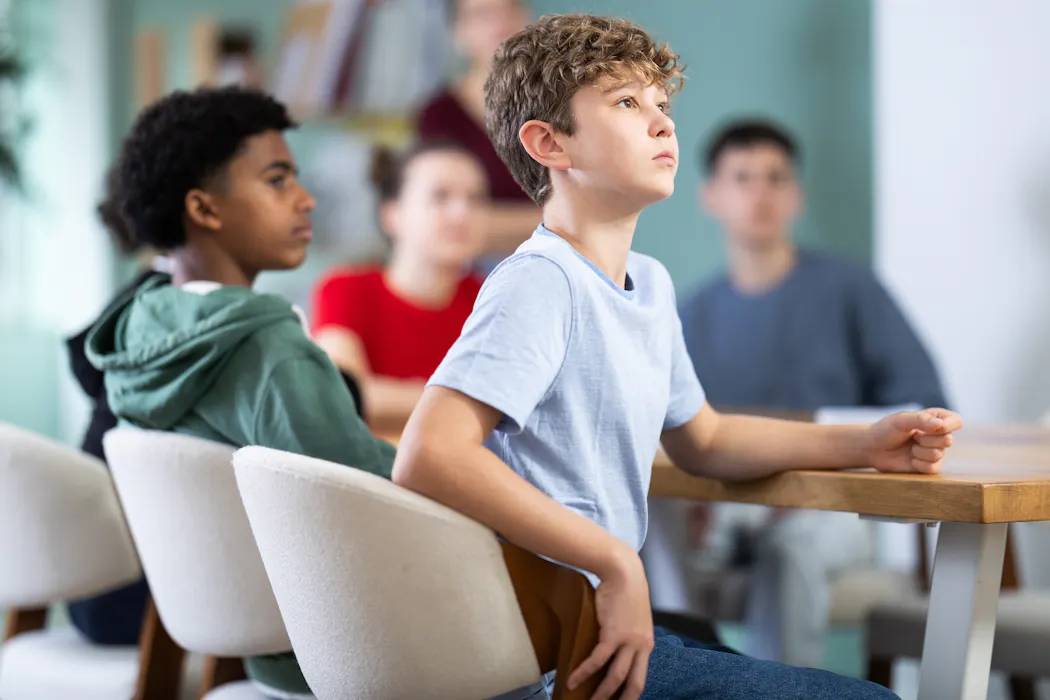

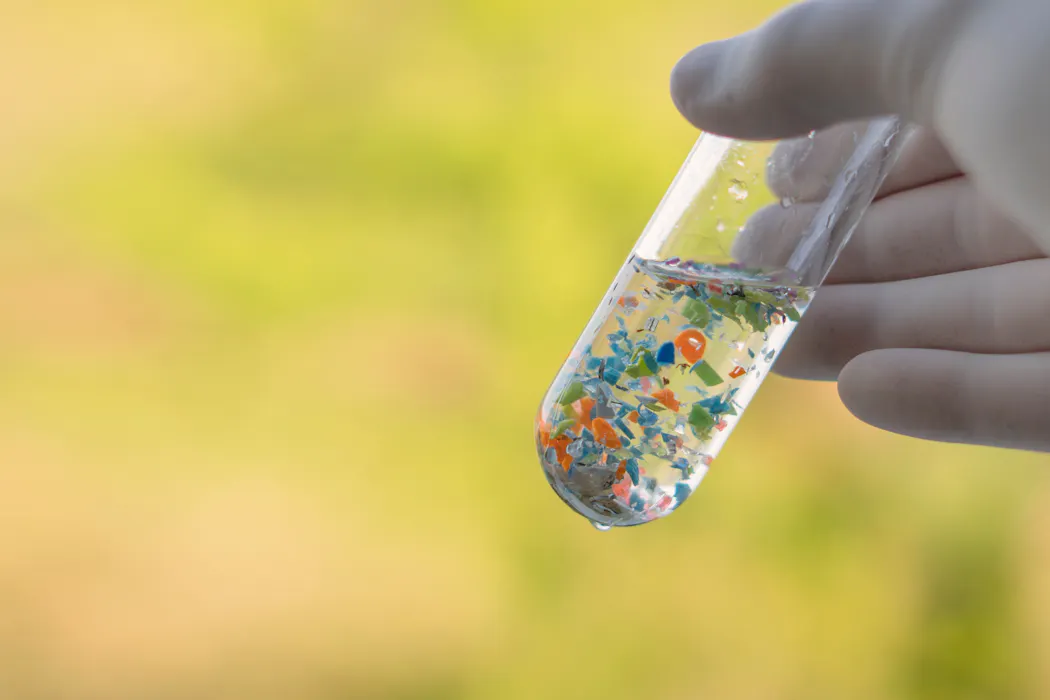

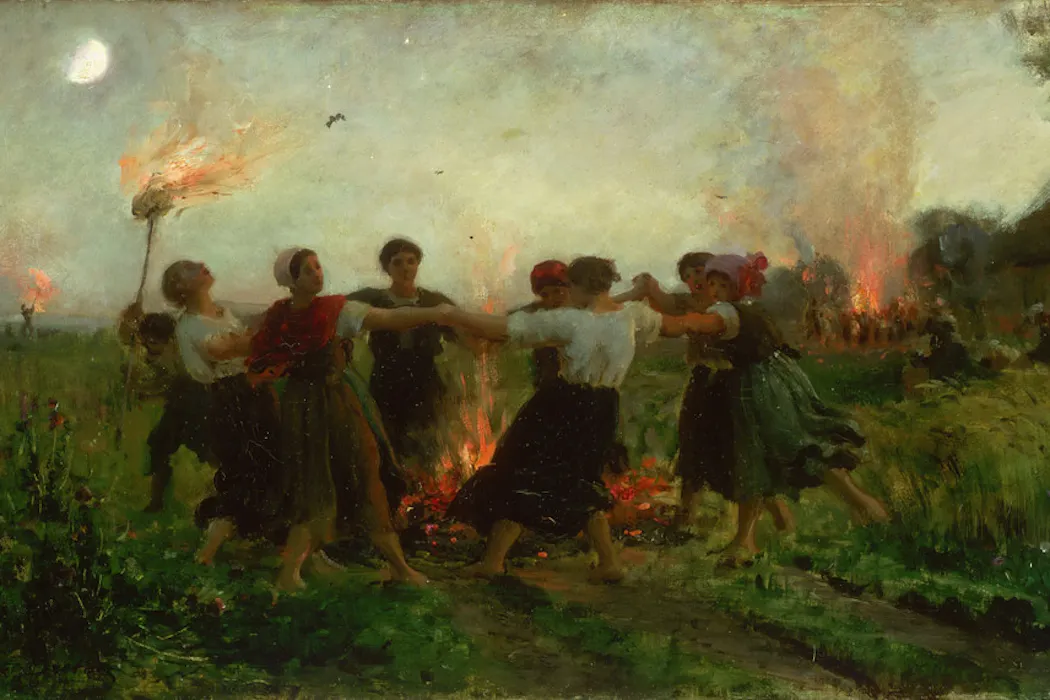


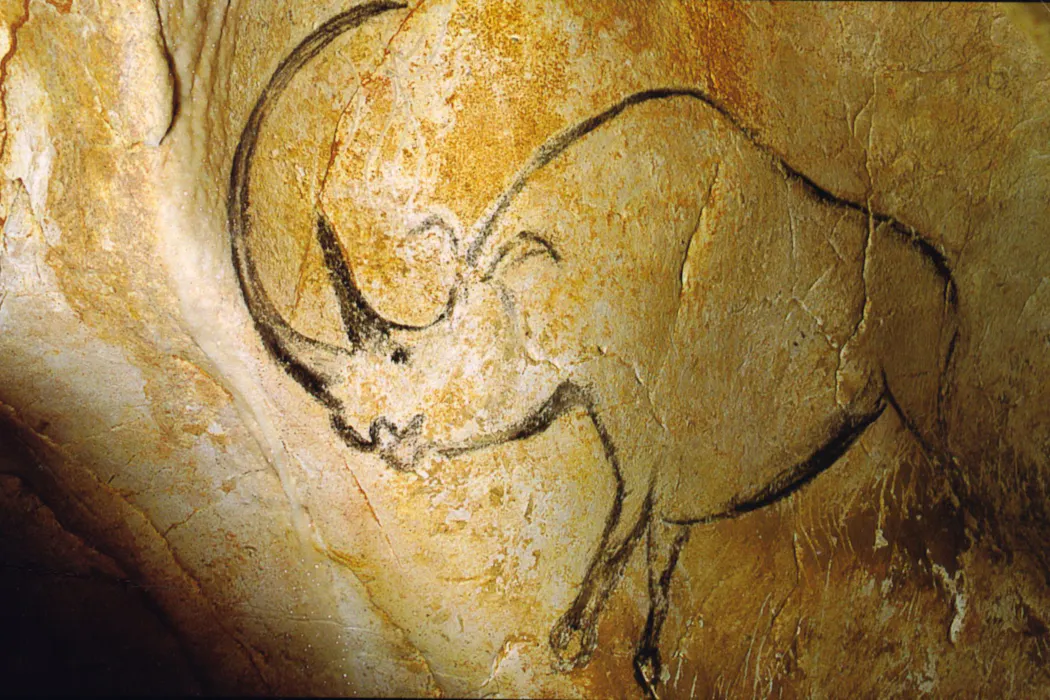





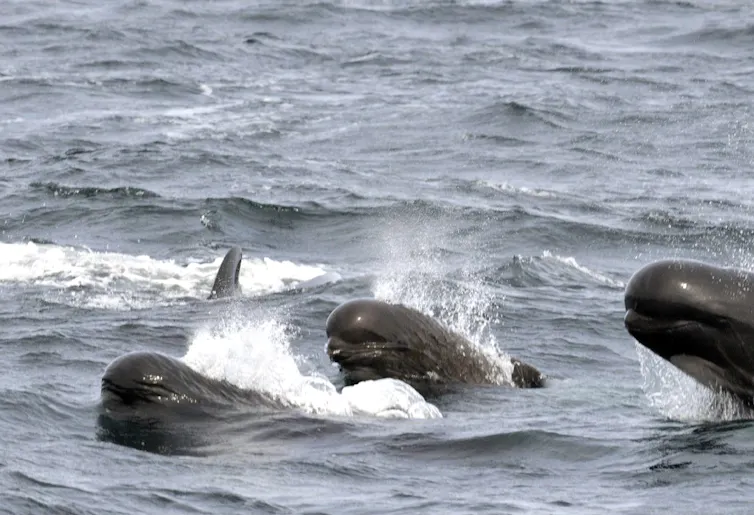
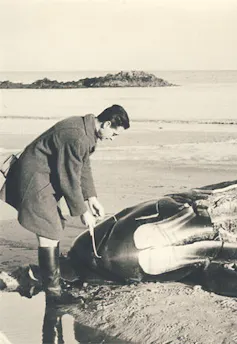


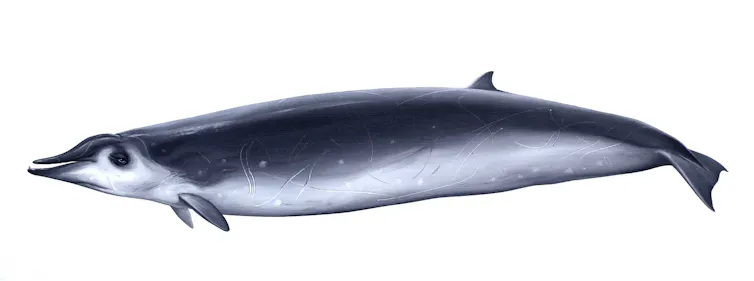

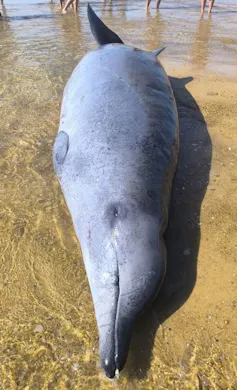

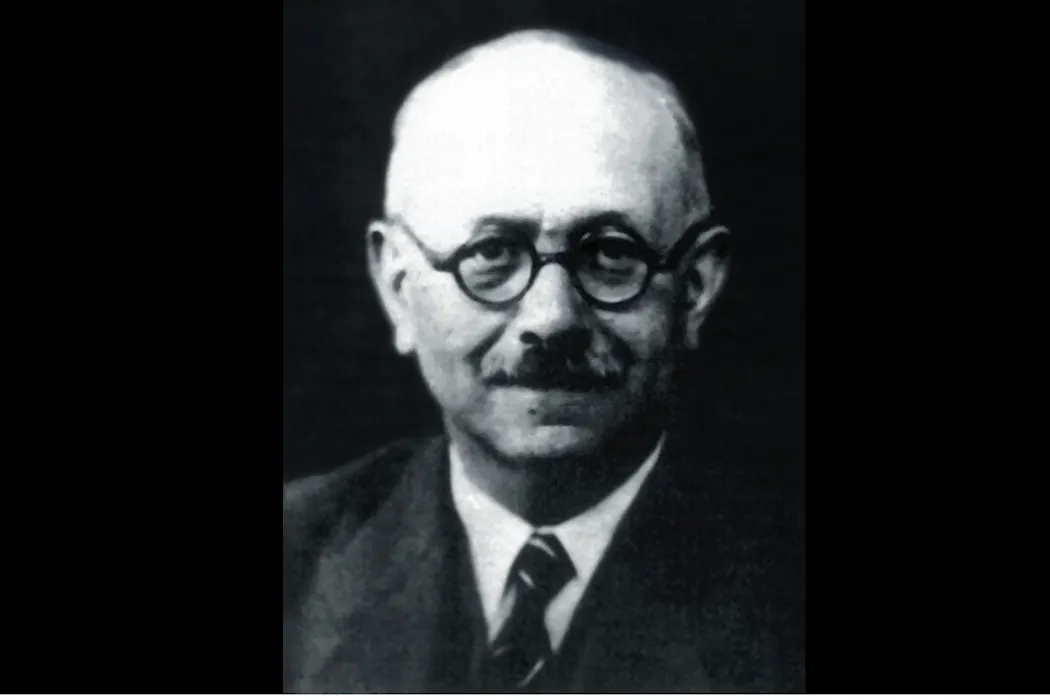

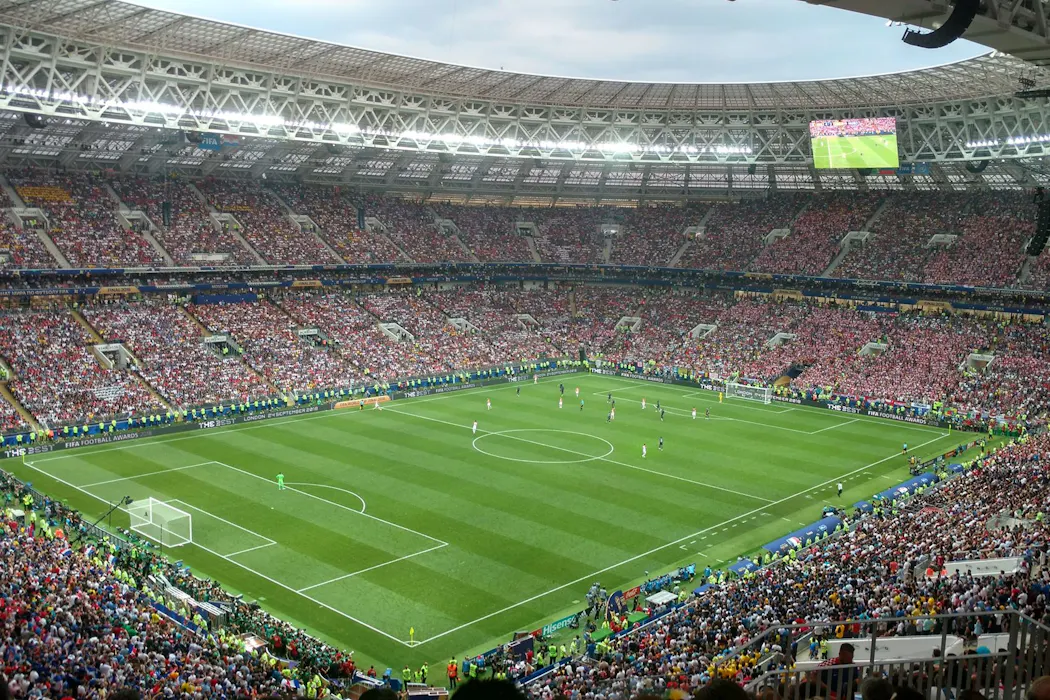

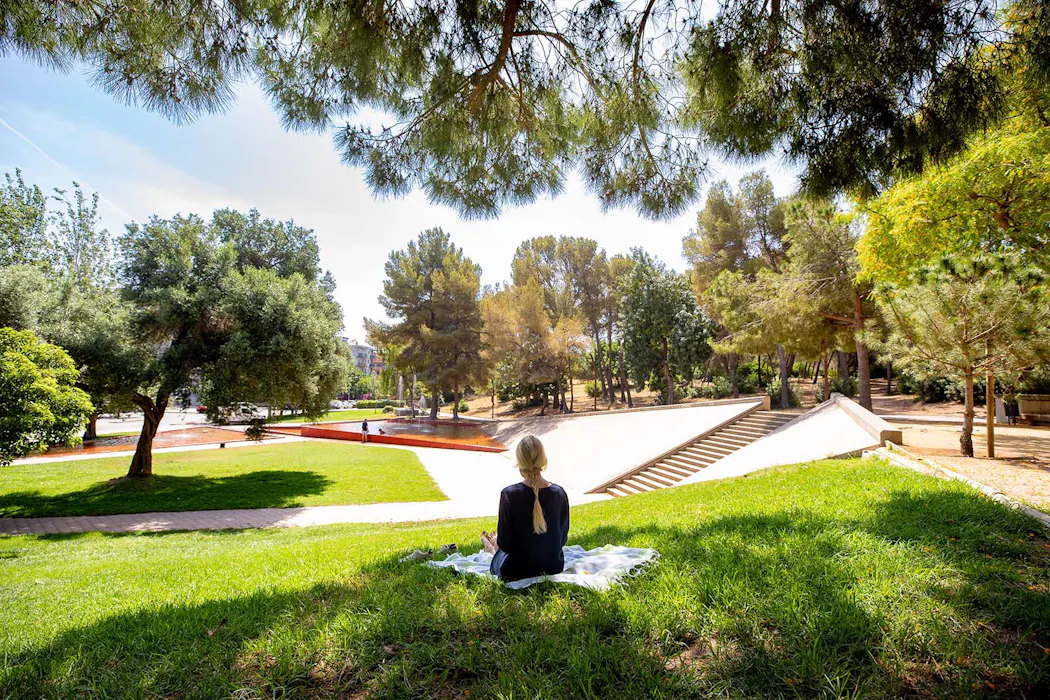


.jpg)

_(6892801246).jpg)


