Will new rules for drivers in England prevent deaths on the road?

Source: The Conversation – UK – By Sally Kyd, Professor of Law, University of Leicester

Panumas Yanuthai/Shutterstock

Driving is the one activity carried out by three-quarters of adults in England which has a risk of killing or being killed. But society seems to accept the risks associated with car travel.

As transport secretary Heidi Alexander notes, we would never accept four people a day dying in train or plane crashes – yet that is the daily toll on roads in Britain.

This is why the government has announced a series of reforms – including lowering the drink-driving limit in England and requiring regular eye tests for over-70s – aimed at reducing deaths and serious injuries by 65% over the next decade. This is a welcome, if ambitious, target.

Any surviving driver involved in a fatal collision faces investigation and potential prosecution if found to be at fault. But the government’s proposed strategy rejects the idea that drivers alone bear responsibility for road safety. A number of proposals relate to designing roads and vehicles to reduce the chance and impact of collisions.

It also highlights that certain groups – particularly young male drivers are disproportionately involved in crashes, and proposes measures to address these risks.

As someone who researches motoring law, and how it is applied in practice, I argue this is a welcome shift to prevention, rather than punishment. Recent government policy has leaned heavily on punitive responses that attempt to close the stable door after the horse has bolted.

Over the past three decades, penalties for causing death on the roads have increased significantly. But while longer sentences are deserved in some cases, this approach has done little to punish the underlying offences – dangerous, careless or drink driving – that leads to fatalities.

There are now five specific criminal offences of causing death by driving under the Road Traffic Act 1988. The most serious – causing death by dangerous driving and causing death by careless driving while under the influence of drink or drugs – carry a maximum sentence of life imprisonment, equivalent to manslaughter.

Despite these tougher penalties, bereaved families report dissatisfaction with sentencing, concerned that drivers do not receive the penalty they deserve.

Punishing dangerous driving

Last year, I conducted a study analysing press reports of over 200 sentencing decisions in fatal crashes, mainly from 2024. The final report found that new sentencing guidelines, introduced in 2023, are largely being followed.

The worst cases now receive sentences exceeding the previous maximum of 14 years, aligning with manslaughter sentences. Eight cases resulted in sentences of 15 years or more, with the highest at 19 years.

Sentencing is complex, influenced by numerous factors, including the significant reduction applied when defendants plead guilty. A discount of up to one-third applies to all criminal offences. But given that 70.5% of offenders plead guilty in death-by-driving cases, this has a significant impact.

A road sign referring to a fatal collision in London
At least four people were killed on British roads per day in 2024.
Alex Segre/Shutterstock

The maximum penalty under the law is life imprisonment. But the sentencing guidelines do not consider a life sentence appropriate even in the worst cases – those involving extreme speed, alcohol or drugs and multiple aggravating factors. The current guidelines allow judges to take a nuanced approach, with variability in sentencing generally reflecting the unique circumstances of each case.

While drivers who kill on the roads are now generally receiving longer sentences, victims are still being let down in several ways. Many see delays in investigation, the right charge not always being selected for prosecution, some cases being dealt with in a magistrates’ court rather than the Crown Court, and the suspect being able to continue driving up until conviction and again soon after they are released from prison.

Furthermore, harsh sentences are unlikely to deter other deaths. Psychological biases mean drivers rarely believe they will be involved in a fatal crash. Increasing the maximum penalty for such offences appears to be an easy political win without actually addressing the underlying behaviour.

Can the law improve road safety?

If the law is to succeed in deterring deaths on the road, it needs to address drivers’ behaviour before they kill.

Some of the proposals in the road safety strategy correspond with recommendations made in my report, such as the suspension of licences for serious offenders awaiting trial, and measures to support novice drivers. These, however, fall short of the recommendations previously made by the RAC Foundation, a transport policy research charity.

Measures such as lowering the drink-drive limit for all drivers, introducing safeguards for new drivers and suspending licences for those suspected of drink or drug driving are positive steps towards using the law more effectively to reduce road violence.

However, passing new laws aimed at changing driver behaviour will not, on its own, save lives. The enforcement of such legislation depends on effective policing of the roads. As recommended by my report, investment in roads policing and collision investigation is essential.

Fundamentally, we as a society need to take all driving offences seriously, given the ultimate harm they can cause. We need to take a step back and understand that what is sometimes framed as a “war on motorists” is trying to prevent the carnage on our roads.

The Conversation

Sally Kyd received funding from the Parliamentary Advisory Council on Transport Safety (PACTS). She is a member of the Policy Research Committee of PACTS.

ref. Will new rules for drivers in England prevent deaths on the road? – https://theconversation.com/will-new-rules-for-drivers-in-england-prevent-deaths-on-the-road-272926
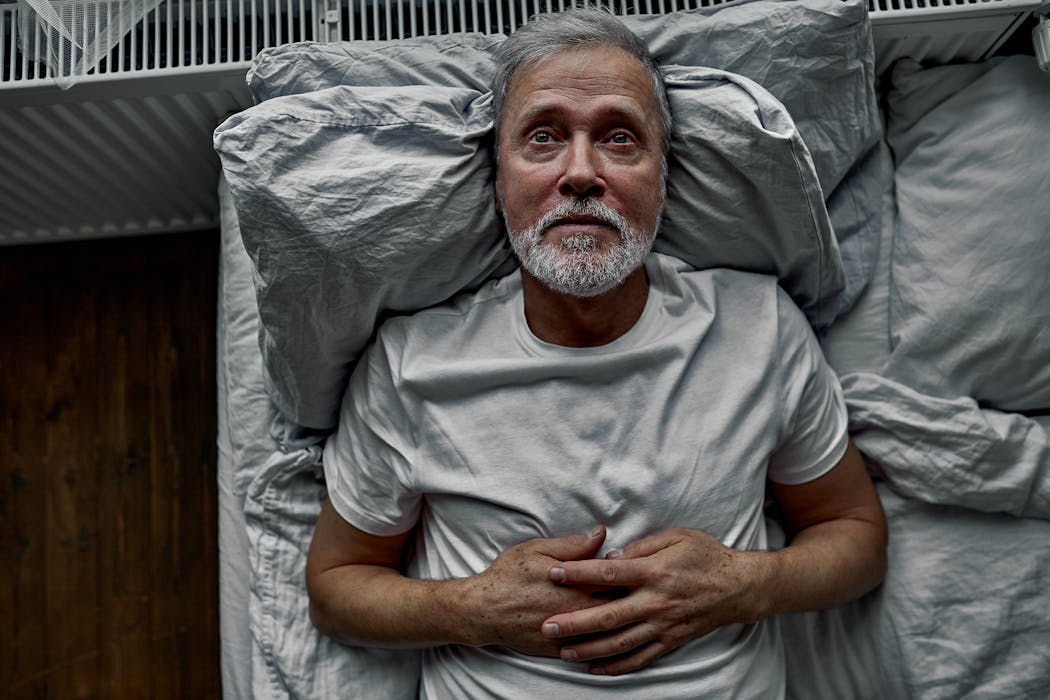
Your body clock matters for brain health in later life – and could even be linked to dementia risk

Source: The Conversation – UK – By Eef Hogervorst, Professor of Biological Psychology, Loughborough University

Shakirov Albert/Shutterstock

Inside the body, a 24-hour rhythm, known as the circadian rhythm, quietly coordinates when we sleep, wake, eat and recover. This internal timing system helps keep organs and hormones working in sync. When it becomes disrupted, the effects may extend well beyond poor sleep, with growing evidence suggesting consequences for long-term brain health.

A large 2025 study of more than 2,000 people with an average age of 79 found that those with a strong circadian rhythm had an almost halved risk of developing dementia. Circadian rhythms regulate daily processes including sleep timing, hormone release, heart rate and body temperature.

Over three years of follow-up, dementia developed in 7% of participants with irregular body clocks, measured using heart rate monitors, compared with 10% of those whose rhythms remained more regular.

Disrupted circadian rhythms are often associated with poor sleep. For decades, poor sleep has been suspected to contribute to both dementia and heart disease, which share several underlying risk factors. In the 2025 study, worse heart health and high blood pressure, both commonly linked to sleep disruption, were accounted for in the analysis. Sleep apnoea, however, was not.

Sleep apnoea is a common condition in which breathing repeatedly stops and starts during sleep, reducing oxygen supply to the brain and raising blood pressure. Its relationship with dementia remains debated, largely because sleep apnoea is more common in people who already have established dementia risk factors such as obesity, diabetes, smoking and alcohol misuse. This overlap makes it difficult to determine whether sleep apnoea itself increases dementia risk or whether it reflects broader metabolic and cardiovascular vulnerability.

This review suggested that addressing physical inactivity linked to fatigue from disrupted sleep may be a promising approach. Increasing activity could reduce obesity, improve sleep quality and support brain cell health, potentially lowering dementia risk through several pathways at once.

Other explanations may also help clarify the link between disrupted circadian rhythms and dementia. One involves the immune system, which is influenced by circadian rhythms as well as sleep and plays a role in both heart disease and neurodegeneration. Another is the theory that sleep supports the removal of toxic proteins from the brain, including amyloid plaques that characterise Alzheimer’s disease, through a waste clearance system that appears to be more active during sleep.

While this clearance hypothesis is widely discussed, evidence remains mixed. Some animal studies, including those in mice, have shown reduced rather than increased toxin clearance during sleep. Animal findings must be interpreted cautiously, as sleep patterns in mice differ substantially from those in humans, particularly in later life.

The Lancet commission update on dementia prevention concluded that sleeping for longer or shorter durations is unlikely to be a true independent risk factor for dementia. One reason for this conclusion is that evidence from real-world sleep disruption does not clearly point to sleep duration as the main driver of risk. Although shift work is associated with increased dementia risks, studies do not consistently show higher risk in night shift workers compared with day shift workers. If sleep disruption alone were responsible, night shifts would be expected to carry a greater risk.

This suggests that circadian disruption may matter independently of sleep duration. However, shift work is also associated with unhealthy lifestyle patterns, including poorer diet, smoking, alcohol use and variable physical activity. Chronic stress, lack of routine, hormonal disruption, raised blood pressure, reduced opportunities for leisure and social isolation also cluster around shift work. Each of these factors is independently linked to dementia, heart disease and poor sleep, complicating attempts to isolate the effects of circadian disruption alone.

The Lancet authors also argued that if amyloid clearance does occur in humans, it likely happens during the first two hours of sleep, when deep sleep is most prominent. Deep sleep tends to be preserved even when total sleep duration falls below seven hours. They therefore suggested that fragmented sleep and disrupted biological rhythms may be early consequences of dementia-related brain changes, rather than causes. The toxic plaques may accumulate in brain regions that regulate sleep and wakefulness long before memory problems become apparent.

So should sleep be deprioritised in dementia prevention? The Lancet advice was not to restrict sleep. Evidence linking long sleep, defined as more than eight hours, to dementia risk was not supported when broader data were considered.

A recent trial tested a personalised programme combining several approaches, such as light exposure, sleep scheduling, daytime activity and caregiver support, to improve sleep in people with dementia. After eight months, sleep improved in the intervention group, although sleep also improved with usual care. The overall effect was small to moderate, and there was no improvement in dementia-related behaviours or overall health. These approaches may benefit carers by supporting routines, but their impact for people with dementia appears limited.

Both acute and chronic sleep deprivation, particularly loss of deep sleep and REM sleep, can impair memory. Whether long-term disruption of restorative sleep increases dementia risk later in life, and whether treating sleep problems can prevent dementia, remains uncertain.

Because improving sleep is often seen as a potential prevention strategy, medications used to treat insomnia also deserve scrutiny. Sedative drugs such as benzodiazepines have been linked to increased dementia risk, as well as daytime drowsiness, falls and accidents. Melatonin, while used by many, has not shown consistent benefits for improving sleep in adults.

That said, there are evidence-based ways to improve sleep and support healthy circadian rhythms. Regular moderate exercise, around 30 minutes a day, particularly outdoors and before midday, is one of the most effective. As a bonus, physical activity is also one of the strongest protective factors against heart disease and dementia. So wrap up warm and get walking.

The Conversation

Eef Hogervorst has received funding from governmental research grants to investigate lifestyles and dementia risk. She is affiliated with Loughborough University and acted as expert for NICE and ESHRE Guidelines on whether women going through menopause should be treated with hormones to prevent dementia

ref. Your body clock matters for brain health in later life – and could even be linked to dementia risk – https://theconversation.com/your-body-clock-matters-for-brain-health-in-later-life-and-could-even-be-linked-to-dementia-risk-272838

Manchester United’s problems run deeper than another managerial sacking

Source: The Conversation – UK – By Dan Plumley, Principal Lecturer in Sport Finance, Sheffield Hallam University

Moomusician/Shutterstock

At its peak in the 1990s and 2000s, Manchester United was the reference point in professional club football around the globe. It set the commercial agenda, dominated the game domestically and projected power far beyond the pitch. That era now feels distant – not because ambition has faded, but because competence in execution has.

Manchester United’s latest chapter, the sacking of manager Ruben Amorim, has been framed as a necessary football decision. The team’s results were inconsistent and its performances uneven.

Yet focusing on Amorim alone risks missing the wider truth. Manchester United is stuck in a cycle of poor business decisions off the field. The arrival of petrochemical billionaire Sir Jim Ratcliffe’s Ineos to assist majority owners the Glazer family in 2023 has not broken it.

Ineos was brought in as a corrective force, promising modern governance, football expertise and significant investment in infrastructure. At the time, it stated that it wanted to see Manchester United back at the “very top” of English, European and world football.

Fast forward a couple of years and that aim already looks in jeopardy. Instead, the club continues to display the same damaging tendencies that have defined the era after Sir Alex Ferguson’s legendary management period between 1986 and 2013.

These tendencies include reacting to the performances on the pitch rather than prioritising the long-term vision and allowing managerial changes to disrupt wider restructuring projects. Staff redundancies, plans for a new stadium and the latest managerial sacking have all drawn criticisms from fans, analysts and journalists, who often take aim at the way Ineos has structured the hierarchy at the club.

Manchester United’s operating model has become predictable. First, the club appoints a “project” manager – someone with a clearly defined philosophy and a reputation for innovation. Expectations are set high, often publicly, with talk of culture change and long-term vision.

Next comes the structural failure. Recruitment and wage strategy are not aligned to the manager’s philosophy, creating a disconnect between the board, technical director and the manager. Players are inherited who do not fit the system, while new signings are compromises driven by availability, commercial logic or short-term pressure rather than long-term squad building. Power is split between executives, technical directors and owners, leaving the head coach as the scapegoat.

Under-performance then follows. This is not always catastrophic, but it is enough to trigger anxiety at board level and among supporters. The squad looks mismatched, results fluctuate and narratives of decline re-emerge.

Finally, the reset button is pressed. The manager is dismissed, the “culture” is blamed, and the cycle begins again. Reports since Amorim’s sacking have detailed tensions over control, recruitment and tactical direction.

Amorim publicly hinted at frustrations behind the scenes, while leadership including CEO Omar Berrada, director of football Jason Wilcox, and director of recruitment, Christopher Vivell, appeared unconvinced that his approach suited the club’s needs. What is striking is not that the relationship broke down, but how familiar the breakdown felt.

former manchester united manager ruben amorim shouting during a match.
Amorim’s exit followed a predictable pattern.
Cesar Ortiz Gonzalez/Shutterstock

The question should not be whether Amorim was perfect – few managers are. It is whether Manchester United ever created the ecosystem required for him to succeed. The evidence suggests they did not.

Amorim was hired for his clearly defined system and his personality as a modern, progressive coach. But he walked into a squad built for very different managers and ideas. Clear lines of responsibility never fully emerged, and football decisions – or a shared footballing philosophy – struggled to filter down through the club’s corporate structure.

Amorim himself openly questioned how he had been appointed as a “manager”, only to discover that in practice he was operating more as a head coach. The club still seems unsure as to whether it wants a powerful manager, a dominant sporting director or a committee-led model running its football operation.

This ambiguity leaves every coach vulnerable. When results dip, there is no shared accountability – only a convenient exit route.

Financial consequences beyond the pitch

Sacking managers is also a costly business. Amorim left the club with 18 months remaining on his contract, a decision estimated to cost around £12 million in compensation.

Since 2014, the cumulative cost of sacking managers and senior staff at Manchester United has been estimated at close to £100 million. The club also paid £8.3 million in October 2024 to appoint Amorim early. Even for a financial powerhouse, such inefficiency risks becoming a burden.

Externally, instability weakens Manchester United’s negotiating position. Elite players increasingly view the club as a risk rather than a destination, while rivals with coherent structures exploit the indecision.

This is where the financial reality may bite, particularly if the club continues to miss out on the Uefa Champions League, the biggest club football tournament in Europe. The revamped competition can deliver close to £100 million per season for clubs that progress deep into the tournament.

Manchester United has so far maintained revenues — ranking fourth globally – but rivals such as Real Madrid, Barcelona, Bayern Munich, Arsenal and Liverpool have moved ahead on and off the pitch. Missing the Champions League once or twice is manageable; missing repeatedly is not.

Ineos may still believe the club is mid-reform, but reform without coherence is merely motion. Until Manchester United decides who truly owns the football vision and protect that vision through recruitment, patience and structural alignment, no managerial appointment will succeed for long.

Sacking Amorim may feel decisive. History suggests it will change little. Manchester United’s biggest problem is not who stands on the touchline, but how the club makes decisions when the cameras are off.

Manchester United FC and Ineos were approached for comment.

The Conversation

The authors do not work for, consult, own shares in or receive funding from any company or organisation that would benefit from this article, and have disclosed no relevant affiliations beyond their academic appointment.

ref. Manchester United’s problems run deeper than another managerial sacking – https://theconversation.com/manchester-uniteds-problems-run-deeper-than-another-managerial-sacking-272955

Los líderes cubanos acaban de perder un aliado clave en Maduro

Source: The Conversation – (in Spanish) – By Joseph J. Gonzalez, Associate Professor of Global Studies, Appalachian State University

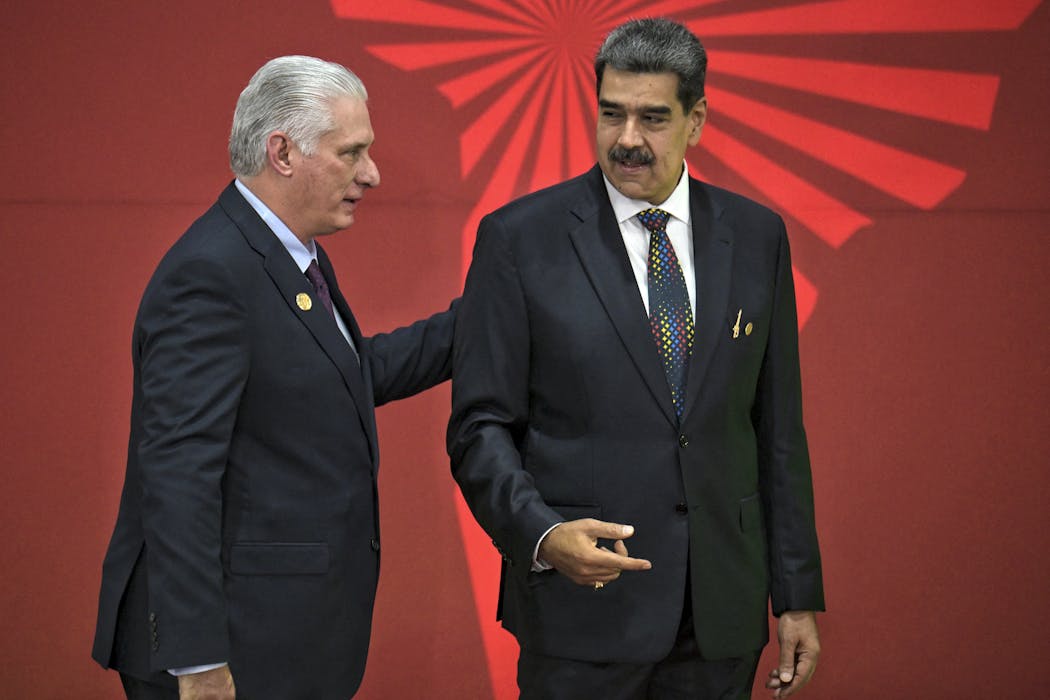
«¿Después de usted, presidente Maduro?». Una frase preocupante para el presidente de Cuba, Miguel Díaz-Canel. Juan Barreto/AFP via Getty Images

Las imágenes de Nicolás Maduro esposado y siendo escoltado a un centro de detención de Brooklyn sin duda habrán incomodado a los líderes políticos de La Habana.

“Cuba va a ser algo de lo que acabaremos hablando”, afirmó el presidente Donald Trump pocas horas después de la operación del 3 de enero de 2026 para capturar al presidente venezolano. El secretario de Estado, Marco Rubio, se hizo eco de la advertencia de Trump: “Si viviera en La Habana y estuviera en el Gobierno, estaría preocupado”.

Como historiador de Estados Unidos y Cuba, creo que las relaciones de Washington con La Habana han entrado en una nueva fase bajo la administración Trump. Atrás quedaron el “deshielo cubano” de Barack Obama y las sanciones menos restrictivas de Joe Biden. En su lugar, la administración Trump aparentemente ha adoptado una política de cambio de régimen mediante la máxima presión.

Si esta administración se sale con la suya, 2026 será el último año del régimen comunista en Cuba, y pretende lograrlo sin la intervención de las fuerzas armadas estadounidenses.

“No creo que necesitemos (tomar) ninguna medida”, dijo Trump el 4 de enero. Y añadió: “Cuba parece estar lista para caer”.

El amigo con derecho a roce de Cuba

Puede que Trump tenga razón. La captura de Maduro ha supuesto la pérdida efectiva del aliado más cercano de Cuba. El predecesor y mentor de Maduro, Hugo Chávez, era un admirador declarado del líder revolucionario cubano Fidel Castro.

Poco después de asumir el poder en 1999, el Gobierno de Chávez comenzó a suministrar petróleo en condiciones favorables a Cuba a cambio de médicos y, finalmente, la formación de las fuerzas de seguridad de Venezuela. No fue una coincidencia que 32 de los agentes de seguridad muertos mientras defendían a Maduro del avance de las fuerzas estadounidenses fueran cubanos.

Maduro sucedió a Chávez como presidente en 2013 y continuó con el apoyo del país a Cuba. En 2022, un miembro de la oposición venezolana afirmó que Caracas contribuyó con 60 000 millones de dólares estadounidenses a la economía cubana entre 2002 y 2022.

Una multitud sostiene banderas en alto.
Cubanos se reúnen en apoyo al líder venezolano Nicolás Maduro en La Habana el 3 de enero de 2026.
Adalberto Roque/AFP vía Getty Images

La generosidad de Maduro resultó insostenible. A principios de la década de 2010, Venezuela entró en una grave crisis provocada por la mala gestión económica, una dependencia excesiva del petróleo y las sanciones de Estados Unidos.

El apoyo de Venezuela a Cuba se redujo a un goteo en 2016. No obstante, el Gobierno de Maduro ha seguido suministrando petróleo a Cuba en secreto, eludiendo las sanciones estadounidenses, en cantidades muy inferiores a las necesidades de Cuba.

Tiempos difíciles en Cuba

La penuria de Venezuela y la presión de Estados Unidos hacen que los cubanos estén sufriendo privaciones a un nivel no visto desde el “período especial” de crisis económica que vivió el país entre 1991 y 1995, provocado por el colapso de la Unión Soviética y el fin de las generosas subvenciones del bloque.

Desde 2020, el PIB de Cuba se ha reducido en un 11 %, mientras que el valor del peso cubano sigue cayendo.

Los cubanos ya no tienen electricidad fiable ni acceso al agua. Las enfermedades transmitidas por mosquitos, que antes eran poco frecuentes, ahora están muy extendidas porque el gobierno no puede permitirse rociar pesticidas.

Para colmo, el sistema sanitario solo proporciona la atención más básica, y los hospitales tienen pocos o ningún medicamento.

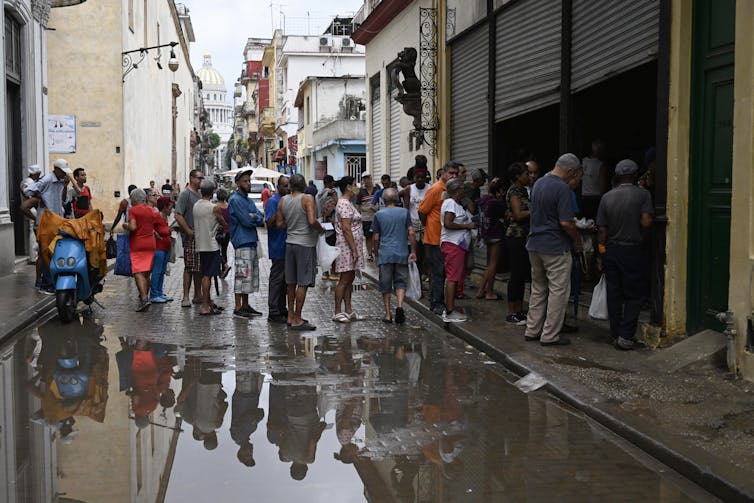
Mientras tanto, las producciones industrial y agrícola han disminuido drásticamente, al igual que las importaciones de alimentos. Y aunque todavía no se ha producido una hambruna, la inseguridad alimentaria ha aumentado, con la mayoría de los cubanos sometidos a una dieta limitada y saltándose comidas. La delincuencia también se ha vuelto habitual en las calles de Cuba, que antes eran seguras.

Un grupo de personas en la calle
Cubanos hacen cola para comprar comida durante un corte de electricidad en La Habana el 3 de diciembre de 2025.
Yamil Lage/AFP via Getty Images

Desde que tomó el poder Maduro, la administración estadounidense ha esbozado políticas que parecen destinadas a aumentar la presión económica sobre Cuba y provocar un cambio de régimen. Por ejemplo, Estados Unidos ha dejado claro que ya no permitirá que Venezuela suministre petróleo a Cuba.

Al parecer, el Gobierno espera que, sin petróleo, el Gobierno cubano simplemente se derrumbe. O tal vez Trump espera que los cubanos, tan frustrados como están, derroquen a sus amos comunistas sin la ayuda de Estados Unidos.

Un régimen sin apoyo popular

En cualquier caso, el razonamiento de la administración tiene un posible fallo: los comunistas cubanos han sobrevivido a crisis como estas durante más de 60 años. Sin embargo, hay pruebas de que, a medida que la economía cubana se deteriora, también lo hace el apoyo al régimen.

Desde 2020, más de un millón de cubanos han abandonado el país, principalmente hacia Estados Unidos y países de habla hispana. Un colega cubano con acceso a investigaciones del Gobierno me dijo recientemente que la cifra se acerca más a los dos millones.

Y los que se quedaron tampoco están más satisfechos.

Cuba protesta en las calles

En una encuesta de opinión pública de 2024, una abrumadora mayoría de cubanos expresó su profunda insatisfacción con el Partido Comunista Cubano y el liderazgo del presidente Miguel Díaz-Canel.

Los cubanos también han llevado sus quejas a las calles. En julio de 2021, estallaron protestas en toda Cuba, exigiendo más libertad y un mejor nivel de vida. El Gobierno encarceló rápidamente a los manifestantes y los condenó a largas penas de prisión.

No obstante, las protestas esporádicas han continuado, a menudo de forma rápida y sin previo aviso, provocando una dura represión. En particular, el movimiento San Isidro, formado en 2018 para protestar contra las restricciones a la expresión artística, cuenta con un fuerte apoyo entre los jóvenes cubanos.

Cambio de actitud hacia Estados Unidos

A medida que los cubanos se han ido volviendo en contra de su Gobierno, se han vuelto más receptivos a Estados Unidos.

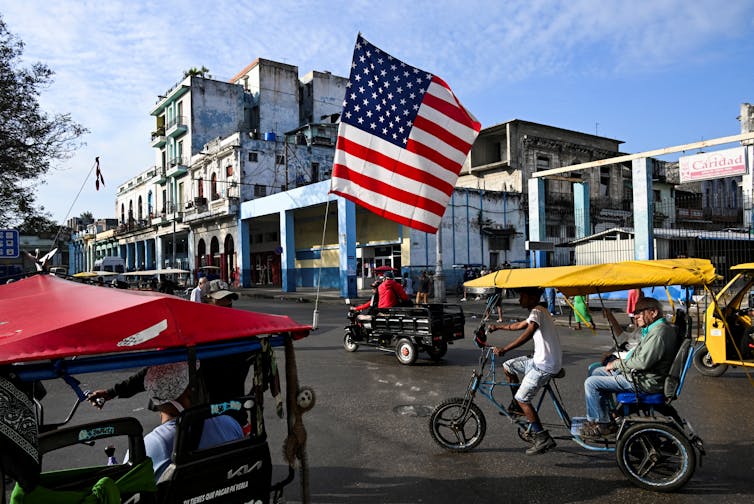
Durante mi primera visita en 1996, los cubanos culpaban al embargo estadounidense, en vigor desde principios de la década de 1960, de las privaciones que sufrían durante el “período especial”. Sin embargo, en la última década, he oído a los cubanos –al menos a los menores de 50 años– expresar más ira hacia su Gobierno que hacia el embargo estadounidense.

Una gran bandera estadounidense ondea sobre la calle.
Un triciclo utilizado como taxi está decorado con la bandera estadounidense en La Habana.
Yamil Lage/AFP vía Getty Images

No nos equivoquemos: los cubanos quieren que termine el embargo estadounidense. Pero ya no creen en el intento de su Gobierno de culpar a Washington de todos los problemas económicos y políticos de Cuba.

Parte de este cambio se debe a la extraordinaria emigración de cubanos: todos los cubanos que conozco tienen un familiar o un amigo en Estados Unidos. Internet también ha ayudado: ahora los cubanos pueden leer noticias extranjeras en sus teléfonos.

¿Liberadores bienvenidos?

Desde la captura de Maduro, he enviado mensajes a amigos en Cuba para evaluar el estado de ánimo. Todos menos uno de los seis amigos cubanos con los que logré contactar me dijeron que estaban receptivos a la intervención de Estados Unidos en Cuba, siempre y cuando eliminara el régimen que les hace la vida imposible.

Un amigo dijo: “Si los yanquis aparecieran hoy, la mayoría de nosotros probablemente los recibiríamos como libertadores”.

Es cierto que mi muestra es pequeña. Pero estas reacciones, procedentes de cubanos relativamente privilegiados que trabajan tanto en el sector privado como en el público, no pueden ser buenas noticias para lo que queda del régimen de Castro.

The Conversation

Joseph J. Gonzalez no recibe salario, ni ejerce labores de consultoría, ni posee acciones, ni recibe financiación de ninguna compañía u organización que pueda obtener beneficio de este artículo, y ha declarado carecer de vínculos relevantes más allá del cargo académico citado.

ref. Los líderes cubanos acaban de perder un aliado clave en Maduro – https://theconversation.com/los-lideres-cubanos-acaban-de-perder-un-aliado-clave-en-maduro-273261

Lessons from Palestine: Understanding the resistance of educators and students in times of crisis

Source: The Conversation – Canada – By Emmanuelle Khoury, Associate professor, School of Social Work, Université de Montréal

Many educators and students living through war and displacement carry difficult emotions into classrooms, but they can also transform them into acts of care and resistance. To understand this, we need to understand their emotional states at a granular level.

Since January 2024, we have been collaborating on a project with the dean and professors at the School of Nursing and Midwifery at Ibn Sina College in Nablus, Palestine, with support from Université de Montréal International.

Our aim is to learn how professors and students talk about their emotions in a region marked by occupation, violence, forced displacement and chronic uncertainty.

From January 2024 to September 2025, we met every two months with five professors and the dean of nursing and midwifery at Ibn Sina College.

Palestinian university professors told us they need to be present and emotionally available for their students while grappling with the impacts of Israel’s military occupation and what many experts have labelled a genocide in Gaza, and they’re looking for tools to help them do that.

Our exchange with Palestinian educators and students led to the development of an intervention tool, CARE (Connection, Action, Resistance, Empowerment), co-designed to address two central emotional states: resistance fatigue and qahr.


Read more:
For Palestinian children living in Masafer Yatta, going to school is an act of resistance


What is qahr?

Resistance fatigue speaks to a pervasive loss of control over our days, choices and even our inner world. This emotional exhaustion is not only personal, but it is also shaped by political structures of exclusion and dispossession, which includes forced displacement, navigating checkpoints and restricted movement.

However, we witnessed another emotion salient in Arabic-speaking countries that we believe underpins resistance fatigue: qahr.

Qahr is a concept that is necessary to grasp in order to truly understand what Palestinians and others living through colonial violence in southwest Asia and north Africa are feeling.

In Arabic, the word qahr evokes an emotion that blends powerlessness, grief and an acute sense of injustice and being overwhelmed by forces larger than ourselves. More than anger and deeper than grief, qahr speaks to the suffocating weight of injustice, the pain of being silenced, muzzled, diminished, trivialized and made invisible.

Qahr is a complex emotion that also holds the potential for transformation — for naming, sharing and reimagining how to live and care for each other. It is a specific emotion shaped by oppression, perpetuated violence and historical trauma that non-Arabic languages often fail to capture.

What we have learned is that qahr is more than a feeling. It is also an action born of the Palestinian determination not to disappear. It is carried through stories, graffiti, songs and through everyday acts of resistance that push against military occupation and attempts at erasure.

Qahr might feel like rage and grief mixed into one, but it often looks like actions that serve as counter-narratives. These actions are deep forms of care, for ourselves, our communities and one’s history and ancestry. They are also political tools that reclaim space, time and dignity.

Hope and care

Our previous work with teachers in Lebanon has shown that educators and students alike carry the emotional trauma into the classroom from collective crises such as economic collapse, war and displacement. The Lebanese teachers we spoke to discussed losses, suffering, injustice, death, violence, unstable living conditions, but also feelings of hope and resistance.

Likewise, during the early days of the genocide in Gaza, many teachers expressed their profound sense of oppression and how they managed to transform it into hope and even moments of joy.

Their commitment to developing educational initiatives for their students stands as powerful evidence of this resistance. As Asma, a teacher from Gaza, explained: “People in the Gaza Strip have become experts in creating alternative life plans.”

In this way, spaces of suffering also become sites of hope and care. Our research on exploring emotion work, on valuing the role of emotions and on dialogue allowed us to turn toward specific emotions experienced by many of our project partners.

The CARE intervention

Inspired by our research findings about fathering amid political violence in occupied Palestine, we were interested in analyzing our discussions with colleagues at Ibn Sina College in terms of emotions and resilience.

Through our understanding of qahr, we created CARE (Connection, Action, Resistance, Empowerment), a culturally adapted intervention, with professors and students at Ibn Sina College. During a series of online dialogues, we reflected on the lived experience of teaching under occupation, talking about loss, and staying committed to teaching and training.

CARE builds on this insight, offering an adaptation of acceptance and commitment therapy with situated and culturally grounded strategies for educators and students to collectively hold space for their emotions and their actions.

What began as a project to support the psychosocial needs of health-care professionals in crisis turned into the co-creation of a training module on trauma and mental health. Our discussions revealed a common thread in our Ibn Sina colleagues’ objectives: a desire to share their own complex emotions to better support others, in particular their students.

As our collaborations evolve, we continue to explore how emotional concepts can inform pedagogical, political and relational practices. Qahr offers a lens through which to understand not only suffering and hope, but also the actions of resistance and reparation under conditions of war and displacement.

This is how our colleagues in Palestine began to share their complex, often opposing, feelings that arise in these circumstances, including resistance fatigue and qahr.

Together we identified key goals for the meetings, with a focus on developing psychosocial and mental health interventions and training sessions that recognize and validate these emotions. CARE emphasizes practical strategies for educators and students to individually and collectively hold space for strong emotions.

CARE was integrated into a guidebook and was first delivered to a cohort of nursing instructors and academics, who tested it with students and in professional circles in the fall of 2025. This initiative underscores the transformative strength of collaboration, and the importance of diving deep into learning about context and culturally specific emotion concepts for responsive care.

Qahr is a legitimate feeling. CARE offers a stepping stone to accompany teachers and professors in this experience, helping them to channel it in their own way, according to their resources and context. In this process, it is essential to mention that we also have much to learn from those who feel qahr. Their experiences invite us to question our own understandings and reflections of loss, anger and injustice.

The Conversation

The authors do not work for, consult, own shares in or receive funding from any company or organisation that would benefit from this article, and have disclosed no relevant affiliations beyond their academic appointment.

ref. Lessons from Palestine: Understanding the resistance of educators and students in times of crisis – https://theconversation.com/lessons-from-palestine-understanding-the-resistance-of-educators-and-students-in-times-of-crisis-269578

What Mark Carney’s China trip could mean for the future of Canadian-Chinese relations

Source: The Conversation – Canada – By Ye Xue, Research Fellow, China Institute, University of Alberta

It has been more than three years since China’s Xi Jinping told Canada’s Justin Trudeau to “create the conditions first” before the two countries could work together constructively during their awkward private exchange at the 2022 G20 summit.

Despite occasional diplomatic engagement since then, the conditions for genuine co-operation between Canada and China failed to materialize, and the relationship remained overshadowed by the Meng Wanzhou affair, the ordeal of the “Two Michaels” and disputes over foreign interference.


Read more:
Meng and the two Michaels: Why China’s hostage diplomacy failed


Threats by United States President Donald Trump to make Canada a 51st state, combined with his disruptive trade policies, have forced Ottawa to re-examine the risks of excessive economic dependence on its closest ally and articulate an ambition to double Canada’s non-U.S. exports over the next decade.

As Prime Minister Mark Carney recently put it: “Never have all your eggs in one basket. We have too many eggs in the American basket.” At the same time, China has signalled a willingness to stabilize strained relations following Carney’s election win last year.

Canada-China tariffs

Foreign Minister Anita Anand’s visit to Beijing, together with Carney and Xi’s informal meeting on the margins of the APEC summit last October, suggests that the groundwork now exists for a serious stabilization of Canada–China relations.

Carney’s visit to China this week builds on this emerging momentum.

While the visit could be positive, Canadian expectations should be realistic, since the trip marks a stabilizing process rather than a symbol of stabilized relationship.

Trade will be at the top of Carney’s agenda, particularly the Canadian push for China to lift anti-dumping duties on Canadian canola oil. Yet few should expect an immediate breakthrough. Economic sanctions are rarely undone in a single high-level meeting; more often, such visits lay the groundwork for the harder, more technical negotiations that follow.

Australia’s experience offers a reality check. China did not lift restrictions on Australian coal and review anti-dumping duties on barley during high-level visits; those steps came months later, following sustained diplomatic engagement after Foreign Minister Penny Wong’s trip to Beijing in late 2022.

Nor did Prime Minister Anthony Albanese’s state visit in November 2023 trigger the immediate removal of remaining tariffs on exports such as wine, red meat and live lobsters. Progress came gradually — through patience, process and persistent diplomacy.


Read more:
Vital Signs: Australian barley growers are the victims of weaponised trade rules


The canola dispute is different. China’s tariffs were a direct response to Ottawa’s duties on Chinese electric vehicles. In a relationship governed by reciprocity, China is unlikely to move first without a signal from Canada.

Rather than expecting immediate, tangible outcomes, this state visit is best understood as an ice-breaking moment to encourage governments at different levels and across sectors to resume or establish dialogue. Over time, such channels can normalize working relationships and foster bilateral co-operation.

More diplomacy, no security concessions

The high-profile shift in Ottawa’s China policy places the Carney government under closer domestic scrutiny. Canadians will want to know whether this approach can advance economic interests while safeguarding national security while remaining consistent with Canada’s identity as a liberal democracy.

China, for its part, will expect Ottawa to demonstrate a sustained commitment to stabilization. All of this will unfold under the continued pressure of the American China strategy, which will continue to shape the boundaries of Canada’s policy choices.

Maintaining a balance among competing national interests has become increasingly difficult for middle powers like Canada. Yet Australia’s China policy over the past three years, characterized by “pragmatic engagement without strategic concession,” suggests such a balance is possible.

But it will require Canada to invest more heavily in effective diplomacy, rather than relying on inflammatory or performative rhetoric for domestic political gain.

It means favouring neutral, precise language over emotive labelling when responding to Chinese actions. It also demands strong leadership from Carney: centralizing message discipline, enforcing cabinet coherence on China policy and reducing the risk that domestic political point-scoring spills into the diplomatic realm.

Ottawa should also use re-established communication channels as the primary venue for managing disagreements. These mechanisms can support incremental, negotiated solutions to specific disputes, rather than an over-reliance on public pressure and symbolic gestures.

‘Stabilization with continuity’

A shift in diplomatic approach does not imply a retreat from Canada’s core strategic commitments. The Carney government can and should reaffirm that stabilizing its relationship with China is compatible with maintaining robust national security and democratic values.

This requires embedding China policy within Canada’s broader Indo-Pacific strategy rather than treating it as a bilateral exception. It also involves deepening security co-operation with regional partners to help foster an environment where states are not forced to choose between either the United States or China.

At home, Canada should continue to strengthen institutional safeguards against foreign interference, pairing them with transparent public communication that demonstrates the government’s confidence in institutions and avoids doubling down on any public anxiety about China.

Ultimately, Canada’s China policy after Carney’s visit should be one of stabilization with continuity, making clear that engagement is being pursued from a position of institutional strength, not strategic accommodation.

The Conversation

Ye Xue does not work for, consult, own shares in or receive funding from any company or organisation that would benefit from this article, and has disclosed no relevant affiliations beyond their academic appointment.

ref. What Mark Carney’s China trip could mean for the future of Canadian-Chinese relations – https://theconversation.com/what-mark-carneys-china-trip-could-mean-for-the-future-of-canadian-chinese-relations-273202

« Blue Monday » est un mythe, mais la déprime saisonnière est bien réelle. Voici comment traverser les mois d’hiver

Source: The Conversation – in French – By Joanna Pozzulo, Chancellor’s Professor, Psychology, Carleton University

En 2005, le psychologue Cliff Arnall a créé le terme Blue Monday dans le cadre d’une campagne publicitaire d’une agence de voyages britannique visant à encourager les gens à partir en vacances en hiver. À l’aide d’une formule pseudo-scientifique, il a désigné le troisième lundi de janvier comme le jour le plus déprimant de l’année marqué par la tristesse, le manque d’énergie et l’isolement social.

Bien que le concept du lundi de la déprime ait été réfuté, les émotions négatives associées à la saison froide sont bien réelles.

Le trouble affectif saisonnier (TAS) est une forme de dépression reconnue, liée aux variations saisonnières. Ses symptômes comprennent de la fatigue, de l’irritabilité, des changements d’appétit, une perte d’intérêt pour les activités agréables et un sentiment de désespoir. Selon la Société canadienne de psychologie, environ 15 % des Canadiens déclarent ressentir des symptômes de ce trouble.


À lire aussi :
Quatre méthodes pour combattre la déprime hivernale, selon la science


On pense que le TAS pourrait être lié à un manque d’exposition au soleil, ce qui perturbe l’horloge interne, ou rythme circadien, qui régule les processus biologiques tels que le sommeil et la production d’hormones.

Si l’on ne peut pas contrôler la lumière du soleil, il existe toutefois plusieurs stratégies scientifiquement prouvées pour mieux traverser l’hiver. Par exemple, en aménageant un coin lecture confortable où on peut s’installer avec une bonne couverture, un chocolat chaud et un livre, on crée un espace dédié au bien-être et à la détente. Cela permet également de favoriser la pleine conscience, qui consiste à porter son attention sur l’instant présent et à accepter ses pensées et ses sentiments sans les juger.

De l’importance de l’état d’esprit et des attentes

Selon Kari Leibowitz, psychologue et auteure de How to Winter : Harness Your Mindset to Thrive on Cold, Dark Days, la clé pour mieux traverser l’hiver consiste à faire du recadrage, c’est-à-dire à modifier sa perspective afin de trouver une interprétation plus positive, constructive ou libératrice de la situation.

Dans les cultures où l’on apprécie l’hiver, on s’y prépare et on le considère comme important. Le fait d’attendre l’hiver avec impatience peut améliorer le moral.

Essayez de remplacer les propos qui décrivent l’hiver comme quelque chose qu’on doit redouter ou endurer par une image plus positive. Ainsi, l’hiver peut être l’occasion de se reposer et de se ressourcer. Adopter un état d’esprit positif permet d’augmenter son bien-être.

Les bienfaits des activités extérieures

Le fait de sortir peut remonter le moral et donner de l’énergie. Même si les heures d’ensoleillement sont plus courtes l’hiver, il est important d’en profiter. Prenez le temps de sortir en fin de matinée et en début d’après-midi, lorsque la lumière naturelle est à son maximum.

Les conditions météorologiques hivernales peuvent rendre les activités de plein air peu attrayantes. Le froid et la glace peuvent même être dangereux pour la santé. Ainsi, le froid peut accroître les risques d’accident cardiovasculaire en contractant les vaisseaux sanguins et en augmentant la tension artérielle.


À lire aussi :
Bien se couvrir et s’hydrater : comment faire de l’exercice l’hiver en toute sécurité


Pour profiter de l’extérieur en toute sécurité, investissez dans des vêtements adaptés à la température. Par temps très froid, pratiquez une activité légère, comme la marche, et limitez la durée de vos sorties (environ 15 minutes).

Ralentir grâce au hygge

Le terme hygge, d’origine danoise et norvégienne, date du XIXe siècle et désigne le fait de vivre avec lenteur tout en tissant des liens avec les personnes qui nous sont chères.

Le hygge évoque l’idée d’un environnement agréable, avec des bougies ou un feu de cheminée, qui alimente la positivité.

Quand vous êtes à l’intérieur, installez-vous près d’une fenêtre pour travailler ou lire. Pensez également à augmenter la luminosité de l’éclairage. Optez pour des ampoules « lumière du jour » et ajoutez de l’éclairage au plafond. Cela peut accroître la production de sérotonine, une hormone qui améliore l’humeur et régule le rythme circadien, et ainsi augmenter la qualité du sommeil, l’énergie et la concentration.

Les activités de type hygge, telles que le tricot, le coloriage ou les jeux de société, peuvent favoriser le bien-être. Savourer un repas simple en bonne compagnie ou passer un moment seul dans la nature sont également des moyens de profiter pleinement de l’hiver.

Suivre les saisons et prendre soin de soi

L’hiver est naturellement une période de ralentissement, de repos et de rétablissement, comme en témoignent les ours qui hibernent et les bourdons qui s’enfouissent sous terre pour survivre. C’est le moment idéal pour vous préparer aux saisons plus actives qui le suivent.


Déjà des milliers d’abonnés à l’infolettre de La Conversation. Et vous ? Abonnez-vous gratuitement à notre infolettre pour mieux comprendre les grands enjeux contemporains.


Pour profiter du rythme plus lent de la saison, évitez de surcharger votre emploi du temps. Adaptez vos habitudes de sommeil à vos besoins personnels. Profitez de soirées calmes et couchez-vous tôt. Acceptez le fait que votre niveau d’énergie soit plus bas en hiver et que cette saison vous offre l’occasion de ralentir sans culpabiliser.

En passant plus de temps à l’intérieur en hiver, vous pourrez vous replonger dans les loisirs et les activités qui vous ont procuré du plaisir par le passé. Faire des casse-têtes, par exemple, permet de s’éloigner des écrans et de réduire le stress. La lecture d’un bon livre offre une occasion de s’évader et de se déconnecter de ses soucis. Les activités créatives, comme la pâtisserie, peuvent apporter un sentiment d’utilité.

Pratiquer des activités agréables et enrichissantes est le meilleur moyen d’améliorer son sentiment de bien-être. Pour découvrir des recommandations de livres et des stratégies fondées sur des preuves, inscrivez-vous à mon club de lecture « Reading for Well-Being Community Book Club », qui vise à promouvoir le bien-être.

La Conversation Canada

Joanna Pozzulo a reçu des financements du Conseil de recherches en sciences humaines.

ref. « Blue Monday » est un mythe, mais la déprime saisonnière est bien réelle. Voici comment traverser les mois d’hiver – https://theconversation.com/blue-monday-est-un-mythe-mais-la-deprime-saisonniere-est-bien-reelle-voici-comment-traverser-les-mois-dhiver-273156

Why Greenland’s vast natural resources won’t necessarily translate into huge profits

Source: The Conversation – UK – By Lukas Slothuus, Postdoctoral Research Fellow, School of Global Studies, University of Sussex

watcharapas kumsuk/Shutterstock

The US is sabre-rattling over Greenland once again. The vast island’s natural resources are back on the agenda, a year after then-US national security advisor Michael Waltz announced: “This is about critical minerals. This is about natural resources.”

Greenland is endowed with both fossil fuels and critical raw materials. It possesses at least 25 of the 34 raw materials considered critical by the European Union.

The EU’s 2024 Critical Raw Materials Act seeks to improve European supply security of these, and both Trump and the EU want to weaken Chinese dominance in the trade. Meanwhile, vast reserves of oil are found offshore across eastern and western Greenland.

The value of these resources is hard to estimate as the prices of oil and critical raw materials fluctuate wildly. Like with Venezuela’s oil, it will take an enormous amount of money to build the infrastructure needed to mine the natural resources in Greenland. Mining and fossil fuel projects are capital-intensive, requiring large upfront investments with long lead times before projects yield profits.

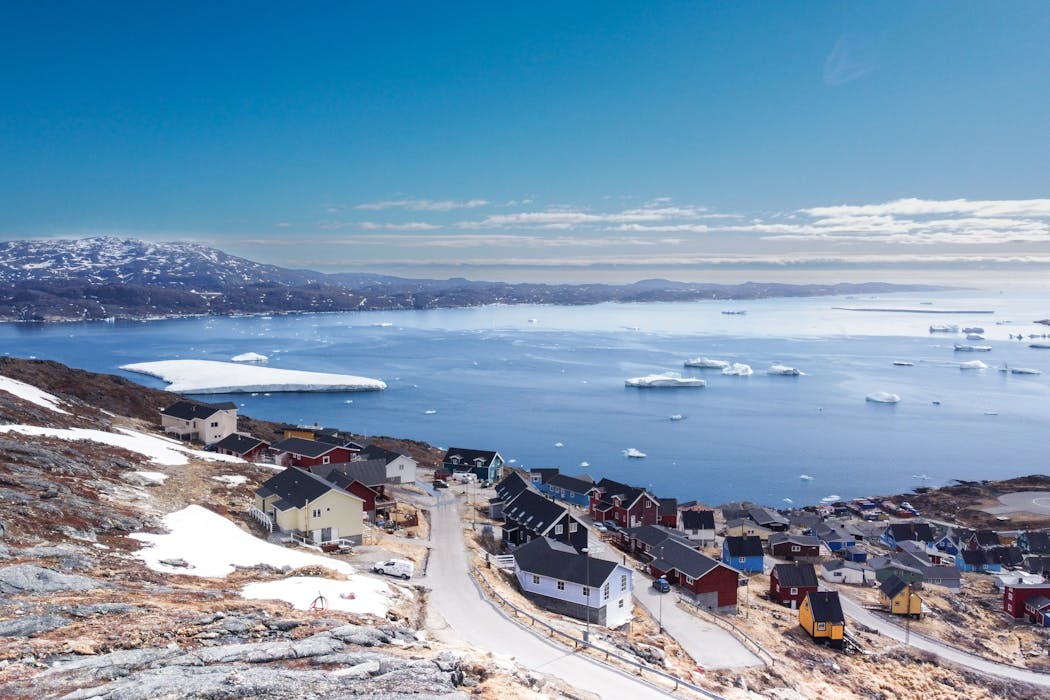
Outside its capital Nuuk, there is almost no road infrastructure in Greenland and limited deep-water ports for large tankers and container ships.

Around the world, private mining and fossil fuel corporations can exploit public infrastructure such as roads, ports, power generation, housing and specialist workers to make their operations profitable. In Greenland, huge capital investment would be required to extract the first truckload of minerals and the first barrel of oil.

As such, the government faces a classic dilemma. Let private multinationals extract but lose the lion’s share of revenues? Or insist on state ownership but struggle to find the capital and state capacity to enable extraction.

Mining, past and present

Greenland’s mineral riches have been known about for some time. In April 2025, Danish state broadcaster DR aired a documentary about how Denmark had historically siphoned off profits from a cryolite mine in Greenland.

The programme led to a major political and media crisis, with some believing it challenged perceptions of Greenland being financially dependent on Denmark. Minerals are a prominent but sensitive topic in Greenland’s relationship to the rest of the world.

Foreign companies have tried to set up viable mining industries in Greenland for decades, with little to show for it. Indeed, contrary to US President Donald Trump’s assertions, American corporations have long had the opportunity to enter Greenland’s mining sector. The capital intensity twinned with extremely harsh climactic conditions mean that, so far, no firm has begun commercial mining activities.

Greenland’s natural resources minister, Naaja Nathanielsen, said in 2025 that she wanted mining to become a “very good, stable supplement” to the country’s overwhelming dependence on the fisheries industry.

Yet in 2021 Greenland’s new socialist Inuit Ataqatigiit government banned uranium mining on pollution grounds. Australian company Energy Transitions Minerals (ETM) sued Greenland and Denmark in 2023 for 76 billion kroner (£8.9 billion), equivalent to almost four times Greenland’s GDP.

The mining company claimed to have been robbed of future profits after its uranium project at Kuannersuit/Kvanefjeld was terminated.

Danish courts have struck down most of ETM’s claims as baseless and there has been a report of concerns ETM could declare bankruptcy and thereby potentially avoid paying the large legal fees. In a statement, ETM said its subsidiary GM “worked in good faith for over a decade, in close cooperation with the Greenlandic and Danish governments”. It added that both governments had used GM to promote Greenland as a safe destination for mining investors.

But research in 2025 labelled similar behaviour “feigned victimisation”. Generally, this is where corporations perceive or position themselves victims of unfair processes rather than powerful participants concerned with profits.


Read more:
Greenland is rich in natural resources – a geologist explains why


Drilling in the Greenlandic crust would reverberate in Copenhagen as Greenland has a mining profit-sharing agreement with Denmark. As part of the gradual transfer of autonomy from Denmark, Greenland now retains ownership over its natural resources.

However, Denmark provides an annual block grant of 3.9 billion kroner (around half of Greenland’s state budget) to support the domestic economy, which is overwhelmingly comprised of fisheries. Denmark will cut its block grant by 50% of mining profits, meaning essentially mining profits are shared 50-50 between the two up to the value of the block grant.

Recently, the Australian-American corporation Critical Metals received construction approval for a permanent office for its Tanbreez project to supply rare earth minerals, including heavy rare earth elements, in southern Greenland.

The following day, mining company Amaroq declared that the US is considering investing in its mining projects in southern Greenland through EXIM, the US Export-Import Bank. If the state loan is approved, it will be Trump’s first to an overseas mining project.

A recent executive order from Trump earmarked US$5 billion (£3.7 billion) to support mining projects critical for national security. This demonstrates the close relationship between the extractive industries and military activity.

Fossil fuel production is less likely to happen any time soon. In 2021, for environmental reasons Greenland’s government banned fossil fuel exploration and extraction. A parliamentary majority still favours the ban.

With volatile oil and gas prices and the same climactic and infrastructural challenges as for other natural resources, fossil fuel production in Greenland is implausible even in the event of a full US takeover.

There are many reasons why the Trump administration might want to dominate the Arctic, not least to gain relative power over Russia and China. But natural resource extraction is unlikely to feature centrally.

What’s more, the US already has military bases in Greenland, following a defence agreement with Denmark. As such, it’s more likely that recent US moves are yet another chapter in the return of the country’s imperialist ambitions.

The Conversation

Lukas Slothuus receives funding from the Engineering and Physical Sciences Research Council.

ref. Why Greenland’s vast natural resources won’t necessarily translate into huge profits – https://theconversation.com/why-greenlands-vast-natural-resources-wont-necessarily-translate-into-huge-profits-273137

Bob Weir: the Grateful Dead co-founder reinvented rhythm guitar and the art of the jam

Source: The Conversation – UK – By Max Bowden, PhD Candidate, impact and influence of the Grateful Dead, University of Essex

Bob Weir, co-founder of the Grateful Dead, has died aged 78. His family announced the death on Instagram on Saturday, telling fans that he “transitioned peacefully, surrounded by loved ones, after courageously beating cancer as only Bobby could. Unfortunately, he succumbed to underlying lung issues”.

Weir was born in 1947 and grew up with adoptive parents, not knowing his birth parents until later in life. He found school challenging due to undiagnosed dyslexia and moved from school to school.

He met lifelong collaborator John Perry Barlow when attending a school for boys with behavioural problems, and together they wrote some of the band’s most famous lyrics.

Some of Bob Weir’s earliest musical memories came from playing traditional songs for cowboys when his family were vacationing on a cattle ranch. But his career really began on New Years Eve 1963 when he met Jerry Garcia while wandering the streets of Palo Alto looking for something to do.

The pair first formed a jug band, called Mother McRee’s Uptown Jug Champions, before transitioning to electric and calling themselves the Warlocks. This wasn’t to last as there was a New York band that were playing under the same name, who went on to change their name to the Velvet Underground.


Read more:
Grateful Dead at 60: three folklore tales that inspired the band’s music


The Grateful Dead formed in 1965 and for the next 30 years, Weir supported Jerry Garcia’s melodic lead lines with his own idiosyncratic style of rhythm guitar playing. He sought to base his approach to rhythm guitar on McCoy Tyner’s piano, who played with John Coltrane.

This, combined with 60 years of improvisational experience, gave Weir’s guitar playing an inimitable feel that was constantly in a state of flux. Weir had freedom to explore complex rhythmic arrangements and chord inversions due to the robust rhythmic foundation of the band provided by Phil Lesh’s bass and the use of two drummers (Bill Kreutzmann and Mickey Hart) for much of their existence.

Bob Weir performs a Tiny Desk concert with his band, Wolf Bros.

John Mayer, lead guitarist in Dead & Company, described Weir’s playing as “almost too original to be fully appreciated”.

Don Was, a member of Weir’s later band, Wolf Brothers, and a storied musician and producer in his own right said: “There is not another guitarist in the world who plays like him. He never plays the same thing remotely the same way twice in a row and will alternate between being as raw as John Lee Hooker to as sophisticated as Andres Segovia from one phrase to another.”

Weir’s unique approach to playing also manifested in his compositions, many of which rely on strange time signatures or intricate playing styles. Whether it’s the 10/4 time of Playing in the Band or the finger-picked introduction to Weather Report Suite, Weir’s songwriting always sought to push the boundaries of what the band could do.

His 1972 solo album Ace featured many tracks that would go on to become Grateful Dead staples. His work with Barlow on songs like The Music Never Stopped, Hell in a Bucket and Lost Sailor helped define the band’s sound across its 30-year duration.

Following the death of Garcia in 1995, Weir has participated constantly in elaborations and continuations of the band’s legacy. His solo band Ratdog even performed on the day Garcia died, ending with a powerful rendition of Knockin’ on Heavens Door. Weir’s commitment to music carried on until his last days, performing three shows for the band’s 60th anniversary in August, just weeks after starting treatment for cancer.

One of the band’s most successful post-Jerry Garcia iterations, Dead & Company, toured from 2015 to 2023 and were one of the first in the world to play the Las Vegas Sphere. This band brought the Dead’s music to a new generation, playing huge stadium shows led by Mayer, with their final tour playing for nearly a million fans.

When he wasn’t touring with iterations of the band like Dead & Company or Furthur and The Dead, Weir was still pushing his solo projects. From 2018 he has performed under Bob Weir and the Wolf Brothers, a more minimalist outfit without a lead guitarist.

This band’s accomplishments include a number of shows with orchestras across America and more recently at the Royal Albert Hall.

Weir hoped that his musical legacy would last 300 years with the Grateful Dead’s songs becoming their own kind of standard. The band can be credited for founding the jam band genre of music, which focuses on improvisation and the live experience, and includes bands like Phish, Widespread Panic and Billy Strings.

This is before mentioning the hundreds of cover bands, some of which are hugely successful in their own right, and have at this point played more shows than the Dead ever did.

Tributes from Guns n’ Roses guitarist Slash to US secretary of health Robert F Kennedy Jr, suggest the loss of Weir is being felt across America – and the world.


Looking for something good? Cut through the noise with a carefully curated selection of the latest releases, live events and exhibitions, straight to your inbox every fortnight, on Fridays. Sign up here.


The Conversation

Max Bowden does not work for, consult, own shares in or receive funding from any company or organisation that would benefit from this article, and has disclosed no relevant affiliations beyond their academic appointment.

ref. Bob Weir: the Grateful Dead co-founder reinvented rhythm guitar and the art of the jam – https://theconversation.com/bob-weir-the-grateful-dead-co-founder-reinvented-rhythm-guitar-and-the-art-of-the-jam-273265

El fenómeno de Raynaud: cuando los dedos cambian de color por culpa del frío

Source: The Conversation – (in Spanish) – By Leyre Riancho Zarrabeitia, Profesor asociado ciencias de la salud, Universidad de Cantabria

Con la llegada del frío algunas personas notan que sus dedos se vuelven blancos, azulados o violáceos. Este cambio viene acompañado de una sensación de dolor u hormigueo. Si alguna vez le ha pasado algo así, probablemente padezca el fenómeno de Raynaud. Se trata de un trastorno de la circulación que afecta a los dedos de las manos y de los pies, aunque también puede aparecer en la nariz, las orejas y los labios. Pero ¿a qué se debe? ¿Debemos preocuparnos? ¿Existe algún tratamiento?

El fenómeno de Raynaud se debe a una contracción excesiva de los vasos sanguíneos de pequeño tamaño en respuesta al frío y, en ocasiones, también al estrés emocional.

Esta contracción tiene tres fases que explican los cambios de color:

  1. La primera etapa es de palidez, debida a la reducción del flujo sanguíneo (isquemia) de la zona por la contracción de los vasos sanguíneos.

  2. La segunda fase muestra una coloración azulada (cianosis). La causa está en la desoxigenación de la sangre en el área afectada, debida a la reducción del flujo sanguíneo.

  3. Y en tercer lugar llega el enrojecimiento. Se debe al aumento del flujo sanguíneo (hiperemia reactiva), porque se dilatan los vasos sanguíneos en compensación.

Por esta razón los dedos se tornarán en primer lugar blancos, posteriormente entre azules y violáceos y finalmente rojos. Sin embargo, no todo el mundo presenta esta tríada: algunas personas solo muestran dos fases de este fenómeno.

Un fenómeno raro que suele ser benigno

Entre el 3 y el 5 % de la población mundial padece el fenómeno de Raynaud. Suele ser más frecuente en mujeres y en climas fríos. En España, un estudio realizado en Valencia calculó una prevalencia del 2.8 % en varones y del 3.4 % en mujeres.

En la gran mayoría de los casos, hasta el 90 % de las veces, es un proceso benigno y no asociado a ninguna patología. Sin embargo, en algunas ocasiones puede ser un efecto secundario tras el uso de fármacos como betabloqueantes y quimioterápicos, o de drogas como las anfetaminas. También ciertos factores ambientales, como la exposición a vibraciones, se han asociado con su aparición.

En un pequeño número de ocasiones el fenómeno de Raynaud puede manifestar asimismo una enfermedad hematológica o un problema vascular subyacentes. En otros casos es la forma de presentación de algunas enfermedades reumatológicas como la esclerosis sistémica, el lupus, el síndrome de Sjogren y la artritis reumatoide.

¿Cuándo debo acudir al médico?

Cuando el fenómeno se inicia a edades más avanzadas de lo habitual –entre los 15 y los 30 años–, podemos sospechar que pueda deberse a alguna enfermedad. Si aparece a partir de la treintena, es necesario estudiar sus causas.

Existen otros factores que pueden alertarnos de que hay alguna patología asociada:

  1. La asimetría. Cuando solo están afectados uno o dos dedos o solo ocurre en una mano.

  2. La gravedad de los ataques. Cuando estos aparecen con temperaturas templadas o son muy prolongados.

  3. La presencia de úlceras o heridas en las yemas de los dedos.

En estos casos conviene acudir al médico de cabecera para descartar que estemos ante un fenómeno de Raynaud secundario, en el que existan otras enfermedades subyacentes.

¿Cómo saber si tenemos un fenómeno de Raynaud secundario?

El primer paso es que el médico nos realice un interrogatorio exhaustivo. Tras eso, algunos datos analíticos y una capilaroscopia nos pueden ayudar a entender lo que pasa.

La “capilaroscopia periungueal” es una técnica no invasiva que permite valorar con un microscopio la microcirculación del lecho ungueal –el área de la epidermis que hay bajo la uña–. Para ello se mira el número y la forma de los capilares.

Típicamente, los capilares tienen forma de horquilla. La presencia de dilataciones, tortuosidades, hemorragias y zonas avasculares nos alertarán de la posibilidad de encontrarnos ante un fenómeno de Raynaud secundario.

De igual forma, la presencia de autoanticuerpos nos harán sospechar una enfermedad reumatológica subyacente. Se trata de anticuerpos que van dirigidos contra estructuras propias en sangre, como los anticuerpos antinucleares y los anticuerpos anticentrómero y los antitopoisomerasa.

¿Cómo tratarlo?

La principal medida para controlar el fenómeno de Raynaud es minimizar la exposición al frío usando guantes y ropa cálida, así como calentadores de manos y agua caliente. También es recomendable evitar cambios bruscos de temperatura y proteger todo el cuerpo del frío, ya que la pérdida de calor general favorece la vasoconstricción periférica.

Además, hay que evitar factores agravantes como el consumo de tabaco, que también contrae los vasos sanguíneos.

El estrés emocional puede actuar asimismo como factor precipitante. Por eso, técnicas como la respiración controlada y la relajación pueden ser útiles en algunos pacientes.

En la mayoría de los casos, identificar los desencadenantes y llevar a cabo estas medidas básicas suele ser suficiente. De esta forma se evita que afecte a la calidad de vida.

En los casos en que los episodios son frecuentes o incapacitantes, por su duración o intensidad, se pueden emplear diversos fármacos vasodilatadores. Los más usados son los bloqueantes de los canales de calcio, si bien existen muchas terapias disponibles que han demostrado reducir el número y la gravedad de los ataques.

Si este es su caso, y sus dedos han empezado a ponerse blancos o azules con el frío, ya conoce la causa. Con estas medidas podrá controlar sus síntomas y disfrutar del invierno en la medida de lo posible.

The Conversation

Leyre Riancho Zarrabeitia no recibe salario, ni ejerce labores de consultoría, ni posee acciones, ni recibe financiación de ninguna compañía u organización que pueda obtener beneficio de este artículo, y ha declarado carecer de vínculos relevantes más allá del cargo académico citado.

ref. El fenómeno de Raynaud: cuando los dedos cambian de color por culpa del frío – https://theconversation.com/el-fenomeno-de-raynaud-cuando-los-dedos-cambian-de-color-por-culpa-del-frio-272417