Understanding one another can be hard. There is a big difference between someone snapping at you out of contempt, and calling you out for a mistake because they believe in you and know you can do better. One of these cases calls for anger, but the other for humility or even embarrassment. Or maybe they are only snapping because they’re “hangry” – they might just need a Snickers bar.
And that’s just with people we know. What about strangers, people across the political divide, or even those with very different backgrounds and cultures than your own?
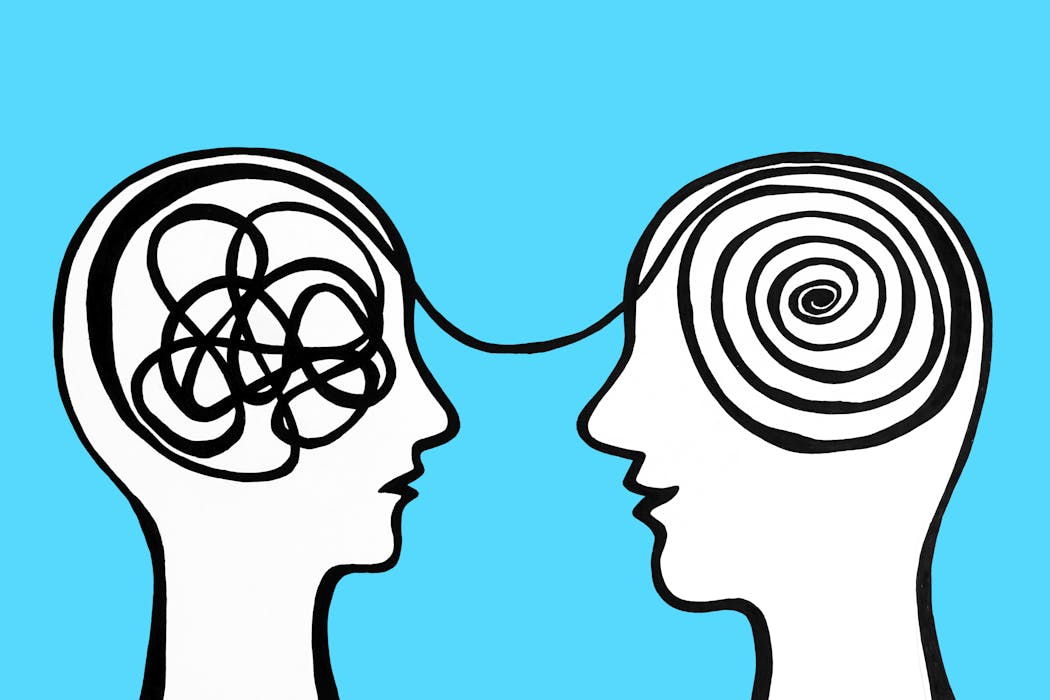
My field, philosophy, offers a tried-and-true answer to what we need to do in order to understand people and texts from very different backgrounds and cultural assumptions than our own. We need to be charitable.
Charity in this sense isn’t a matter of giving money to those who need it more. Instead, it’s seeing others in a favorable light – of seeing the best in them. In my work, I think of this as seeing other people as protagonists: characters who “do their best” with the predicament in which they find themselves. Interpreting someone charitably doesn’t require agreeing with them. But it does require doing our best to find merit in their point of view.
Of course, people and ideas don’t have unlimited merit. We can err by failing to see the merit of someone’s point of view – or we can err by finding merit that isn’t really there.
But the idea of charity is that it’s worse to make the first kind of error because it prevents us from getting along and learning from one another. By seeing the best in someone else and in their ideas, we can learn productively from engaging with them. Protagonists are people we can learn from and cooperate with.
Taking them seriously
It doesn’t take a genius to observe that we are all better at seeing the best in the people we agree with – and worse with those across the political divide. Political discussions on social media are often dominated by competing attributions of more and more insidious motives to people on the other side. We see them not as protagonists, but as antagonists.
By seeing the worst in someone else’s ideas, we let ourselves off easy. We dismiss them when instead we need to be taking them seriously.
So why, if charity requires seeing the best in others, are we so often tempted to see the worst in them?
A better understanding of charity provides the answer. Seeing the best and the worst in others are not opposite ways of interpreting someone, but simply two sides of the same coin. Here’s why:
Part of charity is sifting out the signal from the noise. Maskot/Getty Images
Interpretation trade-offs
Interpreting someone isn’t all about figuring out their motives. Sometimes it’s about sorting out what is signal and what is noise. If I snap at you, you could spend a lot of time fixating over whether to be angry or embarrassed. But sometimes the right move is just to pass me a Snickers bar and move on. Our moods and actions are influenced by hunger, hormones, alcohol and lack of sleep, just to name a few. Overinterpreting a snap after I missed breakfast treats as signal what is really just noise.
Overlooking a thing or two when I am hangry can be the best way to see the best in me. When you interpret my snap as merely the result of missing a meal, you don’t really see it as coming from me, the protagonist; but as the result of my predicament. You will judge me, not by whether I am hangry, but by how I overcome that. Your interpretation sees me in a more positive light, by taking away some of my agency.
By “agency,” I mean the extent to which someone gets credit for what they do. You have greater agency over something that you do on purpose, and less if was a foreseen but accepted side effect of your plan. You have less agency if it was an accident, but more if the accident was negligent; less agency if you just snapped because you’re hangry, but more if you know you get hangry and chose to skip lunch anyway.
A perfect agent wouldn’t be affected by hormones and hunger. They would simply make rational choices that advance their goals. But humans aren’t like that. We are imperfectly embodied agents, at best. So interpreting one another well sometimes requires seeing the good in one another, at the cost of agency. In other words, it has to balance agency against the good, as I have argued in my recent work.
But you can’t find the best in someone by just ignoring more and more until all the bad things are trimmed away and only something good is left. Your interpretation has to fit with the facts of what they do and say.
And sometimes the trade-offs between agency and the good go the other way – we interpret each other in ways that attribute more agency but less good. If passing me a Snickers bar seems to calm me down, you might try it again the next time I snap. But one day you realize that you have started carrying extra Snickers bars everywhere you go in case you run into me, and a different interpretation presents itself: Maybe instead of being a decent but mood-challenged friend, I have just been using you for your candy bars.
This creates tipping points for charitable interpretation. When we cross the tipping point, you switch from seeing someone as an imperfectly embodied protagonist to seeing them as an antagonist.
Charity without a cost
All of this is a way of arguing that it is sometimes right to see the worst in others. Sometimes other people really are the worst, and understanding them requires understanding their agency, not what is good about them. Protagonists and antagonists are just two sides of the same coin: The very same interpretive process can lead us in either direction.
Unfortunately, this means there is no simple test for when you are doing well enough at seeing the best in others. In particular, there is no test that we can agree about across our political differences. Interpreting someone charitably requires looking hard enough for good in them, but part of what we disagree with one another about is precisely what is good. So we are bound to disagree with one another about who is being sufficiently charitable.
But as a personal aspiration, a little more charity can go a long way. We can be generous not just with money, but in how we interpret others. But unlike giving money away, we don’t lose anything when we try harder to see the best in someone else.
Mark Schroeder does not work for, consult, own shares in or receive funding from any company or organization that would benefit from this article, and has disclosed no relevant affiliations beyond their academic appointment.
If the government had found a way to save US$10 for every dollar it spent helping low-income people get healthier, wouldn’t it make sense for it to keep doing that?
SNAP-Ed complemented SNAP by teaching people who get those benefits how best to use that government assistance. It paid for nutrition educators to teach lessons at schools, community centers and university extension offices. The educators led grocery store tours, taught label reading and budget comparisons, and taught cooking classes. And they offered a mix of printed and online resources to support good nutrition in the home.
While the federal government fully funded the program, the states, along with Washington, D.C., and Puerto Rico, administered and implemented SNAP-Ed through local community programs, often partnering with nonprofits. It cost only one penny for every SNAP dollar spent, and it worked.
But as of Oct. 1, 2025, SNAP-Ed ceased to exist due to spending cuts that were part of the big tax reform and budget package President Donald Trump signed into law three months earlier.
Dealing with the aftermath
To see why focusing on teaching food preparation skills is so critical, imagine discovering a flat tire. Do you need someone to tell you to fix it or someone to show you how? Nutrition works the same way.
We’ve all left the doctor’s office with instructions to “eat better,” which is essentially useless without the tools to do so. SNAP-Ed taught people how to identify healthy food patterns, keep food safe and navigate a complex food environment.
It also taught low-income Americans how to improve their budgeting and planning for meals that balance cost and nutrition. It’s nearly impossible to meet your basic nutritional needs if you are relying on SNAP dollars alone to fill your grocery cart. Skills are required.
States are getting creative to find ways to preserve aspects of the SNAP-Ed program. In Georgia, alternative funding sources might keep programs running for about a year. In Wyoming, a less local, more regional model has helped allow for the continuation of some programs previously funded by the SNAP-Ed program.
In my own state, Michigan State University Extension, which served as Michigan’s statewide implementing partner for SNAP-Ed, lost over $10 million in federal support when SNAP-Ed was defunded. The extension’s staff is working to keep its curricula, lesson plans, recipes and other training materials available online to the public in an effort to sustain its work.
Educating 1.2 million people
Because SNAP-Ed funding has been eliminated, the programs it supported are disappearing or shrinking. As a result, every SNAP dollar may not be spent as wisely as before.
SNAP-Ed’s benefits persist today, but without continued training and support its impact will diminish, decades of trust built in communities will be lost, and the health of communities no longer served will suffer.
As a dietitian and a professor, I often conduct community-based participatory research aimed at improving health in low-income populations, especially those at risk for developing Type 2 diabetes.
The National Diabetes Prevention Program often has trouble retaining study participants in low-income communities where Type 2 diabetes risk and health care costs are significant problems.
Not only did our findings show how SNAP-ED was boosting health in several at-risk communities, but they also provided evidence for the economic benefits of the program.
To estimate how much money the government saved through SNAP-Ed, the USDA compiled data from multiple studies like ours, finding that every dollar spent in community health education ultimately saved $10.64 in Medicaid spending by the government.
If a drugmaker invented a pill that cut diabetes risk by 40% and reduced a key diabetes marker like HbA1c by nearly one percentage point, I have no doubt that it would be hailed as a miracle.
Our study achieved exactly these outcomes through inexpensive, skills-based education. And yet the Trump administration ended the education program that funding this kind of work.
The program has helped reduce the prevalence of many chronic diseases, and this could have been expected to yield up to $1 trillion in health care savings by 2030.
As the popular proverb goes: “Give a man a fish, and you feed him for a day. Teach a man to fish, and you feed him for a lifetime.” SNAP-Ed taught over 1.2 million people how to fish every year, all for a little more than the latest estimates of what it’s going to cost to build the White House ballroom.
Diane Cress previously received funding from Gleaners Community Food Bank.
Source: The Conversation – USA (2) – By Joel Lisonbee, Senior Associate Scientist, Cooperative Institute for Research in the Environmental Sciences, University of Colorado Boulder
Cattle auctions aren’t often all-night affairs. But in Texas Lake Country in June 2022, ranchers facing dwindling water supplies and dried out pastures amid a worsening drought sold off more than 4,000 animals in an auction that lasted nearly 24 hours – about 200 cows an hour.
It was the height of a drought that has gripped the Southern Plains for the past six years – a drought that is still holding on in much of the region in 2026.
The drought cost the agriculture industry across Kansas, Oklahoma and Texas an estimated US$23.6 billion in lost crops, higher feed costs and selling off cattle from 2020 through 2024 alone. As rangeland dried out, it has also fueled wildfires, including several in Texas in early 2026.
Historically, droughts of this magnitude happen in the Southern Plains about once a decade, but the severe droughts of this century have been lasting longer, leaving water supplies, native rangelands and farms with little time to recover before the next one hits.
Many cattle producers and rangelands were still recovering from a severe 2010-2015 drought when a flash drought hit western Texas in spring 2020, marking the beginning of the current multibillion-dollar, multiyear and multistate drought. Ample spring rainfall in 2025 and severe flooding in central Texas that year weren’t enough to end the drought, and a powerful winter storm in late January 2026 missed the driest parts of the region.
Precipitation from a severe winter storm in late January 2026, shown in blue and measured in inches, largely missed the areas with the worst drought conditions, indicated by red contour lines. UC Merced, NDMC
We found three key reasons for the enduring drought and its damage: rising temperatures and a La Niña climate pattern; water supply shortages; and lingering economic impacts from the previous drought.
The U.S. Drought Monitor’s monthly updates from January 2020 through January 2026 show how drought moved around in the Southern Plains over those years but never let go. Darker colors reflect the intensity of drought in each location. Joel Lisonbee; compiled from U.S. Drought Monitor
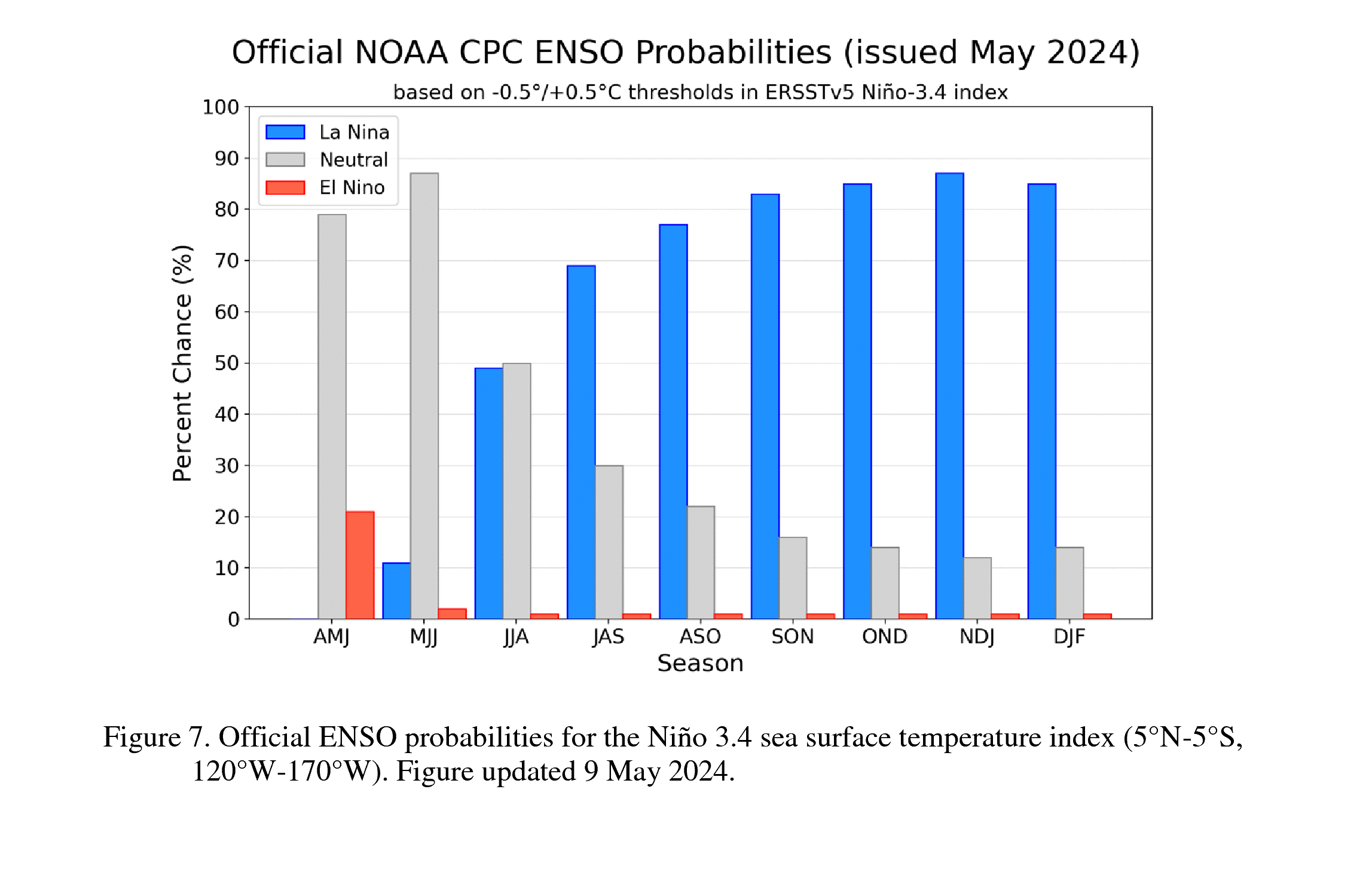
For the southern part of the Southern Plains, winter precipitation is closely linked to the El Niño–Southern Oscillation, a climate pattern that affects weather around the world. Five of the past six years exhibited a La Niña pattern, which typically means the region sees winters that are warmer and drier than normal.
La Niña was likely the primary driver – although not the only driver – of the drought for Texas and southwest Oklahoma, and one of the reasons drought conditions have continued into 2026.
The Southern Plains have a long history with severe droughts. The Dust Bowl of the early 1930s may be the best-known example. But a history with drought doesn’t make it any easier to manage when crops and water supplies dry up.
Deeply rooted water shortages
The heat and dryness since 2020 have left many of the region’s rivers, reservoirs and even groundwater reserves well below average.
San Antonio’s reservoirs all reached record-low levels in 2024 and 2025, as did the Edwards Aquifer, which provides water for roughly 2.5 million people. They were still low as 2026 began. Surface water and groundwater resources across central and western Texas have been depleted to the point that even a few big storms can’t replenish them.
A few major rivers flow into the Southern Plains from other drought-affected regions. Consider the Rio Grande, which begins in Colorado and winds through New Mexico and along Texas’ southern border: Not only has the Lower Rio Grande valley in southern Texas missed out on needed precipitation this winter, so did the Rio Grande headwaters in southern Colorado.
Colorado is facing a snow drought in winter 2026, as is much of the western U.S. If it continues, there will be less snowmelt come summer to feed rivers, such as the Rio Grande, or fill reservoirs. In early February, the Elephant Butte, Amistad and Falcon reservoirs, along the Rio Grande, were only 11%, 34%, and 20% full, respectively.
Lingering economic impacts
Like water supplies, the economy doesn’t just recover when the rains return.
One of the reasons the current drought has been so costly is that parts of the region had not fully recovered from the 2010-2015 drought when the latest one began in 2020. With only a five-year break between droughts, the landscape behaved like someone with an already weakened immune system who caught a cold.
The percentage of land in different levels of drought or wetness for each month based on the nine-month Standardized Precipitation Index leading up to the selected date. Reds indicate drier conditions; blues indicate wetter conditions. National Integrated Drought Information System, NOAA Drought.gov
During the 2010-2015 drought, cattle producers in Texas sold off about 20% of the statewide herd as water became scarce and rangeland dried up. Rebuilding a herd after a drought is a slow process. Pasture recovery can take a year or more, and a newborn heifer will take two years to mature and produce her own first calf.
Cattle herds had still not returned to pre-2010 levels when the 2022 drought peak forced another mass sell-off. From 2020 through 2024, Texas’s herd size declined from 13.1 million to 12 million; Oklahoma’s declined from 5.3 million to 4.7 million; and Kansas’ declined from 6.5 million to 6.15 million.
Looking beyond livestock, a large percentage of the Southern Plains’ crops failed in 2022, the peak year of the drought. In Texas, 25% of the corn crop was planted but never harvested, and 45% of the soybean crop was similarly abandoned. A normal season would have yielded a $2.4 billion cotton crop in Texas, but 74% of that crop was abandoned, slashing its value to roughly $640 million.
Ending the Southern Plains drought
Is the end in sight? With La Niña fading in early 2026 and its opposite, El Niño, potentially on the horizon, there’s a chance for wetter conditions that could reduce the drought in the fall and winter months of 2026.
This article, originally published Feb. 9, 2026, has been updated with new wildfires in Texas.
The authors do not work for, consult, own shares in or receive funding from any company or organization that would benefit from this article, and have disclosed no relevant affiliations beyond their academic appointment.
Source: The Conversation – USA – By Gregory P. Magarian, Thomas and Karole Green Professor of Law, Washington University in St. Louis
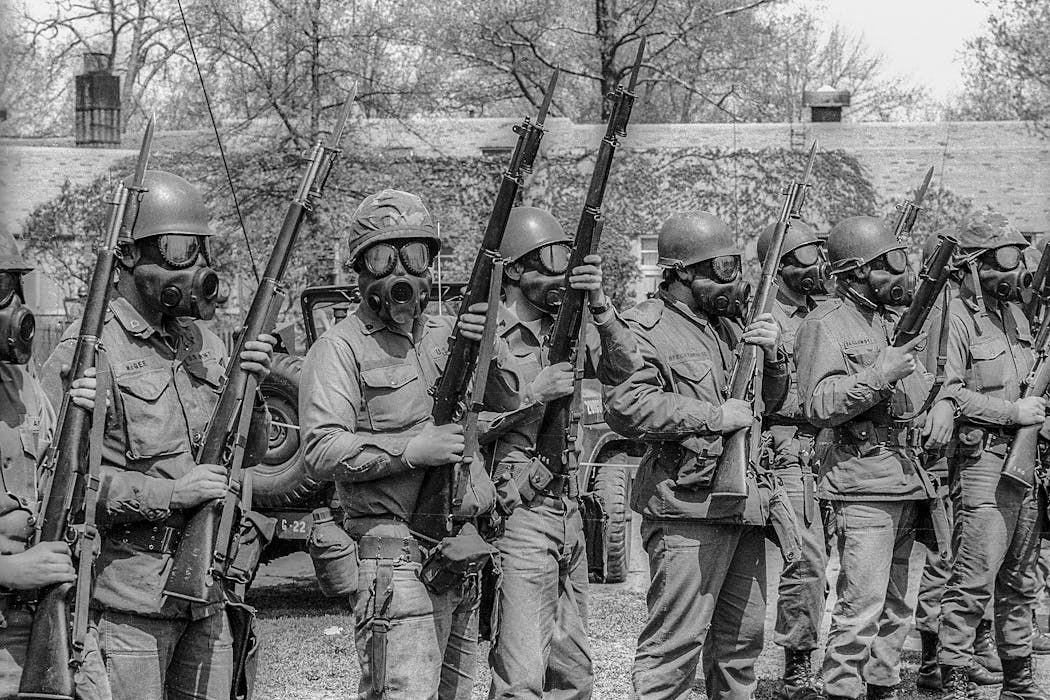
Ohio National Guardsmen on the Kent State University campus prepare to disperse student protesters on May 4, 1970. Troops later opened fire on students, killing four.Howard Ruffner/Getty Images
The president announces an aggressive, controversial policy. Large groups of protesters take to the streets. Government agents open fire and kill protesters.
In Minneapolis, free speech has weathered the crisis better, as seen in the protests themselves, the public’s responses – and even the protest songs the two events inspired.
Protesters march through the streets of downtown Minneapolis on Jan. 25, 2026, one day after federal agents shot dead U.S. citizen Alex Pretti. Roberto Schmidt/AFP via Getty Images
The public response to Minneapolis has made a difference. The Trump administration has announced an end to its immigration crackdown in the Twin Cities. Trump has backed off attacks on Good and Pretti. Congressional opposition to ICE funding has grown. Overall public support for Trump and his policies has fallen.
Free speech in protests, recordings and songs
What has caused people to view the killings in Minneapolis so differently from Kent State? One big factor, I believe, is how free speech has shaped the public response.
The Minneapolis protests themselves have sent the public a more focused message than what emerged from the student protests against the Vietnam War.
Anti-war protests in 1970 targeted military action on the other side of the world. Organizers had to plan and coordinate through in-person meetings and word of mouth. Student protesters needed the institutional news media to convey their views to the public.
In contrast, the anti-ICE protests in Minneapolis target government action at the protesters’ doorsteps. Organizers can use local networks and social media to plan, coordinate and communicate directly with the public. The protests have succeeded in deepening public opposition to ICE.
In addition, the American people have witnessed the Minneapolis shootings.
Finally, consider two popular protest songs that emerged from Kent State and Minneapolis: Crosby, Stills, Nash & Young’s “Ohio” and Bruce Springsteen’s “Streets of Minneapolis.”
Bruce Springsteen sings ‘Streets of Minneapolis.’
Crosby, Stills, Nash & Young recorded, pressed and released “Ohio” with remarkable speed for 1970. The vinyl single reached record stores and radio stations on June 4, a month after the Kent State shootings. The song peaked at No. 14 on the Billboard chart two months later.
Neil Young’s lyrics described the Kent State events in mythic terms, warning of “tin soldiers” and telling young Americans: “We’re finally on our own.” Young did not describe the shootings in detail. The song does not name Kent State, the National Guard or the fallen students. Instead, it presents the events as symbolic of a broader generational conflict over the Vietnam War.
The internet and social media let Springsteen document Minneapolis, almost in real time, for a mass audience. Springsteen’s lyrics balance symbolism with specificity, naming not just “King Trump” but also victims Pretti and Good, key Trump officials Stephen Miller and Kristi Noem, main Minneapolis artery Nicollet Avenue, and the protesters’ “whistles and phones,” before fading on a chant of “ICE out!”
At the same time, Minneapolis has shown how networked communication can promote free speech. Through focused protests, recordings of government action, and viral popular culture, today’s public can get fuller, clearer information to help critically assess government actions.
Gregory P. Magarian does not work for, consult, own shares in or receive funding from any company or organization that would benefit from this article, and has disclosed no relevant affiliations beyond their academic appointment.
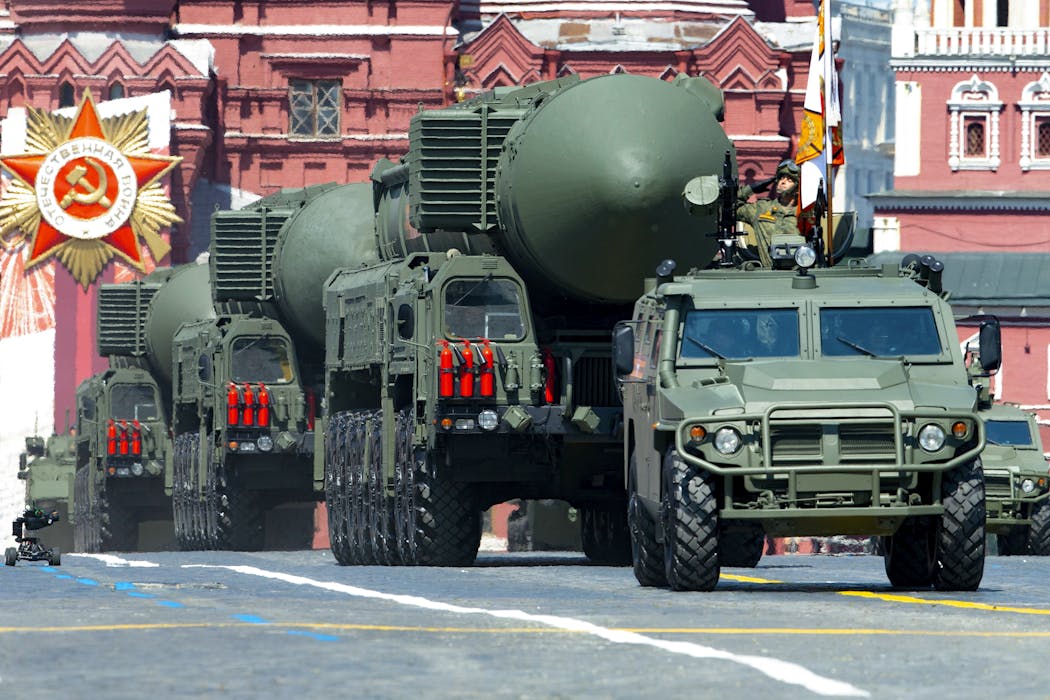
For the first time in more than half a century, there are no binding restraints on the buildup of the largest nuclear forces on Earth. The New START treaty expired on Feb. 5, 2026, ending the last agreed limits on U.S. and Russian nuclear forces.
New START limited the number of strategic nuclear weapons the United States and Russia could deploy to 1,550 each. It also limited the missiles and bombers those warheads were loaded on, required on-site inspections and data exchanges, barred interference with satellite monitoring, and established a joint commission to discuss disputes. It did not limit the number of nuclear weapons each side could hold in reserve.
With China rapidly building up its nuclear forces, intense rivalry between the United States, China and Russia, and evolving technologies – from precision conventional weapons to artificial intelligence complicating nuclear balances – there is a real potential of an unpredictable three-way nuclear arms competition.
Such a competition could increase the danger of nuclear conflict, which I believe is higher than it has been in decades.
The security of agreed restraint
While the particular numbers of warheads and delivery vehicles an accord specifies may not make an immense difference, nuclear agreements offer important advantages in four key areas:
Predictability, limiting the pressures to build up nuclear arsenals that come from worst-case analysis of what adversaries might build and the destabilization that unexpected new weapons can bring.
Transparency, elements such as data exchanges, on-site inspections and limits on interfering with satellite monitoring, giving each side a better ability to understand what is going on with the others’ nuclear forces.
Reduced first-strike incentives, from banning or limiting particularly dangerous types of weapons.
Improved relations, through the mere fact that the other side is willing to limit the nuclear forces arrayed against you, which undermines the belief that they are implacably bent on your utter destruction. This reduces the intensity of hostility that can drive crises and escalation.
The expiration of the New START treaty upends decades of international nuclear stability.
After 1962’s Cuban missile crisis, President John F. Kennedy realized that relying on nuclear deterrence without any agreed nuclear restraints or risk-reduction measures is just too dangerous. He moved quickly to negotiate the Limited Test Ban Treaty in 1963 and put in place a U.S.-Soviet hotline for crisis communication.
He also launched a series of initiatives that led to reductions in defense spending on both sides, cuts in production of nuclear materials for weapons, and even troop pullbacks in Europe. Every subsequent U.S. president has pursued nuclear arms control accords.
Moreover, the countries that have promised not to get nuclear weapons under the Nuclear Nonproliferation Treatywant to see the nuclear-armed nations living up to their treaty obligation to negotiate in good faith toward nuclear disarmament. As pressure builds for countries to get their own nuclear weapons, maintaining the nonproliferation regime and getting the non-nuclear countries’ votes for stronger nuclear safeguards or export controls is likely to require the nuclear-armed nations to accept at least some constraints of their own.
Critics of arms control point out that Russia has violated many past accords – and the Trump administration has accused both Russia and China of carrying out illicit nuclear tests, though his administration has not offered solid evidence in public so far. But despite these very real issues, key elements of these agreements were implemented, and they “left the United States safer,” as Secretary of State Marco Rubio has noted. More than four-fifths of the nuclear weapons that used to exist in the world have been dismantled.
New limits or buildup?
The U.S. is developing a new type of cruise missile that can carry a nuclear warhead and, like this Tomahawk, can be launched from submerged submarines. U.S. Navy via Getty Images
So, what’s next? President Donald Trump ignored Russian President Vladimir Putin’s proposal that both sides stay within the limits of New START while they explored options for new steps. But Trump said he wants to negotiate a “better” deal on fewer nuclear weapons – a deal that would not only limit U.S. and Russian strategic forces but also China’s much smaller but rapidly growing nuclear forces and Russia’s large force of nonstrategic nuclear weapons – that is, ones for battlefield or regional use.
So far, though, no negotiations on follow-on accords are underway, and the administration has not offered to negotiate about any of the U.S. weapons systems that worry Russia and China.
Moreover, there is strong pressure in Washington to build up U.S. nuclear forces rather than reduce them, to deter both Russia and China – while also dealing with the smaller but still dangerous North Korean nuclear force. The United States has many hundreds of nuclear weapons in storage that could be brought out and put on existing missiles, along with empty missile tubes on submarines that could again be filled with missiles. And the U.S. is developing new weapons, such as a nuclear-armed, sea-launched cruise missile.
Constraints and challenges
In my view, the more than 1,500 strategic nuclear weapons the United States already has deployed – with a major modernization underway – provide a sufficient deterrent to aggression. And if the United States begins to build up, Russia will respond in kind, and China may go even further. Once a multisided buildup is underway, its momentum will be more difficult to reverse.
Fortunately, the United States, Russia and China all have strong national interests in avoiding an unrestrained nuclear race, which would leave all of them poorer and no more secure. While the United States has quite a few nuclear weapons in storage, its nuclear modernization is struggling with enormous delays and cost overruns, and its industrial base is simply not prepared for a major nuclear expansion.
Putin is building a war economy that can churn out a lot of weapons – but he knows his economy is a 10th the size of the U.S.’s, and he wants to focus on rebuilding the conventional forces being chewed up in his war on Ukraine, making nuclear competition a bad idea. China has an economy to match the U.S.’s and an unrivaled manufacturing capacity, but it, too, would be worse off if its buildup provokes a U.S. buildup in response and a collapse of nuclear restraints.
Despite these common interests, finding a path to new accords among at least three parties, rather than two, will not be easy. Coalitions in each capital will have to win arguments that an accord is in their nation’s interest at the same time. The parties will have to address in some way the non-nuclear technologies that affect nuclear balances, and technologies such as cyber weapons and artificial intelligence would be hard to count or verify.
U.S. political polarization might make it very difficult to get a two-thirds vote in the Senate to ratify a treaty – though there are many other possible approaches, from reciprocal political commitments to executive agreements.
Famously unpredictable, Trump might still reverse course and agree to some version of Putin’s proposal for a “strategic pause” in which neither the United States nor Russia would build up its nuclear capabilities for the time being, while talks on next steps were underway. That would have the advantage of offering time to explore the options before new nuclear buildups got locked in.
And that would give him more chance of reaching his oft-stated goal of being the one to bring home a deal to reduce nuclear weapons and the dangers they pose.
Matthew Bunn is a member of the Board of Directors of the Arms Control Association; is a member of the Committee on International Security and Arms Control of the National Academy of Sciences; has consulted for several U.S. national laboratories; and has served on the Academic Alliance of U.S. Strategic Command.
Public debate about artificial intelligence in higher education has largely orbited a familiar worry: cheating. Will students use chatbots to write essays? Can instructors tell? Should universities ban the tech? Embrace it?
These concerns are understandable. But focusing so much on cheating misses the larger transformation already underway, one that extends far beyond student misconduct and even the classroom.
Universities are adopting AI across many areas of institutional life. Some uses are largely invisible, like systems that help allocate resources, flag “at-risk” students, optimize course scheduling or automate routine administrative decisions. Other uses are more noticeable. Students use AI tools to summarize and study, instructors use them to build assignments and syllabuses and researchers use them to write code, scan literature and compress hours of tedious work into minutes.
People may use AI to cheat or skip out on work assignments. But the many uses of AI in higher education, and the changes they portend, beg a much deeper question: As machines become more capable of doing the labor of research and learning, what happens to higher education? What purpose does the university serve?
As these technologies become better at producing knowledge work – designing classes, writing papers, suggesting experiments and summarizing difficult texts – they don’t just make universities more productive. They risk hollowing out the ecosystem of learning and mentorship upon which these institutions are built, and on which they depend.
Nonautonomous AI
Consider three kinds of AI systems and their respective impacts on university life:
AI-powered software is already being used throughout higher education in admissions review, purchasing, academic advising and institutional risk assessment. These are considered “nonautonomous” systems because they automate tasks, but a person is “in the loop” and using these systems as tools.
These technologies can pose a risk to students’ privacy and data security. They also can be biased. And they often lack sufficient transparency to determine the sources of these problems. Who has access to student data? How are “risk scores” generated? How do we prevent systems from reproducing inequities or treating certain students as problems to be managed?
These questions are serious, but they are not conceptually new, at least within the field of computer science. Universities typically have compliance offices, institutional review boards and governance mechanisms that are designed to help address or mitigate these risks, even if they sometimes fall short of these objectives.
Hybrid AI
Hybrid systems encompass a range of tools, including AI-assisted tutoring chatbots, personalized feedback tools and automated writing support. They often rely on generative AI technologies, especially large language models. While human users set the overall goals, the intermediate steps the system takes to meet them are often not specified.
Hybrid systems are increasingly shaping day-to-day academic work. Students use them as writing companions, tutors, brainstorming partners and on-demand explainers. Faculty use them to generate rubrics, draft lectures and design syllabuses. Researchers use them to summarize papers, comment on drafts, design experiments and generate code.
This is where the “cheating” conversation belongs. With students and faculty alike increasingly leaning on technology for help, it is reasonable to wonder what kinds of learning might get lost along the way. But hybrid systems also raise more complex ethical questions.
If students rely on generative AI to produce work for their classes, and feedback is also generated by AI, how does that affect the relationship between student and professor? Eric Lee for The Washington Post via Getty Images
One has to do with transparency. AI chatbots offer natural-language interfaces that make it hard to tell when you’re interacting with a human and when you’re interacting with an automated agent. That can be alienating and distracting for those who interact with them. A student reviewing material for a test should be able to tell if they are talking with their teaching assistant or with a robot. A student reading feedback on a term paper needs to know whether it was written by their instructor. Anything less than complete transparency in such cases will be alienating to everyone involved and will shift the focus of academic interactions from learning to the means or the technology of learning. University of Pittsburgh researchers have shown that these dynamics bring forth feelings of uncertainty, anxiety and distrust for students. These are problematic outcomes.
A second ethical question relates to accountability and intellectual credit. If an instructor uses AI to draft an assignment and a student uses AI to draft a response, who is doing the evaluating, and what exactly is being evaluated? If feedback is partly machine-generated, who is responsible when it misleads, discourages or embeds hidden assumptions? And when AI contributes substantially to research synthesis or writing, universities will need clearer norms around authorship and responsibility – not only for students, but also for faculty.
Finally, there is the critical question of cognitive offloading. AI can reduce drudgery, and that’s not inherently bad. But it can also shift users away from the parts of learning that build competence, such as generating ideas, struggling through confusion, revising a clumsy draft and learning to spot one’s own mistakes.
Autonomous agents
The most consequential changes may come with systems that look less like assistants and more like agents. While truly autonomous technologies remain aspirational, the dream of a researcher “in a box” – an agentic AI system that can perform studies on its own – is becoming increasingly realistic.
Growing sophistication and autonomy of technology systems means that scientific research can increasingly be automated, potentially leaving people with fewer opportunities to gain skills practicing research methods. NurPhoto/Getty Images
Agentic tools are anticipated to “free up time” for work that focuses on more human capacities like empathy and problem-solving. In teaching, this may mean that faculty may still teach in the headline sense, but more of the day-to-day labor of instruction can be handed off to systems optimized for efficiency and scale. Similarly, in research, the trajectory points toward systems that can increasingly automate the research cycle. In some domains, that already looks like robotic laboratories that run continuously, automate large portions of experimentation and even select new tests based on prior results.
At first glance, this may sound like a welcome boost to productivity. But universities are not information factories; they are systems of practice. They rely on a pipeline of graduate students and early-career academics who learn to teach and research by participating in that same work. If autonomous agents absorb more of the “routine” responsibilities that historically served as on-ramps into academic life, the university may keep producing courses and publications while quietly thinning the opportunity structures that sustain expertise over time.
The same dynamic applies to undergraduates, albeit in a different register. When AI systems can supply explanations, drafts, solutions and study plans on demand, the temptation is to offload the most challenging parts of learning. To the industry that is pushing AI into universities, it may seem as if this type of work is “inefficient” and that students will be better off letting a machine handle it. But it is the very nature of that struggle that builds durable understanding. Cognitive psychology has shown that students grow intellectually through doing the work of drafting, revising, failing, trying again, grappling with confusion and revising weak arguments. This is the work of learning how to learn.
Taken together, these developments suggest that the greatest risk posed by automation in higher education is not simply the replacement of particular tasks by machines, but the erosion of the broader ecosystem of practice that has long sustained teaching, research and learning.
An uncomfortable inflection point
So what purpose do universities serve in a world in which knowledge work is increasingly automated?
One possible answer treats the university primarily as an engine for producing credentials and knowledge. There, the core question is output: Are students graduating with degrees? Are papers and discoveries being generated? If autonomous systems can deliver those outputs more efficiently, then the institution has every reason to adopt them.
But another answer treats the university as something more than an output machine, acknowledging that the value of higher education lies partly in the ecosystem itself. This model assigns intrinsic value to the pipeline of opportunities through which novices become experts, the mentorship structures through which judgment and responsibility are cultivated, and the educational design that encourages productive struggle rather than optimizing it away. Here, what matters is not only whether knowledge and degrees are produced, but how they are produced and what kinds of people, capacities and communities are formed in the process. In this version, the university is meant to serve as no less than an ecosystem that reliably forms human expertise and judgment.
In a world where knowledge work itself is increasingly automated, we think universities must ask what higher education owes its students, its early-career scholars and the society it serves. The answers will determine not only how AI is adopted, but also what the modern university becomes.
The Applied Ethics Center at UMass Boston receives funding from the Institute for Ethics and Emerging Technologies. Nir Eisikovits serves as the data ethics advisor to MindGuard, a startup focused on AI integration into companies’ workflow.
Jacob Burley receives funding from The Applied Ethics Center at UMass Boston.
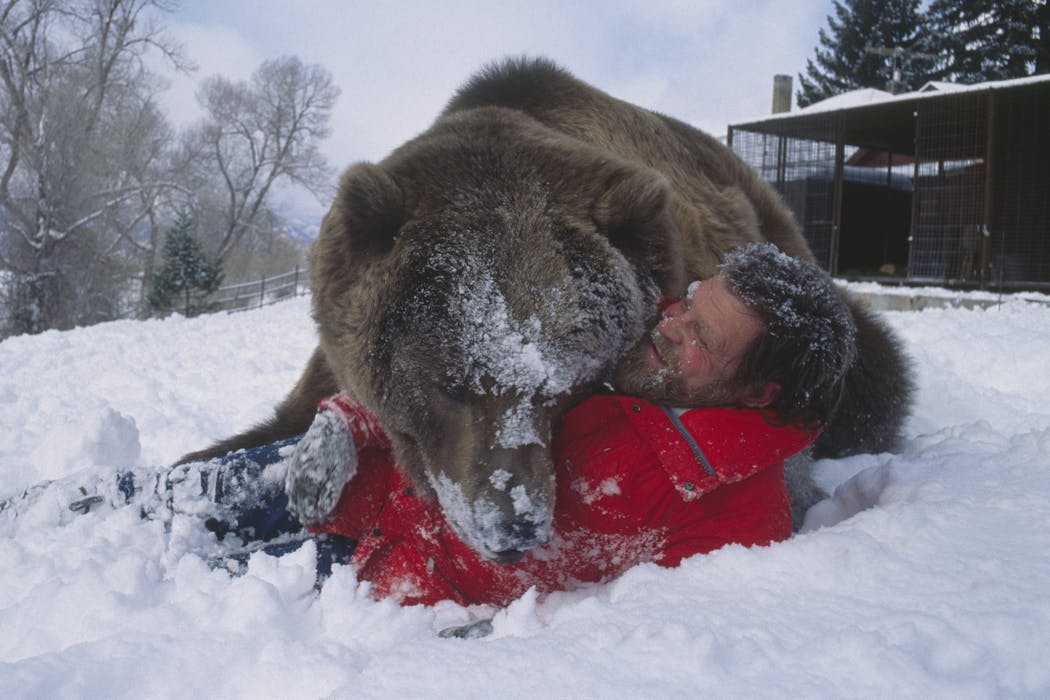
There is a long and storied history of nonhuman actors, from Luke, the dog of silent star Roscoe “Fatty” Arbuckle, to the collies cast in the role of Lassie in film and on television. Bart the Bear racked up over 20 film and TV credits in the 1980s and 1990s, while countless horses have supported period dramas that now saturate streaming services.
But business has not been as good as it used to be for the animal trainers who specialize in renting creatures of all kinds to film and TV productions.
Hollywood’s adoption of visual effects – also referred to as computer generated imagery, or CGI – has had an outsized role in putting many animal actors out of work. Ever since “Jurassic Park” (1993) dared to comingle CGI dinosaurs with human actors, more and more digital animals have appeared alongside humans on screen.
But even before these recent events, there were calls for Hollywood to radically reduce its dependence on animal actors.
In 2012, The Hollywood Reporter – the same trade magazine that recently lamented a downturn in animal rentals – published an exposé cataloging incidents in which animals died, were injured or were put at grievous risk on sets. These productions nonetheless went on to carry the famous “No Animals Were Harmed” credit awarded by the American Humane Association, despite the fact that, well, animals were harmed. American Humane maintained that the incidents were tragic but not the result of negligence.
In 2016, PETA released the results of undercover investigations documenting substandard living conditions and untreated medical conditions at Birds & Animals Unlimited, which operates animal training facilities for film and television. In 2024, the organization detailed neglect of animals in the care of Atlanta Film Animals. Both companies denied the allegations.
There are, of course, any number of ways to minimize or avoid using actual animals in film and TV altogether.
“The Rise of the Planet of the Apes” and its sequels have used motion-capture, with humans performing the movements of characters later rendered as chimpanzees, gorillas, bonobos and orangutans.
For Ang Lee’s 2012 production “Life of Pi,” visual effects artists created thousands of virtual animals, while director Darren Aronofsky opted for completely digital animals, supplemented by some practical props, in 2014’s “Noah.”
Bucking high-tech trends, the 2025 horror film “Primate” went old school without reverting to real animals, deploying a movement artist in a costume and prosthetics to play a murderously rabid chimp.
The 2025 horror flick ‘Primate’ doesn’t deploy CGI or an animal actor, but instead uses a costumed human to portray the maniacal ape.
Can CGI numb viewers to animal violence?
What do digital animals, these bestial avatars, make possible?
Undoubtedly, there are trainers who care deeply for their charges and uphold best practices in animal husbandry. But it stands to reason that the fewer captive animals, the better, and recent advances in AI have made visual effects and CGI even more realistic and easier to model.
In the past, the fact that the animals on set were real sometimes curbed filmmakers’ most savage impulses; violence was implied or took place off-screen in family fare like “The Yearling” (1946) and “Old Yeller” (1957). At the same time, camera tricks and props have been used to create scenes of animal cruelty in many films, from “American Psycho” (2000) to “John Wick” (2014).
While the effects of violent media on viewers are notoriously hard to study, some evidence suggests that some audiences can become desensitized to the real-world consequences of unhealthy and violent content. It’s easy to see how this desensitization could extend to watching cruelty toward animals on screen.
Viewers can still sniff out the virtual
A hybrid approach to portraying animals on screen seems to have taken hold, using what one scholar has called – in a reference to on-screen dogs – “composite canine performances.”
The team behind the 2025 version of “Superman,” for example, sought to create a realistic dog, right down to each scruffy patch of fur. But they needed it to defy gravity and other laws of physics. So they incorporated just enough live animal in preproduction to animate a mostly CGI creature, with director James Gunn’s own dog serving as the “model,” or “reference,” for the superdog, Krypto.
Director James Gunn’s dog was used to model the mostly CGI Krypto in 2025’s ‘Superman.’
This technique recalls the methods of Disney animators who were stumped by the challenge of creating the characters for “Bambi” (1942). So they studied animal anatomy, photographed deer in the wild and sketched animals brought into the studio in order to better capture their movements on paper.
But when it comes to live-action films grounded in everyday life, there’s still work on set for real animals. For one, it’s still usually cheaper to deploy the real thing. Moreover, most of the virtual animals on screen simply don’t look realistic enough to allow for the full suspension of disbelief that makes cinema magic.
Future opportunities for trainers and their charges appear to rest on just how good visual effects can get. For some animal activists – not to mention the animals that have no say in their work – that day can’t come soon enough.
Moviegoers and animal advocates, meanwhile, might hope for a middle ground: a future in which only ethically treated animals continue to get to appear on the screen.
Cynthia Chris does not work for, consult, own shares in or receive funding from any company or organization that would benefit from this article, and has disclosed no relevant affiliations beyond their academic appointment.
“Humble” is not a word my colleagues would use to describe me, especially early in my career.
In fact, when word got around that I was researching humility, I suspect more than a few choked on their coffee.
And even though I have spent over a decade exploring the concept as an attribute and as a practice, it wasn’t until I recently reflected on my own professional challenges that I truly understood how to embrace humility.
I want to share my journey, but first it is important to understand what humility is – and isn’t. It’s been extolled as a virtue for centuries, but it’s often mischaracterized.
In today’s culture, it can be mistaken as a humblebrag, which disguises a boast as modesty – for example, “I really hate talking about myself, but people keep asking how I managed to run a marathon while working full time.” Or it can resemble impostor phenomenon, the persistent experience of feeling intellectually or professionally fraudulent despite clear evidence of competence or success.
But research shows that humble people hold accurate views of their own abilities and achievements. They openly acknowledge their mistakes and limitations and are receptive to new ideas. Overall, they recognize their places within a larger whole and genuinely appreciate the value of others.
Humility doesn’t always earn praise. Sometimes the humble may be seen as meek, subservient or self-abasing.
Generally, though, when humility is understood as grounded self-awareness rather than self-erasure, it’s viewed as something worth cultivating and practicing. We see openness, curiosity, acknowledgment of others and a lack of ego in fictional characters like Ted Lasso, hero of the same-titled Apple TV series; Samwise Gamgee in the “Lord of the Rings” books; and Jean-Luc Picard, commander of the USS Enterprise in “Star Trek: The Next Generation.”
Humility is also evident in public figures, such as former President Jimmy Carter, children’s television host Fred Rogers, and Nelson Mandela, the Black nationalist who served as the first Black president of South Africa.
Former U.S. President Jimmy Carter speaks to the congregation at Maranatha Baptist Church before teaching Sunday school in his hometown of Plains, Ga., on April 28, 2019, at age 94. After leaving the White House in 1981, Carter taught Sunday school at the church on a regular basis. Paul Hennessy/NurPhoto via Getty Images
From my research and my own experience, I’ve learned that true humility isn’t self-erasure. It’s a sense of security and confidence that your value doesn’t depend on recognition and that you are just one member of a larger system with a multitude of contributors. By removing the need to dominate, humility fosters openness to collaboration, innovation and an awareness of how the systems around us work.
Still, in a world of Instagram likes and LinkedIn accolades, humility can be the virtue everyone seems to admire but few practice It’s the one we say we want – until it requires us to confront the parts of ourselves that crave affirmation.
Climbing the professional ladder
I tend to stand out in a crowd. I’m 6-foot-4, with close-cropped hair, a heavy beard and tattoos. I also push myself to stand out professionally.
Starting in graduate school, I was determined to make my voice heard and sought after. I pursued nearly every opportunity, committee and position that came my way. No role was too small for me to accept.
I strived to present my work in top-tier journals and at conferences, and I cold-called prominent scholars to propose working together. And I constantly shared my findings and thoughts on social media.
Like many workplaces, the academic world has a set of defined success metrics, such as publications, citations of your work, grant funding and teaching evaluations from students. School culture and leadership influence what each college or university considers more or less valuable among those measures. To advance and get promoted, particularly to get tenure, it’s important to learn at an early stage what one’s department, college or university truly prioritizes.
I wanted to get tenure but also to be seen as an active citizen of academia – energetic, outspoken and unafraid to push boundaries. When my department chair described me as having my hair on fire, I took it as a compliment. I called it “making positive noise.”
Initially, the system rewarded that noise. I earned tenure at the University of Delaware and received departmental, college and national awards. I also was appointed to serve as associate dean and to direct a new research center. I felt validated, visible and valuable.
The sociology department at the University of Delaware had a typical academic culture that’s often summarized as “publish or perish.” The most important measures of scholars’ work were writing, publishing their work in respected journals and having other researchers cite those studies. Securing external funding from government, private companies or foundations was valued but was not as high a priority as publishing.
For many academic researchers, their number of publications and the frequency with which other scholars cite their articles are important measures of professional success. Barret Michalec
A new beginning that felt like an end
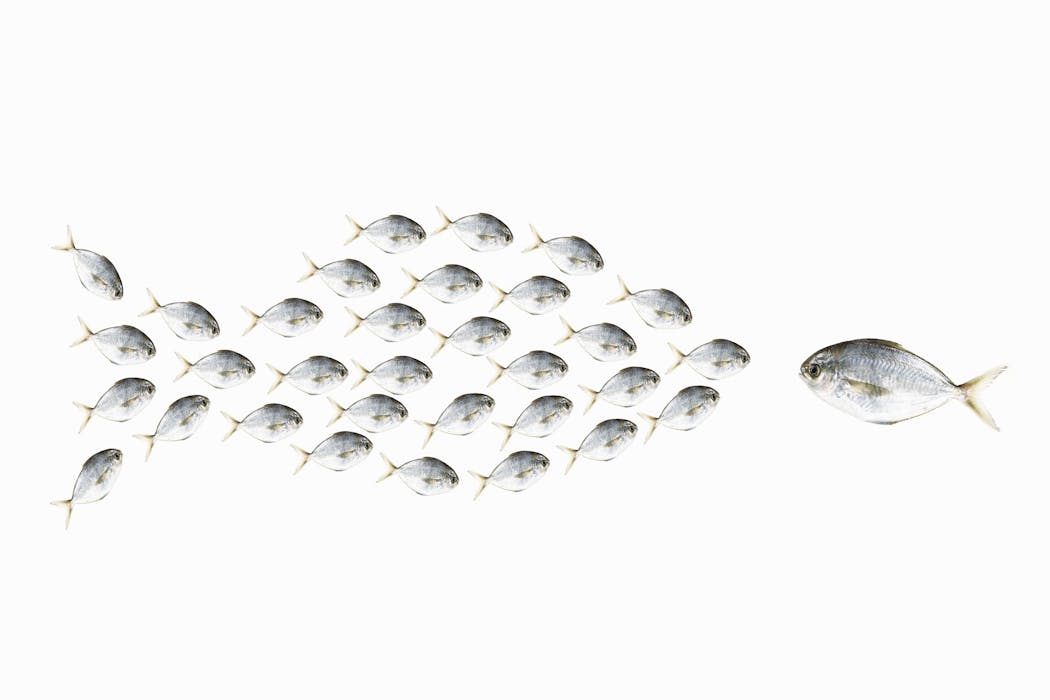
In 2020 I received a new opportunity at Arizona State University, a much larger school that branded itself as a hub of innovation and entrepreneurship. I was offered the chance to direct the Center for Advancing Interprofessional Practice, Education and Research and to step into the shoes of a leader I deeply admired. I arrived expecting to be a big fish in a bigger pond.
I couldn’t have been more wrong.
I showed up imagining there’d be a bit of buzz around my arrival given my time at the University of Delaware. But reality didn’t match the script: no greeting, office or nameplate marked my place when I arrived.
Early conversations with administrators weren’t about my research or teaching visions – the things that I thought set me apart. Instead, I felt they tended to focus on how much external funding I could raise from foundations and government agencies. My new colleagues often spoke in a shorthand of grant-based acronyms when referring to what projects they were working on, a “language” I was woefully unfamiliar with.
To make matters worse, I arrived during COVID-19, with classes either canceled or taught online and faculty members working mainly from home. The hallway chatter, open doors and spontaneous collaboration that I was accustomed to were absent. I began to feel alienated and disoriented as a scholar.
Even after ASU resumed in-person classes in the fall of 2021, I felt like the silence and distance lingered. No students waited for office hours. I struggled to make connections with my colleagues. I eagerly proposed collaborations when really everyone was just trying to find their footing in this new era of education.
My proposals for new classes and curricular programs hit up against institutional barriers I was unaware of. At one point, a college administrator asked, “How do we get you on other people’s grants?” – a question that I took to imply that they felt my research wasn’t strong enough.
It appeared that my colleagues in Edson College were accustomed to these values and spoke the language. I was a stranger in a strange land. Although I was producing some of my best work, measured in terms of publications and citations, I felt no one seemed interested. I had come from an environment where I felt known and valued to one where I seemed to be a nobody.
I felt as though I needed to staple my resume to my forehead and parade around the hallways asserting, like Ron Burgundy in the movie “Anchorman,” “I’m not quite sure how to put this, but … I’m kind of a big deal. People know me.”
Newsman Ron Burgundy gets a cool reception in a new media market in ‘Anchorman.’
The impact of feeling unseen
For people who have built careers by being highly engaged and visible, suddenly feeling unseen can be devastating. In any profession, a fear that you don’t belong at your workplace can be debilitating and make you question your own value.
I sought advice from peers and college leaders, and even hired a professional coach. Things only worsened. Curricular proposals were stalled or turned down. My center was shuttered in a restructuring, although it was meeting its goals and earning international recognition.
At first, I blamed ASU and Edson College for my feelings of disconnection. I thought the leadership structure and style was dysfunctional; that many colleagues were cold, unfriendly and conformist; and that the college’s stated values were inauthentic.
This series of what I came to call “unacknowledgments” sent me into a personal and professional tailspin. Negativity and self-doubt consumed me, and I truly worried that my career was over. Had I been blackballed? Why did it feel as though no one cared?
When the noise turns inward
I had spent years studying empathy – the ability to understand and feel what someone else is feeling – and how to cultivate it among health care professionals and students in order to support more patient-centered care. To that end, at the University of Delaware I had developed a program designed to foster empathy across health professions. It aimed to help students see one another as collaborators, build shared respect and recognize their collective role on the same health care delivery team.
But when I further analyzed the program’s outcomes from my office at ASU, I realized that empathy wasn’t enough. It could help students feel with others, but it didn’t necessarily help them see themselves, or others, differently.
I realized that what I really wanted the students to develop was humility. This step would require them to recognize their limits, accept that they were fallible, see themselves as part of a larger team and value others’ contributions.
That realization changed my research trajectory – and eventually, my professional life.
Health care often involves teams whose members play varying roles. Here, Dr. Akrum Al-Zubaidi performs a bronchoscopy on patient Orlando Carrasco, with the help of his team, from left, Ana Stefan, R.N., Mike Galloway, respiratory therapist, and anesthesiologist Michael Kessler, M.D., on Aug. 7, 2017, at National Jewish Health in Denver, Colo. Helen H. Richardson/The Denver Post via Getty Images
As my own professional world began to unravel, and as I dived deeper into the concept of humility through my research, something unexpected happened. I realized that humility wasn’t just an idea to study – it was becoming a mirror that made me rethink my own perspective.
Slowly, I began to see how pride and insecurity were entwined in my reactions to my new setting at ASU. I realized that my need to be noticed, and my insistence that others validate my worth, represented my own kind of arrogance.
Perhaps my ambition had been less about contributing and more about gaining external validation. I had lost the selfless wonder and awe that drive scholarly inquiry and curiosity. And now I had to confront what remained when the spotlight dimmed.
Humility, I began to understand, wasn’t just an abstract concept to explore “out there” among others. I needed to hone it internally by thinking beyond myself. By decentering my ego, I realized that I could nurture and sustain curiosity in its own right.
In short, I needed to practice what I was preaching. It wasn’t an easy lesson. I assume that cultivating humility never is.
To that end, I felt that it was essential to develop a program to help build humility “muscles.” In 2024 I developed HIIT for Humility, an online training package for individuals or groups, modeled after the fitness concept of high-intensity interval training. This program provides evidence-based strategies to help users start building “habits of humility,” such as acknowledgment of others and self-awareness.
Just as physical exercise requires consistency to produce results, so does the cultivation of humility. Leaning into HIIT for Humility workouts gradually eased my sense of alienation and defensiveness. I became more appreciative of others, less quick to judge and better able to listen to others’ perspectives. In doing so, I started to feel more confident and secure.
While I still took pride in my work, I began to see that my contributions were not the only ones that mattered. I also found that I could stretch into unfamiliar but necessary tasks, such as working harder to win federal and foundation grants and seeing the value of my colleagues’ contributions to science.
Why am I here?
Only a few years into this process, I can see that ASU and Edson College have unintentionally taught me humility by signaling, often quietly, which contributions are deemed essential and which forms of success carry the most weight. Navigating stalled proposals, shifting priorities and structural reorganizations have required me to recalibrate my ego, expectations and identity.
Not being seen as a “big fish” and being expected to persist without consistent recognition have required me to understand my work as part of a larger system with differing values and, at times, challenging constraints. Shifting to ASU forced me to rethink my identity as a professor and to reevaluate my sense of purpose from the inside out.
A colleague of mine often asks students who he feels are coasting along, “Why are you here?” Lately, I’ve taken that question personally. What is the point of being a professor – writing papers, submitting grant proposals, teaching courses? Why did I choose this path in the first place?
When I feel unseen, unheard or unappreciated, pondering why I’m here helps ground me. For anyone who is struggling to feel visible or valued at work, I strongly recommend considering this simple question.
Over time, I’ve stopped needing to be the big fish in the pond and measuring my worth in titles and awards. I now see that my responsibility as a scholar, teacher and human being is to stay curious, listen more deeply and make space for others’ voices.
Embracing humility, and consistently using my humility muscles, have helped me realize that I’m here to be part of the creative energy of academia, do the work and cultivate curiosity in my students, my peers and myself.
Barret Michalec does not work for, consult, own shares in or receive funding from any company or organization that would benefit from this article, and has disclosed no relevant affiliations beyond their academic appointment.
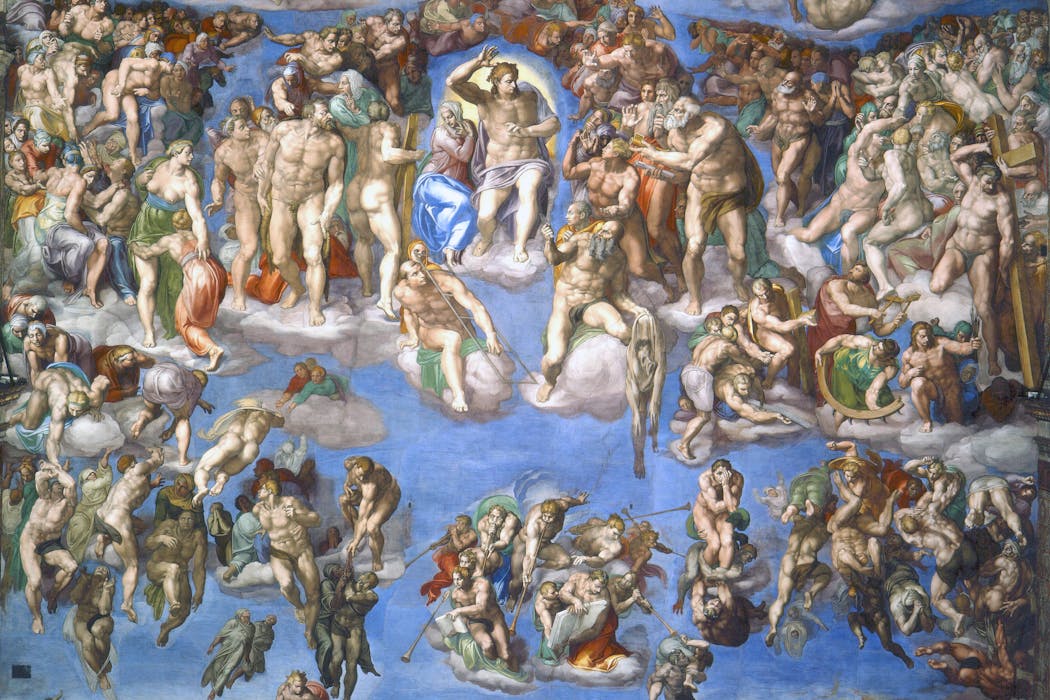
Michelangelo’s fresco of “The Last Judgment,” covering the wall behind the altar of the Sistine Chapel in Vatican City, is being restored. The work, which started on Feb. 1, 2026, is expected to continue for three months.
The Sistine Chapel is one of the great masterpieces of Renaissance art. As the setting where the College of Cardinals of the Catholic Church meets to elect a new pope, it was decorated by the most prestigious painters of the day. In 1480, Pope Sixtus IV commissioned Domenico Ghirlandaio, Sandro Botticelli, Pietro Perugino and Cosimo Rosselli to paint the walls. On the south are six scenes of the “Life of Moses,” and across on the north are six scenes of the “Life of Christ.”
In 1508, Pope Julius II commissioned Michelangelo to paint the ceiling. The theme is the Book of Genesis, the first book of the Bible. The images show God creating the world through the story of Noah, who was directed by God to shelter humans and animals on an ark during the great flood. The ceiling’s most famous scene may be “God Creating Adam,” where Adam reaches out his arm to the outstretched arm of God the Father, but their fingers fail to meet.
At the sides, the artist juxtaposed the male Hebrew prophets and the female Greek and Roman sybils who were inspired by the gods to foretell the future. It was completed in 1512; then in 1536, Michelangelo was asked to create a painting for the wall behind the altar. For this immense work of 590 square feet (about square meters), filled with 391 figures, he labored until 1541. He was then nearly 67 years old.
As an art historian, I have been aware how, from the beginning, Michelangelo’s “The Last Judgment” sparked controversy for its bold and heroic portrayal of the male nude.
Many layers of meaning
Michelangelo liked to consider himself primarily a sculptor, expressing himself in variations of the nude male body. Most famous may be the Old Testament figure of David about to slay Goliath, originally made for the Cathedral of Florence.
The artist’s ceiling for the Sistine Chapel had included 20 nude males as supporting figures above the prophets and sibyls. Originally, Michelangelo’s Christ of “The Last Judgment” was entirely nude. A later painter was hired to provide drapery over the loins of Christ and other figures.
“The Last Judgment” scene also contains multiple references to pagan gods and mythology. The image of Christ is inspired by early Christian images showing Christ beardless and youthful, similar to the pagan god of light, Apollo.
At the bottom of the composition is the figure of Charon, a personage from Greek mythology who rowed souls over the river Styx to enter the pagan underworld. Minos, the judge of the underworld, is on the extreme right.
Giorgio Vasari, a fellow artist and historian who knew Michelangelo personally, later recounted the criticism by a senior Vatican official, Biagio da Cesena. The official stated that it was disgraceful that nude figures were exposed so shamefully and that the painting seemed more fit for public baths and taverns.
Michelangelo’s response was to place the face of Biagio on Minos, the judge of the underworld, and give him donkey’s ears, symbolizing stupidity.
Michelangelo included a reference to his own life in a detail connected to the Apostle Bartholomew, who is located to the lower right of Christ. The apostle was believed to have met his martyrdom by being flayed alive. In his right hand, he holds a knife and, in his left, his flayed skin whose face is a distorted portrait of the artist.
Michelangelo thus placed himself among the blessed in heaven, but also made it into a joke.
Thought-provoking imagery
The Last Judgment is a common theme in Christian art. Michelangelo, however, pushes beyond simple illustration to include pagan myths as well as to challenge traditional depiction of a calm, bearded judge. He uses dramatic imagery to provoke deeper thought: After all, how does anyone on Earth know what the saints do in heaven?
In these decisions, Michelangelo displayed his sense of self-confidence to introduce new ideas and his goal to engage the viewer in new ways.
A digital reproduction of the painting will be displayed on a screen for visitors to the Sistine Chapel during this period of restoration. Behind the screen, technicians from the Vatican Museums’ Restoration Laboratory will work to restore the masterpiece.
Virginia Raguin does not work for, consult, own shares in or receive funding from any company or organization that would benefit from this article, and has disclosed no relevant affiliations beyond their academic appointment.
Federal health officials have raised safety concerns about mRNA vaccines, although they have provided no credible data on health risks.NurPhoto via Getty Images
Even before the FDA’s decision to reject the application, Moderna and other drugmakers were beginning to pare back investments in vaccines due to concerns about the approval process. As a law professor who studies vaccine policy, I believe the FDA’s abrupt shift is unlikely to assuage those concerns.
What happens now that the FDA is willing to review the application?
The FDA said it will review the vaccine for use by people age 50 to 64 under the standard review pathaway, which is how it evaluates most drugs.
In declining the application originally, the FDA claimed that Moderna did not conduct an “adequate and well-controlled” study because it had not compared patients receiving its vaccine with patients receiving what the agency claimed to be “the best-available standard of care.” The agency’s decision to review it now is effectively a reversal of that position, which was not based on any legal standard .
Moderna stock rebounded after the Food and Drug Administration reversed its decision.
Under this faster process, the law allows the FDA to consider different data than under a standard approval. Instead of looking at final results, a company can submit results that use a proxy measurement to reflect that a drug is likely to achieve its clinical goal.
This means that if the FDA approves Moderna’s vaccine for this older age group, the company will have to conduct additional studies on it afterward. What’s unusual, though, is that the agency typically suggests the use of the accelerated approval pathway much earlier in the process, not after a company submits its application.
Is the agency’s reversal likely to calm vaccine manufacturers?
Kennedy and other health officials have raised concerns about safety while providing no credible data on health risks, and have defunded research on their development.
By agreeing to review Moderna’s application for people age 50 to 64, the FDA is seemingly softening its stance on vaccines. But the agency’s unpredictable decisions – including the highly unusual way it invoked accelerated approval for Moderna’s vaccine – might not be enough to assuage manufacturers’ worries about the current state of regulatory uncertainty.
Ana Santos Rutschman does not work for, consult, own shares in or receive funding from any company or organization that would benefit from this article, and has disclosed no relevant affiliations beyond their academic appointment.
















.jpg)
#/media/File:Michelangelo,_Giudizio_Universale_29.jpg)
