I asked students whether they’d want to be teachers? They quickly responded, ‘Why would I?’

Source: The Conversation – USA (2) – By Lee Ann Rawlins Williams, Clinical Assistant Professor of Education, Health and Behavior Studies, University of North Dakota

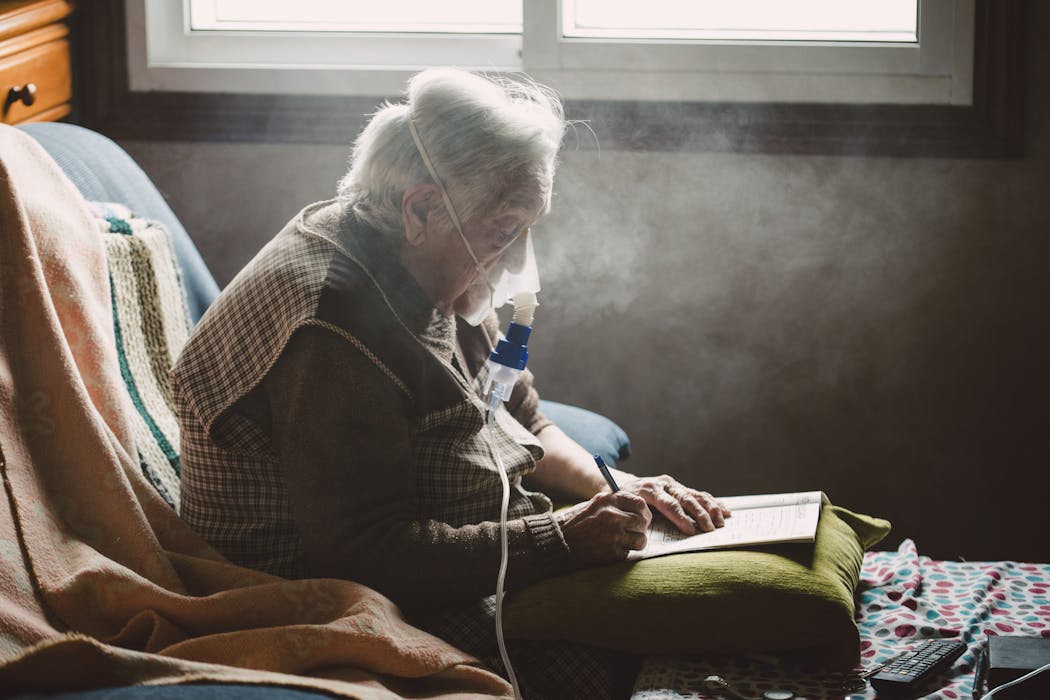
Teachers are often expected to juggle many competing responsibilities, fueling a sense of burnout. www.andrerucker.com/Getty Images

I spoke in January 2026 with 150 high school students about career options. After explaining my own career as a professor of education, health and behavior, I asked the students a simple question: Would you want to be a teacher?

“Why in the world would I want to be a teacher?” one female student said.

“My aunt is a teacher and she works all the time … no thanks,” a male student added.

Several students said it felt like teachers were doing everything: from teaching lessons and helping students through personal struggles to managing class disruptions and constantly adjusting to whatever else the day brought. Students also mentioned hearing teachers talk openly about low pay or feeling a lack of respect from students and others.

These students’ observations align with national trends. While nearly 20% of college freshmen said in 1970 that they were interested in a teaching career, less than 5% said the same in 2020, according to the National Bureau of Economic Research.

Many teachers report low levels of job satisfaction, and 52% polled by Pew in 2024 said they would not advise young adults to become teachers.

A woman sits in front of a group of young children in a classroom.
A teacher works with first grade students at Rosita Elementary School in Santa Ana, Calif., on Feb. 12, 2026.
Paul Bersebach/MediaNews Group/Orange County Register via Getty Images

Teacher pay penalty

Education researchers and labor analysts have documented that teachers earn less than other people who also have college degrees.

This difference in pay is sometimes called the teacher pay penalty. This gap has widened over the past few decades.

In 2024 the teacher pay penalty reached its highest recorded level, with teachers earning roughly 73 cents for every dollar earned by other college graduates.

Average annual public teacher salaries recently have ranged from about US$53,507 in Mississippi and $53,098 in Florida to more than $95,160 in California and $95,615 in New York.

Nationwide, teachers on average earn about $72,030 per year.

National analyses show that teaching has steadily lost ground in wage competitiveness compared with other college-educated professionals over the past few decades.

Even as some states have enacted modest teacher salary increases year over year, these wide disparities persist.

Expanding expectations, rising strain

Teaching once centered primarily on academic instruction. Particularly through much of the 20th century, teachers’ roles were largely defined by planning lessons, instructing on different subjects and assessing student learning.

In addition to teaching core subjects, many teachers are now often expected to help support students’ social and emotional development, address complex behavioral challenges, respond to crises that spill into classrooms, such as students physically fighting, and manage substantial paperwork and administrative tasks.

The COVID-19 pandemic intensified many of these responsibilities, as teachers navigated remote instruction and students’ heightened mental health needs.

At the same time, concerns about school safety, including the reality of school shootings and other kinds of violence, have added another layer to teachers’ emotional strain and required vigilance.

Teachers are far more likely than other college-educated professionals to report frequent job-related stress and burnout.

Job available

Approximately 50% of all public school leaders reported in October 2024 that they feel their school is understaffed. And 20% of public school leaders reported teacher vacancies during that same time period.

In January 2022, shortly after the pandemic, more than 20% of public schools reported at least 5% of their teaching positions were vacant that month. Approximately 51% of schools reported that resignations were the cause of these vacancies.

A 2025 national teacher shortage overview estimates that roughly 1 in 8 teaching positions nationwide are either unfilled or staffed by someone not fully certified for the assignment, meaning a teacher working outside their licensed subject area or grade level, for example.

When positions are filled this way, the classroom will still have a teacher present, but not necessarily one formally prepared to teach a specific subject or group of students. This can result in greater reliance on substitutes or increased class sizes for remaining staff.

A black and white photo shows children dressed formally and standing around a table and a chalkboard with a woman standing near them.
Students and their teacher are seen in 1899 in a Washington, D.C., public school classroom.
Heritage Art/Heritage Images via Getty Images

When teaching became women’s work

History helps explain why teaching looks – and pays – the way it does today.

In the early 1800s, teaching was a predominantly male profession.

But as the U.S. industrialized in the late 1800s and early 1900s, higher-paying jobs in business and manufacturing drew many men away from classrooms.

For many women at the time, teaching offered one of the few respectable professional careers available. It provided steady income and a measure of independence when many other professions were closed to them.

Labor force participation for women expanded significantly during the 1960s, ’70s, and ’80s, as legal and social barriers began to fall. Yet the pay and public standing of teaching does not seem to have risen at the same pace.

By the early 1900s, women made up about 70% of teachers. In 2024, 77% of teachers were women.

Nationwide, the gender wage gap has narrowed in the past few decades. Still, women in the U.S. earn an average 85% of what men make.

Who will teach the next generation?

Each year, more than 80,000 new teachers step into classrooms. But the overall pipeline has narrowed since the early 2010s, with enrollment at teacher preparation programs declining sharply and only partially rebounding in recent years.

Today’s students are coming of age in a landscape where teaching competes with many other college-degree professions that may offer higher pay, more predictable hours or clearer career advancement.

College students are often weighing financial security, mental health and long-term sustainability as they imagine their future.

Research consistently shows that compensation, working conditions and professional support play a central role in job retention. When those elements erode, so too does workforce stability.

Stability is the key as students are evaluating teaching – not as a calling, but as a potential career within a competitive labor market.

The Conversation

Lee Ann Rawlins Williams does not work for, consult, own shares in or receive funding from any company or organization that would benefit from this article, and has disclosed no relevant affiliations beyond their academic appointment.

ref. I asked students whether they’d want to be teachers? They quickly responded, ‘Why would I?’ – https://theconversation.com/i-asked-students-whether-theyd-want-to-be-teachers-they-quickly-responded-why-would-i-275904

Florida’s immigrant entrepreneurs are creating jobs and prosperity in their communities

Source: The Conversation – USA (2) – By Paula de la Cruz-Fernández, Cultural Digital Collections Manager, University of Florida

Founded in 1988, Mary’s Cafe & Coin Laundry in Miami, Fla., has been owned by three generations of one family that immigrated to the U.S. from Cuba. Photo courtesy of the owners of Mary’s Cafe in Miami, Fla., CC BY-NC-ND

Immigration to the U.S. is often framed as a problem to be managed, controlled or punished. Immigrants are often derided for crossing the border without authorization or “taking jobs” from U.S. citizens.

This rhetoric has intensified when Donald Trump has been in the White House. Trump and officials in his administrations have repeatedly characterized immigrants as a drain on national resources.

But research on immigrants tells a different story.

I’m a historian of business and culture who examines how enterprises shape and are shaped by the societies and historical contexts in which they operate. Since 2021 I have led the Gainesville Business History Project, a research initiative at the University of Florida that studies the long-term patterns of the town’s business history.

Nearby history

Our project takes a nearby history approach that recognizes that businesses around us, even small ones, are part of the historical record that we consumers also actively shape. Our team of 10 researchers has conducted in-depth interviews with more than 40 business owners and entrepreneurs in Florida.

About 22% to 23% of the state’s residents – roughly 5 million people – are foreign born. This is much higher than the nationwide average of 14%.

In 2023, foreign-born Florida residents made up almost 50% of the workforce employed in pillars of the state’s economy, including agriculture, tourism and construction.

In 2025, one study found that 267,700 of these Florida immigrants – about 5% – were entrepreneurs.

Our interviews uncovered many stories that show how immigrant-founded businesses can grow into familiar institutions that define a place’s identity. These stories illustrate some of the ways immigrants contribute to their communities.

La Aurora Latin Market

The story of La Aurora, a Latin grocery store that has operated for nearly 25 years in Gainesville, demonstrates how businesses are culturally embedded within the community and how immigrant-owned businesses often are tied to long-term local networks.

Aurora Ynigo crossed the Mexico-U.S. border in the early 1990s. She went straight to Miami, where she met her husband, Peter. In the late 1990s they moved from Miami to Gainesville for Peter’s job. At the time there was limited access to Hispanic products in the university town with about 180,000 residents. So in 1999 the family decided to open a Latin store that Aurora would manage.

For years the couple and their parents would create a weekly shopping list, which included many items requested by clients and friends who had immigrated to Gainesville from Peru, Cuba or Colombia. Then they would drive 400 miles to Miami, where they would look for the items all over the city, especially in supermarkets there such as Sedano’s and Presidente. They would then drive back to Gainesville with fresh food in big coolers to fill the racks at their location on University Avenue.

After 27 years in business, La Aurora Latin Market on University Avenue has its own butcher counter, fresh produce and other items from across Latin America and the Caribbean. It also makes fresh-baked Latin American breads, pastries and cakes. And it has become a place where the Spanish-speaking community – a demographic that has grown considerably in the past 10 years – can reliably find familiar products.

Mary’s Cafe & Coin Laundry

For more than four decades, Mary’s Café and Laundry has operated along Miami’s now-central and busy 27th Avenue.

The business has remained in the same family across three generations. It traces back to Eumelia Morales Fernández, who immigrated to Miami from the town of Santa Clara, Cuba, in 1970. Like many immigrant women, she first worked as a seamstress. She then got a job in a shoe factory before buying a small supermarket with her husband on 32nd Avenue in Miami in 1988.

After purchasing the building where the cafe and laundromat still stand, they installed washing machines and dryers and opened a small cafeteria alongside the laundromat. They named the business Mary’s Cafe, after Eumelia’s daughter, who later ran the business before passing it on to her own daughter, Vicky, who currently manages it.

Mary's Cafe Miami menu
The current menu at Mary’s Cafe.
Photo by the author, taken in 2025, CC BY-NC-ND

Mary created the menu, which has changed little since the cafe first opened. The cafe has its own kitchen for tostadas and pastelitos, serving coladas and cortaditos daily at this central Miami location. Everything continues to be made in-house.

The building also houses another small retail space, which is currently a watch repair business run by another member of the family. Before that, the space was home to a Chinese takeout owned by another Cuban family.

I was able to interview both Eumelia and Vicky. Vicky told me she has not changed much in the way she coordinates work and supplies at Mary’s. The biggest change she’s had to make is learning to use social media to promote the business.

16th Avenue Diner

Gilberto Argoytia Miranda owns the 16th Avenue Diner. The diner is an icon of Gainesville’s southern cuisine and has been in operation for more than 50 years.

Argoytia Miranda is the diner’s eighth owner – he purchased it in 2021. He had experience in the sector from when he lived in Mexico City, where he had operated food trucks since 2010.

He knew he wanted to be in the restaurant industry, but he didn’t immediately open a Mexican restaurant, despite the limited number of them in Gainesville. Instead, he studied the local market by working for various restaurants, including delivering food via DoorDash. This experience allowed him and his family to gain a deeper understanding of the Gainesville food scene.

The diner had to maintain its soul, as Argoytia Miranda calls it, for the regular clientele to keep coming. He and his family didn’t want to replace an eatery that carried local meaning and tradition. In fact, he recognizes this continuity as an asset, because the place remains recognizable.

Interior of 16th Ave Diner in Gainesville, Florida
The 16th Avenue Diner in Gainesville, Fla., has been a fixture in the town, even as ownership has changed hands over the years.
Photo by the author, taken in November 2025, CC BY-NC-ND

Argoytia Miranda rarely changes the menu, because he understands that’s what people have liked for years. He does not see the need to reinvent the core of the restaurant, its Southern-style cooking and the Americana atmosphere.

Little by little, he told me in 2025, he intends to experiment with adding more Latino flavor to the menu. But new dishes will become part of the official offering only if customers enjoy them.

The Conversation

Paula de la Cruz-Fernández does not work for, consult, own shares in or receive funding from any company or organization that would benefit from this article, and has disclosed no relevant affiliations beyond their academic appointment.

ref. Florida’s immigrant entrepreneurs are creating jobs and prosperity in their communities – https://theconversation.com/floridas-immigrant-entrepreneurs-are-creating-jobs-and-prosperity-in-their-communities-273183

When ICE sweeps a community, public health pays a price – and recovery will likely take years

Source: The Conversation – USA (3) – By Nicole L. Novak, Research Assistant Professor of Community and Behavioral Health, University of Iowa

Minneapolis residents mobilized to protest against ICE and to support immigrant members of their community. Fibonacci Blue/Flickr via Wikimedia Commons, CC BY

The Trump administration announced on Feb. 12, 2026, that it is ending Operation Metro Surge, its deployment of more than 3,000 federal immigration enforcement agents in Minneapolis, St. Paul and the surrounding metro area. Federal officials say some agents will remain in the area and have vowed that similar immigration sweeps are coming soon to other U.S. cities.

As public health researchers who have been documenting the health impacts of immigration enforcement for over 10 years, we see these immigration sweeps as public health emergencies.

Even before the Trump administration’s recent expansion of immigration enforcement, research has long shown that intensive immigration enforcement operations affect people’s use of health care, ability to access resources to stay healthy, and their mental health and social relationships. Notably, these findings all come from before the Trump administration’s most recent expansion of immigration enforcement. It is fair to assume that the impacts of these current operations will be even greater.

To some extent – particularly in Minneapolis, where mutual aid networks are especially strong – community response can mitigate some of these impacts. One of us (Nicole), as a resident of Minneapolis, witnessed both the unfolding crisis and a powerful community-driven public health response.

But these public health harms will take months or years to reverse, and they provide a troubling preview of what could happen in other cities.

Accessing health care

One of the most immediate public health impacts of intensive immigration enforcement is that it makes people hesitant to seek health care, especially if they belong to a nationality or racial group that is being targeted for immigration arrests. For example, studies of Hispanic adults have shown that they are less likely to get an annual checkup or visit their doctor – even if they are U.S. citizens – if they live in a region with more intensive immigration enforcement.

Research has also shown that Medicaid enrollment declines when federal immigration enforcement rises, even among qualifying U.S. citizens.

There is no question that Operation Metro Surge has deterred immigrant patients and their families in Minnesota from seeking medical care. According to one family medicine doctor, primary care visits are down more than 50%. Doctors and health care workers are reporting that patients are delaying needed care, potentially worsening chronic conditions, such as diabetes. Others report that pregnant women are missing prenatal visits and are requesting home births, even in cases where their health conditions would typically require a hospital birth.

Intense ICE activity in Minneapolis has made people hesitant to seek medical care.

Accessing food and housing

Immigration crackdowns also affect public health by restricting people’s access to the resources they need to stay healthy.

For example, income and employment are major predictors of health. But research suggests that overall employment and hourly wages fall in counties that begin collaborating with federal immigration enforcement – partly because people spend less money at stores, restaurants and other local businesses.

This phenomenon is playing out in Minneapolis and St. Paul, where thousands of immigrant families are staying home to avoid encounters with immigration enforcement. In January 2026, immigrant-owned businesses reported reduced traffic, with as many as 80% temporarily closing in some neighborhoods.

Many of public health’s most cost-effective, hard-won programs, such as the Supplemental Nutrition Assistance Program, or SNAP, and the Women, Infants and Children nutrition program, are designed to preserve people’s health even in times of economic scarcity. But enrollment in these programs drops when fear of immigration enforcement intensifies. The same is true for housing, another foundation of public health. Research shows that evictions, missed rent or mortgage payments, and foreclosure rates increase when immigration crackdowns expand.

It is too soon to know the impact on evictions in Minneapolis, but early reports from tenant advocacy organizations indicate that they have seen an 82% increase in requests for help compared to early 2025.

Stress, hypervigilance and mental health

Among the most harmful and enduring impacts of immigration enforcement are the effects on mental health. Our research and that of others shows that people who encounter or have to protect themselves from immigration officials – staying inside to avoid immigration officials, seeing immigration officials in their neighborhood, knowing someone who was deported or being deported themselves – are at higher risk of psychological distress or poor overall health.

Especially for children who witnessed or experienced the arrest, detention or deportation of a family member, these effects can be severe, including separation anxiety and behavioral issues in the short term, as well as long-term risks of anxiety and depression.

Perhaps most painfully, experiencing family separations, missing work or avoiding public space leaves people socially isolated, resulting in fewer emotional resources to cope with these stresses as well as risks to health.

In Minnesota, many immigrant families are not only experiencing the social isolation of staying home from school and work but are also avoiding spaces that may have provided solace and support, such as places of worship. Church attendance has reportedly dropped by half in some congregations, and mosque attendance may be down too.

People packing food in donation boxes
Immigration crackdowns limit people’s access to the resources they need to stay healthy.
PhotoLife94/E+ via Getty Images

How communities are responding

Amid these challenges, everyday Minnesotans – health care workers, neighbors, faith communities – have taken steps to bridge these gaps.

Trusted neighbors and community organizations ensure that people have rides to doctor visits. Some health care providers are expanding telehealth and home visits to make sure patients receive necessary care. Health care staff and unions are putting pressure on hospitals and health systems to implement policies that limit ICE’s access to patient areas.

Meanwhile, community members are delivering food and necessities to those who are sheltering in place or have lost income. Mutual aid campaigns are raising money to help with rent, organizers successfully campaigned for the city of Minneapolis to expand rental assistance, and more than 60 local organizations are petitioning the governor to enact a statewide eviction moratorium.

Mental health stressors and social isolation are more challenging to address, but some local mental health providers are expanding their reach, while teachers, neighbors and people of faith try to maintain connections with those who are sheltering at home.

This far-reaching response echoes what we have observed in our own research with other communities that have experienced immigration raids: ordinary people, with immigrant families at the forefront, essentially launching an informal disaster response, providing sanctuary and resources.

Public health research has long shown that connected communities are healthy communities, and these ties play a critical role in long-term recovery from public health crises.

But immigration court cases drag on for months and years, as do long-term mental health impacts. Ruptured trust with government takes time to rebuild. That means that as ICE expands its presence across the U.S., the fallout may last for a long time to come.

The Conversation

Nicole L. Novak has received research funding from the National Institutes of Health, the National Science Foundation, the Robert Wood Johnson Foundation, and the Mid-Iowa Health Foundation. She is a volunteer with the Prairielands Freedom Fund and UNIDOS MN.

William D. Lopez does not work for, consult, own shares in or receive funding from any company or organization that would benefit from this article, and has disclosed no relevant affiliations beyond their academic appointment.

ref. When ICE sweeps a community, public health pays a price – and recovery will likely take years – https://theconversation.com/when-ice-sweeps-a-community-public-health-pays-a-price-and-recovery-will-likely-take-years-274810

3 generations of Black Philadelphia students report persistent anti-Black attitudes in schools

Source: The Conversation – USA (2) – By Leana Cabral, Researcher at the Consortium for Policy Research in Education, Teachers College, Columbia University

Over 70 years after Brown v. Board of Education, public schools in the U.S. remain deeply segregated. AP Photo/Phil Long

John Washington, now in his 50s, attended a public elementary and middle school in the Chestnut Hill neighborhood of Philadelphia and then went to a large magnet high school, a type of public school that has a selective admission process. As he has gotten older, he has understood that in the education system in Philadelphia, “the more things change, the more they stay the same.”

John was bused during the integration movement of the 1970s and graduated from high school in 1990. Back then, he recognized that his school was not as segregated as the schools his parents and grandparents had attended in Philadelphia. As a parent of three current students, however, he has noticed how racially segregated most of the schools in Philadelphia remain.

As research demonstrates, U.S. public schools in general are not more integrated than they were just after the Supreme Court’s Brown v. Board of Education ruling in 1954.

I am a sociologist whose research focuses on education, race and social inequality. For my dissertation research, I interviewed over 45 former and current Black students to learn about their intergenerational experiences in Philly public schools. “John” and the other names used in this article are pseudonyms to protect the privacy of the research participants.

Intergenerational research is underexplored within educational research. I wanted to understand how different generations of Black public school students in Philadelphia understood and experienced racial inequality, as well as how families’ memories and perspectives around schooling shape students’ educational journeys.

The people I interviewed ranged in age from 14 to 95, and all attended a Philadelphia public elementary or high school, or both. Across the generations, I heard both clear awareness of anti-Blackness and its presence in schools alongside an unyielding hope and vision for a better future.

As Naya, a 30-year-old former student from Germantown, put it, there is a “magic” in being Black. “You have to see what’s possible when nobody else can see it,” she said.

Black-and-white photo of elementary school children seated at desks in classroom
Black and white students sit together in an integrated classroom in Philadelphia in 1968.
AP Photo

Anti-Blackness and American education

Historian Carter G. Woodson warned of the danger in allowing Black students to be treated as inferior within the educational system.

“There would be no lynching if it did not start in the classroom,” he wrote in his seminal book “The Mis-Education of the Negro,” published in 1933. “Why not exploit, enslave, or exterminate a class that everybody is taught to regard as inferior?”

Anti-Blackness is made visible in schools today through, to name just a few examples, the sanitization of the United States’ violent racial history, the school-to-prison pipeline, wrongful placements of Black students into special education or remedial classes, racial violence in schools and the ongoing disinvestment in and closures of majority-Black schools.

‘We weren’t troublemakers, we were just kids’

Several current and former students I interviewed said their parents taught them “they had to work twice as hard” as white students.

A former student who is now in her 30s shared how she understood the idea that “you have to continue to prove yourself in ways that white kids aren’t expected to … and that’s how supremacy shows up.”

I repeatedly heard from former and current students of all ages how they believed their white teachers held low expectations of Black students and did not challenge them academically.

“I honestly feel like there was a divide, there was less patience for us,” said Jazmine, who graduated from a Philadelphia public high school in 2003. “It was just so obvious, the difference in how the adults treated us, which in turn led to a lot of animosity with the children.”

Hank, who graduated from high school in 1981, said the low expectations his white teachers held limited students’ motivation. “We were just going through the motions,” he said. “You could definitely see a difference with the expectations of the Black teachers than many of the white teachers. And then if the white teachers had expectations, it was sterile. It wasn’t with the love that you felt from some of the Black teachers.”

Current high school students shared incidents of white teachers using racial epithets, including the n-word, and one saying, “You’re acting like a park ape.” Another teacher, a student shared, said slavery was in the past “and not connected to today.”

A recent graduate who attended a magnet middle school recalled being treated by her white teachers as “disposable.”

“I feel like the school actively tried to strip away a lot of my confidence, but not just for me, but also other Black kids,” she said. “It was the first place where I didn’t feel like my teachers thought that I was smart and capable.”

I repeatedly heard both current and former students describe white teachers treating them as if they were “criminals” and receiving harsher discipline and punishments than their non-Black peers, which research has long demonstrated. Students I spoke to described feeling degraded and “singled out” by white teachers – and even blamed for things they did not do.

For example, Naima, a current high school student, shared a painful memory from fourth grade when she had an older white teacher who kept a candy jar on her classroom desk. One afternoon, someone took many pieces of candy from the jar.

“And, of course, it was the white girl, but me and my other Black friend were the last people in her room that she saw walk out, so she assumed it was us,” Naima said. “She said, ‘You stole my candy jar. Y’all were the last people in there. I know y’all did it.’”

Naima could not believe they were accused because, as she explained, she and her friend “weren’t troublemakers, we were just kids.” Despite their innocence – and that they were only in the fourth grade – they were suspended.

High school students wearing backpacks shown walking down a school hallway
Schools can be sites of both racial harm and affirmation for Black students.
AP Photo/Matt Slocum

Experiences of affirmation too

Speaking to multiple generations of students provides unique insight into the ways in which Black students continue to experience racial harm and trauma in Philly public schools.

On the other hand, at some point in their schooling, many of the former students I spoke to were fortunate to also experience classrooms or schools that affirmed their Blackness and did instill in them a sense of pride.

However, this tended to happen only in majority Black schools where Black teachers were also in the majority.

Delise, who graduated in 2004, shared that at her elementary and high schools, “Blackness was a norm. It was the standard. … Black cultural norms and my identity was affirmed in that school.”

Black communities in Philadelphia have always resisted and mobilized for educational justice. Such efforts include the Black People’s Unity Movement, Philadelphia’s first Black Power political organization, in the 1960s and the many movements that have come since, as well as the creation of alternative educational spaces such as the freedom library, freedom schools, faith-based groups and other Black-led community and art spaces focused on Afrocentric history and curricula.

Former and current students are proud of this legacy.

“We have yet to grasp the significance of our experience as far as I’m concerned,” said James, a former student from North Philly who is now in his 80s, reflecting on Black communities’ resilience and resistance. “And when I look at how we have navigated, I mean, it’s just constant, man … and still we rise.”

Read more of our stories about Philadelphia and Pennsylvania, or sign up for our Philadelphia newsletter on Substack.

The Conversation

Leana Cabral receives funding from Teachers College, Columbia University.

ref. 3 generations of Black Philadelphia students report persistent anti-Black attitudes in schools – https://theconversation.com/3-generations-of-black-philadelphia-students-report-persistent-anti-black-attitudes-in-schools-266439

Revisiting the story of Clementine Barnabet, a Black woman blamed for serial murders in the Jim Crow South

Source: The Conversation – USA (3) – By Lauren Nicole Henley, Assistant Professor of Leadership Studies, University of Richmond

A grainy photograph of Clementine Barnabet. A 1912 edition of The Atlanta Constitution newspaper via Wikimedia Commons

In April 1912, a young Black woman named Clementine Barnabet confessed to murdering four families in and around Lafayette, Louisiana. The widespread news coverage at the time effectively branded her a serial killer.

Her confession, however, did not align with the timeline of crimes that had gripped America’s rice belt region with fear. Even today, her guilt is debated.

From November 1909 until August 1912, an unknown assailant – or assailants – zigzagged across southwestern Louisiana and southeastern Texas. Many Black families were slaughtered in their homes under the cover of darkness. An ax – the telltale weapon – was almost always found in the bloody aftermath.

All but one of the scenes were located within a mile of the Southern Pacific Railroad’s Sunset Route. In each case, a mother and child were always among the victims. Evidence of additional weapons was often found nearby, suggesting a deliberate cruelty to the carnage.

Dubbed the “axman”, the unknown assailant eluded the authorities and terrified local Black communities.

Today, when scholars and laypeople alike discuss Clementine Barnabet, they oscillate between two extremes: portraying her as a fear-inducing, cult-leading Black female serial killer, or as an innocent young Black woman caught in circumstances beyond her control.

In more than a decade of researching Clementine Barnabet, I’ve been struck by how print media created overtly sensationalized accounts of the mythology of the axman and, by extension, the axwoman. Whether Barnabet committed the crimes she said she did – or any of the axman murders, for that matter – is irrelevant to the primary motive the media constructed for her fatal violence: religion.

Diverse faith traditions

In Jim Crow Louisiana, various expressions of faith were possible. The state’s history as a French colony – one that also practiced slavery – meant it was home to the largest percentage of Black Catholics in the United States.

A black-and-white sketch depicts people walking and sitting around a square cloth on the ground, with small items arranged on it.
A sketch supposedly depicting a Voodoo ceremony in Louisiana.
Photos.com/Getty images plus

At the same time, religions like Voodoo, that originated in West Africa, reached the region on slave ships. Voodoo was not necessarily at odds with Catholicism; enslaved practitioners creatively adapted their ancestral faith to that of their enslavers.

Some displays of faith were not organized religions at all, but folkways. Hoodoo, for example, has West African origins, though it also draws upon European and Native American elements. Hoodoo practitioners – sometimes called doctors – and their clients often practice a religion, yet they also seek comfort in the supernatural possibilities of their craft.

This craft involves the physical manipulation of earthly elements such as graveyard dirt or plants like John the Conqueror root to achieve magical ends, often resulting in conjures – or ritual objects – needed to bring about desired goals. Conjures are believed to help people protect themselves, harm one’s adversaries, alter one’s circumstances, intervene in one’s relationships and more.

In their most powerful form, believers contend that conjures can bring about a person’s death.

For some believers, elements of Catholicism, Voodoo, Protestantism and hoodoo combine into syncretic faith practices. Incorporating multiple systems of beliefs has been an aspect of many Louisianans’ identities for generations. Most of the time, this blending of practices, ideologies and communities is depicted as a quirky – even “backward” – way to make sense of the world.

Yet during the axman’s reign in the early 1900s, a Black woman’s confession to murder was interpreted through the lens of religious deviance rather than diversity.

A timeline of events

When Barnabet confessed in April 1912, it was technically the second time she had done so. The first time was in November 1911 in the aftermath of the Randall family murder. Five members of the Randall family and their overnight guest had been brutally slaughtered in Lafayette, Louisiana at the end of the month.

According to regional newspapers, Barnabet was in the crowd that had gathered near the Randall family’s home after the murders were discovered. Reportedly, she caught the attention of the local sheriff. Not only did she live near the slain, but, according to a New Orleans daily, the authorities found “her room saturated with blood and covered with human brains.”

Barnabet was given a “third degree” examination – meaning she was tortured – by the New Orleans Police Department, and then supposedly confessed that she had killed the Randalls because, according to a Midwestern newspaper, they “disobeyed the orders of the church.” That church would become a topic of scrutiny and sensationalism by regional lawmen and news outlets alike throughout much of 1912.

At that time, Barnabet is also said to have confessed to killing another family in Lafayette.

Thus, Barnabet had already been in jail for over four months before her springtime confession. Between January and March 1912, four more families had been axed to death between Crowley, Louisiana and Glidden, Texas. In April, when Barnabet re-confessed, she added two more families to her victim roster.

In aggregate, the four families Barnabet confessed to killing had been slain between November 1909 and November 1911. Four more families had been murdered between her arrest and second confession, meaning she was in jail when they occurred. After her second confession and while she was still in custody, another three families were attacked with an ax, though for the first time, people survived the axman.

This convoluted timeline, in which more than half of the axman murders occurred after Barnabet had been apprehended, presented a challenge for investigators. They generally believed the crimes were related. Yet Barnabet could not have physically carried out the attacks in 1912.

To explain the continuation of the killings despite Barnabet’s incarceration, local lawmen leveraged the young woman’s own statements that had landed her in jail in the first place: that religion compelled her to murder.

It was this November 1911 confession that gave investigators the motive of religious fanaticism to attach to the axman crimes. Then, in January 1912, when the Broussards – another Black family – were murdered with an ax in Lake Charles, Louisiana, the local police found a Bible verse scrawled on their front door. This overtly religious symbol appeared roughly two months after Barnabet’s first confession and seemed to confirm her claims.

By April 1912, the idea of religiously motivated serial murder had been circulating in the rice belt region for months.

Hoodoo, conjures, and sensationalism

Barnabet’s confession was transcribed by R. H. Broussard (no relation to the victims), a newspaper reporter for the “New Orleans Item,” in April 1912.

According to the report, Barnabet claimed that she and four friends purchased conjures from a local hoodoo doctor one evening while socializing. They paid the practitioner for his services. Supposedly, the group then used the charms to move about undetected while committing murder.

In both her November 1911 and April 1912 confessions, Barnabet offered faith-based motives, albeit different ones. In the first case, it was the victims who reportedly erred in their religious duties. In the second, it was Barnabet’s own belief in hoodoo that facilitated such carnage. White media outlets did not interpret either of these statements as evidence of the region’s deep history of diverse faith expressions.

Instead, they labeled Barnabet “a black borgia,” “the directing head of a fanatical cult,” and the “Priestess of [a] Colored Human Sacrifice Cult.”

Moreover, sensationalized news coverage labeled the church Barnabet mentioned as the “Sacrifice Church.” Not surprisingly, the press depicted it as a cult-like organization, portraying Barnabet as either a low-level member or the “high priestess.” Sometimes, news reports also conflated the Sacrifice Church with Voodoo, thereby criminalizing a legitimate West African-derived religion as a cult.

According to unsubstantiated media accounts, the so-called Sacrifice Church promoted human sacrifice to gain immortality. Simultaneously, newspapers treated the conjure Barnabet possessed as proof of her fanaticism, reporting her claim that the only reason she confessed was because she had lost her charm.

Combined these selective – and sensational – interpretations of Barnabet’s supposed religious beliefs ignored the possibility of diverse spiritual practices that enriched life in the rice belt region.

Jim Crow and Black faith

I have yet to find evidence the Sacrifice Church existed. My research suggests the white press conflated the word “sacrifice” with the word “sanctified.” This might have been due, in part, to both sensationalism and ignorance.

Pentecostalism, a branch of evangelical Christianity that emphasizes baptism by the Holy Spirit and direct communication from God, started growing in popularity in the U.S. in the early 1900s. Many Pentecostal denominations call their adherents saints and their churches sanctified. Since sanctified churches were relatively new to Louisiana and some Pentecostal teachings – like speaking in tongues – challenged more mainstream Protestant doctrine, Pentecostalism might have contributed to the media’s reporting.

Although the Sacrifice Church may have simply been a linguistic error in reference to any number of sanctified churches in the rice belt, it is possible that Barnabet did indeed possess a conjure. The hoodoo doctor she accused of selling her and her comrades their charms was arrested and questioned by the Lafayette authorities. The statements he gave to the police aligned with hoodoo practices even as he denied knowing Barnabet or being involved in such folkways.

Given the variety of faith practices in Jim Crow Louisiana, it is possible both that Barnabet believed in her conjure and that sanctified churches were growing in popularity in the region. Whether she ever attended one is hard to know, just as the legitimacy of either confession is difficult to determine.

What is clear is that faith anchored the statements Barnabet made to the authorities. The other anchor, however, was murder. The consequences of how these events aligned reverberate in how Barnabet has been depicted.

Barnbet was front-page news in 1912. People knew her name, even as they debated her guilt. When she was convicted of murder, she was sentenced to life at the Louisiana State Penitentiary. A little over a decade later, she was released and disappeared from public view.

Today, however, no Black female serial killer occupies a similar place in America’s collective memory.

In recent years, there have been calls for a more serious acceptance of Black women’s experiences, knowledge and beliefs within the dominant culture. This shift also invites, I believe, a fresh look at Barnabet’s confessions and the crimes that were attributed to her.

The Conversation

Lauren Nicole Henley does not work for, consult, own shares in or receive funding from any company or organization that would benefit from this article, and has disclosed no relevant affiliations beyond their academic appointment.

ref. Revisiting the story of Clementine Barnabet, a Black woman blamed for serial murders in the Jim Crow South – https://theconversation.com/revisiting-the-story-of-clementine-barnabet-a-black-woman-blamed-for-serial-murders-in-the-jim-crow-south-271298

Coffee crops are dying from a fungus with species-jumping genes – researchers are ‘resurrecting’ their genomes to understand how and why

Source: The Conversation – USA (2) – By Lily Peck, Postdoctoral Scholar in Evolutionary Biology, University of California, Los Angeles

For anyone who relies on coffee to start their day, coffee wilt disease may be the most important disease you’ve never heard of. This fungal disease has repeatedly reshaped the global coffee supply over the past century, with consequences that reach from African farms to cafe counters worldwide.

Infection with the fungus Fusarium xylarioides results in a characteristic “wilt” in coffee plants by blocking and reducing the plant’s ability to transport water. This blockage eventually kills the plant.

Some of the most destructive plant pathogens in the world infect their hosts in this way. Since the 1990s, outbreaks of coffee wilt have cost over US$1 billion, forced countless farms to close and caused dramatic drops in national coffee production. In Uganda, one of Africa’s largest producers, coffee production did not recover to pre-outbreak levels until 2020, decades after coffee wilt was first detected there. And in 2023, researchers found evidence that coffee wilt disease had resurfaced across all coffee-producing regions of Ivory Coast.

Studying the genetics of plant pathogens is crucial to understanding why this disease continues to return and how to prevent another major outbreak.

Rise and fall of coffee wilt disease in Africa

While early outbreaks of coffee wilt disease affected a wide range of coffee types, later epidemics primarily affected the two coffee species dominating global markets today: arabica and robusta.

First identified in 1927, coffee wilt disease decimated several varieties of coffee grown in western and central Africa. Although farmers combated the fungus with a shift to supposedly resistant robusta crops in the 1950s, the reprieve was short-lived.

The disease reemerged in the 1970s on robusta coffee, spreading through eastern and central Africa. By the mid-1990s, yields had collapsed and coffee production could not recover in countries like the Democratic Republic of Congo.

Separately, researchers identified the disease on arabica coffee in Ethiopia in the 1950s and watched it become widespread by the 1970s

Two side-by-side maps of Africa with several regions highlighted to indicate coffee wilt disease outbreaks
Coffee wilt disease has spread widely in Africa. The first outbreak before the 1950s affected mainly central and western Africa (left map) while the second outbreak originated in central Africa and spread east (right map). Affected countries are colored by the decade the disease was first detected.
Peck et al 2023/Plant Pathology, CC BY-SA

Although coffee wilt disease is currently endemic at low and manageable levels across eastern and central Africa, any future resurgence of the disease could be catastrophic for African coffee production. Coffee wilt also poses a threat to producers in Asia and the Americas.

New types of disease emerge

Coffee wilt disease evolved alongside coffee itself. Over the past century, it has repeatedly reemerged, attacking different types of coffee each time. But did these shifts reflect the rapid evolution of new types of disease, or something else entirely?

Fungal disease has devastated plants for millennia, with the earliest records of outbreaks dating from the biblical plagues. Like humans, plants have an immune system that protects them against attacks from pathogens like fungi.

While most fungal attempts at infection fail, a small number do succeed thanks to the constant evolutionary pressure on pathogens to overcome host plant defenses. In this evolutionary arms race, pathogens and hosts continuously adapt to each other by genetically changing their DNA. Boom and bust cycles of disease occur as one gains advantage over the other.

The rise of modern agriculture has led to widespread monocultures of genetically uniform crops. While monocultures have significantly boosted food production, they have also contributed to environmental degradation and increased plant vulnerability to disease.

Crop breeders have attempted to protect monocultures by introducing disease resistance genes, with farms widely applying fungicides and other environmentally damaging products. But these relatively weak protections for hundreds of acres of identical plants have resulted in outbreaks decimating crops that people depend on.

It’s likely that modern agriculture’s reliance on monocultures has enabled and accelerated the evolution of new types of pathogen capable of overcoming resistance in plants. As a result, crops become more susceptible to disease outbreaks.

Resurrecting fungal strains

Understanding the lessons of the past is essential to avoiding future plant pandemics. But this can be challenging, because the specific pathogen strains that caused previous disease outbreaks may no longer exist in nature or may have changed substantially.

In my research on the evolutionary arms race between host and pathogen in coffee wilt disease, I sought to address these problems by “resurrecting” historical strains of the fungus that causes the disease, Fusarium xylarioides. Researchers know little about why the earlier and later outbreaks targeted different types of coffee, so I explored the genetic changes in F. xylarioides that underlie this narrowing of its hosts.

I reconstructed historical genetic changes in the major coffee wilt disease outbreaks over the past seven decades by using strains from a fungus library – culture collections that preserve living fungi. These libraries store long-term living data and reflect the fungal genetic diversity present at the time of collection.

Microscopy image of blue fuzzy sphere with long extensions
Gibberella (Fusarium) xylarioides, with arrow pointing to its spore-containing sac.
Julie Flood

Whether a pathogen takes the upper hand in the evolutionary arms race depends on its ability to generate new types of genes. It can do so either by changing and rearranging its DNA sequence or by moving DNA sequences between organisms in a process called horizontal gene transfer. These mechanisms can create new effector genes that enable pathogens to infect and colonize a host plant.

Initially, I sequenced six whole genomes of strains involved in outbreaks before the 1970s as well as later outbreaks that specifically targeted arabica or robusta coffee plants. I found that strains of F. xylarioides specific to arabica or robusta genetically differed from each other, with most of these differences inherited from parent to offspring. This process is called vertical inheritance.

Genes that jump between species

However, I also found that several regions of the F. xylarioides genome were potentially acquired horizontally from F. oxysporum, a global plant pathogen that infects over 120 crops, including bananas and tomatoes. These included different regions of the genome across strains specific to arabica and robusta coffee.

But did these changes introduce new effector genes in the F. xylarioides strains that infect arabica and robusta coffee plants specifically? To answer this question, I first sequenced and assembled the first F. xylarioides reference genome, stitching together long stretches of DNA. I then sequenced and compared this reference genome to the whole genomes of three more pre-1970s F. xylarioides strains and 10 additional historical Fusarium strains found on or around diseased coffee bushes, as well as F. xylarioides strains from infected arabica coffee seedlings.

I found substantial evidence for horizontal transfer of disease-causing genes between species of Fusarium. This includes the presence of giant genetic components called Starships in Fusarium. These so-called jumping genes carry their own molecular machinery, allowing them to move around or between genomes. Genes involved in adaptation, such as those linked to virulence, metabolism or host interaction, also move with them. Scientists think Starships may potentially enable fungi to adapt to changing environmental conditions.

I found that large and highly similar genetic regions, including Starships and active effector genes involved in disease, had moved from F. oxysporum to F. xylarioides. Importantly, different genetic regions were present across strains of F. xylarioides specific to arabica and robusta, but they were absent from other related Fusarium species. This suggests that these genes were gained from F. oxysporum.

Arming farmers with knowledge

Today, a third of all global crop yields are lost to pest and disease. Reconciling the tension between agricultural productivity and environmental protection is important to balance humanity’s needs for the future. Central to this challenge is reducing the spread of disease and new outbreaks.

On the flip side to monocultures, many plant species surrounding and within small and family-run coffee farms in sub-Saharan Africa may act as disease reservoirs, where fungi pathogens can lurk. These include banana trees and Solanum weeds in the tomato family that are susceptible to fungal infection.

Human farming practices may have inadvertently created an artificial niche for these fungi, with coffee bushes brought into widespread contact with banana plants and Solanum weeds. If fungi in the same genus can frequently exchange genetic material, it could accelerate the ability of plant pathogens to adapt to new hosts.

Close-up of someone's hand full of unshelled coffee beans, colored red, yellow and dark brown
Balancing agricultural productivity with sustainability will ultimately benefit both crops and people.
Wayne Hutchinson/Farm Images/Universal Images Group via Getty Images

Testing noncoffee plants for F. xylarioides infection could reveal alternative plant species where different Fusarium fungi come into contact and exchange genetic material. This matters because across sub-Saharan Africa, coffee plants often share fields with banana trees and weeds. If these neighboring plants can harbor fungi that act as new sources of genetic variation, they may help fuel new disease strains.

Identifying the plants that can act as hosts to fungi could give farmers practical options to reduce coffee plants’ risk of disease, from targeted weed management to avoiding the planting of vulnerable crops side by side.

The Conversation

This research was supported by the Natural Environment Research Council. The funders had no role in study design, data collection and analysis, decision to publish, or preparation of this essay or any manuscripts.

ref. Coffee crops are dying from a fungus with species-jumping genes – researchers are ‘resurrecting’ their genomes to understand how and why – https://theconversation.com/coffee-crops-are-dying-from-a-fungus-with-species-jumping-genes-researchers-are-resurrecting-their-genomes-to-understand-how-and-why-273997

In World War II’s dog-eat-dog struggle for resources, a Greenland mine launched a new world order

Source: The Conversation – USA (2) – By Thomas Robertson, Visiting Associate Professor of Environmental Studies, Macalester College

Greenland’s cryolite mine, essential for U.S. airplane production, was below sea level and vulnerable to Nazi sabotage. Reginald Wilcox, ca. 1941. Peary–MacMillan Arctic Museum, Bowdoin College

On April 9, 1940, Nazi tanks stormed into Denmark. A month later, they blitzed into Belgium, Holland and France. As Americans grew increasingly rattled by the spreading threat, a surprising place became crucial to U.S. national security: the vast, ice-capped island of Greenland.

The island, a colony of Denmark’s at the time, was rich in mineral resources. The Nazi invasions left it and several other European colonies as international orphans.

Greenland was essential for air bases as U.S. planes flew to Europe, and also for strategic minerals. Greenland’s Ivittuut (formerly Ivigtut) mine contained the world’s only reliable supply of the most important material you’ve probably never heard of: cryolite, a frosty white mineral that the U.S. and Canadian industries relied upon to refine bauxite into aluminum, and thus essential to assembling a modern air force.

A month after the Nazis seized Denmark, five American Coast Guard cutters set sail for Greenland, in part to protect the Ivittuut mine from the Nazis.

An illustration of Uncle Sam pounding a sign into Greenland labeled 'Keep Out!' with a tiny drawing of Adolf Hitler on the horizon.
This April 1941 drawing by famous political cartoonist Herbert L. Block, known as Herblock, was published shortly after Greenland became a de facto protectorate of the U.S.
A Herblock Cartoon, © The Herb Block Foundation

People sometimes forget that World War II was a dog-eat-dog struggle for resources – oil and uranium but also dozens of other materials, everything from rubber to copper. Without these strategic materials, no modern military could produce crucial new weapons such as tanks and airplanes. The resource struggle often started before actual fighting.

Foreign materials fueled American global power, but also raised tricky questions about access to resources and about sovereignty, just as the old European imperial order was being rethought. As in 2026, U.S. presidents had to skillfully balance force and diplomacy.

Two people look over a production line with dozens of military aircraft in a large building.
Walter H. Beech and Olive Ann Beech view wartime production lines at Beech Aircraft Corp. in Wichita, Kan., in 1942.
Courtesy of Wichita State University Libraries, Special Collections and University Archives. Walter H. and Olive Ann Beech Collection, wsu_ms97-02.3.9.1

As a historian at Macalester College, I research how Americans shape environments around the world through their purchasing and national security needs, and how foreign landscapes enable and constrain American actions. Today, control of Greenland’s natural resources is again on an American president’s radar as demand for critical minerals rises and supply tightens.

During the spring of 1940, America and its European allies mapped out patterns of resource use and ideas of global interconnection that would shape the international order for decades. Greenland helped give birth to this new order.

Rethinking American vulnerability

On May 16, 1940, President Franklin Roosevelt addressed a joint session of Congress, including many “American first” isolationists wary of European entanglements. Roosevelt implored Americans to wake up to new threats in the world – to, in his words, “recast their thinking about national protection.”

New weapons, he warned, had shrunk the world, and oceans could no longer shield the United States. The nation’s fate was inextricably tied to Europe’s. Nothing showed this better than Greenland: “From the fiords of Greenland,” FDR warned, “it is four hours by air to Newfoundland; five hours to Nova Scotia, New Brunswick and to the province of Quebec; and only six hours to New England.”

A 1942 map of the world at war and which countries were on which side.
Richard Edes Harrison’s famous WWII maps in Fortune magazine, including this one from 1942, changed American understandings of vulnerability by highlighting short aerial routes. Dark areas are considered Axis, dotted areas pro-Axis neutral or Axis-occupied, red areas Allies and yellow areas neutral. Pink areas, including Greenland, were considered Allies-occupied.
Cornell University – PJ Mode Collection of Persuasive Cartography

But Greenland set off alarm bells for another reason. To protect itself in a dangerous world, Roosevelt famously called for the U.S. to hammer out 50,000 planes a year. But in 1938, America had produced only 1,800 planes.

To meet this ambitious goal, Roosevelt and his advisers knew that little could be done without Greenland. No Greenland, no cryolite. No cryolite, no massive American air force. Without cryolite, making 50,000 planes would be infinitely more difficult.

The age of alloys

Americans, National Geographic explained in 1942, lived in an “age of alloys.” Without aluminum alloys and other metallic mixtures, assembly lines churning out modern tanks, trucks and airplanes would grind to a halt. “More than any other struggle in history, this is a war of many metals, and the lack of a single one may be a blow far worse than the loss of a battle.”

Two military mechanics work on the propeller engine of an aircraft.
Aluminum was crucial for modern militaries. Mechanics check an airplane engine at Naval Air Station Corpus Christi, Texas, in November 1942.
Fenno Jacobs/Department of Defense

Few materials mattered more than aluminum. Light yet strong, aluminum formed 60% of a heavy bomber’s engines, 90% of its wings and fuselage, and all of its propellers.

But there was a problem: Refining aluminum from bauxite ore required working with dangerously hot metallic mixtures, over 2,000 degrees Fahrenheit (1,100 degrees Celsius). Cryolite solved the problem by reducing the temperature to a more manageable 900 F (480 C).

The Nazis’ chemical industry had found a substitute for cryolite using fluorspar, but the U.S. preferred the more resource-efficient cryolite and wanted to prevent the Germans from having it.

After the Nazis seized Denmark

Just days after German tanks rolled into Denmark in April 1940, Allied officials huddled to devise ways to protect Ivittuut’s magical mineral. On May 3, Danish Ambassador to the U.S. Henrik de Kauffmann, risking trial for treason, requested American assistance. On May 10, the U.S. Coast Guard Cutter Comanche departed New England for Ivittuut. Four others soon followed, one with guns for the mine’s defenders.

A Coast Guard cutter and Army freighter off Greenland.
The U.S. Coast Guard Cutter Comanche played a role in protecting Greenland mining operations starting long before the U.S. officially entered World War II.
Thomas B. MacMillan, Courtesy of Peary-MacMillan Arctic Museum, Bowdoin College

That very week in Washington, at a meeting of the Pan American Union, Roosevelt and his advisers spoke with hundreds of geologists and other representatives from Latin America — a resource-rich region that the U.S. saw as an answer to its strategic materials shortages.

Nervous about the history of U.S. imperial high-handedness in the region, some Latin Americans thought that their countries should seal off their resources to outside control, as Mexico had in nationalizing U.S. and European oil holdings in 1938.

A post reading: America needs your scrap rubber and noting uses, such as a heavy bomber needs 1,825 pounds of rubber.
Japan’s advances in Southeast Asia after Pearl Harbor cut off rubber from the Dutch East Indies and Malaysia, prompting a rush for rubber in the Amazon and the development of synthetics. World War II posters urged Americans to conserve rubber for the war effort.
U.S. Government Printing Office, Courtesy of Northwestern University Libraries

With European empires crumbling, Roosevelt faced a delicate diplomatic dance with Greenland. He wanted to maintain the appearance of neutrality, keep skeptical isolationists in Congress from revolting and give no provocations to Latin American anti-imperialists to cut off resources. Crucially, he also needed to avoid giving the resource-starved Japanese a legal justification to seize the oil-rich Dutch East Indies, now Indonesia – another European colony orphaned by the Nazi invasion.

Roosevelt’s solution: enlist Coast Guard “volunteers” to guard Ivittuut. By the end of the summer, long before the U.S. officially entered the war, 15 sailors resigned from their ships and took up residence near the mine.

Seeing Greenland as crucial to US security

Roosevelt also got creative with geography.

In an April 12, 1940, press conference, just days after the Nazi invasion, he began to emphasize Greenland as part of the Western Hemisphere, more American than European, and thus falling under Monroe Doctrine protections. To calm fears in Latin America, U.S. officials recast the doctrine as development-oriented hemispheric solidarity.

Maj. William S. Culbertson, a former U.S. trade official speaking before the Army Industrial College in fall 1940, noted how the scramble for resources pulled the U.S. into a form of nonmilitary warfare: “We are engaged at the present time in economic warfare with the totalitarian powers. Publicly, our politicians don’t state it quite as bluntly as that, but it is a fact.” For the rest of the century, the front line was just as likely a far-off mine as an actual battlefield.

On April 9, 1941, exactly a year after the Nazis seized Denmark, Kauffmann met with U.S. Secretary of State Cordell Hull to sign an agreement “on behalf of the King of Denmark” placing Greenland and its mines under the U.S. security blanket. At Narsarsuaq, on the island’s southern tip, the U.S. began constructing an airbase named “Bluie West One.”

A photo from a plane of an airbase surrounded by mountains with glaciers above – in June.
An aerial view shows Bluie West One, a U.S. air base at Narsarsuaq, Greenland, in June 1942. Later, during the Cold War, the U.S. used Thule Air Base, now called Pituffik Space Base, in northwest Greenland as a key missile defense site because of its proximity to the USSR.
USAF Historical Research Agency

During the rest of World War II and throughout the Cold War, Greenland would house several important U.S. military installations, including some that forced Inuit families to relocate.

Critical minerals today

What transpired in Greenland in the 18 months before Pearl Harbor fit into a larger emerging pattern.

As the U.S. ascended to global leadership and realized that it couldn’t maintain military dominance without wide access to foreign materials, it began to redesign the global system of resource flows and the rules for this new international order.

A chart showing costs significantly higher for steel, aluminum and copper in the 1950s compared with the early 1940s.
A 1952 chart from the President’s Materials Policy Commission, established by President Harry Truman to study the security of U.S. raw materials during the Cold War. The group was commonly known as the Paley Commission.
Resources for Freedom: A Report to the President

It rejected the Axis’ “might makes right” territorial conquest for resources, but found other ways to guarantee American access to critical resources, including loosening trade restrictions in European colonies.

The U.S. provided a lifeline to the British with the destroyers-for-bases deal in September 1940 and the Lend-Lease Act in March 1941, but it also gained strategic military bases around the world. It used aid as leverage to also pry open the British Empire’s markets.

The result was a postwar world interconnected by trade and low tariffs, but also a global network of U.S. bases and alliances of sometimes questionable legitimacy designed in part to protect U.S. access to strategic resources.

Two men, one in military uniform, stand in front of a White House door talking.
President John F Kennedy meets with Mobutu Sese Seko of the former Belgian Congo, now the Democratic Republic of Congo, at the White House in 1963. Starting in the 1940s, the African country provided the U.S. with cobalt and uranium, including for the Hiroshima bomb. CIA-supported coups in 1960 and 1965 helped put Mobutu, known for corruption, in power.
Keystone/Getty Images

During the Cold War, these global resources helped defeat the Soviet Union. However, these security imperatives also gave the U.S. license for support of authoritarian regimes in places like Iran, Congo and Indonesia.

America’s voracious appetite for resources also often displaced local populations and Indigenous communities, justified by the old claim that they misused the resources around them. It left environmental damage from the Arctic to the Amazon.

Five white men standing on snow smile for the cameras with a Greenland village behind them.
Donald Trump’s son visited Greenland in 2025, shortly after the U.S. president began talking about wanting to control the island and its resources. The people with Donald Trump Jr., second from right, are wearing jackets reading ‘Trump Force One.’
Emil Stach/Ritzau Scanpix/AFP via Getty Images

Strategic resources have been at the center of the American-led global system for decades. But U.S. actions today are different. The cryolite mine was a working mine, rarer than today’s proposed critical mineral mines in Greenland, and the Nazi threat was imminent. Most important, Roosevelt knew how to gain what the U.S. needed without a “damn-what-the world-thinks” military takeover.

The Conversation

Thomas Robertson does not work for, consult, own shares in or receive funding from any company or organization that would benefit from this article, and has disclosed no relevant affiliations beyond their academic appointment.

ref. In World War II’s dog-eat-dog struggle for resources, a Greenland mine launched a new world order – https://theconversation.com/in-world-war-iis-dog-eat-dog-struggle-for-resources-a-greenland-mine-launched-a-new-world-order-275630

New dietary guidelines prioritize ‘real food’ – but low-income pregnant women can’t easily obtain it

Source: The Conversation – USA (3) – By Bethany Barone Gibbs, Professor, Epidemiology and Biostatistics, West Virginia University

Most pregnant women in the U.S. aren’t meeting dietary recommendations, especially in rural communities. ArtistGNDphotography/Getty Images

The federal government’s message in its new Dietary Guidelines for Americans, released in January 2026, couldn’t be simpler: “Eat real food.”

But for pregnant women in rural America, that straightforward advice runs headlong into a harsh reality: Rural women have less access to healthy whole foods.

We are a public health professor and postdoctoral researcher who are working on the Pregnancy 24/7 Cohort Study at West Virginia University and the University of Iowa. The five-year observational study investigated how 24-hour behavioral patterns throughout pregnancy affected maternal and fetal health, including pregnancy complications.

Most pregnant women in the United States aren’t meeting dietary recommendations. This is especially true for women living in rural communities. In our recent study, 500 pregnant were recruited from university-affiliated clinics in Pennsylvania, West Virginia and Iowa reported their dietary habits during each trimester using a questionnaire.

About 1 in 5 participants lived in rural areas, as determined by a federal classification system that used the women’s home address. We found that pregnant women living in rural areas consumed more added sugars from sugar-sweetened beverages — about half a teaspoon more per day — than women living in urban areas. Rural women also consumed less fiber and ate fewer vegetables.

Research suggests less healthy dietary habits could be why rural pregnant women tend to have more pregnancy complications, such as preterm birth, gestational diabetes and hypertensive disorders.

Diets lacking adequate nutrition during pregnancy can also lead to can not only lead to pregnancy complications, but also result in obesity and diabetes. Left unaddressed, these nutrition gaps could perpetuate cycles of poor health across generations.

Poverty, not location, drives differences in pregnancy diets

Our study also assessed whether socioeconomic status influenced pregnant women’s diets in both rural and urban areas. West Virginia and Iowa site participants provided the majority of rural data.

There were 124 participants from Pittsburgh, and all but three were considered “urban” based on where they live. Compared to rural participants across the three-state sample, urban women consumed significantly fewer added sugars from sugar-sweetened beverages in the first and second trimesters and had consistently higher fiber intake across pregnancy.

However, socioeconomic status in the Pittsburgh site emerged as the stronger predictor of diet quality: Participants with a low socioeconomic status – including those in Pittsburgh – consumed 1.29 to 1.49 more teaspoons per day of added sugars from sugar-sweetened beverages and 1.5 to 1.6 grams less fiber per day than their high socioeconomic status counterparts. The lower-income women also consumed 31 to 58 milligrams less calcium per day.

While Pittsburgh’s participants and urban participants at the other study sites fared better than their rural peers on some measures, income and education level were more strongly tied to diet quality than geography alone.

A pregnant woman sits in a clinic exam room while a health care provider talks to her.
For those with lower income or living in rural areas, adequate nutrition is harder to achieve.
Jason Connolly/AFP via Getty Images

About 20% of the U.S. population is rural. Pregnant women in these areas often travel long distances to access fresh produce and whole grains. The food outlets closer to home are often convenience stores, gas stations or dollar stores, which primarily sell processed, calorie-dense foods with lower nutritional value. Even when healthier options are available, they tend to cost more.

These less healthy dietary patterns are particularly concerning since pregnant women have additional dietary needs than women who are not pregnant. Low-income and rural women are often missing out on nutrients such as calcium, iron, folate and choline. Calcium supports bone development and is found in dairy, fortified plant milks and leafy greens. Iron and folate, found in beans, lentils and dark green vegetables, support the growing baby. Choline assists with brain and spinal cord development and can be found in eggs, beans and nuts.

Making ‘eat real food’ accessible

The new dietary guidelines have a few key messages for all adults, including instructions to eat whole and minimally processed foods, and to avoid sugar-sweetened beverages and highly processed foods.

Telling Americans to “eat real food” may seem like straightforward advice based on decades of research. But our study highlights that following this advice might be harder for some women during pregnancy. Pregnant women in rural and low-income communities could benefit from subsidies for fresh produce, or supplemental nutrition assistance.

A pregnant woman and a man place a bunch of bananas into a bag while shopping in a grocery store.
Meal planning and buying a mix of fresh, frozen and canned foods can reduce grocery bills.
Frazao Studio Latino/E+ via Getty Images

The USDA’s Shop Simple with MyPlate tool offers practical strategies for eating well on a budget. Planning meals for the week, avoiding impulse purchases and buying a mix of fresh, frozen and canned foods are cost-effective ways to accomplish this.

Frozen and canned fruits and vegetables – without added salt or sugar – are just as nutritious, last longer, often cost less than fresh produce and help reduce waste. Choosing water over sodas, buying whole grains like oatmeal and brown rice, and using low-cost protein sources such as beans, lentils and eggs can help stretch a grocery budget. This can also improve diet quality, and make a meaningful difference for both mom and baby.

The Conversation

Bethany Barone Gibbs receives funding from the National Institutes of Health and the American Heart Association.

Alex Crisp does not work for, consult, own shares in or receive funding from any company or organization that would benefit from this article, and has disclosed no relevant affiliations beyond their academic appointment.

ref. New dietary guidelines prioritize ‘real food’ – but low-income pregnant women can’t easily obtain it – https://theconversation.com/new-dietary-guidelines-prioritize-real-food-but-low-income-pregnant-women-cant-easily-obtain-it-274576

Warming winters are disrupting the hidden world of fungi – the result can shift mountain grasslands to scrub

Source: The Conversation – USA (2) – By Stephanie Kivlin, Associate Professor of Ecology, University of Tennessee

Warmer winters in normally snowy places can interfere with the important activities of microbes in the soil. Seogi/500px via Getty Images

When you look out across a snowy winter landscape, it might seem like nature is fast asleep. Yet, under the surface, tiny organisms are hard at work, consuming the previous year’s dead plant material and other organic matter.

These soil microorganisms – Earth’s recyclers – liberate nutrients that will act as fertilizer once grasses and other plants wake up with the spring snowmelt.

Key among them are arbuscular mycorrhizal fungi, found in over 75% of plant species around the planet. These threadlike fungi grow like webs inside plant roots, where they provide up to 50% of the plant’s nutrient and water supply in exchange for plant carbon, which the fungi use to grow and reproduce.

A magnified image shows dots and thin filaments weaving through the outer cells of a root.
A magnified view shows filaments and vesicles of arbuscular mycorrhizal fungi weaving through the outer cells of a plant root. Outside the root, the filaments of hyphae gather nutrients from the soil.
Edouard Evangelisti, et al., New Phytologist, 2021, CC BY

In winter, the snowpack insulates mycorrhizal fungi and other microorganisms like a blanket, allowing them to continue to decompose soil organic matter, even when air temperatures above the snow are well below freezing. However, when rain washes out the snowpack or a healthy snowpack doesn’t form, water in the soil can later freeze – as can mycorrhizal fungi.

In a new study in the Rocky Mountain grasslands, we dug into plots of land that for three decades scientists led by ecologist John Harte had warmed by 2 degrees Celsius (3.6 Fahrenheit) using suspended heaters that mimicked the air temperature the area is likely to see by the end of this century.

Above ground, the plots shifted over that time from predominantly grassland to more desertlike shrublands. Under the surface, we found something else: There were noticeably fewer beneficial mycorrhizal fungi, which left plants less able to acquire nutrients or buffer themselves from environmental stressors like freezing temperatures and drought.

These changes represent a major shift in the ecosystem, one that, on a wide scale, could reverberate through the food web as the grasses and forbs, such as wildflowers, that cattle and wildlife rely on decline and are replaced by a more desertlike environment.

When plants and fungi get out of sync

Warmer winters and a changing snowpack can affect the growth of plants and fungi in a few important ways.

One of the first signs of changing winters is when the timing of plant, fungal and animal activities that rely on one another get out of sync. For example, a mountain of evidence from around the world has documented how early snowmelt can lead to flowers blooming before pollinators arrive.

Timing also matters for plants that rely on mycorrhizal fungi – their growth must overlap.

Since plants are cued to light in addition to temperature, whereas underground microorganisms are cued to temperature and nutrient availability, warmer winters may cause microorganisms to be active well before their plant counterparts.

A mountain with a meadow filled with grasses and wildflowers in the foreground.
A view across the subalpine grasslands outside the experimental plots.
Stephanie Kivlin

At our research site, in a subalpine meadow in Colorado, we also initiated an early snowmelt experiment in April 2023 that advanced snowmelt in five large plots by about two weeks.

We found that the early snowmelt advanced mycorrhizal fungal growth by one week, but we didn’t find a corresponding change in the growth of plant roots. When mycorrhizal fungi are active before plants, the plants don’t benefit from the nutrients that mycorrhizal fungi are taking up from the soil.

Disappearing nutrients

Early snowmelt can also lead to a loss of nutrients from the soil.

When microorganisms decompose organic matter in warmer soils, nutrients accumulate in the air and water pockets between soil particles. These nutrients are then available for mycorrhizal fungi to transfer to plants. While mycorrhizal fungi transfer nutrients to the plant, other fungi are primarily decomposers that keep the nutrients for themselves.

However, if rain falls on the snow or the snow melts early, before plants are active, the nutrients can leach from the soil into lakes and streams. The effect is similar to fertilizer runoff from farm fields – the nutrients fuel algae growth, which can create low-oxygen dead zones. At the same time, plants in the field have fewer nutrients available.

This kind of nutrient leaching has happened in a variety of ecosystems with warming winters and rain-on-snow events, ranging from mountain grasslands in Colorado to temperate forests in New England and the Midwest.

Without a thick snowpack, soils can also freeze for longer periods in the winter, leading to lower microbial activity and scarce resources at the onset of spring.

The future of changing winters

Under all of these scenarios – a timing mismatch, more rain causing nutrients to leach out or frozen soil – warmer winters are leading to less spring growth.

Ecosystems are often resilient, however. Organisms could acclimate to lower nutrient concentrations or shift their ranges to more favorable conditions. How plants and mycorrhizal fungi both adapt will determine how this hidden world adjusts to changing winters.

So, the next time rain on snow or a snow drought delays your outdoor winter plans, remember that it’s more than a hassle for humans – it’s affecting that hidden world below, with potentially long-term effects.

The Conversation

Stephanie Kivlin received funding from NSF Award #2338421, #1936195 and DOE Award #DE-FOA-0002392. She is an associate professor in the Ecology and Evolutionary Biology department at the University of Tennessee, Knoxville and the Rocky Mountain Biological Laboratory.

Aimee Classen receives funding from the US Department of Energy and the US National Science Foundation. She is a professor in Ecology and Evolutionary Biology at the University of Michigan and the director of the University of Michigan Biological Station.

Lara A. Souza received funding from National Science Foundation and The United States Department of Agriculture. She is affiliated with The University of Oklahoma, Norman and the Rocky Mountain Biological Laboratory.

ref. Warming winters are disrupting the hidden world of fungi – the result can shift mountain grasslands to scrub – https://theconversation.com/warming-winters-are-disrupting-the-hidden-world-of-fungi-the-result-can-shift-mountain-grasslands-to-scrub-274087

How do people know their interests? The shortest player in the NBA shows how self-belief matters more than biology

Source: The Conversation – USA – By Greg Edwards, Adjunct Lecturer of English and Technical Communications, Missouri University of Science and Technology

Muggsy Bogues didn’t let his height get in the way of his mastery of the game. Focus on Sport/Getty Images

Curious Kids is a series for children of all ages. If you have a question you’d like an expert to answer, send it to CuriousKidsUS@theconversation.com.


How do people know their interests? For example, one person likes art and the other does not, but how and why does that happen? – Leia K., age 12, Redmond, Washington


Standing at 5 feet 3 inches tall and weighing 136 pounds, Muggsy Bogues did not fit the typical profile of a National Basketball Association athlete when he played professionally from 1987 to 2001. The average NBA player during Bogues’ rookie season was 6 feet 7 inches tall and weighed 208 pounds.

Despite that, Bogues had a successful NBA career, finishing among the league’s all-time leaders in career assists. He even made an appearance alongside Michael Jordan in “Space Jam.”

Muggsy Bogues in mid-air, arm extended to the net with basketball in hand, players of the competing team surrounding him
Believing you can fly to the net can help you stand among the giants.
Focus on Sport/Getty Images

It’s true that a person’s DNA shapes their physical traits, which can influence what activities feel possible for someone. For example, Jérémy Gohier, the 7-foot-6 Canadian eighth-grader, towers over his peers, making basketball an activity that likely felt possible and worth trying early on.

But biology alone would not fully explain why Bogues developed a lasting interest in basketball. Given his small stature, it may have suggested the opposite.

Instead, Bogues was introduced to basketball early in his life and had opportunities to learn the game in ways that helped him feel capable. He credited his coach, Leon Howard, as someone who supported him and taught him the game. Those early experiences gave him confidence and made him want to continue playing.

Bogues’ story raises a broader question that extends far beyond the world of sports: How do people recognize what they are interested in, and what motivates them to keep pursuing an activity?

Based on my research and what I have observed when teaching students in my own classroom, I believe whether people decide to stick with an interest comes down to self-efficacy: A person’s belief in their ability to succeed at a specific task.

Experience builds confidence

Motivation to keep doing specific activities often grows from access to opportunities, encouragement from others and chances to practice and improve. Moments of success in a task or activity, known as mastery experiences, can help people believe in their abilities.

Albert Bandura, a social psychologist who proposed the concept of self-efficacy, also identified other factors that shape self-efficacy. These include encouragement from others, learning by watching others be successful, and a person’s psychological and emotional state – such as whether they feel energized and excited or tense and anxious.

Bogues likely experienced all of these while practicing basketball. He benefited from coaches who believed in him, from studying the game by watching others and from learning how to perform under pressure.

Young person playing piano on a spotlit stage
Having people who support you in your endeavors makes it easier to step on stage.
sot/Stone via Getty Images

In my own research, I found that how confident teachers were with using classroom technologies varied depending on how much support and opportunity to learn they had. Those same factors often shape whether people feel capable enough to keep engaging with and being interested in an activity.

I have seen something similar in my almost 15 years of teaching students ranging from middle schoolers to 70-year-olds who decided to go back to school. When students struggle to get started on an assignment, they sometimes assume they are simply bad at it. However, once they take a small step and experience even minor success, their attitude often shifts to “I can do this,” which makes them more willing to keep going and ultimately end up liking the subjects.

This was even true in my own experiences as a student. When I took my first speech course as a high school senior at Missouri University of Science and Technology, I felt like a ball of nerves. I had no inkling I would one day enjoy being a professional communicator and return to this same institution decades later, winning awards and teaching speech and writing courses to students who seem just as nervous as I once was.

Embrace new opportunities

When people have new opportunities to discover what they can do, their small moments of success can help interests blossom into full-fledged passions.

If someone never gets the chance to experience early success and encouragement, they might disengage or lose interest in an activity over time.

But success does not always mean getting better at the activity itself.

People don’t have to be the best at whatever they become interested in it. Their interests may help them accomplish other goals such as stress relief or a sense of belonging. They may stay engaged not because they feel especially skilled in the activity, but because they believe it helps them reach these other goals that matter in their lives.

A specific activity may matter because it connects to someone’s life in personal ways. It might remind them of someone they love, offer an escape from a bad home life or help them make social connections. Even if people do not feel confident in the activity itself, they can still see it helping them reach these goals, which can be enough to keep them interested.

Close-up of child's hand fingerpainting on sheets of paper
Trying something new could lead to your favorite activity.
Virojt Changyencham/Moment via Getty Images

This is why it is important for people of all ages to try new things. Without access to basketball and training opportunities, Muggsy Bogues’ path might have looked very different. And if Bob Ross had not decided to take an art class while he was in the Air Force and continue practicing, the world may have never experienced “The Joy of Painting.”

Trying new things is the first step in developing interests. After that, having opportunities to build confidence and improve can help people sustain those interests for years to come.


Hello, curious kids! Do you have a question you’d like an expert to answer? Ask an adult to send your question to CuriousKidsUS@theconversation.com. Please tell us your name, age and the city where you live.

And since curiosity has no age limit – adults, let us know what you’re wondering, too. We won’t be able to answer every question, but we will do our best.

The Conversation

Greg Edwards does not work for, consult, own shares in or receive funding from any company or organization that would benefit from this article, and has disclosed no relevant affiliations beyond their academic appointment.

ref. How do people know their interests? The shortest player in the NBA shows how self-belief matters more than biology – https://theconversation.com/how-do-people-know-their-interests-the-shortest-player-in-the-nba-shows-how-self-belief-matters-more-than-biology-272492